By the start of 2017, fitness trackers were at a crossroads. The novelty phase was over, step counting alone no longer impressed, and many early adopters were questioning accuracy, comfort, and long-term value. What unfolded over the next twelve months reshaped not just the products themselves, but the expectations consumers still carry today.
This was the year fitness trackers stopped being accessories and started behaving like tools. Hardware matured, software ecosystems stabilized, and brands were forced to clarify whether they were selling lifestyle companions, training instruments, or entry points into broader health platforms. The decisions made in 2017 drew the fault lines that still define the wearable market.
Understanding why 2017 mattered requires looking at the moment when fitness bands, GPS watches, and smartwatches began colliding in earnest. That convergence, combined with market pressure and real technological leaps, turned a crowded category into a more disciplined and differentiated one.
From novelty gadgets to daily health instruments
By 2017, consumers expected more than colorful bands and vague activity scores. Continuous optical heart-rate tracking became standard rather than aspirational, and brands were forced to confront accuracy during workouts, sleep, and everyday wear. This pushed better sensor placement, improved algorithms, and tighter integration between hardware and software.
🏆 #1 Best Overall
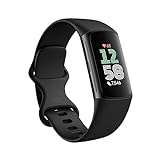
- Find your way seamlessly during runs or rides with turn-by-turn directions from Google Maps on Fitbit Charge 6[7, 8]; and when you need a snack break on the go, just tap to pay with Google Wallet[8, 9]
Devices like Fitbit Charge 2 and Garmin vivosmart HR+ reflected this shift toward seriousness. They focused less on gimmicks and more on metrics users could act on, such as resting heart rate trends, VO2 max estimates, and structured activity tracking. Comfort and wearability improved as well, with slimmer housings, softer elastomers, and displays designed for all-day visibility rather than occasional glances.
GPS and heart-rate accuracy stopped being premium-only features
2017 marked the year built-in GPS crossed from niche sports watches into mainstream fitness trackers. Products such as the Fitbit Ionic and Garmin vívosport made location tracking accessible without forcing users into bulky, multi-button designs. This was a critical moment for runners and cyclists who wanted phone-free tracking without committing to a full training watch.
At the same time, optical heart-rate sensors became more trustworthy during higher-intensity workouts. While chest straps still ruled for precision, wrist-based tracking finally reached a level where trends, zones, and recovery metrics felt meaningful. Battery life also improved enough to support GPS workouts while still lasting several days, reinforcing trackers as daily companions rather than session-only tools.
The beginning of smartwatch and tracker hybridization
The clean divide between fitness tracker and smartwatch effectively collapsed in 2017. Devices began offering notifications, music control, and basic app support alongside health tracking, even if the software ecosystems were limited. This hybrid approach acknowledged that users did not want to choose between fitness and convenience.
Fitbit’s move with Ionic and Garmin’s expansion of Connect IQ signaled a broader strategy shift. Rather than compete head-on with Apple on apps, these brands focused on fitness-first experiences with just enough smart functionality to reduce friction in daily life. The result set the template for modern fitness watches that prioritize training, battery life, and durability while still handling everyday tasks.
Market pressure forced brands to define who they were for
2017 was also a year of reckoning for the industry. Jawbone exited the market, Pebble’s legacy formally ended, and smaller players struggled to keep pace with rising development costs. Survival required clear identity, whether that meant mass-market wellness, performance training, or premium smartwatch positioning.
This pressure led to sharper product lineups and fewer confusing overlaps. Companies invested more heavily in companion apps, long-term data tracking, and platform lock-in, recognizing that hardware alone was no longer the product. That realization, forged in 2017, laid the groundwork for today’s ecosystem-driven wearables where software experience matters as much as the device on your wrist.
The Market at the Start of 2017: Slowing Growth, Rising Expectations
As brands sharpened their identities and platforms hardened into ecosystems, the industry entered 2017 on noticeably less forgiving footing. Fitness trackers were no longer novelties, and the easy growth driven by first-time buyers had largely run its course. What remained was a more skeptical, better-informed audience that expected tangible progress with each upgrade.
From explosive adoption to replacement-driven sales
By early 2017, most active consumers already owned some form of wrist-worn tracker. The market shifted from rapid expansion to replacement cycles, which immediately raised the bar for innovation and value. Incremental step-counting improvements were no longer enough to justify upgrading hardware that still functioned adequately day to day.
This change put pressure on brands to deliver clearer benefits, whether through better sensors, longer battery life, or features that extended beyond workouts. Devices had to earn wrist time 24/7, not just during runs or gym sessions. Comfort, thinner cases, lighter materials, and straps that could survive sweat while still looking acceptable at work became non-negotiable.
Consumers expected more than steps and sleep
By 2017, basic activity tracking had become table stakes. Buyers expected continuous heart-rate monitoring that worked during intervals, sleep data that felt actionable, and GPS that did not destroy battery life after a single workout. Accuracy mattered more because users were increasingly comparing wrist data against gym machines, chest straps, and past devices.
This rising expectation also extended to software. Companion apps needed to load quickly, present trends clearly, and make long-term data feel meaningful rather than overwhelming. Platforms that failed to evolve their coaching, recovery insights, or health summaries risked feeling dated even if the hardware itself was competent.
Apple set the pace, but not the rules
Apple Watch loomed large at the start of 2017, redefining what mainstream consumers thought a wearable should do. Its smooth notifications, app ecosystem, and polished hardware finish raised expectations across the category, even among buyers who preferred fitness-first devices. However, its battery life and training limitations left room for specialists to compete.
This dynamic forced companies like Fitbit, Garmin, and Polar to respond thoughtfully rather than imitate directly. They leaned into multi-day battery life, always-on tracking, physical buttons for workouts, and training tools that worked reliably with sweaty hands and gloves. The result was a clearer philosophical split: lifestyle smartwatch convenience versus endurance-friendly fitness functionality.
Price sensitivity tightened across every tier
Another defining pressure at the start of 2017 was pricing discipline. Entry-level trackers were expected to be affordable and simple, while midrange devices had to justify higher prices with visible hardware upgrades like GPS, water resistance suitable for swimming, and brighter, more legible displays. Premium pricing without clear differentiation quickly drew criticism.
Value was increasingly judged over months of use rather than out-of-box impressions. Battery degradation, strap durability, software updates, and customer support all factored into whether a device felt worth its cost. This scrutiny rewarded brands that invested in long-term usability and punished those chasing short-term feature checklists.
A maturing market demanded clarity and confidence
Taken together, these forces made the start of 2017 feel like a proving ground. Growth had slowed, competition intensified, and users were no longer willing to tolerate half-finished ideas or vague promises of future updates. Fitness trackers had to be reliable tools, comfortable daily wearables, and credible long-term companions.
This environment set the tone for the rest of the year. Every launch in 2017 would be judged not just on what it added, but on how convincingly it answered the question of why it deserved a place on an already crowded wrist.
Fitbit’s Defining Year: From Band Specialist to Smartwatch Aspirations
Against this backdrop of tightening expectations and clearer category boundaries, no company entered 2017 under more scrutiny than Fitbit. Once synonymous with the fitness tracker itself, Fitbit now faced slowing growth, increased competition from Apple and Garmin, and rising skepticism about whether band-style trackers alone could sustain the brand long term.
The year forced Fitbit to confront an uncomfortable truth: leadership in steps and sleep was no longer enough. To remain relevant, it needed to expand upward without losing the everyday usability and battery endurance that had made its trackers appealing in the first place.
A company built on bands, now under pressure
At the start of 2017, Fitbit’s portfolio was still anchored by familiar silhouettes. Devices like the Charge 2 and Alta HR refined what Fitbit already did well, pairing slim, lightweight hardware with continuous heart-rate tracking, multi-day battery life, and class-leading sleep analysis.
These trackers were comfortable to wear 24/7, with soft elastomer straps, low-profile housings, and displays designed for quick glances rather than constant interaction. For many users, that unobtrusiveness remained a core advantage over bulkier GPS watches or full smartwatches.
But refinement was no longer enough. Competitors were matching Fitbit on heart-rate accuracy, offering built-in GPS at similar prices, and layering in more sophisticated training metrics. Fitbit’s absence from the true GPS fitness watch category was becoming increasingly conspicuous.
The Charge 2 and Alta HR: evolution, not disruption
The Charge 2, released late in 2016 but carrying Fitbit into 2017, represented the peak of Fitbit’s band-centric philosophy. Its larger OLED display improved readability, interchangeable straps added a degree of personalization, and battery life regularly stretched to five days or more with heart-rate tracking enabled.
It handled everyday fitness well, tracking steps, workouts, sleep stages, and guided breathing sessions, all synced to Fitbit’s polished mobile app. However, the lack of onboard GPS meant runners still relied on connected phone GPS, limiting its appeal as a standalone training device.
The Alta HR followed a similar path, prioritizing slimness and comfort over feature expansion. Its heart-rate sensor and sleep-stage tracking brought meaningful upgrades to a fashion-oriented band, but it also underscored Fitbit’s reliance on incremental updates rather than category-shifting hardware.
The realization: Fitbit needed more than trackers
By mid-2017, it was clear Fitbit’s future could not rest solely on bands, no matter how well executed. The market was shifting toward hybrid devices that blended fitness tracking with smartwatch-like experiences, and Fitbit lacked an answer to the Apple Watch beyond price and battery life.
Software limitations became harder to ignore. Fitbit OS was stable and approachable, but app support remained shallow, notifications were basic, and there was little sense of extensibility compared to watchOS or even Garmin’s Connect IQ ecosystem.
Fitbit’s leadership recognized that staying fitness-first did not mean staying screen-light. Users wanted richer displays, more interactive experiences, and a device that could plausibly replace a watch rather than merely accompany one.
The Ionic announcement: a pivotal pivot
That realization culminated in the announcement of the Fitbit Ionic in August 2017, the company’s first true smartwatch. This was not a band with ambitions; it was a square-faced watch with built-in GPS, on-device music storage, Wi‑Fi, NFC for Fitbit Pay, and a color touchscreen designed for apps.
Physically, the Ionic marked a sharp departure. Its aluminum unibody case, angular industrial design, and integrated strap system made it feel more like a tech product than a fitness accessory. It was lightweight for its size, but undeniably bulkier than any Fitbit before it.
Battery life remained a priority, with Fitbit promising up to four days in smartwatch mode and around 10 hours of GPS use. That endurance advantage over the Apple Watch became a central pillar of Fitbit’s messaging.
Fitness credibility first, smartwatch second
Despite its smartwatch positioning, the Ionic remained rooted in fitness fundamentals. It introduced Fitbit’s first on-device GPS tracking, improved heart-rate accuracy during workouts, and a more advanced motion sensor array that enabled features like swim stroke detection.
The watch supported structured workouts with on-screen guidance, physical side buttons for more reliable control during exercise, and water resistance suitable for pool and open-water swimming. These choices reflected Fitbit’s awareness of the frustrations athletes had with touch-only interfaces and limited training depth.
Yet the Ionic’s training tools still lagged behind Garmin’s in customization and data richness. Advanced metrics like VO2 max trends and recovery insights were present, but not as deeply integrated or actionable as those offered by dedicated sports watches.
The software gamble and ecosystem challenges
Fitbit OS 2.0 debuted alongside the Ionic, bringing a redesigned interface optimized for larger screens. Navigation was intuitive, animations were smooth, and fitness stats remained front and center, reinforcing Fitbit’s clarity of purpose.
Rank #2

- Inspire 3 is the tracker that helps you find your energy, do what you love and feel your best. All you have to do is wear it.Operating temperature: 0° to 40°C
- Move more: Daily Readiness Score(1), Active Zone Minutes, all-day activity tracking and 24/7 heart rate, 20+ exercise modes, automatic exercise tracking and reminders to move
- Stress less: always-on wellness tracking, daily Stress Management Score, mindfulness sessions, relax breathing sessions, irregular heart rhythm notifications(2), SpO2(3), menstrual health tracking, resting heart rate and high/low heart rate notifications
- Sleep better: automatic sleep tracking, personalized Sleep Profile(1), daily detailed Sleep Score, smart wake vibrating alarm, sleep mode
- Comfortably connected day and night: calls, texts & smartphone app notifications(4), color touchscreen with customizable clock faces, super lightweight and water resistant to 50 meters, up to 10 day battery life(5)
However, the app ecosystem struggled to gain momentum. Third-party apps were sparse, music support leaned heavily on local file transfers rather than streaming services, and smartwatch conveniences like voice assistants were notably absent at launch.
This imbalance highlighted the central tension of Fitbit’s 2017 strategy. The company wanted to compete with smartwatches without becoming one entirely, but users increasingly judged devices by what they could do beyond fitness.
Market reception and what it revealed
Initial reactions to the Ionic were mixed, and telling. Reviewers praised its battery life, GPS reliability, and fitness focus, while criticizing its design, limited app selection, and high price relative to its perceived smartwatch capabilities.
For longtime Fitbit users, the Ionic felt like an ambitious but imperfect step forward. For smartwatch buyers, it often felt like a fitness watch trying to play catch-up in a space already defined by Apple.
Still, its importance went beyond sales numbers. The Ionic proved Fitbit was willing to rethink its hardware, invest in a new operating system, and accept short-term risk in pursuit of long-term relevance.
A transitional year that reshaped Fitbit’s identity
Viewed in hindsight, 2017 was not about Fitbit getting everything right. It was about acknowledging that the era of single-purpose fitness bands was ending, and that the company’s future depended on expanding its definition of what a Fitbit could be.
The lessons learned from the Ionic would directly influence later devices, from the Versa line’s softer design language to a more balanced approach between smartwatch features and fitness fundamentals. Fitbit’s defining year was less about dominance and more about direction, setting the stage for the next phase of its evolution.
Garmin, Polar, and the Rise of Serious Sports Tracking
As Fitbit wrestled with the meaning of a fitness-first smartwatch, a different segment of the market moved with far less uncertainty. Garmin and Polar entered 2017 with a clear thesis: fitness trackers did not need to become general-purpose smartwatches if they could become indispensable training tools.
This contrast sharpened the industry divide. Where Fitbit debated apps and assistants, Garmin and Polar doubled down on physiology, performance metrics, and durability, appealing directly to runners, cyclists, triathletes, and endurance athletes who cared more about training load than notification density.
Garmin’s 2017 playbook: refine, don’t reinvent
Garmin’s approach in 2017 was evolutionary, not disruptive, and that was precisely its strength. The Fenix 5 series launched early in the year, refining an already respected formula with improved wrist-based heart rate, smaller case options, and better everyday wearability without sacrificing ruggedness.
Available in multiple sizes and materials, including stainless steel and sapphire crystal variants, the Fenix 5 felt closer to a traditional sports watch than a gadget. Battery life stretched comfortably into the multi-day range even with GPS use, reinforcing Garmin’s advantage over smartwatch-first competitors.
The Forerunner 935 and the maturation of multisport watches
If the Fenix line represented Garmin’s premium outdoor ethos, the Forerunner 935 distilled its performance tech into a lighter, more purpose-built form. Weighing noticeably less than the Fenix while offering nearly identical internals, it became a quiet favorite among serious runners and triathletes.
Advanced metrics powered by Firstbeat analytics, including VO2 max estimates, training load, recovery time, and race performance predictions, turned raw data into actionable insight. In 2017, this level of depth was still rare outside Garmin’s ecosystem.
Software depth over smartwatch polish
Garmin Connect was not flashy, but it was comprehensive. Athletes could analyze workouts across weeks and months, customize data fields, and sync seamlessly with third-party platforms like Strava and TrainingPeaks.
Smart features existed, including notifications and basic music controls, but they were clearly secondary. Garmin’s watches felt unapologetically like training instruments that happened to live on your wrist all day.
Polar’s quieter but focused resurgence
Polar entered 2017 with less fanfare but a renewed sense of direction. The Polar M430, launched mid-year, exemplified the brand’s emphasis on heart-rate accuracy and running fundamentals rather than feature overload.
Its understated plastic shell prioritized comfort and low weight, making it easy to wear during long training sessions and sleep tracking. Battery life and GPS reliability were competitive, but Polar’s real differentiator remained its heart-rate algorithms and training guidance.
Training insight as Polar’s core identity
Polar Flow emphasized recovery, sleep quality, and training balance at a time when many competitors treated these as secondary metrics. Features like Running Program and continuous heart-rate monitoring reinforced Polar’s long-standing belief that structured guidance mattered more than raw numbers.
The data presentation felt more coaching-oriented than Garmin’s performance dashboards. For athletes who wanted reassurance and direction rather than endless metrics, Polar’s approach resonated.
The M600 and the limits of smartwatch hybridization
Polar also experimented with smartwatch convergence through the Android Wear-powered M600. While it offered Google’s app ecosystem and voice control, it struggled with bulk, battery life, and the compromises inherent in early smartwatch platforms.
In practice, it reinforced a broader 2017 lesson. Serious athletes were willing to trade apps and assistants for reliability, accuracy, and endurance, especially during long workouts and races.
Redefining what “advanced” meant in wearables
By the end of 2017, Garmin and Polar had helped redefine the ceiling for fitness tracking. Wrist-based heart rate had matured enough to be trusted for structured training, GPS accuracy had stabilized, and software analytics became a key differentiator rather than a bonus feature.
These brands did not chase mass-market appeal. Instead, they set expectations that would later influence everyone else, including Fitbit and even smartwatch makers, about what serious fitness tracking should deliver.
A widening gap between lifestyle and performance wearables
The year made one thing clear. Fitness trackers were no longer a single category, but a spectrum ranging from lifestyle health companions to full-fledged training computers.
Garmin and Polar anchored the performance end of that spectrum in 2017. Their focus on depth over breadth ensured that while they might never dominate unit sales, they would define credibility in sports tracking for years to come.
Apple Watch Series 3 and the Blurring Line Between Trackers and Smartwatches
If Garmin and Polar defined the performance extreme in 2017, Apple quietly redrew the center of the spectrum. The Apple Watch Series 3 did not try to out-muscle dedicated training watches on battery life or advanced metrics, but it fundamentally changed what the average consumer expected a fitness tracker to be.
By this point, Apple had already normalized the idea that a smartwatch could double as a daily activity companion. Series 3 went further, positioning fitness and health as core features rather than secondary perks layered on top of notifications.
LTE arrives and the watch becomes the product
The headline feature was optional LTE connectivity, allowing the Apple Watch Series 3 to operate independently of the iPhone for calls, messages, and streamed music. For runners and gym-goers, this mattered more than it sounded, because it removed the phone from workouts without sacrificing connectivity.
From a fitness tracking perspective, this independence was symbolic. The watch was no longer an accessory; it was a self-contained device capable of supporting workouts, GPS tracking, and real-world use on its own terms.
Battery life remained firmly in smartwatch territory, typically one day with mixed use and far less with LTE engaged. But Apple framed that compromise as acceptable for a device designed to be worn all day, every day, rather than just during training sessions.
Fitness tracking that prioritized consistency over depth
Compared to Garmin and Polar, Apple’s approach to fitness data in 2017 was deliberately restrained. The Apple Watch Series 3 offered GPS, wrist-based heart rate, VO2 max estimates, and automatic workout detection, but avoided overwhelming users with advanced training metrics.
The Activity Rings system continued to anchor the experience. Move, Exercise, and Stand goals encouraged daily consistency rather than peak performance, subtly reframing fitness tracking as a behavioral tool instead of a performance dashboard.
For many users, this was the breakthrough. The Apple Watch did not ask you to understand training load or recovery curves; it simply asked you to move more today than yesterday, and it made that feedback impossible to ignore.
Hardware refinement and everyday wearability
Physically, Series 3 refined rather than reinvented Apple’s design language. The familiar rounded-square case, available in 38mm and 42mm sizes, balanced screen readability with comfort, even for smaller wrists.
Materials ranged from aluminum to stainless steel and ceramic, reinforcing Apple’s positioning across both mass-market and premium segments. Interchangeable bands, from sport silicone to leather and steel link bracelets, allowed the same device to transition from gym wear to office attire with ease.
This focus on comfort and finish mattered. Unlike many fitness-first devices of the time, the Apple Watch felt like something you wanted to wear constantly, not just tolerate during workouts.
Rank #3

- 【BUILT-IN GPS SMART WATCH – GO FURTHER, FREER, SMARTER】No phone? No problem. This fitness watch for women, featuring the latest 2025 technology, includes an advanced professional-grade GPS chip that precisely tracks every route, distance, pace (real-time & average), and calorie burned—completely phone-free. Whether you're chasing new personal records or exploring off the beaten path, your full journey is automatically mapped and synced in the app. Train smarter. Move with purpose. Own your progress. Own your journey.
- 【BLUETOOTH 5.3 CALLS & SMART NOTIFICATIONS】Stay effortlessly connected with this smart watch for men and women, featuring dual Bluetooth modes (BT 3.0 + BLE 5.3) and a premium microphone for crystal-clear calls right from your wrist—perfect for driving, workouts, or busy days. Receive instant alerts for calls, texts, and popular social apps like WhatsApp and Facebook. Just raise your wrist to view notifications and never miss an important moment.
- 【100+ SPORT MODES & IP68 WATERPROOF & DUSTPROOF】This sport watch is a versatile activity and fitness tracker with 100+ modes including running, cycling, yoga, and more. It features quick-access buttons and automatic running/cycling detection to start workouts instantly. Accurately track heart rate, calories, distance, pace, and more. Set daily goals on your fitness tracker watch and stay motivated with achievement badges. With IP68 waterproof and dustproof rating, it resists rain and sweat for any challenge. Not suitable for showering, swimming, or sauna.
- 【24/7 HEALTH ASSISTANT & SMART REMINDERS】This health watch continuously monitors heart rate, blood oxygen, and stress levels for comprehensive wellness tracking. Sleep monitoring includes deep, light, REM sleep, and naps to give you a full picture of your rest. Stay on track with smart reminders for sedentary breaks, hydration, medication, and hand washing. Women can also monitor menstrual health. Includes guided breathing exercises to help you relax. Your ultimate health watch with event reminders for a healthier life.
- 【ULTRA HD DISPLAY, LIGHTWEIGHT & CUSTOMIZABLE DIALS】This stylish wrist watch features a 1.27-inch (32mm) 360×360 ultra HD color display with a 1.69-inch (43mm) dial, offering vivid details and responsive touch. Its minimalist design fits both business and casual looks. Switch freely among built-in designer dials or create your own DIY watch face using photos, colors, and styles to showcase your unique personality. Perfect as a cool digital watch and fashion wrist watch.
watchOS and the slow maturation of health features
watchOS in 2017 was still evolving, but it had reached a level of stability that made daily use frictionless. Workout tracking was reliable, heart-rate data was consistent for steady-state efforts, and third-party app support continued to grow.
While it lacked advanced recovery metrics, Apple quietly laid the groundwork for long-term health monitoring. Features like resting heart-rate trends and activity history hinted at a broader health narrative that would only become clearer in later generations.
This positioned Apple differently from traditional fitness brands. The Apple Watch was not about maximizing today’s workout, but about building a multi-year relationship with the user’s health data.
Redefining the middle of the wearable market
In the context of 2017, the Apple Watch Series 3 effectively collapsed the distinction between fitness trackers and smartwatches for mainstream buyers. It tracked workouts well enough, looked good enough to wear all day, and offered just enough smart features to feel indispensable.
This created pressure across the industry. Fitbit would soon push harder into smartwatches, while Garmin began refining lifestyle-focused models that borrowed cues from Apple’s polish and usability.
The Series 3 did not dethrone performance watches, but it shifted the center of gravity. From that point on, any wearable aiming for mass appeal had to balance fitness credibility with everyday utility, a line Apple had now made impossible to ignore.
Key Technology Shifts in 2017: Heart-Rate Accuracy, GPS, and Battery Life
As Apple pulled the center of the market toward all-day wearability, the underlying technology inside fitness trackers was also quietly maturing. 2017 was less about flashy new sensors and more about making existing ones trustworthy enough to rely on every day, whether for structured workouts or passive health tracking.
Three areas in particular defined that progress. Optical heart-rate monitoring became meaningfully better, GPS finally reached mass-market fitness trackers, and battery life settled into more predictable, user-friendly patterns that shaped how devices were actually used.
Optical heart-rate monitoring grows up
By 2017, wrist-based optical heart-rate sensors were no longer a novelty, but accuracy had been a persistent pain point. Earlier generations struggled with interval training, cycling, weightlifting, and darker skin tones, often producing erratic spikes or lagging data that undermined user trust.
Sensor hardware improved incrementally, but the real gains came from algorithms. Fitbit’s PurePulse updates, Garmin’s Elevate sensor refinements, and Apple’s second-generation heart-rate system all focused on better motion filtering and more frequent sampling during workouts.
In real-world use, this translated to fewer obvious errors during steady-state cardio like running and treadmill sessions. While chest straps still dominated for precision, many users found wrist-based readings “good enough” for tracking trends, which was a critical psychological shift for mainstream adoption.
Form factors also played a role. Wider sensor arrays, better skin contact, and softer straps reduced micro-movements on the wrist, improving signal quality. Devices like the Fitbit Charge 2 and Garmin vívosmart HR+ benefited from being slightly larger but more stable during exercise.
Just as important was how the data was presented. Resting heart rate, daily averages, and long-term trends became central to dashboards, reinforcing the idea that heart-rate tracking was not just about workouts, but about overall health and recovery patterns.
Built-in GPS reaches smaller, cheaper trackers
Before 2017, GPS was largely reserved for dedicated running watches with thicker cases and higher price tags. That changed as chipsets became more power-efficient and manufacturers found ways to integrate antennas into slimmer designs.
Fitbit’s Charge 2 added connected GPS earlier, but the real turning point was devices like the Garmin vívosmart HR+ and Fitbit Ionic, which brought full, phone-free GPS to more lifestyle-oriented wearables. This allowed runners to leave their phones at home while still capturing pace, distance, and route data.
Accuracy varied by brand and environment. Garmin’s multi-constellation support generally performed better in urban areas and tree cover, while Fitbit’s early GPS implementations sometimes struggled with longer lock-on times. Still, the mere presence of GPS changed user expectations overnight.
GPS also reshaped device design. Cases grew slightly thicker, weight increased marginally, and battery trade-offs became more visible. Yet most users accepted these compromises in exchange for freedom and cleaner activity data.
For many buyers in 2017, GPS became the line between a “serious” fitness tracker and a casual step counter. That distinction would continue to blur in later years, but this was the moment when route tracking stopped being a niche feature.
Battery life becomes a design philosophy
Battery life in 2017 was less about chasing extreme numbers and more about predictability. Users wanted devices that fit into their routines without constant charging anxiety, especially as wearables became all-day companions rather than workout-only tools.
Fitbit continued to dominate in this area, with trackers routinely delivering five to seven days of use, even with frequent workouts. Garmin balanced longer battery life with GPS usage, often offering a week of smartwatch use or eight to ten hours of continuous GPS tracking.
Apple, by contrast, doubled down on a daily charging model. While the Series 3 rarely lasted more than 36 hours, fast charging and consistent performance made the trade-off acceptable for users who valued smart features and LTE connectivity.
These differing philosophies reflected broader brand identities. Fitness-first companies optimized for endurance and simplicity, while smartwatch-focused brands prioritized performance, screens, and software responsiveness over multi-day longevity.
Charging behavior also evolved. Magnetic chargers, cleaner dock designs, and more accurate battery percentage reporting reduced friction, making even shorter battery life feel manageable in daily use.
The cumulative impact on daily usability
What made 2017 pivotal was not any single breakthrough, but the way these technologies matured together. Heart-rate data became reliable enough to trust, GPS became accessible enough to expect, and battery life became predictable enough to plan around.
This convergence shifted how people used their devices. Trackers were worn overnight for resting heart-rate and sleep data, used independently for outdoor workouts, and trusted as long-term health companions rather than occasional accessories.
The groundwork laid in 2017 still defines modern wearables. Today’s advanced metrics, multi-band GPS, and week-long batteries are evolutionary, not revolutionary, improvements on foundations that solidified during this transitional year.
Design Evolution: From Minimal Bands to Hybrid and Lifestyle Wearables
As battery life and sensor reliability stabilized, design became the next competitive frontier. In 2017, fitness trackers stopped looking like gadgets you tolerated and started resembling objects you chose to wear, even when you were not working out.
This shift was not about luxury for its own sake. It was about making devices comfortable, discreet, and versatile enough to live on the wrist all day and night, aligning with the broader move toward continuous tracking described earlier.
The refinement of the minimalist band
Early fitness trackers were unapologetically utilitarian, but by 2017 minimal bands had reached a level of polish that felt intentional rather than compromised. Devices like the Fitbit Flex 2 and Alta HR slimmed down housings, softened edges, and reduced visual clutter without sacrificing durability or water resistance.
Materials mattered more than before. Softer-touch silicone, improved clasp mechanisms, and better weight distribution made these bands more comfortable for sleep tracking and long workdays, not just workouts.
Importantly, screens became optional rather than mandatory. Many users preferred subtle LED indicators or small vertical displays that conveyed progress without dominating the wrist, reinforcing the idea that fitness data should support daily life rather than interrupt it.
Displays grew sharper, but more restrained
Where screens were present, 2017 favored clarity over spectacle. OLED displays on devices like the Fitbit Charge 2 delivered better contrast and outdoor readability without significantly impacting battery life.
Screen sizes increased slightly, but bezels thinned and proportions improved. The result was a more watch-like footprint that sat flatter on the wrist and avoided the top-heavy feel common in earlier generations.
Touch interaction also matured. Swipes and taps became more reliable, reducing reliance on physical buttons and allowing cleaner case designs that were easier to seal against sweat and water ingress.
The rise of hybrid watches as a design compromise
One of the clearest design statements of 2017 was the resurgence of hybrid smartwatches. Brands like Withings, Fossil, and Garmin leaned into traditional analog watch aesthetics while quietly embedding fitness tracking beneath the dial.
These devices used conventional quartz movements paired with sub-dials or discreet hand movements to show steps, activity goals, or sleep progress. The appeal was immediate: weeks or months of battery life, familiar proportions, and zero learning curve for users coming from traditional watches.
Rank #4

- 24H Accurate Heart Rate Monitoring: Go beyond basic tracking. Our watch automatically monitors your heart rate, blood oxygen (SpO2), and sleep patterns throughout the day and night. Gain deep insights into your body's trends and make informed decisions for a healthier lifestyle.
- Practical Sports Modes & Smart Activity Tracking: From running and swimming to yoga and hiking, track a wide range of activities with precision. It automatically records your steps, distance, calories burned, and duration, helping you analyze your performance and crush your fitness goals.
- 1-Week Battery Life & All-Day Wear: Say goodbye to daily charging. With an incredible up to 7-10 days of battery life on a single charge, you can wear it day and night for uninterrupted sleep tracking and worry-free travel. Stay connected to your data without the hassle.
- Comfortable to Wear & IP68 Waterproof: The lightweight, skin-friendly band is crafted for all-day comfort, even while you sleep. With IP68 waterproof, it withstands rain, sweat, It is not suitable for swimming or showering.
- Ease of Use and Personalized Insights via Powerful App: The display is bright and easy to read, even outdoors. Unlock the full potential of your watch. Sync with our dedicated app to view detailed health reports, customize watch faces, set sedentary reminders, and manage your preferences with ease.
Hybrids were not feature-rich by modern standards, but they solved a real problem. They allowed health tracking without forcing users to adopt a glowing screen or abandon their personal style, expanding the wearable audience beyond fitness enthusiasts.
Lifestyle-first design and interchangeable straps
Strap systems became a defining feature in 2017. Tool-free quick-release mechanisms allowed users to swap silicone bands for leather or metal in seconds, transforming a workout tracker into an office-appropriate accessory.
Fitbit, Garmin, and third-party accessory makers all leaned into this modularity. A single device could serve multiple roles across a day, reinforcing the idea that wearables were no longer single-purpose tools.
Comfort improved alongside aesthetics. Better curvature, more breathable materials, and a wider range of sizes reduced pressure points and skin irritation, particularly for users wearing trackers 24/7.
Gender, sizing, and the move toward inclusivity
Design evolution in 2017 also acknowledged that wrists are not one-size-fits-all. Brands introduced smaller case options, slimmer bands, and more neutral colorways that moved beyond the early “tech bracelet” look.
This was not just about marketing. Better sizing improved sensor contact for heart-rate accuracy and made long-term wear more realistic for users who had previously found trackers bulky or uncomfortable.
The result was a broader adoption curve. Wearables began to feel personal rather than generic, setting expectations that modern devices still follow.
Design as a signal of long-term intent
By the end of 2017, the physical design of fitness trackers sent a clear message. These were no longer transitional gadgets on the way to something else, but established products meant to be worn continuously and upgraded thoughtfully.
The convergence of minimal bands, refined displays, and hybrid watches reflected a market learning to respect the wrist as both a functional and personal space. That design philosophy, more than any single device, became one of the year’s most enduring legacies.
The Brands That Struggled or Exited: Lessons from Missteps and Consolidation
As fitness trackers matured in design and daily wearability, 2017 also exposed how unforgiving the category had become. Better-looking hardware raised expectations elsewhere, and brands that failed to match that polish with reliable software, clear positioning, or sustainable ecosystems quickly fell behind.
What followed was a year of quiet exits, stalled product lines, and consolidation that reshaped the competitive landscape just as trackers were becoming mainstream.
Jawbone: When industrial design wasn’t enough
Jawbone’s UP series still looked elegant in 2017, with slim profiles, soft-touch materials, and excellent comfort for all-day wear. But the lack of a screen, inconsistent syncing, and worsening customer support eroded trust at a time when rivals were adding displays, notifications, and better heart-rate tracking.
By mid-2017, Jawbone had liquidated assets and exited the wearables business entirely. The lesson was stark: design leadership without operational stability and software reliability is not a survivable strategy in wearables.
Pebble’s afterlife and the limits of community loyalty
Pebble itself was gone before 2017 began, but the fallout from Fitbit’s late-2016 acquisition played out across the year. Existing Pebble users clung to their watches for battery life and platform openness, yet development slowed and services were gradually sunset.
Pebble proved that strong software ideas and enthusiast loyalty could not overcome scale disadvantages. In a market moving toward health metrics, sensor investment, and cross-platform services, charm and hackability were no longer enough.
Misfit and the fading of minimalist trackers
Misfit’s screenless, coin-cell-powered trackers had once felt refreshingly different. By 2017, however, devices like the Shine and Ray struggled to justify themselves against similarly small bands offering heart-rate tracking, rechargeable batteries, and richer apps.
After Fossil’s acquisition, Misfit’s technology focus shifted toward hybrids and licensed smartwatches rather than pure fitness trackers. The minimalist tracker, once a gateway device, was becoming a niche with shrinking relevance.
Microsoft Band and the cost of overengineering
Microsoft officially discontinued the Band line in late 2016, but 2017 highlighted why its absence mattered. The Band 2 had impressive sensors, GPS, and a bold curved display, yet suffered from bulky dimensions, mediocre battery life, and unclear positioning between smartwatch and fitness tool.
Its failure underscored that feature density alone does not guarantee success. Comfort, ecosystem focus, and long-term platform commitment mattered more than sensor checklists.
Intel, Basis, and the dangers of rushing health hardware
Intel’s exit from wearables in 2017 followed the troubled history of the Basis Peak, recalled over overheating issues. Despite advanced heart-rate sensors and sleep tracking, the device exposed how risky health-focused hardware could be without exhaustive testing and clear accountability.
As trackers moved closer to medical-adjacent use cases, the Basis episode became a cautionary tale. Trust, safety, and regulatory awareness were becoming non-negotiable.
Nokia and Withings: When brand transitions disrupt momentum
Nokia’s acquisition of Withings created uncertainty throughout 2017. Products like the Steel HR remained well-built, with excellent battery life and subtle hybrid design, but branding changes and slower iteration dulled the company’s momentum.
The situation showed how fragile consumer confidence can be during corporate transitions. Even strong hardware can lose relevance if the roadmap feels unclear.
What consolidation revealed about the market
By the end of 2017, the tracker market had little room for experimentation without scale. Platform support, app reliability, long-term updates, and customer service were now table stakes, not differentiators.
Brands that survived understood that wearables were no longer accessories sold on novelty. They were infrastructure products, expected to work quietly, improve over time, and earn a permanent place on the wrist.
How Users Actually Used Fitness Trackers in 2017: Data, Motivation, and Fatigue
By 2017, the fitness tracker market had matured enough that usage patterns were no longer theoretical. After years of hype and rapid adoption, it became clear how people actually integrated trackers into daily life, and where reality diverged from early promises.
What emerged was a more nuanced picture: trackers were widely worn, selectively used, and often quietly abandoned once their initial motivational boost faded.
Step Counting Still Ruled, Even as Sensors Improved
Despite the push toward heart-rate variability, VO2 max estimates, and sleep stages, step counting remained the primary metric most users checked in 2017. Devices like the Fitbit Charge 2, Alta HR, and Garmin vívosmart HR+ showed that daily step goals were still the simplest and most actionable data point.
For many users, the screen experience mattered as much as accuracy. Compact OLED displays, clear progress rings, and vibration alerts made glancing at progress effortless, reinforcing habits without requiring deep app engagement.
Heart-rate tracking, while more accurate than earlier generations, was often treated as contextual data rather than a decision-making tool. Users noticed trends during workouts but rarely adjusted training plans based solely on heart-rate charts.
Sleep Tracking Became Passive, Not Transformational
Sleep tracking saw widespread adoption in 2017 largely because it required no effort. Once automatic sleep detection became reliable, users wore trackers overnight out of curiosity rather than commitment.
Devices with lightweight designs, soft elastomer straps, and minimal thickness, such as Fitbit’s slim bands and Withings’ hybrids, were far more likely to be worn 24/7. Comfort and battery life, especially multi-day or multi-week endurance, mattered more than granular sleep metrics.
While users enjoyed seeing sleep duration and restlessness scores, few made lasting behavioral changes. Sleep data was interesting, sometimes validating, but rarely actionable enough to drive long-term improvement.
Exercise Tracking Was Selective and Brand-Dependent
Dedicated exercise tracking in 2017 skewed toward specific user groups. Runners and cyclists gravitated toward Garmin and Polar for GPS reliability, physical buttons, and robust post-workout analysis.
Casual users, however, often relied on automatic activity recognition rather than manual workout modes. Trackers that quietly logged walks, runs, and bike rides without user input aligned better with real-world behavior.
This divide highlighted an important truth: most tracker owners were not training for events. They wanted acknowledgment of movement, not performance optimization.
💰 Best Value

- 【Superb Visual Experience & Effortless Operation】Diving into the latest 1.58'' ultra high resolution display technology, every interaction on the fitness watch is a visual delight with vibrant colors and crisp clarity. Its always on display clock makes the time conveniently visible. Experience convenience like never before with the intuitive full touch controls and the side button, switch between apps, and customize settings with seamless precision.
- 【Comprehensive 24/7 Health Monitoring】The fitness watches for women and men packs 24/7 heart rate, 24/7 blood pressure and blood oxygen monitors. You could check those real-time health metrics anytime, anywhere on your wrist and view the data record in the App. The heart rate monitor watch also tracks different sleep stages for light and deep sleep,and the time when you wake up, helps you to get a better understanding of your sleep quality.
- 【120+ exercise modes & All-Day Activity Tracking】There are more than 120 exercise modes available in the activity trackers and smartwatches, covering almost all daily sports activities you can imagine, gives you new ways to train and advanced metrics for more information about your workout performance. The all-day activity tracking feature monitors your steps, distance, and calories burned all the day, so you can see how much progress you've made towards your fitness goals.
- 【Messages & Incoming Calls Notification】With this smart watch fitness trackers for iPhone and android phones, you can receive notifications for incoming calls and read messages directly from your wrist without taking out your phone. Never miss a beat, stay in touch with loved ones, and stay informed of important updates wherever you are.
- 【Essential Assistant for Daily Life】The fitness watches for women and men provide you with more features including drinking water and sedentary reminder, women's menstrual period reminder, breath training, real-time weather display, remote camera shooting, music control,timer, stopwatch, finding phone, alarm clock, making it a considerate life assistant. With the GPS connectivity, you could get a map of your workout route in the app for outdoor activity by connecting to your phone GPS.
Notifications Helped Retention, But Didn’t Define Value
Basic smartphone notifications became a retention feature rather than a selling point. Call alerts, text previews, and calendar reminders kept trackers on wrists during work hours, especially for users not ready to jump to full smartwatches.
However, limited interaction, small screens, and lack of app ecosystems meant notifications were filtered rather than engaged with. Users appreciated awareness, not interactivity.
This subtle utility helped fitness trackers remain relevant in a world where smartwatches were gaining momentum, but it didn’t fundamentally change how people valued fitness data.
Motivation Peaks Were Short, Habits Were Fragile
One of the clearest lessons of 2017 was how motivation worked in cycles. New users often experienced a strong initial push, hitting step goals daily, closing rings, and responding to inactivity alerts.
Over time, however, novelty wore off. Missed goals accumulated, streaks broke, and dashboards became reminders of inconsistency rather than encouragement.
Social features, challenges, and badges helped temporarily, but they rarely overcame fatigue without meaningful personal relevance. Motivation tools worked best for users with existing routines, not those hoping trackers would create discipline from scratch.
Data Overload Began to Show Its Limits
As trackers collected more data, many users became less engaged with it. Charts multiplied, metrics stacked, and weekly reports grew longer without becoming clearer.
Apps that prioritized clarity and trend summaries, rather than raw data dumps, were easier to live with. Fitbit’s emphasis on daily readiness-style summaries and Garmin’s focus on training load hinted at solutions that would mature years later.
In 2017, however, many users simply stopped checking apps regularly, even if they kept wearing the hardware.
The Quiet Rise of Passive, Long-Term Wear
Perhaps the most telling shift in 2017 was how trackers faded into the background. The most successful devices were not the most feature-packed, but the ones that demanded the least attention.
Lightweight construction, reliable syncing, water resistance for showers and swims, and battery life measured in days or weeks encouraged passive use. Trackers became background infrastructure rather than daily projects.
This behavior foreshadowed the modern wearable philosophy: success is not constant engagement, but quiet consistency. In 2017, users made it clear that fitness trackers worked best when they supported life, not when they tried to manage it.
The Legacy of 2017: How That Year Shaped Modern Fitness Trackers and Wearables
By the end of 2017, it was clear that fitness trackers had crossed an important threshold. They were no longer novelties chasing mass adoption at any cost, but tools being judged on whether they could quietly earn a place in daily life.
Many of the frustrations, experiments, and small successes of that year directly informed how today’s wearables are designed, marketed, and used. Modern trackers are, in many ways, responses to lessons learned the hard way in 2017.
From Feature Races to Foundational Reliability
One of 2017’s lasting contributions was the realization that basic reliability mattered more than headline features. Inconsistent heart-rate readings, dropped GPS tracks, and buggy syncing eroded trust faster than any missing function.
Brands that survived and later thrived invested heavily in sensor accuracy, firmware stability, and background syncing. The modern expectation that a tracker “just works” traces back to user fatigue with unreliable hardware during this period.
Today’s focus on refined optical heart-rate sensors, multi-band GPS, and robust sleep detection owes as much to 2017’s failures as to its successes. The industry learned that no amount of innovation could compensate for bad data.
The Separation of Fitness Trackers and Smartwatches
In 2017, the line between fitness trackers and smartwatches was still blurry. Devices like the Fitbit Ionic and Garmin Vivoactive attempted to straddle both worlds, sometimes awkwardly.
What followed was a clearer market split. Fitness trackers doubled down on long battery life, lightweight cases, smaller displays, and passive health tracking, while smartwatches embraced apps, voice assistants, LTE, and richer screens at the cost of endurance.
Modern buyers now instinctively understand this tradeoff, but that clarity was forged in 2017. It was the year consumers learned to choose based on lifestyle fit rather than spec sheets.
Battery Life Became a Non-Negotiable Feature
If there was one universal complaint in 2017, it was charging fatigue. Devices that required daily charging struggled to maintain consistent wear, especially for sleep and recovery tracking.
This pressure pushed manufacturers toward more efficient displays, lower-power processors, and streamlined software. The emphasis on week-long battery life in modern trackers like the Fitbit Charge line or Garmin Vivosmart series can be traced directly to this shift.
Even today’s advanced AMOLED-equipped wearables often advertise endurance as aggressively as features, reflecting a lesson learned when users simply stopped wearing devices that asked too much of them.
The Rise of Health Context Over Raw Metrics
2017 exposed the limits of raw data presentation. Users were shown more charts than ever, yet many felt less informed about what to do with them.
This gap laid the groundwork for the contextual insights we now take for granted. Concepts like recovery scores, readiness indicators, long-term trends, and personalized baselines evolved from the recognition that numbers without interpretation were not empowering.
Modern platforms from Fitbit, Garmin, Apple, and others now emphasize guidance over volume, a philosophical shift rooted in the data overload of this era.
Design Maturity and All-Day Wearability
A quieter but important legacy of 2017 was the push toward better physical design. Early trackers often prioritized thinness or screen size over comfort, strap quality, and durability.
As users began wearing devices around the clock, issues like skin irritation, awkward clasp systems, cheap-feeling materials, and poor water resistance became deal-breakers. Manufacturers responded with softer elastomers, improved strap integration, better finishing, and cases that could survive showers, swims, and workouts without concern.
Today’s emphasis on comfort, lightweight construction, and true all-day wear owes much to the feedback loop that intensified in 2017.
Market Consolidation Shaped Long-Term Stability
The struggles of smaller players and the exit of once-promising brands underscored how difficult the wearable market had become. Hardware margins shrank, software expectations grew, and ecosystem depth became critical.
This consolidation ultimately benefited users. Fewer but stronger platforms meant longer software support, more consistent updates, and clearer product roadmaps.
The dominance of a handful of major ecosystems today reflects lessons learned during this turbulent period, when fragmentation hurt both consumers and manufacturers.
2017’s Lasting Influence on Modern Wearables
Looking back, 2017 stands as a turning point rather than a peak. It was the year the industry stopped asking what fitness trackers could do and started asking whether they truly fit into real lives.
Modern wearables are quieter, smarter, and more patient as a result. They prioritize consistency over novelty, guidance over noise, and long-term health awareness over short-term motivation.
For all its growing pains, 2017 shaped the philosophy that defines today’s fitness trackers. The devices on our wrists now are better not because technology suddenly advanced, but because the industry finally listened.