If you’ve ever looked at your smartwatch after a workout and wondered how that activity connects to what you eat, MyFitnessPal is usually the missing link. It’s one of the most widely used nutrition and calorie tracking apps in the world, designed to turn food, movement, and daily habits into something you can actually understand. For beginners, it removes the guesswork without demanding nutrition knowledge upfront.
Most people start with MyFitnessPal because it works quietly in the background of whatever fitness setup they already own. Whether you’re using an Apple Watch, a Wear OS smartwatch, a Garmin, or a Fitbit, MyFitnessPal is built to pull activity data in automatically and reflect it alongside your food intake. Instead of juggling multiple apps, you get one central place to see how eating and movement interact.
This section explains what MyFitnessPal actually does day to day, why it feels approachable even if you’ve never tracked a meal before, and how it fits into a smartwatch-based fitness routine. By the end, you should have a clear sense of whether this is the right starting point for you.
What MyFitnessPal actually is
At its core, MyFitnessPal is a food logging and calorie tracking app that helps you understand how much energy you consume versus how much you burn. You log meals, snacks, and drinks, and the app calculates calories and nutrients using a massive food database. It’s available on iOS, Android, and the web, so your data stays in sync across phone, computer, and wearable platforms.
🏆 #1 Best Overall
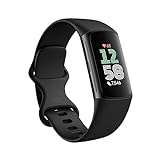
- Find your way seamlessly during runs or rides with turn-by-turn directions from Google Maps on Fitbit Charge 6[7, 8]; and when you need a snack break on the go, just tap to pay with Google Wallet[8, 9]
The app also tracks macronutrients like carbohydrates, protein, and fat, presenting them visually so beginners can spot patterns without digging into charts. You don’t need to follow a strict diet or hit perfect numbers for it to be useful. For most people, awareness is the first and most important win.
Why beginners find it unintimidating
MyFitnessPal doesn’t assume you know what a macro is or how many calories you “should” eat. During setup, it asks simple questions about age, height, weight, activity level, and goals, then suggests a daily calorie target that you can adjust later. This makes the first day feel manageable instead of overwhelming.
Logging food is intentionally flexible, with options like barcode scanning, recent foods, saved meals, and restaurant entries. If you forget to log a meal or estimate a portion, the app doesn’t punish you or lock features away. That forgiving design is a big reason beginners stick with it.
How it connects to smartwatches and fitness trackers
One of MyFitnessPal’s biggest strengths is how well it integrates with popular wearable ecosystems. Apple Watch users typically connect through Apple Health, while Fitbit, Garmin, and others sync directly or via companion platforms. Your steps, workouts, and estimated calorie burn flow into MyFitnessPal automatically.
This means your daily calorie budget can adjust based on real-world activity tracked on your wrist. Go for a long walk or log a strength session on your watch, and MyFitnessPal reflects that without manual input. For beginners, this tight integration reinforces the idea that movement and nutrition work together, not separately.
What it isn’t, and realistic expectations
MyFitnessPal isn’t a personal coach, meal delivery service, or medical tool. It won’t tell you exactly what to eat each day or guarantee weight loss just by using it. The app is best viewed as a mirror for your habits, not a rulebook.
Accuracy also depends on consistency and honesty, especially with portion sizes and homemade meals. Beginners sometimes expect perfection from day one, but MyFitnessPal works best when used as a learning tool over time. Small patterns matter more than flawless logs, especially in the first few weeks.
Free vs premium at a glance
The free version of MyFitnessPal is enough for most beginners, covering food logging, calorie tracking, basic macro breakdowns, and wearable integrations. You can connect your smartwatch, see activity calories, and log meals without paying anything. For learning the basics, nothing essential is locked away.
Premium adds deeper nutrient insights, custom macro goals, and a more ad-free experience. Those features are useful once you’re comfortable tracking and want finer control, but they’re not required to get value early on. Many users stay on the free tier for months or years without feeling limited.
How MyFitnessPal Actually Works: Calories, Macros, and Daily Targets Explained Simply
If you strip MyFitnessPal down to its core, it’s a daily numbers system designed to be forgiving and easy to learn. Everything revolves around a calorie target, supported by macro tracking and adjusted by your activity. Once you understand those three pieces, the app stops feeling intimidating and starts feeling predictable.
Calories: the main number MyFitnessPal cares about
When you first set up MyFitnessPal, it asks for basics like age, height, weight, sex, and activity level. Using those, it estimates how many calories your body needs each day to maintain your current weight. From there, it nudges that number up or down depending on whether your goal is weight loss, maintenance, or gain.
That daily calorie target is not a command, just a reference point. Think of it as a spending limit rather than a rule you must obey perfectly. Beginners often assume hitting it exactly matters, but staying roughly in range over time is what actually counts.
How food logging subtracts from your daily budget
Every food you log subtracts calories from your daily allowance. Scan a barcode, search the database, or save a frequent meal, and MyFitnessPal does the math instantly. The remaining calorie number updates in real time as you log breakfast, lunch, dinner, and snacks.
This is where the app’s massive food database becomes beginner-friendly. You don’t need to understand nutrition labels or calculate anything manually. Over time, you naturally start recognizing which foods “cost” more calories and which ones fit more easily into your day.
Macros explained without the nutrition science headache
Macros are simply where your calories come from: carbohydrates, protein, and fat. MyFitnessPal tracks them automatically in the background whenever you log food. You don’t have to think about percentages or grams on day one unless you want to.
For beginners, macros are best treated as awareness tools. You might notice you’re consistently low on protein or very high on carbs without trying to optimize anything. That awareness alone often leads to better food choices without rigid dieting.
Daily macro targets and why they’re optional at first
By default, MyFitnessPal assigns general macro targets that fit most people. These are not performance-focused or athlete-specific, and that’s intentional. They exist to provide balance, not perfection.
Premium users can customize macros more precisely, but beginners rarely need that control early on. Learning to log consistently matters far more than hitting exact macro ratios. Many experienced users ignore macro targets entirely for the first few weeks.
How exercise and smartwatch data change your calorie allowance
This is where wearables quietly do a lot of work for you. When your Apple Watch, Fitbit, Garmin, or Wear OS device records steps or workouts, that activity syncs into MyFitnessPal. The app then adds back estimated calories burned, increasing your daily allowance.
If you take a long walk or log a workout from your watch, you may see your remaining calories jump upward. That doesn’t mean you must eat them back. It simply reflects that your body used more energy that day.
Why activity calories are estimates, not exact science
Smartwatches estimate calorie burn using heart rate, movement, and personal data, but they are not lab-grade tools. MyFitnessPal treats these numbers as flexible inputs rather than guaranteed truths. That’s why the app focuses on trends over time instead of single-day precision.
For beginners, this is reassuring rather than limiting. You don’t need perfect data to make progress. Consistent logging paired with reasonable activity tracking is enough to build useful patterns.
Daily targets adapt, but they don’t punish you
One common fear is that MyFitnessPal will “punish” you for overeating or skipping workouts. It doesn’t lock you out, scold you, or reset your progress. The app simply records what happened and moves on to the next day.
This neutral design is a big reason beginners stick with it. Each day stands on its own, while long-term averages quietly do the real work in the background.
What beginners usually misunderstand at this stage
Many new users think they need to log everything perfectly from day one. In reality, partial logging is better than quitting, and accuracy improves naturally as you get familiar with portions and common foods. MyFitnessPal is designed to tolerate learning curves.
Another misconception is treating calorie targets as strict limits instead of guides. The app works best when you use it to understand habits, not enforce guilt. That mindset shift makes the entire system feel more sustainable.
Why this system works so well with wearables
Smartwatches excel at capturing movement, while MyFitnessPal excels at capturing intake. Together, they create a full picture without demanding constant manual input. You wear your watch, log your meals, and the ecosystem fills in the rest.
For beginners already wearing a smartwatch daily, this integration removes friction. The app adapts to your lifestyle instead of asking you to rebuild it from scratch.
Getting Started Step‑by‑Step: Setting Up Your Account the Right Way
Once you understand that MyFitnessPal is about patterns, not perfection, the setup process becomes far less intimidating. This is the moment where you quietly shape how helpful the app will be weeks and months from now. A few thoughtful choices here can save you frustration later, especially if you’re pairing it with a smartwatch or fitness tracker.
Step 1: Create your account on the right device
MyFitnessPal works on iOS, Android, and the web, but beginners should start on their phone. The mobile app is where most features live, and it’s also the hub for connecting smartwatches and fitness trackers. Even if you plan to check stats on a computer later, the phone app should be your starting point.
When signing up, you can use email, Apple ID, Google, or Facebook. Choose the option you’re most likely to remember long term, because this account becomes the anchor for all your nutrition and activity history. Switching accounts later is possible, but it often leads to lost data or duplicated logs.
Step 2: Enter personal details without overthinking them
You’ll be asked for age, height, weight, and biological sex. These inputs help MyFitnessPal estimate your baseline calorie needs, not define your identity or worth. Approximate numbers are fine if you’re unsure, especially at the beginning.
Weight can be updated at any time, and many beginners delay this step until they feel comfortable. What matters is consistency going forward, not getting the “perfect” starting number. The app adjusts as you do.
Step 3: Choose a goal that matches real life
MyFitnessPal will ask whether your goal is to lose weight, maintain, or gain. For beginners, conservative choices work best. Aggressive weight loss targets can feel motivating on day one but quickly become discouraging when daily life gets in the way.
If you’re unsure, maintenance is a surprisingly powerful place to start. It lets you learn how much you actually eat and move without pressure. Many users switch goals later once they understand their habits.
Step 4: Set your activity level honestly, not aspirationally
This is one of the most common setup mistakes. MyFitnessPal asks how active you are outside of workouts, meaning your daily movement before exercise is even considered. Desk job with occasional walks usually means lightly active, even if you own a high-end smartwatch.
If you wear a smartwatch like an Apple Watch, Garmin, Fitbit, or Wear OS device, it’s safer to choose a lower activity level. Your watch will add exercise calories separately, preventing double-counting and wildly inflated calorie targets.
Step 5: Review your calorie target before accepting it
Once the app calculates your daily calorie goal, pause and look at the number. It’s not a command, it’s a starting hypothesis. If it feels shockingly low or unusually high, something in the setup likely needs adjusting.
Beginners often assume the app knows best, but you’re allowed to tweak. You can manually adjust calorie goals later, and many experienced users do. Think of this number as a flexible guide rather than a hard ceiling.
Step 6: Decide how much macro detail you actually want
MyFitnessPal tracks calories by default, with protein, carbs, and fat running quietly underneath. As a beginner, you don’t need to chase macro percentages or optimize protein intake on day one. Calories alone are enough to build awareness.
If you’re curious, you can glance at macros without acting on them. The app doesn’t force you to hit targets unless you choose to engage with that layer. This gradual exposure is one reason MyFitnessPal feels less overwhelming than more rigid nutrition apps.
Step 7: Connect your smartwatch or fitness tracker early
This is where MyFitnessPal truly shines for wearable owners. Inside the app’s settings, you’ll find integrations for Apple Health, Google Fit, Fitbit, Garmin Connect, Samsung Health, and others. Connect the platform that your watch already uses, not the watch itself.
Once linked, steps, workouts, and calorie burn sync automatically. Battery life, comfort, or strap choice on your watch doesn’t matter here, as long as you wear it consistently. MyFitnessPal cares more about regular data than perfect tracking sessions.
Step 8: Understand what syncs and what doesn’t
MyFitnessPal pulls activity data in, but it does not push food data back to most watches. Your Apple Watch won’t show detailed meal logs, and Garmin won’t break down macros on your wrist. The phone remains the control center.
What you do get is balance. Your watch handles movement passively, while MyFitnessPal handles food intentionally. This division keeps each tool focused on what it does best.
Step 9: Customize notifications sparingly
During setup, MyFitnessPal may suggest reminders to log meals or weigh in. Beginners should enable only one or two gentle prompts, usually dinner logging or a daily streak reminder. Too many notifications turn helpful nudges into noise.
You can always add more later once logging becomes routine. The goal is to support consistency, not create guilt when life gets busy.
Step 10: Ignore premium prompts for now
You’ll see mentions of premium features like advanced macro goals, nutrient breakdowns, and ad-free logging. None of these are required to get real value from the app as a beginner. The free version is fully capable of teaching awareness and building habits.
Rank #2

- Inspire 3 is the tracker that helps you find your energy, do what you love and feel your best. All you have to do is wear it.Operating temperature: 0° to 40°C
- Move more: Daily Readiness Score(1), Active Zone Minutes, all-day activity tracking and 24/7 heart rate, 20+ exercise modes, automatic exercise tracking and reminders to move
- Stress less: always-on wellness tracking, daily Stress Management Score, mindfulness sessions, relax breathing sessions, irregular heart rhythm notifications(2), SpO2(3), menstrual health tracking, resting heart rate and high/low heart rate notifications
- Sleep better: automatic sleep tracking, personalized Sleep Profile(1), daily detailed Sleep Score, smart wake vibrating alarm, sleep mode
- Comfortably connected day and night: calls, texts & smartphone app notifications(4), color touchscreen with customizable clock faces, super lightweight and water resistant to 50 meters, up to 10 day battery life(5)
Premium makes more sense once you understand how you eat and move, and whether deeper analysis would genuinely help you. For now, focus on logging, syncing your wearable, and learning how the system responds to your real-world behavior.
What “done” actually looks like at the end of setup
A successful setup doesn’t mean every setting is perfect. It means you can log a meal in under a minute, your watch activity appears without manual effort, and the app feels neutral instead of judgmental. If those boxes are checked, you’re ready.
From here, the real learning happens through use, not configuration. MyFitnessPal is designed to evolve with you, and your setup will naturally change as your confidence grows.
Logging Food as a Beginner: Barcode Scanning, Search Results, and Avoiding Bad Data
Once setup is out of the way, food logging becomes the daily habit that actually drives results. This is also where beginners feel the most friction, because MyFitnessPal gives you multiple ways to log the same meal, and not all of them are equal.
The good news is that you don’t need to log perfectly. You just need a repeatable method that minimizes errors and keeps the process fast enough to use every day.
Start with barcode scanning whenever possible
For packaged foods, barcode scanning is the easiest and most reliable entry point. Tap the barcode icon, scan the package, and MyFitnessPal usually pulls in calories, macros, and serving sizes instantly.
This works especially well for supermarket staples like yogurt, bread, protein bars, frozen meals, and drinks. In most regions, these entries come directly from manufacturers, which makes them far more trustworthy than user-created listings.
If you’re already wearing a smartwatch, this fits naturally into your routine. You eat, you scan, and your calorie intake updates on the same day your watch logs steps, workouts, and active calories in the background.
Check serving sizes before you tap “add”
Even with barcode scanning, beginners often miss the serving size field. A cereal entry might default to 30 grams, while your bowl is closer to 60 grams, or a single bottle may contain two servings.
Before logging, glance at the unit and quantity. If it says “1 serving” but the package shows multiple servings per container, adjust it once and move on.
This small pause prevents major calorie errors without turning logging into a math exercise.
Using search results without falling into traps
When scanning isn’t available, search is the next best option. Type the food name, brand if possible, and scroll past the first result instead of tapping blindly.
MyFitnessPal’s database is massive and partly crowd-sourced. That means accurate entries sit right next to wildly incorrect ones, especially for generic foods like “chicken breast” or “oatmeal.”
As a beginner, favor entries that look complete. A good listing usually has calories, protein, carbs, and fat filled in, not just calories alone.
Why some entries look “too good to be true”
If a food seems suspiciously low in calories, it probably is. Many bad entries exist because users mis-typed serving sizes, mixed cooked and raw weights, or logged restaurant meals without real data.
For example, a restaurant burger listed at 250 calories should raise an eyebrow. When in doubt, choose a slightly higher-calorie entry rather than the lowest one available.
Consistency matters more than precision, but under-logging consistently undermines everything else your watch and activity data are trying to balance.
Generic foods: keep it simple and consistent
For whole foods like eggs, rice, vegetables, or fruit, don’t overthink it. Pick one reasonable entry and reuse it consistently rather than switching between five slightly different versions.
MyFitnessPal remembers recent foods, so once you log “large egg” or “white rice, cooked,” it becomes a one-tap action later. This speeds up logging and reduces decision fatigue.
Your smartwatch doesn’t care which rice entry you chose. It only cares that intake and activity are tracked with the same assumptions over time.
Restaurant meals and takeout: aim for “close enough”
Restaurant food is rarely exact, even when nutrition info is available. Portions vary, cooking oils add hidden calories, and entries often reflect best-case numbers.
If the restaurant exists in MyFitnessPal, use its official listing. If not, search for a comparable chain meal or generic version and accept that it’s an estimate.
Trying to perfectly log restaurant food usually leads to frustration or skipped logging entirely, which is worse than being approximately right.
When to ignore advanced nutrition details
Beginners often get distracted by micronutrients, fiber targets, sodium, or sugar breakdowns. These fields can be useful later, but they are not required to build awareness early on.
Focus first on total calories and protein. These two numbers align best with activity data from Apple Watch, Garmin, Fitbit, or Wear OS devices and give the clearest feedback loop.
Once logging feels automatic, deeper nutrition insights become helpful rather than overwhelming.
Saving foods and meals to reduce friction
When you eat the same breakfast or lunch often, use the “save meal” feature. This turns multiple food entries into a single tap.
This is one of the most underrated beginner tools because it makes logging faster on busy days, when motivation is lowest. Less time logging means fewer skipped entries.
Over time, these saved meals become your personal food library, far more useful than searching the global database every day.
How food logging fits into a wearable-based routine
Your smartwatch tracks movement passively. Food logging is the active counterpart, and MyFitnessPal is built around that division.
You won’t log meals on your watch screen, and that’s intentional. Phones are better for scanning, searching, and portion adjustments, while watches excel at comfort, battery life, and all-day activity tracking.
Together, they form a complete picture without either device trying to do the other’s job.
The beginner mindset that makes this sustainable
Expect mistakes early on. Everyone logs the wrong portion, picks a bad entry, or forgets a snack now and then.
What matters is keeping logging easy enough that you return to it tomorrow. MyFitnessPal rewards consistency over perfection, especially when paired with steady activity data from your wearable.
If logging feels neutral and manageable, you’re doing it right, even if the numbers aren’t flawless yet.
Understanding Calories vs Macros: What You Should (and Shouldn’t) Focus on at First
Once food logging feels manageable, the next question most beginners run into is whether calories are enough, or if they also need to worry about macros. MyFitnessPal shows both by default, which can make it feel like you’re already behind before you’ve really started.
The key is knowing what actually matters early on, and what can safely wait. This is where many people either simplify their routine or overcomplicate it and burn out.
Calories are the foundation MyFitnessPal is built on
At its core, MyFitnessPal is a calorie tracking app. Every food entry, barcode scan, and meal total ultimately rolls up into one daily calorie number.
Calories are also the metric that integrates most cleanly with wearable data. Your Apple Watch, Garmin, Fitbit, or Wear OS device estimates calories burned through movement, heart rate, and duration, creating a simple energy-in versus energy-out picture.
For beginners, this alignment is powerful because it creates immediate feedback. Eat roughly in line with your goal, move consistently, and you’ll see trends without needing advanced nutrition knowledge.
Why calorie awareness beats precision early on
You do not need perfect calorie accuracy to benefit from tracking. Being approximately right, day after day, is enough to build awareness and change behavior.
Most beginner progress comes from spotting patterns, not hitting an exact number. Large portions, frequent snacking, liquid calories, or underestimating restaurant meals become obvious once they’re logged.
This is where MyFitnessPal shines as a learning tool rather than a strict rulebook. The habit of logging matters more than the math.
What macros actually are, in plain language
Macros are macronutrients: protein, carbohydrates, and fat. Every calorie you eat comes from one of these three sources.
Protein supports muscle repair and satiety, carbs fuel activity and workouts, and fats help with hormone function and long-term energy. MyFitnessPal tracks all three automatically as you log food.
Seeing these numbers doesn’t mean you need to optimize them yet. Think of them as background information until logging feels effortless.
The one macro beginners should pay attention to
If you focus on a single macro early on, make it protein. Protein intake tends to be low for beginners, especially those relying on packaged or convenience foods.
Protein also pairs well with wearable-based fitness routines. Strength training, daily step goals, and active calories all benefit from adequate protein intake, even at a beginner level.
Rank #3

- 【BUILT-IN GPS SMART WATCH – GO FURTHER, FREER, SMARTER】No phone? No problem. This fitness watch for women, featuring the latest 2025 technology, includes an advanced professional-grade GPS chip that precisely tracks every route, distance, pace (real-time & average), and calorie burned—completely phone-free. Whether you're chasing new personal records or exploring off the beaten path, your full journey is automatically mapped and synced in the app. Train smarter. Move with purpose. Own your progress. Own your journey.
- 【BLUETOOTH 5.3 CALLS & SMART NOTIFICATIONS】Stay effortlessly connected with this smart watch for men and women, featuring dual Bluetooth modes (BT 3.0 + BLE 5.3) and a premium microphone for crystal-clear calls right from your wrist—perfect for driving, workouts, or busy days. Receive instant alerts for calls, texts, and popular social apps like WhatsApp and Facebook. Just raise your wrist to view notifications and never miss an important moment.
- 【100+ SPORT MODES & IP68 WATERPROOF & DUSTPROOF】This sport watch is a versatile activity and fitness tracker with 100+ modes including running, cycling, yoga, and more. It features quick-access buttons and automatic running/cycling detection to start workouts instantly. Accurately track heart rate, calories, distance, pace, and more. Set daily goals on your fitness tracker watch and stay motivated with achievement badges. With IP68 waterproof and dustproof rating, it resists rain and sweat for any challenge. Not suitable for showering, swimming, or sauna.
- 【24/7 HEALTH ASSISTANT & SMART REMINDERS】This health watch continuously monitors heart rate, blood oxygen, and stress levels for comprehensive wellness tracking. Sleep monitoring includes deep, light, REM sleep, and naps to give you a full picture of your rest. Stay on track with smart reminders for sedentary breaks, hydration, medication, and hand washing. Women can also monitor menstrual health. Includes guided breathing exercises to help you relax. Your ultimate health watch with event reminders for a healthier life.
- 【ULTRA HD DISPLAY, LIGHTWEIGHT & CUSTOMIZABLE DIALS】This stylish wrist watch features a 1.27-inch (32mm) 360×360 ultra HD color display with a 1.69-inch (43mm) dial, offering vivid details and responsive touch. Its minimalist design fits both business and casual looks. Switch freely among built-in designer dials or create your own DIY watch face using photos, colors, and styles to showcase your unique personality. Perfect as a cool digital watch and fashion wrist watch.
MyFitnessPal makes this easy by showing protein totals without requiring percentages or ratios. Hitting a reasonable protein target often improves food choices naturally, without strict rules.
Why carb and fat targets can wait
Carbs and fats are where beginners often get stuck. Percentages, gram limits, and debates about “good” versus “bad” carbs create confusion fast.
Unless you have a medical reason or a specific athletic goal, you do not need to optimize carb or fat ratios early on. Most people see progress simply by eating fewer ultra-processed foods and logging honestly.
MyFitnessPal will still track these numbers in the background, ready when you want them. There’s no penalty for ignoring them at first.
How MyFitnessPal presents macros (and how to interpret them)
By default, MyFitnessPal shows macros as grams and percentages of total calories. For beginners, the percentages are often the most confusing part.
Percentages can fluctuate wildly day to day without meaning much. A higher-carb day after a long walk or workout is normal, especially when your smartwatch shows elevated activity.
If you do look at macros, focus on weekly trends rather than daily perfection. This approach mirrors how activity data is best interpreted on wearables.
Common beginner mistake: trying to “fix” macros immediately
One of the fastest ways to make food logging stressful is trying to hit calorie goals and macro targets at the same time. This often leads to overthinking meals or avoiding foods you enjoy.
MyFitnessPal is flexible by design, but beginners sometimes turn it into a rigid scorecard. That rigidity usually doesn’t last.
A better approach is letting macros reveal habits rather than dictate them. Awareness comes first, adjustments come later.
How calories and macros connect to wearable activity data
Your smartwatch estimates calories burned using sensors, algorithms, and your personal profile. These numbers are not perfect, but they are consistent enough to show trends.
MyFitnessPal uses this data to adjust your daily calorie view, especially if you enable exercise calorie syncing. This works best when your food logging is simple and consistent.
Macros do not directly affect these calculations. Calories are the common language between your watch and your food log, which is why they deserve priority early on.
When macros start to matter more
Macros become more useful once logging is automatic and daily habits feel stable. This is often weeks or months in, not days.
If you start strength training regularly, notice fatigue during workouts, or plateau despite consistent calories, macro adjustments can help. At that point, MyFitnessPal’s macro breakdown becomes a tool rather than a distraction.
Premium users gain more customization here, but even the free version provides enough data for gradual learning.
What you should consciously ignore at first
Micronutrients, sugar limits, fiber goals, and sodium warnings are all visible in MyFitnessPal. For beginners, these numbers are optional.
Chasing them too early often leads to decision fatigue. You can eat well and build consistency without ever checking a vitamin panel.
Think of these fields as future layers. They exist to support long-term refinement, not day-one success.
Using MyFitnessPal as a guide, not a judge
Calories and macros are feedback, not grades. A high-calorie day paired with a long walk or active job is not failure, it’s context.
Wearables excel at showing effort and movement. MyFitnessPal complements that by showing intake, and neither needs to be perfect to be useful.
If the numbers help you make calmer, more informed choices tomorrow, they’re doing their job.
Using MyFitnessPal with Smartwatches and Fitness Trackers (Apple Watch, Fitbit, Garmin, Wear OS)
Once food logging feels manageable, syncing MyFitnessPal with a smartwatch or fitness tracker is where everything starts to feel connected. Your watch handles movement automatically, while MyFitnessPal focuses on intake, and the two meet in the middle through calories.
This pairing works best when you let each device do what it’s good at. Wearables track steps, workouts, heart rate, and active calories, while MyFitnessPal turns that activity into context for your daily food goals.
What syncing actually does (and what it doesn’t)
When connected, your wearable sends activity data to MyFitnessPal, usually as steps and exercise calories. MyFitnessPal then adjusts your daily calorie allowance if you’ve enabled exercise calorie syncing.
It does not track workouts itself or replace your watch’s fitness app. Think of MyFitnessPal as the accounting layer that interprets activity rather than measuring it directly.
Food data generally flows one way. You log meals in MyFitnessPal, and some platforms can pass calorie intake back to their health dashboards, but MyFitnessPal remains the primary food log.
Apple Watch and Apple Health integration
Apple Watch users get the smoothest experience thanks to Apple Health acting as a central hub. Steps, workouts, and active energy recorded by the Watch flow into MyFitnessPal automatically once permissions are granted.
There is a basic MyFitnessPal Apple Watch app, but it’s intentionally minimal. It’s designed for quick glances at calories remaining, not for logging meals on a small screen.
Comfort and battery life matter here because consistent wear improves data quality. A lightweight aluminum Apple Watch with a breathable sport band tends to work best for all-day wear, especially if you rely on calorie adjustments.
Fitbit: simple, beginner-friendly syncing
Fitbit and MyFitnessPal have long supported direct syncing, which makes setup straightforward. Steps and exercise calories sync automatically, and calorie intake can appear inside the Fitbit app for a unified view.
This ecosystem works well for beginners because Fitbit’s estimates are conservative and consistent. Devices are light, comfortable, and designed for 24/7 wear, which helps MyFitnessPal make better daily adjustments.
If you primarily walk, do light cardio, or focus on daily activity goals, this pairing feels almost invisible once set up.
Garmin: great for workouts, slightly more complex setup
Garmin devices sync to MyFitnessPal through Garmin Connect rather than directly. Once linked, steps and calories burned from workouts flow into MyFitnessPal.
Garmin watches tend to be larger, more rugged, and built for endurance athletes, with excellent battery life and detailed workout metrics. That depth is fantastic for training, but beginners may want to ignore most of Garmin’s advanced stats early on.
For MyFitnessPal purposes, consistency matters more than precision. Let Garmin do what it does best during workouts, and let MyFitnessPal handle the daily calorie picture.
Wear OS watches and Google Fit or Health Connect
Most Wear OS watches do not have a full MyFitnessPal app on the watch itself. Instead, syncing happens through Google Fit or Android’s Health Connect framework.
Your watch records steps and workouts into Google Fit, which then shares calorie data with MyFitnessPal. Setup takes a few extra taps, but once connected, it runs quietly in the background.
Wear OS devices vary widely in size, comfort, and battery life. Choosing a watch you can wear all day without thinking about it will improve the usefulness of calorie syncing far more than choosing one with extra sensors.
Exercise calories: enable carefully, not emotionally
MyFitnessPal lets you choose whether exercise calories increase your daily calorie target. For beginners, enabling this can be motivating, but it can also encourage eating back every burned calorie.
A calmer approach is to treat exercise calories as context rather than permission. You don’t have to use every extra calorie MyFitnessPal shows, especially on days when hunger doesn’t match the numbers.
Wearables estimate burn based on algorithms, not lab testing. They are consistent enough to guide trends, not precise enough to justify exact compensation.
Common beginner mistakes with wearable syncing
The most common issue is double-counting activity, usually when workouts are logged manually and also imported from a watch. MyFitnessPal allows you to turn off duplicate sources, and doing this early prevents confusion.
Another mistake is chasing daily calorie burn numbers. Closing rings or hitting step goals feels satisfying, but MyFitnessPal works best when paired with steady habits rather than daily extremes.
Finally, avoid changing settings every few days. Let your watch and MyFitnessPal run together for at least two weeks before deciding whether something needs adjustment.
Free vs Premium: what affects wearable users
The free version supports all major wearable syncing and is enough for most beginners. You can see calories in, calories out, and basic macro breakdowns without paying.
Premium adds deeper nutrient analysis and more control over goals, but it doesn’t make your watch more accurate. If your main aim is understanding how activity and food interact, free is sufficient.
Many users upgrade later when training becomes more structured. There’s no disadvantage to starting simple and letting your needs grow naturally.
Rank #4

- 24H Accurate Heart Rate Monitoring: Go beyond basic tracking. Our watch automatically monitors your heart rate, blood oxygen (SpO2), and sleep patterns throughout the day and night. Gain deep insights into your body's trends and make informed decisions for a healthier lifestyle.
- Practical Sports Modes & Smart Activity Tracking: From running and swimming to yoga and hiking, track a wide range of activities with precision. It automatically records your steps, distance, calories burned, and duration, helping you analyze your performance and crush your fitness goals.
- 1-Week Battery Life & All-Day Wear: Say goodbye to daily charging. With an incredible up to 7-10 days of battery life on a single charge, you can wear it day and night for uninterrupted sleep tracking and worry-free travel. Stay connected to your data without the hassle.
- Comfortable to Wear & IP68 Waterproof: The lightweight, skin-friendly band is crafted for all-day comfort, even while you sleep. With IP68 waterproof, it withstands rain, sweat, It is not suitable for swimming or showering.
- Ease of Use and Personalized Insights via Powerful App: The display is bright and easy to read, even outdoors. Unlock the full potential of your watch. Sync with our dedicated app to view detailed health reports, customize watch faces, set sedentary reminders, and manage your preferences with ease.
Choosing the right setup for real-world daily use
The best smartwatch for MyFitnessPal is the one you’ll actually wear all day. Comfort, strap material, weight, and battery life matter more than having every health metric available.
A slim watch with a soft silicone or fabric strap encourages sleep tracking and constant wear, which improves calorie estimates. A bulky watch worn only during workouts gives MyFitnessPal less useful context.
MyFitnessPal doesn’t demand perfection from your wearable. It rewards consistency, and any setup that supports that is the right one.
Activity, Exercise, and Steps: How Burned Calories Are Calculated and Synced
Once your food logging feels routine, MyFitnessPal quietly starts doing the other half of the equation in the background. This is where activity, steps, and workouts come into play, shaping how many calories the app believes you burn each day.
Understanding this system early helps prevent confusion later, especially if you’re wearing a smartwatch or fitness tracker that’s already tracking movement on your behalf.
The foundation: your daily baseline calorie burn
Before steps or workouts are added, MyFitnessPal estimates a baseline calorie burn using your age, height, weight, sex, and chosen activity level. This represents what you’d burn just by existing and moving lightly through a normal day.
This baseline is not influenced by your watch. It’s calculated once and only changes if you update your profile or goals.
This is why some calories are already “burned” even on days when you don’t log any exercise at all.
Steps and everyday movement
When a smartwatch or phone step counter is connected, MyFitnessPal treats steps as part of daily movement rather than formal exercise. These calories usually appear as “steps” or “adjustment” calories rather than a workout.
Apple Watch data typically flows through Apple Health, Wear OS watches use Google Fit or Health Connect, and brands like Garmin and Fitbit sync directly. MyFitnessPal only imports what those platforms decide is valid movement.
This means your watch’s comfort, fit, and all-day wearability matter. A lightweight watch with a breathable strap that stays on from morning to night captures more real-world movement than a heavier watch worn only for workouts.
Logged workouts: where intensity matters
Structured workouts like runs, gym sessions, cycling, or classes are handled differently. These are higher-intensity activities that your watch tracks using heart rate, duration, pace, and sometimes GPS.
When synced, MyFitnessPal credits these workouts as exercise calories on top of your baseline. The app trusts the wearable’s algorithm rather than recalculating the session itself.
Watches with reliable heart rate sensors and secure straps tend to perform better here. A loose fit or poor sensor contact can lead to inflated or underreported burn estimates.
Why calorie numbers vary between devices
No smartwatch measures calories directly. Each brand uses its own formula, blending heart rate, motion data, body stats, and historical trends.
This is why a 30-minute walk might show different calorie burns on an Apple Watch versus a Garmin or Fitbit. MyFitnessPal doesn’t correct these differences; it simply displays what it receives.
Consistency matters more than precision. Using the same watch daily allows MyFitnessPal to spot trends even if the absolute numbers aren’t perfect.
How syncing actually works behind the scenes
MyFitnessPal doesn’t talk directly to your watch. It syncs through a central health platform or brand account that acts as a translator.
Apple Watch users rely on Apple Health permissions, Wear OS users on Google Fit or Health Connect, and Garmin or Fitbit users through their brand’s cloud sync. If calories or steps aren’t appearing, the issue is usually permission-related rather than a MyFitnessPal bug.
Battery life plays an underrated role here. A watch that dies midday creates gaps in data, which MyFitnessPal can’t fill in later.
Adjustments, eating back calories, and beginner expectations
When activity calories are added, MyFitnessPal may increase your daily calorie allowance. This is optional and can be turned off if it feels confusing or encourages overeating.
Beginners often assume they must eat back every burned calorie. In reality, many people feel better using activity calories as a buffer rather than a target.
This is especially true early on, when wearable estimates are still learning your habits and your own hunger cues are still settling into the process.
Free vs Premium MyFitnessPal: What You Get, What’s Locked, and What Beginners Actually Need
Once your activity is syncing reliably and calorie adjustments make sense, the next question usually follows: do you actually need MyFitnessPal Premium, or is the free version enough?
For most beginners, the honest answer is that the free tier already does the heavy lifting. Premium adds polish and depth, but it doesn’t change the fundamentals of how calorie tracking works or how your smartwatch data feeds into the app.
What you get with the free version
The free version of MyFitnessPal lets you log food, track calories, and see a daily breakdown of protein, carbs, and fat. That alone covers the core reason most people download the app in the first place.
You can scan barcodes, search the massive food database, save meals, and log water intake without paying. For beginners eating mostly packaged foods or simple home meals, this workflow is straightforward and forgiving.
Smartwatch and fitness tracker syncing also works fully on the free tier. Steps, workouts, and calorie burns from Apple Watch, Wear OS devices, Garmin, or Fitbit all flow into MyFitnessPal the same way they do for Premium users.
What’s locked behind Premium
Premium mainly focuses on deeper insights and tighter control. You gain access to advanced nutrition data like fiber, sugar, sodium, and individual fat types rather than just the big three macros.
Custom goals are another major upgrade. Premium users can set precise macro targets by percentage or grams, which matters more for athletes or people following structured nutrition plans.
Ads are removed, and you can also turn off features like exercise calorie adjustments entirely. For some users, that cleaner interface and extra control alone justify the subscription.
Food logging accuracy: free vs Premium reality
One common misconception is that Premium somehow makes food logging more accurate. It doesn’t.
Both versions rely on the same database and user-entered data, which means accuracy still depends on choosing sensible entries and portion sizes. Premium shows more nutritional detail, but it doesn’t correct bad entries or estimate portions for you.
For beginners, focusing on consistency rather than perfect macro breakdowns usually leads to better results than chasing advanced metrics too early.
How Premium affects smartwatch users specifically
From a wearable perspective, Premium doesn’t unlock better syncing or improved calorie calculations. Your Apple Watch, Garmin, Fitbit, or Wear OS device sends the same data regardless of your subscription.
What Premium does offer is more control over how that data influences your daily targets. Being able to disable calorie increases or fine-tune goals can feel reassuring once you understand your watch’s behavior.
Early on, though, most beginners benefit more from learning how their watch fits, how often they charge it, and how consistent their tracking is rather than tweaking numbers behind a paywall.
Ads, interface, and mental load
The free version includes ads, mostly banners and occasional prompts. They’re visible but not disruptive to food logging itself.
Premium’s cleaner layout can reduce mental friction, especially if you log food multiple times a day. That matters more to some users than any nutritional feature.
If ads feel demotivating or distracting, Premium can improve the daily experience, but it won’t magically improve results if the habit isn’t there yet.
What beginners actually need in the first 30 days
In the early weeks, the most important skills are learning how to log meals honestly, understanding portion sizes, and noticing patterns between eating and activity. The free version already supports all of that.
Your smartwatch integration, calorie targets, and basic macro view are more than enough to build awareness. Adding complexity too soon often creates frustration rather than progress.
Many experienced users start free, build consistency, and only consider Premium once logging feels automatic and they want more detailed feedback rather than basic guidance.
When upgrading to Premium starts to make sense
Premium becomes more useful if you have a specific nutritional goal that goes beyond calorie awareness. This includes managing sodium for blood pressure, fiber for digestion, or macros for training performance.
It can also make sense if you’re deeply invested in your wearable ecosystem and want tighter control over how activity calories affect your targets. At that stage, you’re refining a system rather than learning it.
Until then, the free version gives beginners exactly what they need: a simple, wearable-friendly way to connect food, movement, and habits without overwhelming detail.
Common Beginner Mistakes That Lead to Frustration or Inaccurate Tracking
Even with a simple app like MyFitnessPal, small setup or mindset mistakes can quietly undermine the experience. Most frustration doesn’t come from the app being “bad,” but from expecting it to behave differently than it actually does.
Understanding these common pitfalls early helps you avoid inaccurate data, unnecessary guilt, or giving up before the habits have a chance to stick.
💰 Best Value

- 【Superb Visual Experience & Effortless Operation】Diving into the latest 1.58'' ultra high resolution display technology, every interaction on the fitness watch is a visual delight with vibrant colors and crisp clarity. Its always on display clock makes the time conveniently visible. Experience convenience like never before with the intuitive full touch controls and the side button, switch between apps, and customize settings with seamless precision.
- 【Comprehensive 24/7 Health Monitoring】The fitness watches for women and men packs 24/7 heart rate, 24/7 blood pressure and blood oxygen monitors. You could check those real-time health metrics anytime, anywhere on your wrist and view the data record in the App. The heart rate monitor watch also tracks different sleep stages for light and deep sleep,and the time when you wake up, helps you to get a better understanding of your sleep quality.
- 【120+ exercise modes & All-Day Activity Tracking】There are more than 120 exercise modes available in the activity trackers and smartwatches, covering almost all daily sports activities you can imagine, gives you new ways to train and advanced metrics for more information about your workout performance. The all-day activity tracking feature monitors your steps, distance, and calories burned all the day, so you can see how much progress you've made towards your fitness goals.
- 【Messages & Incoming Calls Notification】With this smart watch fitness trackers for iPhone and android phones, you can receive notifications for incoming calls and read messages directly from your wrist without taking out your phone. Never miss a beat, stay in touch with loved ones, and stay informed of important updates wherever you are.
- 【Essential Assistant for Daily Life】The fitness watches for women and men provide you with more features including drinking water and sedentary reminder, women's menstrual period reminder, breath training, real-time weather display, remote camera shooting, music control,timer, stopwatch, finding phone, alarm clock, making it a considerate life assistant. With the GPS connectivity, you could get a map of your workout route in the app for outdoor activity by connecting to your phone GPS.
Relying too heavily on smartwatch calorie burn
Smartwatches estimate calories using heart rate, movement, and personal data, but they are still estimates, not lab-grade measurements. Beginners often assume these numbers are precise and then eat back every “active calorie” shown.
This can lead to stalled progress or confusion, especially if your watch overestimates burn during walking, strength training, or short workouts. Early on, it’s usually better to treat exercise calories as informational rather than permission to eat more.
Different ecosystems also behave differently. Apple Watch tends to be conservative, Garmin can be more generous for endurance activities, and Fitbit often smooths data across the day, which can make the numbers feel inconsistent if you switch devices.
Logging foods without checking portion sizes
Choosing the right food entry but the wrong portion is one of the most common accuracy issues. A “cup,” “serving,” or “medium” means very different things depending on the food and the database entry.
Beginners often log what they think they ate, not what they actually measured. Even being off by a small amount at each meal can add up to hundreds of calories by the end of the day.
You don’t need a food scale forever, but using one for the first couple of weeks helps train your eye. Once portion awareness improves, logging becomes faster and more reliable.
Using the wrong database entry without noticing
MyFitnessPal’s massive food database is powerful, but it’s not perfectly curated. Many entries are user-created, outdated, or mismatched to regional brands.
A beginner mistake is selecting the first result without checking calories, serving size, or macros. This is especially common with packaged foods, restaurant meals, and international products.
Taking two extra seconds to compare the label or scan the barcode can prevent weeks of inaccurate tracking. Consistency matters more than speed at this stage.
Expecting daily perfection instead of weekly trends
New users often fixate on a single “bad” day and assume the system isn’t working. Weight, calorie balance, and activity fluctuate naturally from day to day.
MyFitnessPal works best when viewed over a week or longer. One high-calorie meal doesn’t undo progress, just like one low-calorie day doesn’t guarantee results.
This is where smartwatch data can help emotionally. Seeing consistent movement, steps, or workout streaks often provides reassurance even when food logging isn’t perfect.
Overcomplicating goals too early
It’s tempting to dive straight into macros, nutrient timing, or aggressive calorie targets. For beginners, this often creates mental overload rather than better outcomes.
Most people benefit more from mastering consistent logging, realistic portions, and basic calorie awareness first. Advanced goals make more sense once food tracking feels routine rather than stressful.
If you’re using a smartwatch, remember that it already adds complexity through activity data, recovery metrics, and notifications. Simplicity helps everything work together more smoothly.
Letting missed logs turn into abandoned days
Missing breakfast or forgetting to log a snack often leads beginners to give up on the entire day. This all-or-nothing mindset is one of the fastest ways to lose momentum.
Logging the rest of the day still provides useful information. Partial data is far more helpful than no data, especially when paired with wearable activity tracking.
Over time, the habit of “just log the next thing” becomes more important than logging everything perfectly.
Assuming the app will stay accurate without updates
Your body, activity level, and routines change, but many beginners never revisit their goals after initial setup. Weight loss targets, maintenance calories, and activity assumptions can become outdated within a few weeks.
If you start training more, change jobs, or switch watches, it’s worth reviewing your settings. MyFitnessPal doesn’t automatically know when your lifestyle shifts.
Treat the app as a tool that needs occasional tuning, not a set-it-and-forget-it system. Small adjustments keep frustration from building quietly in the background.
Comparing your data to other people’s numbers
Seeing friends’ calorie targets, step counts, or smartwatch rings can create unrealistic expectations. Two people of the same height and weight can still burn very different amounts of energy.
Wearables differ in sensors, algorithms, battery life, and how aggressively they estimate activity. Comparing across devices or users rarely leads to useful insight.
The most meaningful comparison is your own data over time. That’s where MyFitnessPal and your smartwatch work best together, showing patterns rather than competition.
Who MyFitnessPal Is Best For — and When It Might Not Be the Right App for You
By this point, it should be clear that MyFitnessPal works best when you treat it as a supportive logbook rather than a strict judge. That philosophy makes it a great fit for some beginners, and a frustrating mismatch for others.
Understanding who the app serves well, and where its limits show, will help you decide whether it deserves a place alongside your smartwatch and daily routine.
Beginners who want structure without complexity
MyFitnessPal is especially well suited to people logging food for the first time. The interface prioritizes simple actions like searching foods, scanning barcodes, and adding meals without requiring nutrition knowledge upfront.
You don’t need to understand macros, metabolic rates, or workout science to get started. The app quietly handles the math in the background, letting beginners focus on consistency rather than theory.
For smartwatch owners, this simplicity matters. When your watch is already tracking steps, heart rate, and workouts, MyFitnessPal acts as a calm counterbalance rather than another demanding dashboard.
Smartwatch and fitness tracker owners who want everything in one place
If you use an Apple Watch, Wear OS watch, Garmin, Fitbit, or similar tracker, MyFitnessPal fits neatly into the ecosystem. Steps, workouts, and estimated calories burned can flow into the app automatically, reducing manual entry.
This works well for beginners who don’t want to think about exercise calories at all. Your watch handles movement, MyFitnessPal handles food, and the app blends the two into a daily picture.
Battery life, sensors, and algorithms vary between devices, but MyFitnessPal stays device-agnostic. That means you can change watches later without needing to relearn your nutrition app.
People focused on awareness, not perfection
MyFitnessPal shines when your goal is awareness rather than strict control. Seeing patterns in portion sizes, snack habits, and weekend eating often matters more than hitting an exact calorie number.
For beginners, this feedback loop is powerful. A few weeks of consistent logging can reveal habits you didn’t realize were there, without demanding you fix everything at once.
When paired with a wearable, this awareness becomes contextual. You start to see how busier days, longer workouts, or poor sleep influence hunger and choices.
Those who want flexibility across changing routines
Life changes, and beginners often underestimate how often routines shift. New jobs, new workouts, different watches, or travel can all disrupt rigid tracking systems.
MyFitnessPal handles these transitions well. You can adjust goals, sync a new device, or log irregular days without breaking the system or starting over.
That flexibility is especially helpful if you’re still figuring out what kind of fitness routine actually sticks. The app adapts as you experiment.
When MyFitnessPal may feel limiting
MyFitnessPal may not be the best choice if you want highly detailed coaching or performance-focused nutrition guidance. It doesn’t analyze training phases, race prep, or recovery needs in depth.
Advanced athletes using Garmin training plans or athletes focused on power, pace, or body composition may find the nutrition insights too general. In those cases, MyFitnessPal works better as a basic food log rather than a central training tool.
Similarly, if you want your app to tell you exactly what to eat each day, MyFitnessPal can feel hands-off. It tracks and informs, but it doesn’t prescribe meals.
When calorie tracking itself isn’t a good fit
For some people, logging food can create stress rather than clarity. If calorie numbers trigger anxiety, guilt, or obsessive behavior, even a beginner-friendly app can become counterproductive.
MyFitnessPal isn’t designed as a mindful eating or non-numeric nutrition app. It is still fundamentally a tracking tool built around numbers, even when used gently.
In those situations, working with a professional or choosing an app that emphasizes habits over data may be a healthier starting point.
The bottom line for beginners
MyFitnessPal is best for beginners who want a reliable, flexible way to understand what they’re eating without turning nutrition into a full-time job. It pairs naturally with smartwatches and fitness trackers, filling in the food side of the picture your wearable can’t see.
It’s less ideal if you want deep coaching, performance nutrition, or a numbers-free experience. Knowing that upfront helps you use the app for what it does well, instead of expecting it to be something it isn’t.
Used with realistic expectations, MyFitnessPal becomes a steady companion rather than a source of pressure. For many beginners, that balance is exactly what makes it stick.