The Adidas miCoach Fit Smart arrived during a formative, slightly chaotic phase of the fitness wearable boom, when brands were still deciding what a “smart” fitness device should be. Runners and gym-goers were juggling chest straps, clip-on pods, and early wrist trackers, all promising data-driven training but rarely delivering simplicity. If you are looking at the Fit Smart today—perhaps on the second-hand market or out of curiosity—it helps to understand the exact moment it was built for.
This section places the miCoach Fit Smart in its proper historical lane: not as a smartwatch, not quite as a pure activity band, but as a transitional product from a sports brand trying to own the entire training ecosystem. Understanding that intent explains both its strengths and why it ultimately faded as the market evolved.
The fitness wearable landscape around launch
When the miCoach Fit Smart launched in 2014, the category was dominated by early Fitbit bands, Nike’s FuelBand, and Garmin’s GPS-first running watches. Apple Watch had not yet reached consumers, and heart-rate-at-the-wrist was still viewed with skepticism. Most serious athletes relied on chest straps, while casual users accepted step counts and basic sleep data.
In that environment, Adidas positioned the Fit Smart as a training tool rather than a lifestyle gadget. It was designed to guide workouts in real time using heart rate zones, something most wrist trackers could not do independently at the time. The device made sense in a world where screens were small, notifications were secondary, and structured training plans were the primary value.
🏆 #1 Best Overall
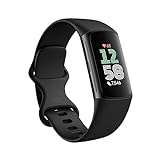
- Find your way seamlessly during runs or rides with turn-by-turn directions from Google Maps on Fitbit Charge 6[7, 8]; and when you need a snack break on the go, just tap to pay with Google Wallet[8, 9]
Adidas’ miCoach ecosystem strategy
The Fit Smart was not a standalone experiment but part of the broader miCoach platform, which included smartphone apps, GPS units like the miCoach Speed Cell, and chest straps. Adidas wanted to replicate what Garmin was doing for runners, but with stronger coaching logic and brand-driven training plans. The Fit Smart was meant to be the most accessible entry point into that ecosystem.
This explains why the device prioritized continuous heart-rate tracking, vibration-based coaching cues, and simple touch controls over app extensibility or smartwatch features. Compatibility was limited to Android and iOS via the miCoach app, and nearly all meaningful insights lived inside Adidas’ software rather than on the device itself. At the time, this closed-loop approach was common and largely accepted.
Hardware and feature expectations of its era
From a hardware perspective, the Fit Smart reflected early wrist-based sensor limitations. Optical heart-rate tracking was present but less refined than today, especially during high-intensity intervals. Battery life of around five days was considered respectable, particularly with continuous heart-rate monitoring enabled.
The monochrome OLED display, rubberized strap, and lightweight plastic case prioritized comfort and sweat resistance over premium feel. There was no GPS, no app store, and no notification mirroring beyond basic alerts. In 2014, these omissions were normal for a fitness-first band, especially one priced below full-featured sports watches.
Why the miCoach Fit Smart was discontinued
The rapid rise of the Apple Watch, improved Fitbits, and increasingly affordable Garmin wearables quickly reshaped consumer expectations. Users began demanding better heart-rate accuracy, GPS integration, richer displays, and broader third-party app support. At the same time, Adidas started pulling back from hardware to refocus on digital services and partnerships.
By 2016–2017, the miCoach platform was gradually sunset, with user accounts and data eventually migrated toward Adidas Running (formerly Runtastic). The Fit Smart lost active software support, updates stopped, and long-term compatibility became uncertain. This shift was less a failure of the device itself and more a reflection of how fast the wearable market matured.
Where it sits in wearable evolution today
Viewed today, the Adidas miCoach Fit Smart represents a clear evolutionary midpoint between single-purpose fitness trackers and modern multi-sport smartwatches. It helped normalize wrist-based heart-rate coaching and demonstrated that structured training guidance could live on the wrist, not just on a phone or chest strap.
For modern buyers, its relevance is primarily historical or niche. It can still function as a basic heart-rate-focused training band if software access remains intact, but it lacks the accuracy, ecosystem support, and daily usability of current trackers. Understanding its release context makes it easier to judge whether it fits your needs now—or whether it belongs as a reminder of how quickly fitness wearables have evolved.
Design, Build Quality, and Wearability: A Minimalist Fitness Band from a Sports Brand
Coming off the broader discussion of where the miCoach Fit Smart sits in wearable evolution, its physical design feels like a direct expression of Adidas’ priorities at the time. This was never meant to be a lifestyle smartwatch or a wrist accessory competing with traditional watches. It was a training tool first, shaped by sport rather than fashion.
Industrial design rooted in function
The miCoach Fit Smart follows the early-2010s fitness band formula almost to the letter: a slim rectangular module integrated into a continuous rubber strap. There is no attempt to disguise it as a watch, with the display presented as a narrow window rather than a face meant to anchor an outfit. Adidas branding is present but restrained, reinforcing the sense that this is equipment, not jewelry.
Its proportions are modest even by modern standards, especially compared to today’s larger AMOLED-based trackers. The low profile helps it disappear on the wrist during workouts, which was a deliberate choice for runners and gym users who didn’t want bulk or distraction.
Materials, finishing, and durability expectations
The casing is lightweight plastic, paired with a soft-touch, rubberized strap designed to handle sweat and frequent washing. There is no metal reinforcement, sapphire lens, or premium finishing to speak of, and that simplicity is obvious the moment you handle it. In its original price bracket, this was acceptable, but it does make the device feel utilitarian rather than robust by modern standards.
Durability was adequate for training use, with resistance to sweat and light rain, though it was never marketed as a swim tracker. After years of aging, second-hand units often show strap wear, surface scuffs, or reduced strap elasticity, which is something buyers today should realistically expect.
Comfort during workouts and all-day wear
Where the miCoach Fit Smart still earns credit is comfort. The band is light, flexible, and evenly balanced, avoiding pressure points even during longer runs or interval sessions. For users accustomed to chest straps or bulky GPS watches of the era, this felt liberating.
All-day wear is possible, but comfort depends heavily on wrist sensitivity and heat tolerance. The non-breathable strap can trap sweat during hot conditions, making it better suited to training sessions rather than round-the-clock use, especially compared to newer woven or perforated bands.
Display integration and on-wrist interaction
The monochrome OLED display sits flush within the band and remains readable in most lighting conditions, though it lacks the brightness and contrast of modern panels. It shows only essential metrics, reinforcing the coaching-focused philosophy rather than data overload. There is no touchscreen; interaction relies on physical button inputs, which are reliable but feel dated today.
This limited interface works well during workouts, where quick glances matter more than deep navigation. Outside of training, however, the minimal display offers little incentive to check the band, highlighting its narrow use case.
Everyday aesthetics and modern relevance
Visually, the miCoach Fit Smart looks unmistakably like a product from its era. Its design lacks the versatility to blend into both athletic and casual settings, especially when compared to today’s slim trackers that double as lifestyle accessories. For users who prefer discreet or fashion-forward wearables, this can be a drawback.
That said, its unapologetically sporty look will still appeal to purists who value function over form. As a piece of fitness hardware history, it clearly reflects a moment when wearability meant comfort and focus, not personalization or style flexibility.
Display, Controls, and Day-to-Day Usability: LEDs, Touch Interaction, and Learning Curve
Building on its unapologetically sporty design, the miCoach Fit Smart’s interface choices further underline how narrowly focused this device was. Adidas prioritized at-a-glance coaching over general-purpose interaction, and that philosophy shapes everything about how you read and control the band.
OLED screen and LED coaching cues
At the center is a small monochrome OLED display, recessed slightly into the band and protected by a plastic lens rather than glass. Resolution is modest even by the standards of its time, but the text is sharp enough for heart rate, time-in-zone, and basic prompts during workouts.
What sets the miCoach Fit Smart apart is the surrounding LED light system, which acts as a real-time coaching indicator. Different colors correspond to heart-rate zones, allowing runners to adjust effort without reading numbers mid-stride. This remains one of the band’s most effective features, even today, because it communicates intensity faster than any screen-based metric.
Controls: button-first, touch as a secondary layer
Primary control comes from a physical side button used to start, pause, and end sessions, as well as to wake the display. The button is easy to locate by feel and works reliably with sweaty hands or gloves, something early touch-only trackers often struggled with.
There is also a touch-sensitive surface on the display itself, used for cycling through metrics or acknowledging prompts. Responsiveness is adequate but not refined, and missed inputs are common until you learn the timing and pressure it prefers. Compared to modern capacitive touchscreens, interaction feels blunt and procedural rather than fluid.
Learning curve and feedback clarity
The miCoach Fit Smart demands a short but noticeable learning curve. New users must memorize what each LED color means and how button presses versus touch inputs behave during different workout states. Adidas assumed users would train within structured programs, and the interface makes the most sense once you commit to that system.
Feedback during workouts is clear but narrow in scope. You get heart-rate zone guidance, elapsed time, and basic alerts, but there is no deeper context or customization on the device itself. Any confusion usually stems not from poor visibility, but from the lack of explanatory prompts on-wrist.
Day-to-day usability outside of training
Outside of workouts, the display sees limited use. It can show the time and basic activity information, but there are no notifications, widgets, or passive engagement features that encourage frequent checks. As a result, the band often fades into the background between training sessions.
This single-purpose behavior has a side effect: battery efficiency. With no always-on screen and minimal interaction demands, the miCoach Fit Smart avoids the constant drain seen in early smartwatches. For users treating it strictly as a training tool rather than a lifestyle wearable, this trade-off still makes practical sense.
Context against modern trackers
Compared to today’s fitness trackers with bright AMOLED displays, gesture navigation, and rich daily insights, the miCoach Fit Smart feels stripped back to the point of austerity. However, its LED-based coaching remains arguably more intuitive than numeric-heavy interfaces when running at speed.
For second-hand buyers, usability hinges on expectations. If you want a device that disappears until it’s time to train and then tells you, very clearly, whether to push harder or back off, the display and controls still deliver. If you expect smartwatch-like interaction or frictionless touch input, the miCoach Fit Smart will feel immediately and unavoidably dated.
Fitness and Training Features: Activity Tracking, Coaching Cues, and Intended Use Cases
All of the miCoach Fit Smart’s design decisions ultimately funnel toward one goal: structured, heart-rate–driven training. Once you move past its spartan interface, the fitness features reveal a product built less for casual step counting and more for guided effort control during workouts.
Core activity tracking: deliberately narrow, purpose-built
At its core, the Fit Smart tracks time, heart rate, and basic activity sessions rather than attempting comprehensive daily metrics. There is no native GPS, no on-device pace or distance, and no detailed post-workout breakdowns displayed on the band itself.
Rank #2

- Inspire 3 is the tracker that helps you find your energy, do what you love and feel your best. All you have to do is wear it.Operating temperature: 0° to 40°C
- Move more: Daily Readiness Score(1), Active Zone Minutes, all-day activity tracking and 24/7 heart rate, 20+ exercise modes, automatic exercise tracking and reminders to move
- Stress less: always-on wellness tracking, daily Stress Management Score, mindfulness sessions, relax breathing sessions, irregular heart rhythm notifications(2), SpO2(3), menstrual health tracking, resting heart rate and high/low heart rate notifications
- Sleep better: automatic sleep tracking, personalized Sleep Profile(1), daily detailed Sleep Score, smart wake vibrating alarm, sleep mode
- Comfortably connected day and night: calls, texts & smartphone app notifications(4), color touchscreen with customizable clock faces, super lightweight and water resistant to 50 meters, up to 10 day battery life(5)
Instead, Adidas expected users to pair the Fit Smart with a phone or rely on time-based training rather than route-based analysis. This approach made sense when the miCoach ecosystem was built around structured plans and interval coaching, but it immediately places the device at odds with modern, data-rich trackers.
Step tracking exists but feels secondary. It is functional for basic daily movement awareness, yet lacks the behavioral nudges, streaks, or contextual insights that later fitness bands popularized.
Heart-rate monitoring and zone accuracy in practice
The optical heart-rate sensor is the most important piece of hardware on the Fit Smart, and for its era, it performs competently. During steady-state running and indoor cardio, readings generally align with chest strap averages after the first few minutes of warm-up.
Accuracy drops during sudden intensity changes or high-impact movements, which is consistent with early-generation wrist sensors. Interval sessions can show slight lag when entering or exiting zones, though the feedback remains usable for broad effort control rather than precise physiological analysis.
Where the Fit Smart still holds up is consistency. Once locked in, zone detection is stable, and the band rarely produces erratic spikes or unexplained drops during sustained efforts.
Coaching cues: the defining feature
Real-time coaching is where the miCoach Fit Smart distinguishes itself, even by today’s standards. The LED system communicates heart-rate zones through color, paired with vibration alerts when you drift above or below your target.
This color-based feedback is surprisingly effective mid-run. Without needing to interpret numbers, you immediately know whether to push harder, maintain pace, or ease off, which reduces cognitive load when training at speed.
Coaching cues work best when following predefined workouts from the miCoach platform. Interval sessions, tempo runs, and base-building programs feel intentional and well-matched to the device’s minimalist feedback style.
Structured training over self-directed exploration
The Fit Smart strongly favors users who follow plans rather than freestyle workouts. Customization on the device itself is limited, and most adjustments must be handled through the companion app.
This reinforces Adidas’s original assumption that athletes would buy into the miCoach methodology rather than build their own training logic. For disciplined runners or gym users who prefer being told exactly what to do, this rigidity can feel reassuring rather than restrictive.
For experimenters or data-driven athletes who constantly tweak sessions, the lack of flexibility quickly becomes frustrating.
Supported activities and practical limitations
Officially, the Fit Smart supports running, general cardio, and gym-style workouts, all interpreted through heart-rate response rather than sport-specific metrics. There is no swim tracking, no cycling power integration, and no multisport support.
Without GPS, outdoor runners must rely on time and effort rather than distance unless they carry a phone. Indoors, the band works better, particularly on treadmills, rowers, or circuit training where effort guidance matters more than exact metrics.
The silicone band and lightweight housing make it comfortable for longer sessions, and sweat resistance is adequate for high-intensity workouts, though it lacks the robust water ratings expected today.
Intended use cases then and now
Originally, the miCoach Fit Smart was designed for runners transitioning from beginner to intermediate training, especially those new to heart-rate–based coaching. It acted as a digital coach rather than a fitness diary.
Today, its relevance is far narrower. It still makes sense for users who want a distraction-free training companion that tells them how hard to work and nothing else.
For second-hand buyers, the key question is not whether it competes with modern trackers, but whether its focused coaching model aligns with your habits. If your priority is structured effort guidance over metrics, maps, or smartwatch features, the Fit Smart still executes its core mission with surprising clarity.
Heart Rate Monitoring and Sensor Accuracy: How Reliable Was It Then—and How It Holds Up Now
Because the miCoach Fit Smart’s entire training philosophy revolves around effort zones, heart rate accuracy was never a secondary feature—it was the product. That context matters when judging its performance, both at launch and through a modern lens.
Rather than chasing broad wellness metrics, Adidas tuned the Fit Smart to be a single-purpose physiological feedback tool. Its success or failure lives almost entirely in how well it reads your pulse during real workouts.
The optical heart rate sensor: early-generation but purpose-built
The Fit Smart uses an early optical heart rate sensor mounted on the underside of the band, designed to sit flush against the wrist. By today’s standards, the hardware is basic: no multi-wavelength LEDs, no advanced motion-compensation algorithms, and limited onboard processing.
At the time, however, this sensor was considered competitive, particularly for steady-state cardio. Adidas prioritized consistent zone detection over granular beat-to-beat precision, which aligned with the miCoach coaching model.
Real-world accuracy during steady efforts
For continuous activities like treadmill running, elliptical sessions, and sustained outdoor runs, the Fit Smart generally delivered stable and believable readings. Heart rate zones ramped up and down predictably with effort, and alerts were triggered at appropriate thresholds.
In controlled conditions, such as long aerobic runs or tempo efforts, accuracy often tracked closely with chest straps once the session settled. Initial warm-up lag was common, but once locked in, readings were dependable enough for structured training.
High-intensity intervals and rapid changes in effort
Where the Fit Smart struggled—then and now—was during workouts with sharp intensity spikes. HIIT sessions, sprint intervals, and fast transitions between rest and effort exposed the limitations of its optical sensor.
Heart rate lag could stretch to 10–20 seconds during sudden accelerations, occasionally causing late zone alerts. For users training by feel rather than precision, this was manageable, but athletes relying on exact timing would notice the delay.
Strength training and wrist-based limitations
During gym-based strength workouts, accuracy became more inconsistent. Wrist flexion, gripping weights, and reduced blood flow all interfered with clean optical readings.
The Fit Smart often underreported heart rate during heavy lifts and over-smoothed data during circuits. As with most wrist-based sensors of its era, it was better suited to cardio-dominant sessions than traditional strength training.
Fit, placement, and comfort effects on accuracy
Because the sensor lacks modern adaptive algorithms, proper placement mattered more than it does with current devices. Wearing the band slightly higher on the wrist and snug—but not tight—was essential for reliable readings.
Comfort helped here: the lightweight housing and soft silicone strap encouraged consistent wear. Unlike bulkier watches, the Fit Smart rarely shifted during runs, which improved signal stability when fitted correctly.
Comparison to chest straps: then versus now
Even at launch, Adidas acknowledged that chest straps remained the gold standard for heart rate accuracy. The Fit Smart could not match the precision of an ECG-based strap, especially for interval training.
What it offered instead was convenience and immediacy. For its intended audience—recreational runners following guided workouts—the tradeoff was acceptable, though data purists were never its target.
How it compares to modern optical sensors
Against today’s mid-range fitness trackers, the Fit Smart’s sensor shows its age. Modern devices use multiple LEDs, faster sampling, and machine learning to correct for motion artifacts, resulting in quicker lock-on and smoother transitions.
Rank #3

- 【BUILT-IN GPS SMART WATCH – GO FURTHER, FREER, SMARTER】No phone? No problem. This fitness watch for women, featuring the latest 2025 technology, includes an advanced professional-grade GPS chip that precisely tracks every route, distance, pace (real-time & average), and calorie burned—completely phone-free. Whether you're chasing new personal records or exploring off the beaten path, your full journey is automatically mapped and synced in the app. Train smarter. Move with purpose. Own your progress. Own your journey.
- 【BLUETOOTH 5.3 CALLS & SMART NOTIFICATIONS】Stay effortlessly connected with this smart watch for men and women, featuring dual Bluetooth modes (BT 3.0 + BLE 5.3) and a premium microphone for crystal-clear calls right from your wrist—perfect for driving, workouts, or busy days. Receive instant alerts for calls, texts, and popular social apps like WhatsApp and Facebook. Just raise your wrist to view notifications and never miss an important moment.
- 【100+ SPORT MODES & IP68 WATERPROOF & DUSTPROOF】This sport watch is a versatile activity and fitness tracker with 100+ modes including running, cycling, yoga, and more. It features quick-access buttons and automatic running/cycling detection to start workouts instantly. Accurately track heart rate, calories, distance, pace, and more. Set daily goals on your fitness tracker watch and stay motivated with achievement badges. With IP68 waterproof and dustproof rating, it resists rain and sweat for any challenge. Not suitable for showering, swimming, or sauna.
- 【24/7 HEALTH ASSISTANT & SMART REMINDERS】This health watch continuously monitors heart rate, blood oxygen, and stress levels for comprehensive wellness tracking. Sleep monitoring includes deep, light, REM sleep, and naps to give you a full picture of your rest. Stay on track with smart reminders for sedentary breaks, hydration, medication, and hand washing. Women can also monitor menstrual health. Includes guided breathing exercises to help you relax. Your ultimate health watch with event reminders for a healthier life.
- 【ULTRA HD DISPLAY, LIGHTWEIGHT & CUSTOMIZABLE DIALS】This stylish wrist watch features a 1.27-inch (32mm) 360×360 ultra HD color display with a 1.69-inch (43mm) dial, offering vivid details and responsive touch. Its minimalist design fits both business and casual looks. Switch freely among built-in designer dials or create your own DIY watch face using photos, colors, and styles to showcase your unique personality. Perfect as a cool digital watch and fashion wrist watch.
That said, for steady aerobic training, the gap is smaller than expected. While modern trackers are more robust across varied activities, the Fit Smart still delivers usable heart rate data when used within its original design boundaries.
Zone-based coaching: accuracy where it mattered most
The miCoach system relied on broad heart rate zones rather than precise numerical targets. In that context, absolute accuracy was less critical than consistency.
As long as the sensor reliably placed users in the correct zone—easy, moderate, or hard—the coaching cues remained effective. This design choice masked some hardware limitations and helped the Fit Smart feel more competent than its raw specs suggest.
Sensor reliability over time and second-hand considerations
For buyers considering a used unit today, sensor degradation is a real concern. Optical sensors can lose sensitivity with age, especially if the lens is scratched or clouded from sweat exposure.
Battery health also affects sensor performance, as lower voltage can reduce LED brightness. A Fit Smart that struggles to hold a charge may also struggle to deliver stable heart rate readings.
Bottom line on heart rate accuracy today
The miCoach Fit Smart was accurate enough for its original mission and remains functional for steady-state training if the hardware is in good condition. It is not a precision instrument by modern standards, nor was it ever intended to be.
For users who value simple, zone-based effort guidance over granular analytics, its heart rate monitoring still holds up surprisingly well. For anyone expecting modern responsiveness across all workout types, its limitations become immediately apparent.
Battery Life, Charging, and Durability: Real-World Longevity of a First-Gen Fitness Wearable
If heart rate accuracy defined how well the miCoach Fit Smart performed during a workout, battery life and durability defined how often you could actually rely on it. These practical considerations matter even more today, as any unit still in circulation is operating well beyond its original design lifespan.
Understanding how the Fit Smart aged in real-world use is essential for anyone considering it now, whether out of nostalgia, budget constraints, or curiosity about early fitness tech.
Battery life expectations at launch versus today
When new, the miCoach Fit Smart delivered roughly four to five days of battery life with regular daily wear and frequent heart rate tracking. That figure was competitive in the early-to-mid 2010s, especially compared to early smartwatches that struggled to last more than a day.
Continuous heart rate monitoring, coaching prompts, and Bluetooth syncing all drew from a relatively small lithium-ion cell. There was no always-on display, no GPS, and no app ecosystem running in the background, which helped keep power demands modest by the standards of the time.
In today’s reality, battery longevity varies dramatically between units. Most surviving Fit Smarts manage one to three days at best, and some struggle to last a full workout if the battery has significantly degraded.
Battery degradation and second-hand risk
The Fit Smart uses a sealed, non-user-replaceable battery, which is the single biggest risk factor for second-hand buyers. After a decade or more, chemical aging alone guarantees reduced capacity, even in lightly used examples.
Signs of a weakened battery include inconsistent syncing, sudden shutdowns during workouts, and noticeably dimmer display brightness. As noted earlier, battery health can also indirectly affect sensor reliability, compounding performance issues.
Unlike modern trackers from Garmin, Fitbit, or Apple, there is no official battery replacement pathway. Once the battery degrades past a certain point, the device effectively reaches end-of-life.
Charging system and daily convenience
Charging is handled via a proprietary clip-style charger that snaps onto the back of the unit. This design was common at the time but is less forgiving today, especially if the charger is missing or damaged.
Replacement chargers are increasingly difficult to find and often rely on third-party sellers or used marketplaces. Without the original cable, the Fit Smart is essentially unusable, which adds another layer of risk for buyers.
Charging itself is relatively slow by modern standards, typically taking around two hours for a full charge. There is no fast charging, and partial top-ups provide limited benefit due to the small battery capacity.
Physical durability and build quality
From a materials standpoint, the miCoach Fit Smart was built to withstand sweat, rain, and everyday training stress. The plastic housing feels utilitarian rather than premium, but it resists cracking better than many early fitness bands.
The integrated silicone strap is flexible and comfortable, though prone to long-term wear. Over time, the material can stiffen, discolor, or develop micro-tears near the clasp, especially in units exposed to frequent sweat and UV light.
The display lens, while recessed slightly for protection, scratches easily compared to modern Gorilla Glass-equipped trackers. Cosmetic wear is common and should be expected on most used examples.
Water resistance and environmental exposure
Adidas rated the Fit Smart as water-resistant rather than fully waterproof. It handled sweat and light rain without issue and was generally safe for hand washing or short exposure to splashes.
However, it was never designed for swimming, showering, or prolonged submersion. Over time, seals can degrade, making even light water exposure a potential risk on aging units.
For runners and gym users, this limitation was manageable at launch. Today, with widespread swim-proof trackers available at low prices, it stands out as a clear generational weakness.
Long-term wearability and comfort over years of use
In terms of dimensions and weight, the Fit Smart remains comfortable by modern standards. It is slim, lightweight, and unobtrusive on smaller wrists, which helps offset some of its technical shortcomings.
Extended wear can become less pleasant if the strap has hardened or if the charging contacts irritate the skin. These issues are not universal but are common enough to be worth noting for older units.
Comfort was never the Fit Smart’s limiting factor. Longevity, rather than ergonomics, is what ultimately defines whether it remains usable today.
Durability versus modern fitness trackers
Compared to current entry-level fitness trackers, the miCoach Fit Smart feels both tougher and more fragile at the same time. The core housing is resilient, but the aging battery, outdated charging system, and lack of serviceability undermine its long-term reliability.
Modern devices benefit from better water resistance, standardized charging, and vastly improved battery efficiency. Even budget trackers now routinely last a week or more and support faster, more convenient charging.
In that context, the Fit Smart’s durability story is less about how it was built and more about how long first-generation wearable tech can realistically survive without support.
miCoach App and Ecosystem: Software Experience, Data Syncing, and Platform Shutdown Realities
All of the Fit Smart’s long-term usability ultimately funnels into one unavoidable topic: the miCoach software ecosystem it depended on. As solid as the hardware feels for its age, this is where the device most clearly shows the cost of being an early-generation fitness tracker tied tightly to a proprietary platform.
The original miCoach app experience
When it was still supported, the miCoach app was one of the more structured fitness platforms of its era. Rather than acting as a passive data log, it pushed users toward guided training plans, heart-rate zones, and goal-based workouts rooted in Adidas’ coaching philosophy.
Rank #4

- 24H Accurate Heart Rate Monitoring: Go beyond basic tracking. Our watch automatically monitors your heart rate, blood oxygen (SpO2), and sleep patterns throughout the day and night. Gain deep insights into your body's trends and make informed decisions for a healthier lifestyle.
- Practical Sports Modes & Smart Activity Tracking: From running and swimming to yoga and hiking, track a wide range of activities with precision. It automatically records your steps, distance, calories burned, and duration, helping you analyze your performance and crush your fitness goals.
- 1-Week Battery Life & All-Day Wear: Say goodbye to daily charging. With an incredible up to 7-10 days of battery life on a single charge, you can wear it day and night for uninterrupted sleep tracking and worry-free travel. Stay connected to your data without the hassle.
- Comfortable to Wear & IP68 Waterproof: The lightweight, skin-friendly band is crafted for all-day comfort, even while you sleep. With IP68 waterproof, it withstands rain, sweat, It is not suitable for swimming or showering.
- Ease of Use and Personalized Insights via Powerful App: The display is bright and easy to read, even outdoors. Unlock the full potential of your watch. Sync with our dedicated app to view detailed health reports, customize watch faces, set sedentary reminders, and manage your preferences with ease.
The interface leaned heavily into cardio training, with clear visualizations of heart-rate intensity, calories, and time spent in zones. Compared to modern apps, it feels rigid, but at launch it was refreshingly purposeful rather than overwhelming.
Data syncing and device interaction
Syncing was handled over Bluetooth Smart and was generally reliable when the ecosystem was live. Workouts stored on the Fit Smart transferred to the phone automatically, and the app handled firmware checks, time syncing, and activity uploads without much user intervention.
That convenience is no longer available in any meaningful way. Today, even if a Fit Smart powers on and tracks activity locally, there is no official pathway to extract or view that data in the original miCoach environment.
Platform shutdown and what actually stopped working
Adidas officially discontinued the miCoach platform several years ago as it shifted its digital fitness focus toward Runtastic, now branded as adidas Running. This was not a soft transition for hardware like the Fit Smart; it was effectively a hard stop.
The miCoach app has been removed from both iOS and Android app stores, and the backend servers that handled account authentication and data syncing are no longer active. Without those servers, the Fit Smart cannot complete its original setup or upload workout data.
Using the Fit Smart today: realistic expectations
On Android, some technically inclined users have experimented with sideloading older versions of the miCoach app. Even then, functionality is inconsistent, often limited to device pairing without successful data sync, and can break with newer Android versions.
On iOS, the situation is simpler and harsher: if the app is not already installed and tied to an existing account, there is effectively no way to use the Fit Smart as intended. Apple’s tighter app ecosystem leaves no room for workarounds.
Data lock-in and migration limitations
During the miCoach shutdown, Adidas offered limited data migration options to Runtastic for active users at the time. That window has long since closed, and second-hand buyers should assume there is no way to recover or integrate historical data.
This highlights a broader issue with early fitness wearables: data ownership was secondary to ecosystem control. Unlike modern platforms that export to GPX, TCX, or sync with services like Strava, miCoach data lived and died within Adidas’ servers.
Impact on firmware updates and long-term stability
With the ecosystem offline, firmware updates are no longer possible. Whatever version the Fit Smart is running now is the version it will run forever, including any unresolved bugs or Bluetooth quirks.
This matters more than it might seem. Early wearables often relied on firmware updates to improve heart-rate accuracy, battery management, and connectivity, areas where modern trackers now benefit from years of iterative refinement.
Comparison to modern app ecosystems
Even budget fitness trackers today benefit from actively maintained apps, cloud backups, and cross-platform syncing. Features like sleep trend analysis, automatic activity detection, and third-party integrations are now baseline expectations.
Against that backdrop, the Fit Smart’s software experience is not just outdated, it is effectively frozen in time. The hardware can still function at a basic level, but without a living ecosystem, it operates in isolation.
Who the ecosystem still works for, if anyone
There is a narrow audience that may still find value here: collectors, tech historians, or users interested in experimenting with legacy fitness hardware. For them, the Fit Smart is a snapshot of where wearable software design was headed a decade ago.
For anyone seeking a usable fitness companion today, the miCoach app shutdown is the single most important factor to understand. More than battery life or heart-rate accuracy, it defines whether the Fit Smart is a functional tool or a nostalgic artifact.
What It Lacks by Modern Standards: Missing Features Compared to Today’s Trackers and Watches
Seen in isolation, the miCoach Fit Smart still looks like a capable piece of hardware, but once you step back and compare it to even entry-level fitness wearables released in the last few years, the gaps become impossible to ignore. These omissions are not minor quality-of-life features; they define how limited the device feels in day-to-day use today.
No GPS or route tracking
Perhaps the most obvious absence is GPS. The Fit Smart was designed to pair with a phone for location data, not to record routes independently.
Modern runners expect wrist-based GPS as a baseline feature, even on budget trackers. Without it, the Fit Smart cannot log distance, pace consistency, or elevation on its own, severely limiting its usefulness for outdoor training.
Outdated heart-rate sensing and no advanced health metrics
The optical heart-rate sensor reflects early-generation technology, with slower response times and less reliability during interval training or high-arm-movement workouts. Compared to modern multi-LED, multi-wavelength sensors, accuracy under load is clearly behind.
There is also no support for metrics now considered standard, such as heart-rate variability, resting heart-rate trends, VO2 max estimates, stress tracking, or blood oxygen saturation. What you get is raw heart-rate data, without deeper interpretation or long-term insights.
Sleep tracking that stops at the basics
Sleep tracking exists in name only by modern standards. The Fit Smart can log sleep duration, but it lacks sleep stages, recovery scoring, or longitudinal sleep trend analysis.
Today’s trackers contextualize sleep with training load, readiness, and heart-rate variability. By contrast, the Fit Smart treats sleep as a static metric, not a tool for improving performance or recovery.
No smart features or daily lifestyle tools
This is firmly a fitness band, not a smartwatch. There are no notifications, no call or message alerts, no music controls, and no contactless payments.
Modern wearables blur the line between fitness and daily utility, allowing users to stay connected without pulling out a phone. The Fit Smart offers none of that, making it feel disconnected from everyday wear rather than integrated into it.
Limited workout modes and no automatic detection
Workout support is narrow and heavily focused on running and basic cardio. There is no automatic activity detection, no strength training support, and no rep or set tracking.
Current trackers recognize activities in the background and adapt metrics accordingly. With the Fit Smart, every session requires manual intent, and even then, the data collected is minimal.
Display and interface constraints
The small monochrome display was acceptable at launch but feels cramped and low-contrast today. Data fields are limited, navigation is button-heavy, and there is no customization of screens or metrics.
Modern AMOLED and high-resolution LCD displays allow glanceable data, rich visuals, and personalized layouts. The Fit Smart’s interface reflects a time when efficiency mattered more than clarity or flexibility.
Battery life without modern efficiency trade-offs
Battery life is respectable for its era, but it comes at the cost of features rather than efficiency. There is no always-on display, no GPS drain to manage, and no background smart functions running.
Modern trackers achieve similar or better battery life while doing far more, thanks to improved chipsets and power management. The Fit Smart’s endurance feels less impressive when you consider how little it is actually powering.
Materials, comfort, and durability compared to current designs
The lightweight plastic body and integrated strap are comfortable but basic. There is no interchangeable band system, limited adjustability, and a utilitarian finish that prioritizes function over refinement.
Water resistance is suitable for sweat and light exposure but falls short of the swim-proof ratings now common even among inexpensive trackers. In daily wear, it feels more like a training accessory than a watch you forget you’re wearing.
💰 Best Value

- 【Superb Visual Experience & Effortless Operation】Diving into the latest 1.58'' ultra high resolution display technology, every interaction on the fitness watch is a visual delight with vibrant colors and crisp clarity. Its always on display clock makes the time conveniently visible. Experience convenience like never before with the intuitive full touch controls and the side button, switch between apps, and customize settings with seamless precision.
- 【Comprehensive 24/7 Health Monitoring】The fitness watches for women and men packs 24/7 heart rate, 24/7 blood pressure and blood oxygen monitors. You could check those real-time health metrics anytime, anywhere on your wrist and view the data record in the App. The heart rate monitor watch also tracks different sleep stages for light and deep sleep,and the time when you wake up, helps you to get a better understanding of your sleep quality.
- 【120+ exercise modes & All-Day Activity Tracking】There are more than 120 exercise modes available in the activity trackers and smartwatches, covering almost all daily sports activities you can imagine, gives you new ways to train and advanced metrics for more information about your workout performance. The all-day activity tracking feature monitors your steps, distance, and calories burned all the day, so you can see how much progress you've made towards your fitness goals.
- 【Messages & Incoming Calls Notification】With this smart watch fitness trackers for iPhone and android phones, you can receive notifications for incoming calls and read messages directly from your wrist without taking out your phone. Never miss a beat, stay in touch with loved ones, and stay informed of important updates wherever you are.
- 【Essential Assistant for Daily Life】The fitness watches for women and men provide you with more features including drinking water and sedentary reminder, women's menstrual period reminder, breath training, real-time weather display, remote camera shooting, music control,timer, stopwatch, finding phone, alarm clock, making it a considerate life assistant. With the GPS connectivity, you could get a map of your workout route in the app for outdoor activity by connecting to your phone GPS.
Compatibility and long-term usability limitations
Beyond the shutdown of the miCoach platform, the Fit Smart lacks modern Bluetooth stability improvements and broader OS compatibility refinements. Pairing quirks that were once tolerable now feel archaic.
Today’s wearables are designed to survive multiple phone upgrades, operating system changes, and years of app updates. The Fit Smart is frozen in a specific moment in mobile technology, and that limits how comfortably it fits into a modern setup.
Second-Hand Value and Who It Still Makes Sense For in 2026
Given the compatibility ceilings and frozen software experience outlined above, the Adidas miCoach Fit Smart now lives almost entirely in the second-hand market. Its relevance in 2026 depends less on what it once promised and more on how narrowly you define your needs today.
What It Typically Costs on the Used Market
Prices for the miCoach Fit Smart are generally low, often hovering between very cheap and impulse-buy territory depending on condition and whether the original charger is included. In many regions, it sells for less than a replacement strap for a modern smartwatch.
That low entry price is the device’s strongest remaining argument. You are paying for basic hardware and a heart-rate sensor, not an evolving ecosystem or long-term support.
The Real Cost: Software Limitations and Risk
The bigger cost is not financial but practical. With the miCoach platform long shut down, data syncing is unreliable or impossible for many users, and firmware updates are no longer coming.
Even if you find a unit that pairs today, there is no guarantee it will continue to do so after your next phone or OS update. Buying one in 2026 means accepting that it could become unusable at any time, without warning or workaround.
Who It Can Still Make Sense For
The miCoach Fit Smart can still make sense for users who want a standalone, distraction-free training aid and are comfortable treating it as a disposable tool. If you only care about real-time heart rate, basic timing, and wearing something lightweight during workouts, it can still perform that narrow role.
It may also appeal to collectors or longtime Adidas training enthusiasts interested in early heart-rate-driven coaching concepts. In that context, its value is historical and experiential rather than practical.
Who Should Absolutely Skip It
Anyone expecting reliable app integration, cloud-based training history, or compatibility with modern fitness platforms should avoid it entirely. The same applies to users who want GPS tracking, sleep analysis, recovery metrics, or even basic smartwatch notifications.
For new runners or fitness beginners, the Fit Smart offers too little guidance compared to even the cheapest current trackers. Devices from Xiaomi, Amazfit, or entry-level Fitbit models cost more upfront but deliver vastly more utility and long-term stability.
How It Stacks Up Against Modern Budget Trackers
In pure hardware terms, the Fit Smart feels crude next to modern budget wearables. Current devices offer color displays, interchangeable straps, swim-proof designs, multi-day battery life with far richer feature sets, and ongoing software support.
Even at a slightly higher second-hand price, a first-generation Garmin Vivosmart, Fitbit Charge, or Polar tracker provides a safer and more versatile ownership experience. The miCoach Fit Smart only wins on simplicity and, occasionally, price.
A Narrow but Honest Verdict on Value
The Adidas miCoach Fit Smart is not a hidden gem rediscovered by time. Its second-hand value lies in how little you pay and how little you expect in return.
If you understand its limitations, accept the risk of obsolescence, and want a minimal training companion with no modern distractions, it can still earn a place on your wrist. For everyone else, it remains a reminder of how far fitness wearables have moved on.
Final Verdict: Is the Adidas miCoach Fit Smart Worth Buying or Using Today?
By the standards of its own era, the Adidas miCoach Fit Smart was an earnest attempt to bring structured, heart-rate-driven training to everyday athletes. Judged by today’s expectations, it is undeniably outdated, but that does not automatically make it useless.
The real question is not whether it can compete with modern trackers—it cannot—but whether it still serves a purpose for a very specific type of user in 2026.
What Still Holds Up Today
Physically, the Fit Smart remains one of the lightest and least intrusive wrist-worn fitness devices Adidas ever made. The slim rubberized band, modest dimensions, and low-profile display make it comfortable for short workouts, particularly for runners who dislike bulky watches.
Its optical heart-rate sensor, while basic, is capable of delivering reasonably stable real-time readings during steady-state cardio. For simple zone awareness or live effort checks during treadmill runs or circuits, it can still do the job if the hardware is in good condition.
Battery life is also respectable in a narrow sense. With no GPS, color screen, or background syncing, a surviving unit can often last several days between charges, assuming the battery has not significantly degraded with age.
Where Age and Discontinuation Hit Hard
The biggest weakness of the miCoach Fit Smart today is not the hardware but the ecosystem that once justified its existence. Adidas has long since retired the miCoach platform, meaning app support, firmware updates, and cloud-based training history are effectively gone.
This turns the device into an isolated tool rather than a connected training companion. Data review is minimal, long-term progress tracking is unreliable, and integration with platforms like Strava, Apple Health, or Google Fit is nonexistent.
Durability is also a gamble. Replacement bands, chargers, and spare parts are difficult to find, and battery health varies wildly on the second-hand market. Buying one now requires accepting that it may fail without warning and without a clear path to repair.
Usability in Real-World Training
As a daily wearable, the Fit Smart feels extremely limited. There are no notifications, no activity variety, no recovery insights, and no contextual coaching beyond what the device itself can display in the moment.
As a workout-only tool, it fares better. If your needs stop at heart rate, basic timing, and a distraction-free interface, the simplicity can actually feel refreshing compared to modern devices that demand constant syncing and updates.
That said, even budget trackers today offer significantly more guidance without sacrificing ease of use. What once felt streamlined now feels stripped back.
Who It Makes Sense For in 2026
The miCoach Fit Smart still makes sense for collectors, Adidas loyalists, or tech-curious fitness enthusiasts interested in early wearable training philosophy. It also suits users who want a minimal, offline-capable heart-rate band and are comfortable treating it as semi-disposable.
It does not make sense for new runners, data-driven athletes, or anyone expecting a reliable long-term training log. Nor is it a sensible choice for users who want a single device to cover workouts, daily activity, and general smartwatch duties.
The Bottom Line
The Adidas miCoach Fit Smart is not worth buying as a primary fitness tracker in 2026, even at a low second-hand price. Modern entry-level wearables outperform it in nearly every measurable way while offering ongoing software support and ecosystem stability.
However, as a minimalist workout tool or a piece of fitness-tech history, it still has a narrow but legitimate appeal. If you approach it with clear expectations, a low price ceiling, and an understanding of its limitations, it can still earn brief use on your wrist.
Ultimately, the Fit Smart’s greatest value today lies in what it represents rather than what it delivers. It stands as a snapshot of an earlier moment in wearable fitness—one that helped shape the trackers we now take for granted, even if it no longer belongs in the mainstream.