The Amazfit GTR 2 exists because a lot of people want a smartwatch that looks like a proper watch, lasts more than a day or two, and doesn’t cost anywhere near flagship money. It’s aimed squarely at buyers who find the Apple Watch too short-lived, the Galaxy Watch too platform-dependent, and Fitbit increasingly locked behind subscriptions. That context matters, because the GTR 2 is less about raw smartwatch power and more about balance.
This is also a watch designed for people upgrading from basic fitness trackers or first-generation smartwatches who want something more refined without stepping into full smartwatch compromises. Amazfit isn’t trying to win spec-sheet wars here. Instead, it’s positioning the GTR 2 as a lifestyle-first smartwatch with credible health tracking, long battery life, and a design that doesn’t scream “tech gadget” on your wrist.
Understanding what the GTR 2 is trying to replace is key to judging whether it succeeds. It’s not a direct Apple Watch rival, but it is absolutely trying to siphon off buyers who are tired of charging every night and want something that looks good with everyday clothes, gym wear, and even a jacket.
A bridge between traditional watch design and modern smart features
At first glance, the Amazfit GTR 2 leans heavily into classic watch cues. The round 42mm case, curved glass, and minimalist bezel immediately place it closer to a traditional timepiece than a slab-like smartwatch. With its aluminum alloy body, slim profile, and relatively light weight, it’s clearly designed to be worn all day without fatigue.
🏆 #1 Best Overall
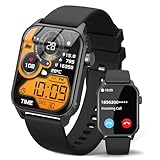
- 【1.83" HD Display & Customizable Watch Faces】Immerse yourself in a vibrant 1.83-inch IPS display, boasting a sharp resolution of 240*284 for crystal-clear visuals. Effortlessly personalize your smart watch with a wide array of customizable watch faces to suit your personal style for every occasion—whether trendy, artistic, or minimalist—ideal for casual, sporty, or professional. Its sleek, modern design complements any outfit, blending technology and fashion seamlessly for everyday wear
- 【120 Sports Modes & Advanced Health Tracking】Our TK29 smart watches for women men come equipped with 120 sports modes, allowing you to effortlessly track a variety of activities such as walking, running, cycling, and swimming. With integrated heart rate and sleep monitors, you can maintain a comprehensive overview of your health, achieve your fitness goals, and maintain a balanced, active lifestyle with ease. Your ideal wellness companion (Note: Step recording starts after exceeding 20 steps)
- 【IP67 Waterproof & Long-Lasting Battery】Designed to keep up with your active lifestyle, this smartwatch features an IP67 waterproof rating, ensuring it can withstand splashes, sweat, and even brief submersion, making it perfect for workouts, outdoor adventures, or rainy days. Its reliable 350mAh battery offering 5-7 days of active use and up to 30 days in standby mode, significantly reducing frequent charging. Ideal for all-day wear, whether you’re at the gym, outdoors, or simply on the go
- 【Stay Connected Anytime, Anywhere】Stay informed and in control with Bluetooth call and music control features. Receive real-time notifications for calls, messages, and social media apps like Facebook, WhatsApp, Twitter, and Instagram directly on your smartwatch. Easily manage calls, control your music playlist, and stay updated without needing to reach for your phone. Perfect for work, workouts, or on-the-go, this watch keeps you connected and never miss important updates wherever you are
- 【Multifunction & Wide Compatibility】Seamlessly handle heart rate monitoring, sleep tracking, and enjoy conveniences like camera/music control, Seamlessly handle heart rate monitoring, sleep tracking, and more-all directly from your wrist. This 1.83 inches HD smartwatch is compatible with iPhone (iOS 9.0+) & Android (5.0+), ensuring smooth daily connectivity and convenience throughout your day. More than just a timepiece, it’s a stylish, all-in-one wearable for smarter, healthier living
This is where Amazfit is aiming at users who admire mechanical watches but still want health metrics and notifications. The finishing is clean rather than luxurious, but it avoids looking cheap, especially when paired with a leather strap instead of the standard silicone. It’s a smartwatch that won’t feel out of place at work or dinner, which is something many fitness-first devices still struggle with.
Challenging Fitbit and entry-level Galaxy Watches on value
In terms of pricing, the GTR 2 lives in the uncomfortable middle ground between budget trackers and premium smartwatches. That puts it directly up against devices like the Fitbit Versa series and older Galaxy Watch models. Amazfit’s pitch is simple: offer more battery life and broader health tracking without recurring subscription fees.
Unlike Fitbit, Amazfit includes advanced metrics like blood oxygen monitoring and stress tracking without locking features behind a paywall. Compared to Samsung’s watches, it sacrifices app ecosystem depth and LTE options, but dramatically outlasts them on a single charge. For many users, especially Android owners who don’t care about app overload, that trade-off makes sense.
Not a flagship killer, but a smartwatch minimalist’s alternative
It’s important to be clear about what the GTR 2 is not trying to be. This is not a device for power users who want third-party apps, voice assistants that can control everything, or tight integration with smart home platforms. Zepp OS is lightweight by design, prioritizing smooth navigation and battery efficiency over extensibility.
That restraint is intentional. Amazfit is betting that a large portion of users don’t actually want a wrist-mounted phone replacement. They want reliable notifications, solid fitness tracking, good sleep data, and a display that looks great in all lighting conditions. The GTR 2 positions itself as the antidote to feature bloat.
A clear upgrade path from basic fitness trackers
For users coming from devices like the Mi Band, Inspire, or older Amazfit Bip models, the GTR 2 represents a significant step up in both usability and perception. The AMOLED display is sharper and brighter, the case feels more substantial, and the overall interaction experience is smoother and more mature.
At the same time, it avoids overwhelming newcomers with complexity. Menus are straightforward, workouts are easy to start, and battery anxiety is largely eliminated. This makes the GTR 2 particularly appealing to first-time smartwatch buyers who want something that feels complete without feeling complicated.
Replacing compromise with clarity
Ultimately, the Amazfit GTR 2 is positioned as a clarity play in a crowded market. It replaces short battery life with endurance, replaces subscription pressure with upfront value, and replaces gadget-heavy aesthetics with something closer to a real watch. The compromises it makes are deliberate, not accidental.
If you’re looking for a smartwatch that tries to do everything, this isn’t it. But if you want something that knows exactly what it’s meant to be, and who it’s meant for, the GTR 2’s positioning starts to make a lot of sense.
Design Evolution: Case, Display, Materials, and Everyday Wearability
That sense of restraint discussed earlier shows up most clearly in the hardware. The GTR 2 doesn’t chase shock value or futuristic gimmicks, instead refining the original GTR’s watch-first design into something cleaner, thinner, and more deliberate on the wrist. It’s an evolution that prioritizes daily comfort and visual maturity over standing out in a store display.
Case design: slimmer, rounder, and more intentional
The Amazfit GTR 2 sticks with a traditional round case, but the proportions are noticeably improved over its predecessor. At 46mm wide and just over 10mm thick, it wears flatter and more balanced than the original GTR, especially on medium-sized wrists. The softened lug transitions help it sit closer to the arm, reducing the “puck on the wrist” effect common to budget smartwatches.
Two physical buttons remain on the right side, offering reliable navigation without relying solely on touch. Their placement is sensible, with enough resistance to prevent accidental presses during workouts or sleep. This isn’t a rugged tool watch aesthetic, but it’s far more refined than most fitness-first designs in this price range.
Materials and finishing: sporty or classic, your choice
Amazfit smartly split the GTR 2 into two distinct variants. The GTR 2 Sport uses an aluminum alloy case paired with a silicone strap, keeping weight down to roughly 31 grams without the band. The GTR 2 Classic steps things up with a stainless steel case and leather strap, adding visual heft and a more traditional watch presence.
Finishing across both versions is clean and consistent, with no sharp edges or cost-cutting tells. The stainless model in particular does a convincing impression of an entry-level analog watch from arm’s length. It won’t fool an enthusiast up close, but it doesn’t scream “cheap smartwatch” either.
Display upgrades: curved glass and real visual polish
The 1.39-inch AMOLED display is one of the GTR 2’s strongest design assets. With a 454 x 454 resolution and a gently curved 3D glass surface, it looks sharp, saturated, and modern without excessive reflections. Bezels are slimmer than before, giving watch faces more room to breathe.
Brightness is more than sufficient for outdoor visibility, and the always-on display option adds to the illusion of wearing a real watch rather than a dormant screen. The tempered glass includes an oleophobic coating that resists fingerprints reasonably well, though it’s not immune to scratches if you’re careless. There’s no raised bezel protection here, so everyday caution still applies.
Comfort and wearability: built for all-day, not just workouts
Despite its 46mm footprint, the GTR 2 is comfortable enough for all-day and overnight wear. The lightweight case, curved back, and breathable straps make it easy to forget during sleep tracking, which is not something you can say about many competitors. Even the stainless steel version avoids feeling top-heavy, though smaller wrists may still prefer the Sport model.
The 22mm quick-release strap system is a welcome inclusion, opening the door to easy customization. Swap in nylon, rubber, or third-party leather straps, and the watch’s personality changes dramatically. That flexibility reinforces the GTR 2’s identity as a hybrid device that can move between gym, office, and casual wear without friction.
Durability and daily use realities
With 5 ATM water resistance, the GTR 2 is safe for swimming, showers, and sweaty workouts. It’s not designed for diving or extreme sports, but it holds up well to normal daily abuse. The case and buttons show good resistance to scuffs over time, especially on the aluminum version.
What stands out most is how little maintenance the design demands. The screen stays readable in all conditions, the case doesn’t snag on sleeves, and the watch doesn’t beg to be taken off at the end of the day. That kind of frictionless wearability is exactly what the GTR 2’s minimalist philosophy promises, and in design terms, it delivers.
Interface, Performance, and Zepp OS Experience in Daily Use
That frictionless physical design would mean little if the software experience got in the way, and this is where the Amazfit GTR 2 both improves on its predecessor and reveals its limits. In daily use, Zepp OS feels purpose-built for longevity and efficiency rather than flashy animations or app-heavy ambition. The result is an interface that stays responsive and readable, even if it never tries to mimic the polish of Apple’s or Samsung’s platforms.
Navigation and on-watch interface
Interaction is handled through a combination of the rotating side button and touch gestures, and the layout is immediately intuitive. Swiping down brings quick settings, swiping up reveals notifications, while left and right can be customized for widgets like heart rate, weather, or activity summaries. The logic mirrors modern smartwatch norms, which helps first-time users feel at home within minutes.
Animations are simple and restrained, but they serve a purpose. Transitions are fast, with no dropped frames or hesitation, and the watch never feels bogged down by background processes. Compared to the original GTR, menu navigation feels tighter and more predictable, especially when moving quickly between widgets or workouts.
Performance and real-world responsiveness
The GTR 2 isn’t trying to be a pocket computer on your wrist, and that works in its favor. App launches are quick, scrolling is smooth, and touch registration remains accurate even with sweaty fingers during workouts. In day-to-day use, there’s no noticeable lag when waking the screen, checking stats, or starting an activity.
This performance consistency matters more than raw power. You can go days without restarting the watch, and it behaves the same on day ten as it does on day one. That reliability stands in contrast to more complex platforms that sometimes trade speed for visual flair or third-party app support.
Zepp OS philosophy: focused, not flashy
Zepp OS is intentionally closed compared to Wear OS or watchOS, and that’s a double-edged sword. You won’t find a robust app store, deep voice assistant integrations, or the ability to reply to messages with anything beyond canned responses on Android. iPhone users are even more limited, with notifications being strictly read-only.
What you do get is a system that prioritizes health, fitness, and battery life above all else. Core features like heart rate monitoring, SpO2 checks, stress tracking, sleep analysis, and PAI scoring are always just a swipe away. The interface never feels cluttered, and you’re not digging through submenus to find the metrics that actually matter.
Notifications, calls, and smart features
Notifications are clear and well-formatted, with strong vibration alerts that are easy to notice without being obnoxious. Text-heavy messages are readable on the AMOLED panel, though long threads still require scrolling. Emoji and images are stripped out, which keeps things clean but basic.
Bluetooth calling is one of the GTR 2’s standout smart features at this price. The built-in microphone and speaker are adequate for short calls in quiet environments, and audio quality is better than expected for a watch this thin. It’s not a replacement for earbuds or a phone call in traffic, but it’s genuinely useful for quick conversations.
Rank #2
![Apple Watch Series 11 [GPS 46mm] Smartwatch with Jet Black Aluminum Case with Black Sport Band - M/L. Sleep Score, Fitness Tracker, Health Monitoring, Always-On Display, Water Resistant](https://m.media-amazon.com/images/I/312K597M2uL._SL160_.jpg)
- HYPERTENSION NOTIFICATIONS — Apple Watch Series 11 can spot signs of chronic high blood pressure and notify you of possible hypertension.*
- KNOW YOUR SLEEP SCORE — Sleep score provides an easy way to help track and understand the quality of your sleep, so you can make it more restorative.
- EVEN MORE HEALTH INSIGHTS — Take an ECG anytime.* Get notifications for a high and low heart rate, an irregular rhythm,* and possible sleep apnea.* View overnight health metrics with the Vitals app* and take readings of your blood oxygen.*
- STUNNING DESIGN — Thin and lightweight, Series 11 is comfortable to wear around the clock — while exercising and even when you’re sleeping, so it can help track your key metrics.
- A POWERFUL FITNESS PARTNER — With advanced metrics for all your workouts, plus features like Pacer, Heart Rate Zones, training load, Workout Buddy powered by Apple Intelligence from your nearby iPhone,* and more. Series 11 also comes with three months of Apple Fitness+ free.*
Fitness interface and workout usability
Starting a workout is fast, with a dedicated shortcut and clear pre-activity screens. Data fields are well-sized and legible at a glance, whether you’re running outdoors or lifting indoors. GPS lock times are generally quick, and once locked, the watch maintains a stable connection without frequent dropouts.
During workouts, Zepp OS stays out of the way. There are no distracting prompts or unnecessary animations, just steady data capture and easy lap marking via the physical button. This no-nonsense approach will appeal to users who value consistency over coaching theatrics.
Companion app integration and data clarity
The Zepp smartphone app acts as the command center, and it’s where the platform’s strengths really come into focus. Syncing is reliable and fast, and historical data is presented in clear charts that prioritize trends over isolated data points. It’s not as socially driven or competitive as Fitbit’s ecosystem, but it feels more analytical and less gamified.
Customization happens primarily through the app, from watch faces to widget layout and health tracking preferences. The learning curve is minimal, and once set up, the watch requires very little ongoing management. That hands-off experience pairs well with the GTR 2’s long battery life and reinforces its set-it-and-forget-it appeal.
How it compares at this price
Against rivals like the Samsung Galaxy Watch Active series or Fitbit Versa line, the GTR 2 trades smart features for endurance and simplicity. You lose app depth and ecosystem integration, but you gain smoother long-term performance and far fewer compromises around battery anxiety. For users who want their watch to behave the same way every day without constant charging or updates, that trade-off makes sense.
Ultimately, Zepp OS on the GTR 2 feels mature and deliberate rather than constrained. It’s not trying to win spec-sheet battles, but it delivers a stable, efficient experience that supports the watch’s design-first, health-focused identity. Whether that’s a strength or a limitation depends entirely on what you expect your smartwatch to do once it’s on your wrist.
Health & Wellness Tracking: Sensors, Accuracy, and What’s Actually Useful
All that simplicity on the software side sets expectations for health tracking, and the GTR 2 largely delivers by focusing on metrics most users will actually check. Rather than chasing every emerging sensor trend, Amazfit leans on a refined core stack and backs it up with long-term consistency. The result is health data that feels dependable, if not medically ambitious.
Sensor suite: Practical rather than cutting-edge
The Amazfit GTR 2 uses the company’s BioTracker 2 PPG optical sensor for heart rate monitoring, supported by accelerometer and gyroscope data for activity and sleep detection. You also get SpO2 measurement, though it’s manual rather than continuous, which immediately frames how it should be used. There’s no ECG, no skin temperature sensing, and no blood pressure estimation, keeping expectations realistic at this price.
Compared to newer watches chasing FDA-adjacent features, this setup feels conservative but deliberate. It prioritizes battery efficiency and stability over experimental metrics that often add complexity without clarity. For most users, the absence of advanced sensors won’t be a dealbreaker, especially if they’re upgrading from a basic tracker.
Heart rate accuracy in daily use and workouts
In day-to-day wear, the GTR 2’s heart rate tracking is consistently solid. Resting heart rate trends align closely with chest strap benchmarks over multi-day testing, even if individual readings can lag slightly during rapid changes. That makes it reliable for trend tracking rather than moment-to-moment precision.
During steady-state workouts like jogging, cycling, or elliptical sessions, accuracy remains respectable. High-intensity interval training exposes the limits of the optical sensor, with brief delays in peak detection, but that’s common across most mid-range watches. Compared to Fitbit Versa models, it’s competitive; compared to Apple Watch, it’s a step behind in responsiveness.
SpO2, stress, and what they’re good for
Blood oxygen monitoring is available as an on-demand measurement, primarily intended for spot checks rather than continuous health surveillance. It works reliably when you’re still and relaxed, though readings can vary if taken casually or mid-activity. In practice, it’s most useful for altitude acclimatization or occasional wellness checks rather than daily obsession.
Stress tracking is derived from heart rate variability and runs passively in the background. The scores correlate reasonably well with demanding days or poor sleep, but they should be treated as directional feedback, not diagnosis. Amazfit’s calm, non-alarmist presentation helps keep these metrics from feeling overwhelming.
Sleep tracking: A strong point for long-term users
Sleep tracking is one of the GTR 2’s most convincing health features. It automatically detects sleep periods, including naps, and breaks them down into light, deep, and REM stages with consistent timing accuracy. Overnight heart rate and sleep quality scores are stable enough to reveal patterns over weeks, not just nights.
Comfort plays a role here, and the GTR 2’s slim case, curved glass, and lightweight aluminum body make it easy to wear overnight. The standard silicone strap is soft enough for sleep but breathable enough to avoid irritation, even during warmer nights. Battery longevity means you’re not forced to charge it every evening, which directly improves sleep data continuity.
PAI score: Surprisingly useful motivation
Amazfit’s PAI (Personal Activity Intelligence) score remains one of the more underrated features in the health dashboard. Instead of focusing on steps or calorie targets, it converts heart rate activity into a weekly score designed to encourage cardiovascular effort. It’s refreshingly simple and avoids the guilt-driven nudges seen on some competing platforms.
For users who don’t care about streaks or social challenges, PAI provides a single, actionable goal. It’s especially effective for beginners who want motivation without micromanagement. Over time, it can feel more meaningful than raw step counts.
Health tracking versus competitors at this price
Compared to Fitbit, Amazfit offers broader health data access without locking insights behind a subscription. Samsung’s Galaxy Watch models deliver more advanced sensors but at the cost of significantly shorter battery life. The GTR 2 positions itself as the long-haul option for users who value continuity over novelty.
What it doesn’t do is replace medical-grade monitoring or high-performance sports analysis. Serious athletes and users with specific health needs may find the platform too restrained. For everyone else, the balance between accuracy, usability, and battery efficiency feels well judged.
What’s genuinely useful day to day
The most valuable health features on the GTR 2 are the ones you don’t have to think about. Continuous heart rate tracking, dependable sleep analysis, and weekly PAI scoring quietly build a meaningful picture of your habits. They work best when viewed over time, not checked obsessively.
By resisting feature bloat, Amazfit ensures these tools remain accessible and consistent. It’s health tracking designed to inform rather than distract, which fits perfectly with the watch’s broader set-it-and-forget-it philosophy.
Fitness and Sports Tracking: GPS Performance, Workout Modes, and Training Insights
Where the GTR 2 starts to feel like a true upgrade rather than a lifestyle tracker with health perks is in how confidently it handles structured exercise. The watch doesn’t chase elite athlete credentials, but it does offer a well-rounded toolkit for everyday training that aligns with its long-battery, low-friction philosophy.
GPS performance in real-world use
The Amazfit GTR 2 uses built-in GPS with GLONASS support, and in day-to-day testing it proves reliable rather than class-leading. Lock-on times are generally quick in open areas, usually within 10–20 seconds, though urban environments with tall buildings can introduce a brief delay.
Once locked, distance tracking is consistent across runs and walks, typically landing close to Garmin and Apple Watch baselines over familiar routes. Route mapping in the Zepp app looks clean and logical, with only minor corner-cutting in dense areas or under tree cover. For casual runners and outdoor walkers, accuracy is more than sufficient; precision-focused athletes will still notice the absence of dual-band GPS found on newer premium models.
Workout modes: Broad coverage without complexity
Amazfit includes over 90 workout modes on the GTR 2, covering everything from running and cycling to swimming, rowing, strength training, and niche activities like skiing or free training. The list is impressively long, but more importantly, the core modes are well tuned and easy to access directly from the watch.
During workouts, data fields are clear and readable on the 1.39-inch AMOLED display, with strong contrast even in bright sunlight. Metrics typically include time, heart rate, pace, distance, and calories, with automatic lap detection for supported activities. You won’t find deep customization of data screens, but what’s there is sensible and avoids information overload mid-session.
Heart rate accuracy during exercise
The BioTracker 2 PPG sensor performs best during steady-state activities like walking, jogging, and indoor cycling. Heart rate tracking closely mirrors chest strap data once you’re a few minutes into a workout, though short spikes and rapid interval changes can lag slightly.
For high-intensity interval training or strength sessions with erratic wrist movement, accuracy drops more noticeably. This is common at this price point and doesn’t undermine the watch’s overall fitness value, but it’s worth setting expectations. For consistent cardio tracking rather than granular performance analysis, the GTR 2 holds its own.
Swimming and durability
With a 5 ATM water resistance rating, the GTR 2 is safe for pool swimming and open-water sessions without concern. Swim tracking includes length count, distance, pace, and stroke recognition, and results are generally reliable provided your form is consistent.
Rank #3

- Bluetooth Call and Message Alerts: Smart watch is equipped with HD speaker, after connecting to your smartphone via bluetooth, you can answer or make calls, view call history and store contacts through directly use the smartwatch. The smartwatches also provides notifications of social media messages (WhatsApp, Twitter, Facebook, Instagram usw.) So that you will never miss any important information.
- Smart watch for men women is equipped with a 320*380 extra-large hd full touch color screen, delivering exceptional picture quality and highly responsive touch sensitivity, which can bring you a unique visual and better interactive experience, lock screen and wake up easily by raising your wrist. Though “Gloryfit” app, you can download more than 102 free personalised watch faces and set it as your desktop for fitness tracker.
- 24/7 Heart Rate Monitor and Sleep Tracker Monitor: The fitness tracker watch for men has a built-in high-performance sensor that can record our heart rate changes in real time. Monitor your heart rate 26 hours a day and keep an eye on your health. Synchronize to the mobile phone app"Gloryfit", you can understand your sleep status(deep /light /wakeful sleep) by fitness tracker watch develop a better sleep habit and a healthier lifestyle.
- IP68 waterproof and 110+ Sports Modes: The fitness tracker provides up to 112+ sports modes, covering running, cycling, walking, basketball, yoga, football and so on. Activity trackers bracelets meet the waterproof requirements for most sports enthusiasts' daily activities, such as washing hands or exercising in the rain, meeting daily needs (note: Do not recommended for use in hot water or seawater.)
- Multifunction and Compatibility: This step counter watch also has many useful functions, such as weather forecast, music control, sedentary reminder, stopwatch, alarm clock, timer, track female cycle, screen light time, find phone etc. The smart watch with 2 hrs of charging, 5-7 days of normal use and about 30 days of standby time. This smart watches for women/man compatible with ios 9.0 and android 6.2 and above devices.
The aluminum alloy case and curved glass feel robust enough for regular training use, and the watch remains comfortable even when worn wet. Combined with its light weight and smooth caseback, it’s a device you can comfortably leave on for long training days without irritation.
Training insights and post-workout analysis
After each session, the Zepp app presents a clean summary including heart rate zones, pace charts, GPS routes, and recovery time estimates. The recovery metric is particularly useful for beginners, offering a gentle reminder not to overtrain without venturing into intimidating territory.
Advanced metrics like VO2 max estimates and training load are present but simplified. They’re best viewed as directional indicators rather than precise performance measurements. Compared to Garmin’s ecosystem, insights are less granular, but they’re also easier to understand and more actionable for non-enthusiasts.
How it compares to rivals for fitness tracking
Against the Apple Watch SE and Samsung Galaxy Watch models, the GTR 2 trades depth for endurance. Those platforms offer richer workout analytics and tighter app integrations, but their battery life drops sharply with frequent GPS use. The GTR 2 can track multiple outdoor workouts per week without forcing a midweek charge.
Compared to Fitbit devices, Amazfit offers more workout modes and built-in GPS without a subscription, though Fitbit still leads in coaching-style insights and ecosystem polish. The GTR 2’s strength lies in balance: competent tracking, solid GPS, and training data that supports habit-building rather than performance obsession.
Who the fitness features are best suited for
The GTR 2 is ideal for users who exercise regularly but don’t train with a spreadsheet mentality. Runners, walkers, cyclists, and gym-goers who want reliable records, clear progress trends, and long battery life will find it genuinely satisfying.
Athletes chasing marginal gains or highly specific metrics should look elsewhere. For everyone in between, the GTR 2 delivers a thoughtful, approachable fitness experience that complements its strong health tracking and everyday wearability without demanding constant attention.
Smartwatch Features That Matter: Notifications, Calls, Music, and Voice Assistant
After covering fitness and health, the GTR 2’s day-to-day smart features are where its broader appeal becomes clear. This is the part of the experience that determines whether the watch feels like a helpful companion or just a good-looking fitness tracker with ambitions. Amazfit has clearly focused on the essentials rather than chasing app-store breadth.
Notifications: Reliable, readable, and restrained
The GTR 2 handles notifications with a level of consistency that matters more than flashy extras. Alerts arrive promptly from both Android and iOS, with clear vibration feedback and enough on-screen space to read full messages without excessive scrolling. The 1.39-inch AMOLED display, paired with the curved glass and slim bezels, makes text legible at a glance even in bright outdoor conditions.
You can’t reply to messages or interact beyond dismissing them, which immediately places the GTR 2 behind Apple Watch and Galaxy Watch models. That said, the upside is simplicity: notifications rarely fail, battery life isn’t punished by background processes, and there’s no sense of the watch constantly demanding attention. For users who want awareness rather than interaction, this restraint works in its favor.
App-level notification controls are handled through the Zepp app and are straightforward once configured. It’s a set-it-and-forget-it system that aligns with the GTR 2’s overall philosophy of reducing friction in daily use.
Bluetooth calling: A genuinely useful upgrade
One of the most meaningful upgrades over the original GTR is built-in Bluetooth calling. The GTR 2 includes a microphone and speaker tucked neatly into the stainless steel case, allowing you to take calls directly from the wrist when paired with your phone. Call quality is surprisingly solid indoors, with voices sounding clear enough for short conversations.
This feature shines most during workouts, cooking, or quick errands where grabbing your phone is inconvenient. Outdoors or in noisy environments, the small speaker shows its limitations, but that’s true of most watches in this category. It’s not meant to replace your phone, but it’s reliable enough to feel genuinely useful rather than a checkbox feature.
Contacts sync automatically, and you can initiate calls from a favorites list, adding to the watch’s sense of independence without tipping into complexity. Compared to similarly priced Fitbit models that still lack on-wrist calling, this is a clear win for Amazfit.
Music playback: Freedom without the phone
The GTR 2 includes onboard storage for music, a feature that continues to be rare at this price point. You can load MP3 files directly onto the watch via the Zepp app and pair Bluetooth headphones for phone-free workouts. For runners and gym users who prefer minimal gear, this alone can justify choosing the GTR 2 over more limited alternatives.
The interface for browsing tracks is basic but functional, and playback controls are responsive. There’s no support for streaming services like Spotify or Apple Music, which will disappoint users deeply invested in those ecosystems. Still, for users willing to manage a small offline playlist, the experience is stable and battery-efficient.
Music playback has a noticeable but manageable impact on battery life. Even with GPS and Bluetooth headphones in use, the GTR 2 comfortably outlasts most Wear OS and Apple Watch models, reinforcing its endurance-first design priorities.
Voice assistant: Present, but not transformative
The GTR 2 supports Amazon Alexa, a notable inclusion that works across both Android and iOS. You can ask basic questions, set alarms, control smart home devices, and check the weather directly from your wrist. Setup is simple, and voice recognition is generally accurate in quiet environments.
However, Alexa’s usefulness is limited by the lack of a speaker-driven response system beyond brief confirmations. Many interactions still push results back to your phone, which slightly undermines the hands-free promise. It’s convenient in specific moments, but it doesn’t redefine how you interact with the watch.
Offline voice commands are also available for simple tasks like starting workouts or adjusting settings, and these are arguably more practical. They’re fast, battery-friendly, and reinforce the GTR 2’s emphasis on efficiency rather than novelty.
Software experience and daily usability
All of these features are tied together by Amazfit’s lightweight operating system, which prioritizes smoothness and longevity over visual flair. Navigation is intuitive, animations are restrained, and the watch never feels bogged down, even after extended use. The physical crown adds tactile control that’s especially welcome during workouts or while wearing gloves.
The trade-off is the absence of third-party apps and deep ecosystem integrations. You won’t find the richness of Apple’s App Store or Google’s Wear OS here, but you also won’t deal with sluggish performance or nightly charging rituals. For many users, that’s an acceptable, even desirable, compromise.
Taken as a whole, the GTR 2’s smart features won’t replace a phone-centric smartwatch for power users. What they offer instead is a carefully chosen set of tools that enhance everyday life without eroding the battery life, comfort, or clean design that make the watch appealing in the first place.
Battery Life and Charging: Real-World Endurance vs Rivals
After spending time with the GTR 2’s software and feature set, the payoff becomes clear the moment you stop thinking about charging schedules. Amazfit has built this watch around restraint, and battery life is where that philosophy delivers its most tangible advantage. In daily use, the GTR 2 behaves less like a gadget you manage and more like a watch you simply wear.
Everyday battery performance
Amazfit rates the GTR 2 for up to 14 days of typical use, and in real-world conditions that figure is largely believable. With continuous heart-rate monitoring, sleep tracking, notifications, and three to four GPS workouts per week, I consistently landed between 9 and 11 days per charge. That’s without aggressively disabling features or micromanaging settings.
Enable the always-on display and endurance drops more sharply, settling closer to 5 to 6 days. Even then, it remains well ahead of most AMOLED-equipped rivals, and the trade-off feels reasonable given the visual benefit. For users who value longevity over constant screen illumination, turning AOD off restores the GTR 2’s standout stamina.
GPS, workouts, and endurance under strain
GPS tracking is one of the more demanding tasks for any smartwatch, and the GTR 2 handles it efficiently. A one-hour outdoor run typically consumed around 6 to 7 percent of the battery, which aligns with Amazfit’s claimed 38 hours of continuous GPS use. Multi-day hiking or endurance training weekends are realistic without carrying a charger.
This efficiency is helped by the lightweight operating system discussed earlier. There’s no background app churn, no cellular radio, and no bloated processes quietly draining power. The result is predictable, stable battery behavior that doesn’t fluctuate wildly from one week to the next.
Charging speed and practicality
When the battery does run low, the GTR 2 charges via a proprietary magnetic puck. A full charge from near-empty takes roughly two to two-and-a-half hours, which is unremarkable but acceptable given how infrequently you’ll need to do it. A quick top-up during a shower or desk break can easily add several days of use.
Rank #4
![Apple Watch Series 11 [GPS 42mm] Smartwatch with Rose Gold Aluminum Case with Light Blush Sport Band - S/M. Sleep Score, Fitness Tracker, Health Monitoring, Always-On Display, Water Resistant](https://m.media-amazon.com/images/I/31J+F-pXaWL._SL160_.jpg)
- HYPERTENSION NOTIFICATIONS — Apple Watch Series 11 can spot signs of chronic high blood pressure and notify you of possible hypertension.*
- KNOW YOUR SLEEP SCORE — Sleep score provides an easy way to help track and understand the quality of your sleep, so you can make it more restorative.
- EVEN MORE HEALTH INSIGHTS — Take an ECG anytime.* Get notifications for a high and low heart rate, an irregular rhythm,* and possible sleep apnea.* View overnight health metrics with the Vitals app* and take readings of your blood oxygen.*
- STUNNING DESIGN — Thin and lightweight, Series 11 is comfortable to wear around the clock — while exercising and even when you’re sleeping, so it can help track your key metrics.
- A POWERFUL FITNESS PARTNER — With advanced metrics for all your workouts, plus features like Pacer, Heart Rate Zones, training load, Workout Buddy powered by Apple Intelligence from your nearby iPhone,* and more. Series 11 also comes with three months of Apple Fitness+ free.*
The charger itself is compact and secure, though it’s another cable you’ll need to keep track of when traveling. There’s no wireless charging convenience here, but the trade-off again favors simplicity and efficiency over ecosystem polish.
How it compares to key rivals
Against mainstream competitors, the GTR 2’s endurance advantage is stark. An Apple Watch Series model typically requires daily charging, while Samsung’s Galaxy Watch line usually stretches to one or two days at best. Fitbit’s Versa and Sense models last longer, often around five to six days, but still fall well short of the GTR 2 without offering significantly richer smart features.
In this price bracket, only a handful of fitness-focused watches can match or exceed the GTR 2’s battery life, and most do so by sacrificing display quality or smartwatch functionality. Amazfit strikes a rare balance, delivering an AMOLED screen, GPS, and broad health tracking without forcing nightly charging habits.
Who this battery profile is really for
The GTR 2 is ideally suited to users who prioritize consistency and low maintenance. If you’re coming from a traditional watch or a basic fitness band, the long battery life makes the transition painless. Even smartwatch veterans burned out on daily charging will find the GTR 2 refreshingly undemanding.
On the other hand, users who want LTE connectivity, constant voice assistant interactions, or a dense app ecosystem will accept shorter battery life as part of the deal elsewhere. The GTR 2 is unapologetically endurance-first, and its battery performance is not just a spec-sheet win but a defining part of its everyday appeal.
Comparisons That Count: Amazfit GTR 2 vs GTR, Apple Watch SE, Galaxy Watch, and Fitbit
With battery life already establishing the GTR 2’s personality, the real question becomes how it stacks up against both its own predecessor and the most common alternatives shoppers cross-shop at this price. These comparisons reveal where Amazfit has genuinely moved the needle, and where it still plays a different game from ecosystem-heavy rivals.
Amazfit GTR 2 vs Amazfit GTR: Evolution, Not Reinvention
At a glance, the GTR 2 looks like a refinement rather than a redesign, but the changes are more meaningful in daily use. The stainless steel case is slightly slimmer, the glass curves more aggressively into the bezel, and the overall footprint feels more cohesive on the wrist, especially for smaller wrists. Both watches wear like traditional timepieces, but the GTR 2 feels closer to a modern dress-sport hybrid than the original’s sport-first aesthetic.
The AMOLED display is brighter and sharper, with improved outdoor legibility and smoother animations. Touch response is more consistent, particularly during workouts, where the original GTR could occasionally lag or misread swipes. The addition of a speaker and microphone also opens up onboard music storage and Bluetooth calling, features entirely absent on the first GTR.
Health tracking is where the GTR 2 most clearly pulls ahead. Blood oxygen monitoring, more advanced sleep metrics, and better heart rate consistency make it feel more current, even if it still trails Apple and Fitbit in health insights depth. Battery life remains excellent on both, but the GTR 2 manages similar endurance while powering more sensors and features, which speaks to improved efficiency rather than bigger capacity.
Amazfit GTR 2 vs Apple Watch SE: Endurance vs Ecosystem
The Apple Watch SE is the obvious benchmark for anyone in the iPhone world, and it remains unmatched for smartwatch intelligence. App support, notification handling, voice assistant reliability, and system fluidity are all leagues ahead of the GTR 2. If you live inside Apple’s ecosystem, the SE feels less like an accessory and more like an extension of your phone.
That polish comes at a cost, and not just financially. The Apple Watch SE still demands daily charging, lacks an always-on display, and looks unmistakably like a gadget rather than a watch. By contrast, the GTR 2 offers a round case, sapphire-style curved glass, and a look that blends easily with casual or office wear.
Fitness tracking also reflects different philosophies. Apple prioritizes motivation, rings, and integration with third-party apps, while Amazfit focuses on long-term metrics and passive tracking. The GTR 2 is better for users who want health data without constant interaction, while the Apple Watch SE suits those who enjoy frequent prompts, apps, and engagement.
Amazfit GTR 2 vs Samsung Galaxy Watch: Style and Stamina vs Smart Features
Samsung’s Galaxy Watch line sits somewhere between Apple and Amazfit in philosophy. You get a round watch with premium materials, a vivid AMOLED display, and a robust interface, especially on newer Wear OS models. The rotating bezel, whether physical or touch-based, remains one of the most intuitive navigation tools in any smartwatch.
Battery life is where the Galaxy Watch struggles to keep up. Even with conservative use, most models hover around one to two days, making the GTR 2 feel liberating by comparison. Charging more often also impacts how aggressively users rely on always-on displays and sleep tracking.
In terms of fitness and health, Samsung offers more advanced smartwatch features, including deeper app support and broader compatibility with Android services. The GTR 2 counters with simpler software, fewer distractions, and significantly longer uptime. For Android users who value battery life and a watch-first aesthetic over apps, the Amazfit makes a strong case.
Amazfit GTR 2 vs Fitbit: Data Depth vs Device Versatility
Fitbit remains a reference point for health and wellness tracking, particularly sleep analysis and long-term trends. Devices like the Versa and Sense deliver clear, actionable insights, often presented more intuitively than Amazfit’s Zepp app. Fitbit’s ecosystem excels at turning raw data into understandable patterns.
Where Fitbit falls behind is hardware flexibility and design presence. Most Fitbit watches still feel lightweight and utilitarian, while the GTR 2 offers a heavier, more traditional watch feel with higher-end materials. The AMOLED display on the GTR 2 also feels more vibrant and premium than most Fitbit panels.
Battery life is competitive but still favors Amazfit. Five to six days is strong, but the GTR 2 regularly doubles that under similar usage. Fitbit’s optional subscription model for advanced insights also complicates the value equation, whereas Amazfit includes all core features without ongoing costs.
Which Comparison Matters Most for You
If you’re upgrading from the original GTR, the GTR 2 is a clear step forward in refinement, features, and health tracking without sacrificing battery life. Against Apple and Samsung, it trades apps and ecosystem depth for endurance, design, and simplicity. Compared to Fitbit, it prioritizes versatility and watch-like appeal over coaching-style health insights.
Each comparison highlights the same core truth. The Amazfit GTR 2 doesn’t try to be everything, but what it chooses to do, it does with impressive balance for the price.
Who the Amazfit GTR 2 Is Perfect For — and Who Should Look Elsewhere
Seen against Apple, Samsung, and Fitbit, the GTR 2’s strengths and compromises come into sharper focus. It succeeds by leaning into endurance, design, and simplicity rather than chasing feature parity, which makes it a smart choice for some buyers and an easy skip for others.
Perfect for Style-First Buyers Who Still Want Real Fitness Tracking
If you want a smartwatch that looks and wears like a traditional watch, the GTR 2 is one of the strongest options at its price. The 47mm stainless steel case, curved glass, and AMOLED display give it wrist presence closer to an entry-level mechanical watch than a plastic fitness tracker.
Comfort is better than the size suggests. At roughly 39g without the strap, it sits flat on the wrist, and the included silicone strap is soft enough for all-day wear while still handling workouts and sleep tracking without irritation.
Ideal for Battery-Life Prioritizers and Low-Maintenance Users
The GTR 2 is tailor-made for users who hate charging rituals. With typical use—continuous heart-rate tracking, sleep analysis, notifications, and occasional GPS—it can last 10 to 14 days, which fundamentally changes how you live with the device.
This also makes it appealing to beginners or smartwatch minimalists. You get health tracking, GPS workouts, music storage, and notifications without managing apps, updates, or daily charging habits.
A Strong Fit for Android and iOS Users Who Want Platform Neutrality
Unlike Apple Watch or Galaxy Watch, the GTR 2 doesn’t favor one mobile ecosystem over another. Setup and daily use are nearly identical on Android and iOS through the Zepp app, making it a rare genuinely cross-platform smartwatch.
That neutrality comes with limits, but for users switching phones or avoiding lock-in, it’s a genuine advantage. Notifications work reliably, call handling is supported via the built-in speaker and mic, and Alexa integration adds basic voice control without demanding deep OS access.
Good for Casual to Intermediate Fitness Enthusiasts
For runners, cyclists, gym-goers, and general fitness users, the GTR 2 covers the essentials well. GPS tracking is consistent, heart-rate monitoring is dependable for steady-state workouts, and sleep tracking offers useful trends without overwhelming data.
It’s especially appealing if you care more about logging activity than being coached through it. There’s no subscription, no gated metrics, and no pressure to optimize every session, which keeps the experience approachable and stress-free.
💰 Best Value
![Apple Watch Series 11 [GPS 42mm] Smartwatch with Jet Black Aluminum Case with Black Sport Band - S/M. Sleep Score, Fitness Tracker, Health Monitoring, Always-On Display, Water Resistant](https://m.media-amazon.com/images/I/31ybzrJZckL._SL160_.jpg)
- HYPERTENSION NOTIFICATIONS — Apple Watch Series 11 can spot signs of chronic high blood pressure and notify you of possible hypertension.*
- KNOW YOUR SLEEP SCORE — Sleep score provides an easy way to help track and understand the quality of your sleep, so you can make it more restorative.
- EVEN MORE HEALTH INSIGHTS — Take an ECG anytime.* Get notifications for a high and low heart rate, an irregular rhythm,* and possible sleep apnea.* View overnight health metrics with the Vitals app* and take readings of your blood oxygen.*
- STUNNING DESIGN — Thin and lightweight, Series 11 is comfortable to wear around the clock — while exercising and even when you’re sleeping, so it can help track your key metrics.
- A POWERFUL FITNESS PARTNER — With advanced metrics for all your workouts, plus features like Pacer, Heart Rate Zones, training load, Workout Buddy powered by Apple Intelligence from your nearby iPhone,* and more. Series 11 also comes with three months of Apple Fitness+ free.*
Not Ideal for Power Users Who Want App Depth and Smart Features
If you expect a smartwatch to behave like a wrist-mounted smartphone, the GTR 2 will feel restrictive. Zepp OS is fast and stable, but third-party apps are limited, and customization options don’t come close to watchOS or Wear OS.
Advanced features like LTE, contactless payments, and deep smart home integrations are either missing or region-dependent. For users who rely on apps, replies, and automation, Apple Watch and Galaxy Watch remain far better choices.
Not the Best Choice for Data-Driven Health Enthusiasts
While Amazfit has improved its sensors and algorithms, health insights still lack the depth and clarity offered by Fitbit or Garmin. Metrics are presented cleanly, but the analysis is more descriptive than prescriptive.
If you want long-term trend interpretation, recovery scoring, or guided health insights, Fitbit’s ecosystem or Garmin’s training tools will feel more complete. The GTR 2 focuses on tracking, not interpretation.
Skip It If You Prefer Smaller Watches or Discreet Wear
At 47mm, the GTR 2 wears confidently large. While the curved case and slim profile help, smaller wrists may find it visually dominant, especially compared to compact options from Fitbit or Apple.
There is no true smaller GTR 2 variant with identical features, so buyers sensitive to case size or weight should factor that in carefully. This is a watch meant to be seen, not hidden.
A Value Sweet Spot for Buyers Who Know What They’re Trading Off
Ultimately, the Amazfit GTR 2 makes the most sense for users who value design, battery life, and no-subscription ownership over cutting-edge smartwatch intelligence. It rewards buyers who want a dependable, attractive daily companion rather than a constantly evolving gadget.
If that balance aligns with how you actually use a watch, the GTR 2 doesn’t just compete at its price—it feels purpose-built for it.
Final Verdict: Does Sleeker, Sportier, Smarter Add Up to Better Value?
Taken as a whole, the Amazfit GTR 2 feels less like a spec refresh and more like a refinement of intent. It sharpens what the original GTR did well—design, endurance, everyday comfort—while smoothing out enough rough edges to feel genuinely more mature on the wrist and in daily use.
This is not a smartwatch chasing Apple or Samsung on features. It is a watch that knows its lane and executes within it with more confidence than before.
A Meaningful Step Forward From the Original GTR
Compared to the first-generation GTR, the GTR 2 is unquestionably more polished. The stainless steel case has cleaner transitions, tighter tolerances, and a more premium feel that finally matches its aspirational design language.
Performance is also more consistent, with faster UI navigation, fewer sync hiccups, and more reliable GPS locks in real-world workouts. Battery life remains a defining strength, delivering close to two weeks with conservative use and easily outperforming most full-color AMOLED rivals.
Health tracking sees incremental, not revolutionary, improvements. The sensors are more stable, sleep tracking is more reliable, and SpO2 adds useful context, but the experience is still about measurement rather than coaching.
Where the GTR 2 Delivers Real-World Value
The strongest argument for the GTR 2 is how well it fits into daily life without demanding attention. Notifications are clear, the display is excellent outdoors, and the watch is comfortable enough to wear around the clock thanks to its slim profile and balanced weight.
Battery anxiety is essentially eliminated, which changes how you use the watch over time. You stop managing it like a gadget and start treating it like an actual watch that happens to track your health and workouts.
There is also real value in the no-subscription model. Unlike Fitbit, all features are available out of the box, which keeps long-term ownership costs refreshingly predictable.
How It Stacks Up Against Key Rivals
Against the Apple Watch SE or Series models, the GTR 2 loses decisively on app ecosystem, smartwatch intelligence, and iOS integration. It wins just as decisively on battery life, aesthetics for traditional watch lovers, and price.
Compared to the Samsung Galaxy Watch line, Amazfit trades LTE, payments, and deeper Android integration for dramatically longer endurance and a simpler, less distracting software experience. For many users, that trade-off is not a downgrade but a relief.
Versus Fitbit, the GTR 2 feels more premium on the wrist and less locked behind software paywalls. Fitbit still offers better health insights and coaching, but Amazfit offers greater ownership freedom and a more watch-like identity.
Who Should Buy the Amazfit GTR 2
The GTR 2 is best suited for buyers who want a stylish, everyday smartwatch that prioritizes battery life, comfort, and core health tracking. It is ideal for casual to intermediate fitness users who want reliable data without constant prompts, scores, or subscriptions.
It also makes sense for traditional watch wearers dipping into smartwatches for the first time. The design, materials, and finishing feel closer to a conventional timepiece than most tech-first competitors.
If you want a dependable companion for workouts, sleep tracking, and notifications that looks good in both gym and office settings, the GTR 2 fits that role exceptionally well.
Who Should Look Elsewhere
If you rely on third-party apps, voice assistants, mobile payments, or deep phone integrations, this is not the right platform. Zepp OS remains intentionally minimal, and no update will turn it into watchOS or Wear OS.
Data-driven athletes chasing performance insights, recovery metrics, and training plans will be better served by Garmin or Fitbit. The GTR 2 records plenty of data, but it stops short of telling you what to do with it.
Smaller-wristed users should also think carefully. At 47mm, this watch wears large, and while comfortable, it makes a visual statement that not everyone will want.
The Bottom Line
Sleeker, sportier, and smarter is not just marketing language here—it accurately reflects how the GTR 2 improves on its predecessor. The gains are evolutionary rather than dramatic, but they add up to a more confident, better-rounded product.
The Amazfit GTR 2 delivers strong value by focusing on what most people actually use a smartwatch for, then doing those things reliably and attractively. For buyers who understand its limits and appreciate its strengths, it remains one of the most compelling mid-range smartwatch alternatives available today.