Choosing between the Amazfit GTR 3 Pro, GTR 3, and GTS 3 usually comes down to one question: how much smartwatch do you actually need versus how much you want to spend. On paper, all three look similar, sharing the same Zepp OS foundation, excellent AMOLED displays, and long battery life compared to mainstream smartwatches. In daily use, though, their differences become much clearer and far more practical than the spec sheet suggests.
This quick snapshot is designed to give you immediate clarity before diving deeper. You’ll see where Amazfit has drawn clear feature lines around display size and shape, health tracking depth, smart features like calling and music, battery endurance, and overall wearability. By the end of this section, you should already have a strong instinct for which model fits your wrist, lifestyle, and budget.
Positioning and Target Buyer
The GTR 3 Pro sits at the top as the most fully featured option, aimed at users who want a near-flagship smartwatch experience without flagship pricing. It adds hardware-level upgrades that noticeably change daily usability, especially for calls and media.
The standard GTR 3 is positioned as a cleaner, more fitness-first round watch, stripping out some smart extras to keep costs and complexity down. It’s best suited to users who care more about health tracking and battery life than phone-like features.
🏆 #1 Best Overall
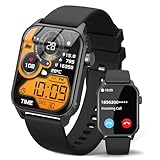
- 【1.83" HD Display & Customizable Watch Faces】Immerse yourself in a vibrant 1.83-inch IPS display, boasting a sharp resolution of 240*284 for crystal-clear visuals. Effortlessly personalize your smart watch with a wide array of customizable watch faces to suit your personal style for every occasion—whether trendy, artistic, or minimalist—ideal for casual, sporty, or professional. Its sleek, modern design complements any outfit, blending technology and fashion seamlessly for everyday wear
- 【120 Sports Modes & Advanced Health Tracking】Our TK29 smart watches for women men come equipped with 120 sports modes, allowing you to effortlessly track a variety of activities such as walking, running, cycling, and swimming. With integrated heart rate and sleep monitors, you can maintain a comprehensive overview of your health, achieve your fitness goals, and maintain a balanced, active lifestyle with ease. Your ideal wellness companion (Note: Step recording starts after exceeding 20 steps)
- 【IP67 Waterproof & Long-Lasting Battery】Designed to keep up with your active lifestyle, this smartwatch features an IP67 waterproof rating, ensuring it can withstand splashes, sweat, and even brief submersion, making it perfect for workouts, outdoor adventures, or rainy days. Its reliable 350mAh battery offering 5-7 days of active use and up to 30 days in standby mode, significantly reducing frequent charging. Ideal for all-day wear, whether you’re at the gym, outdoors, or simply on the go
- 【Stay Connected Anytime, Anywhere】Stay informed and in control with Bluetooth call and music control features. Receive real-time notifications for calls, messages, and social media apps like Facebook, WhatsApp, Twitter, and Instagram directly on your smartwatch. Easily manage calls, control your music playlist, and stay updated without needing to reach for your phone. Perfect for work, workouts, or on-the-go, this watch keeps you connected and never miss important updates wherever you are
- 【Multifunction & Wide Compatibility】Seamlessly handle heart rate monitoring, sleep tracking, and enjoy conveniences like camera/music control, Seamlessly handle heart rate monitoring, sleep tracking, and more-all directly from your wrist. This 1.83 inches HD smartwatch is compatible with iPhone (iOS 9.0+) & Android (5.0+), ensuring smooth daily connectivity and convenience throughout your day. More than just a timepiece, it’s a stylish, all-in-one wearable for smarter, healthier living
The GTS 3 targets those who prefer a lighter, rectangular design and a slightly more discreet presence on the wrist. It offers nearly identical fitness and health tracking to the GTR 3, but in a form factor that’s easier to read at a glance and often more comfortable for smaller wrists.
Display, Case Shape, and Wearability
The GTR 3 Pro and GTR 3 both use round AMOLED displays, with the Pro getting a larger 1.45-inch panel that feels closer to a traditional watch dial. The standard GTR 3’s 1.39-inch screen is still sharp and vibrant, but looks slightly more compact and understated.
The GTS 3 switches to a rectangular 1.75-inch AMOLED, which prioritizes information density over classic watch aesthetics. In real-world use, notifications, workout stats, and maps are easier to read on the GTS 3, while the round models win on style and symmetry.
All three are lightweight and comfortable for all-day wear, but the GTS 3 and GTR 3 feel especially unobtrusive during sleep and workouts. The Pro is still comfortable, though its added hardware gives it a slightly more substantial presence.
Health and Fitness Tracking Differences
Across the board, Amazfit keeps things consistent with 24/7 heart rate tracking, SpO2, stress monitoring, sleep tracking, and a wide range of sports modes. GPS performance is similar on all three, with solid accuracy for outdoor running and cycling.
The key differentiator is depth rather than breadth. The GTR 3 Pro adds skin temperature sensing, which can provide extra context for recovery and illness trends, though it’s more about long-term patterns than instant insights.
For most users focused on workouts, steps, and sleep quality, the GTR 3 and GTS 3 deliver nearly the same health experience as the Pro. You’re not sacrificing core fitness functionality by choosing the cheaper models.
Smart Features and Daily Convenience
This is where the GTR 3 Pro clearly pulls ahead. It includes a built-in speaker and microphone, enabling Bluetooth phone calls directly from the watch, as well as offline music storage and playback to wireless earbuds.
The GTR 3 and GTS 3 remove these features entirely. You still get notifications, basic app support, and voice assistant access, but interaction remains one-way and more passive.
If you expect your watch to replace quick phone interactions, the Pro is the only option that delivers. If you’re content with notifications and fitness-first usage, the standard models feel cleaner and less distracting.
Battery Life and Charging Reality
All three models excel in battery life compared to Wear OS or Apple Watch alternatives. Expect up to 12 days on the GTR 3 Pro, and closer to 20 days on the GTR 3 and GTS 3 with lighter usage.
The Pro’s extra features do have a cost, particularly if you use calls, music playback, and always-on display regularly. Even then, it remains a multi-day device rather than a nightly charging commitment.
For endurance-focused users or frequent travelers, the GTR 3 and GTS 3 are especially compelling, offering weeks of use without anxiety.
Value and Price Separation
The GTR 3 Pro commands the highest price, justified primarily by its calling, audio, and sensor upgrades rather than fitness superiority. It makes the most sense if you want a smartwatch that feels genuinely “smart” day to day.
The GTR 3 typically offers the best balance of price, battery life, and classic watch design, making it a strong default choice for most buyers. The GTS 3 often undercuts it slightly in price while delivering nearly identical performance in a different shape.
At a glance, the decision is less about which watch is best overall and more about which compromises you’re happiest to live with, because Amazfit has deliberately tuned each model for a different kind of wearer.
Design, Case Shape and Wearability: Round vs Square, Size, Comfort and Style
After weighing up features, battery life, and value, the decision often comes down to how the watch actually looks and feels on your wrist. This is where Amazfit draws some of the clearest lines between the GTR 3 Pro, GTR 3, and GTS 3, despite their shared DNA.
Round vs Square: Aesthetic Intent Matters
The GTR 3 Pro and GTR 3 both use a traditional round case that deliberately echoes classic analog watches. This makes them easier to dress up, especially with leather or metal straps, and less obviously “techy” in professional settings.
The GTS 3 goes in the opposite direction with a rectangular, Apple Watch–style case. It looks more modern and sporty, prioritising information density and quick readability over traditional watch cues.
If you want your smartwatch to visually replace a conventional watch, the GTR models feel more natural. If you see it primarily as a fitness and notification screen, the GTS 3’s shape makes practical sense.
Case Size, Thickness and Wrist Presence
The GTR 3 Pro is the largest and most substantial of the three. Its 46mm case and thicker profile give it real wrist presence, which suits medium to larger wrists but can feel oversized on smaller arms.
The standard GTR 3 trims things down slightly, typically around 45mm in diameter and marginally lighter. In daily wear, it feels more balanced and less top-heavy than the Pro, especially during long workouts or sleep tracking.
The GTS 3 is the most compact by far. Its slim, lightweight square case sits flatter on the wrist, making it the least intrusive option for all-day and overnight wear.
Materials, Finishing and Perceived Quality
The GTR 3 Pro clearly leads in material choice. It uses a higher-grade aluminum alloy body paired with a sapphire crystal, which significantly improves scratch resistance and long-term durability.
The GTR 3 and GTS 3 rely on tempered glass instead. While still perfectly serviceable, they will pick up micro-scratches more easily over time, especially if you wear the watch daily without a screen protector.
Finishing across all three is clean and minimal rather than luxurious. The Pro feels more premium in hand, but none of these watches aim to compete with high-end mechanical or luxury smartwatches.
Buttons, Controls and Everyday Interaction
The GTR 3 Pro features two physical buttons, which improves navigation and makes it easier to control music, workouts, or calls without relying entirely on touch input. This becomes especially valuable with sweaty hands or during outdoor training.
The GTR 3 and GTS 3 each use a single button combined with touchscreen gestures. It works well enough, but interaction feels simpler and occasionally slower when compared side by side with the Pro.
All three use AMOLED displays with slim bezels, so screen quality is not a differentiator here. The difference lies more in how confidently you can control the watch without looking.
Comfort, Weight and All-Day Wearability
Despite its size, the GTR 3 Pro is still relatively light for a 46mm smartwatch, but you are always aware it’s on your wrist. For some users, that sense of solidity is reassuring; for others, it becomes noticeable during sleep.
The GTR 3 strikes the best compromise between presence and comfort. It feels substantial without being bulky, making it a safe choice for users who want a classic look without sacrificing wearability.
The GTS 3 is the comfort king. Its low weight and thin profile make it ideal for smaller wrists, long workdays, and overnight health tracking, where bulk becomes a real annoyance.
Strap Fit and Customisation
Both GTR models use standard 22mm quick-release straps, which opens up a huge aftermarket of leather, silicone, and metal options. This makes it easy to change the character of the watch from sporty to formal.
The GTS 3 uses narrower 20mm straps, still common but slightly more limited in choice. On the upside, the slimmer straps suit the watch’s lighter case and improve comfort for smaller wrists.
Across all three, strap quality out of the box is functional rather than special. Most users looking to elevate the look will want to swap straps early on.
Style Verdict: Choosing What Fits You
The GTR 3 Pro is the boldest and most watch-like, suited to users who value presence, premium materials, and a more traditional aesthetic. It looks and feels like the flagship it is.
The GTR 3 is the most versatile design, balancing classic style with everyday comfort and broad appeal. For many buyers, it simply looks “right” in most situations.
The GTS 3 prioritises practicality and comfort over tradition. If minimal bulk, modern styling, and effortless wearability matter most, it is the easiest watch to live with day to day.
Rank #2
![Apple Watch Series 11 [GPS 46mm] Smartwatch with Jet Black Aluminum Case with Black Sport Band - M/L. Sleep Score, Fitness Tracker, Health Monitoring, Always-On Display, Water Resistant](https://m.media-amazon.com/images/I/312K597M2uL._SL160_.jpg)
- HYPERTENSION NOTIFICATIONS — Apple Watch Series 11 can spot signs of chronic high blood pressure and notify you of possible hypertension.*
- KNOW YOUR SLEEP SCORE — Sleep score provides an easy way to help track and understand the quality of your sleep, so you can make it more restorative.
- EVEN MORE HEALTH INSIGHTS — Take an ECG anytime.* Get notifications for a high and low heart rate, an irregular rhythm,* and possible sleep apnea.* View overnight health metrics with the Vitals app* and take readings of your blood oxygen.*
- STUNNING DESIGN — Thin and lightweight, Series 11 is comfortable to wear around the clock — while exercising and even when you’re sleeping, so it can help track your key metrics.
- A POWERFUL FITNESS PARTNER — With advanced metrics for all your workouts, plus features like Pacer, Heart Rate Zones, training load, Workout Buddy powered by Apple Intelligence from your nearby iPhone,* and more. Series 11 also comes with three months of Apple Fitness+ free.*
Display Technology Compared: AMOLED Quality, Brightness, Size and Always-On Differences
Once you’ve settled on which case shape and size feels right, the screen becomes the main way you interact with the watch every single day. On the GTR 3 Pro, GTR 3, and GTS 3, Amazfit leans heavily on AMOLED panels, but the real-world experience isn’t identical across the three.
AMOLED Panel Quality and Resolution
All three models use AMOLED displays, which means deep blacks, high contrast, and vibrant colours by default. Menus, workout data, and watch faces look crisp on each, with no obvious pixelation at normal viewing distances.
The GTR 3 Pro has the highest-resolution panel of the trio at 1.45 inches with a 480 x 480 resolution. In practice, this gives it the sharpest text rendering and the most detailed watch faces, especially noticeable on complex analog-style designs.
The standard GTR 3 uses a slightly smaller 1.39-inch AMOLED with a 454 x 454 resolution. While technically a step down, it remains very sharp, and most users will struggle to see a meaningful difference unless comparing it side by side with the Pro.
The GTS 3 takes a different approach with a rectangular 1.75-inch AMOLED at 390 x 450 resolution. Its pixel density is still solid, but the visual advantage comes from usable screen area rather than raw sharpness, particularly for notifications and fitness metrics.
Brightness and Outdoor Visibility
Brightness is one area where the GTR 3 Pro quietly pulls ahead. Its panel reaches higher peak brightness levels, making it easier to read in direct sunlight during outdoor runs or cycling sessions.
The GTR 3 and GTS 3 are still perfectly usable outdoors, but they don’t have the same margin of clarity under harsh light. You may find yourself tilting your wrist slightly more often to get the best viewing angle on bright days.
All three use automatic brightness adjustment, and in everyday use it works reliably. Indoors and at night, they dim down comfortably without being distracting, which is especially important for sleep tracking.
Display Size, Shape and Daily Usability
The circular displays on the GTR 3 Pro and GTR 3 reinforce their traditional watch styling, which suits classic watch faces and analog complications. The larger 1.45-inch screen on the Pro feels more immersive, but it also makes the watch feel more dominant on the wrist.
The GTR 3’s slightly smaller screen hits a sweet spot, offering plenty of space without overwhelming the case. For many users, this balance improves one-handed use and makes swiping and tapping feel more controlled.
The GTS 3’s rectangular display is the most practical for pure information density. Lists, messages, and workout screens feel less cramped, and the wider layout reduces the need for scrolling during longer notifications or health summaries.
Always-On Display Behaviour and Trade-Offs
All three models support always-on display, but the experience varies subtly. The GTR 3 Pro offers the most refined AOD options, with better-matched designs that mirror full watch faces more closely.
On the GTR 3 and GTS 3, AOD is functional but more basic, often switching to simplified digital or analog layouts. They remain readable, but they don’t carry the same visual polish as the Pro.
Battery impact is the real consideration here. Enabling always-on display reduces battery life significantly across all three, but the effect is most noticeable on the GTS 3 due to its thinner case and smaller battery capacity.
Touch Responsiveness and Everyday Interaction
Touch responsiveness is consistent across the lineup, with smooth swipes and reliable tap recognition. The AMOLED panels respond well even during workouts when your fingers may be slightly damp or sweaty.
The larger screens on the GTR 3 Pro and GTS 3 make on-screen controls easier to hit, especially during activity tracking. On the GTR 3, the slightly smaller display encourages more precise input but rarely feels limiting.
Across all three, the combination of AMOLED contrast and responsive touch makes daily interactions feel modern and fluid. While none reinvent smartwatch displays, the differences in size, brightness, and layout meaningfully shape how enjoyable each watch is to use over long periods.
Health and Fitness Tracking: Sensors, Accuracy and What You Actually Gain with the Pro
Once you move past the screens and daily interaction, the real buying decision between the GTR 3 Pro, GTR 3, and GTS 3 comes down to health sensors and how much depth you actually need. On paper, all three look very similar, but real-world use reveals where the Pro genuinely separates itself and where the differences are far more subtle.
Core Sensors: What All Three Watches Share
At a baseline level, the GTR 3 Pro, GTR 3, and GTS 3 all use Amazfit’s BioTracker optical heart rate sensor paired with blood oxygen (SpO2) monitoring. Continuous heart rate tracking, manual SpO2 checks, stress tracking, and sleep monitoring are standard across the lineup.
In everyday use, heart rate accuracy is broadly comparable between all three. During steady-state activities like walking, cycling, and treadmill workouts, readings generally stay within an acceptable margin compared to chest straps, with brief spikes during sudden intensity changes.
Sleep tracking is also consistent across models. You get breakdowns for light, deep, and REM sleep, plus nap detection and overnight breathing quality, and the insights feel more informational than medical across the board.
The Pro-Only Sensors: ECG and Skin Temperature
The GTR 3 Pro’s biggest health differentiator is its additional sensors. It is the only model in the range to offer ECG functionality and continuous skin temperature tracking.
ECG is region-dependent and requires setup through the Zepp app, but when available, it allows on-demand heart rhythm readings. This is not a clinical diagnostic tool, but it does add a layer of reassurance for users who want occasional rhythm checks rather than continuous monitoring.
Skin temperature tracking runs quietly in the background and becomes more useful over time. It can help flag deviations from your personal baseline, particularly when combined with sleep data, though it’s best viewed as trend-based insight rather than a standalone metric.
Workout Tracking and Sport Mode Depth
All three watches support over 150 workout modes, including indoor and outdoor running, cycling, swimming, strength training, and more niche activities. The breadth of modes is identical, and the Zepp OS interface presents them in the same way regardless of model.
Where differences emerge is in how data is contextualised. The GTR 3 Pro leans more heavily into training load, recovery time, and readiness-style insights, especially when its extra sensors are factored in.
GPS performance is solid across the lineup for casual and intermediate athletes. Route tracking is generally accurate in open areas, with occasional smoothing in urban environments, and none of the three meaningfully outclass the others for satellite performance alone.
Accuracy in Real-World Training
In practical testing, heart rate accuracy during interval training is similar across all three, with optical sensors struggling slightly during rapid intensity changes or heavy arm movement. The Pro does not dramatically outperform the others here, despite its added hardware.
Where the Pro pulls ahead is in data layering rather than raw accuracy. Having ECG, skin temperature trends, and more detailed recovery metrics gives you a broader picture over time, even if individual readings are not dramatically different day to day.
For users focused on basic fitness tracking, step counts, calorie estimates, and cardio trends, the GTR 3 and GTS 3 deliver nearly the same experience without feeling compromised.
Battery Impact of Advanced Health Tracking
More sensors mean more power draw, and this is where the GTR 3 Pro quietly pays a price. With continuous heart rate, sleep tracking, and skin temperature enabled, battery life drops faster than on the GTR 3, though it still comfortably lasts several days.
The GTR 3 tends to offer the best balance for long-term wear, especially if you enable continuous monitoring but skip advanced features like frequent SpO2 checks. The GTS 3, with its slimmer case and smaller battery, sees the most noticeable hit when all health features are enabled.
If battery longevity is a priority over health depth, the non-Pro models are easier to live with day to day.
What You Actually Gain with the Pro
The GTR 3 Pro doesn’t radically change how fitness tracking feels, but it adds layers that matter to the right user. ECG, skin temperature trends, and more nuanced recovery insights make it better suited to users who want a broader health overview rather than just activity logging.
For most people tracking workouts, sleep, and daily movement, the GTR 3 and GTS 3 already deliver a complete experience. The Pro earns its name not through dramatic accuracy gains, but by offering additional health context that becomes meaningful over weeks and months of wear.
Sports Modes, GPS Performance and Training Tools
If the health tracking differences between these three watches are about depth and context, their sports and GPS capabilities are where everyday usability becomes more tangible. This is the area where runners, cyclists, and gym-goers will feel differences during each workout rather than after it.
On paper, the Amazfit GTR 3 Pro, GTR 3, and GTS 3 look very similar here, but real-world use reveals small distinctions that matter depending on how and where you train.
Sports Modes and Activity Coverage
All three watches support over 150 sports modes, and in practical terms that means nearly every mainstream activity is covered. Running, walking, cycling, swimming, strength training, HIIT, yoga, rowing, and elliptical workouts are equally well handled across the lineup.
Rank #3

- Bluetooth Call and Message Alerts: Smart watch is equipped with HD speaker, after connecting to your smartphone via bluetooth, you can answer or make calls, view call history and store contacts through directly use the smartwatch. The smartwatches also provides notifications of social media messages (WhatsApp, Twitter, Facebook, Instagram usw.) So that you will never miss any important information.
- Smart watch for men women is equipped with a 320*380 extra-large hd full touch color screen, delivering exceptional picture quality and highly responsive touch sensitivity, which can bring you a unique visual and better interactive experience, lock screen and wake up easily by raising your wrist. Though “Gloryfit” app, you can download more than 102 free personalised watch faces and set it as your desktop for fitness tracker.
- 24/7 Heart Rate Monitor and Sleep Tracker Monitor: The fitness tracker watch for men has a built-in high-performance sensor that can record our heart rate changes in real time. Monitor your heart rate 26 hours a day and keep an eye on your health. Synchronize to the mobile phone app"Gloryfit", you can understand your sleep status(deep /light /wakeful sleep) by fitness tracker watch develop a better sleep habit and a healthier lifestyle.
- IP68 waterproof and 110+ Sports Modes: The fitness tracker provides up to 112+ sports modes, covering running, cycling, walking, basketball, yoga, football and so on. Activity trackers bracelets meet the waterproof requirements for most sports enthusiasts' daily activities, such as washing hands or exercising in the rain, meeting daily needs (note: Do not recommended for use in hot water or seawater.)
- Multifunction and Compatibility: This step counter watch also has many useful functions, such as weather forecast, music control, sedentary reminder, stopwatch, alarm clock, timer, track female cycle, screen light time, find phone etc. The smart watch with 2 hrs of charging, 5-7 days of normal use and about 30 days of standby time. This smart watches for women/man compatible with ios 9.0 and android 6.2 and above devices.
The GTR 3 Pro does not unlock exclusive sports modes over the GTR 3 or GTS 3. Instead, its advantage lies in how data is presented post-workout, with slightly more detailed breakdowns in the Zepp app rather than fundamentally different tracking on the watch itself.
For most users, the GTR 3 and GTS 3 already feel comprehensive. Unless you are regularly diving into advanced post-exercise metrics, you will not feel limited by the non-Pro models in terms of supported activities.
Automatic Exercise Recognition
Automatic workout detection is present on all three models and works reliably for common activities like walking, outdoor running, treadmill running, and elliptical training. Detection speed is similar across the lineup, usually triggering within the first few minutes of consistent movement.
False positives are rare, but the system is conservative by design. That means it prioritises accuracy over aggressiveness, which is good for data quality but less helpful if you frequently switch between short, mixed activities.
There is no meaningful difference in recognition accuracy between the Pro and non-Pro models. This is a shared Zepp OS behaviour rather than hardware-driven performance.
GPS Hardware and Real-World Accuracy
All three watches use built-in multi-constellation GNSS with support for GPS, GLONASS, Galileo, and BeiDou. None of them offer dual-band GPS, which is an important distinction if you are comparing them to newer, more expensive sports watches.
In open environments, GPS accuracy is solid and consistent across all three. Distance tracking on outdoor runs and rides typically aligns closely with smartphone GPS and known route lengths, with only minor variance.
Urban environments and tree-heavy routes expose the limitations. The GTR 3 Pro does not meaningfully outperform the GTR 3 or GTS 3 here, despite its higher price. Track smoothing can occasionally cut corners or drift near tall buildings, but this behaviour is consistent across the lineup.
GPS Lock Speed and Stability
Cold-start GPS lock is generally quick, often taking under 30 seconds in open areas. Warm starts are faster, especially if you train regularly at the same locations.
Once locked, signal stability is good for steady-paced workouts. Sudden direction changes or interval-heavy routes can cause brief path wobble, but it rarely affects total distance enough to matter for casual to intermediate training.
The GTS 3, despite its lighter aluminium case and slimmer profile, performs on par with the round-bodied GTR models. Case shape and size do not appear to influence GPS reliability in real-world use.
Training Metrics and Performance Analysis
All three watches offer core training metrics such as VO₂ max estimation, training load, recovery time, and aerobic versus anaerobic effect. These metrics are powered by Firstbeat-style algorithms and feel well-calibrated for general fitness guidance rather than elite coaching.
The GTR 3 Pro benefits from having more health data layered into training analysis. Recovery insights can factor in additional context from sleep quality, stress, and longer-term trends, even if the workout data itself is identical.
The GTR 3 and GTS 3 still provide actionable feedback. For most users, metrics like training load balance and recovery time are easy to understand and genuinely useful for avoiding overtraining.
Strength Training and Rep Tracking
Strength training modes are available on all three, including automatic rep counting for select exercises. In practice, rep detection works best for controlled, repetitive movements and becomes less reliable with complex or fast transitions.
None of the models offer advanced muscle group visualisation or workout planning directly on the watch. Post-workout editing in the Zepp app is possible but not especially intuitive.
The experience is consistent across the lineup, and the Pro does not offer enhanced strength training tools that justify choosing it solely for gym-based workouts.
Swimming and Water-Based Activities
All three watches are rated to 5 ATM, making them suitable for pool swimming and open water exposure. Pool swim tracking is accurate, with reliable lap counting and stroke recognition.
Open water swimming relies heavily on GPS performance, and results are acceptable but not class-leading. Routes can appear slightly simplified in the app, particularly in choppy water or when arm movement disrupts signal consistency.
Again, the Pro does not outperform the others in this area. If swimming is a core activity, the experience is effectively the same regardless of which model you choose.
Workout Controls, Comfort, and Wearability During Training
During workouts, the interface is identical across all three watches. Metrics are easy to read, touch responsiveness is good, and physical buttons provide reliable control when hands are sweaty or gloved.
Comfort differs more by case shape than feature set. The round GTR 3 and GTR 3 Pro distribute weight evenly and feel stable during longer runs, while the square GTS 3 sits flatter on smaller wrists and moves less during high-cadence activities.
Strap quality is serviceable rather than premium on all models. Most serious users will eventually upgrade to third-party straps for better breathability and comfort.
Who the Sports and GPS Experience Is Really For
For runners, cyclists, and general fitness users, the sports tracking experience is nearly identical across the GTR 3 Pro, GTR 3, and GTS 3. GPS accuracy, supported activities, and training metrics do not scale meaningfully with price.
The GTR 3 Pro makes more sense if you value layered health insights that influence recovery and long-term training decisions. The GTR 3 offers the strongest value for outdoor sports with minimal compromise, while the GTS 3 suits users who prefer a lighter, more compact watch without sacrificing core performance.
Choosing between them is less about athletic capability and more about how much context you want around your workouts, and how the watch feels on your wrist during daily training.
Smartwatch Features and Zepp OS Experience: Calls, Music, Apps and Day-to-Day Use
Once you step away from structured workouts, the real separation between the GTR 3 Pro, GTR 3, and GTS 3 starts to appear. All three run Zepp OS, but hardware differences mean the day-to-day smartwatch experience is not equal across the lineup.
This is where Amazfit’s pricing strategy becomes clear: core fitness is shared, while convenience features scale with cost.
Zepp OS Interface and Everyday Navigation
Zepp OS looks and behaves the same on all three watches. Swipes are consistent, animations are smooth, and the UI is refreshingly uncluttered compared to Wear OS alternatives.
The rotating crown on the GTR 3 and GTR 3 Pro adds a more traditional watch feel and makes scrolling through widgets easier one-handed. The GTS 3 relies solely on touch input, which is fine, but less precise when moving or wearing gloves.
Menus are logically arranged, and watch face performance is excellent across all models thanks to AMOLED displays and good brightness control. There is no functional speed advantage on the Pro in daily use.
Bluetooth Calling: Pro-Only Convenience
The biggest functional difference is Bluetooth calling, which is exclusive to the GTR 3 Pro. It has a built-in microphone and speaker, allowing you to answer calls directly from your wrist when connected to your phone.
Call quality is adequate for short conversations, with clear audio indoors and acceptable performance outdoors if wind is minimal. It is not a replacement for earbuds, but it is genuinely useful when your phone is out of reach.
The GTR 3 and GTS 3 can only reject calls or send quick replies. If wrist-based calling matters to you, the Pro is the only option.
Music Storage and Playback
Music support follows the same pattern. The GTR 3 Pro includes internal storage for offline music playback, meaning you can pair Bluetooth headphones directly to the watch and leave your phone behind.
This is especially useful for gym sessions and short runs, though transferring music via the Zepp app is slower than on more expensive ecosystems. Playlist management is basic, but functional.
The GTR 3 and GTS 3 act solely as music controllers for your phone. You can play, pause, and skip tracks, but you cannot store music locally on the watch.
App Ecosystem and Zepp Mini Apps
Zepp OS supports lightweight mini apps, but expectations need to be realistic. The app ecosystem is small and focused on utilities like calculators, timers, hydration reminders, and basic navigation tools.
Rank #4
![Apple Watch Series 11 [GPS 42mm] Smartwatch with Rose Gold Aluminum Case with Light Blush Sport Band - S/M. Sleep Score, Fitness Tracker, Health Monitoring, Always-On Display, Water Resistant](https://m.media-amazon.com/images/I/31J+F-pXaWL._SL160_.jpg)
- HYPERTENSION NOTIFICATIONS — Apple Watch Series 11 can spot signs of chronic high blood pressure and notify you of possible hypertension.*
- KNOW YOUR SLEEP SCORE — Sleep score provides an easy way to help track and understand the quality of your sleep, so you can make it more restorative.
- EVEN MORE HEALTH INSIGHTS — Take an ECG anytime.* Get notifications for a high and low heart rate, an irregular rhythm,* and possible sleep apnea.* View overnight health metrics with the Vitals app* and take readings of your blood oxygen.*
- STUNNING DESIGN — Thin and lightweight, Series 11 is comfortable to wear around the clock — while exercising and even when you’re sleeping, so it can help track your key metrics.
- A POWERFUL FITNESS PARTNER — With advanced metrics for all your workouts, plus features like Pacer, Heart Rate Zones, training load, Workout Buddy powered by Apple Intelligence from your nearby iPhone,* and more. Series 11 also comes with three months of Apple Fitness+ free.*
There is no third-party messaging app support, no contactless payments, and no voice assistant with deep system control. This applies equally to all three watches, including the Pro.
In daily use, this keeps the experience simple and battery-friendly, but it also reinforces that these are fitness-first watches with smart features layered on top.
Notifications, Messages, and Phone Integration
Notification handling is identical across the lineup. Alerts are delivered reliably from Android phones, with good vibration strength and clear text rendering.
You can read full notifications and scroll longer messages, but you cannot reply to messages or interact with notifications beyond dismissing them. Emojis display inconsistently, and images are not supported.
Phone integration is stable, but basic. If two-way communication is a priority, none of these watches are designed to replace a full smartwatch platform.
Battery Life in Real-World Smartwatch Use
Battery life remains a strength regardless of model, even with smart features enabled. The GTR 3 and GTS 3 typically last 10 to 12 days with notifications, health tracking, and occasional GPS use.
The GTR 3 Pro drops closer to 7 to 9 days if you regularly use Bluetooth calling or offline music. Even so, it still outperforms most Wear OS watches by a wide margin.
Charging is quick and consistent across all three, using the same magnetic charger. None support wireless charging.
Comfort, Materials, and Daily Wearability
All three watches are comfortable for all-day wear, but the materials subtly influence the experience. The GTR 3 Pro uses a more premium-feeling case and glass, which gives it a dressier presence on the wrist.
The GTR 3 feels slightly lighter and more balanced for long days, especially if you are sensitive to top-heavy watches. The GTS 3 remains the easiest to wear during sleep due to its flatter profile and lower overall weight.
None of the included straps feel luxurious, and all use standard lug widths, making strap upgrades easy and worthwhile for daily comfort.
Which Smartwatch Experience Actually Fits Your Life
If you want your watch to handle calls and music independently, the GTR 3 Pro clearly earns its higher price. Those features change how often you can leave your phone behind.
If your smartwatch role is notifications, health tracking, and basic controls, the GTR 3 and GTS 3 deliver nearly the same experience for less money. Between those two, the choice comes down to case shape, wrist size, and aesthetic preference rather than functionality.
Zepp OS keeps all three focused, efficient, and battery-friendly. The difference is not how smart the software feels, but how much hardware capability you want supporting it.
Battery Life and Charging: Real-World Endurance Across the Three Models
Battery performance is one of the reasons these Amazfit models appeal to buyers who want smartwatch convenience without daily charging. While the three watches share the same Zepp OS efficiency, differences in display size, features, and hardware give each a distinct real-world endurance profile.
Everyday Use: Notifications, Health Tracking, and Mixed Activity
With notifications enabled, continuous heart-rate monitoring, sleep tracking, and a few workouts per week, the GTR 3 and GTS 3 consistently land in the 10 to 12 day range. This assumes moderate screen wake-ups and no always-on display, which is how most users will run them day to day.
The GTR 3 Pro, by comparison, typically settles closer to 7 to 9 days under the same conditions. The larger, higher-resolution display and extra hardware features create a small but noticeable battery penalty that shows up over a full week of use.
In practical terms, that difference means charging the Pro roughly once a week, versus every 10 days or so for the GTR 3 and GTS 3. All three still feel liberating if you are coming from Wear OS or Apple Watch territory.
GPS and Workout Tracking Impact
GPS usage is where the battery gap becomes clearer. The GTR 3 and GTS 3 can handle around 20 to 25 hours of continuous GPS tracking, which comfortably supports several long runs or bike rides before charging becomes urgent.
The GTR 3 Pro delivers slightly less endurance, generally around 18 to 20 hours of GPS time in real-world testing. This is still strong for a watch with onboard music and calling hardware, but endurance-focused athletes may notice the difference during heavy training weeks.
Dual-band GPS is not present on any of these models, so battery drain remains predictable rather than spiky. Tracking accuracy is consistent enough that there is no need to run longer GPS sessions than necessary.
Always-On Display and Display Efficiency
Turning on the always-on display has a meaningful effect across all three watches. Expect battery life to drop by roughly 30 to 40 percent, regardless of model, due to the AMOLED panels remaining partially active.
In this mode, the GTR 3 and GTS 3 typically last around 6 to 7 days, while the GTR 3 Pro falls closer to 4 to 5 days. The Pro’s larger screen and brighter panel amplify the impact more than on the other two.
If visual presence matters more than endurance, the hit may be acceptable. For most value-focused buyers, leaving AOD off preserves one of these watches’ strongest advantages.
Bluetooth Calling, Music, and Standalone Features
The GTR 3 Pro is the only model that supports Bluetooth calling and offline music storage, and both features affect battery life. Taking calls directly from the watch and streaming audio to headphones accelerates drain noticeably during active days.
Frequent calling can push the Pro closer to the lower end of its 7-day range, especially if combined with workouts and GPS use. Music playback has a similar effect, particularly at higher volumes or with longer sessions.
The GTR 3 and GTS 3 avoid this trade-off entirely, which is part of why their battery life feels more predictable. Their simpler hardware aligns better with Zepp OS’s efficiency-first design.
Charging Speed, Method, and Day-to-Day Practicality
All three watches use the same magnetic charging puck, which keeps things simple if you own multiple Amazfit devices. A full charge typically takes around two hours, with the first 50 percent arriving much faster.
There is no wireless charging, and the proprietary connector means you will want to keep track of the cable when traveling. On the upside, charging consistency is excellent, with no overheating or erratic charge behavior in long-term use.
Because charging is infrequent, the lack of faster top-ups or wireless options is easier to forgive here than on daily-charge smartwatches. In real-world ownership, battery anxiety is rarely part of the experience.
Which Model Makes the Most Sense for Battery-Focused Buyers
If maximum endurance is the priority, the GTR 3 and GTS 3 are effectively tied, with the choice coming down to case shape and wrist comfort rather than battery alone. Both deliver multi-week reliability that fits well with casual fitness and everyday wear.
The GTR 3 Pro trades some of that endurance for features that genuinely change how the watch can be used independently of your phone. Whether that trade-off is worth it depends on how often you plan to make calls or listen to music directly from your wrist.
Across the lineup, Amazfit’s strength is not headline battery numbers but how consistently those numbers hold up in real use. For mid-range buyers who value reliability over flash, all three models deliver endurance that remains a core selling point.
Build Quality, Durability and Water Resistance
After battery performance, build quality is the next area where day-to-day satisfaction is decided. All three watches are designed to be worn constantly, so materials, finishing, and water resistance matter just as much as headline features.
Case Materials and Overall Construction
The GTR 3 Pro clearly sits at the top of the lineup in terms of materials. It uses an aircraft-grade aluminum body with a ceramic bezel and back panel, which gives it a cooler, denser feel on the wrist and better resistance to cosmetic wear over time.
The standard GTR 3 also uses an aluminum alloy case, but without the ceramic elements. It feels solid and well-finished for the price, though side-by-side it is easier to spot light scuffs and micro-scratches after months of daily wear.
The GTS 3 shares the same aluminum construction as the GTR 3 but in a rectangular case. The flatter edges and larger exposed surface area make it slightly more prone to visible knocks, especially if you are rough on your watches or wear it during manual work.
Dimensions, Weight, and Wrist Comfort
The GTR 3 Pro is the heaviest of the three at just over 32 grams without the strap, though it still wears comfortably thanks to its balanced case design. On smaller wrists, the added weight is noticeable at first but tends to disappear after a few days of use.
💰 Best Value
![Apple Watch Series 11 [GPS 42mm] Smartwatch with Jet Black Aluminum Case with Black Sport Band - S/M. Sleep Score, Fitness Tracker, Health Monitoring, Always-On Display, Water Resistant](https://m.media-amazon.com/images/I/31ybzrJZckL._SL160_.jpg)
- HYPERTENSION NOTIFICATIONS — Apple Watch Series 11 can spot signs of chronic high blood pressure and notify you of possible hypertension.*
- KNOW YOUR SLEEP SCORE — Sleep score provides an easy way to help track and understand the quality of your sleep, so you can make it more restorative.
- EVEN MORE HEALTH INSIGHTS — Take an ECG anytime.* Get notifications for a high and low heart rate, an irregular rhythm,* and possible sleep apnea.* View overnight health metrics with the Vitals app* and take readings of your blood oxygen.*
- STUNNING DESIGN — Thin and lightweight, Series 11 is comfortable to wear around the clock — while exercising and even when you’re sleeping, so it can help track your key metrics.
- A POWERFUL FITNESS PARTNER — With advanced metrics for all your workouts, plus features like Pacer, Heart Rate Zones, training load, Workout Buddy powered by Apple Intelligence from your nearby iPhone,* and more. Series 11 also comes with three months of Apple Fitness+ free.*
The GTR 3 is lighter and thinner, which makes it easier to forget you are wearing it during sleep tracking and long workouts. For all-day comfort, especially if you wear a watch 24/7, this model strikes the best balance.
The GTS 3 is the lightest and spreads its weight across a wider footprint. This works well for flat wrists, but on narrower wrists it can feel slightly top-heavy, particularly during activities involving a lot of arm movement.
Buttons, Crown, and Everyday Handling
All three watches use a two-button layout, with the upper button acting as a rotating crown. The GTR 3 Pro’s crown has the most refined action, with smoother rotation and more consistent haptic feedback when scrolling through menus.
The GTR 3 and GTS 3 crowns feel slightly looser, though still responsive and reliable in daily use. None of the buttons feel fragile, and long-term testing shows no tendency toward wobble or inconsistent clicks.
Touch responsiveness is also influenced by case design. The curved edges of the GTR models help reduce accidental touches, while the GTS 3’s flat screen can register unintended inputs more easily during workouts or when adjusting tight sleeves.
Glass Protection and Scratch Resistance
All three watches use tempered glass rather than sapphire, which is a cost-saving choice but one that performs reasonably well in real-world use. Minor scratches are possible, particularly if the watch is worn alongside metal bracelets or frequently brushed against hard surfaces.
The GTR 3 Pro’s ceramic bezel offers extra protection by raising the edge slightly above the glass. This small design detail makes a noticeable difference over time, especially for users who are less careful with their gear.
Screen protectors are easy to find for all models and are a sensible addition if durability is a priority. Without one, the Pro simply holds up better visually after months of wear.
Water Resistance and Sports Suitability
All three watches are rated at 5 ATM, making them suitable for swimming, showering, and exposure to rain. They are not designed for diving or high-pressure water sports, but for pool workouts and open-water swimming, they perform reliably.
Button sealing and speaker placement matter here. The GTR 3 Pro’s built-in speaker introduces an extra potential entry point, but in practice it holds up well and includes automatic water clearing after swims.
For users focused on fitness rather than extreme sports, there is no practical difference in water resistance between the three. The limitation is the rating itself, not how Amazfit has implemented it.
Long-Term Durability and Real-World Wear
Over extended use, the GTR 3 Pro shows the least cosmetic aging thanks to its ceramic components and slightly thicker construction. It feels like the watch you can keep on your wrist year-round without babying it.
The GTR 3 and GTS 3 are still durable, but they reward more careful ownership. If you rotate watches or primarily wear them for workouts and casual use, their build quality is more than sufficient.
From a value perspective, Amazfit has clearly tiered durability alongside features. The Pro earns its price premium with materials that age better, while the standard models prioritize lightness and comfort over long-term cosmetic resilience.
Price, Value and Who Each Watch Is Really For
After looking at durability and long-term wear, the pricing structure makes more sense. Amazfit has very deliberately separated these three models not just by features, but by how they are meant to be lived with day after day.
Street pricing also matters more than launch pricing here. These watches are frequently discounted, and value shifts depending on how far each model drops below its original MSRP.
Amazfit GTR 3 Pro: The Premium Daily Wear Option
The GTR 3 Pro consistently sits at the top of the price range, but it also justifies that position more clearly than many “Pro” smartwatches. The larger AMOLED display, ceramic bezel, stainless steel case, and built-in speaker and microphone create a watch that feels closer to a true everyday smartwatch than a fitness band in disguise.
In real-world use, this is the model that works best as a single-watch solution. Call handling, offline music storage, stronger materials, and better long-term cosmetic durability make it suitable for office wear, travel, and workouts without feeling like a compromise in any one area.
Value-wise, the GTR 3 Pro makes the most sense when you want smartwatch convenience without committing to the cost or battery trade-offs of a Wear OS or Apple Watch. It is particularly well suited to Android users who want a polished experience with multi-day battery life and minimal charging anxiety.
Amazfit GTR 3: The Balanced Round Watch for Fitness-First Users
The standard GTR 3 typically lands noticeably cheaper than the Pro, and the savings are real once you account for what is removed. You lose the speaker, microphone, ceramic bezel, and slightly premium finishing, but the core health sensors, GPS performance, and Zepp OS experience remain intact.
This is the better value pick for users who prioritize fitness tracking and battery life over smartwatch extras. The lighter weight and slimmer profile also make it more comfortable for 24/7 wear, particularly for sleep tracking and long training sessions.
If you like the look of a traditional round watch but do not need calls, onboard music, or higher-end materials, the GTR 3 often represents the sweet spot in the lineup. When discounted, it delivers almost all of the tracking performance of the Pro at a much more approachable price.
Amazfit GTS 3: Maximum Value and Everyday Comfort
The GTS 3 is usually the most affordable of the three, and it leans fully into practicality. The rectangular case, lighter aluminum build, and flat display make it extremely comfortable, especially for smaller wrists or users coming from a fitness band or Apple Watch-style form factor.
From a features standpoint, it gives up very little that matters for health tracking. GPS accuracy, heart rate monitoring, blood oxygen tracking, and sports modes are essentially on par with the GTR 3, making it an excellent option for users who care about metrics rather than materials.
Where the GTS 3 shines is value per gram on the wrist. It is the easiest to forget you are wearing, charges quickly, and costs the least to replace if it gets scratched or knocked around. For daily fitness, casual wear, and sleep tracking, it offers arguably the best comfort-to-price ratio in the lineup.
Which One You Should Actually Buy
Choose the GTR 3 Pro if you want one watch to handle work, workouts, and casual wear with minimal compromises. Its higher price buys tangible upgrades in materials, longevity, and smart features that you will notice every day.
The GTR 3 is the right choice if you like the classic round look but want to keep spending under control. It delivers nearly the same fitness experience as the Pro while staying lighter, simpler, and easier to justify for fitness-focused users.
The GTS 3 is for buyers who value comfort, simplicity, and cost above all else. If you want strong health tracking, excellent battery life, and a lightweight watch you can wear around the clock without thinking about it, this is the most efficient way into Amazfit’s ecosystem.
Final Verdict: Which Amazfit GTR 3 Series Watch Should You Buy?
At this point, the decision between the GTR 3 Pro, GTR 3, and GTS 3 is less about raw capability and more about how you plan to live with the watch every day. All three share the same core Zepp OS experience, very similar health sensors, reliable GPS, and class-leading battery life for the price. The differences that matter most show up in materials, comfort, and how “smartwatch-like” you want the experience to feel.
Choose the Amazfit GTR 3 Pro if You Want the Most Complete Experience
The GTR 3 Pro is the clear choice for buyers who want a single watch that can cover work, workouts, and casual wear without feeling compromised. The larger AMOLED display, sapphire glass, stainless steel case, speaker, and onboard music storage make it feel closer to a premium smartwatch than a fitness-first device. In daily use, features like Bluetooth calling and standalone music playback genuinely reduce phone dependence, especially during workouts or commutes.
That said, you pay for those upgrades in both price and size. The Pro is heavier on the wrist and visually more prominent, which may be less ideal for smaller wrists or all-night sleep tracking. If you want the most capable and polished watch Amazfit offers in this generation, the GTR 3 Pro earns its premium, but only if you will actually use its added smart features.
Choose the Amazfit GTR 3 if You Want the Best Balance of Price and Performance
The standard GTR 3 remains the quiet standout of the lineup because it delivers almost everything most users need, without the extras that drive up cost. You still get a sharp AMOLED display, accurate GPS, solid heart rate and SpO2 tracking, and the same smooth Zepp OS interface. Battery life is excellent, and the lighter aluminum build improves comfort for 24/7 wear.
What you give up is mostly convenience rather than capability. There is no calling, no onboard music, and the materials are less luxurious, but fitness tracking and day-to-day usability remain nearly identical to the Pro. For buyers who want a traditional round smartwatch that focuses on health and battery life rather than gimmicks, the GTR 3 is often the smartest purchase, especially when discounted.
Choose the Amazfit GTS 3 if Comfort, Simplicity, and Value Matter Most
The GTS 3 is the most practical option for users who prioritize comfort and affordability above all else. Its rectangular design, flat display, and lighter weight make it the easiest to wear continuously, particularly for sleep tracking and long fitness sessions. For smaller wrists or users transitioning from a fitness band or Apple Watch-style device, it simply feels more natural.
Crucially, it does not sacrifice meaningful health or fitness features. GPS accuracy, sensor performance, and sports tracking are effectively on par with the GTR 3, making the differences almost entirely about form factor and materials. If you want the lowest-cost entry into Amazfit’s ecosystem with minimal compromises, the GTS 3 delivers exceptional value for everyday use.
The Bottom Line
There is no wrong choice in the GTR 3 series, only a better match for your priorities. The GTR 3 Pro is for users who want premium materials and smarter standalone features, the GTR 3 is for those who want maximum fitness capability at a sensible price, and the GTS 3 is for buyers who value comfort and efficiency above all else. Decide how much you care about materials, calling, music, and wrist feel, and the right Amazfit quickly becomes obvious.