For years, Amazfit has nailed the fundamentals of affordable smartwatch hardware while leaving its companion app feeling like the weak link. Owners of GTR, GTS, Bip, T-Rex, and Balance models have consistently praised battery life, comfort, and sensor reliability, then immediately complained about cluttered menus, inconsistent navigation, and fitness data that felt buried rather than actionable. This update lands directly on that fault line between great hardware and a software experience that hadn’t kept pace.
The timing also matters. As Fitbit tightens features behind subscriptions and Garmin continues to double down on data-heavy interfaces that can overwhelm casual users, Amazfit is trying to hold its ground as the “easy daily wearable” brand. A refreshed app UI and a long-requested badge system aren’t flashy additions, but they target the everyday friction points that determine whether a smartwatch becomes a habit or ends up forgotten in a drawer.
What follows is not just a cosmetic polish, but an attempt to reset how Amazfit users interact with their data, stay motivated, and understand progress across health, fitness, and daily activity. To understand why this matters, you have to look at where the app previously fell short and how this update shifts the experience closer to what users have been asking for.
A History of Capable Watches Held Back by Software Friction
Amazfit watches have long delivered excellent real-world wearability, with lightweight cases, comfortable silicone or nylon straps, and multi-week battery life that easily outlasts Wear OS and Apple Watch rivals. Yet the Zepp app experience often felt like it belonged to a different era, with dense dashboards, uneven translations, and settings scattered across too many layers. Even basic tasks like checking weekly training load or sleep trends required more taps than necessary.
🏆 #1 Best Overall
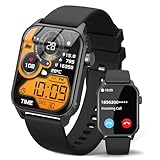
- 【1.83" HD Display & Customizable Watch Faces】Immerse yourself in a vibrant 1.83-inch IPS display, boasting a sharp resolution of 240*284 for crystal-clear visuals. Effortlessly personalize your smart watch with a wide array of customizable watch faces to suit your personal style for every occasion—whether trendy, artistic, or minimalist—ideal for casual, sporty, or professional. Its sleek, modern design complements any outfit, blending technology and fashion seamlessly for everyday wear
- 【120 Sports Modes & Advanced Health Tracking】Our TK29 smart watches for women men come equipped with 120 sports modes, allowing you to effortlessly track a variety of activities such as walking, running, cycling, and swimming. With integrated heart rate and sleep monitors, you can maintain a comprehensive overview of your health, achieve your fitness goals, and maintain a balanced, active lifestyle with ease. Your ideal wellness companion (Note: Step recording starts after exceeding 20 steps)
- 【IP67 Waterproof & Long-Lasting Battery】Designed to keep up with your active lifestyle, this smartwatch features an IP67 waterproof rating, ensuring it can withstand splashes, sweat, and even brief submersion, making it perfect for workouts, outdoor adventures, or rainy days. Its reliable 350mAh battery offering 5-7 days of active use and up to 30 days in standby mode, significantly reducing frequent charging. Ideal for all-day wear, whether you’re at the gym, outdoors, or simply on the go
- 【Stay Connected Anytime, Anywhere】Stay informed and in control with Bluetooth call and music control features. Receive real-time notifications for calls, messages, and social media apps like Facebook, WhatsApp, Twitter, and Instagram directly on your smartwatch. Easily manage calls, control your music playlist, and stay updated without needing to reach for your phone. Perfect for work, workouts, or on-the-go, this watch keeps you connected and never miss important updates wherever you are
- 【Multifunction & Wide Compatibility】Seamlessly handle heart rate monitoring, sleep tracking, and enjoy conveniences like camera/music control, Seamlessly handle heart rate monitoring, sleep tracking, and more-all directly from your wrist. This 1.83 inches HD smartwatch is compatible with iPhone (iOS 9.0+) & Android (5.0+), ensuring smooth daily connectivity and convenience throughout your day. More than just a timepiece, it’s a stylish, all-in-one wearable for smarter, healthier living
This disconnect was especially frustrating for users who valued Amazfit’s strong health sensors, including heart rate, SpO2, sleep stages, and readiness-style metrics. The data was there, but the app didn’t guide users toward understanding or acting on it. Compared to Garmin’s clearly structured performance widgets or Fitbit’s clean daily scorecards, Amazfit’s presentation felt functional but uninspiring.
Why the UI Refresh Addresses Longstanding Complaints
The refreshed interface directly tackles navigation fatigue by simplifying layouts and making key metrics easier to surface at a glance. Activity summaries, health scores, and device controls are now grouped more logically, reducing the sense that the app is fighting against the user’s intent. This is particularly important for beginners who don’t want to study graphs just to understand how their day went.
Just as importantly, the new UI feels more consistent across Android and iOS, an area where Amazfit previously lagged behind competitors. While performance tracking depth still trails Garmin at the high end, the overall experience now feels closer to Fitbit’s approachable style without sacrificing Amazfit’s strong battery-first philosophy. For daily usability, this means less time navigating menus and more time actually using the watch as intended.
Badge Awards as a Response to Motivation and Engagement Gaps
One of the most common frustrations among Amazfit users has been the lack of meaningful motivation tools. Outside of raw stats, there was little sense of progression, especially for casual walkers, runners, or gym-goers who aren’t chasing VO2 max charts. The introduction of badge awards finally gives users tangible milestones that reward consistency, not just intensity.
This matters because Amazfit’s core audience often prioritizes comfort, durability, and long battery life over hardcore training analytics. Badges help reinforce daily habits like step goals, sleep regularity, or workout streaks, making the platform feel more alive and responsive. While still simpler than Garmin’s challenge ecosystem, it brings Amazfit closer to Fitbit’s strength in long-term engagement without adding subscription pressure.
Why This Update Signals a Broader Shift for Amazfit
Taken together, the UI refresh and badge system suggest Amazfit is listening to feedback rather than chasing headline features. Instead of adding niche sport modes or experimental sensors, the company is refining how users interact with what they already have. That’s a crucial move for a brand whose value proposition depends on ease of use, comfort on the wrist, and software that fades into the background of daily life.
For existing owners, this update has the potential to make their current watch feel meaningfully better without changing hardware. For prospective buyers, it reduces one of the biggest historical compromises of choosing Amazfit over more expensive ecosystems. The real test will be whether these changes continue to evolve, but as a starting point, this update directly addresses frustrations that have lingered far too long.
What’s New in the Amazfit App UI Refresh: Layout Changes, Navigation, and Visual Hierarchy Explained
The badge system hints at Amazfit’s new priorities, but the UI refresh is where most users will feel the impact immediately. This update doesn’t reinvent the Amazfit app so much as correct years of small usability missteps that added friction to everyday use. The result is an interface that feels calmer, more modern, and far more intentional about what it wants you to look at first.
A Reworked Home Screen That Prioritizes Daily Context
The most noticeable change appears the moment you open the app. The home screen now places daily health metrics front and center, using clearer spacing and modular cards rather than dense data blocks. Steps, sleep, heart rate, and readiness-style summaries are easier to scan without scrolling or drilling into sub-menus.
Previously, Amazfit’s home screen felt like a dumping ground for every metric the watch could collect. The new layout introduces hierarchy, subtly guiding the eye toward what matters today rather than overwhelming users with historical charts. For casual users checking progress between meetings or workouts, this alone makes the app feel faster and more approachable.
Simplified Bottom Navigation With Clearer Destinations
Navigation has been quietly overhauled, especially in the bottom tab bar. Key sections like Home, Health, Devices, and Profile are now more clearly separated, with less overlap between where data lives and where settings are hidden. This reduces the trial-and-error navigation that long-time users had simply learned to tolerate.
In older versions, device settings and health insights often bled into each other, making even simple tasks like adjusting GPS preferences or notification behavior feel buried. The refresh draws firmer boundaries between daily insights and deeper configuration, which is particularly helpful for users managing multiple Amazfit devices.
Visual Hierarchy That Finally Matches the Data Depth
Amazfit watches generate a lot of data, especially models with continuous heart rate tracking, SpO2, stress, and sleep stages. The refreshed UI uses typography size, color restraint, and spacing to indicate importance instead of relying on walls of numbers. Key trends are easier to understand at a glance, while deeper analytics remain accessible without feeling mandatory.
This approach brings Amazfit closer to Fitbit’s strength in passive insight delivery, where users can engage as lightly or deeply as they want. It still doesn’t reach Garmin’s depth for advanced training metrics, but it no longer feels visually chaotic when presenting multi-day or weekly health patterns.
Cleaner Charts and More Touch-Friendly Interactions
Charts across sleep, heart rate, and activity tracking have been refined with smoother scrolling and clearer time segmentation. Touch targets are larger, reducing missed taps on smaller phones, and data labels are less cluttered. This matters for users reviewing workouts post-session or checking sleep quality first thing in the morning.
The improvements are subtle rather than flashy, but they add up during daily use. When paired with Amazfit’s typically long battery life and lightweight watch designs, the software now better supports quick check-ins instead of demanding focused attention.
Device Management Feels Less Like a Settings Maze
The Devices section has been reorganized to surface commonly adjusted options earlier. Watch faces, health tracking toggles, firmware updates, and battery status are easier to find without digging through nested menus. For new users, this reduces the learning curve during initial setup.
This is especially important given Amazfit’s broad lineup, from budget-focused Bip models to larger, sport-oriented watches with more sensors. The app now scales better across devices, making it clearer what features are available on your specific watch rather than presenting everything as if it applies universally.
A Design Language That Feels More Cohesive Across Android and iOS
While feature parity between Android and iOS remains largely the same, the refreshed UI narrows the visual gap between platforms. Fonts, iconography, and spacing are more consistent, giving the app a unified identity regardless of phone choice. That’s a small but meaningful step for a brand with a global user base spread across ecosystems.
The experience still isn’t as polished as Apple’s tightly integrated watchOS environment, but it no longer feels like an afterthought. For users switching phones or platforms, the app now feels familiar rather than foreign.
Why These UI Changes Matter More Than New Features
What makes this refresh important is not any single screen but how it reshapes everyday interaction. By reducing cognitive load and clarifying navigation, Amazfit improves perceived performance without touching hardware, battery life, or sensors. The watch you already own simply feels easier to live with.
For a brand built on value, comfort, and endurance rather than luxury materials or bleeding-edge components, this kind of software refinement directly enhances long-term satisfaction. It’s the kind of update that doesn’t demand attention, but earns it over weeks of consistent use.
Real-World Usability Gains: How the New Interface Changes Daily Tracking, Syncing, and Data Discovery
Once you move past the cleaner visuals, the real test of this refresh is how it holds up during everyday use. Over the course of a normal week—logging workouts, checking recovery, syncing after walks, and glancing at sleep stats—the updated Amazfit app feels noticeably more cooperative rather than something you have to manage.
The gains aren’t dramatic in isolation, but they add up in ways long-time users will immediately recognize. Tasks that used to feel one step too long or one menu too buried are now closer to the surface.
Daily Activity Tracking Is Faster and More Legible
The home screen now does a better job of answering the most common question users have: how am I doing today? Steps, active minutes, calories, and readiness-style metrics are presented with clearer hierarchy, making it easier to assess progress at a glance rather than scrolling through stacked cards.
Compared to older versions of the app, there’s less visual noise competing for attention. This is especially helpful on larger Amazfit watches like the T-Rex or GTR series, where users often rely on the phone app for deeper context rather than constant on-watch checks.
For casual users coming from Fitbit, the experience now feels closer to Fitbit’s “daily dashboard” philosophy, though still less prescriptive. Amazfit continues to present raw metrics first, letting users decide what matters rather than pushing constant nudges.
Workout Syncing Feels More Reliable and Less Manual
Sync behavior hasn’t fundamentally changed under the hood, but the way it’s surfaced does. Recent activities appear more predictably and refresh states are clearer, reducing the uncertainty that used to follow longer GPS workouts or multi-session days.
This matters most for runners and cyclists using models with dual-band GPS or extended battery life, where sessions can stretch past an hour. The app now makes it obvious when data is still syncing versus fully processed, cutting down on the urge to force-refresh or restart the app.
Rank #2
![Apple Watch Series 11 [GPS 46mm] Smartwatch with Jet Black Aluminum Case with Black Sport Band - M/L. Sleep Score, Fitness Tracker, Health Monitoring, Always-On Display, Water Resistant](https://m.media-amazon.com/images/I/312K597M2uL._SL160_.jpg)
- HYPERTENSION NOTIFICATIONS — Apple Watch Series 11 can spot signs of chronic high blood pressure and notify you of possible hypertension.*
- KNOW YOUR SLEEP SCORE — Sleep score provides an easy way to help track and understand the quality of your sleep, so you can make it more restorative.
- EVEN MORE HEALTH INSIGHTS — Take an ECG anytime.* Get notifications for a high and low heart rate, an irregular rhythm,* and possible sleep apnea.* View overnight health metrics with the Vitals app* and take readings of your blood oxygen.*
- STUNNING DESIGN — Thin and lightweight, Series 11 is comfortable to wear around the clock — while exercising and even when you’re sleeping, so it can help track your key metrics.
- A POWERFUL FITNESS PARTNER — With advanced metrics for all your workouts, plus features like Pacer, Heart Rate Zones, training load, Workout Buddy powered by Apple Intelligence from your nearby iPhone,* and more. Series 11 also comes with three months of Apple Fitness+ free.*
Compared to Garmin Connect, Amazfit still processes advanced training load and recovery metrics more simply. However, the improved clarity makes the system feel more trustworthy, even if the data depth remains more beginner-to-intermediate focused.
Health Data Is Easier to Explore Without Feeling Overwhelming
Sleep, heart rate, SpO₂, and stress data are organized in a way that encourages exploration rather than intimidation. Graphs load faster, historical trends are easier to scroll through, and key summaries are separated from dense charts.
For users wearing lighter models like the Bip or Band series overnight, this makes daily health checks feel worthwhile instead of purely informational. You can quickly see whether a poor night’s sleep or elevated stress is an anomaly or part of a larger pattern.
This is an area where Amazfit now competes more confidently with Fitbit, particularly for users who don’t want excessive interpretation layered on top of their data. Garmin still leads for athletes chasing performance optimization, but Amazfit’s presentation now better suits everyday wellness tracking.
Badges Add Motivation Without Hijacking the Experience
The newly introduced badge awards system is integrated subtly, surfacing achievements without turning the app into a game. Badges appear as acknowledgments rather than interruptions, rewarding consistency and milestones instead of demanding behavior changes.
For long-term users, this adds a sense of progression that was previously missing. It’s not as socially driven as Apple’s rings or as challenge-heavy as Fitbit, but it aligns well with Amazfit’s quieter, self-guided approach to fitness.
Importantly, badges don’t clutter the interface or obscure core metrics. You can engage with them—or ignore them—without losing access to the data that actually informs your training or health decisions.
Finding Past Data No Longer Feels Like Archaeology
One of the most tangible improvements is how easy it is to revisit older workouts and health records. Filters, timelines, and clearer sectioning reduce the friction of digging through weeks or months of data.
This benefits users evaluating durability and long-term comfort just as much as fitness trends. Whether you’re tracking how a heavier stainless-steel GTR felt during extended wear or comparing battery drain across firmware updates, the app now supports reflective use rather than just daily check-ins.
For prospective buyers researching Amazfit’s ecosystem, this is a meaningful signal. The software finally feels capable of supporting months or years of ownership, not just the excitement of a new device out of the box.
Compatibility and Performance Hold Up Across Devices
Crucially, these usability gains aren’t limited to flagship models. Budget-focused devices still benefit from the same interface logic, even if their sensor arrays and data depth differ.
Battery impact on the phone side appears minimal so far, and older phones running Android or iOS handle the refresh without noticeable slowdown. That consistency reinforces Amazfit’s value proposition: accessible hardware backed by software that no longer feels like a compromise.
In day-to-day use, the app now fades into the background in the best way possible. It supports the watch on your wrist instead of competing with it, which is exactly what long-time Amazfit users have been waiting for.
Introducing Badge Awards: How Amazfit’s New Achievement System Works and What It Tracks
The cleaner interface sets the stage for one of the more quietly significant additions in the refreshed Amazfit app: a structured badge awards system. This is Amazfit’s first serious attempt at long-term achievement tracking that lives alongside your health data rather than competing with it.
Instead of pushing daily streak pressure or social leaderboards, badges are designed to surface patterns over time. They reward consistency, milestones, and exploration of features many users already touch but rarely reflect on.
What the Badge System Actually Measures
At launch, Amazfit’s badges focus on core activity and health metrics the platform already tracks reliably. These include step accumulation milestones, workout frequency, distance totals, and cumulative active time across supported sports modes.
There are also duration-based achievements tied to habits rather than peak performance. Logging a certain number of active days in a month or maintaining regular sleep tracking over longer stretches counts just as much as hitting a big run or ride.
Importantly, badges pull from existing data streams rather than introducing new tracking requirements. If your watch supports a metric today, it likely contributes to badge progress without any extra setup.
Health, Recovery, and Lifestyle Badges
Beyond movement, Amazfit is leaning into health continuity with badges tied to sleep consistency, heart rate monitoring, and stress tracking. These don’t reward “perfect” scores, but rather sustained usage over time.
For users wearing lighter aluminum or polymer cases overnight, this reinforces the value of comfort-focused designs. You’re encouraged to actually keep the watch on your wrist rather than chasing a single high score and taking it off afterward.
There’s also an emphasis on recovery-aware behavior, which aligns well with Amazfit’s readiness-style metrics on supported models. The badges reinforce patterns that already support battery-friendly, all-day wear rather than constant high-intensity use.
How Badges Are Presented in the New UI
The badge awards live in a dedicated section that’s easy to access but never forced into your daily flow. You won’t see pop-ups interrupting workouts or sleep reports, which keeps the app feeling calm and data-first.
Progress indicators are visual but restrained, showing how close you are to an achievement without turning the app into a game dashboard. This is a notable contrast to Fitbit’s more celebratory animations or Garmin’s dense achievement lists.
For users managing multiple devices or switching between models like the Bip, GTS, or GTR series, badges stay tied to your account rather than a specific watch. That continuity supports long-term ownership and upgrades without resetting your history.
How This Compares to Fitbit and Garmin
Compared to Fitbit, Amazfit’s system is less socially competitive and far lighter on notifications. There are no community challenges or friend-based comparisons baked in, which will suit users who prefer private progress.
Against Garmin, the difference is philosophical rather than technical. Garmin’s badges often reward event-style achievements or niche activity goals, while Amazfit focuses on repeatable habits that align with everyday wear and battery-efficient usage.
For many Amazfit owners, especially those drawn to the brand’s value-driven pricing and multi-week battery life, this approach feels more realistic. The badges complement the hardware instead of asking it to behave like a training-first sports watch.
Why This Matters for Long-Term Engagement
Previously, Amazfit’s app excelled at showing today’s stats but offered little sense of journey beyond raw charts. The badge system adds a layer of narrative without diluting the seriousness of the data.
This is especially useful for users who rotate straps, test different case sizes, or compare comfort across materials like stainless steel versus aluminum. The app now acknowledges that long-term wear habits matter as much as headline metrics.
Rank #3

- Bluetooth Call and Message Alerts: Smart watch is equipped with HD speaker, after connecting to your smartphone via bluetooth, you can answer or make calls, view call history and store contacts through directly use the smartwatch. The smartwatches also provides notifications of social media messages (WhatsApp, Twitter, Facebook, Instagram usw.) So that you will never miss any important information.
- Smart watch for men women is equipped with a 320*380 extra-large hd full touch color screen, delivering exceptional picture quality and highly responsive touch sensitivity, which can bring you a unique visual and better interactive experience, lock screen and wake up easily by raising your wrist. Though “Gloryfit” app, you can download more than 102 free personalised watch faces and set it as your desktop for fitness tracker.
- 24/7 Heart Rate Monitor and Sleep Tracker Monitor: The fitness tracker watch for men has a built-in high-performance sensor that can record our heart rate changes in real time. Monitor your heart rate 26 hours a day and keep an eye on your health. Synchronize to the mobile phone app"Gloryfit", you can understand your sleep status(deep /light /wakeful sleep) by fitness tracker watch develop a better sleep habit and a healthier lifestyle.
- IP68 waterproof and 110+ Sports Modes: The fitness tracker provides up to 112+ sports modes, covering running, cycling, walking, basketball, yoga, football and so on. Activity trackers bracelets meet the waterproof requirements for most sports enthusiasts' daily activities, such as washing hands or exercising in the rain, meeting daily needs (note: Do not recommended for use in hot water or seawater.)
- Multifunction and Compatibility: This step counter watch also has many useful functions, such as weather forecast, music control, sedentary reminder, stopwatch, alarm clock, timer, track female cycle, screen light time, find phone etc. The smart watch with 2 hrs of charging, 5-7 days of normal use and about 30 days of standby time. This smart watches for women/man compatible with ios 9.0 and android 6.2 and above devices.
Crucially, you can ignore badges entirely and lose nothing functionally. But for users who want a subtle nudge to stay consistent, the system finally gives Amazfit an engagement layer that feels mature rather than gimmicky.
Motivation and Engagement: Do Badges Actually Encourage Better Fitness Habits?
With the mechanics explained, the more interesting question is whether Amazfit’s new badge system actually changes behavior, or simply adds a cosmetic layer to the refreshed app. The answer depends less on the badge count itself and more on how quietly it integrates into daily use.
Unlike aggressive streak systems or social leaderboards, Amazfit’s approach leans into passive reinforcement. Badges appear as recognition after the fact, not as pressure before a workout begins.
The Psychology Behind Low-Pressure Rewards
Behavioral research around fitness tracking consistently shows that small, attainable goals work best when they reinforce consistency rather than intensity. Amazfit’s badges tend to reward things like regular activity days, sustained step averages, or ongoing health tracking rather than one-off heroic efforts.
This aligns well with how most Amazfit watches are actually worn. Models like the Bip or GTS are chosen for comfort, light weight, and battery life measured in weeks, which naturally supports habitual all-day wear rather than short bursts of extreme training.
By tying rewards to behaviors that already fit the hardware’s strengths, the system avoids the disconnect seen when casual users are nudged toward marathon-level goals.
Motivation Without Notification Fatigue
One of the more understated benefits is what the badge system does not do. It doesn’t constantly interrupt you, vibrate your wrist, or demand social participation to stay relevant.
For users wearing an Amazfit as a daily companion alongside work, sleep, and travel, this matters. A watch that already prioritizes long battery life and comfort would feel mismatched if the app suddenly became noisy or emotionally demanding.
The result is motivation that sits in the background. You notice progress when you open the app, not because the app insists you do.
Who This Will Actually Help
The users most likely to benefit are those hovering between intention and routine. If you already train with structure and metrics, badges won’t replace interval plans or VO2 max targets.
But for users who mainly walk, track sleep, and rely on automatic activity detection, the visual acknowledgment of consistency can be enough to reinforce habits. Seeing that your stainless steel GTR or aluminum GTS has quietly logged weeks of regular movement adds context to the raw numbers.
This also plays well with users who switch straps, test different case sizes, or rotate watches based on comfort. The motivation is tied to behavior, not a single device or aesthetic.
The Limits of Badge-Based Motivation
Badges won’t fix inaccurate tracking, nor will they compensate for missing training tools if your goals extend into performance coaching. Amazfit still positions itself as a lifestyle-first platform, and the badge system reinforces that identity rather than expanding beyond it.
There’s also an intentional ceiling to the system’s ambition. Without social challenges or competitive rankings, motivation remains personal, which may feel flat to users coming from Fitbit communities or Garmin Connect events.
For Amazfit’s core audience, though, that restraint is the point. The badges are there to support better habits, not to redefine why you wear the watch in the first place.
Supported Devices and Rollout Details: Which Amazfit Watches Benefit (and Which Don’t)
Because the new UI and badge awards live primarily inside the Zepp companion app, the impact is broader than a typical firmware update. That distinction matters, as it means many existing Amazfit owners will see changes without touching the watch itself.
Still, not every model benefits equally, and the experience varies depending on how modern your hardware and software stack is.
App-First Update, Not a Firmware Overhaul
The refreshed interface and badge system are rolling out through the Zepp app on Android and iOS, rather than as a mandatory watch firmware upgrade. If your Amazfit syncs reliably with the current Zepp app, you’re already in scope for the core changes.
This includes the redesigned home layout, clearer activity summaries, and the new badge pages tied to walking, activity streaks, and consistency over time. Battery life, sensors, and on-watch menus remain unchanged, which aligns with Amazfit’s long-standing focus on stability and endurance rather than constant UI churn on the wrist.
In practice, that means even watches with modest processors or older internals can still feel more modern through the phone experience alone.
Fully Supported Amazfit Models
Most Amazfit watches released in the Zepp OS era benefit fully from the update. That includes recent and current models such as the GTR 4, GTS 4, Balance, Active, Cheetah series, T-Rex 2, T-Rex Ultra, and Pop series watches.
These models already handle continuous sync, background health tracking, and long battery cycles well, so the badges slot naturally into daily use. Whether you’re wearing a lightweight aluminum GTS for comfort or a heavier, steel-cased GTR for all-day wear, the app now presents your data with more context and less clutter.
Owners of these watches won’t need to adjust settings or enable special modes. Once the updated Zepp app is installed, badges appear automatically as your existing data qualifies.
Older Models That Still See Partial Benefits
Several older Amazfit watches still gain meaningful improvements, even if they don’t support every modern feature. Devices like the GTR 2, GTS 2, Bip U series, and Bip 3 can display badge progress and benefit from the refreshed app navigation.
These watches may lack newer sensors or training metrics, but walking volume, daily activity, and sleep consistency still feed cleanly into the badge system. For users who value long battery life and lightweight comfort over advanced coaching tools, the experience remains coherent and useful.
The limitation here isn’t motivation or usability, but depth. You’ll see acknowledgment of habits, not expanded insight.
Models That Miss Out or Feel Left Behind
Very early Amazfit models such as the original Bip, Pace, and Stratos lines are effectively at the edge of support. While basic syncing may still function, these watches often struggle with newer app frameworks, and badge tracking can be inconsistent or absent.
If your device no longer receives Zepp app compatibility updates, the UI refresh may load, but data presentation can feel fragmented. This is less about intentional exclusion and more about the practical limits of aging hardware and legacy firmware.
For long-time Amazfit users, this update quietly reinforces which devices are still part of the active ecosystem and which ones are nearing retirement.
Rank #4
![Apple Watch Series 11 [GPS 42mm] Smartwatch with Rose Gold Aluminum Case with Light Blush Sport Band - S/M. Sleep Score, Fitness Tracker, Health Monitoring, Always-On Display, Water Resistant](https://m.media-amazon.com/images/I/31J+F-pXaWL._SL160_.jpg)
- HYPERTENSION NOTIFICATIONS — Apple Watch Series 11 can spot signs of chronic high blood pressure and notify you of possible hypertension.*
- KNOW YOUR SLEEP SCORE — Sleep score provides an easy way to help track and understand the quality of your sleep, so you can make it more restorative.
- EVEN MORE HEALTH INSIGHTS — Take an ECG anytime.* Get notifications for a high and low heart rate, an irregular rhythm,* and possible sleep apnea.* View overnight health metrics with the Vitals app* and take readings of your blood oxygen.*
- STUNNING DESIGN — Thin and lightweight, Series 11 is comfortable to wear around the clock — while exercising and even when you’re sleeping, so it can help track your key metrics.
- A POWERFUL FITNESS PARTNER — With advanced metrics for all your workouts, plus features like Pacer, Heart Rate Zones, training load, Workout Buddy powered by Apple Intelligence from your nearby iPhone,* and more. Series 11 also comes with three months of Apple Fitness+ free.*
Rollout Timing and Platform Differences
The rollout is staged, with Android typically receiving the updated Zepp app slightly ahead of iOS. iPhone users may notice a short delay before the redesigned screens and badge tabs appear, even if release notes suggest availability.
Amazfit is also enabling features server-side, so two users on the same app version may briefly see different layouts. This phased approach helps preserve sync stability, but it can create confusion if you’re expecting instant changes.
If badges or the new UI don’t appear immediately, it’s usually a rollout issue rather than a device limitation.
What This Means for Buyers Right Now
For prospective buyers, the takeaway is straightforward. Any current Amazfit watch sold today will fully support the refreshed app experience, and the motivational layer now feels more cohesive across price points and case styles.
Whether you’re choosing a compact, comfortable daily tracker or a larger, stainless steel watch meant to disappear on your wrist for weeks at a time, the software experience no longer feels like an afterthought. The app finally reflects the same quiet confidence that has long defined Amazfit’s hardware value proposition.
How Amazfit’s App Now Compares to Fitbit, Garmin, and Huawei Health
With the refreshed Zepp app now rolling out more widely, the natural question is where Amazfit stands against the platforms it’s most often cross-shopped with. The changes don’t suddenly turn Zepp into a pro-grade analytics suite, but they do reposition it far more competitively in daily usability and motivation.
Versus Fitbit: Cleaner, Less Gated, Still Less Prescriptive
Fitbit’s app remains the benchmark for clarity and approachability, especially for users who want guidance without digging through charts. Its strengths are still habit coaching, sleep summaries, and the way Premium layers structured insights on top of raw data.
Amazfit’s redesigned UI now feels closer to Fitbit in visual hierarchy, with fewer buried menus and clearer daily snapshots. Where Zepp differs is philosophy: most metrics and badge awards are available without a subscription, and the app is less insistent about telling you what to do next.
For users who prefer passive tracking and self-motivation over prompts and nudges, Amazfit’s approach feels refreshingly hands-off. Fitbit still wins for beginners who want explicit goals and interpretations, but the gap in polish is noticeably smaller than it was even a year ago.
Versus Garmin Connect: Simpler, Faster, and More Wearable-First
Garmin Connect remains unmatched for depth, especially if you care about training load, performance condition, or multi-week trend analysis. It’s an app built for athletes first, and its complexity reflects that focus.
Amazfit’s updated app deliberately avoids that density. Syncing is faster, charts are easier to scan on a phone screen, and the new badge system adds a sense of progression without requiring you to understand physiological jargon.
For everyday wearers using lightweight aluminum or resin Amazfit watches with long battery life, this balance makes sense. Garmin still dominates for structured training and endurance sports, but Zepp now feels better aligned with how most people actually use a smartwatch day to day.
Versus Huawei Health: More Neutral, Less Brand-Locked
Huawei Health has matured into a visually polished platform, particularly impressive on its own hardware. It integrates wellness data smoothly, but it also feels tightly coupled to Huawei’s ecosystem and regional services.
Amazfit’s app is more neutral by comparison. The UI refresh improves consistency across Android and iOS, and device management feels less dependent on brand-specific services or phone features.
For users switching phones or juggling multiple devices, Zepp’s lighter ecosystem footprint is an advantage. It doesn’t go as deep into lifestyle services as Huawei Health, but it also avoids the friction that can come with platform lock-in.
Badges and Motivation: Catching Up Without Overreaching
Badge awards are where the comparison becomes most interesting. Fitbit and Garmin both use achievements as long-term engagement tools, but they often tie them to specific challenges or premium features.
Amazfit’s implementation is more understated. Badges acknowledge consistency, milestones, and usage patterns without turning the app into a game or social feed.
This fits well with Amazfit’s hardware identity: comfortable watches, restrained designs, and battery life that encourages continuous wear rather than daily charging rituals. The app now reinforces that philosophy instead of feeling disconnected from it.
What Amazfit Still Doesn’t Do—and Probably Shouldn’t
Even with the refresh, Zepp doesn’t try to replace advanced coaching, deep social competition, or medical-grade interpretation. Sleep and readiness metrics are presented clearly, but without the narrative storytelling some rivals use.
For many users, that’s a feature rather than a flaw. The app respects your data without overwhelming you, and the UI changes finally make that restraint feel intentional instead of underdeveloped.
In practical terms, Amazfit has moved from being “good for the price” to simply being good. Against Fitbit, Garmin, and Huawei Health, it now stands as a credible alternative rather than a compromise dictated by hardware cost.
Battery Life, Performance, and Stability After the Update: Any Trade-Offs?
One concern that inevitably follows any major UI refresh is whether visual polish comes at the expense of endurance or reliability. For Amazfit owners, battery life is often the reason they chose the brand in the first place, so even small regressions would be noticeable.
So far, the good news is that the Zepp app refresh appears to respect that priority rather than undermine it.
Watch Battery Life: Largely Unchanged in Real-World Use
Across recent Amazfit models like the GTR 4, GTS 4, Balance, T-Rex 2, and even older devices like the GTR 3 series, the update does not introduce new background processes on the watch itself. The UI changes live almost entirely on the phone side, which means the watch firmware is doing the same work it did before.
In day-to-day wear, that translates to familiar battery behavior. Multi-day watches still last multiple days, and ultra-long models like the T-Rex line or Bip series continue to stretch into week-plus territory with typical health tracking enabled.
If anything, some users may see slightly more consistent battery drain patterns. The updated app syncs data in fewer, more predictable bursts rather than frequent micro-syncs, which reduces unnecessary Bluetooth chatter during the day.
Phone-Side Battery Impact: Minimal, With a Few Caveats
On both Android and iOS, the refreshed Zepp app is marginally heavier than the old interface, but not meaningfully so. Animations are smoother and more consistent, yet they are restrained rather than flashy, avoiding the GPU-heavy transitions that can quietly drain phone batteries.
Where battery impact can increase is if users enable more aggressive background permissions. Features like continuous sync, real-time workout uploads, and expanded notification mirroring still depend on OS-level allowances, especially on Android phones with aggressive power management.
The difference is that the new UI makes these settings clearer. Users are less likely to unknowingly run everything at full tilt, which helps prevent the “why is my phone battery worse after an update” scenario.
💰 Best Value
![Apple Watch Series 11 [GPS 42mm] Smartwatch with Jet Black Aluminum Case with Black Sport Band - S/M. Sleep Score, Fitness Tracker, Health Monitoring, Always-On Display, Water Resistant](https://m.media-amazon.com/images/I/31ybzrJZckL._SL160_.jpg)
- HYPERTENSION NOTIFICATIONS — Apple Watch Series 11 can spot signs of chronic high blood pressure and notify you of possible hypertension.*
- KNOW YOUR SLEEP SCORE — Sleep score provides an easy way to help track and understand the quality of your sleep, so you can make it more restorative.
- EVEN MORE HEALTH INSIGHTS — Take an ECG anytime.* Get notifications for a high and low heart rate, an irregular rhythm,* and possible sleep apnea.* View overnight health metrics with the Vitals app* and take readings of your blood oxygen.*
- STUNNING DESIGN — Thin and lightweight, Series 11 is comfortable to wear around the clock — while exercising and even when you’re sleeping, so it can help track your key metrics.
- A POWERFUL FITNESS PARTNER — With advanced metrics for all your workouts, plus features like Pacer, Heart Rate Zones, training load, Workout Buddy powered by Apple Intelligence from your nearby iPhone,* and more. Series 11 also comes with three months of Apple Fitness+ free.*
Performance and Responsiveness: A Noticeable Step Forward
Performance is one of the most immediately improved aspects of the update. Navigation through health data, device settings, and historical charts feels faster, with fewer loading pauses between sections.
This is especially noticeable on mid-range phones where the old app could feel sluggish when handling long-term sleep or activity history. The refreshed layout reduces redundant redraws and keeps commonly accessed metrics closer to the surface.
Importantly, this improvement isn’t limited to flagship phones. Even on older Android hardware, scrolling and tab switching feel more predictable, which suggests meaningful under-the-hood optimization rather than cosmetic tweaks alone.
Stability and Sync Reliability: Fewer Friction Points
Stability has quietly improved, particularly around Bluetooth reconnection and overnight data sync. Missed sleep data and delayed readiness scores were recurring complaints with earlier versions of Zepp, often tied to background task failures.
While no wearable app is immune to OS updates or manufacturer-specific power limits, the refreshed Zepp app appears more resilient. Sync retries are handled more gracefully, and the app recovers more reliably if it’s been suspended in the background.
For users who wear their watch continuously, including during sleep, this matters more than flashy features. Reliable data capture and retrieval is the foundation of trust, and the update strengthens that foundation without asking users to babysit the app.
Older Devices and Long-Term Support Considerations
A key question is whether older Amazfit watches pay a price for the improved app experience. At this stage, there’s little evidence of that. Since the update doesn’t push heavier processing onto the watch, older hardware remains largely unaffected.
That aligns with Amazfit’s broader strategy: long battery life, modest on-watch computing, and heavier lifting done on the phone where resources are more abundant. It’s a practical approach that keeps even budget models feeling usable years later.
For buyers considering Amazfit as a long-term option, this update reinforces the idea that software improvements don’t automatically shorten a device’s useful life.
Trade-Offs? Mostly in Expectations, Not Endurance
If there is a trade-off, it’s more about expectations than performance. The cleaner UI and badge system may encourage users to check the app more often, which can subtly change usage patterns even if battery consumption stays stable.
That’s not a technical downside so much as a behavioral one. The app is now more pleasant to use, so people use it more.
Crucially, Amazfit hasn’t chased engagement by turning the app into a constant attention sink. Battery life, performance, and stability remain aligned with the brand’s core promise: a watch you wear all the time, supported by software that stays out of the way when it should.
The Bigger Picture: Is Amazfit Finally Fixing Its Software Reputation?
Taken on its own, a cleaner UI and a badge system might sound cosmetic. In context, though, this Zepp app refresh feels like Amazfit addressing the root of its long-standing perception problem: not weak hardware, but software that never quite matched how good the watches were to live with day to day.
For years, Amazfit devices have nailed the fundamentals that matter to real-world wearability. Light cases, comfortable straps, strong battery life measured in days or weeks rather than hours, and broad health tracking at aggressive prices have always been the brand’s calling card.
The friction usually arrived after the watch left your wrist and met the phone.
From “Good Enough” to Genuinely Competitive Software
Historically, Zepp felt functional rather than inviting. Data was there, but it often took too many taps to find trends, and visual hierarchy wasn’t always intuitive, especially for newer users comparing it to Fitbit’s simplicity or Garmin’s depth.
The refreshed UI doesn’t suddenly turn Zepp into a power-user analytics platform, but it no longer feels a generation behind. Health stats are surfaced more clearly, activity history is easier to skim, and the app finally feels designed for quick check-ins rather than long sessions of menu diving.
That matters because Amazfit watches are designed to be worn continuously. When sleep, stress, readiness, and activity are tracked 24/7, the app needs to make sense of that volume of data without overwhelming the user.
The Badge System Signals a Shift in Motivation Strategy
The new badge awards system is equally telling. Previously, Zepp tracked plenty of metrics but did little to celebrate consistency or long-term habits beyond raw numbers.
Badges change that tone without copying Fitbit’s overt gamification or Garmin’s challenge-heavy ecosystem. The rewards feel lightweight and optional, reinforcing positive behavior rather than pushing competitive pressure.
For many Amazfit users, especially those drawn to the brand for wellness rather than performance training, this is a better fit. It adds motivation without turning daily movement into another leaderboard to stress about.
How It Stacks Up Against Fitbit and Garmin
Compared to Fitbit, Zepp is still less polished in social features and guided programs. Fitbit’s strength remains its coaching content and beginner-friendly framing, though much of that sits behind a subscription paywall.
Against Garmin, Amazfit continues to prioritize approachability over depth. Garmin Connect offers unmatched training metrics, recovery analytics, and sport-specific insights, but it can feel intimidating or cluttered for casual users.
With this update, Zepp lands in a more confident middle ground. It doesn’t outdo rivals at their specialties, but it finally feels like a deliberate alternative rather than a compromise.
Device Compatibility and the Value Equation
Crucially, this software improvement applies across much of Amazfit’s lineup, from affordable Bip and GTS models to more rugged watches like the T-Rex series and sport-focused Balance and Cheetah models.
That consistency reinforces Amazfit’s value proposition. You’re not required to buy the latest hardware with more RAM or a faster processor just to enjoy a better app experience.
When paired with battery life that often stretches into double-digit days, comfortable lightweight designs, and durable materials suited for all-day wear, the improved app experience elevates the entire ecosystem rather than just one product cycle.
Rebuilding Trust, One Update at a Time
Perhaps the most important takeaway is what this update represents, not just what it delivers today. Software reputation isn’t fixed overnight, especially for users who remember sync issues, inconsistent updates, or confusing UI changes in the past.
But this refresh shows a clearer design philosophy: prioritize reliability, reduce friction, and add motivation without sacrificing battery life or stability.
For existing owners, it makes daily use more pleasant and reinforces confidence that their data is being handled well. For prospective buyers weighing Amazfit against more established ecosystems, it removes one of the biggest reasons to hesitate.
If Amazfit continues on this path, refining Zepp incrementally rather than reinventing it every year, the brand may finally shake the idea that its watches are held back by their software. With this update, the gap has narrowed significantly, and for many users, it may now be closed enough to stop worrying about it altogether.