Choosing between Amazfit and Fitbit usually starts with a simple question: do you want maximum features and battery life for your money, or a more guided, health-first experience that holds your hand a little more. Both brands live firmly in the fitness-first wearable space, but they come from very different philosophies about how much the watch should do on its own versus how much the app should coach you. Understanding that difference upfront makes the rest of the comparison far clearer.
This guide breaks down how Amazfit and Fitbit think about hardware, software, health data, and long-term ownership before you ever look at individual models. You’ll see who each ecosystem is really built for, how their priorities show up in daily use, and why two watches with similar specs on paper can feel very different on your wrist and in your app. By the end of this section, you should already have a strong sense of which brand aligns better with your fitness habits and expectations.
Amazfit’s DNA: Hardware-First, Value-Driven, Power-User Friendly
Amazfit operates with a hardware-first mindset, packing long battery life, AMOLED displays, built-in GPS, and extensive sport modes into aggressively priced devices. The brand is closely tied to Zepp Health, a company with deep roots in sensor manufacturing, which shows in how much data Amazfit watches collect by default. You typically get continuous heart rate, blood oxygen, stress, sleep stages, and recovery metrics without paying extra.
The target Amazfit user is someone who likes control and customization, even if that means a steeper learning curve. These watches tend to prioritize endurance over polish, often lasting 7 to 14 days on a charge, with some models pushing far beyond that in basic smartwatch mode. Materials are usually lightweight aluminum or reinforced polymer, comfort is excellent for all-day wear, and the overall feel leans practical rather than premium.
🏆 #1 Best Overall

- 【Bluetooth Call and Voice Assistant】: Smart watch built-in microphone and HD speaker, you can make and receive calls directly from this smart watches for men. You can also use the built-in voice assistant to ask questions, control music playback and more
- 【Smart Notification and Quick Reply】: When you receive a message, call, or notification, this digital smart watch will remind you by vibration or ringing, so you will not miss important calls and messages from your lover/friend. Make your life simpler and smarter. The quick reply function for Android phones allows you to send preset short replies to received messages.
- 【24 Hour Health Monitoring】: This smart watch is compatible for most iphone and Android phones, and the digital chip inside is scientifically developed using the latest technology. The chip uses advanced sensors to monitor heart rate, blood oxygen and female cycle, and can also perform timely sleep quality tracking at night. All recorded data can be synced to your phone for analysis, providing valuable insights into your health and promoting lifestyle adjustments. (non-medical standard)
- 【IP68 Waterproof】: Sports watch is IP68 waterproof, and can be used normally even when washing hands, washing face or sweating. (Note: Not suitable for long-term immersion in water)
- 【100+ Sports Modes】: The sports watch is equipped with more than a hundred sports modes, including walking, running, cycling, hiking, yoga, football, strength training, etc, helping you achieve a healthier lifestyle.Receive real-time stats directly on your wrist and record your stats in the "Halofit" app
Amazfit’s ecosystem philosophy assumes you want raw access to your data and the freedom to decide how seriously you take it. There’s no mandatory subscription, fewer guardrails, and less narrative coaching in the app. In exchange, you get flexibility, deep sport tracking, and strong value if you’re budget-conscious or training-focused.
Fitbit’s DNA: Health Coaching, Simplicity, and Behavior Change
Fitbit approaches wearables from a health-behavior perspective, focusing less on raw specs and more on habit-building and long-term wellness. The hardware is intentionally simple, often prioritizing comfort, slim profiles, and reliable everyday tracking over cutting-edge features. Battery life is solid but conservative, typically around 5 to 7 days, with an emphasis on consistency rather than extremes.
The core Fitbit user is someone who wants guidance, structure, and reassurance rather than endless metrics. Fitbit’s app interprets data for you, translating sleep, activity, and heart rate into readiness-style insights that feel approachable even for beginners. This is where Fitbit’s subscription model comes into play, unlocking deeper trends, scores, and coaching tools behind Fitbit Premium.
Fitbit’s ecosystem assumes you want a coach, not a dashboard. The experience is intentionally curated, with fewer customization options but clearer feedback loops. For users motivated by goals, reminders, and simplified insights, this approach can feel supportive rather than restrictive.
Two Ecosystems, Two Philosophies of Ownership
Amazfit treats the watch as a self-sufficient training tool that happens to sync with your phone. Once you buy the device, most features are yours permanently, and firmware updates tend to add sport modes or refine sensors without changing the cost of ownership. Platform compatibility is broad, working equally well on Android and iOS, though notifications and app integrations remain basic.
Fitbit treats the watch as one part of a broader health service. The device is only the entry point into an ecosystem designed around long-term engagement, with Premium acting as a value layer rather than a requirement. Fitbit’s tight integration with Google services and its mature cloud analytics shape an experience that evolves through software more than hardware.
These philosophical differences ripple into everything else, from how much you trust the numbers to how often you charge your watch. As we move deeper into hardware lineups, app design, and health tracking accuracy, these brand identities will keep showing up in very practical ways.
Wearable Lineups Compared: Trackers vs Smartwatches, Model Ranges, and Pricing Strategy
Those ownership philosophies become most tangible when you look at the actual devices each brand sells. Amazfit and Fitbit both cover trackers and smartwatches, but they structure their lineups very differently, revealing who each brand is really designing for and how much flexibility they expect from the buyer.
Amazfit’s Broad, Layered Hardware Portfolio
Amazfit operates more like a traditional consumer electronics brand, offering a wide spread of models at overlapping price points. Its lineup is deliberately dense, with multiple watches that look similar on paper but vary in materials, GPS capability, size, and battery life.
At the tracker end, Amazfit’s Band series competes directly with Fitbit Charge and Inspire models. Devices like the Amazfit Band 7 focus on essentials such as heart rate, SpO2, sleep tracking, and long battery life, often stretching beyond two weeks in real-world use. Build quality is basic but practical, with lightweight polymer cases and soft silicone straps designed for all-day comfort.
Moving up, Amazfit’s GTS and GTR families form the core of its smartwatch offering. These watches come in multiple sizes and generations, with square and round cases, AMOLED displays, aluminum alloy or stainless steel frames, and increasingly refined finishing. They prioritize long battery life, often ranging from 7 to 14 days even with frequent activity tracking, which is a clear differentiator from Fitbit’s higher-end watches.
At the top of Amazfit’s range sit performance-focused models like the T-Rex series and the Cheetah line. These watches lean into outdoor durability, dual-band GPS, physical buttons, and larger cases designed to be worn during long runs, hikes, or training blocks. They are bulkier on the wrist, but the trade-off is exceptional endurance, sometimes measured in weeks rather than days.
Fitbit’s Tighter, More Curated Device Family
Fitbit takes the opposite approach, keeping its lineup intentionally narrow and clearly tiered. Rather than offering many similar models, Fitbit segments by use case and nudges buyers toward a smaller number of well-defined choices.
Fitbit’s trackers, including the Inspire and Charge lines, remain central to its identity. These devices are slim, lightweight, and designed to disappear on the wrist, prioritizing comfort during sleep and everyday wear. Battery life typically lands between 5 and 7 days, shorter than Amazfit’s trackers but balanced by a more polished app experience and stronger health trend analysis.
Fitbit’s smartwatch category is led by the Versa and Sense families. These watches add larger displays, voice assistant support, contactless payments in select regions, and a more refined industrial design. Materials feel more premium than Fitbit’s trackers, with smoother case edges and better strap integration, though overall durability remains lifestyle-oriented rather than rugged.
What Fitbit does not offer is a true ultra-endurance or adventure watch. Even its most expensive models focus on daily wellness and guided health insights rather than long GPS sessions or outdoor navigation. This reinforces Fitbit’s position as a health-first brand rather than a training hardware specialist.
Pricing Strategy and Perceived Value
Amazfit competes aggressively on price, often undercutting Fitbit at nearly every tier. Entry-level trackers and watches are frequently priced well below comparable Fitbit models while offering larger screens, longer battery life, and onboard GPS at lower price points. This makes Amazfit particularly appealing to buyers who want maximum hardware features for their money.
Fitbit prices its devices higher relative to their raw specifications, reflecting the value it places on software, data interpretation, and brand trust. Even Fitbit’s mid-range models tend to cost more than Amazfit alternatives with similar sensors or displays. The expectation is that the app experience and long-term health insights justify the premium.
The subscription factor further complicates perceived value. Amazfit devices unlock nearly all features upfront, making the purchase price feel final. Fitbit, by contrast, ties much of its deeper analysis and coaching to Premium, which can shift the long-term cost equation depending on how invested you become in its ecosystem.
Choosing Between Range and Restraint
For buyers who enjoy comparing specs, sizes, and designs, Amazfit’s lineup offers freedom and experimentation. You can choose a watch that fits your wrist, training style, and battery expectations with minimal concern about ongoing costs.
Fitbit’s restrained lineup simplifies the decision process but assumes you buy into its broader health platform. The hardware choices are fewer, but each one is tightly aligned with Fitbit’s coaching-driven philosophy, making it easier to select a device if you value guidance over customization.
These differences in lineup structure and pricing ripple directly into how the watches feel to own over time, influencing everything from upgrade cycles to how much attention you pay to the companion app after the initial excitement wears off.
Design, Build Quality, and Wearability: Displays, Materials, Comfort, and Durability
That difference in how the two brands think about value becomes immediately tangible the moment you put their watches on your wrist. Hardware choices, finishing, and ergonomics shape not just first impressions, but how willing you are to wear a device all day, every day, long after the novelty fades.
Design Philosophy and Visual Identity
Amazfit’s design language is expansive and experimental, reflecting its wide lineup and spec-driven approach. You’ll find everything from ultra-light rectangular fitness watches like the Bip series to larger, more traditional round watches such as the GTR, Balance, and T-Rex lines, often with sport-forward aesthetics and bold proportions.
Fitbit’s designs are far more restrained and brand-consistent. Devices like the Charge, Versa, and Sense favor clean lines, softened edges, and a neutral, modern look that blends into everyday clothing rather than standing out as sports hardware.
This contrast mirrors the ecosystem philosophy: Amazfit gives you options and visual variety, while Fitbit aims for familiarity and cohesion across generations.
Displays: AMOLED Abundance vs Controlled Consistency
Amazfit leans heavily into AMOLED displays across much of its range, even at lower price points. These screens are typically large, vibrant, and high-contrast, with always-on display options that feel more like a traditional watch experience, especially on round models.
Fitbit also uses AMOLED panels on most current devices, but with tighter control over brightness curves, color tuning, and UI density. The displays tend to feel more conservative, prioritizing readability and battery efficiency over visual punch.
In daily use, Amazfit screens often look more impressive at a glance, while Fitbit’s displays integrate more seamlessly into its interface and notifications without demanding attention.
Materials and Case Construction
Amazfit frequently mixes materials depending on price tier, ranging from reinforced polymer cases on entry models to aluminum alloy and stainless steel on higher-end watches. Some models offer surprisingly premium finishes for the money, though tolerances and surface treatment can vary between generations.
Fitbit keeps its material choices simpler and more uniform. Aluminum cases dominate the smartwatch lineup, paired with smooth matte finishes that resist fingerprints and wear well over time.
Neither brand targets luxury-grade construction, but Fitbit’s consistency tends to inspire more confidence in long-term durability, while Amazfit often wins on perceived hardware value per dollar.
Size Options and Wrist Fit
Amazfit’s wide catalog means there is usually a size for almost any wrist, from compact rectangular trackers to large, rugged watches that feel closer to outdoor GPS units. That flexibility is valuable, but it can also make choosing the right model more confusing for first-time buyers.
Fitbit limits size variation within each product line, but pays close attention to weight balance and case thickness. Even larger devices like the Sense tend to sit flatter on the wrist than similarly sized Amazfit models.
For smaller wrists or all-day wearers who sleep with their device, Fitbit’s predictable ergonomics often feel safer. For users who want a specific look or footprint, Amazfit’s variety is hard to match.
Comfort in Daily and Overnight Wear
Comfort is where Fitbit quietly excels. The brand’s soft-touch straps, curved casebacks, and conservative weight targets make its devices easy to forget you’re wearing, which is crucial for continuous health tracking and sleep monitoring.
Amazfit watches vary more in comfort depending on the model. Lightweight designs like the Bip and GTS lines are excellent for 24/7 wear, while larger round watches can feel more noticeable during sleep or extended desk work.
Strap quality also differs. Fitbit’s proprietary bands tend to feel more refined out of the box, while Amazfit users often upgrade straps to improve long-term comfort.
Buttons, Touch Interaction, and Controls
Amazfit generally relies on a combination of touchscreen input and one or two physical buttons. On sport-oriented models, those buttons are particularly useful during workouts when sweaty fingers make touch controls unreliable.
Fitbit’s interaction design is more standardized, with minimal buttons and gesture-heavy navigation. This creates a smoother learning curve but can occasionally feel limiting during intense activity.
Rank #2

- 【1.83" HD Display & Customizable Watch Faces】Immerse yourself in a vibrant 1.83" IPS display, boasting a sharp resolution of 240*284 for crystal-clear visuals. Effortlessly personalize your smart watch with a wide array of customizable watch faces to suit your personal style for every occasion—whether trendy, artistic, or minimalist—ideal for casual, sporty, or professional. Its sleek, modern design complements any outfit, blending technology and fashion seamlessly for everyday wear
- 【120 Sports Modes & Advanced Health Tracking】Our TG08 smart watches for women men come equipped with 120 sports modes, allowing you to effortlessly track a variety of activities such as walking, running, cycling, and swimming. With integrated heart rate and sleep monitors, you can maintain a comprehensive overview of your health, achieve your fitness goals, and maintain a balanced, active lifestyle with ease. TG08L is your ideal companion for a healthier and more informed lifestyle
- 【Stay Connected Anytime, Anywhere】Stay informed and in control with Bluetooth call and music control features. Receive real-time notifications for calls, messages, and social media apps like Facebook, WhatsApp, Twitter, and Instagram directly on your smartwatch. Easily manage calls, control your music playlist, and stay updated without needing to reach for your phone. Perfect for work, workouts, or on-the-go, this watch keeps you connected and never miss important updates wherever you are
- 【IP67 Waterproof & Long-Lasting Battery】Designed to keep up with your active lifestyle, this smartwatch features an IP67 waterproof rating, ensuring it can withstand splashes, sweat, and even brief submersion, making it perfect for workouts, outdoor adventures, or rainy days. Its reliable 350mAh battery offering 5-7 days of active use and up to 30 days in standby mode, significantly reducing frequent charging. Ideal for all-day wear, whether you’re at the gym, outdoors, or simply on the go
- 【Multifunction & Wide Compatibility】Seamlessly handle heart rate monitoring, sleep tracking, and enjoy conveniences like camera/music control, Seamlessly handle heart rate monitoring, sleep tracking, and more-all directly from your wrist. This 1.83" HD smartwatch is compatible with iPhone (iOS 9.0+) & Android (5.0+), ensuring smooth daily connectivity and convenience throughout your day. More than just a timepiece, it’s a stylish, all-in-one wearable for smarter, healthier living
Neither approach is objectively better, but Amazfit favors control redundancy, while Fitbit prioritizes simplicity and consistency.
Water Resistance and Real-World Durability
Both brands offer solid water resistance across most models, typically rated for swimming and everyday exposure. Amazfit’s rugged lines push further, with reinforced cases and higher durability ratings designed for trail use and outdoor abuse.
Fitbit focuses less on extreme durability and more on reliable everyday resilience. Its watches handle sweat, showers, pools, and routine wear without fuss, but they are not designed to be knocked around.
For most buyers, both are durable enough. The deciding factor is whether your lifestyle leans toward adventure sports or predictable daily routines.
Long-Term Wear and Aging
Over months of use, Fitbit devices tend to age gracefully. The finishes hold up well, straps remain comfortable, and the understated design doesn’t feel dated quickly.
Amazfit watches can feel more exciting early on, especially with larger displays and bold styling, but some models show cosmetic wear sooner depending on materials and finish. That tradeoff often feels acceptable given the lower upfront cost.
Ultimately, Fitbit emphasizes a watch you live with quietly, while Amazfit emphasizes a watch that feels impressive for the price from day one.
Health Tracking Features: Heart Rate, Sleep, SpO2, Stress, and Wellness Insights
Once comfort and durability are settled, health tracking becomes the real differentiator between Amazfit and Fitbit. Both brands cover the same core metrics on paper, but they interpret, present, and contextualize that data in very different ways.
Fitbit approaches health tracking as a long-term behavior tool, while Amazfit leans toward breadth of metrics and immediate feedback. The difference shows up not just in accuracy, but in how useful the data feels day after day.
Heart Rate Tracking: Accuracy vs Accessibility
Both Amazfit and Fitbit use optical heart rate sensors with continuous background monitoring and higher sampling during workouts. In everyday use, resting heart rate trends are generally reliable on both platforms, especially when worn consistently and snugly.
Fitbit still holds an edge in consistency during variable-intensity exercise like HIIT or circuit training. Its algorithms smooth out short spikes and drops better, resulting in cleaner heart rate graphs that align closely with perceived exertion.
Amazfit performs well during steady-state activities such as running, walking, and cycling. During fast transitions or wrist-heavy movements, readings can lag slightly, though higher-end Amazfit models narrow that gap significantly.
Sleep Tracking: Depth, Presentation, and Trust
Sleep tracking is one of Fitbit’s strongest areas and a major reason many users stay in its ecosystem. Sleep stages, duration, restlessness, and trends are presented clearly, with nightly scores that are easy to understand without digging into charts.
Fitbit’s sleep data feels conservative and trustworthy. It avoids overinterpreting short wake events and tends to align well with how rested you actually feel the next morning.
Amazfit tracks sleep stages, naps, and sleep breathing quality on most devices. The raw data is detailed, but the presentation can feel busier, and sleep stage estimates sometimes skew more optimistic than reality.
SpO2 Monitoring: Passive Awareness vs Active Insight
Both brands offer blood oxygen tracking, typically measured during sleep rather than continuously during the day. This makes SpO2 more of a wellness trend metric than a real-time health alert on either platform.
Fitbit integrates SpO2 quietly into its health dashboard, emphasizing trends rather than nightly fluctuations. It works best as a background indicator for respiratory health, altitude adaptation, or illness recovery.
Amazfit exposes SpO2 more prominently, often allowing manual spot checks alongside overnight data. This appeals to users who like direct access to metrics, even if the real-world usefulness remains mostly contextual.
Stress Tracking and Readiness Signals
Fitbit frames stress as part of a broader mental and physical readiness picture. Its stress management score combines heart rate variability, activity balance, and sleep quality, then connects that data to breathing sessions and recovery guidance.
This approach works well for users who want actionable nudges rather than raw physiology. The downside is that some advanced stress insights sit behind a subscription.
Amazfit tracks stress continuously using heart rate variability and offers on-demand breathing exercises. The data is easy to access, but interpretation is left largely to the user, with fewer prompts or behavioral recommendations.
Wellness Insights and Daily Health Context
Fitbit excels at turning passive data into daily narratives. Trends like resting heart rate changes, sleep consistency, and activity balance are surfaced automatically, making long-term health patterns easy to recognize.
The app encourages habit-building without overwhelming beginners, which is especially valuable for users new to wearables or focused on general wellness rather than performance metrics.
Amazfit’s Zepp app provides a broader set of health stats, including readiness-style scores and recovery indicators on supported models. It rewards users who enjoy exploring data, but requires more effort to translate numbers into meaningful lifestyle changes.
Hardware Comfort and Sensor Reliability
Sensor accuracy depends heavily on fit, and Fitbit’s slimmer cases and lighter designs help maintain consistent skin contact. This improves heart rate and sleep reliability during overnight wear, especially for smaller wrists.
Amazfit’s larger cases and heavier builds can slightly reduce overnight comfort for some users, particularly on rugged models. That said, sport-focused designs often excel during workouts where stability matters more than subtlety.
In daily use, Fitbit prioritizes sensors that disappear into the background. Amazfit prioritizes giving you as much measurable data as possible for the price, even if that means accepting occasional inconsistencies.
Health Tracking Philosophy: Guided vs Self-Directed
At an ecosystem level, Fitbit treats health tracking as an ongoing conversation between user and device. The data is curated, contextualized, and often nudged toward better habits over time.
Amazfit treats health tracking as a toolbox. You get more metrics without paywalls, more customization, and more control, but also more responsibility to interpret what the numbers actually mean.
Neither approach is universally better. The right choice depends on whether you want your watch to coach you quietly, or simply measure everything and stay out of the way.
Fitness and Sports Tracking: GPS Performance, Workout Modes, Training Metrics, and Accuracy
Where the previous health discussion focused on passive monitoring, fitness and sports tracking is where these ecosystems become more opinionated. This is the point where a watch stops being a wellness companion and starts acting like a training tool, and the differences between Amazfit and Fitbit become more pronounced.
GPS Performance and Route Accuracy
Amazfit has made GPS a core strength across much of its lineup, even at lower price points. Many Amazfit watches offer built-in GPS as standard, with newer and higher-end models adding dual-band or multi-system support (GPS, GLONASS, Galileo, BeiDou), which improves signal lock and reduces drift in dense urban areas or tree cover.
In real-world use, Amazfit GPS tracks tend to prioritize consistency over polish. Routes usually stay on the correct side of the road and distance totals are dependable, but corner smoothing and pace stability can vary slightly between firmware versions and models.
Fitbit takes a more conservative approach, reserving built-in GPS for mid-range and premium devices rather than entry-level trackers. When present, GPS performance is generally stable and predictable, with clean route lines and good distance accuracy, especially for steady outdoor runs and walks.
Fitbit’s GPS lock can be slower than Amazfit’s in challenging environments, but once established it tends to remain steady. For users who value reliability over cutting-edge satellite tech, Fitbit’s approach feels intentionally restrained rather than lacking.
Workout Modes and Sport Coverage
Amazfit clearly aims to win on quantity. Most Amazfit watches offer dozens, and sometimes over a hundred, sport modes covering everything from traditional running and cycling to niche activities like paddleboarding, HYROX-style workouts, and indoor gym disciplines.
Not all of these modes are equally deep. Many share the same core data fields and differ mainly in labeling and calorie algorithms, which is fine for casual tracking but less useful for sport-specific analysis.
Fitbit takes the opposite route, offering fewer workout modes but refining the ones that matter most to mainstream users. Running, walking, cycling, swimming, strength training, and cardio workouts receive the most attention, with automatic exercise detection working reliably for common activities.
This makes Fitbit less flexible for unusual sports, but easier to live with day to day. You spend less time choosing modes and more time simply moving, which aligns with Fitbit’s habit-building philosophy.
Training Metrics and Performance Insights
Amazfit delivers an impressive amount of training data without locking core features behind a subscription. Metrics like VO₂ max estimates, training load, recovery time, aerobic and anaerobic effect, and readiness-style scores are commonly available depending on the model.
Rank #3
![Apple Watch Series 11 [GPS 42mm] Smartwatch with Rose Gold Aluminum Case with Light Blush Sport Band - S/M. Sleep Score, Fitness Tracker, Health Monitoring, Always-On Display, Water Resistant](https://m.media-amazon.com/images/I/31J+F-pXaWL._SL160_.jpg)
- HYPERTENSION NOTIFICATIONS — Apple Watch Series 11 can spot signs of chronic high blood pressure and notify you of possible hypertension.*
- KNOW YOUR SLEEP SCORE — Sleep score provides an easy way to help track and understand the quality of your sleep, so you can make it more restorative.
- EVEN MORE HEALTH INSIGHTS — Take an ECG anytime.* Get notifications for a high and low heart rate, an irregular rhythm,* and possible sleep apnea.* View overnight health metrics with the Vitals app* and take readings of your blood oxygen.*
- STUNNING DESIGN — Thin and lightweight, Series 11 is comfortable to wear around the clock — while exercising and even when you’re sleeping, so it can help track your key metrics.
- A POWERFUL FITNESS PARTNER — With advanced metrics for all your workouts, plus features like Pacer, Heart Rate Zones, training load, Workout Buddy powered by Apple Intelligence from your nearby iPhone,* and more. Series 11 also comes with three months of Apple Fitness+ free.*
These metrics appeal to users who enjoy understanding how workouts affect their body over time. The trade-off is that interpretation is largely left to the user, with limited explanation of how to adjust training based on the numbers.
Fitbit’s training metrics are fewer but more contextual. Active Zone Minutes, cardio fitness scores, and heart rate zone summaries are framed in simple language that connects effort to health outcomes rather than athletic performance.
Advanced features like Daily Readiness Scores and deeper performance insights are tied to Fitbit Premium. For users willing to pay, the guidance becomes clearer and more actionable, but without the subscription the experience is noticeably thinner than Amazfit’s data-first approach.
Heart Rate Accuracy During Exercise
Fitbit has long been known for strong optical heart rate performance, especially during steady-state activities like running, walking, and cycling. Its snug fit, lighter cases, and refined algorithms help minimize spikes and dropouts during moderate-intensity workouts.
During interval training or strength sessions, Fitbit can still lag behind chest straps, but trends are usually consistent enough for general training guidance. For everyday athletes, this level of accuracy is typically sufficient.
Amazfit heart rate accuracy has improved significantly in recent generations, particularly on models with updated sensor arrays. During steady workouts, readings are generally comparable to Fitbit, but rapid intensity changes can produce brief delays or overshooting.
Fit and strap choice matter more with Amazfit. Larger cases and heavier builds benefit from a tighter fit during exercise, which can feel less comfortable but improves data reliability.
Strength Training and Gym Use
Neither ecosystem is perfect for strength training, but their priorities differ. Amazfit offers dedicated strength modes that can automatically detect reps and exercises on some models, though accuracy varies depending on movement type and form.
This feature is appealing on paper but often requires post-workout correction in the app. Serious lifters may appreciate the attempt, while casual gym users may find it more novelty than necessity.
Fitbit focuses less on rep counting and more on heart rate response and duration during strength sessions. This results in cleaner summaries and less manual editing, but fewer detailed insights into the workout itself.
Data Consistency and Long-Term Accuracy
Over weeks and months, Fitbit tends to deliver more consistent trends. Distance, pace, and calorie estimates change gradually, making it easier to spot genuine improvements or declines in fitness.
Amazfit’s long-term data can be just as rich, but occasional firmware updates or algorithm tweaks may slightly alter how metrics are calculated. For data enthusiasts, this is manageable; for users tracking progress casually, it can be confusing.
Ultimately, Fitbit excels at making fitness tracking feel stable and reassuring. Amazfit excels at giving you more tools and metrics than expected at its price, provided you are comfortable managing and interpreting them yourself.
Battery Life and Charging: Real-World Endurance, Power Management, and Travel Friendliness
After accuracy and data consistency, battery life is where the day-to-day experience of a wearable ecosystem really asserts itself. How often you need to charge, how predictable that drain feels, and how stressful travel or long workouts become all shape whether a device feels like a tool or a chore.
This is an area where Amazfit and Fitbit take very different philosophical approaches, and those differences are felt immediately once you start living with the devices.
Typical Battery Life: Days Versus Weeks
Across most of its lineup, Amazfit prioritizes endurance above all else. Even mid-range models like the GTR and GTS series commonly deliver 7 to 14 days of real-world use with continuous heart rate tracking, sleep monitoring, notifications, and several GPS workouts per week.
On larger models with bigger batteries, such as the T-Rex series or certain Balance and Falcon variants, multi-week battery life is realistic if GPS use is moderate. This long runtime fundamentally changes how you interact with the watch, making charging something you plan around occasionally rather than something you manage constantly.
Fitbit, by contrast, operates in a shorter but more consistent battery window. Most Fitbit smartwatches land between 4 and 7 days in typical use, while simpler fitness trackers like the Charge or Inspire can stretch closer to a full week or slightly beyond.
In practice, Fitbit’s battery life feels predictable rather than exceptional. You generally know that charging once or twice a week is required, and while that cadence is manageable, it never fully disappears from your mental checklist.
GPS and Workout Drain in Real Use
GPS usage is where battery claims often fall apart, and the two ecosystems diverge clearly here as well. Amazfit watches tend to be more efficient during outdoor workouts, particularly on models that use dual-band or optimized single-band GPS chips with aggressive power management.
A one-hour GPS run or hike on an Amazfit typically consumes a smaller percentage of total battery, making longer adventures or multi-day trips more realistic without carrying a charger. Some models also offer battery-saving GPS modes that trade positional accuracy for dramatically extended tracking time, which can be genuinely useful for ultrarunners or hikers.
Fitbit’s GPS performance is generally solid, but it is more power-hungry. Extended GPS sessions noticeably accelerate battery drain, and back-to-back outdoor workouts can force a recharge sooner than expected.
For users who train outdoors frequently, especially for longer durations, Amazfit’s efficiency provides more flexibility. Fitbit works best when workouts are shorter and charging opportunities are regular.
Power Management and Background Features
Amazfit’s long battery life is not accidental; it comes from conservative background behavior. Notifications are efficient, always-on displays are highly optimized, and background syncing tends to happen in short bursts rather than constantly.
The trade-off is that some smart features feel less immediate. App syncing can occasionally lag, and third-party integrations are intentionally limited to protect battery life.
Fitbit takes the opposite approach. Continuous syncing, frequent sensor sampling, and deeper background analytics contribute to its polished health insights but also keep the processor and sensors more active throughout the day.
This makes Fitbit feel more responsive and cohesive within its app ecosystem, but it also explains why battery life rarely extends beyond a week, even on simpler devices.
Charging Speed, Chargers, and Everyday Convenience
Charging behavior further highlights the philosophical split. Amazfit watches usually charge quickly, often reaching a full charge in under two hours, and many can deliver several days of use from a short top-up.
However, Amazfit relies heavily on model-specific proprietary charging cradles. Lose or forget one while traveling, and replacements are not always easy to find locally.
Fitbit also uses proprietary chargers, but they are more standardized across recent generations and easier to source through retailers or online marketplaces. Charging speeds are moderate rather than fast, but reliability is consistent.
From a daily convenience standpoint, neither ecosystem offers universal charging like USB-C, but Fitbit’s more uniform accessories reduce friction over long-term ownership.
Travel Friendliness and Long-Term Ownership
For frequent travelers, Amazfit’s endurance advantage is hard to overstate. Being able to leave the charger at home for a long weekend, or even a full week, makes the watch feel more like a traditional timepiece and less like another device competing for outlets.
This also benefits users who wear their watch primarily for health tracking and sleep, where charging interruptions can break data continuity.
Fitbit remains travel-friendly for short trips, but it rewards planning. You are more likely to pack a charger, think about battery percentages, and schedule charging windows around workouts and sleep.
Over years of ownership, Amazfit’s longer battery cycles may also reduce long-term battery wear, while Fitbit’s smaller batteries and more frequent charging can lead to gradual capacity loss sooner, depending on usage patterns.
Ultimately, Amazfit excels for users who value autonomy, endurance, and minimal charging anxiety. Fitbit delivers acceptable battery life paired with a more continuously active ecosystem, trading raw longevity for a smoother, always-connected experience.
Companion Apps Compared: Zepp App vs Fitbit App Experience, Data Presentation, and Ease of Use
Battery life and charging define how often you think about your watch, but the companion app defines how much value you actually extract from it. This is where the philosophical gap between Amazfit and Fitbit becomes most visible, shaping daily engagement, long-term motivation, and how approachable the data feels for different types of users.
First Impressions and App Onboarding
The Zepp app presents itself as a feature-dense control center from the moment you open it. Pairing is generally quick, but the initial setup leans technical, with multiple permissions, toggles, and customization options surfaced early.
Fitbit’s app takes the opposite approach, prioritizing guided onboarding and simplicity. New users are walked through goals, health metrics, and daily routines with clear prompts, making it immediately approachable even for first-time wearable owners.
For beginners, Fitbit feels less intimidating out of the gate. Zepp assumes a higher level of curiosity and patience, rewarding users who enjoy configuring their device in detail.
Rank #4

- Bluetooth Call and Message Alerts: Smart watch is equipped with HD speaker, after connecting to your smartphone via bluetooth, you can answer or make calls, view call history and store contacts through directly use the smartwatch. The smartwatches also provides notifications of social media messages (WhatsApp, Twitter, Facebook, Instagram usw.) So that you will never miss any important information.
- Smart watch for men women is equipped with a 320*380 extra-large hd full touch color screen, delivering exceptional picture quality and highly responsive touch sensitivity, which can bring you a unique visual and better interactive experience, lock screen and wake up easily by raising your wrist. Though “Gloryfit” app, you can download more than 102 free personalised watch faces and set it as your desktop for fitness tracker.
- 24/7 Heart Rate Monitor and Sleep Tracker Monitor: The fitness tracker watch for men has a built-in high-performance sensor that can record our heart rate changes in real time. Monitor your heart rate 26 hours a day and keep an eye on your health. Synchronize to the mobile phone app"Gloryfit", you can understand your sleep status(deep /light /wakeful sleep) by fitness tracker watch develop a better sleep habit and a healthier lifestyle.
- IP68 waterproof and 110+ Sports Modes: The fitness tracker provides up to 112+ sports modes, covering running, cycling, walking, basketball, yoga, football and so on. Activity trackers bracelets meet the waterproof requirements for most sports enthusiasts' daily activities, such as washing hands or exercising in the rain, meeting daily needs (note: Do not recommended for use in hot water or seawater.)
- Multifunction and Compatibility: This step counter watch also has many useful functions, such as weather forecast, music control, sedentary reminder, stopwatch, alarm clock, timer, track female cycle, screen light time, find phone etc. The smart watch with 2 hrs of charging, 5-7 days of normal use and about 30 days of standby time. This smart watches for women/man compatible with ios 9.0 and android 6.2 and above devices.
Home Screen Layout and Daily Usability
Fitbit’s dashboard is built around a clean, card-based layout that highlights key daily metrics like steps, heart rate, sleep, and activity minutes. The visual hierarchy is strong, making it easy to glance at progress without digging through menus.
Zepp’s home screen is more information-dense and customizable, showing a broader range of metrics at once. This can be powerful for users tracking multiple health signals, but it can also feel busy, especially on smaller phone screens.
Over time, Fitbit’s app encourages habitual checking and quick insights. Zepp encourages exploration and deeper engagement, but requires more deliberate interaction.
Health Data Presentation and Depth
Fitbit excels at turning raw sensor data into clear, digestible narratives. Sleep stages, readiness-style insights, and trends are presented with plain-language explanations that help users understand not just what happened, but why it matters.
Zepp provides an impressive breadth of health data, including continuous heart rate, SpO2 trends, stress, readiness-style scores, and body metrics depending on the device. The app exposes more raw numbers and graphs, appealing to users who want transparency rather than interpretation.
The trade-off is clarity versus control. Fitbit abstracts complexity for accessibility, while Zepp surfaces complexity for users who want to self-analyze.
Fitness Tracking, Workouts, and Training Insights
Fitbit’s workout tracking is tightly integrated into the app experience, with automatic exercise detection, clean post-workout summaries, and long-term trends that are easy to follow. GPS routes, heart rate zones, and effort metrics are presented clearly, even for casual exercisers.
Zepp supports a wider range of sport modes, especially on higher-end Amazfit watches, including niche and indoor activities. Post-workout analysis is detailed, with charts, lap data, and training load-style metrics that mirror dedicated sports platforms.
Athletes and data-focused users may appreciate Zepp’s depth. Fitbit prioritizes consistency and motivation over granular performance analytics.
Insights, Coaching, and Premium Features
Fitbit’s app increasingly centers around guided insights, challenges, and structured programs. Many advanced explanations, trends, and coaching tools sit behind Fitbit Premium, which shapes how much value users get without a subscription.
Zepp does not rely on a recurring subscription for core insights. Most health metrics, readiness-style scores, and historical data are available without ongoing fees, which aligns with Amazfit’s value-driven hardware pricing.
This difference significantly affects long-term ownership cost. Fitbit offers a more polished experience but often asks for continued investment, while Zepp delivers breadth upfront with fewer paywalls.
Device Settings, Customization, and Control
Zepp functions as a deep device management hub. Watch faces, button mappings, vibration strength, display behavior, and sensor settings are all adjustable, often at a per-model level.
Fitbit’s device settings are more limited but intentionally streamlined. Customization exists, but it is constrained to preserve simplicity and battery efficiency.
Users who enjoy fine-tuning how their watch behaves will feel more at home in Zepp. Users who prefer things to work well without intervention will appreciate Fitbit’s restraint.
Stability, Sync Reliability, and Long-Term App Support
Fitbit’s app benefits from years of platform refinement and tends to feel more stable across iOS and Android. Syncing is generally reliable, background updates work smoothly, and data continuity is strong over years of use.
Zepp’s app has improved significantly, but occasional sync delays, firmware quirks, or UI inconsistencies still surface depending on phone model and watch generation. Updates can add features quickly, but they sometimes introduce short-term rough edges.
From a long-term perspective, Fitbit offers predictability and polish. Zepp offers faster evolution and broader hardware support, with slightly more variability in the experience.
Which App Feels Better Day to Day
Fitbit’s app is designed to be lived in daily, encouraging quick check-ins, habit-building, and passive motivation. It suits users who want their wearable to guide them without demanding attention.
Zepp feels more like a dashboard you visit with intent. It rewards users who want to understand their body in detail and don’t mind spending time navigating data.
Neither approach is inherently better, but they serve different personalities. Choosing between Amazfit and Fitbit often comes down less to the watch on your wrist, and more to which app philosophy fits how you engage with your health.
Subscriptions and Long-Term Costs: Fitbit Premium vs Amazfit’s Largely Free Ecosystem
The difference in app philosophy becomes most tangible when money enters the picture. Beyond hardware price, Fitbit and Amazfit diverge sharply in how much they expect you to pay over months and years of ownership.
This isn’t just about cost, but about how features are gated, how data is presented, and whether your watch feels more capable on day one or gradually improves behind a paywall.
Fitbit Premium: What’s Included and What’s Locked
Fitbit Premium is a paid subscription layered on top of the standard Fitbit app, typically costing around $9.99 per month or about $80–$100 per year depending on region. New devices often include a free trial, but the long-term expectation is ongoing payment.
Without Premium, Fitbit still tracks steps, heart rate, sleep stages, workouts, and basic trends. However, many of the insights that explain what that data means are restricted.
Premium unlocks deeper sleep analysis, including sleep profiles and long-term benchmarks, more detailed stress breakdowns, and expanded health reports. It also gates most guided workout programs, mindfulness sessions, and readiness-style metrics that connect recovery to activity recommendations.
For users who want interpretation rather than raw numbers, Premium significantly changes the app experience. The core data is there for free, but the coaching layer is where Fitbit places its value proposition.
How Premium Affects Daily Fitbit Ownership
Over time, Premium subtly shifts how a Fitbit feels to use. Features like Daily Readiness Scores and advanced sleep insights become part of the routine, making the unsubscribed experience feel comparatively thin.
This can be motivating for some users, especially beginners who benefit from structure, prompts, and human-readable guidance. It can also feel restrictive if you prefer self-directed training or simply want access to all your data without ongoing fees.
From a long-term ownership standpoint, Fitbit’s ecosystem becomes more expensive the longer you stay. A mid-range Fitbit worn for three years can quietly double its effective cost once subscription fees are factored in.
Amazfit and Zepp: Most Features Included Upfront
Amazfit takes a fundamentally different approach. The Zepp app is free, and nearly all health metrics, training tools, and historical data are available without a subscription.
Sleep stages, readiness-style scores, training load, VO₂ max estimates, stress tracking, SpO₂ trends, and recovery insights are included by default. Even advanced features like multi-band GPS analysis, route tracking, and performance metrics on higher-end Amazfit watches remain free over time.
There is no expectation that functionality improves only if you pay more later. What your Amazfit watch can do on day one is largely what it will continue to do throughout its lifespan, with firmware updates often adding features rather than unlocking paid tiers.
Are There Any Paid Features in the Amazfit Ecosystem?
Zepp does experiment with optional services, such as premium watch faces or limited coaching-style content in certain regions. These are typically minor, non-essential, and easy to ignore.
Crucially, core health data interpretation is not locked behind a paywall. Trends, historical comparisons, and training feedback remain accessible whether you spend extra money or not.
For value-focused buyers, this creates a predictable cost structure. Once you buy the watch, there are few surprises, and long-term ownership costs remain stable.
Subscription Value vs Hardware Value
Fitbit often justifies its subscription by pairing simpler hardware with a richer software layer. Many Fitbit devices are lightweight, comfortable, and easy to wear 24/7, but rely on Premium to feel fully realized as health tools.
Amazfit tends to load more capability into the hardware itself. Larger displays, longer battery life, more sensors, and broader sports support are baked into the device, reducing reliance on ongoing services.
This difference matters when comparing similarly priced watches. A cheaper Fitbit may end up costing more over time, while a slightly more expensive Amazfit can remain a one-time purchase.
Which Ecosystem Makes More Sense Long Term?
Fitbit Premium makes sense for users who want guided structure, simplified insights, and a more hands-off approach to health interpretation. If motivation, programs, and daily prompts are what keep you active, the subscription can feel worthwhile.
💰 Best Value
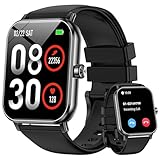
- 1.85'' Display & 300+ Watch Faces: Smart watch for men women adopts 1.85 HD screen that provides excellent visual experience. There are 300+ watch faces built-in, which can be changed by long-pressing the screen or selected/cutomized through the “Da Fit” app
- Bluetooth Calls & Smart Reminders: Fitness tracker makes calls directly from your wrist with clear audio. Receive real-time notifications for SMS and apps, ensuring you never miss important messages while driving or exercising hands-free (No reply)
- 24/7 Health Monitoring: Smart watches for men equipped with a high-performance optical sensor that can record your activities throughout the day, monitor your heart rate, sleep status and other data, and help you develop a healthier lifestyle
- 130+ Sport Modes : Built-in 3-axis gravity sensor enables this fitness watch to accurately track daily steps, distance and calories for safer and more effective workouts. These data can be viewed on the watch or mobile phone APP (note: step counting starts after 20 steps)
- 5 ATM Waterproof: Multifunctional fitness tracker watch features 5 ATM waterproof performance, wearable for swimming, handwashing and rainy days. No worry about sweat or rain damage during outdoor workouts with multiple sports modes (note: high water temperatures can affect service life)
Amazfit’s largely free ecosystem suits users who want ownership over their data and tools without recurring costs. It rewards curiosity, self-coaching, and long-term use without financial pressure.
The choice ultimately reflects how you want to engage with your wearable over years, not just weeks. Subscriptions shape habits, expectations, and perceived value long after the novelty of a new watch wears off.
Smart Features and Platform Compatibility: Notifications, Music, Payments, and iOS/Android Support
Once you’ve decided how much you want to pay over time, the next question is how these watches fit into daily life beyond workouts. Notifications, media control, and phone compatibility often matter just as much as step counts, especially if the watch is worn all day.
This is where Amazfit and Fitbit start to feel meaningfully different in philosophy. Fitbit prioritizes simplicity and consistency, while Amazfit offers more features on paper, with a few trade-offs in polish and regional availability.
Notifications and Daily Phone Integration
Both ecosystems handle basic smartphone notifications reliably, including calls, texts, calendar alerts, and app notifications. Messages arrive promptly, vibration strength is adjustable, and most watches are comfortable enough for constant wear without feeling intrusive on the wrist.
Fitbit’s notification experience is cleaner and more refined, especially for beginners. On Android, many Fitbit models support quick replies to messages using preset responses, while iOS users are limited to viewing notifications only due to Apple’s platform restrictions.
Amazfit offers broader notification customization, including per-app controls and longer message previews on larger displays. Quick replies are also available on Android, but the interface can feel denser, with smaller fonts and more menu layers depending on the model.
Music Controls and On-Watch Storage
Neither brand competes with Apple Watch or Wear OS for deep music features, but there are differences worth noting. Fitbit largely focuses on music control rather than storage, letting you play, pause, and skip tracks on your phone or control streaming apps like Spotify.
On-device music storage, once a Fitbit highlight, is now rare or absent on newer models. This keeps devices lighter and simpler, but limits phone-free workouts unless you carry your phone.
Amazfit supports both music controls and, on select models, onboard music storage with Bluetooth headphone pairing. This is particularly appealing for runners who want true phone-free sessions, though transferring music can feel manual and less streamlined than platform-native solutions.
Payments and NFC Availability
Contactless payments exist in both ecosystems, but availability is uneven and highly model- and region-dependent. Fitbit has supported contactless payments for years through Fitbit Pay and, more recently, limited Google Wallet integration on certain devices.
In practice, bank support varies widely, and some newer Fitbit models prioritize Google account features over expanding payment compatibility. When it works, it’s convenient, but it’s not as universally reliable as phone-based payments.
Amazfit offers Zepp Pay on select NFC-equipped watches, mainly in specific European and Asian markets. Support is improving slowly, but buyers should treat payments as a bonus feature rather than a core reason to choose Amazfit.
Voice Assistants and Smart Interactions
Voice features are inconsistent across both brands. Some Amazfit models include Amazon Alexa for basic commands like weather checks, timers, and smart home controls, though performance depends heavily on a phone connection and regional support.
Fitbit’s approach to voice assistants has become more limited over time. Earlier models experimented with assistants, but current devices focus less on voice interaction and more on passive health tracking and prompts.
In real-world use, neither ecosystem treats voice control as a centerpiece. These watches are designed to be glanced at and tapped, not spoken to extensively.
iOS vs Android: Where the Differences Really Show
Both Amazfit and Fitbit support iOS and Android, but Android users consistently get the better experience. Android allows richer notification interaction, quicker background syncing, and fewer restrictions on features like quick replies and app behavior.
On iOS, both ecosystems are more constrained. Notifications are view-only, background syncing can be slower, and some features feel less responsive due to Apple’s tighter system controls on third-party wearables.
Fitbit tends to handle these limitations more gracefully, offering a smoother, more predictable experience for iPhone users. Amazfit remains fully usable on iOS, but Android users will unlock more of its flexibility and smart feature depth.
Which Ecosystem Should You Choose? Recommendations by Budget, Fitness Goals, and User Type
After breaking down the hardware, apps, health features, and platform quirks, the decision between Amazfit and Fitbit comes down less to specs and more to priorities. These ecosystems are built with different philosophies, and that becomes most obvious when you match them against budget, fitness intent, and long-term expectations.
If You’re on a Tight Budget or Want Maximum Hardware for the Price
Amazfit is the clear winner for value-focused buyers. For the price of an entry-level Fitbit, you can often get an Amazfit watch with built-in GPS, multi-band GNSS on higher models, AMOLED displays, longer battery life, and broader sport mode support.
The physical hardware tends to feel more ambitious, with larger screens, lighter polymer or aluminum cases, and comfortable silicone straps designed for all-day wear. Battery life is a major differentiator here, with many Amazfit models lasting 7 to 14 days in real-world use, even with frequent workouts.
If you want to spend less upfront and avoid subscriptions entirely, Amazfit’s ecosystem is easier to justify. You trade some software polish and data interpretation for sheer feature density and endurance.
If You’re New to Fitness Tracking and Want Clear Guidance
Fitbit remains one of the easiest ecosystems to live with if you’re just getting started. The app presents health data in a simple, narrative-driven way, with clear explanations around sleep stages, activity minutes, heart rate zones, and recovery.
Fitbit devices are generally smaller, lighter, and more discreet, which matters for comfort during sleep and all-day wear. The sensors prioritize consistency over customization, and automatic activity detection works well without much user input.
The downside is that many of Fitbit’s most useful insights now sit behind Fitbit Premium. If you’re comfortable paying a monthly fee for coaching-style insights and structured guidance, Fitbit delivers a smoother, more supportive beginner experience.
If You Care Most About Battery Life and Low Maintenance Ownership
Amazfit is better suited to users who don’t want to think about charging. Longer battery life changes how a watch fits into daily life, especially for sleep tracking, travel, and multi-day outdoor activities.
This is particularly noticeable on larger Amazfit models with transflective or low-power AMOLED displays, where you can track workouts, receive notifications, and still go a week or more between charges. Charging routines feel less intrusive, and the watches are more forgiving if you forget.
Fitbit’s battery life has improved on some models, but most still require charging every few days. That’s manageable, but it adds friction for users who want their watch to quietly run in the background.
If You’re Focused on Health Trends and Long-Term Wellness
Fitbit’s strength is in trend analysis and health storytelling. Metrics like resting heart rate trends, sleep consistency, readiness-style scores, and health reports are presented in a way that emphasizes long-term behavior rather than individual workouts.
The ecosystem is especially strong for sleep tracking, with reliable detection, comfortable hardware, and years of refinement in sleep-focused insights. For users managing stress, sleep debt, or general wellness rather than performance training, Fitbit feels purpose-built.
Amazfit tracks many of the same metrics, including sleep stages, SpO2, stress, and recovery-style scores, but the presentation is more data-forward. You get the numbers, charts, and summaries, but less interpretation and fewer nudges.
If You’re Training Regularly or Care About Sports Variety
Amazfit caters better to users who train often, especially across multiple sports. The watches support a wide range of activity profiles, customizable data screens, and on higher-end models, more advanced GPS accuracy and route tracking.
The hardware is designed to be worn hard, with durable cases, water resistance suitable for swimming, and straps that handle sweat and movement well. While the app isn’t as coaching-oriented, it gives you granular control over how your workouts are tracked and reviewed.
Fitbit works well for general fitness and cardio, but it’s less flexible for structured training or niche sports. Serious runners and cyclists may find the data sufficient but not especially deep.
If You’re an iPhone User vs an Android User
iPhone users will generally have a smoother time with Fitbit. Syncing reliability, notification handling, and overall app responsiveness tend to be more consistent on iOS, even within Apple’s restrictions.
Amazfit works on iOS, but the experience feels more optimized on Android. Android users benefit from better background syncing, quicker notifications, and more interactive features across both ecosystems, though Amazfit gains more from this flexibility.
If you use Android and want more control without stepping into Wear OS, Amazfit feels more at home. If you’re on iPhone and want fewer friction points, Fitbit is the safer choice.
The Bottom Line: Which Ecosystem Fits You Best?
Choose Amazfit if you want the most hardware and battery life for your money, train across multiple sports, dislike subscriptions, and prefer a watch that feels more like a tool than a coach. It rewards users who enjoy exploring data and don’t mind a slightly less refined app experience.
Choose Fitbit if you value clarity, comfort, and long-term health insights over raw specs. It’s better suited to beginners, wellness-focused users, and those who appreciate guided interpretation, even if that comes with an ongoing cost.
Neither ecosystem is perfect, but both are mature enough to support daily wear, meaningful health tracking, and years of use. The right choice isn’t about which brand is better on paper, but which one aligns with how you actually want a smartwatch to fit into your life.