If you’ve seen headlines saying AirPods Pro 2 have been “cleared as hearing aids” in the UK, it’s understandable to wonder whether Apple has suddenly turned your earbuds into a full medical device. The reality is more nuanced, but still genuinely significant for everyday users who’ve been curious about their hearing health or quietly struggling in noisy environments.
This UK clearance is less about Apple selling hearing aids and more about regulators acknowledging that certain software-driven features inside AirPods Pro 2 meet defined medical standards. It marks a shift in how consumer wearables can legally step into territory once reserved for specialist clinical hardware.
What follows is a plain‑English breakdown of what the approval actually covers, what it doesn’t, and why it matters for AirPods owners in the UK right now.
Which UK regulator is involved, and what did they approve?
In the UK, medical devices are overseen by the Medicines and Healthcare products Regulatory Agency, or MHRA. For AirPods Pro 2, the MHRA has cleared Apple’s hearing aid-style functionality as a regulated medical device feature, not the AirPods hardware itself as a standalone hearing aid product.
🏆 #1 Best Overall
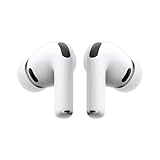
- WORLD’S BEST IN-EAR ACTIVE NOISE CANCELLATION — Removes up to 2x more unwanted noise than AirPods Pro 2* so you can stay fully immersed in the moment.*
- BREAKTHROUGH AUDIO PERFORMANCE — Experience breathtaking, three-dimensional audio with AirPods Pro 3. A new acoustic architecture delivers transformed bass, detailed clarity so you can hear every instrument, and stunningly vivid vocals.
- HEART RATE SENSING — Built-in heart rate sensing lets you track your heart rate and calories burned for up to 50 different workout types.* With iPhone, you will have access to the Move ring, step count, and the new Workout Buddy,* powered by Apple Intelligence.*
- LIVE TRANSLATION — Communicate across language barriers using Live Translation,* enabled by Apple Intelligence.*
- EXTENDED BATTERY LIFE — Get up to 8 hours of listening time with Active Noise Cancellation on a single charge. Or up to 10 hours in Transparency using the Hearing Aid feature.*
That distinction matters. The AirPods remain consumer earbuds, but when running Apple’s hearing assistance software, they’re allowed to operate in a medically defined role under UK law.
This clearance means Apple demonstrated that the feature meets UK safety, performance, and labelling requirements for its specific intended use.
What kind of medical device are AirPods Pro 2 considered?
AirPods Pro 2’s hearing aid mode falls into the category of a self‑fitting hearing assistance device for adults with perceived mild to moderate hearing loss. In regulatory terms, this places it closer to an entry-level hearing aid than to older “sound amplifiers” that had no medical oversight.
In the UK system, this type of product sits in a lower‑risk medical device class than prescription hearing aids. It does not require clinician fitting, ear moulds, or in‑person audiology appointments.
However, it is still regulated, which means Apple had to submit clinical evidence, usability data, and risk analysis to support real‑world use.
What this clearance does not mean
The approval does not mean AirPods Pro 2 are suitable for severe or profound hearing loss. They are not replacements for professionally fitted hearing aids, cochlear implants, or NHS audiology care.
They also aren’t designed for children, or for people with sudden hearing loss, tinnitus linked to medical conditions, or complex auditory disorders. Apple is explicit that users with those concerns should seek medical advice.
Crucially, this clearance doesn’t turn every AirPods feature into a medical tool. Only the hearing aid-style mode, when used as intended, falls under the MHRA’s approval.
How this differs from older “sound boost” features
Before this clearance, features like Live Listen or Transparency mode enhancements sat in a grey area. They amplified sound, but they weren’t allowed to be marketed or positioned as addressing hearing loss.
The new hearing aid mode is different because it’s personalised using an on-device hearing test. That test creates an audiogram-like profile, and iOS applies frequency-specific amplification tailored to the user’s hearing.
From a regulatory standpoint, that personalised correction is what pushes the feature into medical territory rather than casual audio enhancement.
Why software matters more than hardware here
The AirPods Pro 2 hardware hasn’t suddenly changed. They still use the same in‑ear design, silicone tips, and vented structure for comfort and passive noise isolation.
What’s changed is Apple’s software validation. The algorithms that analyse hearing responses, apply gain limits, manage distortion, and protect against excessive volume are now regulated and approved for medical use.
This is a key example of how modern wearables evolve through software updates rather than new physical devices.
What this means for UK users in practical terms
UK users can now legally use AirPods Pro 2’s hearing aid mode as a recognised medical assistance feature without breaking advertising or medical device rules. Apple can also officially describe the function in clearer, more direct language within iOS and its documentation.
For consumers, it lowers the psychological and financial barrier to addressing hearing difficulties. You don’t need referrals, fittings, or hundreds of pounds upfront to try hearing assistance.
It also means NHS audiologists and private clinicians can discuss the feature in a clearer regulatory context, rather than dismissing it as an unregulated gadget.
Why this matters beyond AirPods
This clearance is part of a broader shift in wearable health technology. Regulators are increasingly willing to recognise software‑driven, user‑fitted health tools when there’s solid evidence behind them.
For Apple, it strengthens the company’s long‑term strategy of turning everyday devices into accessible health platforms. For users, it signals that hearing health is becoming something you can engage with gradually, privately, and on your own terms.
The AirPods Pro 2 may look like ordinary earbuds, but in the eyes of UK regulators, they now occupy a far more serious and consequential role.
Why AirPods Pro 2 Can Act as a Hearing Aid: The Hardware and Sensors Doing the Heavy Lifting
All of that regulatory progress only works because the AirPods Pro 2 already have the physical capability to behave like a medical-grade hearing device. This isn’t a case of Apple stretching consumer hardware beyond its limits, but of unlocking functions the earbuds were quietly designed for from the start.
To understand why regulators were willing to clear the feature, it helps to look closely at what’s inside each earbud and how those components work together in daily use.
Microphone arrays built for precision, not just calls
Each AirPods Pro 2 earbud contains multiple microphones, including outward-facing mics that sample environmental sound and inward-facing mics that listen to what actually reaches your ear canal. This dual perspective is critical for hearing assistance, because it allows the system to compare external sound with the sound after it has been shaped by your ear.
For hearing aid use, those microphones aren’t just capturing sound broadly. They’re measuring speech frequencies, background noise, and sudden spikes like clattering dishes or traffic, then feeding that data into real-time processing.
The result is a constant loop of measurement and correction, similar in principle to how modern digital hearing aids operate, just miniaturised into an earbud shell.
The H2 chip and real-time audio processing
At the centre of the AirPods Pro 2 is Apple’s H2 chip, which is doing far more than managing Bluetooth connections. It handles high-speed audio processing with extremely low latency, which is essential for hearing aid functionality.
If amplified sound arrives even a fraction of a second late, it can feel unnatural or disorienting. The H2 chip processes sound fast enough that amplified audio feels immediate, helping conversations sound anchored in the real world rather than piped in artificially.
This same processing power also allows Apple to apply frequency-specific gain. Instead of simply making everything louder, the system can boost the ranges where your hearing is weaker while leaving others untouched.
In-ear fit, sealing, and acoustic consistency
A hearing aid is only as effective as its fit, and the AirPods Pro 2 benefit from a design Apple has refined over multiple generations. The soft silicone ear tips create a consistent seal, which is essential for predictable acoustic performance.
That seal does two things at once. It improves passive noise isolation, reducing the amount of amplification needed, and it gives the system a stable acoustic environment so its corrections remain accurate.
Apple’s ear tip fit test, while originally designed for better noise cancellation, also plays an indirect role here. A poor seal doesn’t just hurt sound quality; it undermines the reliability of hearing assistance.
Adaptive Transparency as the foundation
The hearing aid mode builds directly on Adaptive Transparency, one of the AirPods Pro 2’s headline features. This mode already allows outside sound to pass through while reducing harsh peaks like sirens or power tools.
For hearing assistance, that same pathway is used, but with a personalised amplification profile layered on top. Instead of a one-size-fits-all transparency setting, the system dynamically shapes sound based on your hearing test results.
This is why the feature feels natural to many users. You’re not switching to an unfamiliar listening mode, but enhancing something your brain already accepts as “normal” hearing.
Volume limits and hearing protection built in
One reason regulators are cautious about hearing assistance products is the risk of over-amplification. AirPods Pro 2 address this through strict volume ceilings and continuous monitoring.
The earbuds track output levels in real time and adjust gain to avoid unsafe exposure, even if environmental noise suddenly increases. This protective behaviour is part of what distinguishes hearing aid mode from casual sound amplification apps.
It also aligns with Apple’s broader hearing health strategy, which includes loud sound notifications and long-term exposure tracking within iOS.
Battery life and daily wear practicality
From a usability standpoint, AirPods Pro 2 are well suited to intermittent hearing assistance rather than all-day medical wear. You can expect several hours of listening on a single charge, with the case extending that significantly across a day.
They’re lightweight, pressure-relieved through Apple’s venting system, and discreet enough to wear in social settings without stigma. That matters for users who might otherwise delay addressing hearing difficulties.
However, they’re not designed to replace prescription hearing aids for severe or complex hearing loss, particularly for users who need all-day amplification without breaks.
Why this hardware passes regulatory scrutiny
When UK regulators assessed AirPods Pro 2’s hearing aid mode, they weren’t evaluating the earbuds as generic headphones. They were looking at a system that combines precise microphones, reliable in-ear acoustics, dedicated processing silicon, and built-in safety controls.
The hardware didn’t need to change to meet those standards. It already met them.
Rank #2
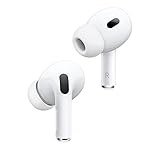
- This pre-owned product is not Apple certified, but has been professionally inspected, tested and cleaned by Amazon-qualified suppliers.
What the clearance ultimately recognises is that modern hearables like AirPods Pro 2 sit at the intersection of consumer electronics and medical devices, and that, in this case, the hardware foundation is strong enough to support that dual role responsibly.
How Apple’s Hearing Aid Mode Works in Practice: From Sound Capture to Real-Time Amplification
With the regulatory groundwork established, the real question for users is what actually happens the moment you enable Hearing Aid mode on AirPods Pro 2. Apple’s approach isn’t magic, but it is carefully engineered, combining familiar AirPods hardware with hearing-specific software behaviours that operate continuously in the background.
Step one: capturing sound with directional microphones
Everything starts with the microphones built into each AirPod Pro 2. There are multiple outward-facing microphones per earbud, tuned not just for calls or noise cancellation, but for picking up speech and environmental sound with spatial awareness.
In Hearing Aid mode, those microphones prioritise the frequencies most important for human speech, roughly the range where age-related hearing loss typically begins. The system also uses directional data to distinguish between sounds in front of you, like a conversation partner, and less relevant background noise.
This is fundamentally different from simply turning on Transparency mode. The microphones are working harder, with different priorities, and with hearing assistance as the primary goal rather than situational awareness.
On-device processing, not cloud-based guesswork
Once sound is captured, it’s processed entirely on-device using Apple’s custom audio chips. This matters for both latency and privacy.
The processing chain applies real-time gain adjustments based on your configured hearing profile, boosting softer sounds without letting louder ones spike dangerously. Because it’s handled locally, there’s no perceptible delay between sound entering the microphone and reaching your ear.
That immediacy is critical. Even small delays can make amplified sound feel artificial or disorienting, something traditional hearing aids have spent decades refining.
Personalised amplification shaped by your hearing profile
The amplification itself isn’t uniform. Users create a hearing profile either through Apple’s in-app hearing assessment or by importing results from a professional audiogram, if available.
That profile maps how much amplification is needed at different frequencies, rather than simply making everything louder. Someone with mild high-frequency loss might hear speech consonants more clearly without low-frequency sounds becoming boomy or uncomfortable.
In practice, this means AirPods Pro 2 can sound surprisingly natural for mild to moderate hearing loss, especially in quieter environments like homes, cafés, or small meetings.
Real-time adaptation as environments change
Hearing environments aren’t static, and Apple’s system accounts for that. As background noise increases or decreases, the processing dynamically adjusts gain and noise handling to maintain clarity.
If you move from a quiet room into a busy street, the system reduces unnecessary amplification while still trying to preserve speech intelligibility. These changes happen continuously, without manual intervention.
This adaptive behaviour is one of the reasons UK regulators were comfortable approving the feature. It actively manages risk rather than relying on fixed amplification levels.
How amplified sound reaches your ear safely
After processing, the sound is delivered through the AirPods Pro 2’s in-ear drivers, which are tightly integrated with Apple’s acoustic design. The sealed fit provided by the silicone ear tips helps maintain consistent sound delivery and predictable amplification.
Crucially, the system enforces hard volume limits. Even if ambient noise spikes or someone shouts nearby, the output is constrained to levels considered safe for prolonged listening.
This is where Hearing Aid mode clearly separates itself from casual sound amplification apps, which often lack meaningful safeguards.
Enabling Hearing Aid mode on iPhone in the UK
For UK users, Hearing Aid mode is enabled through the Accessibility settings on a compatible iPhone running a recent version of iOS. You’ll find it under Headphone Accommodations once AirPods Pro 2 are connected.
The setup process walks you through creating or selecting a hearing profile, confirming comfort levels, and enabling real-time amplification. Apple’s language is deliberately cautious, reinforcing that this is designed for perceived mild to moderate hearing difficulties.
Once enabled, the mode can be toggled quickly from Control Centre, making it practical for everyday, situational use rather than a permanent always-on setting.
What it feels like in daily use
In practice, the experience is subtle rather than dramatic. Voices sound clearer and more present, especially in one-on-one conversations, without the artificial “zoomed-in” effect some hearing devices produce.
Because AirPods Pro 2 are compact, lightweight, and familiar to many users, there’s minimal learning curve. Comfort remains comparable to standard AirPods use, and there’s no added bulk or external hardware.
That familiarity is part of the appeal. For users who might be hesitant to seek traditional hearing aids, Hearing Aid mode lowers the barrier to acknowledging and addressing hearing changes in everyday life.
Who This Feature Is For – and Who It Isn’t: Mild Hearing Loss, Medical Limits, and Safety Warnings
That everyday, low-friction experience matters, but it also makes it easy to overestimate what Hearing Aid mode is designed to do. Apple is careful in its wording for a reason: this is a consumer health feature with defined limits, not a replacement for clinical care.
Understanding those limits is key to using it safely and getting the benefit it’s actually built to deliver.
Best suited for perceived mild to moderate hearing loss
Hearing Aid mode is aimed at adults who feel they’re missing parts of conversations, especially in quieter settings or one-on-one interactions. Typical examples include struggling to hear softer voices, finding dialogue less clear than it used to be, or feeling fatigued from listening effort rather than outright silence.
In regulatory terms, this aligns with mild to moderate hearing loss, not severe impairment. The amplification range, frequency shaping, and volume ceilings are intentionally conservative to stay within safe listening thresholds.
For many UK users, that makes it a practical first step rather than a final solution. It can be especially useful for situational hearing support at home, at work, or during social interactions where clarity matters more than raw loudness.
Not designed for severe or complex hearing conditions
If you have significant hearing loss, asymmetrical hearing between ears, or difficulty understanding speech even at higher volumes, AirPods Pro 2 are unlikely to provide sufficient support. They cannot deliver the high-powered amplification or specialised tuning available in prescription hearing aids.
There’s also no medical-grade ear moulding, which is critical for users who need precise acoustic sealing or long-term all-day wear. AirPods Pro 2 prioritise comfort and portability, not clinical customisation.
Apple explicitly advises users with diagnosed hearing conditions, sudden hearing changes, or persistent tinnitus to seek professional advice rather than relying on Hearing Aid mode alone.
What the UK clearance actually allows – and what it doesn’t
UK clearance means the feature meets local regulatory requirements for consumer hearing assistance, including safety limits and transparency around intended use. It does not mean AirPods Pro 2 are classified as prescription medical devices under UK law.
This distinction matters. The feature is approved for self-selected use by adults who perceive hearing difficulty, not for diagnosis or treatment of medical conditions.
Apple reinforces this throughout the setup process, encouraging users to view the feature as supportive technology rather than clinical care.
Safety warnings you shouldn’t ignore
Despite built-in volume caps, Hearing Aid mode still delivers amplified sound directly into the ear canal. Using it at higher comfort levels for extended periods can contribute to listening fatigue, especially in noisy environments.
Apple recommends taking regular breaks and avoiding use in situations with sudden or extreme noise, such as live music venues or construction settings. The system can limit spikes, but it cannot eliminate environmental risk entirely.
If you experience pain, dizziness, or worsening hearing clarity, the guidance is clear: stop using the feature and seek professional advice.
Age, compatibility, and practical constraints
Hearing Aid mode is intended for adults and is not recommended for children. Hearing development and safety thresholds differ, and the system is not tuned for paediatric use.
It also requires AirPods Pro 2 specifically, paired with a compatible iPhone running recent iOS software. Battery life remains the same as standard use, meaning several hours per charge rather than all-day wear.
That reinforces its role as an on-demand assistive tool, not something you put in each morning and forget about until bedtime.
A bridge, not a replacement
Perhaps the most important framing is this: Hearing Aid mode works best as a bridge. It can help users recognise changes in their hearing, reduce day-to-day frustration, and normalise the idea of hearing support.
For some, it may delay the need for traditional hearing aids. For others, it may highlight that professional assessment is overdue.
Rank #3
- Active Noise Cancellation reduces unwanted background noise
- Adaptive Transparency lets outside sounds in while reducing loud environmental noise
- Personalized Spatial Audio with dynamic head tracking places sound all around you
- Multiple ear tips (XS, S, M, L)
- Touch control lets you swipe to adjust volume, press to direct media playback, answer or end calls, and press and hold to switch between listening modes
Either way, its value lies in accessibility and awareness, not in claiming to solve hearing loss outright.
Step-by-Step: How to Enable and Use Hearing Aid Mode on AirPods Pro 2 in the UK
With the framing clear that this is a supportive, non-clinical feature, the actual setup is deliberately straightforward. Apple’s goal here is to remove friction, while still making users consciously acknowledge what the mode does and doesn’t do.
What follows assumes you are in the UK, using AirPods Pro 2, and running a recent version of iOS where Hearing Aid mode has been cleared for self-selected adult use.
1. Check you meet the basic requirements
Before you even open Settings, make sure you are using AirPods Pro 2, not the first-generation model. The hearing features rely on the newer H2 chip and updated microphones, and they will not appear on older AirPods.
You also need an iPhone running a current iOS build, signed into your Apple ID, with the AirPods paired and worn in your ears. The feature is configured entirely through the iPhone, not the AirPods themselves.
2. Navigate to the hearing features in iOS
With the AirPods in your ears, open the Settings app on your iPhone. Scroll down and tap Accessibility, then select Audio & Visual, and look for the Hearing section.
Here you’ll see options related to Headphone Accommodations and Hearing Assistance. In the UK, Hearing Aid mode appears only once Apple’s regional clearance is active and your device location is set correctly.
3. Complete the hearing profile setup
Apple will guide you through a short setup flow that explains what Hearing Aid mode does, who it is intended for, and the safety limitations. This is where Apple reinforces that the feature is for perceived hearing difficulty, not diagnosis.
You’ll be prompted to either use an existing audiogram, if you have one stored in Health, or complete Apple’s in-app hearing check. This test plays tones at different frequencies and volumes to estimate your hearing profile.
The process takes only a few minutes, but it is crucial, as the resulting profile determines how sound is amplified across frequencies.
4. Enable Hearing Aid mode and confirm fit
Once your hearing profile is created, you can toggle Hearing Aid mode on. At this point, iOS will recommend running the Ear Tip Fit Test if you haven’t already done so.
A proper seal matters more here than with standard listening. Poor fit reduces amplification accuracy and can make speech sound thin or overly sharp, especially in higher frequencies.
If the fit test fails, swapping ear tips is worth doing before you judge how well the feature works.
5. Fine-tune amplification and comfort
With Hearing Aid mode active, you can adjust amplification levels directly from the iPhone or via Control Centre when your AirPods are connected. Apple uses plain-language sliders rather than medical terminology, which keeps the experience approachable.
There are also options to prioritise speech clarity and reduce background noise, drawing on the same computational audio system used for Active Noise Cancellation and Transparency mode. Small adjustments here can make a significant difference in busy cafés or outdoor settings.
It’s best to make changes gradually and give your ears time to adapt rather than cranking up volume immediately.
6. Use Hearing Aid mode in daily life
In practice, Hearing Aid mode works best in conversational environments: meetings, shops, quiet social settings, or at home. It amplifies environmental sound in real time rather than streaming audio, so you remain aware of your surroundings.
You can switch the mode on and off quickly through Control Centre, making it easy to treat as an on-demand assistive tool rather than a permanent state. This aligns with the battery reality of AirPods Pro 2, which still deliver hours per charge, not all-day endurance.
If you wear an Apple Watch, you can also control listening modes discreetly from your wrist, which helps avoid the awkwardness of pulling out your phone mid-conversation.
7. Understand what changes and what doesn’t
Hearing Aid mode does not alter how music or phone calls are tuned unless you choose to apply your hearing profile system-wide. Many users prefer to keep the feature limited to environmental listening only.
Battery life is broadly similar to Transparency mode use, meaning you should expect to recharge the AirPods case regularly if you rely on the feature throughout the day. Comfort remains excellent for short to medium sessions, but they are not designed for continuous wear from morning to night.
Most importantly, if speech still sounds unclear or effortful even after careful adjustment, that’s a signal, not a failure. It suggests that professional assessment could offer more targeted support than consumer hearables can provide.
Hearing Aid Mode vs Conversation Boost vs Adaptive Transparency: What’s New and What’s Changed
If you’ve used AirPods Pro before, the idea of Apple “helping you hear better” won’t sound entirely new. What has changed with Hearing Aid mode being cleared in the UK is not just the name, but the intent, regulatory framing, and how seriously Apple positions it as an accessibility and health feature rather than a convenience tweak.
Understanding the differences matters, because these three modes can sound similar in day-to-day use, yet they serve very different purposes.
Hearing Aid Mode: a regulated assistive feature, not just a sound tweak
Hearing Aid mode is the first time Apple has enabled AirPods Pro 2 to function as a medically recognised assistive listening device in the UK for adults with perceived mild to moderate hearing loss. That clearance means the feature meets UK regulatory standards for safety, performance, and intended use, even though AirPods are still not classified as prescription hearing aids.
Technically, this mode applies your personalised hearing profile to live environmental sound, continuously adjusting amplification across different frequencies. The goal is not to make everything louder, but to compensate where your hearing is weaker, especially in the speech range.
This is why Hearing Aid mode feels more “balanced” than simply boosting volume. Background sounds remain present, but speech is lifted and shaped to be easier to understand, using the same low-latency processing that underpins Transparency mode.
Crucially, this mode is designed for repeated daily use in real-world environments like shops, offices, and social settings. That long-term intent is what separates it from Apple’s earlier audio tools.
Conversation Boost: focused listening, not everyday hearing support
Conversation Boost arrived earlier as part of iOS accessibility features and was never intended to be a hearing aid replacement. It works by using the inward and outward microphones to focus on sound coming from directly in front of you, effectively acting like a directional microphone.
In practice, Conversation Boost can be extremely helpful in specific scenarios, such as one-on-one conversations across a table or listening to someone speaking in a quiet room. However, it can feel unnatural if left on while moving around, because it deliberately deprioritises sounds from other directions.
There is also no hearing test or personalised frequency compensation involved. Conversation Boost amplifies and focuses sound, but it does not adapt itself to your hearing profile or change dynamically as environments shift.
That makes it a situational tool rather than a health-oriented feature. Many users who benefit from Hearing Aid mode may still keep Conversation Boost enabled as an optional extra, but they solve different problems.
Adaptive Transparency: comfort and safety, not hearing correction
Adaptive Transparency is often misunderstood as a hearing enhancement feature, but its purpose is comfort and hearing protection. It automatically reduces the intensity of sudden or loud sounds while preserving awareness of your surroundings.
This is why Adaptive Transparency feels so good on busy streets, public transport, or in noisy workplaces. It smooths out harsh audio without dulling everything else, making environments less fatiguing.
What it does not do is compensate for hearing loss. There’s no personalised tuning, no frequency-specific amplification, and no attempt to improve speech clarity beyond preventing overload.
In other words, Adaptive Transparency is about making the world more tolerable, not more intelligible.
What’s genuinely new after UK clearance
Before UK clearance, AirPods Pro’s hearing-related features existed in a grey area: useful, but clearly positioned as accessibility conveniences rather than health tools. Hearing Aid mode changes that by giving users and clinicians clearer expectations about what the feature is designed to do.
For UK users, this also brings clearer guidance around suitability. Hearing Aid mode is intended for adults who notice mild to moderate difficulty hearing speech, not for severe or complex hearing loss, and not for children.
Apple has also tightened the setup flow and language around the feature. The emphasis on gradual adjustment, speech clarity, and real-world listening mirrors best practice in hearing care, even though the experience remains firmly consumer-friendly.
Which mode should you actually use day to day?
If your goal is general hearing support in everyday life, Hearing Aid mode is the one to focus on. It is designed to be left on for conversations and daily activities, within the limits of AirPods battery life and comfort.
If you struggle mainly in specific situations, like hearing one person in front of you, Conversation Boost can be layered on selectively. Think of it as a situational assist rather than a baseline setting.
If you hear well but find noisy environments uncomfortable or overwhelming, Adaptive Transparency remains the best choice. It protects and smooths, but it does not correct.
Rank #4
- 2x more Active Noise Cancellation than AirPods Pro (1st Gen). Spatial Audio compatible with movies, TV, and supported apps. Sweat and water resistant (IPX4) for non-water sports/exercise. Resistance is not permanent. Battery life varies based on use and configuration. Precision Finding needs U1‑equipped iPhone; availability varies by region. iCloud account and compatible Apple device with latest OS needed. Works with specified models and latest software versions.
Seen together, these three modes show how Apple’s audio platform has matured. What started as clever sound processing has now crossed into regulated health-adjacent territory, with clearer boundaries, clearer benefits, and clearer expectations for users deciding how much support they actually need.
Battery Life, Comfort, and Daily Wear: Can You Actually Use AirPods Pro 2 Like Hearing Aids?
Once you move past what Hearing Aid mode does, the real test is whether AirPods Pro 2 fit into daily life in the way hearing aids are expected to. This is where consumer earbuds and medical devices tend to diverge most sharply.
Apple has narrowed the gap, but it has not eliminated it.
Battery life: the biggest practical constraint
AirPods Pro 2 are rated for around six hours of listening time per charge with active processing enabled, and slightly less if you are streaming audio alongside Hearing Aid mode. In real-world mixed use, that usually means four and a half to five and a half hours before you hear the low-battery chime.
Traditional hearing aids are designed to last an entire waking day, often 16 hours or more. AirPods simply are not built for that kind of continuous wear without interruption.
The charging case partially compensates for this. A five-minute charge in the case can give you roughly an hour of use, which makes top-ups during lunch, commuting, or desk breaks viable if your routine allows it.
What a “hearing aid day” looks like with AirPods
Using AirPods Pro 2 as hearing support works best when your day has natural pauses. Morning conversations, meetings, and social interactions are where Hearing Aid mode shines, followed by a charge break when you do not need amplification.
If you expect to wear hearing support continuously from breakfast until bedtime, AirPods will feel limiting. They are better suited to structured days rather than long, uninterrupted wear.
This is an important distinction for UK users comparing them to NHS or private hearing aids, which are designed around all-day reliability rather than convenience charging.
Comfort over hours, not minutes
Physically, AirPods Pro 2 are among the most comfortable true wireless earbuds on the market. The pressure-equalising vent system reduces the plugged-ear sensation that can make amplified listening fatiguing.
For many users, they remain comfortable for several hours at a time, especially with the right ear tip size. That said, they are still consumer earbuds sitting in the ear canal, not custom-moulded devices shaped specifically for your ears.
Heat, moisture, and subtle ear fatigue become more noticeable the longer you wear them. People accustomed to in-ear headphones will adapt quickly, while those new to ear-worn tech may need breaks.
Stability, movement, and everyday activity
For walking, shopping, and light household tasks, AirPods Pro 2 stay secure and consistent in sound delivery. Head movement does not disrupt amplification, and speech clarity remains stable.
They are less ideal for more physical activity if Hearing Aid mode is your priority. Sweat management, accidental touch controls, and the risk of dislodging them are all considerations that traditional hearing aids handle better.
Apple’s IPX4 rating covers everyday splashes and light sweat, but it does not change the fact that these are not medical-grade, all-weather devices.
Social comfort and visibility
One advantage AirPods have over traditional hearing aids is social familiarity. Wearing white earbuds draws little attention and carries no stigma for most people.
For first-time users exploring hearing support, this can lower the psychological barrier significantly. You are not announcing a medical condition; you are wearing a familiar Apple accessory.
This matters more than it sounds, especially for adults with early or mild hearing loss who might otherwise delay seeking help.
Charging habits and long-term wearability
Daily use as hearing support requires a shift in mindset. You are no longer charging AirPods occasionally for music, but deliberately managing them as assistive devices.
Keeping the case topped up, carrying a Lightning or USB‑C cable, and planning charge breaks becomes part of the routine. This is manageable, but it is not invisible in the way hearing aids aim to be.
Over weeks rather than days, this difference becomes more apparent, particularly for users who rely on amplification for confidence and safety in public settings.
So, can they replace hearing aids?
AirPods Pro 2 can function as hearing aids in a limited, clearly defined way. For mild to moderate hearing difficulties, situational support, and shorter daily windows of use, they are genuinely effective and far more capable than previous generations.
They are not a drop-in replacement for medical hearing aids designed for all-day wear, complex hearing loss, or hands-off reliability. Apple’s own framing, reinforced by UK clearance, draws that line deliberately.
The key question is not whether AirPods Pro 2 are good enough, but whether your hearing needs fit within the boundaries of what consumer hearables can realistically support today.
AirPods vs Traditional Hearing Aids: Cost, Accessibility, Performance, and Trade-Offs
Once you understand where AirPods Pro 2 sit functionally, the more practical comparison comes into focus. This is not a battle of which device is “better” in absolute terms, but how different design goals shape cost, access, and real‑world performance.
Upfront cost and ongoing expenses
The price gap is the most obvious divider. AirPods Pro 2 retail in the UK for a few hundred pounds and include the hearing aid mode at no extra cost once enabled through iOS.
Traditional hearing aids, even entry‑level models, often run into the thousands when purchased privately. That price usually reflects clinical fittings, follow‑up appointments, custom moulds, and long‑term service rather than just the hardware itself.
NHS hearing aids remove the financial barrier entirely, but access is tied to referral pathways, waiting times, and eligibility thresholds. AirPods bypass that system altogether, for better and for worse.
Access speed and ease of setup
AirPods Pro 2 can be set up in under ten minutes using an iPhone and Apple’s guided hearing test. There is no referral, no appointment, and no clinical gatekeeping, which is exactly why regulators now classify this as a self‑fit hearing aid feature rather than a medical replacement.
Traditional hearing aids require assessment by an audiologist to diagnose hearing loss, rule out medical causes, and tune amplification precisely. That process adds friction, but it also adds safeguards.
For users who suspect early hearing changes or want immediate situational support, AirPods dramatically lower the barrier to entry. For those with uncertain or worsening hearing, that same speed can delay proper diagnosis if relied on too heavily.
Sound processing and amplification quality
In day‑to‑day use, AirPods Pro 2 perform best in predictable listening environments. Conversations across a table, TV audio, office meetings, and quiet public spaces are where Apple’s adaptive transparency and personalised amplification feel genuinely helpful.
Traditional hearing aids still lead in complex acoustic environments. Directional microphones, multi‑band compression, and aggressive noise management are tuned for speech clarity in crowds, wind, and constantly shifting soundscapes.
AirPods rely on consumer‑grade microphones and battery‑constrained processing. They do impressive work within those limits, but they cannot match the fine‑grained control or resilience of devices designed solely for hearing correction.
Comfort, fit, and long‑term wear
AirPods Pro 2 are designed for intermittent wear, not 12 to 16 hours a day. Even with improved tips and pressure venting, ear fatigue becomes a factor when used continuously as hearing support.
Hearing aids prioritise low weight, airflow, and stability for all‑day comfort. Many users forget they are wearing them after a short adjustment period, which is exactly the point.
Fit also affects consistency. Earbuds can loosen, shift, or need reseating, while custom or well‑fitted hearing aids maintain acoustic alignment throughout the day.
Battery life and reliability
With hearing aid mode active, AirPods Pro 2 deliver a few hours per charge, extending to roughly a full day only with disciplined case top‑ups. That is workable for part‑time support but fragile if you depend on amplification for safety or work.
Traditional hearing aids are built around predictable endurance. Rechargeable models often last a full waking day, while battery‑powered designs can run for days before replacement.
This difference matters most in confidence. Hearing aids are meant to be forgotten; AirPods demand attention and planning.
Software updates versus clinical tuning
Apple’s advantage lies in software. Hearing profiles, transparency algorithms, and accessibility features can improve over time through iOS updates, sometimes significantly.
Hearing aids improve more slowly, but their tuning is bespoke. Audiologists can adjust frequency curves, compression ratios, and directional behaviour based on lived feedback rather than generic presets.
💰 Best Value

- RICHER AUDIO EXPERIENCE — The Apple-designed H2 chip helps to create more intelligent noise cancellation and deeply immersive sound. The low-distortion, custom-built driver delivers crisp, clear high notes and full, rich bass in stunning definition.
- NEXT-LEVEL ACTIVE NOISE CANCELLATION — Up to 2x more Active Noise Cancellation for dramatically less noise when you want to focus. Transparency mode lets you hear the world around you, and Adaptive Audio seamlessly blends Active Noise Cancellation and Transparency mode for the best listening experience in any environment.
- CUSTOMIZABLE FIT — Includes four pairs of silicone tips (XS, S, M, L) to fit a wide range of ears and provide all-day comfort. The tips create an acoustic seal to help keep out noise and secure AirPods Pro in place.
AirPods trade precision for flexibility. Hearing aids trade rapid iteration for stability and personalisation.
Who each option makes sense for
AirPods Pro 2 make the most sense for people with mild to moderate hearing difficulties, fluctuating needs, or specific situations where amplification helps but is not essential all day. They are also a powerful gateway for users who might otherwise ignore early hearing changes.
Traditional hearing aids remain the right choice for diagnosed hearing loss, complex listening environments, and users who need dependable, continuous support without daily management friction.
The UK clearance formalises this distinction. AirPods are now recognised as legitimate hearing support tools, but they are intentionally positioned alongside, not instead of, clinical hearing care.
Why This Matters for Hearing Health in the UK: Accessibility, Stigma, and the NHS Context
The UK clearance does more than switch on a feature. It places AirPods Pro 2 inside the country’s healthcare and accessibility landscape, where hearing loss is common, under‑treated, and often delayed by social and systemic barriers.
Lowering the barrier to first‑step hearing support
In the UK, many people live with untreated mild hearing loss for years before seeking help. Cost, appointment delays, and uncertainty about whether the problem is “serious enough” all play a role.
By allowing a consumer device many already own to function as a regulated hearing aid mode, Apple reduces the friction of that first step. Users can test amplification in real environments, on their own terms, without committing to a clinic visit or expensive hardware upfront.
This does not replace diagnosis, but it can shorten the time between noticing difficulty and taking action.
Stigma still matters, and design helps
Despite progress, hearing aids still carry stigma in the UK, particularly among younger adults and people in work. Many delay help because they associate hearing aids with ageing or disability rather than routine health maintenance.
AirPods Pro look like mainstream tech. Wearing them in public does not signal medical need, and that matters psychologically. The result is higher willingness to use amplification consistently, especially in social or professional settings where traditional hearing aids might otherwise stay in a drawer.
Reducing stigma does not cure hearing loss, but it meaningfully improves adherence.
The NHS reality: excellent care, limited capacity
The NHS provides high‑quality hearing care, including testing and hearing aids, but access is uneven. Waiting times for audiology appointments can stretch into months depending on region, and follow‑up tuning takes time.
AirPods Pro 2 sit outside that pathway. They do not require GP referral, and they do not consume NHS resources. For people with mild or situational needs, that can relieve pressure while keeping NHS services focused on patients with complex or severe loss.
Importantly, UK clearance makes it clear that Apple’s feature is a supplement, not an alternative, to NHS audiology.
Regulation brings trust and safety
The UK approval matters because it confirms the hearing aid mode meets medical device requirements for safety, performance, and labelling. Without that clearance, the feature would be an unregulated accessibility tool rather than a recognised form of hearing support.
That distinction protects users. It ensures limits on amplification, transparency around intended use, and clearer guidance on who should seek clinical assessment instead.
For a category that sits between consumer electronics and healthcare, regulation is what makes experimentation responsible rather than risky.
A bridge, not an endpoint, in hearing care
Perhaps the most important impact is behavioural. AirPods Pro 2 encourage people to pay attention to their hearing earlier, notice patterns, and recognise when amplification helps and when it does not.
For some users, that will be enough. For others, it becomes a stepping stone toward formal testing, NHS referral, or private audiology with clearer expectations and less anxiety.
In that sense, Apple’s clearance does not disrupt UK hearing care. It fills a long‑standing gap between ignoring the problem and entering the clinical system, using familiar technology to make hearing health feel normal, manageable, and worth addressing sooner rather than later.
What’s Next for Apple and Hearables: Regulatory Momentum and the Future of Consumer Hearing Tech
If AirPods Pro 2 feel like a bridge today, the bigger story is where that bridge leads. UK clearance does more than unlock a single feature; it signals that regulators, healthcare systems, and consumer tech companies are finally learning how to meet in the middle.
This matters because hearing is one of the last major health categories where consumer technology has lagged behind both need and stigma. Apple’s move suggests that is starting to change, in a way that could reshape what “hearables” mean over the next decade.
Regulation is no longer the blocker — it’s the enabler
For years, hearing tech innovation has been constrained by regulation that assumed medical devices had to be expensive, specialist, and clinic‑bound. The UK clearance of AirPods Pro 2’s hearing aid mode shows that regulators are now willing to recognise carefully limited, software‑defined features as legitimate medical tools when the evidence supports them.
That shift opens the door for faster iteration. Software updates can refine tuning algorithms, expand supported hearing profiles, and improve speech clarity without requiring new hardware, while still staying within regulated boundaries.
For users, this means safer features delivered more quickly. For Apple, it establishes a working template for bringing future health capabilities to market without the stop‑start delays that have traditionally slowed medical approvals.
Apple’s long game: hearing health as an ecosystem, not a device
AirPods Pro 2 do not exist in isolation. They already interact with iPhone hearing tests, Accessibility settings, Transparency modes, and environmental sound monitoring, all tied to the user’s Apple ID.
Over time, that ecosystem approach could deepen. Hearing test trends might integrate more tightly with Health, environmental noise exposure could inform personalised amplification limits, and future AirPods hardware could be tuned more precisely for long‑term daily wear rather than short listening sessions.
Crucially, this keeps hearing health in devices people already wear for hours a day. Comfort, battery life, and discretion matter here, and AirPods Pro 2 already deliver solid real‑world usability: lightweight in‑ear design, pressure‑relieving vents, stable fit for long use, and enough battery life for typical daily listening and support without feeling like medical equipment.
Pressure on the wider hearables market
Apple’s UK clearance raises expectations across the industry. Competing earbud makers can no longer rely solely on noise cancellation or sound quality claims when a mainstream product now carries regulated hearing support.
This will likely accelerate investment in hybrid hearables that blend wellness, accessibility, and light medical use. We should expect more companies to pursue regulatory pathways, clearer user guidance, and evidence‑based features rather than loosely defined “sound enhancement” modes.
For consumers, that competition is healthy. It should mean better transparency about what features can and cannot do, improved safety limits, and fewer exaggerated claims aimed at vulnerable users.
What this means for the NHS and private audiology
Rather than undermining clinical care, regulated consumer hearing tech may make it more efficient. When users arrive at audiology appointments already aware of their hearing patterns and limitations, conversations become more focused and productive.
Private audiology may also evolve, with professionals offering services that assume patients have already experimented with consumer devices. That could shift emphasis toward diagnosis, counselling, and advanced fittings rather than first‑step awareness.
In the UK context, this is particularly important. Anything that helps people self‑identify issues earlier, without bypassing clinical safeguards, reduces pressure on overstretched services while improving long‑term outcomes.
The likely limits — and why they still matter
Even with regulatory momentum, consumer hearing tech will not replace medical hearing aids for moderate to severe loss. Physical fit, power output, multi‑mic arrays, and fine‑grained tuning still favour dedicated devices.
But that does not make AirPods Pro 2 a halfway solution. For mild, situational, or early‑stage hearing difficulties, they offer something the industry has historically failed to deliver: a low‑friction, socially normal, and now regulated entry point into hearing care.
That alone has enormous value. Normalising hearing support changes behaviour, and behaviour is often the biggest barrier to early treatment.
A turning point for wearable health credibility
Viewed in the broader wearables landscape, UK clearance of Apple’s hearing aid mode reinforces a pattern we have already seen with heart rhythm notifications and fall detection. Consumer devices can earn medical trust when they are transparent about limits and designed around safety rather than spectacle.
For Apple users, this means health features that feel less experimental and more dependable. For the wider market, it sets a higher bar for what “health tech” is allowed to claim.
The result is a future where hearing health is no longer something people delay addressing until it becomes unavoidable. With AirPods Pro 2, Apple has not solved hearing care, but it has helped make taking the first step easier, safer, and more acceptable — and that may turn out to be the most important innovation of all.