Apple rarely uses the phrase “under review” in public-facing ways, which is why it tends to set off alarms among Apple Watch owners and Fitness+ subscribers when it leaks out through reporting. To users, it can sound like a service is stalled, struggling, or quietly headed for the chopping block. Inside Apple, it usually means something far more specific, and often far more strategic.
Fitness+ sits at an unusual intersection of Apple’s business: it is part subscription service, part content studio, and part extension of Apple Watch’s health and activity tracking. When Apple evaluates products like this, it is not just asking whether people like them, but whether they still fit the company’s long-term platform logic. Understanding what “under review” actually signals helps clarify whether Fitness+ is at risk, evolving, or being repositioned within Apple’s health stack.
What follows is not speculation about cancellation, but an explanation of how Apple typically reassesses services, why Fitness+ would trigger that process now, and why integration into the Health app is a logical outcome rather than a downgrade.
“Under review” at Apple usually means structural, not superficial
When Apple internally reviews a service, it is rarely about minor feature tweaks or short-term subscriber fluctuations. Reviews tend to focus on whether a product’s current form matches Apple’s broader platform direction across hardware, software, and services. This is especially true for offerings tied closely to core devices like Apple Watch and iPhone.
🏆 #1 Best Overall
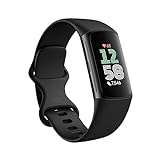
- Find your way seamlessly during runs or rides with turn-by-turn directions from Google Maps on Fitbit Charge 6[7, 8]; and when you need a snack break on the go, just tap to pay with Google Wallet[8, 9]
Fitness+ has matured past its launch phase, with a stable library of workouts, trainers, and Apple Watch integrations like real-time metrics and Activity rings. That maturity is often the trigger point for Apple to ask whether a standalone app and subscription still make sense, or whether the experience should be reorganized to feel more native and less siloed.
Why Fitness+ is being reassessed now, specifically
The timing matters. Apple has been steadily expanding the Health app from a passive data repository into an active daily hub, with medication tracking, mental health assessments, trend analysis, and third-party integrations. At the same time, Apple Watch has shifted its messaging away from pure fitness motivation toward long-term health, recovery, and lifestyle balance.
Fitness+ still largely lives in a separate mental category as “workout content,” even though it directly relies on Health data, Apple Watch sensors, and personalized metrics. From Apple’s perspective, that separation may now feel artificial, especially as competitors increasingly blur the line between coaching, health insights, and daily readiness.
Reviewing Fitness+ does not mean Apple is unhappy with usage
A common misconception is that services go “under review” because they are underperforming. Apple’s history suggests the opposite: reviews often happen when a product is important enough to refine rather than abandon. Fitness+ continues to be bundled into Apple One, promoted alongside Apple Watch, and updated with new workout types and trainers.
The real question Apple appears to be asking is not whether Fitness+ works, but whether it works in the right place. If workouts, coaching, and post-workout insights were surfaced directly inside Health, the service could feel more essential to daily Apple Watch use rather than something users must intentionally open.
Why folding Fitness+ into Health fits Apple’s internal logic
Apple strongly prefers fewer, more powerful apps over fragmented experiences, especially for foundational categories like health. The Health app already handles sleep, heart rate, VO2 max, mobility, and long-term trends, all of which are influenced by regular workouts. Housing guided workouts and training plans alongside those metrics would create a more cohesive loop.
For Apple Watch users, this could mean less app switching and more context-aware recommendations based on recovery, recent activity, and health trends. From Apple’s perspective, it also aligns Fitness+ more tightly with the Watch’s value proposition, reinforcing the idea that Apple Watch is not just a tracker, but an intelligent health companion.
What “under review” implies for subscribers right now
Importantly, being under review does not suggest imminent removal or loss of access. Apple rarely sunsets paid services without a clear replacement path, and Fitness+ remains deeply integrated with Apple Watch hardware features, including heart rate zones, calorie tracking, and on-screen metrics.
If anything, the phrase signals that Apple is deciding how to make Fitness+ feel more indispensable over the next several years. For users, that points toward evolution through integration rather than contraction, even if the Fitness+ name or app footprint eventually becomes less prominent.
A Brief Reality Check: Where Fitness+ Sits Today in Apple’s Services and Watch Strategy
Before projecting where Fitness+ might go next, it helps to ground expectations in how Apple currently positions it across hardware, software, and services. Despite the “under review” language, Fitness+ is not marginal inside Apple’s ecosystem; it is simply not central in the way Health or Activity already are.
Fitness+ is a service layer, not a system layer
Today, Fitness+ lives as a distinct destination rather than a foundational system feature. You open it intentionally, select a workout, and then leave once the session ends, even though the resulting data flows back into Activity rings and the Health database.
This separation matters because Apple treats system-layer apps differently. Health, Activity, and Watch settings are persistent, data-first environments designed for daily reference, not episodic use, which puts Fitness+ at a structural disadvantage despite its high production value.
Its strongest dependency remains the Apple Watch
Fitness+ still makes the most sense when paired with an Apple Watch, where live heart rate, calorie burn, rings, and effort zones appear on screen in real time. That tight coupling reinforces Apple Watch as the preferred wearable, particularly compared to third-party platforms that rely on generic Bluetooth heart rate straps or less integrated sensors.
From a wearability standpoint, the Watch’s comfort, lightweight aluminum and stainless steel cases, soft fluoroelastomer and woven bands, and all-day battery life make guided workouts feasible without friction. Fitness+ benefits directly from that hardware foundation, but it does not control it.
Bundling keeps it relevant, not dominant
Fitness+’s inclusion in Apple One has shifted its role from a standalone subscription to an added-value service. Many users discover it incidentally, use it sporadically, and keep it because it costs nothing extra within a bundle they already value for iCloud, Music, or TV+.
That dynamic reduces churn risk but also weakens Fitness+’s identity. When a service is rarely the reason someone subscribes, Apple has more freedom to rethink its packaging, interface, or even its name without triggering widespread backlash.
The app footprint feels increasingly out of step
As Apple has expanded Health into areas like medication tracking, mental health, mobility, and sleep consistency, Fitness+ has remained visually and functionally static. The workouts are polished, but the app does little to contextualize them within your broader health trends or recovery status.
For users tracking VO2 max declines, rising resting heart rate, or poor sleep efficiency, the absence of proactive coaching feels like a missed opportunity. That gap is not about content quality; it is about placement.
Apple’s Watch strategy is shifting from motivation to interpretation
Early Apple Watch generations focused on motivation through rings, streaks, and visible progress. More recent software updates emphasize interpretation: trends, alerts, and long-term signals that help users understand what their data means over time.
Fitness+ still operates largely in the motivation era. Folding it closer to Health would allow workouts to respond to readiness, fatigue, and health context, aligning the service with where Apple Watch software is clearly headed.
What this means for users right now
Fitness+ is not failing, and it is not being sidelined. It is delivering exactly what Apple originally promised: accessible, Watch-aware guided workouts with reliable tracking and a consistent user experience across iPhone, iPad, and Apple TV.
The tension comes from evolution, not neglect. Apple appears to be asking whether Fitness+ should remain a destination you visit, or become a capability that quietly shapes how Health guides your daily movement, recovery, and long-term fitness decisions.
The Health App as Apple’s Control Center: Why Fitness+ Could Logically Move There
If Apple is reconsidering where Fitness+ belongs, the Health app is the most obvious gravitational center. Over the past five years, Health has quietly evolved from a passive data repository into an active system that interprets, surfaces, and increasingly prioritizes what matters in your day-to-day wellbeing.
This shift reframes Fitness+ less as a standalone destination and more as a functional layer that could sit naturally inside Health’s decision-making engine. The logic is not about eliminating workouts; it is about placing them where context already lives.
Health is no longer just a dashboard, it is a decision layer
Modern versions of the Health app do far more than display charts. They flag trends like elevated heart rate, reduced cardio fitness, inconsistent sleep, and medication adherence issues, all framed around long-term risk and behavior change.
That is exactly the moment where guided exercise could become more meaningful. Instead of browsing Fitness+ classes by trainer or music genre, workouts could be recommended because your sleep debt is accumulating, your mobility scores are slipping, or your VO2 max trend suggests detraining.
Rank #2

- Inspire 3 is the tracker that helps you find your energy, do what you love and feel your best. All you have to do is wear it.Operating temperature: 0° to 40°C
- Move more: Daily Readiness Score(1), Active Zone Minutes, all-day activity tracking and 24/7 heart rate, 20+ exercise modes, automatic exercise tracking and reminders to move
- Stress less: always-on wellness tracking, daily Stress Management Score, mindfulness sessions, relax breathing sessions, irregular heart rhythm notifications(2), SpO2(3), menstrual health tracking, resting heart rate and high/low heart rate notifications
- Sleep better: automatic sleep tracking, personalized Sleep Profile(1), daily detailed Sleep Score, smart wake vibrating alarm, sleep mode
- Comfortably connected day and night: calls, texts & smartphone app notifications(4), color touchscreen with customizable clock faces, super lightweight and water resistant to 50 meters, up to 10 day battery life(5)
Workout recommendations make more sense when health data leads
Right now, Fitness+ asks users to self-select workouts based on motivation rather than readiness. The Apple Watch already tracks recovery-adjacent signals like resting heart rate, heart rate variability trends, sleep consistency, and training load proxies, but Fitness+ barely acknowledges them.
Inside Health, those signals already drive notifications and insights. Folding Fitness+ into that environment would allow Apple to suggest a 10-minute yoga flow after poor sleep, or a low-impact strength session during periods of elevated fatigue, without the user having to interpret raw data themselves.
Apple has already centralized watch intelligence inside Health
Features like Walking Steadiness, Cardio Fitness notifications, AFib history, and even cycle tracking all report through Health, regardless of whether the data originates from Apple Watch, iPhone, or third-party devices. Health is where Apple reconciles inputs and decides what deserves attention.
Keeping Fitness+ outside that loop increasingly looks inefficient. From a platform perspective, it forces Apple to maintain parallel logic for workouts and health insights, rather than letting one system inform the other.
This move would simplify Apple’s app sprawl, not expand it
Apple has been quietly consolidating user journeys across iOS. Wallet absorbed passes and tickets, Settings absorbed more device controls, and Health has become the anchor for everything from hearing health to mental wellbeing.
For users, that consolidation reduces cognitive load. Instead of wondering whether to open Fitness, Fitness+, or Health to understand how today’s workout fits into their week, a Health-centered experience would present movement as one part of an integrated health narrative.
Subscriptions would likely become less visible, not more restrictive
A common concern is that moving Fitness+ into Health could signal de-prioritization or an attempt to hide the service. Historically, Apple has done the opposite: when services become foundational, they become less branded and more embedded.
Fitness+ could still exist as a subscription, but surfaced contextually when relevant. Think of it less like opening Apple TV+ and more like Apple Music tracks appearing organically in videos, workouts, or system recommendations.
What Apple Watch users would feel day to day
On the watch itself, little would change visually. Battery life, workout tracking accuracy, heart rate sampling, and metrics like pace, power, and calories would continue to behave as they do now, because those systems already live at the OS level.
The difference would be in guidance. Workouts would feel smarter, better timed, and more aligned with how your body is responding over weeks and months, rather than just helping you close rings on a given afternoon.
Strategically, this strengthens Apple’s long-term health position
Apple’s competitive advantage is not workout volume or celebrity trainers. It is longitudinal data, sensor integration, and trust in health reporting.
By pulling Fitness+ closer to Health, Apple reinforces the idea that exercise is not an isolated activity but a prescription informed by data. That framing matters as Apple positions the Watch less as a fitness gadget and more as a personal health instrument worn daily, comfortably, and unobtrusively on the wrist.
What a Health App Integration Would Look Like in Practice (Workouts, Metrics, UI, and Discovery)
If Fitness+ were absorbed into Health rather than living as a parallel destination, the change would be less about removing features and more about redistributing them. The experience would likely feel quieter, more contextual, and more data-driven, with workouts surfacing when they make sense rather than when you explicitly go looking for them.
Workouts would become health-driven, not class-driven
Instead of starting with a grid of trainers and workout thumbnails, Health could lead with intent. A prompt might suggest a 20-minute strength session because your recent VO2 max plateaued, or a low-impact yoga workout because your sleep and HRV have trended downward.
Fitness+ workouts would still exist as structured, coached sessions with music, timers, and onscreen metrics. The difference is that the entry point would be your health state first, and the workout second, reframing Fitness+ as guidance rather than content.
Metrics would flow both directions, not just post-workout
Today, Fitness+ consumes Apple Watch data during a workout and then writes results back into Health. A deeper integration would allow Health metrics to shape the workout before it begins.
Resting heart rate, recent illness logs, cycle tracking data, or even medication adherence could subtly influence suggested intensity, recovery time, or workout type. Over time, that loop makes workouts feel prescribed rather than generic, aligning with Apple’s emphasis on longitudinal trends rather than single-session performance.
The UI would look simpler, but behave more intelligently
Visually, Apple would likely resist adding clutter to the Health app. Fitness+ elements would probably appear as cards, prompts, or expandable sections within existing categories like Activity, Cardio Fitness, or Mindfulness.
This mirrors how ECG, sleep stages, or hearing health are handled today: surfaced when relevant, expandable when needed, and otherwise out of the way. For users, that reduces app switching and reinforces the idea that workouts are one input among many shaping overall health.
Discovery would shift from browsing to recommendation
One of Fitness+’s long-standing challenges has been discovery. Even with strong production values and capable trainers, finding the “right” workout often requires deliberate browsing.
A Health-based model would lean heavily on passive discovery. Workouts could be suggested after missed ring streaks, during recovery weeks, or alongside trends like declining mobility or elevated stress, making Fitness+ feel more responsive without demanding attention.
Subscriptions would surface at moments of value
Rather than a persistent Fitness+ tab, paywalled workouts would likely appear with clear context. A recommendation might say that a guided strength plan or meditation series requires Fitness+, explaining why it is relevant to your data rather than pushing the service abstractly.
This approach aligns with how Apple already handles iCloud storage prompts or Apple Music previews. The subscription remains intact, but it is introduced at the point where its utility is obvious.
Apple Watch remains the execution layer
On the wrist, the Apple Watch experience would remain familiar. Workout initiation, real-time metrics, heart rate zones, power for cycling, and post-workout summaries would continue to live where they belong: in the Workout app and system overlays optimized for glanceability, battery efficiency, and comfort during movement.
What changes is intent, not execution. The Watch would still feel like a lightweight, well-balanced tool designed for all-day wear, with the same sensor accuracy and durability, but the rationale for each workout would increasingly originate from Health’s broader perspective.
This reframes Fitness+ as infrastructure, not destination
Taken together, a Health app integration would position Fitness+ less as a media service and more as part of Apple’s health engine. Workouts become interventions, trainers become delivery mechanisms, and the user experience becomes less about motivation through content and more about alignment with personal data.
Rank #3

- 【BUILT-IN GPS SMART WATCH – GO FURTHER, FREER, SMARTER】No phone? No problem. This fitness watch for women, featuring the latest 2025 technology, includes an advanced professional-grade GPS chip that precisely tracks every route, distance, pace (real-time & average), and calorie burned—completely phone-free. Whether you're chasing new personal records or exploring off the beaten path, your full journey is automatically mapped and synced in the app. Train smarter. Move with purpose. Own your progress. Own your journey.
- 【BLUETOOTH 5.3 CALLS & SMART NOTIFICATIONS】Stay effortlessly connected with this smart watch for men and women, featuring dual Bluetooth modes (BT 3.0 + BLE 5.3) and a premium microphone for crystal-clear calls right from your wrist—perfect for driving, workouts, or busy days. Receive instant alerts for calls, texts, and popular social apps like WhatsApp and Facebook. Just raise your wrist to view notifications and never miss an important moment.
- 【100+ SPORT MODES & IP68 WATERPROOF & DUSTPROOF】This sport watch is a versatile activity and fitness tracker with 100+ modes including running, cycling, yoga, and more. It features quick-access buttons and automatic running/cycling detection to start workouts instantly. Accurately track heart rate, calories, distance, pace, and more. Set daily goals on your fitness tracker watch and stay motivated with achievement badges. With IP68 waterproof and dustproof rating, it resists rain and sweat for any challenge. Not suitable for showering, swimming, or sauna.
- 【24/7 HEALTH ASSISTANT & SMART REMINDERS】This health watch continuously monitors heart rate, blood oxygen, and stress levels for comprehensive wellness tracking. Sleep monitoring includes deep, light, REM sleep, and naps to give you a full picture of your rest. Stay on track with smart reminders for sedentary breaks, hydration, medication, and hand washing. Women can also monitor menstrual health. Includes guided breathing exercises to help you relax. Your ultimate health watch with event reminders for a healthier life.
- 【ULTRA HD DISPLAY, LIGHTWEIGHT & CUSTOMIZABLE DIALS】This stylish wrist watch features a 1.27-inch (32mm) 360×360 ultra HD color display with a 1.69-inch (43mm) dial, offering vivid details and responsive touch. Its minimalist design fits both business and casual looks. Switch freely among built-in designer dials or create your own DIY watch face using photos, colors, and styles to showcase your unique personality. Perfect as a cool digital watch and fashion wrist watch.
For Apple Watch owners, that shift would not feel like losing a feature. It would feel like the system finally understands why you are training, not just what you are doing.
Impact on Apple Watch Owners: Training Experience, Motivation, and Day-to-Day Usability
For Apple Watch owners, this potential shift matters less at the branding level and more in how training feels day to day. If Fitness+ becomes a background capability surfaced through Health, the Watch experience becomes more intentional, more adaptive, and arguably more respectful of how people actually use their devices over months and years.
The core promise is not more workouts, but better-timed ones. That distinction has meaningful consequences for training quality, motivation, and how often the Watch feels like a helpful companion rather than a nagging coach.
A more contextual training experience, not a louder one
Today, starting a workout on Apple Watch is largely user-driven. You choose the activity, hit start, and the Watch executes with excellent reliability, accurate sensors, and a UI tuned for sweat, motion, and quick glances.
With Health taking the lead, the training experience could become more situational. Suggested workouts might account for recent load, sleep quality, resting heart rate trends, or recovery metrics, nudging users toward mobility, low-impact cardio, or rest days when appropriate rather than defaulting to streak preservation.
This does not change how workouts run on the Watch itself. Metrics like heart rate zones, running power, cadence, and cycling dynamics would still be displayed with the same clarity, battery efficiency, and responsiveness that make the Watch viable for everything from casual walks to marathon training.
Motivation shifts from streaks to sustainability
Apple Watch has long leaned on rings, awards, and streaks as its motivational backbone. While effective in the short term, these systems can quietly encourage overtraining or guilt-driven behavior, especially when users fall behind due to illness, travel, or life interruptions.
A Health-led Fitness+ model could soften that edge. Instead of pushing to close rings at all costs, motivation could come from adaptive goals that acknowledge fatigue, stress, or declining trends before they become problems.
For users, this feels less like failing the Watch and more like collaborating with it. Motivation becomes quieter but more durable, supporting consistency over months rather than intensity spikes followed by drop-off.
Day-to-day usability improves through reduced friction
One of the most practical impacts would be fewer decisions at the wrong moment. Many Apple Watch owners already appreciate how lightweight the hardware feels on the wrist, how well-balanced it is for all-day wear, and how seamlessly it transitions from notifications to workouts.
Integrating Fitness+ into Health could extend that philosophy to software. Instead of browsing video libraries on an iPhone or Apple TV, users may encounter a single, relevant suggestion at the moment it makes sense, whether that is a five-minute cooldown after a hard run or a guided stretch on a sedentary day.
This lowers cognitive load without removing choice. Workouts still launch instantly on the Watch, straps and materials remain comfortable for extended sessions, and the device continues to feel like a tool designed to fit into daily life rather than reorganize it.
Better alignment with real-world Watch usage patterns
Most Apple Watch owners are not daily Fitness+ users. They use the Watch for passive tracking, notifications, health metrics, and occasional structured workouts, valuing battery life, durability, and unobtrusive comfort above all else.
A Health-first approach acknowledges this reality. Fitness+ becomes available when needed, not something that demands habitual engagement to justify its presence.
This also benefits users on older Watch models or smaller case sizes, where screen real estate and battery constraints make long-form interaction less appealing. The heavy lifting happens off-wrist, while the Watch continues to excel at execution, measurement, and immediate feedback.
What does not change is just as important
Critically, nothing about this strategy implies reduced capability on the Watch itself. Sensor accuracy, workout tracking depth, water resistance for swim workouts, and durability for outdoor use remain foundational to Apple’s wearable value proposition.
Nor does it suggest that guided workouts disappear. Trainers, structured plans, and video-based coaching still exist, but they become tools deployed with clearer intent rather than destinations users must seek out.
For Apple Watch owners, the net effect is subtle but significant. Training feels more personalized, motivation feels less performative, and day-to-day usability improves through restraint rather than expansion.
Subscriptions, Bundles, and Pricing: Is Fitness+ at Risk or Just Being Repositioned?
If Fitness+ feels less visible in Apple’s recent messaging, that does not automatically signal retreat. In Apple’s ecosystem, reduced surface area often means a service is being redistributed rather than downgraded, especially when it overlaps with core system apps like Health.
The more important question is not whether Fitness+ survives as a brand, but how Apple wants users to pay for guided training in a world where health insights, passive tracking, and coaching increasingly converge.
The current pricing model already hints at flexibility
At $9.99 per month or $79.99 annually, Fitness+ has always been priced modestly compared to boutique fitness platforms. Its real growth driver, however, has been Apple One, where Fitness+ feels less like a standalone decision and more like a value add bundled alongside Music, TV+, Arcade, and iCloud.
That bundling context matters. Services inside Apple One are evaluated less on individual engagement and more on ecosystem stickiness, which gives Apple room to rethink how Fitness+ is surfaced without immediately threatening its revenue contribution.
Being “under review” does not mean cancellation
When Apple places a service under internal review, it typically reflects questions about role clarity, not viability. Fitness+ overlaps with Health, Watch workouts, third-party fitness apps, and emerging AI coaching features, creating redundancy that Apple historically resolves through consolidation.
Repositioning Fitness+ inside the Health app would reduce friction rather than value. Users would encounter workouts in the same place they already review trends, recovery, heart metrics, and sleep, aligning guided training with measurable outcomes rather than treating it as separate entertainment content.
A likely outcome: tiered access rather than a single paywall
One plausible direction is partial unbundling. Short workouts, cooldowns, and condition-specific programs could become baseline Health features, while longer programs, trainer-led plans, and deeper personalization remain part of a paid tier.
This mirrors how Apple handles iCloud storage, advanced Health data sharing, and pro-level creative tools. The subscription becomes about depth and continuity, not basic access, which better matches how most Apple Watch owners actually train.
Rank #4

- 24H Accurate Heart Rate Monitoring: Go beyond basic tracking. Our watch automatically monitors your heart rate, blood oxygen (SpO2), and sleep patterns throughout the day and night. Gain deep insights into your body's trends and make informed decisions for a healthier lifestyle.
- Practical Sports Modes & Smart Activity Tracking: From running and swimming to yoga and hiking, track a wide range of activities with precision. It automatically records your steps, distance, calories burned, and duration, helping you analyze your performance and crush your fitness goals.
- 1-Week Battery Life & All-Day Wear: Say goodbye to daily charging. With an incredible up to 7-10 days of battery life on a single charge, you can wear it day and night for uninterrupted sleep tracking and worry-free travel. Stay connected to your data without the hassle.
- Comfortable to Wear & IP68 Waterproof: The lightweight, skin-friendly band is crafted for all-day comfort, even while you sleep. With IP68 waterproof, it withstands rain, sweat, It is not suitable for swimming or showering.
- Ease of Use and Personalized Insights via Powerful App: The display is bright and easy to read, even outdoors. Unlock the full potential of your watch. Sync with our dedicated app to view detailed health reports, customize watch faces, set sedentary reminders, and manage your preferences with ease.
What this means for Apple One subscribers
For users already paying for Apple One, a Health-integrated Fitness+ would likely feel like an upgrade rather than a loss. Instead of launching a separate app, workouts would appear contextually, tied to recovery state, recent activity, or long-term goals, improving perceived value without increasing price.
Apple has historically avoided removing features from bundles outright. More often, it reframes them so the bundle feels indispensable, especially for Watch owners who prioritize daily usability, battery efficiency, and low-friction interactions.
Standalone subscribers face the biggest question mark
If Fitness+ becomes more deeply embedded into Health, Apple may eventually de-emphasize the idea of subscribing to workouts alone. That could lead to a renamed plan, a Health+ style offering, or a broader wellness subscription that extends beyond exercise into coaching and preventive health.
For users who only want structured workouts, this could feel like overreach. For Apple, though, it aligns pricing with outcomes, positioning the Watch as a long-term health device rather than a fitness screen.
Hardware value still anchors the strategy
Crucially, none of these shifts reduce the value of the Apple Watch itself. Sensor quality, workout detection, comfort across case sizes, strap options for different training styles, and battery life efficiency remain the foundation that makes any subscription worthwhile.
By keeping Fitness+ flexible in how it is priced and delivered, Apple protects the Watch’s appeal across entry-level SE models and higher-end Ultra variants. The subscription adapts around the hardware, not the other way around.
Repositioning fits Apple’s broader health ambition
Apple’s long-term goal is not to sell workout videos. It is to own the daily health interface, where movement, recovery, trends, and guidance live in one coherent system across iPhone, Watch, and eventually other form factors.
Seen through that lens, Fitness+ being “under review” looks less like a warning sign and more like a strategic recalibration. Pricing, bundles, and subscriptions are simply the levers Apple uses to make that transition feel incremental rather than disruptive for existing users.
What This Signals About Apple’s Bigger Health Ambitions (AI Coaching, Preventive Care, and Data)
Taken together, Fitness+ sitting “under review” and the possibility of deeper Health app integration point to something much larger than a subscription tweak. Apple appears to be reorganizing how guidance, motivation, and long-term health insights are delivered, with Fitness+ increasingly treated as a capability rather than a standalone destination.
The throughline is simple: Apple wants the Watch and iPhone to feel less like activity trackers and more like quiet, always-on health companions that adapt over time.
From static workouts to adaptive, AI-driven coaching
Fitness+ today is largely a library experience. You choose a workout, follow a trainer, close your rings, and move on, with limited personalization beyond recommendations and metrics overlays.
Embedding Fitness+ more deeply into Health opens the door to AI-driven coaching that responds to trends rather than sessions. Instead of suggesting a HIIT class because you liked one last week, Apple could surface guidance based on recovery scores, sleep consistency, heart rate variability trends, or training load inferred from Watch data.
This is where Apple Intelligence and on-device processing matter. Coaching that lives inside Health can feel contextual and private, adjusting intensity or rest suggestions without turning workouts into a chatty assistant or draining battery life on the Watch.
Preventive care works better when fitness isn’t siloed
Apple’s health narrative has been steadily shifting from performance to prevention. Features like cardio fitness trends, walking steadiness, irregular rhythm notifications, and now mental well-being tracking all live inside Health, not Fitness+.
If workouts remain a separate app, they risk feeling disconnected from the very outcomes Apple is trying to influence. Folding Fitness+ logic into Health allows exercise to become one lever among many, alongside sleep, stress, mobility, and recovery, rather than the headline act.
For users, this could mean fewer prompts to “work harder” and more nudges to “adjust.” A lighter workout suggestion after poor sleep, or mobility work during periods of elevated stress, fits Apple’s cautious, liability-aware approach to preventive care.
Data gravity favors the Health app
Health has quietly become one of Apple’s most strategically important apps because it is where data accumulates over years. Workout history, VO2 max estimates, resting heart rate trends, menstrual cycle data, medication logs, and third-party inputs all converge there.
Keeping Fitness+ separate limits how much context Apple can responsibly use. By contrast, treating workouts as just another data source within Health increases the value of long-term trends without forcing users to think about which app owns which metric.
This also strengthens Apple’s platform position. Third-party fitness apps already write into Health, and many users rely on Health as their canonical record. If Fitness+ becomes more native to that ecosystem, it reinforces Health as the default interface for understanding your body over time.
The Watch becomes the sensor, not the destination
None of this diminishes the Apple Watch’s role; it clarifies it. The Watch remains the primary sensor, optimized for comfort, materials, strap versatility, and battery efficiency across different case sizes and usage patterns.
By shifting interpretation and coaching up to the Health app on iPhone, Apple avoids overloading the Watch with complex logic while preserving its real-world wearability. Notifications stay lightweight, workouts stay responsive, and battery life remains predictable, even as the system behind them grows more sophisticated.
In that sense, Fitness+ being rethought is less about removing workouts and more about letting the Watch do what it does best: collect high-quality data consistently, then let Health turn that data into guidance that feels personal, preventative, and sustainable.
What Probably Won’t Change: Coaches, Workouts, and Apple Watch Exclusivity
If Fitness+ does migrate closer to the Health app, it is far more likely to be a structural reframe than a creative reset. Apple’s incentives point toward preserving the parts of the service that already work, while relocating where and how they surface in the broader health experience.
The coach-led format is too valuable to abandon
Fitness+’s rotating team of coaches remains one of its clearest differentiators, especially compared to algorithm-first platforms that minimize human presence. The studio production, approachable tone, and consistent pacing lower the barrier for users who want guidance without intensity-driven pressure.
From Apple’s perspective, these coaches are not just instructors; they are a trust layer. Their cues are carefully designed to be safe, repeatable, and broadly applicable across ages and fitness levels, which aligns with Apple’s conservative posture around health advice.
Even if workouts are initiated from Health or contextual recommendations replace a traditional Fitness+ landing page, the sessions themselves are unlikely to change meaningfully. Expect the same faces, the same clear modification tracks, and the same emphasis on form and sustainability over performance extremes.
💰 Best Value

- 【Superb Visual Experience & Effortless Operation】Diving into the latest 1.58'' ultra high resolution display technology, every interaction on the fitness watch is a visual delight with vibrant colors and crisp clarity. Its always on display clock makes the time conveniently visible. Experience convenience like never before with the intuitive full touch controls and the side button, switch between apps, and customize settings with seamless precision.
- 【Comprehensive 24/7 Health Monitoring】The fitness watches for women and men packs 24/7 heart rate, 24/7 blood pressure and blood oxygen monitors. You could check those real-time health metrics anytime, anywhere on your wrist and view the data record in the App. The heart rate monitor watch also tracks different sleep stages for light and deep sleep,and the time when you wake up, helps you to get a better understanding of your sleep quality.
- 【120+ exercise modes & All-Day Activity Tracking】There are more than 120 exercise modes available in the activity trackers and smartwatches, covering almost all daily sports activities you can imagine, gives you new ways to train and advanced metrics for more information about your workout performance. The all-day activity tracking feature monitors your steps, distance, and calories burned all the day, so you can see how much progress you've made towards your fitness goals.
- 【Messages & Incoming Calls Notification】With this smart watch fitness trackers for iPhone and android phones, you can receive notifications for incoming calls and read messages directly from your wrist without taking out your phone. Never miss a beat, stay in touch with loved ones, and stay informed of important updates wherever you are.
- 【Essential Assistant for Daily Life】The fitness watches for women and men provide you with more features including drinking water and sedentary reminder, women's menstrual period reminder, breath training, real-time weather display, remote camera shooting, music control,timer, stopwatch, finding phone, alarm clock, making it a considerate life assistant. With the GPS connectivity, you could get a map of your workout route in the app for outdoor activity by connecting to your phone GPS.
The workout catalog still fits Apple’s long-term health model
Strength, HIIT, yoga, Pilates, cycling, rowing, mindful cooldowns, and time-to-walk sessions already map cleanly onto Apple’s view of fitness as a lifelong habit rather than a seasonal push. These workouts generate structured data that integrates neatly with trends like cardio fitness, mobility, and recovery metrics.
There is little strategic upside for Apple in radically altering session length, equipment requirements, or accessibility. Ten- to thirty-minute workouts remain ideal for fitting into real-world schedules, especially when balanced against work, sleep, and stress signals coming from Health.
More likely is a reframing of when workouts are suggested, not what they are. A yoga session prompted by elevated resting heart rate, or a strength workout surfaced after several low-activity days, uses the same content but places it in a more context-aware flow.
Apple Watch exclusivity is still the linchpin
Despite broader iPhone integration, Fitness+ is still anchored to the Apple Watch as the primary sensor and authenticator. Real-time heart rate, calorie estimates, activity rings, and workout attribution all rely on Watch hardware characteristics like optical sensor placement, skin contact, and consistent wear.
Apple has already shown some flexibility by allowing Fitness+ workouts to be viewed without a Watch, but the full experience remains gated. That is unlikely to change, because exclusivity reinforces the Watch’s value as a health device, not just a notification screen.
From a product standpoint, this makes sense. The Watch’s comfort, case size options, strap materials, and all-day battery profile are optimized for continuous data capture, something Apple is not incentivized to abstract away. Keeping Fitness+ tightly coupled to the Watch preserves a clear hardware-software loop, even if the software’s front door shifts to Health.
In practical terms, Apple Watch owners should not expect their subscriptions, workout history, or daily usage patterns to be disrupted. The service may feel more embedded and less siloed, but the core experience of starting a workout, following a coach, and closing your rings remains intact.
What Users Should Expect Next: WWDC Signals, iOS/watchOS Clues, and Realistic Timelines
If Fitness+ is being repositioned rather than dismantled, the clues will arrive in familiar places. Apple tends to telegraph platform strategy through WWDC framing, subtle API changes, and quiet app-level redesigns months before anything consumer-facing becomes explicit.
The key for users is understanding cadence. Apple almost never flips a major services switch overnight, especially when subscriptions, historical health data, and Watch-dependent workflows are involved.
WWDC will set the narrative, not the finish line
WWDC is where Apple explains intent, not where most users feel immediate change. If Fitness+ is moving closer to Health, expect language around “unified health experiences,” “contextual coaching,” or “actionable insights” rather than an announcement that Fitness+ is being merged or renamed.
In practical terms, this would look like Health getting more prominence on stage, with Fitness+ cited as one of several inputs alongside sleep, heart health, and mental wellbeing. Apple typically avoids framing that implies removal or consolidation of a paid service, especially one still positioned as a premium benefit of Watch ownership.
For Watch users, this means WWDC signals direction, not disruption. Subscriptions will continue uninterrupted through the current fitness season cycles, and any deeper integration would be framed as additive, not replacement.
iOS and watchOS betas will reveal the real mechanics
The more meaningful clues will surface in developer and public betas. Apple often tests structural shifts quietly by adjusting navigation hierarchies, data surfaces, and recommendation logic before committing publicly.
Users should watch for Health gaining new workout discovery surfaces, coaching prompts, or summary cards that link directly into Fitness+ sessions. A “Start a workout” suggestion inside Health, informed by recovery or activity gaps, would be a strong indicator of a front-door shift without changing the underlying service.
On watchOS, expect less visible change. The Watch already treats workouts as first-class citizens, and its small screen favors continuity over experimentation. The Fitness app on Watch will likely remain focused on rings, active energy, and workout tracking, with Fitness+ sessions still launched intentionally rather than passively.
Subscriptions and content are not at risk
One of the biggest user concerns around “under review” language is whether Fitness+ is vulnerable. Based on Apple’s historical handling of services, that fear is misplaced.
Fitness+ fills a specific role in Apple’s ecosystem: premium, guided content that converts raw sensor data into habit-forming behavior. That role does not disappear if the Health app becomes the organizing layer. If anything, tighter Health integration strengthens the value proposition by making workouts feel more timely and personalized.
There is no incentive for Apple to fold Fitness+ into a free tier or dissolve its subscription. The service justifies itself through production quality, coach depth, accessibility features, and the seamless pairing with Watch metrics like heart rate zones, calories, and activity rings.
Realistic timelines: think iterative, not abrupt
If Apple is moving Fitness+ closer to Health, the timeline is measured in annual OS cycles, not weeks. Initial signals would appear in iOS and watchOS releases this fall, with limited surface-level changes that test user behavior and engagement.
More meaningful integration, such as Health-driven workout recommendations becoming a default habit, would likely land one or two releases later. Apple prefers to observe how users respond before making structural changes that affect navigation or mental models.
For users, this means nothing breaks mid-season. Your workout history, trainer preferences, equipment filters, and saved routines remain intact, while the way workouts are suggested gradually evolves.
What this means for everyday Apple Watch users
Day to day, the Apple Watch experience remains grounded in comfort, consistency, and wearability. The hardware still matters: sensor accuracy depends on case fit, strap material, and all-day wear, and Fitness+ relies on that data quality to feel trustworthy.
Battery life expectations do not change, nor does the need to wear the Watch regularly for trends and coaching to make sense. Whether a workout is launched from Fitness or surfaced via Health, the Watch remains the silent workhorse doing continuous capture in the background.
The likely outcome is a system that feels smarter without feeling busier. Fewer decisions, better timing, and workouts that align more naturally with recovery, stress, and activity patterns rather than a static schedule.
The bottom line: evolution, not erosion
Fitness+ remaining “under review” should be read as strategic tuning, not a warning sign. Apple is refining how fitness content fits into a broader health narrative, one that increasingly prioritizes context over volume.
For users, the safest assumption is continuity with incremental improvement. Fitness+ is not going away, subscriptions are not being devalued, and the Apple Watch remains central. What changes is where the experience begins, not what it delivers.
If Apple executes well, Fitness+ becomes less of a destination app and more of an intelligent extension of Health. That shift, while subtle, would reinforce Apple’s long-term goal: making the Watch and iPhone feel like proactive health companions rather than passive trackers.