Blood oxygen is one of those Apple Watch features that sounds straightforward until you actually try to understand what the numbers mean. Many owners assume it works like a hospital fingertip clip, delivers medical-grade results, or constantly watches their health in the background. None of those assumptions are fully correct, and that gap between expectation and reality is where confusion starts.
This section breaks down exactly what Apple Watch blood oxygen monitoring measures at a hardware and software level, how Apple turns light reflections into a percentage, and where the technology’s limits are. Understanding this foundation matters before we get into bans, patents, or buying decisions, because the usefulness of the feature depends entirely on what it can and cannot tell you.
What “blood oxygen” means on Apple Watch
Apple Watch measures peripheral oxygen saturation, commonly abbreviated as SpO₂. This is an estimate of how much oxygen your red blood cells are carrying as they circulate near the surface of your skin. In healthy adults at sea level, typical values fall between about 95% and 100%.
The watch does not measure oxygen directly in your blood, nor does it assess how efficiently your lungs or heart are working. It is a snapshot estimate derived from light absorption patterns in tiny blood vessels under your wrist, not a comprehensive respiratory assessment.
🏆 #1 Best Overall
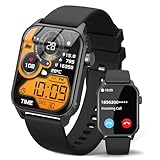
- 【1.83" HD Display & Customizable Watch Faces】Immerse yourself in a vibrant 1.83-inch IPS display, boasting a sharp resolution of 240*284 for crystal-clear visuals. Effortlessly personalize your smart watch with a wide array of customizable watch faces to suit your personal style for every occasion—whether trendy, artistic, or minimalist—ideal for casual, sporty, or professional. Its sleek, modern design complements any outfit, blending technology and fashion seamlessly for everyday wear
- 【120 Sports Modes & Advanced Health Tracking】Our TK29 smart watches for women men come equipped with 120 sports modes, allowing you to effortlessly track a variety of activities such as walking, running, cycling, and swimming. With integrated heart rate and sleep monitors, you can maintain a comprehensive overview of your health, achieve your fitness goals, and maintain a balanced, active lifestyle with ease. Your ideal wellness companion (Note: Step recording starts after exceeding 20 steps)
- 【IP67 Waterproof & Long-Lasting Battery】Designed to keep up with your active lifestyle, this smartwatch features an IP67 waterproof rating, ensuring it can withstand splashes, sweat, and even brief submersion, making it perfect for workouts, outdoor adventures, or rainy days. Its reliable 350mAh battery offering 5-7 days of active use and up to 30 days in standby mode, significantly reducing frequent charging. Ideal for all-day wear, whether you’re at the gym, outdoors, or simply on the go
- 【Stay Connected Anytime, Anywhere】Stay informed and in control with Bluetooth call and music control features. Receive real-time notifications for calls, messages, and social media apps like Facebook, WhatsApp, Twitter, and Instagram directly on your smartwatch. Easily manage calls, control your music playlist, and stay updated without needing to reach for your phone. Perfect for work, workouts, or on-the-go, this watch keeps you connected and never miss important updates wherever you are
- 【Multifunction & Wide Compatibility】Seamlessly handle heart rate monitoring, sleep tracking, and enjoy conveniences like camera/music control, Seamlessly handle heart rate monitoring, sleep tracking, and more-all directly from your wrist. This 1.83 inches HD smartwatch is compatible with iPhone (iOS 9.0+) & Android (5.0+), ensuring smooth daily connectivity and convenience throughout your day. More than just a timepiece, it’s a stylish, all-in-one wearable for smarter, healthier living
How the sensor actually works on your wrist
Starting with Apple Watch Series 6, Apple added a dedicated blood oxygen sensor built into the rear crystal. It uses four clusters of green, red, and infrared LEDs along with photodiodes. The watch shines these lights into your skin and measures how much light is reflected back.
Oxygenated and deoxygenated hemoglobin absorb red and infrared light differently. Apple’s algorithms compare those absorption patterns to estimate the percentage of oxygen-carrying hemoglobin. This is a form of reflectance pulse oximetry, which is inherently more challenging on the wrist than transmissive measurements used in fingertip medical devices.
Why measurements happen quietly in the background
Most blood oxygen readings are taken when you are still, relaxed, and wearing the watch snugly. The Apple Watch prioritizes measurements during sleep or periods of inactivity because motion dramatically reduces signal quality. You can trigger a manual reading, but even then the watch asks you to stay still and keep your wrist flat.
This design choice is about data reliability and battery life. Continuous, real-time SpO₂ tracking would drain the battery quickly and produce noisy, misleading data during everyday movement.
What Apple Watch blood oxygen does not measure
The feature does not diagnose respiratory conditions, detect sleep apnea, or warn you of medical emergencies. Apple explicitly positions it as a general wellness metric, not a medical diagnostic tool, and it is not FDA-cleared for clinical use. Any concerning readings should always be discussed with a healthcare professional using medical-grade equipment.
It also does not track rapid oxygen changes during exercise. During workouts, Apple Watch focuses on heart rate and motion metrics, because wrist-based SpO₂ accuracy drops significantly when muscles flex and blood flow shifts.
Factors that affect accuracy in the real world
Fit matters more than most users realize. A loose band, especially on smaller wrists, can let ambient light leak in and degrade readings. Apple recommends a snug fit, particularly for sleep tracking, where most automatic measurements occur.
Skin temperature, tattoos, skin tone, and even wrist hair can influence optical readings. Cold environments that reduce blood flow near the skin can also lead to failed or skipped measurements. These are limitations shared by nearly all wrist-based optical sensors, not just Apple’s.
How Apple presents and interprets the data
In the Health app, Apple displays blood oxygen as individual measurements rather than a continuous trend line. This presentation reflects the intermittent nature of the data and avoids implying clinical precision. You may see gaps of hours or days with no readings at all, which is normal and not a sign of malfunction.
Apple’s software looks for long-term patterns rather than moment-to-moment changes. A consistent downward shift over weeks may be more meaningful than any single low reading, especially if it coincides with changes in sleep quality, altitude, or overall health.
Why this feature is best viewed as contextual, not definitive
Apple Watch blood oxygen monitoring is most useful as part of a broader health picture that includes heart rate, sleep tracking, fitness trends, and subjective how-you-feel data. On its own, it rarely provides actionable insight for healthy users at sea level. Its value increases in specific contexts, such as altitude acclimation, illness recovery, or identifying unusual deviations from your personal baseline.
Understanding these boundaries sets realistic expectations and helps explain why Apple has been careful with regulatory language and feature positioning. That caution also plays directly into why this sensor became the center of a legal dispute and why its availability now depends on where and how you buy your Apple Watch.
Inside the Apple Watch Blood Oxygen Sensor: LEDs, Photodiodes, and Light Absorption Explained
To understand why Apple treats blood oxygen as contextual rather than clinical, it helps to look under the ceramic back of the watch. The same physical constraints that shape accuracy, battery use, and regulatory positioning all start with how the sensor is built and how light behaves in human tissue.
The sensor hardware beneath the watch
Apple Watch blood oxygen measurements rely on a dedicated optical module embedded in the rear crystal, separate from the green LEDs primarily used for heart rate. Starting with Apple Watch Series 6, Apple added red and infrared LEDs alongside multiple photodiodes arranged to capture reflected light from different angles.
The materials matter here. The sapphire or ceramic back provides optical clarity and durability, while the sensor ring is engineered to sit flush against the skin to reduce light leakage. This is why comfort, case size, and band tension are not cosmetic details but functional ones for measurement quality.
Why red and infrared light are used
Blood oxygen sensing is based on photoplethysmography, or PPG, a technique that estimates blood properties by analyzing how light is absorbed and reflected by tissue. Oxygenated hemoglobin absorbs more infrared light and reflects more red light, while deoxygenated hemoglobin does the opposite.
By emitting both wavelengths and comparing how much of each returns to the photodiodes, the system can estimate the relative percentage of oxygen-bound hemoglobin. This is fundamentally different from the green-light method used for heart rate, which is optimized for detecting pulse changes rather than oxygen saturation.
From reflected light to a SpO₂ estimate
The raw signals captured by the photodiodes are noisy, incomplete, and highly dependent on conditions at the wrist. Apple’s algorithms filter for moments when blood flow, motion levels, and skin contact meet minimum thresholds before attempting a calculation.
Rather than continuously sampling, the watch takes discrete measurements, typically during periods of stillness like sleep or quiet rest. If those conditions are not met, the measurement is skipped entirely, which is why gaps in data are expected behavior.
Why wrist-based SpO₂ is inherently limited
Unlike fingertip pulse oximeters, which transmit light through thin, well-perfused tissue, the Apple Watch relies on reflected light from the wrist. The wrist has thicker skin, more variable blood flow, and greater movement, all of which reduce signal consistency.
Environmental and biological factors amplify these challenges. Skin temperature, tattoos, hair density, and even how tightly the watch is worn can alter how light scatters and returns, affecting the algorithm’s confidence in producing a result.
How software compensates for hardware constraints
Apple’s approach leans heavily on software to compensate for physical limitations. Machine learning models help distinguish usable signal from noise, reject readings taken during motion, and normalize results against individual baselines rather than absolute medical thresholds.
This software-first strategy also explains why Apple presents measurements as snapshots instead of a live readout. The system is optimized to avoid false precision, even if that means fewer visible data points for the user.
What the sensor does not measure
Despite the SpO₂ label, the Apple Watch is not directly measuring oxygen molecules in the blood. It is estimating oxygen saturation based on optical patterns and statistical models, not performing a blood gas analysis or a diagnostic-grade oximetry test.
This distinction is critical for understanding both the feature’s usefulness and its regulatory treatment. The hardware is capable of capturing optical signals, but the interpretation is intentionally constrained to wellness insights rather than medical decision-making.
From Sensor to SpO₂ Reading: Apple’s Algorithms, Calibration, and On-Wrist Conditions
Understanding Apple Watch blood oxygen readings requires looking past the sensor itself and into how raw optical signals are filtered, contextualized, and sometimes discarded. The SpO₂ number you see is the end result of layered software decisions designed to prioritize plausibility over completeness.
The optical pipeline beneath the caseback
At the hardware level, the Apple Watch uses a dedicated cluster of red, infrared, and green LEDs paired with photodiodes embedded in the ceramic or sapphire-backed sensor array. For blood oxygen measurements, only the red and infrared wavelengths are used, pulsed in a specific sequence while the photodiodes measure how much light is reflected back from subdermal blood vessels.
Oxygenated and deoxygenated hemoglobin absorb these wavelengths differently. By comparing the relative absorption patterns, the system can infer an estimated oxygen saturation percentage rather than directly measuring oxygen itself.
This reflective method is inherently noisier than transmissive fingertip oximeters. The watch must contend with thicker tissue, bone, tendons, and inconsistent perfusion, all of which reduce the signal-to-noise ratio before software ever gets involved.
Signal validation and motion rejection
Once light data is captured, the first algorithmic step is not calculation but qualification. The watch evaluates whether the signal meets minimum thresholds for stability, perfusion, and optical clarity before attempting to compute SpO₂ at all.
Accelerometer and gyroscope data are used in parallel to detect motion. Even small wrist movements, muscle tension, or changes in pressure against the skin can cause the reading to be abandoned, which is why Apple emphasizes stillness and sleep as ideal measurement windows.
If these conditions are not met, the system does not generate a low-confidence reading. It simply produces no data point, a design choice that trades frequency for reliability.
Calibration without user intervention
Unlike ECG features that require explicit user setup, Apple’s blood oxygen system relies on population-level calibration combined with passive individual adaptation. There is no manual calibration step, nor does Apple claim clinical-grade accuracy across all users.
Instead, the algorithms normalize readings against expected physiological ranges and individual trends over time. This helps reduce the impact of variables like wrist anatomy, skin tone, and baseline perfusion without promising diagnostic precision.
Apple has published that its internal validation studies compared Watch readings against arterial blood gas samples across a range of oxygen levels. However, those results are used to tune algorithms, not to position the feature as a medical replacement.
The role of skin contact and watch fit
On-wrist conditions matter as much as software. A loose-fitting watch allows ambient light to leak into the sensor cavity, while an overly tight fit can restrict blood flow and distort readings.
Apple’s guidance to wear the watch snug but comfortable is not cosmetic advice. It directly affects optical coupling, especially during overnight measurements when wrist position changes unconsciously.
Materials also play a role. The smooth finish of the ceramic sensor dome, combined with Apple’s band designs, is intended to maintain consistent skin contact without pressure points, balancing comfort with data quality over long wear periods.
Environmental and biological disruptors
Several factors can degrade signal quality even when the watch is worn correctly. Cold environments reduce peripheral blood flow, making it harder for the sensor to detect hemoglobin-related absorption patterns.
Rank #2
![Apple Watch Series 11 [GPS 46mm] Smartwatch with Jet Black Aluminum Case with Black Sport Band - M/L. Sleep Score, Fitness Tracker, Health Monitoring, Always-On Display, Water Resistant](https://m.media-amazon.com/images/I/312K597M2uL._SL160_.jpg)
- HYPERTENSION NOTIFICATIONS — Apple Watch Series 11 can spot signs of chronic high blood pressure and notify you of possible hypertension.*
- KNOW YOUR SLEEP SCORE — Sleep score provides an easy way to help track and understand the quality of your sleep, so you can make it more restorative.
- EVEN MORE HEALTH INSIGHTS — Take an ECG anytime.* Get notifications for a high and low heart rate, an irregular rhythm,* and possible sleep apnea.* View overnight health metrics with the Vitals app* and take readings of your blood oxygen.*
- STUNNING DESIGN — Thin and lightweight, Series 11 is comfortable to wear around the clock — while exercising and even when you’re sleeping, so it can help track your key metrics.
- A POWERFUL FITNESS PARTNER — With advanced metrics for all your workouts, plus features like Pacer, Heart Rate Zones, training load, Workout Buddy powered by Apple Intelligence from your nearby iPhone,* and more. Series 11 also comes with three months of Apple Fitness+ free.*
Tattoos, particularly those with dark or dense pigments, can absorb or scatter light unpredictably. Hair density, sweat, and skin dryness further complicate optical readings, which is why Apple explicitly notes that not all users will receive consistent SpO₂ data.
These limitations are not unique to Apple Watch. They are shared across nearly all wrist-based pulse oximetry implementations, regardless of brand or price.
Why readings are periodic, not continuous
Apple intentionally avoids real-time SpO₂ streaming. Continuous sampling would amplify motion artifacts, drain battery life, and increase the likelihood of misleading fluctuations that appear clinically meaningful but are not.
Instead, the watch captures snapshots during periods of low movement, most commonly during sleep. This approach aligns with the feature’s intended use as a trend indicator rather than a moment-to-moment monitor.
From a battery perspective, this design choice is also practical. Blood oxygen measurements are among the most power-intensive health features, and limiting their frequency helps preserve all-day wearability.
How results are presented in software
In the Health app, blood oxygen data is shown as individual readings and aggregated ranges rather than emphasized single values. Apple avoids alerts, thresholds, or color-coded warnings that could imply medical actionability.
This presentation is deliberate. By framing SpO₂ as contextual wellness data, Apple reduces the risk of users overinterpreting normal variability or reacting to transient dips that would be clinically insignificant in isolation.
The absence of real-time alerts also aligns with how the feature is regulated. The watch provides insight, not diagnosis, and the software experience reinforces that boundary at every step.
Accuracy, Limitations, and FDA Status: How Apple Watch Blood Oxygen Compares to Medical Pulse Oximeters
All of this leads to the question most readers eventually ask: how close is Apple Watch blood oxygen to what you would get from a medical pulse oximeter, and how seriously should you take the numbers?
The short answer is that Apple Watch can be directionally accurate under the right conditions, but it is not designed, regulated, or validated to replace a clinical device. Understanding why requires separating sensor capability, real-world wrist constraints, and regulatory status.
What “accuracy” means for wrist-based SpO₂
Medical pulse oximeters are typically fingertip or ear-clip devices that clamp firmly onto tissue with rich capillary blood flow. They use controlled pressure, stable positioning, and a short optical path, which dramatically reduces motion and light interference.
Apple Watch measures from the wrist, an area with less consistent perfusion and far more movement. Even when you are still, micro-movements, tendon shifts, and changes in skin tension affect how light travels through tissue.
In Apple’s own technical disclosures, the company describes blood oxygen results as estimates. Under ideal conditions, readings often fall within a few percentage points of medical-grade devices, but variance increases quickly outside those conditions.
Clinical validation vs consumer benchmarking
Medical pulse oximeters sold for diagnostic use typically undergo FDA clearance as Class II medical devices. This process requires demonstrating accuracy across a defined oxygen saturation range, including hypoxic conditions, and across diverse skin tones.
Apple Watch blood oxygen has not undergone this level of validation. Apple has published internal testing data and participated in comparative studies, but the feature is not cleared to the same standard as a hospital or prescription oximeter.
Independent comparisons often show Apple Watch readings tracking general trends correctly, such as lower overnight SpO₂ at altitude or during illness. What they do not show is reliability at clinically critical thresholds, which is where medical devices are designed to perform best.
Skin tone, physiology, and systemic bias
Pulse oximetry accuracy has a documented history of reduced precision in people with darker skin tones. This issue affects both medical and consumer devices, though wrist-based sensors tend to be more vulnerable due to weaker signal strength.
Apple has acknowledged this limitation and says its algorithms are designed to minimize bias, but no optical wearable has fully eliminated the problem. Variations in melanin absorption can still influence readings, particularly at lower oxygen levels.
This is one reason Apple avoids alerting users or highlighting specific SpO₂ cutoffs. The company does not want users making health decisions based on data that may carry unquantified bias at the individual level.
How Apple Watch compares in day-to-day use
For healthy users, Apple Watch blood oxygen is best understood as a background metric. It can help contextualize sleep quality, altitude exposure, or recovery trends when viewed over weeks rather than hours.
It is far less useful for spot-checking symptoms like shortness of breath or chest discomfort. In those situations, a fingertip pulse oximeter provides faster, more stable, and more clinically interpretable results.
From a wearability standpoint, Apple’s approach favors comfort and battery life over measurement density. The watch remains slim, lightweight, and suitable for overnight wear, but those design priorities inherently limit sensor precision.
FDA status: why Apple Watch blood oxygen is not a medical feature
In the United States, Apple Watch blood oxygen is offered as a general wellness feature, not a medical one. It is not FDA-cleared for diagnosis, monitoring, or treatment of any condition.
This classification shapes everything from how often measurements are taken to how results are displayed. No alerts, no thresholds, and no language suggesting actionable medical insight appear in the software.
By contrast, Apple’s ECG and irregular rhythm notifications went through FDA review because they make specific health claims. Blood oxygen intentionally stops short of that line.
How this differs from FDA-cleared medical oximeters
FDA-cleared pulse oximeters are tested under standardized conditions, including induced hypoxia, to ensure accuracy down to lower saturation levels. They are designed to support clinical decisions, sometimes in real time.
Apple Watch is not tested or approved for that use case. Its readings are optimized for normal physiological ranges and low-motion contexts, not for detecting acute or dangerous drops.
This distinction matters legally and practically. Apple Watch can inform conversations with a healthcare provider, but it should not guide treatment decisions on its own.
Does the FDA status affect everyday value?
For most users, the lack of FDA clearance does not make the feature useless. It simply defines the boundaries of trust.
If your goal is general wellness awareness, sleep context, or understanding how your body responds to travel or training load, Apple Watch blood oxygen can be informative. If your goal is medical monitoring, it is the wrong tool.
That separation is intentional, and it explains both the software design choices and the cautious language Apple uses around the feature.
Which Apple Watch Models Support Blood Oxygen—and How the Feature Is Used in Daily Life
With the regulatory boundaries clearly defined, the next practical question is straightforward: which Apple Watch models actually include blood oxygen sensing, and what does owning one feel like in day-to-day use. This is where hardware generation, regional availability, and Apple’s cautious software design all intersect.
Apple Watch models with blood oxygen hardware
Apple introduced blood oxygen sensing with Apple Watch Series 6 in 2020, and the same optical hardware has carried forward with only incremental refinements. The sensor relies on red and infrared LEDs paired with photodiodes integrated into the rear crystal.
Models that include blood oxygen hardware are Apple Watch Series 6, Series 7, Series 8, Series 9, Apple Watch Ultra, and Apple Watch Ultra 2. Apple Watch SE models, regardless of generation, do not include the necessary LEDs and cannot measure blood oxygen at all.
Physically, these watches share the same core sensor array alongside heart rate and ECG electrodes. Case materials range from aluminum to stainless steel and titanium, but blood oxygen functionality does not vary by finish or size.
The U.S. ban and which models are affected
In the United States, the blood oxygen feature has been disabled on certain Apple Watch units sold after January 2024 due to an ITC import ban tied to a patent dispute with Masimo. This restriction affects newly sold Series 9 and Ultra 2 watches in the U.S. market only.
If you purchased a Series 6, 7, 8, or an earlier Ultra before the ban, blood oxygen remains active and unchanged. Watches sold outside the U.S. continue to include the feature, even on the latest hardware.
Importantly, this is a software-level disablement tied to regional sales, not a hardware difference. The sensor is physically present, but the Blood Oxygen app and background measurements are unavailable on affected U.S. units.
How blood oxygen measurements actually occur
Apple Watch does not continuously track blood oxygen throughout the day. Measurements are taken periodically in the background when the wearer is still, typically during sleep or moments of inactivity.
Rank #3

- Bluetooth Call and Message Alerts: Smart watch is equipped with HD speaker, after connecting to your smartphone via bluetooth, you can answer or make calls, view call history and store contacts through directly use the smartwatch. The smartwatches also provides notifications of social media messages (WhatsApp, Twitter, Facebook, Instagram usw.) So that you will never miss any important information.
- Smart watch for men women is equipped with a 320*380 extra-large hd full touch color screen, delivering exceptional picture quality and highly responsive touch sensitivity, which can bring you a unique visual and better interactive experience, lock screen and wake up easily by raising your wrist. Though “Gloryfit” app, you can download more than 102 free personalised watch faces and set it as your desktop for fitness tracker.
- 24/7 Heart Rate Monitor and Sleep Tracker Monitor: The fitness tracker watch for men has a built-in high-performance sensor that can record our heart rate changes in real time. Monitor your heart rate 26 hours a day and keep an eye on your health. Synchronize to the mobile phone app"Gloryfit", you can understand your sleep status(deep /light /wakeful sleep) by fitness tracker watch develop a better sleep habit and a healthier lifestyle.
- IP68 waterproof and 110+ Sports Modes: The fitness tracker provides up to 112+ sports modes, covering running, cycling, walking, basketball, yoga, football and so on. Activity trackers bracelets meet the waterproof requirements for most sports enthusiasts' daily activities, such as washing hands or exercising in the rain, meeting daily needs (note: Do not recommended for use in hot water or seawater.)
- Multifunction and Compatibility: This step counter watch also has many useful functions, such as weather forecast, music control, sedentary reminder, stopwatch, alarm clock, timer, track female cycle, screen light time, find phone etc. The smart watch with 2 hrs of charging, 5-7 days of normal use and about 30 days of standby time. This smart watches for women/man compatible with ios 9.0 and android 6.2 and above devices.
A manual reading can be triggered through the Blood Oxygen app, which requires the user to remain still with their wrist flat for about 15 seconds. Movement, loose fit, tattoos, or ambient light leakage can all cause failed readings.
This low measurement density is intentional. Continuous SpO2 tracking would dramatically impact battery life and increase false variability on a wrist-worn device.
What you see in the Health app
Blood oxygen data appears in the Health app as a range rather than a single authoritative number. Most users see values clustered between 95 and 100 percent, which aligns with normal physiology at sea level.
There are no alerts, trends-based warnings, or thresholds that trigger notifications. Apple avoids presenting the data as something that requires immediate action.
Over time, users can view weekly or monthly patterns, but Apple deliberately limits interpretation. The emphasis is on passive context, not diagnosis.
How people actually use it in daily life
For many users, blood oxygen becomes most relevant during sleep. Overnight readings can add context to sleep stages, breathing rate, and overall recovery without demanding attention.
Travel is another common use case. People visiting high-altitude locations often notice temporary dips, which can help explain fatigue or shortness of breath without jumping to medical conclusions.
Athletes and fitness-focused users sometimes correlate blood oxygen trends with training load, illness, or overreaching. The data is not precise enough to optimize performance, but it can reinforce subjective feelings of readiness or strain.
Comfort, wearability, and overnight practicality
Because measurements often occur during sleep, comfort matters more than lab-grade accuracy. Apple Watch remains relatively slim and lightweight, even in larger case sizes, making overnight wear realistic for most wrists.
The flat rear crystal and soft sport bands help maintain consistent skin contact, which improves measurement reliability. Stainless steel and titanium cases add weight, but rarely enough to disrupt sleep for most users.
Battery life is sufficient for overnight tracking as long as the watch is charged before bed. Even the smaller case sizes can typically handle sleep tracking plus morning workouts without anxiety.
Who benefits most from having the feature
Blood oxygen is most valuable for users who already engage with Apple’s broader health ecosystem. When combined with sleep data, respiratory rate, and heart rate trends, it adds passive context rather than standalone insight.
For users seeking medical-grade monitoring or actionable alerts, the feature will likely feel underwhelming. Apple designed it to inform curiosity, not drive decisions.
As a purchasing factor, blood oxygen should be considered a secondary benefit. It enhances the overall health picture, but it is rarely the primary reason an Apple Watch improves someone’s daily life.
Why Apple Watch Blood Oxygen Was Banned in the U.S.: The Masimo Patent Dispute Explained Clearly
Understanding the usefulness of blood oxygen in daily life naturally leads to a bigger question many U.S. buyers still ask: why is this feature missing or disabled on some Apple Watch models sold domestically.
The short answer is not accuracy, safety, or FDA rejection. The blood oxygen feature was restricted in the U.S. because of a patent dispute, not because the technology failed or posed a health risk.
The companies involved and what Masimo actually does
Masimo is a long-established medical technology company specializing in clinical-grade pulse oximetry. Its sensors are used in hospitals and have been refined over decades to deliver reliable readings even in challenging conditions like motion or low perfusion.
Apple entered the blood oxygen space much later, first introducing SpO₂ tracking on Apple Watch Series 6. While Apple’s implementation targets consumer wellness rather than clinical diagnosis, it still relies on optical principles similar to medical pulse oximeters.
Masimo claimed that Apple infringed on multiple patents related to how blood oxygen levels are measured using light-based sensors. Apple has consistently denied wrongdoing and challenged the validity of those patents.
Why this became a U.S.-only ban
The dispute was handled by the U.S. International Trade Commission, or ITC. Unlike the FDA, which evaluates safety and effectiveness, the ITC focuses on trade law and patent enforcement.
In late 2023, the ITC ruled that certain Apple Watch models violated Masimo-owned patents. As a result, Apple was barred from importing and selling watches in the U.S. that included the infringing blood oxygen functionality.
This is why the issue is geographically limited. Outside the U.S., Apple Watch blood oxygen continues to function normally, because patent enforcement varies by country and Masimo’s claims did not block international sales.
Which Apple Watch models were affected
The ruling primarily affected Apple Watch Series 9 and Apple Watch Ultra 2 sold in the U.S. Earlier models already in consumers’ hands were not recalled, and watches sold before the ruling retained full blood oxygen functionality.
To comply with the ban while continuing U.S. sales, Apple introduced modified versions of these models. The hardware remains physically capable of measuring blood oxygen, but the feature is disabled at the software level.
This means U.S.-sold Series 9 and Ultra 2 units manufactured after the ruling lack active blood oxygen tracking, even though the sensor stack is still present under the rear crystal.
What “banned” really means in practice
The ban does not mean Apple Watch blood oxygen was declared inaccurate, unsafe, or misleading. It also does not affect heart rate, ECG, sleep tracking, or any other health feature.
It specifically restricts Apple from selling watches in the U.S. that perform blood oxygen measurements using the disputed method. Apple complied by disabling the feature rather than redesigning the sensor mid-product cycle.
From a wearer’s perspective, this means no blood oxygen readings appear in the Health app, no overnight SpO₂ trends, and no background sampling during sleep on affected U.S. models.
Why the FDA was not involved in removing the feature
Blood oxygen on Apple Watch is categorized as a wellness feature, not a medical diagnostic tool. Apple never sought FDA clearance for SpO₂ in the way it did for ECG or irregular rhythm notifications.
Because of that classification, the FDA had no role in banning or approving the feature’s availability. The restriction is purely a patent enforcement issue, not a regulatory judgment about health claims.
This distinction matters for users who worry the feature was pulled due to accuracy concerns. The legal dispute does not invalidate the general usefulness of trend-level blood oxygen tracking.
Can software updates or future models restore it
Apple has stated it is working on technical solutions, including potential sensor or algorithm changes, to bring blood oxygen back to U.S. models without infringing on Masimo’s patents.
However, existing U.S.-sold watches with disabled SpO₂ are unlikely to regain the feature through a simple software update unless Apple prevails legally or licenses the technology. Patent disputes tend to move slowly, and outcomes can take years.
Future Apple Watch generations may reintroduce blood oxygen in the U.S. through redesigned optical systems, alternative signal processing methods, or licensing agreements, but there is no confirmed timeline.
What this means for buying decisions today
For U.S. buyers, blood oxygen should not be assumed as a standard feature on current retail Apple Watch models. Checking the exact model and region of sale matters more than the marketing page suggests.
International buyers, or those purchasing older pre-ban units, still receive full blood oxygen functionality. For most everyday users, the absence of SpO₂ does not meaningfully reduce the Apple Watch’s core health experience.
Heart rate trends, sleep stages, respiratory rate, and fitness tracking remain intact. Blood oxygen adds context, but its removal does not break the overall health ecosystem that most owners rely on daily.
What ‘Banned’ Really Means: Sales Restrictions, Disabled Features, and Regional Differences
The word “banned” has caused more confusion than clarity. Apple Watch was not outlawed as a product, and no health authority declared blood oxygen unsafe or misleading.
What actually happened is a targeted U.S. sales restriction tied to a patent dispute, combined with software-level changes to comply with that ruling. Understanding the difference helps explain why some watches still measure SpO₂ while others never will.
Rank #4
![Apple Watch Series 11 [GPS 42mm] Smartwatch with Rose Gold Aluminum Case with Light Blush Sport Band - S/M. Sleep Score, Fitness Tracker, Health Monitoring, Always-On Display, Water Resistant](https://m.media-amazon.com/images/I/31J+F-pXaWL._SL160_.jpg)
- HYPERTENSION NOTIFICATIONS — Apple Watch Series 11 can spot signs of chronic high blood pressure and notify you of possible hypertension.*
- KNOW YOUR SLEEP SCORE — Sleep score provides an easy way to help track and understand the quality of your sleep, so you can make it more restorative.
- EVEN MORE HEALTH INSIGHTS — Take an ECG anytime.* Get notifications for a high and low heart rate, an irregular rhythm,* and possible sleep apnea.* View overnight health metrics with the Vitals app* and take readings of your blood oxygen.*
- STUNNING DESIGN — Thin and lightweight, Series 11 is comfortable to wear around the clock — while exercising and even when you’re sleeping, so it can help track your key metrics.
- A POWERFUL FITNESS PARTNER — With advanced metrics for all your workouts, plus features like Pacer, Heart Rate Zones, training load, Workout Buddy powered by Apple Intelligence from your nearby iPhone,* and more. Series 11 also comes with three months of Apple Fitness+ free.*
A sales ban, not a product recall
In the U.S., the International Trade Commission ruled that Apple infringed Masimo patents related to pulse oximetry. The result was an import and sales ban on Apple Watch models that included active blood oxygen measurement.
Apple responded by pausing sales briefly, then resuming them with modified versions of the same watches. There was no recall, no forced shutdown of existing devices, and no requirement for users to return or update previously sold units.
If you bought an Apple Watch with blood oxygen enabled before the ruling took effect, it continues to function exactly as it did on day one.
How Apple disabled blood oxygen on new U.S. watches
To keep selling Apple Watch in the U.S., Apple disabled the blood oxygen feature at the software level on affected models. The sensor hardware remains physically present under the sapphire crystal, alongside the green, red, and infrared LEDs used for heart rate and SpO₂.
On these watches, the Blood Oxygen app is removed or inactive, background SpO₂ sampling during sleep is disabled, and Health app fields related to blood oxygen no longer populate. The rest of the optical heart sensor stack, including heart rate, HRV estimates, respiratory rate, and sleep staging, continues to work normally.
Battery life, comfort, case materials, thickness, water resistance, and daily wearability are unchanged, because the hardware itself is the same.
Which Apple Watch models are affected
The restriction applies to Apple Watch Series 9 and Apple Watch Ultra 2 sold in the U.S. after Apple’s compliance date. These models ship with blood oxygen permanently disabled at the factory for the U.S. market.
Older models, including Series 6, Series 7, Series 8, and first-generation Ultra, retain blood oxygen functionality if they were sold before the ban. Refurbished units sold by Apple in the U.S. also follow the same rules as new inventory, meaning SpO₂ is disabled if required for compliance.
This distinction is about sale date and region, not the physical capability of the watch itself.
Regional differences: why it still works outside the U.S.
The ITC ruling only applies to imports into the United States. In regions like Europe, the UK, Canada, Australia, and most of Asia, Apple Watch models continue to ship with fully functional blood oxygen tracking.
International models use the same optical sensor architecture and software features, and they receive the same watchOS updates. The difference is purely legal jurisdiction, not hardware quality or health standards.
For travelers, the watch’s blood oxygen capability is determined by where it was sold, not where it is currently worn or paired.
Grey market imports and secondhand purchases
Some buyers look to international sellers or resale platforms to obtain a U.S.-compatible Apple Watch with blood oxygen enabled. In practice, this can work, but it carries trade-offs.
Imported watches may lack local warranty support, cellular compatibility can differ by region, and resale listings are often unclear about original sales region. From a comfort and usability standpoint, the watch feels identical on the wrist, but support and service experiences may not be.
Apple does not offer a way to re-enable blood oxygen on U.S.-restricted models through account settings, pairing changes, or software updates.
What “disabled” means for everyday use
For most users, the absence of blood oxygen does not change how the Apple Watch feels or performs day to day. Workouts, sleep tracking, notifications, fitness rings, GPS accuracy, and overall software experience remain intact.
SpO₂ was always sampled intermittently, often during sleep or periods of stillness, rather than providing continuous real-time monitoring. Its value was in spotting longer-term trends rather than moment-to-moment health decisions.
That context helps explain why Apple could disable the feature without compromising the core Apple Watch experience that most owners actually use.
Does Blood Oxygen Tracking Matter for Everyday Health, Fitness, and Sleep Monitoring?
After understanding how and why Apple disabled blood oxygen in the U.S., the natural next question is whether most people are actually missing something meaningful. The answer depends less on the watch itself and more on how you use it, your health baseline, and what you expect SpO₂ data to tell you.
For many Apple Watch owners, blood oxygen sits in the background alongside features like wrist temperature or VO₂ max: informative in context, but rarely decisive on its own.
Everyday health: trend awareness, not diagnosis
For generally healthy users, blood oxygen tracking is best understood as a long-term trend indicator rather than a daily health metric. Apple Watch does not continuously stream SpO₂ data, nor is it designed to detect sudden medical emergencies like a hospital-grade pulse oximeter.
Instead, it captures spot readings during periods of stillness, most commonly overnight. When viewed over weeks or months, those readings can reveal subtle shifts away from a personal baseline, which may prompt a user to pay closer attention to how they feel or seek medical advice.
What it does not do is tell you why a reading is lower. SpO₂ cannot distinguish between altitude, congestion, poor sensor contact, illness, or simple measurement noise, and Apple is careful not to frame it as a diagnostic tool.
Fitness and training: limited value for most workouts
During exercise, blood oxygen data from the Apple Watch has practical limitations. Motion, sweat, arm swing, and changes in skin perfusion all reduce optical accuracy, which is why Apple does not emphasize SpO₂ during active workouts.
For endurance athletes training at altitude, or those experimenting with hypoxic adaptation, occasional blood oxygen checks can add context to perceived exertion. Even then, serious athletes typically rely on dedicated fingertip oximeters for reliable readings.
For everyday fitness users focused on calories, heart rate zones, pace, or GPS accuracy, blood oxygen adds little to workout decision-making. The Apple Watch’s strengths remain its heart rate tracking, accelerometer-based movement data, and software-driven coaching cues, not oxygen saturation during motion.
Sleep monitoring: where SpO₂ is most relevant
Sleep is where Apple Watch blood oxygen tracking provides its clearest real-world value. During rest, the wrist sensor has time to stabilize, and repeated overnight readings can highlight patterns that are harder to notice during the day.
Lower-than-expected overnight SpO₂ trends may correlate with poor sleep quality, breathing irregularities, alcohol use, or respiratory illness. For some users, this data becomes a useful conversation starter with a clinician, especially when paired with sleep stage data and respiratory rate.
It is important to note that Apple Watch does not diagnose sleep apnea. It can surface signals that suggest something may be worth investigating, but formal diagnosis still requires clinical testing.
Who benefits most from blood oxygen tracking
Blood oxygen tracking tends to matter more for people with specific risk factors or situational needs. This includes users with respiratory conditions, those living or traveling at high altitude, and individuals recovering from respiratory infections who want reassurance that trends are returning to normal.
Older users may also find value in passive overnight monitoring, especially when combined with fall detection, heart rate alerts, and irregular rhythm notifications. In these cases, SpO₂ is part of a broader safety net rather than a standalone feature.
For tech-curious users, the feature also has educational value. Seeing how sleep, illness, or travel affects blood oxygen can deepen understanding of how the body responds to stress and recovery.
When blood oxygen tracking doesn’t matter much
For many Apple Watch owners, the absence of SpO₂ has little impact on daily satisfaction or utility. The watch still delivers the same comfort on the wrist, the same battery life profile, and the same watchOS experience across notifications, apps, and fitness tracking.
If your primary use cases are activity rings, workout logging, smartwatch convenience, and general wellness awareness, blood oxygen is unlikely to change how you use the device. Even before the ban, many users rarely opened the Blood Oxygen app unless prompted by curiosity.
This context helps explain why Apple Watch sales and user engagement have not meaningfully shifted despite the feature’s removal in the U.S.
Accuracy expectations and practical limitations
Apple Watch blood oxygen readings are reasonably consistent under ideal conditions, but they are not lab-grade measurements. Skin tone, tattoos, wrist temperature, band tightness, and even how the watch case sits on the wrist can influence results.
Apple explicitly positions SpO₂ as a wellness feature, not a medical device, and the FDA clearance landscape reflects that distinction. It is designed to inform, not to alarm or replace professional tools.
Understanding these limitations is key to using the feature appropriately. Blood oxygen works best when viewed alongside other metrics, not when interpreted in isolation or used to self-diagnose.
Battery Life, Wearability, and Real-World Usability Impact of Blood Oxygen Tracking
Once accuracy expectations are set, the next practical question is whether blood oxygen tracking meaningfully changes how an Apple Watch feels to live with day to day. In practice, its impact is subtle, and for many users, almost invisible unless they actively go looking for it.
💰 Best Value
![Apple Watch Series 11 [GPS 42mm] Smartwatch with Jet Black Aluminum Case with Black Sport Band - S/M. Sleep Score, Fitness Tracker, Health Monitoring, Always-On Display, Water Resistant](https://m.media-amazon.com/images/I/31ybzrJZckL._SL160_.jpg)
- HYPERTENSION NOTIFICATIONS — Apple Watch Series 11 can spot signs of chronic high blood pressure and notify you of possible hypertension.*
- KNOW YOUR SLEEP SCORE — Sleep score provides an easy way to help track and understand the quality of your sleep, so you can make it more restorative.
- EVEN MORE HEALTH INSIGHTS — Take an ECG anytime.* Get notifications for a high and low heart rate, an irregular rhythm,* and possible sleep apnea.* View overnight health metrics with the Vitals app* and take readings of your blood oxygen.*
- STUNNING DESIGN — Thin and lightweight, Series 11 is comfortable to wear around the clock — while exercising and even when you’re sleeping, so it can help track your key metrics.
- A POWERFUL FITNESS PARTNER — With advanced metrics for all your workouts, plus features like Pacer, Heart Rate Zones, training load, Workout Buddy powered by Apple Intelligence from your nearby iPhone,* and more. Series 11 also comes with three months of Apple Fitness+ free.*
Battery life impact in daily and overnight use
Blood oxygen tracking is one of the more power-intensive health measurements on Apple Watch, but it runs infrequently by design. Outside of manual readings, SpO₂ samples are taken in the background during periods of low movement, most commonly overnight when the watch detects sleep.
Because of this scheduling, the real-world battery impact is modest rather than dramatic. On Series 6 through Series 9 and Ultra models, enabling blood oxygen tracking typically shaves a small percentage off overnight battery compared to nights with heart rate and sleep tracking alone.
For users already accustomed to daily charging, often during a morning routine or evening wind-down, SpO₂ does not meaningfully change charging habits. It becomes more noticeable only if you are pushing battery limits with sleep tracking, extended workouts, cellular use, or travel days without easy access to a charger.
Why Apple limits when and how SpO₂ readings occur
Unlike heart rate, blood oxygen cannot be sampled continuously without a significant battery penalty and increased risk of noisy data. The sensor requires the user to be still, the watch to be properly positioned, and ambient conditions to be stable.
This is why Apple Watch avoids frequent daytime measurements unless you manually initiate them. The software prioritizes fewer, higher-quality readings over constant monitoring, which protects both battery life and data reliability.
From a usability standpoint, this means blood oxygen feels passive rather than intrusive. There are no alerts, vibrations, or prompts tied to SpO₂ unless you open the app yourself.
Wearability, comfort, and sensor contact on the wrist
Blood oxygen accuracy is highly dependent on how the watch sits on the wrist, which indirectly affects wearability choices. A slightly snug fit, higher up on the wrist bone, improves optical sensor contact but may feel tighter than some users prefer during the day.
Band choice matters more here than with basic step tracking. Sport Bands and Solo Loops tend to provide more consistent sensor contact than loose leather straps or metal bracelets, especially during sleep.
Case size and weight also play a role. Larger models and the Ultra’s thicker titanium case can shift slightly during sleep for smaller wrists, increasing the chance of failed or skipped readings without the user noticing.
Sleep tracking trade-offs and charging routines
Because overnight SpO₂ readings require wearing the watch to bed, they indirectly push users toward sleep tracking and shorter charging windows. This can feel like a lifestyle adjustment for people upgrading from older watches they charged overnight.
In practice, many users settle into a rhythm: charging during a shower, while getting ready, or during evening downtime. Blood oxygen itself does not demand this change, but it becomes part of the bundle of features that reward overnight wear.
If you do not sleep with your watch, blood oxygen data becomes sparse and less meaningful, reinforcing its role as an optional, not essential, metric.
Real-world usability: passive data, limited interaction
From a software perspective, blood oxygen tracking is low-friction but also low-engagement. The data lives in the Health app, often buried beneath heart rate, sleep stages, and activity trends that users check more frequently.
There are no coaching insights, notifications, or daily goals tied to SpO₂. This design choice reduces anxiety and false alarms but also means many users forget the feature exists unless reviewing long-term trends.
This passive approach aligns with Apple’s positioning of blood oxygen as contextual wellness information rather than a driver of behavior or performance.
Does disabling SpO₂ improve the experience?
On models where blood oxygen is available, turning it off yields only marginal battery gains for most users. The overall watch experience, responsiveness, and fitness tracking remain unchanged.
For users who never sleep with their watch or who prioritize maximum battery longevity on long trips, disabling SpO₂ can simplify things without meaningful loss. For everyone else, leaving it enabled costs little and may occasionally provide useful context during illness, recovery, or altitude exposure.
In everyday use, blood oxygen tracking neither enhances nor detracts from the core Apple Watch experience. It exists quietly in the background, adding optional depth without demanding attention, comfort sacrifices, or constant management.
Should Blood Oxygen Influence Your Apple Watch Buying Decision in 2026?
By this point, it should be clear that blood oxygen sits firmly in the “nice to have” category rather than the core of the Apple Watch experience. That framing matters most when you are deciding whether it should meaningfully sway a purchase in 2026.
The short answer is that blood oxygen alone should rarely be the deciding factor. The longer answer depends on where you live, how you use your watch, and what you expect health tracking to actually do for you day to day.
If you are buying in the United States
In the US, newly sold Apple Watch models continue to ship with blood oxygen functionality disabled due to the ongoing patent dispute. The sensor hardware is still present, but the software feature is not accessible and may never be enabled on these units.
For American buyers, this effectively removes blood oxygen from the value equation. Choosing between a Series model, Ultra, or SE should instead hinge on display size, materials, durability, battery life, cellular support, and fitness features like GPS accuracy and training metrics.
If blood oxygen monitoring is a personal priority and you live in the US, your only practical options are older, pre-ban models purchased secondhand or refurbished. That trade-off comes with compromises in processor performance, software longevity, and battery health that most buyers should weigh carefully.
If you are buying outside the United States
In regions where blood oxygen remains active, it can still be part of the overall package, but it should not be overvalued. The feature works best as a background trend rather than a daily metric you actively check or act upon.
International buyers choosing between Apple Watch generations should prioritize comfort, case size, weight, and real-world battery rhythm first. Blood oxygen becomes a secondary benefit that quietly adds context during sleep, illness, or travel to high altitudes, rather than a reason to choose one model over another.
Even on the Ultra, where overnight wear is more common due to extended battery life, SpO₂ remains a passive layer rather than a defining capability.
Who actually benefits from SpO₂ on Apple Watch?
Blood oxygen tracking is most useful for users who already wear their watch overnight and review health trends periodically. People managing respiratory conditions, monitoring recovery from illness, or spending time at elevation may find occasional reassurance in long-term patterns.
It is far less useful for athletes expecting performance insights or alerts, and it should never be treated as a substitute for medical-grade pulse oximeters. Apple’s own software design reinforces this by avoiding notifications, thresholds, or recommendations tied to SpO₂ values.
For many owners, the data is consulted a few times a year rather than weekly or daily.
Comparing Apple Watch to competitors on blood oxygen
Several competing smartwatches and fitness trackers offer blood oxygen monitoring with more aggressive visibility, including nightly reports or readiness-style scoring. These approaches can feel more actionable, but they also introduce more noise and variability.
Apple’s advantage lies in restraint, sensor integration, and ecosystem polish rather than depth of SpO₂ analysis. If blood oxygen is a primary buying criterion, Apple Watch is not the most feature-forward option in 2026, regardless of region.
Where Apple continues to win is in overall sensor reliability, software support, comfort, and long-term usability across health, fitness, and daily life.
What should matter more in your buying decision
For most buyers, display quality, case size, materials, and comfort will shape daily satisfaction far more than blood oxygen ever will. Battery life and charging habits are especially important if you plan to wear the watch overnight for sleep tracking.
Software longevity also matters. Newer models will receive watchOS updates longer, maintain smoother performance, and integrate better with future health features than older watches bought solely for SpO₂ access.
Seen in this light, blood oxygen becomes a bonus rather than a pillar of value.
The bottom line for 2026 buyers
Blood oxygen should not be the reason you buy or skip an Apple Watch in 2026. In the US, it is functionally irrelevant on new models, and outside the US, it remains a quiet background metric with limited day-to-day impact.
Apple Watch continues to be defined by its holistic experience: comfort on the wrist, reliable heart rate tracking, sleep analysis, safety features, app support, and deep integration with the iPhone. Blood oxygen fits into that picture as contextual health information, not a headline feature.
If you approach it with that mindset, you are far more likely to choose the right Apple Watch for how you actually live, wear, and rely on it every day.