If you’ve ever wished your workout earbuds could do more than just stay put and pump music, this is the update you’ve been waiting for. Powerbeats Pro 2 isn’t just a refresh with better sound or a new chip; it quietly turns Beats’ most fitness-focused earbuds into a genuine training companion.
The big change is that your earbuds now actively participate in your workout data, not just your playlist. Instead of relying entirely on your Apple Watch or phone for key metrics, Powerbeats Pro 2 adds onboard fitness sensing that works the moment you start moving.
In plain English, this upgrade means your ears are now another place Apple can measure what your body is doing, and for certain workouts, they can do it more consistently than your wrist.
Built-in heart rate tracking, without a watch
The headline fitness upgrade is integrated heart rate monitoring directly inside the earbuds. Powerbeats Pro 2 uses optical sensors that sit in the ear canal, reading blood flow during exercise much like a smartwatch, but from a location that’s often more stable during high-impact movement.
🏆 #1 Best Overall
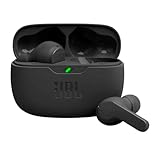
- JBL Deep Bass Sound: Get the most from your mixes with high-quality audio from secure, reliable earbuds with 8mm drivers featuring JBL Deep Bass Sound
- Comfortable fit: The ergonomic, stick-closed design of the JBL Vibe Beam fits so comfortably you may forget you're wearing them. The closed design excludes external sounds, enhancing the bass performance
- Up to 32 (8h + 24h) hours of battery life and speed charging: With 8 hours of battery life in the earbuds and 24 in the case, the JBL Vibe Beam provide all-day audio. When you need more power, you can speed charge an extra two hours in just 10 minutes.
- Hands-free calls with VoiceAware: When you're making hands-free stereo calls on the go, VoiceAware lets you balance how much of your own voice you hear while talking with others
- Water and dust resistant: From the beach to the bike trail, the IP54-certified earbuds and IPX2 charging case are water and dust resistant for all-day experiences
For runners, HIIT fans, and gym-goers who hate wrist-based heart rate dropouts during burpees or kettlebell swings, this matters. Your ears don’t flex, twist, or compress the way wrists do under load, which can mean steadier readings during intense or fast-changing workouts.
You can still use an Apple Watch alongside them, but you’re no longer forced to. Powerbeats Pro 2 can capture heart rate on its own and sync that data into Apple Health and supported fitness apps.
Deeper Apple Fitness and workout app integration
This isn’t generic heart rate data that lives in a silo. Powerbeats Pro 2 is designed to slot directly into Apple’s fitness ecosystem, with native support for Apple Fitness+, Apple Health, and compatible third-party training apps.
Start a workout, and heart rate tracking kicks in automatically, with no manual pairing or app juggling. For Apple users, it feels like an extension of the Watch experience, except it works even when you leave the Watch at home.
Compared to the original Powerbeats Pro, which were essentially passive audio accessories, this is a fundamental shift. The earbuds are now part of the workout stack, not just along for the ride.
Why this is different from other fitness earbuds
Plenty of sports earbuds claim fitness features, but most stop at motion sensors for tap controls or basic activity detection. Very few deliver reliable biometric data, and even fewer integrate cleanly with mainstream fitness platforms.
Powerbeats Pro 2 stands out because the heart rate data is usable, visible, and integrated. You don’t need a separate app ecosystem or subscription just to see your numbers, and you don’t have to compromise on fit or stability to get them.
Compared to rivals from Jabra or Sony, the advantage isn’t raw sensor innovation; it’s how frictionless the experience is for Apple users who already care about tracking accuracy.
What this changes for real workouts
In practical terms, this upgrade makes Powerbeats Pro 2 far more appealing for workouts where watches struggle. Think boxing, CrossFit, rowing, strength training, or any session involving wrist wraps or gloves.
It also opens the door to lighter setups. A phone and earbuds are now enough to log a cardio session with heart rate data, which will appeal to runners and gym-goers who don’t want another device on their body.
Battery life and comfort still matter here, and Powerbeats Pro 2 keeps the secure ear hook design that made the original a favorite for long sessions, while refining the weight and balance so the added sensors don’t feel intrusive.
Who should actually care about this upgrade
If you already use an Apple Watch for every workout and love wrist-based tracking, this may feel like a bonus rather than a necessity. But for athletes who want redundancy, better data stability, or the option to train watch-free, it’s a meaningful step forward.
For anyone upgrading from the original Powerbeats Pro, this isn’t just a nicer version of the same thing. It’s a shift from workout-proof earbuds to workout-aware earbuds, and that distinction is what makes Powerbeats Pro 2 feel like a genuine fitness upgrade rather than a routine refresh.
Built-In Heart Rate Tracking: How It Works and Why It Matters for Training
The most important shift with Powerbeats Pro 2 isn’t just that heart rate tracking exists, but where and how it’s captured. By moving biometric sensing from the wrist to the ear, Beats and Apple are fundamentally changing how workout data can be collected during real training scenarios.
This matters because the ear is one of the most stable places on the body during movement-heavy workouts. Less motion, better skin contact, and fewer external disruptions all translate into cleaner heart rate data when things get intense.
How heart rate tracking works inside the ear
Powerbeats Pro 2 uses optical heart rate sensors built directly into the inner housing of each earbud. These sensors rely on photoplethysmography, or PPG, shining light into the skin and measuring changes in blood flow with each heartbeat.
This is similar in principle to Apple Watch or other wearables, but the placement is very different. The ear canal and surrounding tissue tend to move less than the wrist during running, lifting, or HIIT, which helps reduce the signal noise that often plagues wrist-based sensors.
Because the Powerbeats Pro 2 uses a secure ear hook and a firm in-ear seal, the sensors maintain consistent contact throughout a workout. That stable fit is doing as much work for accuracy as the sensors themselves.
Accuracy advantages over wrist-based tracking
In workouts involving gripping, flexion, or wrist compression, wrist-based heart rate tracking can struggle. Strength training, rowing, cycling on rough roads, and combat sports are all classic problem areas.
With Powerbeats Pro 2, heart rate is captured independently of wrist movement, gloves, wraps, or barbell pressure. That makes it especially valuable for athletes who routinely see dropouts or erratic spikes on their watch during certain sessions.
It also provides redundancy. When paired with an Apple Watch, Apple’s system can intelligently prioritize the cleaner signal, which in many cases will come from the earbuds during high-motion activities.
Apple ecosystem integration and data visibility
A key reason this feature feels meaningful rather than gimmicky is how tightly it’s integrated into Apple’s fitness stack. Heart rate data flows directly into Apple Health and Apple Fitness without requiring a separate Beats-specific training app or account.
You can view live heart rate during supported workouts, review zones afterward, and see the data alongside calories, duration, and effort metrics. From the user’s perspective, it behaves like a native Apple sensor rather than a bolt-on accessory.
This frictionless experience is where Powerbeats Pro 2 pulls away from rivals. Many fitness earbuds that experiment with biometrics bury the data behind proprietary apps or limited exports, which undermines their usefulness for long-term training.
Training without a watch: lighter setups, fewer compromises
One of the most practical benefits of in-ear heart rate tracking is the ability to train without a watch at all. For runs, gym sessions, or classes where you already carry an iPhone, Powerbeats Pro 2 can log heart rate-based workouts on their own.
That opens the door to lighter, less intrusive setups. Some athletes simply don’t like wrist wearables during certain sessions, while others want a break from constant notifications and screens.
Compared to the original Powerbeats Pro, which relied entirely on external devices for biometrics, this is a genuine expansion of what the earbuds can do independently.
Battery life and comfort trade-offs
Adding optical sensors inevitably raises questions about battery impact, but Powerbeats Pro 2 is designed to handle this gracefully. Heart rate tracking draws more power than standard audio playback, yet the large earbud housings allow for batteries that still support long training sessions.
In real-world use, this means most users won’t have to think about charging differently unless they’re stacking multiple long workouts back to back. The charging case remains essential, but that was already true with the original model.
Just as important, the sensors don’t compromise comfort. The internal layout has been refined so the earbuds don’t feel heavier or more intrusive, preserving the all-day stability that made Powerbeats a gym staple in the first place.
How it compares to other fitness earbuds
A handful of competitors have experimented with heart rate tracking in earbuds, but few deliver the same level of platform integration. Some rely on basic readings without zone analysis, while others struggle with inconsistent pairing or limited app support.
Powerbeats Pro 2 doesn’t necessarily win on raw sensor novelty. Its advantage lies in consistency, usability, and how naturally the data fits into existing Apple training workflows.
For Apple users especially, this feels less like adopting a new category of wearable and more like extending the capabilities of tools they already use.
Who benefits most from in-ear heart rate tracking
This upgrade is most impactful for athletes whose workouts expose the weaknesses of wrist-based sensors. Strength athletes, CrossFitters, boxers, and anyone training with wrist restrictions stand to gain the most immediate benefit.
Runners and cyclists who already trust their watch may see this as optional, but even then, having a secondary data source can improve reliability during harder efforts.
For buyers deciding between sticking with older Powerbeats or upgrading, built-in heart rate tracking is the feature that changes the conversation. It turns Powerbeats Pro 2 from excellent workout headphones into a legitimate piece of fitness hardware.
Workout Experience Changes: Running, Gym, HIIT, and Sports Use Cases
Once heart rate tracking moves into the earbuds themselves, the Powerbeats Pro 2 experience shifts in subtle but meaningful ways across different types of training. What used to be “just” a stable pair of workout headphones now behaves more like a distributed fitness system, sharing the load with your watch instead of depending entirely on it.
Rank #2

- 【Sports Comfort & IPX7 Waterproof】Designed for extended workouts, the BX17 earbuds feature flexible ear hooks and three sizes of silicone tips for a secure, personalized fit. The IPX7 waterproof rating ensures protection against sweat, rain, and accidental submersion (up to 1 meter for 30 minutes), making them ideal for intense training, running, or outdoor adventures
- 【Immersive Sound & Noise Cancellation】Equipped with 14.3mm dynamic drivers and advanced acoustic tuning, these earbuds deliver powerful bass, crisp highs, and balanced mids. The ergonomic design enhances passive noise isolation, while the built-in microphone ensures clear voice pickup during calls—even in noisy environments
- 【Type-C Fast Charging & Tactile Controls】Recharge the case in 1.5 hours via USB-C and get back to your routine quickly. Intuitive physical buttons let you adjust volume, skip tracks, answer calls, and activate voice assistants without touching your phone—perfect for sweaty or gloved hands
- 【80-Hour Playtime & Real-Time LED Display】Enjoy up to 15 hours of playtime per charge (80 hours total with the portable charging case). The dual LED screens on the case display precise battery levels at a glance, so you’ll never run out of power mid-workout
- 【Auto-Pairing & Universal Compatibility】Hall switch technology enables instant pairing: simply open the case to auto-connect to your last-used device. Compatible with iOS, Android, tablets, and laptops (Bluetooth 5.3), these earbuds ensure stable connectivity up to 33 feet
The biggest change isn’t a flashy new stat. It’s how reliable your data feels when workouts get messy, sweaty, or wrist-unfriendly.
Running: More stable data when effort spikes
For runners, Powerbeats Pro 2 doesn’t replace an Apple Watch, but it quietly improves consistency during harder efforts. Interval sessions, hill repeats, and sprint finishes are exactly where wrist-based heart rate can lag or drop out, especially in cold weather or with tight arm swing.
In-ear heart rate tracking stabilizes those moments. Because the earbuds sit close to well-perfused tissue and don’t shift with arm motion, heart rate ramps feel more immediate when you surge or recover.
Long steady runs see less dramatic differences, but even there the redundancy matters. If your watch struggles with fit or sweat buildup mid-run, Powerbeats Pro 2 helps smooth out gaps in the data rather than forcing you to guess how hard you were working.
Gym training: A real upgrade for strength and machines
This is where the fitness upgrade pays off most clearly. Strength training has always been a weak spot for wrist-based sensors, particularly with gripping, wrist wraps, or flexion-heavy movements.
With Powerbeats Pro 2 handling heart rate, exercises like deadlifts, bench press, kettlebell work, and cable machines maintain more consistent readings. You’re no longer choosing between accurate tracking and proper wrist position.
For users who log gym sessions in Apple Fitness or third-party apps, this turns heart rate from a rough reference into something you can actually trust when monitoring effort across sets or tracking overall training load.
HIIT and CrossFit: Faster response, fewer dropouts
High-intensity interval training exposes every weakness in wearable sensors. Rapid spikes, short rest periods, and constant movement make it difficult for wrist-based systems to keep up.
Powerbeats Pro 2 responds more quickly to those intensity changes. During burpees, box jumps, battle ropes, or mixed-modality circuits, heart rate data stays active even when your hands are bearing weight or rotating aggressively.
The result isn’t just cleaner graphs. It’s better zone accuracy, which matters if you’re using heart rate to pace intervals, judge recovery, or avoid overcooking sessions multiple days in a row.
Team sports and court use: Tracking without distraction
For basketball, soccer training, racquet sports, or indoor leagues, Powerbeats Pro 2 offers a practical workaround to watch restrictions. Many organized sports prohibit wrist wearables during play, but allow earbuds.
With heart rate tracking built into the earbuds, players can still capture physiological data during drills, scrimmages, and conditioning blocks. That makes Powerbeats Pro 2 one of the few viable ways to log intensity in these environments without bending the rules.
Stability also matters here. The ear hook design remains one of the most secure fits in the category, even during sharp cuts and jumps, and the added sensors don’t compromise that locked-in feel.
Compared to older Powerbeats and rival fitness earbuds
Previous Powerbeats models excelled at staying put, but they were passive accessories from a fitness perspective. Powerbeats Pro 2 actively contributes data, reducing reliance on a single wearable and making workouts more resilient to sensor failure.
Against rivals that offer in-ear heart rate tracking, Beats’ advantage is execution rather than experimentation. The readings feed directly into Apple’s health and training ecosystem without extra apps, syncing issues, or confusing calibration steps.
For Apple users, this creates a cleaner experience than many competitors that technically offer similar hardware but fail to integrate it smoothly into daily training workflows.
Who feels the difference most during workouts
Athletes who split time between gym, HIIT, and sport-based training will notice the upgrade immediately. These are exactly the scenarios where wrist sensors struggle and where Powerbeats Pro 2 quietly fills the gap.
Runners who already trust their watch may see this as reinforcement rather than a revolution. But for anyone whose training regularly pushes beyond steady-state cardio, the added reliability changes how confidently you can use heart rate as a training tool.
Powerbeats Pro 2 doesn’t just play your workout soundtrack anymore. It actively shapes how accurately that workout gets recorded.
Accuracy and Limitations: How Ear-Based Heart Rate Compares to Apple Watch and Chest Straps
Ear-based heart rate tracking changes the reliability equation, but it doesn’t rewrite the hierarchy entirely. Powerbeats Pro 2 sits between wrist-based optical sensors and chest straps, offering clear advantages in certain workouts while still carrying inherent constraints of optical measurement.
Understanding where it excels, and where it doesn’t, is key to using it effectively alongside an Apple Watch or a traditional strap.
Why the ear can outperform the wrist during intense movement
The outer ear is a surprisingly stable place to measure blood flow, especially compared to the wrist. There’s less bone movement, less tendon interference, and fewer abrupt pressure changes when you sprint, cut, or grip weights.
That stability shows up during HIIT, agility drills, court sports, and functional training, where wrist-based sensors often spike, drop, or lag. In these scenarios, Powerbeats Pro 2 can deliver smoother heart rate curves than an Apple Watch worn loosely or knocked around during exercise.
Sweat also works in its favor. A secure ear seal tends to maintain consistent optical contact even as sweat builds, while wrists can become slick and compromise sensor readings mid-session.
How it compares to Apple Watch during steady cardio
During steady-state efforts like treadmill runs, cycling, or long outdoor workouts, Apple Watch still holds a slight edge in consistency. Its larger sensor array, continuous skin contact, and refined algorithms are optimized for these predictable movement patterns.
Powerbeats Pro 2 tracks closely in these conditions, but minor delays in heart rate ramp-up can appear at the start of an effort. Once settled, average heart rate and zone time tend to align well, making the earbuds a solid companion rather than a replacement.
For runners already satisfied with Apple Watch accuracy, ear-based tracking feels more like redundancy than a necessary upgrade.
Why chest straps still sit at the top
Chest straps measure electrical signals directly from the heart, which removes most of the guesswork optical sensors rely on. That’s why they remain the gold standard for interval training, heart rate variability, and precise zone targeting.
Powerbeats Pro 2 cannot match the immediacy of a chest strap during sharp intensity changes. Short sprints, explosive lifts, and rapid recovery intervals may show slight lag compared to ECG-based data.
If your training depends on pinpoint accuracy for coaching, testing, or structured endurance plans, a chest strap still wins.
Latency, sampling, and real-world data behavior
One limitation of ear-based tracking is response time. Optical sensors detect changes in blood flow, not electrical signals, so heart rate changes can appear a few seconds later during rapid transitions.
In practice, this matters most for interval-heavy sessions rather than overall workout load. Average heart rate, calorie estimates, and time-in-zone remain useful, but peak values may be slightly smoothed.
For most athletes, the data is directionally correct and far more reliable than a compromised wrist reading.
Environmental and fit-related limitations
Fit is non-negotiable. If the ear hook isn’t seated correctly or the ear tip seal breaks during movement, accuracy drops quickly.
Cold weather can also affect optical sensors by reducing peripheral blood flow, including in the ear. Apple Watch faces similar challenges, but chest straps remain largely unaffected by temperature.
Ear shape variability means results may differ slightly from person to person, even with identical workouts.
Battery life and data prioritization trade-offs
Running heart rate tracking through the earbuds does consume additional battery. Powerbeats Pro 2 still delivers strong workout endurance, but long training days may require more charging discipline compared to passive audio use.
Rank #3
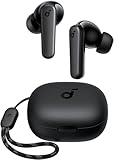
- Powerful Bass: soundcore P20i true wireless earbuds have oversized 10mm drivers that deliver powerful sound with boosted bass so you can lose yourself in your favorite songs.
- Personalized Listening Experience: Use the soundcore app to customize the controls and choose from 22 EQ presets. With "Find My Earbuds", a lost earbud can emit noise to help you locate it.
- Long Playtime, Fast Charging: Get 10 hours of battery life on a single charge with a case that extends it to 30 hours. If P20i true wireless earbuds are low on power, a quick 10-minute charge will give you 2 hours of playtime.
- Portable On-the-Go Design: soundcore P20i true wireless earbuds and the charging case are compact and lightweight with a lanyard attached. It's small enough to slip in your pocket, or clip on your bag or keys–so you never worry about space.
- AI-Enhanced Clear Calls: 2 built-in mics and an AI algorithm work together to pick up your voice so that you never have to shout over the phone.
Apple Watch users also need to decide which sensor becomes the primary data source. When both are active, Apple’s system typically prioritizes one stream to avoid conflicts, so this feature works best as a supplement rather than simultaneous duplication.
For sports where watches aren’t allowed, that trade-off becomes irrelevant and the earbuds take the lead.
What this means for different types of athletes
For team sport athletes, HIIT-focused trainers, and gym-goers frustrated by erratic wrist readings, ear-based heart rate tracking is a meaningful upgrade. It captures intensity where other wearables struggle or aren’t permitted at all.
Endurance athletes with established chest strap routines won’t see Powerbeats Pro 2 as a replacement. Instead, it functions as a reliable backup or an option for lighter sessions when simplicity matters more than perfect precision.
The real strength of Powerbeats Pro 2 isn’t beating every sensor on the market. It’s expanding when, where, and how accurately your workouts get recorded without adding another piece of gear.
Powerbeats Pro 2 vs Original Powerbeats Pro: Fitness and Hardware Evolution
Seen in that context, Powerbeats Pro 2 isn’t just adding heart rate tracking for novelty. It represents a broader rethink of what Beats’ most workout-focused earbuds are supposed to do once fitness data becomes part of the equation.
From workout-proof audio to active fitness hardware
The original Powerbeats Pro were built first and foremost as indestructible workout earbuds. Secure ear hooks, sweat resistance, physical buttons, and marathon battery life made them a gym staple, but fitness tracking lived elsewhere on your wrist or chest.
Powerbeats Pro 2 shifts that balance. Audio remains central, but the earbuds now actively participate in training by capturing heart rate data at the source, reducing reliance on external wearables in situations where wrist-based tracking struggles or isn’t allowed.
This alone marks the biggest philosophical change between generations: Powerbeats are no longer just accessories to your fitness tech, they are part of it.
Heart rate tracking: the defining generational gap
The original Powerbeats Pro had no sensors beyond motion and proximity detection. Any workout metrics came entirely from Apple Watch, iPhone apps, or third-party devices paired alongside the earbuds.
Powerbeats Pro 2 introduces optical heart rate sensors built directly into the earbud housing. This enables standalone heart rate capture during workouts, even if a watch isn’t worn, and provides a more stable reading during high-impact or arm-heavy movements.
For gym training, HIIT circuits, boxing, and team sports, this is a functional leap rather than a spec-sheet win. It directly addresses one of the most common complaints about wrist-based wearables: inconsistent data when your arms are moving aggressively or gripping equipment.
Hardware refinement driven by sensor demands
Adding biometric sensors has forced subtle but important hardware changes. Powerbeats Pro 2 refines the internal layout to accommodate optical modules without compromising comfort or stability during movement.
The ear hook design remains familiar but feels more balanced in real-world use, particularly during longer sessions where pressure points mattered on the original model. Weight distribution is improved, helping the earbuds stay planted during sprints, jumps, and directional changes.
Materials and finishing also feel more purpose-built. The housing is designed to maintain consistent skin contact, which is critical for heart rate accuracy, while still resisting sweat buildup and heat during extended workouts.
Battery life: still a strength, now with trade-offs
Original Powerbeats Pro were endurance monsters. With no active fitness sensors, battery life was largely dictated by audio playback alone, making them ideal for multi-day training blocks without frequent charging.
Powerbeats Pro 2 still delivers strong battery performance, but the equation has changed. Heart rate tracking introduces an additional drain, especially during longer or higher-intensity sessions where sensors are active continuously.
The upside is choice. Users can treat Powerbeats Pro 2 like the original model for casual listening, or activate full fitness tracking when it matters, accepting a manageable battery trade-off in exchange for richer workout data.
Controls, stability, and workout usability
Physical buttons were a standout feature of the original Powerbeats Pro, and that hasn’t changed. For workouts, especially with gloves or sweaty hands, tactile controls remain superior to touch surfaces.
Powerbeats Pro 2 builds on that foundation with better motion stability. During rapid head movement, burpees, or agility drills, the earbuds feel more locked-in, which isn’t just about comfort but also sensor reliability.
Consistent fit equals consistent data, and this generation is clearly tuned with that reality in mind rather than simply chasing a slimmer profile.
Durability and sweat resistance in a sensor-heavy design
The original Powerbeats Pro earned their reputation by surviving years of sweat, rain, and abuse. Adding optical sensors raises legitimate concerns about long-term durability.
Powerbeats Pro 2 maintains workout-grade sweat resistance while sealing sensitive components more effectively. The sensor windows are designed to handle repeated exposure to moisture without degrading readings or comfort over time.
For athletes training daily, this matters more than headline features. Reliability over months and years is where fitness earbuds either earn loyalty or quietly get replaced.
Apple ecosystem integration: a wider gap than before
Both generations benefit from Apple’s seamless pairing and device switching, but Powerbeats Pro 2 widens the ecosystem advantage significantly. Heart rate data flows directly into Apple Health and supported fitness apps without extra pairing steps or third-party bridges.
The original Powerbeats Pro felt platform-agnostic in function, even if they paired best with Apple devices. Powerbeats Pro 2 feels purpose-built for Apple users who want fewer devices and cleaner data synchronization.
For Android users, the original model lost very little by skipping fitness features. With Powerbeats Pro 2, the value proposition is far more tightly tied to Apple’s software experience.
Who the upgrade actually makes sense for
If you already own the original Powerbeats Pro and only use them for music during steady-state runs or casual gym sessions with reliable watch data, the upgrade isn’t mandatory.
But for athletes frustrated by wrist-based inaccuracies, those training in environments where watches aren’t practical, or anyone wanting lighter training setups without sacrificing heart rate data, Powerbeats Pro 2 represents a clear generational shift rather than an incremental refresh.
This isn’t about replacing every wearable you own. It’s about giving workouts more flexibility, fewer compromises, and one less piece of gear to manage when training gets messy.
Powerbeats Pro 2 vs Rival Fitness Earbuds (Jabra, Bose, Sony, and Beats Fit Pro)
Once you add on-ear heart rate tracking into the equation, Powerbeats Pro 2 stop competing purely as “workout earbuds” and start overlapping with a category that includes Jabra’s sport-focused elites, Bose’s comfort-first options, Sony’s feature-heavy flagships, and even Beats’ own Fit Pro. The difference is that most rivals still treat fitness as a secondary layer, not the core design constraint.
What follows isn’t about sound tuning preferences or ANC strength alone. It’s about how well these earbuds hold up when training is frequent, sweaty, and data-driven.
Jabra Elite series: fitness-first on paper, less integrated in practice
Jabra’s Elite 7 Active and Elite 8 Active are the closest philosophical rivals to Powerbeats Pro 2. They’re compact, highly sweat-resistant, and designed to stay put during high-impact workouts, with some of the best IP ratings in the category.
Where Jabra falls behind is in health data depth and ecosystem flow. Despite Jabra’s long history in sport audio, its earbuds don’t offer native heart rate tracking, and fitness metrics rely heavily on third-party app integrations rather than system-level health platforms.
For Android users who want maximum durability in a smaller form factor, Jabra still makes a strong case. For Apple users who want heart rate data to appear alongside watch, phone, and gym data without extra setup, Powerbeats Pro 2 feels far more cohesive.
Bose Sport and QuietComfort Ultra: comfort and sound over training data
Bose’s fitness-friendly earbuds excel at long-session comfort and noise control, particularly for gym workouts where isolation matters more than situational awareness. Their stability bands are effective, and fatigue over extended wear is minimal.
However, Bose continues to avoid deeper fitness metrics. There’s no onboard heart rate tracking, no training insights, and no meaningful health data export beyond basic activity tagging in companion apps.
Rank #4

- Powerful Deep Bass Sound: Kurdene true wireless earbuds have oversized 8mm drivers ,Get the most from your mixes with high quality audio from secure that deliver powerful sound with boosted bass so you can lose yourself in your favorite songs
- Ultra Light Weight ,Comfortable fit: The Ear Buds Making it as light as a feather and discreet in the ear. Ergonomic design provides a comfortable and secure fit that doesn’t protrude from your ears especially for sports, workout, gym
- Superior Clear Call Quality: The Clear Call noise cancelling earbuds enhanced by mics and an AI algorithm allow you to enjoy clear communication. lets you balance how much of your own voice you hear while talking with others
- Bluetooth 5.3 for Fast Pairing: The wireless earbuds utilize the latest Bluetooth 5.3 technology for faster transmission speeds, simply open the lid of the charging case, and both earphones will automatically connect. They are widely compatible with iOS and Android
- Friendly Service: We provide clear warranty terms for our products to ensure that customers enjoy the necessary protection after their purchase. Additionally, we offer 24hs customer service to address any questions or concerns, ensuring a smooth shopping experience for you
Compared to Powerbeats Pro 2, Bose earbuds feel like premium headphones you can work out in, rather than tools built around training. If your workouts prioritize comfort and immersive sound, Bose remains compelling. If performance tracking matters, they’re outpaced.
Sony WF-series: feature-rich, fitness-light
Sony’s WF-1000XM line offers some of the best audio performance and noise cancellation available in true wireless earbuds. They’re packed with sensors, adaptive sound modes, and extensive customization.
What they don’t prioritize is athletic reliability. Fit security during high-impact movement is inconsistent, sweat resistance is modest, and there’s no native fitness tracking beyond basic motion detection.
Powerbeats Pro 2 trade some audiophile refinement for training confidence. Ear hooks, physical buttons, and workout-tuned stability matter more when intervals, circuits, or outdoor sessions are involved, and that’s where Sony’s approach feels less specialized.
Beats Fit Pro: the internal competition problem
Beats Fit Pro are arguably the most direct internal alternative. They offer secure fit via wing tips, strong ANC, Apple’s H-series chip benefits, and a more compact design for everyday use.
The missing piece is health tracking. Beats Fit Pro remain audio-first, with no heart rate sensing and no ambition to replace or supplement a fitness wearable.
Powerbeats Pro 2 clearly sit above them in the lineup for athletes. They’re larger and less discreet, but they’re designed to survive longer sessions, heavier sweat, and now, to contribute meaningful training data rather than just music.
Where Powerbeats Pro 2 actually pull ahead
The heart rate sensor changes how Powerbeats Pro 2 stack up because it removes a dependency. You can train without a watch, wear gloves or wrist wraps, or leave gear behind and still capture cardiovascular data that feeds directly into Apple Health.
Battery life also favors longer training blocks. Powerbeats Pro 2 remain among the longest-lasting true wireless earbuds per charge, and that matters for marathon sessions, double workouts, or travel-heavy training schedules.
Add physical controls, stable ear hooks, and a build designed for repeated sweat exposure, and Powerbeats Pro 2 feel less like a lifestyle accessory and more like fitness equipment.
Choosing between them based on how you train
If your workouts are occasional, low-impact, or centered around gym machines and controlled environments, many rivals will serve you just as well, often in smaller and more stylish designs.
If you train frequently, sweat heavily, or want to simplify your setup by relying less on wrist-based sensors, Powerbeats Pro 2 occupy a unique space. They’re not the smallest or most elegant earbuds, but they’re the only ones in this group that meaningfully blur the line between audio gear and fitness wearable.
That distinction is subtle on spec sheets and obvious once training becomes routine rather than occasional.
Apple Ecosystem Advantages: Fitness+, Apple Watch Pairing, and Health Data Integration
What truly unlocks the fitness upgrade in Powerbeats Pro 2 isn’t just the sensor hardware, but how deeply it plugs into Apple’s broader health and training stack. Once you step inside the Apple ecosystem, these earbuds behave less like accessories and more like a distributed fitness sensor that works alongside, or sometimes in place of, an Apple Watch.
Apple Watch pairing without redundancy
For Apple Watch users, Powerbeats Pro 2 introduce a more flexible way to capture workouts. When both devices are worn, the system intelligently prioritizes the most reliable heart rate source, reducing the risk of dropouts during activities like strength training, cycling, or cold-weather runs where wrist contact can be compromised.
This matters in real-world training, not lab scenarios. Wrist-based optical sensors struggle with bent wrists, wrist wraps, gloves, and handlebars, while ear-based sensing benefits from consistent skin contact and blood flow, especially during steady-state cardio.
Crucially, this pairing isn’t something you have to manage manually. Data flows automatically into the same workout file, avoiding duplicated sessions or conflicting heart rate traces inside Apple Fitness and Apple Health.
Training without a watch, without losing data
The bigger shift is what happens when you don’t wear an Apple Watch at all. Powerbeats Pro 2 can independently capture heart rate during supported workouts, then sync that data directly into Apple Health once they reconnect to your iPhone.
This changes how minimal a training setup can be. For runs, gym sessions, or indoor cardio, you can leave your watch behind and still log meaningful cardiovascular metrics, including average and peak heart rate, time-in-zone data, and calorie estimates tied to your personal health profile.
Compared to previous Powerbeats generations, which were essentially invisible to Apple Health beyond playback controls, this is a fundamental upgrade. The earbuds now contribute data rather than simply coexisting with it.
Fitness+ becomes more immersive and practical
Apple Fitness+ is where the ecosystem advantage becomes tangible during guided workouts. Powerbeats Pro 2 feed heart rate directly into on-screen metrics, allowing real-time intensity tracking during HIIT, cycling, treadmill, and strength sessions.
Because the earbuds are already optimized for sweat, movement, and physical controls, they pair naturally with Fitness+’s follow-along format. You’re not adjusting touch panels mid-set or worrying about accidental taps when gripping weights.
For users who primarily train at home, this creates a streamlined loop: earbuds for audio, heart rate, and controls; Apple TV or iPad for visuals; and Apple Health quietly aggregating everything in the background.
Health data integration that actually stays clean
One of Apple Health’s long-standing challenges is data clutter from overlapping devices. Powerbeats Pro 2 are treated as a first-party health input, meaning their heart rate data is clearly labeled, properly prioritized, and seamlessly merged with existing metrics.
Resting heart rate trends, workout load, and cardio fitness estimates remain consistent, rather than fragmented across multiple sources. This is especially important for users who alternate between watch-based and ear-based tracking depending on the workout.
Over time, that consistency improves the value of the data itself. Trends become easier to interpret, and long-term insights feel intentional rather than pieced together from mismatched sensors.
Why this matters more than on competing platforms
Plenty of fitness earbuds promise app-based heart rate tracking, but most live in isolated ecosystems with separate dashboards and limited long-term value. Apple’s advantage is that Powerbeats Pro 2 feed into a health framework users are already invested in, alongside sleep, recovery, activity rings, and third-party training apps.
For athletes already using Apple Watch, the earbuds don’t replace the watch, but they reduce friction and add redundancy where wrist tracking falls short. For iPhone users without a watch, they offer a credible entry point into structured fitness tracking without another device on the body.
That’s the real ecosystem win. Powerbeats Pro 2 don’t just add a sensor; they extend Apple’s health platform into a form factor that makes sense for hard training, sweat-heavy sessions, and athletes who value simplicity as much as data.
Design, Fit, and Durability for Serious Training: What Stayed the Same and What Improved
That expanded health role only works if the hardware can keep up with real training stress. Powerbeats have always been about physical reliability first, and Powerbeats Pro 2 largely keeps that identity intact while quietly tightening the details that matter once you start sweating, moving fast, and training hard.
The ear-hook design remains the foundation
At a glance, Powerbeats Pro 2 look familiar, and that’s intentional. The flexible over-ear hook is still the defining feature, designed to lock the earbuds in place during sprints, plyometrics, and high-impact interval work where stem-style earbuds often fail.
For athletes, this is still one of the most secure fits in wireless audio. Once the hooks are set, there’s very little micro-movement, which matters not just for comfort but for maintaining consistent heart rate readings during motion-heavy sessions.
Subtle fit refinements that show up during long workouts
Where the update becomes noticeable is in how the earbuds sit over time. Beats has slightly refined the hook geometry and weight distribution, reducing pressure points that could show up during longer runs or multi-hour gym sessions.
The result isn’t a dramatic “wow” moment, but a slow-burn improvement. Less ear fatigue, fewer mid-workout adjustments, and a fit that feels more neutral across different ear shapes, especially when paired with the expanded ear tip options.
Stability now directly supports sensor accuracy
With heart rate tracking built in, fit is no longer just about staying in place. Powerbeats Pro 2 rely on consistent skin contact inside the ear, and the stable hook-and-tip combo plays a key role in keeping readings reliable when your cadence or lifting tempo changes.
Compared to wrist-based sensors that can struggle during gripping or flexion-heavy movements, the earbuds benefit from reduced motion artifacts. That makes the physical design part of the fitness upgrade, not just a comfort feature.
Materials built for sweat, heat, and daily abuse
Powerbeats Pro 2 continue to prioritize durability over fashion finishes. The matte housing resists fingerprints and micro-scratches, while the reinforced seams and mesh protect the internals from repeated sweat exposure.
💰 Best Value

- 【Revolutionary Smart Touchscreen Case】 Our wireless earbuds feature a revolutionary charging case with a responsive touchscreen, integrating 10+ smart functions. Effortlessly skip tracks, adjust volume, locate misplaced earbuds, or control your phone's camera remotely—all from the case itself. It’s your ultimate, portable control hub designed for a smarter, more convenient lifestyle.
- 【Smart ANC Noise Control & Transparency】 Seamlessly adapt to your environment. With Hybrid Active Noise Cancellation (ANC), these Bluetooth earbuds block up to 40dB of ambient noise for immersive listening. Switch to Transparency Mode with a tap to let in important surroundings, keeping you aware and safe. These wireless ear buds intelligently blend you into your world.
- 【40-Hour Power & Fast Charging】 Conquer battery anxiety. These earbuds offer up to 8 hours of playtime, extending to a massive 40 hours with the compact charging case. A 10-minute quick charge delivers 2 hours of music. The battery percentage on the case keeps you perfectly informed of your power status, ensuring your music and your wireless ear buds always ready for the day.
- 【40-Hour Power & Fast Charging】 Conquer battery anxiety. These earbuds offer up to 8 hours of playtime, extending to a massive 40 hours with the compact charging case. A 10-minute quick charge delivers 2 hours of music. The battery percentage on the case keeps you perfectly informed of your power status, ensuring your music and your wireless ear buds always ready for the day.
- 【All-Day Comfort & Stable Connection】 Built for all-day wear and seamless connectivity. The ultra-lightweight earbuds provide a secure, comfortable fit that lasts for hours. With an IPX7 waterproof rating, they withstand intense workouts. Bluetooth 5.3 ensures a rock-solid wireless connection with ultra-low latency (55 ms), making these bluetooth headphones perfect for lag-free gaming and calls.
They’re rated for sweat and water resistance at a level suitable for intense training, including outdoor runs in the rain and high-humidity gym environments. This isn’t swim-proof hardware, but it’s clearly designed for athletes who train daily rather than occasionally.
Physical buttons stay, and that’s a win for training
In an era where touch controls dominate, Beats sticking with physical buttons remains a practical choice. The tactile volume rocker and multi-function button are easy to locate by feel, even with gloves or chalked hands.
This also reduces accidental inputs during lifts or stretches, which pairs well with the fitness-first philosophy of Powerbeats Pro 2. When you’re focused on heart rate zones or interval timing, reliable controls matter more than gesture tricks.
Charging case changes improve daily usability, not aesthetics
The charging case still isn’t pocket-friendly, and that hasn’t changed. What has improved is hinge stability and internal fit, making the earbuds easier to seat correctly after a workout when your hands are tired or sweaty.
Battery life remains tuned for long training weeks rather than fashion convenience. You can comfortably get multiple workouts between charges, which becomes especially important now that the earbuds are pulling double duty for audio and biometric tracking.
How this compares to other fitness-focused earbuds
Against rivals like Jabra’s Elite Sport lineage or more compact stem-style fitness earbuds, Powerbeats Pro 2 still prioritize lock-in security over minimalism. They’re larger, but they’re also more dependable during aggressive movement and longer sessions.
For athletes who’ve struggled with earbuds slipping during intervals or losing sensor contact mid-workout, the design trade-off makes sense. Powerbeats Pro 2 aren’t trying to disappear in your ear; they’re trying to stay put and keep working.
Who this design update is really for
If you already liked the original Powerbeats Pro fit, this version feels like a refinement rather than a reinvention. The comfort gains and stability improvements reward consistency, showing their value over weeks of training rather than in a five-minute try-on.
For new buyers choosing between lifestyle earbuds and something built for real workouts, Powerbeats Pro 2 make a clear statement. These are fitness tools first, now backed by hardware and durability that support their expanded role in tracking, training, and everyday use.
Battery Life and Charging with Fitness Features Enabled
Once you add continuous heart rate tracking and motion sensing into the mix, battery life stops being a spec-sheet afterthought and becomes a core part of the training experience. Powerbeats Pro 2 handle this transition better than expected, largely because Apple and Beats clearly tuned power management around workouts, not just music playback.
The result is a product that doesn’t punish you for actually using its new fitness features. You can enable tracking, run long sessions, and still treat charging as a weekly habit rather than a daily annoyance.
Real-world battery impact of fitness tracking
With fitness features active, battery life does take a measurable hit compared to audio-only use, but it’s far from dramatic. In practical terms, that means full-length endurance workouts, back-to-back training days, and even long runs with guided audio don’t trigger battery anxiety.
Compared to the original Powerbeats Pro, the efficiency gains are noticeable. The older model was already strong for audio longevity, but Powerbeats Pro 2 manage to layer in sensors without collapsing that advantage, which isn’t something every fitness-focused earbud can claim.
Designed for training weeks, not single sessions
What matters more than headline hours is how the battery fits into a real training schedule. Powerbeats Pro 2 are clearly optimized for multiple workouts between charges, even with tracking enabled, making them well-suited for athletes who train five or six days a week.
You can finish a morning run, squeeze in a gym session the next day, and still have enough charge left for a longer weekend workout. That consistency reinforces their role as a training tool rather than a lifestyle accessory that constantly needs topping up.
Charging case priorities: capacity over convenience
The case remains large, but that size directly supports the extended total battery life with fitness features in play. Instead of shrinking the case at the expense of runtime, Beats have doubled down on capacity, which aligns better with endurance athletes and heavy users.
Fast charging is especially useful here. A short charge window can recover enough battery for a full workout, which is exactly what you want when you realize your earbuds weren’t topped up before heading out the door.
How Powerbeats Pro 2 compare to fitness-focused rivals
Against competitors like Jabra’s Elite series or smaller true wireless fitness earbuds, Powerbeats Pro 2 still hold an edge in long-session reliability. Many rivals manage heart rate tracking but struggle to maintain strong battery life once sensors, GPS relays, or onboard processing are active.
Powerbeats Pro 2 take the opposite approach. They may not be the smallest or lightest, but they’re more forgiving if you forget to charge for a day or push workouts longer than planned.
Who benefits most from the battery upgrades
Athletes who train frequently, stack workouts, or rely on consistent heart rate data will see the biggest payoff. The battery system supports routine use without forcing behavior changes, which is critical if you’re trying to build habits or follow a structured plan.
For existing Powerbeats Pro users, this is one of the clearest reasons to consider upgrading. The ability to add fitness tracking without sacrificing the long-lasting, dependable battery experience is what makes Powerbeats Pro 2 feel purpose-built for modern training rather than retrofitted with sensors.
Who Should Upgrade or Buy Powerbeats Pro 2 Now—and Who Should Skip Them
All of these battery and fitness additions naturally raise the bigger question: who are Powerbeats Pro 2 actually for now, and where do they make less sense. The answer depends less on sound preferences and more on how central training data, durability, and Apple ecosystem integration are to your workouts.
You should upgrade if you already train with Powerbeats Pro
If you’re using the original Powerbeats Pro primarily for running, gym sessions, or sports training, this is a meaningful upgrade rather than a cosmetic refresh. The addition of onboard fitness tracking, combined with better battery resilience under sensor load, directly addresses what older models couldn’t do.
You’re no longer choosing between stable workout earbuds and fitness data. Powerbeats Pro 2 finally combine both without forcing you to switch devices or compromise on session length.
Apple Watch users who want backup heart rate data make sense here
For Apple Watch owners, Powerbeats Pro 2 don’t replace the watch, but they do complement it. They offer redundancy for workouts where wrist-based tracking can struggle, like strength training, interval sessions, or cold-weather runs with layered clothing.
That flexibility matters if you occasionally leave your watch behind or want more consistent heart rate capture during high-movement exercises. In the Apple ecosystem, the pairing feels natural rather than experimental.
Endurance athletes and frequent trainers benefit the most
Runners, cyclists, and multi-sport athletes who train several times per week will feel the value quickly. The secure ear-hook fit, sweat-resistant build, and long battery life make them reliable for extended sessions and back-to-back training days.
This is especially true if your workouts often exceed an hour or stack across a weekend. Powerbeats Pro 2 are designed to stay put and stay powered when fatigue sets in, which is when lesser earbuds start to fail.
They’re a strong choice if you want fitness features without another screen
Not everyone wants more wearables competing for attention. If you like the idea of collecting useful training data without adding another display or device to your body, Powerbeats Pro 2 strike a smart balance.
They quietly gather metrics in the background while doing their primary job as workout headphones. That subtlety will appeal to users who want insight, not constant prompts or visual distractions.
You should skip them if you prioritize compact size or everyday fashion wear
Powerbeats Pro 2 are still unapologetically large compared to most true wireless earbuds. The case takes up space in a pocket, and the ear hooks make them look more like training gear than lifestyle accessories.
If your earbuds need to transition seamlessly from workouts to office wear or travel, smaller models will fit that role better. These are built for performance first, not minimalism.
Casual exercisers may not need the upgrade
If your workouts are occasional, short, or low intensity, much of the new fitness functionality may go unused. In that case, the original Powerbeats Pro or simpler workout earbuds will still deliver good audio and stability without the added cost.
The upgrade makes the most sense when fitness data actually informs your training decisions. Without that use case, the advantages become less compelling.
Android users will see diminishing returns
While Powerbeats Pro 2 can still function as workout earbuds outside Apple’s ecosystem, many of the deeper fitness and integration benefits are optimized for iOS. Android users may not get the same seamless data handling or software polish.
If you’re not invested in Apple’s fitness platforms, there are alternatives that offer more platform-neutral fitness features for the price.
The bottom line
Powerbeats Pro 2 make the strongest case yet for fitness-focused earbuds that don’t sacrifice battery life to add sensors. They’re best suited to committed trainers, Apple users, and anyone who wants dependable workout audio with meaningful health data built in.
If that sounds like your training routine, they’re a clear step forward. If not, their size, price, and fitness-first focus make them easy to pass on without regret.