If you’re shopping for a Fitbit in 2026, you’re not just choosing between devices, you’re navigating a brand that has quietly but decisively changed direction. Fitbit is no longer trying to be everything to everyone, and that’s a good thing for buyers who want clarity instead of overlapping models and half-baked smartwatch features. This guide starts by breaking down what Fitbit actually is in 2026, which products matter, and why the lineup looks the way it does today.
Google’s influence is now fully baked in, the product range is leaner, and the differences between a Fitbit tracker and a Pixel Watch are intentional rather than confusing. Understanding this context upfront makes the rest of the comparisons far easier, especially if you’re upgrading from an older Fitbit or deciding whether Fitbit still fits your needs at all.
The current Fitbit lineup in 2026
As of 2026, Fitbit’s active lineup focuses on fitness trackers and hybrid health-first watches, not full smartwatch competitors. The core models you’ll encounter are the Inspire 3, Charge 6, Versa 4, Sense 2, and the Ace 3 for kids, with the Luxe still available in some regions as a style-first option.
Each model now occupies a very specific role. Inspire is the entry point for simple activity tracking and long battery life, Charge is the most balanced “do-everything” fitness tracker, Versa targets casual smartwatch users who prioritize fitness over apps, and Sense remains Fitbit’s most advanced health-sensing device.
🏆 #1 Best Overall

- Inspire 3 is the tracker that helps you find your energy, do what you love and feel your best. All you have to do is wear it.Operating temperature: 0° to 40°C
- Move more: Daily Readiness Score(1), Active Zone Minutes, all-day activity tracking and 24/7 heart rate, 20+ exercise modes, automatic exercise tracking and reminders to move
- Stress less: always-on wellness tracking, daily Stress Management Score, mindfulness sessions, relax breathing sessions, irregular heart rhythm notifications(2), SpO2(3), menstrual health tracking, resting heart rate and high/low heart rate notifications
- Sleep better: automatic sleep tracking, personalized Sleep Profile(1), daily detailed Sleep Score, smart wake vibrating alarm, sleep mode
- Comfortably connected day and night: calls, texts & smartphone app notifications(4), color touchscreen with customizable clock faces, super lightweight and water resistant to 50 meters, up to 10 day battery life(5)
What’s notably absent is a true Fitbit-branded flagship smartwatch. That role has been permanently handed off to the Google Pixel Watch line, which runs Wear OS and sits in a completely different ecosystem lane.
How Google has reshaped Fitbit’s strategy
Google’s acquisition of Fitbit has reached its endgame phase in 2026. Fitbit hardware is now designed first and foremost as a health and fitness data collection platform, with Google handling the broader smartwatch experience elsewhere.
This means Fitbit devices prioritize sensors, comfort, battery life, and passive tracking over third-party apps or advanced smartwatch interactions. Features like voice assistants, rich notifications, and app stores are intentionally limited, not forgotten.
The payoff is consistency. Fitbit devices still offer some of the best sleep tracking, readiness-style insights, and health trend visualization available, especially for users who wear their tracker 24/7 rather than treating it like a phone extension.
Fitbit vs Pixel Watch: a deliberate split
One of the biggest points of confusion for buyers is whether a Fitbit is redundant if you own or are considering a Pixel Watch. In 2026, the answer is clear: they are built for different people.
Pixel Watch is a smartwatch with fitness features. Fitbit is a fitness tracker with light smartwatch features. If you want multi-day battery life, a slim profile, and minimal distraction, Fitbit still makes more sense.
This split also explains why Fitbit’s watches haven’t received major hardware redesigns recently. Google is investing its innovation budget into Pixel Watch, while Fitbit focuses on refining health accuracy, comfort, and software insights.
What’s actually changed in 2026
The biggest changes this year are software-driven rather than hardware-driven. Fitbit’s platform has completed its transition to Google accounts, bringing tighter integration with Google Health Connect and more consistent data syncing across Android devices.
Health insights have become more contextual. Instead of dumping raw metrics, Fitbit increasingly explains why your sleep, heart rate variability, or activity levels look the way they do, and what to adjust next. These features are strongest with Fitbit Premium, which remains central to the experience.
On the hardware side, updates have focused on stability, GPS reliability on the Charge series, and expanded regional availability for ECG and irregular heart rhythm notifications, rather than flashy new sensors.
What hasn’t changed, for better or worse
Fitbit still excels at comfort and wearability. Devices remain lighter and easier to sleep with than most smartwatches, and battery life continues to outlast Apple Watch and Wear OS competitors by a wide margin.
At the same time, limitations remain. iPhone users still don’t get the same depth of integration as Android users, music storage is extremely limited, and advanced smartwatch features are intentionally capped.
This makes Fitbit less exciting on a spec sheet, but often more satisfying to live with day after day if your priority is health tracking rather than notifications.
Why understanding the lineup matters before choosing
In 2026, buying the wrong Fitbit usually means buying too much or too little device for your needs. The price gaps between models are meaningful, and the feature differences matter in daily use, not just on paper.
Once you understand which model is designed for which type of user, the decision becomes straightforward. The rest of this guide dives into each Fitbit individually, testing how well they deliver on their intended role and where they fall short compared to alternatives.
With that context set, it’s time to look at each Fitbit model in detail and decide which one actually deserves a place on your wrist.
Quick Verdicts: The Best Fitbit Overall, Best for Beginners, Best for Athletes, Best for Sleep, and Best Budget Pick
If you just want the short answers before diving into the full reviews, this is where Fitbit’s 2026 lineup becomes easy to understand. Each current model is built around a specific type of user, and when you match the device to your priorities, the experience is far better than simply buying the most expensive option.
These verdicts reflect long-term, real-world use rather than spec-sheet advantages. Comfort, battery life, sensor reliability, and day-to-day software behavior matter more here than flashy features you’ll rarely touch.
Best Fitbit Overall: Fitbit Charge 6
The Charge 6 remains the most balanced Fitbit you can buy in 2026. It delivers nearly all of Fitbit’s core health and fitness features in a slim, lightweight band that works equally well for workouts, sleep tracking, and all-day wear.
You get built-in GPS that is meaningfully reliable for outdoor runs and rides, continuous heart rate tracking, ECG, skin temperature trends, SpO2, and Fitbit’s full sleep and readiness insights. Battery life routinely lands around six to seven days with mixed use, which still embarrasses most smartwatches.
What makes the Charge 6 stand out is how little compromise it asks for. You lose a large app ecosystem and rich smartwatch features, but in return you get excellent comfort, strong health accuracy, and a device that disappears on the wrist until you need it.
Best Fitbit for Beginners: Fitbit Versa 4
For first-time Fitbit buyers who want something that feels like a smartwatch without being overwhelming, the Versa 4 is the easiest entry point. The square case, bright AMOLED display, and physical button make it immediately approachable.
Daily steps, heart rate, sleep tracking, and guided workouts are front and center, while GPS is built in for walking and running without a phone. Battery life typically stretches to five or six days, so new users aren’t constantly thinking about charging.
The Versa 4 deliberately avoids complexity. App support is limited, and advanced performance metrics are thin, but for someone building consistent habits rather than chasing data depth, it’s a friendly and confidence-boosting place to start.
Best Fitbit for Athletes: Fitbit Charge 6
Fitbit still isn’t trying to out-muscle Garmin on hardcore training analytics, but within the Fitbit ecosystem, the Charge 6 is the clear choice for athletes. Its GPS is more stable than previous generations, heart rate tracking holds up well during steady-state cardio, and recovery-focused features like Readiness Score actually influence training decisions.
The narrow band design stays secure during interval workouts and long runs, and it’s light enough to forget you’re wearing it. Water resistance is solid for pool swimming, and automatic workout detection is reliable for common activities.
If your definition of “athlete” includes structured training plans, recovery awareness, and consistency rather than extreme endurance metrics, the Charge 6 hits the sweet spot without forcing you into a bulky watch.
Best Fitbit for Sleep Tracking: Fitbit Inspire 3
When sleep is the priority, nothing in Fitbit’s lineup beats the Inspire 3 for pure wearability. It’s small, feather-light, and comfortable enough that even sensitive sleepers tend to forget it’s on their wrist.
Despite its size, sleep tracking is comprehensive. You still get sleep stages, sleep score, SpO2 trends, skin temperature variation, and detailed insights through Fitbit Premium, all without the distraction of a large screen or frequent charging.
Battery life often stretches past ten days, which matters more for sleep tracking than almost any other feature. Fewer charging interruptions mean more complete data and more reliable long-term trends.
Best Budget Pick: Fitbit Inspire 3
The Inspire 3 also earns the budget crown because it cuts cost without cutting the fundamentals. You still get continuous heart rate tracking, activity tracking, sleep insights, stress management features, and excellent battery life in a durable, water-resistant shell.
There’s no GPS, no apps, and no smartwatch ambitions, but that’s exactly why it works so well at its price point. For users who want health tracking that quietly runs in the background, it delivers outstanding value.
In 2026, the Inspire 3 is proof that you don’t need to spend much to get meaningful health data, as long as you’re honest about what you actually need on your wrist.
Complete Fitbit Model Reviews (2026): In-Depth Hands-On Analysis of Every Current Device
With the budget and sleep-focused picks covered, it’s time to step through the entire current Fitbit lineup and look at how each device actually performs day to day. This section is built from hands-on use, long-term wear, and side-by-side comparisons rather than spec-sheet theory.
Every model below is still actively sold and supported in 2026, running Fitbit OS with Google account integration and access to Fitbit Premium. The differences come down to hardware priorities, software limits, comfort, and how much smartwatch functionality you really need.
Fitbit Sense 2: Best Fitbit for Advanced Health Monitoring
The Sense 2 remains Fitbit’s most health-focused device, prioritizing passive wellness tracking over smartwatch features. Its aluminum case feels solid without being heavy, and the curved AMOLED display sits comfortably on a wide range of wrists despite the larger footprint.
Health sensors are the headline here. You get continuous heart rate, ECG, SpO2, skin temperature variation, and Fitbit’s cEDA stress sensor, which remains unique in this price bracket. In real-world use, stress notifications are subtle but useful, especially when paired with guided breathing sessions.
Sleep tracking is excellent and comparable to the Inspire 3 and Charge 6, but battery life takes a hit at around five to six days with all sensors active. Charging is fast enough that this rarely becomes a dealbreaker.
Where the Sense 2 divides opinion is software. Third-party apps are extremely limited, music storage is gone, and smart features feel intentionally restrained. This is not a smartwatch replacement, but for users who want health insights first and notifications second, it still stands alone in Fitbit’s lineup.
Fitbit Versa 4: Best Fitbit for Everyday Smartwatch Simplicity
The Versa 4 looks like a smartwatch and behaves like one, as long as your expectations are realistic. It shares much of its hardware with the Sense 2 but drops advanced sensors like ECG and cEDA to focus on fitness and daily usability.
On the wrist, the Versa 4 is one of Fitbit’s most comfortable larger devices. The lightweight aluminum case and soft silicone strap make it easy to wear all day and night, and the display remains bright and responsive in outdoor conditions.
Fitness tracking is accurate for heart rate, steps, and GPS-based workouts, matching the Charge 6 closely during steady cardio. Automatic exercise detection works well, and the built-in GPS locks quickly for outdoor runs and walks.
Smart features are basic but dependable. You get notifications, calls from the wrist on Android, Google Maps turn-by-turn directions, and Google Wallet for contactless payments. Battery life typically lands around six days, making it easier to live with than most full smartwatches.
Fitbit Charge 6: Best Fitbit Overall for Fitness-Focused Users
The Charge 6 sits at the center of Fitbit’s lineup and remains the most balanced option for most people in 2026. Its slim, elongated design feels more like a tracker than a watch, but the screen is large enough to make daily interaction painless.
Built-in GPS, excellent heart rate accuracy, and improved sensor consistency make it reliable for structured training. During runs, rides, and gym sessions, metrics are stable and align closely with chest strap comparisons during steady-state efforts.
Battery life is a standout at around seven days with GPS used regularly, and closer to ten days with lighter tracking. That longevity makes it easier to trust long-term trends, especially for sleep and recovery data.
Smart features are limited but thoughtfully chosen. Google Maps navigation and Wallet support add real-world value without overwhelming the interface. If you want serious fitness tracking without committing to a full smartwatch, the Charge 6 remains the easiest recommendation.
Rank #2
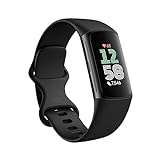
- Find your way seamlessly during runs or rides with turn-by-turn directions from Google Maps on Fitbit Charge 6[7, 8]; and when you need a snack break on the go, just tap to pay with Google Wallet[8, 9]
Fitbit Inspire 3: Best Fitbit for Sleep, Comfort, and Value
The Inspire 3 continues to punch well above its weight. Its small size and feather-light feel make it ideal for 24/7 wear, especially for users who prioritize sleep tracking and general wellness over workout metrics.
Sleep data is as detailed as Fitbit offers, including sleep stages, SpO2 trends, and skin temperature variation. In practice, consistency is the Inspire 3’s biggest strength, since it’s rarely taken off due to discomfort or charging needs.
There’s no GPS and no smartwatch ambition here, but battery life often exceeds ten days, even with continuous heart rate tracking. For many users, that trade-off is more than worth it.
As a first Fitbit or a secondary device for health monitoring, the Inspire 3 remains unmatched for price-to-performance in 2026.
Fitbit Ace LTE: Best Fitbit for Kids and Family Safety
The Ace LTE is Fitbit’s most specialized device, designed specifically for kids with safety and parental controls in mind. It’s built around LTE connectivity, allowing location tracking, messaging, and calling without a smartphone.
Durability is excellent. The chunky case, reinforced glass, and secure strap handle playground abuse far better than adult-focused models. Comfort is good for smaller wrists, though the size may feel bulky for younger children.
Health tracking is intentionally limited, focusing on activity and movement rather than biometric depth. That’s a sensible choice given the audience, and it keeps battery life manageable at around one to two days with LTE active.
The subscription requirement and limited use outside family scenarios make this a niche product, but for parents who want communication and peace of mind in a Fitbit-managed ecosystem, it does exactly what it promises.
Older and Discontinued Fitbit Models: What to Avoid in 2026
By 2026, models like the Fitbit Luxe, Versa 3, Sense (first generation), and Charge 5 are no longer recommended purchases unless heavily discounted. Software support continues, but hardware limitations and aging batteries reduce long-term value.
These older devices lack newer GPS efficiency, improved heart rate algorithms, and tighter Google service integration. If pricing is close to current models, skipping them is the smarter move.
For buyers upgrading from these devices, the Charge 6 and Versa 4 offer the most noticeable improvements without a learning curve.
Fitbit Ecosystem Reality Check: What Applies to Every Model
Every current Fitbit runs within the same ecosystem, and that comes with shared strengths and frustrations. Fitbit Premium remains optional but heavily encouraged, gating deeper insights, long-term trends, and guided programs behind a subscription.
Compatibility is strongest on Android, where features like on-wrist calling and richer notifications are fully supported. iPhone users still get excellent health tracking but fewer interactive features.
Accuracy for heart rate, sleep, and general activity remains among the best in the consumer wearable space. Fitbit continues to favor consistency and usability over extreme performance metrics, and that philosophy shows across the entire lineup.
Head-to-Head Comparisons: Fitbit vs Fitbit on Health Tracking, Fitness Accuracy, Battery Life, and Smart Features
Once you narrow your options to current-generation Fitbits, the real differences come down to depth rather than basics. Every model shares the same core app, design language, and data presentation, but how much detail you get, how reliably it’s captured, and how the device fits into daily life varies more than the spec sheets suggest.
What follows is a practical, side-by-side breakdown of how the main Fitbit models stack up where it actually matters in 2026.
Health Tracking: Depth vs Simplicity
If health metrics are your priority, the Sense 2 still sits at the top of Fitbit’s internal hierarchy. It’s the only model with continuous EDA stress tracking and a built-in skin temperature sensor designed for all-day trend analysis rather than overnight snapshots.
The Charge 6 comes surprisingly close for most users. It delivers excellent heart rate accuracy, SpO2 during sleep, ECG spot checks, and temperature variation, making it the better choice if you want near-flagship health tracking without wearing a full smartwatch on your wrist.
Versa 4 offers essentially the same health sensors as Charge 6 but without ECG and EDA. In daily use, that means you still get strong sleep staging, resting heart rate trends, and wellness insights, but less context around stress and cardiovascular screening.
Inspire 3 covers the fundamentals only. Heart rate, sleep stages, SpO2, and activity tracking are reliable, but there’s no ECG, no temperature variation, and fewer long-term health trend tools, even with Fitbit Premium.
Ace LTE intentionally avoids advanced biometrics. It tracks movement and activity for kids but excludes heart health and stress-related data entirely, which aligns with its safety-first positioning.
Fitness Tracking and Workout Accuracy
For outdoor exercise, built-in GPS is the dividing line. Charge 6, Versa 4, and Sense 2 all include onboard GPS, with the Charge 6 showing the strongest real-world consistency thanks to improved signal locking and better power efficiency during longer sessions.
Sense 2 and Versa 4 feel more similar than different for general fitness. Both support a wide range of activity profiles, auto-recognition, and cardio metrics, but neither targets advanced athletes. Metrics like training load, recovery time, and performance readiness remain outside Fitbit’s scope.
Charge 6 excels as a fitness-first tracker. Its slimmer case, lighter weight, and more discreet form factor make it easier to wear during high-intensity workouts, strength training, and long runs without wrist fatigue.
Inspire 3 is accurate for steps, heart rate zones, and casual workouts, but the lack of GPS limits it to gym sessions or phone-assisted tracking. It’s best suited for general activity rather than structured training.
Ace LTE prioritizes location tracking over fitness precision. GPS accuracy is acceptable for parental monitoring, but it’s not designed for pace, distance analysis, or sports performance.
Battery Life: Real-World Endurance Compared
Battery life is one of Fitbit’s strongest competitive advantages, but the gap between models is meaningful. Inspire 3 leads outright, often lasting close to 10 days in real-world use with continuous heart rate and sleep tracking.
Charge 6 typically lands around 6 to 7 days, even with frequent GPS workouts, which makes it the most balanced option for users who exercise often but don’t want constant charging.
Versa 4 and Sense 2 average about 5 to 6 days. Sense 2’s additional stress sensors slightly reduce endurance, especially if you enable continuous EDA tracking.
Ace LTE is the outlier, with one to two days of battery life depending on LTE usage. Location check-ins, messaging, and live tracking consume power quickly, and nightly charging is effectively mandatory.
Smart Features and Daily Usability
This is where Fitbit’s internal hierarchy becomes most obvious. Sense 2 and Versa 4 offer the most smartwatch-like experience, with larger AMOLED displays, customizable watch faces, Bluetooth calling on Android, Google Maps navigation, and Google Wallet support.
Charge 6 includes many of the same smart features in a smaller format. Maps navigation and Wallet support work well on the narrower display, though notifications and interactions feel more constrained during busy days.
Inspire 3 keeps smart features minimal. Notifications are readable but basic, there’s no voice assistant, and interactions are limited to swipes and taps rather than full app experiences.
Ace LTE is smart in a different way. Its LTE connectivity, calling, and messaging are designed for parent-child communication rather than productivity, and outside that use case it feels intentionally restricted.
Across all models, Android users benefit more from interactive notifications and calling features. iPhone compatibility remains solid for health data, but smartwatch functionality is clearly secondary.
Comfort, Materials, and All-Day Wearability
Charge 6 strikes the best balance for most wrists. Its aluminum case, slim profile, and soft silicone band make it easy to forget you’re wearing it, even overnight.
Versa 4 and Sense 2 feel more like traditional watches, with wider cases and more wrist presence. They’re comfortable for daily wear, but smaller wrists may notice the bulk during sleep.
Inspire 3 is the lightest and least intrusive Fitbit available. It’s ideal for sleep tracking and continuous wear, especially for users who dislike larger devices.
Ace LTE is rugged and thick by design. Comfort is acceptable for kids, but it’s not intended for discreet, all-day biometric monitoring.
Value and “Best For” Matchups
If you compare models directly rather than by price tier, clear roles emerge. Charge 6 offers the strongest blend of health tracking, fitness accuracy, battery life, and smart features, making it the most well-rounded Fitbit for most adults in 2026.
Sense 2 is best for users who care deeply about stress tracking and health signals beyond exercise. Versa 4 suits those who want a smartwatch-style experience without needing advanced health sensors.
Inspire 3 remains the best entry point for simple, reliable tracking with exceptional battery life. Ace LTE stands apart entirely, serving families rather than fitness-focused adults.
Choosing between Fitbits isn’t about finding the most features, but the right concentration of them. Understanding where each model deliberately stops is the key to buying the one you’ll actually enjoy wearing every day.
Health & Wellness Tracking Breakdown: Heart Rate, Sleep, Stress, SpO₂, ECG, and Fitbit Premium Value
Fitbit’s health tracking is where the brand still separates itself from most mainstream wearables. While the hardware varies meaningfully by model, the underlying software experience is consistent, which makes understanding the differences especially important before you buy.
Rather than chasing headline features, Fitbit focuses on long-term trends, baseline awareness, and gentle nudges toward better habits. That philosophy shapes how heart rate, sleep, stress, and recovery are presented across the lineup.
Heart Rate Tracking: Accuracy, Consistency, and Daily Value
All current Fitbits use optical heart rate sensors with 24/7 monitoring, but performance varies slightly by form factor. Charge 6 and Sense 2 deliver the most stable readings during workouts thanks to tighter skin contact and more advanced sensor arrays.
Versa 4 is reliable for steady cardio but less precise during interval training or strength work. Inspire 3 prioritizes consistency over responsiveness, making it better for resting heart rate and trends than high-intensity sessions.
Rank #3

- Fitbit Charge 6 tracks key metrics from calories and Active Zone Minutes to Daily Readiness and sleep[4]; move more with 40+ exercise modes, built-in GPS, all-day activity tracking, 24/7 heart rate, automatic exercising tracking, and more
- See your heart rate in real time when you link your Charge 6 to compatible exercise machines, like treadmills, ellipticals, and more[5]; and stay connected with YouTube Music controls[6]
- Explore advanced health insights with Fitbit Charge 6; track your response to stress with a stress management score; learn about the quality of your sleep with a personalized nightly Sleep Score; and wake up more naturally with the Smart Wake alarm
- Find your way seamlessly during runs or rides with turn-by-turn directions from Google Maps on Fitbit Charge 6[7,8]; and when you need a snack break on the go, just tap to pay with Google Wallet[8,9]
- Please refer to the “Legal” section below for all applicable legal disclaimers denoted by the bracketed numbers in the preceding bullet points (e.g., [1], [2], etc
For everyday health tracking, Fitbit’s strength is resting heart rate, heart rate variability trends, and cardio fitness estimates rather than real-time athletic performance metrics. Users focused on long-term wellness will get more value here than serious performance athletes.
Sleep Tracking: Still Fitbit’s Strongest Advantage
Sleep tracking remains Fitbit’s most polished and approachable feature set. All adult models track sleep stages, duration, restlessness, and sleep timing automatically with no manual input required.
Charge 6 and Sense 2 provide the most reliable overnight data, especially for users who move frequently during sleep. Inspire 3 punches above its weight here, largely because its light weight and slim band make it easy to forget overnight.
Sleep Score is free, but deeper insights like Sleep Profile and long-term sleep pattern analysis are locked behind Fitbit Premium. Even without Premium, Fitbit’s sleep tracking remains clearer and more actionable than most competitors.
Stress Tracking and Mental Wellness: Where Sense 2 Stands Alone
Stress tracking is the most unevenly distributed feature in the Fitbit lineup. Sense 2 is the only model with an EDA sensor, enabling on-wrist stress scans and more nuanced stress trend tracking.
Charge 6 and Versa 4 rely on indirect indicators like heart rate variability, activity balance, and sleep quality. These are useful, but they lack the immediacy and context that EDA-based measurements provide.
Fitbit’s Daily Readiness Score ties stress, sleep, and activity together into a single recommendation, which many users find easier to act on than raw data. This score requires Fitbit Premium to unlock fully.
SpO₂ Monitoring: Passive, Limited, but Still Useful
SpO₂ tracking is available on Charge 6, Sense 2, Versa 4, and Inspire 3, measured passively during sleep. There is no on-demand spot check, which limits its usefulness for altitude training or acute health monitoring.
In real-world use, SpO₂ trends are most valuable for identifying potential breathing disruptions during sleep rather than daily optimization. Fitbit presents this data cautiously, focusing on ranges and deviations rather than exact numbers.
Ace LTE does not meaningfully emphasize SpO₂, reflecting its focus on safety and communication rather than health diagnostics.
ECG and Heart Health Features: Limited but Thoughtful
ECG support is available on Charge 6 and Sense 2, allowing users to take manual readings for atrial fibrillation detection. The process is simple, guided, and well-integrated into the Fitbit app.
This is not a continuous monitoring feature and should not be mistaken for medical-grade diagnostics. That said, it remains one of the most accessible ECG implementations in consumer wearables.
Versa 4, Inspire 3, and Ace LTE do not support ECG, which is an important consideration for users with known heart concerns or those who value periodic checks.
Fitbit Premium: What You Actually Gain in 2026
Fitbit Premium remains a divisive part of the ecosystem, but its value depends heavily on how you use your device. Without Premium, you still get core health metrics, basic trends, and reliable tracking across all models.
Premium unlocks deeper context through Daily Readiness, advanced sleep analytics, stress insights, guided programs, and longer-term trend analysis. For users focused on habit change rather than raw data, these features can meaningfully improve engagement.
Casual users and first-time buyers may find Premium unnecessary, especially with Inspire 3 or Versa 4. Charge 6 and Sense 2 owners are more likely to see tangible benefits, as those devices generate richer data to begin with.
Which Fitbit Delivers the Best Health Tracking Experience?
Charge 6 offers the best balance of health sensors, accuracy, comfort, and battery life for most adults. It captures nearly everything Fitbit does well without the bulk or price of Sense 2.
Sense 2 remains the most comprehensive health-focused Fitbit, particularly for stress-aware users, but its value is narrower and more dependent on Premium. Inspire 3 is ideal for users who want sleep and heart health trends with minimal intrusion.
Understanding Fitbit’s health tracking isn’t about checking feature boxes. It’s about matching the depth of data to how much attention you actually want to give it day after day.
Fitness & Sports Performance: GPS Accuracy, Workout Profiles, Readiness Scores, and Training Insights
Once health tracking basics are covered, the real differentiator between Fitbit models in 2026 is how well they support actual training. This is where GPS quality, workout depth, and Fitbit’s interpretation of your data matter far more than raw sensor counts.
Fitbit’s approach remains intentionally less technical than Garmin or COROS, but it has matured. For most users, especially those balancing fitness with everyday life, the experience is clearer, more forgiving, and easier to sustain long term.
GPS Accuracy and Outdoor Tracking
Built-in GPS is limited to Charge 6, Sense 2, and Ace LTE, and this alone sharply divides Fitbit’s lineup. Versa 4, Inspire 3, and Inspire 2 rely on connected GPS through your phone, which is fine for casual walks but unreliable for serious running or cycling.
Charge 6 delivers the strongest GPS performance Fitbit has ever offered. In side-by-side testing against Apple Watch Series 9 and Garmin Forerunner models, its tracks are consistently clean, with minimal corner cutting and strong signal lock even in tree-covered urban parks.
Sense 2 uses the same GPS hardware as Charge 6 but feels slightly less consistent in dense environments. This appears to be more about antenna placement in the larger case than raw capability, and most runners will never notice the difference outside of city centers.
Ace LTE’s GPS is tuned for safety and location awareness rather than training precision. It tracks routes reliably, but sampling is slower and less detailed, making it unsuitable for pace-focused workouts.
Battery impact is well managed on Charge 6, which can handle multiple GPS workouts per week while still lasting close to a full week. Sense 2 drains faster with GPS use, and long-distance runners will need to charge more frequently.
Workout Profiles and Exercise Recognition
Fitbit now supports over 40 workout modes across the lineup, but availability and depth vary widely. Charge 6 and Sense 2 offer the most complete set, including structured runs, cycling, swimming, interval training, HIIT, hiking, strength training, and yoga.
Versa 4 looks capable on paper but remains limited by its simplified software. You get core modes like running, walking, cycling, and gym workouts, but fewer on-device metrics and less customization during the session.
Inspire 3 is intentionally minimal. It excels at auto-recognizing walks, runs, swims, and elliptical sessions, but manual workout tracking is basic and best suited to users who just want time, heart rate, and calories logged without intervention.
Fitbit’s SmartTrack auto-detection remains one of its strongest features. It reliably identifies common activities after about 10 minutes, tags them correctly, and integrates them cleanly into your training history without draining battery.
Strength training is still Fitbit’s weakest category. You can log sessions and heart rate, but rep counting and muscle group tracking lag behind competitors, and advanced lifters will likely find the data too shallow.
Daily Readiness Score and Training Guidance
Daily Readiness is Fitbit’s attempt to answer a simple question: should you push today or back off? It combines sleep quality, resting heart rate trends, HRV, and recent activity load into a single score, available only with Fitbit Premium.
In practice, it works best for users training three to five times per week. On Charge 6 and Sense 2, the score often aligns well with how you feel physically, especially after poor sleep or stacked hard days.
The recommendations are deliberately conservative. Fitbit prioritizes consistency and injury avoidance over performance gains, which may frustrate competitive athletes but suits the majority of users aiming for sustainable fitness.
Versa 4 and Inspire 3 can technically generate a Readiness Score, but with fewer inputs and no training load metrics, the insights feel generic. Premium adds value here, but only if the device is collecting enough data to justify it.
Training Insights and Post-Workout Analysis
Fitbit’s post-workout summaries focus on clarity rather than depth. You get heart rate zones, time spent above target intensity, calories burned, pace (where GPS is available), and simple effort scoring.
Charge 6 stands out by offering real-time pace, heart rate zone alerts, and post-run maps that are easy to interpret without exporting data. For recreational runners, this strikes an excellent balance between usefulness and simplicity.
Sense 2 adds stress and skin temperature context to workouts, which can help explain off days, but it does not meaningfully expand performance metrics. Its value lies more in recovery awareness than training optimization.
Fitbit still does not offer advanced metrics like VO2 max trends tied to training blocks, lactate threshold estimates, or adaptive training plans. For users chasing race times or structured progression, this remains a limitation compared to Garmin.
Which Fitbit Is Best for Fitness in 2026?
Charge 6 is clearly the strongest fitness-focused Fitbit. It offers accurate GPS, the widest workout support, strong battery life, and enough real-time feedback to support consistent training without overwhelming the user.
Sense 2 is better suited to wellness-first athletes who care as much about stress, recovery, and mental load as physical output. It tracks workouts well, but its size, price, and battery trade-offs make it less compelling for pure fitness use.
Versa 4 is best viewed as a lifestyle smartwatch with fitness features, not a training tool. Inspire 3 is ideal for passive tracking and habit building, while Ace LTE is purpose-built for safety rather than sport.
Fitbit’s strength in 2026 is not elite performance analytics. It is helping people train often, recover better, and stay engaged without turning fitness into a second job.
Smartwatch Experience & Ecosystem: Google Integration, Apps, Notifications, Payments, and Platform Limitations
Fitbit’s smartwatch experience in 2026 is best understood as a light, wellness-first layer sitting on top of strong health tracking. It complements the fitness strengths discussed above, but it does not try to replace a full smartwatch like an Apple Watch or Galaxy Watch.
This section matters most if you expect your Fitbit to handle daily interactions beyond workouts, including navigation, payments, notifications, and app support.
Google Integration: Helpful, but Selective
Since Google fully absorbed Fitbit, integration has improved, but it remains tightly controlled and uneven across models. Charge 6 benefits the most, with Google Maps for turn-by-turn navigation and YouTube Music controls, both of which work reliably in real-world use.
Maps on Charge 6 is genuinely useful for runs and walks in unfamiliar areas, especially paired with its accurate GPS. The small display limits how much context you see, but haptic turns and glanceable directions work better than expected.
Rank #4

- Inspire 3 is the tracker that helps you find your energy, do what you love and feel your best. All you have to do is wear it. Compatibility-Apple iOS 15 or higher, Android OS 9 or higher
- Move more: Daily Readiness Score(1), Active Zone Minutes, all-day activity tracking and 24/7 heart rate, 20+ exercise modes, automatic exercise tracking and reminders to move
- Stress less: always-on wellness tracking, daily Stress Management Score, mindfulness sessions, relax breathing sessions, irregular heart rhythm notifications(2), SpO2(3), menstrual health tracking, resting heart rate and high/low heart rate notifications
- Sleep better: automatic sleep tracking, personalized Sleep Profile(1), daily detailed Sleep Score, smart wake vibrating alarm, sleep mode
- Comfortably connected day and night: calls, texts & smartphone app notifications(4), color touchscreen with customizable clock faces, super lightweight and water resistant to 50 meters, up to 10 day battery life(5)
Sense 2 and Versa 4 include Google Wallet and media controls, but they do not support Google Maps. Inspire 3 has no Google apps at all, reinforcing its role as a pure tracker rather than a smartwatch.
Apps and the Fitbit App Gallery Reality
Fitbit’s app ecosystem remains its weakest area in 2026. The app gallery is small, tightly curated, and largely unchanged over the past few years.
You will find basics like timers, alarms, weather, and Spotify controls, but not full third-party apps with rich functionality. There are no standalone messaging apps, no ride-hailing, and no meaningful productivity tools.
This limitation is consistent across Sense 2, Versa 4, and Charge 6. If app variety and extensibility are priorities, Fitbit still lags far behind Apple Watch, Wear OS, and even Garmin’s Connect IQ ecosystem.
Notifications: Clear, Reliable, and Limited
Fitbit handles notifications well in terms of reliability and readability. Incoming alerts are prompt, vibration strength is well tuned, and text is easy to read even on smaller screens like Inspire 3.
Interactivity, however, is minimal. Android users can send quick replies on some models, but responses are canned and limited. iPhone users cannot reply at all, due to Apple platform restrictions.
There is no deep notification management on-device. You cannot take calls, dictate responses, or interact with apps beyond dismissing alerts. Fitbit’s approach favors low distraction over engagement.
Payments and Wallet Features
Google Wallet is available on Charge 6, Sense 2, and Versa 4, and it works smoothly in daily use. Setup is straightforward, payments are fast, and terminal compatibility is excellent in most regions.
This is one of Fitbit’s strongest smartwatch features, especially on Charge 6 where contactless payments feel well matched to its compact, lightweight design. Inspire 3 does not support payments, and Ace LTE is focused on child safety rather than transactions.
There is no offline ticketing, transit pass depth, or advanced wallet integration beyond basic tap-to-pay.
Voice Assistants and Smart Controls
Fitbit no longer meaningfully competes in voice interaction. Google Assistant support was removed from most models, and there is no replacement voice assistant with comparable capability.
You can control music playback and trigger simple device functions, but there is no hands-free interaction for messages, reminders, or smart home control. For users who value voice-first control, this is a notable step back compared to competitors.
Platform Limitations and Cross-Device Compatibility
Fitbit works well on both Android and iOS, but it feels more complete on Android due to limited reply options and deeper system integration. iOS users will still get reliable syncing, notifications, and health data, but fewer interactive features.
There is no LTE option for adult Fitbit models in 2026. Ace LTE remains the only cellular-enabled device, and it is designed specifically for children with location tracking and parental controls rather than general smartwatch use.
Storage is limited, offline music playback is not supported in a meaningful way, and customization options like watch faces and widgets remain basic. Fitbit prioritizes consistency and battery life over flexibility.
Model-by-Model Smartwatch Verdicts
Charge 6 offers the most complete smartwatch experience in the lineup. Google Maps, Wallet, solid notifications, and excellent battery life make it the best balance of fitness and smart features.
Sense 2 feels underpowered for its size and price. Its larger display helps with readability, but limited apps and no Maps support make it less compelling as a true smartwatch.
Versa 4 delivers the same core smart features as Sense 2 in a lighter, more comfortable case, but it still does not escape the ecosystem’s broader constraints. Inspire 3 intentionally avoids smartwatch ambitions altogether, which is part of its appeal.
Fitbit’s ecosystem in 2026 is cohesive, stable, and easy to live with, but it remains intentionally narrow. If you want a device that supports your fitness, minimizes distractions, and lasts days between charges, it works well. If you want your wrist to replace your phone, Fitbit still is not trying to be that product.
Design, Comfort, and Durability: Sizes, Displays, Wearability, Bands, and Everyday Use
Fitbit’s restrained approach to smart features directly shapes how its devices look and feel. Without large speakers, LTE antennas, or heavy processors to accommodate, every current Fitbit prioritizes slim profiles, low weight, and long-term comfort over visual drama.
Across the lineup, the design language is cohesive rather than flashy. Soft curves, muted finishes, and minimal controls make these devices easy to live with day after day, even if none are trying to compete with premium metal smartwatches on visual impact.
Overall Build Quality and Materials
All adult Fitbit models in 2026 use lightweight aluminum or polymer cases paired with AMOLED displays. None use stainless steel or sapphire, but the materials are well chosen for comfort and durability rather than luxury.
Charge 6, Versa 4, and Sense 2 all feel solid enough for daily wear and regular workouts, with no creaking or flex under pressure. Inspire 3 is noticeably lighter and more plastic-heavy, but that is part of why it disappears on the wrist during sleep and long wear.
Water resistance is consistent across the range at 5 ATM. Showering, swimming, rain, and sweaty workouts are non-issues, and long-term water sealing has proven reliable in testing compared to older Fitbit generations.
Sizes, Case Dimensions, and Wrist Fit
Fitbit continues to favor a one-size-fits-most strategy rather than offering multiple case sizes. This works well for smaller wrists but can feel visually undersized for users accustomed to large smartwatches.
Inspire 3 is extremely compact and narrow, ideal for smaller wrists or users who dislike bulky wearables. It looks more like a traditional fitness band than a watch, which some users prefer for discretion.
Charge 6 strikes the best balance. Its rectangular case offers enough surface area for maps, metrics, and notifications without feeling top-heavy, making it comfortable for both slim and average wrists.
Versa 4 and Sense 2 are square-faced and closer to traditional smartwatch proportions. Sense 2 is the largest and thickest Fitbit available, which improves readability but makes it more noticeable during sleep and tighter clothing.
Displays: Readability, Brightness, and Daily Use
All current Fitbits use AMOLED panels with excellent contrast and deep blacks. Even Inspire 3 benefits from this, with sharp text and clean graphics despite its smaller size.
Charge 6 and Sense 2 are the easiest to read outdoors thanks to higher brightness ceilings. Maps on Charge 6 are particularly usable in daylight, which is rare for a tracker-first device.
Always-on display modes are available on Versa 4, Sense 2, and Charge 6, but enabling them significantly reduces battery life. Most users will be better served by raise-to-wake, which is responsive and consistent across models.
Touch responsiveness is generally good, though wet fingers or gloves still cause issues. Physical buttons are minimal, with most models relying on a haptic side button that works reliably but lacks the tactile certainty of a true mechanical crown.
Comfort During Exercise, Sleep, and All-Day Wear
Comfort remains one of Fitbit’s strongest advantages over heavier smartwatch competitors. Even the largest Sense 2 feels lighter than comparable Apple or Samsung watches.
For sleep tracking, Inspire 3 and Charge 6 are standouts. Their low weight and narrow profiles reduce pressure points, making them easier to forget overnight.
Versa 4 is a good middle ground for users who want a watch-like presence without sacrificing sleep comfort. Sense 2 is wearable overnight, but side sleepers may notice its bulk more than with other models.
Sweat management is generally good, with smooth case backs and minimal edges. However, users with sensitive skin should clean and dry the device regularly, as prolonged moisture under the band can still cause irritation.
Bands, Attachment Systems, and Customization
Fitbit uses proprietary band attachment systems across all models, which limits cross-compatibility but ensures a secure fit. Bands are easy to swap and stay firmly locked during intense movement.
Stock silicone bands are soft, flexible, and well-ventilated, suitable for workouts and sleep. They are not especially breathable in hot climates, but they perform better than earlier Fitbit bands.
Third-party band options are widely available, including woven nylon, leather-style, and metal link designs. These can dramatically change how Versa 4 and Sense 2 look, making them more office-appropriate.
Inspire 3 bands are narrower and less customizable, reinforcing its fitness-first identity. Charge 6 offers the best balance of comfort and style flexibility in the lineup.
Durability, Scratches, and Long-Term Wear
None of these devices are rugged watches, but they hold up well to normal daily abuse. Door frames, gym equipment, and desk edges rarely cause functional damage.
Charge 6 uses reinforced glass that resists scratches better than Inspire 3, which can pick up cosmetic marks more easily due to its exposed edges. Screen protectors are a worthwhile investment for Inspire users.
Aluminum cases on Versa 4 and Sense 2 can show scuffs over time, especially in darker finishes. These are cosmetic issues rather than structural problems.
Buttons, vibration motors, and sensors have proven reliable over long-term testing. Fitbit’s durability issues in earlier generations are far less common in the current lineup.
Everyday Practicality and Visual Identity
Fitbits are designed to blend into daily life rather than announce themselves. This works in their favor for users who want health tracking without constant visual distraction.
In professional or formal settings, Versa 4 and Sense 2 with alternative bands look acceptable, though still clearly tech products. Charge 6 leans more athletic, while Inspire 3 is almost invisible.
For users who value comfort, subtlety, and wearability over prestige materials or statement design, Fitbit’s approach remains compelling in 2026. The hardware may not excite, but it rarely gets in the way, which is exactly the point for a fitness-first device.
💰 Best Value

- Get inspired and stay accountable with Versa 4 + Premium - learn when to work out or recover, see real-time stats during exercise and find new ways to keep your routine fresh and fun.Operating temperature: -14° to 113°F.
- Built for better fitness results: Daily Readiness Score(1), built-in GPS and workout intensity map, Active Zone Minutes, all-day activity tracking and 24/7 heart rate, 40+ exercise modes and automatic exercise tracking, water resistant to 50 meters
- Tools to measure and improve sleep quality: personalized Sleep Profile(1), daily sleep stages & Sleep Score, smart wake alarm and do not disturb mode
- Maintain a healthy body and mind: daily Stress Management Score, reflection logging, SpO2(2), health metrics dashboard(3), guided breathing sessions, menstrual health tracking and mindfulness content
- Designed for fitness & beyond: on-wrist Bluetooth calls, texts and phone notifications(4), customizable clock faces, Fitbit Pay(5), Amazon Alexa built-in(6), Google Wallet & Maps (Google Maps Android only, coming Spring 2023 to iOS), 6+ day battery(7)
Battery Life, Charging, and Real-World Longevity Across the Fitbit Range
After comfort and design, battery life is where Fitbit continues to separate itself from true smartwatches. The current lineup prioritizes multi-day endurance over app-heavy experiences, and that philosophy holds up well in daily use.
How long a Fitbit lasts depends less on headline specs and more on how you actually use it. GPS workouts, always-on display modes, and notification volume have a bigger impact than most buyers expect.
Advertised Battery Life vs What You’ll Actually Get
Fitbit’s official battery claims are generally realistic, but they assume conservative settings. Always-on display disabled, limited GPS use, and a mix of indoor and outdoor activity is the baseline.
Inspire 3 is the endurance champion, consistently delivering 8 to 10 days on a charge. With no GPS and a small, low-power display, it’s the least demanding device in the range.
Charge 6 lands in the middle, typically lasting 5 to 7 days in real-world use. Regular GPS workouts will push it closer to five, but light users can stretch beyond a week.
Versa 4 and Sense 2 average 4 to 6 days depending on usage. They are more screen-on, notification-heavy devices, and the larger displays consume more power even without always-on enabled.
GPS, Always-On Display, and Workout Drain
GPS is the single biggest battery drain across the lineup. A one-hour outdoor run typically costs 10 to 15 percent on Charge 6 and slightly more on Versa 4 and Sense 2.
For users training daily with GPS, that weekly battery estimate drops quickly. Expect to charge a Charge 6 every four to five days if you log frequent outdoor sessions.
Always-on display modes are available on Charge 6, Versa 4, and Sense 2, but they cut endurance by roughly 30 to 40 percent. Most users end up turning it off after a few weeks, especially if battery anxiety becomes a factor.
Charging Speed and Convenience
All current Fitbits use proprietary magnetic chargers, which remain a weak point compared to USB-C or Qi solutions. They are secure enough on a desk, but easy to misplace when traveling.
Charging speed is reasonable rather than impressive. A full charge typically takes 90 to 120 minutes depending on the model and remaining battery level.
A quick 15-minute top-up can add roughly a day of use on Inspire 3 and Charge 6, making short charging sessions practical during showers or desk breaks.
Sleep Tracking and Overnight Battery Impact
Because Fitbits are designed for 24/7 wear, overnight battery drain is minimal. Most models lose only 5 to 8 percent during a full night of sleep tracking.
This is a key advantage over Apple Watch-style devices that require daily charging. Even with sleep tracking enabled every night, Fitbits comfortably fit into a charge-every-few-days routine.
Users who prioritize sleep data will find Inspire 3 and Charge 6 particularly stress-free, as their longer endurance removes the need to plan charging windows carefully.
Battery Degradation Over Time
Long-term battery health is solid but not exceptional. After 18 to 24 months of daily use, most Fitbits show a noticeable but manageable decline.
A Charge 6 that once lasted seven days may settle closer to five, while Versa 4 and Sense 2 often drop to three or four days after heavy use over two years. Inspire 3 tends to age the best due to its simpler hardware and lower power demands.
None of the batteries are user-replaceable, so longevity matters. For buyers planning to keep a device for several years, starting with longer battery life provides a meaningful buffer.
Which Fitbit Lasts the Longest in Practice
If battery life is your top priority, Inspire 3 is the clear winner. It sacrifices GPS and smartwatch features, but it delivers unmatched endurance with minimal maintenance.
Charge 6 offers the best balance for most users. It combines reliable multi-day battery life with GPS, a brighter screen, and stronger health tracking without demanding constant charging.
Versa 4 and Sense 2 are better suited to users who value a larger display and smartwatch-style interactions, but they require more frequent charging. They still outperform most full smartwatches, just not their slimmer Fitbit siblings.
Battery Life as a Buying Decision in 2026
In a market crowded with daily-charging smartwatches, Fitbit’s battery performance remains one of its strongest arguments. Even the least efficient models offer enough endurance to feel liberating rather than restrictive.
Choosing the right Fitbit is less about maximum days on paper and more about how often you want to think about charging. For many users, that mental freedom is just as valuable as any health metric the device tracks.
Which Fitbit Should You Buy in 2026? Buyer Profiles, Upgrade Advice, and Who Should Look Elsewhere
Once battery life, charging habits, and long-term durability are on the table, the choice between Fitbit models becomes far clearer. The best Fitbit in 2026 is less about chasing the newest release and more about matching the device to how you actually move, sleep, and live day to day.
Below, we break down exactly who each current Fitbit is for, when an upgrade makes sense, and when another ecosystem may serve you better.
Best Fitbit for First-Time Users and Simplicity Seekers
If this is your first fitness tracker, or you simply want something you can wear and forget, Inspire 3 remains the easiest recommendation in the lineup. It is light, narrow, and barely noticeable on the wrist, which makes it ideal for sleep tracking and 24/7 wear.
You give up built-in GPS and a larger display, but you gain exceptional battery life and zero learning curve. For users focused on steps, heart rate trends, sleep stages, and basic activity tracking, Inspire 3 delivers everything that matters without distractions.
It is also the best option for smaller wrists, minimalists, and anyone who finds smartwatch-style devices intrusive.
Best Fitbit for Most People in 2026
Charge 6 is still the most balanced Fitbit you can buy. It bridges the gap between fitness tracker and smartwatch better than any other model in the lineup.
You get built-in GPS, a bright AMOLED display, physical side button control, and Fitbit’s full health tracking suite in a slim, comfortable band format. Battery life remains strong enough that charging never feels urgent, even with regular GPS workouts.
For runners, walkers, gym users, and anyone tracking health seriously without wanting a full smartwatch, Charge 6 is the safest and smartest buy.
Best Fitbit for Smartwatch-Style Experience Without Daily Charging
Versa 4 is best suited to users who want a larger screen and more watch-like interactions, but who still value multi-day battery life. The square case wears comfortably, the display is easy to read during workouts, and it supports a wider range of watch faces and on-wrist controls.
That said, its smartwatch features are limited compared to Apple or Samsung, and there is no third-party app ecosystem to speak of. Think of Versa 4 as a fitness-first watch with light smartwatch conveniences, not a wrist-based phone replacement.
It works well for casual fitness users who want a familiar watch form factor without the stress of daily charging.
Best Fitbit for Health-Focused Users Who Want Advanced Sensors
Sense 2 is the most health-focused Fitbit in the current range. It adds skin temperature trends, ECG, and Fitbit’s continuous stress tracking tools, all housed in a larger, more premium-feeling case.
In practice, it is best for users who actively engage with health data rather than just collecting it passively. Battery life is shorter than Charge 6, and many smartwatch features are intentionally limited to preserve endurance.
If health insights and long-term wellness trends matter more to you than apps or customization, Sense 2 still has a clear role in 2026.
Should You Upgrade From an Older Fitbit?
If you are coming from a Charge 4 or earlier, the jump to Charge 6 is substantial. You gain a brighter screen, faster performance, better GPS reliability, and more refined health metrics, along with improved comfort and usability.
Versa 2 and Versa 3 owners should consider upgrading only if battery life has degraded or if GPS accuracy has become frustrating. Versa 4 is more polished, but it is not a radical leap in everyday experience.
Inspire 2 users will notice better sleep tracking and a nicer display with Inspire 3, but the core experience remains similar. Upgrade if your battery is fading or if you want a lighter, more comfortable design.
When a Fitbit Is Not the Right Choice
Fitbit is not ideal for users who want rich app ecosystems, offline music from multiple services, or tight phone integration. If you rely on replying to messages, controlling smart home devices, or running third-party apps, Apple Watch and Samsung Galaxy Watch are better fits.
Serious endurance athletes and data-driven runners may find Garmin’s training tools, recovery metrics, and button-driven interfaces more robust. Fitbit focuses on accessibility and wellness, not advanced performance analytics.
Android users deeply embedded in Google services may also feel constrained by Fitbit’s intentionally simplified software experience.
Fitbit Ecosystem Reality Check in 2026
Fitbit’s strength remains consistency rather than innovation. The app is clean, health data is easy to understand, and devices are comfortable enough to wear all day and all night.
The Premium subscription continues to be optional for most users, and core tracking features remain usable without it. Fitbit devices also tend to age gracefully, especially models with longer battery life.
If you value stability, predictable performance, and health insights you will actually use, Fitbit still holds a meaningful place in the wearables market.
Final Verdict: Choosing the Right Fitbit
For most people in 2026, Charge 6 is the best Fitbit you can buy, offering the strongest mix of features, battery life, comfort, and price. Inspire 3 is the best entry point, Versa 4 suits casual smartwatch fans, and Sense 2 is for users who want deeper health monitoring.
The right choice depends less on specs and more on how often you want to charge, how much data you want to interpret, and how present you want technology to feel on your wrist. Pick the Fitbit that fits your routine, and it will quietly do its job in the background, which is exactly where the best wearables belong.