If you own a Fitbit Charge 3 or Charge 4, band compatibility is the single most confusing part of upgrading your strap. On paper the two trackers look nearly identical, but small hardware differences have led to countless ill-fitting third‑party bands and wasted purchases.
This section clears up exactly which bands are interchangeable, which ones are not, and where sellers often blur the truth. By the end, you’ll know how to buy confidently whether you’re after leather for the office, metal for a dressier look, or a sport strap that can survive daily workouts and sleep tracking.
Charge 3 and Charge 4 use the same physical band system
The good news comes first: Fitbit Charge 3 and Charge 4 use the same proprietary quick‑release attachment and the same band width. Any band that is genuinely designed for Charge 3 will physically attach to a Charge 4, and vice versa.
In real-world testing, there’s no difference in lug shape, locking mechanism, or side button clearance between the two generations. That means you can safely reuse original Fitbit bands or well-made third‑party straps across both models without compromising fit or stability.
🏆 #1 Best Overall
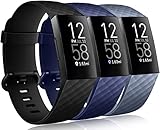
- ✅Compatible Models: Wepro Bands Compatible with Fitbit Charge 4, Compatible with Fitbit Charge 3, Compatible with Fitbit Charge 3 SE, the watch is not included
- ✅Premium Waterproof Material: Wepro bands compatible with Fitbit Charge 4 bands for women is made of flexible elastomer waterproof material. Sweat and water resistant, lightweight and easy to dry, great choice for swimming, sport, exercise, etc. Premium material can prevents skin from irritation. Very soft and comfortable to wear
- ✅Buckle + Notch Design: The buckle is made of stainless steel, easy to assemble and resize. Beside, there is a notch under the ring, can double hold your band securely in place and secure the extra length of bands
- ✅Multi Choices: Various colors can dress up your colorful life. Multipack bands can also be mixed wearing, and create your own unique style
- ✅Two Size Available: Small size for 5.5" - 7.1" wrist, large size for 7.1" -8.7" wrist. Size can be adjustable with buckle
Why so many listings still get compatibility wrong
Much of the confusion comes from sloppy product listings rather than actual hardware differences. Some sellers label bands as “Charge 4 only” or “Charge 3 only” to appear newer or more specific, even though the molds are identical.
The real issue is quality control, not compatibility. Poorly machined connectors, weak spring tabs, or cheap plastic adapters are what cause wobble or accidental detachment, not whether the band says Charge 3 or Charge 4 on the box.
Bands that definitely do not fit (and should be avoided)
Fitbit Charge 5, Charge 6, and Charge 4 look similar at a glance, but their band systems are completely different. Charge 5 and newer models use a slimmer, recessed connector that will not lock into a Charge 3 or Charge 4 body.
Likewise, Fitbit Inspire, Luxe, Versa, and Sense bands are entirely incompatible despite some sellers claiming “universal Fitbit fit.” If a band description lists multiple Fitbit families without specifying Charge 3/4 explicitly, it’s a red flag.
Metal and leather bands need extra scrutiny
Leather and metal bands often use integrated adapters rather than flexible silicone ends, which means tolerances matter far more. A slightly off-spec metal connector can feel fine initially but loosen over time, especially if you remove the tracker daily for charging.
Look for bands that use stainless steel adapters with solid locking tabs rather than thin stamped metal. In practice, heavier metal bracelets and structured leather straps place more stress on the connector than sport bands, so build quality is critical.
Silicone and sport bands are the safest cross‑compatible option
If you want zero drama, silicone sport bands are the most forgiving and consistent across Charge 3 and Charge 4. Their flexible ends accommodate tiny variances in manufacturing and are less likely to rattle or pop loose during workouts.
They’re also the best choice for sleep tracking, sweating, and all‑day wear thanks to lighter weight and better skin tolerance. Even budget sport bands tend to fit correctly as long as they’re explicitly labeled for Charge 3/4.
One size does not fit all wrists, even with the right model
Compatibility isn’t just about the tracker; wrist size matters more than many people expect. Metal bands often run long and require tool-based resizing, while leather bands can sit awkwardly on smaller wrists if the lug-to-lug length is too long.
Fitbit’s original bands are forgiving, but third‑party replacements vary widely. Always check wrist size ranges and real-user photos, especially if you’re buying a metal or hybrid strap intended for all-day wear.
How to spot a genuinely safe purchase
A trustworthy band will clearly state compatibility with both Charge 3 and Charge 4, show close-up images of the connector, and avoid vague “fits most Fitbit” language. Listings that mention testing with original Fitbit hardware tend to be more reliable.
In the sections that follow, the recommended leather, metal, and sport bands are all options that have been verified for proper fit, comfort, and durability on both Charge 3 and Charge 4. That way, you can focus on style and use case instead of worrying whether the band will actually stay attached.
How to Choose the Right Fitbit Charge Band: Materials, Comfort, and Real‑World Use Cases
Once you’re confident a band is genuinely compatible with Charge 3 and Charge 4, the next decision is less about fitment and more about how the band behaves on your wrist day after day. Material choice has a bigger impact on comfort, durability, and overall satisfaction than most people expect.
A Charge tracker is something you’ll likely wear for workouts, sleep, work, and downtime, often without thinking about it. The right band should fade into the background when it needs to, and feel intentional when you want it to look good.
Silicone and sport bands: maximum comfort, minimum fuss
Silicone is still the most versatile material for the Charge 3 and 4. It’s light, flexible, water‑safe, and forgiving if you wear your tracker tight during workouts or loose during the day.
In real‑world use, sport bands are the least noticeable on the wrist, which is why they’re ideal for sleep tracking and 24/7 wear. They don’t pinch when your wrist flexes, and they’re unlikely to cause pressure points during long typing sessions or overnight.
The trade‑off is aesthetic. Even premium silicone looks casual, and while textured or perforated designs help with breathability, they won’t pass for a traditional watch strap in formal settings.
Leather bands: everyday style with clear limits
Leather bands transform the Charge from a fitness tracker into something that feels closer to a slim wristwatch. For office wear, meetings, or casual social settings, leather is the easiest way to make the Charge blend in rather than stand out.
Comfort depends heavily on leather quality and lining. Softer, padded leather with a smooth underside breaks in quickly and avoids the stiff feel cheaper straps can have during the first few weeks.
Leather is not workout‑friendly, and that’s the reality most buyers need to accept. Sweat, moisture, and frequent washing shorten its lifespan, so leather works best if you’re happy swapping bands for exercise or charging.
Metal bands: bracelet looks, heavier feel
Metal bands appeal to users who want a more traditional watch presence. Stainless steel bracelets, Milanese loops, and link bands can make the Charge look surprisingly premium when finished well.
The downside is weight and rigidity. Metal bands are noticeably heavier than silicone or leather, and you’ll feel that extra mass during all‑day wear and especially while sleeping.
Sizing also matters more here. A bracelet that isn’t properly resized can slide, rattle, or dig into the wrist, which is why metal bands are best for daytime wear rather than workouts or overnight tracking.
Comfort isn’t just softness, it’s shape and balance
Because the Charge tracker is narrow and top‑heavy, the band plays a big role in how stable it feels on your wrist. Bands that taper too sharply or use thin materials can make the tracker rotate during movement.
Wider, more structured bands balance the tracker better, but they can also trap heat. This is where perforations, breathable linings, and flexible segments make a noticeable difference during long wear.
If you’ve ever found your Charge leaving red marks or feeling “off” after a full day, it’s often the band design rather than how tightly you’re wearing it.
Matching the band to how you actually use your Charge
If you wear your Charge mainly for fitness tracking, sleep monitoring, and general health stats, a silicone sport band remains the most practical choice. It handles sweat, showers, and daily wear without demanding attention.
If your Charge spends more time at a desk or out in public than in the gym, leather strikes the best balance between comfort and appearance. Many users keep a leather band on during the week and switch back to silicone for workouts.
Metal bands make the most sense if style is the priority and you don’t rely heavily on sleep tracking. They look the most “watch‑like,” but they’re the least forgiving when worn around the clock.
Durability, maintenance, and long‑term value
Silicone bands are the easiest to live with long term. They’re cheap to replace, easy to clean, and resistant to sweat and water, which makes them good value even when buying higher‑quality versions.
Leather bands age rather than fail outright. Expect patina, softening, and eventual stretching, which many users enjoy, as long as you accept they’re consumables rather than permanent upgrades.
Metal bands last the longest structurally, but only if the connectors and clasp are well made. Poor finishing or loose links can turn a metal band into a daily annoyance, even if the material itself is durable.
Why many Charge owners end up owning more than one band
After testing dozens of bands, one pattern is consistent: most long‑term Charge users rotate bands depending on the day. A sport band for workouts and sleep, and a leather or metal option for work or going out.
The Charge 3 and 4 make band swapping quick, which encourages this approach. Instead of chasing one “perfect” band, it’s often smarter to choose two that excel in different situations.
The recommendations that follow are grouped with this real‑world behavior in mind, focusing on bands that are comfortable enough to wear, secure enough to trust, and well made enough to justify their price for the role they’re best at.
Best Leather Bands for Fitbit Charge 4 & Charge 3: Smart‑Casual and Office‑Ready Picks
With the use‑case lines drawn, leather is where the Charge 3 and Charge 4 start to feel less like fitness trackers and more like everyday watches. A good leather band doesn’t just dress the tracker up, it also changes how and when you’re comfortable wearing it.
Leather makes the most sense for desk work, commuting, meetings, and evenings out. It’s softer against the skin than metal, quieter than a bracelet, and far more visually appropriate in professional settings than silicone.
Before choosing one, it’s worth remembering two basics. Charge 3 and Charge 4 bands are fully interchangeable, and leather and water do not mix well, so these picks assume you’ll swap back to silicone for workouts and showers.
Rank #2

- ✅ Waterproof Material: Made of Eco-friendly and scentless TPU, prevents skin from irritation; Soft and lightweight,Very comfortable to wear; Greater durability,LABORATORY TESTED! Sweat resistant and dry-fast, A must have band, especially for daily workout
- ✅ Fit Perfect: No matter what type of wrist you are, from the thick wrist to the tiny one, it dose fit well and look nice, Small for 5.5" - 7.1" (14 cm-18cm) wrist, Large for 7.1" -8.7" (18cm-22cm) wrist
- ✅ No Worry about falling off and Snags clothing: The replacement sport band with Metal buckle and fastener Ring features a stable and reliable performance to keep the band secure.and the smooth edge don't catch on anything
- ✅Various colors: More than 20 fashion and pretty colors available for your Fitbit Charge 3, Add a new look to your favorite tracker, Personalize your tracker from work to workouts. Try on it for an outstanding look
- ✅ 100% SATISFACTION: Friendly and responsibility backing.Any suggestion will be highly appreciated. We will always stand by you all the time. Available 24/ 7.
Fitbit Official Leather Band: Safest Fit and Finish
Fitbit’s own leather band remains the benchmark for fit and connector quality on the Charge 3 and 4. The proprietary lugs lock in cleanly with no wiggle, which matters on a narrow tracker where even slight movement feels obvious.
The leather itself is smooth and relatively thin, keeping the overall profile compact on smaller wrists. It’s not the most characterful leather over time, but it breaks in gently without becoming floppy or misshapen.
This is the most expensive leather option relative to the tracker itself, but it’s also the least risky. If you want something office‑ready with zero compatibility headaches, this is still the easy recommendation.
Horween Leather Variants: Premium Feel Without Overdoing It
Some Fitbit official bands and select third‑party options use Horween leather, which immediately feels different from generic hides. It’s firmer at first, develops patina rather than peeling, and holds its shape longer with daily wear.
On the wrist, Horween leather adds a subtle warmth and texture that makes the Charge feel closer to a traditional watch. It pairs especially well with darker finishes like black or graphite trackers.
The trade‑off is stiffness during the first week or two. If you’re sensitive to break‑in periods, this is something to factor in, especially if you wear your Charge all day.
StrapsCo Leather Bands: Best Value Office Upgrade
StrapsCo offers several leather styles tailored specifically for the Charge 3 and 4, usually at a noticeably lower price than Fitbit’s own bands. The designs are conservative, which works in their favor for professional settings.
The leather quality is solid rather than luxurious, but stitching is generally clean and edges are properly sealed. Connector fit is good for the price, though not quite as seamless as Fitbit’s own hardware.
These bands make sense if you want multiple colors or a rotation without spending heavily on each one. They’re also a sensible way to test whether leather fits your routine before committing to a premium option.
Wearlizer Genuine Leather Bands: Softer, Casual‑Leaning Comfort
Wearlizer’s leather bands tend to prioritize softness over structure, which makes them comfortable straight out of the box. They drape more naturally around the wrist, especially for smaller or flatter wrist shapes.
This softer construction makes them excellent for long desk days, but less ideal if you’re rough on your gear. Over time, they’ll show creasing and stretch sooner than thicker leather options.
If comfort is the top priority and you treat your tracker more like a lifestyle accessory than a tool, these are easy to live with. Just don’t expect them to look pristine after a year of daily wear.
What to Expect From Leather on a Fitness Tracker
Leather changes how you interact with the Charge day to day. It’s more breathable than silicone during sedentary use, but it’s also less forgiving if you forget it on during a sweaty commute or a rushed workout.
Sleep tracking is possible with leather, but not ideal for everyone. Buckles and thicker padding can press into the wrist at night, which is why many users swap back to silicone before bed.
From a value perspective, leather bands are consumables. If you get a year or two of comfortable, good‑looking wear, they’ve done their job, especially when used as part of a rotation rather than 24/7.
Best Metal Bands for Fitbit Charge 4 & Charge 3: Stainless Steel, Milanese, and Dressy Options
If leather softens the Charge’s sporty look, metal bands take the transformation further. A good stainless steel or Milanese strap can make the Charge 3 or 4 pass for a slim dress watch at a glance, while still keeping all the health tracking intact.
Metal bands are also about longevity. Unlike leather, they don’t absorb sweat or oils, and they tend to look the same after a year as they did on day one, assuming the finish holds up.
Fitbit Stainless Steel Band: Clean Design, Best Hardware Match
Fitbit’s own stainless steel band remains the safest option if you want perfect fit and finish. The connectors sit flush with the Charge body, with no visible gaps or wobble, which is still surprisingly rare with third‑party metal bands.
The bracelet uses solid-feeling links with a traditional butterfly clasp. It wears lighter than it looks, and the balance on the wrist is good, even for smaller wrists where cheaper metal bands can feel top-heavy.
Comfort is excellent for daytime wear and office use. For sleep, the clasp adds bulk underneath the wrist, so most people will want to swap back to silicone at night.
The downside is price. You’re paying a premium for OEM fit and finishing, but if you want a metal band that feels intentional rather than adapted, this is the benchmark.
StrapsCo Stainless Steel Link Bands: Best Value Metal Upgrade
StrapsCo’s stainless steel link bands are a popular alternative for a reason. They deliver most of the visual upgrade of Fitbit’s band at a much lower cost, and they’re available in silver, black, and occasionally gold-tone finishes.
The links are typically hollow rather than solid, which keeps weight down but also makes the band feel less substantial in hand. On the wrist, though, the difference is less noticeable than expected.
Connector fit is generally good, though not always perfectly flush. Once attached, there’s minimal movement, and they feel secure during normal daily activity.
These are excellent for workdays, dinners, and casual social settings. For the price, they’re one of the easiest ways to make the Charge look more like a traditional bracelet watch.
Milanese Mesh Bands: Adjustable, Lightweight, and Office-Friendly
Milanese mesh bands are often the most comfortable metal option for the Charge 3 and 4. The fine steel weave conforms easily to the wrist and avoids the pressure points that link bracelets can create.
Most third-party Milanese bands use a magnetic clasp, which allows near-infinite adjustment. This is especially helpful if your wrist size fluctuates throughout the day or if you prefer a looser fit while working at a desk.
The trade-off is security. Strong magnets hold well for everyday use, but they’re not ideal for workouts, fast arm movements, or situations where the band might catch on clothing.
For office wear and travel, Milanese bands are hard to beat. They’re breathable, lightweight, and visually subtle, making the tracker feel less like fitness gear.
Dressy Metal Bands With Integrated Lugs: More Watch, Less Tracker
Some metal bands take a more structured approach, using integrated lugs that visually widen the Charge and give it a more watch-like presence. These designs work particularly well if you want the tracker to blend in with formal attire.
The best versions use brushed stainless steel with polished accents, which hides fingerprints and minor scratches better than full mirror finishes. Cheaper versions often go fully polished and show wear quickly.
Comfort depends heavily on sizing. Proper link removal is essential, as too-tight metal bands quickly become fatiguing, especially during long workdays.
These bands are best reserved for meetings, events, or evenings out. They’re not practical for sleep tracking or workouts, but that’s not really the point.
What to Expect From Metal on a Fitbit Charge
Metal bands change how and when you wear the Charge. They’re cooler against the skin initially but less forgiving during workouts, where sweat and movement can make them feel rigid.
Battery life and tracking accuracy are unaffected, but daily usability shifts. Charging can take a bit longer if the band doesn’t lay flat, and some clasps interfere with wrist-based sleeping positions.
As with leather, metal bands work best as part of a rotation. Keep silicone for exercise and sleep, and use metal when style and durability matter more than flexibility.
Best Sport Bands for Fitbit Charge 4 & Charge 3: Silicone, Nylon, and Workout‑Focused Straps
After metal and leather, sport bands are where the Fitbit Charge really feels at home. These are the straps designed for sweat, movement, sleep tracking, and the kind of all‑day wear that Charge 3 and Charge 4 owners typically expect.
If you exercise regularly, track sleep most nights, or simply want something you don’t have to think about, a good sport band should be your default. The key differences come down to material choice, breathability, and how secure the band feels once your heart rate goes up.
Rank #3

- 【Superb Material】--- This replacement sport strap is made of a tighter woven nylon which make it soft, breathable, durable and sturdy. The lightweight material will not let your wrist have any burden even if you are exercising. The straps is reinforced with fastening technology and will not fall off like other straps.
- 【Unique Design】--- The unique nylon weave dense hook-and-loop design let you can adjust the band size as you like. And it will be locked and firmly secured. After hundreds of pull tests, don't worry about falling off. Free size fit for men and women in most occasions.
- 【Ideal Watch Accessory】---Multiple fashionable colors for you to choose. You can select the right color according to different occasions. With a simple change, the replacement strap is very suitable for men and women to sports, parties, business, sleeping or other activities.
- 【Compatible Models】---This nylon watch band is compatible with Charge 4 / Charge 4 Special Edition /Charge 3 /3 SE smart watches. It fits wrist size from 6.5-8.7in(165-220mm), and you can adjust the nylon bands through to find the most suitable size.
- 【Package Included】--- We guarantee a 100% refund if you are not satisfied with the products and we provide 12 months warranty guaranty. Please feel free contact us if you have any problems, our support team is ready to assist you to solve the problem you met.
Classic Silicone Sport Bands: The Safe, Everyday Choice
Soft-touch silicone remains the most versatile option for the Charge 3 and Charge 4. It’s waterproof, flexible, easy to clean, and largely maintenance-free, which is why Fitbit ships silicone bands in the box.
The best third‑party silicone bands use a smoother, skin-friendly compound that avoids the slightly tacky feel cheaper options can develop. Look for bands that have a matte finish rather than glossy silicone, as they attract less dust and feel more comfortable during long workouts.
Ventilation holes make a noticeable difference. Perforated designs improve airflow during runs and gym sessions, reducing sweat buildup under the tracker body and helping prevent irritation during longer wear.
Best for: Gym Workouts, Running, Swimming, and Sleep Tracking
Silicone bands excel when you want one strap to do everything. They stay secure during high-intensity movement, don’t loosen when wet, and remain comfortable enough for overnight sleep tracking.
Fit is especially important here. A properly sized silicone band should feel snug without pinching, allowing the Charge’s heart rate sensor to maintain consistent skin contact without digging in.
Battery life and tracking accuracy remain unchanged, but daily usability improves when the band doesn’t need to be removed after every workout. Rinse it under water, dry it off, and it’s ready to go again.
Nylon Sport Loops: Lightweight Comfort With Better Breathability
Nylon sport loops are a strong alternative if silicone feels too warm or restrictive on your wrist. These fabric-based bands use a soft woven material paired with Velcro-style closures, allowing precise micro-adjustments throughout the day.
Because nylon breathes better than silicone, it’s noticeably cooler during extended wear. This makes it a great option for people who wear their Charge 24/7, including overnight, or who live in warmer climates.
The downside is moisture retention. Nylon absorbs sweat and water, so it needs regular washing and drying to stay fresh. Having a second band to rotate helps extend its lifespan.
Best for: All-Day Wear, Desk Work, Light Workouts, and Sleep
Nylon bands shine when comfort matters more than outright durability. They’re softer against the skin, less rigid around the wrist, and easier to adjust if your wrist size fluctuates during the day.
For yoga, walking, or casual cycling, nylon holds up well. For heavy gym sessions or swimming, silicone still offers better long-term durability and hygiene.
Charging is usually easier with nylon bands, as they lay flatter on a desk or charging pad compared to thicker silicone designs.
Rugged Sport Bands: Extra Security for Intense Training
Some sport bands are designed with performance and protection in mind rather than minimalism. These bands often use thicker silicone, reinforced lugs, and more aggressive textures to keep the Charge firmly in place during intense movement.
They’re bulkier than standard silicone straps, but that extra structure can be reassuring for activities like weight training, hiking, or obstacle-style workouts. The tracker feels locked in, with less lateral movement during fast arm swings.
The trade-off is comfort during downtime. These bands aren’t ideal for sleep or desk work, but they excel when stability matters more than subtlety.
Best for: Strength Training, Outdoor Activities, and High‑Impact Workouts
If you frequently push your Charge beyond basic fitness tracking, a rugged sport band can extend both comfort and confidence. They protect the tracker body from knocks and reduce the chance of accidental detachment.
They’re also a good option if you’ve experienced irritation from thinner bands shifting during workouts. The added structure distributes pressure more evenly across the wrist.
Just don’t expect them to blend in at the office. These are purpose-built straps that look and feel like training gear.
Fit, Compatibility, and What to Watch Out For
Fitbit Charge 3 and Charge 4 bands are cross-compatible, but tolerances matter. Poorly molded lugs can introduce play or make the tracker harder to remove, so precise fit is just as important as material quality.
Pay attention to clasp design. Traditional pin-and-tuck closures are the most secure for sport use, while Velcro closures trade absolute security for comfort and adjustability.
For most users, the ideal setup is a rotation: silicone for workouts and swimming, nylon for daily wear and sleep, and metal or leather when style takes priority. Sport bands are the backbone of that rotation, and choosing the right one makes the Charge feel effortless to wear rather than something you constantly notice on your wrist.
Comfort, Fit, and Sizing Explained: Small Wrists, Large Wrists, and All‑Day Wear
Once you’ve narrowed down the right material and use case, comfort and sizing become the deciding factors. The Fitbit Charge is light, but the wrong band can still feel distracting, pinch during movement, or leave pressure marks after a full day. Getting the fit right is what turns the Charge from a gadget you tolerate into something you forget you’re wearing.
Why Fit Matters More on the Charge Than a Watch
Unlike a traditional watch, the Charge 3 and Charge 4 rely on continuous skin contact for heart rate, sleep, and SpO2 tracking. A band that’s too loose causes inconsistent readings, while one that’s too tight can feel restrictive and uncomfortable over long periods.
Because the tracker body is tall relative to its width, poor fit also makes it feel top‑heavy. This is especially noticeable during typing, sleep, or activities with frequent wrist rotation.
Best Options for Small Wrists
If you have smaller wrists, bulk is the enemy. Thick sport bands and heavy metal bracelets can overwhelm the slim tracker and exaggerate its height on the wrist.
Slim silicone, nylon loop, and tapered leather bands tend to sit flatter and distribute weight more evenly. Look for bands with shorter overall lengths and closely spaced adjustment holes so you’re not stuck between sizes.
For very small wrists, Velcro-style nylon bands are often the safest bet. They allow micro-adjustments that traditional pin-and-hole straps can’t match, which helps keep sensors snug without cutting off circulation.
Comfort and Stability for Larger Wrists
Larger wrists usually benefit from bands with more structure. Thin straps can feel insubstantial or force the tracker to tilt sideways during movement.
Metal bands and thicker silicone straps balance the proportions better and reduce that top-heavy sensation. Just make sure the band is long enough, as some third‑party options barely accommodate wrists over the included large size.
Adjustable metal bands are worth the extra effort to size properly. Once dialed in, they offer excellent stability and pressure distribution across the wrist.
All‑Day Wear: Work, Workouts, and Everything Between
If you wear your Charge from morning workouts through desk time and into the evening, material choice matters as much as sizing. Silicone is forgiving and sweat-resistant but can trap moisture during long sedentary periods.
Nylon bands excel here, especially for all-day and sleep tracking. They breathe better, flex with wrist movement, and avoid the clammy feel that some users experience with silicone.
Leather and metal bands are best reserved for shorter stretches. They elevate the look of the Charge, but they’re less forgiving during long sessions or temperature changes.
Sleep Comfort and Overnight Tracking
Sleep is where poor fit shows up quickly. A band that feels fine during the day can dig in or shift when your wrist is bent against a pillow.
Soft nylon and flexible silicone are the clear winners for overnight wear. Keep the band slightly looser than daytime fit to avoid pressure points without compromising sleep tracking accuracy.
Metal bands are generally the least comfortable for sleep. Even lightweight options can press into the wrist during side sleeping or sudden movement.
Clasp Design and Adjustability
The closure system affects comfort more than many people expect. Pin-and-tuck silicone clasps are secure but offer limited fine adjustment, especially if hole spacing is wide.
Velcro closures provide the best adjustability and are ideal for wrists that fluctuate in size throughout the day. Magnetic clasps look clean but vary widely in strength, so they’re better suited to casual wear than intense activity.
Rank #4
- 【Applicable Model】: Meliya replacement wristbands for Fitbit Charge 4 / Fitbit Charge 3 and Fitbit Charge 3 SE only, NO Fitbit Charge 3 tracker included.
- 【Seamless Match】:Fits as good as original band. Simple to install and remove, NO tools required! The end of the band has a lug, which fit your Fitbit Charge 3 smart watch in place and locked precisely & securely.
- 【Premium Waterproof Material】Made from flexible high-quality elastomer, sweat resistant & water resistant. Prevents skin from irritation, soft, lightweight and durable, very comfortable to wear.
- 【Available in Two Sizes】:Small size: for 5.5"-7.1"wrists Large size: for 7.1"-8.7"wrists
- 【After-sales Service】:If you have any dissatisfaction with replacement bands for Fitbit charge 3 from Meliya Store, please contact us via Amazon e-mail. We will reply to you ASAP.
Metal clasps and deployants should feel balanced, not heavier on one side. Poorly designed clasps can cause the tracker to rotate off-center.
Sizing Tips Before You Buy
Most bands are sold in small and large sizes, but those labels aren’t standardized. Check the stated wrist circumference in millimeters rather than relying on size names alone.
If you’re between sizes, prioritize adjustability over exact length. A slightly long band with more adjustment points is easier to live with than one that only fits at its tightest or loosest setting.
When in doubt, buy from brands that offer easy returns or include multiple lengths. A well-fitted band transforms the Charge experience, while a poorly sized one undermines even the best material choice.
Durability and Maintenance: Sweat, Water, Sleep Tracking, and Long‑Term Wear
Once fit and comfort are dialed in, durability becomes the deciding factor for whether a band is a short-term swap or something you can leave on your Charge 3 or Charge 4 for weeks at a time. The materials that feel best on day one don’t always hold up the same way after months of sweat, showers, and overnight tracking.
Sweat Resistance and Workout Wear
Sweat is the fastest way to expose weak materials and poor finishing. Silicone and fluoroelastomer sport bands are the most resilient, as they don’t absorb moisture and won’t stiffen or discolor with regular training.
Nylon and woven fabric straps handle sweat better than expected, especially quick-drying designs with breathable weaves. Over time, they can retain odor if not cleaned regularly, but comfort during workouts often outweighs the extra maintenance.
Leather bands should be kept well away from intense workouts. Even “water-resistant” leather will darken, stiffen, or crack when repeatedly exposed to sweat, and that wear shows quickly on lighter finishes.
Water Exposure: Showers, Swimming, and Rain
Both the Fitbit Charge 3 and Charge 4 are swim‑safe, but not all bands deserve the same treatment. Silicone and TPU sport straps can handle pools, ocean water, and showers without issue, making them ideal for users who never take their tracker off.
Metal bands vary. Stainless steel handles water well in theory, but salt and chlorine can dull finishes over time, especially on cheaper plated bracelets. Rinse thoroughly after swimming and dry the clasp area to avoid corrosion or grit buildup.
Leather and most fabric straps should be removed before swimming or showering. Even brief exposure can shorten their lifespan, and drying them with heat or sunlight often causes more harm than good.
Cleaning and Day‑to‑Day Maintenance
Regular cleaning makes a noticeable difference in comfort and longevity. Silicone bands benefit from a weekly rinse with mild soap to prevent skin irritation and that slick, oily feel that develops over time.
Nylon straps should be hand‑washed occasionally and air‑dried fully before reattaching. Wearing a damp fabric band overnight is a common cause of skin sensitivity and inaccurate sleep tracking.
Metal bands need less frequent cleaning but more attention to detail. A soft brush around the clasp and links keeps dust and skin oils from affecting articulation and finish.
Sleep Tracking and Skin Health Over Time
Bands worn 24/7 need to be forgiving on the skin. Silicone can cause irritation for some users when worn continuously, especially in warm climates, so rotating with a fabric or nylon strap can help.
Nylon and woven bands excel for long-term sleep tracking because they breathe better and adapt to subtle wrist movement overnight. Keeping them clean is key to avoiding redness or itchiness during extended wear.
Metal bands are best treated as daytime options. Their rigidity and weight make them less suitable for nightly use, even if they feel fine during work hours.
Long‑Term Wear and When to Replace
Even the best bands aren’t permanent. Silicone straps typically last the longest under heavy use, but stretching around the pin holes and loss of elasticity are signs it’s time to replace them.
Fabric straps may fray at the edges or lose tension in Velcro closures after months of daily wear. This doesn’t always affect comfort, but it can impact security during workouts.
Leather bands age the fastest and most visibly, which is part of their appeal if you enjoy patina. Cracking, persistent odor, or stiffness means the band has reached the end of its practical life, even if it still looks good at a glance.
Official Fitbit Bands vs Third‑Party Alternatives: Is the Premium Worth It?
Once you start thinking about replacing a worn strap, the next question is almost unavoidable. Do you stick with an official Fitbit band, or save money with one of the countless third‑party options built for the Charge 3 and Charge 4?
The answer depends less on brand loyalty and more on how you actually wear your tracker day to day. Comfort, security, finish quality, and long‑term durability all come into play, especially if your band stays on your wrist for workouts, sleep, and work hours.
Fit, Compatibility, and Locking Mechanisms
Official Fitbit bands still set the benchmark for fit. The proprietary snap‑in connector is machined precisely, with tight tolerances that eliminate side‑to‑side play or micro‑movement when you flex your wrist.
Most reputable third‑party bands copy this connector well, but quality varies. The best alternatives feel indistinguishable once installed, while cheaper options can develop looseness over time, especially on metal or leather straps where weight puts more stress on the lugs.
For Charge 3 and Charge 4 owners, compatibility is largely shared, but tolerances matter more than model numbers. A slightly imperfect fit won’t affect tracking accuracy, but it can impact confidence during workouts or all‑day wear.
Material Quality and Finishing
Fitbit’s official bands generally use higher‑grade materials and more consistent finishing. Silicone straps have a smoother, less tacky surface, leather bands are more evenly dyed and stitched, and metal links tend to have cleaner edges and better clasp action.
That said, third‑party manufacturers have closed the gap significantly in recent years. Well‑reviewed leather and stainless steel bands often match official offerings in appearance, even if they fall slightly short in detailing like edge finishing or clasp refinement.
Where the difference becomes noticeable is after months of use. Official bands typically hold their shape and finish longer, while cheaper alternatives may show stretching, discoloration, or stiffness sooner.
Comfort for All‑Day Wear and Sleep Tracking
Because Fitbit designs its own bands around 24/7 wear, comfort is a strong point. Silicone bands in particular flex naturally with wrist movement and maintain consistent tension, which helps avoid pressure points during sleep.
Third‑party sport and nylon bands can be just as comfortable, and sometimes even better for sensitive skin. Breathable fabric straps from good third‑party brands often outperform official silicone bands for overnight wear and hot climates.
Metal and leather bands show the biggest comfort variation. Official versions tend to be better balanced and smoother against the skin, while third‑party options range from excellent to noticeably rigid depending on link design and leather thickness.
Durability and Long‑Term Value
Official Fitbit bands usually last longer under heavy use, particularly silicone and woven options. They resist stretching around pin holes and maintain elasticity better when exposed to sweat, water, and frequent cleaning.
Third‑party bands offer better upfront value, especially if you like rotating styles. Even if a leather or metal band wears out sooner, replacing it costs significantly less than buying official alternatives.
For many users, the value equation favors third‑party bands for style and occasional wear, while reserving an official band for workouts or travel when reliability matters most.
Warranty, Returns, and Peace of Mind
One advantage that’s easy to overlook is support. Official Fitbit bands are covered by Fitbit’s accessory warranty and have predictable return policies, which matters if you’re sensitive to materials or unsure about sizing.
Third‑party sellers vary widely. Some offer excellent customer support and easy returns, while others provide little recourse if a clasp fails or the fit isn’t right.
If you’re experimenting with new materials like leather or metal for the first time, buying from a reputable third‑party brand with solid reviews is essential.
So, Is the Premium Worth Paying?
Official Fitbit bands are worth the premium if you prioritize flawless fit, consistent comfort, and long‑term durability, especially for sport and sleep‑focused use. They’re the safest choice for users who wear their Charge 3 or Charge 4 almost nonstop.
💰 Best Value

- Universal band Compatible with Fitbit Charge 6, Charge 5, Charge 4, Charge 3/3SE Smartwatch.
- TOP QUALITY SILICONE MATERIAL; Breathable & Durable & Soft & Lightweight.
- Quick Easy Fit lock onto Watch device securely & tightly.
- One size fit for 5.5"-8.7" wrists.
- Package Include 1 * Wristbands. (The Watch device is NOT included).
Third‑party bands make more sense if you want variety, lower cost, or specific styles Fitbit doesn’t offer. High‑quality alternatives can deliver excellent comfort and aesthetics at a fraction of the price, as long as you choose carefully.
For most Charge owners, the ideal setup is a mix. An official silicone or woven band for workouts and sleep, paired with a well‑made third‑party leather or metal strap for work and social settings, offers the best balance of performance, comfort, and value.
Style Pairing Guide: Matching Bands to Work, Workouts, Travel, and Sleep
Once you accept that no single band excels in every situation, pairing the right strap to the moment becomes straightforward. The Fitbit Charge 3 and Charge 4 share the same proprietary attachment system, so any band discussed here fits both models identically, making it easy to build a small rotation. Think of bands the way you would shoes: purpose-driven first, style second, and comfort always in the background.
Work and Office Wear: Subtle, Polished, and Low‑Profile
For desk work, meetings, and professional settings, leather and slim metal bands are the most natural fit. A smooth or lightly grained leather strap instantly tones down the fitness-tracker look, especially in black, dark brown, or tan, and pairs well with business casual or formal clothing. On the wrist, leather also reduces visual bulk, helping the narrow Charge display feel more like a traditional bracelet or watch.
Metal bands work best in offices where dress codes lean modern rather than formal. Milanese mesh and fine-link stainless steel bracelets add visual weight and durability without feeling flashy, but they do make the tracker feel heavier than leather or silicone. If you spend long hours typing, look for metal bands with rounded links or flexible mesh to avoid pressure points against the desk.
Leather and metal are not ideal for sweat-heavy days, so these bands are best reserved for predictable, climate-controlled environments. Removing them before workouts also extends their lifespan and keeps clasps and stitching from wearing prematurely.
Workouts and Training: Grip, Breathability, and Stability
For exercise, silicone and sport-focused woven bands remain the safest and most reliable choice. Official Fitbit silicone bands still set the standard for secure fit, consistent pin tolerances, and sweat resistance, especially during high-movement activities like HIIT, running, or strength training. They sit flush against the wrist, keeping the heart-rate sensor stable for more accurate tracking.
Third-party sport bands can perform just as well if the material quality is high. Look for soft-touch silicone with multiple adjustment holes or breathable perforations, which helps manage sweat and reduces skin irritation during longer sessions. Avoid overly stiff silicone, as it tends to dig into the wrist when flexing or gripping weights.
Woven nylon bands are a strong alternative for moderate workouts like walking, cycling, or gym machines. They breathe better than silicone and feel lighter, but they can absorb sweat, so regular washing is essential to avoid odor and skin irritation.
Travel and All‑Day Wear: Versatility and Fatigue Management
Travel exposes weaknesses in poorly chosen bands, especially when you’re wearing your Charge for long stretches without thinking about it. For flights, sightseeing, and long days on your feet, woven fabric and soft silicone bands strike the best balance between comfort and durability. They flex naturally with wrist swelling, which is common during air travel, and don’t develop hot spots after hours of wear.
Metal bands look great for travel photos but can feel fatiguing by day’s end, especially in warmer climates. If you choose metal, mesh designs tend to be more forgiving than solid links and allow better airflow. Leather can work well for city travel and business trips, but it’s less forgiving in humid environments or if you’re moving between indoor and outdoor settings frequently.
Travel is also where quick-release convenience matters most. Bands that are easy to swap encourage you to change styles mid-day, such as switching from a daytime woven band to a leather strap for dinner.
Sleep and Overnight Tracking: Softness Above All Else
For sleep tracking, comfort matters more than appearance or durability. Silicone bands with a smooth interior finish remain the most consistent choice for overnight wear, as they don’t pinch, absorb moisture, or catch on bedding. Fitbit’s own sport bands are particularly good here, thanks to their lightweight feel and predictable fit.
Woven fabric bands can also work well for sleep if they’re soft and properly sized. They feel less restrictive than silicone, but they must be kept clean to prevent irritation, especially for side sleepers. Avoid thick seams or bulky adjustment hardware, which can press into the wrist during the night.
Leather and metal bands are best removed before bed. They add unnecessary weight, restrict natural wrist movement, and can interfere with sleep comfort, even if they feel fine during daytime use.
Building a Practical Rotation
For most Charge 3 and Charge 4 owners, a two- or three-band setup covers nearly every scenario. A dependable silicone band for workouts and sleep, paired with either leather or metal for work and social settings, offers the best balance of comfort, durability, and visual appeal. Adding a woven band gives you a versatile middle ground for travel and casual wear.
Rotating bands also reduces wear on the tracker’s attachment points and keeps materials performing better over time. More importantly, it lets the Charge adapt to your life rather than forcing your routine to fit a single strap choice.
Quick Recommendations and Buying Checklist: The Best Band for Every Type of Fitbit User
If you’ve made it this far, the patterns should be clear: no single band is perfect for every situation, but the right choice becomes obvious once you match material and design to how you actually use your Charge 3 or Charge 4. This section distills everything into quick, practical recommendations, followed by a simple checklist to help you avoid common buying mistakes.
If You Want One Band to Wear All Day, Every Day
A high-quality silicone sport band remains the safest and most versatile option. It handles workouts, showers, sleep tracking, and long days without demanding much thought or maintenance. Fitbit’s official sport bands set the baseline for comfort and reliability, but well-made third-party silicone bands can offer similar comfort at a lower price.
Look for a smooth inner surface, flexible silicone that doesn’t feel plasticky, and a secure pin-and-tuck or buckle closure. This is the best choice for users who prioritize health tracking, battery life continuity, and comfort over changing styles throughout the day.
If You Exercise Regularly and Track Sleep Every Night
Stick with silicone or a lightweight woven fabric band. Silicone is still the most forgiving material for sweat, skin movement, and overnight wear, especially if you train daily or use SpO2 and sleep stage tracking consistently.
Woven bands can be a good secondary option for rest days or travel, but they require more cleaning and careful sizing. Avoid anything with metal edges or thick adjustment hardware if sleep tracking is a priority.
If You Want Your Fitbit to Look Appropriate at Work
Leather bands are the easiest way to make the Charge 3 or Charge 4 feel less like a fitness tracker and more like a subtle watch. A slim leather strap in black, brown, or tan pairs well with business casual and even more formal office environments.
Choose genuine leather with reinforced stitching and a standard buckle rather than decorative clasps. Keep in mind that leather is best treated as a daytime band; it should be swapped out before workouts, showers, or sleep to extend its lifespan.
If Style Is as Important as Function
A metal band offers the most visual impact and durability. Stainless steel mesh or slim link bracelets give the Charge a more traditional watch presence and hold up well to daily wear without stretching or fading.
Mesh designs tend to be more comfortable for long hours and warm climates, while solid links feel more substantial but can trap heat. Metal bands are ideal for social settings and office wear, but they are not suited for workouts or overnight tracking.
If You Travel Often or Change Bands Mid-Day
Quick-release designs matter more than material here. Woven fabric and silicone bands are easiest to pack, fastest to swap, and most comfortable during long flights or walking-heavy days.
A common travel setup is a breathable woven or silicone band for daytime activity, paired with a leather or metal option for evenings. This approach keeps your Charge comfortable and presentable without carrying unnecessary bulk.
If You’re Shopping on a Budget
Third-party bands offer excellent value, especially in silicone and woven materials. Many affordable options match the comfort and fit of official bands, as long as you pay attention to reviews and compatibility notes.
Avoid extremely cheap leather or metal bands, which often cut corners on finishing, clasp quality, and attachment tolerances. A poorly fitted band can cause skin irritation or loosen the tracker over time.
Compatibility and Fit: Charge 3 vs Charge 4
Fitbit Charge 3 and Charge 4 bands are interchangeable, which significantly expands your options. Always double-check that the listing explicitly mentions Charge 3 and Charge 4 compatibility, and be cautious with generic “Fitbit Charge” labels.
Sizing matters just as much as compatibility. Measure your wrist and choose the correct size range, especially for leather and metal bands, which offer less adjustment flexibility than silicone.
Quick Buying Checklist Before You Add to Cart
Ask yourself when and where you’ll wear the band most often: workouts, sleep, office, or social settings. Match the material to that use case first, not the appearance.
Check that the attachment mechanism feels secure and sits flush against the tracker body. Loose connectors affect comfort and can interfere with heart rate tracking accuracy.
Consider maintenance. Silicone and metal are low-effort, leather needs care, and woven fabric requires regular cleaning.
Think in terms of a small rotation rather than a single perfect band. Two or three well-chosen straps will serve you better than constantly compromising with one.
Final Takeaway
The best Fitbit Charge 4 or Charge 3 band is the one that disappears on your wrist when you need comfort and quietly elevates the device when appearance matters. By pairing at least one sport-focused band with a more refined leather or metal option, you allow the Charge to adapt to your routine instead of limiting it.
Once you align material, fit, and daily habits, upgrading your band stops being an accessory purchase and becomes a genuine improvement to how you use your Fitbit every day.