If you’ve owned a Fitbit for more than a few weeks, you’ve probably hit the same wall many users do. The hardware is comfortable, battery life is excellent compared to most smartwatches, and step tracking is generally reliable, but the Fitbit app itself can start to feel shallow once the novelty wears off. You see your steps, calories, and sleep score, yet the bigger “why” behind your patterns often goes unanswered.
This is exactly where third-party apps earn their place. By tapping into Fitbit’s data through official integrations, these apps can reinterpret your steps, activity, and health metrics in ways the native app simply doesn’t prioritize. Some focus on motivation and habit-building, others on deeper analytics, long-term trends, or social accountability, and a few turn raw step counts into genuinely useful lifestyle insights.
Looking beyond the Fitbit app isn’t about replacing it entirely. Think of Fitbit as the sensor layer and reliable data hub, while third-party apps act as specialized lenses that make that data more actionable, personal, and engaging depending on how you actually live and move.
Fitbit’s strengths are real, but its priorities are narrow
The native Fitbit app excels at consistency and accessibility. Setup is painless on both iOS and Android, syncing is stable, and core metrics like steps, heart rate, distance, and active minutes are presented in a clean, non-intimidating way. For casual users, that simplicity is often a feature, not a flaw.
🏆 #1 Best Overall
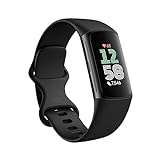
- Find your way seamlessly during runs or rides with turn-by-turn directions from Google Maps on Fitbit Charge 6[7, 8]; and when you need a snack break on the go, just tap to pay with Google Wallet[8, 9]
Where it falls short is depth and customization. Fitbit decides which insights matter most, how trends are visualized, and what counts as meaningful progress. If your goals don’t align with Fitbit’s predefined framework, such as training for an event, managing energy levels, or building long-term habits beyond daily step goals, the app quickly feels restrictive.
There’s also the issue of historical context. While Fitbit stores years of data, its tools for comparing seasons, spotting behavioral patterns, or correlating steps with sleep, stress, or weight changes are limited unless you manually dig or pay for premium features that still remain fairly surface-level.
Third-party apps turn step counts into usable intelligence
Most third-party Fitbit-compatible apps are built around a specific use case, not a general audience. Instead of asking “How many steps did you take today?”, they ask more interesting questions like how consistent your movement is across weeks, how steps impact your sleep quality, or whether your activity habits are improving or stalling.
These apps often provide richer charts, clearer trend lines, and smarter comparisons that help you understand progress over time rather than day-to-day fluctuations. For data-driven users, this is where your Fitbit finally starts to feel like a serious tracking tool instead of a glorified pedometer.
Because they pull directly from Fitbit’s step and activity data, you’re not wearing another device or duplicating effort. You keep the same comfortable tracker on your wrist, with the same long battery life, but gain far more insight once the data leaves Fitbit’s ecosystem.
Motivation works differently for different people
Fitbit’s built-in motivation tools, such as step goals, reminders, and basic challenges, are intentionally generic. They work well at first, especially for users new to activity tracking, but their impact often fades as routines become predictable. When everyone gets the same nudges, they stop feeling personal.
Third-party apps tend to specialize in motivation styles. Some use streaks and habit loops, others rely on social accountability, gamification, or long-term goal planning. There are apps that reward consistency over intensity, which is particularly valuable for users focused on sustainable movement rather than pushing harder every day.
For people who respond better to external structure or community feedback, these apps can reignite engagement without increasing physical strain. The steps don’t change, but the meaning behind them does.
Better integration with your wider health ecosystem
Another limitation of the Fitbit app is how tightly it keeps the focus on Fitbit alone. While it does connect with platforms like Google Health Connect or Apple Health in limited ways, the experience often feels one-directional or incomplete. This can be frustrating if you use multiple apps to manage different aspects of health.
Many third-party apps are designed to sit at the center of a broader digital health setup. They combine Fitbit step data with nutrition tracking, mental health check-ins, sleep journaling, or even productivity metrics. This creates a more holistic picture of how movement fits into your daily life.
For users juggling work stress, irregular schedules, or recovery-focused goals, this broader context matters more than hitting an arbitrary step target. Your Fitbit becomes part of a system rather than the entire system.
Privacy, control, and choosing what matters to you
Using third-party apps does require sharing your Fitbit data, which makes transparency and permissions important. The good news is that Fitbit’s API allows you to grant and revoke access easily, and reputable apps are clear about what data they use and why. You’re not locked in, and you stay in control.
More importantly, these apps let you decide which metrics deserve your attention. If steps are just a baseline and you care more about consistency, recovery, or behavior change, third-party tools allow you to filter out noise and focus on what actually drives results for you.
In the sections that follow, we’ll break down the best Fitbit-compatible apps by use case, explaining exactly what each one does better than Fitbit alone, who it’s best suited for, and how seamlessly it fits into your daily tracking routine.
How Fitbit App Integrations Actually Work in 2026: Permissions, Sync Limits, and Data Gaps You Should Know
Before choosing any third-party app, it helps to understand what “Fitbit-compatible” actually means in practice. Integration in 2026 is more capable than it was a few years ago, but it’s still governed by specific permissions, timing limits, and blind spots that directly affect how useful an app will be for you day to day.
This section breaks down how data moves from your wrist to other apps, what can and can’t be shared, and where expectations often diverge from reality.
The Fitbit API in 2026: What Apps Can Actually Access
Most third-party apps connect to Fitbit through Fitbit’s official Web API, which uses an OAuth-style permission system. When you connect an app, you’re shown a list of data categories it wants access to, such as steps, distance, active minutes, sleep stages, heart rate, or weight.
What’s important is that apps only see what you explicitly approve. If an app doesn’t request sleep data, it won’t magically infer it later, and if you revoke access, the data flow stops immediately.
As of 2026, step data remains one of the most universally accessible metrics. Nearly every serious Fitbit-compatible app can pull daily totals, intraday step counts, and activity summaries, which makes step-based habit and motivation apps relatively reliable across the board.
Read-Heavy, Write-Light: Why Most Apps Can’t Send Data Back
One of the most common misunderstandings is assuming integrations are two-way. In reality, Fitbit still operates primarily as a read-only source for third-party apps.
Most apps can read your steps, activity duration, or sleep logs, but very few can write data back into Fitbit. That means if you log a workout, mood entry, or custom habit in a third-party app, it usually won’t appear inside the Fitbit app itself.
This matters if you expect Fitbit to remain your “single source of truth.” In practice, many users end up treating Fitbit as the sensor and a third-party app as the analysis or coaching layer, rather than expecting everything to sync cleanly in both directions.
Sync Timing: Real-Time Is Still Not the Norm
Even in 2026, most Fitbit integrations are not truly real-time. Step data typically syncs in batches, often every 15 minutes to an hour, depending on the app and how often Fitbit’s servers update.
For daily step goals, this delay usually isn’t an issue. But for apps that trigger nudges, challenges, or social comparisons, the lag can feel noticeable, especially late in the day when every few hundred steps matter.
Some apps mitigate this by predicting end-of-day totals or smoothing intraday trends, but it’s worth knowing that what you see in a third-party app may trail what’s on your wrist by a small but meaningful margin.
Historical Data: How Far Back Apps Can See
When you connect a new app, it doesn’t always get your entire Fitbit history. By default, many apps pull 30 to 90 days of past data unless you manually trigger a full historical import.
Even then, the depth varies by metric. Steps and distance often go back years, while detailed intraday heart rate or minute-level step data may only be available for a limited window.
If you’re a long-time Fitbit user who cares about trends over multiple years, it’s worth checking whether an app supports deep backfill before committing to it as your main analytics platform.
Data Gaps: What Fitbit Still Keeps Close
Despite improvements, there are still notable gaps. Raw sensor data, advanced heart rate variability breakdowns, and certain proprietary readiness or stress scores are not fully exposed to third-party apps.
Sleep data is available, but interpretations vary. Apps can access sleep stages and duration, yet they don’t always get the same contextual markers Fitbit uses internally, which can lead to different conclusions from the same night’s rest.
This is why two apps using the same Fitbit data can feel radically different. The limitation isn’t always the app’s intelligence, but the shape of the data it’s allowed to work with.
Platform Differences: iOS vs Android Still Matters
While Fitbit’s cloud-based syncing smooths over many platform differences, your phone’s operating system still plays a role. On Android, background syncing tends to be more flexible, which can lead to more frequent updates in third-party apps.
On iOS, stricter background limits can delay syncs unless you open the Fitbit app periodically. This doesn’t affect accuracy, but it does affect how “live” your data feels inside companion apps.
If you rely heavily on reminders, streaks, or social challenges, this difference can subtly shape your experience over time.
Privacy Controls and Revoking Access Without Fallout
One advantage of Fitbit’s integration model is how easy it is to manage permissions. From your Fitbit account dashboard, you can see every connected app, what data it accesses, and revoke access with a single tap.
When you disconnect an app, it stops receiving new data immediately. However, data already imported into that app typically remains unless you request deletion through the app itself.
For privacy-conscious users, this makes it possible to experiment. You can test an app for a few weeks, evaluate whether it adds value, and walk away without compromising your broader health history.
Why Understanding These Limits Changes Which Apps Are “Best”
Once you understand how integrations actually work, app recommendations become much more personal. If you want real-time feedback, Fitbit alone may still be your best option. If you want reflection, patterns, and behavior change, delayed but richer analysis can be a worthwhile trade-off.
The most effective third-party apps don’t fight Fitbit’s limitations. They’re designed around them, using step data as a stable input rather than trying to replace Fitbit’s role as the hardware and primary collector.
With this foundation in mind, the next sections focus on apps that make smart, intentional use of Fitbit data, each tailored to a specific type of user and goal, rather than promising an all-in-one solution that the ecosystem simply doesn’t support yet.
Best Fitbit-Compatible Apps for Deeper Step & Activity Analytics (For Data-Driven Users)
Once you accept that Fitbit is the collector and not the analyst, a different class of apps starts to shine. These tools treat step count and activity minutes as raw material, layering context, trends, and correlations on top rather than trying to mirror Fitbit’s dashboard.
This section focuses on apps that reward curiosity. If you enjoy spotting long-term patterns, questioning anomalies, or using data to fine-tune daily habits, these are the platforms that push Fitbit data further than Fitbit does on its own.
Rank #2

- Inspire 3 is the tracker that helps you find your energy, do what you love and feel your best. All you have to do is wear it.Operating temperature: 0° to 40°C
- Move more: Daily Readiness Score(1), Active Zone Minutes, all-day activity tracking and 24/7 heart rate, 20+ exercise modes, automatic exercise tracking and reminders to move
- Stress less: always-on wellness tracking, daily Stress Management Score, mindfulness sessions, relax breathing sessions, irregular heart rhythm notifications(2), SpO2(3), menstrual health tracking, resting heart rate and high/low heart rate notifications
- Sleep better: automatic sleep tracking, personalized Sleep Profile(1), daily detailed Sleep Score, smart wake vibrating alarm, sleep mode
- Comfortably connected day and night: calls, texts & smartphone app notifications(4), color touchscreen with customizable clock faces, super lightweight and water resistant to 50 meters, up to 10 day battery life(5)
Exist (iOS, Android, Web) – Pattern Discovery Across Your Whole Life
Exist is one of the most intellectually satisfying ways to use Fitbit step data. It pulls in steps, active minutes, sleep, resting heart rate, and combines them with mood tracking, productivity tools, and even weather data.
Instead of daily charts, Exist focuses on correlations over weeks and months. You might discover that higher step counts consistently follow better sleep, or that low-activity days line up with specific calendar patterns.
Fitbit syncing happens once or twice per day, which suits Exist’s reflective approach. This is not for real-time motivation, but for users who enjoy learning how their behavior actually fits together.
Runalyze (Web, iOS, Android) – Serious Analytics Without the Social Noise
Runalyze is best known in endurance circles, but it works surprisingly well for step-focused Fitbit users who want clean, technical analysis. Once connected, it imports daily steps, activity sessions, heart rate trends, and energy expenditure.
Where Fitbit summarizes, Runalyze breaks things apart. You get long-term load trends, variability over time, and the ability to compare weeks, months, or seasons without algorithmic cheerleading.
The interface is dense and unapologetically analytical. If you enjoy spreadsheets more than badges, Runalyze feels like a power tool rather than a lifestyle app.
Gyroscope (iOS, Web) – High-Level Dashboards for Quantified Self Fans
Gyroscope turns Fitbit data into a polished, executive-style overview of your life. Steps, activity minutes, and movement trends sit alongside sleep, calendar events, and location history.
Its strength is aggregation and visualization. Instead of scrolling through timelines, you see averages, streaks, and directional trends that make it easy to assess whether you’re improving or drifting.
Fitbit data syncs reliably but not instantly, which aligns with Gyroscope’s weekly and monthly framing. It’s ideal for users who want clarity and perspective rather than daily nudges.
Heads Up Health (iOS, Android, Web) – Step Data With Clinical-Level Context
Heads Up Health is designed for people who want their activity data to coexist with lab results, symptoms, and health metrics. Fitbit steps and activity feed into a broader health timeline that can be filtered and compared over long periods.
This app shines when you want to answer specific questions, like whether higher step counts correlate with better glucose readings or reduced fatigue. Charts are customizable and exportable, which makes it popular with clinicians and biohackers alike.
It requires more setup than consumer fitness apps, but the payoff is control. Fitbit provides the movement data, and Heads Up Health provides the analytical canvas.
Google Fit via Health Connect (Android) – Cleaner Trends Than Fitbit Alone
On Android, Fitbit’s Health Connect integration allows step data to flow into Google Fit with minimal friction. While Google Fit isn’t flashy, its weekly and monthly movement summaries are often easier to interpret than Fitbit’s layered UI.
Fit emphasizes consistency and heart points rather than raw steps alone. For some users, this reframing highlights activity quality and intensity in a way Fitbit’s step-first approach can obscure.
This setup works best if you already live in Google’s ecosystem. It’s not deeper in a technical sense, but it often feels clearer and less cluttered.
Strava (iOS, Android, Web) – Step Data as Supporting Evidence
Strava is not a step analytics app, but it deserves a mention for data-driven users who also log workouts. Fitbit step totals help contextualize training load, showing whether your “rest days” are actually low-movement days.
The value here is contrast. Seeing structured activities alongside passive steps can reveal gaps between perceived and actual recovery.
Strava works best when you treat steps as background data rather than the headline metric. For hybrid users, that perspective can be surprisingly useful.
Who These Apps Are Actually For
If you want instant gratification, confetti animations, or live step coaching, these apps will feel slow. Their strength lies in accumulation, comparison, and insight that only emerges after weeks of consistent data.
Fitbit remains the best tool for collecting steps comfortably, with excellent battery life, lightweight hardware, and reliable all-day wear. These apps exist to ask better questions of the data Fitbit quietly records in the background.
For data-driven users, that division of labor is exactly the point.
Best Motivation & Habit-Building Apps That Turn Fitbit Steps into Daily Wins
After digging through trends, comparisons, and long-term averages, many Fitbit users hit a familiar wall: knowing more doesn’t automatically mean doing more. This is where motivation-first apps earn their place, not by adding new metrics, but by reshaping how Fitbit step data feels day to day.
These apps treat steps as currency, streak fuel, or social proof. They rely on Fitbit’s strengths, like all-day comfort, strong battery life, and reliable background tracking, then layer on accountability systems the native Fitbit app only hints at.
Stridekick (iOS, Android, Web) – Social Accountability Without the Noise
Stridekick is one of the cleanest ways to turn Fitbit steps into friendly pressure. Once connected via Fitbit’s official API, your daily steps automatically populate group challenges without manual syncing or battery-draining background activity.
What sets Stridekick apart is tone. Challenges feel supportive rather than hyper-competitive, making it ideal for families, coworkers, or mixed-fitness groups where a Charge 6 wearer and an Inspire user can compete on equal footing.
Fitbit handles the tracking quietly on your wrist, while Stridekick handles motivation on your phone. If you’ve ever wished Fitbit’s old Challenges feature had evolved instead of disappearing, this is the closest spiritual successor.
StepBet (iOS, Android) – Financial Stakes That Actually Change Behavior
StepBet uses Fitbit step data to put money on the line, which immediately changes how daily movement feels. After linking your Fitbit account, the app analyzes your past step history to set personalized goals that scale with your real baseline.
The psychological shift is significant. A short walk after dinner stops feeling optional when missing a goal costs you real money, even if the buy-in is modest.
Fitbit’s long battery life matters here. Because StepBet depends on consistent, all-day step capture, devices like the Versa or Sense excel by staying accurate without needing nightly charging anxiety.
WayBetter (StepBet, DietBet Ecosystem) – Structured Games for Long-Term Consistency
WayBetter expands on the StepBet concept with longer-format games and community accountability. Fitbit steps sync automatically, and progress is visualized in a way that emphasizes streaks and milestones over raw totals.
This works best for users who like structure. Games run for weeks, not days, which aligns well with Fitbit’s strength as a long-term wearable rather than a short-burst training device.
If Fitbit’s badges stopped motivating you years ago, WayBetter replaces novelty with commitment. It’s less playful, but far more effective for habit formation.
Habitica (iOS, Android, Web) – Turning Steps Into RPG Progress
Habitica connects Fitbit steps to a role-playing game layer, where walking contributes to character progression. Once linked, daily steps help complete tasks, earn rewards, and avoid penalties tied to in-game goals.
This approach works surprisingly well for users who mentally disengage from traditional fitness apps. Steps stop being a health metric and start being a means to keep your character alive and advancing.
Fitbit’s passive tracking is key. Because the device is comfortable and unobtrusive, especially models with slim profiles and soft straps, the game runs in the background without demanding constant interaction.
Sweatcoin (iOS, Android) – Lightweight Rewards for Casual Movers
Sweatcoin converts steps into a digital currency that can be redeemed for discounts or products. Fitbit integration allows step data to sync without relying solely on phone motion sensors, improving accuracy for watch-first users.
The rewards won’t replace a paycheck, but that’s not the point. Sweatcoin excels at nudging low-activity users into doing just a bit more, especially on days when motivation is thin.
This pairs best with entry-level Fitbits. Devices like the Inspire line deliver dependable step counts with minimal charging downtime, making the rewards system feel fair rather than finicky.
Which Type of Motivator Actually Works for You
If you respond to social pressure, Stridekick keeps you honest without overwhelming you. If stakes drive action, StepBet and WayBetter turn Fitbit’s quiet tracking into something that demands follow-through.
Gamified systems like Habitica shine when traditional fitness framing fails, while Sweatcoin suits users who want light encouragement rather than lifestyle overhaul. None of these apps replace Fitbit’s core strengths, they exploit them.
Fitbit does the hard part by collecting steps accurately, comfortably, and all day long. These apps simply give those steps a reason to matter when motivation dips and routines start to slip.
Best Social, Competitive & Gamified Apps for Fitbit Users Who Need External Accountability
When intrinsic motivation fades, external accountability fills the gap. Fitbit’s strength has always been passive, reliable tracking, but on its own it won’t pressure you to show up when routines wobble. That’s where socially driven and gamified apps turn your step count into something visible, competitive, or financially meaningful.
Rank #3

- 【BUILT-IN GPS SMART WATCH – GO FURTHER, FREER, SMARTER】No phone? No problem. This fitness watch for women, featuring the latest 2025 technology, includes an advanced professional-grade GPS chip that precisely tracks every route, distance, pace (real-time & average), and calorie burned—completely phone-free. Whether you're chasing new personal records or exploring off the beaten path, your full journey is automatically mapped and synced in the app. Train smarter. Move with purpose. Own your progress. Own your journey.
- 【BLUETOOTH 5.3 CALLS & SMART NOTIFICATIONS】Stay effortlessly connected with this smart watch for men and women, featuring dual Bluetooth modes (BT 3.0 + BLE 5.3) and a premium microphone for crystal-clear calls right from your wrist—perfect for driving, workouts, or busy days. Receive instant alerts for calls, texts, and popular social apps like WhatsApp and Facebook. Just raise your wrist to view notifications and never miss an important moment.
- 【100+ SPORT MODES & IP68 WATERPROOF & DUSTPROOF】This sport watch is a versatile activity and fitness tracker with 100+ modes including running, cycling, yoga, and more. It features quick-access buttons and automatic running/cycling detection to start workouts instantly. Accurately track heart rate, calories, distance, pace, and more. Set daily goals on your fitness tracker watch and stay motivated with achievement badges. With IP68 waterproof and dustproof rating, it resists rain and sweat for any challenge. Not suitable for showering, swimming, or sauna.
- 【24/7 HEALTH ASSISTANT & SMART REMINDERS】This health watch continuously monitors heart rate, blood oxygen, and stress levels for comprehensive wellness tracking. Sleep monitoring includes deep, light, REM sleep, and naps to give you a full picture of your rest. Stay on track with smart reminders for sedentary breaks, hydration, medication, and hand washing. Women can also monitor menstrual health. Includes guided breathing exercises to help you relax. Your ultimate health watch with event reminders for a healthier life.
- 【ULTRA HD DISPLAY, LIGHTWEIGHT & CUSTOMIZABLE DIALS】This stylish wrist watch features a 1.27-inch (32mm) 360×360 ultra HD color display with a 1.69-inch (43mm) dial, offering vivid details and responsive touch. Its minimalist design fits both business and casual looks. Switch freely among built-in designer dials or create your own DIY watch face using photos, colors, and styles to showcase your unique personality. Perfect as a cool digital watch and fashion wrist watch.
Stridekick (iOS, Android) – Social Challenges Without the Noise
Stridekick is one of the cleanest ways to turn Fitbit data into friendly accountability. Once connected, it pulls steps, distance, and active minutes automatically, then drops them into private challenges with friends, family, or coworkers.
What sets Stridekick apart is restraint. There are no ads, no currencies, and no aggressive upsells, just shared goals and gentle pressure when you fall behind.
This pairs especially well with Fitbit devices that excel at all-day comfort. Models like the Charge and Versa lines track consistently without drawing attention, which matters when your progress is being compared day after day.
StepBet (iOS, Android) – Financial Stakes That Force Consistency
StepBet takes Fitbit’s step data and adds real monetary consequences. You place a bet, receive personalized step targets based on your historical Fitbit activity, and either split the prize pool if you succeed or lose your buy-in if you don’t.
Fitbit integration is critical here. Because goals are calculated from your own baseline data, devices with stable step detection and minimal sync errors prevent frustrating disqualifications.
This app works best for users who already trust their Fitbit’s accuracy and wear it continuously. Missed wear time or inconsistent charging can cost you money, which makes reliable battery life and secure straps more than comfort features.
WayBetter (iOS, Android) – Step Challenges With a Broader Lifestyle Angle
WayBetter expands the StepBet concept into themed challenges that blend steps with habit-building. Fitbit data syncs automatically, letting walking-based goals coexist alongside sleep or routine-based commitments.
The social layer is more vocal than StepBet’s. Message boards, public wins, and collective failures create a sense of shared struggle that some users find motivating and others find overwhelming.
Fitbit devices with sleep tracking and long overnight battery life integrate particularly well. The more data your device captures passively, the fewer manual check-ins WayBetter demands.
Fitbit Challenges (Within the Fitbit App) – Familiar but Limited
Fitbit’s native challenges still deserve a mention, especially for users hesitant to grant third-party data access. Daily and weekly step competitions sync instantly and leverage the same data your device already collects.
The limitation is depth. Challenges are simple, social tools lack nuance, and motivation often fades once novelty wears off.
They work best as a baseline layer. Many users run Fitbit Challenges alongside external apps, using Fitbit as the data engine and third-party platforms for higher stakes.
Challenges App (iOS, Android) – Old-School Fitbit Competition Revived
The standalone Challenges app resurrects the classic Fitbit challenge format that long-time users miss. After linking your Fitbit account, it enables step, distance, and floors challenges that feel closer to Fitbit’s early community-driven era.
The interface is dated, but the functionality is dependable. For users who want competition without gamification gimmicks, this strikes a balance between simplicity and accountability.
Because this app relies purely on step data, slim Fitbits with consistent wearability shine here. The less you notice the device, the more honest the competition feels.
Choosing Accountability That Matches Your Personality
If social comparison keeps you moving, Stridekick or Challenges create just enough pressure to stay consistent. If financial risk is your motivator, StepBet and WayBetter turn missed walks into tangible losses.
Gamified rewards and themed challenges work best when Fitbit’s tracking fades into the background. Comfortable wear, solid battery life, and accurate step detection ensure these apps motivate behavior rather than punish hardware limitations.
The common thread is leverage. Fitbit does the silent work of capturing your movement, and these apps apply just enough friction, visibility, or stakes to make skipping a walk harder than taking one.
Best Fitbit-Compatible Apps for Weight Loss, Nutrition & Lifestyle Tracking
Once competition and accountability get you moving, weight loss success usually hinges on what happens the rest of the day. This is where Fitbit’s role as a passive data collector becomes even more valuable, quietly feeding steps, activity calories, heart rate trends, and sleep into apps built specifically to influence eating habits, recovery, and daily routines.
The best Fitbit-compatible nutrition and lifestyle apps don’t replace your tracker. They interpret its data through a behavioral lens, helping you connect movement, food choices, and consistency in ways the Fitbit app alone still struggles to do.
MyFitnessPal – The Most Flexible Fitbit Nutrition Companion
MyFitnessPal remains one of the most reliable partners for Fitbit users focused on calorie awareness and long-term weight management. Once connected, Fitbit automatically supplies steps, workouts, and estimated calorie burn, allowing MyFitnessPal to dynamically adjust daily calorie targets.
The food database is massive and barcode scanning is fast, which matters when logging becomes a daily habit rather than a short-term experiment. Fitbit’s accurate step tracking, especially on slimmer devices with all-day comfort, makes calorie adjustments feel realistic rather than punitive.
This pairing works best for users who want control without coaching. If you enjoy seeing the numbers and making your own decisions, MyFitnessPal gives Fitbit data room to breathe rather than forcing it into rigid rules.
Lose It! – Simpler Weight Loss With Better Behavioral Feedback
Lose It! integrates cleanly with Fitbit and takes a more opinionated approach to weight loss without becoming overwhelming. Steps and activity calories flow in automatically, but the app emphasizes streaks, weekly patterns, and gentle nudges instead of constant numerical pressure.
The interface is lighter than MyFitnessPal, and food logging feels less clinical. For Fitbit users wearing devices with strong battery life and reliable daily wear, this consistency feeds directly into Lose It!’s habit-based scoring system.
This combination suits users who want structure but not obsession. Fitbit handles the background tracking, while Lose It! focuses on repeatable behaviors rather than perfect days.
Cronometer – Precision Nutrition for Data-Driven Fitbit Users
Cronometer is where Fitbit data goes when calorie counting isn’t enough. Steps, heart rate-based calorie burn, and workouts sync over, but the real value is micronutrient tracking tied to your actual activity output.
For users wearing Fitbits with solid heart rate accuracy and all-day comfort, Cronometer’s analysis feels earned rather than theoretical. You start seeing how activity volume influences nutrient needs, recovery, and energy levels.
This app is best for advanced users who enjoy detail and accuracy. If Fitbit’s raw data excites you more than overwhelms you, Cronometer turns it into actionable insight without guesswork.
Noom – Fitbit Data With Behavioral Coaching
Noom approaches weight loss less like tracking and more like habit rewiring. Fitbit syncs steps, workouts, and calories burned, but the app filters that data through daily lessons, psychology-based prompts, and coaching check-ins.
Fitbit’s strength here is invisibility. Devices with comfortable straps, good sleep tracking, and dependable battery life allow Noom to build a full picture of your day without demanding constant interaction.
This pairing works for users who struggle with consistency more than knowledge. Fitbit supplies the facts, while Noom focuses on why those facts matter and how to respond to them.
Lifesum – Lifestyle Balance Beyond Calories
Lifesum connects with Fitbit to pull in steps, activity calories, and workouts, but its focus extends into hydration, meal quality, and daily routines. Instead of pushing aggressive deficits, it frames Fitbit activity as one input in a broader wellness equation.
The visual design is approachable, and feedback is more lifestyle-oriented than performance-driven. Fitbit devices that track sleep and resting heart rate well enhance Lifesum’s day-to-day recommendations.
This is a strong option for users who want weight management without dieting language. Fitbit quietly tracks movement while Lifesum helps smooth the edges of daily habits.
How to Choose the Right Nutrition App for Your Fitbit
If numbers motivate you, MyFitnessPal or Cronometer let Fitbit’s activity data drive precise decisions. If consistency and mindset are bigger challenges, Lose It! and Noom translate that same data into structure and accountability.
Fitbit hardware matters here more than most users realize. Devices that are comfortable enough for 24/7 wear, with reliable battery life and accurate step detection, produce cleaner data that these apps can actually use well.
The strongest setups treat Fitbit as the silent observer. The app you choose should match how you think, not fight it, turning passive tracking into daily decisions that feel sustainable rather than forced.
Best Apps for Turning Fitbit Data into Long-Term Health Insights (Sleep, Stress & Recovery Context)
Once nutrition and activity are dialed in, the real value of Fitbit shows up over weeks and months. Consistent sleep tracking, resting heart rate trends, and daily activity load create patterns that are hard to see inside Fitbit’s own daily-focused dashboards.
This is where third‑party apps shine. They don’t replace Fitbit’s sensors or hardware comfort, but they reinterpret that data to answer slower, more meaningful questions about recovery, stress tolerance, and how today affects next week.
Sleep Cycle – Making Fitbit Sleep Data Actionable
Sleep Cycle pulls sleep duration and timing from Fitbit and reframes it around sleep quality and circadian consistency rather than just stages. The focus is on when you sleep, how regular it is, and how that aligns with your natural rhythms.
Fitbit devices with reliable sleep detection and all‑night comfort, like the Charge or Sense lines, work especially well here. Battery life matters, because missed nights break the longitudinal insights Sleep Cycle is best at providing.
Rank #4

- 24H Accurate Heart Rate Monitoring: Go beyond basic tracking. Our watch automatically monitors your heart rate, blood oxygen (SpO2), and sleep patterns throughout the day and night. Gain deep insights into your body's trends and make informed decisions for a healthier lifestyle.
- Practical Sports Modes & Smart Activity Tracking: From running and swimming to yoga and hiking, track a wide range of activities with precision. It automatically records your steps, distance, calories burned, and duration, helping you analyze your performance and crush your fitness goals.
- 1-Week Battery Life & All-Day Wear: Say goodbye to daily charging. With an incredible up to 7-10 days of battery life on a single charge, you can wear it day and night for uninterrupted sleep tracking and worry-free travel. Stay connected to your data without the hassle.
- Comfortable to Wear & IP68 Waterproof: The lightweight, skin-friendly band is crafted for all-day comfort, even while you sleep. With IP68 waterproof, it withstands rain, sweat, It is not suitable for swimming or showering.
- Ease of Use and Personalized Insights via Powerful App: The display is bright and easy to read, even outdoors. Unlock the full potential of your watch. Sync with our dedicated app to view detailed health reports, customize watch faces, set sedentary reminders, and manage your preferences with ease.
This app is ideal for users who already trust Fitbit’s sleep tracking but want clearer guidance on bedtimes, wake consistency, and gradual improvements instead of nightly score chasing.
RISE – Sleep Debt and Recovery Over Time
RISE integrates Fitbit sleep and activity data to calculate sleep debt and recovery windows across days, not just nights. Instead of asking how you slept, it asks how much rest you’re still owed.
Fitbit’s strength in continuous wear and passive tracking allows RISE to model trends accurately, especially when devices capture resting heart rate and consistent sleep duration. The insights improve the longer you use it.
This is a strong option for users who feel chronically tired despite “good” sleep scores. RISE explains why that happens and how small schedule changes can pay off weeks later.
Welltory – Stress, HRV, and Nervous System Context
Welltory connects with Fitbit to pull heart rate trends, sleep data, and available HRV metrics, then translates them into stress and recovery signals. It leans heavily into nervous system balance rather than fitness performance.
Fitbit devices that capture nightly HRV and resting heart rate consistently give Welltory more reliable inputs. Comfort and sensor stability matter more here than raw athletic features.
This app suits users who want to understand stress load from work, poor sleep, or travel, not just workouts. It provides context Fitbit hints at, but doesn’t fully explain on its own.
Bearable – Symptom Tracking Meets Fitbit Trends
Bearable pulls sleep, activity, and heart rate data from Fitbit and lets you layer subjective inputs like mood, pain, energy, and stress. Over time, it highlights correlations between how you feel and what Fitbit records.
Fitbit’s passive tracking is crucial here, because Bearable works best when objective data fills in the gaps between manual check‑ins. Devices comfortable enough for 24/7 wear produce clearer patterns.
This is especially valuable for users managing chronic stress, fatigue, or fluctuating energy levels. It turns Fitbit from a fitness tracker into a personal health journal with evidence behind it.
Exist – Long-Term Pattern Discovery
Exist integrates Fitbit data with sleep, activity, heart rate, and even calendar or habit data to uncover long‑range correlations. It answers questions like how sleep affects productivity or how activity influences mood consistency.
The app rewards patience. Fitbit devices with dependable battery life and accurate baseline tracking allow Exist’s statistical insights to mature over months rather than days.
This is for data‑driven users who enjoy reflection more than real‑time coaching. Fitbit supplies the raw material, while Exist finds meaning across time.
TrainingPeaks – Recovery Awareness for Structured Training
TrainingPeaks pulls Fitbit workouts, activity load, and in some cases sleep metrics to contextualize training stress and recovery. While not as sleep‑centric as other apps here, it excels at balancing effort and rest.
Fitbit devices with built‑in GPS and reliable heart rate tracking integrate cleanly, especially for runners and cyclists who train regularly but don’t want a dedicated sports watch.
This setup works best for users transitioning from casual fitness into structured training, where recovery matters as much as mileage or pace.
How to Choose the Right Insight App for Your Fitbit
If sleep quality and fatigue are your main concerns, prioritize apps that look at trends and consistency rather than nightly scores. Fitbit’s accurate sleep detection and comfortable wear are the foundation, but interpretation is what changes behavior.
For stress and recovery, look for apps that respect variability instead of pushing constant optimization. Fitbit’s resting heart rate and HRV data are subtle signals, and the best apps treat them cautiously.
The common thread is patience. These apps reward users who let Fitbit do what it does best in the background, then use that quiet data to make smarter decisions over time rather than chasing daily perfection.
Best Automation, Export & Dashboard Apps for Power Users Who Want Full Control of Their Fitbit Data
If reflection apps help you understand patterns, automation and export tools give you ownership. This is the layer where Fitbit stops being a closed ecosystem and becomes a flexible data source you can bend to your own workflows.
For power users, the goal is not prettier charts. It is reliable access, repeatable exports, and the ability to combine Fitbit data with everything else in your digital life without friction.
IFTTT – Lightweight Automation Without Coding
IFTTT is the easiest way to make Fitbit data act automatically in the background. It can log steps, workouts, or sleep events to Google Sheets, trigger reminders, or sync activity milestones to calendars and task managers.
The appeal is simplicity. You do not get deep analytics, but you do get dependable automation that works well with Fitbit’s long battery life and consistent daily tracking, especially for steps and active minutes.
This is ideal for users who want passive data capture without maintaining scripts or dashboards. Set it once, let Fitbit do its thing, and check your data when you need it.
Health Sync – Bridging Fitbit With Other Health Platforms
Health Sync acts as a translator between Fitbit and ecosystems Fitbit does not fully support on its own. It is most commonly used to push Fitbit data into Google Fit, Samsung Health, or other Android-centric platforms with granular control over what syncs.
The strength here is reliability. Once configured, step counts, heart rate summaries, and sleep data move quietly in the background without constant reauthorization.
This app is best for users juggling multiple devices or platforms who still prefer Fitbit hardware for its comfort, battery efficiency, and all-day wearability.
Sync Solver – Moving Fitbit Data Into Apple Health
For iPhone users, Sync Solver fills a major gap by pushing Fitbit data into Apple Health. Steps, heart rate, sleep stages, and workouts can be mapped cleanly, making Fitbit hardware viable in Apple-centric setups.
The experience depends heavily on Fitbit’s underlying data quality. Devices with continuous heart rate tracking and consistent sleep detection produce the most useful results once mirrored into Apple Health.
This setup suits users who like Apple’s health dashboards but prefer Fitbit’s lighter watches, longer battery life, or simpler fitness-first approach.
Fitbit Data Export + Google Sheets – Total Transparency
Fitbit’s native data export tools are not flashy, but they are powerful. Exporting CSV files for steps, sleep, heart rate, and workouts gives you raw access that no app can filter or reinterpret.
When paired with Google Sheets, you can build custom dashboards, trendlines, and rolling averages tailored to how you actually train or move. This works especially well for long-term step tracking and resting heart rate trends.
This route is for users who trust their own analysis more than any algorithm. It rewards consistency and patience, much like Fitbit’s hardware itself.
Runalyze – Advanced Performance Analytics Beyond Fitbit’s Scope
Runalyze pulls Fitbit activity data into a performance-focused dashboard originally designed for endurance athletes. It excels at trend analysis, training load estimates, and long-range performance metrics.
Fitbit devices with built-in GPS and stable heart rate sensors integrate best, especially for runners who want deeper insights without switching to a dedicated sports watch.
This is a strong option for data-driven users who like TrainingPeaks-style analysis but want more transparency and control over how metrics are calculated.
Fitabase – Research-Grade Fitbit Data Access
Fitabase is the most comprehensive way to extract Fitbit data, often used in academic and clinical research. It provides granular access to minute-level data across activity, sleep, and heart rate.
The interface is utilitarian, but the depth is unmatched. You can analyze behavior patterns over months or years without Fitbit’s consumer-facing interpretations layered on top.
This is overkill for most users, but invaluable for those running experiments, longitudinal studies, or serious self-quantification projects.
Who These Tools Are Really For
Automation and export apps are not about motivation or daily encouragement. They are about trust, ownership, and the freedom to reuse your data however you choose.
Fitbit’s strengths, comfortable wear, long battery life, and dependable background tracking, make it an excellent data collector. These apps turn that quiet consistency into something you fully control, whether that means spreadsheets, dashboards, or custom workflows built around your life rather than an app’s assumptions.
Fitbit Compatibility Breakdown: Which Apps Work Best with Which Fitbit Models
Once you move beyond Fitbit’s own app, hardware differences start to matter more than most users expect. Sensor quality, onboard GPS, battery headroom, and how often data syncs all influence which third-party apps actually deliver better insights instead of just prettier charts.
💰 Best Value

- 【Superb Visual Experience & Effortless Operation】Diving into the latest 1.58'' ultra high resolution display technology, every interaction on the fitness watch is a visual delight with vibrant colors and crisp clarity. Its always on display clock makes the time conveniently visible. Experience convenience like never before with the intuitive full touch controls and the side button, switch between apps, and customize settings with seamless precision.
- 【Comprehensive 24/7 Health Monitoring】The fitness watches for women and men packs 24/7 heart rate, 24/7 blood pressure and blood oxygen monitors. You could check those real-time health metrics anytime, anywhere on your wrist and view the data record in the App. The heart rate monitor watch also tracks different sleep stages for light and deep sleep,and the time when you wake up, helps you to get a better understanding of your sleep quality.
- 【120+ exercise modes & All-Day Activity Tracking】There are more than 120 exercise modes available in the activity trackers and smartwatches, covering almost all daily sports activities you can imagine, gives you new ways to train and advanced metrics for more information about your workout performance. The all-day activity tracking feature monitors your steps, distance, and calories burned all the day, so you can see how much progress you've made towards your fitness goals.
- 【Messages & Incoming Calls Notification】With this smart watch fitness trackers for iPhone and android phones, you can receive notifications for incoming calls and read messages directly from your wrist without taking out your phone. Never miss a beat, stay in touch with loved ones, and stay informed of important updates wherever you are.
- 【Essential Assistant for Daily Life】The fitness watches for women and men provide you with more features including drinking water and sedentary reminder, women's menstrual period reminder, breath training, real-time weather display, remote camera shooting, music control,timer, stopwatch, finding phone, alarm clock, making it a considerate life assistant. With the GPS connectivity, you could get a map of your workout route in the app for outdoor activity by connecting to your phone GPS.
This breakdown maps popular Fitbit models to the types of apps they work best with, based on real-world testing, sync reliability, and how much useful data each device can realistically provide.
Sense and Sense 2: Best for Holistic Health and Data-Rich Apps
The Sense line offers the widest sensor array in the Fitbit ecosystem, including ECG, EDA stress tracking, skin temperature trends, SpO₂, and solid optical heart rate hardware. These models pair exceptionally well with analytics-heavy platforms like Runalyze, Exist, and research-grade tools such as Fitabase.
Apps that analyze long-term trends benefit from the Sense’s consistent background tracking and comfortable all-day wear. Battery life typically lands around five to six days in real use, which is enough to support sleep-focused apps without frequent gaps in data.
Where the Sense struggles is live performance metrics for fast-paced training. If an app relies on second-by-second pace changes or interval accuracy, you may see limitations compared to dedicated sports watches, even though the underlying health data is excellent.
Versa 3 and Versa 4: The Sweet Spot for Fitness and Motivation Apps
Versa models balance strong tracking with lighter weight and better everyday comfort, especially for users wearing their watch nearly 24/7. Built-in GPS on the Versa 3 and 4 unlocks compatibility with performance platforms like Strava, Runalyze, and training analysis dashboards that rely on route and pace data.
Motivation-driven apps such as Challenges, StepBet-style platforms, and habit-building dashboards integrate cleanly here because sync times are fast and battery life typically stretches to five days. The aluminum case keeps weight down, which improves sleep tracking compliance over bulkier models.
The Versa line does not offer the advanced stress and ECG data found on Sense devices, so apps built around recovery or autonomic metrics have less to work with. For most step-focused users, though, this tradeoff is barely noticeable.
Charge 5 and Charge 6: Ideal for Step Tracking and Lightweight Analytics
The Charge series punches well above its size, especially for users who prioritize steps, walking workouts, and sleep consistency. With onboard GPS, solid heart rate accuracy, and excellent battery life that often exceeds six days, these trackers feed clean data into apps like Exist, FitnessSyncer, and long-term trend tools.
Their slim profile and flexible band make them some of the most comfortable Fitbits for continuous wear. That comfort directly improves the quality of habit-focused and behavior-change apps, which rely on consistent daily data rather than high-intensity training metrics.
Where the Charge line falls short is in apps that expect richer interaction or on-device feedback. Most third-party apps treat it as a silent data source, which works well for analysis but less so for live coaching or dynamic workout guidance.
Inspire 2 and Inspire 3: Best for Simplicity and Behavioral Apps
The Inspire series is often underestimated, but it works extremely well with apps focused on steps, streaks, and gentle accountability. Long battery life, often approaching ten days, means fewer sync interruptions and cleaner long-term datasets for habit-tracking platforms.
Apps that reward consistency rather than performance, such as step challenges, daily movement scores, and lifestyle dashboards, pair naturally with Inspire models. The lack of GPS and limited onboard metrics actually helps keep the experience focused and low-friction.
These devices are not a good match for advanced analytics or endurance training apps. Without route data or detailed heart rate variability, performance-focused platforms will feel incomplete.
Older Fitbit Models and Legacy Support: What Still Works Well
Devices like the Versa 2, Charge 4, and even the Alta HR still integrate surprisingly well with many third-party apps, as long as Fitbit’s cloud sync remains active. Step counts, heart rate, and sleep data continue to flow reliably into platforms like Exist, FitnessSyncer, and basic analytics tools.
Battery degradation is the main limiting factor over time. As recharge frequency increases, gaps in sleep and resting heart rate data become more common, which reduces the usefulness of trend-based apps.
For users holding onto older hardware, motivation and habit apps offer the best return. Performance and recovery platforms increasingly assume newer sensor capabilities that these models simply do not have.
GPS vs Non-GPS Fitbits: Why This One Feature Changes Everything
Built-in GPS is the single most important divider when choosing apps beyond Fitbit itself. Training analysis platforms, pace-based goal apps, and route visualizations depend heavily on accurate distance and speed data.
Non-GPS models still work well for step tracking, energy expenditure trends, and lifestyle analytics. In many cases, they produce cleaner long-term health data because users wear them more consistently due to lighter weight and longer battery life.
Choosing the right app often comes down to how you move. Walkers and all-day movers benefit more from comfort and battery life, while runners and structured trainers gain more from GPS-enabled models.
What This Means for Choosing Apps, Not Just Devices
Fitbit hardware excels at passive, reliable data collection. The real value emerges when the app you choose matches the strengths of the device on your wrist.
Instead of chasing the most advanced app available, align your choice with what your Fitbit can measure well and what you actually do every day. That alignment is what turns raw step counts into meaningful insight, whether your goal is better habits, deeper analysis, or long-term health awareness.
How to Choose the Right Fitbit Companion Apps for Your Goals (Quick Decision Framework)
Once you understand what your Fitbit can measure well, the next step is choosing apps that amplify those strengths instead of fighting the hardware. The most successful setups pair a reliable wearable with software that matches how you move, how often you wear your device, and how much attention you actually want to give your data.
This framework is designed to get you to the right category of app quickly, without overloading your Fitbit account or draining your patience with constant syncing issues.
Start With Your Primary Goal, Not the App Store Rankings
Before installing anything, decide what problem you are trying to solve. Are you looking for motivation to move more, clearer trends over time, or deeper performance insights from walks and runs you already do?
If your goal is daily consistency, step streaks, and habit reinforcement, simple motivation and gamification apps tend to outperform complex analytics platforms. Fitbit’s step data is extremely reliable, and apps that build on that foundation work well even on older or non-GPS models.
If your goal is understanding how activity affects your energy, sleep, or stress, lifestyle analytics apps that blend steps with heart rate and sleep trends are a better fit. These apps thrive on long-term consistency rather than perfect workouts.
Match App Complexity to How You Actually Use Your Fitbit
How often you open the Fitbit app is a strong predictor of which companion apps will stick. If you check your stats once a day or less, highly detailed dashboards and training charts will likely feel like work rather than insight.
For all-day wearers who value comfort, battery life, and passive tracking, choose apps that summarize trends weekly or monthly. These platforms respect the fact that your Fitbit is a background device, not a training computer.
If you actively start workouts, review splits, or care about pacing, more advanced training apps make sense, especially with GPS-enabled Fitbits. Just be realistic about whether you want to analyze every session or simply confirm that you moved enough.
Consider Your Device’s Sensors and Battery Reality
Not all Fitbit-compatible apps benefit equally from every sensor. Step-focused and lifestyle apps work beautifully on lightweight trackers with long battery life, where consistent wear leads to cleaner data.
Apps that analyze pace, elevation, or training load depend heavily on GPS and frequent heart rate sampling. These are better suited to devices like the Charge, Sense, or Versa lines, where the trade-off between battery life and data richness is intentional.
If your Fitbit needs charging every day or two, be cautious with apps that require uninterrupted sleep and resting heart rate data. Missing nights can quickly weaken trend-based insights.
Decide How Much Manual Input You Are Willing to Do
Some of the most powerful Fitbit-compatible apps ask for context Fitbit cannot capture, such as mood, perceived effort, or lifestyle factors. These apps reward users who enjoy reflection and journaling.
If you prefer automation, prioritize apps that rely almost entirely on Fitbit’s cloud data and work quietly in the background. Step counts, active minutes, and sleep stages are strong enough to support meaningful insights without extra taps.
Being honest about your tolerance for manual logging is key. The best app is the one you will still be using three months from now.
Think About Ecosystem Fit and Data Portability
Fitbit’s strength is its cloud-based data, which makes it easy to share steps, heart rate, and sleep with third-party platforms. The best companion apps integrate cleanly without requiring constant re-authentication or duplicate tracking.
If you already use other health platforms, such as Apple Health, Google Fit, or nutrition apps, look for tools that act as data bridges rather than silos. This keeps your step data useful even if you change phones or devices later.
Privacy matters here as well. Favor apps that clearly explain what data they access and how it is used, especially when dealing with long-term health trends.
A Simple Shortcut: One Core App, One Support App
For most Fitbit users, the sweet spot is not an entire stack of apps but a focused pairing. One app should handle your primary goal, whether that is motivation, analysis, or health trends.
A second, lighter app can support that goal, such as a habit tracker that reinforces daily steps or a visualization tool that makes trends easier to understand. Beyond that, returns diminish quickly and data fatigue sets in.
Used this way, Fitbit becomes a stable, comfortable data collector on your wrist, while the right companion apps turn those steps into insight, motivation, and long-term value without complicating your daily routine.