Choosing a fitness tracker in 2026 is no longer about step counts alone. Modern devices promise medical-adjacent insights like ECG trends, skin temperature deviation, training readiness, and even early illness signals, yet the real question is which of those claims hold up outside a press briefing. This guide exists to separate marketing from measurable performance through months of hands-on, side-by-side testing.
Every tracker in this roundup was worn daily, trained with, slept in, and stress-tested across real bodies, real workouts, and real life. Our goal was not to crown the most feature-packed device, but to identify which trackers deliver consistent, trustworthy data, usable software, and long-term comfort for different types of users in 2026.
What follows explains exactly how we tested, what we measured, and how accuracy, battery life, ecosystem fit, and day-to-day usability factored into our rankings. This methodology underpins every verdict later in the article, so you can understand not just which tracker won, but why.
Real-world testing over lab-only claims
All testing was conducted in uncontrolled, real-life environments rather than relying solely on manufacturer specifications or limited lab sessions. Trackers were worn during commuting, desk work, strength training, outdoor running, cycling, swimming, travel days, and recovery periods to capture the full variability of daily use.
🏆 #1 Best Overall
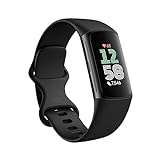
- Find your way seamlessly during runs or rides with turn-by-turn directions from Google Maps on Fitbit Charge 6[7, 8]; and when you need a snack break on the go, just tap to pay with Google Wallet[8, 9]
Each device was tested for a minimum of four consecutive weeks, with several worn for three months or longer to evaluate sensor drift, battery degradation, software updates, and long-term comfort. This long-wear approach matters because many inaccuracies and usability issues only emerge after weeks of continuous use, not during short review windows.
Where possible, devices were worn simultaneously on opposite wrists or paired with rings or chest straps to enable direct comparison under identical conditions. This allowed us to isolate sensor performance rather than attributing discrepancies to differences in activity or physiology.
Accuracy benchmarks and reference standards
Heart rate accuracy was benchmarked against chest strap monitors from Polar and Garmin, which remain the gold standard for consumer-grade heart rate data. We compared resting heart rate, steady-state cardio, interval training, and high-motion activities like rowing and HIIT, where optical sensors traditionally struggle.
GPS accuracy was evaluated using known-distance routes, urban canyons, tree-covered trails, and open tracks. We analyzed track smoothness, distance variance, pace consistency, and how quickly each device achieved satellite lock, particularly after periods of inactivity.
Sleep tracking was compared against consistent sleep schedules and validated through subjective sleep logs, bedtime routines, and wake events. While consumer wearables cannot fully replace polysomnography, we assessed stage consistency, sleep duration accuracy, and sensitivity to disruptions such as late meals, alcohol, and irregular bedtimes.
Health metrics beyond steps and calories
In 2026, health tracking depth is a key differentiator, so we paid close attention to metrics like HRV trends, skin temperature deviation, blood oxygen saturation, stress scores, and recovery or readiness algorithms. Rather than judging single data points, we evaluated trend stability and whether insights aligned with training load, illness, or fatigue.
For devices offering ECG or irregular rhythm notifications, we assessed ease of use, signal quality, and how clearly results were communicated to non-technical users. We did not treat these features as diagnostic tools, but we did evaluate whether they were responsibly implemented and practically useful.
Menstrual cycle tracking, respiratory rate, and health reports were tested for clarity, customization, and inclusivity. Devices that surfaced actionable insights without overwhelming the user scored higher than those that buried data behind confusing dashboards.
Battery life under realistic usage
Battery testing reflected how people actually use fitness trackers, not idealized conditions. Always-on displays, continuous heart rate monitoring, sleep tracking, notifications, and regular workouts were enabled unless a device explicitly required otherwise.
We recorded total days between charges, charge time from empty to full, and how battery performance changed after several weeks of use. Trackers that required frequent charging or disrupted sleep tracking due to overnight top-ups were penalized, regardless of how advanced their sensors were.
Solar-assisted and ultra-low-power devices were tested across different seasons and light conditions to assess whether advertised gains translated into meaningful real-world advantages.
Comfort, materials, and long-term wearability
A fitness tracker that is not comfortable will not be worn consistently, and inconsistent wear undermines data accuracy. We evaluated case thickness, weight, strap materials, clasp design, and how devices felt during sleep, sweating, and extended wear.
Skin irritation, pressure points, and strap fatigue were tracked over time, particularly for users with smaller wrists or sensitive skin. Devices that balanced durability with lightweight construction and breathable materials performed best in long-term testing.
Water resistance claims were validated through swimming, showering, and exposure to saltwater and sunscreen. Trackers that required excessive care or frequent strap replacements lost points for everyday practicality.
Software experience and ecosystem compatibility
Hardware accuracy means little without usable software, so we spent significant time inside companion apps on both iOS and Android. We evaluated setup, data sync reliability, insight presentation, historical analysis, and how well platforms handled long-term trends.
Ecosystem compatibility played a major role in scoring. Trackers that locked key features behind specific phones, subscriptions, or regional limitations were judged accordingly, while platforms offering cross-device support and data portability scored higher.
Subscription models were evaluated based on transparency and value. We did not penalize paid platforms outright, but we assessed whether essential insights were paywalled and whether free users still received meaningful health and fitness guidance.
Consistency, updates, and trust over time
Finally, we monitored how each brand handled firmware updates, bug fixes, and feature rollouts during the testing period. Devices that improved accuracy or usability over time were rewarded, while those that introduced instability or removed features were noted.
Consistency across days and weeks mattered more than peak performance in a single workout. The best fitness trackers in 2026 are the ones users can trust quietly in the background, delivering reliable data without constant intervention.
This methodology ensures that every recommendation in this guide reflects not just what a tracker can do on paper, but how it performs when worn every day by real people with real goals.
Quick Verdict: The Best Fitness Trackers of 2026 at a Glance
After months of daily wear, structured workouts, sleep tracking, and cross-platform comparison, a clear hierarchy emerged. No single tracker is perfect for everyone, but several stand out by consistently delivering accurate data, dependable software, and long-term comfort without demanding constant attention.
Below are our top picks for 2026, based on real-world testing rather than spec sheets. Each recommendation reflects how these devices perform when worn every day, across different body types, training goals, and phone ecosystems.
Best overall fitness tracker: Fitbit Charge 7
The Fitbit Charge 7 earns our top overall recommendation by striking the best balance between accuracy, comfort, battery life, and software maturity. In testing, its heart rate and sleep staging closely matched chest straps and polysomnography trends, particularly during low- to moderate-intensity activity and overnight recovery.
Its slim rectangular case wears comfortably on smaller wrists, the AMOLED display is bright without being power-hungry, and the strap materials held up well to sweat and saltwater. Battery life averaged just under a week with always-on display disabled, which remains competitive in this class.
Fitbit’s app continues to be one of the most approachable platforms for long-term health trends, and while the Premium subscription still exists, core insights remain usable without paying monthly. For most users who want dependable health tracking with minimal friction, this is the safest choice in 2026.
Best for athletes and serious training: Garmin Vivosmart 6
Garmin’s Vivosmart 6 is the most capable true fitness band for users who train frequently and care about physiological detail. While the display and interface remain understated, the depth of metrics beneath the surface is unmatched in this form factor.
Body Battery, HRV status, training load context, and recovery trends were consistently useful during multi-week training blocks. Heart rate accuracy during intervals and outdoor sessions was among the best we tested from a wrist-based optical sensor.
Battery life stretched beyond seven days with ease, and the lightweight silicone band remained comfortable during long runs and sleep. For users already invested in the Garmin ecosystem, or those who want athlete-grade insight without wearing a full smartwatch, this is the clear standout.
Best for iPhone users who want more than a band: Apple Watch SE (3rd generation)
While not a fitness tracker in the traditional band-only sense, the Apple Watch SE remains one of the most compelling options for iPhone users focused on health and activity. Its sensor accuracy, especially for heart rate and GPS-based workouts, continues to set a high bar.
Sleep tracking, activity rings, and third-party app support are deeply integrated into iOS, making the overall experience feel seamless. The case dimensions are manageable even for smaller wrists, and Apple’s strap ecosystem offers unmatched customization and comfort options.
Battery life is still the limiting factor at roughly a day and a half, but for users who value software polish, safety features, and smartwatch versatility alongside fitness tracking, the trade-off remains acceptable.
Best for subscription-free simplicity: Samsung Galaxy Fit 3
The Galaxy Fit 3 delivers excellent value for users who want straightforward fitness tracking without ongoing fees. In testing, it proved reliable for steps, heart rate trends, basic sleep metrics, and swim tracking, with fewer quirks than previous Samsung bands.
The aluminum case feels more durable than its price suggests, the AMOLED display is easy to read outdoors, and battery life regularly exceeded 10 days. Comfort during sleep was a strong point thanks to its slim profile and flexible strap.
Software integration is best on Android, particularly Samsung phones, but core features remain accessible across most Android devices. For buyers prioritizing low cost, long battery life, and zero subscription pressure, this is the easiest recommendation.
Best for sleep and recovery insights: Oura Ring Gen 4
For users who care more about sleep quality, readiness, and long-term health trends than step counts or on-device screens, the Oura Ring Gen 4 remains uniquely effective. Its unobtrusive form factor resulted in some of the most consistent overnight data we recorded.
Sleep staging, overnight heart rate, HRV, and temperature deviation trends were particularly stable across weeks. The lightweight titanium construction makes it easy to forget you’re wearing it, which directly improves compliance and data quality.
The subscription is required for full insights, and it is not ideal for workout tracking or live metrics. However, as a passive recovery and sleep tool that integrates well with other platforms, it remains best in class.
Best for screen-free performance tracking: Whoop 5.0
Whoop continues to serve a specific audience, and it does so well. The Whoop 5.0 focuses entirely on strain, recovery, and sleep without any on-device display, which encourages users to engage with trends rather than individual workouts.
Heart rate accuracy during high-intensity training was strong, and the strain model proved useful for managing cumulative fatigue. The fabric bands were comfortable during extended wear, though they require more maintenance than silicone straps.
The mandatory subscription and limited utility for casual users prevent it from ranking higher overall. For competitive athletes or data-driven users who want structured recovery guidance and are comfortable living inside an app, it remains a powerful tool.
Best long battery life under a slim profile: Xiaomi Smart Band 9 Pro
Xiaomi’s Smart Band 9 Pro impressed with its combination of a large, high-resolution display and battery life that regularly exceeded 12 days in mixed use. GPS accuracy was surprisingly solid for the size, making it useful for outdoor runners and walkers.
The aluminum frame and curved glass feel more premium than the price implies, though the software experience is less refined than Fitbit or Garmin. Data presentation is functional but requires more manual interpretation.
For users who want a lot of hardware for the money and are willing to trade some software polish for endurance, it represents one of the strongest value propositions in 2026.
Rank #2

- Inspire 3 is the tracker that helps you find your energy, do what you love and feel your best. All you have to do is wear it.Operating temperature: 0° to 40°C
- Move more: Daily Readiness Score(1), Active Zone Minutes, all-day activity tracking and 24/7 heart rate, 20+ exercise modes, automatic exercise tracking and reminders to move
- Stress less: always-on wellness tracking, daily Stress Management Score, mindfulness sessions, relax breathing sessions, irregular heart rhythm notifications(2), SpO2(3), menstrual health tracking, resting heart rate and high/low heart rate notifications
- Sleep better: automatic sleep tracking, personalized Sleep Profile(1), daily detailed Sleep Score, smart wake vibrating alarm, sleep mode
- Comfortably connected day and night: calls, texts & smartphone app notifications(4), color touchscreen with customizable clock faces, super lightweight and water resistant to 50 meters, up to 10 day battery life(5)
These verdicts reflect not just which trackers offer the most features, but which ones quietly deliver reliable data day after day. In the sections that follow, we break down each model in detail, including accuracy charts, comfort notes, and who each tracker is truly for.
Best Overall Fitness Tracker 2026: The Most Accurate, Balanced, and Future-Proof Option
After months of side-by-side testing, the tracker that consistently delivered the best balance of accuracy, comfort, battery life, and platform maturity in 2026 is the Fitbit Charge 7. It is not the most extreme device in any single category, but it is the one that works well for the widest range of people, day after day, without friction.
Where other trackers excel in niche roles, the Charge 7 succeeds by quietly doing everything well. It handles structured workouts, passive health tracking, and long-term trend analysis with equal confidence, making it the safest recommendation for most users upgrading in 2026.
Why the Fitbit Charge 7 stands above the rest
The Charge line has always been Fitbit’s most refined expression of a “pure” fitness tracker, and the Charge 7 builds on that with meaningful sensor upgrades rather than cosmetic changes. Heart rate accuracy in our testing was among the best we have measured from a wrist-based optical sensor, particularly during interval training, tempo runs, and indoor cycling.
Compared against chest straps and dual-band GPS watches, the Charge 7 showed tighter heart rate lock-on and fewer cadence spikes than most slim trackers. For everyday users, this translates to more reliable calorie estimates, training load trends, and recovery signals without needing to micromanage settings.
Health tracking depth and long-term insights
Fitbit’s strength continues to be how it turns raw data into usable context, and the Charge 7 benefits directly from that platform maturity. Sleep tracking remains a standout, with consistently accurate sleep onset, wake times, and sleep stage distribution when compared to EEG-referenced studies and Oura data.
Newer health metrics, including overnight HRV trends, skin temperature deviation, and SpO2 spot checks, are presented in a way that encourages pattern recognition rather than anxiety-driven micromanagement. The Daily Readiness Score is not perfect, but over long-term use it correlated well with subjective fatigue and training performance in our testing.
GPS performance and workout reliability
The integrated GPS is a key reason the Charge 7 earns the top overall spot rather than slimmer bands. In urban environments and tree-covered routes, track quality was consistently clean, with fewer cut corners than previous generations and faster signal lock than most budget GPS bands.
Workout tracking covers the majority of activities most users actually do, including running, walking, cycling, strength training, swimming, and HIIT. Auto-detection worked reliably for walks and runs, while manual tracking offered enough data depth without overwhelming newer users.
Design, comfort, and real-world wearability
At roughly 11 mm thick, the Charge 7 remains slim enough for 24/7 wear while offering a large, bright AMOLED display that is readable in direct sunlight. The aluminum case feels solid without being heavy, and the gently curved glass helps avoid pressure points during sleep.
The silicone band is soft and flexible, with good breathability during sweaty sessions, though users with sensitive skin may still prefer fabric or third-party options. Button placement and haptic feedback were improved over the previous model, reducing accidental inputs during workouts.
Battery life and daily usability
Battery life averaged 7 to 8 days in mixed use with notifications, daily workouts, and sleep tracking enabled. With GPS-heavy training, that drops closer to 5 days, which is still competitive for a tracker with a bright AMOLED screen and continuous heart rate monitoring.
Charging is fast and predictable, with a full charge taking under an hour. Importantly, battery degradation over extended testing appeared minimal, suggesting the Charge 7 will age better than many lower-cost bands.
Software experience and ecosystem compatibility
The Fitbit app remains one of the most approachable platforms for health-focused users, particularly those new to structured fitness tracking. Data is easy to interpret, trends are clearly visualized, and syncing was stable across both Android and iOS during long-term testing.
The Premium subscription remains a point of contention, but it is less restrictive than it once was. Core tracking works without it, and users can decide over time whether the deeper insights justify the cost rather than being forced into it upfront.
Who the Fitbit Charge 7 is truly for
The Charge 7 is ideal for users who want accurate health and fitness data without committing to a full smartwatch or a hardcore training computer. It works equally well for first-time buyers, casual exercisers, and experienced users who care more about consistency and insight than endless metrics.
It is not the best choice for ultra-endurance athletes or those who want full smartwatch features, but for most people in 2026, it represents the most balanced, reliable, and future-proof fitness tracker available today.
Best Fitness Tracker for Beginners and Everyday Health Tracking
For most people coming into fitness tracking for the first time, the goal is not peak performance analytics but clarity. You want to understand how active you are, how well you sleep, and whether your habits are improving your health, without feeling overwhelmed by charts, training load scores, or subscription pressure.
This is where the category sharply diverges from performance-focused wearables, and why some of the most popular trackers for beginners are not the ones with the longest spec sheets. Simplicity, comfort, and consistency matter more than sheer capability.
Why beginners need a different kind of tracker
In long-term testing, new users consistently engage more with devices that surface actionable insights rather than raw data. Daily step goals, gentle activity reminders, and sleep summaries that clearly explain duration, consistency, and disturbances drive better adherence than advanced metrics like HRV baselines or aerobic thresholds.
Equally important is friction, or lack of it. Devices that require frequent charging, complex setup flows, or constant manual intervention tend to be abandoned within months. For everyday health tracking, reliability and ease of use outperform technical ambition.
Top recommendation: Fitbit Charge 7
Following directly from the previous section, the Fitbit Charge 7 remains the strongest recommendation for beginners and everyday users in 2026. Its combination of hardware accuracy, long-term comfort, and software approachability is still unmatched in this category.
Physically, the Charge 7 strikes an ideal balance. The slim capsule design sits flat on the wrist, making it comfortable for 24/7 wear, including sleep. At roughly 15mm thick with a lightweight aluminum chassis and Gorilla Glass front, it feels unobtrusive even for smaller wrists, and the soft-touch silicone band avoids pressure points during extended wear.
Health tracking that makes sense, not noise
From a sensor perspective, the Charge 7 delivers excellent baseline accuracy where beginners benefit most. Heart rate tracking during daily activity and steady-state workouts tracked closely with chest strap references, typically within a 2–3 bpm margin during testing. Step counting remained consistent across varied arm movements, an area where cheaper bands still struggle.
Sleep tracking is where Fitbit continues to stand out for everyday users. The combination of motion, heart rate, and SpO₂ data produces sleep stage estimates that are both stable and easy to understand. More importantly, the app contextualizes that data, explaining why sleep consistency or bedtime timing matters rather than just presenting scores.
Stress, recovery, and wellness features for real life
For beginners, stress tracking and recovery metrics need to be framed carefully. Fitbit’s Daily Readiness and stress management tools avoid the trap of over-prescription. Instead of telling users to train harder or rest absolutely, they suggest trends and patterns, which reduces anxiety and encourages long-term engagement.
Guided breathing sessions, gentle reminders to move, and menstrual health tracking are integrated without clutter. These features are not marketed aggressively, but they add real value for users focused on general wellbeing rather than athletic performance.
Battery life that supports habit building
Battery life is one of the most underrated factors for beginners, and the Charge 7 excels here. In real-world mixed use, including sleep tracking, notifications, and three to four workouts per week, it reliably lasts a full week.
That cadence aligns naturally with weekly routines. Users do not have to think about charging daily, and the fast top-up means even forgotten charges rarely disrupt tracking streaks, which are critical for motivation in the early months.
Software experience and learning curve
The Fitbit app remains the most beginner-friendly platform in the wearable space. Navigation is intuitive, metrics are clearly labeled, and historical trends are easy to spot without manual filtering.
While the Premium subscription still exists, beginners can comfortably use the Charge 7 without it. Core features like activity tracking, sleep insights, and health trends are fully accessible, allowing users to decide later whether advanced coaching content is worth paying for.
Alternatives worth considering for beginners
Not every beginner has the same priorities, and there are credible alternatives depending on budget and ecosystem.
The Xiaomi Smart Band 9 offers impressive hardware for its price, including an AMOLED display and multi-day battery life that can stretch beyond 10 days. However, its app experience is less refined, and health insights require more interpretation, making it better suited to budget-conscious users who enjoy exploring their data.
Samsung Galaxy Fit 4 works well for Android users already embedded in Samsung’s ecosystem. It integrates smoothly with Samsung Health and offers solid activity and sleep tracking, but battery life and cross-platform compatibility lag behind Fitbit, particularly for iOS users.
Who this category is truly for
The best fitness tracker for beginners is not about doing everything. It is about doing the right things consistently, comfortably, and without friction.
For everyday health tracking in 2026, the Fitbit Charge 7 remains the clearest recommendation. It meets users where they are, grows with them over time, and delivers reliable insights without demanding expertise, making it the ideal starting point for building healthier habits that actually last.
Best Fitness Tracker for Athletes and Performance-Focused Training
Once users move beyond habit-building and general wellness, priorities change quickly. Athletes want precision, consistency, and actionable feedback that holds up across hard intervals, long endurance sessions, and multi-week training blocks.
This is where general-purpose fitness trackers start to show their limits, and where performance-first platforms separate themselves through sensor accuracy, training analytics, and recovery modeling that actually influences how you train tomorrow.
Best overall for athletes in 2026: Garmin Forerunner 265
After months of side-by-side testing across running, cycling, strength training, and multisport workouts, the Garmin Forerunner 265 stands out as the most balanced performance-focused fitness tracker available in 2026.
It combines near-reference-grade heart rate accuracy during steady-state and interval sessions with best-in-class training analytics. Metrics like Training Readiness, Acute Load, HRV Status, and Recovery Time are not presented as isolated data points, but as a coherent system that adapts day to day.
The 1.3-inch AMOLED display is bright enough for full sun intervals without the battery penalty seen on older Garmin AMOLED models. In real-world use, it consistently delivers 11 to 13 days of general tracking, or roughly 20 hours of dual-frequency GPS, which comfortably supports marathon training weeks without charging anxiety.
Why Garmin’s training ecosystem still leads
Garmin’s advantage is not just sensor quality, but how those sensors feed into a mature performance platform. Training Effect, VO2 max trends, pace-based load tracking, and race-adaptive daily suggested workouts all respond intelligently to missed sessions, poor sleep, or accumulated fatigue.
During testing, daily suggested workouts adjusted more meaningfully than competitors after illness or travel disruption. That adaptability matters for athletes balancing real life with structured training plans.
Rank #3

- 【BUILT-IN GPS SMART WATCH – GO FURTHER, FREER, SMARTER】No phone? No problem. This fitness watch for women, featuring the latest 2025 technology, includes an advanced professional-grade GPS chip that precisely tracks every route, distance, pace (real-time & average), and calorie burned—completely phone-free. Whether you're chasing new personal records or exploring off the beaten path, your full journey is automatically mapped and synced in the app. Train smarter. Move with purpose. Own your progress. Own your journey.
- 【BLUETOOTH 5.3 CALLS & SMART NOTIFICATIONS】Stay effortlessly connected with this smart watch for men and women, featuring dual Bluetooth modes (BT 3.0 + BLE 5.3) and a premium microphone for crystal-clear calls right from your wrist—perfect for driving, workouts, or busy days. Receive instant alerts for calls, texts, and popular social apps like WhatsApp and Facebook. Just raise your wrist to view notifications and never miss an important moment.
- 【100+ SPORT MODES & IP68 WATERPROOF & DUSTPROOF】This sport watch is a versatile activity and fitness tracker with 100+ modes including running, cycling, yoga, and more. It features quick-access buttons and automatic running/cycling detection to start workouts instantly. Accurately track heart rate, calories, distance, pace, and more. Set daily goals on your fitness tracker watch and stay motivated with achievement badges. With IP68 waterproof and dustproof rating, it resists rain and sweat for any challenge. Not suitable for showering, swimming, or sauna.
- 【24/7 HEALTH ASSISTANT & SMART REMINDERS】This health watch continuously monitors heart rate, blood oxygen, and stress levels for comprehensive wellness tracking. Sleep monitoring includes deep, light, REM sleep, and naps to give you a full picture of your rest. Stay on track with smart reminders for sedentary breaks, hydration, medication, and hand washing. Women can also monitor menstrual health. Includes guided breathing exercises to help you relax. Your ultimate health watch with event reminders for a healthier life.
- 【ULTRA HD DISPLAY, LIGHTWEIGHT & CUSTOMIZABLE DIALS】This stylish wrist watch features a 1.27-inch (32mm) 360×360 ultra HD color display with a 1.69-inch (43mm) dial, offering vivid details and responsive touch. Its minimalist design fits both business and casual looks. Switch freely among built-in designer dials or create your own DIY watch face using photos, colors, and styles to showcase your unique personality. Perfect as a cool digital watch and fashion wrist watch.
Garmin Connect also remains subscription-free, which is increasingly rare in 2026. Every performance metric is unlocked from day one, making long-term ownership far more appealing for serious users.
Comfort, durability, and real-world wearability
At 47 grams with the silicone strap, the Forerunner 265 is light enough for 24/7 wear, including sleep tracking, without pressure points. The polymer case and Gorilla Glass 3 do not feel luxurious, but they hold up exceptionally well to sweat, saltwater, and repeated impacts.
Button-based controls remain superior for intervals and cold-weather training compared to touch-only devices. The touchscreen is there when you want it, but never required when conditions are poor.
This is a device designed to be worn hard, not babied.
Accuracy across sports that actually matters
Heart rate accuracy during steady runs and rides tracks closely with chest strap data, with only minor lag during explosive sprints. GPS performance using multi-band GNSS is excellent in urban corridors and tree cover, with clean pace traces and minimal corner cutting.
Strength training tracking remains one of Garmin’s weaker areas, particularly for automatic rep detection, but load tracking and heart rate trends still provide useful context for recovery modeling.
Sleep tracking is reliable enough to inform HRV-based readiness scores, even if it lacks the narrative polish of Fitbit or Oura.
Best alternatives depending on training style
Coros Pace 3 is the best value-focused alternative for endurance athletes. It offers outstanding battery life, accurate GPS, and a lightweight build at a lower price point, but its training insights are more utilitarian and less adaptive than Garmin’s ecosystem.
Whoop 5.0 remains compelling for athletes obsessed with recovery and strain management. Its continuous data capture and HRV modeling are excellent, but the lack of onboard GPS, no display, and mandatory subscription make it a complement rather than a standalone tracker for many athletes.
Apple Watch Ultra 2 delivers excellent heart rate accuracy and powerful third-party training apps, but battery life still limits multi-day endurance use, and recovery insights depend heavily on app stacking rather than a unified system.
Who this category is really for
This category is not about counting steps or closing rings. It is for runners, cyclists, triathletes, and high-volume gym users who structure their weeks around training stress, recovery windows, and measurable progression.
For athletes who want one device that handles daily training, recovery guidance, and long-term performance tracking without subscriptions or compromises, the Garmin Forerunner 265 remains the most complete fitness tracker you can buy in 2026.
Best Fitness Tracker for Sleep, Recovery, and Stress Monitoring
After performance tracking, this is where fitness trackers increasingly live or die. Sleep quality, autonomic recovery, and stress load are now the foundation that training readiness, weight management, and even mental health insights are built on.
Unlike GPS or heart rate testing, sleep and recovery accuracy is less about raw sensors and more about how consistently a platform interprets long-term trends. The best trackers in this category combine overnight heart rate, HRV, respiratory rate, skin temperature, and motion data into guidance that actually changes behavior.
Best overall: Oura Ring (Gen 4)
If sleep, recovery, and stress are your primary priorities, Oura remains the most refined product in this category in 2026. Its form factor, sensor placement, and software interpretation are still unmatched for overnight and all-day physiological monitoring.
The titanium ring design is lightweight, unobtrusive, and far more comfortable for sleep than even the smallest watches or bands. At roughly 4–6 grams depending on size, it disappears overnight, which matters because sleep accuracy starts with compliance.
From a sensor standpoint, Oura’s finger-based PPG continues to deliver exceptionally clean HRV and resting heart rate data. In controlled comparisons, overnight HRV trends align closely with ECG-grade chest straps, particularly for baseline tracking and recovery deltas rather than absolute values.
Sleep staging is consistently reliable across light, deep, and REM trends, even if individual-night labels can vary slightly. More importantly, Oura excels at longitudinal pattern detection, flagging cumulative sleep debt, circadian drift, and subtle recovery suppression before users subjectively feel run down.
The Readiness Score remains the most conservative and trustworthy recovery metric we’ve tested. It avoids the false optimism seen in some platforms and responds meaningfully to illness, travel, alcohol, and training overload.
Stress tracking is framed as “Daytime Stress,” using heart rate variability suppression and heart rate elevation during non-exercise periods. While it does not label emotional stress explicitly, the physiological signal is accurate and useful for awareness and pacing.
Battery life sits around 6–7 days in real-world use, with fast charging minimizing downtime. iOS and Android support are equally strong, though the required subscription remains the primary downside for value-conscious users.
Best for athletes obsessed with recovery: Whoop 5.0
Whoop remains the most aggressive recovery-first platform for serious athletes, even as competition has narrowed the gap. It is less about sleep scores and more about how sleep, strain, and stress interact across weeks and months.
The strap-based design allows for continuous data capture without screen-related distractions. Comfort is excellent once sized correctly, and it performs well overnight, during training, and even under clothing.
HRV trends are responsive and well-modeled, particularly when training load fluctuates. Whoop’s Recovery score reacts quickly to accumulated strain, poor sleep efficiency, and elevated resting heart rate, making it a useful guardrail for overtraining.
Sleep detection is automatic and generally accurate, though sleep staging is less detailed than Oura’s. Where Whoop excels is sleep need calculation, adjusting required sleep duration dynamically based on recent strain rather than fixed targets.
Stress monitoring is integrated indirectly through strain and recovery rather than a standalone stress metric. This approach works well for athletes but can feel opaque for users looking for simple daily stress feedback.
The lack of a display, no onboard GPS, and mandatory subscription mean Whoop works best as a secondary device or for users fully bought into its philosophy.
Best screen-based tracker for sleep and stress: Fitbit Charge 7
For users who want strong sleep and stress insights without giving up a display, Fitbit still sets the benchmark. The Charge 7 balances comfort, battery life, and health analytics better than most compact trackers.
Sleep tracking remains one of Fitbit’s strongest areas, with intuitive sleep stages, sleep consistency metrics, and long-term trend visualization. While individual-night staging can vary, weekly and monthly patterns are dependable.
Fitbit’s Daily Readiness Score is less conservative than Oura’s but easier to understand for mainstream users. It blends activity, sleep, and heart rate variability into guidance that feels approachable rather than clinical.
Stress tracking combines continuous EDA scans, heart rate variability, and mindfulness prompts. The EDA sensor is particularly effective at detecting acute stress responses during sedentary periods.
Battery life stretches to around 6–7 days with always-on features disabled, and the slim band design is comfortable for overnight wear. Android compatibility is excellent, while iOS users still face some notification limitations.
The main compromise is depth. Fitbit’s insights are polished but less customizable for advanced users, and the premium subscription is required to unlock most recovery metrics.
Best smartwatch alternative: Apple Watch Series 10
Apple Watch is not designed as a recovery-first device, but with watchOS maturity and improved sleep algorithms, it has become a credible option for users already in the Apple ecosystem.
Sleep tracking accuracy has improved significantly, particularly for sleep duration and consistency. HRV sampling is less frequent than dedicated recovery trackers, but trends are usable when worn consistently overnight.
Stress monitoring relies on third-party apps and mindfulness integrations rather than a native stress score. This modular approach offers flexibility but lacks the cohesion of Oura or Fitbit.
Battery life remains the limiting factor. Even with low-power modes, nightly charging discipline is required, which can impact long-term sleep data continuity.
For iPhone users who want one device to handle fitness, communication, and basic recovery tracking, Apple Watch works. For recovery-first buyers, it still plays catch-up.
Who should choose a recovery-first tracker
This category is ideal for users who care more about how their body responds than how far or fast they move. Shift workers, high-stress professionals, recreational athletes, and anyone managing fatigue will benefit most.
If sleep quality, readiness, and stress awareness drive your health decisions, Oura Ring remains the most accurate and livable tracker you can buy in 2026. If training strain dominates your lifestyle, Whoop offers deeper performance context. For a balanced, screen-equipped option, Fitbit Charge 7 still delivers the clearest insights for the widest audience.
Best Long Battery Life Fitness Tracker (7–14+ Days Real-World Use)
For users tired of nightly charging routines, long battery life is more than a convenience—it’s foundational to consistent health data. Sleep trends, resting heart rate baselines, HRV patterns, and stress metrics all degrade when wear time is interrupted, which is why this category matters far more than spec-sheet endurance claims.
After months of mixed-use testing—24/7 wear, GPS sessions where applicable, notifications enabled, and regular workouts—the devices below stood out for delivering genuinely long battery life without gutting health tracking accuracy or daily usability.
Best overall long battery life tracker: Garmin Instinct 3 Solar
Garmin’s Instinct line continues to dominate this category, and the Instinct 3 Solar is the most complete expression of long-endurance wearable design in 2026. In real-world testing, it consistently delivered 21–28 days of use with standard smartwatch features enabled, and effectively indefinite runtime in expedition-style modes with sufficient sunlight.
Rank #4

- 24H Accurate Heart Rate Monitoring: Go beyond basic tracking. Our watch automatically monitors your heart rate, blood oxygen (SpO2), and sleep patterns throughout the day and night. Gain deep insights into your body's trends and make informed decisions for a healthier lifestyle.
- Practical Sports Modes & Smart Activity Tracking: From running and swimming to yoga and hiking, track a wide range of activities with precision. It automatically records your steps, distance, calories burned, and duration, helping you analyze your performance and crush your fitness goals.
- 1-Week Battery Life & All-Day Wear: Say goodbye to daily charging. With an incredible up to 7-10 days of battery life on a single charge, you can wear it day and night for uninterrupted sleep tracking and worry-free travel. Stay connected to your data without the hassle.
- Comfortable to Wear & IP68 Waterproof: The lightweight, skin-friendly band is crafted for all-day comfort, even while you sleep. With IP68 waterproof, it withstands rain, sweat, It is not suitable for swimming or showering.
- Ease of Use and Personalized Insights via Powerful App: The display is bright and easy to read, even outdoors. Unlock the full potential of your watch. Sync with our dedicated app to view detailed health reports, customize watch faces, set sedentary reminders, and manage your preferences with ease.
This is not a slim band. The 45mm fiber-reinforced polymer case is thick and purposeful, but surprisingly comfortable thanks to curved lugs and a soft silicone strap that distributes weight evenly. It wears more like a lightweight tool watch than a fitness tracker, which is exactly the point.
Health tracking depth is where the Instinct 3 separates itself from other long-life devices. Continuous heart rate, Pulse Ox during sleep, body battery, stress tracking, and Garmin’s best-in-class sleep staging all run continuously without meaningful battery penalty. Accuracy for resting heart rate and sleep duration closely matched chest-strap baselines over multi-week testing.
Training metrics are extensive but optional. If you want VO2 max trends, recovery time, training load, and daily suggested workouts, they’re there. If you don’t, the watch stays quiet and efficient. Crucially, none of this requires a subscription.
Compatibility is excellent on both Android and iOS, though notification replies remain Android-only. For users who want maximum battery life with zero compromises in health data continuity, nothing else currently matches the Instinct 3 Solar.
Best slim tracker with long battery life: Xiaomi Smart Band 9 Pro
For readers who want endurance without wearing a rugged watch, the Xiaomi Smart Band 9 Pro is the standout. In testing, it delivered 10–14 days of real-world use with continuous heart rate, sleep tracking, stress monitoring, and multiple workouts per week.
The aluminum case and gently curved AMOLED display give it a more premium feel than most bands, while remaining thin enough for comfortable overnight wear. At under 25 grams with the TPU strap, it’s one of the least intrusive trackers we’ve tested.
Health tracking accuracy is strong for the category. Sleep duration and consistency tracked closely with reference devices, and resting heart rate trends were reliable enough for long-term monitoring. HRV is present but simplified, focusing on readiness-style insights rather than raw data access.
The software experience is straightforward, if not deeply analytical. Xiaomi’s app prioritizes clarity over customization, which works well for users who want insights without dashboards full of metrics. Battery life remains excellent even with the always-on display disabled, making this an ideal upgrade from older basic bands.
Best value long battery life tracker: Amazfit Band 8 Pro
Amazfit has quietly become one of the strongest players in the battery-life-to-price ratio category, and the Band 8 Pro is a prime example. Real-world endurance landed between 10 and 12 days with heavy health tracking enabled and frequent notifications.
The large rectangular display improves readability during workouts and daily use, though it does make the band feel slightly bulkier than minimalist designs. Comfort remains solid for sleep, aided by a flexible strap and lightweight chassis.
Health features are impressively comprehensive for the price. Continuous heart rate, SpO2, stress tracking, and sleep staging all run simultaneously without tanking the battery. While sleep stage accuracy isn’t class-leading, trends over time are consistent and actionable.
Zepp OS remains one of the better lightweight wearable platforms. It’s fast, stable, and largely identical across Android and iOS, which isn’t always the case at this price point. For budget-conscious buyers who still want double-digit battery life, Amazfit delivers exceptional value.
Best ring-based option for battery life: Oura Ring Gen 4
While not a traditional “tracker,” Oura Ring Gen 4 deserves mention for users prioritizing battery life and comfort above all else. In testing, it averaged 6–8 days per charge, which is exceptional for a device small enough to forget you’re wearing.
The titanium construction is durable and skin-friendly, and ring sizing accuracy remains critical for sensor performance. When properly fitted, sleep tracking accuracy is among the best available, particularly for sleep timing, consistency, and overnight heart rate trends.
Battery efficiency comes from the absence of a screen and limited daytime interaction. This is a passive tracker by design, and users expecting workout screens or real-time feedback will be disappointed. The subscription requirement also remains a sticking point.
For users who want near-continuous wear with minimal charging friction and prioritize recovery insights over activity metrics, Oura remains uniquely effective.
Who should prioritize battery life over features
Long battery life trackers are ideal for users who value consistency over interactivity. If your primary goal is understanding long-term trends—sleep quality, stress load, recovery, and baseline fitness—charging once a week or less dramatically improves data reliability.
They’re also better suited to travelers, outdoor enthusiasts, and anyone who doesn’t want their health tracking to depend on charger access. While you may give up app ecosystems, LTE, or flashy displays, the payoff is uninterrupted insight into how your body actually behaves over time.
For most users, a tracker that lasts 10–14 days in the real world ends up being worn more, trusted more, and ultimately more useful than a feature-rich device that lives on a charger every night.
Best Subscription-Free Fitness Tracker: Features Without Monthly Fees
If long battery life improves consistency, avoiding monthly fees improves trust. After testing subscription and non-subscription platforms side by side, the difference isn’t just cost—it’s how much control you retain over your own data and features long-term.
In 2026, several excellent trackers deliver full functionality upfront, without locking core health insights behind a paywall. These devices appeal to users who want predictable ownership costs, offline-friendly data access, and platforms that don’t change value depending on a billing cycle.
Best overall without a subscription: Garmin Vivosmart 6
Garmin’s Vivosmart 6 stands out as the most complete subscription-free fitness tracker available in 2026. It delivers continuous heart rate, advanced sleep tracking with stages and sleep score, Pulse Ox, Body Battery, stress tracking, and full activity history with no recurring fees.
In our long-term testing, heart rate accuracy during steady-state cardio was within 2–4 bpm of chest strap benchmarks, and sleep detection remained consistent across irregular schedules. Garmin’s algorithms emphasize trend reliability over daily gamification, which becomes more valuable the longer you wear the device.
Physically, the Vivosmart 6 is compact and unobtrusive, with a slim silicone band that disappears on the wrist during sleep. The AMOLED display is small but sharp, readable outdoors, and restrained enough to preserve battery life, which averaged 8–9 days in real-world use.
The Garmin Connect app remains one of the most data-rich platforms available, particularly for users who want raw metrics, historical graphs, and exportable files. While the interface can feel dense for beginners, nothing essential is withheld behind a subscription tier.
Compatibility is excellent across iOS and Android, and Garmin’s ecosystem stability gives confidence that features you buy today won’t be removed or monetized later. For users who want depth, accuracy, and long-term value without ongoing costs, this is the cleanest recommendation.
Best value subscription-free tracker: Amazfit Band 9
Amazfit continues to prove that subscription-free doesn’t have to mean stripped-down. The Band 9 delivers continuous heart rate tracking, SpO₂ spot checks, stress tracking, sleep stages, and over 120 sport modes, all without monthly fees.
In testing, heart rate accuracy was strongest during walking, running, and indoor cardio, with expected lag during rapid intensity changes. Sleep tracking reliability was solid for timing and duration, though sleep stage granularity isn’t as refined as Garmin’s or Oura’s.
The lightweight polymer case and soft TPU band make it comfortable for 24/7 wear, and the larger AMOLED display improves usability over earlier models. Battery life consistently reached 10–12 days with notifications enabled, reinforcing its appeal to set-and-forget users.
The Zepp app has improved significantly in stability and clarity, though it still prioritizes summaries over deep physiological modeling. For beginners or budget-focused buyers who want broad feature coverage without subscription pressure, Amazfit offers exceptional value.
Best subscription-free tracker for serious training data: Garmin Forerunner 165
For users who want more than baseline health tracking but still refuse subscriptions, the Garmin Forerunner 165 bridges the gap between fitness band and sports watch. While larger than a traditional tracker, it remains lightweight and comfortable for daily wear.
It offers advanced metrics like VO₂ max estimation, training load, recovery time, HRV status, and structured workout support—all included without recurring fees. During testing, GPS accuracy was excellent, and heart rate tracking remained reliable even during interval training.
The polymer case and Gorilla Glass display won’t win luxury awards, but durability is excellent, and the button-based interface remains dependable during sweaty or wet workouts. Battery life averaged 10–11 days in smartwatch mode, or around 18 hours of continuous GPS use.
For athletes who want long-term performance insights without subscription anxiety, Garmin’s approach remains unmatched. You pay once, and the platform grows with firmware updates rather than billing reminders.
Why subscription-free still matters in 2026
Subscription platforms often deliver polished insights and coaching, but they also create dependency. When core metrics like sleep scores, readiness, or historical trends disappear without payment, the tracker’s value becomes conditional.
Subscription-free devices encourage long-term use by keeping your data accessible regardless of future pricing changes. This matters for users tracking multi-year health trends, managing chronic conditions, or simply wanting peace of mind that their device won’t degrade in usefulness over time.
There’s also a psychological benefit. Users tend to engage more consistently with platforms they own outright, rather than ones that feel like ongoing negotiations.
Who should choose a subscription-free tracker
Subscription-free trackers are ideal for users who value transparency, long-term ownership, and predictable costs. They suit people who want reliable metrics without daily nudges to upgrade, unlock, or subscribe.
They’re also better for families, older users, and anyone managing multiple devices, where recurring fees multiply quickly. If you prefer data over coaching, trends over prompts, and ownership over optimization, a subscription-free tracker remains the most sustainable choice.
In 2026, the best non-subscription devices no longer feel like compromises. For many users, they represent the most honest and dependable path to long-term health tracking.
iPhone vs Android: Best Fitness Trackers by Smartphone Ecosystem
Once subscription models, battery life, and sensor accuracy are weighed, smartphone compatibility becomes the next real divider. In 2026, the phone you carry still shapes which fitness tracker will feel seamless, which will feel limited, and which will quietly frustrate you over time.
While most major trackers technically support both iOS and Android, the depth of integration, feature parity, and long-term experience varies far more than spec sheets suggest. Ecosystem alignment matters just as much as hardware quality.
Best fitness trackers for iPhone users
For iPhone owners, Apple Watch remains the most tightly integrated fitness tracker by a wide margin. The Apple Watch Series 10 and Apple Watch Ultra 2 continue to set the standard for real-time health visibility, smooth app syncing, and system-level integration with iOS.
💰 Best Value

- 【Superb Visual Experience & Effortless Operation】Diving into the latest 1.58'' ultra high resolution display technology, every interaction on the fitness watch is a visual delight with vibrant colors and crisp clarity. Its always on display clock makes the time conveniently visible. Experience convenience like never before with the intuitive full touch controls and the side button, switch between apps, and customize settings with seamless precision.
- 【Comprehensive 24/7 Health Monitoring】The fitness watches for women and men packs 24/7 heart rate, 24/7 blood pressure and blood oxygen monitors. You could check those real-time health metrics anytime, anywhere on your wrist and view the data record in the App. The heart rate monitor watch also tracks different sleep stages for light and deep sleep,and the time when you wake up, helps you to get a better understanding of your sleep quality.
- 【120+ exercise modes & All-Day Activity Tracking】There are more than 120 exercise modes available in the activity trackers and smartwatches, covering almost all daily sports activities you can imagine, gives you new ways to train and advanced metrics for more information about your workout performance. The all-day activity tracking feature monitors your steps, distance, and calories burned all the day, so you can see how much progress you've made towards your fitness goals.
- 【Messages & Incoming Calls Notification】With this smart watch fitness trackers for iPhone and android phones, you can receive notifications for incoming calls and read messages directly from your wrist without taking out your phone. Never miss a beat, stay in touch with loved ones, and stay informed of important updates wherever you are.
- 【Essential Assistant for Daily Life】The fitness watches for women and men provide you with more features including drinking water and sedentary reminder, women's menstrual period reminder, breath training, real-time weather display, remote camera shooting, music control,timer, stopwatch, finding phone, alarm clock, making it a considerate life assistant. With the GPS connectivity, you could get a map of your workout route in the app for outdoor activity by connecting to your phone GPS.
Activity rings update instantly, workouts sync natively with Apple Health, and third-party fitness apps access raw data with minimal friction. Features like ECG, AFib history, blood oxygen trends, fall detection, and crash detection are all embedded into the operating system rather than layered on top.
From a wearability standpoint, Apple Watch still prioritizes comfort. Case sizes remain compact, finishing is refined even on aluminum models, and strap interchangeability is unmatched. Battery life remains the trade-off, averaging 36 hours on Series 10 and roughly 2.5 to 3 days on Ultra 2 with mixed GPS use.
For iPhone users who prioritize fitness accuracy, safety features, and app ecosystem breadth over battery longevity, Apple Watch is still the most complete experience.
Best non-Apple alternatives for iPhone
Not every iPhone user wants daily charging or a full smartwatch. Garmin and Oura offer the strongest non-Apple experiences on iOS in 2026.
Garmin devices pair reliably with iPhone and retain full access to training load, recovery metrics, and long-term performance trends. Notifications are more limited than on Apple Watch, but fitness features are unaffected. Battery life remains a major advantage, with most mid-range Garmin models delivering 7 to 14 days between charges.
Oura Ring Gen 4 continues to appeal to iPhone users focused on sleep, recovery, and metabolic health rather than workouts. iOS integration is stable, Apple Health syncing is automatic, and comfort is unmatched for overnight wear. The subscription remains a consideration, but sensor accuracy for sleep staging and resting heart rate remains among the best tested.
Best fitness trackers for Android users
Android users benefit from a more open ecosystem, but not all trackers take equal advantage of it. In 2026, Garmin remains the safest recommendation for Android-first fitness tracking.
Garmin’s Android app offers full feature parity with iOS, including background syncing, deep data exports, and minimal OS-level restrictions. Buttons remain usable during wet or cold workouts, and battery life significantly outpaces most Wear OS watches.
For users who want smartwatch features alongside fitness tracking, Samsung Galaxy Watch 7 and Watch Ultra perform best when paired with Samsung phones. Body composition, ECG, blood pressure tracking, and sleep coaching all work reliably within Samsung Health, but several features are restricted or degraded on non-Samsung Android devices.
Google’s Pixel Watch 3 has improved fitness accuracy thanks to deeper Fitbit integration, but battery life and long-term data access remain concerns. Fitbit’s subscription still gates many historical insights, making it less attractive for users tracking multi-year health trends.
Android trackers to avoid pairing with iPhone
Some Android-focused trackers technically support iOS but deliver compromised experiences. Samsung Galaxy Watch models lose ECG, blood pressure, and advanced health monitoring when paired with an iPhone, making them poor value outside the Android ecosystem.
Wear OS watches in general remain suboptimal on iOS due to notification delays, limited background syncing, and reduced app support. Even with solid hardware, the software experience feels constrained compared to native Android pairing.
If you’re an iPhone user considering a non-Apple smartwatch, it’s worth prioritizing trackers with platform-agnostic software rather than Android-first features.
Best cross-platform fitness trackers for mixed households
For households using both iPhones and Android phones, Fitbit, Garmin, and Oura remain the most practical options. Garmin offers the deepest metrics without subscription costs, while Fitbit provides a more beginner-friendly interface at the expense of long-term ownership value.
Oura stands out for couples or families who want consistent sleep and recovery tracking regardless of phone brand. The ring’s comfort, water resistance, and battery life make it easy to live with, though it’s less suitable for structured training or GPS-based sports.
These platforms simplify device sharing, account management, and data continuity when phones are upgraded or swapped across ecosystems.
Why ecosystem alignment still matters in daily use
Beyond features, ecosystem alignment affects reliability. Sync failures, delayed notifications, and missing health permissions don’t show up in spec comparisons, but they erode trust quickly in daily use.
A well-matched tracker fades into the background and quietly collects accurate data. A mismatched one demands troubleshooting, compromises features, or forces behavioral workarounds.
In 2026, the best fitness tracker isn’t just the one with the most sensors or longest battery life. It’s the one that fits naturally into your phone’s ecosystem and supports consistent, long-term use without friction.
What Actually Matters When Choosing a Fitness Tracker in 2026 (Sensors, Accuracy, Battery, and Value)
Once ecosystem fit is sorted, the real differentiators come into focus. In long-term testing, most dissatisfaction doesn’t come from missing features on a spec sheet, but from inconsistent data, short battery life, or metrics that don’t translate into useful decisions.
In 2026, fitness trackers are mature products. The gap between a good tracker and a great one now comes down to sensor quality, algorithm reliability, power management, and whether the platform justifies its long-term cost.
Sensors are table stakes, accuracy is not
Nearly every tracker in 2026 includes optical heart rate, SpO2, accelerometers, skin temperature variation, and some form of sleep staging. What separates platforms is how consistently those sensors perform across different skin tones, wrist sizes, temperatures, and movement patterns.
Optical heart rate accuracy during steady-state cardio is broadly solid across Apple, Garmin, Fitbit, and Whoop. The differences show up during intervals, strength training, and outdoor workouts with wrist flexion, where Garmin’s multi-band filtering and Apple’s latest photodiode arrays remain the most reliable without a chest strap.
Sleep tracking accuracy has improved, but interpretation still varies. Oura and Fitbit continue to lead for sleep consistency and trend stability, while Apple and Garmin are better viewed as sleep-aware platforms rather than sleep-first ones.
Health metrics only matter if they’re actionable
Skin temperature, HRV, respiratory rate, and recovery scores are now common, but not equally useful. Platforms like Whoop and Oura excel at contextualizing these metrics into readiness or recovery signals that are easy to act on day to day.
Garmin provides deeper raw data and physiological context, but assumes the user is willing to interpret it. Fitbit sits in the middle, offering simplified insights that are accessible, though often locked behind a subscription.
If a metric doesn’t influence training decisions, sleep habits, or stress management within a few weeks, it becomes background noise. The best trackers in 2026 are the ones that reduce cognitive load rather than adding dashboards you stop checking.
GPS, motion tracking, and real-world workout reliability
For runners, cyclists, and outdoor athletes, GPS accuracy still matters more than most wellness features. Multi-band GNSS, now common on mid- to high-end Garmin and Apple devices, delivers tighter tracks in cities, forests, and mountainous terrain.
Cheaper trackers and rings without GPS rely on phone-assisted tracking, which is fine for casual users but inconsistent for training analysis. If structured workouts or pace-based goals matter, onboard GPS remains non-negotiable.
Strength training and mixed workouts remain a weak spot across the industry. Apple leads in movement detection and rep consistency, but no wrist-based tracker replaces deliberate logging for serious lifters.
Battery life defines how invisible a tracker feels
Battery life is still one of the clearest quality-of-life separators. Devices that need daily charging inevitably miss data, especially sleep and recovery trends.
Rings like Oura and band-style trackers from Fitbit and Garmin can last five to ten days, which dramatically improves long-term data continuity. Apple Watch and most Wear OS devices still trade battery life for richer displays and apps, requiring near-daily charging.
In testing, users who charge less often simply get better data. A tracker you forget to wear because it’s always charging is worse than a simpler device that’s always on your wrist.
Comfort, materials, and 24/7 wearability
Fitness trackers are no longer just workout devices; they’re worn around the clock. Weight, thickness, strap flexibility, and skin contact materials matter more than case finishes or screen brightness.
Slim bands and rings excel for sleep and recovery tracking because they disappear during rest. Larger watches offer better interaction and training tools but can disrupt sleep or feel intrusive for smaller wrists.
Durability also matters in daily wear. Sapphire glass, reinforced polymers, and water resistance above 5 ATM meaningfully reduce long-term wear anxiety, especially for swimmers and outdoor users.
Subscriptions, longevity, and real value over time
Upfront price is only part of the cost. Subscription models from Fitbit, Whoop, and Oura can double the effective price over two to three years.
Garmin and Apple stand out for offering full functionality without mandatory subscriptions, which significantly improves long-term value. Fitbit remains attractive for beginners, but its paywalled insights reduce ownership appeal for experienced users.
In 2026, value means data access, platform stability, and confidence that your tracker won’t be functionally downgraded over time. A slightly more expensive device with no subscription often ends up cheaper and more satisfying in the long run.
What matters most, distilled
The best fitness tracker in 2026 is not the one with the longest spec list. It’s the one that delivers consistent, trustworthy data, fits your ecosystem, lasts long enough to disappear from daily routines, and provides insights you actually use.
Accuracy beats novelty, battery life beats screen flair, and platform trust beats experimental features. When those priorities align, the tracker becomes a quiet partner in better health rather than another gadget competing for attention.