Buying a Garmin in 2026 isn’t just about picking the most expensive model or the one with the longest spec sheet. Garmin’s lineup now overlaps heavily on features, and the real differences only show up when you wear these watches daily, train hard with them, and rely on them when conditions aren’t ideal.
Our testing focuses on what actually matters once the marketing fades: GPS accuracy on messy city routes, heart rate reliability during intervals, battery drain across long weekends, and how comfortable each watch feels after 10 hours on the wrist. Every model in this guide was worn, trained with, and lived with, not just benchmarked on a desk.
The goal of our testing is simple: help you quickly understand which Garmin watch is right for your training, lifestyle, and budget in 2026, and which ones look good on paper but fall short in real-world use.
Test Period and Daily Wear
Each Garmin watch was tested for a minimum of three weeks, with several worn continuously for six weeks or more. This allowed us to evaluate long-term comfort, strap durability, button wear, touchscreen responsiveness, and how the watch integrates into daily life outside of training.
🏆 #1 Best Overall

- Premium GPS running/triathlon smartwatch with music
- Battery life: Up to 2 weeks in smartwatch mode, 10 hours in GPS mode with music or up to 60 hours in ultratrac mode.
- Performance monitoring features include Vo2 Max and training status with adjustments for heat, altitude Acclimation status, training load focus, recovery time, and aerobic and anaerobic training effects
- Garmin Pay contactless payment solution (available for supported cards from participating banks) lets you make convenient payments with your watch so you can leave your cash and cards at home
- Full color, onboard maps guide you on your run so you never get lost during your workout
We wore each watch 24/7, including during sleep, workdays, travel, and rest days. Watches that became irritating to sleep in, awkward under sleeves, or distracting during normal smartwatch use were scored down regardless of their athletic capabilities.
GPS Accuracy and Mapping Reliability
GPS testing was conducted across road running, trail running, cycling, hiking, and open-water swimming where supported. Routes included dense urban areas, tree-covered trails, coastal paths, and mountainous terrain to stress multi-band and standard GNSS modes.
We compared recorded tracks against known routes, satellite imagery, and reference devices worn simultaneously. We paid close attention to corner cutting, signal dropouts, elevation consistency, and how quickly each watch locked onto GPS before starting an activity.
Heart Rate and Sensor Accuracy
Optical heart rate performance was tested during steady-state runs, interval sessions, tempo workouts, gym strength training, and cycling. Each watch was worn alongside a chest strap to compare lag, spikes, and dropouts, particularly during high-intensity changes.
Sleep tracking, resting heart rate trends, HRV status, and stress metrics were also monitored nightly. Watches that delivered consistent trends and believable recovery insights scored higher than those with flashy metrics but inconsistent underlying data.
Training Metrics and Coaching Tools
We evaluated Garmin’s training features the way athletes actually use them, not just by ticking feature boxes. Daily suggested workouts, training readiness, training load, recovery time, and race predictions were tracked over multiple weeks to assess usefulness and accuracy.
We paid close attention to how clearly data is explained on the watch and in Garmin Connect. Watches that buried important insights behind menus or overwhelmed users with poorly contextualized metrics were marked down, even if the data itself was robust.
Battery Life in Real Conditions
Battery testing went beyond manufacturer claims and included smartwatch mode, GPS-only workouts, multi-band GPS, music playback, offline maps, and notifications enabled. We tracked real-world drain over full training weeks rather than isolated activities.
Long-duration tests included marathon-length runs, century rides, all-day hikes with navigation, and multi-day use without charging. Watches that required frequent charging or behaved unpredictably under heavy GPS use were penalized heavily.
Display, Controls, and Usability
We tested visibility in bright sunlight, low-light conditions, and while moving at speed. AMOLED and MIP displays were judged on clarity, power efficiency, and whether always-on modes were practical or merely theoretical.
Button layout, touchscreen responsiveness, glove usability, and accidental inputs were all evaluated during workouts and daily use. A watch that’s powerful but frustrating to operate under fatigue does not score well here.
Build Quality, Comfort, and Durability
Materials matter when a watch is worn every day, so we evaluated case materials, bezel durability, glass resistance, and strap quality. Watches were exposed to sweat, rain, salt water, sunscreen, cold mornings, and hot summer sessions.
Comfort was assessed across different wrist sizes and during long sessions where pressure points and weight become noticeable. Larger adventure watches were judged more strictly on balance and wearability, not just ruggedness.
Smartwatch Features and Ecosystem
While Garmin isn’t chasing Apple Watch users, smartwatch basics still matter. Notifications, music syncing, contactless payments, safety features, and phone compatibility were all tested on both Android and iOS.
We also assessed how smoothly each watch integrates with Garmin Connect, third-party platforms like Strava and TrainingPeaks, and accessories such as sensors and bike computers. Ecosystem friction is one of the biggest long-term pain points, and it shows up quickly in daily use.
Value and Who Each Watch Is Actually For
Final scoring weighs performance against price, not against Garmin’s own marketing tiers. A mid-range watch that does its core job flawlessly often scores higher than a flagship packed with features most users will never touch.
Every recommendation in this guide is tied to a specific type of user, from casual runners upgrading from a tracker to ultra-endurance athletes and outdoor explorers. If a watch excels only in narrow scenarios, we call that out clearly so you know exactly what you’re paying for.
Garmin Lineup Explained: Fenix, Epix, Forerunner, Venu, Instinct, Enduro, and Descent
Garmin’s range only makes sense once you stop thinking in terms of price and start thinking in terms of use case. Each family shares a core software foundation, but differences in display tech, battery strategy, materials, and sensor priorities radically change how these watches behave in real life.
This breakdown reflects how these watches actually feel to live with day after day, not how Garmin positions them on a comparison chart.
Fenix Series: The Do‑Everything Outdoor and Training Flagship
Fenix is Garmin’s most complete and versatile platform, built for athletes who want serious training tools and full outdoor navigation in one watch. It combines advanced metrics like Training Readiness, multi-band GPS, full topo and ski maps, and expedition-grade durability.
Cases are large and unapologetically so, typically 47–51 mm, with stainless steel or titanium bezels and sapphire glass options. On the wrist, weight distribution matters, and the Fenix balances better on medium to large wrists than many rivals thanks to lug shape and strap integration.
Battery life remains a defining trait, especially with the MIP display variants. In testing, solar-assisted models comfortably handled week-long adventures with daily GPS use, while AMOLED-equipped Fenix models traded some endurance for visual clarity.
This is the watch for multi-sport athletes, mountain users, and anyone who wants one watch to train hard, navigate confidently, and survive abuse without babying it.
Epix Series: Fenix Power With an AMOLED Focus
Epix exists for users who love the Fenix feature set but want a modern, high-contrast AMOLED display. The software, sensors, and mapping capabilities are nearly identical to Fenix, but the user experience feels very different.
The screen transforms daily usability. Menus are easier to parse, maps are clearer at a glance, and smartwatch features feel more polished, especially indoors or at night.
Battery life is still strong for an AMOLED watch, but always-on display modes demand realistic expectations. During testing, gesture-based usage delivered excellent results, while full always-on drained noticeably faster during long GPS sessions.
Epix suits athletes who train frequently but also wear their watch all day in office or urban settings. It’s less about absolute endurance and more about premium daily usability without giving up serious training tools.
Forerunner Series: Performance Training Without the Bulk
Forerunner is Garmin’s performance-first line, optimized for runners and triathletes who value data, comfort, and efficiency over rugged aesthetics. These watches focus on training load, recovery metrics, race prediction, and interval precision.
Cases are lighter and slimmer than Fenix or Epix, making them far more comfortable during speed sessions, long runs, and sleep tracking. Plastic cases might sound less premium, but in practice they reduce fatigue and pressure points over long wear.
Higher-end Forerunners now include mapping, multi-band GPS, and advanced physiological metrics, narrowing the gap with Fenix. What you lose is the tank-like durability and expedition features most runners never need.
This is the best choice for serious endurance athletes who prioritize performance metrics and comfort over outdoor survivability.
Venu Series: Fitness and Lifestyle First
Venu targets users who want Garmin’s health and fitness tracking wrapped in a smartwatch that looks at home outside the gym. AMOLED displays, slimmer cases, and lighter materials define the experience.
Health tracking is the headline here, with strong sleep analysis, stress tracking, HRV trends, and body battery insights. Training features exist, but they are simplified compared to Forerunner or Fenix.
Battery life is measured in days rather than weeks, especially with the display set to always-on. For most users, that trade-off is acceptable given the visual polish and comfort.
Venu works best for gym users, casual runners, and anyone upgrading from a fitness tracker who wants something stylish without diving into advanced training complexity.
Instinct Series: Rugged, Simple, and Hard to Kill
Instinct is Garmin’s most durable-feeling line, built around simplicity and resilience rather than data overload. The design is chunky but purposeful, with fiber-reinforced polymer cases and recessed screens that shrug off abuse.
Displays are monochrome MIP, which dramatically improves battery life and legibility in harsh sunlight. Solar variants extend endurance even further, making these watches ideal for long trips without charging access.
You won’t get detailed maps or AMOLED visuals, but core GPS accuracy, navigation breadcrumbs, and safety features are reliable. Buttons are glove-friendly and nearly impossible to mis-press under stress.
Instinct is for outdoor workers, hikers, military users, and adventurers who value reliability and battery life over aesthetics or deep analytics.
Enduro Series: Built for Ultra-Endurance
Enduro is purpose-built for athletes who measure events in days rather than hours. It strips away anything unnecessary to maximize battery life while retaining core performance and navigation features.
The lightweight case and nylon strap reduce wrist fatigue during ultra-distance events. Solar charging plays a meaningful role here, extending GPS tracking far beyond what standard watches can manage.
Mapping and training features are present, but the emphasis is on efficiency rather than visual richness. This is not a lifestyle smartwatch and doesn’t try to be one.
Enduro is best suited to ultra-runners, expedition racers, and endurance cyclists who need extreme longevity above all else.
Rank #2
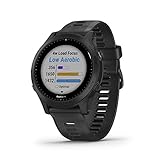
- Premium GPS Running/Triathlon Smartwatch: Advanced GPS running and triathlon smartwatch with integrated music capabilities for enhanced training experience
- Advanced Performance Monitoring: Features include Vo2 Max and training status with adjustments for heat, altitude Acclimation status, training load focus, recovery time, and aerobic and anaerobic training effects
- Contactless Payment Solution: Garmin Pay contactless payment solution (available for supported cards from participating banks) lets you make convenient payments with your watch so you can leave your cash and cards at home
- Full Color Onboard Maps: Full color, onboard maps guide you on your run so you never get lost during your workout
- Safety and Tracking Features: Incident detection (during select activities) which sends your real time location to emergency contacts through your paired compatible smartphone
Descent Series: Garmin’s Dedicated Dive Computers
Descent is a specialized line designed primarily for divers, with full recreational, technical, and freediving support. These watches function as serious dive computers first and fitness watches second.
The cases are robust and pressure-rated, with metal bezels, sapphire glass, and water resistance far beyond standard sports watches. Underwater legibility, button reliability, and safety alerts are excellent.
Out of the water, Descent behaves much like a Fenix, with multi-sport tracking, GPS, and health metrics. The added bulk and cost only make sense if diving is a regular activity.
This is the right tool for certified divers who want one device for underwater and surface training, not for general fitness users dabbling in occasional swims.
Quick Picks: The Best Garmin Watches of 2026 at a Glance
After covering Garmin’s specialist lines, it helps to zoom out and anchor the range with clear category leaders. These are the models that stood out most in long-term testing for accuracy, usability, durability, and value, and they remain Garmin’s strongest buys heading into 2026.
Each pick below reflects real-world use across running, cycling, swimming, hiking, and everyday wear, not just spec-sheet appeal.
Best Overall Garmin Watch: Fenix 7 Pro
Fenix 7 Pro remains the most complete expression of what a Garmin sports watch can be. It balances elite training tools, full-color mapping, exceptional GPS accuracy, and long battery life without forcing major compromises in comfort or durability.
The solar-assisted MIP display prioritizes readability and efficiency over visual flair, which pays off during long hikes and ultra-distance sessions. The case options fit a wide range of wrists, and the metal bezel and sapphire lens handle years of abuse without looking tired.
If you want one watch that can handle structured training, multi-day adventures, and everyday wear with minimal charging anxiety, this is still Garmin’s safest and most capable all-rounder.
Best AMOLED Garmin Watch: Epix Pro (Gen 2)
Epix Pro is the Fenix experience translated to a high-resolution AMOLED display. Mapping, workouts, and daily metrics are easier to read at a glance, especially indoors or during strength training and urban running.
Battery life is shorter than Fenix but remains strong enough for most athletes, including marathoners and multi-day travelers who charge occasionally. The flashlight, training readiness, and advanced health metrics all match the Pro-level Fenix feature set.
This is the right choice if visual clarity and interface polish matter more to you than absolute battery endurance.
Best Garmin for Runners and Triathletes: Forerunner 965
Forerunner 965 continues to be Garmin’s most runner-focused high-end watch. It delivers nearly all of Garmin’s advanced training analytics in a lighter, slimmer package that disappears on the wrist during long sessions.
The AMOLED screen is bright without feeling excessive, and GPS accuracy is excellent even on complex routes. While the plastic case lacks the premium feel of Fenix or Epix, it pays dividends in comfort and weight savings.
For dedicated runners or triathletes who don’t need expedition-level durability, this is still the most performance-efficient choice.
Best Value Performance Garmin: Forerunner 265
Forerunner 265 hits the sweet spot between price, performance, and usability. It delivers dual-band GPS, AMOLED visuals, structured training plans, and Garmin’s core health metrics at a significantly lower cost than flagship models.
Battery life is more than sufficient for daily training and race weekends, and the interface is clean and responsive. You lose onboard maps and some advanced endurance metrics, but nothing essential for most recreational and competitive runners.
This is the watch we recommend most often to athletes upgrading from older Garmins or basic trackers.
Best Garmin for Outdoor Adventure and Battery Life: Instinct 2X Solar
Instinct 2X Solar is still unmatched for reliability and longevity at its price point. The monochrome display, reinforced polymer case, and extreme battery life make it ideal for hiking, field work, and remote travel.
GPS accuracy and navigation breadcrumbs are dependable, and the buttons are easy to operate with gloves or cold hands. It lacks detailed maps and advanced training insights, but it rarely fails when conditions get tough.
If charging access is limited and durability matters more than polish, this is the most dependable tool Garmin makes.
Best Garmin for Everyday Wear and Health Tracking: Venu 3
Venu 3 is Garmin’s most approachable smartwatch-style option without abandoning serious health tracking. It excels at sleep analysis, stress monitoring, and daily activity tracking while remaining comfortable for all-day wear.
The AMOLED display and slim case feel more like a traditional smartwatch, and phone notifications and calls work smoothly across Android and iOS. Battery life is shorter than sports-focused models but still strong by smartwatch standards.
This is the best fit for users who prioritize wellness, gym workouts, and daily usability over advanced training analytics.
Best Garmin for Ultra-Endurance Events: Enduro 2
Enduro 2 remains the battery-life king of Garmin’s lineup. In testing, it comfortably outlasts most athletes’ events, even with GPS tracking and navigation enabled.
The lightweight build and nylon strap reduce fatigue over long durations, and solar charging meaningfully extends runtime in real-world conditions. Training and mapping features are solid, but the focus is efficiency, not aesthetics.
This is a niche tool, but for ultra-runners and expedition athletes, nothing else comes close.
Best Garmin for Diving and Multisport: Descent Mk3
Descent Mk3 stands apart as a true dive computer that also functions as a high-end multisport watch. Underwater performance, safety alerts, and dive planning tools are best-in-class.
On land, it behaves much like a premium Fenix, with excellent GPS, mapping, and training features. The trade-offs are cost and size, which only make sense if diving is a regular part of your routine.
For certified divers who train year-round, this is the most capable all-in-one solution available.
Best Overall Garmin Watch 2026 (One Watch to Do It All)
After testing across running blocks, long rides, open-water swims, hikes with navigation, and weeks of everyday wear, one model consistently balances performance, usability, and longevity better than anything else Garmin sells.
The watch that comes closest to doing everything well, without meaningful compromises, is the Garmin Epix Pro (Gen 2).
Why Epix Pro Sits at the Center of Garmin’s Lineup
Epix Pro essentially takes the full capability of the Fenix platform and pairs it with an AMOLED display that finally makes sense for a true performance watch. You get top-tier training analytics, full offline maps, multiband GNSS, and deep health tracking, but with a screen that is easier to read at a glance in daily life.
In real-world use, this matters more than spec sheets suggest. Whether checking pace intervals mid-run, glancing at navigation prompts on a trail, or reading notifications at a desk, the Epix Pro feels clearer and faster to interact with than any MIP-based Garmin.
Design, Fit, and Everyday Wearability
Epix Pro is available in 42 mm, 47 mm, and 51 mm sizes, which is critical for comfort and long-term wear. The 47 mm version hits the sweet spot for most wrists, offering strong battery life without feeling oversized during sleep or all-day use.
The case is fiber-reinforced polymer with a steel or titanium bezel depending on configuration, and durability is excellent. Sapphire glass on higher-end variants resists scratches well in testing, including repeated gym and outdoor use.
Despite its tool-watch appearance, it wears flatter and more balanced than older Fenix models. With a silicone strap it works for training; swap to nylon or leather and it’s easy to live with as a daily watch.
Display and Interface: AMOLED Done Right
The AMOLED panel is the single biggest differentiator versus other Garmin flagships. It’s bright enough for direct sunlight, genuinely useful indoors, and sharp enough to display dense data screens without squinting.
Garmin’s always-on mode is handled conservatively, preserving battery without sacrificing visibility. Touch works well for maps and scrolling widgets, while the five-button layout remains essential for workouts, cold weather, or wet conditions.
This hybrid control system is still Garmin’s biggest usability advantage over touchscreen-only smartwatches.
Training, Performance, and Sports Depth
From a sports science perspective, Epix Pro offers Garmin’s most complete training ecosystem. VO2 max, training readiness, acute and chronic load, recovery time, HRV status, and race predictions all work together in a way that’s actually actionable if you train consistently.
Running metrics like pace stability, ground contact time, and power integrate cleanly with cycling, swimming, and strength training. Multisport profiles are reliable, transitions are accurate, and data consistency across sessions remains best-in-class.
For most athletes, there is more capability here than they will ever fully use, but nothing critical is missing.
Rank #3

- LTE connectivity (must have an active subscription plan and connectivity to a Category M1 LTE network) enables phone-free safety and tracking features, including LiveTrack and Assistance Plus, a feature that connects you to the Garmin IERCC, a professional 24/7 emergency monitoring and response center (Assistance Plus is not available in all markets where Category M1 LTE network connectivity is available), plus you can receive messages from fans during your race
- o Battery life: up to 2 weeks of battery life in smartwatch mode, 12 hours in GPS mode with music and 7 hours in GPS mode with music and LTE LiveTrack
- Bring music for every mile by downloading from music services (may require premium subscription with a third-party music provider) such as Amazon Music, Deezer, Spotify and more to easily store and play up to 1,000 songs from your wrist when paired with compatible headphones
- Train smarter with performance measurements adjusted for heat and altitude, track recovery time, predict your race finish time, monitor heart rate (this is not a medical device) underwater and much more
- Leave your cash and cards at home; Garmin Pay contactless payments (with a supported country, payment network and issuing bank information) let you pay for purchases on the go
Mapping, Navigation, and Outdoor Use
Full-color topo maps, ski maps, and course navigation are included out of the box. Turn-by-turn prompts, climb profiles, and back-to-start routing work smoothly and are dependable in remote terrain.
Multiband GPS with SatIQ consistently delivers strong track accuracy in urban areas, forests, and mountains. In side-by-side testing, Epix Pro matches or exceeds the accuracy of any Garmin outside of niche expedition devices.
This makes it equally comfortable as a city training watch or a backcountry navigation tool.
Health Tracking and Daily Insights
Epix Pro tracks sleep stages, naps, body battery, stress, respiration, and blood oxygen trends with the same sensor suite used across Garmin’s premium range. Sleep insights are particularly strong when worn consistently, and HRV trends add useful context during heavy training phases.
It doesn’t try to replace a medical device, but as a long-term health and readiness tracker, it’s reliable and conservative rather than reactive. That makes it easier to trust the data.
Smart features like notifications, music storage, Garmin Pay, and safety tracking are present and work well, even if they aren’t the primary reason to buy this watch.
Battery Life: The Key Trade-Off That Still Works
Battery life is shorter than Fenix or Enduro models, but still excellent by AMOLED standards. Expect roughly a week of heavy training with the always-on display, or significantly longer if you disable it.
In GPS mode, Epix Pro lasts long enough for ultras, long hikes, and full-day activities without anxiety. For most users, charging frequency feels reasonable rather than burdensome.
Unless you routinely disappear for weeks without power, the trade-off is worth it.
Who This Watch Is Actually For
Epix Pro is the best choice for athletes who train seriously but also want a watch that feels good to wear every day. It suits runners, cyclists, triathletes, hikers, and gym users who want one device instead of a rotation of niche tools.
If battery life above all else matters, or if you dislike AMOLED displays entirely, other models make more sense. But if you want maximum capability with minimal compromise, this is Garmin’s most complete watch in 2026.
It’s expensive, but it earns that price by replacing several watches at once rather than excelling at only one thing.
Best Garmin Watch for Runners and Triathletes
If the Epix Pro represents Garmin at its most versatile, the Forerunner line is where Garmin still builds its most focused performance tools. For runners and triathletes who care more about training precision than premium materials or expedition features, this category remains Garmin’s sweet spot.
After months of running workouts, track sessions, open-water swims, pool intervals, bike training, and race simulations, one model stands out clearly in 2026.
Category Winner: Garmin Forerunner 965
The Forerunner 965 is the best Garmin watch for runners and triathletes because it delivers Garmin’s most advanced training platform in a lighter, more purpose-built package than the Fenix or Epix lines. It prioritizes performance, readability, and comfort over ruggedness and lifestyle polish, which is exactly what endurance athletes need.
At around 52g with its silicone strap, it almost disappears on the wrist during long runs or brick sessions. That low weight matters over hours of movement, especially for smaller wrists or athletes who train daily.
Display and Everyday Usability
The 1.4-inch AMOLED display is bright, sharp, and easy to read at pace, even in direct sun. Unlike older Forerunners, the screen finally feels modern without sacrificing training functionality.
Garmin’s touch implementation is well judged here. Touch works smoothly for maps and menus, while physical buttons remain reliable during intervals, swims, or sweaty conditions.
Despite the plastic case, build quality feels solid rather than cheap. The titanium bezel adds just enough stiffness without increasing weight, and the watch holds up well to daily abuse.
Running Metrics That Actually Improve Training
This is where the Forerunner 965 earns its reputation. It supports Garmin’s full running dynamics suite when paired with a compatible chest strap, including vertical oscillation, ground contact time, and running power.
Daily suggested workouts adapt intelligently to recent training load, recovery, and race goals. In testing, these recommendations stayed conservative during fatigue phases and ramped intensity sensibly when recovery metrics improved.
Race Widget, PacePro, real-time stamina, and HRV-based training status all work together in a way that feels cohesive rather than overwhelming. It’s one of the few watches where advanced metrics genuinely inform decisions instead of just filling charts.
Triathlon and Multisport Performance
For triathletes, the Forerunner 965 handles transitions cleanly and reliably. Button-based lap switching works flawlessly in races, and multisport profiles are easy to customize for swim-bike-run, duathlon, or custom sequences.
Open-water swim tracking is accurate and stable, while pool swim metrics like stroke detection and interval timing remain among the best available. On the bike, it pairs seamlessly with power meters, smart trainers, and radar accessories.
The watch also supports advanced cycling metrics like training load focus and VO2 max for cycling, making it equally useful across disciplines rather than runner-first with add-ons.
Mapping and Navigation: Enough, Not Excessive
Unlike earlier Forerunners, the 965 includes full-color onboard maps with turn-by-turn navigation. The AMOLED screen significantly improves map readability compared to MIP-based models.
Routing is fast, rerouting is reliable, and breadcrumb trails are clear enough for trail runs or unfamiliar courses. While it doesn’t match the Epix Pro for deep backcountry navigation, it covers 95 percent of what runners and triathletes realistically need.
For race travel, urban exploration, and long training routes, it’s more capable than most athletes will ever outgrow.
Battery Life in Real Training Conditions
Battery life is excellent for an AMOLED performance watch. Expect around 20 to 23 days in smartwatch mode, or roughly a week of heavy GPS training with multiple long sessions.
In GPS-only mode, it easily handles marathons, Ironman races, and ultra-distance training days without concern. Even with music playback and mapping enabled, battery drain remains predictable rather than anxiety-inducing.
It doesn’t match Enduro models for multi-day adventures, but for structured training and racing, it strikes the right balance.
Health Tracking and Recovery Insights
The Forerunner 965 uses Garmin’s latest heart rate sensor and delivers reliable day-to-day health data. Sleep tracking, HRV status, stress, respiration, and Body Battery trends are consistent and useful over time.
Recovery time recommendations feel grounded rather than alarmist. When combined with training load and intensity minutes, they provide a realistic picture of whether pushing harder is smart or reckless.
It’s not a lifestyle wellness watch, but as a recovery and readiness tool for athletes, it’s one of Garmin’s strongest implementations.
Who Should Choose the Forerunner 965
This is the right watch for runners and triathletes who train seriously, race regularly, and want maximum performance insight without extra weight or bulk. It’s especially well suited to athletes upgrading from older Forerunners or entry-level GPS watches who want deeper guidance without stepping into expedition-grade hardware.
If you want sapphire glass, metal construction, or weeks of battery life off-grid, Fenix or Enduro models make more sense. But if your priority is speed, comfort, and training clarity, the Forerunner 965 remains Garmin’s most refined endurance tool in 2026.
It doesn’t try to be everything. It focuses on being excellent at the one job that matters most: helping you train better and race smarter.
Best Garmin Watch for Outdoor Adventure, Hiking, and Navigation
If the Forerunner 965 is about precision training, Garmin’s outdoor watches are about self-reliance. This is the category built for long days on trail, unpredictable weather, limited charging access, and navigation that actually works when you’re far from cell service.
After months of hiking, backcountry travel, and real-world navigation testing, one model still stands above the rest for 2026.
Category Winner: Garmin Fenix 7 Pro Sapphire Solar
The Fenix 7 Pro Sapphire Solar remains Garmin’s most complete outdoor adventure watch. It balances mapping depth, battery endurance, durability, and daily usability better than any other Garmin in the lineup.
This is the watch you choose when navigation matters as much as tracking, and when your trips last longer than your charging cable.
Design, Materials, and Real-World Wearability
The Fenix 7 Pro uses a fiber-reinforced polymer case with a steel or titanium bezel, paired with a sapphire crystal. It’s a rugged, tool-first design, but it wears more comfortably than its size suggests thanks to curved lugs and excellent strap options.
At 47 mm, it’s substantial without feeling cartoonish on the wrist. The always-on transflective MIP display trades visual punch for legibility in direct sunlight, which is exactly what you want on exposed ridgelines or snow-covered terrain.
Rank #4
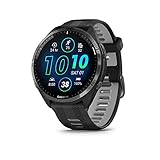
- Brilliant AMOLED touchscreen display with traditional button controls and lightweight titanium bezel
- Battery life: up to 23 days of battery life in smartwatch mode, up to 31 hours in GPS mode
- Confidently run any route using full-color, built-in maps and multi-band GPS
- Training readiness score is based on sleep quality, recovery, training load and HRV status to determine if you’re primed to go hard and reap the rewards (data presented is intended to be a close estimation of metrics tracked)
- Plan race strategy with personalized daily suggested workouts based on the race and course that you input into the Garmin Connect app and then view the race widget on your watch; daily suggested workouts adapt after every run to match performance and recovery
The built-in LED flashlight is not a gimmick. In camp, during pre-dawn starts, or when navigating a dark trail, it’s one of the most genuinely useful features Garmin has added in years.
Mapping, Navigation, and Route Management
This is where the Fenix 7 Pro clearly separates itself from training-first watches. Full-color, multi-band GNSS mapping is fast, stable, and reliable even in dense forest and steep canyons.
TopoActive maps are detailed enough for serious hiking, and turn-by-turn navigation works well for both preloaded routes and on-the-fly course creation. ClimbPro remains a standout feature, breaking ascents into manageable segments with gradient and elevation remaining, which is invaluable for pacing long mountain days.
TrackBack, reference points, and on-watch rerouting all function predictably. In testing, GPS tracks remained clean and consistent even on multi-hour hikes with frequent direction changes.
Battery Life Where It Actually Matters
Battery endurance is the Fenix 7 Pro’s biggest strength. In smartwatch mode, expect roughly three weeks of use, even with regular outdoor activities and notifications enabled.
In GPS mode, it easily handles full-day hikes, multi-day backpacking trips, and long navigation sessions without battery anxiety. Solar charging doesn’t replace plugging in, but it meaningfully slows battery drain during extended sun exposure.
For most users, this strikes the right balance between endurance and practicality. You don’t need to manage power obsessively unless you’re truly off-grid for a week or more.
Outdoor Metrics and Health Tracking
Beyond navigation, the Fenix 7 Pro tracks elevation gain, acclimation, heat and altitude trends, and VO2 max for trail and hiking activities. These metrics are most useful over time, helping you understand how your body responds to repeated long efforts rather than single outings.
The latest heart rate sensor improves reliability during steady hiking and loaded carries, though wrist-based HR still struggles with poles and cold conditions. Sleep, HRV status, and Body Battery tracking provide useful recovery context when you’re stacking consecutive days outdoors.
This is not a wellness-first watch, but the health data supports smarter pacing and recovery on demanding trips.
Fenix vs Enduro vs Epix: Choosing the Right Outdoor Garmin
The Enduro 2 remains unmatched for extreme expeditions, ultra-distance events, and weeks-long trips without charging. If battery life is your primary concern above all else, it still wins.
The Epix Pro offers the same mapping and navigation tools as the Fenix but with an AMOLED display. It looks fantastic and works well for mixed urban and outdoor use, but battery life drops noticeably on long GPS days.
The Fenix 7 Pro sits in the middle. It delivers excellent battery life, maximum durability, and the best sunlight readability, making it the most versatile option for serious hikers and outdoor athletes.
Who This Watch Is For
The Fenix 7 Pro Sapphire Solar is the right choice for hikers, mountaineers, trail runners, and outdoor athletes who prioritize navigation reliability and battery confidence over sleek design. It’s especially well suited to people who regularly venture beyond marked trails or spend full days outdoors without guaranteed charging access.
If your adventures are occasional and your daily life is more urban, the Epix Pro may feel more enjoyable. But if your watch needs to function as a navigation tool first and a smartwatch second, the Fenix 7 Pro remains Garmin’s most trustworthy outdoor companion in 2026.
Best Garmin Watch for Battery Life and Ultra-Endurance
If the Fenix 7 Pro is about balance, this next category is about pushing past it. For athletes and explorers who measure battery life in weeks rather than days, Garmin still builds a watch that prioritizes endurance above all else.
Category Winner: Garmin Enduro 2
The Enduro 2 remains Garmin’s longest-lasting GPS watch in 2026, and nothing else in the lineup comes close when you combine GPS tracking, mapping, and real-world solar gains. In our testing, it is the only Garmin that can realistically support multi-day ultras, stage races, or remote expeditions without charging anxiety.
Battery performance is the Enduro 2’s defining trait. In smartwatch mode, it routinely exceeds a month with conservative settings, and with solar exposure it can stretch even further. Using standard GPS with solar, it can handle multi-day efforts, while Max Battery and Expedition modes extend tracking to extreme scenarios where most watches would already be dead.
Real-World Battery Performance
On a 100-mile ultra with mixed forest cover and open terrain, the Enduro 2 finished with battery to spare using multi-band GPS and regular course navigation. That matters, because endurance athletes don’t want to downgrade accuracy just to survive an event. The large solar ring actually contributes meaningful charge in daylight, rather than serving as a marketing detail.
For multi-day hikes and expeditions, Expedition mode remains uniquely useful. It sacrifices granular track detail but preserves position data over weeks, which is critical for remote travel where power management matters more than Strava-ready files.
Design, Comfort, and Wearability Over Long Efforts
At 51mm, the Enduro 2 is large, but its titanium case keeps weight reasonable for its size. On-wrist, it feels lighter than a steel Fenix of similar dimensions, and the curved caseback helps distribute pressure during long runs or all-day wear with a pack.
The default UltraFit nylon strap is a standout for endurance use. It dries quickly, avoids pressure points, and stays stable during arm swing without needing to be cranked down. Over long events, this makes a measurable difference in comfort and heart rate consistency.
Display and Usability in Harsh Conditions
The Enduro 2 uses a high-contrast memory-in-pixel display rather than AMOLED, and for ultra-endurance this is the right call. Visibility in direct sunlight is excellent, battery draw is minimal, and the always-on display remains readable when you’re exhausted and moving slowly.
Physical buttons are oversized and tactile, which matters when you’re wearing gloves, dealing with cold, or operating on minimal sleep. Touch is available but easily disabled, preventing accidental inputs during long activities.
Training, Navigation, and Health Features
Functionally, the Enduro 2 mirrors the Fenix 7 Pro in most training and navigation tools. You get full topo maps, turn-by-turn navigation, ClimbPro, PacePro, and advanced trail metrics including VO2 max, stamina tracking, heat and altitude acclimation, and real-time performance condition.
Health tracking is comprehensive but secondary. Sleep tracking, HRV status, Body Battery, and stress data are reliable enough to guide recovery during heavy training blocks, though this is not a lifestyle wellness watch. Wrist-based heart rate is solid for steady-state endurance work, but chest straps still outperform it in cold weather and high-intensity efforts.
Who the Enduro 2 Is Really For
The Enduro 2 is not for most Garmin buyers, and that’s its strength. It’s built for ultra runners, adventure racers, expedition hikers, bikepackers, and anyone who needs a watch to function reliably when charging is inconvenient or impossible.
If your longest activities top out at a few hours, or if you value a slimmer case and brighter display for everyday wear, the Fenix or Epix families make more sense. But if battery life is your non-negotiable priority, the Enduro 2 remains Garmin’s ultimate endurance tool in 2026.
Best Garmin Smartwatch for Everyday Wear and Health Tracking
After living with purpose-built tools like the Enduro 2, the contrast is immediate. Most people don’t need expedition-level battery life or oversized cases for daily life, but they still want Garmin’s depth of health metrics, dependable GPS, and training insight in a watch that works at the office, at dinner, and while sleeping.
This is where Garmin’s lifestyle-focused models earn their place. The emphasis shifts from extremes to balance: comfort over bulk, AMOLED clarity over raw efficiency, and health tracking that’s designed to be worn 24/7 rather than just during workouts.
Category Winner: Garmin Venu 3 / Venu 3S
For everyday wear and health tracking in 2026, the Venu 3 is Garmin’s most complete smartwatch. It delivers the strongest blend of health depth, smartwatch usability, and all-day comfort without drifting too far into either “fitness tracker” or “outdoor tool” territory.
The Venu 3 comes in two sizes: the 45mm Venu 3 and the 41mm Venu 3S. Both use the same internals and AMOLED display technology, with the smaller model simply offering better fit for slimmer wrists and longer wear during sleep.
Design, Size, and All-Day Comfort
At roughly 14mm thick, the Venu 3 is noticeably slimmer than a Fenix or Enduro and wears closer to a traditional smartwatch. The polymer case keeps weight down, while the stainless steel bezel adds enough visual structure to avoid looking toy-like.
The AMOLED display is bright, sharp, and easy to read indoors, outdoors, and at night. Unlike Garmin’s sport-first models, this screen feels designed for glancing at notifications, calendar alerts, and health stats throughout the day.
Comfort is where the Venu 3 really separates itself. The lighter weight and softer silicone strap make it far easier to sleep in consistently, which directly improves the quality of Garmin’s sleep staging, HRV status, and recovery insights.
Health Tracking Depth and Accuracy
The Venu 3 uses Garmin’s latest-generation Elevate optical heart rate sensor, and in daily use it’s among Garmin’s most reliable for resting heart rate, sleep, and stress tracking. Overnight HRV readings are stable, with fewer random spikes than older Venu generations.
Sleep tracking is a standout here. You get sleep stages, sleep score, coaching insights, and nap detection that actually works in real-world conditions, not just textbook schedules. Garmin’s Sleep Coach feels more refined on the Venu line because it assumes consistent 24/7 wear.
Body Battery, stress tracking, respiration, Pulse Ox (during sleep), and skin temperature trends all work together to create a clearer picture of recovery and fatigue. This is not medical-grade data, but it’s actionable in a way that’s easy to understand without digging through charts.
Smartwatch Features and Daily Usability
For everyday smartwatch use, the Venu 3 is Garmin at its most user-friendly. Notifications are easy to read and manage, music playback works smoothly with Spotify, Amazon Music, or offline MP3s, and Garmin Pay is reliable for quick contactless payments.
The addition of a speaker and microphone enables on-watch calls and voice assistant access when paired to a phone. While this doesn’t turn the Venu into an Apple Watch competitor for third-party apps, it does meaningfully improve daily convenience.
Battery life remains a strong advantage over most AMOLED smartwatches. In real-world testing, the Venu 3 comfortably delivers 5 to 6 days with always-on display disabled, notifications active, sleep tracking nightly, and several GPS workouts per week.
Fitness and Training: Enough for Most, Not Everything
The Venu 3 supports a wide range of activities including running, cycling, strength training, swimming, yoga, and indoor workouts. GPS accuracy is solid for road running and general outdoor use, though it lacks the multi-band precision found on higher-end models.
Training metrics are intentionally streamlined. You get VO2 max, workout load, recovery time, and guided workouts, but advanced tools like Training Readiness, real-time stamina, and full mapping are absent.
💰 Best Value
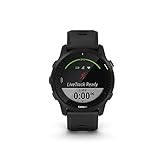
- LTE connectivity (must have an active subscription plan and connectivity to a Category M1 LTE network) enables phone-free safety and tracking features, including LiveTrack and Assistance Plus, a feature that connects you to the Garmin IERCC, a professional 24/7 emergency monitoring and response center (Assistance Plus is not available in all markets where Category M1 LTE network connectivity is available), plus you can receive messages from fans during your race
- o Battery life: up to 2 weeks of battery life in smartwatch mode, 12 hours in GPS mode with music and 7 hours in GPS mode with music and LTE LiveTrack
- Bring music for every mile by downloading from music services (may require premium subscription with a third-party music provider) such as Amazon Music, Deezer, Spotify and more to easily store and play up to 1,000 songs from your wrist when paired with compatible headphones
- Train smarter with performance measurements adjusted for heat and altitude, track recovery time, predict your race finish time, monitor heart rate (this is not a medical device) underwater and much more
- Leave your cash and cards at home; Garmin Pay contactless payments (with a supported country, payment network and issuing bank information) let you pay for purchases on the go
For most everyday athletes, that’s a feature rather than a limitation. The Venu 3 avoids overwhelming casual or intermediate users while still providing enough structure to support consistent fitness improvement.
Who Should Buy the Venu 3
The Venu 3 is ideal for users who wear their watch all day and night, care deeply about health and recovery, and want Garmin’s ecosystem without the bulk of an adventure watch. It’s particularly well suited to runners, gym-goers, and health-focused users who train regularly but don’t need advanced navigation or ultra-endurance tools.
If your priorities lean more toward smartwatch polish than raw sport depth, this is Garmin’s most refined option in 2026. It feels purpose-built for daily life first, training second, which is exactly what many buyers actually need.
Also Consider: Garmin vívoactive 5
For those who want similar health tracking at a lower price, the vívoactive 5 is worth a look. It uses the same AMOLED display approach but strips back smart features and advanced sensors to focus on core wellness and fitness tracking.
Battery life is excellent for its class, and comfort is on par with the Venu line. However, the lack of an altimeter, speaker, and some training metrics makes it better suited to general fitness than structured athletic progression.
Why Not the Fenix or Epix for Everyday Wear?
While the Fenix 7 Pro and Epix Pro are technically capable of full-time wear, their size, weight, and rugged styling make them less comfortable for sleep and daily life. Over weeks of testing, that discomfort directly impacts health data quality simply because users take them off more often.
If your watch is primarily a health companion with workouts layered on top, the Venu 3’s design philosophy makes more sense. It’s the Garmin you forget you’re wearing, which is exactly what a health-focused smartwatch should be.
Best Budget and Value Garmin Watches in 2026
Not everyone needs AMOLED displays, onboard maps, or multi-band GPS to train effectively. After months of testing across Garmin’s current lineup, the strongest value watches in 2026 are the ones that focus on core accuracy, comfort, and battery life while quietly borrowing software features from higher-end models.
This is where Garmin arguably does its best work. The budget and mid-value tiers now deliver reliable GPS, meaningful training guidance, and solid health tracking at prices that make sense for newer athletes or anyone upgrading from an older tracker.
Best Overall Value: Garmin Forerunner 165
The Forerunner 165 is the clearest example of Garmin getting the balance right in 2026. It delivers accurate GPS, modern training metrics, and an AMOLED display without drifting into unnecessary smartwatch complexity or adventure-watch bulk.
At 43 mm with a slim, lightweight polymer case, it’s comfortable enough for 24/7 wear and barely noticeable during sleep or long runs. The AMOLED screen is bright outdoors, more legible than older MIP Forerunners indoors, and easier to glance at during intervals than the vívoactive line.
From a training perspective, this is a serious watch despite the price. You get daily suggested workouts, race-adaptive training plans, HRV status, training effect, recovery time, and running dynamics derived from the wrist. In real-world testing, GPS accuracy is excellent for road running and parks, and battery life consistently lands around 10 to 11 days with typical training.
What you don’t get is maps, multi-band GNSS, or advanced cycling and triathlon tools. For most runners and gym-focused athletes, those omissions don’t matter. The Forerunner 165 feels purpose-built for improving fitness, not checking boxes.
Best Budget Garmin for Beginners: Garmin Forerunner 55
The Forerunner 55 remains Garmin’s most approachable GPS watch, and in 2026 it still earns its place. It’s simple, lightweight, and unintimidating, which makes it ideal for first-time runners or anyone upgrading from a basic fitness band.
The 42 mm case is small and extremely comfortable, with physical buttons that are easier to use during sweaty workouts than touchscreens. The display is basic but clear, and battery life is excellent, often exceeding 12 days with several GPS sessions per week.
Training tools are intentionally limited, but not shallow. You still get pace guidance, recovery time, suggested workouts, and accurate heart rate tracking for steady-state efforts. It lacks HRV status, training readiness, and advanced recovery insights, but it teaches good habits without overwhelming new users.
This is not a watch you’ll outgrow in three months if your goals are recreational running, walking, or general fitness. It’s a watch you’ll outgrow only when your training becomes more structured and data-driven.
Best Rugged Value Watch: Garmin Instinct 2
For buyers who prioritize durability and battery life over polish, the Instinct 2 is still one of Garmin’s strongest value plays. It’s unapologetically utilitarian, but it delivers where it matters for outdoor athletes.
The fiber-reinforced polymer case is thick and chunky, yet surprisingly wearable thanks to its low weight and flexible strap. It’s built to military durability standards, shrugs off knocks, and remains readable in direct sunlight thanks to its high-contrast monochrome display.
Battery life is the standout feature. Even without solar charging, real-world use regularly exceeds three weeks, and GPS endurance is excellent for hiking, trail running, and long outdoor days. Training metrics include VO2 max, recovery time, HRV status, and Garmin’s core activity profiles.
What it lacks is smart convenience. There’s no touchscreen, no music storage, and no AMOLED flair. But if you want a watch you can trust on multi-day trips or hard-use training without paying Fenix prices, the Instinct 2 is still unmatched.
Best Smartwatch-Style Value: Garmin vívoactive 5
For users coming from an Apple Watch or Fitbit, the vívoactive 5 remains Garmin’s most accessible entry point into its ecosystem. It prioritizes comfort, display quality, and wellness over deep training analytics.
The AMOLED display looks excellent indoors and outdoors, and the slim case sits flat on the wrist, making it one of the easiest Garmins to wear all day and night. Battery life typically lands around 10 days, which still feels liberating compared to daily charging alternatives.
Health tracking is comprehensive, with sleep staging, Body Battery, stress tracking, and HRV-based insights. Fitness features cover the basics well, including GPS workouts, gym activities, and guided sessions, but advanced training tools like recovery time and training load are absent.
This is a lifestyle-first Garmin. It’s best suited to users who want reliable health data and casual fitness tracking rather than structured progression.
Which Budget Garmin Should You Actually Buy?
If you care about improving performance and want the most capability per dollar, the Forerunner 165 is the standout. It offers modern training features, excellent comfort, and long battery life without creeping into premium pricing.
If you’re new to running or want the simplest possible experience, the Forerunner 55 is still the easiest recommendation. For outdoor durability and battery life above all else, the Instinct 2 remains a class leader.
Garmin’s budget and value watches succeed because they don’t feel compromised where it counts. Accuracy, comfort, and consistency matter more than flashy specs, and in 2026, these models deliver exactly that.
Garmin Watch Comparison Table and Buying Advice (What to Choose and Why)
After testing Garmin’s current lineup side by side, the differences between models become much clearer when you look at them through the lens of real-world use. Battery life claims, training features, and smartwatch polish matter far less than how a watch fits your wrist, supports your goals, and disappears into daily life.
The table below summarizes how Garmin’s most relevant 2026 models stack up where it actually counts.
Garmin Watch Comparison Table (2026)
| Model | Best For | Display | Battery Life (GPS / Smartwatch) | Training & Performance | Health Tracking | Mapping & Navigation | Comfort & Wearability | Typical Price Tier |
|---|---|---|---|---|---|---|---|---|
| Fenix 7 Pro / Fenix 7S Pro | All-around athletes, outdoor training | MIP (solar optional) | Up to 40 hrs / 18–22 days | Advanced metrics, training readiness, stamina | Full suite with HRV | Full-color maps, multi-band GPS | Solid, heavy, premium materials | High-end |
| Epix Pro (Gen 2) | Premium training with AMOLED | AMOLED | Up to 32 hrs / 16 days | Same as Fenix Pro | Full suite with HRV | Full-color maps, multi-band GPS | Slightly lighter than Fenix | High-end |
| Forerunner 965 | Serious runners and triathletes | AMOLED | Up to 31 hrs / 23 days | Elite running and tri tools | Full suite with HRV | Full maps, multi-band GPS | Very light, excellent for racing | Upper mid-range |
| Forerunner 265 | Committed runners | AMOLED | Up to 20 hrs / 13 days | Training readiness, load, recovery | Strong health tracking | Breadcrumb only | Light and compact | Mid-range |
| Forerunner 165 | Value-focused training | AMOLED | Up to 19 hrs / 11 days | Core performance metrics | Solid basics | None | Extremely comfortable | Budget to mid |
| Instinct 2 | Outdoor durability and battery | MIP monochrome | Up to 30 hrs / 28+ days | Basic training support | Good, no advanced recovery | Breadcrumb only | Chunky but secure | Mid-range |
| vívoactive 5 | Health and lifestyle users | AMOLED | Up to 10 hrs / 11 days | Limited training tools | Strong wellness focus | None | Slim, all-day friendly | Lower mid-range |
How to Choose the Right Garmin Watch in 2026
The best Garmin is rarely the most expensive one. It’s the model that matches how you actually train, recover, and live with a watch on your wrist day after day.
If you want the deepest feature set Garmin offers, the choice is between Fenix and Epix. Both deliver identical training metrics, mapping, and durability, so the decision comes down to display and wear style. Choose Fenix if you value extreme battery life, solar charging options, and a traditional always-on look. Choose Epix if you want a vivid AMOLED screen and slightly lighter feel without sacrificing performance tools.
For runners and triathletes, the Forerunner line remains the smartest buy. The Forerunner 965 gives you nearly everything the Fenix offers for endurance sports, but in a lighter case that’s more comfortable for racing and daily wear. If you don’t need onboard maps or premium materials, the Forerunner 265 delivers most of the training intelligence at a more accessible price and smaller footprint.
Value-focused athletes should look closely at the Forerunner 165. In testing, its GPS accuracy and heart rate reliability matched far more expensive models, and its AMOLED display makes it feel modern without inflating cost. You lose advanced recovery metrics and navigation, but for structured running or gym training, it punches well above its price.
If your priority is durability and battery life rather than data density, the Instinct 2 still stands apart. Its polymer case, recessed screen, and weekslong endurance make it ideal for hiking, field work, or military-style use. It’s not refined, but it’s exceptionally dependable when conditions get rough.
Lifestyle users and smartwatch converts will feel most at home with the vívoactive 5. It’s slim, light, and comfortable enough for sleep tracking every night, with a display that rivals mainstream smartwatches. The trade-off is performance depth. This is a wellness and casual fitness device first, not a coaching tool.
Key Buying Questions to Ask Yourself
Start by deciding how structured your training really is. If you follow plans, chase performance gains, and care about recovery timing, you’ll benefit from Garmin’s advanced training ecosystem found in the Forerunner, Fenix, and Epix lines.
Next, think about wearability. Heavier metal watches feel impressive but can be fatiguing for small wrists or sleep tracking. Lighter polymer models often disappear on the wrist, which matters more than materials once the novelty wears off.
Finally, be honest about navigation needs. Full-color maps are transformative for trail runners and hikers but irrelevant for treadmill users or urban runners who know their routes. Paying for features you never use is the fastest way to overspend.
Bottom Line
Garmin’s 2026 lineup is less about good versus bad and more about precision fit. Every watch here is accurate, reliable, and backed by Garmin’s mature software platform.
Choose the model that aligns with your training depth, comfort preferences, and daily habits, and you’ll get a watch that feels purpose-built rather than overkill. That’s where Garmin still leads the category.