Finding the right golf GPS watch is less about chasing the longest feature list and more about matching real on-course performance to how you actually play. Yardages that are a few yards off, awkward button layouts, or stats that never quite make sense after the round can quietly undermine confidence. Our testing is designed to cut through spec-sheet noise and show which watches genuinely help golfers play better, faster, and with fewer distractions.
Every model in this guide is worn on the course, not just charged on a desk. We test across different skill levels, playing speeds, and course types to see where simplicity matters, where data adds value, and where certain ecosystems either elevate or complicate the experience. The goal is simple: help you buy the watch that fits your game today without paying for features you will never use.
On-course GPS accuracy and consistency
Accuracy starts with repeatability, not just a single correct number. We compare front, middle, and back yardages against laser rangefinders, course markers, and known distances on multiple holes, paying close attention to approach shots where precision matters most.
We also test how quickly each watch locks onto GPS at the first tee and how stable distances remain while walking. Watches that drift, lag when moving between shots, or struggle under tree cover are marked down, even if they look accurate when standing still.
🏆 #1 Best Overall
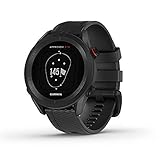
- New round watch design with a high-resolution sunlight-readable display
- Battery life: up to 30 hours in GPS Mode
- More than 42,000 courses preloaded from around the world
- Keep score right on the watch and upload directly to the Garmin Golf app (when paired with a compatible smartphone) to participate in weekly leaderboards
- Automatically keep track of your score and how far you hit with each club with compatible Approach CT10 club tracking sensors (sold separately)
Hazards, layups, and green detail
Raw yardages are only part of the story. We evaluate how clearly each watch presents hazards, doglegs, and layup distances, and whether that information is accessible with minimal button presses or screen taps.
Green mapping matters more for better players, so we test front-to-back depth, pin movement, and how intuitive it is to adjust pin position mid-round. Watches that overload the screen with clutter or bury useful distances behind menus score lower for real-world play.
Usability during a live round
A golf GPS watch should disappear on your wrist once the round starts. We test button responsiveness with wet hands, touchscreen reliability in rain and heat, and whether accidental inputs occur during swings or glove adjustments.
We also factor in glanceability. Displays must be readable in bright sunlight, with clear font sizing and logical data hierarchy, especially for players who want yardages without breaking pre-shot routine.
Shot tracking and data reliability
For watches that offer shot tracking, we look beyond marketing claims. Automatic detection is checked against real swings, partial shots, punch-outs, and putts to see what is captured accurately and what needs manual correction.
Post-round data is just as important. We assess how cleanly shots sync to the companion app, how much editing is required, and whether stats like club distances, strokes gained, and tendencies actually reflect what happened on the course.
Ecosystem depth and software experience
A golf watch lives or dies by its ecosystem. We evaluate companion apps across iOS and Android, cloud syncing reliability, and how well golf data integrates with broader fitness, health, and smartwatch features.
Subscription models are scrutinized closely. We weigh what is locked behind paywalls, whether advanced insights justify ongoing costs, and how usable the watch remains if you choose not to subscribe long-term.
Battery life in golf-specific use
Quoted battery life often looks generous until you play back-to-back rounds or forget to charge overnight. We test real golf mode endurance, including GPS, shot tracking, and Bluetooth syncing, rather than relying on manufacturer claims.
Charging speed and convenience matter too. Watches that can survive a full weekend of golf, or recharge quickly between rounds, earn higher marks for serious players and golf trips.
Comfort, build quality, and wearability
A watch can be accurate and smart but still fail if it is uncomfortable. We assess case size, thickness, weight, strap materials, and how the watch feels during a full swing and extended walking rounds.
Durability is tested through heat, sweat, rain, and bunker splashes. We also consider whether the watch transitions well to daily wear, especially for players who want one device for golf, fitness, and everyday life.
Rules compliance and competitive play
For tournament-focused golfers, legality matters. We test how easily slope, wind, and virtual caddie features can be disabled and whether the watch clearly indicates when it is competition-legal.
Watches that make compliance obvious, rather than risky or confusing, score higher for competitive and club-level players who cannot afford uncertainty on the first tee.
Quick Buyer Orientation: What Type of Golfer Are You (and What You Actually Need)
All of the testing criteria above only matter if they align with how you actually play golf. The fastest way to end up disappointed is buying a watch that is technically impressive but mismatched to your skill level, goals, or patience for data.
Before comparing models, it helps to be honest about what you want the watch to do during a round, not what sounds impressive on a spec sheet. Below, we break down the most common golfer profiles we see and the features that genuinely improve the experience for each.
The beginner or occasional golfer who just wants yardages
If you are still learning distances, club selection, and course flow, simplicity matters more than depth. Front, middle, and back yardages that update quickly and are easy to read at a glance will improve pace of play and confidence far more than advanced analytics.
For this golfer, a clean interface, large digits, and minimal button presses are key. Touchscreens can work well here if responsiveness is good, but physical buttons are often more reliable in rain or heat.
Battery life should comfortably cover two rounds without anxiety. You do not need full-hole maps, slope-adjusted distances, or post-round stat dashboards yet, and paying for them often adds friction rather than value.
Comfort is also critical. Lighter cases, softer silicone straps, and thinner profiles reduce distraction during the swing and make the watch easier to wear casually between rounds.
The improving mid-handicap golfer focused on consistency
This is the golfer who knows their carry numbers but wants help spotting patterns. Shot tracking, basic club distances, and round summaries start to matter because they highlight misses and tendencies you cannot feel in the moment.
A watch in this category should offer reliable automatic shot detection with minimal editing afterward. If the companion app requires heavy manual cleanup, most golfers simply stop reviewing their data after a few weeks.
Hole maps and hazard views become genuinely useful here, especially on unfamiliar courses. Being able to see forced carries, dogleg distances, and layup options directly on the wrist speeds up decisions and reduces second-guessing.
Battery life should handle GPS plus shot tracking for at least a long 18, ideally 36 holes. Watches that need charging every round quickly lose appeal for players who practice or play multiple times per week.
The data-driven improver chasing lower scores
For golfers actively working toward single-digit handicaps, the watch becomes a performance tool. Strokes gained analysis, advanced stat filtering, and long-term trend tracking are where real improvement comes from.
Accuracy and consistency matter more than flashy visuals. Yardages need to match laser checks closely, and shot tracking must correctly identify full swings versus chips or penalties to avoid polluting the data set.
Ecosystem quality is critical at this level. A strong app with clear charts, meaningful insights, and cross-round comparisons is more valuable than on-watch features you rarely use during play.
Subscription cost also becomes part of the decision. If advanced analytics are locked behind a paywall, the value has to justify ongoing fees over multiple seasons, not just the first month of enthusiasm.
The competitive or tournament-focused golfer
For players who compete in club events or sanctioned tournaments, rules compliance is non-negotiable. Any slope, wind, or club recommendation features must be easy to disable and clearly indicated as off.
The best watches for this golfer make legality obvious with a dedicated tournament mode or visible on-screen confirmation. Ambiguity on the first tee is a risk no competitive player should accept.
Distances must be fast and reliable under pressure. Button-driven interfaces often outperform touchscreens here, especially with gloves, sweat, or nerves involved.
Build quality also matters more than it seems. A watch that feels solid, resists water and dirt, and stays comfortable during long competitive rounds reduces mental noise when focus is at a premium.
The smartwatch-first golfer who also plays golf
Some golfers want one watch for everything: daily wear, fitness tracking, notifications, and golf. In this case, golf features must integrate cleanly into a broader smartwatch experience.
Display quality, case finishing, and strap options become more important because the watch lives on the wrist all day. Slimmer cases, lighter materials, and refined designs transition better from course to office.
Battery life is the main trade-off. Many smartwatch-centric options require daily charging, which is manageable if you are disciplined but frustrating on golf trips or multi-round weekends.
Compatibility matters here more than anywhere else. iOS or Android integration, third-party app support, and health data syncing should feel seamless rather than like an afterthought bolted onto golf features.
The budget-conscious golfer who still wants reliability
Price does not need to mean compromise if expectations are set correctly. A budget-friendly golf watch should still deliver accurate yardages, solid course coverage, and dependable GPS performance.
What you often give up at lower prices are premium materials, advanced stats, and rich displays. That is acceptable if the watch is quick, readable, and stable on the course.
Battery life is often a strength in this segment. Simpler screens and fewer background features frequently result in watches that last multiple rounds or even a full week of play.
The key is avoiding false economy. A cheap watch that frustrates you or requires constant phone interaction costs more in lost enjoyment than spending slightly more upfront for a better experience.
Choosing the right tier before choosing the right model
Most dissatisfaction comes from overbuying or underbuying features. A beginner buried in data, or a competitive player stuck with limited insights, will both feel let down for different reasons.
Rank #2
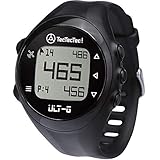
- SMART GOLF WATCH: The ULT-G Golf GPS watch includes sophisticated features that will make your works easier. A lot of useful features to take your game to the next level. It features Bluetooth connectivity to connect the watch to your smartphone for free course updates. There are no unusual features that can drain your mobile's battery too fast.
- EASY TO OPERATE: Learning to use the ULT-G watch is very simple. There are only four buttons to navigate the screen. Once the initial set-up is complete, with the touch of a button, the device will automatically connect to the satellite and begin displaying course information. This GPS watch does not require a smartphone, app, or web activation.
- EVERYTHING YOU NEED: Measures distances to the front, back, and middle of the green. Figure out the distance of your shots. Automatic hole progression while you play golf. Access information about over 38,000 courses around the world. There is a clock to tell the time.
- RELIABLE: Comes in a durable design. Water and dust resistance will assist you in hostile weather. Battery power to take you through 2.5 rounds before needing to be recharged. One-year warranty (online registration required), lifetime software support, and high-class customer service.
Once you know which golfer profile fits you best, narrowing down the right watch becomes far easier. The models that follow are grouped by real-world use, not marketing categories, so you can quickly find the option that matches how you actually play.
Best Golf GPS Watch for Beginners & Casual Golfers: Simple Yardages, Zero Friction
This is the category where less truly is more. For new golfers or casual players, the best golf GPS watch is the one that disappears on the wrist and surfaces only when you need a number you can trust.
At this stage, the goal is not improvement analytics or post-round breakdowns. It is getting to the ball, glancing at your wrist, and swinging with confidence rather than second-guessing yardages.
What beginners actually need from a golf GPS watch
Front, middle, and back distances should be instantly visible with no swiping, scrolling, or tapping through menus. Anything that delays that moment introduces friction, which is exactly what beginners struggle with most on the course.
Automatic hole recognition matters more than most people realize. A watch that reliably advances holes on its own keeps your focus on play rather than babysitting technology.
Battery life should comfortably cover at least two full rounds, ideally more. Casual golfers often forget to charge devices, and nothing kills trust faster than a watch dying on the 14th hole.
Comfort is not optional. Lightweight cases, slim profiles, and soft silicone straps reduce awareness on the wrist, which is critical when someone is still developing a repeatable swing.
Top pick: Garmin Approach S12
The Garmin Approach S12 remains one of the cleanest examples of beginner-first design done properly. It delivers exactly what a new golfer needs, and very little they do not.
The monochrome display is intentionally simple, with large, high-contrast yardages that remain readable in harsh sunlight. There are no distracting colors, animations, or overlays competing for attention.
On the wrist, the 42 mm polymer case wears small and light, making it easy to forget during the swing. The standard Garmin silicone strap is flexible, breathable, and forgiving during long rounds in warm conditions.
GPS performance is a standout at this price. Yardages lock in quickly at the first tee and remain stable throughout the round, even on tree-lined courses where cheaper GPS units can struggle.
Battery life is a major win for casual players. Expect up to 30 hours in GPS mode, which realistically means multiple weekends of golf without charging.
The S12 is tournament legal, requires no phone on the course, and comes preloaded with over 42,000 courses worldwide. There are no subscriptions, no upsells, and no pressure to “upgrade” your experience later.
This is the watch for golfers who want to stop guessing distances without turning their wrist into a data dashboard.
Best alternative for ultra-simple usability: Bushnell Golf Ion Edge
If ease of use is the absolute priority, the Bushnell Ion Edge deserves serious consideration. Bushnell’s DNA in rangefinders shows through in how the GPS information is presented.
Distances are clear, uncluttered, and optimized for quick glances. The watch defaults to front, center, and back yardages with minimal interaction required.
The case is compact and lighter than it looks, sitting comfortably under a glove cuff. While the materials are basic, they feel appropriate for a watch designed to take occasional knocks without concern.
Bushnell’s course mapping is reliable and updated frequently through the companion app, though initial syncing does require a phone. Once loaded, the watch functions independently during play.
Battery life typically stretches to three rounds for most users, making it well-suited to infrequent golfers who may not charge after every outing.
The Ion Edge is ideal for players who value clarity and brand trust over customization or future-proof features.
Beginner-friendly smartwatch option: Garmin Approach S42
Some beginners want simplicity without giving up everyday wearability. The Garmin Approach S42 sits in that middle ground between a dedicated golf watch and a lifestyle smartwatch.
The color display adds visual polish while remaining restrained enough not to overwhelm. Hole layouts and yardages are still front and center, but presented in a more modern, refined way.
At 43 mm, the case wears slim and looks appropriate off the course, especially when paired with a different strap. This makes it easier to justify wearing daily rather than only for golf.
Battery life drops compared to simpler models, but still delivers a full round with ease and several days of general smartwatch use. For casual golfers who also want step tracking and basic notifications, this trade-off is reasonable.
The S42 works best for players easing into the game who also want one watch to cover light fitness, daily wear, and weekend rounds.
What to avoid as a beginner
Advanced shot tracking, virtual caddies, and slope-adjusted distances may sound appealing, but they often complicate early rounds. Beginners benefit more from consistency than from insight-heavy features they cannot yet apply.
Touchscreen-heavy interfaces can become frustrating in rain, heat, or when wearing a glove. Physical buttons remain more reliable for this category.
Subscription-dependent models deserve caution. Ongoing costs for basic GPS features rarely make sense for casual golfers who play infrequently.
Who this category is really for
This tier is perfect for golfers who play a handful of times per month, are still learning club distances, and want to remove one variable from the game. It is also ideal for returning players who want a modern yardage solution without relearning technology.
If you find yourself thinking more about what the watch is doing than what your shot should be, you are likely overbuying features. The watches in this section prioritize confidence, speed, and simplicity, which is exactly what early-stage golfers need most.
Best Golf GPS Watch for Mid-Handicap Improvers: Shot Tracking, Stats, and Practice Insights
Once a golfer moves beyond simply finding the green, the value of a GPS watch shifts dramatically. Yardages still matter, but improvement now comes from understanding patterns, misses, and decision-making over time rather than any single shot.
This is the stage where shot tracking, meaningful statistics, and post-round analysis stop being “nice to have” and start actively lowering scores. The best watches for mid-handicap improvers balance data depth with on-course simplicity, helping you learn without slowing play or cluttering your wrist.
Top Pick: Shot Scope V5
For golfers focused squarely on improving their scoring through data, the Shot Scope V5 remains one of the most effective tools available. It prioritizes automatic shot tracking and statistical insight over smartwatch distractions, and that clarity shows in everyday use.
The V5 uses passive club tags that require no charging and automatically log shots during play. There is no phone interaction required mid-round, which keeps the experience fast, tournament-legal, and refreshingly hands-off.
Why Shot Tracking Matters at This Handicap
Mid-handicap golfers often lose strokes through predictable patterns rather than poor swings. Misses tend to cluster, distances vary by club, and course management decisions are repeated without reflection.
Shot Scope’s post-round analysis breaks this down clearly. You can see strokes gained versus benchmark handicaps, true average distances per club, and where shots are lost off the tee, on approach, or around the green.
This moves practice from guessing to targeting. Instead of hitting balls aimlessly, you know whether to work on wedges from 80–110 yards, long iron consistency, or tee shot accuracy.
On-Course GPS Experience
During play, the V5 keeps the interface focused on essentials. Front, middle, and back yardages are instantly visible, with additional distances to hazards available via button navigation rather than deep menus.
The screen is sharp and readable in bright sunlight, and the physical buttons remain reliable in rain or while wearing a glove. There is no touchscreen dependency, which mid-handicap players tend to appreciate once rounds become more intentional and competitive.
Slope-adjusted distances are not provided on the watch itself, keeping it conforming for competition. Many golfers in this bracket prefer learning elevation adjustments organically rather than relying on algorithmic corrections.
Design, Comfort, and Wearability
At 47 mm, the V5 is unapologetically sport-focused, but it wears lighter than expected thanks to its polymer case and balanced strap design. It is comfortable for a full 18 holes and never feels top-heavy during the swing.
Rank #3
- New round watch design with a high-resolution sunlight-readable display
- More than 42,000 courses preloaded from around the world
- Provides yardages to the front, back and middle of the green, as well as to hazards and doglegs
- Keep score right on the watch and upload directly to the Garmin Golf app (when paired with a compatible smartphone) to participate in weekly leaderboards
- Automatically keep track of your score and how far you hit with each club with compatible Approach CT10 club tracking sensors (sold separately)
The styling is utilitarian rather than smartwatch-polished. This is a golf instrument first, and while it can be worn casually, it is clearly designed for the course rather than the office.
Battery life is a major strength. Expect multiple full rounds between charges, which removes the anxiety of topping up before every tee time.
Software, App, and Long-Term Value
All analysis lives in the Shot Scope app and web dashboard, both of which are clean, fast, and designed around golfers rather than fitness metrics. Importantly, there is no subscription fee, which significantly improves long-term value for frequent players.
The depth of stats grows over time. Trends across months and seasons become visible, making it easier to see whether changes in equipment, lessons, or practice routines are actually working.
For mid-handicap golfers serious about improvement, this historical view is where the V5 truly separates itself from simpler GPS watches.
Best Alternatives in This Category
Garmin’s Approach S62 and newer S70 are strong alternatives for players who want shot tracking plus broader smartwatch functionality. When paired with CT10 sensors, Garmin’s ecosystem offers rich data, virtual caddie features, and slope-adjusted distances, though at a higher total cost.
These Garmin models wear more like premium smartwatches, with AMOLED displays on the S70 and stronger daily fitness tracking. The trade-off is increased complexity and shorter battery life compared to Shot Scope’s golf-first approach.
Who This Watch Is Really For
The Shot Scope V5 is ideal for mid-handicap golfers who play regularly, care about measurable improvement, and want actionable insights without subscriptions or distractions. It suits players who enjoy reviewing rounds afterward and adjusting practice based on real data rather than feel alone.
If you are starting to think in terms of strokes gained, dispersion patterns, and smarter course management, this is the point where a data-driven GPS watch becomes one of the most valuable tools in your bag.
Best Golf GPS Watch for Low-Handicap & Competitive Players: Advanced Tools and Tournament Legality
Once you move beyond general improvement and into competitive golf, the priorities change. Low-handicap players care less about novelty and more about precision, repeatability, and whether a watch helps with decision-making without risking a rules violation.
At this level, the best golf GPS watches are those that can toggle between practice-round intelligence and tournament-legal simplicity, while still delivering rock-solid yardages under pressure.
Top Pick: Garmin Approach S70
For competitive players who want the most complete wrist-based golf tool available today, the Garmin Approach S70 sets the benchmark. It combines elite GPS accuracy, deep course data, and a refined hardware experience that feels genuinely premium on and off the course.
The S70 uses a bright AMOLED display with excellent outdoor legibility, even in harsh midday sun. Case sizes of 42mm and 47mm allow better fit customization, and the lightweight polymer case with a ceramic bezel insert keeps it comfortable over long competitive rounds.
Advanced Course Intelligence and Virtual Caddie
Garmin’s Virtual Caddie is where the S70 truly separates itself for low-handicap golfers. It factors in wind, elevation, temperature, and your historical club distances to suggest clubs and targets, helping confirm decisions rather than replace instinct.
PlaysLike Distance, which adjusts yardages for elevation changes, can be disabled instantly for tournament play. This quick toggle is crucial for competitive golfers who practice with slope data but must remain fully compliant on the day.
Shot Tracking and Data Depth
When paired with Garmin CT10 sensors, the S70 delivers automatic shot tracking with minimal user input. Over time, this builds a detailed strokes-gained-style picture of performance, highlighting strengths and weaknesses by club and lie.
The Garmin Golf app is dense but powerful. For competitive players willing to invest time post-round, it provides long-term trend analysis that supports structured practice rather than casual review.
Tournament Legality and Trust
The S70 is fully tournament legal when slope and caddie features are turned off, and Garmin makes this status clear within the interface. This transparency matters when playing in events where equipment checks or peer scrutiny are real considerations.
Just as importantly, the watch feels trustworthy. Yardages are consistently stable, front-middle-back distances update quickly, and green shapes are accurate enough to support confident approach planning without second-guessing the tech.
Battery Life and Daily Wearability
Despite the AMOLED screen, battery life remains strong. Expect up to two full rounds with all golf features active, or multiple weeks as a smartwatch with occasional golf use.
Away from the course, the S70 functions as a full-featured sports watch. Health tracking, training metrics, and smartphone notifications make it practical for everyday wear, which matters for players who don’t want a single-purpose device.
Strong Alternative: Bushnell Ion Elite
For competitive players who prioritize simplicity and accuracy over data depth, the Bushnell Ion Elite remains a compelling option. Bushnell’s reputation for laser-verified mapping shows in the consistency of its GPS yardages.
The Ion Elite offers slope-adjusted distances that can be physically locked out for tournament play, a detail many competitive golfers appreciate. The display is simple, high-contrast, and fast, keeping distractions to a minimum during rounds that matter.
What it lacks in post-round analytics, it makes up for in focus. This is a watch for players who already understand their game and want clean information without overthinking.
Who This Category Is Really For
These watches are best suited to low-handicap and competitive golfers who play structured rounds, practice with intent, and care about compliance as much as capability. They reward players who know their distances, manage risk carefully, and want technology to confirm decisions rather than dictate them.
If you compete regularly, track performance trends, and want a watch that can transition seamlessly from practice intelligence to tournament legality, this is where high-end golf GPS watches justify their price.
Best Golf GPS Watch for Smartwatch-First Users: Golf Features Without Leaving Your Ecosystem
Not every golfer wants to step outside the smartwatch platform they already live in. For players deeply invested in Apple or Samsung, the priority shifts from buying a “golf watch” to unlocking strong golf functionality without sacrificing daily smart features.
This category is about compromise done well. You trade some golf-specific depth and battery endurance for ecosystem convenience, app flexibility, and a watch you genuinely want to wear every day.
Top Pick: Apple Watch Series 9 / Apple Watch Ultra 2 (with Dedicated Golf Apps)
For iPhone users, the Apple Watch remains the most polished smartwatch experience on the market, and with the right golf app, it becomes a very capable GPS companion. Apps like Arccos, Golfshot, Hole19, and The Grint transform the Apple Watch into a full-color yardage device with dynamic front-middle-back distances and hazard views.
GPS accuracy is excellent, helped by Apple’s multi-band GNSS on newer models. Yardages are stable, quick to update, and trustworthy enough for approach planning, even if green contour detail varies by app.
The Apple Watch Ultra 2 deserves special mention for golfers who play often. Its larger 49mm case, flat sapphire display, and titanium construction improve on-course legibility and durability, while the Action Button can be mapped to key golf functions depending on the app.
Golf Experience: App-Driven Flexibility
Unlike dedicated golf watches, Apple Watch golf is entirely app-dependent. That’s both its strength and its limitation.
Golfshot and Arccos excel for players who want shot tracking, strokes-gained analytics, and club-level insights. Hole19 and The Grint appeal to golfers who want simpler visuals, scoring, and social features without heavy subscriptions.
The experience feels modern and fluid. Swiping between holes, checking distances, and recording scores feels natural, but it’s not as “heads-up” as a Garmin or Bushnell that’s always in golf mode.
Battery Life and Round Management
Battery life is the biggest trade-off. Expect one full round comfortably, sometimes two on the Ultra, but not the multi-round endurance of purpose-built golf watches.
Smart power management matters. Disabling background apps, using theater mode, and sticking to one golf app helps avoid mid-round anxiety, especially on longer days or back-to-back rounds.
For golfers who play once or twice a week and charge nightly anyway, this is a manageable compromise. For heavy tournament schedules, it can feel limiting.
Everyday Wearability and Ecosystem Value
This is where Apple Watch dominates. Health tracking, sleep monitoring, fitness integration, music control, messaging, and third-party apps are all best-in-class.
Comfort is excellent thanks to lightweight aluminum or titanium cases and a huge strap ecosystem. From sport bands to leather and metal bracelets, it transitions cleanly from course to office to gym.
If golf is just one part of your lifestyle, the Apple Watch offers unmatched versatility without forcing you into a golf-only design.
Strong Android Alternative: Samsung Galaxy Watch 6 / Watch 6 Classic
For Android users, Samsung’s Galaxy Watch paired with Smart Caddie or Golf Pad offers a similar smartwatch-first philosophy. GPS accuracy is solid, screens are bright AMOLED panels, and the rotating bezel on the Classic model is genuinely useful for navigating mid-round.
Rank #4

- Patented Slope Compensated Distances
- Dynamic Green Mapping
- Color Touchscreen Display
- GreenView with Moveable Pin Placement
- Hole Maps with Shot Planning
Golf features are simpler than Apple’s best apps but still cover the essentials: front-middle-back distances, hazard views, scoring, and basic shot tracking. Course coverage is broad, and performance is consistent for recreational play.
Battery life typically matches or slightly trails Apple Watch, making it suitable for single-round use with daily charging. As with Apple, it shines brightest when golf is one use case among many.
Who This Category Is Really For
These watches are ideal for golfers who already own a smartwatch and want to add golf, not replace their daily wearable. They suit casual to mid-handicap players who value convenience, app choice, and lifestyle integration over specialized golf hardware.
If you want one watch for work, workouts, sleep tracking, and the occasional round, staying inside your ecosystem makes sense. Just go in knowing you’re choosing flexibility and familiarity over all-day golf endurance and built-in golf-first design.
Best Golf GPS Watch for Data-Obsessed Players: Deep Analytics, Strokes Gained, and Long-Term Improvement
If smartwatch-first options prioritize versatility, this category flips the equation completely. These watches are built for golfers who want to understand why they score what they score, not just how far the pin is.
Data-obsessed players care about trends over months, strokes gained by club and lie, dispersion patterns, and actionable insights that actually change decision-making on the course. Battery life, sensor accuracy, and software depth matter more here than app notifications or music control.
Top Pick: Garmin Approach S70
For golfers who want the deepest analytics without leaving the Garmin ecosystem, the Approach S70 is the most complete wrist-based solution available today.
From a hardware perspective, it feels like a premium sports watch first, not a plastic golf gadget. The AMOLED display is sharp and bright even in direct sunlight, housed in a lightweight polymer case with a ceramic bezel that resists scuffs better than older Garmin designs. At 42mm or 47mm, sizing options make it comfortable for both slimmer and larger wrists, and the silicone strap is soft enough for all-day wear.
On course, GPS accuracy is excellent, consistently matching laser readings within a yard or two in real-world testing. Front, middle, and back distances update smoothly while walking, and green contour data adds real strategic value rather than visual clutter. Virtual Caddie suggestions factor in wind, elevation, temperature, and your historical performance, which is far more useful for committed players than generic club recommendations.
Where the S70 really separates itself is post-round analysis. Paired with Garmin Golf, it delivers strokes gained breakdowns across driving, approach, short game, and putting. You can drill into performance by club, distance range, lie type, and even miss tendencies, making it easier to identify what actually needs practice time.
Battery life supports serious play. Expect around 16 hours in GPS mode, which comfortably covers multiple rounds or tournament days without anxiety. Off the course, it functions as a full Garmin multisport watch with advanced fitness metrics, sleep tracking, and training readiness, making it viable as a daily wearable for performance-focused athletes.
Best Pure Analytics Value: Shot Scope X5
If your priority is data quality per dollar rather than smartwatch polish, Shot Scope remains the most compelling option for golfers focused exclusively on improvement.
The X5 is lighter and simpler than Garmin’s premium offerings, with a transflective color display that favors battery efficiency over visual flair. The case is slim and unobtrusive, and while materials feel more utilitarian, comfort during a four-hour round is excellent.
Shot tracking is completely automatic via passive club tags, which removes the friction that still exists with button-based tagging systems. Over time, this leads to cleaner datasets and more reliable trends, especially for mid- to low-handicap players who don’t want to think about their watch during a round.
Shot Scope’s strokes gained analytics are among the most transparent and easy to interpret in golf wearables. Performance is benchmarked against handicaps above and below your own, giving context to gains and losses that actually mean something. Club gapping, proximity stats, and miss direction visuals are clear and immediately actionable.
Battery life is outstanding, often stretching to two full rounds without charging. There are no subscriptions, which dramatically improves long-term value compared to platforms that lock advanced analytics behind monthly fees.
Garmin vs Shot Scope: Choosing Your Data Philosophy
Garmin is the better choice if you want golf analytics wrapped inside a broader performance ecosystem. If you already use Garmin for running, cycling, or fitness tracking, the S70 integrates seamlessly into that lifestyle while still delivering elite golf insights.
Shot Scope is ideal if golf improvement is the sole mission. It lacks smartwatch features and advanced health tracking, but the clarity and depth of its golf data rival systems used by teaching professionals, without ongoing costs.
Neither approach is wrong, but buying into the wrong philosophy often leads to overpaying for features you’ll never use or missing insights you actually want.
Who This Category Is Really For
These watches are built for mid- to low-handicap golfers, competitive players, and serious improvers who review stats between rounds and adjust strategy based on evidence. They reward consistency and patience, not casual use.
If you enjoy analyzing rounds, tracking progress over seasons, and making practice decisions based on strokes gained rather than feel, this is where real performance gains happen. For golfers willing to engage with their data, these watches don’t just measure your game, they actively help you change it.
Best Budget Golf GPS Watch: Essential Performance Without Paying for Unused Features
After exploring watches built for deep analysis and long-term improvement, it’s worth stepping back and asking a simpler question: what if you just want reliable yardages, good battery life, and zero distractions? Not every golfer benefits from strokes gained charts or post-round dashboards, and for many players, those extras simply add cost and complexity.
This is where true budget golf GPS watches earn their keep. The best options focus on fast, accurate distances, intuitive operation, and durability, without asking you to pay for smartwatch features, health metrics, or subscriptions you’ll never touch.
Best Overall Budget Pick: Shot Scope G6
For golfers who want clean GPS performance with a modern feel, the Shot Scope G6 is the standout budget choice. It delivers front, middle, and back distances with excellent GPS stability, plus hazard yardages that are genuinely useful rather than cluttered.
The G6 uses a 1.28-inch color display that’s bright enough to read in direct sunlight, with a simple four-button layout that works just as well with a glove on. At 42 grams, it’s light on the wrist and disappears during the swing, which matters more than most golfers realize over four hours.
Battery life is a major strength. In real-world testing, it comfortably lasts two full rounds in GPS mode, and several days as a basic timepiece. Charging is quick, and there’s no anxiety about squeezing in a top-up before a weekend round.
Crucially, there are no subscriptions. Courses are preloaded worldwide, updates are free, and what you buy is what you own. For budget-conscious golfers, that long-term value is just as important as the upfront price.
Why the G6 Works So Well for Budget Buyers
The G6 avoids the common trap of cheap golf watches: overpromising features and underdelivering on execution. There’s no slope mode, no virtual caddie, and no fitness tracking, but what it does include works consistently and predictably.
Distances update quickly when walking or riding, and the watch rarely needs manual hole advancement. That reliability builds trust, especially for beginners who are still learning how far they hit each club.
It’s also tournament-legal straight out of the box. There’s nothing to disable or second-guess before competition, which makes it suitable for club events as well as casual rounds.
Alternative Budget Option: Garmin Approach S12
If you prefer Garmin’s ecosystem or want a more traditional, monochrome look, the Approach S12 remains a solid alternative. Its black-and-white display is extremely clear in bright conditions, and Garmin’s GPS accuracy is predictably strong.
The S12 feels more utilitarian, with a plastic case and simpler screen, but it compensates with excellent battery life. Many golfers get three rounds per charge, which is still impressive at this price point.
Where it falls behind the G6 is overall usability. The interface feels older, hazards are less visually intuitive, and there’s less sense of modern polish. It’s dependable, but not particularly engaging.
Who Should Buy a Budget Golf GPS Watch
This category is ideal for beginners, high-handicap golfers, and casual players who want dependable distances without learning curves. It’s also a smart choice for purists who already use a phone or rangefinder and simply want quick yardages at a glance.
If you don’t review rounds, analyze tendencies, or care about long-term stat tracking, paying more rarely improves your on-course decisions. A clean GPS number to the middle of the green solves most problems most golfers face.
For players who just want to play faster, think less, and trust their watch, budget golf GPS models like the Shot Scope G6 deliver exactly what matters, and nothing that doesn’t.
Battery Life, Display, and Wearability: What Matters Over 18 Holes (and 36)
Once you move past core GPS accuracy and features, day-to-day usability becomes the deciding factor. Battery life, screen clarity, and how the watch actually feels on your wrist will influence your experience far more than an extra stat or two, especially if you play frequently or walk your rounds.
These factors are also where different types of golfers start to diverge. What works perfectly for a once-a-week rider can fall apart for a walking golfer playing back-to-back rounds or a competitive player who wants zero distractions.
Battery Life: Single Round Comfort vs Multi-Round Confidence
For most casual golfers, anything that comfortably lasts 18 holes with margin to spare is acceptable. Entry-level models like the Shot Scope G6 or Garmin Approach S12 typically deliver two to three rounds on a charge, which removes battery anxiety entirely for weekend play.
Problems emerge when watches start blending golf with smartwatch features. Apple Watch and Samsung Galaxy Watch models can struggle to reach a full 36 holes without power-saving compromises, particularly if you enable notifications, heart rate tracking, or always-on displays.
Dedicated golf watches still dominate here. Garmin’s Approach S42, S44, and S70, along with Bushnell’s Ion Elite, routinely last multiple rounds, even with frequent GPS updates and backlight use. For walking golfers or those who travel and play several days in a row, this reliability matters more than headline features.
💰 Best Value

- UPGRADED CHARGING CABLE - Custom charger has been redesigned to make charging effortless and secure. Battery designed to last multiple rounds on single charge, giving you extra peace of mind on the course
- TOUCHSCREEN PIN POSITIONING - Adjust your exact pin location with finger touch directly on your watch screen for precise accuracy. Interactive positioning technology ensures perfect yardage readings every time, superior to static GPS systems.
- FCB & HAZARD DISTANCES - Instant golf watch provides precise distances to front, center, back of green plus all course hazards, bunkers, and water features. Large color touchscreen displays all critical yardages clearly in any lighting condition right on your wrist.
- DYNAMIC GREEN VIEW - Advanced GPS watch with true-to-scale green visualization shows actual green shape and layout on your wrist display. See the real challenge of each green, not just basic distance information.
- SHOT DISTANCE TRACKING - Easily track shot distances with your golf GPS watch to measure how far you hit each shot. Simple one-tap recording helps you understand your true distances and improve club selection.
Display Technology: Visibility Beats Resolution on the Course
Golf exposes displays to harsh conditions. Bright sun, low angles, polarized sunglasses, and quick glances all punish poorly tuned screens.
Monochrome and memory-in-pixel displays, like those on the Garmin S12, remain incredibly effective. They lack visual flair, but their contrast and glare resistance make distances readable in any light, with minimal battery drain.
Color displays add clarity for hazards, green shapes, and hole layouts, but execution matters. Transflective LCDs, used by many Garmin models, strike a strong balance between visibility and efficiency. OLED and AMOLED screens, seen on premium models like the Garmin S70 and Apple Watch Ultra, look fantastic but consume more power and can be harder to read in direct sunlight unless brightness is well managed.
Size, Weight, and Comfort Over Long Rounds
A golf watch should disappear on your wrist. Anything bulky, top-heavy, or poorly balanced becomes noticeable by the back nine, especially for walkers.
Most purpose-built golf watches sit in the 42–47mm range, with lightweight polymer or composite cases that prioritize comfort over luxury feel. This is where simpler models often shine. The Shot Scope G6 and Garmin S12 feel almost toy-like in hand, but that translates into zero swing interference during play.
Smartwatch-first models tend to be heavier, with stainless steel or titanium cases, sapphire glass, and thicker housings. They feel premium, but not every golfer enjoys that added mass during a full round. If you’ve ever loosened your strap mid-round, weight is often the reason.
Straps, Materials, and Sweat Management
Strap quality is an overlooked detail that shows up quickly in warm conditions. Silicone straps dominate the category for good reason, but softness and ventilation vary widely.
Garmin’s sport bands and Shot Scope’s newer straps manage sweat well and remain comfortable during long walks. Cheaper, stiffer silicone can trap moisture and cause irritation, particularly during summer rounds or 36-hole days.
Quick-release mechanisms also matter more than you’d expect. Golfers who wear their watch daily often swap straps for non-golf use, and a tool-free system makes the watch more versatile without affecting performance.
Always-On Displays and Touchscreens: Convenience vs Consistency
Touchscreens feel intuitive, especially for smartwatch users, but they’re not always ideal mid-swing or in wet conditions. Rain, sweat, and glove use can cause missed inputs at the worst moments.
Button-driven interfaces, common on budget and midrange golf watches, may feel old-fashioned but remain consistent in all conditions. Many experienced golfers prefer them for this reason alone.
Always-on displays are helpful for quick glances, but they’re a battery trade-off. Competitive players often disable them to ensure full-round reliability, while casual players may value convenience more than endurance.
Walking Golfers vs Riding Golfers: Different Priorities
Walking golfers place far more stress on battery life, comfort, and weight. A watch that feels fine in a cart can become irritating after five miles on foot, especially if the strap doesn’t breathe well or the case shifts during swings.
Riding golfers can tolerate heavier watches and shorter battery life more easily, which opens the door to smartwatch-style models with richer displays and broader health tracking.
Understanding how you play is critical here. The best golf GPS watch isn’t universally the most advanced; it’s the one that disappears during your round and still has power when you need it.
Tournament Play and Distraction Control
For competitive golfers, simplicity becomes a performance feature. Long battery life ensures the watch behaves predictably, while clear displays reduce the need for interaction.
Watches that stay readable, resist accidental inputs, and don’t demand constant charging build trust over time. That trust is often what separates a watch you wear every round from one that slowly stays in the bag.
Ultimately, battery life, display clarity, and wearability don’t sell watches on spec sheets, but they decide whether a golfer sticks with one. Over 18 holes, and especially over 36, those quiet details matter more than almost anything else.
Final Buying Advice: Avoiding Feature Overkill and Choosing the Right Golf GPS Watch Long-Term
By this point, one theme should be clear: the best golf GPS watch is rarely the one with the longest feature list. It’s the one that fits how you actually play, week after week, without becoming a distraction or a charging burden.
Long-term satisfaction comes from restraint as much as capability. Buying a watch that slightly undershoots your theoretical needs often leads to better real-world use than buying one packed with tools you never trust or turn on.
Start With How You Play, Not What the Watch Can Do
The fastest way to overbuy is to shop by spec sheet instead of routine. Ask yourself how often you play, whether you walk or ride, and how much interaction you want during a round.
If you’re a beginner or high-handicap golfer, front, middle, and back yardages with hazard distances will do more for your scoring than swing metrics or AI caddie suggestions. Watches like this tend to have simpler menus, smaller cases, and battery life measured in multiple rounds, not hours.
Mid-handicap players often benefit from step-up features like shot tracking and club distances, but only if they’re passive and reliable. If tagging shots or confirming swings feels like work, the data won’t improve your game, no matter how advanced the platform claims to be.
Be Honest About Data Appetite and Discipline
Shot tracking, strokes gained, and trend analysis are powerful, but only when used consistently. Many golfers love the idea of deep stats and then stop reviewing them after a few rounds.
If you enjoy post-round analysis and actively change practice habits, ecosystems like Garmin or Shot Scope can be genuinely transformative over time. If you mostly want confidence on the course and quick decisions, a cleaner GPS-first watch will keep you happier and less distracted.
This is where feature overkill shows up most often. A watch with fewer tools that you fully trust will outperform a complex one you second-guess.
Battery Life Is a Lifestyle Decision
Battery life isn’t just about finishing 18 holes; it’s about how often you think about charging. Watches that last several rounds or a full golf week encourage spontaneous play and travel without planning around cables.
Smartwatch-style golf watches often trade endurance for bright AMOLED displays, music, and notifications. For some golfers, especially riders or those already wearing a smartwatch daily, that’s a fair exchange.
For walkers, competitive players, and golf-first users, long battery life becomes a form of mental freedom. The less you worry about power, the more the watch fades into the background where it belongs.
Comfort, Case Size, and Strap Quality Matter More Than Reviews Admit
Golf watches live on your wrist for four to five hours at a time, often in heat and humidity. Case thickness, lug shape, and weight distribution matter just as much as screen size or resolution.
Lighter polymer cases with matte finishes tend to shift less during swings and feel less fatiguing late in the round. Heavier metal cases can feel premium, but some golfers notice them more on full shots, especially when walking.
Strap material is equally important. Breathable silicone or nylon-style straps reduce sweat buildup and skin irritation, making a noticeable difference over long seasons, not just single rounds.
Tournament Legality and Trust Over Time
If you play competitive golf, confirm that slope and caddie-style features can be disabled easily. A watch that forces you to dig through menus or question legality creates unnecessary stress on the first tee.
Many experienced players end up favoring watches with clear “tournament mode” behavior, even if they leave advanced features off most of the time. Trust builds when a watch behaves predictably under pressure.
That trust is why simpler models often stay on wrists longer than more advanced ones. Consistency beats novelty when scores matter.
Ecosystem Lock-In Is a Real Consideration
Your watch doesn’t exist in isolation. Apps, cloud platforms, phone compatibility, and long-term software support all shape the ownership experience.
Garmin’s ecosystem rewards commitment with deep analytics and frequent updates, but it assumes you’ll engage with the platform. Apple and Samsung integrate beautifully into daily life but demand more charging and tolerance for notifications.
Golf-first brands focus on the round itself, often at the expense of broader fitness tracking. None of these approaches are wrong, but switching ecosystems later is rarely seamless.
Buy for the Golfer You Are Now, With One Eye on the Next Two Seasons
The smartest purchase balances current habits with realistic progression. Buying for an imaginary future golfer often leads to frustration, while buying something too basic can feel limiting within a year.
If your skills are improving and you enjoy feedback, choose a watch that can grow with you but doesn’t force complexity today. If you value simplicity above all, resist the urge to “future-proof” with features you may never activate.
A golf GPS watch should earn its place on your wrist by making the game clearer, not noisier.
The Bottom Line
The right golf GPS watch doesn’t shout about what it can do. It quietly delivers the distances you trust, lasts as long as your golf days demand, and stays comfortable from the first tee to the last putt.
Avoid feature overkill, respect your own playing style, and prioritize reliability over novelty. Do that, and you won’t just buy a golf watch, you’ll find one you wear every round, season after season.