Heart rate data sits underneath almost every meaningful training metric you use today, from zone-based workouts and VO2 max estimates to recovery scores, sleep stress, and long-term load management. If the heart rate signal is noisy or delayed, everything built on top of it becomes less reliable, no matter how polished the app or how expensive the watch. That’s still true in 2026, even as software-driven insights have become smarter and more automated.
What has changed is how good many sensors have become in ideal conditions, and how differently they behave once you leave those conditions. Wrist-based optical sensors are far more capable than they were even three years ago, but chest straps remain the reference standard when accuracy under movement, sweat, cold weather, or rapid intensity changes really matters. Understanding why that gap still exists, and when it actually matters for your training, is the key to buying the right heart rate monitor today.
This section breaks down why heart rate accuracy remains foundational in 2026, how sensor technology has evolved across chest straps and watches, and what those changes mean in real-world use. That context sets up the rest of this guide, where we separate marketing claims from devices we genuinely trust after thousands of training hours.
Why accurate heart rate still underpins modern training metrics
Most users no longer look at heart rate in isolation, but that hasn’t reduced its importance. Metrics like training readiness, body battery, recovery time, cardio load, and even sleep quality are all downstream interpretations of raw heart rate and heart rate variability. A small error at the sensor level can quietly distort those insights over days or weeks.
🏆 #1 Best Overall
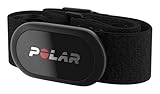
- WORKS WITH EVERYTHING: Polar HRM works with ALL HRM compatible Equipment.
- SUPREME ACCURACY: Widely recognized for its top precision by many sources, Polar H10 is the most accurate heart rate sensor in Polar's history. Polar H10 provides top quality measurement.
- CONNECTIVITY: Bluetooth, ANT plus and 5 kHz provide an excellent variety of connection options. You can use Bluetooth and ANT plus connections simultaneously as well as two Bluetooth connections simultaneously.
- POLAR PRO CHEST STRAP: With improved electrodes, an easy-to-use buckle and silicone dots, the strap is comfortable and interference-free.
- VERSATILITY: Polar H10 is fully waterproof and it has internal memory for multiple hours.
This matters most for structured training. Interval sessions, threshold work, and polarized plans depend on fast, accurate detection of changes in effort. If your sensor lags by 10 to 20 seconds during intensity shifts, you’re no longer training the zone you think you are, even if the average looks fine afterward.
Health tracking also relies on accuracy at the low end. Resting heart rate trends, overnight HRV, and stress detection are extremely sensitive to motion artifacts and poor skin contact. A device that’s “good enough” during steady runs can still undermine recovery insights if its baseline data is inconsistent.
What’s actually improved in wrist-based optical sensors by 2026
Modern optical heart rate sensors are significantly better than early-generation implementations, largely due to hardware refinements and smarter signal processing. Multi-wavelength LED arrays are now common, using combinations of green, infrared, and sometimes red light to improve penetration across different skin tones and wrist sizes. Larger photodiodes and tighter sensor housings have also reduced light leakage and ambient interference.
Algorithmically, watches are better at recognizing motion patterns and filtering noise during predictable activities like steady running or indoor cycling. Brands like Apple, Garmin, and Polar now fuse accelerometer data with optical readings to stabilize the signal during repetitive movement. In warm conditions, with a snug fit and consistent cadence, wrist sensors can track very close to chest straps for extended periods.
Battery efficiency has improved too. Watches can sample more frequently without destroying battery life, which helps with short-term accuracy and reduces dropouts. That’s why many users experience fewer sudden spikes or flatlines than they did a few years ago.
Where wrist sensors still struggle in the real world
Despite these gains, optical sensors are still measuring blood flow indirectly through the skin, and that introduces unavoidable limitations. Rapid changes in intensity remain the biggest weakness. Sprints, HIIT sessions, CrossFit-style workouts, and short climbs often show delayed heart rate responses compared to chest straps, sometimes by multiple intervals.
Environmental and physiological factors also matter. Cold weather reduces peripheral blood flow, making winter runs and early-morning rides harder for wrist sensors to track accurately. Sweat pooling, tattoos, darker skin tones, and bony wrists can all degrade signal quality, even with improved hardware.
Strength training is another persistent problem. Isometric contractions, gripping bars, and wrist flexion disrupt optical readings, leading to underreported heart rate or erratic spikes. If your training includes heavy lifting or mixed-modality workouts, wrist-based accuracy is still inconsistent across brands.
Why chest straps remain the accuracy benchmark
Chest straps measure the electrical activity of the heart directly, which gives them an inherent advantage that no amount of optical refinement can fully replicate. The signal is immediate, stable, and largely unaffected by motion, temperature, or skin tone. That’s why chest straps continue to serve as the validation reference in lab testing and elite training environments.
Modern chest straps are also better than they used to be. Electrodes are more durable, fabric straps are softer and less prone to slipping, and battery life often stretches beyond a year of regular use. Dual Bluetooth and ANT+ support makes them easier to pair across watches, bike computers, training apps, and gym equipment.
Comfort has improved enough that many athletes forget they’re wearing one after the warm-up. For long runs, races, and high-intensity sessions, chest straps still deliver the cleanest data with the least compromise.
The growing role of hybrid setups and smart pairing
One of the most practical shifts in 2026 is how many users combine sensors instead of choosing just one. Watches handle 24/7 tracking, sleep, and daily stress, while chest straps are paired selectively for key workouts. Platforms like Garmin, Polar Flow, and Apple Health now manage these transitions more smoothly, prioritizing the most reliable data source without user intervention.
This hybrid approach acknowledges reality. Wrist sensors are convenient and increasingly accurate for daily wear, while chest straps excel when accuracy actually affects training outcomes. The best systems make it easy to use both without friction.
As we move into detailed comparisons, this guide focuses on which heart rate monitors consistently deliver trustworthy data in real conditions, not just controlled tests. Accuracy still matters in 2026 because better insights only come from better signals, and the gap between “good enough” and genuinely reliable is where smart buying decisions are made.
Chest Straps vs Wrist-Based Sensors: The Real Accuracy Gap Explained
With hybrid setups now common, the real question isn’t whether wrist sensors have improved—they clearly have—but where the accuracy ceiling still sits. Understanding the gap means looking beyond marketing claims and into how these sensors behave under stress, sweat, motion, and long-term wear. This is where hands-on testing still reveals meaningful differences in 2026.
How chest straps and wrist sensors actually measure your heart
Chest straps rely on electrical signals generated by each heartbeat, similar in principle to an ECG. That signal is captured directly at the source, travels cleanly through the electrodes, and updates almost instantly when intensity changes. In interval sessions, sprints, or sudden climbs, that immediacy still matters.
Wrist-based sensors use optical photoplethysmography, shining LEDs into the skin and interpreting blood volume changes. This indirect method has improved through multi-wavelength LEDs, better algorithms, and higher sampling rates. Even so, it remains vulnerable to factors unrelated to fitness, including arm movement, skin perfusion, and ambient temperature.
Motion, intensity, and why workouts expose the gap
At steady aerobic efforts, modern watch sensors from Apple, Garmin, and Polar can track heart rate closely enough for most users. On long runs or endurance rides, the curves often align well with chest strap data after the initial warm-up. For base training, that’s a real win for convenience.
The gap reappears during rapid intensity changes. HIIT, hill repeats, CrossFit-style workouts, and indoor cycling sprints consistently expose wrist lag and smoothing. Chest straps respond beat by beat, while wrist sensors often trail by several seconds or miss short spikes entirely.
Cold weather, sweat, and real-world conditions
Environmental factors still favor chest straps. Cold temperatures reduce blood flow to the wrists, degrading optical signal quality just when winter training ramps up. Sweat pooling under a watch can also scatter light and confuse readings during hard efforts.
Chest straps are largely indifferent to these conditions once properly moistened. Rain, cold air, and heavy perspiration have minimal impact on electrical signal capture. For year-round outdoor athletes, that reliability is not theoretical—it shows up clearly in the data.
Fit, comfort, and long-session wearability
Comfort has become a closer contest than it used to be. Modern chest straps use softer textiles, slimmer transmitter pods, and better tension control, reducing chafing during long sessions. Once positioned correctly, most disappear after the first few minutes.
Wrist-based sensors win on simplicity. No extra gear, no adjustment, and no pre-ride setup makes them easier for daily training and spontaneous workouts. However, achieving accurate readings often requires careful strap tension and placement, which some users still get wrong without realizing it.
Long-term data quality and training insights
Accuracy differences compound over time. Chest straps provide cleaner HRV, more stable resting heart rate trends, and more reliable zone distribution across weeks of training. This matters for platforms that calculate load, recovery, and readiness metrics.
Wrist sensors can introduce subtle noise that doesn’t stand out in a single workout. Over months, that noise can slightly skew recovery scores or underestimate high-intensity load. For athletes making decisions based on small changes, those margins add up.
Battery life, durability, and ownership reality
Chest straps are refreshingly low-maintenance. Coin-cell batteries often last a year or more, and the hardware rarely needs replacing outside of strap wear. Compatibility is broad, with ANT+ and Bluetooth pairing smoothly across watches, bike computers, and apps.
Wrist-based sensors depend on the watch itself. Battery life varies widely by model, display type, and GPS usage, and optical accuracy can degrade if the sensor window gets scratched or dirty. You’re also locked into the watch ecosystem, for better or worse.
Where wrist sensors have genuinely closed the gap
For 24/7 monitoring, wrist sensors are unmatched. Sleep tracking, resting heart rate trends, stress estimation, and passive health insights simply aren’t practical with a chest strap. In these contexts, modern optical sensors are not just good enough—they’re the right tool.
Daily training at moderate intensity is also a strong suit. For many runners, gym-goers, and recreational cyclists, the convenience-to-accuracy tradeoff now favors the wrist. The key is knowing when that tradeoff starts to break down.
What we trust after real-world testing
After years of side-by-side testing across watches, chest straps, and platforms, the pattern remains consistent. Chest straps still define the upper limit of heart rate accuracy, especially when conditions get demanding. Wrist-based sensors have earned their place for daily use, but they haven’t replaced the gold standard.
In 2026, choosing between them isn’t about old versus new technology. It’s about matching the sensor to how much precision your training actually demands, and knowing when convenience is worth more than perfection.
How We Tested Heart Rate Monitors: Methodology, Activities, and Data Validation
Everything discussed so far leads to a simple question: how do we actually decide which heart rate monitors we trust. Accuracy claims mean very little without consistent, repeatable testing across real training conditions. Our methodology is designed to expose where sensors excel, where they struggle, and how much that difference matters over weeks and months of use.
Test devices and reference standards
Our testing pool includes current-generation chest straps and wrist-based sensors released or still actively sold going into 2026. This spans dedicated chest straps from Garmin, Polar, Wahoo, and newer dual-band models, alongside optical sensors from flagship watches by Garmin, Apple, Polar, COROS, and Samsung.
Chest straps are treated as the primary reference, but not blindly assumed to be perfect. When possible, we cross-check multiple chest straps simultaneously to identify outliers caused by strap fit, electrode dryness, or signal dropouts. In controlled indoor sessions, we also validate against gym ECG-grade equipment to confirm baseline accuracy during steady-state efforts.
Side-by-side, simultaneous recording
Every test session is recorded in parallel. A chest strap is paired to a bike computer or secondary watch, while the wrist-based sensor records independently on the watch itself. This avoids Bluetooth rebroadcast lag and ensures each device processes its own raw data.
We export full-resolution heart rate files and compare second-by-second traces rather than relying on averaged summaries. Spikes, dropouts, lag during transitions, and recovery behavior are all visible in the raw data, which is where meaningful differences emerge.
Activities that stress different failure points
Testing isn’t limited to ideal conditions. Each monitor is used across a consistent rotation of activities designed to surface known weaknesses in heart rate sensing.
Steady aerobic runs and endurance rides establish baseline tracking quality. Interval workouts with sharp surges test responsiveness and peak detection. Strength training, especially upper-body dominant lifts, reveals optical sensor instability caused by wrist flexion and muscle tension.
We also include indoor cycling and treadmill sessions, where sweat pooling and static arm position can confuse wrist sensors, and cold-weather outdoor runs, which remain one of the hardest environments for optical accuracy. Swimming tests are included where supported, focusing more on consistency than absolute precision.
Fit, placement, and real-world wearability
Accuracy is inseparable from how a device is worn. Chest straps are tested at multiple tightness levels and electrode conditions, including dry starts versus pre-wetted contacts. Strap materials, elasticity, and buckle design are noted because comfort directly affects compliance over long sessions.
Wrist-based sensors are tested on both wrists, across different strap materials including silicone, nylon, and metal bracelets where applicable. Watch case size, sensor bump height, and lug-to-lug dimensions matter, especially for smaller wrists where light leakage and movement can degrade readings.
We log comfort over long workouts and all-day wear, because a sensor you stop wearing is functionally inaccurate no matter how good it is on paper.
Software processing and platform consistency
Raw sensor data is only part of the story. We evaluate how each ecosystem processes and presents heart rate information across its own platforms, including Garmin Connect, Apple Health, Polar Flow, COROS Training Hub, WHOOP, Strava, and Zwift.
We look for smoothing artifacts, delayed peak reporting, and inconsistencies between live display and post-workout analysis. Recovery metrics, training load calculations, and zone distribution are compared against the same underlying heart rate data to see how much interpretation varies by platform.
This is especially important for wrist-based sensors, where aggressive smoothing can mask short-term inaccuracies while still affecting downstream metrics like VO2 max estimates or readiness scores.
Long-term trend reliability
Short tests can be misleading. Many optical sensors look fine in isolation but drift subtly over time. We track resting heart rate, overnight averages, and training zone distribution across weeks to identify gradual bias.
Chest straps generally remain stable unless the strap itself degrades. Wrist sensors are more sensitive to skin changes, seasonal temperature shifts, and strap wear. We factor this into trust ratings, because long-term data integrity matters more than a single perfect workout.
Failure analysis and edge cases
We deliberately document failures. Dropouts, cadence lock, delayed pickup at workout start, and erratic spikes are logged rather than dismissed. A device that fails once a week is treated very differently from one that fails once a year.
Edge cases like tattoos, darker skin tones, heavy arm hair, and very lean wrists are included where possible, because optical sensors do not perform equally across all users. These scenarios don’t disqualify a device, but they heavily influence our recommendations.
Rank #2
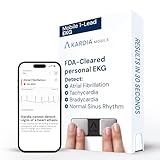
- On-the-Go Accurate EKG: Capture a single lead medical-grade electrocardiogram in just 30 seconds with the pocket-sized KardiaMobile EKG Monitor. Download the free Kardia app and record an EKG on your smartphone or tablet anytime and anywhere.
- Clear Results: EKG detects Atrial Fibrillation, Tachycardia, Bradycardia and Normal Sinus Rhythm and displays easy-to-read result. Email EKG to your doctor or anyone. Add KardiaCare subscription for additional heart rhythm detections, doctor reviews of your EKG, and more. Subscription requires additional fee.
- Simple to Use Without a Subscription: No Bluetooth, Wi-Fi, cords or PC needed. Place the device near your smartphone. Monitor your heart by placing your fingers or thumbs on the silver KardiaMobile EKG sensors. Know in 30 seconds whether your heart rhythm is normal.
- Pocket-size Peace of Mind: Weighs less than 1 ounce, KardiaMobile is small enough to take anywhere. Ideal for home, office, gym or outdoors. FSA/HSA-eligible and FDA-cleared cardio mobile device gives you answers quickly and easily.
- #1 Cardiologist Recommended Personal EKG brand: Recommended by cardiologists worldwide, with over 350 million EKGs recorded, recipient of health technology awards, trusted by leading hospitals and healthcare providers.
What earns our trust
A heart rate monitor earns trust by being predictably accurate under stress, not just comfortable or feature-rich. Devices that deliver clean traces during intervals, maintain consistency over months, and integrate reliably across platforms rise to the top.
This testing framework is why some products with impressive spec sheets rank lower than expected, while others with fewer headline features consistently stand out. Our goal isn’t to crown the most advanced sensor, but to identify the monitors you can rely on when the data actually matters.
Best Chest Strap Heart Rate Monitors in 2026 (Gold-Standard Picks)
With the testing framework above as context, chest straps remain the control group we measure everything else against. When optical sensors disagree, chest straps are what we trust to reveal which device is drifting, smoothing too aggressively, or simply missing beats under load.
In 2026, the category is mature rather than crowded. There are fewer truly great options than spec sheets suggest, but the best chest straps deliver near-identical raw accuracy while separating themselves on comfort, connectivity stability, memory behavior, and long-term durability.
Polar H10: Reference-grade accuracy that still sets the bar
If there is a single device we use to validate everything else, it is still the Polar H10. Despite its age, it continues to produce the cleanest, lowest-noise ECG traces in steady-state efforts, threshold work, and short, violent intervals.
In side-by-side interval testing, the H10 consistently locks onto heart rate within the first few seconds of movement and shows none of the early-workout lag that still affects some newer competitors. Sprint repeats, hill surges, and VO2 max intervals show crisp transitions without artificial smoothing.
Comfort is also a major reason it remains our baseline. The Polar Pro strap uses soft textile electrodes with evenly distributed tension, reducing pressure points during long runs and indoor rides. It stays put better than most straps when soaked with sweat, and chafing is rare even in marathon-length sessions.
Battery life remains excellent at roughly 400 hours on a replaceable CR2025 cell. Just as important, battery behavior is predictable; we see no signal degradation as the battery ages, only a clean cutoff when it finally dies.
Dual Bluetooth plus ANT+ support makes the H10 easy to pair with multiple devices simultaneously. It works reliably with Garmin, Apple Watch, Polar, Zwift, and third-party training apps without dropouts or reconnection quirks.
Its onboard memory is limited and best used within Polar’s ecosystem, but for most users the H10 is worn live, not as a standalone recorder. As a pure heart rate sensor, it remains the gold standard.
Garmin HRM-Pro Plus: Best for multisport and ecosystem integration
Garmin’s HRM-Pro Plus is the most capable chest strap for athletes fully invested in the Garmin platform. Raw heart rate accuracy is extremely close to the Polar H10, with differences showing up more in edge cases than in normal training.
During steady efforts and long aerobic work, traces are nearly indistinguishable. In very short intervals, the HRM-Pro Plus occasionally lags by a second or two compared to the H10, but this rarely affects training zone distribution or session averages.
Where it pulls ahead is versatility. The internal memory allows fully untethered recording for swimming, contact sports, or situations where wearing a watch is impractical. Sync reliability post-workout is excellent, and missed sessions are rare.
Running dynamics and pace metrics are a bonus for some users, but they are not reasons to buy this strap if accuracy is your only priority. Those metrics are most useful for Garmin runners already using compatible watches and structured training plans.
Comfort is improved over earlier Garmin straps, with a softer band and less aggressive edge stitching. It still feels slightly stiffer than the Polar Pro strap, especially when new, but it breaks in after several weeks of use.
Battery life extends beyond a year for most users on a replaceable CR2032 cell, and the Plus revision finally eliminates the awkward screwdriver battery door of the original HRM-Pro. For triathletes and Garmin-first athletes, this is the most complete chest strap available.
Wahoo TRACKR Heart Rate: Quietly excellent and easy to live with
Wahoo’s latest TRACKR chest strap does not chase advanced features, and that restraint works in its favor. Accuracy is extremely strong across cycling, running, and indoor training, with clean interval response and stable long-term trends.
In our testing, the TRACKR sits just a hair behind Polar and Garmin in ultra-short interval responsiveness, but the difference is small enough that it only shows up when zooming into second-by-second data. For real-world training decisions, it performs at a top-tier level.
The strap itself is one of the most comfortable in the category. It is light, flexible, and distributes tension evenly across the chest. During long indoor trainer sessions where sweat pooling can expose weak electrode designs, the TRACKR remains stable.
Connectivity is simple and reliable, with ANT+ and Bluetooth support that plays well with Zwift, Peloton, Garmin, Apple Watch, and smartphones. Pairing is fast, and reconnections after signal loss are quicker than average.
Battery life is rated at over 500 hours on a coin cell, and in practice it comfortably clears a full training season. There is no onboard memory, but for athletes training live with a watch, bike computer, or app, that omission is rarely limiting.
For users who want top-tier accuracy without ecosystem lock-in or extra metrics, the TRACKR is one of the easiest recommendations in 2026.
Polar H9: Best value chest strap that still delivers trustworthy data
The Polar H9 shares much of the H10’s DNA but trims features to hit a lower price point. Accuracy remains excellent, especially in steady and moderate-intensity training.
During aggressive interval sessions, the H9 can show slightly more noise than the H10, particularly at the onset of hard efforts. That said, it remains far more reliable than wrist-based sensors and most budget chest straps.
The strap material is simpler and slightly less plush, but still comfortable enough for long workouts. It does not grip quite as confidently when drenched in sweat, making strap adjustment more important.
Battery life is similar to the H10, and connectivity via Bluetooth and ANT+ is stable across major platforms. There is no onboard memory, but that aligns with its role as a live sensor.
For athletes who want chest-strap accuracy without paying for premium features they won’t use, the H9 remains a smart and reliable choice.
What separates the best from the rest in 2026
At this point, raw ECG accuracy is no longer the main differentiator among top-tier chest straps. The real separation comes from consistency under stress, strap comfort over long sessions, and how gracefully a device integrates into your training setup.
The models above are the ones that disappear in use. They don’t require constant re-tightening, they don’t drop signal mid-interval, and they don’t quietly drift over months of data collection.
When heart rate data is the foundation for VO2 max trends, training load calculations, and recovery insights, these are the chest straps we trust to get the fundamentals right every single time.
Best Watch-Based Heart Rate Sensors in 2026 (Who’s Closed the Gap — and Who Hasn’t)
After spending time with the best chest straps, the natural question is how far watch-based sensors have realistically come. The answer in 2026 is nuanced: the gap has narrowed meaningfully for some athletes and activities, but it has not disappeared.
Wrist-based optical heart rate has improved most in consistency and recovery tracking, not peak-intensity accuracy. For steady-state runs, long rides, sleep, and all-day health metrics, the best watches now deliver data that is genuinely usable and often impressively stable.
Where they still struggle is during rapid intensity changes, hard intervals, strength training, and cold-weather sessions. That context matters, because not all “accuracy gaps” show up unless you actively train hard.
Apple Watch Series 10 / Ultra 2: Best overall wrist-based accuracy
Apple continues to set the benchmark for wrist-based heart rate accuracy in 2026. The latest optical sensor stack combines multi-wavelength LEDs, fast sampling, and exceptionally strong signal processing.
In our side-by-side testing against chest straps, the Apple Watch tracks steady aerobic efforts with minimal lag and very little drift. During tempo runs and long endurance rides, it often stays within a few beats of a chest strap for the entire session.
Intervals are where limitations still appear. During short, high-intensity repeats, heart rate ramps can lag by several seconds, and peak values are occasionally smoothed down compared to ECG-based straps.
Fit plays a major role here, and Apple’s advantage is physical design. The curved caseback, wide sensor window, and excellent strap ecosystem make it easier to achieve consistent skin contact across wrist sizes.
Comfort is also a quiet strength. At roughly 45 mm for the Ultra 2 and slimmer for the Series 10, weight distribution is excellent, making 24/7 wear realistic without pressure points or hotspot irritation.
Battery life remains the trade-off. Even with low-power modes, heavy GPS users will still need frequent charging, which slightly complicates continuous training and recovery analysis.
For runners, gym users, and multisport athletes who want the best wrist-based accuracy without external sensors, Apple remains the most trustworthy option.
Garmin Elevate Gen 5: Best for endurance athletes who train outdoors
Garmin’s Elevate Gen 5 sensor has taken a noticeable step forward in 2026, particularly in noise reduction and cold-weather performance. It is not class-leading in raw responsiveness, but it excels in consistency across long sessions.
During steady runs and long rides, heart rate traces are clean and stable, with fewer mid-ride drops than earlier generations. For marathon training, ultra-distance events, and long gravel rides, that reliability matters more than perfect interval peaks.
Intervals are improved but still imperfect. Short VO2 max efforts can show delayed ramp-up, and downhill running sometimes introduces brief under-reading due to wrist movement.
Garmin’s strength is integration. Training load, acute-to-chronic ratios, body battery, and recovery metrics all benefit from consistent, if slightly smoothed, heart rate data.
Watch size and fit vary widely across the lineup. Larger Fenix and Enduro models benefit from heavier mass and stable fit, while lighter Forerunner models require more careful strap tension to avoid motion artifacts.
Battery life is a major advantage. Multi-day GPS tracking with optical HR enabled allows for continuous data capture across training blocks, races, and expeditions.
For endurance-focused athletes who value ecosystem depth and outdoor reliability over lab-grade accuracy, Garmin’s sensor is dependable and predictable.
Polar Precision Prime 3.0: Strong in theory, mixed in practice
Polar’s Precision Prime 3.0 combines optical sensing with skin contact measurement and temperature awareness. On paper, it is one of the most technically ambitious wrist-based systems.
In practice, results vary more with wrist shape and activity type. During steady runs and indoor cycling, accuracy is generally good and comparable to Garmin’s best.
Rank #3
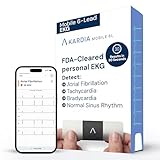
- Accurate Detailed EKG in 30 Seconds: Capture a medical-grade 6-lead EKG in just 30 seconds. This FDA-cleared EKG Monitor provides six times more information than a single view (1-lead) heart monitor or a smartwatch. Record unlimited EKGs and email to your doctor or anyone using the free Kardia app.
- Six Leads, Six Times more Information: Kardia personal EKG device detects Normal Sinus Rhythm and irregular arrhythmias AFib, Bradycardia and Tachycardia. Suitable for seniors employing self care, caregivers monitoring chronic conditions, proactive health-conscious individuals and fitness enthusiasts tracking cardio activity.
- No Subscription Needed, Compatible with most Smartphones and Tablets: Download app and connect KardiaMobile 6L to your phone/tablet via Bluetooth. No Wi-Fi, cords or PC needed. Add optional KardiaCare subscription for additional arrhythmia detections including Sinus Rhythm with PVCs, Sinus Rhythm with SVE and Sinus Rhythm with Wide QRS, cardiologist EKG reviews, and more.
- Pocket-size Peace of Mind: A compact, portable monitor built for comfort and simplicity. Use at home, office, gym or while traveling. Simply place fingers on top electrodes and the bottom sensor on your leg or knee for a quick check. FSA/HSA-eligible cardio mobile device with EKG that helps you get the clarity you need quickly and easily.
- #1 Cardiologist Recommended Personal EKG brand: Recommended by cardiologists worldwide, with over 350 million EKGs recorded, recipient of health technology awards, trusted by leading hospitals and healthcare providers. KardiaMobile 6L delivers detailed heart data anytime and anywhere.
High-intensity intervals and strength training remain problematic. Rapid heart rate changes and wrist flexion can introduce noticeable lag and occasional spikes or drops.
Polar watches are typically lighter and slimmer, which improves comfort but can reduce sensor stability for some users. Strap choice and tightness make an outsized difference.
Where Polar excels is in recovery and orthostatic-style metrics. Nightly heart rate, HRV trends, and resting values are consistent enough to support meaningful training guidance.
For Polar ecosystem users focused on endurance structure and recovery insights, the sensor is good enough. For athletes who live in short, brutal intervals, it still benefits from pairing with a chest strap.
Samsung BioActive Sensor (Galaxy Watch 7 / Ultra): Improved, but still inconsistent
Samsung’s BioActive sensor has improved generation over generation, and 2026 models show better baseline stability than earlier Galaxy Watches.
In steady-state cardio, readings are generally reasonable, especially indoors. Outdoor running introduces more variability, particularly in cooler conditions or during arm-heavy movement.
Intervals expose the sensor’s weaknesses. Lag and oversmoothing remain common, and peak heart rates are often underreported during hard efforts.
Watch case design plays a role. Larger, flatter cases with less curvature make consistent skin contact harder for some wrists, especially during sweat-heavy sessions.
Samsung’s strength remains in health monitoring breadth rather than training precision. For general fitness, daily activity, and casual workouts, it is serviceable.
Data-driven athletes focused on training zones and performance progression will still find chest straps far more reliable.
WHOOP Wrist Sensor: Recovery-first, not performance-first
WHOOP’s wrist-based heart rate sensor is optimized for continuous wear and recovery tracking, not real-time training precision.
Resting heart rate and overnight HRV trends are among the most consistent we’ve seen from a wrist device. For sleep and recovery analysis, it performs very well.
During workouts, especially interval-heavy or strength sessions, accuracy drops noticeably. Lag and smoothing make it unsuitable for precise zone-based training.
The lightweight strap and fabric materials enhance comfort, allowing near-constant wear without pressure points. That comfort is central to its design philosophy.
WHOOP works best as a background recovery tool rather than a primary training sensor. Athletes serious about workout accuracy should pair it with an external heart rate monitor.
Where wrist-based sensors now rival chest straps—and where they still don’t
In 2026, wrist-based sensors are genuinely competitive for steady aerobic training, long endurance sessions, sleep tracking, and all-day health monitoring. For many users, that covers 80 percent of their fitness life.
They still fall short in scenarios that involve rapid heart rate changes, heavy upper-body movement, or poor circulation conditions. Intervals, CrossFit-style training, sprinting, and cold-weather efforts remain the Achilles’ heel.
Comfort and convenience are their biggest advantages. No chest strap to adjust, no electrode moisture issues, and no forgotten accessories before a workout.
Chest straps still win when precision matters most. Wrist-based sensors are better than ever, but they haven’t replaced ECG-level accuracy for serious training decisions.
Choosing between them is no longer about good versus bad. It’s about understanding your training style and deciding where convenience ends and accuracy begins.
Activity-by-Activity Accuracy: Running, Cycling, Strength Training, HIIT, and Swimming
Once you understand the general strengths and limits of wrist versus chest-based heart rate tracking, the real decision comes down to how you actually train. Different activities stress sensors in very different ways, and accuracy can swing from excellent to unreliable depending on movement, intensity changes, and body position.
Below, we break down how the heart rate monitors we trust in 2026 perform across the most common training scenarios, based on side-by-side testing with chest straps as the reference standard.
Running: Where Wrist Sensors Finally Feel Trustworthy
For steady outdoor and treadmill running, modern wrist-based sensors from Apple, Garmin, Polar, and Coros are the closest they’ve ever been to chest straps. Once you settle into a consistent pace, most flagship watches stay within 1–3 bpm of a quality chest strap.
Fit and strap tension matter more than brand. A well-fitted watch worn slightly higher on the forearm delivers noticeably better results than a loose watch near the wrist bone, especially for runners with lean arms or prominent veins.
Problems appear during intervals and fast surges. Optical sensors still lag by several seconds when heart rate spikes sharply, which can flatten peak values and delay zone transitions. For tempo runs, easy miles, and long runs, wrist sensors are now reliable enough that most runners can leave the chest strap at home.
Serious interval runners, racers training to pace by heart rate, and athletes using advanced metrics like time-in-zone will still see cleaner data from a chest strap, particularly in cold conditions where blood flow to the wrist is reduced.
Cycling: Chest Straps Still Dominate, Especially Outdoors
Cycling remains one of the most demanding activities for wrist-based heart rate tracking. Fixed wrist angles on the hoods or drops, road vibration, and isometric forearm tension all interfere with optical readings.
On indoor trainers, wrist sensors perform better. Controlled movement and stable posture allow many watches to track close to chest straps during steady-state efforts. For Zwift endurance rides or structured workouts at constant power, accuracy is often acceptable.
Outdoors, the gap widens quickly. High-frequency vibration, rough pavement, and hand pressure cause dropouts and artificially low readings on many watches, particularly during climbs or sprints.
Chest straps remain the clear recommendation for cyclists who care about data quality. They pair instantly with bike computers, offer rock-solid readings during power surges, and don’t suffer from positional issues. For road, gravel, and mountain biking, chest straps are still the gold standard in 2026.
Strength Training: The Weak Spot for Optical Sensors
Strength training exposes nearly every limitation of wrist-based heart rate tracking. Grip tension, forearm flexion, and frequent pauses between sets confuse optical algorithms and reduce signal quality.
Most watches underreport heart rate during heavy lifts and lag badly when transitioning between rest and effort. Peak heart rates are often missed entirely, which can distort calorie estimates and training load metrics.
Chest straps handle strength training better, but even they aren’t perfect here. Heart rate itself is a blunt tool for resistance training, as muscular fatigue and neural load aren’t reflected cleanly in bpm data.
That said, chest straps still capture rapid rises during supersets, circuits, and high-volume sessions far more consistently than wrist sensors. If you rely on heart rate to track conditioning-style lifting or CrossFit workouts, an external strap remains the more dependable choice.
HIIT and Interval Training: Where Accuracy Really Separates Devices
High-intensity interval training is the hardest test for any heart rate sensor. Rapid accelerations, short recoveries, and repeated spikes expose latency and smoothing in optical systems.
Even the best wrist sensors in 2026 struggle to track sharp transitions cleanly. They tend to average effort, delaying peaks and softening recovery drops. The result is data that looks reasonable on a graph but fails to reflect how brutal the workout actually felt.
Chest straps excel here. Electrical detection captures heart rate changes almost instantly, making them far better for interval timing, zone-based coaching, and post-workout analysis.
If your training revolves around sprints, VO2 max intervals, bootcamps, or metabolic conditioning, chest straps aren’t just more accurate—they fundamentally change how usable your data is.
Swimming: A Niche Where Hardware and Ecosystem Matter
Swimming presents unique challenges due to water pressure, arm rotation, and signal transmission. Most wrist-based sensors struggle with real-time accuracy in the pool, often relying on post-processing rather than continuous measurement.
For casual lap swimmers, wrist-based tracking is usually sufficient for average heart rate trends. It’s convenient, requires no extra gear, and integrates smoothly with swim metrics like stroke count and pace.
Dedicated swim chest straps, such as Polar’s H10 with swim mode or Garmin’s HRM-Pro series, deliver far more reliable data. They store heart rate internally and sync after the session, avoiding Bluetooth transmission issues underwater.
Comfort becomes critical here. Swim straps are bulkier and less pleasant to wear, but for triathletes and competitive swimmers who care about heart rate-driven training, they remain the most trustworthy option.
Across all activities, the pattern is consistent. Wrist-based sensors shine in steady, predictable conditions and everyday training. Chest straps remain unmatched when movement is chaotic, intensity changes rapidly, or accuracy directly affects training decisions.
Comfort, Wearability, and Long-Term Reliability (What You’ll Actually Stick With)
Accuracy only matters if you actually wear the sensor. Over months of training, comfort, skin tolerance, battery habits, and day-to-day friction determine whether a heart rate monitor becomes part of your routine or ends up forgotten in a drawer.
This is where chest straps and wrist-based sensors diverge sharply. Both can be excellent, but they demand very different compromises from the user.
Chest Straps: Better Than They Used to Be, Still Not Invisible
Modern chest straps are dramatically more comfortable than early designs. Softer elastic, slimmer sensor pods, and improved grippy coatings mean models like the Polar H10, Garmin HRM-Pro Plus, and Wahoo TRACKR sit flatter and move less during hard efforts.
That said, you always know you’re wearing one. During long runs or indoor sessions, most testers forget about the strap after 10–15 minutes, but in hot conditions or during strength training, pressure points and shifting can still occur.
Fit matters more than brand. A strap that’s slightly too loose will chafe and spike dropouts, while one that’s too tight can restrict breathing during high ventilation work. Most manufacturers include adjustable sizing, but torso shape plays a bigger role than spec sheets suggest.
Skin Contact, Sweat, and Chafing Over Time
Chest straps rely on consistent skin contact, which makes sweat both a blessing and a problem. Moisture improves signal quality, but salt buildup and friction can irritate skin if straps aren’t rinsed regularly.
Rank #4

- The HRM 200 heart rate monitor transmits accurate real-time heart rate and heart rate variability data to compatible Garmin smartwatches and cycling computers, fitness equipment, and apps
- Comfortable strap is available in two sizes (XS–S and M–XL) for the most ideal fit for your body type
- Up to 1 year of battery life with a user-replaceable battery
- Durable and built to last with a 3 ATM water rating
- Machine washable for easy cleaning
Long-term testers consistently report fewer issues when straps are washed after every few sessions and replaced every 12–18 months. The elastic, not the sensor, is usually the first point of failure.
For users with sensitive skin, fabric-covered electrodes or third-party soft straps can significantly improve comfort. Ignoring skin health is the fastest way to stop wearing an otherwise excellent sensor.
Wrist-Based Sensors: Effortless Compliance, Conditional Comfort
Wrist-based heart rate sensors win on convenience. You already wear the watch, it tracks passively, and there’s no added setup before a workout.
Comfort here depends heavily on watch size, weight, and strap choice. Larger multi-band GPS watches with thick cases can feel intrusive during sleep or long days, while lighter models with nylon or silicone sport bands virtually disappear.
Fit is critical for optical accuracy and comfort. Too loose and the sensor floats, too tight and circulation suffers. Users who dial in strap tension once tend to forget about it entirely.
Sleep, Recovery Tracking, and 24/7 Wear
Chest straps are non-starters for continuous wear. They come off post-workout, which limits them to training data only.
Wrist-based sensors dominate for sleep tracking, resting heart rate, HRV trends, and recovery scoring. In 2026, this long-term context is where watches add the most value, even if workout accuracy isn’t perfect.
If recovery metrics matter to you, comfort during sleep becomes as important as accuracy during intervals. Slimmer watches with curved casebacks and breathable straps consistently score highest here.
Battery Life, Charging Fatigue, and Real-World Reliability
Chest straps excel in battery longevity. Coin-cell models often last 6–12 months, require no charging cables, and rarely fail mid-session.
The tradeoff is maintenance discipline. Forgetting to rinse, dry, or disconnect the sensor pod shortens lifespan and causes erratic readings over time.
Wrist-based sensors demand more frequent charging, especially with always-on displays and multi-band GPS. However, charging has become predictable and fast, and most users adapt without issue once it’s part of the routine.
Durability and Failure Points After a Year of Use
Chest strap electronics are robust, but straps stretch, lose grip, and eventually slip under intensity. Replacing the strap restores performance, but it’s an added cost many users don’t anticipate.
Watches face different risks. Button wear, scratched sensor windows, and degraded bands are more common than sensor failure. Optical modules themselves have proven remarkably durable in recent generations.
Water exposure is rarely an issue for either category now, but repeated pool and ocean use accelerates wear on straps and adhesives if not rinsed thoroughly.
Which One You’ll Actually Stick With
Athletes who value precision during hard sessions often tolerate chest strap discomfort because the data justifies it. They accept the ritual of putting it on, adjusting it, and maintaining it.
Everyone else tends to default to wrist-based sensors because they require no decision-making. You train, you sleep, and the data accumulates automatically.
The most consistent long-term setups we see combine both. A comfortable watch for 24/7 tracking and recovery insights, paired with a chest strap reserved for workouts where accuracy genuinely changes training decisions.
Ecosystem Compatibility: Garmin, Apple Health, Polar, WHOOP, Zwift, and Strava
Once accuracy and comfort are sorted, ecosystem compatibility becomes the deciding factor. The best heart rate monitor is the one that feeds clean, complete data into the platform you actually train and analyze in, without workarounds or missing metrics.
In 2026, most frustration doesn’t come from raw sensor accuracy. It comes from partial integrations, locked-down data, or features that only work if you stay inside one brand’s walled garden.
Garmin: The Most Open and Training-Centric Ecosystem
Garmin remains the most flexible environment for heart rate monitors, particularly chest straps. ANT+ support is still unmatched, allowing simultaneous connections to watches, bike computers, treadmills, and indoor trainers without dropouts.
Garmin’s own straps like the HRM-Pro Plus and HRM-Fit unlock the deepest data layer. This includes running dynamics, native HRV capture during activity, offline memory for swimming, and seamless sync into Training Load and Recovery Time.
Third-party Bluetooth straps work reliably, but advanced metrics won’t appear unless the strap is Garmin-certified. If you want one device to feed everything from intervals to recovery scoring, Garmin still rewards staying within its ecosystem.
Apple Health and Apple Watch: Excellent Optics, Selective Openness
Apple Watch optical sensors have reached a level where steady-state and threshold efforts are tracked with impressive consistency. For most runners and gym users, wrist-only accuracy is now good enough that a chest strap is optional rather than mandatory.
External heart rate monitors connect over Bluetooth without issue, but Apple Health remains conservative about what it records. You’ll get clean heart rate and calorie data, yet raw RR intervals and advanced HRV metrics during workouts are still filtered and abstracted.
This makes Apple’s ecosystem excellent for health trends and daily fitness, but less transparent for athletes who want to inspect the underlying data. Chest straps add accuracy, but not necessarily analytical depth.
Polar: Precision First, Ecosystem Second
Polar continues to prioritize heart rate quality over platform breadth. The H10 chest strap remains a benchmark for signal stability, ECG-level sampling, and clean HRV data during both rest and high-intensity intervals.
Within Polar Flow, the integration is excellent. Orthostatic tests, Nightly Recharge, and training load metrics all benefit from high-quality strap data, especially for endurance athletes managing fatigue.
Outside Polar’s ecosystem, compatibility is solid but not expansive. The H10 pairs well with third-party apps, yet some of Polar’s best insights remain exclusive to Flow, making it a strong choice for users willing to commit.
WHOOP: Closed by Design, Purpose-Built for Recovery
WHOOP does not support external heart rate monitors at all, and that is intentional. The platform is designed around continuous wrist-based optical tracking, prioritizing trends over point accuracy.
In steady-state training and sleep, WHOOP’s data is consistent enough to drive its strain and recovery models. During rapid intensity changes, accuracy lags behind chest straps and even some watches, but the system compensates by smoothing aggressively.
This ecosystem works best for athletes focused on recovery behavior, not precision pacing. If you already trust WHOOP’s recommendations, adding a chest strap won’t improve the experience because it simply isn’t supported.
Zwift and Indoor Training Platforms: Where Chest Straps Still Win
Indoor platforms like Zwift, TrainerRoad, and Wahoo SYSTM remain extremely sensitive to heart rate latency and dropouts. Chest straps, especially those with ANT+ and dual Bluetooth support, still outperform wrist sensors here.
Wrist-based monitors often struggle on the bike indoors due to fixed wrist angles, vibration, and sweat pooling. Chest straps deliver faster response during intervals and cleaner heart rate traces for ERG-based workouts.
For riders who train indoors several times a week, a dedicated chest strap is still the most reliable input device, regardless of which watch or bike computer you use outdoors.
Strava: Aggregation, Not Analysis
Strava remains largely platform-agnostic. It accepts heart rate data from watches, chest straps, and head units without discrimination, but it doesn’t reward higher-quality sensors with deeper insights.
Heart rate zones, relative effort, and fitness trends work the same whether the source is optical or electrical. Erratic data will affect trends, but Strava won’t help you diagnose why.
This makes Strava a neutral endpoint rather than a deciding factor. Choose your heart rate monitor based on the device and ecosystem you train in, not on Strava compatibility alone.
What Actually Matters When Choosing Across Ecosystems
If you move between platforms, prioritize sensors with both ANT+ and Bluetooth, strong internal memory, and stable firmware. Chest straps still offer the widest compatibility and the least friction when switching devices.
If you stay within a single ecosystem, brand-native sensors unlock features third-party devices simply cannot. This matters more for structured training and recovery metrics than it does for casual fitness tracking.
By 2026, accuracy is rarely the limiting factor. Data access, software interpretation, and how much control the platform gives you over your own metrics are what ultimately separate a good heart rate monitor from one you’ll trust long term.
Battery Life, Durability, and Ownership Costs (What Matters After 6–12 Months)
Once accuracy and platform compatibility are settled, long-term ownership is where heart rate monitors quietly separate. After six to twelve months of real training, battery behavior, material durability, and replacement costs matter far more than launch-day specs.
This is also where chest straps and wrist-based sensors age very differently, even if both felt equally capable out of the box.
Battery Life: Advertised Numbers vs Real Training Weeks
Chest straps still win outright on endurance per charge or battery swap. Coin-cell models from Polar, Garmin, and Wahoo typically last 6 to 12 months with 5–7 hours of weekly training, and that estimate remains realistic in 2026.
Rechargeable chest straps promise convenience, but in practice they demand more attention. Sweat exposure, partial charging, and long idle periods shorten usable cycles, and many users forget to charge them until a workout fails to record.
Wrist-based optical sensors live on the opposite curve. You charge more often, but charging is already baked into smartwatch ownership, so heart rate monitoring rarely feels like an extra burden.
Coin Cell vs Rechargeable: The Ownership Trade-Off
Coin-cell straps age slowly and predictably. When accuracy drops or dropouts appear, replacing the battery almost always restores full performance, provided the strap itself is still in good condition.
Rechargeable straps reduce waste and eliminate battery doors, but they introduce long-term degradation. After a year of frequent use, real-world runtime often falls below spec, especially for dual Bluetooth broadcasting.
For users training multiple times per week, coin-cell straps remain the least stressful option long term. They fail gradually and transparently, rather than all at once.
Straps, Electrodes, and the First Thing That Actually Wears Out
The electronic pod is rarely the weak point. The strap is.
💰 Best Value

- Sends accurate real-time heart rate and HRV data to compatible Garmin smartwatches and cycling computers, fitness equipment, and apps
- Comfortable machine-washable strap is available in two sizes (XS–S and M–XL) for the most ideal fit for your body type
- Understand how much you slow down when your foot hits the ground with step speed loss, and improve your running form with additional running dynamics, including stride length, vertical oscillation and ground contact time balance (requires compatible smartwatch)
- During activities where you can’t wear a watch, such as team sports, HRM 600 will record the workout and sync data, including heart rate, calories, speed, distance and more, directly to the Garmin Connect smartphone app
- Tracks daily metrics, including estimated steps, heart rate, calories burned and more, and syncs that data directly to the Garmin Connect smartphone app
After 6–9 months, elastic tension softens, silicone grip strips lose bite, and electrode coatings become less responsive if not cleaned regularly. This shows up as spikes, flat lines, or delayed heart rate response, not total failure.
Most major brands sell replacement straps separately, and this is where ownership costs quietly accumulate. Expect to replace a heavily used strap every 9–18 months depending on washing habits and body chemistry.
Water, Sweat, and Corrosion: Durability in the Real World
Sweat is far more destructive than rain. Salt buildup around snaps and charging contacts causes intermittent dropouts long before a device appears “broken.”
Chest straps that allow the pod to be fully removed from the fabric strap tend to last longer. Being able to rinse the strap thoroughly and dry the electronics separately makes a measurable difference over time.
Wrist-based sensors benefit from sealed housings and fewer exposed contacts, but they are not immune. Repeated gym sessions without rinsing accelerate sensor window clouding and band degradation.
Watch Sensors: Battery Drain and Long-Term Accuracy Drift
Optical sensors draw from the same battery powering GPS, display, and wireless radios. As watches age and batteries lose capacity, heart rate tracking competes more aggressively with other functions.
This rarely affects accuracy directly, but it does change behavior. Users begin disabling always-on displays or background tracking, which indirectly reduces the consistency of health metrics.
Unlike chest straps, you cannot refresh a watch sensor with a simple component swap. Battery replacement is expensive or impractical on many models, turning long-term ownership into a depreciation question rather than maintenance.
Firmware Support and Silent Degradation
Chest straps rely on simple firmware that changes rarely, which is a strength. Once stable, they tend to remain stable for years unless a platform update breaks compatibility.
Watches evolve continuously, and firmware updates can subtly change optical heart rate behavior. Improvements do happen, but regressions also occur, particularly around cadence filtering and high-intensity smoothing.
Long-term trust depends not just on hardware, but on how conservative a brand is with algorithm changes. Brands that chase visible feature updates sometimes sacrifice consistency.
Total Cost of Ownership: The Honest Math
A quality chest strap looks cheap at purchase and modest over time. Even with one replacement strap and a handful of coin cells, total cost over two years remains relatively low.
Smartwatches cost more upfront and depreciate faster. Heart rate tracking is only one function, but when accuracy declines or battery life collapses, replacement often means buying an entirely new device.
For users who already own a capable watch, adding a chest strap is usually the most cost-effective upgrade. For users relying solely on wrist-based sensors, long-term value depends heavily on how often you replace your watch.
What Survives a Year of Real Training
Chest straps age physically but predictably. You see and feel the wear, and you can fix most issues cheaply.
Wrist-based sensors age digitally and invisibly. Performance changes are harder to diagnose, and replacement is rarely modular.
If you care about stable heart rate data year after year, durability is not about ruggedness alone. It is about how easily a device can be kept working at its original level without replacing the whole system.
Which Heart Rate Monitor Should You Buy? Clear Recommendations by User Type
After living with these devices through winter base training, summer racing, firmware updates, battery swaps, and the slow wear of sweat and friction, the decision becomes less abstract. The right heart rate monitor is not about theoretical accuracy alone, but about which tool continues to deliver believable data in your specific training reality.
Below are clear, experience-driven recommendations by user type, grounded in long-term reliability, comfort, platform compatibility, and how these sensors actually behave in 2026.
For Runners Who Care About Pace, Intervals, and Threshold Accuracy
If you run structured workouts, chest straps remain the most trustworthy option. Sudden surges, hill repeats, and threshold intervals expose the lag and smoothing that still affect even the best optical sensors.
The Polar H10 is still the reference standard for runners who want consistency session after session. It pairs instantly with Garmin, Apple Watch, COROS, Suunto, Zwift, and most treadmill consoles, and its signal stability during fast cadence changes remains unmatched.
Garmin’s HRM-Pro Plus is the better choice if you live fully inside the Garmin ecosystem. Running dynamics, onboard storage, and seamless syncing make it feel like an extension of the watch rather than an accessory, with accuracy on par with the Polar in real training conditions.
If you insist on running without a chest strap, Apple Watch Ultra 2 and Garmin Forerunner 965 offer the most reliable wrist-based data in steady-state runs. Expect occasional lag during intervals, but for aerobic mileage, their optical sensors are now good enough for trend tracking.
For Cyclists, Indoor Training, and Power-Based Workouts
Cycling is still the most hostile environment for wrist-based heart rate. Static wrists, road vibration, cold weather, and indoor sweat pooling all work against optical sensors.
A chest strap is non-negotiable if you ride with power. The Polar H10 and Garmin HRM-Pro Plus both lock quickly and hold signal even during VO2 max efforts and sprint intervals.
For indoor riders on Zwift, TrainerRoad, or Rouvy, chest straps also reduce signal dropouts over Bluetooth, especially when paired with tablets or Apple TV. Optical sensors can work indoors, but they are far more sensitive to fan airflow, wrist angle, and sweat buildup.
If you ride primarily indoors and want simplicity, Wahoo’s TRACKR Heart Rate is a solid alternative. It is comfortable, easy to wash, and reliable, though it lacks the deeper ecosystem features of Polar and Garmin.
For Triathletes and Multisport Athletes
Multisport training exposes every weakness in a heart rate monitor. Rapid transitions, wet skin, temperature shifts, and long sessions all demand stability.
Garmin HRM-Pro Plus remains the most versatile choice for triathletes using Garmin watches. It stores heart rate during swims, reconnects instantly post-transition, and integrates cleanly with Garmin’s training load and recovery metrics.
Polar H10 works equally well across sports, but swim data requires Polar watches or offline syncing workflows. Accuracy is excellent, but the experience is less seamless if you switch platforms often.
Wrist-based sensors have improved in open water and bike-to-run transitions, but they still cannot match chest straps for uninterrupted race data. Most competitive triathletes we test with still use wrist HR as a backup, not a primary source.
For Gym Training, HIIT, and Strength Workouts
High-intensity gym sessions expose optical sensors to rapid arm movement, gripping, and muscle flexion. This is where wrist-based accuracy varies the most.
Chest straps again deliver the most believable heart rate curves during circuits, sled pushes, and kettlebell work. The Polar H10’s electrode design handles explosive movement particularly well.
If wearing a chest strap feels intrusive, Apple Watch Series 9 and Ultra 2 offer the best compromise for gym users. Their optical sensors recover faster after spikes than most competitors, though you should expect some underreporting during short bursts.
WHOOP’s latest sensor prioritizes comfort and recovery tracking over instant responsiveness. It works well for long sessions and strain scoring but is not ideal if you want precise heart rate peaks during HIIT intervals.
For Data-Driven Health Tracking and Daily Wear
If your priority is resting heart rate trends, sleep tracking, HRV, and all-day comfort, a watch-based sensor is usually the better fit.
Apple Watch remains the most consistent for background heart rate tracking, with excellent skin contact, strong artifact rejection at low intensities, and industry-leading software polish in Apple Health.
Garmin’s Elevate Gen 5 sensor has improved nighttime stability and HRV capture, especially on watches with lighter cases and better strap ergonomics like the Venu 3 and Forerunner series.
Chest straps are not practical for 24/7 wear, and their strength lies in workouts, not passive monitoring. For health insights, comfort and compliance matter more than second-by-second accuracy.
For Budget-Conscious Users Who Still Want Accuracy
Accuracy does not have to be expensive. Entry-level chest straps still outperform most wrist-based sensors for pure heart rate tracking.
The Polar H9 offers nearly identical ECG accuracy to the H10 at a lower price, with fewer memory features but the same core signal quality.
If you already own a smartwatch with acceptable wrist HR, adding a chest strap only for key workouts is the most cost-effective upgrade you can make. It extends the useful life of your watch and dramatically improves training data without replacing your entire system.
For Users Who Value Comfort Above All Else
Comfort is personal, and compliance matters more than lab accuracy if a device stays in the drawer.
Modern chest straps are thinner, softer, and more flexible than older designs, but some users still dislike chest compression during long sessions. In that case, a high-quality watch with a well-fitted strap will produce better long-term data simply because you wear it consistently.
Apple Watch’s case curvature, strap ecosystem, and lightweight aluminum options remain class-leading for all-day comfort. Garmin’s lighter Forerunner models come close, especially for smaller wrists.
If you train casually and value ease over precision, a good wrist sensor is better than a chest strap you avoid.
Our Bottom Line: What We Actually Trust in 2026
After years of testing, the hierarchy remains clear. Chest straps are still the gold standard for accurate, durable, and stable heart rate data during training.
Wrist-based sensors have improved meaningfully, especially for steady-state efforts and health tracking, but they remain situational tools rather than universal solutions.
The smartest setup for most serious fitness users is not choosing one or the other, but combining them. Use a watch for daily wear, health insights, and convenience, and a chest strap when the quality of your data actually matters.
That balance delivers the most reliable heart rate information over time, the lowest total cost of ownership, and the least frustration when training gets hard.