Garmin’s latest platform update is not a minor firmware refresh or a single-feature drop. It is a broad Connect ecosystem update that reshapes how coaching guidance is delivered and how users interact with each other around training data, plans, and accountability.
For years, Garmin has dominated on physiological depth while lagging behind Apple and Fitbit on social engagement and guided fitness experiences. This update is different because it deliberately targets those gaps without compromising Garmin’s core strengths: device-level metrics, long battery life, and sport-specific credibility.
What follows is a clear breakdown of what Garmin announced, how widely it applies, when users should expect it, and why it signals a meaningful shift in Garmin’s platform strategy rather than a one-off feature experiment.
Scope of the Announcement: A Platform Update, Not a Single Feature
Garmin framed this announcement as an expansion of Garmin Connect rather than a device-specific firmware upgrade, and that distinction matters. Most of the changes live at the account and app level, with watch-side updates focused on surfacing insights rather than doing heavy computation on-device.
🏆 #1 Best Overall

- Easy-to-use running smartwatch with built-in GPS for pace/distance and wrist-based heart rate; brilliant AMOLED touchscreen display with traditional button controls; lightweight design in 43 mm size
- Up to 11 days of battery life in smartwatch mode and up to 19 hours in GPS mode
- Reach your goals with personalized daily suggested workouts that adapt based on performance and recovery; use Garmin Coach and race adaptive training plans to get workout suggestions for specific events
- 25+ built-in activity profiles include running, cycling, HIIT, strength and more
- As soon as you wake up, get your morning report with an overview of your sleep, recovery and training outlook alongside weather and HRV status (data presented is intended to be a close estimation of metrics tracked)
At the core are two pillars: expanded adaptive coaching tools and deeper social interaction tied directly to training outcomes. Coaching now pulls more aggressively from existing metrics like Training Readiness, Acute Load, HRV Status, and recent sleep trends, while social features move beyond passive feed scrolling into active participation and shared goals.
Because the intelligence runs primarily in Connect, compatibility is broad. Recent Forerunner, Fenix, Epix, Venu, and Instinct models benefit most, but even older devices gain value through improved plan logic and community tools, assuming they already support core metrics like heart rate and activity tracking.
Rollout Timeline: Phased, Account-Based, and Region-Aware
Garmin is rolling this update out in phases rather than as a single global switch. Initial availability starts with Garmin Connect mobile updates, followed by incremental firmware pushes that add on-watch prompts, glanceable coaching cues, and richer post-workout summaries.
Historically, Garmin staggers features by device class, and that pattern holds here. High-end training watches receive the deepest integration first, particularly models with AMOLED displays and faster processors that can handle richer UI elements without impacting battery life.
For users, this means the update may appear gradually over several weeks. The key takeaway is that most functionality activates at the account level, so once it lands in Connect, even watches that don’t receive immediate firmware changes still gain improved coaching logic and social visibility.
How the New Coaching Experience Actually Works in Practice
The updated coaching system moves Garmin closer to a day-to-day adaptive coach rather than a static training plan provider. Instead of simply telling you what workout is scheduled, the system contextualizes that session against recovery, recent load, and upcoming goals.
For example, a threshold run is no longer treated as mandatory if sleep debt or HRV suppression suggests elevated fatigue. The system can nudge intensity down, suggest an alternative session, or flag when sticking to the original plan carries higher risk, all without fully overriding user autonomy.
This is a meaningful evolution from Garmin’s older plan-based approach and brings it closer to Apple’s Training Load intelligence while retaining deeper sport-specific nuance for runners, cyclists, and triathletes.
Social Features Shift From Passive to Purpose-Driven
Garmin’s social tools have historically felt dated: leaderboards, likes, and comments without much training relevance. This update reframes social interaction around shared progress rather than vanity metrics.
Users can now join goal-based groups, participate in collaborative challenges tied to training phases, and compare trend-based metrics like consistency and load balance instead of raw pace or distance. The emphasis is on accountability and motivation, not competition for its own sake.
Importantly, these features are optional and customizable. Garmin has clearly designed them to coexist with its privacy-first reputation, allowing users to control exactly which data is shared and with whom.
Why This Update Is Strategically Different for Garmin
This announcement signals that Garmin is no longer content to win solely on hardware endurance and data depth. Apple dominates casual coaching through rings and Fitness+, while Samsung and Fitbit lean heavily into lifestyle engagement and community nudges.
Garmin’s response is not to simplify its metrics, but to translate them into clearer guidance and shared experiences. By making advanced data more actionable and more social, Garmin reduces the intimidation factor for newer users while giving experienced athletes better context for their decisions.
The result is a platform that feels less like a personal data vault and more like an active training partner, without sacrificing battery life, durability, or multi-sport credibility that serious users expect from Garmin hardware.
Smarter Coaching at the Core: How the New Adaptive Training and Coach Features Actually Work
What makes this update feel cohesive with Garmin’s broader shift is that coaching intelligence now sits at the center of the platform rather than as a bolt-on feature. Instead of static plans living inside Garmin Connect, adaptive logic is woven directly into daily suggested workouts, Garmin Coach plans, and race-focused training timelines.
The practical result is that guidance adjusts continuously, not just weekly or after missed sessions. Garmin’s watches are no longer simply reporting readiness and load; they are actively reconciling those signals into concrete training decisions.
Adaptive Training Is Now Multi-Signal, Not Single-Metric
At the heart of the update is a more nuanced interpretation of readiness that blends HRV status, sleep quality, recent acute load, chronic load trends, and recovery time. Previously, daily suggestions often leaned too heavily on short-term fatigue, leading to conservative recommendations after a single poor night.
The new system weighs context more intelligently. A transient HRV dip after travel might trigger intensity moderation, while a consistent downward trend combined with rising load will prompt more meaningful structural changes to upcoming sessions.
Daily Suggested Workouts Become a Living Training Plan
Garmin’s Daily Suggested Workouts now behave less like standalone prompts and more like a rolling plan with memory. When you swap a run for a ride, shorten a session, or push intensity higher than prescribed, the system adjusts subsequent days instead of ignoring that deviation.
This matters most for experienced users who rarely follow plans perfectly. The watch learns from what you actually do, not just what it told you to do, closing the gap between intention and execution.
Garmin Coach Plans Finally Adapt Beyond Compliance
Garmin Coach has historically struggled when users missed workouts or advanced faster than expected. With this update, plan progression responds dynamically to performance trends, not just completed checkmarks.
If threshold pace improves ahead of schedule, intensity targets scale sooner. If consistency drops or recovery metrics worsen, the plan extends phases rather than forcing progression that increases injury risk.
Race Widgets and Event Timelines Get Smarter
For users training toward a specific event, the Race Widget now pulls adaptive training logic directly into its countdown view. Taper timing, key workouts, and intensity distribution adjust based on recent strain rather than following a fixed calendar.
This brings Garmin closer to true event-aware coaching. The watch is not just counting down days; it is actively shaping how you arrive at the start line.
Sport-Specific Intelligence Still Sets Garmin Apart
Where Garmin maintains a clear edge over Apple and Fitbit is in how these adaptive features respect sport-specific demands. Runners see pace- and heart-rate-based guidance, cyclists benefit from power-informed load modeling, and triathletes get cross-discipline awareness instead of siloed recommendations.
The system understands that a hard bike session affects tomorrow’s run differently than a long aerobic swim. That level of nuance remains rare outside dedicated coaching platforms.
On-Device Experience and Battery Impact
Importantly, this intelligence does not come at the cost of battery life or responsiveness. Most calculations occur during sync rather than continuously on the watch, preserving the multi-day endurance that defines lines like Fenix, Epix, and Forerunner.
Guidance is surfaced cleanly through glanceable widgets and workout screens, avoiding notification overload. The experience feels integrated rather than intrusive, which matters for daily wear and long training blocks.
Which Devices Benefit Most Right Now
The full adaptive coaching experience is currently strongest on recent Forerunner, Fenix, and Epix models with HRV tracking and advanced training metrics. Venu and lifestyle-focused watches receive simplified guidance but lack the deeper load and performance modeling.
For users already invested in Garmin’s higher-end ecosystem, this update unlocks more value without new hardware. For others, it sharpens the distinction between Garmin’s performance watches and more general wellness wearables.
Why This Changes How Garmin Competes on Coaching
Apple excels at motivation and simplicity, while Fitbit emphasizes habit formation through gentle nudges. Garmin’s approach is different: it assumes the user cares about training quality and long-term progression.
By making adaptive coaching more transparent and responsive, Garmin reinforces its position as the platform for users who want to understand why a session changes, not just be told that it did.
Daily Workouts, Race Prep, and Long-Term Load: Practical Impacts for Runners, Cyclists, and Triathletes
What ultimately defines the value of this update is how Garmin’s intelligence translates into daily decisions. The shift is subtle but meaningful: workouts now feel less like static prescriptions and more like an ongoing dialogue between your recent training, recovery status, and upcoming goals.
Instead of asking athletes to manually reconcile load charts, recovery times, and race calendars, Garmin increasingly does that synthesis for you, then reflects it back through actionable sessions.
Daily Suggested Workouts Become Context-Aware, Not Just Reactive
Daily Suggested Workouts now respond more coherently to cumulative stress rather than just yesterday’s session. For runners, that means a tempo run may quietly downgrade to steady aerobic work if overnight HRV or sleep quality suggests incomplete recovery.
Rank #2
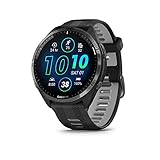
- Brilliant AMOLED touchscreen display with traditional button controls and lightweight titanium bezel
- Battery life: up to 23 days of battery life in smartwatch mode, up to 31 hours in GPS mode
- Confidently run any route using full-color, built-in maps and multi-band GPS
- Training readiness score is based on sleep quality, recovery, training load and HRV status to determine if you’re primed to go hard and reap the rewards (data presented is intended to be a close estimation of metrics tracked)
- Plan race strategy with personalized daily suggested workouts based on the race and course that you input into the Garmin Connect app and then view the race widget on your watch; daily suggested workouts adapt after every run to match performance and recovery
Cyclists see even clearer benefits, as power-based load modeling allows Garmin to distinguish between neuromuscular strain from short intervals and metabolic fatigue from long threshold blocks. The result is fewer mismatches between how hard a workout looks on paper and how it actually feels on the legs.
Importantly, these adjustments are communicated plainly on the watch, with concise rationale rather than opaque score changes. This keeps the athlete informed without forcing them into Garmin Connect to decode every decision.
Race Prep Moves From Countdown to Load Management
Garmin’s race widgets and race-adaptive training plans now behave less like countdown timers and more like load governors. As race day approaches, recommended sessions increasingly reflect the balance between maintaining fitness and shedding fatigue, rather than simply increasing specificity.
For runners, taper weeks are smoothed automatically, reducing the risk of overreaching late due to misplaced confidence. Cyclists preparing for gran fondos or stage events see volume tapering earlier, while intensity is preserved in shorter, sharper efforts.
Triathletes benefit the most here, as Garmin’s system recognizes that sharpening one discipline too aggressively can compromise another. A harder-than-planned bike workout may trigger a lighter run the following day, preserving overall readiness instead of siloed performance peaks.
Long-Term Load Tracking Finally Feels Actionable
Long-term load has existed in Garmin’s ecosystem for years, but this update makes it matter in day-to-day training. Acute and chronic load trends now directly influence future workouts, closing the loop between monitoring and prescription.
For endurance athletes building toward multi-month goals, this reduces the temptation to chase short-term metrics at the expense of durability. A strong week no longer quietly sets up a bad one, because the system actively moderates the next block.
This is especially valuable for masters athletes or those returning from injury, where gradual progression matters more than absolute performance numbers.
Sport-Specific Implications in Real Training Blocks
Runners training for half and full marathons will notice fewer abrupt swings between hard and easy days. The system prioritizes consistency, which is where most age-group athletes actually gain performance.
Cyclists using smart trainers or power meters get a clearer separation between fatigue types, improving how indoor and outdoor sessions coexist in the same week. Long rides stop sabotaging interval days simply because they inflated total load.
Triathletes see improved harmony across swim, bike, and run, particularly during high-volume phases. Garmin’s recognition that a demanding swim set still taxes systemic recovery, even if it feels low impact, is a quiet but important advancement.
How This Changes Daily Wear and Decision-Making
From a usability standpoint, these updates reduce cognitive load as much as physical load. Athletes spend less time second-guessing whether to follow the watch or their intuition, because the recommendations align more closely with how the body actually feels.
On-device prompts remain concise, readable on smaller Forerunner displays and larger Epix AMOLED screens alike. There is no increase in interaction friction, and comfort during long sessions remains unchanged, preserving Garmin’s reputation for watches that disappear on the wrist during training.
Over time, this encourages adherence, not because the watch nags, but because its guidance earns trust through consistency.
Why This Matters Against Apple, Samsung, and Fitbit
Apple and Samsung continue to emphasize daily rings, streaks, and generalized readiness, which works well for broad audiences. Fitbit excels at behavioral motivation but stops short of deep sport-specific prescription.
Garmin’s update doubles down on serving athletes who care about how today’s workout affects next month’s race. By tying daily sessions, race prep, and long-term load into a single adaptive system, Garmin reinforces a coaching-first identity that remains difficult for generalist platforms to replicate.
Social Gets Serious: New Community, Sharing, and Motivation Tools Explained
Garmin’s coaching upgrades set the foundation, but the social layer is where adherence quietly lives or dies. This update reframes Garmin Connect from a passive activity log into a training-aware community tool that reflects context, not just miles and minutes.
Instead of chasing leaderboard noise, Garmin is clearly aiming at meaningful accountability. The changes prioritize relevance, privacy, and motivation for athletes who train with intent rather than for likes.
A Smarter Activity Feed That Understands Training Context
The redesigned community feed now surfaces activities alongside training labels like base, tempo, VO2 max, or recovery. This helps peers understand why a run was slow or why a ride was short, reducing the unspoken pressure to always perform publicly.
For athletes following Garmin Coach or Daily Suggested Workouts, shared sessions include whether the workout was recommended or discretionary. That distinction matters, especially during taper weeks or fatigue-managed phases.
This contextual sharing aligns with how serious athletes already think about training, and it subtly discourages comparison without eliminating visibility.
Group Training, Not Just Group Challenges
Garmin’s traditional step and distance challenges remain, but the update introduces training-focused groups built around disciplines, race goals, or even shared plans. These groups emphasize consistency metrics like completed sessions, adherence streaks, and recovery compliance rather than raw volume.
For runners targeting the same race distance or cyclists following similar power-based plans, this creates peer accountability without turning every week into a competition. It also mirrors how real-world training clubs operate, especially for age-group athletes.
Importantly, these groups live cleanly inside Garmin Connect without adding friction on the watch itself. Notifications are digestible on smaller Forerunner displays and remain unobtrusive on Epix and Fenix AMOLED screens.
Coach, Athlete, and Peer Sharing Gets Granular
One of the most practical updates is finer control over what gets shared and with whom. Athletes can now selectively share training status, load trends, and upcoming workouts without exposing health metrics or location data.
This is especially useful for athletes working with remote coaches or training partners across disciplines. A triathlete can share swim compliance and bike fatigue without broadcasting run paces to their entire follower list.
From a usability standpoint, this reduces social fatigue. You stay connected where it matters, without turning Garmin Connect into another noisy social network.
Live Tracking Becomes Interactive, Not Passive
LiveTrack evolves from a safety feature into a lightweight motivational tool. Approved viewers can now react or send short encouragements during longer sessions, which appear subtly post-activity rather than interrupting the workout.
For marathon long runs, century rides, or brick workouts, this creates a sense of shared effort without compromising focus. Garmin is careful here, preserving the watch’s role as a training instrument rather than a distraction.
Battery impact remains negligible, and compatibility spans LTE-enabled models and phone-connected devices alike.
Motivation Without Gamification Overload
Unlike Apple’s ring streaks or Fitbit’s badge-heavy approach, Garmin’s motivation tools stay rooted in training logic. New milestones focus on adherence, recovery balance, and plan completion rather than daily maximums.
This matters for athletes who already understand that rest days and cutback weeks are part of progress. The system rewards patience, not just output.
Over time, this supports long-term engagement, particularly for endurance athletes juggling work, family, and multi-sport schedules.
Which Devices Benefit Most
Mid- to high-tier models like Forerunner 255 and up, Fenix 7 series, Epix Gen 2, and recent Venu devices see the most complete feature set. Older models still gain feed and group improvements, but deeper training-context sharing depends on newer training status frameworks.
The software experience remains consistent across AMOLED and MIP displays, with no meaningful impact on comfort, durability, or daily wearability. Garmin’s hardware restraint pays off here, letting social features enhance training without demanding more wrist interaction.
Rank #3

- Our brightest AMOLED touchscreen display with button controls and an aluminum bezel in 42 mm size to fit smaller wrists
- Up to 10 days of battery life in smartwatch mode and up to 18 hours in GPS mode for a more complete picture of your training and recovery
- Train for an event, achieve a milestone, or improve your fitness with Garmin Coach training plans; these running and triathlon plans are personalized to you and adapt based on your performance and recovery
- Training readiness score is based on sleep quality, recovery, training load and HRV status to determine if you’re primed to go hard and get the most out of your workout (data presented is intended to be a close estimation of metrics tracked)
- Built-in microphone and speaker let you make and take phone calls from your wrist when your watch is paired to your smartphone — and you can even use your smartphone’s voice assistant to respond to text messages and more
For athletes already invested in Garmin’s ecosystem, this update finally makes the social layer feel purposeful rather than ornamental.
From Solo Training to Group Dynamics: How Garmin Is Closing the Motivation Gap
What makes this update feel different is how deliberately it builds on Garmin’s existing training-first philosophy. Instead of bolting on social features as a separate layer, Garmin threads group awareness directly into coaching, planning, and post-workout reflection, where motivation actually matters.
The result is a shift from purely self-referenced training toward context-aware training, where athletes can see how their effort fits within a shared rhythm without sacrificing autonomy.
Group Workouts That Respect Individual Load
At the center of this shift is a smarter interpretation of group workouts. When athletes join a shared session, whether through a coach, club, or informal training circle, Garmin now preserves individual training load, intensity targets, and recovery implications.
A runner following a heart rate–based marathon plan can complete the same group workout as a pace-based athlete without corrupting Training Status or Acute Load. This is critical for mixed-ability groups and triathlon squads, where uniform sessions often undermine individual progression.
In practice, this means fewer compromises. The watch still enforces personal zones, alerts, and rest guidance, while Garmin Connect visualizes the session as a shared experience after the fact.
Coaching Plans Gain Social Accountability
Garmin Coach plans quietly benefit the most from these changes. Athletes can now opt to share plan milestones and completed sessions with selected connections, adding a layer of accountability that previously required third-party platforms.
This is not leaderboard-driven pressure. Instead, it mirrors real-world coaching environments, where simply knowing someone notices consistency can reduce skipped workouts more effectively than badges or streaks.
For time-crunched athletes, especially age-group racers balancing training with work and family, this subtle accountability can be the difference between drifting off-plan and staying engaged through base and build phases.
Clubs and Teams Without the Noise
Garmin’s handling of clubs remains intentionally restrained. The update improves how group activities surface in the feed, prioritizing relevance over volume and avoiding the dopamine-chasing mechanics common elsewhere.
Activities from training partners or club members now carry more contextual information, such as workout intent and plan alignment, rather than just distance and pace. This makes comparison educational rather than competitive.
Importantly, Garmin avoids real-time ranking or public performance pressure. The emphasis stays on learning and mutual encouragement, which aligns better with long-term endurance development.
Why This Matters Against Apple, Samsung, and Fitbit
Competitors approach social motivation from a lifestyle-first angle. Apple emphasizes streaks and shared rings, Samsung leans into challenges, and Fitbit relies heavily on badges and step-based competition.
Garmin’s update reinforces its differentiation. By embedding social dynamics inside coaching logic, load management, and recovery awareness, Garmin speaks directly to athletes who already understand training complexity.
This positions Garmin not just as a tracker or smartwatch, but as a platform that scales from solo discipline to shared ambition. For users who train seriously but don’t want their watch to feel like another social feed, this closes a long-standing motivation gap without diluting Garmin’s core identity.
Device Compatibility Breakdown: Which Garmin Watches Benefit Most (and Which Miss Out)
The coaching-first, socially aware direction of this update makes device capability more important than usual. Garmin’s lineup spans everything from AMOLED lifestyle watches to expedition-grade tools, and the experience varies meaningfully depending on screen type, processing headroom, and how deeply each model already integrates training guidance.
Rather than a simple yes-or-no rollout, this update exposes a familiar Garmin reality: the more your watch already behaves like a training computer on the wrist, the more value you’ll extract from the new features.
Top-Tier Beneficiaries: Forerunner 955/965, Fenix 7 Series, Epix (Gen 2)
These watches sit at the center of Garmin’s coaching ecosystem, and the update feels purpose-built for them. Daily Suggested Workouts, Training Readiness, load focus, and race-adaptive planning already live front and center, so the new social and coach-facing layers slot in naturally rather than feeling bolted on.
On devices like the Forerunner 965 and Epix Gen 2, the high-resolution AMOLED displays materially improve usability. Viewing coach feedback, plan context, and group activity details is faster and less fatiguing, especially when skimming mid-day rather than during a workout.
Battery life remains a differentiator here. Even with increased background sync and social awareness, these watches still deliver multi-day endurance in smartwatch mode and deep GPS longevity, preserving their role as serious training tools rather than notification-heavy wearables.
From a wearability standpoint, the lighter Forerunners suit runners and triathletes logging high weekly volume, while the heavier Fenix and Epix models appeal to athletes mixing training with hiking, strength work, and outdoor adventure. In both cases, the update reinforces their value as long-term platforms rather than yearly upgrades.
Strong but Selective Gains: Forerunner 255/265, Fenix 6 Series
Mid-generation performance watches receive most of the coaching logic and social accountability features, but with subtle constraints. Training plans, coach visibility, and improved activity context all arrive, yet the presentation is less rich, particularly on MIP displays with lower resolution.
The Forerunner 255 and 265 remain excellent value options for runners and cyclists who want structure without flagship pricing. The update enhances motivation and consistency, but users won’t see the same depth of on-watch explanation or visual clarity when reviewing plan alignment or group activity intent.
Fenix 6 owners benefit from Garmin’s long-tail support, which remains industry-leading. However, processing speed and memory limits mean some interface refinements feel slower, and future expansions of these features may bypass this generation altogether.
This is where Garmin’s segmentation becomes visible. The features work, but they don’t fully transform the experience in the way they do on newer hardware.
Lifestyle and Hybrid Watches: Venu 3, Vivoactive 5
Garmin’s AMOLED lifestyle watches receive the social visibility improvements and lighter coaching touch, but they are not the primary targets of this update. The emphasis here is more on awareness and encouragement than structured performance progression.
Users can see relevant group activities, receive accountability cues, and stay connected to shared goals, yet advanced training metrics remain abstracted or absent. There is less emphasis on load management, recovery interplay, and plan adaptation.
Comfort, slim cases, and everyday wearability remain these watches’ strengths. For users balancing fitness with workwear aesthetics, the update adds motivation without overwhelming them, but it won’t convert a Venu into a Forerunner replacement.
Outdoor and Tactical Lines: Instinct 2, Enduro
The Instinct 2 and Enduro benefit selectively, largely where coaching logic intersects with endurance training rather than social polish. Structured workouts, plan adherence, and training guidance translate well to these watches’ mission-first designs.
However, social features are intentionally muted. The monochrome displays and button-driven interfaces prioritize legibility and durability over interaction depth, and Garmin wisely avoids forcing feed-like experiences onto hardware designed for extremes.
For ultra-endurance athletes, especially those training off-grid or prioritizing battery life measured in weeks, the update reinforces discipline rather than connection. Accountability here is internal and coach-driven, not community-facing.
Who Misses Out: Older Forerunners, Entry-Level and Legacy Models
Watches like the Forerunner 245, Vivoactive 4, and older Venu models see limited or no access to the new coaching-social integrations. Basic activity sharing remains, but the richer context, plan awareness, and accountability cues are absent.
This is less about artificial gating and more about architectural limits. These devices lack the sensor fusion, training readiness frameworks, and background processing needed to make the update meaningful rather than superficial.
For users on these models, the update may feel invisible, and that’s an important signal. Garmin is clearly drawing a line between watches that simply track workouts and those that actively shape training behavior.
What This Says About Garmin’s Platform Strategy
The compatibility spread underscores Garmin’s long-term positioning. Coaching intelligence and socially informed motivation are becoming defining platform features, not optional extras.
Rank #4

- Easy-to-use running watch monitors heart rate (this is not a medical device) at the wrist and uses GPS to track how far, how fast and where you’ve run.Special Feature:Bluetooth.
- Battery life: up to 2 weeks in smartwatch mode; up to 20 hours in GPS mode
- Plan your race day strategy with the PacePro feature (not compatible with on-device courses), which offers GPS-based pace guidance for a selected course or distance
- Run your best with helpful training tools, including race time predictions and finish time estimates
- Track all the ways you move with built-in activity profiles for running, cycling, track run, virtual run, pool swim, Pilates, HIIT, breathwork and more
If your watch already supports deep training guidance, this update amplifies its value and extends its lifespan. If it doesn’t, the gap between entry-level tracking and performance coaching becomes harder to ignore.
In contrast to Apple, Samsung, and Fitbit, where most social features scale uniformly across devices, Garmin is doubling down on depth over breadth. The result is a clearer hierarchy, but also a more coherent experience for athletes who choose their hardware based on training intent rather than general-purpose smartwatch appeal.
Real-World Usability: Battery Life, On-Watch Experience, and Garmin Connect Changes
What ultimately validates Garmin’s platform strategy is not the feature list, but how these coaching and social layers behave once they’re embedded into daily training. On compatible watches, the update is deliberately restrained at the hardware level, pushing most cognitive load to Garmin Connect while keeping the on-watch experience focused and efficient.
This separation is critical to preserving the defining advantage of Garmin devices: endurance-first usability that doesn’t collapse under added software ambition.
Battery Life Impact: Coaching Without the Power Penalty
In real-world use, the new coaching and social awareness features have a negligible impact on battery life. Garmin has avoided continuous background syncing or persistent on-watch prompts, instead relying on scheduled data pulls and post-activity sync cycles.
On watches like the Forerunner 965, Fenix 7, and Epix Pro, multi-week smartwatch battery claims remain realistic even with daily workouts, Training Readiness tracking, and active coaching plans. GPS-heavy users will still see battery dictated by satellite mode and display technology rather than by this update.
This matters because Garmin’s core audience often trains in environments where charging frequency is a logistical constraint, not a convenience. By keeping social and coaching intelligence largely asynchronous, Garmin reinforces its credibility with ultra runners, cyclists, and expedition users who measure battery life in training blocks, not days.
On-Watch Experience: Subtle Prompts, Not Social Noise
On the watch itself, the update is intentionally understated. There is no social feed, no scrolling commentary, and no attempt to replicate the dopamine-driven loops seen on Apple Watch or Fitbit devices.
Instead, athletes see context-aware cues tied directly to training plans. Examples include clearer Daily Suggested Workout alignment with active coaching plans, improved workout attribution to coaches or plans, and subtle accountability nudges when sessions are skipped or delayed.
Navigation remains button-first on most performance models, with touch used sparingly on AMOLED devices like the Epix Pro and Venu 3. Legibility, contrast, and interaction speed are unchanged, preserving Garmin’s functional, tool-watch feel rather than drifting toward lifestyle smartwatch territory.
Comfort, Durability, and Long-Session Wearability
Because this update doesn’t introduce new always-on interactions, there’s no knock-on effect on thermal behavior or wrist comfort during long sessions. Titanium, fiber-reinforced polymer, and steel case constructions behave exactly as before, with no additional heat buildup during extended GPS tracking.
Strap choice remains the biggest determinant of comfort. Silicone bands still excel for sweat-heavy sessions, while nylon or fabric straps continue to be preferred for multi-day wear, sleep tracking, and recovery metrics tied into the coaching system.
This consistency reinforces a key Garmin advantage: software evolution without destabilizing hardware ergonomics that athletes already trust.
Garmin Connect: Where the Update Actually Lives
Garmin Connect is where the update becomes tangible. Coaching plans now surface with clearer progress context, showing how individual workouts align with broader training intent rather than appearing as isolated tasks.
Social elements are reframed around accountability rather than performance comparison. Athletes can see when training partners or coached peers complete key sessions, but without leaderboards or engagement bait that would distort training priorities.
The UI changes are evolutionary, not disruptive. Data density remains high, charts remain configurable, and the platform continues to favor longitudinal insight over daily validation, which will resonate with users accustomed to Garmin’s analytical depth.
Cross-Platform Comparison: Why Garmin Feels Different
Compared to Apple Fitness+, Samsung Health, or Fitbit Premium, Garmin’s implementation feels less emotionally engaging but more behaviorally consistent. There are fewer congratulatory animations and less social friction, but also far less temptation to train for optics instead of outcomes.
Apple and Samsung excel at making fitness feel accessible and socially visible. Garmin’s update instead assumes the user already trains with intent and simply needs better structure, clearer feedback loops, and light-touch accountability.
For serious athletes, that distinction matters. This update doesn’t try to make Garmin watches more social in a mainstream sense; it makes them more supportive of disciplined training, without sacrificing battery life, durability, or focus.
The result is a platform evolution that respects the realities of endurance training rather than competing for attention.
How This Update Changes Training Effectiveness for Intermediate vs Advanced Athletes
What becomes clear after a few weeks of use is that this update does not flatten the experience across ability levels. Instead, it subtly widens the gap between how intermediate and advanced athletes extract value, largely through how coaching context and social signals are interpreted rather than how many features are exposed.
Intermediate Athletes: Better Structure, Fewer Blind Spots
For intermediate athletes, the biggest gain is coherence. Training plans now explain why a workout exists within the week and how it contributes to aerobic development, threshold work, or recovery, which reduces the common tendency to overtrain on “good days.”
This matters most for runners and cyclists transitioning from volume-based habits to intent-driven training. Seeing how a base run protects future quality sessions often prevents intensity creep, improving long-term consistency more than any single metric.
Device-wise, this plays well on mid-range models like the Forerunner 255, Venu Sq 2, and vivoactive lines, where battery life easily supports daily GPS sessions and sleep tracking without requiring constant charging. The coaching layer adds clarity without demanding deeper physiological interpretation skills.
Advanced Athletes: Refinement Rather Than Reinvention
Advanced athletes will not suddenly train differently because of this update, but they may train more precisely. The improved linkage between planned sessions, load metrics, and recovery indicators makes it easier to validate decisions that experienced athletes already make intuitively.
On devices like the Forerunner 965, Fenix 7, Enduro, and Epix, the update complements existing tools such as Training Readiness, acute-to-chronic load ratios, and HRV trends. The key change is that coaching guidance now feels less generic and more aligned with how advanced users periodize stress.
Social features land differently here. Instead of motivation, they function as low-noise confirmation that others in a training group are respecting the same structure, which reinforces discipline rather than competition.
Coaching vs Autonomy: Different Feedback Loops
Intermediate athletes tend to follow the plan as written, using the updated coaching context as reassurance. When workouts are missed or modified, Garmin Connect now frames that deviation in terms of downstream impact, which encourages corrective behavior instead of guilt-driven overcompensation.
Advanced athletes are more likely to override sessions, but the platform now documents those decisions more cleanly. The result is a better feedback loop between intent and outcome, especially when reviewing blocks across multiple weeks.
This is where Garmin’s emphasis on longitudinal data pays off. Battery-efficient hardware and durable designs enable uninterrupted data capture, which makes these feedback loops credible rather than theoretical.
Motivation Without Distraction Across Both Levels
The restrained social layer affects both groups, but with different benefits. Intermediates gain accountability without leaderboard anxiety, while advanced athletes avoid the pressure to perform for visibility rather than adaptation.
Unlike ecosystems that push daily streaks or visual rewards, Garmin’s update preserves focus on recovery quality, load management, and durability of training habits. That consistency aligns with why many athletes choose Garmin in the first place.
In practical terms, this means fewer forced interactions, no battery trade-offs for social engagement, and no erosion of the watch’s role as a training instrument first. The update enhances effectiveness not by adding urgency, but by reducing friction at the right moments.
Garmin vs Apple, Samsung, and Fitbit: Competitive Positioning After the Update
Taken together, the coaching refinements and restrained social layer clarify where Garmin wants to compete. This update is less about broadening appeal and more about tightening alignment with athletes who value structure, autonomy, and long-term signal over short-term motivation.
Where competitors often chase engagement metrics, Garmin is reinforcing its identity as a training platform that happens to live on the wrist. That distinction becomes clearer when the update is viewed side by side with Apple, Samsung, and Fitbit.
💰 Best Value

- Brilliant AMOLED touchscreen display with traditional button controls; lightweight design in 46 mm size
- Up to 13 days of battery life in smartwatch mode and up to 20 hours in GPS mode
- As soon as you wake up, get your morning report with an overview of your sleep, recovery and training outlook alongside HRV status, training readiness and weather (data presented is intended to be a close estimation of metrics tracked)
- Plan race strategy with personalized daily suggested workouts based on the race and course that you input into the Garmin Connect app and then view the race widget on your watch; daily suggested workouts adapt after every run to match performance and recovery
- Training readiness score is based on sleep quality, recovery, training load and HRV status to determine if you’re primed to go hard and get the most out of your workout (data presented is intended to be a close estimation of metrics tracked)
Against Apple Watch: Depth vs Convenience
Apple remains unmatched for smartwatch convenience, third-party app depth, and seamless iPhone integration. Its coaching and fitness features, however, still rely heavily on ring-based goals, generic trends, and external subscriptions for serious training structure.
Garmin’s update widens the gap in native coaching intelligence. Training readiness, load ratios, HRV trends, and now more context-aware plan adjustments operate without requiring additional services, and they persist across weeks rather than resetting daily.
Hardware also reinforces this difference. Garmin’s thicker cases, fiber-reinforced polymer or titanium builds, physical buttons, and multi-day to multi-week battery life support uninterrupted data capture, something Apple Watch users often sacrifice for display quality and app richness.
For athletes prioritizing structured progression over smartwatch versatility, the update strengthens Garmin’s position as the more credible training instrument.
Against Samsung Galaxy Watch: Health Breadth vs Training Continuity
Samsung has invested heavily in health monitoring, particularly with body composition, sleep scoring, and ecosystem-level wellness features. Its coaching tools, however, still lean toward general fitness guidance rather than sport-specific progression.
Garmin’s updated coaching framework places more emphasis on continuity and consequence. Missed sessions, altered intensities, and recovery disruptions are now contextualized within the broader training block, which is something Samsung’s platform rarely surfaces clearly.
Battery life again plays a quiet but decisive role. Galaxy Watches typically require daily charging under active use, whereas Garmin’s endurance-focused hardware allows consistent overnight HRV tracking and long-term trend reliability.
The update reinforces Garmin’s advantage for users who care less about holistic wellness dashboards and more about how today’s decision affects next month’s performance.
Against Fitbit: Motivation vs Adaptation
Fitbit’s strength remains approachability. Its readiness scores, streaks, and community challenges are effective at driving daily engagement, especially for newer or lifestyle-focused users.
Garmin’s update intentionally avoids that model. Social features function as confirmation rather than motivation, and coaching guidance is framed around adaptation instead of compliance.
This makes Garmin less emotionally rewarding in the short term, but more trustworthy over long training horizons. Athletes who periodize load, manage fatigue, and plan peak phases benefit more from Garmin’s low-noise feedback than Fitbit’s high-frequency reinforcement.
Fitbit still wins on simplicity and comfort for all-day wear, but Garmin’s durable materials, secure straps, and button-driven interfaces remain better suited to demanding training environments.
Which Devices Benefit Most From the Update
Mid- to high-tier models see the greatest impact. Forerunner 255/265 and above, Fenix and Epix lines, Enduro, and recent Venu models gain the most meaningful coaching context due to their sensor arrays and battery capacity.
Entry-level Garmin watches may surface some social refinements, but the coaching depth scales with hardware that can reliably capture HRV, training load, and recovery metrics over time.
This reinforces a familiar Garmin pattern. The platform update rewards users who invest in devices designed for endurance and longevity rather than lifestyle convenience.
Why This Update Strengthens Garmin’s Competitive Identity
Instead of chasing feature parity, Garmin is doubling down on coherence. Coaching, social features, hardware design, and battery philosophy now reinforce the same idea: training effectiveness comes from consistency, not stimulation.
Apple, Samsung, and Fitbit all serve their audiences well, but they optimize for different outcomes. Garmin’s update makes its priorities unmistakable, even if that means remaining less accessible to casual users.
For athletes who already value autonomy, data integrity, and long-term planning, this update doesn’t just add features. It sharpens the reasons they chose Garmin in the first place.
Bottom Line: Who This Update Is For, Who It Isn’t, and What It Signals for Garmin’s Future
Viewed in context, this update is less about adding surface-level novelty and more about clarifying Garmin’s priorities. Coaching intelligence and restrained social interaction are now treated as infrastructure, not engagement tricks. That distinction matters for how different users will experience the platform going forward.
This Update Is For Athletes Who Train With Intent
If you already structure your training around phases, recovery, and adaptation, this update feels immediately relevant. Daily Suggested Workouts, Training Readiness, and load-focused insights now connect more cleanly to coaching plans and long-term progression.
Runners, cyclists, and triathletes who review data post-session rather than chasing badges mid-workout gain the most. The value shows up over weeks, not days, as the watch quietly adjusts targets based on HRV trends, recent strain, and accumulated fatigue.
Hardware designed for endurance amplifies the effect. Long battery life, button-first controls, secure straps, and durable case materials mean these insights are available consistently, even during multi-hour sessions or back-to-back training days.
This Update Is Also for Community-Oriented, Data-Driven Users
Garmin’s expanded social features reward users who like accountability without pressure. Activity sharing, group comparisons, and subtle recognition reinforce consistency rather than competition.
In practice, this works best for training partners, club athletes, and coaches monitoring multiple athletes. The watch and app provide confirmation that the work is being done, without hijacking attention or distorting training priorities.
This is social fitness as context, not entertainment. Users who want their watch to acknowledge effort without dictating behavior will find this balance refreshing.
This Update Is Not for Casual or Gamification-Driven Users
If you expect your smartwatch to actively motivate you with constant prompts, streaks, or celebratory animations, Garmin still isn’t trying to win you over. The platform assumes a baseline level of self-direction.
New users looking for instant gratification may find the experience understated, even austere. Coaching guidance requires patience, and social features rarely intervene unless you seek them out.
Comfort-focused lifestyle wearables from Fitbit, Apple, and Samsung remain better fits for users who prioritize lightness, simplicity, and emotional reinforcement over training depth.
Why Device Choice Still Matters More Than Ever
This update reinforces Garmin’s long-standing hardware-first philosophy. Watches with robust sensors, ample battery capacity, and consistent wear time unlock the most accurate coaching feedback.
Models like the Forerunner 265, Fenix, Epix, and Enduro lines benefit disproportionately because they can sustain continuous HRV tracking and multi-day recovery analysis. Smaller or older devices surface the framework, but not the full depth.
It is a reminder that on Garmin’s platform, software value scales with physical capability. Long-term durability and real-world wearability remain central to the experience.
What This Signals for Garmin’s Future Direction
Garmin is clearly committing to being the training platform of record, not the most entertaining smartwatch. Coaching, social tools, and hardware design now point toward the same outcome: supporting consistent, intelligent training over years, not weeks.
Rather than copying competitors, Garmin is refining its identity around trust, autonomy, and data integrity. This may limit mass appeal, but it strengthens loyalty among serious users.
The message is subtle but firm. Garmin is building for athletes who want their watch to think quietly, last a long time, and stay out of the way until it truly has something useful to say.
For those users, this update doesn’t change why Garmin works. It confirms that the company is still designing for the long run, just like the athletes who choose it.