The Bragi Dash and later Dash Pro arrived at a time when the idea of “smart earbuds” barely existed. True wireless audio itself was still experimental, fitness tracking lived almost entirely on wrists, and voice assistants were only just becoming mainstream. For many people researching these earbuds today, the questions are part curiosity, part practicality: what exactly were these things meant to do, and why did they once feel so revolutionary?
Understanding the Bragi Dash story helps explain both their strengths and their frustrations. These weren’t just earbuds that happened to track steps or heart rate; they were designed as standalone wearable computers for your ears, long before Apple, Samsung, or Google took the category seriously. To appreciate what they got right, and where they struggled, you need to look at their origins, the vision behind them, and the unusually ambitious role they played in shaping modern hearables.
Bragi’s origins and the Kickstarter moment
Bragi was a Munich-based startup founded by former Harman engineers who believed the ear was the next major computing platform. In 2014, they launched one of the most successful wearable Kickstarters of its era, raising millions on the promise of truly wireless, sensor-packed earbuds that could function without a phone. At the time, even major brands were still shipping neckband-style Bluetooth headphones with limited controls and mediocre stability.
The original Bragi Dash shipped in 2016, beating Apple’s AirPods to market by several months. That timing mattered, because it positioned Bragi as a pioneer rather than a follower, even if execution sometimes lagged behind ambition. The Dash Pro, released later, was an attempt to refine the concept with better connectivity and a more polished user experience.
🏆 #1 Best Overall
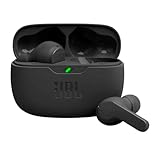
- JBL Deep Bass Sound: Get the most from your mixes with high-quality audio from secure, reliable earbuds with 8mm drivers featuring JBL Deep Bass Sound
- Comfortable fit: The ergonomic, stick-closed design of the JBL Vibe Beam fits so comfortably you may forget you're wearing them. The closed design excludes external sounds, enhancing the bass performance
- Up to 32 (8h + 24h) hours of battery life and speed charging: With 8 hours of battery life in the earbuds and 24 in the case, the JBL Vibe Beam provide all-day audio. When you need more power, you can speed charge an extra two hours in just 10 minutes.
- Hands-free calls with VoiceAware: When you're making hands-free stereo calls on the go, VoiceAware lets you balance how much of your own voice you hear while talking with others
- Water and dust resistant: From the beach to the bike trail, the IP54-certified earbuds and IPX2 charging case are water and dust resistant for all-day experiences
The vision: earbuds as standalone wearables
What set the Bragi Dash apart wasn’t sound quality alone, but the idea that they could replace multiple devices. Each earbud housed internal storage for offline music playback, allowing phone-free workouts. Built-in sensors included an optical heart rate monitor, accelerometer, gyroscope, and temperature sensor, effectively turning the Dash into a compact fitness tracker worn inside the ear.
This approach treated earbuds more like a smartwatch without a screen. Touch-sensitive outer shells enabled gesture controls for volume, track skipping, and call handling, while voice prompts provided feedback during workouts. Waterproofing was another core pillar, with a sealed design intended for swimming, showering, and high-sweat training sessions.
Why the Dash Pro existed at all
The Dash Pro was not a clean-sheet redesign, but a course correction. Early Dash owners struggled with Bluetooth stability, syncing issues between earbuds, and software bugs that undermined the futuristic pitch. The Pro model introduced Bragi’s “Smartphone-Free” mode more reliably and improved Bluetooth antenna design, along with modest gains in battery efficiency and storage management.
Importantly, the Dash Pro leaned harder into being a premium product. Materials felt denser and more refined, and Bragi emphasized its audio tuning partnerships and customizable EQ profiles via the companion app. It was still unapologetically complex, but it aimed to feel more finished and less experimental.
Why they mattered in the broader wearables landscape
Even with their flaws, the Bragi Dash and Dash Pro pushed the entire industry forward. Features that are now commonplace, like touch controls, onboard storage, workout-friendly water resistance, and ear-based fitness tracking, were rare or nonexistent at the time. Apple, Jabra, Samsung, and others would later simplify and mainstream many of these ideas, often stripping away complexity in favor of reliability.
In hindsight, Bragi’s earbuds were ahead of both consumer readiness and ecosystem support. Battery life constraints, limited processing power, and immature app platforms made their ambitions hard to sustain long-term. Yet without products like the Dash, the concept of hearables as serious wearable devices might have taken much longer to mature, which is why they still deserve attention today, even as legacy products navigating a modern world.
Bragi Dash vs Dash Pro: Key Differences in Hardware, Connectivity, and Everyday Use
Seen side by side, the Bragi Dash and Dash Pro look like close siblings rather than different generations. The real differences emerge once you dig into how they connect, how reliably they behave day to day, and how much friction is involved in actually using their headline features.
This comparison matters because, on paper, the Dash Pro was positioned as a refinement rather than a replacement. In practice, those refinements significantly shaped the ownership experience, especially for users who leaned into the “smart” side of these earbuds rather than treating them as simple Bluetooth headphones.
Physical design, materials, and comfort
Both models share the same basic industrial design: bulbous, fully sealed earbuds with touch-sensitive outer plates and interchangeable silicone ear tips and fins. The shape was dictated by internal storage, sensors, and battery requirements rather than aesthetics, which is why they feel noticeably larger than modern true wireless earbuds.
The Dash Pro uses slightly revised materials, with a more matte, rubberized finish that improves grip when inserting or adjusting the earbuds. This sounds minor, but it makes a difference when your fingers are wet or sweaty, a scenario Bragi clearly designed for.
Comfort remains highly ear-dependent on both models. Users with larger ears often found them secure and stable even during running or swimming, while smaller ears could experience pressure or gradual fatigue during longer listening sessions.
Waterproofing and durability differences
Both the Dash and Dash Pro are fully waterproof, rated for swimming and high-sweat workouts rather than just splash resistance. This was exceptional at launch and remains uncommon even today, especially for earbuds with onboard storage and touch controls.
In everyday use, the Dash Pro feels slightly more confidence-inspiring thanks to tighter seals around the charging contacts and a more robust-feeling case hinge. Long-term owners report fewer corrosion issues on the Pro model, particularly if the earbuds were frequently used in pools or saltwater environments.
That said, waterproofing does not make either model immune to age-related battery degradation or charging case failures, which are now the more common points of failure for both.
Bluetooth stability and wireless performance
Connectivity is where the Dash Pro most clearly distances itself from the original Dash. Early Dash units were infamous for dropouts, desyncing between left and right earbuds, and occasional refusal to reconnect without a full reset.
The Dash Pro introduced redesigned antennas and revised internal routing, resulting in more stable connections with smartphones and fewer mid-session interruptions. It is not flawless by modern standards, but it is meaningfully less frustrating in daily use.
Neither model supports modern Bluetooth codecs or multipoint connections. Latency is noticeable when watching video, and both rely on older Bluetooth standards that can struggle in crowded wireless environments.
Smartphone-Free mode and onboard storage reliability
Both earbuds offer internal storage for music, allowing workouts without carrying a phone. On the original Dash, this feature often felt temperamental, with sync failures, incomplete transfers, or tracks not appearing correctly.
The Dash Pro improves reliability here, with better file handling and fewer indexing errors once music is loaded. Storage capacity remains modest by today’s standards, but it is sufficient for several hours of playlists or podcasts.
Transferring music still requires patience and a wired connection via the charging case. This workflow feels archaic now, but the Pro model at least makes it predictable rather than trial-and-error.
Battery life and charging behavior
On paper, battery life differences between the two models are modest. In practice, the Dash Pro squeezes slightly longer listening time per charge, particularly when using Bluetooth rather than offline playback.
More importantly, the Dash Pro manages standby drain better. Original Dash units are more prone to losing charge while sitting unused, which can be frustrating if you pick them up after a few days expecting a quick workout session.
Both charging cases provide multiple recharges, but neither supports fast charging or wireless charging. Given their age, real-world battery life now depends heavily on how well the cells have aged rather than original specifications.
Controls, gestures, and learning curve
Gesture controls are nearly identical across both models, using swipes and taps on the outer shell for volume, track control, and call handling. The system is powerful but unintuitive, especially for new users.
The Dash Pro benefits from more consistent gesture recognition, reducing accidental inputs during workouts or when adjusting fit. Voice prompts are also slightly clearer and better timed, which helps reinforce correct interactions.
Even so, neither model is “pick up and play” by modern standards. Mastery requires repetition, and many owners end up disabling certain gestures to avoid frustration.
Software experience and long-term usability
Both earbuds rely on the Bragi companion app for setup, firmware updates, EQ tuning, and fitness features. The Dash Pro shipped with more mature firmware and fewer critical bugs, making initial setup less stressful.
Over time, however, software support has become a shared limitation. App updates are infrequent, compatibility with newer operating systems can be inconsistent, and cloud-based features are effectively frozen in time.
For existing owners, the Dash Pro is simply easier to keep running with fewer resets and workarounds. For prospective buyers today, neither should be evaluated without acknowledging that software longevity is no longer guaranteed.
Design, Fit, and Durability: Materials, Controls, Water Resistance, and Comfort Over Time
Where the software experience now shows its age, the physical design of the Dash and Dash Pro still tells the story of a company trying to rethink what earbuds could be. Bragi treated these as miniature wearables rather than simple audio accessories, and that philosophy is obvious the moment you pick them up.
Industrial design and materials
Both the Dash and Dash Pro use a compact, pebble-like housing finished in matte polymer with subtle metallic accents. The shells feel dense and well-sealed, prioritizing durability and water protection over visual slimness.
Compared to modern true wireless earbuds, they are noticeably thicker and heavier in the ear. That bulk was the tradeoff for onboard storage, sensors, and a larger battery, all of which were unusual at the time.
The charging case mirrors this philosophy, with a solid clamshell design and pogo-pin contacts rather than today’s slimmer, magnet-driven cradles. It is sturdy but pocket-unfriendly, especially by current standards.
Fit system and sizing options
Fit is handled through a combination of silicone ear tips and interchangeable “fit sleeves” that wrap around the outer shell. This system allows for a more customized fit than most earbuds of its era, but it requires patience to dial in.
When properly fitted, the Dash and Dash Pro lock into the ear securely, even during running or gym workouts. A poor fit, however, leads to pressure points, inconsistent gesture recognition, and weaker bass response.
Ear anatomy matters more here than with lighter modern earbuds. Users with smaller ears often report fatigue sooner, while those with medium to larger ears tend to have a better long-term experience.
Physical controls and tactile feedback
All interaction happens on the outer touch-sensitive surface of each earbud. There are no physical buttons, which contributes to the clean, sealed design but removes any tactile reference point.
During exercise or wet conditions, this can be a mixed blessing. The Dash Pro’s improved touch sensitivity reduces missed inputs, but accidental swipes remain possible when adjusting fit or wiping sweat.
Audible voice prompts help confirm actions, but they add cognitive load during workouts. Over time, many users simplify their control scheme to reduce friction.
Water and sweat resistance
Water resistance is one of the Dash line’s most enduring strengths. Both models are rated for full sweat resistance and swimming, with the Dash Pro refining sealing and internal protection.
In real-world use, they hold up well to rain, intense workouts, and pool sessions when seals are intact. Few earbuds from their generation, or even today, are as swim-capable without external accessories.
The weak point is age-related degradation. As seals and internal adhesives wear down, water resistance becomes less predictable, making secondhand units more of a gamble for aquatic use.
Comfort during extended wear
Short sessions are generally comfortable once fit is optimized. The weight is well-distributed, and the earbuds feel stable rather than loose or dangling.
Over longer listening sessions, the bulk becomes more noticeable. Pressure buildup and ear fatigue are common complaints after an hour or more, particularly for non-exercise use.
This positions the Dash and Dash Pro as activity-focused earbuds rather than all-day companions. They excel in motion but are less forgiving for passive listening at a desk or on a commute.
Durability and long-term aging
From a construction standpoint, both models age better than many early true wireless competitors. Cracks, hinge failures, and loose charging contacts are relatively rare.
Rank #2

- 【Sports Comfort & IPX7 Waterproof】Designed for extended workouts, the BX17 earbuds feature flexible ear hooks and three sizes of silicone tips for a secure, personalized fit. The IPX7 waterproof rating ensures protection against sweat, rain, and accidental submersion (up to 1 meter for 30 minutes), making them ideal for intense training, running, or outdoor adventures
- 【Immersive Sound & Noise Cancellation】Equipped with 14.3mm dynamic drivers and advanced acoustic tuning, these earbuds deliver powerful bass, crisp highs, and balanced mids. The ergonomic design enhances passive noise isolation, while the built-in microphone ensures clear voice pickup during calls—even in noisy environments
- 【Type-C Fast Charging & Tactile Controls】Recharge the case in 1.5 hours via USB-C and get back to your routine quickly. Intuitive physical buttons let you adjust volume, skip tracks, answer calls, and activate voice assistants without touching your phone—perfect for sweaty or gloved hands
- 【80-Hour Playtime & Real-Time LED Display】Enjoy up to 15 hours of playtime per charge (80 hours total with the portable charging case). The dual LED screens on the case display precise battery levels at a glance, so you’ll never run out of power mid-workout
- 【Auto-Pairing & Universal Compatibility】Hall switch technology enables instant pairing: simply open the case to auto-connect to your last-used device. Compatible with iOS, Android, tablets, and laptops (Bluetooth 5.3), these earbuds ensure stable connectivity up to 33 feet
Battery degradation is the primary limiter, not physical breakdown. As cells age, increased heat and reduced runtime can indirectly affect comfort and reliability.
For owners who have kept them clean and stored properly, the Dash and Dash Pro often remain physically sound years later. Their longevity is a testament to overbuilt hardware, even if modern expectations have moved on.
Smart Features Explained: Touch Controls, Audio Transparency, Gesture Control, and Storage
Where durability and fit defined how the Dash earbuds survived daily use, their smart features defined why they stood apart. Bragi’s ambition was not just to remove the cable, but to turn each earbud into a self-contained interface, storage device, and sensor hub. Many of these ideas are now common, but on the Dash and Dash Pro they arrived early, with both benefits and trade-offs that still shape the experience today.
Touch controls: ambitious, powerful, and occasionally fragile
The Dash and Dash Pro rely entirely on capacitive touch surfaces built into the outer shell of each earbud. There are no physical buttons, which preserves water resistance but places heavy demands on touch accuracy and user learning.
Tap and swipe gestures handle playback, volume, call control, and mode switching. Single taps typically pause or answer calls, double taps skip tracks, and vertical swipes adjust volume independently on each earbud.
This per-ear volume control was forward-thinking, but it also adds complexity. Accidentally changing left-right balance is common, especially during workouts when sweat and movement interfere with gesture detection.
Touch sensitivity can be adjusted in the Bragi app, and doing so is essential for long-term usability. Lower sensitivity reduces accidental inputs but requires firmer gestures, while higher sensitivity improves responsiveness at the cost of false triggers.
In practice, most experienced users narrow their control setup to a few core actions. The system is capable, but it rewards simplification rather than full customization.
Audio transparency: an early and unusually flexible implementation
Long before “transparency mode” became a marketing checkbox, Bragi implemented a microphone-based passthrough system they called Audio Transparency. It allows external sounds to be piped into your ears while music continues to play.
The strength of this feature lies in its granularity. Transparency levels can be adjusted from subtle environmental awareness to near-amplified hearing, and each ear can be tuned independently.
This is particularly useful for outdoor training. Runners and cyclists can remain aware of traffic without removing an earbud, and swimmers can hear ambient pool sounds between strokes.
Sound quality is functional rather than natural. Wind noise, digital hiss, and sudden volume spikes are common, especially at higher transparency levels.
Compared to modern implementations, it lacks adaptive filtering and spatial realism. Still, for its time, it was remarkably configurable and remains one of the Dash line’s most practical smart features.
Gesture control via head movements: clever, but niche
The Dash and Dash Pro include motion sensors that enable head gestures as control inputs. A sharp nod can skip tracks, while a head shake can reject calls or undo actions.
When it works, it feels futuristic and hands-free in the truest sense. During workouts or swimming, this can be genuinely useful when touch input is impractical.
Reliability varies widely depending on fit, activity type, and personal movement patterns. False positives can occur, especially during high-impact exercises like sprinting or jumping.
Most users treat gesture control as an optional novelty rather than a primary interface. It is best used sparingly and disabled entirely if it becomes distracting.
The technology foreshadowed later interest in motion-based controls, but it never became central to the Dash experience. Its inclusion speaks more to Bragi’s experimental mindset than everyday usability.
Onboard storage and phone-free listening
One of the Dash’s most distinctive features is its internal music storage. Both the Dash and Dash Pro include 4GB of onboard memory, allowing users to store several hundred tracks directly on the earbuds.
Music is transferred via the Bragi desktop or mobile app using USB or Bluetooth, depending on platform and firmware. The process is slower than modern syncing methods and can feel cumbersome by today’s standards.
Once loaded, playback is entirely phone-free. This is ideal for swimming, gym sessions, or runs where carrying a phone is inconvenient or risky.
File format support is limited, and playlist management is basic. There is no streaming, offline syncing from modern services, or dynamic queue control.
In real-world use, this feature remains surprisingly relevant. Even now, few true wireless earbuds offer true standalone playback without a phone or watch acting as an intermediary.
How these features hold up today
Taken together, the Dash’s smart features reflect a first-generation attempt to rethink what earbuds could do. They are powerful, customizable, and occasionally overengineered.
Modern earbuds have surpassed them in polish, reliability, and integration with smartphones. However, many of Bragi’s ideas live on, refined rather than replaced.
For existing owners, understanding and selectively enabling these features is key to enjoying the Dash or Dash Pro today. Used thoughtfully, they still deliver a uniquely independent and sensor-rich listening experience that remains rare even years later.
Fitness and Health Tracking Capabilities: Sensors, Accuracy, and Activity Use Cases
Bragi’s ambition extended well beyond audio, and nowhere is that clearer than in the Dash and Dash Pro’s fitness tracking stack. These earbuds were designed to function as standalone activity trackers, capturing motion and physiological data directly from the ear without requiring a watch, phone, or chest strap.
This sensor-first philosophy ties directly into the phone-free listening discussed earlier. With music, sensors, and storage all onboard, Bragi envisioned workouts that were entirely self-contained, an idea that was years ahead of mainstream hearables.
Sensor suite and what the Dash actually measures
Both the Dash and Dash Pro include a multi-sensor array built into each earbud. This consists of a 3-axis accelerometer, a gyroscope for motion orientation, an optical heart rate sensor, and a skin temperature sensor positioned to read from inside the ear canal.
The ear-based heart rate sensor was one of Bragi’s most distinctive technical choices. Measuring pulse from the ear offers theoretical advantages over the wrist, including reduced motion artifact and closer proximity to core blood flow.
In practice, the Dash records heart rate, step count, distance estimates, calories burned, activity duration, and basic intensity zones. The temperature sensor is used internally for calibration and safety rather than providing user-facing body temperature trends.
Heart rate tracking: strengths and limitations
When properly seated, the Dash’s heart rate readings can be surprisingly consistent during steady-state activities. Running at a constant pace, indoor cycling, and sustained gym sessions tend to produce smooth heart rate curves that align reasonably well with chest strap averages.
Accuracy degrades during rapid intensity changes. Intervals, sprints, and stop-start workouts expose the limitations of early optical sensors and the earbud’s reliance on a stable seal.
Fit is critical. Slight shifts caused by jaw movement, sweat buildup, or aggressive head motion can interrupt readings entirely, something wrist-based trackers have since improved with larger sensor arrays and adaptive sampling.
Motion tracking, steps, and activity recognition
Step counting and movement tracking rely primarily on the accelerometer and gyroscope. For walking and running, step counts are generally plausible, though not class-leading even at launch.
Because the sensor is located in the ear rather than on the torso or wrist, gait irregularities can affect results. Head movement unrelated to locomotion, such as nodding or upper-body-heavy workouts, may introduce noise.
Bragi attempted automatic activity recognition, but results are inconsistent. Most users achieve better data quality by manually starting workouts in the app rather than relying on passive detection.
Swimming and water-based activities
The Dash and Dash Pro are fully waterproof and explicitly designed for swimming, which was rare among wearables at the time. Motion-based swim tracking estimates duration, basic lap counts, and overall effort rather than detailed stroke analysis.
There is no GPS, no pace per length breakdown, and no drill recognition. The data is best interpreted as a session summary rather than a performance tool for competitive swimmers.
Where the Dash excels is simplicity. You can swim with music, track time and exertion, and leave all other devices behind, something that still feels refreshingly liberating today.
Workout types that suit the Dash best
The Dash performs best during continuous, rhythm-based activities. Running, steady gym cardio, rowing machines, and long swims align well with its sensor strengths and battery constraints.
High-impact training, CrossFit-style workouts, and strength sessions with frequent pauses are less well suited. Heart rate dropouts and step inflation are common in these scenarios.
For users who prioritize freedom of movement over granular metrics, the trade-off is often acceptable. The experience emphasizes participation and immersion rather than data perfection.
Accuracy compared to modern wearables
By today’s standards, the Dash’s fitness tracking is clearly first-generation. Modern smartwatches and rings use multi-wavelength sensors, machine learning correction, and vastly more processing power to refine results.
That said, the Dash’s ear-based heart rate was directionally sound. Several research-backed wearables now explore similar placements, validating Bragi’s early experimentation.
For casual tracking and trend awareness, the data remains usable. For training plans, recovery analysis, or health monitoring, it falls short of what current ecosystems provide.
Rank #3
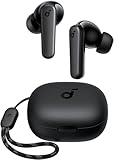
- Powerful Bass: soundcore P20i true wireless earbuds have oversized 10mm drivers that deliver powerful sound with boosted bass so you can lose yourself in your favorite songs.
- Personalized Listening Experience: Use the soundcore app to customize the controls and choose from 22 EQ presets. With "Find My Earbuds", a lost earbud can emit noise to help you locate it.
- Long Playtime, Fast Charging: Get 10 hours of battery life on a single charge with a case that extends it to 30 hours. If P20i true wireless earbuds are low on power, a quick 10-minute charge will give you 2 hours of playtime.
- Portable On-the-Go Design: soundcore P20i true wireless earbuds and the charging case are compact and lightweight with a lanyard attached. It's small enough to slip in your pocket, or clip on your bag or keys–so you never worry about space.
- AI-Enhanced Clear Calls: 2 built-in mics and an AI algorithm work together to pick up your voice so that you never have to shout over the phone.
Battery life and tracking trade-offs
Fitness tracking has a noticeable impact on battery life. Continuous heart rate monitoring combined with music playback typically limits sessions to around two to three hours, depending on volume and sensor settings.
Without music, activity tracking lasts longer but still lags behind even basic fitness bands. Charging between workouts becomes part of ownership rather than an occasional task.
This limitation reinforces the Dash’s identity as a workout companion, not an all-day tracker. It excels in focused sessions but is not designed to replace a smartwatch or ring.
Who the Dash’s fitness features still make sense for
For existing owners, the fitness tracking features remain worth using if expectations are set correctly. They provide context, motivation, and a record of activity rather than precise performance analytics.
For modern buyers comparing legacy devices to current alternatives, the Dash’s fitness capabilities are best viewed as historically important rather than competitive. Their value lies in integration and independence, not raw accuracy.
The Dash and Dash Pro occupy a unique place in wearable history. Their fitness tracking may feel dated, but the concept of sensor-rich, phone-free earbuds remains as compelling now as it was when Bragi first introduced it.
Sound Quality and Audio Performance: Drivers, Codec Support, Call Quality, and Real‑World Listening
After exploring the Dash’s sensor-driven ambitions, it is worth grounding the discussion in the most immediate daily experience: how these earbuds actually sound. Audio performance was never Bragi’s sole focus, but it had to be good enough to justify an all‑in‑one device worn deep in the ear during workouts.
The result is a sound signature that reflects both the technical constraints of early true wireless hardware and Bragi’s emphasis on stability, isolation, and consistency rather than audiophile tuning.
Driver hardware and tuning philosophy
Both the Bragi Dash and Dash Pro use custom dynamic drivers designed to operate in a sealed, in‑ear enclosure. Bragi never published detailed driver size specifications, but teardown analysis and early engineering briefings point to a relatively small dynamic unit optimized for efficiency and heat control rather than maximum excursion.
The tuning leans toward a consumer‑friendly profile with elevated bass and a slightly recessed midrange. This was a deliberate choice, as the Dash was built to be used primarily in noisy environments like gyms, streets, and outdoor workouts.
Bass presence is strong enough to survive motion and ambient noise, but it is not especially textured or fast. Sub‑bass extension is limited compared to modern premium earbuds, and low frequencies can sound slightly soft at higher volumes.
Midrange clarity is adequate for podcasts, voice prompts, and casual music listening, but vocals lack the intimacy and separation found in newer designs. Instrumental layering can compress under complex mixes, especially in electronic or rock tracks.
Treble is rolled off to avoid harshness and listener fatigue during long sessions. This makes the Dash forgiving with lower‑quality files but also reduces perceived detail and air.
Codec support and Bluetooth performance
Codec support reflects the Dash’s era. Both models rely on standard SBC over Bluetooth, with no support for AAC, aptX, or newer low‑latency codecs.
On compatible phones, this means audio quality is capped by SBC’s variable performance and higher compression. In practice, this results in occasional smearing of transients and reduced detail in complex passages.
Bluetooth stability was more impressive than raw fidelity at launch. Once paired, the Dash maintains a solid connection during workouts, with fewer dropouts than many early true wireless competitors.
Latency is noticeable when watching video or gaming. Lip‑sync delay is present and cannot be fully corrected, making the Dash better suited for music and fitness use than media consumption.
Onboard storage playback versus streaming
One of the Dash’s defining features is onboard music storage, allowing phone‑free listening during workouts. Music transferred directly to the earbuds bypasses Bluetooth compression entirely.
When using local storage, audio quality improves slightly in clarity and consistency. Compression artifacts are reduced, and dynamics feel more stable, especially at moderate volumes.
That said, the internal DAC and amplification remain modest. Even with local files, the Dash does not suddenly become a high‑fidelity monitor, but it does sound cleaner than when streaming over Bluetooth.
For runners and swimmers using the Dash Pro, this local playback remains one of the most compelling features, even by modern standards.
Call quality and microphone performance
The Dash uses beamforming microphones designed to isolate the wearer’s voice while reducing wind and ambient noise. In controlled indoor environments, call quality is serviceable but not standout.
Voices sound slightly compressed and narrow, with limited low‑end body. Clarity is sufficient for short calls, voice assistants, and basic communication.
Outdoors, performance declines noticeably. Wind noise suppression is basic, and background sounds can bleed into calls, particularly in urban settings.
Compared to modern earbuds with AI‑assisted noise reduction, the Dash feels dated. It works in a pinch but should not be relied on for frequent or professional calling.
Passive isolation and environmental awareness
The Dash’s in‑ear fit provides strong passive noise isolation due to its deep insertion and sealed design. In gym environments, this isolation helps maintain bass presence and overall listening consistency.
However, complete isolation is not always desirable during outdoor activity. Bragi addressed this with an audio transparency feature that pipes external sound into the earbuds.
The transparency mode is functional but unnatural by modern standards. External sounds can feel processed and slightly delayed, which takes time to adjust to.
Still, the concept was ahead of its time and laid groundwork for the more refined transparency and adaptive modes found in current earbuds.
Volume limits, distortion, and long‑term listening comfort
Maximum volume is intentionally capped to protect hearing and preserve battery life. For most users, the Dash gets loud enough, but it lacks the headroom of modern high‑output earbuds.
At higher volumes, bass loses definition and midrange congestion becomes more apparent. Distortion is controlled but audible if pushed hard.
For extended listening, the sound signature is relatively fatigue‑free due to the softened treble. Combined with the secure fit, this makes the Dash comfortable for long workouts, even if it does not reward critical listening.
Real‑world listening: what to expect today
In day‑to‑day use, the Dash and Dash Pro deliver competent, workout‑oriented audio that prioritizes reliability over refinement. They are best suited for energetic playlists, podcasts, and guided workouts rather than detailed music analysis.
Compared to modern true wireless earbuds, they sound narrower, less detailed, and less adaptive to different environments. Features like spatial audio, adaptive EQ, and advanced noise processing are notably absent.
For existing owners, understanding these limits helps reset expectations. The Dash still performs its core audio role well enough, especially when used with local storage during focused activity.
For buyers evaluating legacy devices, the sound quality tells a clear story of early true wireless priorities. It is not competitive with today’s mid‑range earbuds, but it remains a functional, historically important example of how far smart earbuds have evolved.
Battery Life, Charging Case, and Longevity: What to Expect Today
Once the limitations of sound and processing are understood, battery life becomes the next reality check when living with the Bragi Dash today. Power management was one of the hardest problems early true wireless earbuds had to solve, and the Dash reflects both the ambition and the constraints of its era.
Even when new, the Dash and Dash Pro were never endurance champions. With years of battery aging now factored in, expectations need to be set carefully for both daily use and long‑term reliability.
Quoted battery life vs real‑world performance
At launch, Bragi rated the Dash at around three hours of continuous music playback, with the Dash Pro extending that slightly depending on usage. This figure assumed moderate volume, Bluetooth streaming, and minimal sensor activity.
In real‑world conditions, especially during workouts with motion tracking enabled, many users saw closer to two to two and a half hours per charge even when the earbuds were new. Using onboard storage instead of Bluetooth could help slightly, but sensor‑heavy sessions consistently pulled runtime down.
Today, most surviving units fall well below those original numbers. Two hours of reliable playback is now a realistic expectation for well‑kept pairs, while heavily used units may struggle to reach 90 minutes before shutdown.
How features affect battery drain
The Dash’s defining features are also its biggest energy draw. Continuous heart‑rate monitoring, step tracking, touch controls, and audio transparency all tax the small internal batteries simultaneously.
Bluetooth stability also plays a role. When paired with modern smartphones using newer Bluetooth stacks, the earbuds may expend more power maintaining a stable connection than they did with contemporary devices at launch.
Local music playback from the Dash’s internal storage remains the most efficient mode today. For owners trying to stretch battery life, disabling unnecessary sensors and relying on offline audio makes a measurable difference.
The charging case: innovative, bulky, and now a liability
The Dash charging case was unusually large by earbud standards, but it served multiple roles. It functioned as a protective shell, a power bank, and a USB mass‑storage interface for loading music directly onto the earbuds.
When new, the case provided roughly five additional charges, bringing total listening time to around 15 hours across multiple sessions. That was competitive in concept, even if inconvenient in size.
Rank #4

- Powerful Deep Bass Sound: Kurdene true wireless earbuds have oversized 8mm drivers ,Get the most from your mixes with high quality audio from secure that deliver powerful sound with boosted bass so you can lose yourself in your favorite songs
- Ultra Light Weight ,Comfortable fit: The Ear Buds Making it as light as a feather and discreet in the ear. Ergonomic design provides a comfortable and secure fit that doesn’t protrude from your ears especially for sports, workout, gym
- Superior Clear Call Quality: The Clear Call noise cancelling earbuds enhanced by mics and an AI algorithm allow you to enjoy clear communication. lets you balance how much of your own voice you hear while talking with others
- Bluetooth 5.3 for Fast Pairing: The wireless earbuds utilize the latest Bluetooth 5.3 technology for faster transmission speeds, simply open the lid of the charging case, and both earphones will automatically connect. They are widely compatible with iOS and Android
- Friendly Service: We provide clear warranty terms for our products to ensure that customers enjoy the necessary protection after their purchase. Additionally, we offer 24hs customer service to address any questions or concerns, ensuring a smooth shopping experience for you
Years later, the case battery is often the weakest link. Internal cells degrade just like the earbuds themselves, and replacement batteries are not officially supported, making a failing case a common end‑of‑life trigger.
Charging reliability and modern power sources
Charging the Dash is more finicky than modern earbuds. The pogo‑pin contacts inside the case must align perfectly, and even slight debris or wear can prevent proper charging.
The case charges via Micro‑USB, which is increasingly inconvenient but still workable. Fast chargers and high‑output USB‑C power adapters can sometimes cause inconsistent charging behavior, so slower, basic USB power sources are generally safer.
Owners should expect longer charging times than current earbuds, with full case and earbud recharges often taking several hours. Partial top‑ups are more reliable than frequent deep discharge cycles.
Battery aging, degradation, and realistic lifespan
Lithium‑ion batteries degrade regardless of use, and the Dash is now well past the typical design lifespan for consumer wearables. Even lightly used units stored carefully will have experienced capacity loss over time.
Unlike many modern earbuds, the Dash offers no battery health reporting. Declining runtime, sudden shutdowns, and uneven drain between left and right earbuds are the most common warning signs of aging cells.
From a longevity standpoint, the Dash should be viewed as a finite device. It can still function for specific use cases, but it is no longer something to rely on for long workouts, travel, or all‑day listening without careful planning.
Daily usability in 2026 terms
Compared to modern true wireless earbuds offering six to ten hours per charge and compact cases with multiple full recharges, the Dash feels extremely limited. Battery anxiety becomes part of the experience, especially if workouts extend beyond an hour.
For short, focused sessions, the Dash can still fit into a routine. Its secure fit and offline playback remain valuable when battery demands are predictable and controlled.
Understanding the battery constraints reframes how the Dash should be used today. It works best as a specialized, legacy fitness earbud rather than a general‑purpose daily audio companion.
Setup, App Support, and Compatibility in 2026: iOS, Android, Firmware, and Common Issues
Once battery limitations are understood and managed, the next reality check for using the Bragi Dash or Dash Pro in 2026 is software. These earbuds were deeply dependent on their companion app and cloud-linked features, and that dependency now defines both what still works and what no longer does.
Setup is still possible today, but it requires patience, older assumptions about Bluetooth behavior, and a willingness to accept partial functionality depending on your phone and operating system.
Initial setup process in 2026
The Dash and Dash Pro rely on the Bragi companion app for first-time setup, gesture calibration, storage management, and firmware updates. Pairing directly through a phone’s Bluetooth menu without the app often results in limited or unstable functionality.
On first power-up, the earbuds must be removed from the case and worn correctly so the optical and touch sensors activate. The app then walks through ear detection, fit confirmation, and basic gesture learning, a process that can take several attempts if sensors are misaligned or hands are slightly damp.
In 2026, setup success varies by phone model. Older phones with less aggressive Bluetooth power management generally behave more predictably than newer flagships optimized for modern low-energy audio standards.
iOS compatibility: what still works and what doesn’t
The Bragi app remains available on the iOS App Store, but it has not been meaningfully updated in years. It will install on current iOS versions, though stability is inconsistent and background processes are frequently restricted by the operating system.
Core functions like pairing, onboard music sync, gesture customization, and basic fitness tracking usually still work. However, background syncing, cloud features, and automatic reconnection can fail silently after the app is suspended.
iOS users should expect to keep the app open during setup and configuration. Force-closing the app or locking the phone during critical steps often causes setup loops or incomplete pairing.
Android compatibility and version sensitivity
Android compatibility is more fragmented. The Bragi app can still be installed on many Android devices, but success depends heavily on OS version, manufacturer skin, and Bluetooth stack behavior.
Devices running older or mid-era Android versions tend to be the most reliable. Newer Android releases with aggressive battery optimization may block background Bluetooth access unless the app is manually exempted from power-saving rules.
Granting all permissions, including location and background activity, is essential. Without these, pairing may succeed but gesture recognition, storage sync, or fitness data logging can behave erratically.
Firmware status and update realities
Bragi ceased active development and support for the Dash line years ago. No new firmware updates are expected, and servers that once handled certain backend features may no longer respond consistently.
If your Dash or Dash Pro already runs a late firmware version, it is generally best to leave it alone. Attempting a firmware update in 2026 carries real risk, as interrupted updates can permanently brick the earbuds.
If the app prompts for a firmware update, proceed only if the earbuds are fully charged, the case is charged, and the phone is plugged in. Even then, success is not guaranteed, and many experienced owners choose to skip updates entirely.
Bluetooth pairing behavior and audio compatibility
Both models use early-generation Bluetooth implementations that predate many modern optimizations. Codec support is limited, and connection handoff between devices is slow compared to current true wireless earbuds.
Multipoint pairing is not supported. Switching between phone, watch, or tablet requires manual disconnection and reconnection, which can feel cumbersome by modern standards.
Latency is acceptable for music and offline playback but noticeable for video and gaming. Lip-sync delay is one of the most common complaints when pairing with newer phones and streaming platforms.
Onboard storage setup and file transfer quirks
One of the Dash’s defining features, onboard music storage, still works independently of streaming services. Music is transferred through the app using a wired or wireless connection, depending on platform support.
Transfer speeds are slow, and large libraries can take hours to sync. Interruptions during transfer are common if the phone sleeps or the app loses foreground priority.
File format support remains limited. Standard MP3 and AAC files work best, while high-bitrate or uncommon formats may fail without clear error messages.
Common setup failures and troubleshooting patterns
The most frequent issue during setup is incomplete pairing, where the earbuds appear connected but audio, gestures, or tracking do not function. This is often resolved by fully resetting the earbuds and restarting the setup process from scratch.
Moisture on fingers or earbuds can interfere with touch-sensitive gestures during calibration. Performing setup with dry hands in a cool, stable environment improves success rates.
If one earbud consistently fails to respond, uneven battery degradation may be the cause. The system relies on both earbuds communicating reliably, and a weak cell in one side can break the entire experience.
Reset procedures and recovery options
A full reset involves placing both earbuds in the case, ensuring they charge correctly, then holding the case button for an extended period until status lights cycle. Exact timing varies, and multiple attempts are sometimes required.
After a reset, all settings, gestures, and stored music are erased. This can resolve stubborn pairing issues but also highlights the fragility of the Dash’s software architecture.
There are no official recovery tools if firmware corruption occurs. If a reset fails, the earbuds are effectively unrecoverable.
Compatibility with smartwatches and fitness platforms
Despite their fitness focus, the Dash and Dash Pro have limited integration with modern fitness ecosystems. Data syncing to platforms like Apple Health or Google Fit is inconsistent and often delayed.
Direct pairing with smartwatches is possible only in basic audio mode and lacks control features. Storage-based playback works best when paired directly to a phone during setup, then used offline.
Compared to modern earbuds that integrate tightly with watch-based workouts, the Dash feels isolated and self-contained, reflecting its early vision of independent hearables.
What to expect realistically in 2026
Using the Bragi Dash or Dash Pro today requires accepting that software support is frozen in time. The hardware can still function, but the experience is shaped more by workarounds than seamless integration.
For owners willing to adapt, setup is still achievable and core features can still be enjoyed. For anyone expecting modern plug-and-play simplicity, the Dash’s setup process alone will feel dated and fragile.
Understanding these constraints is key to deciding whether the Dash remains a useful tool or a fascinating artifact from the early days of smart earbuds.
Known Problems, Limitations, and Reliability Concerns: What Owners Should Watch Out For
Seen in the context of frozen software and aging hardware, the Bragi Dash and Dash Pro have a distinct set of long-term issues that owners tend to encounter over time. Many of these were already present during the product’s active life, but they become more pronounced as batteries age and app support remains unchanged.
This is not about isolated defects so much as structural limitations of an early-generation smart earbud platform.
Battery degradation and uneven drain
The most common and ultimately unavoidable issue is battery degradation. The Dash relies on very small lithium cells in each earbud, and after years of use or storage, capacity loss is significant.
Owners frequently report uneven battery drain between left and right earbuds. Because the system requires both sides to be active and synchronized, one weak earbud can cause sudden shutdowns, dropouts, or complete session failure.
💰 Best Value

- 【Revolutionary Smart Touchscreen Case】 Our wireless earbuds feature a revolutionary charging case with a responsive touchscreen, integrating 10+ smart functions. Effortlessly skip tracks, adjust volume, locate misplaced earbuds, or control your phone's camera remotely—all from the case itself. It’s your ultimate, portable control hub designed for a smarter, more convenient lifestyle.
- 【Smart ANC Noise Control & Transparency】 Seamlessly adapt to your environment. With Hybrid Active Noise Cancellation (ANC), these Bluetooth earbuds block up to 40dB of ambient noise for immersive listening. Switch to Transparency Mode with a tap to let in important surroundings, keeping you aware and safe. These wireless ear buds intelligently blend you into your world.
- 【40-Hour Power & Fast Charging】 Conquer battery anxiety. These earbuds offer up to 8 hours of playtime, extending to a massive 40 hours with the compact charging case. A 10-minute quick charge delivers 2 hours of music. The battery percentage on the case keeps you perfectly informed of your power status, ensuring your music and your wireless ear buds always ready for the day.
- 【40-Hour Power & Fast Charging】 Conquer battery anxiety. These earbuds offer up to 8 hours of playtime, extending to a massive 40 hours with the compact charging case. A 10-minute quick charge delivers 2 hours of music. The battery percentage on the case keeps you perfectly informed of your power status, ensuring your music and your wireless ear buds always ready for the day.
- 【All-Day Comfort & Stable Connection】 Built for all-day wear and seamless connectivity. The ultra-lightweight earbuds provide a secure, comfortable fit that lasts for hours. With an IPX7 waterproof rating, they withstand intense workouts. Bluetooth 5.3 ensures a rock-solid wireless connection with ultra-low latency (55 ms), making these bluetooth headphones perfect for lag-free gaming and calls.
In real-world use, even units that once managed three hours of playback may now struggle to exceed 45–60 minutes. The charging case itself is also subject to degradation, further complicating reliability.
Charging contacts and case sensitivity
Charging reliability is another weak point. The Dash uses exposed metal contacts rather than pogo pins or magnetic alignment systems found in modern earbuds.
Small amounts of sweat residue, skin oils, or corrosion can prevent proper charging. This often leads to situations where an earbud appears seated correctly but never actually charges.
Owners often resort to regular cleaning with alcohol wipes and repeated reseating of the earbuds. This is manageable but adds friction to daily use, especially compared to modern drop-in cases.
Bluetooth stability and connection drops
Bluetooth performance was ambitious for its time but is inconsistent by today’s standards. The Dash uses older Bluetooth protocols that are more sensitive to interference and body obstruction.
Dropouts are especially common outdoors or in crowded RF environments. Head turns, arm movement during workouts, or placing the phone in a back pocket can interrupt the signal.
Dash Pro models perform slightly better thanks to improved radios, but neither version approaches the stability of modern true wireless earbuds with independent earbud connections.
Gesture controls and false inputs
The touch-based gesture system is one of the Dash’s most distinctive features, but also one of its most error-prone. Capacitive sensors can misinterpret sweat, rain, or accidental brushes as intentional commands.
During workouts, users often experience unintended volume changes, track skips, or playback pauses. Cold weather can reduce responsiveness, while wet conditions can cause over-sensitivity.
Disabling gestures is possible through the app, but doing so removes one of the Dash’s headline features and forces reliance on the connected device for control.
Fit, comfort, and ear fatigue
Despite their ergonomic ambitions, the Dash earbuds are physically large by modern standards. The housing contains sensors, storage, and a thick protective shell, which adds bulk inside the ear.
Some users experience pressure points or ear fatigue during longer sessions, particularly when using the larger silicone sleeves needed for a secure seal. Smaller ears are more likely to struggle with comfort.
The Dash Pro’s slightly refined shape helps marginally, but neither model matches the low-profile comfort of modern stem-based or minimalist earbuds.
Water resistance aging and seal reliability
The Dash was marketed as swim-ready, but water resistance is not permanent. Over time, seals degrade, adhesives weaken, and micro-gaps can form around sensors and charging contacts.
Older units should not be trusted for swimming or heavy water exposure, even if they were previously used without issue. Sweat resistance is generally still acceptable, but immersion is risky.
Once water ingress occurs, failures are often sudden and irreversible, affecting touch controls, audio output, or complete power loss.
Internal storage quirks and music management issues
Onboard storage was a core selling point, but it comes with limitations. File transfers can be slow, occasionally fail without clear error messages, and require the Bragi app to function correctly.
Metadata handling is basic, and playlist management feels clunky compared to modern streaming-first workflows. Corrupted files can cause playback glitches that persist until the storage is wiped and reloaded.
As cloud streaming and watch-based offline playback have become standard, the Dash’s storage system feels increasingly dated and fragile.
Sensor accuracy and fitness tracking limitations
Heart rate monitoring, step counting, and activity detection were impressive early achievements, but accuracy is inconsistent. Ear-based heart rate sensing is sensitive to fit, ear shape, and movement.
Data gaps, sudden spikes, or flatline readings are common during high-intensity workouts. Firmware updates improved this somewhat, but support has long since ended.
For casual activity tracking, the sensors still provide usable trends. For serious training or health monitoring, the data is not reliable enough to stand alone.
No repair path or official support
Perhaps the most important limitation is the absence of repair or official support. Bragi no longer services the Dash or Dash Pro, and replacement parts are not available.
Battery replacement is technically possible but impractical, requiring destructive disassembly and precision re-sealing. Most attempts end with compromised water resistance or total failure.
If a unit fails today, there is no realistic recovery path beyond scavenging a second-hand replacement.
Longevity expectations for current owners
For owners still using a functioning pair, reliability should be viewed in short-term horizons rather than years. Continued use is possible, but failures tend to accelerate once battery health declines past a tipping point.
Careful charging habits, gentle cleaning, and avoiding water exposure can extend life modestly. Even with ideal care, the Dash is living on borrowed time as a daily-use device.
Understanding these reliability limits helps set realistic expectations and prevents frustration when comparing the Dash to modern earbuds that benefit from nearly a decade of design evolution.
Are the Bragi Dash and Dash Pro Still Worth Using? Modern Alternatives and Final Verdict
With the Dash now clearly in the twilight of its usable life, the more relevant question is not whether it still works, but whether it still makes sense to rely on it in 2026. The answer depends heavily on how you use your earbuds, and how much tolerance you have for friction, limitations, and risk.
The Dash and Dash Pro remain historically important devices. They helped define what smart earbuds could be before the category even had a name, but time has not been kind to their practical usability.
When the Bragi Dash can still make sense
If you already own a functioning pair, there are still scenarios where continued use is reasonable. Offline MP3 playback, basic activity tracking, and gesture-based controls remain genuinely useful for certain workouts.
The Dash still excels in phone-free sessions like short runs, gym circuits, or swim workouts where you do not want notifications or streaming distractions. The IP67-rated hardware, when still intact, offers durability that some modern earbuds quietly walk back.
For users who value simplicity over connectivity, the Dash’s isolated, self-contained nature can feel refreshing. Once loaded with music and configured, it asks very little of the rest of your tech ecosystem.
Where the Dash and Dash Pro fall behind modern earbuds
Even budget true wireless earbuds now outperform the Dash in core areas like Bluetooth stability, microphone quality, codec support, and battery efficiency. Dropouts, pairing quirks, and sync delays are no longer accepted trade-offs in modern designs.
Battery life is the most immediate limitation. Aging cells, short per-charge runtimes, and a bulky charging case make daily use inconvenient compared to modern earbuds offering six to ten hours per charge with fast top-ups.
Software is the final nail. Without app updates, firmware support, or compatibility guarantees, the Dash exists in a frozen state while phones, operating systems, and Bluetooth stacks continue evolving around it.
Modern alternatives that replace the Dash experience
If you are drawn to the Dash primarily for fitness tracking, modern sports earbuds paired with a smartwatch now deliver more accurate data with far less compromise. Apple AirPods paired with an Apple Watch, or Galaxy Buds with a Samsung watch, outperform the Dash’s sensors while offering seamless ecosystem integration.
For phone-free workouts, many watches now support offline music, podcasts, and even LTE streaming without earbuds needing onboard storage. This approach removes the Dash’s fragile file transfer system entirely.
If durability and sweat resistance are the priority, sport-focused earbuds from brands like Jabra, Beats, and Sony provide stronger water resistance, longer battery life, and vastly better call quality without the complexity of embedded sensors.
What the Dash still represents in wearable history
The Bragi Dash was not just early, it was ambitious in a way few products dared to be. Heart rate monitoring, onboard storage, touch gestures, and swim tracking inside a truly wireless earbud were unprecedented at the time.
Many ideas introduced by Bragi are now standard, but implemented more reliably and efficiently. The Dash walked so modern earbuds could run, even if it bore the cost of being first.
For collectors and wearable enthusiasts, the Dash remains a fascinating snapshot of early hearables thinking. It represents a moment when hardware experimentation briefly outpaced software maturity.
Final verdict: use, replace, or retire?
If you already own a working Dash or Dash Pro, using it as a secondary or workout-only device can still make sense. Treat it gently, manage expectations, and accept that failure is a matter of when, not if.
For anyone considering buying a used pair today, the recommendation is clear: do not. Even inexpensive modern earbuds deliver a dramatically better experience with ongoing support and replaceable options.
The Bragi Dash deserves respect for what it started, not reliance for what it can no longer sustain. As a daily wearable, it belongs to the past; as a piece of wearable history, it remains worth understanding.