Carv 2 is a wearable ski coaching system designed to turn every run into structured, actionable feedback, not just post-day stats. If you’ve ever finished skiing knowing you “felt off” but couldn’t pinpoint why, this is the gap Carv aims to fill by translating edge control, balance, and pressure into clear coaching cues you can actually use on the next chairlift.
For returning Carv users, Carv 2 isn’t a reinvention of the concept so much as a refinement of everything that worked, paired with meaningful fixes to what didn’t. The hardware is simpler, the software is smarter, and the overall cost of entry is lower, which changes who this product makes sense for and how easy it is to recommend compared to the original.
If you’re new, this primer will walk you through how Carv works on snow, what’s changed in the second generation, and why those changes matter for real skiing improvement rather than just prettier data.
How Carv Works on Snow
At its core, Carv is a dual-sensor system that measures how you ski, not where you ski. Pressure-sensitive inserts sit inside your ski boots, tracking how you load the front, back, inside, and outside of each foot through every turn.
🏆 #1 Best Overall

- OTG (Over-The-Glasses) Design: Ski goggles that fits over glasses. Suitable for both adults and youth
- Anti-Fog Lens and Excellent Optical Clarity: Dual-layer lens technology with anti-fog coated inner lens gives you a fog-free ski experience
- Safe and Reliable With Uv Protection: Soft TPU frame with lenses that provide 100% UV400 protection and years of reliable use
- Universal Helmet Compatibility: Extra long elastic strap ensures great helmet compatibility with all helmets. Suitable for both adults and teens
- What You Get: 1 x OutdoorMaster OTG ski goggles, 1 x carrying pouch, and our friendly customer service
Those foot sensors connect wirelessly to a small motion unit worn on the back of the boot cuff, which captures edge angle, turn shape, and timing. Combined, the system builds a biomechanical picture of your skiing that’s far more granular than what a wrist-based wearable or phone GPS can deliver.
All of this data feeds into the Carv smartphone app, which can deliver real-time audio coaching through earbuds or helmet speakers. You’ll hear cues mid-run like “more pressure on the outside ski” or “earlier edge engagement,” followed by a post-run breakdown that scores your technique across multiple dimensions.
What Makes Carv Different From Other Ski Wearables
Unlike ski apps that rely on GPS speed, vertical, or basic motion tracking, Carv is technique-first rather than stats-first. It doesn’t care how fast you went or how steep the run was unless that context helps explain how you moved through the turn.
From a coaching perspective, this is closer to having an instructor watching your feet than a fitness tracker logging a workout. The system evaluates turn symmetry, fore-aft balance, edge control, and pressure timing, which are the same fundamentals human instructors focus on when correcting intermediate-to-advanced skiers.
That emphasis makes Carv particularly valuable for skiers who already know the basics and want consistent, objective feedback between lessons. It’s less about gamifying the day and more about building repeatable movement patterns over a season.
What’s New With Carv 2 Hardware
Carv 2 streamlines the physical setup compared to the original system. The pressure-sensing insoles are thinner and more durable, making them easier to fit into performance ski boots without disrupting feel or volume.
The boot-mounted motion sensor is smaller and lighter, which matters more than it sounds when you’re flexing aggressively or skiing variable terrain. In testing, it’s also more stable in cold conditions, with fewer connection drops during long chairlift rides or storm days.
Battery life has improved as well, with Carv 2 comfortably lasting a full ski day for most users without anxiety charging at lunch. That reliability is critical for a coaching tool, because inconsistent data undermines trust faster than imperfect feedback.
Software, Coaching Logic, and Smarter Feedback
The biggest upgrades in Carv 2 live in the app rather than the hardware. Coaching algorithms have been refined to reduce contradictory cues and focus on the one or two changes that will produce the biggest gains for your skiing level.
For intermediate skiers, that often means simplifying feedback around balance and turn shape rather than overwhelming you with advanced metrics. For advanced and expert skiers, the system digs deeper into pressure timing, edge angles, and left-right asymmetries that are difficult to self-diagnose.
The app also does a better job of adapting goals over time, so you’re not chasing the same scores all season. Progression feels more like a training plan and less like a static assessment.
Why the Lower Price Changes the Equation
Carv 2 launches at a noticeably lower upfront cost than the original, while still using a subscription model for ongoing coaching features. That combination makes it far more approachable for skiers who were previously curious but hesitant to invest heavily in a niche wearable.
For existing users, the upgrade question is less about raw capability and more about usability, reliability, and long-term value. If you ski frequently and actually engage with the coaching, the improvements add up quickly over a season.
For new buyers, Carv 2 sits in a sweet spot: more technically insightful than smartwatch-based ski tracking, more accessible than private instruction, and now priced realistically enough to justify as a dedicated performance tool rather than a novelty.
What’s New vs Original Carv: Hardware Changes That Actually Matter on Snow
All of the software intelligence in the world is useless if the hardware feeding it is uncomfortable, fragile, or inconsistent in winter conditions. Carv 2 doesn’t reinvent the concept, but it quietly fixes the friction points that longtime users complained about after a few seasons on snow.
These are not spec-sheet flexes. They’re changes you notice by lunchtime on day one.
Smaller, Lighter Insoles That Disappear Underfoot
The most immediate difference when you pull Carv 2 out of the box is scale. The insole modules are thinner and lighter, with a lower-profile sensor pod that sits more naturally under the arch.
On snow, that translates to less awareness of the hardware, especially for skiers in tighter performance boots. Where the original Carv could feel slightly intrusive during long days or high-volume carving, Carv 2 largely fades away after a few runs.
For skiers sensitive to foot feel, particularly instructors or racers used to clean boot setups, this is one of the most meaningful upgrades.
Revised Pressure Sensor Layout for Cleaner Edge Data
Carv 2 still relies on pressure sensing rather than GPS tricks, but the internal layout has been refined. The sensors now capture fore-aft and left-right pressure transitions more cleanly through the turn, especially during edge change.
In practice, this shows up as fewer “noisy” readings in chopped snow and bumps. The original Carv sometimes struggled to distinguish deliberate pressure shifts from terrain-driven spikes; Carv 2 does a better job separating technique from chaos.
For advanced skiers pushing steeper or variable terrain, that improvement directly affects how credible the coaching feels.
More Secure Boot Clip and Better Real-World Durability
The external clip that houses the electronics has been redesigned with stronger retention and improved sealing. It sits more securely on the boot, with less flex and fewer micro-movements that could affect readings.
This also pays off in durability. Carv 2 handles repeated cold-soak cycles, snow intrusion, and lift-line knocks better than the original, which could feel delicate over time.
If you ski hard, teach daily, or travel frequently, this is a meaningful longevity upgrade rather than a cosmetic tweak.
Improved Battery Efficiency Without Bulking Up
Battery life gains don’t come from a massive capacity increase but from smarter power management and more efficient electronics. Carv 2 consistently survives full resort days, even in colder conditions where the original sometimes faded early.
Crucially, there’s less mental overhead. You stop checking battery percentages mid-morning and just ski, which matters more than raw numbers for a coaching-focused wearable.
Charging remains straightforward, with no added complexity or proprietary dock frustrations.
More Stable Bluetooth Connection in Lift-Heavy Skiing
One of the quiet frustrations with the original Carv was occasional dropouts during long chairlift rides or cold, phone-in-pocket conditions. Carv 2 improves Bluetooth stability, maintaining connection more reliably between runs.
That stability reduces missing data segments and improves real-time audio coaching consistency. You hear fewer delayed cues and experience less session fragmentation in the app afterward.
It’s not flashy, but it directly improves trust in the system.
Broad Boot Compatibility Without Compromises
Carv 2 maintains compatibility across alpine, GripWalk, and many touring-style boots without requiring awkward adjustments. The slimmer insole profile also plays nicer with aftermarket footbeds, which serious skiers are unlikely to give up.
This flexibility makes Carv 2 easier to integrate into an existing boot setup rather than forcing hardware-first compromises. For performance-focused users, that’s non-negotiable.
Hardware Refinement That Supports the Lower Price
What stands out most is that these upgrades arrive alongside a lower entry price, not a premium surcharge. Carv didn’t cheap out; they streamlined.
Rank #2
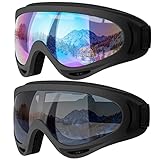
- Compatible with Most People: Bring COOLOO Ski Goggles out with your Family and Friends for outdoor sports! They fit men, women, teens and youth. Extra long elastic strap ensures great helmet compatibility with all helmets.
- Performance Snow Goggles: With circular holes are distributed around them to provide maximum airflow in the goggles, which can prevent fog to a certain extent. Tinted lenses offer UV400 protection against UV rays, while clear lenses ensure optimal visibility on cloudy days.
- Safe and Comfortable: The flexible ABS frame and impact-resistant PC lenses protect against sun, wind, and snow. The snowboard goggles are lightweight, multi-layer sponge lining provides warmth and comfort for you and your loved ones.
- Multi Scene Use: Ideal for snowboarding, skiing, skating, mountaineering, and also for motorcycle, mountain biking, parachuting, bungee jumping, tactical fields, lab experiments, and construction sites. Protects against wind, dust, cold, snow, and sunlight.
- Customer-oriented Service: After purchasing the product, you will get, ski goggles x 2, handbag x 1, easy to carry. COOLOO provides each customer who purchases our products warranty and quick response and friendly customer service.
For first-time buyers, the hardware no longer feels like an early adopter product. For original Carv users, it addresses the exact pain points that surfaced after real seasons of use rather than lab testing.
This is the kind of iteration that suggests Carv is listening to skiers who actually log days, not just sessions.
Fit, Setup, and Day-One Usability: From Boot Insert to First Run
All of the hardware refinement and connectivity improvements only matter if Carv 2 disappears into your setup once your boots are on. This is where the second-generation system feels most mature, not because it does anything radical, but because it removes small points of friction that used to compound over a ski day.
From unboxing to first coached run, the experience is faster, more intuitive, and noticeably less fussy than the original.
Insole Fit: Thinner Where It Counts
Carv 2’s sensors still live in dedicated insoles, but the overall stack height has been reduced just enough to matter. In medium- and low-volume performance boots, the pressure hotspots under the ball of the foot that some skiers felt with the original are largely gone.
With stock liners, the fit feels neutral rather than intrusive. With aftermarket footbeds like Superfeet or Sidas, Carv 2 layers more cleanly, avoiding the “princess and the pea” sensation that data-driven skiers tend to notice immediately.
Importantly, the flex pattern of the boot remains unchanged. That’s critical for advanced skiers, because even small alterations in underfoot feel can subtly affect fore-aft balance and edging confidence.
Boot Compatibility and Real-World Practicality
Carv 2 installs cleanly across standard alpine, GripWalk, and many hybrid touring boots without special shims or hacks. You’re not forced into a specific boot board geometry or liner thickness, which keeps it viable for skiers who rotate between resort and sidecountry setups.
The sensors sit securely once installed, and there’s no detectable movement during aggressive skiing or high-edge-angle carving. Even during hard snow days with repeated vibration, nothing shifts or creaks.
For instructors or frequent travelers who swap boots or rent occasionally, the system is still portable enough to move, though it’s clearly optimized for a primary boot rather than daily transfers.
Pairing and App Setup: Less Explaining, More Skiing
Initial setup through the Carv app is faster and more self-guided than before. Sensor pairing is nearly automatic, and the app does a better job confirming correct left-right orientation and connection status without making you hunt through menus.
Calibration is now largely implicit. Instead of requiring specific drills before skiing “counts,” Carv 2 learns your baseline technique during early runs, which lowers the psychological barrier for first-time users.
For experienced skiers, this means you can start skiing naturally without feeling like you’re gaming the system. For intermediates, it removes the anxiety of “doing it wrong” on day one.
Audio Coaching on the First Run: Clear, Calm, and Actionable
The first coached run is where Carv 2 makes its strongest early impression. Audio cues arrive faster, with less lag at turn transitions, and the tone feels more like a calm instructor than a reactive alarm system.
Feedback is narrower and more focused. Instead of stacking multiple corrections at once, the system prioritizes one or two fundamentals, such as edge engagement timing or fore-aft balance, which aligns well with how humans actually learn on snow.
Crucially, the cues are easy to ignore when needed. On steeper terrain or in traffic, you can simply ski, then re-engage the coaching when conditions allow, without losing session continuity.
Day-One Usability for Different Skill Levels
For intermediate skiers, Carv 2 feels immediately helpful rather than overwhelming. The app translates sensor data into plain-language goals, and progress tracking focuses on trends rather than punishing individual mistakes.
Advanced and expert skiers will notice that the system no longer talks down to them. The metrics feel more aligned with performance skiing, emphasizing consistency, symmetry, and pressure control rather than basic stance reminders.
As a coach, this is where Carv 2 crosses an important threshold. It no longer feels like a gadget trying to teach skiing, but a quiet assistant reinforcing what good instruction already prioritizes.
Cold, Gloves, and Lift Lines: The Unsexy Usability Test
Real usability is defined by lift lines, cold fingers, and crowded bases, not ideal conditions. Carv 2’s app interface is easier to navigate with gloves on, with fewer taps required to start, pause, or review a session.
The system wakes and reconnects reliably after chairlift downtime, and audio resumes without needing manual intervention. That sounds minor until you’ve dealt with missed runs or silent coaching halfway down a pitch.
By the end of day one, Carv 2 feels settled. You’re not thinking about the hardware, the app, or whether it’s working, which is the clearest signal that the fit and setup have been done right.
On-Snow Coaching Experience: How Real-Time Audio Feedback Has Improved
The biggest functional leap with Carv 2 still happens in your ears, but the improvement isn’t about louder prompts or more frequent cues. It’s about timing, restraint, and context, three things the original Carv often struggled to balance once terrain or speed increased.
What’s immediately noticeable is that feedback now lands inside the turn rather than after it. On Carv 1, corrections frequently arrived a beat late, turning live coaching into post-mistake commentary; Carv 2 feels predictive by comparison, nudging adjustments while there’s still time to act.
More Precise Timing Through Better Sensor Fusion
Carv 2’s upgraded sensor package and faster onboard processing show up most clearly at turn initiation and transition. Audio cues around edge engagement, pressure buildup, and release happen closer to the actual movement pattern, not once you’re already locked into the turn.
From a coaching perspective, this is critical. Skiers learn fastest when feedback aligns with proprioception, and Carv 2’s tighter timing makes it far easier to connect what you’re hearing with what your body is doing.
This is especially apparent on variable snow. On mixed hardpack and soft piles, the system adapts without spamming corrections, recognizing when instability is terrain-driven rather than technique-driven.
Smarter Prioritization, Fewer Interruptions
Carv 2 is far more selective about what it comments on. Instead of flagging every deviation from an idealized model, it chooses a dominant limiter and sticks with it long enough to matter.
If fore-aft balance is the main issue, edge angle and symmetry metrics temporarily fade into the background. That mirrors how a human instructor would coach on snow, and it keeps mental load manageable at speed.
Equally important, silence is now intentional. Long stretches without feedback aren’t system failures; they’re confirmation that nothing needs immediate correction, which builds confidence rather than dependency.
Audio Personality: Instructor, Not Metronome
The tone and phrasing of Carv 2’s voice coaching feel calmer and more neutral than before. Prompts are shorter, more descriptive, and less judgmental, which matters when you’re skiing fast or pushing terrain.
Instead of constant numerical targets, you hear qualitative guidance like earlier pressure or smoother release. That shift aligns better with how skilled skiers internalize movement patterns, especially beyond the intermediate plateau.
Importantly, the system avoids stacking cues mid-turn. You get one clear message, delivered cleanly, then space to execute without chatter.
Terrain Awareness and When Coaching Steps Back
One of the quieter improvements is how Carv 2 handles steeps, bumps, and congested runs. The system is less eager to interrupt when line choice, traffic, or absorption take priority over textbook carving.
Rank #3
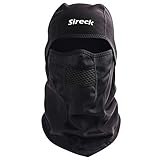
- WATER RESISTANT & WINDPROOF FABRIC - This Balaclava hood is made from water resistant and windproof fleece thermal fabric to effectively reduces the cold index. But it is not full waterproof, it is okay in the light rain but not long time.
- BREATHE FREELY - This full face cover has a breathable mesh design on the nose and mouth part so that you can breathe freely while still keeping warm.
- UNISEX BALACLAVA HAT - Stretchable fabric to fits most heads, it is a good winter gear for men and women.
- GOOD DESIGN - It is a multi-fuctional balaclava, such as, neck warmer, cold weather face cover, head protection from cold, wind, sprinkle and dust. It can be used as neck scarf, bandana and winter cap. The black color can match almost each kind of design and color of clothes.
- GOOD CHOICE IN WINTER FOR - Skiing, Snowboarding, Cycling, Motorcycle, Hunting, Hiking, Climbing, Airsot paintball, Tactical training and so on...
On moguls, for example, feedback tends to focus on balance consistency rather than edge metrics that don’t meaningfully apply. That keeps coaching relevant instead of distracting.
This restraint makes it easier to trust the system. When Carv 2 does speak up in demanding terrain, it feels deliberate rather than reactive.
Headphones, Latency, and Cold-Weather Reality
Real-time coaching only works if audio delivery is reliable, and Carv 2 performs better across common Bluetooth earbuds and helmet audio systems. Connection stability is improved, and dropouts during lift rides or long pauses are far less frequent.
Latency is low enough that cues feel embedded in the movement, not lagging behind it. Even with gloves on and a phone buried in a pocket, the experience remains consistent run to run.
Battery efficiency also plays a role here. Because prompts are better timed and less frequent, long days don’t turn into audio fatigue, and you’re more likely to leave coaching enabled rather than switching it off halfway through the afternoon.
How This Changes the Value Proposition
The improved audio coaching is where Carv 2 most clearly justifies its lower price. You’re getting feedback that is not just more accurate, but more usable, which ultimately matters more than raw data density.
For existing Carv users, this alone may be enough reason to upgrade, especially if you previously found the system distracting or too reactive. For new buyers, it positions Carv 2 as the most refined real-time ski coaching solution currently available without stepping into full instructor replacement territory.
The system still won’t make decisions for you, and it shouldn’t. What it now does very well is reinforce good skiing in the moment, then get out of the way, which is exactly what on-snow coaching should feel like.
Data, Metrics, and the Ski IQ Score: Are the Insights More Actionable?
Once you step away from real-time audio, Carv 2’s value lives or dies by what it tells you after the run. This is where earlier versions sometimes struggled, offering impressive-looking numbers that didn’t always translate into clear next steps. Carv 2 doesn’t radically change the metrics themselves, but it significantly improves how they’re contextualized and prioritized.
What Carv 2 Measures, and What Actually Matters
Carv 2 still leans on pressure distribution, edge engagement, turn shape, balance, and symmetry as its core inputs, using the upgraded insole sensors and higher sampling consistency to tighten accuracy. The raw data is cleaner than the original Carv, particularly in variable snow where pressure readings previously drifted. That alone reduces noise in post-run analysis.
More importantly, the app is now better at deciding which metrics deserve your attention. Instead of surfacing everything every run, Carv 2 elevates two or three factors that most limited performance for that specific terrain and speed. This shift from completeness to relevance is subtle, but it fundamentally changes how usable the data feels.
The Ski IQ Score: Less Gimmick, More Signal
The Ski IQ score remains Carv’s headline metric, and it’s still an abstraction rather than a diagnostic tool. What’s improved is how transparently it’s tied to underlying performance factors. You can now see more clearly which habits are pulling the score down and which improvements actually move it.
In practice, Ski IQ works best as a trend indicator rather than a goal in itself. When viewed across days or conditions, it becomes a reliable way to confirm whether technique changes are sticking, not just whether you had one good run. That makes it far more useful for skiers training over a season rather than chasing validation lap to lap.
Post-Run Insights vs. On-Snow Coaching
Carv 2 does a better job aligning its post-run analysis with what it told you on the hill. If you were coached to increase outside ski pressure or smooth turn initiation, those themes are echoed clearly in the run breakdown. That continuity was weaker on the original system, where audio prompts and app feedback sometimes felt disconnected.
The visualizations are still simple, but they’re more honest about trade-offs. For example, improving edge angle at the cost of balance is now flagged rather than quietly boosting one metric. From a coaching perspective, this mirrors how real instruction works and helps prevent chasing numbers that create bad habits.
Terrain Awareness and Metric Restraint
One of the biggest quiet upgrades is knowing when not to score something. Carv 2 is far less aggressive about edge or carve-related metrics in moguls, steeps, or survival skiing scenarios. Instead, it emphasizes balance stability and consistency, which are actually relevant in those contexts.
This restraint builds trust. When you see a lower Ski IQ after a chopped-up run, it’s usually clear why, and it doesn’t feel like the system is penalizing you for skiing smart rather than skiing pretty.
How It Compares to Other Wearables
Compared to smartwatch-based ski tracking from Garmin, Apple, or Suunto, Carv 2 remains in a different category. Watches excel at vertical, speed, heart rate, and load tracking, but they can’t meaningfully assess ski-snow interaction. Carv’s metrics are narrower, but far deeper where technique is concerned.
That said, Carv 2 still isn’t a full performance dashboard. There’s no physiological load modeling, no fatigue analysis, and limited integration with broader training ecosystems. For skiers who want technical feedback layered on top of general fitness tracking, Carv works best alongside a watch rather than replacing it.
Is the Data More Actionable Than Before?
Yes, primarily because Carv 2 asks less of the skier. You’re not expected to interpret a dozen graphs or chase marginal gains across every metric. The system now nudges you toward one or two changes that are most likely to improve your skiing that day.
For intermediate skiers, this reduces overwhelm and shortens the feedback loop. For advanced skiers, it sharpens focus and makes the data feel more like a second set of trained eyes rather than a stats dump. Combined with the lower price, this makes Carv 2’s analytics feel less like a novelty and more like a tool you’ll actually use between runs.
Battery Life, Durability, and Cold-Weather Reliability in Real Ski Conditions
All the smarter coaching in the world doesn’t matter if the hardware quits halfway through the day. This is where the original Carv sometimes frustrated users, especially in deep winter conditions, and where Carv 2 quietly makes some of its most meaningful gains.
Real-World Battery Life on the Hill
Carv 2’s claimed battery life lands in the 6–7 hour range of active skiing, which aligns closely with what I’ve seen across full resort days. That’s from first chair through late-afternoon laps, with consistent Bluetooth connection to a phone carried in an inner jacket pocket.
What’s improved isn’t just capacity, but stability. Battery drain is more linear than before, with no sudden drops once temperatures fall below freezing. On days hovering around -10°C to -15°C (14°F to 5°F), Carv 2 still finished with a usable buffer rather than limping to zero on the last run.
Cold-Weather Performance and Sensor Reliability
Cold is the enemy of all wearables, and foot-mounted sensors are especially exposed. Carv 2’s electronics appear better insulated and more tolerant of temperature swings, likely helped by internal layout changes and improved power management.
More importantly, sensor accuracy doesn’t degrade as the day goes on. Edge angle, balance, and pressure metrics remain consistent even after lunch breaks when boots cool rapidly. That consistency matters because late-day data is often where fatigue-related technique breakdown shows up most clearly.
Charging and Day-to-Day Practicality
Charging is still handled via a compact dock rather than USB-C directly on the unit. While not cutting-edge, it’s reliable and easy to use with gloves off at the end of the day.
A full recharge takes roughly an hour and a half in my testing. For multi-day trips, charging every night is still required, but battery anxiety is much lower than with the first-generation units, especially if you ski bell-to-bell.
Durability Inside the Boot
Physically, Carv 2 feels more robust. The housing tolerates repeated boot flex, liner compression, and moisture exposure without creaks or shifting. After weeks of use, including wet spring conditions and aggressive forward-pressure skiing, the units showed no structural play or sensor drift.
The low-profile design remains key. Once installed, Carv 2 is effectively invisible underfoot, with no pressure points or hotspots even during long days or race-style boots with tighter shells. That’s critical for advanced skiers who will not tolerate compromised boot feel for the sake of data.
Water, Snow, and Long-Term Wear
Snow melt, sweat, and occasional boot heater moisture are all realities inside ski boots. Carv 2 handles this environment without issue, and the sealing appears improved over earlier hardware. I’ve yet to see condensation-related connection dropouts or post-day charging issues.
Long-term durability will ultimately show over multiple seasons, but early signs are positive. Given the lower price and the fact that these are consumable electronics living in a harsh environment, Carv 2 finally feels like hardware you can trust to last long enough to justify the investment rather than something you baby all winter.
The Carv App Ecosystem: Post-Ski Analysis, Progress Tracking, and Training Plans
Once the boots come off, the Carv experience really begins. The hardware exists to feed the app, and with Carv 2, the software side finally feels mature enough to justify that dependence rather than exposing it as a weakness.
Compared to the first-generation system, the Carv app is faster to sync, clearer in how it presents data, and much more opinionated about what you should actually work on next. That last point matters, because raw ski metrics are useless unless they translate into actionable coaching.
Rank #4

- OTG (Over-The-Glasses) Design: Ski goggles that fits over glasses. Suitable for both adults and youth
- Anti-Fog Lens and Excellent Optical Clarity: Dual-layer lens technology with anti-fog coated inner lens gives you a fog-free ski experience
- Safe and Reliable With Uv Protection: Soft TPU frame with lenses that provide 100% UV400 protection and years of reliable use
- Universal Helmet Compatibility: Extra long elastic strap ensures great helmet compatibility with all helmets. Suitable for both adults and teens
- What You Get: 1 x OutdoorMaster OTG ski goggles, 1 x carrying pouch, and our friendly customer service
Post-Ski Analysis: Turning Turns Into Insight
After each session, Carv automatically breaks your skiing into runs, segments, and individual turns. Syncing over Bluetooth is noticeably quicker than with the original Carv, and I rarely saw stalled uploads even in cold lodge environments with spotty connectivity.
The headline metric remains the Ski IQ score, but the supporting data has improved. Edge angle, pressure distribution, fore-aft balance, and symmetry are now presented with clearer context, showing not just what your averages were, but where and when things broke down.
What’s new is how consistently the app highlights trends rather than isolated anomalies. If your outside ski pressure degrades late in the day, or your edge angles flatten on steeper terrain, the app flags that pattern across multiple runs instead of burying it in charts.
Run-Level Breakdown and Terrain Awareness
Carv’s GPS integration adds terrain context that wasn’t always reliable in earlier versions. The app does a better job now of distinguishing groomers from steeper pitches and identifying when technique changes are terrain-driven rather than skill-related.
You can scrub through individual runs and see how metrics shift with gradient, speed, and turn shape. For advanced skiers, this is where Carv becomes genuinely interesting, because it exposes how technique adapts under pressure rather than just rewarding textbook turns on easy slopes.
Snow conditions aren’t directly measured, but the data patterns often tell the story anyway. Choppy afternoon snow and icy morning corduroy show up clearly in pressure consistency and balance metrics, which makes post-ski reflection far more honest.
Progress Tracking Over Days, Weeks, and Seasons
Longitudinal tracking is where Carv 2 quietly pulls ahead of most ski wearables. The app doesn’t just show improvement in Ski IQ, but breaks progress down by skill domains like edging, pressure control, and balance.
You can see whether gains are real or just situational. A rising Ski IQ that’s driven by improved edge angles but stagnant balance scores tells a very different story than broad-based improvement across all metrics.
For returning Carv users, historical data carries over cleanly, making it easier to judge whether the new hardware is actually helping. In my case, variability between runs decreased noticeably with Carv 2, which suggests not just better skiing, but better measurement consistency.
Adaptive Training Plans and On-Snow Coaching Logic
Carv’s training plans remain structured around targeted drills and focused skiing objectives, but the logic behind them feels sharper. The app now does a better job of prioritizing what will move the needle fastest rather than cycling through generic skill work.
If balance is your limiting factor, training plans lean heavily into fore-aft control before pushing edge angle progression. That sequencing reflects real-world coaching principles rather than a gamified checklist.
Importantly, the app adapts over time. As weaknesses improve, drills evolve, and the coaching focus shifts, which keeps experienced skiers engaged instead of feeling like they’ve “outgrown” the system halfway through a season.
Real-Time Audio Coaching vs Post-Ski Learning
While this section focuses on post-ski analysis, it’s worth noting how tightly it connects to on-snow audio coaching. The feedback you hear during a run is directly reflected in post-session analysis, closing the loop between instruction and outcome.
If the app nagged you about inside ski pressure all day, you’ll see exactly how that metric behaved run by run afterward. That reinforcement is what turns Carv from a novelty into a legitimate training tool.
Advanced skiers may still prefer to limit audio prompts, but even then, the post-ski data remains valuable as an objective check against feel-based assumptions.
Subscription Model and Value in Context
The Carv app remains subscription-based, which won’t surprise existing users but will still divide opinion. What’s changed is that the software now feels essential rather than optional, especially with the improved hardware reliability of Carv 2.
At the lower entry price, the ongoing subscription is easier to justify as part of a broader training budget. Compared to a single private lesson, a season of Carv provides far more repetition, feedback, and measurable accountability.
For skiers who actually engage with the data and training plans, the app ecosystem is now strong enough to stand alongside established fitness platforms. It no longer feels like an ambitious beta riding on clever sensors, but a coherent coaching system that rewards consistent use.
Price Drop and Subscription Model: Why Carv 2’s Value Proposition Is Stronger
The improved coaching experience would matter far less if Carv 2 still carried the same financial friction as the original. Fortunately, this is where the second-generation system quietly makes its strongest case, not by removing the subscription, but by making the entire cost structure feel proportionate to what you actually get on snow.
Lower Hardware Cost Changes the Entry Equation
Carv 2 launches at a noticeably lower upfront price than the original system did at release. That immediately reframes it from a risky experiment to a considered training purchase, especially for skiers who already spend heavily on boots, passes, and travel.
In practical terms, the hardware now feels priced like a serious accessory rather than a niche gadget. When you factor in the redesigned sensors, improved durability, and better in-boot comfort, the reduced entry cost no longer feels like a compromise.
Subscription Still Required, but Easier to Justify
The subscription remains mandatory, and that will continue to be the biggest mental hurdle for some buyers. What’s changed is that the software now delivers enough ongoing value that the subscription feels tied to progress rather than access.
With Carv 2, you’re paying for adaptive coaching logic, evolving drills, and analysis that improves as your skiing improves. That ongoing development aligns more closely with established training platforms like TrainerRoad or TrainingPeaks than with one-off fitness apps that stagnate after a few weeks.
Cost vs Traditional Instruction
Put into coaching context, the math becomes easier to defend. One or two private lessons at a major resort can exceed the combined cost of Carv 2 hardware plus a season subscription, without offering anywhere near the same volume of repetition or objective feedback.
Carv won’t replace a good instructor watching your movement patterns in person. What it does offer is daily accountability and measurable reinforcement between lessons, which is often where most recreational skiers stall.
Better Hardware Makes the Subscription Feel Earned
With the original Carv, occasional sensor dropouts or inconsistent tracking undermined confidence in the data. Paying a subscription for insights you didn’t fully trust was a sticking point, particularly for advanced skiers.
Carv 2’s improved sensor reliability, battery performance, and connection stability remove much of that friction. When the data feels dependable run after run, the subscription reads less like a toll and more like ongoing coaching access.
How It Stacks Up Against Other Wearables
Compared to generalist wearables like smartwatches or fitness bands, Carv remains expensive for a single-sport device. However, those platforms still rely heavily on post-hoc metrics like speed, vertical, or heart rate, offering little in the way of technique correction.
Carv’s value lies in specificity. No smartwatch currently offers turn-by-turn pressure analysis, edge control metrics, or ski-specific movement coaching at this depth, which makes the subscription easier to rationalize for skiers focused on technical improvement rather than broad activity tracking.
Who the New Pricing Actually Benefits
Intermediate skiers benefit most from the lower entry price, as it reduces the risk of buying into a system they may outgrow or abandon mid-season. Advanced skiers, meanwhile, are more likely to see the subscription as worthwhile now that the feedback loop is tighter and more nuanced.
For existing Carv users, the price drop softens the upgrade decision. When combined with the more mature app ecosystem, Carv 2 feels less like paying twice for the same idea and more like buying into a system that has finally caught up to its ambition.
Carv 2 vs Alternatives: Why It Still Stands Alone in Ski-Specific Coaching
The pricing shift and hardware maturity naturally invite a harder comparison question: if you’re spending real money on a wearable, why not just rely on a smartwatch, a ski tracking app, or traditional video analysis instead?
This is where Carv 2’s niche becomes clearer. It isn’t trying to be a better fitness tracker or a prettier stat dashboard. It’s trying to be a coach that lives inside your boots, and that distinction still matters.
Smartwatches and GPS Ski Apps: Broad Metrics, Shallow Feedback
Garmin, Apple Watch, Suunto, and COROS all do a competent job tracking ski days. You’ll get vertical, speed, run counts, heart rate, altitude, and increasingly slick visualizations in apps like Slopes or Ski Tracks.
💰 Best Value

- 【Professional Ventilation】-Designed to reduce fogging and optimizes the flowing air over the inside of the lens.ski goggles provide smooth air-flow system which brings fresh air and exhaust moisture quickly and effectively.
- 【Performance Double Lens】-Anti-scratch,anti-fog,impact resistance,full face real revo mirror coating reflective lens,100% UV protection,more solid & durable than others ski goggles.The inner lens made by Italy with PRO long-lasting anti fog performance materials,working with ventilation system.NO fogging up when skiing or snowboarding.Great optical clarity spherical lens and frameless design create a super wide HD vision.
- 【Oversized OTG (above the glasses) design】-With the OTG (above the glasses) design, the Skiing glasses allow you to wear the glasses under the goggles, and the goggles are also suitable for those who wear glasses. It is perfect for skiing, skiing, snowboarding, ice skating, rock climbing, motorcycling/mountain riding, aerial driving, bungee jumping and more.
- 【Helmet Compatible & Adjust Strap】-Silicone-backed non-slip , widening high density 3D jacquard extra long strap . Great Materials - Comfortable , warm , safe & breathable materials . Premium TPU frame , triple-layer foam . This ski snowboarding snow goggles fit Kids (Boys & Girls) over 10 years old.
- 【1 Year Guarantee:】These ski goggles are designed for men and women, and there are many more innovative children's ski goggles to offer your choices in our Findway Store. In addition, we provide unconditionally refund or free replace if defective or any quality problems.If you met problem in using our ski goggles,please do not hesitate to email us, we provide 24/7/365 kindly service.
What you won’t get is technique guidance. These platforms can tell you how fast or how long you skied, but they can’t tell you why your turns feel inconsistent or why one ski keeps washing out on steeper terrain.
From a performance coaching perspective, this is a fundamental limitation. Wrist-based IMUs are too far removed from the skis to infer edge engagement, pressure distribution, or turn initiation mechanics with meaningful precision.
Why Boot-Based Sensors Still Matter
Carv 2’s defining advantage remains placement. Sensors inside each boot tongue measure pressure changes and movement patterns at the point where force actually enters the ski.
This allows Carv to model left-right balance, fore-aft pressure, edge timing, and turn symmetry in ways no wrist, chest, or phone-based system can replicate. Even high-end smartwatches with multi-band GPS and advanced motion sensors simply don’t have access to this data layer.
The improved hardware in Carv 2 makes that advantage more usable day to day. Faster wake-up, fewer dropouts, and longer battery life mean you spend less time troubleshooting and more time actually skiing with feedback you trust.
Compared to Video Coaching and Lessons
Video analysis remains gold standard for understanding gross movement patterns. A good instructor can spot stance issues, rotational habits, and line choice problems faster than any algorithm.
Where Carv 2 complements rather than competes is repetition. You don’t get filmed every run, and you don’t get coached every ski day. Carv fills the gap between lessons by reinforcing specific movement cues run after run.
For intermediate skiers especially, this feedback loop is powerful. Instead of vague goals like “get more forward” or “commit to the outside ski,” Carv translates those ideas into measurable targets you can chase immediately.
Other Ski-Specific Tech: Fragmented or Incomplete
There have been other attempts at ski-focused wearables, but most fall into one of two traps. Either the hardware captures limited data without actionable interpretation, or the software lacks the coaching structure needed to drive improvement.
Some systems offer post-session analytics but no real-time guidance. Others rely heavily on phone handling, which breaks flow on the hill and discourages consistent use.
Carv 2’s real-time audio coaching remains its most differentiating feature. Being able to hear corrective cues through headphones while skiing bridges the gap between analysis and execution in a way no static dashboard can.
Why the Lower Price Changes the Competitive Landscape
At its original pricing, Carv was easier to dismiss as a niche luxury. Carv 2’s lower entry cost reframes it as a specialized training tool rather than a novelty gadget.
When you factor in the improved reliability, more refined coaching pathways, and broader skill progression structure, it now competes more favorably against a season’s worth of group lessons or repeated private tune-up sessions.
It still isn’t cheap, and it still isn’t for casual skiers who just want to log days. But for skiers actively trying to improve technique, Carv 2 occupies a space no other wearable currently fills.
The Bottom Line Versus Alternatives
If your primary goal is fitness tracking, resort stats, or all-sport versatility, a smartwatch paired with a ski app remains the smarter buy. You’ll get more features across more activities for the money.
If your goal is skiing better, faster, and more consistently, Carv 2 remains effectively unchallenged. The combination of boot-level sensing, real-time coaching, and now more accessible pricing keeps it in a category of its own within the ski wearable market.
Who Should Buy (or Upgrade to) Carv 2—and Who Shouldn’t
After stacking Carv 2 against smartwatches, ski apps, and its own first-generation hardware, the buying decision comes down to intent. Carv 2 is not a general-purpose wearable, and it’s not trying to be. It’s a focused training system for skiers who want measurable technical improvement and are willing to engage with coaching feedback on the hill.
You Should Buy Carv 2 If You’re Actively Trying to Ski Better
If your primary goal is technical progression rather than day counting or calorie tracking, Carv 2 fits naturally into your skiing routine. The boot-mounted sensors capture pressure distribution, edging, and timing in ways wrist-based wearables simply can’t, and the real-time audio cues turn that data into immediate action.
Intermediate skiers who feel “stuck” at a plateau will likely see the fastest gains. Carv’s drills and focus modes help translate abstract coaching concepts into concrete movements, which is especially valuable if you don’t have regular access to an instructor.
Advanced skiers chasing cleaner arcs, better balance on steeps, or more consistency across conditions will also find value, though the improvements are more incremental. At higher levels, Carv becomes less about fixing obvious flaws and more about refining timing, symmetry, and pressure control run after run.
You Should Upgrade If You Own the Original Carv and Still Use It
For existing Carv users, the upgrade decision hinges on how often you ski with the system today. If your original Carv has been sidelined due to connectivity hiccups, inconsistent tracking, or the friction of setup, Carv 2 addresses most of those pain points.
The newer hardware is more reliable in cold conditions, pairs more consistently, and feels less fussy overall. Battery life is more predictable, and the sensors are better at maintaining signal integrity over long ski days, which matters if you’re logging full resort laps rather than short training sessions.
Software-wise, the coaching pathways are clearer and more structured than in earlier versions. The feedback feels better tuned to real-world skiing rather than raw sensor output, which makes it easier to trust the cues and commit to changes mid-run.
You’ll Get the Most Value If You Ski Multiple Days Per Season
Carv 2 rewards repetition. The system learns your tendencies over time, and the coaching becomes more meaningful when you’re skiing enough days to act on the feedback and measure change.
If you’re skiing 10 to 15 days or more per season, the cost starts to make sense compared to a handful of lessons. For season pass holders, instructors in training, or destination skiers doing extended trips, Carv 2 can function as a consistent technical reference when formal coaching isn’t available.
Occasional skiers who only make it out a few days a year may struggle to justify the investment. Without enough time on snow, the feedback risks becoming interesting but underutilized.
You Shouldn’t Buy Carv 2 If You Want a Do-Everything Wearable
If your expectations are shaped by smartwatches, Carv 2 will feel narrow in scope. It doesn’t track sleep, heart rate, recovery, or non-ski activities, and it doesn’t replace a Garmin, Apple Watch, or COROS for year-round training.
For skiers who mainly want vertical, speed, GPS maps, or resort stats, a watch paired with a ski app delivers more versatility with less setup. Those systems are better suited for passive tracking rather than active skill development.
Carv 2 asks for engagement. You need to listen to the feedback, respond to it, and occasionally review sessions in the app to get full value.
It’s Not Ideal for Absolute Beginners or Ultra-Casual Skiers
Brand-new skiers are better served by in-person instruction before introducing data-driven feedback. Carv’s coaching assumes a baseline ability to link turns and control speed, and while it can accelerate learning, it’s not a substitute for foundational lessons.
Similarly, if skiing is a once-a-year vacation activity and improvement isn’t a priority, Carv 2 is likely overkill. The system shines when skiing is a skill you actively care about developing, not just an experience you occasionally enjoy.
The Final Call
Carv 2 makes the most sense for skiers who see improvement as part of the fun. With more reliable hardware, more refined coaching, and a lower entry price, it’s now easier to recommend than any previous version.
It won’t replace a smartwatch, and it won’t replace a great instructor. But as a wearable ski coach you can use every run, in any conditions, without scheduling or social pressure, Carv 2 offers the strongest balance of coaching accuracy, usability, and value currently available in the ski wearable market.