The Casio Smart Outdoor WSD‑F10 arrived at a moment when smartwatches were still trying to justify themselves beyond phone notifications. For outdoor users in 2016, most options fell into two camps: fitness‑focused GPS watches with limited smarts, or lifestyle smartwatches that struggled the moment you left pavement and cellular coverage. Casio’s pitch was unusually clear for the time: build a real outdoor watch first, then layer smart features on top.
This review starts by grounding the WSD‑F10 in its original context, because without that perspective it’s easy to misjudge both its strengths and its shortcomings today. Understanding what Casio was reacting to in 2016 explains why the watch looks the way it does, behaves the way it does, and why some of its ideas still echo in modern adventure watches. It also sets expectations correctly before we dig into hardware, software, and real‑world usability.
The smartwatch landscape Casio was entering
In early 2016, Android Wear was still a moving target. Battery life was short, performance could be sluggish, and most Wear OS watches were thin, glossy, and fragile by outdoor standards. The Apple Watch was only on its first major iteration, had no GPS of its own yet, and was squarely aimed at daily lifestyle use rather than wilderness navigation.
On the outdoor side, Garmin, Suunto, and Polar dominated with purpose‑built GPS watches. They offered excellent tracking, long battery life, and physical buttons, but little flexibility beyond sports metrics. Notifications were basic, app ecosystems were closed, and map interaction was either nonexistent or extremely limited.
🏆 #1 Best Overall
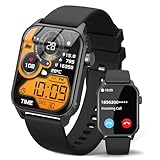
- 【1.83" HD Display & Customizable Watch Faces】Immerse yourself in a vibrant 1.83-inch IPS display, boasting a sharp resolution of 240*284 for crystal-clear visuals. Effortlessly personalize your smart watch with a wide array of customizable watch faces to suit your personal style for every occasion—whether trendy, artistic, or minimalist—ideal for casual, sporty, or professional. Its sleek, modern design complements any outfit, blending technology and fashion seamlessly for everyday wear
- 【120 Sports Modes & Advanced Health Tracking】Our TK29 smart watches for women men come equipped with 120 sports modes, allowing you to effortlessly track a variety of activities such as walking, running, cycling, and swimming. With integrated heart rate and sleep monitors, you can maintain a comprehensive overview of your health, achieve your fitness goals, and maintain a balanced, active lifestyle with ease. Your ideal wellness companion (Note: Step recording starts after exceeding 20 steps)
- 【IP67 Waterproof & Long-Lasting Battery】Designed to keep up with your active lifestyle, this smartwatch features an IP67 waterproof rating, ensuring it can withstand splashes, sweat, and even brief submersion, making it perfect for workouts, outdoor adventures, or rainy days. Its reliable 350mAh battery offering 5-7 days of active use and up to 30 days in standby mode, significantly reducing frequent charging. Ideal for all-day wear, whether you’re at the gym, outdoors, or simply on the go
- 【Stay Connected Anytime, Anywhere】Stay informed and in control with Bluetooth call and music control features. Receive real-time notifications for calls, messages, and social media apps like Facebook, WhatsApp, Twitter, and Instagram directly on your smartwatch. Easily manage calls, control your music playlist, and stay updated without needing to reach for your phone. Perfect for work, workouts, or on-the-go, this watch keeps you connected and never miss important updates wherever you are
- 【Multifunction & Wide Compatibility】Seamlessly handle heart rate monitoring, sleep tracking, and enjoy conveniences like camera/music control, Seamlessly handle heart rate monitoring, sleep tracking, and more-all directly from your wrist. This 1.83 inches HD smartwatch is compatible with iPhone (iOS 9.0+) & Android (5.0+), ensuring smooth daily connectivity and convenience throughout your day. More than just a timepiece, it’s a stylish, all-in-one wearable for smarter, healthier living
Casio saw a gap between these worlds. The WSD‑F10 was an attempt to merge rugged outdoor instrumentation with a general‑purpose smartwatch operating system, something no major brand had executed convincingly at that point.
Casio’s first serious step into smartwatches
Casio was not new to digital watches, sensors, or outdoor durability. Decades of G‑Shock, Pro Trek, and Pathfinder models had built trust with hikers, climbers, and expedition users who valued toughness over elegance. The WSD‑F10 was effectively Casio testing whether that reputation could carry into the smartwatch era.
Instead of mimicking slim Android Wear designs, Casio leaned fully into size and presence. The watch was large, thick, and unapologetically industrial, with a resin case reinforced for shock resistance and a mineral glass display. At roughly 61.7 mm across and over 15 mm thick, it wore closer to a Pro Trek than anything from Motorola or LG at the time.
This wasn’t accidental. Casio wanted the WSD‑F10 to feel like a tool, not a fashion accessory, even if that meant alienating buyers looking for something discreet under a cuff.
Dual‑layer display and battery philosophy
One of the WSD‑F10’s most important innovations was its dual‑layer display system. On top sat a full‑color LCD for Android Wear interaction, while underneath was a monochrome LCD designed for always‑on timekeeping and sensor readouts. This allowed the watch to show time, compass, altitude, or barometric data with minimal power draw.
In 2016, this was a genuinely smart response to the battery anxiety surrounding smartwatches. Casio acknowledged that all‑day color displays were a liability outdoors, especially when hiking or camping for multiple days. By letting users fall back to a low‑power mode, the WSD‑F10 could stretch to several days of basic use, even if full smartwatch functionality was sacrificed.
That philosophy still feels relevant today, even if modern processors and displays have made brute‑force battery solutions more viable.
Sensors over GPS: a deliberate limitation
Notably, the original WSD‑F10 did not include GPS. Instead, Casio prioritized an ABC sensor suite: altimeter, barometer, and compass, paired with accelerometer‑based activity tracking. For navigation, the watch relied on a connected smartphone for GPS data.
At the time, this was a controversial choice. Outdoor users increasingly expected onboard GPS, but Casio viewed the WSD‑F10 more as an outdoor companion than a standalone navigation device. It was designed to enhance situational awareness, not replace a handheld GPS or dedicated sports watch.
This decision would later be reversed with the WSD‑F20, but the F10 shows Casio feeling its way into smartwatch compromises rather than chasing spec‑sheet dominance.
Why the WSD‑F10 mattered then, and why it still matters now
In 2016, the WSD‑F10 mattered because it challenged the assumption that smartwatches had to be delicate, short‑lived, and urban‑focused. It proved that Android Wear could exist inside a genuinely rugged shell, even if the software wasn’t fully ready for serious outdoor use.
Today, its importance is mostly historical, but not irrelevant. Many of its ideas, especially display layering and power‑aware design, are echoed in modern Garmin and Suunto watches, just executed with better processors and tighter software integration. For collectors, Casio fans, or anyone curious about the evolutionary path of outdoor smartwatches, the WSD‑F10 represents a bold, imperfect, and very Casio first step.
Understanding this context makes it easier to evaluate the WSD‑F10 on its own terms, rather than judging it purely by modern standards it was never meant to meet.
Design Philosophy and Build Quality: Casio’s G‑Shock DNA Goes Smart
Understanding the WSD‑F10’s hardware makes Casio’s earlier software and battery compromises feel more intentional. This was never meant to be a sleek tech accessory competing with urban Android Wear watches. Casio approached the WSD‑F10 as a digital instrument first, and a smartwatch second, grounding it firmly in decades of G‑Shock design logic.
A rugged first impression, by design
The WSD‑F10 looks unapologetically bulky, even by 2016 smartwatch standards. At roughly 61.7 mm across and nearly 16 mm thick, it wears more like a Pro Trek hiking watch than a modern smartwatch, and Casio clearly expected buyers to accept that trade‑off.
That size wasn’t cosmetic. The thick resin shell, raised bezel, and reinforced case structure were all there to protect the display and internal sensors from impact, abrasion, and environmental stress. On the wrist, it feels dense rather than hollow, which contributes to confidence rather than discomfort if you’re used to outdoor gear.
Materials and construction: classic Casio toughness
Casio used a combination of stainless steel for the case back and shock‑resistant resin for the main body. This mirrors traditional G‑Shock construction, where metal provides structural rigidity while resin absorbs impact and keeps weight manageable.
Water resistance is rated at 50 meters, which is conservative compared to dive watches but entirely practical for hiking, rain exposure, river crossings, and general outdoor use. The WSD‑F10 was not positioned as a swim or dive computer, and Casio made no attempt to blur that line.
Button‑driven usability over touchscreen dependence
One of the most overlooked strengths of the WSD‑F10 is its physical control layout. Three large buttons flank the case, each with a distinct tactile feel that works reliably with gloves or cold fingers.
Casio never expected users to rely solely on the touchscreen in the field. The buttons handle mode switching, tool access, and quick interactions, reducing the need for precise swipes when conditions are wet, dusty, or cold. This design choice alone sets the WSD‑F10 apart from many early Android Wear competitors that struggled outdoors.
Display protection and legibility priorities
The display is recessed beneath a protective bezel, reducing the risk of direct impact. Casio paired this with Gorilla Glass, but the physical depth of the screen does more work than the glass spec itself.
Legibility was clearly prioritized over visual elegance. The screen isn’t vibrant by modern OLED standards, but it remains readable in bright outdoor conditions, especially when switching into its monochrome low‑power mode. This reinforces the idea that the watch was meant to be glanced at during movement, not admired indoors.
Dual‑layer display as a structural feature
Casio’s dual‑layer display wasn’t just a battery solution; it influenced the entire physical design. The monochrome LCD layer sits on top, always visible even when the smartwatch layer is inactive.
This allowed Casio to treat the WSD‑F10 more like a traditional outdoor watch structurally. Even if the smart layer fails, crashes, or is disabled, the watch still functions as a basic time and sensor display. That redundancy aligns closely with Casio’s long‑standing philosophy of fail‑safe design.
Comfort, weight, and long‑term wearability
At around 93 grams without the strap, the WSD‑F10 is undeniably heavy. On smaller wrists, it will feel oversized, and there’s no pretending otherwise.
That said, the weight is well distributed, and the resin strap is flexible enough to remain comfortable over long hikes. Once secured, the watch tends to stay planted rather than shifting around, which matters more in active use than desk comfort.
Strap system and field practicality
The stock resin strap is wide, textured, and purpose‑built. It resists sweat, mud, and water well, and it doesn’t stiffen excessively in cold conditions.
Strap changes are possible but less convenient than on modern quick‑release systems. Casio clearly assumed most owners would stick with the original strap, prioritizing durability over customization.
Aesthetic honesty over mass appeal
The WSD‑F10 doesn’t try to hide its function behind fashionable design cues. There’s no attempt to mimic a mechanical watch, nor to slim the case for broader appeal.
This honesty is part of its charm and also its limitation. For collectors and outdoor users, the design communicates purpose instantly. For casual smartwatch buyers, it can feel intimidating or excessive, especially compared to contemporary Apple or Samsung designs.
Build quality in hindsight
Nearly a decade later, the WSD‑F10’s physical construction has aged better than its software. Many surviving units still feel structurally solid, with buttons that remain crisp and cases that shrug off wear.
That durability reinforces Casio’s core strength. Even as an early, imperfect smartwatch, the WSD‑F10 succeeds as a piece of outdoor hardware, embodying G‑Shock DNA in a way that software updates alone could never achieve.
Display Technology and Interface: Dual‑Layer LCD and Outdoor Readability
Casio’s approach to the WSD‑F10 display mirrors the broader hardware philosophy discussed earlier: redundancy, legibility, and power efficiency take priority over visual flair. Instead of chasing smartphone‑like aesthetics, Casio engineered a screen system meant to survive bright sun, cold weather, and long stretches away from a charger.
How the dual‑layer display actually works
The WSD‑F10 uses a dual‑layer display combining a full‑color LCD with a monochrome, low‑power LCD layer sitting on top. The color layer handles Android Wear interactions, maps, notifications, and apps, while the monochrome layer can operate independently as a constant, always‑visible display.
When the watch enters its low‑power Timepiece Mode, the color LCD shuts off entirely. What remains is a highly legible black‑and‑white display showing time, date, sunrise and sunset, compass heading, or altitude depending on configuration.
Outdoor legibility over visual sharpness
By modern standards, the color LCD looks dated. Resolution and pixel density are noticeably lower than current OLED panels from Apple, Garmin, or Samsung, and colors appear muted rather than punchy.
In direct sunlight, however, the monochrome layer excels. It remains readable without backlighting, avoids glare, and behaves more like a traditional digital outdoor watch than a smartwatch screen, which is exactly the point.
Touchscreen behavior with gloves and moisture
The WSD‑F10 relies on a capacitive touchscreen for most Android Wear interactions. Like other early Wear devices, this can be finicky with wet fingers or gloves, especially in rain or cold conditions.
Casio partially offsets this with physical buttons mapped to key functions, allowing users to wake the screen, launch apps, or toggle modes without relying entirely on touch input. It is not a full button‑driven interface, but it reduces frustration in real outdoor use.
Rank #2
![Apple Watch Series 11 [GPS 46mm] Smartwatch with Jet Black Aluminum Case with Black Sport Band - M/L. Sleep Score, Fitness Tracker, Health Monitoring, Always-On Display, Water Resistant](https://m.media-amazon.com/images/I/312K597M2uL._SL160_.jpg)
- HYPERTENSION NOTIFICATIONS — Apple Watch Series 11 can spot signs of chronic high blood pressure and notify you of possible hypertension.*
- KNOW YOUR SLEEP SCORE — Sleep score provides an easy way to help track and understand the quality of your sleep, so you can make it more restorative.
- EVEN MORE HEALTH INSIGHTS — Take an ECG anytime.* Get notifications for a high and low heart rate, an irregular rhythm,* and possible sleep apnea.* View overnight health metrics with the Vitals app* and take readings of your blood oxygen.*
- STUNNING DESIGN — Thin and lightweight, Series 11 is comfortable to wear around the clock — while exercising and even when you’re sleeping, so it can help track your key metrics.
- A POWERFUL FITNESS PARTNER — With advanced metrics for all your workouts, plus features like Pacer, Heart Rate Zones, training load, Workout Buddy powered by Apple Intelligence from your nearby iPhone,* and more. Series 11 also comes with three months of Apple Fitness+ free.*
Timepiece Mode as a functional safety net
Timepiece Mode is more than a battery saver; it is a core part of the interface philosophy. In this mode, the watch effectively becomes a rugged digital instrument, shedding Android Wear complexity in favor of reliability and endurance.
Battery life stretches from roughly a single day in full smartwatch mode to multiple days or even weeks depending on usage patterns. This makes the display system inseparable from the overall battery strategy, especially for hiking or travel scenarios where charging opportunities are limited.
Mapping, data fields, and information density
When using GPS mapping or sensor apps, the limitations of the display become more apparent. Maps are functional but lack fine detail, and reading dense data fields requires deliberate glances rather than quick flicks of the wrist.
That said, the screen size and layout prioritize clarity over information overload. For basic navigation, waypoint checking, and environmental awareness, the display remains usable even if it never feels modern.
A design rooted in Casio’s instrument heritage
The dual‑layer LCD is best understood as a digital descendant of Casio’s Pro Trek and Pathfinder lines. It values passive readability, consistent visibility, and predictable behavior over visual excitement.
Compared to modern AMOLED outdoor watches that balance brightness with efficiency through software, Casio solved the problem in hardware. The result feels clunky today, but it was a genuinely thoughtful solution at the time.
How it compares to modern outdoor smartwatch displays
Current Garmin and Suunto models use high‑resolution transflective or AMOLED displays with vastly better efficiency and contrast control. Apple Watch Ultra pairs extreme brightness with aggressive power management, delivering both clarity and polish.
The WSD‑F10 cannot compete on sharpness, responsiveness, or app fluidity. What it still demonstrates is a display philosophy that treats failure scenarios, sunlight, and power loss as primary design constraints rather than edge cases.
Interface aging and long‑term usability
As Android Wear evolved into Wear OS, the WSD‑F10 was left behind both visually and functionally. Menus feel slower, animations are basic, and app compatibility is increasingly limited on surviving units.
Despite this, the core display experience remains usable for its original intent. As long as expectations are aligned with its era, the dual‑layer system still communicates time and environmental data with a clarity many modern smartwatches only achieve through constant backlighting.
Sensors, Outdoor Tools, and Mapping: What the WSD‑F10 Could (and Couldn’t) Do
The limitations of the display naturally feed into how the WSD‑F10 handled environmental data and navigation. Casio approached sensors and outdoor tools with the same philosophy as the screen: reliability first, spectacle second, and a clear assumption that the wearer understood basic outdoor concepts.
This was never meant to be an all‑in‑one expedition computer. It was a wrist‑mounted instrument panel that leaned heavily on context, companion apps, and a connected phone.
Sensor suite: focused, functional, and very selective
The WSD‑F10 included a pressure sensor for altitude and barometric readings, a digital compass, accelerometer, and gyroscope. These covered the essentials for hiking, elevation tracking, and orientation, but the omissions were just as telling.
There was no optical heart rate sensor, no onboard GPS, and no temperature sensor measuring ambient conditions independently of body heat. Even at launch, this positioned the watch closer to a smart Pro Trek than a direct Garmin Fenix rival.
Altitude, pressure, and compass accuracy in real use
Altitude readings relied on barometric data rather than satellite fixes, which meant frequent manual calibration was necessary for accuracy. On stable weather days, elevation tracking was consistent enough for casual hikes, but pressure shifts could introduce drift over longer outings.
The compass was responsive and easy to read, especially when paired with the monochrome LCD layer. It worked best as a situational tool rather than a precision navigation aid, reinforcing the WSD‑F10’s role as a supplement, not a primary navigator.
The absence of built‑in GPS and why it mattered
The lack of onboard GPS defined nearly every outdoor limitation of the WSD‑F10. Location tracking depended entirely on a paired smartphone, making phone battery life and signal availability part of the watch’s equation.
For urban use or well‑covered trail systems, this was manageable. For remote hikes, backcountry routes, or multi‑day trips, it immediately placed the WSD‑F10 at a disadvantage compared to dedicated outdoor watches of the same era.
Casio’s native outdoor tools and software layer
Casio bundled its own Tool app, which aggregated altitude, barometric pressure, compass direction, sunrise and sunset times, and basic activity tracking. The interface was clean and legible, clearly inspired by Casio’s long history of digital instrument displays.
Moment Setter+ allowed users to mark locations, track simple routes, and review basic movement data. These features worked reliably but felt constrained, more like logging aids than analytical training or navigation tools.
Mapping experience: functional, but heavily dependent on apps
Mapping on the WSD‑F10 was possible through third‑party Android Wear apps such as ViewRanger or Google Maps, but the experience was inherently limited. Without GPS in the watch itself, real‑time tracking required a constant phone connection.
Offline maps were technically achievable through supported apps, yet usability suffered due to storage constraints, slow panning, and the low‑resolution display. Maps were best used for checking position or confirming direction, not for detailed route planning on the wrist.
Battery implications of sensor and mapping use
Sensor usage alone had a relatively modest impact on battery life, especially when the watch was left in monochrome mode. The moment mapping, continuous phone GPS, or active screen use entered the picture, endurance dropped quickly.
This reinforced Casio’s expectation that users would be selective. The WSD‑F10 encouraged quick glances and intermittent checks rather than continuous tracking, a stark contrast to modern watches built for always‑on navigation.
What it couldn’t do, even by 2016 standards
The WSD‑F10 could not independently record a GPS track, guide turn‑by‑turn navigation on a trail, or replace a handheld GPS unit. It lacked structured workout modes, recovery metrics, and any form of biometric insight beyond step counts.
For runners, climbers, or endurance athletes, these gaps were deal‑breakers. For hikers who valued environmental awareness and rugged durability over data density, they were compromises rather than failures.
Viewed against modern outdoor smartwatches
Today’s Garmin, Suunto, and Apple Watch Ultra models integrate multi‑band GPS, heart rate, blood oxygen, offline mapping, and multi‑day battery strategies into slimmer, more responsive packages. The WSD‑F10 cannot match their scope or autonomy.
What it offers instead is a snapshot of an earlier design philosophy. Casio treated sensors as reference instruments, not data generators, and assumed the wearer already knew where they were going.
Historical relevance and practical expectations today
As a used purchase or collector piece, the WSD‑F10’s sensor suite should be approached with clear expectations. It still functions as a barometric altimeter, compass, and durable outdoor companion, but only within a narrow use case.
Understanding what it could not do is essential to appreciating what it did do well. The WSD‑F10 represents Casio’s first serious step into smart outdoor wearables, and its sensor choices reflect both the ambition and restraint of that moment.
Android Wear on the Trail: Software Experience, Apps, and Limitations Today
Where the WSD‑F10’s hardware was unapologetically rugged, its software identity was firmly rooted in early Android Wear. That context matters, because much of the watch’s outdoor usefulness depended not on Casio’s sensors, but on how Google’s wearable platform behaved far from cell towers and chargers.
In 2016, Android Wear promised flexibility and app choice. In 2026, what remains is a frozen snapshot of that promise, functional in places, compromised in others, and increasingly constrained by ecosystem drift.
Android Wear, then and now
The WSD‑F10 launched on Android Wear before Google rebranded it as Wear OS, and it never received the later interface overhauls. Navigation relies on card-based swipes, a vertical app list, and side button shortcuts rather than the modern tile system.
Performance today feels slow but predictable. App launches take a beat, animations are minimal, and background tasks are aggressively limited to preserve battery life, which aligns with Casio’s original philosophy but feels dated compared to modern outdoor watches.
Crucially, software updates effectively ended years ago. Security patches, API updates, and compatibility improvements stopped, locking the WSD‑F10 into the Android ecosystem as it existed in the late 2010s.
Phone compatibility and setup reality
The WSD‑F10 is Android-only. It does not pair with iPhones, and even on Android, compatibility depends on using older versions of the Wear OS companion app.
Modern Android phones can still connect, but setup can be finicky. Expect manual permission approvals, occasional sync hiccups, and limited troubleshooting support if something breaks.
Once paired, notifications still work reliably. Calls, messages, calendar alerts, and basic app notifications display clearly, and vibration strength is strong enough to notice through gloves or a jacket sleeve.
Casio’s outdoor software layer
Casio added its own software layer to compensate for Android Wear’s lack of outdoor focus. The most important piece was the dual-layer display system, allowing users to switch between full-color smartwatch mode and a monochrome, always-on data screen.
Rank #3

- Bluetooth Call and Message Alerts: Smart watch is equipped with HD speaker, after connecting to your smartphone via bluetooth, you can answer or make calls, view call history and store contacts through directly use the smartwatch. The smartwatches also provides notifications of social media messages (WhatsApp, Twitter, Facebook, Instagram usw.) So that you will never miss any important information.
- Smart watch for men women is equipped with a 320*380 extra-large hd full touch color screen, delivering exceptional picture quality and highly responsive touch sensitivity, which can bring you a unique visual and better interactive experience, lock screen and wake up easily by raising your wrist. Though “Gloryfit” app, you can download more than 102 free personalised watch faces and set it as your desktop for fitness tracker.
- 24/7 Heart Rate Monitor and Sleep Tracker Monitor: The fitness tracker watch for men has a built-in high-performance sensor that can record our heart rate changes in real time. Monitor your heart rate 26 hours a day and keep an eye on your health. Synchronize to the mobile phone app"Gloryfit", you can understand your sleep status(deep /light /wakeful sleep) by fitness tracker watch develop a better sleep habit and a healthier lifestyle.
- IP68 waterproof and 110+ Sports Modes: The fitness tracker provides up to 112+ sports modes, covering running, cycling, walking, basketball, yoga, football and so on. Activity trackers bracelets meet the waterproof requirements for most sports enthusiasts' daily activities, such as washing hands or exercising in the rain, meeting daily needs (note: Do not recommended for use in hot water or seawater.)
- Multifunction and Compatibility: This step counter watch also has many useful functions, such as weather forecast, music control, sedentary reminder, stopwatch, alarm clock, timer, track female cycle, screen light time, find phone etc. The smart watch with 2 hrs of charging, 5-7 days of normal use and about 30 days of standby time. This smart watches for women/man compatible with ios 9.0 and android 6.2 and above devices.
Casio’s custom watch faces remain one of the WSD‑F10’s strengths. They present altitude, barometric trend, compass heading, sunrise and sunset times, and battery status in a layout that prioritizes legibility over flair.
The Moment Setter+ app, once central to Casio’s outdoor vision, now feels vestigial. It was designed to trigger alerts based on conditions like altitude change or time, but limited updates and background restrictions reduce its reliability today.
Maps, navigation, and the limits of apps
This is where expectations must be carefully managed. The WSD‑F10 does not have built-in GPS, so all mapping depends on the paired phone’s GPS signal.
Google Maps can display basic directions, but offline map support on the watch itself is extremely limited. There is no native trail navigation, breadcrumb tracking, or route recording without third-party apps, many of which no longer receive updates.
Backcountry apps that once worked on Android Wear have largely disappeared or broken due to API changes. What remains usable tends to be simple reference tools rather than full navigation solutions.
Fitness tracking without fitness depth
Google Fit integration exists, but it is shallow. Step counts, basic activity time, and rough calorie estimates are recorded, assuming the phone remains connected.
There is no heart rate sensor, no workout profiles, and no performance metrics. Compared to even entry-level modern outdoor watches, the WSD‑F10 offers almost nothing for training analysis.
For hikers who see movement as incidental rather than something to optimize, this may not matter. For anyone expecting the watch to replace a Garmin or Suunto, it falls short immediately.
Voice control, buttons, and real-world usability
Voice commands technically work, but reliance on Google Assistant assumes data connectivity, which is often absent outdoors. In practice, most users disable voice features to save battery.
Physical buttons are a highlight. They are large, textured, and easy to use with gloves, offering a more reliable interaction method than the touchscreen in wet or cold conditions.
The touchscreen itself is serviceable but not exceptional. Visibility in bright sunlight is acceptable in color mode and excellent in monochrome mode, reinforcing Casio’s intent that the screen be checked, not browsed.
What still works, and what no longer does
At its best, Android Wear on the WSD‑F10 still delivers glanceable information, robust notifications, and customizable data screens tied to real sensors. Time, weather trends, altitude changes, and compass direction remain dependable.
What no longer works well is the idea of app expansion. The Play Store experience is sparse, many apps fail to install, and those that do often feel unstable or incomplete.
The result is a watch that behaves more like a fixed-function outdoor instrument with smart features attached, rather than a flexible smartwatch you can tailor over time.
Software expectations for buyers today
Anyone considering the WSD‑F10 now should view its software as static. It will not grow, improve, or adapt to new services.
If your expectations align with that reality, Android Wear becomes less of a liability and more of a framework that quietly supports Casio’s hardware strengths. If you expect modern smartwatch convenience, app richness, or seamless phone integration, the experience will feel frustratingly incomplete.
Understanding this software ceiling is essential, because it defines exactly how the WSD‑F10 fits into the modern outdoor wearable landscape.
Battery Strategy and Real‑World Endurance: Smart Mode vs Timepiece Mode
Understanding the WSD‑F10’s battery behavior is critical, because it directly reflects Casio’s philosophy for this watch. Rather than chasing all‑day smartwatch endurance, Casio designed a dual‑personality system that lets the watch retreat into a low‑power instrument when smart features become impractical.
This approach makes far more sense once you accept the software ceiling described earlier. Battery management is not an afterthought here; it is the core survival mechanism that keeps the watch relevant in outdoor use.
Smart Mode: Android Wear with strict limits
In full Smart Mode, the WSD‑F10 behaves like a conventional early Android Wear watch, with a color LCD active, notifications enabled, sensors logging, and background services running. Under light use, that translates to roughly a single day of runtime, sometimes less.
Add GPS tracking, frequent sensor polling, or poor signal conditions, and endurance drops quickly. A half‑day hike with GPS active and the display checked regularly is enough to force a recharge before evening.
Compared to modern outdoor watches from Garmin or Suunto, this performance is weak. Even contemporary Apple Watches manage similar battery life with far more refined software and health tracking, highlighting how constrained early Android Wear hardware really was.
The cost of connectivity outdoors
Smart Mode’s biggest liability is how aggressively Android Wear hunts for connectivity. Bluetooth dropouts, background sync attempts, and Google services all quietly drain power, even when you are miles from cellular service.
Casio gives you toggles to disable Wi‑Fi, GPS, and notifications, but doing so effectively strips away the reasons to stay in Smart Mode. Many experienced users quickly learn that Smart Mode is best treated as a short‑term state, not a full‑day operating mode.
This reinforces the idea that the WSD‑F10 is not meant to compete with expedition watches on endurance, but to complement them with occasional smart functionality.
Timepiece Mode: Casio’s real solution
Timepiece Mode is where the WSD‑F10 reveals its true character. With the color LCD shut down and the monochrome display active, the watch behaves more like a traditional digital instrument.
In this mode, the watch can last up to a month on a charge, depending on sensor usage and backlight frequency. Time, compass direction, altitude trends, barometric pressure, and sunrise/sunset data remain accessible without the heavy drain of Android Wear.
This is not a standby trick; it is a fully usable operating mode designed for long trips. For multi‑day hikes or travel where charging is unreliable, Timepiece Mode transforms the WSD‑F10 from fragile smartwatch into dependable Casio tool.
Switching modes in real use
Transitioning between Smart Mode and Timepiece Mode is simple and intentional. A dedicated button press powers down Android Wear entirely, rather than suspending it in the background.
That distinction matters. When Smart Mode is off, it stays off, eliminating hidden battery drain and ensuring the quoted endurance figures are realistic rather than theoretical.
In practice, many owners adopt a hybrid routine: Smart Mode in the morning or evening for syncing and notifications, then Timepiece Mode for the rest of the day. Used this way, the watch can go weeks between charges without feeling compromised.
Charging, battery aging, and long‑term ownership
Charging is handled via a proprietary cradle, which was common at the time but now adds friction for modern buyers. Losing the charger or replacing it years later is not as simple as grabbing a USB‑C cable.
Battery aging is another factor to consider today. Units on the secondary market may show reduced Smart Mode endurance, sometimes dropping below a full day, while Timepiece Mode is generally less affected due to lower power draw.
This reality makes the dual‑mode system even more important. Even with a partially degraded battery, the WSD‑F10 remains usable as a long‑lasting outdoor timepiece, something few early smartwatches can claim.
How this strategy compares today
Modern outdoor smartwatches blur the line Casio had to draw so sharply. Garmin’s transflective displays, Apple’s low‑power modes, and Wear OS improvements all aim to deliver multi‑day endurance without abandoning smart features entirely.
The WSD‑F10 feels primitive by comparison, but its honesty is refreshing. Casio did not pretend Android Wear could survive the backcountry; instead, it built an escape hatch that prioritizes reliability over convenience.
That design decision defines the watch’s legacy. The WSD‑F10 does not win on raw battery specs, but it succeeds in giving the user control, which remains one of its most underrated strengths.
Wearability in Practice: Size, Comfort, Buttons, and Daily Use
The same philosophy that governs the WSD‑F10’s power management shows up the moment you put it on your wrist. This is not a smartwatch that tries to disappear; it announces itself as a piece of outdoor equipment first, and daily wearable second.
Case size, thickness, and wrist presence
By modern standards, the WSD‑F10 is unapologetically large. The case measures roughly 56.4 mm across, nearly 15 mm thick, and spans a long lug‑to‑lug footprint that favors medium to large wrists.
Rank #4
![Apple Watch Series 11 [GPS 42mm] Smartwatch with Rose Gold Aluminum Case with Light Blush Sport Band - S/M. Sleep Score, Fitness Tracker, Health Monitoring, Always-On Display, Water Resistant](https://m.media-amazon.com/images/I/31J+F-pXaWL._SL160_.jpg)
- HYPERTENSION NOTIFICATIONS — Apple Watch Series 11 can spot signs of chronic high blood pressure and notify you of possible hypertension.*
- KNOW YOUR SLEEP SCORE — Sleep score provides an easy way to help track and understand the quality of your sleep, so you can make it more restorative.
- EVEN MORE HEALTH INSIGHTS — Take an ECG anytime.* Get notifications for a high and low heart rate, an irregular rhythm,* and possible sleep apnea.* View overnight health metrics with the Vitals app* and take readings of your blood oxygen.*
- STUNNING DESIGN — Thin and lightweight, Series 11 is comfortable to wear around the clock — while exercising and even when you’re sleeping, so it can help track your key metrics.
- A POWERFUL FITNESS PARTNER — With advanced metrics for all your workouts, plus features like Pacer, Heart Rate Zones, training load, Workout Buddy powered by Apple Intelligence from your nearby iPhone,* and more. Series 11 also comes with three months of Apple Fitness+ free.*
On paper those numbers sound extreme, and visually the watch does wear big. In practice, the size makes sense once you remember its mission: a thick protective bezel, raised case edges, and recessed screen all contribute to shock resistance and glove‑friendly usability.
For smaller wrists, comfort is not the primary issue so much as balance. The watch sits tall, and its mass is noticeable, particularly if you are accustomed to slimmer modern GPS watches or an Apple Watch Ultra that distributes weight more evenly.
Weight, materials, and long‑term comfort
Casio uses a resin‑based case reinforced with metal elements, keeping weight lower than the visual bulk suggests. At around 93 grams with the strap, it is heavier than most fitness‑oriented watches, but lighter than it looks.
The caseback is flat and broad, spreading pressure evenly across the wrist. During long hikes or full‑day wear, the watch avoids the hot spots sometimes caused by sharply contoured sensor housings on later smartwatches.
That said, this is not a watch you forget you are wearing. For desk work or sleeping, its size and rigidity are constant reminders that this was designed for trails, campsites, and outdoor tasks rather than 24‑hour lifestyle tracking.
Strap design and real‑world adjustability
The included urethane strap is thick, stiff out of the box, and clearly built for durability over elegance. Over time it softens, but it never becomes particularly supple.
The upside is stability. Once sized correctly, the watch does not shift during arm movement, scrambling, or trekking with poles, which matters more outdoors than softness against the skin.
The downside is heat retention. In warm conditions or during sustained activity, the strap can trap sweat more than the ventilated silicone or nylon options common today, and swapping straps is possible but limited by the integrated lug design.
Buttons, touch input, and glove use
Physical controls are a highlight of daily usability. The WSD‑F10 features three large side buttons with deep travel and clear tactile feedback, making them easy to operate with gloves or wet hands.
Casio wisely avoided relying on touch alone. In Smart Mode, the touchscreen is functional but dated, while in Timepiece Mode, button navigation feels deliberate and reliable in a way that touchscreen‑only watches still struggle to replicate outdoors.
The buttons are also well‑protected by the case shape. Accidental presses are rare, even when wearing a pack or brushing against rocks, reinforcing the sense that this is equipment, not jewelry.
Screen legibility and interaction in daily use
The dual‑layer display influences wearability more than expected. In bright daylight, the monochrome LCD layer is exceptionally legible, often outperforming modern AMOLED screens that rely on brightness rather than reflectivity.
In Smart Mode, the color LCD looks dated today, with limited resolution and narrow viewing angles. It is usable rather than impressive, and prolonged interaction feels slow compared to current Wear OS or Apple Watch standards.
For daily checks of time, altitude, or basic metrics, the low‑power display excels. For messaging, app browsing, or frequent swiping, the watch quickly reminds you why Casio expected users to limit Smart Mode use.
Day‑to‑day practicality beyond the trail
Worn in an urban setting, the WSD‑F10 draws attention. Its aggressive styling, thick bezel, and exposed screws lean heavily into the G‑Shock lineage, which some users will appreciate and others may find excessive.
Notifications are functional but basic, and the lack of modern health sensors limits its usefulness as an everyday wellness tracker. There is no heart rate monitoring, sleep tracking, or nuanced activity insights by today’s standards.
As a daily watch, it works best for users who consciously separate outdoor time from connected time. Those who expect a seamless all‑day smartwatch experience will find it cumbersome, while those who value robustness and clarity will see its logic.
Living with the size over months and years
Extended ownership reveals the WSD‑F10’s strengths and weaknesses more clearly than short‑term testing. The case resists scuffs well, the bezel protects the display effectively, and the watch ages gracefully in a functional sense.
What does not age as well is convenience. Compared to modern outdoor watches with slimmer profiles, longer smart battery life, and lighter materials, the WSD‑F10 demands intentional wear rather than passive adoption.
Ultimately, wearability here is about acceptance of tradeoffs. If you approach the WSD‑F10 as a rugged digital instrument that occasionally becomes a smartwatch, its size and controls make sense; if you expect it to behave like a modern daily wearable, its physical presence becomes a constant friction point.
Durability and Environmental Resistance: MIL‑STD Claims vs Real Adventures
If the WSD‑F10 makes sense anywhere, it is here. Casio’s design decisions, bulk, and interface compromises only fully justify themselves once the watch is exposed to dirt, impact, water, and temperature swings rather than desks and sidewalks.
This is a smartwatch built from the assumption that it will be knocked, scraped, soaked, and ignored for long stretches, then expected to work instantly when needed.
Understanding Casio’s MIL‑STD 810G Positioning
Casio marketed the WSD‑F10 as compliant with MIL‑STD‑810G testing, covering resistance to shock, vibration, low pressure, high humidity, rain, and temperature extremes. As with all consumer electronics, this does not mean battlefield‑ready indestructibility, but it does place the watch well above typical early Android Wear devices.
In practical terms, this translates to a case designed to absorb impact through protruding bezels, reinforced lugs, and a recessed display rather than relying on fragile glass exposure. The approach mirrors G‑Shock philosophy more than traditional smartwatch minimalism.
Importantly, Casio did not chase thinness or elegance here. The extra mass exists to protect the electronics, battery, and display layers rather than to impress on a spec sheet.
Real‑World Shock and Impact Resistance
In extended outdoor use, the WSD‑F10 proves highly tolerant of accidental impacts. Knocks against rock faces, trekking poles, climbing hardware, or vehicle doors rarely translate into visible damage beyond superficial scuffs on the resin bezel.
The display sits low enough that edge impacts are deflected before glass contact, a critical advantage over flatter smartwatch designs. While the color LCD lacks modern scratch resistance standards, the surrounding structure does most of the defensive work.
This is a watch you stop worrying about after a few trips. That mental freedom is arguably its biggest durability success.
Water Resistance and Wet Environment Performance
Rated to 50 meters of water resistance, the WSD‑F10 is suitable for rain, river crossings, washing, and prolonged exposure to wet conditions. It is not designed for diving, but for hiking, kayaking, and trail use, the rating is sufficient.
More importantly, the buttons and touch interaction remain predictable when wet. Physical buttons are easy to operate with damp fingers or gloves, and the low‑power monochrome display remains legible even when water droplets scatter across the screen.
This is an area where touchscreen‑heavy smartwatches often fail, and where Casio’s hybrid control logic continues to feel well judged.
Temperature Extremes and Outdoor Legibility
Cold weather performance is a mixed but understandable story. The watch continues functioning in low temperatures, but battery efficiency drops noticeably, particularly in Smart Mode.
Casio’s low‑power Timepiece Mode becomes essential here. In sub‑freezing conditions, relying on the monochrome display dramatically extends usability compared to keeping Android Wear active.
Heat tolerance is less problematic. Prolonged sun exposure does not significantly impact operation, and the resin case avoids the skin‑burning effect common with metal smartwatch housings.
Dust, Mud, and Long‑Term Environmental Exposure
The WSD‑F10 handles dust and grit confidently, with sealed buttons and minimal ingress points. Fine trail dust, sand, and dried mud do not interfere with button travel or bezel integrity over time.
Cleaning is straightforward, and the matte textures hide wear better than glossy finishes. After months of outdoor use, the watch tends to look used rather than abused, which suits its tool‑watch character.
Compared to modern Garmin or Suunto devices, it lacks the same refined sensor sealing and port protection, but it exceeds most general‑purpose smartwatches from its era.
Strap Durability and Comfort Under Stress
The stock resin strap prioritizes toughness over softness. It resists tearing, UV degradation, and water absorption well, though it can feel stiff during long, hot days.
Under load, such as pack straps or wrist flexion during climbs, the strap holds its shape and keeps the heavy case stable. Long‑term comfort improves with third‑party straps, but durability out of the box is not a concern.
💰 Best Value
![Apple Watch Series 11 [GPS 42mm] Smartwatch with Jet Black Aluminum Case with Black Sport Band - S/M. Sleep Score, Fitness Tracker, Health Monitoring, Always-On Display, Water Resistant](https://m.media-amazon.com/images/I/31ybzrJZckL._SL160_.jpg)
- HYPERTENSION NOTIFICATIONS — Apple Watch Series 11 can spot signs of chronic high blood pressure and notify you of possible hypertension.*
- KNOW YOUR SLEEP SCORE — Sleep score provides an easy way to help track and understand the quality of your sleep, so you can make it more restorative.
- EVEN MORE HEALTH INSIGHTS — Take an ECG anytime.* Get notifications for a high and low heart rate, an irregular rhythm,* and possible sleep apnea.* View overnight health metrics with the Vitals app* and take readings of your blood oxygen.*
- STUNNING DESIGN — Thin and lightweight, Series 11 is comfortable to wear around the clock — while exercising and even when you’re sleeping, so it can help track your key metrics.
- A POWERFUL FITNESS PARTNER — With advanced metrics for all your workouts, plus features like Pacer, Heart Rate Zones, training load, Workout Buddy powered by Apple Intelligence from your nearby iPhone,* and more. Series 11 also comes with three months of Apple Fitness+ free.*
The lug design also prevents accidental strap failure, an underrated safety feature for outdoor wear.
MIL‑STD on Paper vs Confidence in the Field
Where the WSD‑F10 succeeds is not in ticking specification boxes, but in delivering consistent reliability when conditions are inconvenient. It does not feel fragile, precious, or easily compromised by the environment it was designed for.
Compared to modern outdoor watches, it is heavier, less efficient, and technologically limited. Compared to early smartwatches, it is dramatically more resilient and purpose‑driven.
For collectors, enthusiasts, or users considering a used unit today, durability remains one of the few areas where the WSD‑F10 still stands confidently. It may be outdated as a smartwatch, but as a rugged electronic instrument, it continues to justify Casio’s design philosophy long after its software has aged.
How It Stacks Up Now: WSD‑F10 vs Modern Garmin, Suunto, and Apple Watch Ultra
Viewed through today’s outdoor watch landscape, the WSD‑F10 feels less like a competitor and more like a historical reference point. Its strengths still matter, but the context around them has changed dramatically as purpose‑built adventure watches have matured.
Design Philosophy: Tool Watch First vs Data Platform First
The WSD‑F10 was designed as a rugged digital instrument that happened to be smart. Casio prioritized case protection, button reliability, and legibility before metrics depth or ecosystem polish.
Modern Garmin and Suunto watches reverse that equation, treating durability as a given while building deep training analytics, mapping, and recovery tools on top. The Apple Watch Ultra takes a third approach, wrapping extreme capability in a refined, lifestyle‑friendly shell that still tolerates real abuse.
Size, Weight, and Wearability in 2026 Context
At roughly 61 mm across and well over 90 grams without a strap, the WSD‑F10 feels massive by today’s standards. Its slab‑sided case and thick bezel make it stable under load, but conspicuous for everyday wear.
Garmin’s Fenix and Suunto’s Vertical achieve similar ruggedness in slimmer, lighter profiles with better wrist balance. Apple Watch Ultra is still large, but its curved caseback, integrated lugs, and lighter titanium construction make it noticeably more comfortable over long days.
Display Technology: Dual‑Layer LCD vs Modern AMOLED and MIP
Casio’s dual‑layer display remains one of the WSD‑F10’s most interesting ideas. The monochrome always‑on layer is readable in full sun and sips power, while the color layer activates only when needed.
Garmin and Suunto have refined memory‑in‑pixel displays to deliver constant visibility with vastly better efficiency and resolution. Apple’s AMOLED is brighter, sharper, and more interactive than anything here, but it demands far more power to maintain that experience.
Battery Strategy: Where the Gap Becomes Unavoidable
Even when new, the WSD‑F10 struggled to deliver more than a day in full smartwatch mode. Casio’s workaround, switching to Timepiece Mode for multi‑day endurance, feels clever but limiting in hindsight.
Modern Garmin and Suunto watches routinely deliver 7 to 14 days with GPS use measured in dozens of hours. Apple Watch Ultra still trails dedicated sports watches in endurance, but its two‑to‑three‑day real‑world battery life with full functionality makes the WSD‑F10’s compromises hard to justify today.
GPS, Mapping, and Outdoor Navigation
The WSD‑F10 offers basic GPS tracking and breadcrumb navigation through companion apps, but lacks onboard maps and advanced routing. Position accuracy is acceptable, yet slow lock times and limited post‑activity analysis show its age.
Garmin and Suunto now offer full offline topographic maps, turn‑by‑turn navigation, altitude profiles, and multi‑band GNSS accuracy. Apple Watch Ultra has closed much of that gap, especially for hikers and divers, though it still relies heavily on third‑party apps for deeper expedition planning.
Health, Fitness, and Sensor Limitations
The WSD‑F10 launched without heart rate monitoring, sleep tracking, or recovery metrics. Fitness tracking exists, but it feels secondary and incomplete by modern expectations.
Garmin and Suunto dominate here with advanced training load, VO2 max estimates, acclimation tracking, and sport‑specific profiles. Apple Watch Ultra excels in daily health insights, heart rhythm monitoring, and ecosystem integration, even if serious athletes may prefer Garmin’s depth.
Software Experience and Ecosystem Longevity
Running early Android Wear, the WSD‑F10 is functionally frozen in time. App support is limited, updates have long stopped, and compatibility with modern Android phones can be inconsistent.
Garmin and Suunto control their ecosystems tightly, which results in long‑term software support and consistent device behavior. Apple’s watchOS receives years of updates, making the Ultra feel future‑proof in a way the Casio never could be.
Buttons, Touch, and Real‑World Controls
Casio’s physical buttons remain a highlight. They are large, tactile, and usable with gloves, rain, or cold fingers, reinforcing the WSD‑F10’s tool‑watch DNA.
Garmin and Suunto refine this approach with multi‑button navigation that minimizes reliance on touchscreens outdoors. Apple Watch Ultra improves on earlier Apple designs with an Action Button, but touch interaction still dominates many workflows.
Durability Then vs Durability Now
The WSD‑F10 still feels tough, with thick resin protection and a confidence‑inspiring case structure. It resists knocks and environmental exposure in ways early smartwatches rarely did.
What has changed is that modern competitors deliver equal or better durability with lighter materials, sapphire crystals, and improved water resistance. Ruggedness is no longer a differentiator; it is the baseline.
Value and Relevance in Today’s Market
As a primary outdoor watch in 2026, the WSD‑F10 is difficult to recommend. Battery life, software stagnation, and limited health features are major compromises compared to even mid‑range modern options.
As a used purchase, collector piece, or Casio enthusiast’s experiment, it still holds appeal. It represents an era when rugged smartwatch design was exploratory, and its ideas influenced later Casio Pro Trek Smart models that corrected many of its shortcomings.
Legacy Verdict: Who Should Still Care About the Casio Smart Outdoor WSD‑F10
Viewed through a 2026 lens, the Casio Smart Outdoor WSD‑F10 is less a practical recommendation and more a historical reference point. It marks Casio’s first serious attempt to merge its indestructible outdoor watch DNA with a modern smartwatch platform, long before the category had settled into today’s norms.
That context matters, because the WSD‑F10’s appeal now depends entirely on what you expect it to be.
For Collectors and Casio Enthusiasts
If you collect Casio watches or are interested in the evolution of outdoor wearables, the WSD‑F10 still makes sense. This is the watch that introduced Casio’s dual‑layer display concept to smartwatches, blending a monochrome LCD for low‑power use with a full‑color screen on demand.
Its oversized resin case, chunky buttons, and unapologetically tool‑like proportions feel like a direct descendant of G‑Shock design language. As a physical object, it captures a moment when Casio was experimenting boldly rather than refining an established formula.
For Outdoor Users Who Prioritize Simplicity Over Metrics
There is a narrow audience that may still appreciate the WSD‑F10 as a secondary or situational watch. Hikers who value basic GPS mapping, waypoint awareness, sunrise and sunset data, and a glanceable compass may find its core outdoor tools sufficient for casual trips.
The monochrome always‑on display remains genuinely useful for navigation without draining the battery instantly. However, this only works if expectations are firmly anchored in “basic guidance” rather than modern training or health analytics.
Who Should Not Consider It as a Primary Watch
Anyone seeking a daily wearable, fitness tracker, or reliable navigation computer should look elsewhere. Battery life under real outdoor use is short by modern standards, health tracking is rudimentary, and Android Wear’s stagnation severely limits usability with current smartphones.
Compared to even entry‑level Garmin or Suunto models, the WSD‑F10 lacks the consistency, endurance, and ecosystem support required for regular outdoor training. Apple Watch Ultra outclasses it entirely in performance, sensors, and software longevity.
Comfort, Wearability, and Long‑Term Use Reality
At roughly 61mm wide and notably thick, the WSD‑F10 wears large even by rugged watch standards. The resin case and strap are durable and comfortable enough for short adventures, but the sheer size and weight make all‑day wear fatiguing for many wrists.
Finishing is functional rather than refined, reinforcing its tool‑first character. This is a watch you wear deliberately, not one that disappears into daily life.
The Final Call: A Milestone, Not a Recommendation
The Casio Smart Outdoor WSD‑F10 deserves respect for what it attempted and what it inspired. It helped define Casio’s smartwatch philosophy and laid groundwork for later Pro Trek Smart models that improved battery life, GPS reliability, and outdoor usability.
Today, it should be approached as a legacy piece, a curiosity, or a collector’s item rather than a solution. If you want a living example of early rugged smartwatch ambition, it still has value; if you want a capable outdoor watch in 2026, modern alternatives exist for good reason.