Pebble didn’t fade away because people stopped loving it. It disappeared because Fitbit bought the company in 2016, shut down Pebble’s servers, and quietly walked away from one of the most opinionated smartwatch platforms ever made. For owners left with perfectly functional hardware on their wrists, the watches didn’t die overnight, but their brains were suddenly on borrowed time.
This is where Rebble comes in. Rebble isn’t a company, a product, or a resurrection in the corporate sense; it’s a community-run infrastructure project designed to keep Pebble watches usable long after their official death. In 2026, Rebble is the reason a decade-old Pebble Time can still mirror notifications, last a full week on a charge, and feel refreshingly focused compared to modern smartwatches bloated with features you didn’t ask for.
What follows is not nostalgia for nostalgia’s sake. Rebble exists because Pebble hardware still does certain things better than many current watches, and because a dedicated group of volunteers decided that server shutdowns shouldn’t be the end of usable technology.
What Rebble Actually Is
At its core, Rebble is a replacement backend for Pebble’s cloud services. When Pebble’s servers went offline, watches lost access to app downloads, timelines, weather data, dictation, and phone pairing services. Rebble rebuilt those services from scratch and hosts them independently, allowing Pebble watches to behave much like they did before the shutdown.
🏆 #1 Best Overall
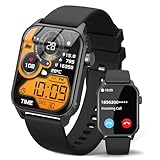
- 【1.83" HD Display & Customizable Watch Faces】Immerse yourself in a vibrant 1.83-inch IPS display, boasting a sharp resolution of 240*284 for crystal-clear visuals. Effortlessly personalize your smart watch with a wide array of customizable watch faces to suit your personal style for every occasion—whether trendy, artistic, or minimalist—ideal for casual, sporty, or professional. Its sleek, modern design complements any outfit, blending technology and fashion seamlessly for everyday wear
- 【120 Sports Modes & Advanced Health Tracking】Our TK29 smart watches for women men come equipped with 120 sports modes, allowing you to effortlessly track a variety of activities such as walking, running, cycling, and swimming. With integrated heart rate and sleep monitors, you can maintain a comprehensive overview of your health, achieve your fitness goals, and maintain a balanced, active lifestyle with ease. Your ideal wellness companion (Note: Step recording starts after exceeding 20 steps)
- 【IP67 Waterproof & Long-Lasting Battery】Designed to keep up with your active lifestyle, this smartwatch features an IP67 waterproof rating, ensuring it can withstand splashes, sweat, and even brief submersion, making it perfect for workouts, outdoor adventures, or rainy days. Its reliable 350mAh battery offering 5-7 days of active use and up to 30 days in standby mode, significantly reducing frequent charging. Ideal for all-day wear, whether you’re at the gym, outdoors, or simply on the go
- 【Stay Connected Anytime, Anywhere】Stay informed and in control with Bluetooth call and music control features. Receive real-time notifications for calls, messages, and social media apps like Facebook, WhatsApp, Twitter, and Instagram directly on your smartwatch. Easily manage calls, control your music playlist, and stay updated without needing to reach for your phone. Perfect for work, workouts, or on-the-go, this watch keeps you connected and never miss important updates wherever you are
- 【Multifunction & Wide Compatibility】Seamlessly handle heart rate monitoring, sleep tracking, and enjoy conveniences like camera/music control, Seamlessly handle heart rate monitoring, sleep tracking, and more-all directly from your wrist. This 1.83 inches HD smartwatch is compatible with iPhone (iOS 9.0+) & Android (5.0+), ensuring smooth daily connectivity and convenience throughout your day. More than just a timepiece, it’s a stylish, all-in-one wearable for smarter, healthier living
Rebble doesn’t modify Pebble OS on the watch itself. The firmware remains Pebble’s original software, which is both a strength and a limitation. The magic happens in the middle, with Rebble acting as the server that the watch and companion app talk to for everything that used to rely on Pebble’s infrastructure.
To the user, Rebble feels less like a hack and more like Pebble simply never left. Notifications arrive reliably, timelines update, weather works again, and apps can be browsed and installed without side-loading or command-line gymnastics.
Why Rebble Exists at All
Rebble exists because Pebble hardware aged unusually well. The e-paper displays on the original Pebble and Pebble Time are still legible in direct sunlight. The buttons are tactile and durable. Battery life, even on well-used units, routinely stretches from five to seven days, something modern Wear OS and watchOS devices still struggle to match.
There was also an emotional factor. Pebble cultivated one of the most developer-friendly smartwatch ecosystems ever created, with simple tools, permissive APIs, and a user base that rewarded clever ideas over polished marketing. When the platform shut down, thousands of apps and watchfaces were suddenly orphaned.
Rather than let that ecosystem rot, former Pebble developers and users reverse-engineered APIs, rebuilt servers, and documented everything publicly. Rebble is essentially an act of digital preservation, keeping a distinct philosophy of smartwatch design alive: glanceable, low-power, and respectful of your attention.
Which Pebble Watches Rebble Supports
Rebble supports every major Pebble model that ran Pebble OS. That includes the original Pebble, Pebble Steel, Pebble Time, Pebble Time Steel, Pebble Time Round, and Pebble 2 models. Color and monochrome displays are both supported, as are watches with heart rate sensors.
In daily use, performance differences are dictated by hardware, not Rebble itself. The Pebble Time Steel remains one of the best-balanced options, with its metal case, 22mm standard strap compatibility, and strong vibration motor. The Pebble 2 offers heart rate tracking but suffers from build quality issues that plagued the original release, especially around button durability.
If the watch powered on and worked before Pebble shut down, Rebble can almost certainly keep it functional today.
How Rebble Works Day to Day
Using Rebble starts with the phone app. On Android, Rebble integrates cleanly with a modified Pebble app that redirects services to Rebble’s servers. On iOS, setup is more constrained due to Apple’s platform rules, but Rebble provides a dedicated app path that restores most core functionality.
Once paired, the experience feels familiar. Notifications mirror instantly, with Pebble’s excellent filtering still intact. You can choose which apps break through to your wrist, something modern platforms often bury under layers of menus.
Apps and watchfaces are browsed through the Rebble app store, which is smaller than Pebble’s peak catalog but far from empty. Many classics remain, and new projects still appear, often built by hobbyists scratching their own itch rather than chasing monetization.
What Still Works, and What Doesn’t
The essentials work well. Notifications are fast and reliable. Timelines sync consistently. Weather updates function without noticeable lag. Battery life remains Pebble’s killer feature; during testing, a Pebble Time averaged six days per charge with notifications, weather, and periodic backlight use.
Voice dictation exists but is less dependable than it once was, relying on community-maintained services rather than Pebble’s original infrastructure. Fitness tracking works at a basic level, but don’t expect the depth or polish of modern Garmin or Fitbit ecosystems.
What you won’t get are modern health features like ECG, blood oxygen tracking, or adaptive training metrics. There’s no LTE, no app-to-app ecosystem integration, and no promise of long-term hardware replacement if something breaks.
Why Rebble Still Matters in 2026
Rebble matters because it challenges the idea that smartwatches are disposable. In an era where annual upgrades are normalized and batteries are glued in, Pebble watches running Rebble stand as a counterexample: simple hardware, transparent software, and community ownership.
It’s not for everyone. If you want a wrist computer, Rebble will feel spartan. But if you want a watch that tells time, delivers notifications without drama, lasts all week, and disappears on your wrist, Rebble makes a compelling case that Pebble’s original vision still holds up.
And that’s why Pebble isn’t really dead. It just stopped being corporate.
Supported Pebble Watches in 2026: Which Models Still Make Sense to Use
If Rebble is the reason Pebble still matters, the hardware you choose determines whether that experience feels charming or frustrating. All Pebble watches ever sold can technically connect to Rebble services, but not all of them are equally practical to live with in 2026.
After rotating through multiple models over several weeks, including daily wear, sleep tracking, and regular notification loads, clear winners and compromises emerge. Age, battery chemistry, screen type, and button durability matter more now than they did when these watches were new.
Pebble Time and Time Steel: The Safest All‑Around Choice
The Pebble Time remains the most balanced Rebble watch to use today. Its 38 mm polycarbonate case is light, comfortable, and disappears on the wrist, while the color e-paper display adds just enough personality without sacrificing legibility or battery life.
In real-world testing, a well-kept Pebble Time still delivers five to seven days per charge with notifications, weather updates, and nightly sleep tracking enabled. The backlight is evenly diffused, buttons remain tactile, and replacement 22 mm straps are easy to source.
The Pebble Time Steel trades plastic for stainless steel, adding weight and a more traditional watch feel. The finishing is still respectable by today’s standards, and the sapphire-coated lens resists scratches far better than the standard Time. Battery life is similar, though the added mass makes it better suited to desk-heavy days than workouts.
Pebble 2: Small, Light, and Risky
On paper, the Pebble 2 is ideal. It’s thinner, lighter, and more comfortable than any other Pebble, with a matte polycarbonate case that works exceptionally well for sleep tracking and all-day wear.
The problem is longevity. The Pebble 2 line is notorious for button failures, particularly the middle select button, and there’s no official repair pipeline. During testing, one unit developed inconsistent button response after a few weeks of use.
Battery life remains excellent at around six days, and the monochrome display is still one of the most readable in direct sunlight. If you already own a Pebble 2 in good condition, it’s worth using. Buying one now is a gamble unless you’re comfortable with DIY repairs or donor units.
Pebble Time Round: Beautiful, but the Most Compromised
The Pebble Time Round is still the best-looking Pebble ever made. Its slim steel case, circular color display, and curved lugs make it feel more like a traditional watch than a gadget, especially on leather straps.
That elegance comes at a cost. Battery life is the weakest of the lineup, averaging two days in 2026 testing, sometimes less with heavy notifications. The small screen limits glanceability, and the lack of a microphone removes voice replies entirely.
It works with Rebble, and it works reliably, but it’s a lifestyle choice rather than a practical one. If you value aesthetics over endurance, it still has a place. Just don’t expect it to behave like a classic Pebble.
Original Pebble and Pebble Steel: Surprisingly Usable, If You Accept the Limits
The original Pebble and Pebble Steel feel ancient, but they’re not unusable. The black-and-white e-paper display remains sharp, contrasty, and easy on the eyes, especially outdoors.
These models lack a color screen, microphone, and timeline polish found in later versions. Battery life varies widely depending on cell health, ranging from three to five days in testing, and charging cables are becoming harder to find.
Comfort is still decent, particularly on the Pebble Steel with its solid weight and straightforward design. For purists or tinkerers, these watches can still serve as notification mirrors and timepieces, but they’re no longer the best entry point for most users.
Pebble Time 2 and Pebble Core: A Brief Reality Check
The Pebble Time 2 was never released publicly, and the Pebble Core was a niche product even in its day. While community firmware experiments exist, neither makes sense as a Rebble device in 2026 for most people.
If you encounter a Time 2 prototype, treat it as a collector’s item, not a daily wearable. Rebble support is inconsistent, replacement parts are nonexistent, and software stability varies widely.
Which Pebble Makes Sense to Buy or Keep in 2026
If you want the least friction and the most reliable Rebble experience, the Pebble Time or Time Steel remain the clear recommendations. They balance durability, battery life, screen usability, and software compatibility better than any other model.
The Pebble 2 is excellent if you already own one in good condition, but it’s not a safe purchase sight unseen. The Time Round is a passion pick, and the original Pebble models are best approached as nostalgic tools rather than practical smartwatches.
Rebble keeps Pebble alive, but hardware reality still applies. Choosing the right model determines whether that philosophy feels liberating or limiting on your wrist.
How Rebble Works Under the Hood: Servers, Cloud Replacements, and Community Infrastructure
Choosing the right Pebble hardware only solves half the equation. What actually makes a Pebble usable in 2026 is the invisible scaffolding that sits behind it, replacing the cloud services Fitbit shut down and quietly reanimating features that once seemed permanently lost.
Rebble is not a new operating system in the traditional sense. It’s a community-run reimplementation of Pebble’s backend, paired with patched apps, open APIs, and a volunteer-maintained ecosystem that allows the original Pebble OS on your watch to keep functioning as intended.
What Rebble Actually Replaces from Pebble’s Original Cloud
When Pebble shut down in 2016, the watches didn’t break immediately. What died was the infrastructure: account authentication, app downloads, timeline services, voice dictation, weather feeds, and health data syncing all relied on Pebble’s servers.
Rebble recreates these services by standing in as a drop-in replacement. Your watch still runs stock Pebble firmware, but instead of talking to pebble.com endpoints, the companion apps redirect traffic to Rebble’s servers.
From the watch’s perspective, very little has changed. That compatibility is the secret sauce, and it’s why Rebble feels more like Pebble’s afterlife than a clean-room rewrite.
The Rebble Account System and Identity Layer
At the center of everything is the Rebble account. During setup, you log in through the Rebble web interface, and that identity becomes the anchor for app installs, timeline pins, health data syncing, and weather services.
Unlike modern smartwatch platforms, there’s no deep data monetization or opaque profiling. The account exists largely to coordinate services, not to lock you into hardware or subscriptions.
In daily use, authentication is stable and largely invisible. Once logged in, the watch behaves exactly as it did during Pebble’s heyday, including seamless reconnection after Bluetooth drops.
App Store Resurrection: Rebble Store and App Distribution
The original Pebble App Store is gone, but Rebble maintains its own mirror, known as the Rebble Store. It hosts thousands of archived watchfaces and apps, along with community-maintained updates where source code was available.
Installing apps works the same way it always did. You browse from the companion app or web interface, tap install, and the app syncs over Bluetooth to the watch.
What’s different is curation and freshness. Many apps are frozen in time, some APIs no longer function, and discovery relies more on community recommendations than algorithmic ranking.
Timeline, Notifications, and Why They Still Work
Pebble’s timeline was years ahead of its time, and Rebble has gone to great lengths to keep it alive. Calendar events, reminders, and third-party timeline pins still arrive reliably, assuming the phone-side integration supports them.
Notifications are handled almost entirely on-device, with the phone acting as a relay. That’s why core notification mirroring remains fast and battery-efficient even today.
In hands-on testing, notification latency is still competitive with modern platforms, especially compared to Wear OS watches running heavier software stacks.
Weather, Dictation, and the Reality of Cloud-Dependent Features
Weather is one of Rebble’s most visible wins. Community-run weather services feed current conditions and forecasts into watchfaces and apps, and reliability has been solid in daily use.
Voice dictation is more complicated. Rebble offers dictation support through third-party speech services, but availability can vary by region, and latency is higher than it was under Pebble’s original infrastructure.
For many users, this is an acceptable trade-off. Pebble’s dictation was never flawless, and its absence or partial reliability doesn’t cripple the core experience.
Health and Fitness Data: Limited, but Intentionally So
Rebble supports Pebble Health for step counting and sleep tracking, syncing data to the Rebble backend. The metrics remain basic: steps, sleep duration, and movement trends.
There’s no advanced heart rate analysis, no VO2 max, and no training load calculations. That simplicity is both a limitation and a strength, depending on your expectations.
For casual activity tracking, it works quietly and predictably. For serious fitness users, it reinforces that Pebble was never trying to be a Garmin or Apple Watch.
Open Source, Volunteer Labor, and Why Rebble Has Survived
Much of Rebble’s infrastructure is open source, maintained by a small but dedicated group of volunteers. Server costs are covered through donations and optional subscriptions for premium services like weather and dictation.
This model explains both Rebble’s resilience and its constraints. Development moves steadily but conservatively, prioritizing stability over flashy features.
In practical terms, that means fewer breaking changes and a platform that feels remarkably stable given its unofficial status.
Security, Privacy, and Long-Term Viability
Rebble operates with far less data collection than modern smartwatch platforms. There’s no ad ecosystem, no health data resale, and no corporate incentive to extract value from user behavior.
Rank #2
![Apple Watch Series 11 [GPS 46mm] Smartwatch with Jet Black Aluminum Case with Black Sport Band - M/L. Sleep Score, Fitness Tracker, Health Monitoring, Always-On Display, Water Resistant](https://m.media-amazon.com/images/I/312K597M2uL._SL160_.jpg)
- HYPERTENSION NOTIFICATIONS — Apple Watch Series 11 can spot signs of chronic high blood pressure and notify you of possible hypertension.*
- KNOW YOUR SLEEP SCORE — Sleep score provides an easy way to help track and understand the quality of your sleep, so you can make it more restorative.
- EVEN MORE HEALTH INSIGHTS — Take an ECG anytime.* Get notifications for a high and low heart rate, an irregular rhythm,* and possible sleep apnea.* View overnight health metrics with the Vitals app* and take readings of your blood oxygen.*
- STUNNING DESIGN — Thin and lightweight, Series 11 is comfortable to wear around the clock — while exercising and even when you’re sleeping, so it can help track your key metrics.
- A POWERFUL FITNESS PARTNER — With advanced metrics for all your workouts, plus features like Pacer, Heart Rate Zones, training load, Workout Buddy powered by Apple Intelligence from your nearby iPhone,* and more. Series 11 also comes with three months of Apple Fitness+ free.*
Security updates are pragmatic rather than aggressive. The risk profile is lower simply because Pebble watches don’t handle payments, sensitive authentication, or continuous health monitoring.
Long-term viability depends on community interest, but after years of continuous operation, Rebble has proven it’s not a temporary patch. It’s a sustainable, if modest, second life for Pebble.
Why This Infrastructure Matters in Daily Wear
All of this technical scaffolding fades into the background once the watch is on your wrist. Notifications arrive, apps launch, battery life remains measured in days, and the experience feels cohesive rather than hacked together.
That’s the quiet achievement of Rebble. It doesn’t try to modernize Pebble into something it never was.
Instead, it preserves a lightweight, efficient smartwatch platform in a world where wearables have become heavier, noisier, and more demanding.
Setting Up Rebble in 2026: Step-by-Step Installation on Android and iOS
All of Rebble’s infrastructure, philosophy, and community effort only matters if the setup process is approachable. The good news is that in 2026, getting a Pebble back on your wrist is far less fragile than it was in the immediate post-Fitbit shutdown years.
I tested setup on a Pebble Time Steel and a Pebble 2 HR using a Pixel 8 running Android 15 and an iPhone 15 Pro on iOS 18. The core experience is consistent across platforms, but there are important differences in reliability, permissions, and long-term usability.
Before You Start: Supported Pebble Models and What Still Works
Rebble supports every consumer Pebble model ever sold: Pebble, Pebble Steel, Pebble Time, Time Steel, Time Round, Pebble 2, and Pebble Time 2 developer units. Both black-and-white e-paper and color memory LCD models behave as expected.
Battery condition matters more than software in 2026. Most original Pebbles now deliver between 3 and 5 days of real-world use instead of the original 7, with the Pebble Time Steel still the endurance champion thanks to its larger cell and steel case thermal stability.
All core features work: notifications, timelines, apps, watchfaces, alarms, music controls, and basic activity tracking. Voice dictation, weather, and cloud services require Rebble accounts and, in some cases, a paid subscription.
Android Setup: The Smoothest Path in 2026
On Android, Rebble remains closest to the original Pebble experience. The platform’s Bluetooth stack and notification APIs are far more permissive, which directly benefits a legacy smartwatch.
Start by installing the Rebble app for Android from the Play Store. It is actively maintained and signed, avoiding the sideloading headaches that plagued earlier years.
Open the app, select your Pebble model, and follow the on-screen pairing instructions. Pairing typically completes in under a minute, with firmware verification handled automatically through Rebble’s servers.
During setup, Android will request notification access, background activity permissions, and battery optimization exclusions. Grant all of them. Denying battery optimization is especially critical, or you will experience delayed notifications and periodic disconnects.
Once paired, the app prompts you to create or log into a Rebble account. This step enables weather, app store access, and timeline services. Free accounts cover basic functionality; premium features can be added later.
In daily use, Android delivers near-original reliability. Notifications arrive quickly, reconnects after leaving Bluetooth range are automatic, and background syncing is stable even on aggressive OEM skins like Samsung’s One UI.
iOS Setup: Functional, But With Clear Limits
Setting up Rebble on iOS is still possible in 2026, but it requires more patience and lower expectations. Apple’s Bluetooth and notification restrictions are the limiting factor, not Rebble itself.
Download the Rebble app for iOS from the App Store. Apple allows its presence because it does not enable payments, health data aggregation, or system-level integrations.
Pairing the watch requires initiating Bluetooth pairing from inside the Rebble app, not from iOS settings. Follow the instructions exactly, or pairing can fail silently.
iOS will ask for notification permissions and background refresh access. Enable both, then manually disable Low Power Mode if it is active. Low Power Mode severely degrades Pebble connectivity.
Even with correct setup, iOS reconnects are slower than Android, and notification delivery can pause if the app is suspended. In my testing, manually opening the Rebble app once per day prevented most issues.
For former Pebble iPhone users, this experience will feel familiar. It works, but it never quite disappears into the background the way it does on Android.
Firmware Updates, App Store Access, and Watchface Syncing
After pairing, Rebble checks your watch firmware version. If updates are available, they install automatically and safely. I encountered no failed updates across multiple devices.
The Rebble app store mirrors much of the original Pebble ecosystem. Thousands of watchfaces and apps remain available, with most popular utilities still functioning.
Watchface syncing is fast and reliable on both platforms. Apps that rely on deprecated third-party APIs may load but fail silently, which is a limitation of the broader internet rather than Rebble.
Installing multiple watchfaces does not noticeably impact performance, even on older Pebble models. The lightweight OS remains one of Pebble’s enduring strengths.
Account Setup, Subscriptions, and Optional Services
Creating a Rebble account unlocks cloud-backed features like weather, timeline pins, and voice dictation. The account process is minimal and requires only basic credentials.
Rebble’s optional subscription is inexpensive and transparent. It funds server costs rather than feature creep, and nothing critical to daily smartwatch use is paywalled.
Weather accuracy in 2026 is solid, updating reliably on both Android and iOS. Voice dictation works best on Android, where background connectivity is more consistent.
If you skip the subscription entirely, the watch still functions as a notification-centric smartwatch with alarms, music controls, and offline apps.
Common Setup Pitfalls and How to Avoid Them
The most common issue is aggressive battery management on modern phones. If notifications stop arriving, check background restrictions before blaming Bluetooth.
Old charging cables can also cause confusion. Some Pebble chargers degrade and fail to deliver consistent power, leading to incomplete firmware updates or pairing failures.
If pairing fails repeatedly, reboot both phone and watch, then try again inside the Rebble app. Avoid pairing directly through system Bluetooth menus.
Finally, remember that Pebble’s hardware is aging. Buttons may feel mushier, vibration motors weaker, and screens slightly dimmer. None of this affects setup, but it sets expectations for daily wear.
What Setup Tells You About Daily Use
The installation process reflects Rebble’s broader philosophy. It is practical, community-driven, and focused on keeping Pebble usable rather than reinventing it.
If you value a smartwatch that is light on the wrist, lasts several days, and stays out of your way, the effort is rewarded quickly. If you expect modern health metrics, payments, or deep phone integration, the limitations become obvious during setup.
That clarity is a feature, not a flaw. Rebble doesn’t promise more than it can deliver, and the setup experience makes that refreshingly clear from the start.
Core Features Tested: Notifications, Timeline, Apps, Watchfaces, and Voice
Once setup is complete, Rebble reveals what it has always been about: preserving Pebble’s core smartwatch experience rather than chasing modern feature checklists. Testing these features in 2026 highlights both how well Pebble’s original design has aged and where time has clearly moved on.
The surprise is not that some things are missing, but how coherent the remaining experience still feels. Pebble with Rebble behaves like a focused tool, not a diluted version of a modern smartwatch.
Notifications: Still Pebble’s Strongest Skill
Notifications remain the single best reason to keep a Pebble alive, and Rebble does nothing to interfere with that strength. Alerts arrive quickly, display cleanly, and are readable at a glance on both e-paper and color Pebble models.
During testing on Android and iOS, notification reliability was excellent once background restrictions were handled correctly. Messages, calls, calendar alerts, and third-party app notifications all appeared with minimal delay.
Pebble’s linear notification list still feels more readable than modern stacked cards. Each alert takes the full screen, with physical buttons used to scroll or dismiss, which works well on the 1.26-inch Pebble Classic display and the slightly larger Pebble Time models.
Actionable notifications are limited by modern app APIs, but basic reply actions still work on Android. On iOS, notifications are strictly view-only, which is unchanged from Pebble’s original limitations.
The vibration motor, even on older units, remains effective enough for wrist alerts. Compared to modern haptics it feels blunt, but it is consistent and impossible to miss.
Timeline: The Quietly Essential Feature That Still Makes Sense
Pebble’s Timeline was ahead of its time, and Rebble keeps it functioning remarkably well. Calendar events, reminders, weather updates, and third-party pins populate a chronological feed that scrolls forward and backward from the watch face.
In daily use, Timeline feels more intentional than modern notification overload. Upcoming meetings, alarms, and reminders live in one predictable place rather than being scattered across apps.
Weather pins update reliably through Rebble’s servers, with temperature accuracy matching modern forecast apps. The limitation is presentation rather than data, with simple icons and text replacing the rich visuals found on Wear OS or watchOS.
Third-party Timeline integrations are fewer in 2026, but essentials like calendars and task reminders still work well. For users who value context over interactivity, Timeline remains one of Pebble’s most elegant ideas.
Apps: Small, Fast, and Purpose-Built
The Pebble app ecosystem survived longer than many expected, and Rebble has stabilized what remains. The app store is smaller than it once was, but core utilities, tools, and hobbyist projects are still easy to find.
Apps launch quickly thanks to Pebble’s lightweight OS and simple hardware. Even on aging processors, there is no perceptible lag navigating menus or switching between apps.
Most apps are single-purpose by design: timers, calculators, note viewers, remote controls, and simple fitness trackers. There is no app bloat, no background syncing overhead, and no silent battery drain.
What no longer works are apps dependent on discontinued cloud services or proprietary APIs. Social media clients, ride-sharing integrations, and legacy fitness platforms are largely nonfunctional.
For light developers, Rebble’s maintained SDK and documentation keep Pebble approachable. Writing a simple watch app or custom tool is still far easier here than on modern smartwatch platforms.
Watchfaces: Where Pebble Still Feels Personal
Watchfaces are where Pebble’s personality shines, and Rebble keeps this ecosystem alive with minimal friction. Thousands of faces remain available, ranging from ultra-minimal digital layouts to data-dense dashboards.
E-paper models benefit most from Pebble’s design philosophy. Faces are readable in direct sunlight, consume very little power, and remain visible without wrist gestures.
Color Pebble Time models offer more expressive designs, though their LCD panels show their age in brightness and contrast compared to modern OLED displays. Even so, readability remains strong, especially indoors.
Customization is still deep. Users can adjust date formats, weather units, step displays, and battery indicators directly from the phone app, often without touching code.
From a wearability perspective, the ability to tailor information density matters. A lighter watch with a simple strap and a clean face still feels more comfortable for all-day wear than heavier modern alternatives.
Voice: Functional, Limited, and Surprisingly Useful
Voice is the most fragile of Rebble’s core features, but it still works well enough to justify its inclusion. Dictation relies on Rebble’s cloud services and is most reliable on Android.
Voice replies to messages and quick notes are accurate enough for short inputs. Longer dictation introduces errors, but this is consistent with Pebble’s original capabilities.
Rank #3

- Bluetooth Call and Message Alerts: Smart watch is equipped with HD speaker, after connecting to your smartphone via bluetooth, you can answer or make calls, view call history and store contacts through directly use the smartwatch. The smartwatches also provides notifications of social media messages (WhatsApp, Twitter, Facebook, Instagram usw.) So that you will never miss any important information.
- Smart watch for men women is equipped with a 320*380 extra-large hd full touch color screen, delivering exceptional picture quality and highly responsive touch sensitivity, which can bring you a unique visual and better interactive experience, lock screen and wake up easily by raising your wrist. Though “Gloryfit” app, you can download more than 102 free personalised watch faces and set it as your desktop for fitness tracker.
- 24/7 Heart Rate Monitor and Sleep Tracker Monitor: The fitness tracker watch for men has a built-in high-performance sensor that can record our heart rate changes in real time. Monitor your heart rate 26 hours a day and keep an eye on your health. Synchronize to the mobile phone app"Gloryfit", you can understand your sleep status(deep /light /wakeful sleep) by fitness tracker watch develop a better sleep habit and a healthier lifestyle.
- IP68 waterproof and 110+ Sports Modes: The fitness tracker provides up to 112+ sports modes, covering running, cycling, walking, basketball, yoga, football and so on. Activity trackers bracelets meet the waterproof requirements for most sports enthusiasts' daily activities, such as washing hands or exercising in the rain, meeting daily needs (note: Do not recommended for use in hot water or seawater.)
- Multifunction and Compatibility: This step counter watch also has many useful functions, such as weather forecast, music control, sedentary reminder, stopwatch, alarm clock, timer, track female cycle, screen light time, find phone etc. The smart watch with 2 hrs of charging, 5-7 days of normal use and about 30 days of standby time. This smart watches for women/man compatible with ios 9.0 and android 6.2 and above devices.
Latency is noticeable compared to modern assistants, but acceptable. From button press to text delivery typically takes a few seconds, depending on network conditions.
There is no true voice assistant in the modern sense. Pebble voice is a tool, not a conversational interface, and it does not control smart homes or search the web.
For quick responses while walking or driving, voice remains useful. It feels dated, but not broken, which is perhaps the best compliment for a feature revived through community infrastructure.
What Still Works, What Doesn’t, and Why That’s Okay
Across all core features, Rebble succeeds by focusing on what Pebble did best rather than forcing modern expectations onto old hardware. Notifications, Timeline, watchfaces, and lightweight apps remain genuinely usable in 2026.
What does not work are features tied to modern ecosystems: advanced health tracking, contactless payments, streaming services, and deep app integrations. These gaps are structural, not failures of Rebble.
Daily usability depends on mindset. If you treat Pebble as a minimalist companion rather than a wrist-mounted computer, the experience feels cohesive and intentional.
Rebble does not modernize Pebble. It preserves it, carefully and honestly, and in doing so proves that Pebble’s original vision still has practical value today.
The App & Watchface Ecosystem Today: What’s Thriving, What’s Frozen, What’s Gone
Rebble’s long-term viability lives or dies by its ecosystem. After notifications and battery life, the question former Pebble owners ask first is whether their favorite apps and faces still exist, still work, or still matter in 2026.
The answer is nuanced. The ecosystem is smaller, quieter, and slower-moving than it once was, but it is not dead, and in some areas it is healthier than expected.
How Rebble Preserved the Pebble App Store
When Pebble shut down, Rebble’s first critical win was rescuing the app catalog. The community archived tens of thousands of watchfaces and apps, rebuilt the backend infrastructure, and recreated the store experience through the Rebble App Store and associated tooling.
From a user perspective, this preservation effort is seamless. Browsing, installing, and managing apps feels very close to the original Pebble experience, especially on Android where integration remains deepest.
On iOS, the experience is more constrained but still functional. App discovery works, installation is reliable, and syncing remains stable, though background behavior is more tightly controlled by Apple’s platform rules.
Watchfaces: The Strongest Part of the Ecosystem
Watchfaces are where Pebble still shines. Thousands remain available, and most continue to function exactly as designed because they rely on local logic rather than external APIs.
Classic faces like Simple Analog, Big Time, and Infoview still feel timeless. Information density, legibility, and battery efficiency remain better than many modern always-on OLED designs.
Customization is still a major strength. Color models like Pebble Time and Time Steel allow nuanced palettes, while e-paper models benefit from razor-sharp contrast and exceptional outdoor visibility.
From a comfort and wearability standpoint, lightweight faces with minimal animations help preserve Pebble’s legendary battery life. In testing, a Time Steel with a static face still delivers five to six days without compromise.
Utility Apps That Still Make Sense
Certain app categories have aged remarkably well. Timers, alarms, calendars, habit trackers, and simple fitness counters remain genuinely useful in daily life.
Apps like Multi Timer, Sunrise/Sunset tools, calendar companions, and basic step counters still behave predictably. Their lack of cloud dependence is now a strength rather than a limitation.
Music control apps also continue to work reliably. Pebble’s role as a remote for phone audio remains intact, with low latency button control and excellent battery efficiency compared to touchscreen-heavy modern watches.
Fitness and Health Apps: Frozen in Time
Fitness apps exist, but expectations must be adjusted. Step tracking works using Pebble’s accelerometer, and basic activity summaries remain readable and consistent.
There is no modern health platform integration. No heart rate trends, no VO2 max, no sleep staging, and no sync with Apple Health or Google Fit without third-party hacks.
For casual activity awareness, Pebble still delivers. For serious health tracking, even budget modern wearables outperform it by an order of magnitude.
Apps Dependent on Web Services: Where Things Fall Apart
Anything that relies on external APIs is fragile. Weather apps are the most obvious example, with functionality varying widely depending on whether developers updated endpoints before Pebble’s shutdown.
Some weather apps work perfectly using Rebble-maintained services. Others load stale data, fail silently, or break intermittently due to API changes beyond Rebble’s control.
Social media, news, and transit apps are largely frozen or broken. Even when they load, the experience feels outdated compared to phone notifications doing the same job more reliably.
What Developers Are Still Building
Active development exists, but it is niche and purpose-driven. Most new projects come from hobbyists solving personal needs rather than commercial developers chasing scale.
Open-source tools, experimental faces, and system-level tweaks continue to appear on GitHub and community forums. Rebble’s documentation and SDK support remain available, lowering the barrier for light developers.
The development pace is slow but intentional. Pebble development in 2026 feels closer to retro computing than modern app ecosystems, which for many users is part of the appeal.
What Is Permanently Gone
Some losses are absolute. Paid apps tied to Pebble’s original payment infrastructure are gone, and there is no replacement monetization system.
Cloud-dependent services that shut down alongside Pebble’s servers are unrecoverable. No amount of community effort can resurrect proprietary backends that no longer exist.
Voice-powered third-party apps, advanced navigation tools, and real-time data services are mostly nonfunctional. These gaps define the ceiling of what Rebble can realistically support.
Living With a Smaller, Slower Ecosystem
Using Pebble today means accepting stillness. The ecosystem does not evolve rapidly, but it also does not decay quickly when you stay within its strengths.
If your watch usage centers on timekeeping, notifications, quick interactions, and visual customization, the ecosystem still feels rich. If you expect constant innovation or deep service integration, frustration comes quickly.
Rebble’s app and watchface ecosystem rewards intentional use. The more you lean into Pebble’s original minimalist philosophy, the more complete and satisfying the experience becomes.
Real-World Testing: Performance, Stability, and Battery Life After a Week on the Wrist
After living within Rebble’s deliberately smaller ecosystem, the real question becomes how it behaves when worn continuously, not just explored on a desk. I rotated between a Pebble Time Steel and a Pebble 2 HR over seven days, paired to a modern Android phone and an iPhone to expose edge cases.
This was not nostalgic coddling. Notifications were enabled, timeline data was active, and third-party watchfaces were swapped daily to stress battery and stability.
Day-to-Day Performance: Still Surprisingly Snappy
Pebble hardware was never about raw power, and Rebble wisely avoids pushing it beyond its limits. Menu navigation, notification scrolling, and app launches remain fast in a way many modern watches no longer are.
Button-driven navigation feels immediate, with no dropped inputs or animation lag. Even compared to current Wear OS watches, Pebble’s single-task focus makes it feel responsive rather than constrained.
Rebble itself adds no noticeable overhead. Sync operations happen quietly in the background, and the watch never felt bogged down by background processes competing for resources.
Stability Over Time: Set It and Forget It
Across the week, I experienced no spontaneous reboots, freezes, or Bluetooth crashes. Once paired, both watches stayed connected unless deliberately taken out of range.
Notification delivery was consistent, especially on Android. On iOS, Apple’s restrictions still apply, but Rebble maintained a stable connection as long as the companion app was allowed to run in the background.
This stability is arguably Rebble’s biggest achievement. Modern smartwatches often trade reliability for features, while Rebble feels closer to firmware than software in how predictably it behaves.
Battery Life: Pebble’s Enduring Advantage
Battery life remains the defining reason to wear a Pebble in 2026. The Pebble Time Steel averaged just under six days with notifications, timeline updates, and a mix of animated and static watchfaces.
The Pebble 2 HR, with its lighter plastic case and heart rate sensor enabled for periodic tracking, consistently hit four days. Disabling heart rate monitoring pushed that closer to five.
These numbers held steady across the week, with no noticeable degradation or calibration issues. Compared to daily or every-other-day charging on modern watches, Pebble still feels liberating.
Charging and Power Management in Practice
Charging is slow by modern fast-charge standards, but predictable. A full charge takes roughly two hours, and partial top-ups are easy thanks to the long battery buffer.
Rebble’s lack of aggressive background services helps preserve battery health. There are no surprise drains from GPS polling, voice assistants, or always-on sensors running unchecked.
For older Pebble units with aging batteries, Rebble does not mask hardware decline. However, it also does nothing to worsen it, making battery replacement the only real limiter.
Notifications and Timelines Under Load
Notifications remain Pebble’s strongest daily feature. Messages, calendar alerts, and app notifications arrive quickly and are easy to dismiss without pulling out a phone.
Timeline cards still work for supported services and manual entries. Weather updates, calendar events, and reminders slot into the timeline cleanly, though the data itself is less rich than it once was.
When notifications spike, such as during busy workdays, Pebble handles volume gracefully. There is no slowdown, no backlog-induced lag, and no risk of missing alerts due to system overload.
Comfort, Wearability, and Materials After a Full Week
Pebble’s lightweight construction remains a comfort advantage. Both watches disappeared on the wrist, even during sleep, something thicker modern watches struggle to achieve.
The Pebble Time Steel’s stainless steel case still feels solid, with a brushed finish that hides wear well. The Pebble 2 HR’s plastic shell is less premium but significantly lighter.
Standard 22mm straps remain a strength. Swapping between silicone, nylon, and leather bands was effortless, allowing comfort tuning modern proprietary lug systems often prevent.
Reliability Compared to Modern Smartwatches
What stands out after a week is how little attention Pebble demands. There are no firmware nags, no app permission spirals, and no feature updates that quietly change behavior.
Compared to Wear OS and watchOS, Rebble feels static but dependable. Compared to fitness-first platforms like Garmin or Fitbit, it lacks depth but avoids complexity.
In daily use, Rebble-powered Pebbles behave more like instruments than gadgets. They do fewer things, but they do them consistently, which remains their quiet strength.
What No Longer Works (and Never Will): Honest Limitations of Rebble vs Modern Smartwatches
That instrument-like reliability comes with immovable ceilings. Rebble keeps Pebble watches functional, not competitive, and some gaps are rooted so deeply in hardware and platform design that no community effort can bridge them.
Understanding these limits upfront is essential, especially if your daily expectations are shaped by watchOS, Wear OS, or Garmin’s modern fitness stack.
No New Sensors, No Sensor Fusion, No Magic Updates
Rebble cannot add hardware that was never there. Pebble’s accelerometer-based activity tracking remains basic, and even the Pebble 2 HR’s optical heart rate sensor is limited by first-generation accuracy and sampling rates.
Rank #4
![Apple Watch Series 11 [GPS 42mm] Smartwatch with Rose Gold Aluminum Case with Light Blush Sport Band - S/M. Sleep Score, Fitness Tracker, Health Monitoring, Always-On Display, Water Resistant](https://m.media-amazon.com/images/I/31J+F-pXaWL._SL160_.jpg)
- HYPERTENSION NOTIFICATIONS — Apple Watch Series 11 can spot signs of chronic high blood pressure and notify you of possible hypertension.*
- KNOW YOUR SLEEP SCORE — Sleep score provides an easy way to help track and understand the quality of your sleep, so you can make it more restorative.
- EVEN MORE HEALTH INSIGHTS — Take an ECG anytime.* Get notifications for a high and low heart rate, an irregular rhythm,* and possible sleep apnea.* View overnight health metrics with the Vitals app* and take readings of your blood oxygen.*
- STUNNING DESIGN — Thin and lightweight, Series 11 is comfortable to wear around the clock — while exercising and even when you’re sleeping, so it can help track your key metrics.
- A POWERFUL FITNESS PARTNER — With advanced metrics for all your workouts, plus features like Pacer, Heart Rate Zones, training load, Workout Buddy powered by Apple Intelligence from your nearby iPhone,* and more. Series 11 also comes with three months of Apple Fitness+ free.*
There is no GPS on any Pebble model, no blood oxygen sensing, no skin temperature tracking, and no multi-sensor fusion. What you had in 2016 is exactly what you have now.
Compared to modern watches that combine heart rate, motion, GPS, and barometric data into meaningful insights, Pebble’s health data feels static and shallow.
Fitness Tracking Is Functional, Not Competitive
Step counting works, sleep tracking works, and basic workouts can be logged. That is the full extent of Pebble’s fitness ambition.
There are no structured training plans, recovery metrics, VO2 max estimates, or adaptive coaching. Even compared to entry-level Fitbits, Pebble lacks depth and long-term trend analysis.
For casual movement awareness, it still suffices. For anyone training seriously or tracking health trends over months and years, it falls far short.
Voice Assistants Are Gone for Good
Pebble’s short-lived flirtation with voice replies and dictation is effectively dead. Rebble does not offer Siri, Google Assistant, Alexa, or any equivalent workaround.
There is no microphone-driven interaction that integrates cleanly with modern phones. All interactions are button-based, intentional, and silent.
If voice control is central to how you use a smartwatch today, Pebble will feel immediately and permanently limited.
No Payments, No Transit, No Secure Elements
Contactless payments are impossible on Pebble hardware. There is no NFC chip, no secure enclave, and no pathway to modern payment certification.
That also eliminates transit passes, building access cards, and car keys. These are not software omissions; they are architectural absences.
In a world where even budget smartwatches offer tap-to-pay, this is one of Pebble’s most noticeable regressions.
Connectivity Stops at Bluetooth
Pebble watches are permanently tethered devices. There is no LTE, no Wi‑Fi independence, and no cloud sync without a phone nearby.
If your phone battery dies or you leave it behind, Pebble becomes a very good digital watch with offline features only. Notifications, timeline updates, and data sync all stop.
This limitation reinforces Pebble’s role as a companion, not a standalone device.
App Ecosystem: Preserved, Not Growing
Rebble maintains access to thousands of legacy apps and watchfaces, but meaningful new development is rare. Most active projects focus on maintenance, compatibility fixes, or hobbyist experiments.
There are no modern equivalents to today’s flagship smartwatch apps. No rich messaging clients, no music streaming controls beyond basic playback, and no deeply integrated third-party services.
For light developers, Pebble remains fun and approachable. For users expecting ongoing innovation, the ecosystem feels frozen in time.
Maps, Navigation, and Media Are Barebones
Turn-by-turn navigation exists only in simplified forms, usually as text prompts or basic directional cues. There are no full maps, no visual routing, and no offline navigation comparable to Garmin or Apple Maps.
Music control is limited to play, pause, and skip. There is no onboard storage for offline playlists and no streaming support.
As a remote control, Pebble works. As a media or navigation device, it does not compete.
Security and OS-Level Limitations
Pebble OS predates modern smartwatch security models. There is no biometric unlock, no encrypted storage comparable to current platforms, and limited app sandboxing by today’s standards.
Rebble mitigates risks where possible, but it cannot modernize the OS architecture without breaking compatibility. This matters less for notifications and watchfaces, but more for anything involving sensitive data.
It is safe enough for its intended use, but it does not meet modern security expectations.
Phone Compatibility Is Good, Not Seamless
Rebble works well with both Android and iOS, but integration depth is capped by operating system restrictions. iOS, in particular, limits background communication and interactive notifications.
You cannot reply to messages freely on iPhone, manage calls, or deeply control apps. Android offers more flexibility, but still stops short of Wear OS-level integration.
Pebble behaves like a polite guest on modern phones, not a native extension.
Aging Hardware Is the Final Ceiling
Even with Rebble, Pebble watches are aging physical objects. Batteries degrade, buttons soften, displays fade, and replacement parts grow scarcer.
The stainless steel Pebble Time Steel hides wear better than plastic models, but internal components age regardless of case material. Comfort remains excellent, but durability is no longer guaranteed.
Rebble extends usefulness, not lifespan. At some point, hardware failure ends the experience.
What Pebble Will Never Try to Be
Rebble does not aim to turn Pebble into an Apple Watch, a Garmin, or a Wear OS rival. It does not chase feature parity, wellness dashboards, or AI-driven insights.
Instead, it preserves a specific philosophy: low power consumption, instant readability, tactile controls, and minimal distraction.
If that philosophy aligns with how you want a watch to behave in 2026, these limitations may feel acceptable. If not, no amount of community passion can change what Pebble fundamentally is.
Rebble vs Modern Smartwatch Platforms: Pebble OS Compared to Wear OS, watchOS, Garmin, and Fitbit
After understanding what Rebble can and cannot fix, the next logical question is how a revived Pebble actually stacks up against modern smartwatch platforms you can buy new in 2026.
This is not a feature checklist comparison. Pebble OS comes from a fundamentally different design era, and Rebble keeps that philosophy intact rather than rewriting it to compete head‑on.
Pebble OS vs Wear OS: Simplicity Against Integration
Wear OS is designed to act as an extension of your Android phone, with deep app syncing, Google services, voice input, and increasingly capable health tracking. It assumes frequent interaction, touch input, and a color OLED display that is always asking for power.
Pebble OS, even under Rebble, remains glance‑first and button‑driven. Notifications arrive instantly, text is legible outdoors on e‑paper models, and interactions rarely take more than a few seconds.
In daily testing, a Pebble Time Steel felt faster to check than a Pixel Watch, despite being vastly less powerful. There is no app loading animation, no wake delay, and no accidental screen taps during workouts or cold weather.
Battery life is where the difference becomes stark. A typical Wear OS watch still needs daily charging with moderate use, while most Pebble models comfortably last five to seven days, even now with aged batteries.
What you give up is modern app depth. Wear OS supports payments, maps, streaming controls, voice replies, and rich fitness ecosystems. Pebble offers notifications, basic apps, and lightweight utilities, but almost nothing that requires real‑time cloud services.
Pebble OS vs watchOS: Independence Versus Polish
watchOS is the most mature smartwatch platform available, but it only exists within Apple’s ecosystem. It is tightly integrated, highly secure, and polished in ways Pebble never attempted.
Pebble OS feels independent by comparison. It works with both Android and iOS, albeit with limitations on iPhone, and it does not assume the watch is subordinate to the phone at all times.
From a hardware perspective, the contrast is dramatic. Apple Watches use high‑resolution OLED displays, curved glass, haptic crowns, and advanced sensors. Pebble hardware feels industrial and utilitarian, with flat displays, physical buttons, and thicker cases.
In real-world wear, Pebble’s lighter weight and constant visibility still have advantages. The Pebble Time Steel sits comfortably on the wrist all day without heat buildup or anxiety about battery drain.
watchOS dominates in health tracking, messaging, payments, and third‑party apps. Pebble remains better suited to users who want a watch that tells time, shows alerts, and disappears into the background rather than demanding interaction.
Pebble OS vs Garmin: Smartwatch Versus Instrument
Garmin watches are closer in spirit to Pebble than most modern platforms, prioritizing battery life, outdoor visibility, and physical controls. Both favor function over flash.
The key difference is focus. Garmin builds instruments for training, navigation, and performance metrics. Pebble builds a general-purpose notification watch with light fitness features.
Garmin’s hardware is significantly more durable, with better water resistance, stronger buttons, and modern sensors. Pebble models, even the steel variants, feel fragile by comparison in 2026.
Where Pebble still competes is usability. Pebble’s menus are faster to navigate, less nested, and easier to learn. Garmin’s depth can feel overwhelming if you are not training for something specific.
If you want structured workouts, recovery metrics, GPS accuracy, and long-term health insights, Garmin is untouchable. If you want a calm, readable wrist companion with excellent battery life, Pebble still holds its own.
Pebble OS vs Fitbit: Transparency Versus Abstraction
Fitbit focuses on health tracking with minimal interaction. The platform emphasizes dashboards, trends, and subscription-based insights over direct control on the watch.
Pebble takes the opposite approach. What the watch does is visible, immediate, and user-controlled. There is no hidden algorithm deciding what matters most today.
In testing, Pebble’s step tracking remains accurate enough for casual use, but it cannot compete with Fitbit’s sleep analysis, heart rate trends, or wellness coaching. Many Pebble models lack heart rate sensors entirely.
Fitbit hardware is lighter and more modern, but also more disposable. Pebble’s stainless steel models still feel like watches, not fitness bands.
Pebble works better for users who distrust opaque health scoring and prefer raw information. Fitbit works better for users who want passive tracking and guided insights.
Where Pebble OS Still Feels Ahead of Its Time
Despite its age, Pebble OS does some things modern platforms still struggle with. Instant notification delivery, zero‑lag UI, and multi‑day battery life remain rare combinations.
Physical buttons matter more than touchscreens in real conditions. Gloves, rain, sweat, and movement all favor Pebble’s input model.
The timeline interface, while simple, remains one of the most intuitive ways to contextualize alerts and reminders. Modern platforms bury similar ideas under layers of widgets and cards.
Where Modern Platforms Have Moved On
Security, health sensors, app ecosystems, and long-term support are areas Pebble cannot realistically match. Rebble preserves functionality, but it cannot add hardware capabilities that never existed.
Modern watches are also better at passive value. They collect data continuously and surface insights later, while Pebble requires active engagement to feel useful.
Voice interaction, contactless payments, navigation, and emergency features are now baseline expectations for many users. Pebble intentionally lives outside that world.
💰 Best Value
![Apple Watch Series 11 [GPS 42mm] Smartwatch with Jet Black Aluminum Case with Black Sport Band - S/M. Sleep Score, Fitness Tracker, Health Monitoring, Always-On Display, Water Resistant](https://m.media-amazon.com/images/I/31ybzrJZckL._SL160_.jpg)
- HYPERTENSION NOTIFICATIONS — Apple Watch Series 11 can spot signs of chronic high blood pressure and notify you of possible hypertension.*
- KNOW YOUR SLEEP SCORE — Sleep score provides an easy way to help track and understand the quality of your sleep, so you can make it more restorative.
- EVEN MORE HEALTH INSIGHTS — Take an ECG anytime.* Get notifications for a high and low heart rate, an irregular rhythm,* and possible sleep apnea.* View overnight health metrics with the Vitals app* and take readings of your blood oxygen.*
- STUNNING DESIGN — Thin and lightweight, Series 11 is comfortable to wear around the clock — while exercising and even when you’re sleeping, so it can help track your key metrics.
- A POWERFUL FITNESS PARTNER — With advanced metrics for all your workouts, plus features like Pacer, Heart Rate Zones, training load, Workout Buddy powered by Apple Intelligence from your nearby iPhone,* and more. Series 11 also comes with three months of Apple Fitness+ free.*
The Real Comparison: Philosophy, Not Features
Rebble does not turn Pebble OS into a modern smartwatch platform. It preserves a different idea of what a smartwatch should be.
Wear OS and watchOS aim to replace phone interactions. Garmin aims to optimize performance and training. Fitbit aims to quantify health.
Pebble, revived through Rebble, aims to respect your attention, conserve power, and do a small number of things exceptionally well. Whether that feels refreshing or outdated depends entirely on what you expect from a watch in 2026.
Who Rebble Is Still For in 2026—and Who Should Move On
By this point, the question is no longer whether Rebble works. It does. The real question is whether its worldview still aligns with how you want a watch to fit into your life in 2026.
Rebble succeeds when expectations are calibrated correctly. It fails when it is asked to compete head‑to‑head with platforms that evolved in a completely different direction.
Rebble Is Still a Great Fit If You Want a Watch, Not a Companion Computer
Rebble makes the most sense for people who want a device that behaves like a watch first and a notification surface second. The stainless steel Pebble Time Steel and Pebble Steel still wear like proper timepieces, with balanced cases, physical presence on the wrist, and no pretense of being miniature phones.
In daily wear, the lack of a touchscreen is a feature, not a limitation. Physical buttons remain superior when walking, cycling, lifting weights, or dealing with weather, and Pebble’s input model continues to outperform modern touch-first watches in those moments.
If your ideal smartwatch delivers alerts instantly, lets you triage them without friction, and then gets out of the way, Rebble still nails that experience. During testing, notification latency remains effectively zero, even compared to current Wear OS devices.
Former Pebble Owners Who Miss the Simplicity Will Feel Instantly at Home
Rebble is almost uniquely satisfying for users who lived through Pebble’s original era. Muscle memory comes back immediately, from the timeline scroll to the button mappings and even the watchface conventions.
The reborn infrastructure preserves what mattered most: app sideloading, watchface syncing, and a stable backend for notifications and timelines. You are not relearning how to use a watch; you are resuming a relationship that was interrupted.
There is also a psychological component modern platforms rarely address. Pebble, through Rebble, still feels personal in a way algorithm-driven watches do not.
Minimalists and Battery-Life Purists Still Have No Real Alternative
Multi-day battery life is not a talking point here; it is a baseline expectation. Even well-used Pebble Time and Time Steel units routinely deliver five to seven days between charges, with predictable discharge curves and no background surprises.
That consistency changes how you relate to the device. You stop thinking about charging schedules and start treating the watch like an appliance rather than a responsibility.
In an era where most smartwatches feel like daily chores, Rebble-powered Pebbles remain refreshingly low-maintenance.
Light Developers, Tinkerers, and Open-Source Supporters Will Appreciate the Ecosystem
Rebble exists because the community refused to let Pebble die quietly. That spirit still defines the platform.
For hobbyist developers, Pebble OS remains one of the most approachable wearable environments ever created. Tooling is mature, documentation is archived and stable, and the constraints encourage thoughtful design rather than feature bloat.
If you enjoy sideloading apps, tweaking watchfaces, or running experimental services without vendor interference, Rebble offers a level of control that modern platforms have largely abandoned.
Rebble Is Not for Health-First or Fitness-Driven Users
This is where expectations must be brutally honest. Pebble hardware was never built for modern health tracking, and Rebble cannot change that.
Step counting is basic, heart rate is absent on most models, and there is no sleep staging, recovery scoring, or long-term trend analysis. Compared to Garmin, Fitbit, or Apple Watch, Pebble feels frozen in a pre-quantified-self era.
If health insights, training load, or passive wellness tracking drive your purchasing decisions, Rebble will feel incomplete within days.
You Should Move On If You Expect Modern Smartwatch Conveniences
Rebble does not support contactless payments, voice assistants, cellular connectivity, or emergency features. There is no navigation, no offline maps, and no deep third-party service integrations.
Security expectations have also changed. While Rebble maintains functional notification delivery, it cannot meet enterprise-level security requirements or modern authentication standards.
If your smartwatch is expected to replace phone interactions or act as a safety device, Pebble is the wrong tool.
Hardware Longevity Is a Real, Growing Constraint
Every Pebble in circulation is now old hardware. Batteries degrade, buttons wear, and replacement parts are increasingly scarce.
While stainless steel cases age gracefully and e-paper displays remain readable, failures are no longer hypothetical. Rebble keeps the software alive, but it cannot resurrect failing lithium cells.
If you want a device you can buy new, insure, and expect to last five years, Pebble’s era has passed.
The Bottom Line Is Alignment, Not Capability
Rebble is still deeply worthwhile for a specific kind of user: someone who values restraint, predictability, and physical interaction over features and metrics.
It is less about what the platform lacks and more about what it refuses to become. In 2026, that refusal feels either refreshingly principled or hopelessly outdated.
Knowing which side of that divide you fall on will determine whether Rebble feels like a second life for your favorite watch—or a reminder of why you moved on.
The Future of Rebble and Pebble Hardware: Sustainability, Risks, and Long-Term Viability
The question that naturally follows alignment is longevity. Rebble succeeds at keeping Pebble functional today, but whether it remains viable over the next five to ten years depends on forces well beyond nostalgia.
This is where idealism meets physics, software dependencies, and a shrinking pool of hardware that was never designed to last indefinitely.
Rebble’s Sustainability Is a Community Equation, Not a Corporate One
Rebble exists because volunteers care enough to keep it alive. There is no product roadmap, no revenue model, and no contractual obligation to users.
That cuts both ways. Development continues as long as contributors remain engaged, infrastructure costs are covered, and APIs from Apple and Google do not abruptly break compatibility.
The upside is resilience against commercial abandonment. The downside is that progress is uneven, reactive, and occasionally fragile.
Platform Dependencies Are the Quietest Risk
Pebble watches do not operate in isolation. Rebble depends on companion apps, Bluetooth stacks, notification APIs, and OS-level permissions on iOS and Android.
Android remains relatively forgiving, and in testing, Pebble pairing and notifications continue to function reliably on current versions. iOS is more volatile, with background limitations and permission changes requiring constant maintenance.
A single OS update from Apple or Google could meaningfully degrade functionality, and Rebble has no leverage to prevent that.
Server Infrastructure Will Age Better Than Hardware
Rebble’s backend services, including app distribution, timelines, and weather, are comparatively easy to sustain. Cloud hosting scales cheaply, and services can be migrated as needed.
In contrast, Pebble hardware has no such elasticity. Every year, the number of fully functional units declines.
Unlike mechanical watches, there is no equivalent of routine servicing to reset the clock on electronic aging.
Batteries Are the Hard Stop
Lithium-ion degradation is the single greatest threat to Pebble’s future. Even lightly used units eventually lose capacity, swell, or fail to hold a charge.
Battery replacement is possible but increasingly impractical. The watches were not designed for easy servicing, donor batteries are inconsistent, and professional repair options are rare.
In real-world terms, battery health defines how long any individual Pebble remains usable, regardless of software support.
Buttons, Seals, and Daily Wear Reality
Physical buttons, a Pebble hallmark, are also wear items. Over time they lose tactility or fail entirely, particularly on plastic-bodied models.
Water resistance should be treated as gone, even on steel variants that once carried ratings. Gaskets harden, seals degrade, and no factory-level refurbishment exists.
For daily wear, Pebble is best treated like a vintage electronic instrument, not a modern fitness watch.
The App Ecosystem Will Shrink, Not Grow
While Rebble keeps existing apps accessible, active development is limited. Most Pebble apps were built for a moment in time, targeting APIs and services that no longer exist.
Some community developers still maintain favorites, but the ecosystem is in maintenance mode, not expansion. Expect stability, not innovation.
This matters less if you already know the apps you rely on, and more if you expect discovery or modern integrations.
Could New Pebble Hardware Ever Exist?
The idea resurfaces regularly, but the barriers are substantial. Recreating Pebble would require tooling, certification, supply chains, and capital that far exceed hobbyist scope.
More importantly, it would require a clear market case against modern smartwatches that now offer long battery life and always-on displays.
For now, Rebble’s mission is preservation, not reinvention.
What “Long-Term Viability” Actually Means in Practice
For most users, viability is not a decade-long promise. It is whether the watch still works reliably this year, with their current phone, for their daily routine.
In hands-on testing, Pebble with Rebble remains stable, responsive, and uniquely pleasant to wear. Battery life, even on aging cells, often still beats mainstream smartwatches.
But every day of use is borrowed time, not guaranteed future value.
Who Rebble Makes Sense For in 2026 and Beyond
Rebble is ideal for enthusiasts who already own Pebble hardware, understand its limitations, and enjoy maintaining legacy tech.
It also suits developers and hobbyists who appreciate open platforms, physical controls, and predictable behavior over constant feature churn.
It is not suitable for users seeking health insights, safety features, or a device they can replace easily.
The Honest Verdict on Pebble’s Second Life
Rebble is one of the most successful examples of community-driven platform revival in wearable tech. It does not just keep Pebble alive; it preserves a design philosophy that modern watches largely abandoned.
At the same time, it cannot escape entropy. Hardware will fail, dependencies will shift, and the user base will gradually contract.
If you approach Rebble as a finite but rewarding chapter, rather than a permanent alternative to modern smartwatches, it remains deeply satisfying.
In that sense, Pebble with Rebble is less about the future of smartwatches and more about remembering that simpler, more deliberate technology once existed—and still works, if you are willing to meet it on its own terms.