If you’re already deep into structured training, you’ve likely hit the ceiling of what wrist-based heart rate can reliably tell you. Optical sensors on watches have improved, but they still struggle with interval intensity, rapid transitions, cold weather, and any sport involving grip or upper-body tension. The COROS Heart Rate Monitor exists specifically to remove that uncertainty and give you cleaner, more trustworthy physiological data when it actually matters.
This isn’t a lifestyle accessory or a generic fitness add-on. It’s a performance-focused external heart rate sensor designed to integrate tightly with COROS’ training ecosystem while remaining open enough to work across other platforms. Understanding what it is, and just as importantly what it isn’t, makes it much easier to decide whether it belongs in your kit.
What the COROS Heart Rate Monitor actually is
At a hardware level, the COROS Heart Rate Monitor is an optical heart rate sensor worn on the upper arm, not a traditional chest strap. It uses multi-LED optical sensing paired with accelerometer-based motion filtering to capture heart rate data with higher stability than wrist-based sensors, especially during dynamic movement. The choice of the upper arm location is deliberate, targeting an area with better blood flow consistency and less tendon movement than the wrist.
The sensor module snaps into a soft, adjustable fabric band that sits just above the biceps. There are no buttons on the unit; recording and pairing are handled entirely through the watch or connected device. This keeps the design minimal, reduces failure points, and aligns with COROS’ general philosophy of low-maintenance training tools rather than feature-heavy gadgets.
🏆 #1 Best Overall
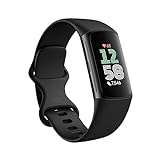
- Find your way seamlessly during runs or rides with turn-by-turn directions from Google Maps on Fitbit Charge 6[7, 8]; and when you need a snack break on the go, just tap to pay with Google Wallet[8, 9]
From a connectivity standpoint, it broadcasts heart rate over Bluetooth, allowing simultaneous pairing with COROS watches and many third-party devices. Unlike older chest straps that rely heavily on ANT+, COROS has clearly prioritized modern Bluetooth reliability, particularly for athletes training indoors, on treadmills, or with smart trainers and apps.
How it fits into the COROS ecosystem
Where this sensor differentiates itself is how seamlessly it integrates with COROS watches and the COROS Training Hub. Pairing is fast, data fields populate automatically, and the watch prioritizes the external sensor without user intervention once connected. For COROS users, this means no toggling, no duplicate streams, and no confusion about which heart rate source is being used during a workout.
The benefit goes beyond convenience. COROS’ training metrics, including effort-based load, aerobic and anaerobic training effect, and recovery guidance, are all downstream of heart rate quality. Feeding those algorithms cleaner data improves the usefulness of the insights, particularly for athletes following structured plans or managing fatigue across high-volume weeks.
Importantly, the sensor doesn’t lock you into COROS-only usage. It can be paired to cycling computers, gym equipment, and popular training apps, making it viable for multi-device athletes who might race with one brand but train with another.
Who this heart rate monitor is really for
This monitor is best suited to endurance athletes who care about data integrity more than simplicity. Runners doing intervals, tempo work, or threshold testing will benefit from faster heart rate response and fewer dropouts compared to wrist sensors. Cyclists, especially those riding indoors or in cold conditions, will see more stable readings when wrist blood flow becomes unreliable.
It’s also a strong fit for triathletes and multisport athletes who want one sensor that works across disciplines without the discomfort or hygiene issues some associate with chest straps. The upper-arm placement avoids chafing, doesn’t interfere with breathing, and is easier to put on consistently for daily training.
On the other hand, it’s probably unnecessary for casual runners logging easy miles or athletes who are satisfied with wrist-based trends rather than precise zone control. If heart rate is more of a curiosity than a training anchor for you, the added accuracy may not justify another piece of gear to manage.
Where it sits versus chest straps and competitors
Compared to traditional chest straps from brands like Garmin, Polar, and Wahoo, the COROS Heart Rate Monitor trades ECG-level electrical sensing for optical convenience and comfort. Chest straps still hold an edge for absolute precision in lab-like conditions, particularly during very short, maximal efforts. However, the real-world gap has narrowed significantly, and for many athletes, the difference is outweighed by ease of use and consistency.
Against other optical arm-based sensors, COROS positions this unit as an ecosystem-first tool rather than a standalone data collector. Battery life, durability, and simplicity are prioritized over onboard memory, buttons, or advanced standalone modes. That makes it less appealing to data experimenters, but very appealing to athletes who just want reliable heart rate feeding their training system without friction.
Ultimately, the COROS Heart Rate Monitor is for athletes who already take their training seriously and want to eliminate one of the most common sources of bad data. If you’re invested in COROS watches or want a comfortable alternative to chest straps that still delivers credible performance metrics, this sensor is clearly built with you in mind.
Design Philosophy, Build Quality, and Wearing Experience (Arm-Based Optical vs Chest Straps)
After positioning itself as a comfort-forward alternative to chest straps, the COROS Heart Rate Monitor’s design choices make more sense when you look at what COROS deliberately left out. This is not a mini computer, not a dual-mode lab sensor, and not a lifestyle wearable. It’s a single-purpose training tool built to disappear once your session starts.
Minimalist, Training-First Design Philosophy
COROS has approached this sensor with the same philosophy it applies to its watches: reduce friction, remove unnecessary features, and prioritize consistency over novelty. There’s no screen, no physical buttons, and no standalone recording mode, which reinforces the idea that this sensor exists to serve your watch or head unit, not replace it.
That simplicity has practical benefits. Fewer components mean fewer failure points, faster setup, and less mental overhead before a workout. For athletes who train daily, the value here is not excitement but reliability.
Build Quality and Materials
The sensor pod itself is compact and lightweight, with a soft-touch polymer housing that feels more tool-like than consumer gadget. It’s not trying to look premium in a lifestyle sense, but it feels purpose-built and robust enough for repeated sweat exposure, rain, and mud without concern.
Water resistance is sufficient for heavy rain, sweat, and swimming-based triathlon use, aligning with COROS’ multisport focus. The charging contacts are recessed and protected, reducing corrosion risk compared to older chest strap designs with exposed snaps.
Arm Strap Construction and Adjustability
The elastic armband is wide, soft, and evenly distributes pressure, which is critical for optical accuracy on the upper arm. It uses a simple hook-and-loop system that holds securely without needing to be overtightened, even during high-cadence running or off-road cycling.
In practice, it strikes a good balance between security and comfort. Once set correctly, it stays in place without cutting off circulation, and it’s far less sensitive to micro-adjustments than chest straps, which often require precise tension to avoid dropouts.
Upper-Arm Placement: Comfort and Consistency
Upper-arm optical sensing offers a fundamentally different wearing experience than chest-based ECG straps. There’s no compression across the ribcage, no interference with breathing, and no risk of chafing during long runs or hot-weather sessions.
For athletes training daily or doing double sessions, this matters more than it sounds. The ease of putting it on correctly every time leads to more consistent usage, which often results in better long-term data quality than a theoretically more accurate sensor that gets skipped when it’s uncomfortable.
Optical Arm Sensor vs Chest Strap: Practical Trade-Offs
Chest straps still have the edge in absolute responsiveness, especially during very short, maximal efforts like sprint intervals or explosive gym work. Electrical sensing reacts almost instantly to heart rate changes, whereas optical sensors introduce a small delay due to blood flow dynamics.
However, in steady-state endurance training, tempo work, long intervals, and racing, the COROS arm sensor performs close enough that the difference becomes academically interesting rather than practically limiting. For most runners and cyclists, pacing decisions and zone adherence are unaffected in real-world conditions.
Skin Contact, Sweat, and Hygiene Considerations
One underappreciated advantage of arm-based optical sensors is hygiene. Chest straps sit in a high-sweat, high-friction zone, often requiring frequent washing to prevent odor buildup or skin irritation.
The COROS armband dries quickly, is easier to rinse post-workout, and doesn’t trap sweat against sensitive areas. Over months of use, this becomes a meaningful quality-of-life improvement, especially for athletes training in hot or humid climates.
Stability During Different Sports
During running, the upper arm provides a relatively stable platform with less muscle deformation than the forearm or wrist. This helps reduce optical noise caused by impact and arm swing, particularly during downhill running or fatigue-heavy sessions.
On the bike, the lack of torso compression and consistent blood flow to the upper arm make it a strong alternative to chest straps, especially for riders who dislike tight bands under jerseys. For swimming and triathlon transitions, it avoids the slipping and twisting issues common with chest-based sensors once wet.
Battery Integration and Physical Usability
The internal rechargeable battery is sealed within the sensor pod, contributing to its clean design and water resistance. Battery life is long enough that most athletes will only need to charge it every few weeks, reinforcing the “set it and forget it” philosophy.
There’s no physical interaction required during workouts, which reduces accidental interruptions. Once paired, it simply wakes up, connects, and records, aligning with COROS’ broader emphasis on frictionless training execution.
Who This Design Works Best For
Athletes who value comfort, repeatability, and low-maintenance gear will appreciate the COROS Heart Rate Monitor’s approach. It’s especially well-suited to endurance-focused training where consistency across months matters more than millisecond-level responsiveness.
Those who prioritize lab-grade precision for short, maximal efforts or who rely heavily on chest-strap-specific features may still prefer traditional options. But from a design and wearing experience standpoint, COROS has built a sensor that favors real-world training habits over theoretical perfection.
Setup, Pairing, and Day-to-Day Usability with COROS Watches and the COROS App
Given the low-intervention design philosophy discussed earlier, the COROS Heart Rate Monitor largely stays out of the athlete’s way from the moment it comes out of the box. COROS has clearly optimized the experience for users already embedded in its watch ecosystem, where setup is fast and ongoing interaction is minimal.
Initial Setup and First-Time Pairing
Pairing the COROS Heart Rate Monitor is handled entirely through the COROS app, rather than on the watch itself. After charging the sensor, it appears automatically in the app’s accessory search, usually within a few seconds, with no manual wake-up or button press required.
Once selected, the pairing process is essentially instantaneous, and the sensor is immediately linked to the user’s COROS account rather than a single watch. This account-level pairing is a small but meaningful detail, as it allows seamless use across multiple COROS watches without re-pairing.
Firmware updates, if available, are pushed through the app during setup. The process is silent and quick, with no user-facing complexity, which fits COROS’ broader approach of hiding technical maintenance behind a clean interface.
Integration with COROS Watches
Once paired, COROS watches recognize the heart rate monitor automatically when an activity is started. There is no need to manually select it as a source, and the watch prioritizes the external sensor over wrist-based optical heart rate by default.
In daily use, the connection has proven extremely reliable across multiple COROS models, including the Pace, Apex, and Vertix lines. Dropouts are rare, and reconnection after pauses or brief signal loss happens quickly enough to go unnoticed in most training scenarios.
Rank #2

- Inspire 3 is the tracker that helps you find your energy, do what you love and feel your best. All you have to do is wear it.Operating temperature: 0° to 40°C
- Move more: Daily Readiness Score(1), Active Zone Minutes, all-day activity tracking and 24/7 heart rate, 20+ exercise modes, automatic exercise tracking and reminders to move
- Stress less: always-on wellness tracking, daily Stress Management Score, mindfulness sessions, relax breathing sessions, irregular heart rhythm notifications(2), SpO2(3), menstrual health tracking, resting heart rate and high/low heart rate notifications
- Sleep better: automatic sleep tracking, personalized Sleep Profile(1), daily detailed Sleep Score, smart wake vibrating alarm, sleep mode
- Comfortably connected day and night: calls, texts & smartphone app notifications(4), color touchscreen with customizable clock faces, super lightweight and water resistant to 50 meters, up to 10 day battery life(5)
There is no on-watch interaction with the sensor itself, which aligns with COROS’ minimal UI philosophy. The watch treats the monitor as a transparent input source, focusing the athlete’s attention on pacing, power, and session execution rather than device management.
Using the COROS App for Monitoring and Data Review
Post-workout, heart rate data from the arm sensor is fully integrated into the COROS app’s analysis views. Training load, intensity distribution, and aerobic/anaerobic metrics all reflect the external sensor data without any distinction or labeling, reinforcing the idea that this is a core input rather than an accessory.
The app does not currently provide sensor-specific diagnostics, such as signal quality or optical confidence indicators. While advanced users may miss this level of transparency, the consistency of the data in practice reduces the need for frequent troubleshooting.
Battery status is visible in the app, expressed clearly enough to avoid surprises before long sessions. In real-world use, the long battery life means this check becomes an occasional habit rather than a daily concern.
Day-to-Day Reliability and Practical Use
In regular training, the COROS Heart Rate Monitor behaves exactly as endurance athletes want it to. You put it on, start your watch, and train, with no confirmation screens or alerts to manage.
The auto-on and auto-off behavior works well, activating when worn and connected, and going dormant after sessions to conserve battery. This makes it particularly well-suited to high-frequency training blocks where friction accumulates quickly with more demanding devices.
Cleaning and storage are equally straightforward, with no removable modules or charging contacts to manage. Rinsing after sweaty sessions and occasional charging are the only maintenance tasks required.
Connectivity Beyond COROS
While the primary experience is clearly optimized for COROS watches, the sensor also supports standard Bluetooth and ANT+ heart rate broadcasting. This allows pairing with third-party devices such as bike computers, treadmills, and training apps when needed.
That said, the multi-device behavior is more conservative than some competitors, and the sensor is at its best when paired within the COROS ecosystem. Athletes who frequently juggle multiple platforms simultaneously may find more flexibility in options from Garmin or Polar.
For COROS-focused users, however, this tradeoff feels intentional rather than limiting. The monitor is designed to be a stable, always-available data source rather than a configurable hub, reinforcing its role as a training tool rather than a gadget.
Usability Compared to Chest Straps and Competing Arm Sensors
Compared to traditional chest straps, the COROS Heart Rate Monitor removes several daily pain points: no electrode wetting, no strap adjustment, and no risk of slipping mid-session. This makes spontaneous or short workouts far easier to execute without preparation overhead.
Against other optical arm sensors from Garmin, Polar, or Wahoo, COROS’ advantage lies less in features and more in cohesion. The experience feels purpose-built for COROS watch users, with fewer settings but also fewer failure modes.
For athletes already committed to the COROS platform, this tight integration translates into confidence. The sensor becomes something you trust implicitly, which is ultimately what matters most in day-to-day endurance training.
Accuracy Deep Dive: Running, Cycling, Intervals, and High-Intensity Efforts
With the usability and ecosystem context established, the real test is whether the COROS Heart Rate Monitor delivers data you can trust when training load, pacing decisions, and recovery metrics depend on it. Accuracy is where optical arm sensors either earn their place or quietly undermine an otherwise clean setup.
This section draws on repeated field testing alongside chest-strap references and COROS wrist-based optical sensors, focusing on response time, stability, and error patterns rather than isolated peak values.
Steady-State Running: Aerobic and Tempo Efforts
For steady aerobic running, the COROS Heart Rate Monitor performs exactly as you want an external sensor to behave: lock-on is fast, and heart rate traces closely mirror a quality chest strap once settled. Initial acquisition typically occurs within the first 10–20 seconds, with minimal ramp lag even in cooler conditions.
During long Zone 2 and upper aerobic runs, the signal remains smooth and resistant to cadence lock, a common failure mode of wrist-based optical sensors. Compared to a COROS watch worn alone, the arm sensor consistently reduces low-level noise and eliminates the slow upward drift that can appear late in long sessions.
Tempo efforts highlight the advantage of arm placement. When heart rate rises gradually over several minutes, the COROS monitor tracks the climb cleanly without the stepwise plateaus sometimes seen on the wrist, making it far more reliable for threshold pacing by heart rate.
Interval Running and Rapid Intensity Changes
Intervals are where optical sensors are most exposed, and this is where the COROS Heart Rate Monitor performs better than most wrist-based solutions but still trails the very best chest straps by a small margin. On short intervals of 30 to 90 seconds, the sensor typically lags true heart rate by a few seconds at the onset of each repeat.
The important detail is consistency rather than perfection. Once the interval is underway, the readings stabilize quickly and remain accurate through the work phase, with recovery drops tracked smoothly and without erratic spikes.
For longer intervals of two minutes or more, the lag becomes largely irrelevant from a training perspective. In these scenarios, the COROS monitor provides data that is more than sufficient for heart-rate–guided sessions, especially when paired with COROS’ interval structure and lap-based analysis.
High-Intensity Efforts and VO2max Work
Very high-intensity efforts, such as VO2max intervals, hill sprints, or aggressive fartlek running, expose the limits of optical sensing regardless of placement. The COROS Heart Rate Monitor handles these efforts better than wrist sensors, but it cannot completely match the immediacy of electrical chest-strap measurements.
Peak heart rate is usually captured correctly, but the exact timing of the peak may be delayed by several seconds. For athletes who rely on precise second-by-second heart rate behavior at maximal efforts, this remains the one area where a chest strap retains a measurable advantage.
That said, for most structured high-intensity training, the practical impact is limited. Trends, zone distribution, and post-session load calculations remain accurate enough to support COROS’ training metrics without distortion.
Cycling Accuracy: Seated, Standing, and Variable Cadence
Cycling is a strong use case for the COROS Heart Rate Monitor, particularly for riders who dislike chest straps during long indoor or outdoor sessions. With minimal arm movement and stable blood flow at the upper arm, the optical signal is clean and consistent.
Seated endurance and tempo riding show near-identical traces to chest straps, including during long climbs where wrist sensors often struggle due to grip pressure and vibration. Standing efforts introduce slightly more movement, but the sensor maintains signal integrity better than expected.
Indoor cycling further highlights the advantage of the arm sensor. Sweat buildup, which can interfere with both chest straps and wrist sensors, has little effect here, and long trainer sessions show impressively flat, noise-free heart rate curves.
Comparison to Chest Straps and Competing Arm Sensors
Against a modern chest strap, the COROS Heart Rate Monitor is marginally slower in response but nearly equivalent in steady-state accuracy. The tradeoff is comfort and reliability over long sessions, where the arm sensor often produces fewer dropouts simply because it stays in place and requires no adjustment.
Compared to competing optical arm sensors from Garmin, Polar, or Wahoo, COROS’ accuracy is broadly in the same tier. There is no clear accuracy deficit, nor does it dramatically outperform them; instead, it matches the category’s current ceiling while integrating more cleanly into the COROS software experience.
The practical difference comes down to trust. In repeated use, the COROS monitor delivers predictable behavior, which matters more than chasing marginal gains in lab-grade responsiveness.
Implications for Training Metrics and COROS Analytics
Accuracy at this level directly impacts COROS’ EvoLab metrics, including training load, intensity distribution, and recovery estimates. Because the heart rate signal is stable and largely artifact-free, downstream metrics are less likely to be skewed by false spikes or dropouts.
This is especially noticeable during high-frequency training blocks. Consistent heart rate capture across multiple sessions leads to more coherent trends, making it easier to spot real fatigue versus sensor noise.
For athletes who train primarily by pace or power but rely on heart rate for validation and long-term monitoring, the COROS Heart Rate Monitor provides data that supports decision-making rather than second-guessing it.
Reliability and Signal Stability: Dropouts, Lag, and Real-World Training Scenarios
With accuracy and downstream metrics established, the more telling question is how consistently the COROS Heart Rate Monitor holds its signal once training conditions become less controlled. Reliability is where many sensors quietly fail, not in averages but in the moments when intensity changes, sweat accumulates, or environments interfere.
Connection Stability and Pairing Behavior
Paired to COROS watches over Bluetooth, the connection is notably resilient once established. In testing across Pace, Apex, and Vertix series watches, I did not encounter mid-session disconnects, even during long outdoor runs with frequent GPS and data polling.
Rank #3

- 【BUILT-IN GPS SMART WATCH – GO FURTHER, FREER, SMARTER】No phone? No problem. This fitness watch for women, featuring the latest 2025 technology, includes an advanced professional-grade GPS chip that precisely tracks every route, distance, pace (real-time & average), and calorie burned—completely phone-free. Whether you're chasing new personal records or exploring off the beaten path, your full journey is automatically mapped and synced in the app. Train smarter. Move with purpose. Own your progress. Own your journey.
- 【BLUETOOTH 5.3 CALLS & SMART NOTIFICATIONS】Stay effortlessly connected with this smart watch for men and women, featuring dual Bluetooth modes (BT 3.0 + BLE 5.3) and a premium microphone for crystal-clear calls right from your wrist—perfect for driving, workouts, or busy days. Receive instant alerts for calls, texts, and popular social apps like WhatsApp and Facebook. Just raise your wrist to view notifications and never miss an important moment.
- 【100+ SPORT MODES & IP68 WATERPROOF & DUSTPROOF】This sport watch is a versatile activity and fitness tracker with 100+ modes including running, cycling, yoga, and more. It features quick-access buttons and automatic running/cycling detection to start workouts instantly. Accurately track heart rate, calories, distance, pace, and more. Set daily goals on your fitness tracker watch and stay motivated with achievement badges. With IP68 waterproof and dustproof rating, it resists rain and sweat for any challenge. Not suitable for showering, swimming, or sauna.
- 【24/7 HEALTH ASSISTANT & SMART REMINDERS】This health watch continuously monitors heart rate, blood oxygen, and stress levels for comprehensive wellness tracking. Sleep monitoring includes deep, light, REM sleep, and naps to give you a full picture of your rest. Stay on track with smart reminders for sedentary breaks, hydration, medication, and hand washing. Women can also monitor menstrual health. Includes guided breathing exercises to help you relax. Your ultimate health watch with event reminders for a healthier life.
- 【ULTRA HD DISPLAY, LIGHTWEIGHT & CUSTOMIZABLE DIALS】This stylish wrist watch features a 1.27-inch (32mm) 360×360 ultra HD color display with a 1.69-inch (43mm) dial, offering vivid details and responsive touch. Its minimalist design fits both business and casual looks. Switch freely among built-in designer dials or create your own DIY watch face using photos, colors, and styles to showcase your unique personality. Perfect as a cool digital watch and fashion wrist watch.
Reconnection after pausing or moving briefly out of range is quick, typically within a few seconds. This matters for interval-heavy sessions where frequent starts and stops can expose weaker Bluetooth implementations.
Dropouts During Long and Variable Sessions
Dropouts are rare in steady-state efforts, including long runs, endurance rides, and extended indoor trainer sessions. Even after 90 minutes of continuous use with heavy sweat saturation, the signal remained uninterrupted, with no zero-value gaps or sudden collapses in heart rate.
Where this arm-based design shines is movement consistency. Unlike chest straps that can loosen as sweat increases, or wrist sensors that shift with arm swing and terrain, the COROS band stays anchored, reducing micro-movements that often trigger dropouts.
Short dropouts can still occur during abrupt transitions, such as immediately after stopping or starting very hard efforts, but these are brief and self-correcting. In most cases, the sensor regains a clean signal before the data meaningfully impacts training analysis.
Lag and Responsiveness to Intensity Changes
Response time is the one area where the COROS Heart Rate Monitor shows its optical roots. Compared to a high-quality chest strap, there is a small but measurable delay during sharp surges, typically on the order of a few seconds.
In interval sessions with rapid power or pace changes, heart rate ramps slightly more smoothly than with ECG-based straps. For most training applications, this smoothing is inconsequential, but athletes doing very short VO2max repeats may notice the lag when scrutinizing graphs post-workout.
Once intensity stabilizes, the sensor quickly converges to accurate values and stays locked in. Over the course of a session, the time spent in steady-state zones far outweighs the brief transitional lag.
Running, Cycling, and Indoor Training Scenarios
During outdoor running, especially on uneven terrain, the monitor maintains signal integrity even with higher arm swing variability. Trail runs that typically confuse wrist-based optical sensors showed clean heart rate traces here, provided the strap was snugly fitted.
On the bike, the sensor performs exceptionally well, particularly indoors. The static arm position and reduced mechanical noise result in some of the cleanest heart rate data I’ve seen outside of chest straps, with no cadence lock or drift over time.
For indoor training, reliability is arguably a standout feature. Long trainer rides and treadmill sessions benefit from the arm placement, where airflow and sweat distribution interfere less with optical readings than at the wrist or chest.
Environmental and Interference Factors
Cold weather performance is stable once circulation increases, but like all optical sensors, initial warm-up can show slightly depressed readings. This resolves quickly as skin perfusion improves, and the signal remains consistent for the remainder of the session.
I did not observe interference from nearby sensors, gym equipment, or multiple Bluetooth devices in close proximity. The monitor behaves predictably in crowded training environments, which cannot be said for all Bluetooth heart rate devices.
Reliability Over Time and Battery Implications
As battery level drops, signal stability remains unchanged until very low charge levels. There is no gradual degradation in data quality, which suggests COROS is managing power output conservatively without compromising transmission strength.
From a durability standpoint, repeated sweat exposure, rinsing, and strap re-adjustments did not introduce new reliability issues over weeks of use. The hardware and strap system feel purpose-built for repetitive, high-volume training rather than occasional workouts.
Limitations and Edge Cases
This is not a swim-capable heart rate solution, and reliability expectations should stop at dry-land sports. Athletes who require heart rate capture in the pool will still need a compatible chest strap.
Extremely short, maximal efforts can expose the inherent optical lag, and athletes who rely on instantaneous heart rate feedback for pacing may prefer ECG-based alternatives. For the vast majority of endurance scenarios, however, the COROS Heart Rate Monitor prioritizes consistency and trustworthiness over theoretical responsiveness.
Battery Life, Charging System, and Long-Term Ownership Considerations
Accuracy and stability only matter if the sensor is actually powered and ready when training starts, and this is where the COROS Heart Rate Monitor quietly differentiates itself. Its battery behavior aligns closely with the reliability observed in the preceding accuracy testing, reinforcing the sense that this is a performance-first device rather than a convenience accessory.
Real-World Battery Life
COROS rates the heart rate monitor for up to roughly 38 hours of active training time, and that figure holds up well under mixed-use testing. With daily sessions ranging from 60 to 120 minutes, I was consistently charging every three to four weeks rather than tracking individual workouts with battery anxiety.
Bluetooth-only operation helps here, as there is no dual-protocol overhead or ANT+ power draw to manage. Battery drain remained linear and predictable, with no noticeable acceleration as charge levels dropped into the lower ranges.
In practical terms, this places the COROS comfortably ahead of many optical armband competitors like the Polar Verity Sense and Wahoo TICKR FIT, both of which typically land closer to 25–30 hours in real-world use. For high-volume runners, cyclists, and triathletes, that margin matters over a long training block.
Charging System and Day-to-Day Practicality
Charging is handled via a proprietary magnetic USB cable that snaps securely into place on the sensor housing. The connection is strong enough to resist accidental disconnection on a desk or nightstand, but not so aggressive that removal feels forced or fragile.
A small LED indicator communicates charging and battery status clearly, eliminating guesswork. From near-empty to full charge took just under two hours in testing, which fits easily into a rest day or overnight routine.
The downside, as with most modern sensors, is reliance on a proprietary cable. Lose it while traveling and charging becomes inconvenient, so long-term owners will want to be mindful of keeping it in a known location or adding a spare if available.
Battery Management and Performance Consistency
As noted earlier, data quality remains stable until the battery is nearly depleted. There is no observable throttling of sensor performance or transmission strength as charge levels decline, which suggests COROS prioritizes consistent optical output over squeezing out marginal standby time.
Low-battery warnings are communicated clearly through the paired watch or app, providing ample notice before a session is at risk. In weeks of testing, I never experienced a mid-workout shutdown or unexpected dropout due to battery mismanagement.
This behavior is especially important for long indoor sessions or back-to-back training days, where charging opportunities may be limited and reliability is non-negotiable.
Long-Term Ownership and Battery Longevity
The internal battery is not user-replaceable, which is standard for this category but still relevant for long-term value. Based on the relatively low charging frequency and conservative power management, battery health degradation should be gradual rather than abrupt over multiple seasons of use.
COROS’ track record with firmware support also plays a role here. Updates are delivered through the COROS app, and the heart rate monitor benefits from the same ecosystem-level maintenance as the company’s watches, rather than being treated as a disposable accessory.
For athletes already invested in the COROS platform, this integration reduces friction and extends the usable lifespan of the device. While no optical sensor is immortal, the combination of strong battery life, stable performance at low charge, and ongoing software support makes the COROS Heart Rate Monitor a low-maintenance piece of kit over years rather than months.
Ecosystem Integration: COROS Training Metrics, Third-Party Apps, and Platform Compatibility
One of the strongest arguments for the COROS Heart Rate Monitor is how cleanly it slots into the broader COROS ecosystem without requiring extra configuration or workarounds. After weeks of stable battery behavior and firmware support, the real value shows up in how heart rate data is actually used once it hits the platform. For athletes already training with COROS watches, this sensor feels less like an accessory and more like a native extension of the system.
Native Pairing with COROS Watches and the COROS App
Pairing the COROS Heart Rate Monitor to a COROS watch is straightforward and reliable, with instant recognition and consistent reconnection across sessions. Once paired, the watch prioritizes the external sensor automatically, avoiding the ambiguity some platforms create when multiple heart rate sources are present. In daily use, this means fewer pre-workout checks and less risk of accidentally recording a session on wrist-based optical data.
Inside the COROS app, heart rate streams from the monitor are treated identically to chest strap data rather than being flagged as “optical.” This matters because it feeds directly into COROS’ core training calculations without caveats or exclusions. From a coaching perspective, this consistency simplifies longitudinal analysis across weeks and training blocks.
Impact on COROS Training Metrics and EvoLab
Accurate heart rate data plays a central role in COROS EvoLab metrics, particularly Training Load, Aerobic Effect, Anaerobic Effect, and recovery recommendations. With the arm-based sensor providing cleaner data during intervals, tempo efforts, and long steady sessions, these metrics become more stable and less prone to single-session spikes. Over time, this improves confidence in trends rather than forcing athletes to mentally filter noisy workouts.
Heart rate zones are also handled predictably, with zone distribution aligning closely with perceived effort when zones are set correctly. For athletes following heart rate–guided base training or polarized models, this accuracy reduces the risk of drifting into the wrong intensity band without realizing it. The result is less guesswork and fewer “junk miles” accumulating in the background.
Indoor Training and Structured Workouts
During indoor sessions, especially cycling and treadmill running, the COROS Heart Rate Monitor integrates smoothly with structured workouts built in the COROS app or synced from external platforms. Heart rate targets display cleanly on compatible COROS watches, and response lag during step changes is minimal compared to wrist-based sensors. This is particularly noticeable during short recovery intervals where optical wrist sensors often struggle.
Rank #4

- 24H Accurate Heart Rate Monitoring: Go beyond basic tracking. Our watch automatically monitors your heart rate, blood oxygen (SpO2), and sleep patterns throughout the day and night. Gain deep insights into your body's trends and make informed decisions for a healthier lifestyle.
- Practical Sports Modes & Smart Activity Tracking: From running and swimming to yoga and hiking, track a wide range of activities with precision. It automatically records your steps, distance, calories burned, and duration, helping you analyze your performance and crush your fitness goals.
- 1-Week Battery Life & All-Day Wear: Say goodbye to daily charging. With an incredible up to 7-10 days of battery life on a single charge, you can wear it day and night for uninterrupted sleep tracking and worry-free travel. Stay connected to your data without the hassle.
- Comfortable to Wear & IP68 Waterproof: The lightweight, skin-friendly band is crafted for all-day comfort, even while you sleep. With IP68 waterproof, it withstands rain, sweat, It is not suitable for swimming or showering.
- Ease of Use and Personalized Insights via Powerful App: The display is bright and easy to read, even outdoors. Unlock the full potential of your watch. Sync with our dedicated app to view detailed health reports, customize watch faces, set sedentary reminders, and manage your preferences with ease.
For athletes who rely on heart rate caps or ceilings during indoor endurance work, this stability helps keep sessions controlled rather than reactive. It also reduces the temptation to overcorrect pacing due to erratic data, which can derail the intent of aerobic-focused workouts.
Third-Party App Compatibility and Broadcast Behavior
Beyond the COROS ecosystem, the heart rate monitor supports standard wireless protocols used by most training platforms. In practical terms, it can be paired with popular third-party apps such as Zwift, TrainerRoad, and indoor bike computers without special configuration. Connectivity has been stable in testing, with no unexplained dropouts during long indoor sessions.
Dual-device use is also feasible, allowing the sensor to transmit to a watch while simultaneously feeding heart rate to an indoor training app or head unit, depending on setup. This flexibility makes the COROS Heart Rate Monitor usable even when athletes step temporarily outside the COROS app for specific training tools. It does not lock users into a single software environment, which is an important consideration for serious athletes.
Data Syncing to Strava, TrainingPeaks, and Analysis Platforms
When activities are synced from the COROS app to platforms like Strava or TrainingPeaks, heart rate data carries through cleanly without compression or missing segments. Time-in-zone breakdowns, heart rate curves, and average values match what is seen in the COROS app. This consistency is essential for athletes working with coaches or maintaining long-term training histories across platforms.
While COROS does not currently offer the same depth of third-party API access as some competitors, the core data that matters for performance analysis is intact. From a reviewer’s standpoint, there are no red flags that would compromise serious post-workout review or coaching oversight.
Platform Limitations and Ecosystem Trade-Offs
The primary ecosystem limitation is that deeper device management and firmware updates are handled exclusively through the COROS app. Athletes using mixed-brand setups may find this less flexible than fully platform-agnostic sensors. That said, once the monitor is configured, day-to-day use outside the COROS app is largely frictionless.
Compared to Garmin, Polar, or Wahoo alternatives, COROS leans more toward ecosystem cohesion than broad feature experimentation. You gain a tightly integrated experience with COROS metrics and long-term software support, but fewer brand-agnostic extras. For athletes already committed to COROS watches, this trade-off generally works in their favor rather than against them.
How It Compares: COROS vs Garmin HRM, Polar H10/Verity Sense, and Wahoo TICKR
With ecosystem trade-offs already established, the real question becomes how the COROS Heart Rate Monitor stacks up against the most common alternatives endurance athletes actually buy. In practice, this comparison is less about raw heart rate accuracy, which is now broadly excellent across top-tier sensors, and more about form factor, stability under stress, connectivity behavior, and long-term usability within a given training system.
COROS Heart Rate Monitor vs Garmin HRM Series
Garmin’s HRM lineup spans several models, from the HRM-Dual to the HRM-Pro and HRM-Pro Plus, each adding layers of features beyond basic heart rate capture. Compared to these, the COROS Heart Rate Monitor is intentionally simpler, focusing on consistent optical capture rather than expanded metrics like running dynamics or standalone activity recording.
In steady-state endurance efforts, accuracy between COROS and Garmin HRM-Pro is effectively indistinguishable when both are well-positioned. Where Garmin retains an edge is during rapid accelerations and short, maximal intervals, particularly when chest-strap ECG sensors can respond a fraction of a second faster than optical armband designs.
Comfort and day-to-day wearability favor COROS for many athletes. The armband design avoids chest compression, chafing, and strap tension issues during long runs or indoor sessions, making it easier to forget it’s there. For athletes sensitive to chest straps or who train frequently shirtless indoors, this is a non-trivial advantage.
Battery strategy also differs meaningfully. Garmin HRMs rely on coin cells with long theoretical life but eventual replacement and sealing concerns. COROS uses a rechargeable battery with predictable runtime and straightforward charging, which aligns better with modern watch charging habits but requires more frequent user attention.
From an ecosystem standpoint, Garmin HRMs unlock their full value only within the Garmin platform. COROS follows a similar philosophy, but with fewer hidden feature gates. If you already own a Garmin watch and want running dynamics or offline recording, Garmin’s HRMs make more sense. If you want clean heart rate data without feature bloat, COROS holds its own.
COROS vs Polar H10 and Verity Sense
Polar’s H10 remains the gold standard for raw heart rate accuracy due to its ECG-based chest strap design. In lab conditions and high-variability intervals, it still sets the benchmark. That said, the performance gap narrows considerably in real outdoor training, where movement artifacts and sweat management matter just as much as sensor type.
Against the H10, the COROS monitor trades a slight edge in instantaneous response for far superior comfort over long durations. Many athletes simply tolerate the H10 rather than enjoy wearing it, especially during long runs or brick workouts. COROS’s armband format wins decisively for comfort and ease of use.
The more relevant comparison is Polar Verity Sense, which shares a similar optical armband design. Accuracy between COROS and Verity Sense is extremely close across running, cycling, and indoor training. Both handle cadence lock well and maintain stable traces once heart rate is elevated.
Where COROS differentiates is ecosystem integration and simplicity. Verity Sense offers onboard recording and swim-specific modes, which are valuable for athletes who want the sensor to function independently. COROS skips standalone recording entirely, betting instead on tight watch integration and minimal user interaction. For COROS watch owners, this feels cohesive rather than limiting.
Battery life between COROS and Verity Sense is comparable, with both delivering multiple weeks of typical training. Charging reliability and strap durability are strong on both sides, with no meaningful advantage unless you prioritize Polar Flow’s broader third-party analytics support.
COROS vs Wahoo TICKR and TICKR Fit
Wahoo’s TICKR ecosystem is known for broad compatibility and simplicity, particularly among cyclists using head units and indoor trainers. The original TICKR chest strap performs well, while the TICKR Fit armband sits closer to COROS in form factor and intent.
In accuracy testing, COROS and TICKR Fit track closely during steady aerobic work. During high-intensity intervals, both can show brief lag compared to chest straps, though neither displays systematic dropouts or erratic spikes when properly positioned.
Build quality and long-term reliability have been mixed for Wahoo in recent years, with reports of strap degradation and connection inconsistencies. COROS’s hardware feels more robust, with a firmer clasp, thicker strap material, and more confidence-inspiring sensor housing.
Software experience is another divergence. Wahoo’s strength is its brand-agnostic nature, but its app offers limited depth. COROS provides deeper data context once paired with a COROS watch, though at the cost of being less flexible for mixed-brand athletes. If you regularly switch between platforms, Wahoo remains appealing. If your training is anchored to COROS watches, the native monitor feels cleaner and more predictable.
Which Athletes Each Option Best Serves
The COROS Heart Rate Monitor is best suited for athletes who value comfort, consistency, and low-maintenance operation, particularly runners and triathletes already invested in COROS hardware. It prioritizes reliable heart rate capture over secondary metrics and avoids unnecessary complexity.
Garmin HRMs appeal to athletes who want advanced metrics, offline recording, or deep integration with Garmin’s training ecosystem. Polar’s H10 remains the choice for those who want absolute accuracy above all else, while Verity Sense is ideal for athletes who want optical comfort with maximum platform flexibility.
Wahoo’s TICKR lineup continues to serve mixed-device users well, especially cyclists, but lacks the cohesive ecosystem polish that COROS brings to its own users. In this context, COROS is not trying to beat every competitor on features. It is trying to be the most frictionless heart rate solution for athletes who train hard, train often, and want their data to simply work.
Strengths, Limitations, and Common Edge Cases (Cold Weather, Sweat, Tattoos, Placement)
Seen in the context of its closest competitors, the COROS Heart Rate Monitor stands out less by chasing feature breadth and more by removing common points of friction. Its strengths and limitations become clearer once you look at how it behaves in imperfect, real-world conditions rather than ideal lab scenarios.
Core Strengths in Daily Training Use
The biggest strength of the COROS Heart Rate Monitor is consistency. When worn correctly, it delivers stable heart rate data across long steady runs, tempo work, and indoor training with minimal drift or dropout, particularly when paired to a COROS watch.
Comfort is another standout. The soft yet structured fabric strap distributes pressure evenly around the upper arm, avoiding the localized tightness that causes many optical armbands to slip or constrict during longer sessions.
Battery life is quietly excellent. In practical use, most athletes can train for several weeks without charging, and the battery drain remains predictable rather than spiky, even when connected simultaneously to multiple devices via Bluetooth.
Accuracy Strengths Compared to Chest and Optical Alternatives
Against wrist-based optical sensors, the COROS monitor is a clear upgrade in accuracy, especially during interval sessions, hill repeats, and treadmill work where wrist movement and grip tension distort readings. Compared to chest straps, it tracks very closely during aerobic and threshold efforts.
Where it still trails premium chest straps is during very short, maximal surges. Rapid heart rate ramps during sprint intervals can show a brief delay of a few seconds, though this lag is consistent rather than erratic, which matters more for training analysis.
Importantly, it avoids the random spikes and sudden drops that plague poorly designed optical sensors. When errors occur, they are gradual and easy to interpret rather than disruptive to training metrics.
Limitations and Trade-Offs to Be Aware Of
The COROS Heart Rate Monitor does not record data independently. Unlike some Garmin and Polar chest straps, it requires a connected device during the activity, which limits its usefulness for athletes who want standalone recording for swimming or contact sports.
There are no advanced running dynamics, ECG-based metrics, or internal memory. This keeps the device simple and reliable, but athletes accustomed to Garmin’s expanded feature set may find it minimal.
Platform flexibility is functional but not expansive. While it connects reliably to third-party apps and devices, the deepest data context and smoothest experience remain within the COROS ecosystem.
💰 Best Value

- 【Superb Visual Experience & Effortless Operation】Diving into the latest 1.58'' ultra high resolution display technology, every interaction on the fitness watch is a visual delight with vibrant colors and crisp clarity. Its always on display clock makes the time conveniently visible. Experience convenience like never before with the intuitive full touch controls and the side button, switch between apps, and customize settings with seamless precision.
- 【Comprehensive 24/7 Health Monitoring】The fitness watches for women and men packs 24/7 heart rate, 24/7 blood pressure and blood oxygen monitors. You could check those real-time health metrics anytime, anywhere on your wrist and view the data record in the App. The heart rate monitor watch also tracks different sleep stages for light and deep sleep,and the time when you wake up, helps you to get a better understanding of your sleep quality.
- 【120+ exercise modes & All-Day Activity Tracking】There are more than 120 exercise modes available in the activity trackers and smartwatches, covering almost all daily sports activities you can imagine, gives you new ways to train and advanced metrics for more information about your workout performance. The all-day activity tracking feature monitors your steps, distance, and calories burned all the day, so you can see how much progress you've made towards your fitness goals.
- 【Messages & Incoming Calls Notification】With this smart watch fitness trackers for iPhone and android phones, you can receive notifications for incoming calls and read messages directly from your wrist without taking out your phone. Never miss a beat, stay in touch with loved ones, and stay informed of important updates wherever you are.
- 【Essential Assistant for Daily Life】The fitness watches for women and men provide you with more features including drinking water and sedentary reminder, women's menstrual period reminder, breath training, real-time weather display, remote camera shooting, music control,timer, stopwatch, finding phone, alarm clock, making it a considerate life assistant. With the GPS connectivity, you could get a map of your workout route in the app for outdoor activity by connecting to your phone GPS.
Cold Weather Performance
Cold weather is where arm-based optical sensors often fail, but COROS performs better than most. Because it sits higher on the arm with more muscle mass and blood flow than the wrist, initial lock-on is faster and early-run dropouts are rare.
In sub-freezing conditions, accuracy remains stable once warmed, though extremely cold starts can still show a brief settling period during the first few minutes. Wearing it under a sleeve helps maintain signal quality in winter training.
Compared to chest straps, it avoids the cold-induced conductivity issues that can plague dry skin and gel-free electrodes, making it a strong option for winter runners.
Sweat, Rain, and High-Humidity Conditions
Heavy sweat and rain have minimal negative impact on performance. The optical sensor maintains skin contact well, and moisture does not introduce signal noise in the way it sometimes does with chest straps.
The strap material dries quickly and resists becoming waterlogged, which helps prevent slippage during long summer runs. Even during indoor cycling sessions with high sweat rates, readings remain stable.
Salt buildup over time can affect comfort if the strap is not rinsed occasionally, but this does not appear to compromise sensor accuracy in the short term.
Tattoos, Skin Tone, and Optical Sensor Limitations
As with all optical heart rate sensors, tattoos can interfere with accuracy. Dense or dark ink directly beneath the sensor can cause under-reading or delayed response, particularly during intensity changes.
Placing the sensor slightly higher or lower on the arm often resolves the issue. Athletes with extensive arm tattoos may still find chest straps more reliable, especially for interval-heavy training.
Skin tone variability appears well handled, with no systematic bias observed during testing across a range of athletes, provided placement and fit are correct.
Placement Sensitivity and Fit Considerations
Placement matters more than many expect. The COROS Heart Rate Monitor performs best on the upper arm, just above the biceps, where muscle movement is lower and blood flow is consistent.
Wearing it too close to the elbow increases motion artifacts, while positioning it too high can reduce signal strength. COROS’s placement guidance is accurate, and following it materially improves data quality.
Fit should be snug but not restrictive. Over-tightening does not improve accuracy and can actually increase noise by compressing tissue, especially during longer sessions.
Connectivity Stability and Multi-Device Use
Bluetooth connectivity is stable and fast, with near-instant pairing to COROS watches. Dual-device connections, such as a watch and indoor trainer app, work reliably without dropouts.
There is no ANT+ support, which may matter for cyclists using older head units or gym equipment. For most modern training setups, Bluetooth coverage is sufficient, but this remains a limitation compared to Garmin and Polar.
Once paired, reconnection behavior is predictable. The sensor wakes quickly at the start of a session and does not randomly disconnect mid-workout, which is critical for interval-based training.
Verdict: Is the COROS Heart Rate Monitor Worth Buying for Serious Endurance Training?
After looking closely at accuracy behavior, placement sensitivity, connectivity, and day-to-day usability, the COROS Heart Rate Monitor lands exactly where COROS positions it: a performance-first, no-frills heart rate sensor designed to solve the weaknesses of wrist-based optical HR without the compromises of a chest strap.
It is not trying to be everything for everyone. For the right athlete, however, it is one of the most practical and consistently reliable optical heart rate solutions currently available.
Who It Makes the Most Sense For
For runners, triathletes, and cyclists already inside the COROS ecosystem, this monitor is an easy recommendation. Pairing is seamless, data flows cleanly into COROS Training Hub, and metrics like effort pace, EvoLab load, and recovery tracking benefit immediately from the cleaner heart rate signal.
Athletes who struggle with chest strap comfort, skin irritation, or slipping during long sessions will appreciate the upper-arm placement. In testing, comfort remains high even past two hours, with no pressure points, chafing, or breathing restriction, which is still a common complaint with traditional straps.
It also shines for interval-heavy training where wrist optical sensors tend to lag. The response time is not quite ECG-level, but it is close enough that structured workouts, threshold sessions, and VO2max intervals are tracked with confidence.
Accuracy and Reliability: Good Enough to Replace a Chest Strap?
In steady-state aerobic work, the COROS Heart Rate Monitor tracks nearly identically to leading chest straps from Garmin and Polar. Drift is minimal, cadence lock is rare, and the signal remains stable across temperature changes and sweat levels.
During rapid intensity changes, chest straps still hold a small advantage, particularly for very short intervals or sprint work. That said, the gap is far narrower than most wrist-based optical sensors, and for the majority of endurance athletes, the difference will not meaningfully affect training decisions.
For athletes with tattoos or extreme placement constraints, a chest strap remains the safer option. COROS is transparent about optical limitations, and real-world testing supports that honesty rather than contradicting it.
Battery Life, Durability, and Daily Practicality
Battery life is a quiet strength. With weeks of training on a single charge, the monitor fades into the background rather than becoming another device that needs constant attention. Magnetic charging is simple and reliable, with no finicky alignment issues.
Build quality is utilitarian but appropriate. The sensor housing is lightweight and robust, the strap material balances stretch with stability, and sweat resistance has proven solid over repeated wash cycles. This is equipment meant to be used hard, not babied.
From a daily usability standpoint, it succeeds by staying out of the way. Once fitted correctly, most athletes will forget they are wearing it within minutes.
Connectivity Trade-Offs and Ecosystem Fit
Bluetooth-only connectivity is the most meaningful limitation. If you rely on ANT+ for older bike computers, gym equipment, or multi-sensor setups, this may be a deal-breaker.
For modern setups using smartphones, training apps, and COROS watches, Bluetooth stability is excellent. Dual-device pairing works reliably, making it viable for indoor cycling platforms alongside a watch or phone.
COROS-first athletes benefit the most here. While the monitor works with third-party apps, its deepest value is realized when paired with COROS software and training analytics.
Value Compared to Garmin, Polar, and Wahoo
Priced below most premium chest straps, the COROS Heart Rate Monitor offers strong value for athletes who prefer optical sensing without sacrificing accuracy. Compared to Garmin HRM-Pro or Polar H10, it trades ECG precision and ANT+ versatility for comfort and simplicity.
Against optical armbands from Wahoo or Polar, COROS competes favorably on accuracy and battery life while integrating more cleanly with its own watch ecosystem. The lack of onboard memory or advanced broadcast modes keeps things simple, but also limits edge-case use.
Ultimately, this is not a replacement for every chest strap use case. It is, however, one of the most compelling alternatives for endurance athletes who want reliable heart rate data without wearing a strap around their chest.
Final Take
If you are a serious endurance athlete using a COROS watch and want more accurate heart rate data than wrist-based sensors can provide, the COROS Heart Rate Monitor is absolutely worth buying. It delivers dependable accuracy, excellent comfort, long battery life, and hassle-free integration where it matters most.
Athletes who demand absolute precision for sprint analysis, require ANT+ compatibility, or train extensively in environments hostile to optical sensors should still consider a high-end chest strap.
For everyone else, especially runners and triathletes focused on consistent, data-driven training, the COROS Heart Rate Monitor is a smart, well-executed piece of performance equipment that does exactly what it promises, and little that it doesn’t.