Google’s December Pixel Drop isn’t just a routine software patch. For Fitbit users, it represents a meaningful shift in how your watch interprets effort, recovery, and overall cardiovascular strain, moving the platform closer to training-aware systems you may recognize from Garmin or Polar.
If you already track steps, heart rate, and sleep, this update is about context rather than raw numbers. The new metrics aim to explain what today’s activity actually means for your body, not just what you did, and whether you should push harder tomorrow or back off.
This section breaks down what a Pixel Drop actually is, why Fitbit is now at the center of it, and how these changes affect daily use on devices like the Pixel Watch, Sense, Versa, and Charge series.
What a Pixel Drop actually delivers
A Pixel Drop is Google’s quarterly feature rollout that adds new capabilities without requiring new hardware. Unlike a typical firmware update focused on bug fixes or performance tweaks, a Pixel Drop introduces new software features that unlock dormant sensor potential.
🏆 #1 Best Overall

- Get inspired and stay accountable with Versa 4 + Premium - learn when to work out or recover, see real-time stats during exercise and find new ways to keep your routine fresh and fun.Operating temperature: -14° to 113°F. Radio transceiver: Bluetooth 5.0.Maximum operating altitude : 28,000 feet (8,534 m).
- Built for better fitness results: Daily Readiness Score(1), built-in GPS and workout intensity map, Active Zone Minutes, all-day activity tracking and 24/7 heart rate, 40+ exercise modes and automatic exercise tracking, water resistant to 50 meters
- Tools to measure and improve sleep quality: personalized Sleep Profile(1), daily sleep stages & Sleep Score, smart wake alarm and do not disturb mode. Compatibility-Apple iOS 15 or higher, Android OS 9 or higher
- Maintain a healthy body and mind: daily Stress Management Score, reflection logging, SpO2(2), health metrics dashboard(3), guided breathing sessions, menstrual health tracking and mindfulness content
- Designed for fitness & beyond: on-wrist Bluetooth calls, texts and phone notifications(4), customizable clock faces, Fitbit Pay(5), Amazon Alexa built-in(6), Google Wallet & Maps (Google Maps Android only, coming Spring 2023 to iOS), 6+ day battery(7)
Since Google now owns Fitbit, these drops increasingly extend beyond Pixel phones into the Fitbit and Pixel Watch ecosystem. That’s why Fitbit smartwatches receive new health metrics even when the hardware itself hasn’t changed.
For users, this means your existing watch can become more capable overnight, provided it has the sensors and processing headroom to support the new algorithms.
Why this particular update matters more than past ones
Historically, Fitbit focused on accessibility and long-term health trends rather than training load or cardiovascular stress. The December Pixel Drop marks a clear pivot toward more performance-aware insights, especially for users who exercise regularly but don’t consider themselves athletes.
The headline additions revolve around cardiovascular load and intensity tracking, using continuous heart rate data to quantify how hard your body is working across workouts and daily movement. This moves Fitbit beyond step counts and zone minutes into a more nuanced understanding of exertion.
For intermediate users, this closes a long-standing gap between Fitbit and more training-centric platforms, without sacrificing Fitbit’s clean interface or battery-friendly approach.
Which Fitbit devices are actually affected
Not every Fitbit gets every new metric. The December Pixel Drop primarily targets newer devices with upgraded heart rate sensors and processing power, including Pixel Watch models, Sense 2, Versa 4, and Charge 6.
Older devices may still receive interface refinements or background algorithm improvements, but the most advanced metrics rely on continuous heart rate accuracy and higher sampling rates. If your device already supports advanced sleep stages, stress tracking, and ECG-level sensors, it’s more likely to benefit fully.
This device-specific rollout matters for buyers deciding between older discounted models and newer hardware that will support future Pixel Drops.
What changes in day-to-day use
In practical terms, the December Pixel Drop shifts how you interpret your activity dashboard. Instead of asking whether you hit a step goal, the watch now helps answer whether your recent activity is building fitness, maintaining it, or pushing you toward fatigue.
These insights are designed to update automatically, without requiring you to manually tag workouts or input perceived effort. That keeps the experience passive and wearable-friendly, especially on slim devices like Charge or Versa models that prioritize comfort and battery life over constant interaction.
The real value shows up over weeks, not days, as patterns emerge around how hard you train, how well you recover, and how consistent your cardiovascular workload actually is.
Complete List of New Fitbit Metrics Introduced in the December Pixel Drop
With the groundwork laid around how cardiovascular load reframes daily activity, it’s worth breaking down exactly what new metrics the December Pixel Drop adds to the Fitbit ecosystem. These aren’t cosmetic stat tweaks; they introduce a more training-aware layer that sits on top of Fitbit’s existing heart rate, sleep, and activity tracking.
What follows is a metric-by-metric explainer, focusing on what each one measures, which devices support it, and how it changes the way you interpret your data in real life.
Cardio Load
Cardio Load is the centerpiece of the December Pixel Drop and the clearest signal that Fitbit is leaning into structured training concepts. It quantifies how much cardiovascular strain you accumulate from both workouts and non-exercise movement, using continuous heart rate data rather than relying on manually logged activities.
Unlike Active Zone Minutes, which reward time spent above fixed heart rate thresholds, Cardio Load scales dynamically based on intensity and duration. A short, hard interval session can generate as much load as a longer, steady walk, depending on how much it elevates your heart rate relative to your personal baseline.
This metric runs passively in the background and updates throughout the day. On supported devices like Pixel Watch models, Sense 2, Versa 4, and Charge 6, it relies on higher heart rate sampling accuracy, which is why older Fitbits don’t display it even if they track heart rate reliably for basic metrics.
In daily use, Cardio Load shifts the focus from how long you exercised to how demanding that exercise actually was on your cardiovascular system.
Target Cardio Load
Target Cardio Load builds directly on Cardio Load by answering the obvious next question: how much strain should you be aiming for. Instead of a static daily goal, this target adjusts based on your recent activity history, trends in fitness, and recovery signals.
If you’ve been consistently active, your target increases to encourage progressive overload. If your recent load drops or recovery indicators suggest fatigue, the target scales back to reduce the risk of overtraining.
This adaptive approach mirrors what more training-focused platforms have offered for years, but Fitbit presents it in a simpler, less intimidating way. You don’t need to understand periodization or training blocks; the watch just nudges you toward an appropriate effort range for that day.
For users who train inconsistently or mix formal workouts with casual movement, this is where the metric becomes genuinely useful rather than aspirational.
Training Load Range
Rather than showing a single number in isolation, Fitbit now visualizes your Cardio Load against a recommended range. This Training Load Range is designed to contextualize whether you’re undertraining, maintaining, or pushing beyond your current baseline.
Falling below the range consistently suggests you’re not stimulating enough cardiovascular adaptation, even if you’re technically “active.” Sitting within the range indicates maintenance or gradual improvement, while repeatedly exceeding it signals elevated fatigue risk.
This framing matters because it removes the psychological pressure of chasing maximum effort every day. The range makes it clear that productive training often lives in the middle, not at the extremes.
On smaller devices like Charge 6, the range is simplified visually, while Pixel Watch models offer more granular breakdowns in the Fitbit app, taking advantage of larger screens and smoother Wear OS navigation.
Workout Intensity Contribution
The December Pixel Drop also refines how individual workouts contribute to your overall load. Each recorded session now shows how much Cardio Load it generated, rather than just duration, calories, or heart rate zones.
This allows you to compare very different activities on equal footing. A 20-minute tempo run, a spin class, and a long hike may all look similar in calories burned, but their cardiovascular impact often differs significantly.
For users rotating between strength training, cardio, and mixed workouts, this metric helps identify which sessions are actually driving cardiovascular stress versus those that are more neuromuscular or skill-focused.
It’s especially useful on watches with physical buttons and lightweight cases, like Versa 4, where quick workout starts are common and post-workout analysis happens later in the app.
Refined Daily Load Attribution
One quieter but meaningful addition is how Fitbit now attributes load across the entire day, not just during workouts. Brisk walking, physically demanding jobs, and long periods of elevated heart rate due to stress or heat can all contribute modestly to Cardio Load.
This doesn’t mean Fitbit is conflating stress with training, but it does acknowledge that your cardiovascular system doesn’t distinguish between a workout and a physically taxing day.
For users who don’t log workouts religiously, this makes the load metrics feel more honest and less dependent on perfect tracking habits. It also highlights why lighter workout days can still feel fatiguing if overall daily strain is high.
Device-Specific Availability and Limitations
All of these metrics require continuous, high-quality heart rate data, which is why availability is limited to newer hardware. Pixel Watch and Pixel Watch 2 benefit from tighter integration between sensors, processor, and Fitbit’s algorithms, while Charge 6 stands out for delivering these insights in a slim, long-lasting form factor.
Battery life remains largely unchanged despite the added analytics, as the calculations happen mostly server-side rather than on-device. That keeps multi-day wear viable on fitness bands and avoids turning Pixel Watch into a nightly charger-dependent device.
It’s also worth noting what’s not included. These metrics do not replace VO2 max estimates, readiness scores, or sleep staging; they layer on top of them. For users expecting full training plans or race predictions, Fitbit still stops short, favoring sustainable daily guidance over prescriptive coaching.
Taken together, the December Pixel Drop metrics represent a structural shift in how Fitbit interprets effort, fatigue, and progress. They don’t demand more interaction, but they reward consistency, making them most valuable for users willing to wear their device all day rather than just during workouts.
Deep Dive: Cardio Load, Training Load & What Fitbit Is Really Measuring
With the framing in place, it’s worth slowing down and unpacking what these new metrics actually represent under the hood. Fitbit is using familiar physiological concepts, but it’s presenting them in a way that’s meant to be readable at a glance rather than buried in sports science jargon.
Rank #2

- Get inspired and stay accountable with Versa 4 + Premium - learn when to work out or recover, see real-time stats during exercise and find new ways to keep your routine fresh and fun.Operating temperature: -14° to 113°F.
- Built for better fitness results: Daily Readiness Score(1), built-in GPS and workout intensity map, Active Zone Minutes, all-day activity tracking and 24/7 heart rate, 40+ exercise modes and automatic exercise tracking, water resistant to 50 meters
- Tools to measure and improve sleep quality: personalized Sleep Profile(1), daily sleep stages & Sleep Score, smart wake alarm and do not disturb mode
- Maintain a healthy body and mind: daily Stress Management Score, reflection logging, SpO2(2), health metrics dashboard(3), guided breathing sessions, menstrual health tracking and mindfulness content
- Designed for fitness & beyond: on-wrist Bluetooth calls, texts and phone notifications(4), customizable clock faces, Fitbit Pay(5), Amazon Alexa built-in(6), Google Wallet & Maps (Google Maps Android only, coming Spring 2023 to iOS), 6+ day battery(7)
Cardio Load: A Heart-Centric View of Effort
Cardio Load is Fitbit’s attempt to quantify how much stress your cardiovascular system experiences across a day or workout. It is driven primarily by heart rate intensity and duration, weighted against your personal baseline rather than a fixed population average.
In practical terms, time spent near or above your typical aerobic threshold contributes disproportionately more load than easy movement. A short, hard interval session can generate more Cardio Load than a long, slow walk, even if calorie burn looks similar.
Fitbit appears to be using a model conceptually similar to excess post-exercise oxygen consumption, where elevated heart rate above resting norms signals meaningful physiological strain. This is why sustained moderate intensity often counts more than short spikes, and why erratic heart rate data can undermine accuracy.
Training Load: Contextualizing Effort Over Time
Training Load builds on Cardio Load by aggregating it across multiple days to show whether you are ramping up, maintaining, or backing off overall stress. Instead of focusing on a single workout, it looks at how today compares to your recent history.
This is where Fitbit shifts from measurement to interpretation. A high Cardio Load day is not inherently good or bad, but repeated high-load days without sufficient recovery will push your Training Load beyond what Fitbit considers adaptive.
Unlike platforms that split acute and chronic load into separate numeric curves, Fitbit simplifies the presentation. You see whether your current load trend aligns with maintaining fitness, building it, or risking overreach, without needing to understand the math behind rolling averages.
Personal Baselines and Why Two Users See Different Numbers
A key detail is that these metrics are individualized over time. Fitbit uses your historical resting heart rate, heart rate variability trends, and recent activity patterns to decide what “hard” means for you.
This explains why two people running side by side can finish with very different Cardio Load values. For a newer runner, moderate pace may register as a high load, while a trained athlete needs significantly higher intensity to move the needle.
This personalization improves usefulness for everyday users but also means the numbers are not designed for cross-user comparison. Cardio Load is a self-referential metric, closer to a training diary than a leaderboard stat.
What These Metrics Are Not Measuring
It’s important to understand the boundaries of the system. Cardio Load does not directly measure muscular fatigue, joint stress, or biomechanical strain, which means heavy strength training can feel harder than the load score suggests.
Similarly, heat, dehydration, and poor sleep can inflate heart rate responses and therefore Cardio Load without reflecting productive training stress. Fitbit partially mitigates this by smoothing data across days, but short-term noise is unavoidable.
Because the system is heart-rate driven, optical sensor accuracy matters. Devices like Pixel Watch 2 and Charge 6, with improved sensor placement and tighter fit, tend to produce more stable load trends than looser-worn watches during high-motion workouts.
How This Changes Day-to-Day Use
In daily practice, these metrics work best as guardrails rather than targets. They help answer whether today should be easy or hard, not how many points you need to earn.
Users who already glance at resting heart rate and sleep score will find Cardio Load and Training Load slot naturally into existing habits. The value emerges over weeks, when patterns become visible and mismatches between effort and recovery stand out.
For buyers deciding between Fitbit devices, this also reframes value. Long battery life and comfort for 24/7 wear matter more than flashy workout modes, because incomplete heart rate data quickly erodes the usefulness of load-based insights.
Deep Dive: Target Load, Readiness, and How Fitbit’s Coaching Logic Is Evolving
What makes the December Pixel Drop meaningful is not just that Fitbit added more numbers, but that those numbers now talk to each other. Target Load and Daily Readiness are designed to close the loop between what you did, how your body responded, and what Fitbit thinks you should do next.
This is a shift away from passive tracking toward lightweight coaching. The system is still conservative compared to platforms like Garmin or WHOOP, but it is noticeably more opinionated than older Fitbit guidance.
What Target Load Actually Is
Target Load is Fitbit’s attempt to answer a simple but previously unaddressed question: how much cardio stress should you aim for today. Instead of a single number, it presents a range based on your recent Cardio Load trends, recovery signals, and longer-term fitness baseline.
If yesterday’s load was high and your recovery signals are poor, today’s target range shrinks. If you are well-rested and trending consistently, the range expands, encouraging either intensity or duration without prescribing a specific workout.
Importantly, Target Load is not a goal in the motivational sense. It is a ceiling and floor meant to reduce guesswork, especially for users who train frequently but do not follow structured plans.
How Target Load Is Calculated Behind the Scenes
Fitbit builds Target Load using a rolling view of your recent Cardio Load history, weighted toward the last 7 to 10 days. That rolling average is then adjusted based on recovery markers like resting heart rate deviation, heart rate variability trends, and sleep quality.
This means Target Load adapts slowly, not day by day in dramatic swings. That stability is intentional, preventing the system from overreacting to one bad night of sleep or an unusually hard workout.
Because it is heart-rate driven, device fit and sensor quality still matter. Pixel Watch 2, Charge 6, and Sense 2 tend to produce the most consistent ranges due to improved optical sensors and tighter, lighter casings that stay put during motion-heavy workouts.
Daily Readiness: Not New, But Now More Central
Daily Readiness existed before the December Pixel Drop, but its role has changed. Previously, it was an isolated score you might glance at in the morning and then ignore once the day got busy.
Now, Readiness directly influences Target Load, effectively acting as the system’s brake pedal. Low Readiness compresses your target range, while high Readiness gives you permission to push without triggering recovery warnings later.
This tighter coupling makes Readiness feel less abstract. Even skeptical users who dismissed it as a “sleep score remix” will notice its impact when workout recommendations subtly change.
How Fitbit’s Coaching Logic Is Evolving
The bigger story is that Fitbit is moving from descriptive metrics to conditional guidance. Instead of saying what happened, the app increasingly suggests what kind of effort makes sense next.
This logic remains intentionally non-prescriptive. Fitbit does not tell you to run intervals or lift weights; it tells you whether today should feel light, moderate, or demanding from a cardiovascular standpoint.
For everyday users, this reduces decision fatigue. For experienced athletes, it functions as a second opinion that can either confirm intuition or flag when enthusiasm is outrunning recovery.
Where This Still Falls Short
Despite the improvements, the system remains cardio-centric. Strength training, sports with stop-start intensity, and activities with high muscular load still register imperfectly, which can make Target Load feel low on days that are physically exhausting.
There is also limited transparency. Fitbit does not expose weighting factors or confidence intervals, which makes it harder for data-savvy users to audit or fully trust edge cases.
Finally, coaching remains reactive rather than predictive. Unlike some competitors, Fitbit does not yet forecast fatigue or taper needs days in advance.
Device Compatibility and Real-World Usability
Target Load and the expanded coaching logic roll out to Pixel Watch 2, Pixel Watch, Sense 2, Versa 4, Charge 6, and Charge 5 via the Fitbit app, with the clearest experience on watches that support on-device readiness views. Older models may surface the data only in-app, reducing glanceability.
Battery life plays a quiet but critical role here. Devices like Charge 6 and Sense 2, which comfortably last multiple days, maintain cleaner recovery trends than watches that need frequent charging breaks.
Comfort also matters more than specs. Lightweight cases, breathable bands, and stable fit during sleep directly affect HRV and resting heart rate accuracy, which in turn shape Readiness and Target Load.
What This Means for Buyers and Existing Users
For current users, the December Pixel Drop rewards consistency more than intensity. Wearing the device day and night now has clearer payoff, because incomplete data weakens coaching quality.
For prospective buyers, this update shifts value toward devices that excel at 24/7 wear rather than flashy workout modes. The smartest choice is often the one you forget you are wearing, not the one with the longest feature list.
Rank #3

- Learn to manage stress, sleep better and live healthier with Sense 2—our most advanced health and fitness smartwatch.Human Interface Input: Touchscreen
- Manage stress and live healthier: all-day stress detection with cEDA and daily Stress Management Score, ECG app for atrial fibrillation assessment(1), irregular heart rhythm notifications(2), SpO2(3), health metrics dashboard(4), mindfulness content
- Measure and improve sleep quality: personalized Sleep Profile(5), daily sleep stages & Sleep Score, smart wake alarm and do not disturb mode
- Enhance activity: built-in GPS and workout intensity map, Daily Readiness Score(5), Active Zone Minutes, all-day activity tracking and 24/7 heart rate, 40+ exercise modes and automatic exercise tracking, water resistant to 50 meters
- Designed for all-day wear: on-wrist Bluetooth calls, texts and phone notifications(6), customizable clock faces, Fitbit Pay(7), Amazon Alexa built-in(8), Google Wallet & Maps (Google Maps on Android only, coming Spring 2023 to iOS), 6+ day battery(9)
Most importantly, Fitbit’s coaching is becoming more context-aware without becoming overwhelming. It respects user autonomy while quietly nudging behavior, which aligns well with how most people actually train outside of elite or competitive settings.
Accuracy & Limitations: How Reliable Are These New Metrics in Real-World Use?
The December Pixel Drop adds more nuance to Fitbit’s health and training insights, but none of these metrics exist in a vacuum. Their reliability depends on sensor quality, wear consistency, and how well Fitbit’s models interpret imperfect real-world data.
What follows is a practical look at where these new metrics tend to be trustworthy, where they struggle, and how much weight you should give them in daily decisions.
Target Load and Cardio Load: Strong Trends, Soft Edges
Target Load is built on Cardio Load, which itself is derived from heart rate relative to your estimated cardio fitness baseline. In steady-state activities like running, cycling, rowing, or brisk walking, this approach is generally reliable and consistent day to day.
Accuracy drops in workouts with frequent pauses, rapid intensity spikes, or heavy strength components. Interval training, CrossFit-style sessions, and gym workouts often feel harder than the resulting Cardio Load suggests because heart rate alone does not capture muscular fatigue or eccentric strain.
In practice, Target Load works best as a weekly trend tool rather than a session-by-session truth meter. If your weekly loads are climbing smoothly and recovery remains stable, the system is doing its job even if individual workouts feel undercounted.
Readiness Score Refinements: Directionally Accurate, Not Diagnostic
The updated Readiness logic leans more heavily on overnight heart rate variability, resting heart rate, and recent activity load. On devices with reliable sleep tracking, especially Charge 6, Sense 2, and Pixel Watch 2, this produces sensible patterns over time.
Night-to-night accuracy can still fluctuate due to stress, alcohol, late meals, or poor sensor contact. A single low Readiness score is often more reflective of disrupted sleep conditions than true physiological fatigue.
Where Readiness shines is in identifying sustained changes. Multiple low scores in a row usually align with subjective fatigue, while rebounds tend to match improved sleep and lighter training days.
HRV and Resting Heart Rate: Sensor Limits Still Apply
Fitbit’s optical heart rate sensors are among the better performers in consumer wearables, but HRV remains a fragile metric. Small shifts in wrist position, band tightness, or sleeping posture can introduce noise, especially for lighter sleepers.
This means HRV is most reliable when viewed as a rolling baseline rather than a precise daily measurement. Fitbit’s algorithms smooth this data effectively, but users should avoid overreacting to short-term dips.
Consistent overnight wear is more important than the specific device model. A well-fitted Charge 5 can produce more usable HRV trends than a loosely worn Pixel Watch.
Sleep Staging and Its Downstream Impact
Because Readiness and coaching depend on sleep metrics, any inaccuracies here cascade into the rest of the system. Fitbit’s sleep duration and timing are generally solid, while sleep stage breakdowns are directionally accurate but not clinical-grade.
REM and deep sleep estimates are best interpreted as relative changes rather than absolute values. If your deep sleep trends upward over weeks, that signal is meaningful even if the exact minutes are debatable.
Users who frequently remove their watch at night or experience fragmented sleep will see less reliable readiness guidance, regardless of how advanced the algorithms become.
Device Differences: Hardware Shapes Confidence
Pixel Watch 2 benefits from improved heart rate tracking hardware and tighter integration with Google’s processing stack, which helps during higher-intensity workouts. Charge 6 and Sense 2 trade raw processing power for longer battery life, which often results in cleaner long-term trends.
Frequent charging interruptions matter more than many users realize. Missing a single night of sleep data can skew Readiness and Target Load for several days afterward.
Comfort, strap material, and case size also play a role. Smaller, lighter devices tend to maintain better skin contact overnight, quietly improving data quality without any software changes.
Algorithm Transparency and What You Cannot See
Fitbit does not publish confidence ranges, weighting formulas, or error margins for these new metrics. Advanced users accustomed to platforms like TrainingPeaks or Garmin may find this opacity limiting.
That said, Fitbit’s approach prioritizes usability over auditability. The system is designed to guide behavior, not to serve as a training log for performance athletes.
The trade-off is that edge cases, such as illness, travel across time zones, or mixed-modality training weeks, can produce recommendations that feel overly generic or slightly misaligned.
How Much Trust Should You Place in the Numbers?
These new metrics are reliable enough to inform decisions like when to push, when to hold back, and when to prioritize sleep. They are not precise enough to replace coaching, structured training plans, or medical guidance.
Used consistently and interpreted as trends, the December Pixel Drop metrics add meaningful signal without demanding constant attention. Used obsessively or in isolation, they can create false confidence or unnecessary caution.
The real-world value lies in moderation: letting the data influence your habits while keeping subjective effort and recovery firmly in the loop.
Which Fitbit and Pixel Watch Models Get Each Feature (Sense, Versa, Charge, Pixel Watch)
Understanding which devices receive each new metric matters as much as understanding the metrics themselves. Fitbit’s December Pixel Drop is not a universal unlock; it is a layered rollout shaped by sensor hardware, processing headroom, and Google’s long-term platform strategy.
If you already own a Fitbit or Pixel Watch, this section should help you set realistic expectations. If you are deciding between models, the differences below meaningfully affect day-to-day usefulness rather than just feature counts.
Pixel Watch and Pixel Watch 2: Full Metric Access, Faster Feedback
Pixel Watch 2 receives the most complete version of the December Pixel Drop metrics, including the most responsive form of Cardio Load, Target Load, and Readiness adjustments. This is partly due to its updated multi-path heart rate sensor, which maintains signal quality during rapid intensity changes.
The original Pixel Watch also gains the new metrics, but with slightly slower feedback loops during workouts. In practice, this mostly shows up during interval training or short bursts where heart rate lags can smooth out load calculations.
Both Pixel Watches benefit from tight Google Fit and Fitbit integration, allowing metrics to update more quickly after workouts and sync reliably across devices. Battery life remains the trade-off, as daily charging increases the risk of missed sleep data, which can blunt the accuracy of Readiness and load targets.
Fitbit Sense 2: Broad Coverage, Strong Overnight Data
Sense 2 receives nearly the full suite of December Pixel Drop metrics, including Cardio Load and daily Target Load guidance. While its processor is less powerful than Pixel Watch hardware, its continuous wear advantage often results in cleaner long-term trends.
The larger case and premium materials improve sensor stability, especially overnight. This consistency helps the algorithms interpret recovery and readiness with fewer gaps, even if updates arrive less quickly after workouts.
Sense 2 remains one of the best options for users who care as much about stress, sleep, and recovery as they do about training volume. The trade-off is less granular feedback during high-intensity sessions compared to Pixel Watch 2.
Fitbit Versa 4: Core Metrics Without Advanced Nuance
Versa 4 receives the headline metrics from the December Pixel Drop, including simplified Cardio Load and Readiness refinements. However, some of the deeper contextual insights are scaled back due to sensor and processing constraints.
During steady-state cardio, the experience closely mirrors Sense 2. During mixed or variable workouts, the device relies more heavily on averaged heart rate data, which can soften peaks and valleys in load calculations.
Versa 4 remains comfortable, lightweight, and easy to wear around the clock, which supports long-term trend accuracy. For users focused on general fitness rather than performance optimization, the limitations are unlikely to feel restrictive.
Fitbit Charge 6: Load Metrics Optimized for Battery Longevity
Charge 6 supports Cardio Load and Target Load, but with a clear emphasis on long-term consistency rather than rapid feedback. Fitbit prioritizes battery efficiency here, allowing most users to track continuously for multiple days without interruption.
The smaller form factor and lighter weight improve skin contact during sleep, often resulting in excellent overnight heart rate and HRV data. This benefits Readiness scoring, even if workout-based load updates feel slightly delayed.
Rank #4
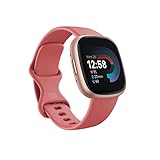
- Get inspired and stay accountable with Versa 4 + Premium - learn when to work out or recover, see real-time stats during exercise and find new ways to keep your routine fresh and fun
- Built for better fitness results: Daily Readiness Score(1), built-in GPS and workout intensity map, Active Zone Minutes, all-day activity tracking and 24/7 heart rate, 40+ exercise modes and automatic exercise tracking, water resistant to 50 meters
- Tools to measure and improve sleep quality: personalized Sleep Profile(1), daily sleep stages & Sleep Score, smart wake alarm and do not disturb mode
- Maintain a healthy body and mind: daily Stress Management Score, reflection logging, SpO2(2), health metrics dashboard(3), guided breathing sessions, menstrual health tracking and mindfulness content
- Designed for fitness & beyond: on-wrist Bluetooth calls, texts and phone notifications(4), customizable clock faces, Fitbit Pay(5), Amazon Alexa built-in(6), Google Wallet & Maps (Google Maps Android only, coming Spring 2023 to iOS), 6+ day battery(7)
Charge 6 is best suited for users who value reliability and simplicity over real-time performance insight. It quietly builds accurate trends without demanding daily charging or constant interaction.
Older Sense, Versa, and Charge Models: Partial or No Support
Original Sense, Versa 3, and earlier Charge models see limited benefit from the December Pixel Drop. Some users may notice small adjustments to Readiness or sleep insights, but Cardio Load and Target Load are generally unsupported.
These devices lack the sensor fidelity and background processing capacity required for consistent load modeling. Even when metrics appear, they may update infrequently or lack actionable guidance.
If you rely heavily on recovery-based training decisions, this is where hardware age becomes a meaningful constraint rather than a minor inconvenience.
What This Means for Buying and Upgrading Decisions
If your priority is detailed training guidance with fast feedback, Pixel Watch 2 currently offers the most complete experience, provided you can manage daily charging. Sense 2 strikes a more balanced middle ground, favoring recovery insight and consistency over immediacy.
Versa 4 and Charge 6 remain strong options for users who want direction without complexity. They deliver the behavioral benefits of the new metrics without overwhelming you with nuance or draining battery life.
The December Pixel Drop reinforces a familiar pattern within the Fitbit ecosystem: the best data is not just about new algorithms, but about wearing the device often enough, comfortably enough, and consistently enough for those algorithms to matter.
Impact on Battery Life, Background Sensors, and Daily Wearability
All of the new metrics introduced in the December Pixel Drop depend on more frequent background sampling and longer analysis windows, which naturally raises questions about battery life. In practice, Fitbit has been conservative in how these features run, prioritizing passive data collection over constant real-time processing.
The result is that most users will not feel a dramatic shift in daily charging habits, but subtle differences emerge depending on device class, sensor stack, and how aggressively you engage with the new insights.
How Cardio Load and Target Load Affect Power Consumption
Cardio Load does not rely on continuous GPS or always-on high-frequency heart rate sampling. Instead, it builds its model primarily from workout sessions, elevated heart rate periods, and post-exercise recovery data, which keeps background drain relatively modest.
On Pixel Watch 2, where the sensors and processor are more tightly integrated, this translates to a small but measurable increase in overnight power use, particularly if you log frequent workouts. Most users will still land near the familiar 24-hour mark, but days with multiple tracked sessions can shorten the buffer.
Sense 2, Versa 4, and Charge 6 handle this more gently. Their slower update cadence and longer aggregation windows mean Cardio Load calculations happen in batches, preserving the multi-day battery life that defines these devices.
Background Sensors: More Active, Not Always On
The December update increases reliance on optical heart rate trends, HRV during sleep, and resting heart rate stability. Importantly, this does not mean sensors are firing continuously at peak intensity throughout the day.
Fitbit continues to vary sampling rates based on context. During sedentary periods, heart rate checks remain intermittent, while sleep and workouts trigger higher fidelity tracking where it matters most.
This adaptive approach helps maintain skin temperature stability and reduces sensor heat buildup, which improves comfort during long wear sessions. For users sensitive to wrist warmth or irritation, this is an underappreciated benefit.
Sleep Tracking and Overnight Wearability
Because Readiness, Cardio Load, and Target Load all lean heavily on overnight recovery signals, sleep tracking remains the most critical background task. The December Pixel Drop does not materially change how sleep is recorded, but it raises the stakes of missing that data.
Devices like Charge 6 and Sense 2 excel here due to their lighter weight and flatter case profiles. Their polymer and aluminum constructions sit closer to the wrist, maintaining consistent optical contact without pressure points.
Pixel Watch models, with their domed glass and stainless steel build, are more noticeable in bed. Battery anxiety can also influence overnight wear, as users may be tempted to charge instead of sleep-track, directly reducing the value of the new metrics.
Daily Comfort, Materials, and Long-Term Wear
The new metrics subtly shift what “good wearability” means. It is no longer just about whether the watch feels comfortable during a workout, but whether it stays on your wrist across workdays, rest days, and sleep.
Lighter devices with flexible fluoroelastomer straps tend to perform better over weeks of continuous wear. Strap fit consistency matters more now, as small changes in tightness can affect heart rate variability readings and, by extension, load calculations.
Metal cases and heavier builds still offer a more premium feel, but they demand more intentional wearing habits. If a device comes off frequently due to comfort or charging friction, the sophistication of the metrics becomes irrelevant.
Real-World Tradeoffs Users Should Expect
For most Fitbit users, the December Pixel Drop introduces a classic wearable tradeoff: deeper insight in exchange for slightly higher background activity. Fitbit’s implementation leans heavily toward preserving battery life, sometimes at the expense of immediacy.
You may notice that insights arrive later in the day, or that load guidance feels reflective rather than predictive. This is not a flaw so much as a design choice aligned with long-term wear and adherence.
Ultimately, the devices that benefit most are the ones you forget you are wearing. In that sense, the update reinforces Fitbit’s core philosophy: consistent, comfortable wear still matters more than raw processing power when it comes to meaningful health data.
How the New Metrics Change Day-to-Day Fitness Tracking (and Who Will Benefit Most)
What ultimately determines whether the December Pixel Drop matters is not how advanced the metrics look on a dashboard, but how they reshape daily decisions. These updates quietly move Fitbit from a step-and-minutes tracker toward a workload-aware system that rewards consistency over intensity spikes.
Instead of asking only “Did I work out today?”, the platform now nudges users toward understanding how much strain they accumulate across an entire week. That shift has meaningful implications for training balance, recovery habits, and even how valuable sleep tracking becomes.
From Isolated Workouts to Cumulative Cardio Load
The most consequential addition is Cardio Load, which estimates how much cardiovascular strain your body experiences across all activities, not just logged workouts. It factors in heart rate relative to your personal baseline, duration, and intensity, then aggregates that strain across the day.
In practical terms, a brisk commute walk, a stressful meeting that elevates heart rate, and an evening run all contribute to a single load picture. This makes the metric feel more realistic than workout-only strain scores, especially for users whose activity comes in short bursts rather than formal training sessions.
This feature is available on Pixel Watch and Pixel Watch 2, as well as newer Fitbit devices like Sense 2, Versa 4, and Charge 6. Older models without continuous heart rate fidelity or updated firmware do not receive full load calculations.
Target Load and the End of “All or Nothing” Days
Paired with Cardio Load is Target Load, which provides a recommended daily range based on recent activity, sleep quality, and recovery trends. Unlike static goals such as 10,000 steps, this target shifts daily and penalizes neither rest days nor lighter movement days.
Day to day, this discourages the familiar Fitbit pattern of cramming activity into a single intense workout to “close the rings.” Users are instead rewarded for spreading effort across the week, which aligns better with injury prevention and long-term cardiovascular improvement.
This is where intermediate users will feel the biggest behavior change. Beginners may find the guidance abstract at first, while advanced athletes may find it conservative, but for regular exercisers it adds structure without forcing rigid plans.
Why Sleep Tracking Suddenly Carries More Weight
Sleep metrics have always been central to Fitbit, but the December update makes them more actionable by tying them directly to load guidance. Poor sleep now visibly constrains your recommended load, even if you feel subjectively fine.
This creates a feedback loop that is easy to notice in daily use. A short or restless night often results in a lower Target Load the next day, subtly encouraging lighter activity or active recovery instead of pushing through fatigue.
Devices that are comfortable enough for nightly wear benefit most here. As noted earlier, flatter Fitbit designs like Charge and Versa models deliver more reliable overnight heart rate variability data than heavier Pixel Watch builds, especially for side sleepers.
Accuracy, Lag, and What the Metrics Are Not
Fitbit’s load calculations are intentionally conservative and slightly delayed. Cardio Load updates throughout the day, but deeper insights often finalize later, once enough heart rate and recovery data is processed.
This means the system works best for reflection and adjustment, not real-time pacing during a workout. Runners looking for live strain guidance may still prefer dedicated training watches, but Fitbit’s approach favors sustainability over performance chasing.
💰 Best Value

- Inspire 3 is the tracker that helps you find your energy, do what you love and feel your best. All you have to do is wear it.Operating temperature: 0° to 40°C
- Move more: Daily Readiness Score(1), Active Zone Minutes, all-day activity tracking and 24/7 heart rate, 20+ exercise modes, automatic exercise tracking and reminders to move
- Stress less: always-on wellness tracking, daily Stress Management Score, mindfulness sessions, relax breathing sessions, irregular heart rhythm notifications(2), SpO2(3), menstrual health tracking, resting heart rate and high/low heart rate notifications
- Sleep better: automatic sleep tracking, personalized Sleep Profile(1), daily detailed Sleep Score, smart wake vibrating alarm, sleep mode
- Comfortably connected day and night: calls, texts & smartphone app notifications(4), color touchscreen with customizable clock faces, super lightweight and water resistant to 50 meters, up to 10 day battery life(5)
It is also not a medical or overtraining detection tool. Elevated load trends can hint at burnout risk, but they rely on consistent wear, stable strap fit, and realistic expectations around sensor limitations.
Who Benefits Most, and Who May Feel Underwhelmed
The biggest winners are users who wear their Fitbit nearly all day and night, move frequently but inconsistently, and want guidance without structured training plans. Office workers who walk, cycle casually, or attend occasional classes will see their effort better represented than before.
Shift workers and users managing stress-related fatigue may also find value, as non-exercise heart rate elevation now meaningfully affects their metrics. The system finally acknowledges that not all strain comes from the gym.
Those least impressed may be performance-focused athletes or users who charge nightly and skip sleep tracking. Without continuous data, the new metrics lose context, reinforcing the reality that Fitbit’s latest insights reward long-term wear habits more than short, intense bursts of use.
Fitbit vs Garmin, Apple, and Whoop: Where These New Metrics Now Compete—or Fall Short
Viewed in isolation, Fitbit’s new Cardio Load, Target Load, and recovery-linked insights feel incremental. Viewed against Garmin, Apple, and Whoop, they represent a more meaningful repositioning of what Fitbit is trying to be: not a performance coach, but a sustainable load-management system for everyday wear.
The December Pixel Drop narrows some long-standing gaps, but it does not erase the philosophical differences between platforms.
Against Garmin: Catching Up on Load, Still Behind on Training Control
Garmin has offered Training Load, Acute Load, and Training Readiness for years, backed by firstbeat-derived algorithms and deep sport profiles. In raw depth, Garmin still wins decisively, especially for runners, cyclists, and triathletes who want minute-by-minute feedback during structured workouts.
Fitbit’s Cardio Load now competes at a conceptual level, not a tactical one. Like Garmin’s load metrics, it translates heart rate intensity into cumulative strain, but Fitbit includes more non-exercise activity by default, whereas Garmin still heavily weights logged workouts.
The practical difference shows up in daily use. Garmin excels when you follow a plan and care about thresholds, zones, and race tapering. Fitbit feels more honest for users whose hardest day might be a stressful commute, a long walk, and poor sleep rather than a tempo run.
Recovery is another split. Garmin’s Training Readiness combines sleep, HRV, stress, and prior load into a single daily score that updates overnight. Fitbit’s Target Load adjustment is slower and less explicit, but also less prescriptive, nudging behavior rather than issuing green-or-red training commands.
Battery life and hardware reinforce this divide. Garmin’s larger cases, physical buttons, and multi-band GPS support long sessions and outdoor athletes. Fitbit’s slimmer Charge and Versa designs trade that for comfort, which directly improves overnight HRV accuracy and makes its recovery logic more reliable for all-day wearers.
Against Apple Watch: Better Context, Less Precision
Apple’s Activity Rings and newer Training Load features focus on consistency and workout volume, but they still lack a true recovery-adjusted target. Apple shows you what you did well, not what you should do next.
This is where Fitbit’s Target Load stands out. By linking load expectations to recent recovery trends, Fitbit offers clearer guidance for pacing the week ahead, something Apple users often approximate through third-party apps.
However, Apple’s sensor fidelity remains best-in-class. Heart rate responsiveness, motion tracking, and workout segmentation are tighter, especially during interval training. Fitbit’s load calculations are only as good as the heart rate data feeding them, and optical lag still appears during fast transitions.
Comfort and battery life shift the balance back. Many Apple Watch users charge nightly, which breaks sleep continuity and weakens recovery metrics. Fitbit’s multi-day battery life on Versa and Charge models supports the always-on data collection its new metrics depend on.
For users who live inside Apple’s ecosystem and care about smartwatch features first, Fitbit still cannot compete. For users who want health insights to quietly run in the background with minimal charging friction, Fitbit’s December updates close the insight gap more than expected.
Against Whoop: Less Obsessive, More Forgiving
Whoop remains the most aggressive platform for strain and recovery analysis. Its Strain Score updates continuously, its Recovery Score resets daily, and its coaching language is unapologetically performance-driven.
Fitbit’s new metrics feel calmer by design. Cardio Load does not push users toward maximal effort, and Target Load adapts without framing missed goals as failures. This makes Fitbit more approachable for users who found Whoop stressful or overly demanding.
The trade-off is sensitivity. Whoop reacts faster to single-day overloads and sleep disruptions, while Fitbit smooths trends over time. Fitbit users may not see sharp warnings after one brutal day, but they are less likely to overcorrect based on noise.
Hardware comfort matters here. Whoop’s fabric strap is unmatched for overnight wear, but it lacks a screen and relies entirely on app engagement. Fitbit’s hybrid approach, especially on Charge models, balances passive tracking with just enough on-device feedback to keep users informed without fixation.
Subscription value also diverges. Whoop locks all insights behind a membership. Fitbit’s most advanced features require Fitbit Premium, but core load and trend data remain visible without it, making the new metrics more accessible long-term.
Where Fitbit Still Falls Short
Fitbit still does not offer true real-time strain guidance during workouts. Cardio Load accumulates as you go, but it does not meaningfully alter in-session pacing recommendations the way Garmin or Whoop can.
Device limitations also matter. Pixel Watch models, while powerful smartwatches, are heavier and less stable for sleep tracking, which weakens HRV-driven insights. Users who prioritize these metrics will get more reliable results from lighter Fitbit hardware rather than Google’s own flagship watch.
Finally, Fitbit’s explanations remain high-level. Advanced users may want deeper transparency into how load is calculated, how HRV baselines shift, or how stress is weighted. Garmin and Whoop both offer more granular breakdowns for those willing to dig.
What This Means for Buyers and Upgraders
If you want a watch that coaches workouts in real time or supports structured endurance training, Garmin remains the better tool. If you want the best smartwatch with solid fitness tracking layered on top, Apple still dominates.
Fitbit’s December Pixel Drop strengthens its position as the most balanced option for people who value comfort, battery life, and recovery-aware guidance without needing to think like an athlete. The new metrics do not turn Fitbit into a performance platform, but they finally make it competitive as a load-aware health companion rather than a step counter with graphs.
Should This Update Influence Your Buying Decision in 2026?
By the time we reach 2026, most smartwatch hardware improvements will feel incremental. Screens are already sharp enough, heart rate sensors are mature, and battery life gains are measured in hours, not days. That makes software updates like this December Pixel Drop unusually important, because they materially change how existing hardware behaves day to day.
If You Already Own a Recent Fitbit
For current Sense, Versa, Charge, or Pixel Watch owners, this update is an unambiguous win. Cardio Load, target zones, and improved trend surfacing give meaning to data your watch was already collecting, without requiring new sensors or hardware upgrades.
The biggest shift is behavioral rather than technical. Instead of reacting to poor sleep or soreness after the fact, the new metrics help you understand when cumulative stress is building before it becomes fatigue or illness. For many users, that alone extends the useful life of their current device by another one to two years.
If You’re Choosing Between Fitbit Models
The update quietly reinforces a long-standing truth in the Fitbit lineup: lighter devices deliver better health insights. Charge models, with their lower weight, narrower profile, and week-long battery life, remain the most reliable platforms for HRV-driven metrics like Cardio Load and recovery trends.
Pixel Watch models benefit from the new metrics, but their stainless steel cases, thicker dimensions, and daily charging requirements still work against overnight consistency. If these new health metrics are a primary buying factor, the Charge 6 or Versa 4 will extract more value from the software than Google’s flagship smartwatch.
Fitbit vs Garmin, Apple, and Whoop in 2026
This update does not make Fitbit a direct replacement for Garmin’s training ecosystems. There is still no advanced workout execution, no structured load-based plans, and no athlete-grade performance analytics. Serious endurance athletes will continue to outgrow Fitbit’s coaching depth.
Against Apple Watch, Fitbit’s advantage remains comfort and battery life. Apple excels at apps, polish, and smartwatch fluidity, but still lacks a coherent recovery-first narrative. Fitbit’s new metrics close that gap meaningfully for users who care more about readiness and long-term health than app ecosystems.
Compared to Whoop, Fitbit now offers a compelling middle ground. You get visible metrics without a full subscription lock-in, plus a screen for quick feedback. While Whoop remains superior for deep physiological modeling, Fitbit is far more approachable for users who want insights without lifestyle friction.
Does This Update Change Fitbit’s Value Proposition?
Yes, but in a specific way. Fitbit is no longer just a passive tracker that tells you what happened yesterday. With Cardio Load and adaptive targets, it now nudges behavior forward, encouraging restraint when needed and effort when your body can handle it.
This elevates Fitbit from a wellness dashboard to a genuinely preventative health companion. It still avoids overwhelming users with raw data, but it now provides enough context to make daily decisions feel informed rather than reactive.
The Bottom Line for Buyers in 2026
If you are deciding whether to buy into the Fitbit ecosystem, this update makes the choice clearer. Fitbit is best suited for people who want recovery-aware guidance, strong sleep tracking, comfortable all-day wear, and battery life that does not dictate routines.
The December Pixel Drop does not transform Fitbit into an athlete’s training computer, and it does not erase its transparency limitations. What it does is solidify Fitbit’s identity as the most balanced, human-centered health wearable on the market.
For most non-elite users in 2026, that balance is exactly what makes Fitbit worth buying, and worth keeping, long after the novelty of new hardware fades.