For years, continuous glucose monitoring lived firmly in the clinical world, reserved for people managing diabetes under prescription and medical supervision. Stelo marks Dexcom’s deliberate shift away from that narrow framing, toward glucose as a daily health signal that matters even when you are not treating a disease. This update to meal logging and daily insights only makes sense once you understand what Stelo is designed to be: a CGM for everyday metabolic awareness, not just glycemic control.
Stelo is Dexcom’s consumer-facing CGM platform aimed at people without insulin dependence, including those with prediabetes, metabolic syndrome concerns, or simply a desire to understand how food, stress, sleep, and exercise affect their glucose. It strips away the hospital-centric feel of traditional CGMs and reframes glucose as a lifestyle metric, much like heart rate variability or sleep stages. That repositioning explains why Dexcom is now investing in features that focus less on alarms and thresholds, and more on interpretation, context, and habit formation.
Stelo as a Lifestyle CGM, Not a Medical Device First
At the hardware level, Stelo uses Dexcom’s proven sensor technology, delivering continuous glucose readings throughout the day with minimal user input. The sensor is small, lightweight, and designed for multi-day wear with strong adhesive and water resistance that holds up through workouts, showers, and sleep. Comfort and discretion matter here, because Stelo users are expected to wear the sensor continuously as part of normal life, not as a short-term diagnostic tool.
Battery life and durability are intentionally “set and forget,” with no daily charging or calibration rituals. The experience lives primarily in the app, where glucose data updates automatically and syncs reliably with modern smartphones. This is where Stelo diverges from older CGMs: instead of asking users to act like clinicians, it asks them to observe patterns like a fitness tracker does.
🏆 #1 Best Overall
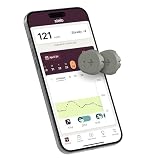
- ✅ For people NOT using insulin, ages 18 years and older
- ❌ Don’t use if: On insulin, on dialysis, or have problematic hypoglycemia
- YOUR SUCCESS, OUR COMMITMENT: If your biosensor fails before the 15-day wear time is up,[2] we will replace it for free. [3]
- PRODUCT SUPPORT: Provided by Stelo through SteloBot, which can be accessed via the Stelo app by going to Settings > Contact. SteloBot virtual support assistant is available 24/7, and live agent support available during regular business hours
- PERSONALIZED INSIGHTS: Understand your glucose patterns and how your glucose reacts to food, activity, and sleep
Why Dexcom Is Zooming Out to Metabolic Health
Dexcom’s move into everyday metabolic health reflects a broader shift across wearables, where single metrics are losing value unless they are translated into insight. Raw glucose numbers are intimidating and often meaningless to non-diabetic users without context. Stelo’s mission is to make glucose understandable as a response signal to meals, movement, sleep quality, and stress load.
This matters because metabolic dysfunction rarely appears overnight. Spikes, crashes, and prolonged elevations often show up years before a diabetes diagnosis, and they are strongly influenced by daily behaviors. By targeting this earlier stage, Dexcom positions Stelo as a preventative tool, aligning it with how people already use smartwatches and rings to manage long-term health risk rather than acute illness.
Where Stelo Fits in the Wearables Ecosystem
Stelo does not try to replace a smartwatch; it complements one. When paired mentally with devices tracking steps, workouts, sleep, or heart rate, glucose becomes the missing layer that explains why certain habits feel energizing or draining. A hard workout followed by a glucose crash, or a “healthy” meal that causes a prolonged spike, suddenly becomes visible instead of theoretical.
Dexcom’s decision to add meal logging and daily insights is a direct response to this ecosystem reality. Without context, CGM data overwhelms. With structured input and intelligent summaries, Stelo becomes actionable, helping users connect cause and effect without needing to interpret charts all day. That shift—from data collection to daily guidance—is why Stelo is no longer just a CGM, but a cornerstone of Dexcom’s broader consumer health strategy.
What’s New: Meal Logging Comes to Stelo — Beyond Manual Notes
Dexcom’s latest update pushes Stelo from passive observation into active interpretation. Meal logging is no longer a side task handled in a separate app or a mental note you hope to remember later; it now lives directly alongside glucose data, designed to explain why numbers move, not just show that they did.
Crucially, this is not calorie counting or macro tracking in disguise. Dexcom is deliberately keeping meal logging lightweight, pattern-focused, and tightly integrated with CGM trends, reflecting how real people actually use wearables day to day.
From Free-Text Notes to Structured Meal Context
Previously, Stelo users could annotate glucose graphs with basic notes, but those notes were unstructured and easy to ignore once the day moved on. The new meal logging system introduces dedicated meal events that anchor food intake directly to glucose responses on the timeline.
Users can log meals with simple descriptors rather than exhaustive ingredient breakdowns. This might include meal timing, general composition, or recurring meal labels, enough for Stelo to identify patterns without demanding the precision of a nutrition app.
This matters because CGM insight depends more on consistency than perfection. Logging “weekday breakfast” or “late dinner” repeatedly creates more actionable data than sporadic, hyper-detailed food entries that most users abandon after a week.
How Meal Logging Integrates with Real-Time Glucose Trends
Once logged, meals become reference points within Stelo’s continuous glucose graph. Users can clearly see pre-meal baselines, post-meal spikes, recovery time, and whether glucose stabilizes or remains elevated hours later.
This visual pairing reduces the cognitive load that traditionally comes with CGMs. Instead of scrolling through dense charts, users can quickly associate a meal with its metabolic impact, similar to how smartwatches correlate workouts with heart rate or sleep stages.
Over time, Stelo starts highlighting recurring responses. A lunch that consistently triggers prolonged elevation becomes obvious, even if it “looks healthy” on paper, while meals that produce minimal disruption stand out as reliable options.
Daily Insights: Turning Logs into Guidance
Meal logging feeds directly into Stelo’s new daily insights layer. Rather than presenting raw glucose variability, the app surfaces summaries that explain how meals influenced the day as a whole.
These insights may point out trends such as late meals affecting overnight stability, high-carb breakfasts leading to mid-morning crashes, or balanced meals supporting longer periods of steady glucose. The emphasis is on behavioral feedback, not clinical judgment.
This approach aligns Stelo with consumer wearables like smart rings and watches, which summarize readiness or recovery instead of exposing users to every raw data point. The result is guidance that feels relevant without feeling medicalized.
Why This Solves a Real CGM Pain Point
One of the biggest barriers to long-term CGM use outside of diabetes care is data fatigue. Constant glucose updates are fascinating at first, then quickly overwhelming without context.
By embedding meal logging directly into the Stelo workflow, Dexcom removes the need for external food apps, spreadsheets, or memory-based interpretation. Everything needed to understand cause and effect lives in one place, updated automatically as glucose data streams in.
For biohackers and metabolically curious users, this also means fewer false conclusions. A spike is no longer just “bad glucose”; it’s tied to a specific behavior, making experimentation safer, more deliberate, and easier to repeat.
Positioning Stelo Against Other Consumer CGMs
Many CGMs technically allow meal notes, but few treat them as first-class data. Dexcom’s update signals that Stelo is being built less like a medical device with optional lifestyle features, and more like a lifestyle wearable with clinical-grade sensing under the hood.
This distinction is important in a market where competitors often push deeper data rather than clearer understanding. Stelo’s meal logging favors usability, speed, and pattern recognition over nutritional micromanagement.
In the broader wearables ecosystem, this brings glucose tracking closer to how people already interact with their Apple Watch, Garmin, or Oura Ring: quick inputs, automated interpretation, and daily feedback that informs tomorrow’s decisions rather than judging yesterday’s choices.
How Dexcom’s Meal Logging Actually Works in the Stelo App
Rather than turning Stelo into a calorie tracker or nutrition database, Dexcom’s meal logging is designed to capture intent and timing, then let the CGM do the analytical heavy lifting. The experience is deliberately lightweight, mirroring how people already interact with smartwatches and rings throughout the day.
The goal is not perfect food records, but reliable behavioral context layered onto continuous glucose data.
A Friction-Light Meal Entry, Not a Food Diary
Meal logging in the Stelo app starts with a simple prompt that appears directly within the glucose timeline. Users can tag when they eat and classify the meal using broad categories such as light, balanced, or carb-heavy, rather than listing ingredients or estimating macros.
There’s no barcode scanning, no calorie math, and no requirement to be precise. Dexcom is betting that more frequent, imperfect entries are more useful than fewer, perfectly logged meals that people abandon after a week.
This design choice closely matches how wearable users already log workouts or sleep notes on devices like Apple Watch or Garmin, where context matters more than granular detail.
Timing Is the Primary Signal
What makes the system effective is how tightly meal entries are anchored to time. When a meal is logged, the Stelo app automatically brackets the glucose response before and after that moment, typically over a multi-hour window.
The CGM then analyzes how quickly glucose rises, how high it peaks, and how long it takes to return toward baseline. Users never see raw calculations, but those dynamics drive the insights Stelo surfaces later.
This time-based approach also avoids one of the biggest pitfalls of food logging: inaccurate nutritional data. Even if the meal category is vague, the glucose response is objective.
How Stelo Turns Meals Into Daily Insights
Once meal data accumulates, Stelo begins identifying repeatable patterns. These patterns show up as daily insights rather than charts that require interpretation.
For example, the app may flag that carb-heavy dinners are consistently followed by elevated overnight glucose, or that balanced lunches lead to longer periods of stable glucose in the afternoon. These insights are written in plain language, similar to readiness or recovery summaries on wearables like Oura or Whoop.
Importantly, Stelo avoids framing these as good or bad behaviors. The language focuses on cause and effect, helping users decide what to repeat or modify tomorrow.
How This Fits Into the Broader Stelo Experience
Meal logging is not a separate feature buried in menus. It’s integrated directly into the same interface users already check for glucose trends, making it feel like part of the core product rather than an add-on.
Rank #2

- HSA/FSA eligible. No prescription needed.
- 24/7 GLUCOSE TRACKING. See your glucose response to food, exercise, sleep, and other lifestyle factors via the Lingo app.
- OPTIMIZE YOUR NUTRITION. Discover which foods work for you and those that don't. The Lingo app shows you how specific meals and other factors impact your glucose, so you can learn from your insights and build healthier habits.
- NAVIGATE PREDIABETES WITH A NEW VIEW OF YOU. More time in healthy glucose range is linked to lower diabetes risk. Three out of four users with prediabetes say Lingo was effective in helping to achieve their health goals¹.
- HEALTHY GLUCOSE SUPPORTS HEART HEALTH. What you eat matters to your glucose and your heart. Keeping your glucose in a healthy range (70–140 mg/dL) more often can help protect your heart from heart disease²⁻⁴.
Because Stelo is designed for multi-day wear with minimal maintenance, the logging experience respects the same philosophy. Entries take seconds, don’t interrupt daily routines, and don’t drain attention or battery life on a paired smartphone.
This tight integration mirrors what consumers expect from modern wearables: fast interactions, passive data collection, and meaningful interpretation without constant manual input.
What Meal Logging Does Not Do
It’s equally important to understand the boundaries of Dexcom’s approach. Stelo does not calculate calories, track macros, or replace nutrition apps used for weight loss or athletic performance.
There’s also no attempt to diagnose food intolerances or provide medical nutrition advice. The insights remain observational, grounded in glucose behavior rather than nutritional theory.
For users coming from more clinical CGM platforms, this may feel simplified. For Stelo’s target audience, that simplification is the feature.
Why This Design Matters for Long-Term Use
By keeping meal logging fast and forgiving, Dexcom increases the odds that users stick with CGM tracking beyond the novelty phase. Consistency, not precision, is what enables pattern recognition over weeks and months.
This is the same lesson learned across the wearable industry, from sleep tracking to activity rings. The best features are the ones people don’t feel burdened by.
In that sense, Stelo’s meal logging isn’t just a new tool. It’s a signal that Dexcom is designing CGM experiences with the same usability principles that define successful consumer wearables.
Daily Insights Explained: Turning Glucose Curves Into Actionable Feedback
If meal logging is about capturing context, Daily Insights is where that context gets translated into guidance. This is the layer that connects Stelo’s continuous glucose curve with everyday decisions, without forcing users to interpret dense charts on their own.
Rather than presenting raw metrics, Dexcom reframes each day as a series of patterns and responses. The goal is not clinical diagnosis, but practical learning that can influence tomorrow’s choices.
What Dexcom Means by “Daily Insights”
Daily Insights are short, plain-language observations generated from a user’s glucose data over the course of a day. They look at trends like post-meal spikes, sustained elevations, overnight stability, and recovery speed rather than single readings.
Importantly, these insights are descriptive, not prescriptive. Stelo highlights what happened and what may have contributed, leaving the decision-making with the user.
How Insights Are Generated Inside the Stelo Ecosystem
Stelo’s sensor continuously collects interstitial glucose data, creating a detailed curve across meals, movement, rest, and sleep. Daily Insights analyze that curve alongside logged meals and timestamps to detect recurring cause-and-effect relationships.
Because the system is designed for consumer use, Dexcom avoids thresholds and alarms that feel medicalized. The software looks for relative changes within the user’s own baseline, which makes the feedback feel personalized rather than generic.
From Data Overload to Clear Signals
A common problem with CGMs outside of clinical settings is cognitive overload. Users may see dozens of peaks and dips without knowing which ones matter.
Daily Insights filter that noise by focusing on meaningful moments, such as meals that caused unusually prolonged elevations or days where glucose stayed stable despite varied food intake. This reduces the need for constant graph-checking and helps users focus on patterns that repeat.
Examples of the Feedback Users Actually See
Instead of saying “glucose exceeded X mg/dL,” an insight might note that a particular meal led to a slower return to baseline than usual. Another may highlight that an evening walk coincided with steadier overnight glucose.
These observations are framed as reflections, not warnings. Over time, they help users build an internal map of which habits support stable glucose and which ones consistently challenge it.
Why Timing and Delivery Matter
Daily Insights are surfaced at moments when reflection makes sense, typically after the day’s data has settled. This mirrors how successful wearable platforms handle sleep scores or recovery metrics, presenting feedback when users are most receptive.
Because Stelo relies on a paired smartphone rather than a dedicated display, the experience is lightweight. There’s no battery drain on the sensor itself, and no expectation that users respond immediately.
Practical Use Cases for Different Types of Users
For someone with prediabetes, Daily Insights can reveal which everyday meals quietly push glucose higher than expected. That awareness often leads to small, sustainable adjustments rather than restrictive diets.
Biohackers and performance-focused users can use insights to test timing, food combinations, or light activity and see how those variables affect stability. Even users without a specific health goal benefit from learning how stress, late eating, or inconsistent sleep show up in their glucose patterns.
How This Compares to Traditional CGM Reporting
Clinical CGM platforms tend to prioritize reports meant for healthcare professionals, often emphasizing time-in-range and standardized metrics. Stelo’s Daily Insights shift the focus toward behavioral feedback that fits consumer routines.
This approach aligns more closely with modern wearables like smartwatches that summarize complex data into daily readiness or strain scores. It’s not about replacing medical care, but about making continuous data usable between appointments.
Limitations Users Should Understand
Daily Insights do not account for every variable influencing glucose, such as illness, hormonal changes, or unlogged activity. They also do not attempt to explain why a response occurred at a biochemical level.
The value lies in trend awareness, not absolute certainty. Users who treat insights as learning prompts rather than definitive answers tend to get the most long-term benefit.
Why Daily Insights Signal a Shift in Consumer CGMs
By emphasizing interpretation over measurement, Dexcom is moving Stelo closer to the design language of mainstream wearables. The focus is on usability, habit formation, and long-term engagement rather than precision alone.
In the broader context of consumer health tracking, Daily Insights represent a step toward CGMs that teach users about their bodies instead of overwhelming them with data. That shift is likely to define how non-clinical glucose monitoring evolves over the next few years.
Real-World Use Cases: From Prediabetes to Biohacking and Weight Management
What makes Stelo’s new meal logging and Daily Insights compelling is how naturally they map onto everyday health goals. Instead of treating glucose data as a clinical artifact, Dexcom is positioning it as a practical feedback loop that supports real decisions around food, activity, and routines.
Prediabetes and Early Risk Awareness
For users with prediabetes or early metabolic risk, the biggest challenge is often invisibility. Blood sugar issues can progress quietly, and traditional fingerstick checks or quarterly lab work rarely show how daily habits contribute.
With Stelo, logging a meal and seeing the subsequent glucose pattern makes cause and effect visible within hours. Daily Insights can surface patterns like repeated post-breakfast spikes or late-evening instability, helping users identify pressure points before medication or stricter interventions are required.
This kind of feedback supports prevention-focused behavior change. Small adjustments such as altering portion sizes, changing meal timing, or adding a short walk after eating become easier to justify when users can see the impact reflected directly in their glucose trends.
Weight Management and Diet Optimization
Weight management often stalls because calorie tracking alone ignores how different foods affect appetite, energy, and insulin response. Stelo’s meal logging reframes the conversation around metabolic response rather than just intake.
Rank #3

- HSA/FSA eligible. No prescription needed.
- 24/7 GLUCOSE TRACKING. See your glucose response to food, exercise, sleep, and other lifestyle factors via the Lingo app.
- OPTIMIZE YOUR NUTRITION. Discover which foods work for you and those that don't. The Lingo app shows you how specific meals and other factors impact your glucose, so you can learn from your insights and build healthier habits
- NAVIGATE PREDIABETES WITH A NEW VIEW OF YOU. More time in healthy glucose range is linked to lower diabetes risk. Three out of four users with prediabetes say Lingo was effective in helping to achieve their health goals¹.
- HEALTHY GLUCOSE SUPPORTS HEART HEALTH. What you eat matters to your glucose and your heart. Keeping your glucose in a healthy range (70–140 mg/dL) more often can help protect your heart from heart disease²⁻⁴.
Users may discover that two meals with similar calories produce very different glucose outcomes. Daily Insights can highlight which foods lead to prolonged elevation versus quicker returns to baseline, information that’s difficult to glean from traditional diet apps.
Over time, this can guide more sustainable food choices. Instead of labeling foods as “good” or “bad,” users learn which options support steadier glucose and fewer energy crashes, a factor closely tied to long-term adherence and weight control.
Biohacking and Performance Experimentation
For biohackers and performance-focused users, Stelo becomes an experimentation platform rather than a diagnostic tool. Meal logging paired with Daily Insights allows users to test hypotheses about food combinations, fasting windows, or nutrient timing.
A user might compare glucose responses to the same meal eaten alone versus after resistance training, or test how adding protein or fiber changes post-meal stability. The daily summaries help translate those experiments into repeatable insights instead of isolated data points.
Because Stelo is designed for continuous wear and consumer comfort, it fits into daily life more easily than clinical CGMs. That usability matters for users running multi-week experiments where consistency is more valuable than precision at the margins.
Lifestyle Feedback Beyond Food
While meal logging is central, Daily Insights often reflect behaviors that aren’t explicitly logged. Stressful workdays, poor sleep, or inconsistent routines frequently show up as elevated or erratic glucose patterns.
Users who also wear smartwatches can mentally correlate these insights with sleep scores, training load, or heart rate trends. This cross-device awareness reinforces the idea that glucose is a whole-body signal influenced by far more than diet alone.
For many users, this is where Stelo adds unexpected value. It becomes a mirror for lifestyle balance, not just a food response tracker.
Lowering the Barrier to Long-Term CGM Use
Historically, CGMs required a high level of motivation and data literacy to be useful outside clinical care. Stelo’s consumer-first approach lowers that barrier by translating streams of data into daily narratives users can understand.
Meal logging doesn’t need to be exhaustive to be helpful, and Daily Insights don’t demand interpretation expertise. That balance makes CGM use more approachable for people who want guidance, not graphs.
In practice, this positions Stelo as a wearable that teaches over time. Whether the goal is preventing diabetes, supporting weight loss, or optimizing performance, the real-world value lies in turning glucose data into habits users can actually sustain.
Why This Update Matters Compared to Other CGMs and Health Wearables
Seen in context, Dexcom’s meal logging and Daily Insights update is less about adding features and more about redefining how CGM data fits into a consumer wearable stack. It addresses a long-standing gap between medical-grade glucose sensing and the way people actually use health wearables day to day.
Moving Beyond Raw Data, Without Losing Credibility
Most CGMs already capture accurate glucose readings, but accuracy alone has never been the limiting factor for consumer adoption. The challenge has been interpretation, especially when users aren’t working with clinicians or structured care programs.
Dexcom’s approach with Stelo contrasts sharply with platforms that still rely on dense charts or post-hoc analysis. Instead of asking users to study time-in-range graphs, Daily Insights surface patterns automatically, reducing the cognitive load without oversimplifying the signal.
This is where Stelo diverges from many third-party CGM apps layered on top of sensors. Rather than exporting data for interpretation elsewhere, Dexcom is embedding meaning directly into the core experience.
How Stelo Compares to Other Consumer CGM Platforms
Compared to CGMs paired with coaching services or subscription analytics platforms, Stelo’s update shifts value back into the device ecosystem itself. Users aren’t required to log every ingredient or follow rigid protocols to extract insights.
Systems like Libre-based consumer programs often emphasize retrospective reports, which are useful but slow to change behavior. Stelo’s daily summaries shorten the feedback loop, making cause-and-effect clearer while habits are still fresh.
For users experimenting independently, this immediacy matters more than perfect classification. It turns CGM use into an ongoing conversation rather than a periodic review.
Why This Matters in a World of Smartwatches and Rings
Smartwatches and smart rings already excel at passive tracking: sleep stages, heart rate variability, activity load, and recovery metrics. What they lack is metabolic context.
Stelo’s insights give glucose a seat at the same table, even though it lives in a separate app. Users can mentally align a poor night of sleep or a hard training day with next-day glucose instability, adding depth to metrics they already trust.
Unlike many wearables that optimize for battery life and comfort at the expense of physiological depth, CGMs offer a high-resolution signal. Stelo’s update makes that signal usable enough to justify its place alongside an Apple Watch, Garmin, or Oura Ring in a daily stack.
Lower Friction Than Food Tracking Apps
Traditional nutrition apps demand precision: weighing food, scanning barcodes, or building recipes. That friction causes most users to abandon logging within weeks.
Stelo’s meal logging is intentionally lighter, focusing on timing and context rather than macronutrient math. The goal isn’t dietary compliance but pattern recognition.
This positions Stelo differently from food-first platforms that later add glucose. Here, glucose is the anchor, and food logging serves the insight, not the other way around.
A Step Toward Consumer-Grade Preventive Metabolic Care
Few health wearables today directly address metabolic health in a way that feels actionable outside medical supervision. Stelo’s Daily Insights push CGMs closer to that role.
By translating glucose variability into understandable daily feedback, Dexcom is lowering the barrier for people managing prediabetes, weight goals, or performance optimization. It creates a middle ground between clinical tools and lifestyle wearables.
In that sense, this update isn’t just about Stelo competing with other CGMs. It’s about CGMs finally competing for relevance in the broader wearable ecosystem, where usability, comfort, and sustained engagement ultimately determine value.
Integration With the Wider Wearable Ecosystem: Phones, Smartwatches, and Data Platforms
The real test of Stelo’s new meal logging and Daily Insights isn’t whether they work in isolation, but how well they coexist with the devices people already wear all day. Dexcom’s strategy here is deliberately phone-centric, using the smartphone as the metabolic hub that connects glucose data to the rest of a user’s wearable stack.
That approach matters because most users already treat their phone as the control center for Apple Watch, Garmin, Oura, or Whoop. Stelo doesn’t try to replace those platforms; it fills a metabolic gap they can’t cover on their own.
Smartphone-First, Ecosystem-Aware
Stelo’s updated features live entirely inside the mobile app, with meal logging and Daily Insights designed for quick interactions rather than prolonged data entry. This keeps friction low and aligns with how people already use health apps: short check-ins, glanceable feedback, and notifications that surface at the right moment.
On iOS, Stelo fits naturally into an Apple Watch-centric lifestyle even if glucose isn’t front and center on the watch face. Users can check glucose trends on their phone alongside Apple Health data like sleep, resting heart rate, or activity rings, then mentally connect those metrics to Stelo’s daily summaries.
Android users get a similar experience through Dexcom’s Android app, where the emphasis is consistency and reliability rather than flashy UI. The key point is that Stelo doesn’t demand a platform switch or a new device; it layers onto what users already trust.
Smartwatch Synergy Without Overreach
Unlike fitness wearables that try to do everything on-wrist, Stelo avoids pushing complex interactions onto a small display. That’s a smart decision for a sensor that prioritizes accuracy and signal quality over constant wrist engagement.
Rank #4

- [Complete Starter Kit] - CareSens N Diabetes Testing Kit includes 1 blood glucose meter, 100 blood sugar test trips, 1 lancing device, 100 lancets, and a traveling case to provide you with the most affordable and convenient way for blood sugar testing. Our blood sugar test kit saves up to 250 tests and has a battery life of 1000 tests.
- [Small Sample Size] - CareSens N Plus Blood Sugar Monitor requires only a small blood sample size of 0.5 μL, making finger pricking easy and painless. CareSens N Diabetes Test Strip is auto coded and automatically recognizes the batch code encrypted on CareSens N Blood Glucose Test Strip.
- [Fast Results] - CareSens N Blood Glucose Meter provides fast results in just 5 seconds, making blood sugar testing fast and convenient. Our Glucometer Kit comes with a handy traveling case that can hold all your diabetes testing kit so that you can measure your blood sugar at the comfort of your home or anywhere else.
- [Easy to use] – CareSens N Blood Glucose Monitor kit is very simple and easy-to-use, making blood sugar testing easy for all. Our lightweight Blood Sugar Monitor has a simple design to make diabetes testing easy-to-understand and hassle-free.
- [Customer Service] - CareSens N Diabetes Testing Kit has a dedicated customer service team to provide you the best service to any issues or problems you're having! Our goal is to help you Sense Ahead of your Diabetes and Care for those you love. Your satisfaction is our number one priority. If you have any questions or concerns about your glucometer with strips and lancets – please contact us at any time.
For Apple Watch users, glucose awareness typically complements existing metrics rather than replacing them. A hard workout logged on the watch, followed by a Stelo-flagged glucose spike after dinner, tells a more complete story than either device could alone.
Garmin, Polar, and other performance-focused watches don’t natively interpret glucose, but Stelo’s Daily Insights still add value by contextualizing training days versus rest days. Athletes can review glucose stability post hoc and adjust fueling strategies without needing real-time alerts mid-session.
Data Platforms: Where the Bigger Picture Emerges
Stelo’s value compounds when users think beyond single metrics and look at trends across platforms. While Stelo remains its own ecosystem, its insights are designed to be read alongside data from Apple Health, Google Health Connect, or third-party dashboards users already rely on.
This is where the lighter meal logging pays off. Instead of exporting precise calorie counts, users can align meal timing with sleep scores, recovery metrics, or stress indicators pulled from other wearables. The result is pattern recognition, not data overload.
For biohackers and analytically minded users, this separation can actually be a strength. Glucose remains a clean, high-resolution signal, while interpretation happens at the human level rather than through brittle algorithmic mashups.
Battery Life, Comfort, and Daily Practicality
One reason Stelo integrates well into multi-device setups is that it doesn’t compete for wrist space or battery attention. The sensor runs continuously in the background, and the app updates don’t materially change phone battery behavior compared to prior versions.
That matters in real-world use. Users already manage charging cycles for watches, rings, and earbuds. Adding metabolic insight without adding another daily charging ritual keeps Stelo from becoming the weak link in the stack.
Comfort also plays a role. Stelo’s low-profile, adhesive-based sensor stays out of the way of watches and bands, avoiding the awkward overlaps that can happen with bulkier medical devices.
Why This Integration Strategy Matters
Dexcom’s decision not to force deep smartwatch dependence signals a mature understanding of the wearable landscape. Smartwatches are excellent at behavior tracking; CGMs excel at physiology.
By letting phones handle synthesis and reflection, Stelo’s new features slot into existing routines instead of demanding new ones. That’s what allows glucose to finally feel like a first-class metric in a broader wearable ecosystem, rather than a standalone medical curiosity.
Accuracy, Friction, and Behavior Change: Does This Make CGM Easier to Use?
The shift from raw data capture to usable insight is where most CGMs either earn daily trust or get abandoned. Dexcom’s new meal logging and daily insights for Stelo are explicitly designed to reduce friction without pretending to deliver clinical-grade nutrition analysis. That trade-off matters more than it might sound.
Accuracy Without False Precision
Stelo’s meal logging deliberately avoids asking users to estimate carbohydrates, calories, or macros. Instead, it captures meal timing and basic context, then anchors glucose responses around those moments.
This sidesteps one of the biggest accuracy traps in consumer CGM use: false precision. Estimating grams of carbs is notoriously unreliable outside of tightly controlled diets, and tying glucose interpretation to shaky inputs often creates more confusion than clarity.
By focusing on temporal accuracy rather than nutritional exactness, Dexcom preserves the integrity of the glucose signal itself. You’re evaluating what your body did after you ate, not what an app guessed you consumed.
Lower Friction Means Higher Adherence
Traditional CGM logging workflows often fail because they demand attention at exactly the wrong time—during meals, social situations, or busy workdays. Stelo’s lightweight logging reduces the interaction to a quick tap, making it far more likely users will actually log consistently.
Consistency is what turns CGM data from interesting into actionable. Sporadic logs create gaps that undermine pattern recognition, while low-friction input encourages long-term use without burnout.
In wearable terms, this mirrors why passive sleep tracking succeeds where manual journaling fails. The less the user has to do, the more reliable the dataset becomes.
Behavior Change Through Pattern Recognition, Not Alerts
The new daily insights lean away from aggressive notifications or prescriptive advice. Instead, they surface repeatable patterns like recurring post-breakfast spikes or unusually stable afternoons after certain meal timings.
This matters because behavior change in metabolic health is rarely driven by single events. It’s driven by noticing trends that repeat often enough to feel real, personal, and worth adjusting.
Rather than telling users what to eat, Stelo helps them notice what consistently works or doesn’t. That distinction preserves autonomy, which is critical for long-term engagement.
Working With CGM Limitations, Not Against Them
Dexcom isn’t pretending these features eliminate the inherent limitations of CGM technology. Sensor lag, interstitial glucose variance, and day-to-day biological noise are still part of the experience.
What the new features do well is contextualize those limitations. When glucose rises 20–30 minutes after a logged meal, users can mentally map cause and effect without overreacting to momentary fluctuations.
In practice, this reduces anxiety-driven micromanagement, one of the most common reasons new CGM users abandon the technology altogether.
Why This Matters for Everyday Users, Not Just Biohackers
For people with prediabetes or metabolic curiosity rather than diagnosed diabetes, usability often matters more than raw capability. Stelo’s updates acknowledge that most users want guidance, not homework.
By reducing logging burden and reframing accuracy around patterns instead of numbers, Dexcom lowers the barrier to entry for CGM adoption. That’s a meaningful step toward making glucose monitoring feel like a normal part of a wearable health stack, rather than a medical chore that requires constant vigilance.
Limitations, Privacy Considerations, and What Stelo Still Doesn’t Do
As much as these updates improve day-to-day usability, they don’t magically turn Stelo into a fully automated metabolic coach. The design choices Dexcom made here prioritize approachability, but that also means certain trade-offs remain very real.
Understanding those boundaries is essential if you’re deciding whether Stelo fits into your broader wearable and health data stack, or if you’ll eventually want something more advanced.
Meal Logging Is Smarter, Not Automatic
The new meal logging reduces friction, but it still depends on user input. There’s no photo-based food recognition, barcode scanning, or macro estimation happening behind the scenes.
This keeps the system lightweight and less error-prone, but it also means Stelo won’t tell you how many carbs you ate or whether your meal was “good” or “bad.” The insight comes from glucose response patterns, not nutritional analysis.
For users accustomed to food-tracking apps or biohacking platforms that quantify everything, this may feel underpowered. For everyone else, it’s a deliberate choice to avoid data overload.
Daily Insights Are Observational, Not Prescriptive
Stelo’s daily summaries highlight patterns, correlations, and recurring behaviors, but they stop short of offering explicit recommendations. You won’t see messages like “avoid this food” or “increase protein at dinner.”
From a medical and regulatory standpoint, this makes sense. From a consumer standpoint, it means Stelo supports reflection rather than decision-making.
If you’re looking for algorithm-driven coaching or adaptive plans that change week to week, Stelo isn’t trying to compete in that space yet.
Limited Integration With Broader Wearable Ecosystems
While Stelo fits neatly into Dexcom’s ecosystem, it still feels relatively isolated compared to mainstream wearables. Deep integrations with platforms like Apple Health, Google Fit, or Garmin exist, but they’re largely data-sharing pipelines rather than tightly coupled experiences.
You won’t see glucose-driven training recommendations on your smartwatch or automated correlations between sleep stages, workouts, and meals inside the Stelo app itself. Those connections require manual interpretation or third-party tools.
For users wearing an Apple Watch or a high-end fitness tracker daily, this separation can feel like a missed opportunity.
No Real-Time Coaching or Predictive Alerts
Stelo intentionally avoids aggressive notifications, but that also means it lacks predictive alerts for anticipated spikes or drops. There’s no “based on this meal, expect a rise in 30 minutes” guidance.
This reduces anxiety and alert fatigue, but it also limits Stelo’s usefulness for users who want real-time intervention rather than retrospective insight.
People managing insulin or tighter glucose thresholds will still need more clinically oriented CGM solutions.
Privacy: Strong Medical Roots, Consumer Trade-Offs
Dexcom’s background as a medical device company works in Stelo’s favor when it comes to data handling. Glucose data is treated with healthcare-grade security practices, and Dexcom is clear about not selling identifiable health data.
That said, Stelo is still a connected consumer app. Data syncing, cloud storage, and third-party integrations inherently introduce exposure points, even when handled responsibly.
Users should understand that while Stelo isn’t a social fitness app, it’s also not a fully offline system. Transparency is good, but informed consent still matters.
What Stelo Still Doesn’t Replace
Stelo isn’t a diagnostic tool, a nutrition tracker, or a substitute for clinical care. It doesn’t replace lab tests, dietitian guidance, or structured diabetes management programs.
What it offers instead is awareness: a continuous, low-effort signal that reflects how your body responds to daily life. That distinction is crucial.
If your expectations align with that role, Stelo’s new features feel thoughtfully restrained. If not, the limitations become immediately apparent.
The Bigger Picture: What Stelo’s Update Signals for the Future of Consumer CGMs
Stelo’s new meal logging and daily insights don’t radically change what a CGM is, but they subtly change what a CGM is for. Instead of positioning glucose data as something you react to clinically, Dexcom is framing it as a daily feedback loop for lifestyle awareness.
That distinction matters, especially as CGMs move further into the mainstream alongside smartwatches and fitness trackers.
From Medical Monitoring to Metabolic Awareness
Dexcom’s approach with Stelo reinforces a broader shift: CGMs are becoming tools for understanding patterns, not just managing disease. Meal logging paired with daily summaries turns glucose into a context-aware metric, similar to how step counts evolved into activity rings and training load scores.
For health-conscious users without insulin dependency, this reframing lowers the barrier to entry. You don’t need to act immediately on every fluctuation; you observe, learn, and adjust over time.
This is a fundamentally different mindset from traditional CGM use, and it aligns more closely with how consumer wearables are actually used day to day.
Why Manual Logging Still Matters Right Now
At first glance, manual meal logging may feel like a step backward in an age of automation. In practice, it keeps Stelo intentionally lightweight, avoiding the complexity and battery drain of camera-based food recognition or constant background processing.
It also preserves user intent. When you log a meal, you’re signaling that context matters, which makes the daily insights more meaningful without overwhelming the interface.
For a patch-based sensor designed for comfort, long wear time, and minimal interaction, this balance supports consistent use rather than short-term experimentation.
A Clear Signal to Apple, Google, and Wearable Platforms
Stelo’s update quietly underscores a growing gap between hardware capability and software integration. Users already wear Apple Watches, Garmin devices, or Oura Rings that track sleep, activity, heart rate variability, and workouts with impressive precision.
By keeping glucose insights largely contained within the Stelo app, Dexcom is highlighting an opportunity rather than closing one. The logical next step for consumer CGMs is deeper, first-party integration with smartwatch platforms, where meals, movement, and recovery can be interpreted together.
This update sets the foundation for that future, even if it doesn’t fully deliver it yet.
Daily Insights as a Model for Low-Friction Health Coaching
The daily insights feature points toward a calmer, more sustainable form of health guidance. Instead of real-time nudges, users get a structured recap that connects behavior to outcome without urgency or judgment.
This mirrors what has worked well in wearables like sleep scores and weekly fitness summaries. The value isn’t precision in the moment, but clarity over time.
For many users, especially those prone to data anxiety, this may be the most important design choice Dexcom has made with Stelo.
What This Means for the Next Generation of CGMs
Stelo’s evolution suggests that future consumer CGMs will compete less on raw sensor accuracy and more on interpretation, comfort, and software experience. Battery life, adhesive comfort, sensor size, and unobtrusive wear will matter as much as graphs and metrics.
Just as smartwatch buyers now weigh materials, thickness, strap comfort, and ecosystem fit, CGM users are starting to think in similar terms. A sensor that fits seamlessly into daily life will win over one that demands constant attention.
Dexcom’s update shows it understands this shift, even if it’s moving cautiously.
Who This Update Is Really For
This isn’t about turning Stelo into a clinical powerhouse. It’s about making glucose data approachable, habit-forming, and genuinely useful for people optimizing health rather than treating illness.
If you want aggressive alerts, predictive modeling, or insulin guidance, Stelo still isn’t the right tool. But if you want a clear, low-noise window into how food choices affect your body over weeks and months, the new features meaningfully improve the experience.
Taken together, Stelo’s meal logging and daily insights don’t just add functionality. They signal where consumer CGMs are heading: quieter, more contextual, and better aligned with how people actually live with their wearables every day.