If you’ve ever missed the gentle rhythm of a traditional watch chiming the hour, Face Chime is Facer’s attempt to bring that timekeeping ritual into the modern smartwatch era. Instead of relying solely on silent visuals or subtle taps, this new feature adds an audible cue that marks the passing of each hour directly from your watch face. It’s a small idea with surprisingly big implications for how people interact with time on the wrist.
Face Chime sits inside the Facer ecosystem rather than your watch’s core operating system, which is why it feels different from standard notification sounds or system chimes. It’s designed to be contextual, customizable, and tied to the watch face itself, turning time awareness into something you hear, not just glance at. In this section, we’ll break down exactly what Face Chime does, how it works across platforms, and why it’s more than a novelty for everyday smartwatch use.
Face Chime explained in plain terms
Face Chime is an hourly sound feature that plays a short audio cue at the top of each hour while a compatible Facer watch face is active. Think of it as a digital interpretation of the hourly chime complication found in mechanical clocks, adapted for smartwatches and software-driven customization. The sound triggers automatically without user interaction once enabled.
Unlike alarms or timers, Face Chime is passive and predictable. It doesn’t interrupt what you’re doing with a vibration pattern or full notification card, making it better suited to ambient time awareness. You hear the hour arrive, register it subconsciously, and move on.
🏆 #1 Best Overall
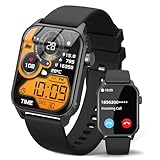
- 【1.83" HD Display & Customizable Watch Faces】Immerse yourself in a vibrant 1.83-inch IPS display, boasting a sharp resolution of 240*284 for crystal-clear visuals. Effortlessly personalize your smart watch with a wide array of customizable watch faces to suit your personal style for every occasion—whether trendy, artistic, or minimalist—ideal for casual, sporty, or professional. Its sleek, modern design complements any outfit, blending technology and fashion seamlessly for everyday wear
- 【120 Sports Modes & Advanced Health Tracking】Our TK29 smart watches for women men come equipped with 120 sports modes, allowing you to effortlessly track a variety of activities such as walking, running, cycling, and swimming. With integrated heart rate and sleep monitors, you can maintain a comprehensive overview of your health, achieve your fitness goals, and maintain a balanced, active lifestyle with ease. Your ideal wellness companion (Note: Step recording starts after exceeding 20 steps)
- 【IP67 Waterproof & Long-Lasting Battery】Designed to keep up with your active lifestyle, this smartwatch features an IP67 waterproof rating, ensuring it can withstand splashes, sweat, and even brief submersion, making it perfect for workouts, outdoor adventures, or rainy days. Its reliable 350mAh battery offering 5-7 days of active use and up to 30 days in standby mode, significantly reducing frequent charging. Ideal for all-day wear, whether you’re at the gym, outdoors, or simply on the go
- 【Stay Connected Anytime, Anywhere】Stay informed and in control with Bluetooth call and music control features. Receive real-time notifications for calls, messages, and social media apps like Facebook, WhatsApp, Twitter, and Instagram directly on your smartwatch. Easily manage calls, control your music playlist, and stay updated without needing to reach for your phone. Perfect for work, workouts, or on-the-go, this watch keeps you connected and never miss important updates wherever you are
- 【Multifunction & Wide Compatibility】Seamlessly handle heart rate monitoring, sleep tracking, and enjoy conveniences like camera/music control, Seamlessly handle heart rate monitoring, sleep tracking, and more-all directly from your wrist. This 1.83 inches HD smartwatch is compatible with iPhone (iOS 9.0+) & Android (5.0+), ensuring smooth daily connectivity and convenience throughout your day. More than just a timepiece, it’s a stylish, all-in-one wearable for smarter, healthier living
How it works inside the Facer platform
Face Chime is embedded at the watch-face level, meaning the sound logic is controlled by Facer rather than the watch’s native system UI. When the hour changes, the active Facer face calls a short audio file stored within the face or selected from a supported sound set. This allows creators and users to align sound, visual design, and theme into a single experience.
Because it’s face-dependent, Face Chime only activates when a Facer face that supports it is currently selected. Switch to a native watch face and the chime disappears. This design keeps the feature modular and avoids interfering with system-wide notification behavior.
Platform support and device compatibility
Face Chime is primarily aimed at Wear OS devices and Samsung Galaxy Watches where Facer has deep watch-face control and background permissions. These platforms allow enough system access for hourly audio playback without relying on the paired phone every time the hour changes. Performance and reliability are strongest here, especially on newer Wear OS hardware with efficient speakers.
Apple Watch support is more limited due to watchOS restrictions around third-party watch faces and background audio. While Facer does offer Apple Watch experiences, Face Chime functionality may depend on system allowances and could behave differently than on Wear OS. In practice, this means Apple Watch users should expect a more constrained implementation, if supported at all, compared to Android-based watches.
Customization options and sound behavior
One of Face Chime’s defining traits is personalization. Depending on the watch face, users may be able to choose from different chime tones, adjust volume relative to system sound levels, or disable chimes during specific hours like sleep or work time. Some faces may opt for subtle, single-note cues, while others lean into more expressive or retro-inspired sounds.
This flexibility makes Face Chime feel intentional rather than gimmicky. A minimalist face can pair with a soft click or bell, while a bold digital design might use a sharper electronic tone. Over time, this opens the door for creators to treat sound as a design material, much like color or typography.
Battery life and daily usability considerations
From a power perspective, Face Chime is lightweight. Playing a brief sound once per hour has a negligible impact on battery life compared to constant animations, GPS use, or health tracking sensors. On most watches, the energy cost is closer to a short notification sound than an active process running in the background.
That said, users who prefer silent operation or rely heavily on Do Not Disturb modes should consider how audible chimes fit into their routine. Face Chime is best suited for desks, home environments, or low-noise settings rather than meetings or shared spaces, unless volume and scheduling controls are carefully tuned.
Why Face Chime matters compared to haptics and system chimes
Most smartwatches already mark time through vibrations, visual cues, or optional system-level hourly alerts. Face Chime differs by being expressive and face-specific, not just functional. It brings a sense of character back to timekeeping, echoing the charm of mechanical complications without the cost or physical constraints.
For users who value customization, productivity, or simply a more human relationship with time, Face Chime offers something existing haptic nudges don’t. It transforms the watch from a silent data panel into an ambient companion that gently reminds you where the day is going, one hour at a time.
How Face Chime Works Under the Hood: Triggers, Permissions, and Sound Delivery
Behind the friendly hourly cue, Face Chime relies on a mix of system timers, watch face logic, and platform-specific permissions. The goal is simple—play a short sound at the top of the hour—but how Facer achieves that varies depending on whether you’re using Wear OS, Samsung’s One UI Watch, or Apple Watch.
Understanding these mechanics helps explain why Face Chime feels lightweight, why it behaves differently across platforms, and where its current limits come from.
Hourly triggers: when the watch decides to chime
At its core, Face Chime is driven by a time-based trigger rather than continuous background monitoring. The watch face checks for an hour boundary and fires a single event, avoiding the need for persistent background processes that would drain battery.
On Wear OS and Samsung Galaxy Watch models, this trigger runs natively within the watch face environment. That means the chime can play even if the companion phone is out of range, as long as the face itself is active and the watch isn’t in a restricted power-saving state.
Apple Watch works differently due to watchOS limitations. Because third-party watch faces aren’t truly native, Face Chime behavior may rely on app-driven scheduling or notification-style triggers from the paired iPhone, which can affect reliability if background app refresh or notifications are limited.
Permissions: sound, notifications, and focus modes
For Face Chime to work, Facer needs access to basic sound or notification permissions, depending on platform. On Wear OS and Samsung watches, this typically means allowing the watch face to play sounds and respect system volume settings, much like a notification tone.
On Apple Watch, permissions are more tightly controlled. Users may need to explicitly allow notifications or sound playback from the Facer companion app, and Focus modes like Do Not Disturb or Sleep can suppress chimes entirely unless configured otherwise.
This permission model is also why Face Chime behaves politely by default. If your watch is muted, in theater mode, or set to vibrate-only, the chime won’t override those preferences.
Sound delivery: speaker, volume scaling, and subtlety
Once triggered, Face Chime plays a short, preloaded audio file directly through the watch’s built-in speaker. These sounds are intentionally brief, usually well under a second, to avoid feeling like an alert or alarm.
Volume is scaled relative to system sound levels rather than using a fixed output. If your notification volume is low, the chime follows suit, making it more of an ambient cue than an interruption.
On watches with smaller speakers, like compact Galaxy Watch or older Wear OS models, Facer’s tones are tuned to sit in a mid-frequency range. This helps them remain audible without distortion, even at low volumes.
Why Face Chime doesn’t run constantly in the background
One of the most important design decisions is what Face Chime does not do. It doesn’t poll the system clock every minute, stream audio, or maintain a background service waiting to fire.
By tying sound playback directly to the watch face lifecycle, Facer ensures that Face Chime only exists when the face is in use. Switch faces, and the chime goes with it, reinforcing the idea that sound is part of the face’s identity, not a global system feature.
This approach mirrors how traditional watch complications work. Just as a moonphase or power reserve only exists on a specific dial, Face Chime belongs to the face you choose to wear that day.
Platform differences that shape the experience
Wear OS and Samsung Galaxy Watch users get the most seamless implementation. Native watch face support allows Face Chime to feel immediate, consistent, and independent from the phone, which suits users who rely on their watch throughout the day.
Apple Watch users still benefit from the idea, but with more constraints. Because watchOS prioritizes battery life and system consistency, Face Chime may behave more like a scheduled alert than a fully embedded face feature.
These differences aren’t flaws so much as reflections of each platform’s philosophy. Facer is working within the rules of each ecosystem, and Face Chime shows how much personality can still be added even when the technical sandbox is tight.
Rank #2
![Apple Watch Series 11 [GPS 46mm] Smartwatch with Jet Black Aluminum Case with Black Sport Band - M/L. Sleep Score, Fitness Tracker, Health Monitoring, Always-On Display, Water Resistant](https://m.media-amazon.com/images/I/312K597M2uL._SL160_.jpg)
- HYPERTENSION NOTIFICATIONS — Apple Watch Series 11 can spot signs of chronic high blood pressure and notify you of possible hypertension.*
- KNOW YOUR SLEEP SCORE — Sleep score provides an easy way to help track and understand the quality of your sleep, so you can make it more restorative.
- EVEN MORE HEALTH INSIGHTS — Take an ECG anytime.* Get notifications for a high and low heart rate, an irregular rhythm,* and possible sleep apnea.* View overnight health metrics with the Vitals app* and take readings of your blood oxygen.*
- STUNNING DESIGN — Thin and lightweight, Series 11 is comfortable to wear around the clock — while exercising and even when you’re sleeping, so it can help track your key metrics.
- A POWERFUL FITNESS PARTNER — With advanced metrics for all your workouts, plus features like Pacer, Heart Rate Zones, training load, Workout Buddy powered by Apple Intelligence from your nearby iPhone,* and more. Series 11 also comes with three months of Apple Fitness+ free.*
Supported Platforms and Devices: Apple Watch, Wear OS, and Samsung Galaxy Watch Explained
With the philosophical differences between platforms already clear, the practical question becomes where Face Chime actually works today and what kind of experience you should expect on your specific watch. Facer’s reach is wide, but the depth of integration varies meaningfully depending on the operating system and hardware generation on your wrist.
Apple Watch: Broad compatibility, tighter system guardrails
Face Chime is available on Apple Watch through Facer’s watchOS app, supporting most modern models from Apple Watch Series 4 onward, including SE and Ultra variants. Screen size or case material doesn’t affect sound playback, but speaker performance does, with larger cases like the 45mm Series models and Ultra delivering clearer, fuller chimes.
Because Apple restricts third-party watch faces from running fully native logic, Face Chime operates within scheduled or event-based triggers rather than persistent face-level execution. In daily use, this means hourly sounds may feel closer to subtle alerts than a mechanical-style chime tied intrinsically to the dial.
Battery impact on Apple Watch is predictably minimal, largely because watchOS enforces strict energy budgets. For users who prioritize long battery life, health tracking, and system consistency, Face Chime adds personality without undermining Apple’s polished, tightly controlled experience.
Wear OS: The most complete and expressive implementation
Wear OS is where Face Chime feels closest to Facer’s original vision. The feature is supported on a wide range of watches, including Google Pixel Watch, Fossil Gen 6, TicWatch Pro models, and other Snapdragon Wear-powered devices running Wear OS 3 or newer.
Here, Face Chime lives directly inside the watch face itself, activating precisely on the hour without relying on phone-side scheduling. The result is a chime that feels as integral as a sweeping seconds hand or animated complication, reinforcing the idea of the watch face as a self-contained object.
Speaker size and enclosure design influence how rich the chime sounds, with larger cases and metal housings offering better resonance. Even so, Facer’s sound tuning prioritizes clarity over volume, making it suitable for all-day wear without clashing with notifications, workouts, or ambient sound awareness.
Samsung Galaxy Watch: Wear OS power with Samsung-specific polish
Recent Samsung Galaxy Watch models, including Galaxy Watch 4, 5, and 6 series, benefit from Samsung’s Wear OS foundation while adding their own audio and power management layers. Face Chime works natively here, with performance closely mirroring stock Wear OS devices.
Samsung’s compact speaker designs, especially on smaller case sizes, slightly limit low-end warmth, but midrange clarity remains strong. In practice, the chime cuts through just enough to be noticed without sounding sharp or artificial.
Battery behavior is well controlled thanks to Samsung’s aggressive background management, which aligns neatly with Face Chime’s face-bound execution model. For Galaxy Watch owners who enjoy One UI Watch’s customization depth, Face Chime fits naturally alongside rotating bezels, Always On Display modes, and modular complications.
Older models, limitations, and what to double-check
Not every smartwatch can run Face Chime equally well. Older Wear OS 2 watches, legacy Samsung Tizen models, and early Apple Watch generations may lack the necessary APIs or speaker reliability for consistent hourly sound playback.
Users should also confirm that their watch supports third-party audio output and that system sound permissions are enabled for Facer. Case size, speaker placement, and daily wear context all influence how noticeable the chime feels, especially in quieter environments like offices or shared workspaces.
In that sense, Face Chime rewards modern hardware with better acoustics, stronger battery efficiency, and smoother software integration. The more capable the watch, the more the feature fades into the rhythm of daily wear rather than standing out as a novelty.
Customization and Control: Sounds, Schedules, Volume, and When Chimes Make Sense
Once hardware compatibility and speaker behavior are out of the way, the real value of Face Chime reveals itself in how much control it gives the wearer. Facer has clearly treated hourly sound as a personal cadence feature rather than a one-size-fits-all alert, and that philosophy shows in the depth of its tuning options.
Instead of behaving like a system alarm, Face Chime lives at the watch face layer. That distinction matters, because it allows the chime to respect both your chosen face and your daily rhythms without hijacking notification priority or workout states.
Sound selection: from subtle cues to characterful tones
Face Chime offers multiple sound profiles designed to suit different environments and personality types. These range from minimal digital ticks and soft tonal pings to slightly more expressive chimes that echo traditional mechanical hour signals, though always in a modern, restrained way.
On smaller watches with compact speakers, such as 40 mm Galaxy Watch or 41 mm Apple Watch models, simpler tones tend to sound cleaner and less compressed. Larger cases with more internal volume, including Ultra-style designs or 44–47 mm cases, handle layered or slightly longer sounds with better resonance.
This gives users a practical reason to experiment rather than defaulting to the first option. A sound that feels pleasant on a desk may feel intrusive on the wrist during movement, especially when walking or commuting.
Scheduling logic: choosing when your watch should speak up
Face Chime does not assume that every hour deserves attention. Users can define active time windows, such as work hours, waking hours, or specific blocks of the day, ensuring the chime reinforces routine instead of interrupting rest or focus.
This is particularly useful for hybrid workers or students who move between quiet and active settings. A chime that runs from 9 a.m. to 6 p.m. can gently anchor time during meetings, while staying silent in the evening when notifications and media playback already dominate.
Because scheduling is tied to the watch face itself, switching faces can effectively switch chime behavior. That makes Face Chime feel more like a contextual tool than a background process you constantly need to manage.
Volume control and system awareness
Volume tuning is intentionally conservative. Face Chime is designed to sit below notification alerts in perceived loudness, acting as a reminder rather than a call to action.
On Wear OS and Samsung Galaxy Watch models, the chime respects system volume categories and Do Not Disturb states. If your watch is already set to be discreet, Face Chime follows that lead rather than overriding it.
Apple Watch users benefit from similar system-level awareness, with the chime aligning closely to current sound or haptic preferences. The result is a feature that feels integrated rather than bolted on, especially during workouts, navigation, or active audio playback.
Battery impact and why restraint matters
An hourly sound feature could easily become a battery liability, but Face Chime’s execution avoids that trap. Because playback occurs only once per hour and only while the face is active, power draw remains negligible on modern watches.
In real-world use, the difference is often lost in the noise of background sync, Always On Display refresh, and health tracking. Even on smaller battery capacities, such as compact Apple Watch or Galaxy Watch variants, Face Chime is unlikely to be the feature that pushes you to the charger early.
This efficiency reinforces the idea that Face Chime is meant for long-term wear, not short-term novelty. It works best when you forget it is there until you notice how smoothly your day stays on track.
Rank #3

- Bluetooth Call and Message Alerts: Smart watch is equipped with HD speaker, after connecting to your smartphone via bluetooth, you can answer or make calls, view call history and store contacts through directly use the smartwatch. The smartwatches also provides notifications of social media messages (WhatsApp, Twitter, Facebook, Instagram usw.) So that you will never miss any important information.
- Smart watch for men women is equipped with a 320*380 extra-large hd full touch color screen, delivering exceptional picture quality and highly responsive touch sensitivity, which can bring you a unique visual and better interactive experience, lock screen and wake up easily by raising your wrist. Though “Gloryfit” app, you can download more than 102 free personalised watch faces and set it as your desktop for fitness tracker.
- 24/7 Heart Rate Monitor and Sleep Tracker Monitor: The fitness tracker watch for men has a built-in high-performance sensor that can record our heart rate changes in real time. Monitor your heart rate 26 hours a day and keep an eye on your health. Synchronize to the mobile phone app"Gloryfit", you can understand your sleep status(deep /light /wakeful sleep) by fitness tracker watch develop a better sleep habit and a healthier lifestyle.
- IP68 waterproof and 110+ Sports Modes: The fitness tracker provides up to 112+ sports modes, covering running, cycling, walking, basketball, yoga, football and so on. Activity trackers bracelets meet the waterproof requirements for most sports enthusiasts' daily activities, such as washing hands or exercising in the rain, meeting daily needs (note: Do not recommended for use in hot water or seawater.)
- Multifunction and Compatibility: This step counter watch also has many useful functions, such as weather forecast, music control, sedentary reminder, stopwatch, alarm clock, timer, track female cycle, screen light time, find phone etc. The smart watch with 2 hrs of charging, 5-7 days of normal use and about 30 days of standby time. This smart watches for women/man compatible with ios 9.0 and android 6.2 and above devices.
When hourly chimes actually make sense
Hourly sound is not for everyone, and Facer does not pretend otherwise. Face Chime shines in use cases where time awareness matters more than interruption, such as focused desk work, time-blocked productivity systems, or mindfulness routines that encourage periodic check-ins.
For users who rely heavily on haptics or silent notifications, the chime can act as a complementary layer rather than a replacement. It adds texture to the day without demanding visual attention or wrist interaction.
In that sense, Face Chime feels closer to a traditional watch complication than a smart feature. It bridges the emotional rhythm of classic timekeeping with the flexibility of modern smartwatch software, letting users decide not just what their watch looks like, but how it sounds and behaves throughout the day.
Real-World Use Cases: Productivity, Time Awareness, Accessibility, and Everyday Wear
What makes Face Chime resonate beyond novelty is how naturally it fits into daily routines that already revolve around the watch. Instead of demanding interaction, it reinforces awareness in the background, much like the gentle tick of a mechanical movement or a passing church bell in a cityscape.
Productivity without screen dependence
For desk workers, creatives, and anyone using time-blocking methods, Face Chime acts as a passive checkpoint rather than a notification. The hourly cue reinforces structure without breaking focus, especially during deep work sessions where glancing at a screen can derail concentration.
Unlike timers or reminders that require setup and acknowledgment, Face Chime is ambient by design. On Apple Watch, Wear OS, and Galaxy Watch models, it works alongside existing notification filters and Focus or Do Not Disturb modes, adding rhythm without cluttering the software experience.
This is where smartwatches often outperform phones. The chime lives on a device already worn all day, with no need for vibration intensity adjustments or visual confirmation, making it a subtle productivity tool rather than another app demanding attention.
Strengthening time awareness in busy or screen-heavy days
Many smartwatch users already track steps, heart rate, and notifications, yet still lose hours to back-to-back meetings or endless scrolling. Face Chime provides a simple reminder that time is moving, even when everything else feels static.
Because the sound plays only when the active watch face supports it, the feature respects context. During workouts, navigation, or media playback, system priorities take over, ensuring the chime never competes with GPS cues, audio coaching, or safety alerts.
Over the course of a day, that gentle reinforcement can recalibrate pacing. Users report checking the watch less often, not more, because the hourly signal reduces the anxiety of constantly asking what time it is.
Accessibility and alternative feedback styles
Face Chime also opens doors for users who benefit from audio cues rather than visual or haptic feedback. For people with reduced sensation in the wrist, subtle vibrations can be easy to miss, while a soft sound provides clearer confirmation of passing time.
Facer’s implementation respects platform accessibility settings, pairing well with system volume controls and silent modes. On watches with smaller cases or lighter builds, such as compact Apple Watch or Galaxy Watch variants, the lack of repeated vibrations can also improve comfort during all-day wear.
Importantly, this is not an alarm or reminder replacement. It functions more like an auditory complication, offering presence without urgency, which aligns well with inclusive design principles in wearable software.
Everyday wear and long-term comfort
In daily use, Face Chime feels less like a feature you manage and more like one you coexist with. Whether paired with a sport band during workouts, a leather strap at the office, or a metal bracelet for evening wear, the experience remains consistent because it does not rely on interaction or gestures.
Battery life remains effectively unchanged, which matters for users who already balance Always On Display, health tracking, and background sync. On watches with smaller batteries or older chipsets, this restraint ensures Face Chime does not become the reason endurance slips from a full day to an overnight charge.
That balance is what makes the feature viable for everyday wear. Face Chime supports the idea that smartwatches can borrow the emotional cues of traditional timepieces while retaining the flexibility, customization, and comfort expected from modern wearable ecosystems.
Battery Life and Performance Impact: What Hourly Audio Means for Your Watch
That sense of coexistence only works if the feature stays lightweight in the background. Hourly audio sounds simple, but on a smartwatch it raises valid questions about battery drain, processor wake-ups, and how often the system is being nudged out of its low-power state.
Facer’s approach with Face Chime is intentionally conservative, designed to behave more like a system-level tick than a recurring alert.
How Face Chime runs without constant background load
Face Chime does not stream audio, poll sensors, or maintain a persistent foreground process. Instead, it hooks into the watch face’s existing time-change events, triggering a short sound file once per hour without keeping the CPU active in between.
On Apple Watch, this aligns with watchOS’s strict background execution limits, where anything that wakes the processor unnecessarily is quickly throttled. On Wear OS and Samsung Galaxy Watch models, the mechanism is similar, relying on scheduled system callbacks rather than continuous timers.
The result is that the watch behaves exactly as it would without Face Chime for the other 59 minutes of the hour.
Audio versus haptics: why sound can be cheaper than vibration
It may feel counterintuitive, but brief audio playback can be less energy-intensive than haptic feedback. The vibration motor is a physical component that draws a noticeable current spike, especially on smaller cases like 40–41 mm watches with compact batteries.
A short, low-volume chime through the speaker uses minimal power, particularly when it avoids ramping volume or layered sound effects. This is one reason Face Chime can replace hourly vibrations without meaningfully increasing overall consumption.
For users who already disable haptics to extend battery life, the audio-first approach fits naturally into that strategy.
Real-world battery impact across platforms
In daily use, Face Chime adds a negligible load compared to features like Always On Display, continuous heart-rate monitoring, GPS workouts, or background app sync. Over a full day, the difference is typically lost in the noise of normal usage patterns, such as notifications or brief screen wake-ups.
On Apple Watch Series models and Apple Watch SE, users can expect no measurable change in end-of-day battery percentage. Wear OS and Galaxy Watch users, including older Exynos- or Snapdragon-based models, see similar results because the hourly trigger is predictable and infrequent.
This matters most for watches that already sit close to the one-day mark, where even small inefficiencies can force an earlier evening charge.
Rank #4
![Apple Watch Series 11 [GPS 42mm] Smartwatch with Rose Gold Aluminum Case with Light Blush Sport Band - S/M. Sleep Score, Fitness Tracker, Health Monitoring, Always-On Display, Water Resistant](https://m.media-amazon.com/images/I/31J+F-pXaWL._SL160_.jpg)
- HYPERTENSION NOTIFICATIONS — Apple Watch Series 11 can spot signs of chronic high blood pressure and notify you of possible hypertension.*
- KNOW YOUR SLEEP SCORE — Sleep score provides an easy way to help track and understand the quality of your sleep, so you can make it more restorative.
- EVEN MORE HEALTH INSIGHTS — Take an ECG anytime.* Get notifications for a high and low heart rate, an irregular rhythm,* and possible sleep apnea.* View overnight health metrics with the Vitals app* and take readings of your blood oxygen.*
- STUNNING DESIGN — Thin and lightweight, Series 11 is comfortable to wear around the clock — while exercising and even when you’re sleeping, so it can help track your key metrics.
- A POWERFUL FITNESS PARTNER — With advanced metrics for all your workouts, plus features like Pacer, Heart Rate Zones, training load, Workout Buddy powered by Apple Intelligence from your nearby iPhone,* and more. Series 11 also comes with three months of Apple Fitness+ free.*
Performance stability and UI responsiveness
Because Face Chime does not redraw the watch face or animate complications, it avoids the UI stutters that can sometimes accompany overly dynamic faces. The sound plays independently of screen state, meaning the display does not need to wake or refresh.
This keeps scrolling, app launches, and gesture responses feeling unchanged. On lower-memory devices, that restraint helps preserve the smoothness users expect from their daily driver watch.
It also means the feature scales well across different case sizes, chip generations, and memory configurations.
Custom sounds and their effect on power use
Customization is where users can unintentionally increase resource usage, but Face Chime keeps this in check. Short, single-tone sounds consume far less energy than multi-layer audio or extended clips, and Facer’s library is curated with duration and simplicity in mind.
Users importing or selecting longer sounds should be aware that playback length matters more than volume. Even then, once-per-hour playback remains a tiny fraction of daily energy use compared to streaming music, calls, or voice assistants.
In practice, choosing a subtle chime is as much about comfort and discretion as it is about efficiency.
What this means for all-day and overnight wear
For users who wear their watch to bed for sleep tracking, the hourly sound can be muted automatically via system sleep or theater modes, preventing unnecessary wake-ups or battery use. Face Chime respects these states rather than forcing audio through them.
That compliance ensures overnight drain remains dominated by sleep tracking sensors, not audio features. By morning, battery levels remain consistent with nights when Face Chime is disabled.
The takeaway is simple: hourly sound, when implemented carefully, does not have to be a battery compromise.
Face Chime vs Built-In Chimes and Haptics: How It Compares to Apple, Google, and Samsung Defaults
After looking at efficiency and overnight behavior, the natural question is how Face Chime stacks up against what your watch already offers. Apple, Google, and Samsung all provide some form of hourly awareness, but they approach it from a very different philosophy than Facer’s sound-first implementation.
Apple Watch: Taptic Time over audible cues
On Apple Watch, the closest equivalent is Taptic Time, which delivers haptic taps on the hour or at set intervals. It is precise and discreet, but entirely vibration-based, with no option for sound-based feedback tied to time passing.
That works well for silent environments, but it lacks the emotional or atmospheric layer that sound can provide. Face Chime fills that gap by turning the hour into an audible moment, something Apple’s default system intentionally avoids.
Customization limits in watchOS
Apple’s built-in chime behavior is tightly controlled by the system. Users cannot change the haptic pattern, attach it to a specific watch face, or define different sounds for different times of day.
Face Chime, by contrast, treats time awareness as a customizable experience. The sound choice, tone, and association with a specific face gives users a sense of ownership that goes beyond Apple’s utility-first approach.
Wear OS: Notifications first, time awareness second
On Wear OS, hourly awareness is typically handled through notifications or third-party reminder apps rather than a dedicated system chime. Some watches allow simple hourly vibration alerts, but sound-based hourly cues are not a standard feature.
This makes Face Chime feel more native than expected on Wear OS devices. Because it is embedded in the watch face ecosystem, it avoids the clutter and permission overhead that comes with notification-based workarounds.
Samsung Galaxy Watch: Hourly chime with guardrails
Samsung offers an hourly chime option on Galaxy Watch models, usually as a basic sound or vibration toggle buried in system settings. It works reliably, but customization is minimal and detached from watch face identity.
Face Chime adds personality where Samsung defaults focus on function. Instead of a generic beep, users can align sound, face design, and daily rhythm into a single cohesive experience.
Sound versus haptics in real-world wear
Haptics are excellent for private reminders, but they are easy to miss during movement, workouts, or while wearing looser straps. A soft sound, especially at low volume, can cut through ambient noise without demanding visual attention.
Face Chime leans into this advantage by offering audible cues that feel more like environmental feedback than alerts. It turns timekeeping into something you notice, not something that interrupts you.
Watch face integration as a differentiator
Built-in chimes operate at the system level, completely independent of the watch face you are wearing. That separation keeps things simple, but it also limits creativity.
Because Face Chime lives inside the watch face itself, it becomes part of the design language. A minimalist analog face with a subtle bell feels different from a futuristic digital face paired with a synthetic tone, even though both are marking the same hour.
Modes, focus states, and behavioral awareness
Apple, Google, and Samsung all rely on focus modes, sleep modes, or theater modes to suppress alerts and sounds. Face Chime respects these same states rather than bypassing them.
The result is parity where it matters most. You get the flexibility of a third-party feature without sacrificing the predictability users expect from platform-level controls.
Who each approach is really for
Default chimes and haptics are designed for users who want time awareness to stay invisible and purely functional. They excel at not getting in the way.
Face Chime is for users who want time to feel present, expressive, and lightly ceremonial. It does not replace system tools so much as expand what timekeeping on a smartwatch can feel like when customization is treated as a first-class feature.
The Bigger Picture: Why Face Chime Matters for Watch Face Innovation and the Facer Ecosystem
Seen in context, Face Chime is less about adding another notification sound and more about redefining what a watch face is allowed to do. It extends the idea that a watch face is not just visual decoration, but a functional, sensory interface that shapes how time is experienced throughout the day.
💰 Best Value
![Apple Watch Series 11 [GPS 42mm] Smartwatch with Jet Black Aluminum Case with Black Sport Band - S/M. Sleep Score, Fitness Tracker, Health Monitoring, Always-On Display, Water Resistant](https://m.media-amazon.com/images/I/31ybzrJZckL._SL160_.jpg)
- HYPERTENSION NOTIFICATIONS — Apple Watch Series 11 can spot signs of chronic high blood pressure and notify you of possible hypertension.*
- KNOW YOUR SLEEP SCORE — Sleep score provides an easy way to help track and understand the quality of your sleep, so you can make it more restorative.
- EVEN MORE HEALTH INSIGHTS — Take an ECG anytime.* Get notifications for a high and low heart rate, an irregular rhythm,* and possible sleep apnea.* View overnight health metrics with the Vitals app* and take readings of your blood oxygen.*
- STUNNING DESIGN — Thin and lightweight, Series 11 is comfortable to wear around the clock — while exercising and even when you’re sleeping, so it can help track your key metrics.
- A POWERFUL FITNESS PARTNER — With advanced metrics for all your workouts, plus features like Pacer, Heart Rate Zones, training load, Workout Buddy powered by Apple Intelligence from your nearby iPhone,* and more. Series 11 also comes with three months of Apple Fitness+ free.*
That shift has implications not only for users, but for how third-party watch face platforms like Facer remain relevant as Apple, Google, and Samsung continue to tighten platform controls.
Watch faces evolving from static visuals to behavioral tools
For years, watch face innovation has focused on aesthetics, data density, and complications. Color palettes, typography, and layout tweaks mattered, but behavior was largely fixed by the operating system.
Face Chime nudges watch faces into behavioral territory. By tying sound to the passage of time, it allows a face to influence habits, awareness, and rhythm without adding screens, taps, or explicit alerts.
This is closer to how traditional mechanical watches used complications like chimes, alarms, or power reserve indicators to create a relationship between wearer and object. On a smartwatch, that relationship is now software-defined rather than mechanical, but the intent feels familiar.
Why this matters for Facer as a platform, not just a feature
Facer’s long-term challenge has always been differentiation in an ecosystem where first-party faces are deeply optimized for battery life, system animations, and sensor access. Visual creativity alone is no longer enough.
Face Chime gives Facer something harder to replicate at the OS level without platform teams rethinking how faces are architected. Because the sound logic lives inside the face itself, it reinforces Facer’s value as a sandbox where designers can experiment with behavior, not just visuals.
For creators, this opens new design dimensions. Sound choice, timing logic, and face aesthetics can be treated as a single cohesive product rather than separate layers controlled by different menus.
Platform implications across Apple Watch, Wear OS, and Galaxy Watch
Each smartwatch platform approaches sound and background execution differently, which makes Face Chime’s cross-platform presence notable. On Apple Watch, where background audio and system sounds are tightly managed, integrating hourly audio into a face without clashing with Focus modes or battery optimization is non-trivial.
On Wear OS and Samsung Galaxy Watch, where customization is more permissive but fragmentation is higher, Face Chime offers a consistent experience that works across devices with different speakers, case sizes, and strap fits. A 40mm aluminum watch worn loosely will project sound very differently than a heavier stainless steel model worn snugly, and subtle chimes are more forgiving across those variations.
The fact that Face Chime respects system-level modes also keeps it from becoming a battery drain or a social liability, which has historically been the downfall of many novelty watch features.
Battery life, restraint, and why subtlety is the real innovation
Hourly sound features can easily become gimmicks if they are loud, frequent, or poorly timed. Face Chime’s restraint is what makes it viable for all-day wear.
Short audio clips played once per hour have a negligible impact on battery life compared to continuous animations, live complications, or background sensors. That matters on smaller watches where battery capacity is already constrained by case thickness and comfort requirements.
In practice, this means users can enjoy a more expressive experience without trading away the core smartwatch promise of reliable, day-long usability.
A signal of where third-party watch faces can still lead
Perhaps the most important takeaway is what Face Chime signals about the future of third-party watch faces. As operating systems become more locked down, meaningful innovation will come from features that feel native, respectful of system rules, yet creatively distinct.
Face Chime does not fight the platform. It works with focus modes, respects silent states, and avoids visual clutter, while still delivering something system faces do not.
That balance is what keeps ecosystems like Facer relevant. Not by replacing what Apple, Google, or Samsung do best, but by exploring the edges of what timekeeping on the wrist can still become when customization is treated as an experience, not just a skin.
Who Face Chime Is For—and Who Should Skip It
Seen in that broader context, Face Chime is less about novelty and more about fit. It succeeds when it complements how you already use your watch, and it quickly feels out of place when it fights your routines, environment, or expectations of what a smartwatch should do.
Ideal for users who want passive time awareness
Face Chime makes the most sense for people who like being gently anchored to the passage of time without actively checking their wrist. If you work in long stretches—writing, designing, coding, cooking, or even studying—the hourly cue can act as a soft checkpoint without pulling you into notifications or app interactions.
This is especially effective on watches with smaller cases and lighter builds, where frequent screen wakes feel more intrusive than helpful. A subtle sound once per hour provides awareness without demanding attention, which is a better match for all-day wear than constant visual or haptic nudges.
A strong fit for customization-focused smartwatch owners
If you already use Facer to rotate faces based on mood, strap choice, or activity, Face Chime slots naturally into that workflow. The feature feels designed for users who see watch faces as experiences rather than static designs.
On Wear OS and Samsung Galaxy Watch models in particular, where speaker volume, case materials, and strap fit vary widely, the ability to choose restrained audio cues matters. Stainless steel cases tend to reflect sound more sharply than aluminum or resin, and a snug sport band will transmit vibration differently than a loose leather strap. Face Chime’s softer approach avoids exaggerated effects that would feel inconsistent across hardware.
Helpful for accessibility and low-visual-use scenarios
There is also a quiet accessibility angle here. For users who rely less on the screen—whether due to vision limitations, glare in bright environments, or simply preference—an hourly audio cue can reduce the need to visually confirm the time.
This can be particularly useful during outdoor activities like walking, light hiking, or household tasks where glancing at a display is inconvenient. Compared to haptics, which can blend into notification noise, sound provides a distinct signal that is easier to differentiate without looking.
Less compelling for notification-heavy or fitness-first users
Face Chime is easier to skip if your watch already feels busy. If you rely heavily on frequent notifications, reminders, workout alerts, and health prompts, an additional hourly sound may feel redundant rather than helpful.
Fitness-focused users, especially those who train with audio coaching, interval timers, or music playback, may also find that Face Chime adds little value. During workouts, haptics and visual metrics tend to be more precise, and any non-essential sound—even a subtle one—can become background clutter.
Not ideal for silence-sensitive environments
Although Face Chime respects silent modes and focus states, it still assumes there are parts of your day where sound is welcome. If you spend most of your time in meetings, shared workspaces, classrooms, or healthcare environments where any audible cue is frowned upon, the feature’s utility narrows considerably.
In those cases, traditional haptics—or simply relying on complications—remain the safer option. Face Chime works best when you have the autonomy to let your watch express itself, even briefly.
The bottom line
Face Chime is for users who value subtlety, customization, and a calmer relationship with time. It rewards those who treat their smartwatch as a quiet companion rather than a constant command center.
If that description fits how you wear your watch day to day, Face Chime feels like a thoughtful extension of the platform. If not, it is easy to skip without feeling like you are missing a core feature—which, in many ways, is exactly why it works.