If you have ever opened the Fitbit app and wondered why your step count feels less important than it used to, you are not imagining things. Over the last few years, Fitbit has steadily shifted attention toward a single metric designed to reflect how hard your body is actually working, not just how much you move. That metric is Active Zone Minutes, and it sits at the center of Fitbit’s modern health and fitness philosophy.
Active Zone Minutes are Fitbit’s way of translating exercise science into something everyday users can understand and act on. Instead of rewarding sheer volume of movement, they focus on intensity, using your heart rate to determine when physical activity is meaningfully benefiting your cardiovascular health. By the end of this section, you will understand exactly what counts, how minutes are earned, and why this number matters more than steps alone.
Active Zone Minutes, in plain terms
At its core, an Active Zone Minute is earned when your heart rate reaches a level high enough to improve your fitness. Fitbit tracks your heart rate continuously using the optical sensor on your wrist and compares it to your personal heart rate zones. When your heart rate stays above a certain threshold for at least one minute, you start accumulating Active Zone Minutes.
Not all minutes are treated equally. Time spent in the moderate intensity zone earns one Active Zone Minute per minute, while time spent in vigorous or peak zones earns two per minute. This weighting reflects how higher-intensity activity delivers more cardiovascular benefit in less time.
🏆 #1 Best Overall
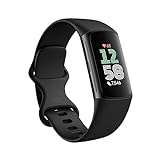
- Find your way seamlessly during runs or rides with turn-by-turn directions from Google Maps on Fitbit Charge 6[7, 8]; and when you need a snack break on the go, just tap to pay with Google Wallet[8, 9]
How Fitbit calculates your heart rate zones
Fitbit calculates your heart rate zones using an estimate of your maximum heart rate, which is primarily based on age but refined over time using your real-world activity data. These zones typically include fat burn, cardio, and peak, with Active Zone Minutes beginning once you move beyond light activity and into moderate effort. This personalized approach is what allows a brisk walk to count for one person while requiring a jog or cycle for another.
Because the zones are relative to your own heart rate, Active Zone Minutes scale with your fitness level. As you become fitter and your resting heart rate drops, it can take more effort to earn the same minutes. That is intentional, and it keeps the metric meaningful over time rather than becoming something you outgrow.
Why Fitbit emphasizes Active Zone Minutes over steps
Steps are easy to understand, but they do not tell the whole story. A slow 10,000-step day may involve very little cardiovascular strain, while a short but intense workout could deliver significant health benefits with far fewer steps. Active Zone Minutes exist to capture that difference.
This metric aligns closely with public health guidelines that recommend at least 150 minutes of moderate-intensity activity or 75 minutes of vigorous activity per week. Fitbit’s default weekly goal of 150 Active Zone Minutes mirrors those recommendations, giving users a clear, science-backed target rather than an arbitrary daily step count.
How you actually earn Active Zone Minutes in real life
You do not need formal workouts or gym sessions to earn Active Zone Minutes. Brisk walking, cycling to work, climbing stairs, heavy yard work, and energetic play with kids can all count if your heart rate rises enough. The key factor is sustained effort, not the type of activity or whether you manually start an exercise mode.
That said, starting a tracked workout can improve accuracy. When you log activities like runs, strength training, or cardio sessions, your Fitbit prioritizes heart rate tracking and motion data, reducing the chance of missed minutes. This is especially useful for shorter, high-intensity sessions where every minute counts.
Why this metric matters for long-term health
Active Zone Minutes provide a clearer picture of how often you challenge your heart and lungs, which is strongly linked to cardiovascular health, metabolic fitness, and overall longevity. Unlike calorie burn, which can vary wildly based on body size and estimation models, heart-rate-based intensity is more consistent and personal. It tells you not just that you moved, but that the movement was effective.
For everyday users, this makes Active Zone Minutes a practical feedback tool. If you are consistently missing your weekly target, it suggests you may need to add intensity, not just more movement. If you are exceeding it easily, it may be time to set a higher goal or focus on structured workouts that continue to push your fitness forward.
How Active Zone Minutes fit into daily Fitbit use
On most Fitbit devices, Active Zone Minutes are visible directly on the watch face, in the Today app, and throughout the Fitbit mobile app. This constant visibility encourages small behavior changes, like walking a little faster or extending a workout by five minutes to reach the next zone. Because the metric updates in near real time, it provides immediate reinforcement in a way weekly totals or abstract fitness scores cannot.
Importantly, Active Zone Minutes are designed to complement other metrics, not replace them. Steps still matter for general movement, and calories still provide context for energy balance. Active Zone Minutes sit in between, acting as a bridge between casual activity and intentional exercise, and setting the stage for understanding how to use them strategically to improve your weekly activity levels.
The Science Behind Active Zone Minutes: Heart Rate Zones Explained Simply
To understand why Active Zone Minutes are more than just another fitness score, it helps to look at the physiology Fitbit is measuring behind the scenes. Everything is built around heart rate zones, which reflect how hard your cardiovascular system is working relative to your own capacity, not someone else’s.
Rather than rewarding all movement equally, Fitbit uses these zones to identify when your activity meaningfully stresses your heart and lungs. That is the key distinction that turns everyday motion into measurable fitness progress.
What heart rate zones actually represent
Heart rate zones are ranges based on a percentage of your estimated maximum heart rate, which Fitbit calculates using your age and personal profile data. As intensity increases, your heart rate rises, and your body shifts how it produces energy and adapts to effort.
Lower zones reflect light activity that supports general health and recovery. Higher zones indicate moderate to vigorous effort, where your cardiovascular system is being challenged enough to trigger improvements in endurance, heart strength, and metabolic efficiency.
Fitbit’s three core zones, explained without jargon
Fitbit simplifies heart rate training into three primary zones that matter for Active Zone Minutes. The Fat Burn zone typically starts around 50 percent of your max heart rate and includes brisk walking or easy cycling where you can still talk in full sentences.
The Cardio zone begins at roughly 70 percent of max heart rate and represents sustained moderate-to-hard effort. This is where breathing becomes heavier, conversation shortens, and cardiovascular fitness improves most efficiently.
The Peak zone starts near 85 percent of max heart rate and reflects high-intensity bursts like sprinting, hill climbs, or fast intervals. These efforts are harder to sustain but deliver outsized training benefits in a short amount of time.
How zones translate into Active Zone Minutes
Active Zone Minutes are earned based on both intensity and time spent in these zones. Each minute in the Cardio zone earns one Active Zone Minute, while each minute in the Peak zone earns two.
This weighted system mirrors public health guidance that vigorous activity delivers greater benefits per minute than moderate activity. It also explains why a short, intense workout can sometimes generate more Active Zone Minutes than a longer, slower walk.
Why Fitbit relies on heart rate instead of movement alone
Steps and motion data can tell a device that you are moving, but they cannot reliably indicate effort. Walking up a steep hill, carrying groceries, or cycling hard may produce fewer steps while placing a far greater demand on your heart.
By using continuous optical heart rate monitoring, Fitbit captures how your body responds internally to activity. This makes Active Zone Minutes more personal and more accurate across different workout types, body sizes, and fitness levels.
Personalization and why zones adjust over time
As your fitness improves, activities that once pushed you into the Cardio zone may later register as Fat Burn. Fitbit adapts because your heart becomes more efficient, requiring higher intensity to reach the same relative effort.
This is a feature, not a flaw. It prevents Active Zone Minutes from becoming artificially easy to earn and ensures the metric continues to reflect genuine cardiovascular challenge as your conditioning improves.
What this means for real-world Fitbit use
In daily wear, this zone-based system rewards intention rather than volume. A focused 20-minute jog, a fast-paced walk, or a well-structured interval session can all meaningfully contribute to your weekly total, even if your step count is modest.
Because the zones are tracked continuously, your Fitbit can also capture unplanned intensity, like rushing for a train or climbing stairs quickly. Over time, these moments add up, reinforcing the idea that fitness gains come from how you move, not just how much you move.
How Fitbit Calculates Active Zone Minutes on Your Wrist (Including the Double-Minute Rule)
Building on the idea that intensity matters more than raw movement, Fitbit turns your heart rate data into a simple, cumulative score. Active Zone Minutes are calculated continuously in the background, using your personal heart rate zones rather than generic pace or step targets.
This means your wrist isn’t just counting activity, it’s interpreting effort in real time and translating it into minutes that align with widely accepted health guidelines.
The role of your personal heart rate zones
At the core of Active Zone Minutes is Fitbit’s heart rate zone model, which is anchored to your estimated maximum heart rate and your measured resting heart rate. Fitbit uses these two values to define Fat Burn, Cardio, and Peak zones that reflect relative intensity for your body, not someone else’s.
Your resting heart rate is measured during periods of inactivity, typically while sleeping, and refined over several days of wear. Maximum heart rate starts as an age-based estimate but becomes more accurate as Fitbit observes your real-world exertion during workouts and harder efforts.
Minute-by-minute scoring during activity
Once your zones are established, Fitbit evaluates your heart rate every minute you’re wearing the device. If your heart rate stays below the Fat Burn threshold, no Active Zone Minutes are earned, even if you’re moving.
When your heart rate rises into the Cardio zone, each full minute spent there earns one Active Zone Minute. This reflects moderate-intensity activity, such as brisk walking, steady cycling, or a controlled jog.
How the double-minute rule works in the Peak zone
The key multiplier comes into play when your heart rate reaches the Peak zone. For every minute your heart rate remains in this high-intensity range, Fitbit awards two Active Zone Minutes instead of one.
This is the double-minute rule, and it mirrors public health guidance that vigorous activity delivers similar benefits in roughly half the time of moderate exercise. A 10-minute hard interval session can therefore generate the same Active Zone Minute total as a 20-minute steady workout.
Why short bursts of intensity still count
Fitbit does not require a formally logged workout to award Active Zone Minutes. Any sustained elevation in heart rate, whether from structured exercise or spontaneous effort, is eligible as long as it lasts long enough to register on a per-minute basis.
Rank #2

- Inspire 3 is the tracker that helps you find your energy, do what you love and feel your best. All you have to do is wear it.Operating temperature: 0° to 40°C
- Move more: Daily Readiness Score(1), Active Zone Minutes, all-day activity tracking and 24/7 heart rate, 20+ exercise modes, automatic exercise tracking and reminders to move
- Stress less: always-on wellness tracking, daily Stress Management Score, mindfulness sessions, relax breathing sessions, irregular heart rhythm notifications(2), SpO2(3), menstrual health tracking, resting heart rate and high/low heart rate notifications
- Sleep better: automatic sleep tracking, personalized Sleep Profile(1), daily detailed Sleep Score, smart wake vibrating alarm, sleep mode
- Comfortably connected day and night: calls, texts & smartphone app notifications(4), color touchscreen with customizable clock faces, super lightweight and water resistant to 50 meters, up to 10 day battery life(5)
This design captures real life more accurately. Sprinting up stairs, pushing hard on a bike commute, or carrying heavy loads can all push you into Cardio or Peak zones and contribute meaningfully to your daily and weekly totals.
Continuous heart rate tracking and data smoothing
Fitbit devices use optical heart rate sensors that sample multiple times per second, then apply smoothing algorithms to reduce noise from wrist movement. The goal is to avoid crediting brief spikes caused by motion artifacts while still recognizing genuine physiological effort.
This is why proper fit matters. A snug but comfortable band, worn slightly above the wrist bone, improves signal quality and ensures your Active Zone Minutes reflect real exertion rather than erratic readings.
Device differences and everyday wear considerations
Most modern Fitbit devices, from slim trackers to full-featured smartwatches, calculate Active Zone Minutes using the same underlying logic. Differences come down to sensor quality, sampling frequency, and how consistently the device can stay on your wrist throughout the day.
Battery life plays an indirect role as well. Devices that comfortably last several days are more likely to capture resting heart rate trends and incidental intensity, which improves zone accuracy and ensures you don’t miss earned minutes during normal daily wear.
Why Active Zone Minutes feel harder to earn over time
As mentioned earlier, your zones adjust as your cardiovascular fitness improves. Activities that once triggered Cardio or Peak may later fall into Fat Burn, reducing the number of Active Zone Minutes earned for the same routine.
This isn’t Fitbit taking progress away. It’s the system recalibrating to ensure that each minute continues to represent a meaningful level of challenge for your current fitness level, keeping the metric relevant as you get stronger and more efficient.
Why Active Zone Minutes Matter More Than Steps or Calories for Real Health Gains
Once you understand that your heart rate zones evolve with your fitness, it becomes easier to see why Fitbit leans so heavily on Active Zone Minutes. They’re designed to measure effort, not just motion, and that distinction is where real health improvements tend to happen.
Steps reward movement, not intensity
Step counts are easy to understand, but they treat all movement as equal. A slow shuffle around the house and a brisk uphill walk can add similar steps, even though the cardiovascular demand is very different.
Active Zone Minutes filter out that ambiguity. They only accrue when your heart rate rises high enough to stimulate aerobic adaptation, which is what improves endurance, heart health, and metabolic efficiency over time.
Calories are noisy and highly individual
Calorie burn estimates depend on age, weight, sex, heart rate, and activity type, and even then they’re still approximations. Two people can perform the same workout and see very different calorie numbers, which makes comparison and goal-setting tricky.
Active Zone Minutes sidestep much of that uncertainty. By focusing on how hard your heart is working relative to your own baseline, the metric becomes more consistent and personally meaningful across different activities and body types.
They align directly with public health guidelines
Global health organizations recommend at least 150 minutes of moderate-intensity activity or 75 minutes of vigorous activity per week. Fitbit translates that guidance into a simple, trackable goal by counting moderate minutes once and vigorous minutes twice.
This is why your default weekly target is typically 150 Active Zone Minutes. Hitting that number means you’re meeting evidence-based activity levels, regardless of whether those minutes came from running, cycling, rowing, or fast-paced daily chores.
Intensity drives adaptation, not just volume
Health gains like improved VO₂ max, better blood pressure control, and insulin sensitivity are strongly linked to time spent at elevated heart rates. Walking 15,000 steps at a leisurely pace may burn energy, but it doesn’t always challenge the cardiovascular system enough to trigger adaptation.
Active Zone Minutes ensure that at least part of your activity week includes sustained effort. They encourage workouts and daily habits that nudge you into Cardio and Peak zones, where the most meaningful physiological changes occur.
They capture real-world effort that steps miss
Many demanding activities don’t generate many steps at all. Cycling, swimming, rowing, strength circuits, pushing a stroller uphill, or carrying heavy groceries can all spike heart rate with minimal foot movement.
Because Active Zone Minutes are heart-rate driven, they credit those efforts accurately. This makes the metric far more inclusive of different lifestyles, job demands, and preferred workout styles.
They adapt as you get fitter
As discussed earlier, your zones shift upward as your resting heart rate drops and your cardiovascular efficiency improves. What once counted as Cardio may later register as Fat Burn, requiring more effort to earn the same minutes.
This adaptive behavior is precisely why Active Zone Minutes remain useful long term. Instead of letting progress plateau behind flattering numbers, the metric keeps raising the bar so your activity continues to support ongoing health gains.
They encourage quality over chasing numbers
It’s easy to fixate on hitting a step target or burning a certain number of calories, even if that means padding stats with low-effort movement. Active Zone Minutes gently push you toward fewer, higher-quality sessions that respect your time and energy.
For busy users, this can be liberating. A focused 30-minute workout that earns a solid block of Cardio minutes can be more impactful than hours of low-intensity activity spread thin across the day.
Fitbit’s hardware and software make the metric practical
Because most Fitbit devices are light, comfortable, and designed for all-day wear, they’re well suited to capturing incidental intensity. A slim tracker with multi-day battery life is more likely to be worn consistently than a bulky watch that needs nightly charging.
The Fitbit app reinforces this by showing daily and weekly Active Zone Minute trends alongside heart rate graphs. Over time, this helps users learn what types of movement reliably elevate their heart rate and how to structure their week to hit health-focused targets without overtraining.
Active Zone Minutes vs Public Health Guidelines: How Fitbit Maps to WHO and NHS Recommendations
All of this focus on intensity only really makes sense when you see how Active Zone Minutes line up with established public health advice. Fitbit didn’t invent a new health target out of thin air; it translated long-standing WHO and NHS recommendations into a format that’s easier to track in daily life.
Once you understand that link, the 150 Active Zone Minute weekly goal stops feeling arbitrary and starts acting like a clear, wearable-friendly version of official guidance.
What the WHO and NHS actually recommend
Both the World Health Organization and the UK’s NHS recommend that adults aim for at least 150 minutes of moderate-intensity activity per week, or 75 minutes of vigorous-intensity activity. You can also combine the two, as long as intensity is high enough to challenge your cardiovascular system.
Moderate intensity includes activities that noticeably raise your heart rate and breathing, such as brisk walking or steady cycling. Vigorous intensity covers harder efforts like running, fast cycling, HIIT workouts, or competitive sports where conversation becomes difficult.
How Fitbit converts those guidelines into Active Zone Minutes
Fitbit maps those recommendations directly onto heart rate zones. Every minute you spend in the Fat Burn zone counts as one Active Zone Minute, reflecting moderate-intensity activity.
Minutes spent in the Cardio or Peak zones count double. One hard minute earns two Active Zone Minutes, mirroring the way public health guidelines allow vigorous activity to “count more” toward your weekly total.
Why the default goal is 150 Active Zone Minutes
Fitbit’s default weekly target of 150 Active Zone Minutes is designed to represent the minimum recommended activity level for general health. You can reach it through 150 minutes of moderate effort, 75 minutes of vigorous effort, or a mix of both.
This is why a shorter, harder workout can move the needle quickly. A 25-minute run that keeps you in Cardio for most of the session may contribute nearly as much toward your weekly health goal as a much longer brisk walk.
Why heart-rate tracking improves on time-based advice
Public health guidelines assume average effort levels, but real-world movement isn’t that neat. A slow jog on a hot day may be vigorous for one person and moderate for another, even if the clock says the same duration.
By tying credit to heart rate rather than activity labels, Active Zone Minutes personalize those guidelines. Your Fitbit adjusts the effort required based on your age, resting heart rate, and fitness level, keeping the recommendation relevant as your body changes.
Rank #3

- 【BUILT-IN GPS SMART WATCH – GO FURTHER, FREER, SMARTER】No phone? No problem. This fitness watch for women, featuring the latest 2025 technology, includes an advanced professional-grade GPS chip that precisely tracks every route, distance, pace (real-time & average), and calorie burned—completely phone-free. Whether you're chasing new personal records or exploring off the beaten path, your full journey is automatically mapped and synced in the app. Train smarter. Move with purpose. Own your progress. Own your journey.
- 【BLUETOOTH 5.3 CALLS & SMART NOTIFICATIONS】Stay effortlessly connected with this smart watch for men and women, featuring dual Bluetooth modes (BT 3.0 + BLE 5.3) and a premium microphone for crystal-clear calls right from your wrist—perfect for driving, workouts, or busy days. Receive instant alerts for calls, texts, and popular social apps like WhatsApp and Facebook. Just raise your wrist to view notifications and never miss an important moment.
- 【100+ SPORT MODES & IP68 WATERPROOF & DUSTPROOF】This sport watch is a versatile activity and fitness tracker with 100+ modes including running, cycling, yoga, and more. It features quick-access buttons and automatic running/cycling detection to start workouts instantly. Accurately track heart rate, calories, distance, pace, and more. Set daily goals on your fitness tracker watch and stay motivated with achievement badges. With IP68 waterproof and dustproof rating, it resists rain and sweat for any challenge. Not suitable for showering, swimming, or sauna.
- 【24/7 HEALTH ASSISTANT & SMART REMINDERS】This health watch continuously monitors heart rate, blood oxygen, and stress levels for comprehensive wellness tracking. Sleep monitoring includes deep, light, REM sleep, and naps to give you a full picture of your rest. Stay on track with smart reminders for sedentary breaks, hydration, medication, and hand washing. Women can also monitor menstrual health. Includes guided breathing exercises to help you relax. Your ultimate health watch with event reminders for a healthier life.
- 【ULTRA HD DISPLAY, LIGHTWEIGHT & CUSTOMIZABLE DIALS】This stylish wrist watch features a 1.27-inch (32mm) 360×360 ultra HD color display with a 1.69-inch (43mm) dial, offering vivid details and responsive touch. Its minimalist design fits both business and casual looks. Switch freely among built-in designer dials or create your own DIY watch face using photos, colors, and styles to showcase your unique personality. Perfect as a cool digital watch and fashion wrist watch.
Short bouts still count toward real health targets
WHO and NHS guidance allows activity to be accumulated across the day rather than performed in one long session. Active Zone Minutes follow that same philosophy.
A brisk 10-minute walk, a fast-paced commute, and a short strength circuit can all contribute if they elevate your heart rate. This makes the metric especially practical for people with busy schedules or physically demanding jobs.
How strength training fits into the picture
Public health guidance also recommends muscle-strengthening activities at least twice per week. While Active Zone Minutes don’t replace strength training targets, they can still credit intense lifting sessions if your heart rate rises into higher zones.
This is where Fitbit’s continuous heart rate tracking and comfortable, lightweight designs matter. Devices that are easy to wear during workouts, sleep, and daily tasks are more likely to capture those brief spikes in effort that traditional trackers miss.
Why this approach works for long-term health, not just fitness
Active Zone Minutes aren’t about chasing athletic performance or aesthetics. They’re about meeting a scientifically supported threshold for cardiovascular health, reduced disease risk, and improved mental wellbeing.
By turning abstract public health advice into a live, adaptive number on your wrist and phone, Fitbit makes it easier to know whether your week is actually supporting your health, not just filling time with movement.
Which Fitbit Devices Support Active Zone Minutes and How Accuracy Varies by Model
Because Active Zone Minutes are built entirely around continuous heart-rate tracking, they only work on Fitbit devices with an always-on optical heart-rate sensor. If your tracker can monitor heart rate throughout the day and during workouts, it can translate effort into zone-based minutes.
That sounds simple, but the experience and accuracy can feel noticeably different depending on which Fitbit you wear, how it fits, and how advanced the underlying sensor hardware is.
Current Fitbit models that support Active Zone Minutes
All modern Fitbit smartwatches and trackers support Active Zone Minutes, including Sense 2, Versa 4, Charge 6, Charge 5, Inspire 3, Luxe, and Google Pixel Watch models that use the Fitbit app. Older devices like Versa 3 and the original Sense also fully support the feature.
Entry-level kids trackers and step-only devices, such as Fitbit Ace models, do not support Active Zone Minutes because they lack continuous heart-rate tracking. If heart rate isn’t being measured, Fitbit has no way to determine effort-based zones.
Why sensor quality affects Active Zone Minute accuracy
Active Zone Minutes rely on Fitbit’s PurePulse optical heart-rate system, which has improved steadily across generations. Newer devices use multi-path LEDs and updated algorithms that better detect blood flow during movement, sweat, and changing skin contact.
On models like Sense 2, Versa 4, and Charge 6, heart rate responds faster to intensity changes, which means short bursts of effort are more likely to be counted correctly. Older trackers can lag slightly during rapid transitions, such as interval training or lifting circuits.
Trackers vs smartwatches: does form factor matter?
Slim trackers like Inspire 3 and Luxe are lightweight and comfortable for all-day wear, which improves consistency and long-term data quality. However, their smaller sensor area can be more sensitive to loose fit or wrist movement during intense workouts.
Larger smartwatch-style devices sit more securely on the wrist and usually maintain steadier skin contact. This can lead to more stable heart-rate readings during running, cycling, or high-intensity sessions where arm motion is constant.
The role of GPS and workout modes
Built-in GPS does not directly affect Active Zone Minute calculations, but it improves context. Devices like Charge 6, Sense 2, Versa 4, and Pixel Watch can better distinguish between sustained cardio and incidental spikes when workouts are logged accurately.
Using exercise modes also encourages more frequent heart-rate sampling. This makes zone detection more reliable, especially during structured workouts where effort fluctuates around zone boundaries.
Fit, materials, and everyday wearability
Accuracy depends as much on how the device is worn as on the hardware itself. A soft, flexible band worn snugly above the wrist bone reduces light leakage and improves heart-rate tracking across all models.
Fitbit’s lightweight aluminum cases, curved backs, and breathable silicone or woven straps make it easier to wear devices continuously, including during sleep. The more consistently you wear your Fitbit, the more accurately Active Zone Minutes reflect your true weekly effort.
Why consistency matters more than model upgrades
While newer Fitbits are more precise, even older supported models can deliver meaningful Active Zone Minute trends when worn correctly and consistently. The metric is designed to track progress over time, not to act as a lab-grade heart-rate monitor.
If your device reliably captures when your heart rate rises and falls, it can guide behavior change just as effectively as a flagship model. Upgrading improves responsiveness and comfort, but commitment to daily wear is what ultimately makes Active Zone Minutes useful.
How to Earn Active Zone Minutes in Real Life: Walking, Gym Workouts, Sports, and Everyday Movement
Once your Fitbit is worn consistently and tracking heart rate reliably, Active Zone Minutes start to feel less abstract. They show up during ordinary movement as well as intentional workouts, often in ways that surprise first-time users.
The key is not the activity label itself, but whether your heart rate stays elevated long enough to cross your personal fat burn, cardio, or peak thresholds.
Walking: The most underestimated source of Active Zone Minutes
Brisk walking is one of the easiest ways to earn Active Zone Minutes, especially for beginners or anyone returning to regular exercise. A relaxed stroll may only register steps, but increasing pace, adding hills, or carrying a load can push heart rate into the fat burn zone.
For many users, 10 to 15 minutes of purposeful walking is enough to start accumulating minutes, particularly if fitness levels are still building. Because Fitbit doubles minutes earned in the cardio and peak zones, short bursts of faster walking can add up quickly.
Comfort and fit matter here more than people expect. Lightweight trackers like Charge or Inspire models sit unobtrusively on the wrist, making it easy to wear them during daily walks without feeling like workout gear.
Gym workouts: Where zone-based tracking shines
Structured gym sessions are where Active Zone Minutes feel most intuitive. Steady-state cardio like treadmill running, elliptical workouts, rowing machines, or spin classes naturally produce sustained heart-rate elevation that translates cleanly into zone time.
Strength training earns minutes too, but in a different pattern. Heart rate often spikes during sets and drops during rest, so minutes accumulate in shorter bursts rather than continuous blocks.
Logging a workout mode increases heart-rate sampling frequency, which helps capture these fluctuations accurately. On devices with larger cases and more stable wrist contact, readings tend to be smoother during lifting or high-rep circuits.
Sports and high-intensity activities: Fewer minutes, higher impact
Team sports, racket sports, and interval-heavy activities often produce cardio and peak zone minutes rapidly. A short game of basketball, soccer, or squash can earn more Active Zone Minutes than a longer moderate workout because of repeated high-effort bursts.
This is where Fitbit’s minute-doubling becomes noticeable. Even brief periods above your cardio threshold count heavily toward your weekly total.
Secure fit is especially important during fast arm movements. Breathable straps and snug adjustment help prevent heart-rate dropouts during sprints, jumps, or rapid direction changes.
Everyday movement: Chores, commuting, and active routines
Active Zone Minutes are not limited to workouts. Carrying groceries upstairs, cycling to work, pushing a stroller uphill, or doing yard work can all elevate heart rate enough to count.
These minutes tend to accumulate quietly throughout the day rather than in a single session. Over a week, this background effort can make a meaningful contribution toward Fitbit’s 150-minute goal.
This is where battery life and all-day wearability matter. Devices that last several days and feel comfortable during work, errands, and sleep capture these moments automatically, without requiring manual tracking.
Rank #4

- 24H Accurate Heart Rate Monitoring: Go beyond basic tracking. Our watch automatically monitors your heart rate, blood oxygen (SpO2), and sleep patterns throughout the day and night. Gain deep insights into your body's trends and make informed decisions for a healthier lifestyle.
- Practical Sports Modes & Smart Activity Tracking: From running and swimming to yoga and hiking, track a wide range of activities with precision. It automatically records your steps, distance, calories burned, and duration, helping you analyze your performance and crush your fitness goals.
- 1-Week Battery Life & All-Day Wear: Say goodbye to daily charging. With an incredible up to 7-10 days of battery life on a single charge, you can wear it day and night for uninterrupted sleep tracking and worry-free travel. Stay connected to your data without the hassle.
- Comfortable to Wear & IP68 Waterproof: The lightweight, skin-friendly band is crafted for all-day comfort, even while you sleep. With IP68 waterproof, it withstands rain, sweat, It is not suitable for swimming or showering.
- Ease of Use and Personalized Insights via Powerful App: The display is bright and easy to read, even outdoors. Unlock the full potential of your watch. Sync with our dedicated app to view detailed health reports, customize watch faces, set sedentary reminders, and manage your preferences with ease.
How effort level changes the way minutes add up
Two people can do the same activity and earn very different Active Zone Minutes. Fitness level, age, and resting heart rate all influence how quickly you enter higher zones.
As cardiovascular fitness improves, familiar activities may generate fewer minutes because your heart works more efficiently. This is expected and often a sign of progress rather than a problem.
To keep earning minutes, you can increase pace, add resistance, shorten rest periods, or extend duration. Active Zone Minutes adapt with you, reflecting effort rather than routine.
Using Active Zone Minutes as a weekly activity compass
Rather than chasing minutes every day, most users benefit from thinking in weekly totals. Some days will naturally produce more minutes through workouts or sports, while others rely on walking and daily movement.
Fitbit’s approach aligns with public health guidelines by valuing intensity, not just volume. You can hit your weekly target with fewer total hours if effort is higher, or with longer low-intensity days if that suits your lifestyle.
This flexibility is what makes Active Zone Minutes practical in real life. They reward movement that raises your heart rate, wherever and however it happens.
Understanding Your Weekly Active Zone Minutes Goal and How to Adjust It
Once you start viewing Active Zone Minutes as a weekly pattern rather than a daily scorecard, the 150-minute target makes more sense. It is designed to be achievable through a mix of workouts, active days, and lighter recovery days, not something you have to hit every single afternoon.
Fitbit sets this default goal to mirror widely accepted public health guidance for moderate-to-vigorous activity. The key difference is that Fitbit measures intensity through your heart rate, which is why some minutes count more than others.
Why the default goal is 150 Active Zone Minutes
The standard 150-minute goal reflects recommendations from organizations like the World Health Organization and the American Heart Association. These guidelines emphasize at least 150 minutes of moderate-intensity activity per week, or 75 minutes of vigorous activity, for long-term cardiovascular health.
Fitbit translates this into Active Zone Minutes by counting time in moderate heart rate zones as one minute, and time in vigorous zones as two minutes. That weighting means a shorter, harder workout can move the needle just as much as a longer, steadier one.
In practice, this helps users focus on quality of effort rather than sheer duration. A brisk 25-minute run can contribute as much as a 50-minute fast walk, depending on how high your heart rate climbs.
What your weekly goal looks like in real life
For many users, 150 Active Zone Minutes breaks down to roughly 20 to 30 minutes of elevated effort on most days. Others may earn a large chunk in one or two harder sessions and rely on walking, commuting, or physically demanding work to fill in the rest.
This flexibility is intentional. Fitbit’s system recognizes that life does not follow a perfect training schedule, and your watch keeps accumulating minutes as long as it is on your wrist and your heart rate is elevated.
All-day wear matters here. Devices like the Charge, Versa, Sense, and Inspire lines are designed to be light, comfortable, and battery-efficient enough to stay on through work, errands, and sleep, ensuring those incidental minutes are not missed.
When it makes sense to adjust your Active Zone Minutes goal
The default goal is a solid baseline, but it is not mandatory. If you are new to exercise, returning from injury, or managing a health condition, starting with a lower weekly target can make the habit feel more achievable.
On the other end of the spectrum, experienced users often find that 150 minutes becomes easy to hit as fitness improves. When familiar activities stop pushing your heart rate into higher zones, increasing your goal can restore a sense of challenge and progression.
Adjusting your goal does not change how minutes are calculated. It simply changes the weekly target your Fitbit uses to gauge consistency and progress.
How to change your weekly Active Zone Minutes goal in the Fitbit app
You can adjust your goal directly in the Fitbit app under the activity or goals settings. The app allows you to set a custom weekly Active Zone Minutes target that better matches your current fitness level and lifestyle.
Once updated, your watch and app dashboards reflect the new goal immediately. Progress rings, weekly summaries, and reminders all adapt to the revised number, keeping feedback aligned with your intentions.
This is especially useful if your routine changes seasonally. Training for an event, starting a more physical job, or shifting from outdoor to indoor workouts can all justify a temporary adjustment.
Using trends, not streaks, to judge progress
It is normal for some weeks to fall short of your goal. Travel, illness, or workload can reduce activity, and a single low week does not erase long-term progress.
The Fitbit app’s weekly and monthly views are more informative than daily totals. Over time, a gradual upward trend in Active Zone Minutes usually reflects improving fitness, greater consistency, or both.
If you notice your minutes dropping while effort feels the same, it may be a sign your cardiovascular system is becoming more efficient. At that point, increasing intensity, changing activities, or revisiting your goal can keep the metric meaningful rather than discouraging.
Balancing ambition with recovery
Chasing higher weekly totals should not come at the expense of rest. Active Zone Minutes reward intensity, but they do not replace the need for recovery days, good sleep, and manageable training loads.
Fitbit devices track sleep, resting heart rate, and in some models stress or readiness indicators, which can help you spot when pushing harder is productive versus when it may backfire. Using these features alongside Active Zone Minutes creates a more sustainable picture of health.
Your weekly goal should motivate movement, not pressure you into constant high-intensity days. When set thoughtfully, Active Zone Minutes become a guide for balanced, realistic activity rather than a number to obsess over.
Common Questions and Misconceptions About Active Zone Minutes (Heart Rate Spikes, Missed Minutes, and Overtraining)
Even after understanding how Active Zone Minutes work, many users still feel confused when the numbers do not line up with effort or expectations. This usually comes down to how heart rate data is interpreted, not a failure on your part or a flaw in the device.
Clearing up these common questions can help you trust the metric, use it more productively, and avoid chasing numbers that do not actually support your health.
Why did my heart rate spike but I did not earn Active Zone Minutes?
Short heart rate spikes are one of the most common sources of confusion. Fitbit only awards Active Zone Minutes when your heart rate stays within a target zone long enough to reflect sustained effort.
If your heart rate briefly jumps due to stress, caffeine, heat, or a sudden movement, it may register as a spike but not qualify as meaningful activity. For example, climbing one flight of stairs quickly might raise your heart rate for 15 seconds, but that is usually too brief to earn a minute.
This is intentional. Active Zone Minutes are designed to reflect cardiovascular training, not momentary exertion or environmental factors.
I worked out hard, so why do I feel like I earned “too few” minutes?
Perceived effort and heart rate do not always match, especially as fitness improves. As your cardiovascular system becomes more efficient, your heart may not need to work as hard to perform the same activity.
This often happens with walking, cycling, or familiar workouts. You may sweat, feel tired, and still spend most of the session below your personalized fat burn zone.
Rather than seeing this as lost progress, it is often a sign of improved fitness. Increasing pace, adding resistance, changing terrain, or incorporating intervals can help reintroduce time in higher zones when appropriate.
💰 Best Value

- 【Superb Visual Experience & Effortless Operation】Diving into the latest 1.58'' ultra high resolution display technology, every interaction on the fitness watch is a visual delight with vibrant colors and crisp clarity. Its always on display clock makes the time conveniently visible. Experience convenience like never before with the intuitive full touch controls and the side button, switch between apps, and customize settings with seamless precision.
- 【Comprehensive 24/7 Health Monitoring】The fitness watches for women and men packs 24/7 heart rate, 24/7 blood pressure and blood oxygen monitors. You could check those real-time health metrics anytime, anywhere on your wrist and view the data record in the App. The heart rate monitor watch also tracks different sleep stages for light and deep sleep,and the time when you wake up, helps you to get a better understanding of your sleep quality.
- 【120+ exercise modes & All-Day Activity Tracking】There are more than 120 exercise modes available in the activity trackers and smartwatches, covering almost all daily sports activities you can imagine, gives you new ways to train and advanced metrics for more information about your workout performance. The all-day activity tracking feature monitors your steps, distance, and calories burned all the day, so you can see how much progress you've made towards your fitness goals.
- 【Messages & Incoming Calls Notification】With this smart watch fitness trackers for iPhone and android phones, you can receive notifications for incoming calls and read messages directly from your wrist without taking out your phone. Never miss a beat, stay in touch with loved ones, and stay informed of important updates wherever you are.
- 【Essential Assistant for Daily Life】The fitness watches for women and men provide you with more features including drinking water and sedentary reminder, women's menstrual period reminder, breath training, real-time weather display, remote camera shooting, music control,timer, stopwatch, finding phone, alarm clock, making it a considerate life assistant. With the GPS connectivity, you could get a map of your workout route in the app for outdoor activity by connecting to your phone GPS.
Can my Fitbit miss Active Zone Minutes because of tracking issues?
While Fitbit’s optical heart rate sensors are generally reliable for steady-state activity, certain conditions can reduce accuracy. Loose fit, cold weather, tattoos, or rapid wrist movement can affect readings.
High-intensity interval training, weightlifting, and sports with abrupt arm motion may also cause brief dropouts or lag in heart rate detection. In those cases, your effort may outpace what the sensor can cleanly capture.
Wearing the device snugly, positioning it slightly higher on the wrist, and allowing a few minutes of warm-up can improve consistency. For activities where wrist tracking struggles, the overall weekly trend still tends to balance out.
Why do some everyday activities earn Active Zone Minutes while others do not?
Not all movement stresses the cardiovascular system in the same way. Activities like brisk walking, hiking, dancing, or yard work can keep your heart rate elevated long enough to earn minutes, even if they do not feel like traditional workouts.
On the other hand, strength training or slow yoga may feel challenging but keep heart rate below zone thresholds. These activities still offer important benefits, just not ones that Active Zone Minutes are designed to measure.
This is why Fitbit pairs Active Zone Minutes with other metrics like steps, calories, and exercise logs. No single number captures the full picture of health.
Is it bad to try to maximize Active Zone Minutes every day?
Chasing high numbers daily can be counterproductive. Active Zone Minutes reward intensity, but intensity without recovery increases fatigue and injury risk.
Public health guidelines emphasize a mix of moderate and vigorous activity spread across the week, not constant high-output days. Fitbit’s default weekly goal aligns with this idea by allowing flexibility rather than requiring daily targets.
If you notice rising resting heart rate, poor sleep scores, or consistently feeling drained, it may be a sign to scale back even if your Active Zone Minutes look impressive.
Do more Active Zone Minutes always mean better health?
More minutes can indicate higher activity, but context matters. A sudden jump in weekly totals may reflect stress, overtraining, or lifestyle demands rather than intentional exercise.
Long-term patterns are far more meaningful than short bursts. Gradual increases paired with stable sleep, recovery, and energy levels are a better signal of sustainable health improvement.
Active Zone Minutes are best used as a guide, not a scoreboard. When interpreted alongside how you feel and how you recover, they become a powerful tool rather than a source of pressure.
How to Use Active Zone Minutes to Build Smarter Fitness Habits, Not Just Chase Numbers
Once you understand what Active Zone Minutes measure and what they do not, the real value comes from using them to shape better habits. This is where Fitbit’s heart-rate-based approach moves beyond motivation badges and into practical, everyday guidance.
Rather than asking “How many minutes can I rack up today?”, a more useful question is “What kind of activity mix helps me feel stronger, fitter, and more consistent over time?”
Think in weekly patterns, not daily highs
Fitbit’s default goal of 150 Active Zone Minutes per week mirrors global public health guidelines for moderate-to-vigorous activity. That design choice is intentional, because health benefits come from accumulated effort, not perfect daily output.
Some days might earn zero or very few minutes, especially if they are focused on recovery, mobility, or light movement. Other days may earn a large chunk from a long hike, a spin class, or a fast-paced walk.
When you zoom out to the week view in the Fitbit app, you can see whether your activity rhythm is sustainable. A week with varied days usually signals better long-term adherence than one built on constant intensity.
Use zones to balance effort, not dominate every workout
Active Zone Minutes double-count time spent in higher heart rate zones, which can tempt users to push harder than necessary. While vigorous activity has clear benefits, moderate-intensity movement still delivers most of the health payoff for many people.
If every workout turns into a race to hit peak zone, fatigue tends to build quietly. Instead, aim for a mix where some sessions intentionally sit in moderate zones, especially on days between harder efforts.
On devices with continuous heart rate tracking and good sensor stability, this becomes easier to manage in real time. A quick glance at your wrist can tell you whether easing off slightly will still earn minutes without tipping into exhaustion.
Let Active Zone Minutes guide activity choices, not replace them
One of the strengths of Active Zone Minutes is that they credit effort across many types of movement. Brisk walking, pushing a stroller uphill, yard work, or dancing can all count if heart rate rises enough.
This flexibility makes it easier to stay active on busy days without forcing a formal workout. Over time, you may notice which everyday activities reliably earn minutes and which do not, helping you make small but effective adjustments.
For example, turning a casual walk into a purposeful one or taking stairs at a faster pace can move you into a qualifying zone without adding extra time to your schedule.
Pair Active Zone Minutes with recovery signals
Active Zone Minutes tell you how hard your cardiovascular system worked, but they do not show how well you recovered. That information lives in metrics like resting heart rate trends, sleep duration, sleep stages, and perceived energy levels.
If your minutes are climbing while sleep quality drops or resting heart rate trends upward, it may be time to pull back. Fitbit’s ecosystem works best when these signals are viewed together rather than in isolation.
Many experienced users check weekly Active Zone Minutes alongside sleep scores and workout frequency to confirm that progress feels manageable, not forced.
Adjust expectations as fitness improves
As your cardiovascular fitness increases, it may take more effort to reach higher heart rate zones. This can cause Active Zone Minutes to plateau even though you are getting fitter.
This is not a failure of the metric. It is a sign that your body is becoming more efficient, which is a positive adaptation.
At this stage, improvements might show up elsewhere, such as faster pace at the same heart rate, better endurance, or lower resting heart rate. Active Zone Minutes still matter, but they become one piece of a larger performance picture.
Use the number as feedback, not judgment
Active Zone Minutes work best as a neutral signal. They reflect how your heart responded to movement, not whether you were disciplined, lazy, or successful.
Some weeks will fall short due to travel, illness, or stress, and that is normal. The goal is not perfection but awareness.
By treating Active Zone Minutes as feedback rather than a score to beat, you are more likely to build habits that last. Over time, that mindset shift often leads to better consistency, better recovery, and better health outcomes than chasing the biggest number on the screen.