The Fitbit Alta HR occupies a strangely durable corner of the fitness tracker world. Even years after its discontinuation, people still search for it because it represented a very specific moment when wearables became slim, stylish, and socially acceptable to wear all day, not just during workouts. If you’re here, you’re likely wondering whether this once-popular tracker still makes sense today, or why it keeps popping up on resale sites and recommendation threads.
This section is about placing the Alta HR in its proper historical and practical context. We’ll look at what Fitbit was trying to achieve with this model, why it resonated so strongly with first-time buyers, and why it continues to attract interest despite obvious limitations by modern standards. Understanding that context is essential before judging whether it’s a smart buy now, or simply a nostalgic artifact of Fitbit’s golden era.
Where the Alta HR Fit in Fitbit’s Lineup
When the Alta HR launched in 2017, Fitbit’s lineup was clearly segmented. The Charge series focused on feature-rich fitness tracking, the Blaze and Ionic aimed toward smartwatch territory, and the Alta sat squarely in the lifestyle tracker category. The Alta HR was a refinement of the original Alta, adding continuous heart rate tracking without changing the minimalist design that made the line popular.
This was a big deal at the time. Continuous heart rate monitoring was still seen as a premium feature, often reserved for bulkier devices with thicker housings and sport-first aesthetics. Fitbit managed to integrate its PurePulse optical heart rate sensor into a very slim aluminum body, keeping the tracker lightweight and visually discreet.
🏆 #1 Best Overall
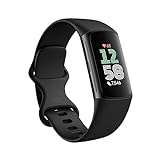
- Find your way seamlessly during runs or rides with turn-by-turn directions from Google Maps on Fitbit Charge 6[7, 8]; and when you need a snack break on the go, just tap to pay with Google Wallet[8, 9]
The result was a device that appealed to people who wanted health insights without wearing something that looked like gym equipment. It was especially popular among office workers, casual walkers, and users who valued step tracking, sleep analysis, and basic wellness metrics over hardcore sports features.
What the Alta HR Did Exceptionally Well
The Alta HR’s strongest asset was its comfort and wearability. The narrow band, light weight, and low-profile design made it easy to wear 24/7, which directly supported its strengths in daily activity and sleep tracking. Many users found it more comfortable overnight than larger trackers, contributing to consistent sleep data collection.
Battery life was another standout for its time. With around five to seven days per charge depending on heart rate usage and notifications, it comfortably outlasted early smartwatches and avoided the nightly charging routine that turned some people off wearables entirely. For casual users, that alone made it feel reliable and low-maintenance.
Fitbit’s software ecosystem also played a major role. The Alta HR benefited from Fitbit’s mature app experience, offering clear step counts, heart rate trends, sleep stages via later firmware updates, and long-term health insights that were easy to understand. Even today, many people searching for the Alta HR are really searching for that older, simpler Fitbit experience.
Why It Still Gets Searched in 2026
One reason the Alta HR remains relevant in search results is availability. It shows up frequently on second-hand marketplaces at low prices, often bundled with spare bands, making it appealing to buyers who want a cheap entry into fitness tracking. For someone who only wants steps, basic heart rate data, and sleep tracking, the specs can still sound “good enough” on paper.
Another factor is design nostalgia. Modern trackers, even slim ones, tend to prioritize larger displays, touchscreens, and broader smartwatch features. The Alta HR’s simple OLED display, tap-based interaction, and band-forward aesthetic feel refreshingly minimal to users who don’t want distractions on their wrist.
There’s also a trust component. Fitbit built enormous brand credibility during the Alta HR era, and some buyers actively seek out older models because they associate them with better battery life, simpler apps, and fewer subscription pressures compared to today’s Fitbit Premium-focused ecosystem.
Where the Alta HR Shows Its Age
Despite its strengths, the Alta HR is undeniably dated. It lacks built-in GPS, offers no guided workouts, and provides very limited sport-specific tracking compared to modern entry-level trackers. Even basic features like connected GPS, blood oxygen tracking, or advanced heart rate variability analysis are absent.
Compatibility is another growing concern. While the Alta HR still syncs with the Fitbit app today, long-term software support is not guaranteed, and features have already stagnated. As operating systems evolve, older Bluetooth hardware and legacy firmware can become increasingly fragile.
Durability and battery health also matter on the second-hand market. Many Alta HR units now have degraded batteries, proprietary chargers that are easy to lose, and sealed designs that make repairs impractical. Buying used often means accepting a shorter lifespan with no official support safety net.
Who It Still Makes Sense For, and Who It Doesn’t
The Alta HR can still make sense for a very narrow group of users. If you want the lightest possible Fitbit-style tracker, care primarily about steps and sleep, dislike smartwatches, and find a well-preserved unit at a very low price, it can still fulfill that role competently. It remains one of the most comfortable trackers Fitbit ever made.
For most people, however, there are better modern alternatives. Even current budget trackers offer longer battery life, more health metrics, better displays, and clearer future support. Understanding what the Alta HR was helps explain its lasting appeal, but it also makes clear why it’s no longer the benchmark it once was.
That tension between elegant simplicity and modern expectations is what defines the Alta HR’s place in wearable history, and it sets the stage for a deeper evaluation of its design, features, and real-world usability today.
Design, Comfort, and Everyday Wearability: Slim Tracker Appeal
That push and pull between elegant simplicity and modern expectations is most clearly felt the moment you put the Alta HR on your wrist. Long before Fitbit leaned into watch-like designs, the Alta HR doubled down on being a tracker first, and its physical design reflects that philosophy with unusual discipline. Even today, it feels intentionally minimal rather than merely outdated.
Ultra-Slim Form Factor and Dimensions
The Alta HR’s defining trait is how narrow it is. At roughly 15 mm wide and just under 9 mm thick, it sits flatter and slimmer than almost any modern fitness tracker, especially compared to today’s broader, touch-heavy bands.
That slimness makes a real difference in daily wear. It disappears under long sleeves, never snags on cuffs, and avoids the top-heavy feel that plagues many budget smartwatches. For users who dislike the presence of a watch on the wrist, this alone explains the Alta HR’s lasting appeal.
Materials, Finishing, and Build Quality
Fitbit used a straightforward aluminum body with a matte finish that resists fingerprints and visual wear reasonably well. It’s not luxurious, but it’s cleanly executed, with tight seams and no unnecessary ornamentation.
The OLED display is narrow and vertically oriented, reinforcing the tracker-first identity. It’s crisp enough indoors, though limited brightness and contrast make it less legible in harsh sunlight compared to modern AMOLED panels. The glass sits nearly flush with the housing, which helps prevent accidental knocks and contributes to its smooth, unobtrusive feel.
Strap Design and Long-Term Comfort
Comfort is where the Alta HR quietly excels. The soft-touch elastomer strap is lightweight and flexible, with enough give to accommodate wrist swelling throughout the day without creating pressure points.
During sleep, the tracker is particularly easy to forget you’re wearing. Its low mass and narrow footprint reduce wrist fatigue, which is one reason the Alta HR earned such a strong reputation for sleep tracking comfort in its prime. Even years later, few trackers match how unobtrusive it feels overnight.
Everyday Wearability and Style Versatility
Unlike sport-focused trackers, the Alta HR was designed to blend into daily life rather than announce itself. It looks neutral enough for office wear, casual settings, and even semi-formal environments where a chunky smartwatch would feel out of place.
Interchangeable bands helped extend that versatility. Fitbit and third-party options ranged from basic silicone to leather and metal mesh, allowing users to shift the look without adding bulk. While these accessories are harder to find now, the design itself still reads as understated and intentional.
Interaction Model and Practical Usability
The Alta HR relies on tap gestures and wrist raises rather than buttons, which feels dated but also keeps the exterior clean. In practice, the tap-to-cycle interface works reliably for basic stats like steps, heart rate, and time, though it lacks the immediacy of physical controls.
This simplicity cuts both ways. There’s very little to fiddle with, but also very little you can do directly on the device. For users who want a passive tracker that stays out of the way, that restraint remains a strength rather than a flaw.
Durability, Water Resistance, and Daily Limitations
Rated for everyday splashes and rain but not swimming, the Alta HR reflects an earlier era of fitness trackers. Hand washing and light sweat are fine, but it’s not built for showers, pool sessions, or exposure to prolonged moisture.
That limitation affects how seamlessly it fits into modern life. Many current trackers are truly wear-all-day devices, while the Alta HR still requires conscious removal. For second-hand buyers, this also means checking seals and strap integrity carefully, as age can further reduce moisture tolerance.
How the Design Holds Up Today
Viewed in isolation, the Alta HR’s design has aged better than its feature set. It remains one of the slimmest, lightest trackers Fitbit ever produced, and for some wrists, it’s still more comfortable than anything sold today.
At the same time, its minimalism now comes with compromises. The small display, limited water resistance, and aging materials reflect a time when trackers did less and asked less of their hardware. Whether that trade-off feels refreshing or restrictive depends entirely on what you expect from a wearable in 2026.
Display and Interface: Minimal Screen, Simple Interactions
Where the Alta HR’s physical design emphasizes restraint, the display takes that philosophy even further. Fitbit opted for a narrow, vertical OLED panel that prioritizes legibility over information density, reinforcing the idea that this tracker is meant to be glanced at, not browsed.
OLED Panel and Readability
The Alta HR uses a monochrome OLED display with a tall, pill-shaped aspect ratio, sized just large enough to show a few lines of data at a time. There’s no color, no animations beyond basic transitions, and no attempt to mimic a smartwatch-style UI.
In good lighting, the screen remains crisp and easy to read, with strong contrast that helps numbers stand out. Outdoors, brightness is serviceable rather than impressive, and direct sunlight can wash out finer details, especially on older units with some screen wear.
What You Can (and Can’t) See at a Glance
By default, the display cycles through time, steps, distance, calories, active minutes, and continuous heart rate. Notifications are supported, but they’re stripped down to caller ID or the first few lines of a message, with no scrolling or interaction beyond dismissal.
This limitation keeps distractions low, but it also means the Alta HR never feels like an extension of your phone. Compared to even entry-level modern trackers, the amount of on-device information feels sparse, pushing most meaningful interaction back to the Fitbit app.
Tap Gestures and Wrist Raise Behavior
Interaction relies entirely on tap gestures along the display face and a wrist-raise motion to wake the screen. When new, the tap recognition was generally reliable, though it could require firmer input than expected, especially through thicker sleeves.
Over time, sensitivity can vary between units, something second-hand buyers should be aware of. There are no physical buttons as a fallback, so if tap detection degrades, usability suffers more than it would on a tracker with hybrid controls.
Customization and Watch Faces
Fitbit allowed a small selection of clock faces, ranging from basic digital readouts to slightly more stylized layouts. Customization was minimal even by 2017 standards, and today it feels especially limited compared to modern Fitbit models with richer face libraries and data fields.
Rank #2

- Inspire 3 is the tracker that helps you find your energy, do what you love and feel your best. All you have to do is wear it.Operating temperature: 0° to 40°C
- Move more: Daily Readiness Score(1), Active Zone Minutes, all-day activity tracking and 24/7 heart rate, 20+ exercise modes, automatic exercise tracking and reminders to move
- Stress less: always-on wellness tracking, daily Stress Management Score, mindfulness sessions, relax breathing sessions, irregular heart rhythm notifications(2), SpO2(3), menstrual health tracking, resting heart rate and high/low heart rate notifications
- Sleep better: automatic sleep tracking, personalized Sleep Profile(1), daily detailed Sleep Score, smart wake vibrating alarm, sleep mode
- Comfortably connected day and night: calls, texts & smartphone app notifications(4), color touchscreen with customizable clock faces, super lightweight and water resistant to 50 meters, up to 10 day battery life(5)
Still, the simplicity works in the Alta HR’s favor if your goal is discretion. The display never dominates the wrist, never begs for attention, and never tempts you into fiddling—qualities that some users will still find appealing, even as the broader market has moved on.
Health and Fitness Tracking Features: Steps, Heart Rate, and Sleep
The Alta HR’s minimal on-device interface makes it clear that health data lives primarily in the app, not on your wrist. That design choice shapes how its core tracking features feel in daily use, prioritizing passive collection over constant check-ins.
Step and Activity Tracking
Step tracking is the Alta HR’s most reliable and least controversial feature. Using Fitbit’s standard accelerometer-based algorithms, it delivers step counts that are generally consistent with other Fitbits of its era and reasonably close to real-world movement.
In practice, it handles everyday walking well but can overcount during repetitive arm motion, such as cooking or commuting on public transport. There’s no GPS, so distance estimates are derived from stride length, which means accuracy improves only if you take the time to calibrate it through the app.
Active Minutes are tracked automatically using movement patterns and heart rate, rewarding sustained activity rather than raw step totals. This was forward-thinking at launch, though today it feels basic compared to modern trackers that log intensity zones and activity types with more nuance.
Continuous Heart Rate Monitoring
The addition of continuous heart rate tracking was the Alta HR’s defining upgrade over the original Alta. Fitbit’s PurePulse optical sensor samples heart rate around the clock, enabling resting heart rate trends, calorie estimates, and sleep-stage analysis.
At rest and during light activity, readings are generally stable and believable, especially when the band is worn snugly. During higher-intensity workouts, accuracy becomes more variable, with occasional lag or drops that are typical of early-generation optical sensors.
There’s no manual workout mode or real-time heart rate zone display on the tracker itself. If you care about structured exercise feedback, you’ll find the Alta HR limiting, even compared to slightly newer Fitbits like the Charge 2.
Sleep Tracking and Sleep Stages
Sleep tracking is where the Alta HR still holds up better than expected. By combining motion and heart rate data, it offers automatic sleep detection along with light, deep, and REM sleep estimates in the Fitbit app.
The tracker is light and slim enough to be comfortable overnight, which matters more than raw sensor sophistication. In long-term use, sleep duration tends to be accurate, while sleep stage breakdowns are best viewed as trend indicators rather than clinical data.
Insights like sleep consistency, bedtime reminders, and basic sleep scores depend heavily on the app experience. Some advanced metrics introduced later by Fitbit are locked behind Fitbit Premium, which further reduces the Alta HR’s value proposition today.
What the Alta HR Doesn’t Track
There’s no support for on-device workouts, connected GPS, blood oxygen sensing, stress tracking, or guided breathing sessions. Even floor counting and manual activity logging require app intervention rather than wrist-based control.
This absence keeps the experience simple, but it also highlights how much the category has evolved. The Alta HR works best as a passive wellness tracker, not as a tool for athletes or users who want detailed, real-time feedback during exercise.
Battery life remains a quiet strength, typically lasting five to seven days even with continuous heart rate enabled. That longevity softens some of the feature gaps, especially for users who value low maintenance over deep analytics.
Accuracy and Real-World Performance: How Well Did Alta HR Track?
Viewed through a 2026 lens, the Alta HR’s tracking accuracy reflects both Fitbit’s early strengths and the clear limitations of first-generation continuous heart rate wearables. It was never designed to be a precision training tool, but for its intended role as a passive, all-day wellness tracker, it generally delivered consistent and believable data.
Where the Alta HR shines is in everyday activity tracking rather than edge-case athletic scenarios. Its performance makes the most sense when you judge it against casual movement, long-term trends, and habit-building rather than workout-by-workout precision.
Step Counting and Daily Activity
Step tracking has always been one of Fitbit’s core competencies, and the Alta HR benefits from that pedigree. In side-by-side testing with other Fitbits of the era and basic pedometers, daily step totals typically land within a small margin, usually a few percentage points rather than dramatic swings.
It does, however, share the classic wrist-based weakness of mistaking some arm movements for steps. Activities like cooking, folding laundry, or animated conversations can inflate counts slightly, while pushing a stroller or shopping cart may undercount steps.
Over the course of a full day or week, those inconsistencies tend to balance out. For users focused on hitting daily movement goals rather than obsessing over exact numbers, the Alta HR’s step tracking remains dependable even by modern standards.
Distance and Calories Burned
Distance tracking on the Alta HR is estimated rather than measured, relying on step count and user-entered stride length. For walking at a consistent pace, this works reasonably well, but variations in speed or terrain quickly expose its limitations.
Calorie burn estimates are similarly broad-brush. Fitbit’s algorithm combines heart rate, steps, and personal profile data, which gives it an edge over trackers without heart rate sensors, but the results are best interpreted as directional rather than exact.
If you’re using calorie data to understand relative effort day to day, the Alta HR does the job. If you need precision for weight management or training load, newer trackers with GPS and improved sensors are significantly better.
Heart Rate Accuracy in Practice
The headline feature of the Alta HR was its PurePulse optical heart rate sensor, and in low- to moderate-intensity situations, it performs surprisingly well. Resting heart rate trends are generally stable, and long-term averages align closely with chest-strap comparisons for many users.
During steady walking or light cardio, heart rate readings tend to track smoothly with minimal spikes or dropouts. This makes the Alta HR useful for passive heart health monitoring and identifying changes over time.
Problems appear during higher-intensity workouts or rapid changes in effort. Interval training, cycling, and activities involving wrist flexion can cause lag, brief signal loss, or flattened peaks, which was common across early optical sensors, not unique to Fitbit.
Workout Recognition and Exercise Tracking
The Alta HR relies on automatic activity recognition rather than manual workout control. It can usually identify sustained walking, running, or similar movement patterns after the fact, logging them in the Fitbit app without user input.
This hands-off approach suits casual users who don’t want to interact with their tracker during exercise. The downside is a lack of transparency and control, as you can’t start, stop, or customize workouts from the device itself.
For structured training or real-time feedback, the Alta HR feels restrictive. Even compared to slightly newer models, its exercise tracking feels passive rather than participatory.
Consistency Over Time
One of the Alta HR’s underrated strengths is consistency. While individual data points may not be perfectly accurate, the device tends to behave predictably over weeks and months, which is valuable for habit tracking.
Trends in steps, resting heart rate, sleep duration, and general activity levels are easy to spot and generally reliable. This makes the Alta HR better suited to users interested in long-term wellness patterns rather than daily performance optimization.
That consistency is helped by the slim, lightweight design, which encourages all-day wear. A tracker that stays on your wrist will almost always outperform a more advanced device left on a nightstand.
How It Compares Today
By modern standards, the Alta HR’s accuracy is serviceable but unremarkable. Entry-level trackers today offer more advanced sensors, better algorithms, and features like GPS and blood oxygen tracking that dramatically improve data context.
That said, many of those newer features come with increased complexity, shorter battery life, or higher cost. The Alta HR’s simplicity and low maintenance still appeal to a narrow audience, particularly second-hand buyers who want basic tracking without distraction.
If accuracy means absolute precision, the Alta HR is no longer competitive. If accuracy means reliable trends and a clear picture of daily habits, it still holds its own within its original design goals.
Battery Life and Charging Experience: Still Competitive by Today’s Standards?
The Alta HR’s passive, always-on approach to tracking naturally leads into one of its most enduring strengths: battery life. By avoiding power-hungry features like GPS, continuous display, or on-device workout controls, Fitbit was able to prioritize longevity over flash.
Even years after its release, battery performance remains one of the main reasons people still consider the Alta HR on the second-hand market.
Rank #3

- 【BUILT-IN GPS SMART WATCH – GO FURTHER, FREER, SMARTER】No phone? No problem. This fitness watch for women, featuring the latest 2025 technology, includes an advanced professional-grade GPS chip that precisely tracks every route, distance, pace (real-time & average), and calorie burned—completely phone-free. Whether you're chasing new personal records or exploring off the beaten path, your full journey is automatically mapped and synced in the app. Train smarter. Move with purpose. Own your progress. Own your journey.
- 【BLUETOOTH 5.3 CALLS & SMART NOTIFICATIONS】Stay effortlessly connected with this smart watch for men and women, featuring dual Bluetooth modes (BT 3.0 + BLE 5.3) and a premium microphone for crystal-clear calls right from your wrist—perfect for driving, workouts, or busy days. Receive instant alerts for calls, texts, and popular social apps like WhatsApp and Facebook. Just raise your wrist to view notifications and never miss an important moment.
- 【100+ SPORT MODES & IP68 WATERPROOF & DUSTPROOF】This sport watch is a versatile activity and fitness tracker with 100+ modes including running, cycling, yoga, and more. It features quick-access buttons and automatic running/cycling detection to start workouts instantly. Accurately track heart rate, calories, distance, pace, and more. Set daily goals on your fitness tracker watch and stay motivated with achievement badges. With IP68 waterproof and dustproof rating, it resists rain and sweat for any challenge. Not suitable for showering, swimming, or sauna.
- 【24/7 HEALTH ASSISTANT & SMART REMINDERS】This health watch continuously monitors heart rate, blood oxygen, and stress levels for comprehensive wellness tracking. Sleep monitoring includes deep, light, REM sleep, and naps to give you a full picture of your rest. Stay on track with smart reminders for sedentary breaks, hydration, medication, and hand washing. Women can also monitor menstrual health. Includes guided breathing exercises to help you relax. Your ultimate health watch with event reminders for a healthier life.
- 【ULTRA HD DISPLAY, LIGHTWEIGHT & CUSTOMIZABLE DIALS】This stylish wrist watch features a 1.27-inch (32mm) 360×360 ultra HD color display with a 1.69-inch (43mm) dial, offering vivid details and responsive touch. Its minimalist design fits both business and casual looks. Switch freely among built-in designer dials or create your own DIY watch face using photos, colors, and styles to showcase your unique personality. Perfect as a cool digital watch and fashion wrist watch.
Rated vs Real-World Battery Life
Fitbit originally claimed up to seven days of battery life for the Alta HR, and under ideal conditions, that figure was achievable. In real-world use, most users saw closer to four to five days with continuous heart rate tracking enabled and a moderate number of smartphone notifications.
That still compares favorably to many modern smartwatches, which often struggle to last more than one or two days without sacrificing features. Even today, entry-level trackers typically land in the five-to-seven-day range, putting the Alta HR squarely within expectations rather than behind them.
How Usage Patterns Affect Longevity
Battery drain scales predictably with how the Alta HR is used. Frequent wrist raises to check the OLED display, heavy notification mirroring, and bright screen activations all shave time off the total runtime.
Sleep tracking with heart rate monitoring does add some overhead, but not dramatically so. In practice, most users charged the Alta HR once or twice a week, which aligns well with its role as a low-maintenance, always-worn device.
Battery Aging and Second-Hand Reality
For buyers considering a used Alta HR today, battery health is the biggest unknown. Lithium-ion cells degrade over time, and many surviving units now deliver closer to two or three days per charge, depending on prior usage and storage conditions.
That doesn’t make the device unusable, but it does change the ownership experience. More frequent charging increases friction, especially for a tracker designed to disappear into the background rather than demand attention.
Charging Mechanism and Everyday Friction
The Alta HR uses Fitbit’s proprietary clip-on charger, which snaps onto the back of the tracker with spring-loaded contacts. It’s compact and reasonably secure, but also easy to misplace and impossible to replace with generic cables.
Charging from empty to full typically takes under two hours, which was competitive at launch and still acceptable today. The real drawback is ecosystem lock-in; if you lose the charger, sourcing a reliable replacement can be inconvenient or overpriced.
Comfort While Charging and Wear Interruptions
Unlike some newer trackers that allow partial usability while charging, the Alta HR is completely off-wrist during recharge. Given its slim profile and lightweight construction, this usually means charging happens during showers or desk time rather than overnight.
That said, shorter battery life on aging units can interfere with sleep tracking consistency. Users focused on long-term trends may find missed nights add up over time.
How It Stacks Up Against Modern Alternatives
Compared to today’s budget trackers, the Alta HR’s battery life is no longer exceptional, but it’s far from obsolete. Devices like the Fitbit Inspire series offer similar or slightly better endurance, along with faster charging and more modern connectors.
Where newer models pull ahead is efficiency per feature. They manage comparable battery life while running brighter displays, newer sensors, and more sophisticated software, which highlights how conservative the Alta HR’s feature set really was.
Who Battery Life Still Works For
For casual users who value infrequent charging and don’t need advanced features, the Alta HR’s battery behavior still feels reasonable. It rewards minimal interaction, consistent wear, and a set-it-and-forget-it mindset.
For anyone expecting week-long endurance from a heavily used, second-hand unit, expectations need to be tempered. Battery life remains one of the Alta HR’s strengths, but only within the boundaries of its age, design, and original intent.
Software, App Experience, and Fitbit Ecosystem Compatibility in 2026
Battery life and hardware only tell half the story with an older tracker like the Alta HR. In 2026, the real make-or-break factor is how well it still fits into Fitbit’s evolving software ecosystem, and whether the experience feels merely dated or genuinely limiting.
This is where the Alta HR shows its age more clearly than in almost any other area, even though it still benefits from Fitbit’s long-standing strengths.
Fitbit App Experience: Still Familiar, More Fragmented
The Alta HR relies entirely on the Fitbit app for setup, syncing, and data interpretation. That app remains one of the most approachable fitness platforms on the market, with clean dashboards, clear graphs, and an emphasis on trends rather than raw numbers.
In daily use, step counts, heart rate data, sleep stages, and basic activity summaries still sync reliably. For casual users, the experience feels intuitive and forgiving, even if the visuals and structure have changed over the years.
However, the app in 2026 is increasingly designed around newer hardware. The Alta HR’s data occupies a simpler corner of the interface, with many tiles and features either unavailable or permanently hidden.
Account Requirements and Google Integration Realities
One unavoidable change is account management. By 2026, Fitbit accounts are fully folded into Google accounts, meaning new users must sign in through Google to activate or sync the Alta HR.
For existing Fitbit users, this transition may already be complete. For second-hand buyers, it adds friction, especially if the device was previously paired and not properly reset.
Privacy-conscious users may also find this integration uncomfortable. While the Alta HR itself collects limited data by modern standards, the platform it feeds into is far more expansive than it was at launch.
Feature Support: What Still Works and What No Longer Does
Core features remain intact. Steps, distance estimates, calories burned, continuous heart rate tracking, and sleep tracking all function as intended.
Smartphone notifications, once a highlight, are more hit-or-miss today. They still work for calls and basic app alerts on compatible phones, but reliability varies by operating system version, and customization is minimal by modern standards.
More advanced Fitbit features, such as guided programs, dynamic readiness metrics, and deeper health insights, are simply not available on the Alta HR. The hardware lacks the sensors, and the software no longer tries to bridge that gap.
Firmware Updates and Long-Term Support Status
The Alta HR has not received meaningful firmware updates in years. What you buy today is effectively frozen in time, aside from minor backend compatibility adjustments made through the app.
This isn’t necessarily a problem for stability. In fact, the Alta HR benefits from mature, well-tested firmware that rarely crashes or misbehaves.
The downside is longevity. As phone operating systems evolve, there’s always a risk that compatibility could quietly break, with no guarantee of future fixes.
Compatibility With Modern Phones and Operating Systems
As of 2026, the Alta HR still pairs with most current Android and iOS devices, but the experience can feel fragile. Syncing is slower than with newer Fitbit models, and occasional connection dropouts are not uncommon.
Bluetooth performance is adequate rather than robust. Background syncing may fail if the app is aggressively managed by the phone’s power-saving settings.
For users who upgrade phones frequently, this is a consideration. Each OS update introduces the possibility of new quirks that the Alta HR was never designed to anticipate.
Fitbit Premium: Technically Available, Practically Unnecessary
Fitbit Premium can be activated with the Alta HR, but its value here is questionable. Most Premium features rely on data the Alta HR cannot collect, such as advanced readiness scores or detailed workout metrics.
What you gain is mostly broader context for sleep and activity trends, not deeper insight. For many Alta HR users, the free version of the app already delivers everything the hardware can meaningfully support.
Paying a monthly subscription for an entry-level, discontinued tracker rarely makes financial sense.
Ecosystem Lock-In and Data Portability
One advantage Fitbit still holds is long-term data continuity. If you’ve been using Fitbit devices for years, the Alta HR slots neatly into that history, preserving step counts and sleep trends without disruption.
Exporting data is possible, but not especially elegant. Users who want to migrate to another platform will face manual processes and partial data loss.
Rank #4

- 24H Accurate Heart Rate Monitoring: Go beyond basic tracking. Our watch automatically monitors your heart rate, blood oxygen (SpO2), and sleep patterns throughout the day and night. Gain deep insights into your body's trends and make informed decisions for a healthier lifestyle.
- Practical Sports Modes & Smart Activity Tracking: From running and swimming to yoga and hiking, track a wide range of activities with precision. It automatically records your steps, distance, calories burned, and duration, helping you analyze your performance and crush your fitness goals.
- 1-Week Battery Life & All-Day Wear: Say goodbye to daily charging. With an incredible up to 7-10 days of battery life on a single charge, you can wear it day and night for uninterrupted sleep tracking and worry-free travel. Stay connected to your data without the hassle.
- Comfortable to Wear & IP68 Waterproof: The lightweight, skin-friendly band is crafted for all-day comfort, even while you sleep. With IP68 waterproof, it withstands rain, sweat, It is not suitable for swimming or showering.
- Ease of Use and Personalized Insights via Powerful App: The display is bright and easy to read, even outdoors. Unlock the full potential of your watch. Sync with our dedicated app to view detailed health reports, customize watch faces, set sedentary reminders, and manage your preferences with ease.
This lock-in favors loyal Fitbit users but makes the Alta HR a less appealing entry point for newcomers who may want flexibility later.
How the Software Experience Compares to Modern Alternatives
Compared to newer Fitbit models like the Inspire 3, the Alta HR feels stripped back. Those devices offer faster syncing, richer metrics, and tighter integration with today’s app features.
Against competitors from Xiaomi, Huawei, or even budget Amazfit trackers, the Alta HR’s software feels conservative and slow-moving. Many modern alternatives deliver more features without subscription pressure.
The Alta HR’s strength is consistency, not innovation. It does the basics well, but only the basics.
Who the 2026 Software Experience Still Works For
For users who want simple tracking, minimal interaction, and familiar Fitbit charts, the Alta HR’s software remains usable. It suits people who check stats occasionally rather than obsessively.
For anyone expecting modern smartwatch-like behavior, rich health insights, or long-term platform support, the software will feel limiting almost immediately.
In 2026, the Alta HR’s software experience isn’t broken, but it is clearly living on borrowed time within an ecosystem that has moved on.
What the Fitbit Alta HR Lacks by Modern Standards
Seen in the context of today’s wearables, the Alta HR’s limitations become clearer than ever. What once felt streamlined and focused now reads as incomplete, especially for buyers cross-shopping against even entry-level trackers released in the last few years.
This doesn’t make the Alta HR bad hardware, but it does mean expectations need to be reset.
No Built-In GPS or Connected GPS Support
The most obvious omission is GPS, both onboard and connected. The Alta HR cannot record distance, pace, or route data independently, nor can it borrow GPS data from a paired smartphone.
For outdoor walkers and runners, this limits activity tracking to time and estimated steps. By modern standards, where even budget bands often include connected GPS, this feels like a significant functional gap.
Extremely Limited Workout and Sport Tracking
The Alta HR was never designed as a multisport tracker, and that shows. It supports basic activity recognition and a handful of manually logged exercises, but there’s no real-time workout screen, no zone guidance, and no post-exercise depth.
Modern trackers offer structured workout modes, auto-detection with better accuracy, and clearer summaries. The Alta HR tracks movement, not performance.
Basic Heart Rate Metrics With No Advanced Insights
While the Alta HR was notable for introducing wrist-based heart rate to Fitbit’s slim band line, its implementation is rudimentary by today’s standards. You get resting heart rate trends and basic exercise heart rate data, but little else.
There’s no heart rate variability reporting, no stress tracking, no readiness scores, and no meaningful recovery guidance. Newer devices turn heart rate into context; the Alta HR simply records it.
No Blood Oxygen, ECG, or Temperature Tracking
Modern health tracking has expanded well beyond steps and sleep. The Alta HR lacks SpO2 monitoring, ECG functionality, skin temperature trends, and any form of passive health screening.
For users interested in wellness signals, early warnings, or deeper sleep health analysis, the Alta HR offers none of the tools now considered standard, even in affordable trackers.
Minimal Display and Interaction Limitations
The narrow OLED display looks clean but feels restrictive today. Information is spread across multiple taps, with no ability to see more than one metric at a time.
There’s also no touchscreen gestures, no physical buttons, and no customization beyond basic clock faces. Compared to modern color AMOLED displays with glanceable dashboards, the Alta HR feels visually and functionally dated.
No Onboard Storage or Media Controls
The Alta HR doesn’t store music, control playback, or interact with media apps. Notifications are limited to basic alerts with truncated text and no interactivity.
Even budget fitness bands now offer music controls and richer notification handling. On the Alta HR, the wearable experience remains one-way and passive.
Weak Smart Features Compared to Today’s Expectations
There’s no voice assistant, no quick replies, no third-party apps, and no contactless payments. The Alta HR exists firmly outside the smartwatch category.
For users accustomed to devices that blend fitness tracking with daily utility, this separation feels stark. The Alta HR is a tracker only, and an old-school one at that.
Charging and Battery Expectations Have Shifted
Battery life of around five days was respectable at launch, but modern trackers often push past a week with brighter screens and more sensors. The proprietary charging cable is another friction point, especially for second-hand buyers missing the original accessory.
Fast charging isn’t supported, and replacement chargers can be harder to find than for current models.
Durability and Water Resistance Are Outdated
The Alta HR is splash-resistant but not swim-proof. That limitation alone rules it out for many users today, as swim tracking and full water resistance have become baseline features.
From showering to pool workouts, modern trackers are built to stay on the wrist continuously. The Alta HR still requires caution around water.
Long-Term Platform Uncertainty
As a discontinued product, the Alta HR sits on increasingly fragile ground. While it still syncs today, future app updates, operating system changes, or account migrations could eventually break compatibility.
For second-hand buyers, this matters. You’re not just buying old hardware; you’re buying into a shrinking support window with no guarantees.
Value Compared to Modern Entry-Level Alternatives
Perhaps the biggest shortcoming is value. When compared to devices like the Fitbit Inspire series, Xiaomi Smart Band, or Amazfit’s budget trackers, the Alta HR offers fewer features at similar used prices.
What you’re paying for is familiarity and form factor, not capability. For most new buyers, modern alternatives simply do more for the money, with longer support lifespans and richer tracking.
In that light, the Alta HR’s shortcomings aren’t flaws so much as reminders of how far fitness wearables have evolved since its release.
Buying a Fitbit Alta HR Today: Used Market Value, Risks, and Red Flags
Seen through the lens of everything that now feels dated, the only remaining case for the Alta HR is price. Even then, the used market demands a careful, eyes-open approach.
What the Alta HR Is Worth on the Used Market
In most regions, a functioning Fitbit Alta HR typically sells for a low double-digit sum. Prices often cluster between bargain-bin cheap and “why not buy something newer” expensive, depending on condition and whether accessories are included.
Units priced higher than that range rarely make sense unless they’re genuinely unused with original packaging. Even then, age alone erodes value because the internal battery and sensors have been aging quietly since production stopped.
If a seller is asking close to the cost of a new Fitbit Inspire, Xiaomi Smart Band, or Amazfit tracker, the Alta HR is no longer the value play. At that point, you’re paying nostalgia tax.
💰 Best Value

- 【Superb Visual Experience & Effortless Operation】Diving into the latest 1.58'' ultra high resolution display technology, every interaction on the fitness watch is a visual delight with vibrant colors and crisp clarity. Its always on display clock makes the time conveniently visible. Experience convenience like never before with the intuitive full touch controls and the side button, switch between apps, and customize settings with seamless precision.
- 【Comprehensive 24/7 Health Monitoring】The fitness watches for women and men packs 24/7 heart rate, 24/7 blood pressure and blood oxygen monitors. You could check those real-time health metrics anytime, anywhere on your wrist and view the data record in the App. The heart rate monitor watch also tracks different sleep stages for light and deep sleep,and the time when you wake up, helps you to get a better understanding of your sleep quality.
- 【120+ exercise modes & All-Day Activity Tracking】There are more than 120 exercise modes available in the activity trackers and smartwatches, covering almost all daily sports activities you can imagine, gives you new ways to train and advanced metrics for more information about your workout performance. The all-day activity tracking feature monitors your steps, distance, and calories burned all the day, so you can see how much progress you've made towards your fitness goals.
- 【Messages & Incoming Calls Notification】With this smart watch fitness trackers for iPhone and android phones, you can receive notifications for incoming calls and read messages directly from your wrist without taking out your phone. Never miss a beat, stay in touch with loved ones, and stay informed of important updates wherever you are.
- 【Essential Assistant for Daily Life】The fitness watches for women and men provide you with more features including drinking water and sedentary reminder, women's menstrual period reminder, breath training, real-time weather display, remote camera shooting, music control,timer, stopwatch, finding phone, alarm clock, making it a considerate life assistant. With the GPS connectivity, you could get a map of your workout route in the app for outdoor activity by connecting to your phone GPS.
Who Buying One Still Makes Sense For
The Alta HR can still make limited sense for someone who wants the slimmest possible Fitbit form factor and only cares about steps, basic heart rate, and sleep tracking. It’s also an option for users already invested in the Fitbit app who want a simple secondary tracker.
Second-hand shoppers replacing a broken Alta HR with another identical unit may also find value in continuity. Same charger, same bands, same habits, no learning curve.
For first-time wearable buyers, however, it’s a poor starting point. You’ll be learning yesterday’s version of fitness tracking with today’s expectations.
Battery Degradation Is the Biggest Unknown
Battery life was rated at up to five days when new, but most used units will fall short of that. Two to three days between charges is common, and some heavily worn examples struggle to last a full day.
There’s no user-replaceable battery and no realistic repair path. Once capacity drops below your tolerance, the device is effectively disposable.
Ask sellers for real-world battery performance, not original specs. If they can’t answer clearly, assume the worst.
Charger and Band Availability Matter More Than You Think
The proprietary charging cable is essential, and many used listings don’t include it. Replacement chargers exist, but quality varies and prices fluctuate as availability shrinks.
Bands are another quiet risk. The Alta HR uses a specific band system, and while third-party options still circulate, sizes and materials can be hit or miss.
Inspect band attachment points closely. Worn lugs or cracked housings can cause bands to pop off, turning a slim tracker into a wrist liability.
Software Compatibility and Account Considerations
As of now, the Alta HR still syncs with the Fitbit app, but that support lives on borrowed time. Future Android or iOS updates could quietly end compatibility without warning.
There’s no activation lock in the Apple Watch sense, but you should still confirm the device has been properly reset. Pairing issues can sometimes trace back to incomplete factory wipes.
If you’re buying specifically to access Fitbit’s ecosystem, remember that newer trackers receive features and refinements the Alta HR will never get.
Physical Red Flags to Watch For
Screen burn-in is common on older Alta HR units, especially those left on static clock faces. Dim patches or uneven brightness are signs of heavy use.
Heart rate sensors should light evenly and consistently. Flickering, dead LEDs, or erratic readings can indicate sensor fatigue rather than a simple software glitch.
Check the charging contacts for corrosion and the case for hairline cracks. Water resistance was minimal when new, and age only worsens that vulnerability.
The Honest Risk–Reward Tradeoff
Buying an Alta HR today is less about finding a hidden gem and more about managing expectations. You’re trading modern features, durability, and long-term support for a familiar design and a low entry price.
If that trade feels acceptable and the price is truly low, the Alta HR can still serve basic needs. If not, even the cheapest modern trackers will feel like a generational leap forward the moment you put them on your wrist.
Better Modern Alternatives: What to Buy Instead and Who Alta HR Still Makes Sense For
Once you accept the risks of buying an aging tracker, the next logical question is whether the Alta HR is actually the best use of your money today. In most cases, it isn’t, simply because even entry-level modern trackers have leapfrogged it in comfort, accuracy, and long-term support.
That doesn’t mean the Alta HR is completely obsolete, but it now occupies a very narrow niche. To understand where it still fits, it helps to look at what you can buy instead for similar or only slightly more money.
Best Budget Fitbit Alternative: Fitbit Inspire 2 and Inspire 3
If you like the Fitbit app and want something that feels like a direct descendant of the Alta HR, the Inspire line is the obvious upgrade path. Even the older Inspire 2 delivers far better battery life, typically lasting up to 10 days in real-world use, compared to the Alta HR’s aging 5–7 day ceiling.
The Inspire 3 takes that further with a brighter color AMOLED display, continuous heart rate tracking that’s more stable during movement, and added health metrics like blood oxygen trends and stress tracking. It’s also water-resistant enough for swimming, something the Alta HR was never designed to handle confidently.
In day-to-day wear, the Inspire models are just as slim and lightweight, but feel more robust. The case materials are tougher, the band attachment system is more secure, and replacement accessories are easier to find and more consistent in quality.
Best Value Non-Fitbit Option: Xiaomi Mi Band and Amazfit Band Series
For buyers who don’t care about Fitbit’s ecosystem, modern budget bands from Xiaomi and Amazfit make the Alta HR feel truly ancient. For roughly the same price as a used Alta HR, you get a color display, weeks-long battery life, built-in workout modes, and reliable water resistance.
These trackers tend to be slightly wider on the wrist, but they’re still comfortable for all-day wear and sleep tracking. Their apps aren’t as polished as Fitbit’s, but core metrics like steps, heart rate, and sleep are generally accurate enough for casual fitness use.
If your goal is basic health awareness rather than long-term Fitbit data continuity, these bands offer dramatically better hardware for the money.
Small Wrist Smartwatch Alternative: Fitbit Versa 2 or Apple Watch SE (Used)
Some shoppers gravitate toward the Alta HR because they want something discreet rather than a full smartwatch. Ironically, the used market now makes compact smartwatches a realistic alternative.
A second-hand Fitbit Versa 2 adds GPS-connected workouts, music storage, voice assistants, and a much larger, clearer display while still remaining comfortable on smaller wrists. Battery life drops compared to a tracker, but remains manageable at around 4–5 days.
For iPhone users, a used Apple Watch SE offers vastly superior software support, health tracking depth, and responsiveness. It’s bulkier than the Alta HR and requires daily charging, but in terms of longevity and accuracy, it’s in a completely different league.
Who the Alta HR Still Makes Sense For
There is still a narrow audience where the Alta HR can make sense, but the conditions matter. If you find one at a genuinely low price, fully functional, with a charger and intact bands, it can still serve as a simple step and heart rate tracker.
It also works for users who specifically want a no-frills display with minimal distractions. The lack of notifications beyond basic alerts, the absence of apps, and the limited metrics can actually be appealing if your goal is passive tracking rather than constant engagement.
Finally, it can be a comfortable entry point for someone testing whether they even like wearing a tracker. The slim profile, light weight, and unobtrusive feel remain strong, even by modern standards.
Who Should Absolutely Skip It
If you care about long-term software support, the Alta HR is not a safe buy. Its continued compatibility with the Fitbit app is uncertain, and once support ends, there is no workaround.
Anyone interested in swimming, structured workouts, GPS-based activities, or deeper health insights should also look elsewhere. Even the cheapest modern trackers handle these scenarios far better.
Most importantly, if the price difference between a used Alta HR and a new or lightly used Inspire 3 is small, the newer device is the smarter purchase every time.
The Bottom Line on Buying an Alta HR in 2026
The Fitbit Alta HR deserves credit for what it was: a slim, approachable tracker that helped bring continuous heart rate monitoring to the mainstream. In its time, it struck an excellent balance between comfort and capability.
Today, it’s a legacy device that only makes sense under very specific circumstances. For most buyers, modern alternatives offer better accuracy, stronger durability, and years of usable life ahead.
If you’re choosing with your head rather than nostalgia, the Alta HR is no longer the recommendation. But as a low-cost, low-commitment tracker with familiar Fitbit DNA, it can still quietly do the job—so long as you understand exactly what you’re giving up.