The Fitbit Alta arrived during a moment when fitness trackers were trying to look less like gadgets and more like accessories you could actually wear every day. If you’re here now, you’re likely wondering whether this slim band still holds up in 2026, what it was originally designed to do, and whether it makes sense to buy or keep using one today.
This section sets the foundation for the rest of the review by explaining where the Alta fits in Fitbit’s history, what kind of user it targeted at launch, and how those original goals translate to real-world use now. Understanding that context is essential before judging its features, limitations, and current value.
What the Fitbit Alta was designed to be
Fitbit launched the Alta in March 2016 as a style-first activity tracker aimed at everyday movement rather than hardcore fitness metrics. It was built for users who wanted step counting, basic activity tracking, and gentle motivation without the bulk or complexity of a smartwatch.
At its core, the Alta focused on steps, distance, calories burned, and hourly movement reminders, paired with automatic sleep tracking. There was no built-in GPS, no heart rate sensor, and no workout modes in the modern sense, which clearly positioned it as a lifestyle tracker rather than a training tool.
🏆 #1 Best Overall
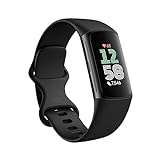
- Find your way seamlessly during runs or rides with turn-by-turn directions from Google Maps on Fitbit Charge 6[7, 8]; and when you need a snack break on the go, just tap to pay with Google Wallet[8, 9]
Launch timing and its place in Fitbit’s lineup
When the Alta debuted, Fitbit’s lineup was split between utilitarian bands like the Charge HR and more fashion-conscious devices like the Alta and Alta HR that followed later. The Alta sat below the Surge and Blaze in terms of features, but above the basic Fitbit Flex in both design and screen usability.
Its vertical OLED display was considered a major upgrade at the time, offering tap-based navigation and smartphone notifications for calls, texts, and calendar alerts. In 2016, that balance of simplicity and light smart features made it one of Fitbit’s most mainstream products.
Who Fitbit originally built the Alta for
The Alta was clearly aimed at beginners, casual walkers, office workers, and anyone focused on general wellness rather than performance metrics. It appealed strongly to users who wanted something slim, lightweight, and comfortable enough to wear all day and night without feeling like sports equipment.
Interchangeable bands, including leather and metal options, reinforced its role as an accessory as much as a tracker. Comfort was excellent, with the lightweight polymer body and soft elastomer strap making it easy to forget you were wearing it.
How those original goals translate in 2026
Viewed through a modern lens, the Alta’s original design priorities explain both its strengths and its shortcomings today. Battery life of around five days is still respectable, accuracy for step counting remains solid for casual movement, and the minimalist interface is easy to understand even for non-technical users.
However, the lack of heart rate tracking, connected GPS, and advanced health metrics like SpO2 or stress tracking makes it feel dated compared to even entry-level trackers today. Fitbit has discontinued the Alta, but basic syncing and core features still work through the Fitbit app, assuming the device battery and hardware are in good condition.
Who the Fitbit Alta still makes sense for
In 2026, the Alta only makes sense for a narrow audience: users who want the simplest possible step and sleep tracker, already use the Fitbit ecosystem, and can find a used or refurbished unit at a very low price. It can also appeal to former owners replacing a lost device who value familiarity over features.
For most buyers, newer trackers like the Fitbit Inspire 3 or even low-cost alternatives from Xiaomi and Huawei offer better health tracking, longer support horizons, and stronger value for only slightly more money. The Alta’s story is best understood as a snapshot of where fitness tracking was headed in 2016, not where it stands now.
Design, Comfort, and Wearability: Slim Fitness Band Before Smartwatches Took Over
Seen in the context of 2016, the Fitbit Alta’s physical design explains why it resonated with casual users long before wrist-based screens became crowded with apps and notifications. It was intentionally narrow, visually understated, and closer to a piece of minimalist jewelry than a sports device. That philosophy still defines how the Alta feels on the wrist today.
Minimalist form factor and dimensions
The Alta’s tracker module measures roughly 15mm wide and under 9mm thick, making it noticeably slimmer than most modern fitness trackers. At around 28 grams including the band, it’s light enough that it rarely shifts or pulls during daily movement. Even by 2026 standards, it remains one of the least obtrusive Fitbit designs ever released.
That slimness matters for users with smaller wrists or anyone who dislikes bulky wearables. The Alta sits flat against the wrist and slides easily under shirt cuffs, something many newer trackers still struggle with. It feels more like a narrow bracelet than a device demanding attention.
Materials, build quality, and finishing
The core tracker housing is made from a matte-finished polymer with a gently curved glass display window. It doesn’t feel luxurious, but it also doesn’t feel cheap, and long-term wear shows that Fitbit prioritized scratch resistance over visual flair. Minor scuffs tend to blend into the finish rather than standing out.
Durability is acceptable for everyday use but limited by modern expectations. The Alta is splash-resistant rather than swim-proof, meaning hand washing and light rain are fine, but showers and pools are best avoided. This restriction alone dates the Alta sharply compared to even budget trackers today.
Band system and wearing comfort
Fitbit’s removable band system was a key part of the Alta’s appeal, and it still holds up surprisingly well. The standard elastomer band is soft, flexible, and breathable enough for all-day wear, including sleep tracking. The clasp is secure without being stiff, avoiding pressure points during overnight use.
Optional leather and metal bands elevated the Alta from fitness tracker to accessory, especially in office or formal settings. Even now, a used Alta paired with a metal band looks less tech-heavy than most modern devices. Replacement bands are still easy to find through third-party sellers, which helps extend its usable life.
Button-free interaction and screen visibility
The Alta relies entirely on tap-based input rather than physical buttons. This keeps the design clean and uninterrupted, but it can feel imprecise, especially as the device ages and responsiveness varies. Multiple taps are often required to cycle through screens, which can frustrate users used to touchscreens.
The monochrome OLED display remains crisp indoors but struggles in direct sunlight. Text is sharp and legible at arm’s length, though information density is extremely limited. This reinforces the Alta’s original intent: quick glances, not deep interaction.
All-day and overnight wearability
Where the Alta continues to excel is continuous wear. Its low weight and narrow profile make it one of the easiest trackers to wear 24/7 without irritation. Sleep tracking, in particular, benefits from the absence of bulk, with minimal awareness on the wrist even for side sleepers.
Heat buildup is minimal compared to thicker trackers, and skin irritation is rare if the band is cleaned regularly. For users sensitive to heavier devices, this remains one of the Alta’s strongest arguments. Comfort, more than features, is the reason some long-time owners still keep theirs in rotation.
How the design has aged in 2026
In today’s market, the Alta’s design feels intentionally limited rather than outdated. It lacks the versatility of waterproof housings, color displays, and touchscreen navigation, but it also avoids the clutter and visual noise of smartwatch-style trackers. What remains is a focused design that prioritizes unobtrusive wear over capability.
For buyers considering a used Alta, the physical experience is still a highlight as long as expectations are realistic. It wears better than it performs, and that distinction defines its place in the Fitbit lineage. The Alta isn’t trying to compete with modern trackers on features, only on comfort and simplicity.
Display and Interface: OLED Screen, Tap Navigation, and Daily Use Experience
Seen in context with its featherweight design, the Alta’s display and interface choices make more sense as a product of restraint rather than omission. Fitbit clearly prioritized glanceability and discretion over interaction depth, and that philosophy still defines how the device feels to use today. For better or worse, everything about the Alta’s interface reinforces that it was never meant to behave like a smartwatch.
OLED display characteristics and real-world visibility
The Alta uses a slim monochrome OLED panel that runs the full length of the tracker’s face, framed by gently curved glass. Resolution is low by modern standards, but text rendering remains clean, with step counts, time, and notifications displaying without jagged edges. Indoors and in low light, contrast is excellent and the screen feels purpose-built for quick checks rather than lingering looks.
Direct sunlight is where age shows most clearly. The lack of ambient light sensing and limited brightness output mean outdoor visibility can be inconsistent, particularly at midday. Tilting the wrist usually helps, but users accustomed to transflective or high-nit AMOLED displays will notice the limitation immediately.
Tap-based navigation and interaction logic
Interaction on the Alta is entirely tap-driven, with no physical buttons and no true touchscreen layer. A firm double-tap wakes the display, while subsequent taps cycle through data screens such as steps, distance, calories, clock faces, and notifications. The system works, but it demands patience and consistency from the user.
Responsiveness varies depending on wear position and device age. Some units register taps reliably, while others require exaggerated input, especially after years of use. There is also no way to jump backward or select specific screens, which makes the experience feel linear and occasionally clumsy compared to even entry-level trackers released just a few years later.
Clock faces, layouts, and customization limits
Fitbit offered a handful of clock face styles for the Alta, including vertical text layouts, analog-inspired faces, and minimal step-focused views. Customization is done through the Fitbit app, and syncing changes can take longer than expected by modern standards. Once set, however, the display remains stable and easy to read.
There is no color, no widgets, and no dynamic data fields. What you see is fixed and intentionally sparse. For users who prefer visual quiet over personalization, this simplicity can still feel refreshing, but it leaves little room for adapting the device to different routines or priorities.
Notifications and glance interactions
Smartphone notifications are supported in a very basic form. Calls, texts, and app alerts scroll across the display in monochrome text, triggered by wrist raise or tap. There is no interaction beyond viewing, and longer messages are truncated quickly.
In daily use, notifications work best as awareness prompts rather than information tools. They are easy to miss outdoors and lack haptic nuance, but they do succeed in reducing unnecessary phone checks, which aligns with the Alta’s low-distraction ethos.
Daily usability in 2026 terms
Using the Alta today requires a mindset adjustment. Compared to modern Fitbit models with touchscreens, color UI, and swipe gestures, the Alta feels slow and rigid. That said, its interface is also extremely difficult to misuse, with no menus to get lost in and no accidental inputs beyond an occasional missed tap.
For users considering a used or refurbished Alta, the display and interface remain functional as long as expectations are grounded. It excels at showing the basics reliably, quietly, and with minimal wrist presence. The moment you expect responsiveness, adaptability, or outdoor clarity, its age becomes unmistakable.
Core Fitness Tracking Features: Steps, Distance, Calories, and Activity Reminders
After living with the Alta’s minimalist screen and limited interaction model, its core fitness tracking features feel like a natural continuation of that same philosophy. This is a tracker built to count, nudge, and summarize rather than analyze. Even in 2026, that focus defines both its strengths and its clear boundaries.
Step counting accuracy and daily movement tracking
Step tracking has always been the Alta’s primary job, and it remains the most dependable metric the device offers. Using Fitbit’s earlier-generation accelerometer algorithms, the Alta does a solid job distinguishing walking from casual arm movement, though it is slightly more prone to overcounting during repetitive hand motions than newer models.
In real-world wear, daily step totals tend to land within an acceptable margin for casual fitness users. It is not laboratory-precise, but it is consistent, which matters more for habit building than exact numbers. For users upgrading from pedometer-style clip-ons or phone-based step counts, the Alta still feels reliable.
There is no automatic activity recognition beyond basic movement patterns. Walks are not labeled, runs are not identified, and anything more structured requires manual logging in the Fitbit app. This reinforces the Alta’s role as a passive tracker rather than an active training companion.
Rank #2

- Inspire 3 is the tracker that helps you find your energy, do what you love and feel your best. All you have to do is wear it.Operating temperature: 0° to 40°C
- Move more: Daily Readiness Score(1), Active Zone Minutes, all-day activity tracking and 24/7 heart rate, 20+ exercise modes, automatic exercise tracking and reminders to move
- Stress less: always-on wellness tracking, daily Stress Management Score, mindfulness sessions, relax breathing sessions, irregular heart rhythm notifications(2), SpO2(3), menstrual health tracking, resting heart rate and high/low heart rate notifications
- Sleep better: automatic sleep tracking, personalized Sleep Profile(1), daily detailed Sleep Score, smart wake vibrating alarm, sleep mode
- Comfortably connected day and night: calls, texts & smartphone app notifications(4), color touchscreen with customizable clock faces, super lightweight and water resistant to 50 meters, up to 10 day battery life(5)
Distance estimation and stride assumptions
Distance tracking on the Alta is derived entirely from step count and user-entered stride length. There is no GPS, no phone-assisted route tracking, and no post-workout map view. As a result, distance accuracy depends heavily on whether the user has properly calibrated their stride in the Fitbit app.
For steady walking at a consistent pace, distance estimates are reasonable. Variable terrain, short steps, or mixed movement patterns introduce noticeable drift over longer days. This is not a flaw unique to the Alta, but it is more visible here due to the lack of corrective data from GPS or motion fusion sensors.
For users who think in steps rather than miles or kilometers, this limitation is largely academic. For anyone tracking distance for training or comparison purposes, even entry-level modern trackers outperform the Alta decisively.
Calorie burn estimates and daily energy use
Calorie tracking on the Alta combines step-based activity with basic user profile data such as age, height, weight, and gender. Without heart rate data, these estimates are broad and best interpreted as directional rather than precise.
In daily use, the Alta is better at showing trends than totals. Active days clearly separate themselves from sedentary ones, but the calorie numbers themselves should not be used for fine-grained nutrition planning. Compared to modern Fitbits with continuous heart rate and activity-specific calorie models, the Alta’s estimates feel dated but not misleading.
For users focused on awareness rather than optimization, this level of calorie tracking is often sufficient. It reinforces movement habits without encouraging overconfidence in the numbers.
Hourly activity reminders and movement nudges
One of the Alta’s most effective features remains its hourly activity reminders. If you do not reach 250 steps within a given hour, the tracker delivers a subtle vibration and on-screen prompt encouraging you to move.
This feature works exactly as intended and has aged surprisingly well. The reminders are simple, non-judgmental, and easy to understand at a glance. They are also customizable in the app, allowing users to define active hours or disable them entirely.
For desk workers or casual users trying to break up long periods of inactivity, these nudges can be more impactful than detailed workout metrics. The Alta’s light weight and slim band make it comfortable enough to wear all day, which is essential for this feature to be effective.
Activity goals and Fitbit ecosystem integration
Daily goals for steps, distance, and calories are managed through the Fitbit app and mirrored on the Alta’s display. Progress updates are shown as simple numerical values rather than charts or rings, keeping information density low.
Syncing still works with the current Fitbit app, though syncing is slower and occasionally less reliable than with newer devices. Long-term data trends, weekly summaries, and goal streaks remain accessible, which is important for users considering a used Alta as a long-term habit tracker.
What the Alta cannot do is adapt goals dynamically or provide context-aware coaching. There are no smart suggestions, no recovery insights, and no adaptive targets based on prior performance. This places it firmly in the legacy category, but also makes its behavior predictable and easy to understand.
What these core features mean in 2026
Viewed through a modern lens, the Alta’s fitness tracking feels intentionally narrow. It counts steps consistently, estimates distance and calories conservatively, and encourages regular movement without demanding attention. It does not reward intensity, analyze workouts, or compete with today’s entry-level trackers on features.
For users considering a refurbished unit, these core functions still work as long as expectations are aligned with the device’s original purpose. If your goal is daily movement awareness and gentle habit reinforcement, the Alta delivers. If you want actionable fitness insights, structured activity tracking, or precision metrics, even the least expensive current Fitbit models represent a substantial upgrade.
What the Fitbit Alta Does NOT Track: Missing Heart Rate, GPS, and Advanced Metrics
The Alta’s simplicity extends just as clearly to what it leaves out as to what it includes. Understanding these omissions is essential, especially for buyers comparing a used Alta against even today’s most basic fitness trackers.
Rather than being flaws in execution, these gaps reflect the Alta’s original design goal: a slim, comfortable activity band focused on daily movement, not physiological measurement or sports tracking.
No heart rate tracking on the original Fitbit Alta
The most significant omission is heart rate monitoring. The original Fitbit Alta does not include an optical heart rate sensor, which means it cannot record resting heart rate, exercise heart rate, or heart rate variability.
This also means no heart-rate-based calorie calculations, no cardio fitness estimates, and no heart rate zones during activity. All calorie burn estimates are derived from steps, distance, body profile data, and generalized activity assumptions.
It is worth noting that Fitbit later released the Alta HR, which added continuous heart rate tracking in the same physical form factor. If heart rate data matters to you, the distinction between Alta and Alta HR is critical, as the experience and available metrics differ substantially.
No GPS or connected GPS support
The Fitbit Alta does not include built-in GPS, nor does it support connected GPS via a paired smartphone. Outdoor walks, runs, or hikes are logged purely as step-based activities without route maps, pace charts, or distance verification via satellite data.
Distance estimates rely on stride length calculations, which are reasonably consistent for walking but can drift during faster movement or uneven terrain. For users who care about accurate outdoor tracking, this limitation becomes noticeable quickly.
In practical terms, the Alta is not suited for runners, cyclists, or hikers who want post-activity analysis. It treats all movement as general activity rather than distinct workouts with spatial context.
No advanced workout or sport tracking
Unlike later Fitbit models, the Alta does not offer dedicated exercise modes such as run, bike, swim, or strength training. There is no manual workout start or stop, and no lap tracking or interval support.
Activities are recorded passively in the background and categorized broadly in the Fitbit app. While this works well for casual movement, it lacks the structure needed for training or performance improvement.
The Alta is also not water-resistant beyond basic splash protection. It should be removed for swimming, showering, or any activity involving sustained water exposure, eliminating swim tracking entirely.
Limited sleep data without stages or health insights
Sleep tracking on the Alta is basic and relies on motion-based detection. It records total sleep duration and general restlessness but does not provide sleep stages such as light, deep, or REM sleep.
Because there is no heart rate data, modern Fitbit sleep features like sleep scores, nightly recovery indicators, or trends tied to cardiovascular metrics are unavailable. In 2026, this makes the Alta’s sleep tracking feel especially dated compared to even entry-level trackers.
For users who simply want to know roughly how long they slept, the Alta still provides usable data. For anyone seeking sleep quality insights or health correlations, it falls well short.
No VO2 max, stress tracking, or wellness metrics
The Alta predates Fitbit’s push into broader wellness and recovery metrics. There is no VO2 max or cardio fitness score, no stress tracking, no guided breathing sessions, and no mindfulness features.
It also lacks blood oxygen estimation, skin temperature trends, and menstrual health tracking integrations that are now common within the Fitbit ecosystem. These omissions are not fixable via software updates due to missing hardware sensors.
As a result, the Alta functions strictly as an activity awareness tool rather than a holistic health tracker.
What these limitations mean for buyers in 2026
Taken together, these missing features define the Alta’s ceiling. It cannot evolve into a more capable tracker through updates, and it will never deliver the kind of insights users now associate with fitness wearables.
For some users, that ceiling is acceptable or even desirable. The Alta avoids complexity, minimizes battery drain, and stays focused on movement habits rather than health analytics.
For others, especially those comparing prices on the refurbished market, it is important to recognize that modern budget Fitbits now include heart rate, sleep stages, GPS options, and structured workouts at a relatively small premium. Understanding exactly what the Alta does not track helps prevent mismatched expectations and buyer’s remorse.
Battery Life and Charging in 2026: What to Expect From an Aging Tracker
The Fitbit Alta’s limited feature set directly influences one of its few remaining strengths: power efficiency. Without a heart rate sensor, GPS, or always-on connectivity, the Alta was designed to sip battery rather than drain it.
That design philosophy still matters in 2026, but age changes the equation. Battery life on a decade-old tracker is no longer about manufacturer claims, but about realistic expectations and degradation.
Rank #3

- 【BUILT-IN GPS SMART WATCH – GO FURTHER, FREER, SMARTER】No phone? No problem. This fitness watch for women, featuring the latest 2025 technology, includes an advanced professional-grade GPS chip that precisely tracks every route, distance, pace (real-time & average), and calorie burned—completely phone-free. Whether you're chasing new personal records or exploring off the beaten path, your full journey is automatically mapped and synced in the app. Train smarter. Move with purpose. Own your progress. Own your journey.
- 【BLUETOOTH 5.3 CALLS & SMART NOTIFICATIONS】Stay effortlessly connected with this smart watch for men and women, featuring dual Bluetooth modes (BT 3.0 + BLE 5.3) and a premium microphone for crystal-clear calls right from your wrist—perfect for driving, workouts, or busy days. Receive instant alerts for calls, texts, and popular social apps like WhatsApp and Facebook. Just raise your wrist to view notifications and never miss an important moment.
- 【100+ SPORT MODES & IP68 WATERPROOF & DUSTPROOF】This sport watch is a versatile activity and fitness tracker with 100+ modes including running, cycling, yoga, and more. It features quick-access buttons and automatic running/cycling detection to start workouts instantly. Accurately track heart rate, calories, distance, pace, and more. Set daily goals on your fitness tracker watch and stay motivated with achievement badges. With IP68 waterproof and dustproof rating, it resists rain and sweat for any challenge. Not suitable for showering, swimming, or sauna.
- 【24/7 HEALTH ASSISTANT & SMART REMINDERS】This health watch continuously monitors heart rate, blood oxygen, and stress levels for comprehensive wellness tracking. Sleep monitoring includes deep, light, REM sleep, and naps to give you a full picture of your rest. Stay on track with smart reminders for sedentary breaks, hydration, medication, and hand washing. Women can also monitor menstrual health. Includes guided breathing exercises to help you relax. Your ultimate health watch with event reminders for a healthier life.
- 【ULTRA HD DISPLAY, LIGHTWEIGHT & CUSTOMIZABLE DIALS】This stylish wrist watch features a 1.27-inch (32mm) 360×360 ultra HD color display with a 1.69-inch (43mm) dial, offering vivid details and responsive touch. Its minimalist design fits both business and casual looks. Switch freely among built-in designer dials or create your own DIY watch face using photos, colors, and styles to showcase your unique personality. Perfect as a cool digital watch and fashion wrist watch.
Original battery claims vs real-world performance today
When new, Fitbit rated the Alta for up to five days of battery life on a single charge. In practice, most users saw four to five days with normal step tracking, notifications enabled, and a few daily screen wake-ups.
In 2026, a well-preserved Alta typically delivers closer to two to four days, depending on battery health and usage. Units with heavier wear history, long periods of full discharge, or exposure to heat may struggle to last more than one to two days.
There is no battery health indicator in the Fitbit app, so performance has to be judged empirically. If an Alta drops more than 25 percent overnight with minimal activity, the battery is likely near the end of its usable life.
How the Alta’s minimalist hardware helps longevity
One advantage the Alta retains over newer trackers is its lack of power-hungry sensors. No optical heart rate, no SpO2, no GPS, and no always-on display mean fewer background processes drawing current.
The small OLED display only activates when tapped or during notifications, and brightness is modest by modern standards. This helps offset battery aging to some degree and explains why some Altas still function acceptably after many years.
That said, lithium-ion cells inevitably degrade. Even with light usage, chemical aging alone means no Alta in 2026 is operating at original capacity.
Charging method and cable availability
The Fitbit Alta uses a proprietary snap-on charging cable that clamps around the tracker’s body. It is secure when new, but over time the plastic tension weakens and the electrical contacts become more finicky.
Original Fitbit cables are no longer produced, but third-party replacements are widely available and inexpensive. Quality varies, and poorly aligned pins can cause intermittent charging or slow charge rates.
Charging from empty to full typically takes about one to two hours, assuming the cable makes solid contact. If charging stalls or requires repeated repositioning, the issue is usually the cable rather than the tracker itself.
Software updates and battery drain considerations
The Alta no longer receives firmware updates, which is a double-edged sword. On the positive side, there are no new features or background processes added that could increase power consumption.
On the downside, compatibility changes within the Fitbit app can occasionally cause sync-related drain if the device repeatedly attempts to connect. This is rare, but users should keep Bluetooth connections stable and avoid constant manual syncing.
Compared to modern trackers that juggle continuous heart rate sampling and health metrics, the Alta’s software footprint remains extremely light, which helps preserve what battery capacity it has left.
Daily charging habits that matter more now
In 2026, how you charge an Alta has a noticeable impact on usability. Topping up frequently is preferable to running the battery down to zero, as deep discharges accelerate wear in older cells.
Leaving the Alta on the charger overnight is not ideal, but occasional overnight charging is unlikely to cause immediate harm. Heat is a bigger enemy than overcharging, so charging in a cool, ventilated area matters more than exact timing.
Because battery life is no longer predictable across units, most users should expect to charge every one to three days rather than following a weekly routine.
How battery reality affects buying decisions today
For anyone considering a used or refurbished Fitbit Alta, battery condition should be treated as a consumable risk rather than a guaranteed spec. There is no practical or cost-effective battery replacement option, and once capacity drops too far, the tracker becomes frustrating to use.
Sellers rarely disclose battery health accurately, so buyers should factor in the possibility of short runtimes when evaluating price. A low upfront cost may still make sense for casual use, but only if expectations are modest.
In contrast, even entry-level modern trackers now offer longer battery life with significantly more functionality. The Alta’s remaining appeal lies not in endurance leadership, but in its simplicity and low-power design, provided the aging battery still has enough life to support daily wear.
Accuracy and Real-World Performance: Step Counting, Sleep Tracking, and Limitations
Battery age inevitably shapes how the Fitbit Alta performs today, but accuracy is influenced just as much by the hardware choices Fitbit made back in 2016. The Alta was designed as a simple activity tracker first, not a multi-sensor health device, and its strengths and weaknesses still reflect that original intent.
When it works within those boundaries, the Alta can still deliver usable data. Expecting it to behave like a modern tracker, however, leads to frustration.
Step counting accuracy in everyday use
The Fitbit Alta relies on a basic three-axis accelerometer, with step detection tuned primarily for walking and light daily movement. In controlled walking scenarios, such as steady outdoor walks or treadmill sessions, step counts generally land within a reasonable margin of error compared to manual counts or newer Fitbits.
Problems appear when movement patterns become less rhythmic. Household chores, gesturing while seated, or pushing a shopping cart can lead to undercounting, while activities involving repetitive wrist motion, like cooking or folding laundry, can inflate totals.
Stride length estimation is another weak point. Because the Alta lacks GPS and adaptive stride calibration, distance estimates are derived purely from step count and user-entered height, making them approximate at best.
For casual users focused on daily movement goals rather than precise metrics, the step tracking remains serviceable. Anyone using steps as a proxy for training load or calorie precision will quickly hit the Alta’s limits.
Sleep tracking: surprisingly competent, but dated
Sleep tracking was one of the Alta’s standout features at launch, and it remains one of its more reliable functions today. Using motion-based detection, the Alta can still accurately identify sleep duration and broad sleep timing when worn consistently overnight.
The tracker does a solid job distinguishing sleep from prolonged inactivity, especially when bedtime routines are regular. Sleep start and wake times usually align closely with real-world behavior, assuming the device is worn snugly.
What’s missing is depth. Without heart rate sensors or blood oxygen tracking, the Alta cannot provide sleep stages, sleep scores, or recovery insights that users now take for granted.
The result is a simple sleep log rather than a diagnostic tool. It answers when you slept and for how long, but not how well.
Activity tracking without heart rate: what that really means
The absence of a heart rate sensor defines the Alta’s performance ceiling. Calories burned are estimated using generic formulas based on steps, duration, and basic profile data, not real physiological effort.
For low-intensity movement, these estimates are often close enough to be useful. During higher-effort activities, especially anything involving elevation, resistance, or interval effort, calorie data becomes increasingly speculative.
The Alta also lacks automatic exercise recognition beyond basic activity minutes. Users must mentally contextualize their movement rather than relying on detailed workout summaries.
In practice, the Alta functions best as a movement awareness tool rather than a fitness analysis device.
Sync reliability and data consistency in 2026
Accuracy today isn’t just about sensors, but about whether data reliably makes it into the Fitbit app. Most Alta units still sync successfully with current versions of the Fitbit app, but the experience can be inconsistent depending on phone model and operating system updates.
Delayed syncs or partial data uploads can occasionally create gaps in daily totals. This doesn’t usually affect long-term averages, but it can be frustrating for users checking progress in real time.
The lightweight data generated by the Alta works in its favor here. Compared to modern trackers with continuous health streams, the Alta’s simple logs are easier for the app to process, reducing catastrophic failures even if syncs are slower.
Physical wear, sensor drift, and long-term accuracy
After nearly a decade, physical condition matters. Loose bands, worn clasps, or micro-movements on the wrist can all degrade step and sleep accuracy.
Rank #4

- 24H Accurate Heart Rate Monitoring: Go beyond basic tracking. Our watch automatically monitors your heart rate, blood oxygen (SpO2), and sleep patterns throughout the day and night. Gain deep insights into your body's trends and make informed decisions for a healthier lifestyle.
- Practical Sports Modes & Smart Activity Tracking: From running and swimming to yoga and hiking, track a wide range of activities with precision. It automatically records your steps, distance, calories burned, and duration, helping you analyze your performance and crush your fitness goals.
- 1-Week Battery Life & All-Day Wear: Say goodbye to daily charging. With an incredible up to 7-10 days of battery life on a single charge, you can wear it day and night for uninterrupted sleep tracking and worry-free travel. Stay connected to your data without the hassle.
- Comfortable to Wear & IP68 Waterproof: The lightweight, skin-friendly band is crafted for all-day comfort, even while you sleep. With IP68 waterproof, it withstands rain, sweat, It is not suitable for swimming or showering.
- Ease of Use and Personalized Insights via Powerful App: The display is bright and easy to read, even outdoors. Unlock the full potential of your watch. Sync with our dedicated app to view detailed health reports, customize watch faces, set sedentary reminders, and manage your preferences with ease.
Accelerometers can also drift subtly over time, especially in devices exposed to repeated drops or temperature extremes. This usually shows up as gradual over- or under-counting rather than sudden failure.
Because there is no recalibration tool available to users, accuracy issues tend to be permanent once they appear. This makes the condition of a used Alta just as important as its remaining battery life.
Understanding the Alta’s limitations before you buy or keep using it
The Fitbit Alta was never designed to track intensity, recovery, or health trends. It does not measure heart rate, stress, oxygen saturation, skin temperature, or cardio fitness.
It also lacks GPS, waterproofing beyond splash resistance, and any meaningful on-device controls. Even at launch, it was a minimalist tracker.
In 2026, those limitations are amplified by comparison to modern entry-level trackers that offer far more insight at modest prices.
The Alta can still accurately answer a narrow set of questions: how much you moved, roughly how far you walked, and when you slept. As long as expectations stay within that scope, its real-world performance remains adequate rather than impressive.
Fitbit App and Software Support Today: Compatibility, Syncing, and Google-Era Fitbit
If the Alta’s hardware limitations set the ceiling for what it can track, the Fitbit app now defines how usable it feels day to day. In 2026, the app is still functional with the Alta, but it exists in an ecosystem that has clearly moved on.
This section matters more than most for prospective buyers of a used Alta. Software support, not sensors or battery size, is now the biggest factor determining whether the device feels merely old or genuinely inconvenient.
Phone compatibility in 2026: what still works and what doesn’t
The Fitbit Alta can still pair with modern Android and iOS phones using the current Fitbit app, but compatibility is unofficially fragile. Fitbit no longer tests app updates against Alta-era hardware, so successful syncing depends heavily on your specific phone model and OS version.
On iOS, the Alta generally works best on stable releases rather than developer betas. Background syncing can fail silently, requiring the app to be opened manually to trigger data transfer.
On Android, Bluetooth stability varies by manufacturer. Phones with aggressive battery optimization, particularly from Samsung, Xiaomi, and OnePlus, are more likely to pause background sync unless Fitbit is manually excluded from power-saving rules.
Sync behavior, reliability, and real-world frustrations
When syncing works, it is slow but predictable. The Alta uploads step counts, distance, active minutes, and sleep logs without major corruption, even after multiple days offline.
Problems usually show up as delayed updates rather than lost data. You might finish a walk, glance at the app, and see yesterday’s totals until a manual sync is initiated.
Firmware updates for the Alta ended years ago, so there are no fixes coming for these behaviors. What you experience today is effectively the final state of the device.
Account requirements and Google-era Fitbit changes
One of the biggest shifts since the Alta launched is the mandatory move toward Google accounts. New Fitbit users are now required to sign in using a Google account rather than legacy Fitbit credentials.
Existing Fitbit accounts created before the transition can still function, but Fitbit continues to nudge users toward migration. Once migrated, there is no path back to a standalone Fitbit login.
The Alta itself is unaffected by this change, but the app experience is not. Privacy controls, data sharing options, and integrations are now governed by Google’s account framework rather than Fitbit’s original system.
Features removed or deprecated for Alta users
Several app features that once applied broadly across Fitbit’s lineup are now effectively irrelevant to the Alta. Advanced sleep analytics, readiness scores, stress tracking, and health metrics panels simply display placeholders or are hidden entirely.
Fitbit Premium offers no meaningful benefit to Alta owners. The device does not generate the data required to unlock Premium insights, making the subscription unnecessary for this model.
Third-party app integrations are also limited. While step data can still sync to platforms like MyFitnessPal, deeper health ecosystem sharing is no longer prioritized for legacy trackers.
Interface design and usability with a minimalist tracker
The modern Fitbit app is visually dense compared to the Alta’s simplicity. Dashboards are built around heart rate trends, recovery metrics, and wellness scores that the Alta cannot provide.
This mismatch creates friction for new users. Important Alta-relevant data like steps and sleep can feel buried beneath cards and menus designed for newer devices.
That said, the Alta’s data is lightweight, and this works in its favor. The app rarely crashes outright when paired with an Alta, even if syncing is inconsistent.
Long-term outlook for software support
Fitbit has not announced an official end-of-support date for the Alta, but all signs point toward passive maintenance only. As long as Bluetooth standards remain backward compatible and the app retains basic tracker support, the Alta will limp along.
The risk is sudden incompatibility following a major OS update. When support eventually breaks, it is likely to be abrupt rather than phased.
For buyers considering a used Alta today, this uncertainty should be treated as part of the cost. You are buying into a shrinking software window, not a stable platform.
What this means for owners and potential buyers
If you already own an Alta and it syncs reliably with your phone, there is little reason to stop using it purely because of the app. The core experience has plateaued rather than degraded dramatically.
For new buyers, the app experience should temper expectations. Even inexpensive modern trackers offer smoother syncing, clearer dashboards, and ongoing software attention.
The Alta still functions as a basic movement and sleep logger, but in the Google-era Fitbit ecosystem, it is clearly living on borrowed time.
Is the Fitbit Alta Still Worth Buying Used or Refurbished?
Given the uncertainty around long-term software support, the decision to buy a Fitbit Alta today hinges less on nostalgia and more on how narrowly your needs align with what it was originally built to do. The Alta was never intended to be a comprehensive health tracker, and that design intent matters even more in 2026.
What follows is not a blanket yes or no, but a breakdown of where the Alta still fits—and where it clearly does not.
What the Fitbit Alta was designed to be
The Alta launched as a slim, screen-based activity band focused on steps, basic sleep tracking, and gentle nudges to move. There is no built-in GPS, no heart rate sensor, no onboard workouts, and no waterproofing beyond light splashes.
Physically, it remains one of Fitbit’s most comfortable designs. The tracker is extremely light, narrow on the wrist, and unobtrusive under long sleeves, with interchangeable bands that still feel more like jewelry than sports gear.
That minimalist hardware defines both its charm and its ceiling.
How it performs today for core tracking
Step tracking remains reasonably consistent for everyday walking, especially at steady paces. Like most wrist-based accelerometers of its era, it struggles with arm-restricted movement, pushing strollers, or uneven gait patterns.
Sleep tracking still works in Fitbit’s basic mode, logging duration and restlessness without sleep stages. For users who simply want bedtime and wake time trends, the data remains usable, even if it lacks the context modern trackers provide.
💰 Best Value

- 【Superb Visual Experience & Effortless Operation】Diving into the latest 1.58'' ultra high resolution display technology, every interaction on the fitness watch is a visual delight with vibrant colors and crisp clarity. Its always on display clock makes the time conveniently visible. Experience convenience like never before with the intuitive full touch controls and the side button, switch between apps, and customize settings with seamless precision.
- 【Comprehensive 24/7 Health Monitoring】The fitness watches for women and men packs 24/7 heart rate, 24/7 blood pressure and blood oxygen monitors. You could check those real-time health metrics anytime, anywhere on your wrist and view the data record in the App. The heart rate monitor watch also tracks different sleep stages for light and deep sleep,and the time when you wake up, helps you to get a better understanding of your sleep quality.
- 【120+ exercise modes & All-Day Activity Tracking】There are more than 120 exercise modes available in the activity trackers and smartwatches, covering almost all daily sports activities you can imagine, gives you new ways to train and advanced metrics for more information about your workout performance. The all-day activity tracking feature monitors your steps, distance, and calories burned all the day, so you can see how much progress you've made towards your fitness goals.
- 【Messages & Incoming Calls Notification】With this smart watch fitness trackers for iPhone and android phones, you can receive notifications for incoming calls and read messages directly from your wrist without taking out your phone. Never miss a beat, stay in touch with loved ones, and stay informed of important updates wherever you are.
- 【Essential Assistant for Daily Life】The fitness watches for women and men provide you with more features including drinking water and sedentary reminder, women's menstrual period reminder, breath training, real-time weather display, remote camera shooting, music control,timer, stopwatch, finding phone, alarm clock, making it a considerate life assistant. With the GPS connectivity, you could get a map of your workout route in the app for outdoor activity by connecting to your phone GPS.
There is no active heart rate monitoring to fall back on, which limits calorie estimates and removes any insight into effort or recovery.
Battery health and real-world longevity concerns
Battery life was rated at around five days when new, but this is the biggest unknown when buying used. Many Alta units now struggle to exceed two to three days per charge, depending on battery wear and screen wake frequency.
The battery is not user-replaceable, and third-party replacement is rarely cost-effective. If a seller cannot demonstrate stable battery performance, the low purchase price can quickly become a false economy.
Charging remains simple via the proprietary clip, but replacement chargers are becoming less common and vary in quality.
Software compatibility and setup risk
As outlined earlier, the Alta still pairs with the current Fitbit app, but this compatibility feels increasingly fragile. Newer Android and iOS versions may require multiple attempts to sync, and background syncing is inconsistent on some phones.
Account setup also assumes features the Alta does not support, which can confuse first-time users. Once configured, day-to-day syncing usually works, but any future app overhaul could break that balance without warning.
This is not a device you should buy for peace of mind or long-term platform stability.
Who the Fitbit Alta still makes sense for
The Alta can still be a reasonable choice for someone who wants a distraction-free step counter with a slim, watch-like appearance. Users transitioning from no tracker at all, or those intentionally avoiding heart rate metrics and wellness scores, may appreciate its simplicity.
It can also work as a secondary tracker for casual wear, where comfort and aesthetics matter more than data depth. In that role, its light weight and understated design still hold up.
For existing Fitbit users who already understand the app’s quirks, the Alta may feel familiar rather than limiting.
Who should avoid buying one today
Anyone interested in health trends, fitness progress, or long-term insights will quickly outgrow the Alta. Without heart rate, GPS, or water resistance, it cannot support structured workouts, swimming, or meaningful health monitoring.
New users expecting modern smartwatch behavior, seamless syncing, or strong Google-era Fitbit integration are likely to be frustrated. Even budget trackers released in the past few years offer more reliable software support and broader feature sets.
If the Alta is your only tracker, its limitations become more apparent with each passing app update.
Better-value modern alternatives in 2026
Used or entry-level trackers like the Fitbit Inspire 2 or Inspire 3 offer heart rate tracking, significantly better battery life, and stronger app alignment for only slightly more money on the secondary market. They also benefit from longer remaining software support windows.
Outside Fitbit, basic bands from Xiaomi, Huawei, or Amazfit provide brighter displays, water resistance, and multi-week battery life at comparable used prices. These devices may lack Fitbit’s ecosystem polish but outperform the Alta on pure capability.
Compared side by side, the Alta’s value rests almost entirely on its form factor and simplicity, not its feature set.
Better Modern Alternatives in 2026: Which Current Fitbits and Budget Trackers Make More Sense
Seen in the context of today’s tracker market, the Fitbit Alta’s appeal narrows quickly. Its clean design and simplicity still have charm, but modern entry-level devices now deliver that same ease of use while quietly solving nearly all of the Alta’s practical limitations.
If you are shopping in 2026 with real-world usability in mind, the alternatives below represent a far more balanced use of money, even when comparing against a cheap used Alta.
Fitbit Inspire 3: The closest spiritual successor
The Inspire 3 is effectively what the Alta would look like if it had been allowed to evolve. It keeps a slim, lightweight band-style form factor, but adds continuous heart rate tracking, SpO2 estimates, sleep stages, stress tracking, and full water resistance.
In daily wear, it is still discreet enough for small wrists and office settings, with a flexible silicone band that is more comfortable than the Alta’s rigid clasp system. Battery life typically stretches to 8–10 days, which alone makes it feel dramatically more modern than the Alta’s frequent charging routine.
Most importantly, the Inspire 3 remains fully supported within Fitbit’s current app ecosystem. Sync reliability, firmware updates, and compatibility with modern phones are all far stronger than what the Alta can offer today.
Fitbit Charge series: When you want room to grow
For users who like the Alta’s simplicity but suspect they may want more data later, the Fitbit Charge line makes more long-term sense. Even older Charge models on the used market deliver heart rate, built-in GPS, water resistance, and far more detailed activity tracking.
Physically, the Charge is larger and more obviously a fitness device, but it is still light and comfortable enough for 24/7 wear. The added screen space improves readability, notifications, and workout feedback without tipping into full smartwatch complexity.
If you expect your fitness habits to evolve, a Charge model avoids the dead-end feeling many Alta owners experience after a few months.
Xiaomi Smart Band and Amazfit Band: Maximum features for minimal money
Outside the Fitbit ecosystem, budget bands from Xiaomi and Amazfit make the Alta feel especially outdated. Devices like the Xiaomi Smart Band 8 or Amazfit Band 7 cost very little on the new or used market and deliver OLED displays, multi-week battery life, and full water resistance.
These bands track heart rate, sleep, stress, and dozens of activities with surprising accuracy for the price. Their apps lack Fitbit’s long-term trend polish, but for day-to-day tracking they are stable, fast, and easy to understand.
From a pure value perspective, these budget bands outperform the Alta in almost every measurable way, while also being new enough to receive ongoing software updates.
Huawei Band series: Strong hardware, ecosystem caveats
Huawei’s Band lineup also represents a strong alternative if availability and phone compatibility align. Build quality is excellent for the price, with slim profiles, bright displays, and battery life that often exceeds two weeks.
Health tracking is comprehensive, covering heart rate, sleep quality, and basic training metrics. The main consideration is app compatibility and long-term platform access, which varies by region and smartphone brand.
If supported on your phone, these bands offer a level of polish and capability the Alta simply cannot match.
When choosing modern alternatives matters most
The key difference between the Alta and modern trackers is not just features, but longevity. Current devices are designed around today’s apps, cloud services, and phone operating systems, while the Alta exists on borrowed time.
Battery health, sync reliability, and feature relevance all favor newer hardware, even at the low end of the market. What once made the Alta feel elegant now mostly highlights how far entry-level trackers have progressed.
Final perspective: Why most buyers should move on
In 2026, buying a Fitbit Alta only makes sense for a very narrow audience that values form over function and already understands its limitations. For everyone else, modern Fitbits and budget bands deliver better health insight, longer battery life, and far more dependable software support for roughly the same investment.
The Alta remains an interesting snapshot of Fitbit’s design philosophy at the time, but as a daily-use tracker today, it is outclassed. Choosing a modern alternative is less about chasing features and more about ensuring your tracker still works smoothly a year from now.
That shift, more than anything else, is why the Alta has become a legacy device rather than a practical recommendation.