If you already own a Fitbit and an Amazon Echo, the idea of asking Alexa about your health stats sounds obvious. In practice, though, many users are unsure what the integration actually unlocks, whether it’s worth setting up, or if it’s just a novelty that wears off after a week. This section clears that up before you invest any time linking accounts or adjusting privacy settings.
The Fitbit–Alexa connection is not about controlling your tracker or turning your Echo into a fitness coach. It’s about hands-free access to specific pieces of your Fitbit data, delivered through voice, at moments when pulling out your phone or checking your wrist feels unnecessary or inconvenient. Used correctly, it becomes a small but genuinely useful part of a daily routine.
Hands-free access to your core fitness data
Once connected, Alexa can read out select Fitbit metrics that are already synced to your Fitbit account. This includes things like steps taken today, last night’s sleep duration, heart rate, calories burned, and whether you’ve logged exercise or met activity goals.
The experience is intentionally simple. You ask a question like “Alexa, ask Fitbit how I slept” or “Alexa, how many steps do I have today,” and Alexa responds using the most recent synced data from Fitbit’s servers, not directly from your tracker.
🏆 #1 Best Overall
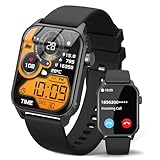
- 【1.83" HD Display & Customizable Watch Faces】Immerse yourself in a vibrant 1.83-inch IPS display, boasting a sharp resolution of 240*284 for crystal-clear visuals. Effortlessly personalize your smart watch with a wide array of customizable watch faces to suit your personal style for every occasion—whether trendy, artistic, or minimalist—ideal for casual, sporty, or professional. Its sleek, modern design complements any outfit, blending technology and fashion seamlessly for everyday wear
- 【120 Sports Modes & Advanced Health Tracking】Our TK29 smart watches for women men come equipped with 120 sports modes, allowing you to effortlessly track a variety of activities such as walking, running, cycling, and swimming. With integrated heart rate and sleep monitors, you can maintain a comprehensive overview of your health, achieve your fitness goals, and maintain a balanced, active lifestyle with ease. Your ideal wellness companion (Note: Step recording starts after exceeding 20 steps)
- 【IP67 Waterproof & Long-Lasting Battery】Designed to keep up with your active lifestyle, this smartwatch features an IP67 waterproof rating, ensuring it can withstand splashes, sweat, and even brief submersion, making it perfect for workouts, outdoor adventures, or rainy days. Its reliable 350mAh battery offering 5-7 days of active use and up to 30 days in standby mode, significantly reducing frequent charging. Ideal for all-day wear, whether you’re at the gym, outdoors, or simply on the go
- 【Stay Connected Anytime, Anywhere】Stay informed and in control with Bluetooth call and music control features. Receive real-time notifications for calls, messages, and social media apps like Facebook, WhatsApp, Twitter, and Instagram directly on your smartwatch. Easily manage calls, control your music playlist, and stay updated without needing to reach for your phone. Perfect for work, workouts, or on-the-go, this watch keeps you connected and never miss important updates wherever you are
- 【Multifunction & Wide Compatibility】Seamlessly handle heart rate monitoring, sleep tracking, and enjoy conveniences like camera/music control, Seamlessly handle heart rate monitoring, sleep tracking, and more-all directly from your wrist. This 1.83 inches HD smartwatch is compatible with iPhone (iOS 9.0+) & Android (5.0+), ensuring smooth daily connectivity and convenience throughout your day. More than just a timepiece, it’s a stylish, all-in-one wearable for smarter, healthier living
This is especially useful in situations where your hands are busy or your phone isn’t nearby. Morning routines, cooking, winding down before bed, or quick check-ins during the workday are where this integration tends to shine.
What Alexa cannot do with your Fitbit
This integration is read-only, and that’s an important expectation to set early. Alexa cannot start or stop workouts, change tracker settings, control alarms, or log activities for you.
You also won’t get deep health insights or historical trend analysis through voice. Alexa can tell you how long you slept last night, but not compare it to last week or explain sleep stages in detail.
Think of Alexa as a convenient window into your Fitbit data, not a replacement for the Fitbit app itself. The app remains essential for graphs, trends, coaching, and anything involving customization.
Why this integration is genuinely useful for everyday users
For many Fitbit owners, the value isn’t about advanced features, but about friction reduction. Asking Alexa for your step count while making coffee, or checking sleep results without grabbing your phone, subtly reinforces healthy habits without adding effort.
It also works well in shared spaces. An Echo in the kitchen or bedroom becomes a passive health dashboard, especially for users who don’t wear their tracker 24/7 or forget to check the app regularly.
Privacy-conscious users will appreciate that Alexa only responds after voice recognition confirms it’s you. Your Fitbit data isn’t read aloud to everyone in the room unless your voice profile matches.
Who benefits most, and who may not
This integration makes the most sense for users who already rely on Alexa daily and use Fitbit primarily for general wellness tracking. Casual fitness users, walkers, sleep-focused trackers, and anyone managing routines at home will likely find it helpful.
If you’re heavily focused on structured training, third-party fitness apps, or granular health metrics, Alexa won’t replace your existing workflow. In that case, the integration feels more like a convenience feature than a necessity.
Understanding these strengths and limitations upfront makes the setup process far less frustrating. With expectations aligned, the next step is making sure your specific Fitbit, Alexa device, and region actually support the integration before you try to connect them.
Supported Fitbit Trackers, Smartwatches, Echo Devices, and Regions Explained
Before you try to connect anything, it’s worth slowing down and checking compatibility. Most setup failures with Fitbit and Alexa come down to using an unsupported tracker, an older Echo device, or living in a region where the integration simply isn’t available yet.
Fitbit and Amazon don’t communicate directly at the hardware level. Everything runs through the Fitbit skill in the Alexa app, which means software support, account region, and device generation all matter just as much as the physical products you own.
Fitbit trackers and smartwatches that work with Alexa
In practical terms, almost all modern Fitbit devices released in the last several years support Alexa integration. If your Fitbit syncs with the current Fitbit app and still receives firmware updates, you’re usually in good shape.
Supported devices include popular trackers like Fitbit Inspire 2 and Inspire 3, which are lightweight, slim, and designed for all-day comfort with soft silicone bands and multi-day battery life. These models work well with Alexa for basic metrics like steps, sleep duration, and daily activity summaries, even though they don’t have large displays or advanced controls on the device itself.
Mid-range fitness watches such as Fitbit Charge 5 and Charge 6 are fully compatible and arguably the sweet spot for this integration. Their AMOLED displays, built-in GPS, and solid 5–7 day battery life make them excellent daily wear devices, while Alexa fills the gap when you want quick updates without tapping through menus or grabbing your phone.
Full smartwatches like Fitbit Versa 2, Versa 3, Versa 4, Sense, and Sense 2 also support Alexa. These watches are larger, with aluminum cases, glass touchscreens, and more advanced health sensors like heart rate variability and skin temperature tracking. Alexa access pairs well here because these models are often worn from morning to night, making voice-based check-ins feel natural rather than forced.
Older Fitbit models that no longer receive app or firmware updates may not work reliably, even if they once supported Alexa. Devices like the original Fitbit Alta, Flex, or early Charge generations are best considered unsupported at this point.
Fitbit devices that do not support Alexa
It’s important to separate Fitbit’s own Alexa integration from watches that simply coexist with Alexa in your home. Some Fitbit devices lack the software hooks required to share data with Alexa, even if they sync fine with the Fitbit app.
Very old trackers, discontinued kids’ models, and legacy devices that rely on outdated syncing methods are excluded. If your Fitbit doesn’t appear as a linkable account option when enabling the Fitbit skill in the Alexa app, it’s a clear sign that it’s not supported.
Also worth noting: Google Pixel Watch models, while built on Fitbit health data, do not use the same Alexa integration. These watches rely on Google Assistant instead and cannot share Fitbit data with Alexa at this time.
Amazon Echo devices that support Fitbit integration
On the Alexa side, compatibility is far more forgiving. Nearly all modern Echo devices support the Fitbit skill, because the heavy lifting happens in the cloud rather than on the speaker itself.
This includes Echo Dot (3rd generation and newer), Echo (standard models), Echo Show devices with screens, and Echo Studio. Whether your Echo sits in the kitchen, bedroom, or living room doesn’t matter as long as it’s signed into the same Amazon account you’ll use to enable the Fitbit skill.
Echo devices with screens, like the Echo Show 5 or Show 8, don’t display Fitbit charts or graphs. They behave the same as audio-only speakers, reading your data aloud rather than visualizing it.
Very old Echo hardware running outdated firmware may struggle with newer skills, but this is rare. If your Echo can install new Alexa skills and receives regular updates, it will almost certainly work.
Smartphone and app requirements you can’t skip
Even though Alexa handles voice queries, your phone still plays a critical role. You must have the Fitbit app installed and logged in on a compatible Android or iOS device, and the Alexa app installed on the same phone.
Both apps need permission to run in the background and stay logged in. If either app is force-closed, logged out, or restricted by battery optimization settings, Alexa may fail to retrieve your Fitbit data even though everything looks connected.
This dependency often surprises users who expect Alexa to work independently once setup is complete. In reality, your phone acts as the bridge that keeps accounts authenticated and data flowing.
Supported regions and language limitations
Region support is one of the most overlooked aspects of Fitbit and Alexa integration, and it’s also the hardest limitation to work around. The Fitbit skill is officially supported in a limited set of countries, including the United States, United Kingdom, Canada, Australia, New Zealand, and parts of Western Europe.
Your Amazon account region and your Fitbit account region must match a supported country. If they don’t, the Fitbit skill may not appear in the Alexa app at all, or it may fail during account linking.
Language settings matter too. Alexa must be set to a supported language variant, such as U.S. English or U.K. English. Using Alexa in a different language, even within a supported country, can disable Fitbit responses without warning.
Voice profiles and multi-user households
Fitbit data is personal, and Alexa treats it that way. To hear your stats, you must set up a voice profile in the Alexa app and link it to your Amazon account.
In shared households, this prevents Alexa from reading your step count or sleep data to someone else. If another person asks the same question without a matching voice profile, Alexa will either refuse or provide a generic response.
This is a strength, not a flaw, but it does add one more setup step that can trip people up. Skipping voice profile setup is one of the most common reasons users think the integration “doesn’t work.”
How to quickly check compatibility before moving on
Before continuing to the setup steps, take a minute to verify three things. Your Fitbit model appears in the current Fitbit app and syncs normally, your Echo device can install Alexa skills, and both your Amazon and Fitbit accounts are set to the same supported region.
If all three check out, you’re ready to connect Fitbit to Alexa with minimal friction. If any one of them doesn’t, it’s better to fix that now than troubleshoot failed voice commands later.
What You Can Ask Alexa About Your Fitbit Data (and What You Can’t)
Once your accounts are linked and voice profiles are working, the Fitbit skill feels deceptively simple. Alexa becomes a hands-free window into your daily activity, but only within a very specific set of boundaries.
Understanding those boundaries upfront is the difference between finding the integration genuinely useful and feeling like Alexa is “ignoring” your tracker.
Daily activity and movement stats Alexa handles well
Alexa is at its best with high-level, day-to-day activity metrics. These are quick check-in questions you might ask while cooking, getting ready for work, or winding down at night.
You can ask things like “Alexa, how many steps have I taken today?”, “How many calories did I burn today?”, or “How far did I walk today?”. Alexa pulls this data directly from your Fitbit account and responds verbally without opening the Fitbit app.
The experience works consistently across most modern Fitbit trackers, whether you’re wearing a slim Inspire band or a larger Sense or Versa-style smartwatch. Battery life and comfort don’t affect this at all, as long as your device has synced recently.
Exercise and workout summaries (with limits)
You can also ask Alexa about logged exercises, but only at a summary level. Questions like “Did I work out today?” or “How long did I exercise today?” usually return a simple yes/no or a total duration.
What Alexa won’t do is break down individual workouts in detail. You can’t ask for pace splits, heart rate zones, GPS maps, or which specific activity types you logged.
If you’re used to reviewing metrics like cadence, elevation gain, or minute-by-minute heart rate on your Fitbit screen or phone app, those still live firmly outside Alexa’s reach.
Sleep data Alexa can read out loud
Sleep is one of the most popular reasons people enable the Fitbit skill, and it’s an area where Alexa is surprisingly reliable.
You can ask “How did I sleep last night?” or “How many hours did I sleep?” and Alexa will usually respond with your total sleep duration and a simple quality assessment.
What you won’t get is detailed sleep staging. Alexa won’t explain your REM cycles, deep sleep percentages, or sleep score trends, even if your tracker supports advanced sleep tracking and SpO2 monitoring.
Rank #2
![Apple Watch Series 11 [GPS 46mm] Smartwatch with Jet Black Aluminum Case with Black Sport Band - M/L. Sleep Score, Fitness Tracker, Health Monitoring, Always-On Display, Water Resistant](https://m.media-amazon.com/images/I/312K597M2uL._SL160_.jpg)
- HYPERTENSION NOTIFICATIONS — Apple Watch Series 11 can spot signs of chronic high blood pressure and notify you of possible hypertension.*
- KNOW YOUR SLEEP SCORE — Sleep score provides an easy way to help track and understand the quality of your sleep, so you can make it more restorative.
- EVEN MORE HEALTH INSIGHTS — Take an ECG anytime.* Get notifications for a high and low heart rate, an irregular rhythm,* and possible sleep apnea.* View overnight health metrics with the Vitals app* and take readings of your blood oxygen.*
- STUNNING DESIGN — Thin and lightweight, Series 11 is comfortable to wear around the clock — while exercising and even when you’re sleeping, so it can help track your key metrics.
- A POWERFUL FITNESS PARTNER — With advanced metrics for all your workouts, plus features like Pacer, Heart Rate Zones, training load, Workout Buddy powered by Apple Intelligence from your nearby iPhone,* and more. Series 11 also comes with three months of Apple Fitness+ free.*
Heart rate and health metrics: very restricted
Heart rate access is limited and intentionally conservative. In most regions, Alexa can tell you your current resting heart rate or your average heart rate for the day.
You cannot ask for real-time heart rate, historical graphs, or trends over weeks or months. Alexa also won’t read out health alerts, irregular rhythm notifications, or readiness-style scores.
Metrics like SpO2, skin temperature variation, ECG results, and stress management scores are completely unavailable through Alexa, even on premium Fitbit models with advanced sensors and polished hardware finishing.
What Alexa absolutely cannot do with Fitbit
There are several common requests that sound reasonable but simply aren’t supported.
Alexa cannot start, stop, or control workouts on your Fitbit. You still need to use the device buttons, touchscreen, or the Fitbit app for that.
Alexa also can’t set fitness goals, adjust daily step targets, edit exercises, or log food and water intake. Nutrition tracking, weight logs, and Fitbit Premium insights remain app-only experiences.
Think of Alexa as a read-only interface for selected data, not a control surface for your tracker.
Timing, syncing, and why Alexa’s answers can feel “wrong”
When Alexa gives an unexpected answer, it’s often a sync issue rather than a data issue. Alexa can only report what Fitbit’s servers have received, not what’s currently sitting on your wrist.
If your tracker hasn’t synced recently due to low battery, Bluetooth issues, or background app restrictions, Alexa’s answers may lag by hours. This is especially noticeable on smaller trackers with longer battery life that don’t sync as frequently.
A quick manual sync in the Fitbit app usually fixes this instantly and restores accurate voice responses.
Privacy-driven limitations you can’t override
Some limitations exist purely for privacy and won’t change, even if you adjust settings. Alexa won’t announce sensitive health data loudly in shared spaces without voice profile confirmation.
In multi-user homes, this is why Alexa may say it can’t access Fitbit data even though the skill is enabled. It’s protecting personal health information by design.
This also means routines and automations can’t use Fitbit data as triggers. You can’t say “turn off the lights when I hit 10,000 steps” or “announce my sleep score every morning” using native Alexa tools.
What the integration is realistically best for
In daily use, Alexa plus Fitbit works best as a convenience layer. It’s ideal for quick check-ins when your hands are busy or your phone isn’t nearby.
It’s not a replacement for the Fitbit app, and it’s not meant to compete with on-device screens, polished AMOLED displays, or detailed health dashboards. Instead, it complements them by making your most basic stats easier to access in the flow of your day.
If you approach it with that expectation, the integration feels practical and dependable rather than limited or disappointing.
Before You Start: Accounts, Apps, Permissions, and Privacy Settings You Must Check
If the Alexa–Fitbit connection ever feels flaky, it’s usually because something foundational wasn’t set up quite right at the start. Taking a few minutes to confirm accounts, permissions, and privacy settings now will save you hours of troubleshooting later.
This section focuses on the behind-the-scenes requirements that determine whether Alexa can actually see and speak your Fitbit data, not just whether the skill appears “enabled.”
You need two active accounts—and they must match your real usage
First, you need an active Fitbit account with at least one tracker already set up and syncing normally in the Fitbit app. If your tracker isn’t syncing reliably to Fitbit’s servers, Alexa will have nothing accurate to read.
Second, you need an Amazon account that you actively use with Alexa devices. This should be the same account signed into the Alexa app on your phone and linked to your Echo speakers at home.
Problems often happen when people have multiple Amazon accounts, such as a shared household login and a personal one. Alexa can only access Fitbit data through the Amazon account that enabled the Fitbit skill.
The right apps must be installed and up to date
You’ll need the Fitbit app installed on your phone, signed in, and allowed to run in the background. On both Android and iOS, aggressive battery-saving settings can silently block syncing and cause Alexa’s answers to lag behind reality.
You’ll also need the Amazon Alexa app installed, even if you mainly interact with Echo speakers. The actual linking process, permissions review, and troubleshooting all happen inside the Alexa app, not on the speaker itself.
Before continuing, check for app updates in the App Store or Play Store. An outdated Alexa app is a surprisingly common reason the Fitbit skill fails to link or refresh data.
Fitbit skill availability depends on region and language
The Fitbit skill for Alexa isn’t available in every country or language. It’s officially supported in select regions where both Fitbit services and Alexa health skills are enabled, most reliably in the United States.
Your Alexa device language matters as well. The skill works best when Alexa is set to English (US). Other English variants may work inconsistently or not at all, even if the skill appears searchable.
If you don’t see the Fitbit skill in the Alexa app, check your Amazon account region and your Alexa language settings before assuming the integration has been discontinued.
Voice profiles are not optional for personal health data
Alexa will not share Fitbit data unless your voice profile is set up. This is a privacy safeguard, not a bug.
Each person in the household who wants to hear their own Fitbit stats must create a voice profile in the Alexa app and be logged into their own Amazon account. Alexa uses voice recognition to decide whose health data it’s allowed to access.
Without a voice profile, Alexa may respond with a generic error or say it can’t access Fitbit information, even though the skill is enabled and linked correctly.
Permissions you must explicitly approve during linking
When you enable the Fitbit skill in the Alexa app, you’ll be redirected to sign in to your Fitbit account and approve data access. This step is easy to rush through, but it’s critical.
Alexa needs permission to read specific categories like steps, activity, sleep, and heart-related summaries. If you deny or partially approve these permissions, Alexa’s responses will be limited or inconsistent.
You can review or revoke these permissions later in your Fitbit account settings, but changing them may temporarily break Alexa responses until the connection refreshes.
Fitbit privacy settings that can quietly block Alexa
Inside the Fitbit app, certain privacy controls affect what third-party services can access. If your account is set to maximum privacy, Alexa may only receive partial data or none at all.
Pay particular attention to settings related to data sharing and connected apps. If Fitbit doesn’t consider Alexa an approved integration, it won’t pass data through, even if Alexa keeps asking for it.
These settings don’t affect tracking on your wrist or phone. They only control what leaves Fitbit’s ecosystem and reaches Alexa’s servers.
Device-level considerations that affect reliability
Your tracker’s battery level matters more than most people expect. Low battery can delay syncing, especially on smaller trackers designed for long battery life that sync less frequently by default.
Comfort and wearability also play a role in data quality. If a tracker is worn too loosely at night or during workouts, sleep and heart data may be incomplete, which then carries over to Alexa’s summaries.
Finally, remember that Alexa never talks directly to your tracker. Everything flows from wrist to phone, from phone to Fitbit’s servers, and only then to Alexa. Every link in that chain has to be healthy for voice queries to feel instant and accurate.
Step-by-Step: How to Connect Fitbit to Alexa Using the Amazon Alexa App
With permissions, privacy settings, and device behavior in mind, the actual connection process is straightforward. Most problems people run into later can be traced back to a rushed setup, so it’s worth doing this carefully the first time.
Everything happens inside the Amazon Alexa app on your phone. You don’t connect directly from the Fitbit app, and you don’t pair your tracker to an Echo like a Bluetooth speaker.
Before you start: quick checklist
Make sure you’re signed into the correct Amazon account in the Alexa app. This should be the same account used by your Echo speaker or Alexa-enabled display.
You’ll also need your Fitbit account credentials ready. Alexa links to your Fitbit cloud account, not directly to the tracker, so the login step is mandatory.
Finally, confirm that your Fitbit device has synced recently in the Fitbit app. If your data is stale, Alexa may connect successfully but report outdated information at first.
Step 1: Open the Amazon Alexa app and find Skills & Games
Open the Amazon Alexa app on your iPhone or Android device. From the bottom navigation bar, tap More, then select Skills & Games.
This section controls all third-party services Alexa can talk to. Fitbit lives here as a skill, not as a device, which is why many users overlook it during initial setup.
Rank #3

- Bluetooth Call and Message Alerts: Smart watch is equipped with HD speaker, after connecting to your smartphone via bluetooth, you can answer or make calls, view call history and store contacts through directly use the smartwatch. The smartwatches also provides notifications of social media messages (WhatsApp, Twitter, Facebook, Instagram usw.) So that you will never miss any important information.
- Smart watch for men women is equipped with a 320*380 extra-large hd full touch color screen, delivering exceptional picture quality and highly responsive touch sensitivity, which can bring you a unique visual and better interactive experience, lock screen and wake up easily by raising your wrist. Though “Gloryfit” app, you can download more than 102 free personalised watch faces and set it as your desktop for fitness tracker.
- 24/7 Heart Rate Monitor and Sleep Tracker Monitor: The fitness tracker watch for men has a built-in high-performance sensor that can record our heart rate changes in real time. Monitor your heart rate 26 hours a day and keep an eye on your health. Synchronize to the mobile phone app"Gloryfit", you can understand your sleep status(deep /light /wakeful sleep) by fitness tracker watch develop a better sleep habit and a healthier lifestyle.
- IP68 waterproof and 110+ Sports Modes: The fitness tracker provides up to 112+ sports modes, covering running, cycling, walking, basketball, yoga, football and so on. Activity trackers bracelets meet the waterproof requirements for most sports enthusiasts' daily activities, such as washing hands or exercising in the rain, meeting daily needs (note: Do not recommended for use in hot water or seawater.)
- Multifunction and Compatibility: This step counter watch also has many useful functions, such as weather forecast, music control, sedentary reminder, stopwatch, alarm clock, timer, track female cycle, screen light time, find phone etc. The smart watch with 2 hrs of charging, 5-7 days of normal use and about 30 days of standby time. This smart watches for women/man compatible with ios 9.0 and android 6.2 and above devices.
Use the search icon and type “Fitbit.” The official Fitbit skill should appear near the top of the results.
Step 2: Enable the Fitbit skill
Tap on the Fitbit skill to open its detail page. This page explains, in broad terms, what Alexa can ask Fitbit for, such as steps, sleep summaries, and recent activity.
Tap Enable to Use. This action tells Alexa you want to link an external service, but it doesn’t connect your data yet.
At this point, you’ll be redirected out of the Alexa app into a secure Fitbit login page.
Step 3: Sign in to your Fitbit account and approve access
Log in using the same Fitbit account tied to your tracker. If you have multiple Fitbit accounts in a household, double-check the email address before continuing.
Fitbit will then present a permissions screen listing the types of data Alexa wants to access. This usually includes steps, activities, sleep summaries, and heart-related metrics presented as high-level insights.
Approve all requested permissions if you want Alexa to give consistent, useful answers. Partial approval is one of the most common reasons Alexa later responds with “I can’t access that information right now.”
Step 4: Confirm successful linking in the Alexa app
Once permissions are approved, you’ll be sent back to the Alexa app automatically. You should see a confirmation message indicating that Fitbit has been linked successfully.
To double-check, go back to Skills & Games, tap Your Skills, and find Fitbit in the list. If it’s there and marked as enabled, the connection is live.
If the skill appears enabled but Alexa still can’t access data, force-close and reopen the Alexa app to refresh the connection state.
Step 5: Test the connection with a simple voice command
Stand near your Echo device and try a basic query like, “Alexa, ask Fitbit how many steps I took today.” This pulls from your most recent synced data.
If Alexa answers clearly with numbers or summaries, the integration is working. Slight delays are normal, especially if your tracker hasn’t synced in the last hour.
If Alexa responds with an error, open the Fitbit app and manually sync your device, then try the voice command again.
What happens behind the scenes after linking
Once connected, Alexa does not maintain a constant live connection to your tracker. Your Fitbit device syncs to your phone, the phone updates Fitbit’s servers, and Alexa reads from that cloud data when you ask a question.
This design preserves battery life on smaller trackers like the Inspire and Charge series, but it also means Alexa can’t see data that hasn’t synced yet. For real-world daily use, this is why morning syncs matter most for sleep summaries and readiness-style insights.
The good news is that this setup works consistently across most modern Fitbit devices, regardless of screen size, materials, or whether you’re wearing a lightweight tracker or a heavier smartwatch-style model.
Households with multiple users and shared Echo devices
In shared homes, Alexa will answer Fitbit questions based on the account that enabled the skill. Voice profiles do not automatically switch Fitbit data between users.
If two people want Alexa access to their own Fitbit data, each person needs their own Amazon account and their own Echo device, or they must manually switch Alexa profiles before asking Fitbit questions.
This limitation isn’t about the tracker’s sensors or comfort on the wrist. It’s purely an account-level restriction in how Alexa handles personal health data.
What you won’t see during setup, but should know
There is no setting during setup to choose specific devices or data time ranges. Alexa always pulls from your primary Fitbit account and uses Fitbit’s default daily summaries.
You also won’t see battery status, live heart rate, or historical charts through Alexa. The integration is designed for quick spoken check-ins, not deep analysis.
If you go in expecting conversational snapshots rather than a full dashboard replacement, the setup you just completed will feel reliable and genuinely useful day to day.
Using Fitbit with Alexa Day-to-Day: Real-World Examples and Voice Commands
Once the skill is linked and you understand the cloud-based syncing model, using Fitbit with Alexa becomes less about setup and more about habit. The real value shows up in quick, low-effort check-ins where you want information without opening an app or tapping through menus on a small screen.
Think of Alexa as a spoken shortcut to your daily Fitbit summaries, not a replacement for the Fitbit app’s charts, trends, or deep health insights.
Morning check-ins: starting the day without touching your phone
Most people get the most consistent use from Fitbit and Alexa first thing in the morning. This is when your tracker has typically synced overnight, and Alexa can reliably read sleep and activity totals from the previous day.
Common morning commands include:
“Alexa, ask Fitbit how I slept.”
“Alexa, ask Fitbit how many hours I slept last night.”
“Alexa, ask Fitbit for my sleep summary.”
Alexa will respond with a spoken overview, usually covering total sleep time and a brief quality indicator. It won’t break down sleep stages or trends, but it’s enough to decide whether you need an easier day or can push a bit harder.
You can also check activity baselines as you’re getting ready:
“Alexa, ask Fitbit how many steps I took yesterday.”
“Alexa, ask Fitbit how active I was yesterday.”
This works especially well if you wear lightweight trackers like the Inspire or Charge overnight, where comfort and battery life make 24/7 wear practical without thinking about it.
Quick activity updates during busy days
During the workday, Alexa shines when you want progress updates without breaking focus. Because Alexa pulls from your most recent sync, it’s best used for broad progress rather than minute-by-minute tracking.
Useful commands include:
“Alexa, ask Fitbit how many steps I’ve taken today.”
“Alexa, ask Fitbit how many active minutes I have.”
“Alexa, ask Fitbit how many calories I’ve burned today.”
If you’ve just finished a walk or workout and Alexa gives you old numbers, that’s usually a sync delay, not a failure. Opening the Fitbit app on your phone for a few seconds forces a sync, after which Alexa’s answers catch up.
For users wearing larger smartwatch-style Fitbits with brighter displays and more on-device stats, Alexa still adds value when your hands are full or your watch is charging.
Post-workout and evening wrap-ups
Alexa is also useful after workouts, especially if your tracker auto-detects exercise and logs it without manual input. While Alexa won’t name specific workouts or show heart rate zones, it can confirm effort totals.
Try commands like:
“Alexa, ask Fitbit how active I was today.”
“Alexa, ask Fitbit how many calories I burned today.”
This works well in kitchens, living rooms, or home gyms where Echo devices are already part of your routine. You get reassurance that your activity counted without stopping to scroll through the app.
Sleep awareness and recovery-focused questions
Because Fitbit emphasizes sleep tracking across nearly its entire lineup, Alexa’s sleep-related responses feel like a natural extension of the platform. The key is remembering that Alexa reports summaries, not diagnostics.
Typical sleep-related prompts include:
“Alexa, ask Fitbit how long I slept.”
“Alexa, ask Fitbit if I slept well.”
The response is intentionally simple. It’s designed to support awareness rather than analysis, which is helpful if you’re trying to build better habits without obsessing over numbers.
Using Alexa routines alongside Fitbit data
One subtle but powerful way people use Fitbit with Alexa is pairing spoken check-ins with routines. While Alexa can’t trigger automations directly from Fitbit data, you can build routines that encourage consistency.
For example, a morning routine can include:
A spoken Fitbit sleep summary
Weather and calendar updates
A reminder to sync your tracker if data seems outdated
This doesn’t require advanced smart home gear, and it works across Echo speakers regardless of room placement or screen size.
What Alexa commands feel like in real life
In daily use, Fitbit voice commands feel conversational rather than technical. You don’t need exact phrasing, but starting with “ask Fitbit” helps Alexa route the request correctly.
If Alexa responds with something like “I’m having trouble accessing Fitbit right now,” it’s almost always an account or sync issue, not a problem with the tracker’s sensors, materials, or fit on your wrist.
Limits you’ll notice as a regular user
Over time, you’ll also notice what Alexa never tells you. There’s no live heart rate, no battery level, no weekly charts, and no historical comparisons beyond basic day references.
These limits are intentional. Fitbit and Alexa are optimized for quick spoken check-ins that fit naturally into daily life, especially for users who value comfort, long battery life, and low-friction tracking over constant screen interaction.
Rank #4
![Apple Watch Series 11 [GPS 42mm] Smartwatch with Rose Gold Aluminum Case with Light Blush Sport Band - S/M. Sleep Score, Fitness Tracker, Health Monitoring, Always-On Display, Water Resistant](https://m.media-amazon.com/images/I/31J+F-pXaWL._SL160_.jpg)
- HYPERTENSION NOTIFICATIONS — Apple Watch Series 11 can spot signs of chronic high blood pressure and notify you of possible hypertension.*
- KNOW YOUR SLEEP SCORE — Sleep score provides an easy way to help track and understand the quality of your sleep, so you can make it more restorative.
- EVEN MORE HEALTH INSIGHTS — Take an ECG anytime.* Get notifications for a high and low heart rate, an irregular rhythm,* and possible sleep apnea.* View overnight health metrics with the Vitals app* and take readings of your blood oxygen.*
- STUNNING DESIGN — Thin and lightweight, Series 11 is comfortable to wear around the clock — while exercising and even when you’re sleeping, so it can help track your key metrics.
- A POWERFUL FITNESS PARTNER — With advanced metrics for all your workouts, plus features like Pacer, Heart Rate Zones, training load, Workout Buddy powered by Apple Intelligence from your nearby iPhone,* and more. Series 11 also comes with three months of Apple Fitness+ free.*
Used with the right expectations, the integration feels less like a gimmick and more like a quiet assistant that keeps you informed without demanding attention.
Common Fitbit–Alexa Problems and How to Fix Them Fast
Even when you understand the limits of what Alexa can and can’t do with Fitbit, small hiccups can break the flow. The good news is that most problems come down to account linking, permissions, or data freshness rather than anything wrong with the tracker itself.
Below are the issues I see most often when testing Fitbit–Alexa setups across different Echo speakers, phones, and trackers, along with the fastest way to fix each one.
“I’m having trouble accessing Fitbit right now”
This is the most common error, and it almost always points to an account connection problem rather than a hardware issue. Your Fitbit tracker could be syncing perfectly, but Alexa can’t see the data.
First, open the Alexa app and go to More → Skills & Games → Your Skills → Fitbit. Disable the skill completely, then re-enable it and sign back in using the correct Fitbit account. Make sure you’re logging in with the same email you use in the Fitbit app, especially if you’ve ever switched phones or merged accounts.
If that doesn’t work, open the Fitbit app and confirm you’re still logged in and syncing successfully. Alexa can only read data that’s already made it to Fitbit’s servers.
Alexa says there’s no recent data
When Alexa reports that it can’t find recent activity, sleep, or step data, it usually means your tracker hasn’t synced recently. Alexa does not talk directly to your wrist; it talks to Fitbit’s cloud.
Open the Fitbit app on your phone and pull down on the dashboard to force a manual sync. Make sure Bluetooth is on, your tracker is nearby, and the battery isn’t critically low, since some models limit background syncing when power drops.
Once the sync completes, wait a minute and ask Alexa again. In real-world use, this delay is normal and doesn’t reflect sensor accuracy, comfort, or how snugly you wear the band.
Fitbit skill is enabled, but Alexa doesn’t recognize commands
If Alexa responds with something generic or unrelated, it often means the request wasn’t routed to the Fitbit skill. Alexa’s natural language is flexible, but Fitbit requests still need a clear entry point.
Start your command with “Alexa, ask Fitbit…” rather than jumping straight to the question. For example, “Alexa, ask Fitbit how many steps I took today” works more reliably than “How many steps did I take?”
This isn’t about your Echo model, speaker size, or microphone quality. It’s simply how Alexa distinguishes third-party skills from built-in features.
Wrong Fitbit account linked to Alexa
This happens more often than people expect, especially in households with multiple Fitbit users or shared Echo speakers. Alexa can only be linked to one Fitbit account at a time per Amazon profile.
Check which Amazon profile is active on your Echo by saying, “Alexa, whose account is this?” Then confirm that the Fitbit skill is linked to the matching person’s Fitbit account.
If you use Alexa voice profiles, make sure you’re speaking from the correct profile when asking Fitbit questions. Otherwise, Alexa may pull from the wrong data set or fail entirely.
Sleep data sounds incomplete or overly vague
Alexa’s sleep responses are intentionally high-level, but if they seem unusually short or generic, timing is usually the issue. Fitbit sleep data isn’t finalized until after your tracker syncs and processes the night’s session.
If you ask too early in the morning before syncing, Alexa may only see partial data or none at all. Open the Fitbit app, confirm last night’s sleep is visible, then try again.
This limitation isn’t tied to sleep sensor quality, tracker materials, or how comfortable the device is overnight. It’s purely about when Fitbit finishes processing the data.
Alexa used to work with Fitbit, then suddenly stopped
When a previously stable setup breaks, it’s often due to a background app permission change or a software update. Phone operating systems sometimes restrict background Bluetooth or data access without clearly notifying you.
Check that the Fitbit app is allowed to run in the background, use Bluetooth, and access the internet. On both iOS and Android, aggressive battery-saving modes can silently block syncing, which then breaks Alexa access.
After adjusting permissions, force a sync in the Fitbit app and re-test Alexa commands.
Echo devices respond differently in different rooms
This can feel confusing, but it’s rarely a Fitbit problem. The issue usually lies with which Amazon profile or Echo device is active in that room.
Ensure all Echo speakers are logged into the same Amazon account and profile, especially if you’ve added new devices over time. Screen-equipped Echos and older audio-only models behave the same with Fitbit once profiles are aligned.
Room placement, speaker size, or display resolution don’t affect Fitbit integration, only account consistency does.
What is not worth troubleshooting
Some limitations aren’t bugs and won’t be fixed by resetting anything. Alexa cannot tell you live heart rate, battery percentage, ECG results, readiness scores, or long-term trends.
If Alexa responds with a refusal or vague answer to those requests, that’s expected behavior. For deeper metrics, graphs, and historical comparisons, the Fitbit app remains the primary interface, regardless of tracker price, materials, or how premium the hardware feels on your wrist.
Knowing which problems are fixable and which are simply design boundaries saves time and keeps the experience frustration-free.
Privacy, Health Data Sharing, and How Fitbit Information Is Handled by Alexa
Once the technical limits and troubleshooting are clear, the next natural concern is what actually happens to your health data when you ask Alexa about your Fitbit stats. This integration is intentionally narrow, and that’s by design rather than a missing feature.
Understanding exactly what is shared, what is stored, and what stays private helps you decide whether hands-free access is worth enabling in your home.
What Fitbit data Alexa can access (and what it cannot)
When you link Fitbit to Alexa, you are not giving Amazon full access to your Fitbit account. Alexa can only request a small set of pre-approved summary data points through Fitbit’s official API.
This typically includes daily step counts, distance, calories burned, activity minutes, and sleep duration once Fitbit has finished processing it. Detailed metrics like heart rate graphs, SpO2 trends, ECG readings, readiness scores, and historical comparisons are never exposed to Alexa.
Alexa also cannot see raw sensor data, minute-by-minute breakdowns, or anything tied to the physical characteristics of your tracker, such as how tightly it fits, the materials used, or overnight comfort. All of that stays entirely within the Fitbit app.
How voice requests and health responses are handled
When you ask Alexa a Fitbit-related question, your voice command is processed the same way as any other Alexa request. Amazon may store the voice recording and transcript to improve voice recognition, depending on your Alexa privacy settings.
The fitness data itself is fetched from Fitbit only long enough to answer that specific request. Alexa does not build a health profile over time or retain your stats as part of a long-term record.
If you’re already comfortable asking Alexa about calendars, reminders, or smart home controls, Fitbit queries follow the same technical and privacy model. The difference is simply the data source.
Fitbit account permissions and consent
Linking Fitbit to Alexa requires explicit permission during setup, and that permission is granular. Fitbit controls exactly which data categories Alexa is allowed to read, and Amazon cannot expand that access on its own.
You can review or revoke these permissions at any time from your Fitbit account settings under connected apps. The moment you unlink Fitbit from Alexa, data access stops immediately.
This permission system is independent of your tracker model. Whether you’re using a lightweight Inspire band or a larger Sense or Charge with premium sensors, Alexa receives the same limited dataset.
Household profiles, shared Echo devices, and accidental exposure
In a shared household, the biggest privacy risk isn’t data misuse, but profile confusion. Alexa responses are tied to the Amazon profile that made the request, not to the physical Echo device itself.
If voice recognition is enabled and profiles are properly trained, Alexa should only respond with your Fitbit data when it recognizes your voice. If profiles are not set up correctly, Alexa may refuse the request rather than risk sharing data with the wrong person.
This is why Echo placement, screen size, or speaker quality doesn’t matter for privacy. Account alignment and voice profiles matter far more than hardware.
Kids, teens, and family accounts
Fitbit accounts for children and teens are handled differently and often cannot be linked to Alexa at all. This is intentional and tied to child privacy regulations rather than device capability.
Even if a child wears a Fitbit Ace or similar tracker, Alexa will not provide access to that data through voice commands. Parents still need to use the Fitbit app for monitoring activity and sleep.
If you manage multiple Fitbit accounts under a family setup, each adult account must be linked to Alexa separately, and Alexa will only ever respond with data from the active profile.
Regional availability and legal protections
Fitbit-to-Alexa support varies by country, and privacy laws play a major role in those limits. Some regions restrict how voice assistants can interact with health-related data, even when the user explicitly consents.
If Alexa responds that Fitbit isn’t supported in your region, it’s not a tracker issue or a subscription limitation. It’s a regulatory boundary that can’t be bypassed by reinstalling apps or changing language settings.
💰 Best Value
![Apple Watch Series 11 [GPS 42mm] Smartwatch with Jet Black Aluminum Case with Black Sport Band - S/M. Sleep Score, Fitness Tracker, Health Monitoring, Always-On Display, Water Resistant](https://m.media-amazon.com/images/I/31ybzrJZckL._SL160_.jpg)
- HYPERTENSION NOTIFICATIONS — Apple Watch Series 11 can spot signs of chronic high blood pressure and notify you of possible hypertension.*
- KNOW YOUR SLEEP SCORE — Sleep score provides an easy way to help track and understand the quality of your sleep, so you can make it more restorative.
- EVEN MORE HEALTH INSIGHTS — Take an ECG anytime.* Get notifications for a high and low heart rate, an irregular rhythm,* and possible sleep apnea.* View overnight health metrics with the Vitals app* and take readings of your blood oxygen.*
- STUNNING DESIGN — Thin and lightweight, Series 11 is comfortable to wear around the clock — while exercising and even when you’re sleeping, so it can help track your key metrics.
- A POWERFUL FITNESS PARTNER — With advanced metrics for all your workouts, plus features like Pacer, Heart Rate Zones, training load, Workout Buddy powered by Apple Intelligence from your nearby iPhone,* and more. Series 11 also comes with three months of Apple Fitness+ free.*
Fitbit operates under health data protection frameworks that are stricter than typical consumer app standards. Alexa acts as a read-only interface, not a health data processor.
How to reduce data sharing if you want maximum privacy
If you like the idea of occasional voice access but want tight control, there are a few practical steps. Disable voice recording storage in the Alexa app, or set recordings to auto-delete after a short period.
You can also unlink Fitbit from Alexa when you’re not actively using the feature and reconnect it later. The setup process is quick, and unlinking does not affect your tracker’s battery life, syncing reliability, or daily usability.
For users who prefer all metrics, trends, and health insights to stay on their phone, the Fitbit app remains the most private and complete experience. Alexa is best treated as a convenience layer, not a replacement for the core fitness platform.
Is Fitbit + Alexa Worth Using? Practical Pros, Cons, and Who It’s Best For
After understanding the privacy boundaries, regional limits, and setup requirements, the real question becomes simpler: does using Alexa with Fitbit actually improve day‑to‑day fitness tracking, or is it just a novelty?
The answer depends less on which Fitbit you own and more on how you already use voice assistants in your home. Alexa doesn’t unlock new health features, but it can remove friction in specific moments where pulling out your phone feels unnecessary.
Practical benefits you’ll actually notice
The biggest advantage is hands‑free access to basic stats when your phone isn’t nearby. Asking for today’s step count, last night’s sleep duration, or whether you hit your activity goal fits naturally into routines like cooking, getting dressed, or winding down at night.
For users with multiple Echo speakers around the house, Alexa becomes a passive check‑in tool. You’re not analyzing charts or trends, but you’re staying aware of your progress without opening the Fitbit app.
It’s also genuinely helpful for accessibility. Users with limited mobility, vision challenges, or who simply prefer voice interaction can get core fitness information without navigating small screens or menus.
Where the integration clearly falls short
Alexa only provides high‑level summaries, not insights. You won’t hear heart rate graphs, sleep stage breakdowns, readiness scores, or long‑term trends, even if your Fitbit tracks them.
There’s no two‑way control. You can’t start workouts, log water, add food, or adjust Fitbit settings by voice, which limits Alexa to a read‑only role.
Responses can also feel slower than expected. Alexa has to query Fitbit’s cloud data, so answers aren’t always instant, especially if your tracker hasn’t synced recently or your Wi‑Fi connection is unstable.
Device experience matters more than specs
This integration doesn’t care whether your Fitbit uses an AMOLED display, aluminum case, or stainless steel accents. A Charge, Inspire, Sense, or Versa all behave the same once data reaches the Fitbit servers.
Battery life and comfort still matter indirectly. Devices with longer battery life and reliable background syncing make Alexa responses more accurate because your data is fresher.
If your tracker already struggles with sync reliability or you frequently disable Bluetooth to save phone battery, Alexa will feel inconsistent rather than convenient.
Who Fitbit + Alexa is best for
This setup works best for Echo owners who already talk to Alexa daily. If voice commands are part of how you check weather, control lights, or manage reminders, fitness stats slide in naturally.
It’s also a good fit for casual fitness tracking. If your main goals are steps, basic activity, and sleep duration, Alexa gives you exactly what you need without extra effort.
Users who value convenience over depth tend to appreciate it most. Think of it as a quick glance at your wrist, except the wrist is your living room speaker.
Who should probably skip it
Data‑driven athletes and detail‑oriented users will outgrow Alexa quickly. If you regularly analyze heart rate zones, training load, readiness scores, or long‑term trends, the Fitbit app remains essential.
Privacy‑first users may also feel uneasy, even with safeguards in place. If you’re uncomfortable having any health data accessible via a voice assistant, the benefit may not justify the tradeoff.
Finally, if you rarely use Alexa beyond timers or music, adding Fitbit won’t suddenly change that behavior. In that case, the integration is easy to ignore—and easy to live without.
Alternatives and Workarounds: Other Ways to Access Fitbit Data Hands-Free
If Alexa feels a little too limited—or inconsistent—there are still practical ways to check your Fitbit stats without tapping through the app. Some options stay fully voice-based, while others trade pure hands‑free control for faster, more reliable access.
Think of these as backup plans rather than replacements. They fill the gaps where Alexa + Fitbit currently falls short.
Using Google Assistant on Your Phone or Smart Display
Because Fitbit is now part of Google, Google Assistant often feels like the more natural voice companion for Fitbit data. On supported Android phones and Google Nest displays, you can ask questions like “Hey Google, how many steps did I take today?” or “How did I sleep last night?”
Responses tend to be quicker than Alexa because the Assistant is more tightly integrated with your Google account and phone. Sync delays still matter, but the overall experience is usually smoother.
This option works best if you already use Android or have a Nest Hub in the kitchen or bedroom. iPhone users won’t get the same depth of Fitbit voice support here.
Hands-Free Access Through Phone Voice Assistants
Even without a smart speaker, your phone can act as a hands‑free Fitbit companion. Saying “Hey Siri” or “Hey Google” and then opening the Fitbit app won’t read stats aloud, but it does get you to the right screen without touching your phone.
This is especially useful during workouts, cooking, or commuting. You’re still looking at a screen, but you skip the friction of manual navigation.
It’s not as elegant as a spoken summary, but it’s reliable and works anywhere your phone does.
Smart Displays as a Middle Ground
Smart displays like Echo Show or Nest Hub don’t magically unlock more Fitbit data, but they make what you do get easier to consume. Seeing step counts or activity summaries on a screen feels more immediate than hearing a spoken number.
For shared spaces, this can be more comfortable than voice-only responses. A quick glance while making coffee often beats asking the same question out loud every morning.
Just remember that Fitbit data still routes through the same cloud systems, so freshness depends on sync quality.
Scheduled Summaries and Alexa Routines
If real-time voice queries feel hit or miss, routines are a smart workaround. You can set Alexa to give you a daily fitness summary at a specific time, such as steps so far or yesterday’s activity recap.
This removes the need to ask at all. Alexa speaks up automatically as part of your morning or evening routine.
It doesn’t expand what data is available, but it does make the integration feel more intentional and less novelty-driven.
Third-Party Apps and Services (With Caveats)
Some users experiment with automation platforms like IFTTT or health dashboards that pull Fitbit data into other services. In theory, this can enable custom voice workflows or notifications.
In practice, these setups are fragile. API limits, delayed syncs, and frequent service changes mean they often break without warning.
For everyday users, this route is best avoided unless you enjoy troubleshooting and don’t mind occasional downtime.
Wearable-First Alternatives
Sometimes the simplest workaround is using the tracker itself more intentionally. Fitbit devices are lightweight, comfortable, and designed for quick checks, whether that’s a wrist flick on a Versa or a tap on a Charge.
Battery life plays a role here. Devices that last a week or more stay on your wrist consistently, making them easier to rely on than voice assistants that depend on Wi‑Fi and cloud responses.
This isn’t hands-free in the strict sense, but it’s often faster and more dependable.
Choosing the Right Access Method for Your Routine
If you value spoken answers while multitasking, Alexa and Google Assistant both work, with Google usually offering tighter Fitbit alignment. If speed and accuracy matter more, the Fitbit app or wearable display remains the most trustworthy source.
Smart displays and routines sit in the middle, adding convenience without promising depth. They work best when you treat voice access as a supplement, not the main interface.
That balance is the real takeaway.
Final Thoughts: Convenience Over Completeness
Fitbit and Alexa work best when expectations are realistic. Voice access is about quick check-ins, not deep analysis or training insights.
If your goal is to stay aware of daily movement, sleep basics, and general progress, hands-free options can genuinely help. If you want precision, trends, and control, the Fitbit app still does the heavy lifting.
Used thoughtfully, these alternatives turn Fitbit data into something that fits naturally into your day—spoken when it helps, silent when it doesn’t.