If you have ever opened the Fitbit app and noticed a small burst of color celebrating a new achievement, you have already experienced the core idea behind Fitbit badges. They are digital rewards that quietly turn everyday movement into something tangible, giving meaning to steps, distance, and consistency that might otherwise feel invisible. For new users, they act as guidance; for long‑term users, they become milestones that chart a personal fitness story over years.
This section explains what Fitbit badges actually are, how they function inside the Fitbit ecosystem, and why they are so effective at nudging behavior. Understanding the thinking behind them makes it easier to unlock more badges intentionally, rather than stumbling into them by accident. It also sets the foundation for later sections that break down every badge category and strategy in detail.
At their core, Fitbit badges exist to make progress feel real, measurable, and emotionally rewarding. They are not random decorations, but part of a carefully designed motivation system built into the app and supported by Fitbit devices’ always‑on tracking, long battery life, and passive data collection.
What Fitbit badges actually are
Fitbit badges are digital achievements awarded automatically when your tracked activity reaches specific thresholds. These thresholds can be daily, cumulative, streak‑based, or lifetime totals, and they are calculated directly from data collected by your Fitbit device and synced to the Fitbit app.
🏆 #1 Best Overall
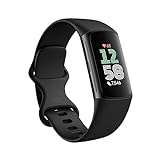
- Find your way seamlessly during runs or rides with turn-by-turn directions from Google Maps on Fitbit Charge 6[7, 8]; and when you need a snack break on the go, just tap to pay with Google Wallet[8, 9]
You do not apply for badges or manually claim them. As long as your device is compatible, worn consistently, and syncing correctly, badges unlock on their own when the criteria are met.
Importantly, badges are tied to your Fitbit account, not a specific tracker. If you upgrade from an older Inspire to a newer Charge or Sense, your badges and progress move with you.
Why Fitbit uses badges instead of traditional rewards
Fitbit does not offer cash payouts or physical prizes for most achievements, and that is intentional. Research in behavioral psychology shows that intrinsic motivation, the feeling of personal accomplishment, is more sustainable than external rewards that disappear once incentives stop.
Badges work as symbolic rewards that reinforce identity. When you earn a distance or lifetime step badge, it subtly reframes you as someone who moves consistently, not someone chasing a one‑off prize.
Because badges are permanent and visible in your profile, they also create a sense of legacy. Your activity history becomes something you build over time rather than something you reset every week.
The psychology behind badge motivation
Fitbit badges rely heavily on goal‑gradient theory, which suggests people become more motivated as they feel closer to a goal. Seeing progress toward a badge, especially higher‑tier ones like large step totals or long distances, encourages users to keep moving because the finish line feels attainable.
There is also a dopamine effect tied to surprise and celebration. Fitbit often awards badges immediately after syncing, using animations and notifications that create a small emotional high linked to physical activity.
Crucially, the goals are spaced out. Early badges arrive quickly to hook beginners, while later badges require sustained effort, preventing motivation from dropping once the basics are achieved.
Gamification without pressure or punishment
Unlike some fitness platforms, Fitbit badges do not penalize missed days or inactivity. If you stop walking for a week or even months, you do not lose badges you already earned.
This low‑pressure design matters for everyday users. It reduces guilt and burnout, making it easier to return to healthy habits after breaks caused by illness, work, or life disruptions.
The system rewards accumulation and consistency rather than perfection. That makes it especially friendly for beginners and casual users who want progress without rigid training plans.
How badges fit into the Fitbit device and app experience
Badges are deeply integrated into the Fitbit app, not the watch or tracker itself. Devices focus on comfort, battery life, and passive tracking, while the app handles interpretation, celebration, and long‑term motivation.
Most Fitbit trackers automatically log steps, distance, active minutes, floors, and activity time without requiring manual input. This means badge progress happens in the background while you live your life.
Because syncing is essential, missed badges are often caused by devices not syncing regularly, not by lack of activity. Keeping Bluetooth enabled and syncing daily ensures achievements register correctly.
Social reinforcement and friendly competition
Fitbit badges gain extra motivational power when paired with social features like friends, challenges, and shared activity stats. Seeing others earn badges can trigger social comparison, which gently pushes users to stay active without formal competition.
However, badges themselves are personal. You earn them based on your own data, not by beating someone else, which keeps the experience inclusive rather than intimidating.
This balance makes Fitbit appealing to a wide audience, from first‑time fitness tracker owners to long‑term users tracking multi‑year goals.
Common misconceptions about Fitbit badges
A frequent misunderstanding is that badges require specific workouts or manual activity logging. In reality, most badges depend on total movement, not how structured or intense it is.
Another misconception is that only premium subscribers can earn badges. Fitbit Premium offers insights and coaching, but badges are available to free users as long as the device and app support the required metrics.
Some users also assume badges stop after a certain level. While early badges are easier to earn, many categories include high‑tier and lifetime achievements that can take years to unlock.
Why badges matter more than they seem
Fitbit badges turn abstract health data into a visible narrative. Instead of raw numbers, you see progress marked by achievements that reflect real effort over time.
For many users, badges become the reason they take an extra walk, choose stairs, or keep wearing their tracker day after day. They quietly transform consistency into something satisfying, which is ultimately the hardest part of fitness to master.
How Fitbit Badges Work in Practice: App Syncing, Tracking Rules, and When Badges Unlock
Understanding why badges matter is one thing. Knowing how they actually unlock, and why they sometimes don’t, is where most Fitbit users get tripped up.
Behind the friendly icons and celebratory animations is a fairly strict set of tracking rules that govern when progress counts, how data is interpreted, and when a badge officially appears in your app.
How Fitbit collects the data that powers badges
Every Fitbit badge starts with sensor data captured by your device. Steps come from the accelerometer, distance is estimated using step length or GPS where available, floors rely on the altimeter, and activity minutes are calculated from sustained movement and heart rate patterns.
This means the type of Fitbit you wear matters. A basic Inspire tracks steps and distance reliably, but a Charge or Sense adds GPS, heart rate–based activity detection, and more accurate intensity tracking, which can affect how quickly certain badges progress.
Comfort and wear time also play a role. Badges only progress when the tracker is worn, so a lightweight band you keep on all day will naturally rack up more consistent data than a bulky watch you remove often.
Why syncing is non‑negotiable for badge progress
Your Fitbit doesn’t award badges on the device itself. All badge logic lives inside the Fitbit app and Fitbit’s cloud servers, which means syncing is the gatekeeper.
If your device isn’t syncing, your steps still exist locally, but the app can’t evaluate them against badge thresholds. This is why badges often appear minutes or hours after a sync, not immediately after finishing a walk or hitting a step goal.
Daily syncing is the safest habit. While most Fitbits can store several days of data, long gaps increase the risk of partial uploads, battery drain, or missed achievements if the device resets.
When badges unlock: immediate vs delayed awards
Some badges unlock almost instantly after a sync. Daily step milestones, single‑day distance records, and first‑time achievements usually trigger right away once the app confirms the data.
Others unlock on a delay. Lifetime distance badges, total step milestones, and multi‑day streaks may take a few hours or even overnight as Fitbit aggregates totals across days and validates the data.
It’s normal to hit a milestone at night and see the badge appear the next morning. This delay doesn’t mean the badge failed; it means Fitbit is double‑checking the numbers.
Daily totals, calendar days, and time zone rules
Fitbit badges are tied to calendar days, not rolling 24‑hour periods. Your daily step count resets at midnight based on the time zone set in your Fitbit account, not where you physically are at that moment.
This matters for late‑night workouts, travel, and overnight shifts. A long walk at 11:30 p.m. counts toward the current day, even if you stay active past midnight and split activity across two days.
If you frequently travel across time zones, syncing before and after trips helps avoid confusion. Sudden time zone changes can sometimes shift daily totals if the app hasn’t fully updated.
Automatic tracking vs manual logging
Most badges rely on automatically tracked data. Steps, distance, floors, and activity minutes are counted whether or not you manually log a workout.
Manual exercise logs are useful for record‑keeping and training analysis, but they don’t always contribute to badge totals unless they align with sensor data. Logging a walk without wearing your Fitbit won’t retroactively generate steps or distance for badge progress.
For the most reliable badge tracking, wear the device during the activity and let auto‑detection or live tracking do the work.
Device compatibility and badge availability
Not every Fitbit can earn every badge. Floors badges require an altimeter, which rules out some smaller or older models. GPS‑based distance accuracy varies depending on whether your device has built‑in GPS or relies on your phone.
That said, most core badges are device‑agnostic. Steps, lifetime distance, and daily movement achievements work across nearly all modern Fitbits, making them accessible even on entry‑level trackers.
Switching devices doesn’t reset badge progress. As long as everything syncs to the same Fitbit account, your achievements carry over seamlessly.
What happens if data looks wrong or a badge doesn’t appear
Occasionally, users notice missing or delayed badges. The most common causes are incomplete syncs, app updates running in the background, or temporary server delays.
Force‑syncing the device, closing and reopening the app, or waiting 24 hours usually resolves the issue. In rare cases, reinstalling the app or signing out and back in can refresh badge calculations without erasing data.
Fitbit support can manually investigate missing lifetime badges, but only after data has fully synced and stabilized.
Special cases: lifetime totals, streaks, and limited badges
Lifetime badges accumulate quietly in the background. You don’t need consecutive days or perfect streaks; every step, mile, or kilometer adds to the total as long as it’s recorded.
Streak‑based badges are less forgiving. Missing a single day, even by a small margin, resets the streak counter, which makes consistent daily wear more important than intense workouts.
Limited‑time or event badges, when available, often have unique rules and deadlines. These usually require specific activity during a set window and won’t unlock retroactively once the event ends.
How battery life and wear habits affect badge success
Battery management directly impacts badge reliability. Letting the battery die mid‑day can cut off step counts and interrupt streaks, especially on high‑movement days.
Charging during low‑activity periods, like showers or desk time, helps preserve continuous tracking. Many users earn more badges simply by improving wear consistency rather than increasing exercise intensity.
Over months and years, this steady approach is exactly what Fitbit badges are designed to reward.
Rank #2

- Inspire 3 is the tracker that helps you find your energy, do what you love and feel your best. All you have to do is wear it.Operating temperature: 0° to 40°C
- Move more: Daily Readiness Score(1), Active Zone Minutes, all-day activity tracking and 24/7 heart rate, 20+ exercise modes, automatic exercise tracking and reminders to move
- Stress less: always-on wellness tracking, daily Stress Management Score, mindfulness sessions, relax breathing sessions, irregular heart rhythm notifications(2), SpO2(3), menstrual health tracking, resting heart rate and high/low heart rate notifications
- Sleep better: automatic sleep tracking, personalized Sleep Profile(1), daily detailed Sleep Score, smart wake vibrating alarm, sleep mode
- Comfortably connected day and night: calls, texts & smartphone app notifications(4), color touchscreen with customizable clock faces, super lightweight and water resistant to 50 meters, up to 10 day battery life(5)
Step Count Badges Explained: Daily, Lifetime, and Iconic Step Milestones
After understanding how syncing, streaks, and battery habits influence badge reliability, step count badges are the most natural place to zoom in. They are the backbone of Fitbit’s reward system and the ones most users unlock first, often without realizing how many layers exist beneath the surface.
Step badges are designed to reward consistency rather than athletic performance. Whether you’re wearing a slim Inspire, a Charge series tracker, or a Versa or Sense smartwatch, these milestones quietly encourage daily movement that adds up over time.
Daily Step Count Badges: One-Day Wins That Build Momentum
Daily step badges unlock when you hit a specific number of steps within a single calendar day. These range from beginner-friendly goals like 5,000 steps all the way up to extreme challenges such as 100,000 steps in one day.
Fitbit counts steps from midnight to 11:59 p.m. based on your account’s time zone, not when you wake up or start an activity. Late-night walks count, but steps after midnight roll into the next day’s total.
These badges are intentionally gamified. Many users find that once they earn a new daily badge, Fitbit subtly nudges them to repeat or surpass that effort, even though repeating the same daily total does not award the badge again.
Iconic One-Day Step Milestones and What They Really Represent
Some daily step badges have become iconic within the Fitbit community. The 10,000-step badge remains the most recognizable, not because it’s medically magical, but because it’s achievable for many users with moderate lifestyle changes.
Higher-tier daily badges like 25,000, 50,000, or beyond often require intentional planning. Long walks, standing-heavy jobs, travel days, or theme park visits are common scenarios where these unlock organically.
It’s worth noting that Fitbit does not care how fast the steps happen. A slow day of constant movement can be just as badge-worthy as a high-intensity workout, which reinforces Fitbit’s accessibility-focused philosophy.
Lifetime Step Badges: The Quiet Long-Term Achievements
Lifetime step badges track your cumulative step count across your entire Fitbit account history. Every recorded step contributes, regardless of device changes, app updates, or fitness level shifts over the years.
These badges unlock at massive totals, starting in the hundreds of thousands and stretching into the tens or hundreds of millions of steps. For many users, these arrive unexpectedly months or years after joining Fitbit.
Because lifetime badges don’t reset, they reward patience more than intensity. Even periods of low activity still move the counter forward, which makes long-term wear consistency more valuable than occasional bursts of motivation.
How Device Choice and Wear Habits Affect Step Accuracy
Most modern Fitbits use a combination of accelerometers and algorithms tuned for wrist-based movement. Slim trackers tend to be slightly more sensitive to arm swing, while larger smartwatches may smooth out erratic motion more aggressively.
Fitbit step counts are designed for everyday wear, not laboratory precision. Activities like pushing a stroller, carrying groceries, or cycling may undercount steps because your arm isn’t moving naturally.
Wearing your device snugly, keeping firmware updated, and choosing the correct wrist setting in the app all help improve step detection. These small setup details can make the difference between barely missing a daily badge and unlocking it.
Common Misconceptions About Step Badges
One of the biggest misunderstandings is assuming that manually logged activities add steps. They don’t. Only steps recorded by the device itself count toward step badges.
Another misconception is that step goals must be enabled to earn badges. Goals help with motivation and reminders, but badges unlock purely based on raw step totals, regardless of your personal daily target.
Finally, many users believe missed days harm lifetime progress. They don’t. Lifetime step badges never penalize you for inactivity; they simply wait patiently until your total crosses the next threshold.
Why Step Badges Matter More Than They First Appear
Step badges quietly shape daily behavior. They encourage small choices like taking the stairs, walking during phone calls, or extending errands on foot, which collectively add up over weeks and months.
Unlike performance-based achievements, step badges meet users where they are. Whether you’re recovering from injury, easing into fitness, or maintaining an active lifestyle, progress always counts.
This is why step count badges often feel more satisfying over time than flashier rewards. They reflect real-world movement, lived-in routines, and the simple habit of wearing your Fitbit day after day.
Distance Badges Demystified: Miles, Kilometers, Location-Themed Awards, and How Fitbit Calculates Them
If step badges reward how often you move, distance badges celebrate how far that movement carries you. They build naturally on the same everyday habits, but they introduce new layers like GPS tracking, activity types, and even geography-inspired milestones.
For many users, distance badges feel more “earned” because they represent accumulated effort across walks, runs, hikes, and workouts rather than raw motion alone. Understanding how Fitbit measures distance is the key to unlocking them consistently.
What Counts Toward Fitbit Distance Badges
Distance badges are based on total distance traveled, not steps. Any activity where Fitbit records distance can contribute, including walking, running, hiking, treadmill workouts, and many GPS-tracked exercises.
Unlike step badges, manually logged activities can count toward distance badges if distance is entered. This makes distance rewards more forgiving for treadmill users, cyclists, or anyone whose wrist movement doesn’t always reflect actual effort.
Lifetime distance badges never reset. Whether you rack up a mile here or ten miles there, everything adds to the same long-term total.
Miles vs Kilometers: Units Don’t Change the Badge
Fitbit distance badges are unit-agnostic. Whether your app is set to miles or kilometers, the underlying badge thresholds stay the same.
For example, the classic Marathon badge unlocks at 26.2 miles, which appears as 42.2 kilometers if you use metric units. The badge itself is identical; only the displayed number changes.
Switching units in the app won’t affect progress, reset totals, or block future badges. Fitbit simply converts the same distance data into your preferred measurement system.
Lifetime Distance Milestones and What They Represent
Most distance badges are lifetime achievements designed to reward consistency rather than speed. They range from short milestones, like completing a marathon’s worth of distance, to massive totals that may take years of daily wear to reach.
These badges quietly encourage long-term device use. Even low-impact walking days still move the needle, making them especially motivating for beginners or users focused on sustainable fitness.
Because they accumulate slowly, distance badges often become a personal timeline of your Fitbit journey rather than a short-term challenge.
Location-Themed Distance Badges Explained
Some distance badges are framed around famous routes or iconic distances rather than abstract numbers. These typically correspond to real-world landmarks, events, or symbolic journeys.
The distance requirement is still purely numerical. Fitbit doesn’t track where you walked, only how far, so you don’t need GPS routes that match the theme.
These badges exist to add narrative and imagination to otherwise invisible totals. Walking your neighborhood can still “complete” a legendary route in badge form.
How Fitbit Calculates Distance Without GPS
When GPS isn’t used, Fitbit estimates distance using step count and stride length. Your stride length is initially based on height and gender, then refined over time using walking and running data.
This method works well for everyday walking but can drift if your stride changes due to terrain, injury, or pace. Indoor workouts, short steps, or shuffling movement may slightly undercount distance.
Calibrating stride length by recording outdoor GPS walks helps improve non-GPS distance accuracy across the board.
GPS Distance: More Accurate, More Demanding
On GPS-enabled Fitbits, outdoor activities like runs and walks prioritize satellite data for distance calculation. This generally produces the most accurate results, especially over longer sessions.
The trade-off is battery life. Continuous GPS tracking drains power faster, particularly on slimmer trackers or older models.
For users chasing distance badges, mixing GPS workouts with everyday non-GPS movement often provides the best balance between accuracy and battery longevity.
Treadmills, Indoor Walks, and Calibration Quirks
Indoor distance relies entirely on stride estimation. This is why treadmill workouts sometimes differ from the machine’s display.
Over time, Fitbit improves indoor accuracy by learning from GPS-tracked outdoor sessions at similar paces. The more consistently you wear your device, the better these estimates become.
Manually editing distance after an activity won’t retroactively adjust calibration, but it will still count toward distance badges if saved.
Why Distance Badges Feel Different From Step Badges
Distance badges reward intention as much as movement. Choosing to walk farther, extend a route, or add an extra lap directly influences progress in a way that feels tangible.
They also encourage activity variety. Runs, hikes, long walks, and treadmill sessions all contribute, making them adaptable to changing seasons, schedules, and fitness levels.
For many long-term users, distance badges become the quiet motivation that keeps the Fitbit on their wrist, even when daily step goals lose their novelty.
Common Distance Badge Myths That Hold Users Back
One persistent myth is that only GPS activities count. In reality, everyday walking without GPS steadily builds lifetime distance.
Another misunderstanding is that distance resets daily. Only daily challenges reset; lifetime distance badges accumulate forever.
Finally, some users assume missed workouts erase progress. Distance badges don’t punish inactivity. They simply wait for the next mile, whenever it happens.
Floors and Elevation Badges: How Stair Climbing Is Tracked and Which Devices Qualify
After distance, elevation is where Fitbit badges start to feel a little more mysterious. Floors climbed don’t show up on every device, and when they do, the numbers can seem oddly specific or surprisingly generous.
That’s because floors badges are driven by altitude change, not step count. Your Fitbit isn’t counting stair steps one by one. It’s detecting vertical movement through air pressure and translating that into floors climbed over the course of a day or lifetime.
Rank #3

- 【BUILT-IN GPS SMART WATCH – GO FURTHER, FREER, SMARTER】No phone? No problem. This fitness watch for women, featuring the latest 2025 technology, includes an advanced professional-grade GPS chip that precisely tracks every route, distance, pace (real-time & average), and calorie burned—completely phone-free. Whether you're chasing new personal records or exploring off the beaten path, your full journey is automatically mapped and synced in the app. Train smarter. Move with purpose. Own your progress. Own your journey.
- 【BLUETOOTH 5.3 CALLS & SMART NOTIFICATIONS】Stay effortlessly connected with this smart watch for men and women, featuring dual Bluetooth modes (BT 3.0 + BLE 5.3) and a premium microphone for crystal-clear calls right from your wrist—perfect for driving, workouts, or busy days. Receive instant alerts for calls, texts, and popular social apps like WhatsApp and Facebook. Just raise your wrist to view notifications and never miss an important moment.
- 【100+ SPORT MODES & IP68 WATERPROOF & DUSTPROOF】This sport watch is a versatile activity and fitness tracker with 100+ modes including running, cycling, yoga, and more. It features quick-access buttons and automatic running/cycling detection to start workouts instantly. Accurately track heart rate, calories, distance, pace, and more. Set daily goals on your fitness tracker watch and stay motivated with achievement badges. With IP68 waterproof and dustproof rating, it resists rain and sweat for any challenge. Not suitable for showering, swimming, or sauna.
- 【24/7 HEALTH ASSISTANT & SMART REMINDERS】This health watch continuously monitors heart rate, blood oxygen, and stress levels for comprehensive wellness tracking. Sleep monitoring includes deep, light, REM sleep, and naps to give you a full picture of your rest. Stay on track with smart reminders for sedentary breaks, hydration, medication, and hand washing. Women can also monitor menstrual health. Includes guided breathing exercises to help you relax. Your ultimate health watch with event reminders for a healthier life.
- 【ULTRA HD DISPLAY, LIGHTWEIGHT & CUSTOMIZABLE DIALS】This stylish wrist watch features a 1.27-inch (32mm) 360×360 ultra HD color display with a 1.69-inch (43mm) dial, offering vivid details and responsive touch. Its minimalist design fits both business and casual looks. Switch freely among built-in designer dials or create your own DIY watch face using photos, colors, and styles to showcase your unique personality. Perfect as a cool digital watch and fashion wrist watch.
What a “Floor” Actually Means in Fitbit Terms
On Fitbit, one floor equals roughly 10 feet, or about 3 meters, of vertical gain. That’s an estimate meant to represent a typical building level, not a precise architectural standard.
Climb a long staircase, walk up a hill, or take repeated trips between levels, and your device accumulates floors as the total elevation adds up. Descending doesn’t subtract floors, which is why stair-heavy days can rack up badges faster than expected.
This is also why elevators usually don’t count. The elevation change happens too smoothly and too quickly for the sensor to register it as active climbing.
How Fitbit Tracks Elevation and Stair Climbing
Floors are measured using a built-in altimeter, also known as a barometric pressure sensor. As you move upward, air pressure drops slightly, and the sensor translates that change into elevation gain.
This method works indoors and outdoors, and it doesn’t rely on GPS. That makes floor tracking surprisingly battery-efficient compared to distance tracking with satellite data.
It also means results can vary with weather. Rapid pressure changes from storms or temperature shifts can occasionally nudge floor counts up or down, especially on older devices.
Which Fitbit Devices Support Floors and Elevation Badges
Not every Fitbit qualifies for floors badges. You need a device with a physical altimeter, and that immediately narrows the field.
Most Fitbit smartwatches support floors, including models like the Versa series, Sense, Sense 2, and Ionic. Among trackers, devices such as the Charge line, Inspire 3, and earlier models like the Alta HR include altitude tracking, while slimmer bands like the Luxe and Ace models do not.
If your Fitbit doesn’t show a Floors tile in the app, you won’t earn floors badges, even if you climb stairs daily. The app can’t estimate floors after the fact without sensor data.
Daily Floors vs Lifetime Elevation Badges
Fitbit offers both daily floors badges and lifetime elevation milestones. Daily badges celebrate single-day efforts, like hitting 10, 25, or 100 floors in one day.
Lifetime badges accumulate every floor you’ve ever climbed while wearing a compatible device. These never reset, even if you switch Fitbits, as long as you stay logged into the same account.
This is one of the most forgiving badge categories. You can take weeks off and still be exactly where you left off when you return.
Why Floors Badges Often Surprise New Users
Many users underestimate how much vertical movement they get in a normal day. Office buildings, apartment living, parking garages, and errands all add up quietly in the background.
Conversely, people who walk long distances on flat terrain may see fewer floors than expected. Ten thousand steps on level ground can produce zero floors, while a short stair-heavy day can unlock a badge.
This contrast makes floors badges feel less predictable but also more playful. They reward variety in movement rather than sheer volume.
Common Floors Badge Misconceptions
One common belief is that stairs must be taken continuously. In reality, short climbs spread throughout the day count just as well as a single long stair session.
Another misconception is that manual activity logging can add floors. Logging a stair workout won’t create elevation data if your device didn’t record it live.
Finally, some users assume floors depend on step length or height. Fitbit uses pressure change, not body metrics, so your stature doesn’t affect floor counts.
Tips for Earning Floors Badges Without Overthinking It
Wearing your Fitbit consistently is the biggest factor. Floors only count when the device is on your wrist, snug enough to track subtle pressure changes.
Stair usage beats treadmill incline. Incline walking on a treadmill typically won’t register floors unless there’s actual elevation change.
If you live somewhere flat, parking farther away, using stairs instead of elevators, or choosing multi-level routes can make floors badges feel attainable without turning them into a chore.
Why Floors Badges Matter More Than They Seem
Elevation tracking highlights a different kind of fitness. Stair climbing engages the heart and legs more intensely than flat walking, even in short bursts.
For beginners, floors badges quietly introduce intensity without demanding longer workouts. For long-term users, they’re often the last badge category still offering surprises.
In the broader Fitbit ecosystem, floors badges reward everyday decisions. They turn small choices, one staircase at a time, into progress you can see and celebrate.
Activity Streak and Consistency Badges: Days Active, Goal Streaks, and Habit-Building Rewards
After badges that celebrate how far or how high you move, Fitbit shifts focus to something quieter but more powerful: showing up regularly. Activity streak and consistency badges reward repetition, not intensity, and they’re often the badges that change behavior the most.
These rewards sit in the background of the Fitbit app, counting days rather than miles. They turn everyday movement into a visible habit, one calendar square at a time.
What Fitbit Means by “Active” Days
At the core of this category are Days Active-style badges. An “active” day typically means you logged a minimum amount of movement, usually tied to step activity or general daily motion rather than a formal workout.
This is intentionally forgiving. A brisk walk, errands on foot, or an active workday can all count, which makes these badges approachable for beginners and sustainable for long-term users.
Because activity is measured across the full day, wearing your Fitbit consistently matters more than any single session. A great workout doesn’t help if the device sits on a desk afterward.
Goal Days vs. Goal Streaks: Two Different Motivators
Fitbit separates consistency into two related but distinct ideas: hitting your daily goal, and hitting it repeatedly without breaking the chain. Goal Days count how many times you meet your daily target, often within a calendar month.
Goal Streaks go a step further. These badges reward consecutive days of meeting your goal, creating a “don’t break the streak” effect that many users find surprisingly motivating.
The distinction matters. Goal Days allow flexibility if life intervenes, while streaks encourage routine and planning, even on low-energy days.
How Daily Goals Are Defined (and Why They Matter)
Most consistency badges hinge on your daily step goal, though some users will also see goal tracking tied to active minutes. The key detail is that the goal is personal, not fixed across all users.
Fitbit adapts your daily goal over time if you enable automatic goal adjustments. That means streaks evolve with your fitness level, staying challenging without becoming unrealistic.
If you manually change your goal, it immediately affects streak tracking. Raising it too aggressively can reset momentum, while lowering it strategically can help rebuild consistency.
Device, App, and Syncing Requirements
Consistency badges rely on complete daily data, so syncing matters. Your Fitbit needs to sync at least once before the day rolls over, otherwise a successful day may not register.
Most Fitbit devices support these badges, from basic trackers to full smartwatches, as long as they track steps reliably. Battery life plays an indirect role here; devices with longer endurance reduce missed days caused by dead batteries.
Phone-based tracking through the Fitbit app can count for some activity, but wrist-worn devices are far more reliable for streak accuracy, especially for subtle movement throughout the day.
Common Misconceptions About Streak Badges
One frequent misunderstanding is that workouts alone guarantee an active day. A single logged workout won’t always meet the daily movement threshold if the rest of the day is sedentary.
Another misconception is that late-night activity can “save” yesterday. Fitbit days reset at midnight based on your account’s time zone, not when you go to sleep.
Finally, some users assume missed streaks are errors. In most cases, broken streaks come down to incomplete wear time or missed syncs rather than tracking failures.
Why These Badges Are Fitbit’s Most Effective Motivation Tool
Distance and floors badges celebrate standout days, but consistency badges reward identity. They reinforce the idea that you’re someone who moves every day, even when motivation dips.
For beginners, they remove the pressure to train hard. For experienced users, they encourage maintenance during rest weeks, travel, or recovery periods.
Within the Fitbit ecosystem, these badges quietly do the heavy lifting. They don’t demand more effort, just continuity, which is often the difference between short-term enthusiasm and long-term health change.
Practical Tips to Keep Streaks Alive Without Burnout
On low-energy days, aim to meet your goal through normal life rather than workouts. Walking while on calls, parking farther away, or taking a short evening stroll can be enough.
Charge your device during predictable downtime, like showers or desk work, to avoid accidental gaps. Comfort also matters; a well-fitted band makes all-day wear easier and more consistent.
Most importantly, treat streaks as guidance, not judgment. Fitbit’s consistency badges are designed to support habits, not punish imperfect days, and that mindset keeps them motivating rather than stressful.
Lifetime Achievement Badges: Long-Term Milestones and Why They Matter More Than Daily Wins
After the push of daily goals and the satisfaction of keeping streaks alive, Fitbit’s lifetime achievement badges operate on a different psychological wavelength. They’re not about what you did today or even this month, but about what your body has accumulated over years of real-world movement.
These badges quietly track your long-term relationship with activity, regardless of motivation swings, busy seasons, or fitness plateaus. That’s exactly why many long-time users find them more meaningful than flashy one-day records.
What Counts as a Lifetime Achievement Badge on Fitbit
Lifetime achievement badges are awarded when your total steps, distance, or floors climbed reach major cumulative milestones. Unlike daily or streak badges, there’s no time pressure and no reset if you miss a day or week.
Classic examples include lifetime step milestones like 100,000 steps, 1 million steps, and far beyond, as well as lifetime distance badges measured in miles or kilometers. Floors climbed badges follow the same logic, tallying every verified elevation gain your device records over its entire history.
Rank #4

- 24H Accurate Heart Rate Monitoring: Go beyond basic tracking. Our watch automatically monitors your heart rate, blood oxygen (SpO2), and sleep patterns throughout the day and night. Gain deep insights into your body's trends and make informed decisions for a healthier lifestyle.
- Practical Sports Modes & Smart Activity Tracking: From running and swimming to yoga and hiking, track a wide range of activities with precision. It automatically records your steps, distance, calories burned, and duration, helping you analyze your performance and crush your fitness goals.
- 1-Week Battery Life & All-Day Wear: Say goodbye to daily charging. With an incredible up to 7-10 days of battery life on a single charge, you can wear it day and night for uninterrupted sleep tracking and worry-free travel. Stay connected to your data without the hassle.
- Comfortable to Wear & IP68 Waterproof: The lightweight, skin-friendly band is crafted for all-day comfort, even while you sleep. With IP68 waterproof, it withstands rain, sweat, It is not suitable for swimming or showering.
- Ease of Use and Personalized Insights via Powerful App: The display is bright and easy to read, even outdoors. Unlock the full potential of your watch. Sync with our dedicated app to view detailed health reports, customize watch faces, set sedentary reminders, and manage your preferences with ease.
Importantly, these totals are cumulative across your Fitbit account, not tied to a specific device. Upgrading from a Charge to a Sense or switching bands doesn’t reset progress, as long as you keep the same account.
Why Lifetime Badges Feel Different From Daily or Streak Rewards
Daily goal and streak badges reward behavior. Lifetime badges reward identity.
They don’t care how fast you walk, how intense your workouts are, or whether you’re following a program. They simply reflect that you’ve kept moving, year after year, in ways that fit your life.
For many users, this makes them emotionally stickier. Seeing a million-step badge isn’t about remembering a single great day, but about recognizing thousands of ordinary ones that added up.
How Fitbit Tracks Long-Term Progress Behind the Scenes
Lifetime totals are calculated from verified data synced from Fitbit devices and supported phone-based tracking. Wrist-worn devices remain the most reliable source, especially for steps taken during daily activities like cooking, commuting, or light movement that phones often miss.
Consistency in wear matters more than intensity. A comfortable tracker with solid battery life, like a Fitbit Inspire or Charge series, tends to produce better lifetime data simply because it’s worn more often.
Syncing is critical. If days go unsynced for long periods, especially after changing phones or devices, those steps may never make it into your lifetime totals.
The Hidden Motivation Advantage of Lifetime Milestones
Lifetime badges remove the “all or nothing” pressure that can creep in with streaks. Missing a day doesn’t erase progress, which makes them especially powerful during injuries, travel, or high-stress periods.
They also reward low-intensity movement. Long walks, standing more often, and choosing stairs over elevators may not win daily records, but they compound beautifully over time.
This framing encourages sustainable habits. Instead of chasing perfect weeks, users focus on simply staying active enough that the numbers keep climbing in the background.
Common Misunderstandings About Lifetime Badges
One common myth is that workouts contribute more than casual steps. In reality, 10,000 steps earned during errands count exactly the same as 10,000 steps earned during a structured walk.
Another misconception is that older data doesn’t count. As long as it’s associated with your Fitbit account and properly synced, steps from years ago still contribute to today’s lifetime totals.
Some users also expect instant badge unlocks after hitting a milestone. Lifetime badges sometimes appear after the next successful sync, not immediately when the number is crossed.
Why These Badges Often Outlast Fitbit’s Other Rewards
Daily badges can lose their shine once goals become routine. Lifetime badges age with you, gaining meaning as your circumstances change.
They become a personal archive of health rather than a scoreboard. For long-term Fitbit users, they often tell a more honest story than pace charts or VO2 max estimates ever could.
Even when motivation dips, lifetime achievements keep quietly progressing. That slow, steady accumulation is exactly what makes them one of Fitbit’s most underrated and enduring reward systems.
Special, Limited-Edition, and Event Badges: Challenges, Retired Badges, and What You Can Still Earn
If lifetime badges are Fitbit’s long game, special and event badges are its seasonal content. They sit outside the core step, distance, and floor milestones and are designed to spark short bursts of motivation tied to time-limited challenges, holidays, or platform-wide events.
These are the badges that tend to confuse users the most. Some appear briefly and vanish forever, others cycle back unpredictably, and a few look earnable long after the window has quietly closed.
What Counts as a Special or Event Badge in Fitbit
Special badges are rewards that aren’t permanently available in the badge catalog. They’re usually tied to a specific challenge, calendar event, or promotional push inside the Fitbit app.
Examples over the years have included holiday-themed step challenges, global activity events, anniversary badges, and community challenges that required participation rather than raw step totals. Unlike lifetime badges, these are less about accumulation and more about showing up at the right time.
Most of these badges don’t advertise themselves well. They typically appear inside the Challenges tab or as part of a limited in-app prompt rather than in the main badge list.
Challenge-Based Badges and How They Actually Work
Many special badges are unlocked through Fitbit Challenges, such as Workweek Hustle, Weekend Warrior, or custom challenges created by Fitbit during special events. Winning or completing the challenge, not just participating, is often the trigger for the badge.
This is where frustration can creep in. You might log thousands of steps during a challenge window, but if you don’t rank high enough or meet the exact completion criteria, the badge won’t unlock.
These challenges require regular syncing during the event period. If your tracker doesn’t sync before the challenge ends, your activity may not count, even if it was recorded on the device.
Holiday and Themed Badges You Can No Longer Earn
Fitbit has quietly retired many themed badges over time. Past examples include Halloween step badges, New Year’s challenges, and early community event rewards from Fitbit’s pre-Google era.
Once retired, these badges are permanently locked. There’s no backdoor, no retroactive unlock, and no way to trigger them by hitting the same numbers later.
This is why longtime users often display badges newer users will never see. It’s not about effort, just timing.
Do Retired Badges Ever Come Back?
In most cases, no. Fitbit has occasionally reused themes or icons, but they’re technically new badges under the hood.
Even if a Halloween challenge returns, it’s usually treated as a fresh event with a separate reward. Earning it once doesn’t guarantee recognition across multiple years, and missing it once usually means missing it forever.
That said, Fitbit has shown a pattern of favoring seasonal engagement. While specific badges don’t return, new variations often appear around the same times of year.
Special Badges You Can Still Earn Today
Despite the retirements, there are still limited-style badges actively earnable. These typically include ongoing challenge-related badges, select community event rewards, and occasional global participation milestones.
The key difference is that these are not visible until they’re relevant. You won’t see them listed as locked achievements waiting to be unlocked.
To maximize your chances, keep Challenges enabled in the app, allow notifications, and check the Discover and Community tabs periodically. Fitbit rarely announces these badges outside its own ecosystem.
Device and App Requirements That Matter More Here
Special and event badges are more sensitive to software and compatibility than lifetime badges. You must be using a supported Fitbit device and a current version of the app during the event window.
Older trackers that still sync steps can earn lifetime badges but may be excluded from newer challenges. App-side challenges also rely heavily on stable Bluetooth syncing, especially on newer Android and iOS versions.
Battery life plays a role too. If your tracker dies during a multi-day challenge and doesn’t capture steps, there’s no recovery option later.
Why These Badges Feel More Emotional Than Milestone Rewards
Event badges work because they create urgency. Unlike lifetime achievements that quietly build over years, these badges demand attention now or not at all.
They also tap into community energy. Knowing thousands of other users are chasing the same reward at the same time can make even modest step goals feel meaningful.
For many users, these badges become timestamps. They’re reminders of specific periods of life rather than measures of fitness capacity.
How to Decide Whether Chasing Them Is Worth It
If your motivation thrives on novelty and short-term goals, event badges can be powerful. They’re especially effective during motivation slumps when long-term milestones feel too far away.
If you prefer low-pressure consistency, it’s healthy to ignore them entirely. Missing a limited badge has no impact on your health metrics, streaks, or lifetime progress.
The most sustainable approach is selective participation. Treat special badges as optional side quests, not obligations layered on top of daily habits.
The Long-Term Reality of Fitbit’s Limited Rewards
Over time, Fitbit has shifted focus away from heavily gamified badge systems and toward health metrics, subscriptions, and coaching features. That makes special badges less predictable than they once were.
What hasn’t changed is their psychological impact. Even a simple digital icon can reignite engagement when it feels scarce and time-bound.
For users who enjoy the game within the data, special and event badges remain one of Fitbit’s most intriguing, if imperfect, motivation tools.
Devices, App Requirements, and Premium: Which Fitbit Models Support Which Badges
After understanding why badges feel motivating, the next practical question is simple: can your Fitbit actually earn them. Badge availability isn’t universal across every model, and the combination of hardware sensors, app support, and account status quietly determines what shows up in your profile.
Fitbit rarely spells this out clearly, which is why many users assume a badge is “missing” when it’s really unsupported by their device or app setup.
Core Requirement: A Fitbit Account and the Fitbit App
Every badge, from basic step milestones to limited-time events, lives inside your Fitbit account rather than on the device itself. That means syncing to the Fitbit app on iOS or Android is non-negotiable.
Badges won’t appear if your device tracks data locally but fails to sync. This is especially relevant for older trackers with weaker Bluetooth radios or phones running newer operating systems that restrict background syncing.
The app version matters too. Users running outdated Fitbit app builds may see delayed badge unlocks or missing categories until the app is updated.
Step and Distance Badges: The Most Universally Supported
Step-based and distance badges are supported by almost every Fitbit ever made, including discontinued models. If a device can count steps using an accelerometer, it can earn these badges.
💰 Best Value

- 【Superb Visual Experience & Effortless Operation】Diving into the latest 1.58'' ultra high resolution display technology, every interaction on the fitness watch is a visual delight with vibrant colors and crisp clarity. Its always on display clock makes the time conveniently visible. Experience convenience like never before with the intuitive full touch controls and the side button, switch between apps, and customize settings with seamless precision.
- 【Comprehensive 24/7 Health Monitoring】The fitness watches for women and men packs 24/7 heart rate, 24/7 blood pressure and blood oxygen monitors. You could check those real-time health metrics anytime, anywhere on your wrist and view the data record in the App. The heart rate monitor watch also tracks different sleep stages for light and deep sleep,and the time when you wake up, helps you to get a better understanding of your sleep quality.
- 【120+ exercise modes & All-Day Activity Tracking】There are more than 120 exercise modes available in the activity trackers and smartwatches, covering almost all daily sports activities you can imagine, gives you new ways to train and advanced metrics for more information about your workout performance. The all-day activity tracking feature monitors your steps, distance, and calories burned all the day, so you can see how much progress you've made towards your fitness goals.
- 【Messages & Incoming Calls Notification】With this smart watch fitness trackers for iPhone and android phones, you can receive notifications for incoming calls and read messages directly from your wrist without taking out your phone. Never miss a beat, stay in touch with loved ones, and stay informed of important updates wherever you are.
- 【Essential Assistant for Daily Life】The fitness watches for women and men provide you with more features including drinking water and sedentary reminder, women's menstrual period reminder, breath training, real-time weather display, remote camera shooting, music control,timer, stopwatch, finding phone, alarm clock, making it a considerate life assistant. With the GPS connectivity, you could get a map of your workout route in the app for outdoor activity by connecting to your phone GPS.
This includes classic trackers like the Fitbit Zip, One, and Flex, as well as modern devices like the Inspire series, Charge lineup, Versa watches, and Sense models. Even clip-on trackers without heart-rate sensors fully qualify here.
Distance badges rely on step-based distance estimates rather than GPS. You don’t need built-in GPS or connected GPS for marathon or lifetime distance badges to unlock.
Floors and Elevation Badges: Barometer Required
Floor-climbing badges are more selective. Your device must have an altimeter to detect elevation change accurately.
Models that support floors include the Charge 3 and newer, Versa series, Sense series, Ionic, and older devices like the Fitbit Surge. Entry-level trackers like Inspire, Inspire 2, and Luxe do not support floor badges because they lack a barometric sensor.
If you switch from a floors-capable device to one without it, your lifetime floor total remains visible, but you won’t earn new floor badges until you return to compatible hardware.
Active Minutes and Heart-Based Badges: Sensor-Dependent
Badges tied to Active Zone Minutes or heart-rate intensity require continuous heart-rate tracking. That means a device with an optical heart-rate sensor worn snugly enough for consistent readings.
These badges are supported on Charge HR and newer, Inspire HR, Versa, Sense, and most smartwatch-style Fitbits. Older step-only trackers can’t retroactively qualify, even if you manually log workouts.
Real-world wearability matters here. Loose straps, poor skin contact, or wearing your device over clothing can reduce heart-rate accuracy and delay badge progress.
GPS, Exercise, and Distance Accuracy Badges
Fitbit does not currently offer GPS-specific badges, but GPS-capable devices influence distance-based badges more accurately during runs and walks.
Models like Charge 4 and 5, Sense, Sense 2, Versa 3 and 4, and Ionic record outdoor distance using built-in GPS rather than stride estimates. This reduces inflated or undercounted mileage during structured workouts.
From a comfort standpoint, GPS-equipped models are larger and heavier, which can affect all-day wear. If you only care about lifetime distance badges, GPS is helpful but not required.
Sleep and Streak-Based Badges: App-Driven, Not Device-Driven
Sleep badges rely more on the app’s sleep detection algorithms than on advanced hardware. Most modern Fitbits with sleep tracking support can unlock these, including Inspire, Luxe, Charge, Versa, and Sense.
However, consistent wear and battery life are critical. A dead battery at bedtime means no sleep data, and missed nights break streak-based badge progress.
Slim trackers like Inspire and Luxe excel here due to lighter weight and longer real-world comfort, even if they lack premium sensors.
Special, Limited-Time, and Event Badges
Special badges are the most restrictive and the least predictable. They often require participation in app-based challenges, which are limited to supported devices and active Fitbit accounts in good standing.
Older devices may still track steps but be excluded from newer challenges due to discontinued firmware support. This is where long-term users feel the ecosystem shift most strongly.
Stable Bluetooth connectivity is crucial. If your device fails to sync during the event window, steps recorded afterward won’t count retroactively.
Fitbit Premium: Do You Need It for Badges?
Fitbit Premium is not required for core badges like steps, distance, floors, or lifetime achievements. These unlock on free accounts as long as your device supports the necessary sensors.
Premium does affect access to certain challenges, guided programs, and community features that may occasionally tie into special badges. These connections change over time and aren’t always clearly labeled.
In practical terms, Premium enhances context and coaching around your achievements, but it doesn’t gate the majority of badge rewards.
Switching Devices Without Losing Badges
All badges are tied to your Fitbit account, not the hardware. You can switch from a tracker to a smartwatch, or vice versa, without losing earned badges.
What can change is your ability to earn new ones. Downgrading to a simpler device may pause progress on floors or heart-based badges, while upgrading can unlock new categories instantly.
For users balancing comfort, battery life, and sensor access, this trade-off is worth considering before changing models.
Common Misconceptions About Badge Compatibility
A frequent myth is that you need the newest Fitbit to earn meaningful badges. In reality, many milestone rewards were designed around basic step tracking and remain accessible on older hardware.
Another misconception is that manually logged workouts count toward all badges. Manual entries help with activity history but don’t trigger most badge logic.
Finally, deleting and re-adding a device won’t force badges to recalculate. If the data wasn’t captured correctly at the time, the badge won’t unlock later.
Understanding these limitations turns badge hunting from guesswork into strategy. Once you know what your device can and can’t support, every milestone becomes clearer and far more achievable.
Common Myths, Missing Badges, and Pro Tips to Maximize Your Fitbit Badge Collection
By this point, it should be clear that Fitbit badges are less about luck and more about understanding how the system actually works. This final section tackles the most persistent myths, explains why some badges seem to vanish or never unlock, and shares practical strategies to help you earn more badges without obsessing over your wrist all day.
Myth 1: Fitbit Badges Are Random or Buggy
One of the most common frustrations among users is the belief that badges unlock inconsistently or at random. In reality, Fitbit badges follow strict rules tied to verified sensor data, timestamps, and sync windows.
If a badge doesn’t unlock, it’s usually because the qualifying activity wasn’t fully captured by the device in real time. Late syncing, battery depletion during a workout, or switching devices mid-day can all break the chain without any obvious warning.
Myth 2: You Have to Hit the Goal Exactly on a Single Day
Some badges, especially distance and lifetime achievements, accumulate over time rather than requiring a single heroic effort. For example, lifetime miles, lifetime steps, and long-term floors climbed build gradually across months or even years.
Daily step and streak badges are stricter, but even then, Fitbit measures by calendar day based on your account time zone. A late-night walk that crosses midnight can accidentally split your effort into two days, costing you a streak without you realizing it.
Myth 3: Older Badges Are No Longer Available
Fitbit rarely removes core badges, even if they’re no longer actively promoted in the app. Step milestones, distance landmarks, and lifetime achievements remain earnable for new users, even on older devices.
What has changed over time is visibility. Some badges don’t appear in your badge gallery until you’re close to earning them, leading users to assume they’ve been retired when they’re simply hidden.
Why Some Badges Appear Missing or Never Unlock
Missing badges are almost always tied to data gaps rather than account issues. If your tracker wasn’t worn, lost connection, or ran out of battery during the qualifying period, Fitbit has no verified record to evaluate.
Another common cause is manual logging. While manually added workouts help with activity history and calorie estimates, they don’t trigger most badge logic because they lack sensor-backed validation.
Finally, some badges depend on specific sensors. Floors require an altimeter, heart-related badges need continuous heart rate tracking, and certain activity badges only count auto-detected or GPS-tracked sessions.
Sync Timing Matters More Than Most Users Realize
Fitbit evaluates badge criteria at the time your data syncs, not when the activity happened. If you complete a milestone but don’t sync until hours or days later, the badge may still unlock, but only if the full data set is intact.
For challenges or streak-based badges, syncing before the daily cutoff is critical. Making a habit of syncing at least once in the evening reduces the risk of losing progress due to app crashes, Bluetooth hiccups, or phone battery issues.
Pro Tip: Choose the Right Fitbit for the Badges You Want
Not all Fitbits are equal when it comes to badge potential. Slim trackers prioritize comfort and long battery life but may lack floors or advanced heart metrics.
Smartwatch-style Fitbits add GPS, continuous heart rate tracking, and richer activity detection, expanding the range of badges you can earn. The trade-off is shorter battery life and a larger case, which may affect sleep comfort for some users.
Pro Tip: Let Auto-Detection Work for You
Auto-recognized activities often count more reliably toward badges than manually logged workouts. Walks, runs, bike rides, and swims are especially well handled on modern Fitbits.
Wearing your device snugly improves heart rate accuracy, which indirectly supports calorie burn data and heart-related achievements. Comfort matters here, since a loose band can quietly undermine your stats.
Pro Tip: Build Badge-Friendly Daily Habits
You don’t need extreme workouts to earn impressive badges. Short walks spread throughout the day are often more reliable than one long session, especially for step streaks.
Taking stairs instead of elevators adds floors with minimal effort, and consistent bedtime routines improve sleep tracking, which can influence recovery-focused goals tied to overall activity consistency.
Pro Tip: Track Progress Without Obsessing
Badges work best as motivation, not pressure. Checking your progress occasionally keeps things fun, while constant monitoring can make achievements feel stressful rather than rewarding.
Fitbit’s strength lies in long-term trends. Users who wear their devices daily, keep them charged, and sync regularly tend to unlock badges naturally over time, often without chasing them deliberately.
Bringing It All Together
Fitbit badges are designed to reward consistency, not perfection. When you understand how data is captured, which sensors matter, and why syncing and timing are so important, the system becomes predictable and fair.
Whether you’re a new Fitbit owner or a long-time user rediscovering the badge gallery, the real value lies in how these small digital rewards reinforce healthier routines. Wear your Fitbit comfortably, let the sensors do their job, and allow the badges to reflect your progress rather than define it.