The Fitbit Charge 2 arrived at a moment when fitness trackers were shifting from novelty gadgets to everyday health companions. Many people buying one today are doing so with clear eyes: maybe it’s a hand-me-down, a second-hand bargain, or a familiar device pulled from a drawer after years away. Understanding why this tracker mattered helps explain why it still holds up surprisingly well for certain users.
This was the model that cemented Fitbit’s reputation beyond simple step counting. It brought heart-rate tracking, guided workouts, and a more watch-like screen to a mass-market band without the complexity or cost of a full smartwatch. If you’re researching older Fitbit models or wondering whether the Charge 2 is still usable in 2026, this context matters more than raw specs.
What follows is not nostalgia for nostalgia’s sake. It’s a practical look at how the Charge 2 fit into the evolution of fitness wearables, what problems it solved at the time, and why some of those solutions remain relevant today.
The moment Fitbit went mainstream
Before the Charge 2, Fitbit devices often felt like pedometers with ambition. Small screens, minimal interaction, and a heavy reliance on the app defined the experience. The Charge 2 changed that by introducing a tall, curved OLED display that made stats readable at a glance during workouts.
🏆 #1 Best Overall
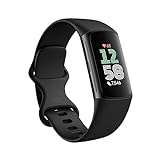
- Find your way seamlessly during runs or rides with turn-by-turn directions from Google Maps on Fitbit Charge 6[7, 8]; and when you need a snack break on the go, just tap to pay with Google Wallet[8, 9]
This was also when Fitbit nailed the balance between simplicity and capability. You could track runs, bike rides, and gym sessions without needing a phone in hand, yet the interface stayed unintimidating for first-time users. For many people, this was their first wearable that felt like a watch rather than a clip-on sensor.
Heart rate for everyone, not just athletes
Continuous heart-rate tracking was not new in 2016, but the Charge 2 made it accessible and easy to understand. Fitbit’s PurePulse sensor focused less on raw athletic performance and more on trends, resting heart rate, and effort zones. That shift helped normalize heart-rate awareness for everyday users.
The introduction of Cardio Fitness Level, Fitbit’s VO2 max estimate, quietly reframed fitness as something measurable over time. You didn’t need to train for races to see progress; walking more or improving sleep could move the needle. That philosophy still aligns well with how many people use fitness trackers today.
Design that prioritized comfort over flash
Physically, the Charge 2 struck a sweet spot that later Fitbits largely followed. The tracker module was slim enough to disappear on the wrist, while the interchangeable bands let users switch from sporty elastomer to leather for daily wear. At roughly 35mm wide with a lightweight polymer body, it avoided the bulk that turns casual users away from wearables.
Comfort mattered because Fitbit expected this device to be worn all day and all night. Sleep tracking was a core feature, and the Charge 2’s low profile made that realistic. Even by current standards, it remains easier to live with overnight than many modern smartwatches.
Battery life as a defining advantage
Five days of battery life was a headline feature at launch, and it remains one of the Charge 2’s strongest arguments today. In real-world use, most users could go nearly a week without charging if they weren’t constantly triggering workouts. That reliability shaped user habits, making consistent tracking far more likely.
This longevity also framed expectations for Fitbit as a brand. While newer models added features, many sacrificed endurance, making the Charge 2 a reference point for users who value low-maintenance wearables over rich app ecosystems.
A software ecosystem that aged better than expected
The hardware mattered, but the Fitbit app was the real anchor. Even now, the Charge 2 benefits from Fitbit’s long-standing focus on clear charts, long-term trends, and passive data collection. Steps, sleep stages, heart rate, and activity history remain easy to access and interpret.
Compatibility has helped extend its life. The Charge 2 still syncs with modern Android and iOS devices, and while some newer features are locked to recent models or premium subscriptions, the core experience remains intact. For basic fitness tracking, age has dulled features, not usability.
Why it still deserves consideration
The Charge 2 matters because it represents a turning point where fitness trackers became genuinely useful to the average person. It didn’t chase smartwatch status or advanced sports metrics, and that restraint is part of its lasting appeal. For walkers, casual runners, and anyone focused on general health, its fundamentals are still solid.
It also serves as a benchmark when comparing legacy Fitbit devices. Understanding what the Charge 2 did right makes it easier to judge whether newer alternatives genuinely improve your experience or simply add complexity you may not need.
Design, Display, and Comfort: A Fitness Band That Finally Looked Like a Watch
Fitbit’s software maturity and battery endurance only mattered because the Charge 2 was something people actually wanted to wear all day. Earlier Charge models felt unapologetically like fitness bands, but the Charge 2 marked a clear pivot toward a more watch-like identity. That shift played a huge role in its mainstream success and is still easy to appreciate years later.
A deliberate move toward a watch-first aesthetic
The most obvious change was the shape. The Charge 2 swapped the narrow, pill-like screen of its predecessor for a wider, rectangular face with softened edges, instantly making it look more like a compact digital watch than a step counter strapped to your wrist.
At roughly 21.5mm wide and just over 11mm thick, it struck a careful balance. It was large enough to read at a glance but slim enough to slide under a jacket cuff without feeling bulky or awkward.
Fitbit kept the case clean and minimal, with a matte-finished housing and a single physical button on the left side. That restraint helped it blend in whether you were wearing gym clothes, office casual, or something more put together.
A display built for clarity, not flash
The Charge 2 uses a monochrome OLED display, and even by modern standards it holds up surprisingly well. Contrast is excellent, text is sharp, and the screen remains readable indoors and outdoors without relying on aggressive backlighting.
There’s no color, no animations, and no visual flair beyond clean typography. What you get instead is instant legibility for steps, heart rate, workout stats, and notifications, which aligns perfectly with the tracker’s no-nonsense philosophy.
Tap-to-wake and wrist-raise gestures are reliable, and the physical button provides a reassuring fallback. In daily use, the interface feels simple rather than limited, especially for users who value speed over visual polish.
Comfort that encourages 24/7 wear
Comfort is where the Charge 2 quietly excels. Its weight is evenly distributed, and the curved underside helps it sit flat against the wrist without digging in during longer sessions or sleep.
This made it especially well suited to overnight wear, which is critical for sleep tracking and resting heart rate trends. Even users sensitive to wrist pressure often found the Charge 2 easy to forget after a few minutes.
Breathability is decent for a silicone band, though extended workouts or hot weather can still lead to moisture buildup. A quick rinse and dry usually solves the problem, and the materials have proven durable over years of use.
Interchangeable bands that extended its lifespan
One of the smartest design decisions was the introduction of user-swappable bands. Fitbit offered silicone, leather, and metal options at launch, and third-party alternatives quickly flooded the market.
This flexibility transformed the Charge 2 from a single-purpose fitness tracker into something adaptable. You could wear silicone for workouts, leather for work, and metal for evenings without changing devices.
For second-hand buyers today, band availability remains a plus. Replacement straps are inexpensive and easy to find, which helps offset the realities of buying an older device and keeps the Charge 2 feeling personal rather than dated.
Durability and everyday practicality
The Charge 2 isn’t a rugged sports watch, but it was built for daily life. It’s water-resistant enough for rain, sweat, and hand washing, though it notably lacks swim tracking, a limitation tied more to software than construction.
Scratches on the display are possible over time, especially without a screen protector, but the recessed edges offer some natural protection. Many long-term units still look presentable years later, which speaks to the durability of the materials and finishing.
Taken together, the design, display, and comfort of the Charge 2 explain why so many users stuck with it long after newer models arrived. It didn’t try to impress with excess features or flashy visuals; it simply made fitness tracking easy to live with, day after day.
Everyday Activity Tracking: Steps, Calories, Floors, and Daily Motivation
Once you get past the comfort and design, the real reason the Charge 2 earned such a wide audience was how effortlessly it handled everyday activity tracking. This was Fitbit at the height of its “set it and forget it” philosophy, where the goal wasn’t athletic precision, but consistent daily awareness.
For casual users, that approach still holds up surprisingly well today.
Step tracking that prioritizes consistency over perfection
The Charge 2 uses a three-axis accelerometer to track steps, and in day-to-day walking it remains broadly reliable. Step counts tend to land within a few percentage points of reality, with occasional overcounting during repetitive arm movements like cooking or folding laundry.
Compared to newer trackers, the algorithm is simpler, but also less jumpy. You don’t see dramatic spikes or drops from day to day, which makes long-term trends easier to trust if your goal is building a habit rather than chasing exact numbers.
The on-device display keeps steps front and center, and the tall, narrow screen suits this well. A quick tap or wrist raise gives you an immediate sense of progress without needing to open the app.
Calories burned: useful context, not a scientific number
Calorie tracking on the Charge 2 combines step data, heart rate, and your personal profile to estimate daily burn. As with any wrist-based tracker, the number is best treated as directional rather than precise.
What the Charge 2 does well is consistency. If you eat more or move less, you’ll see that reflected clearly in the trends, which is often more motivating than chasing exact calorie targets.
For users pairing it with Fitbit’s food logging, the ecosystem still works smoothly. Even today, the Fitbit app presents calorie intake and burn in a way that’s easy to understand, especially for beginners trying to learn basic energy balance.
Floors climbed and the appeal of vertical movement
The built-in altimeter tracks floors climbed, a feature that felt novel at launch and remains quietly motivating. Elevation changes from stairs and hills are detected reasonably well, though slow elevators or gradual slopes can sometimes confuse the sensor.
Rank #2

- Inspire 3 is the tracker that helps you find your energy, do what you love and feel your best. All you have to do is wear it.Operating temperature: 0° to 40°C
- Move more: Daily Readiness Score(1), Active Zone Minutes, all-day activity tracking and 24/7 heart rate, 20+ exercise modes, automatic exercise tracking and reminders to move
- Stress less: always-on wellness tracking, daily Stress Management Score, mindfulness sessions, relax breathing sessions, irregular heart rhythm notifications(2), SpO2(3), menstrual health tracking, resting heart rate and high/low heart rate notifications
- Sleep better: automatic sleep tracking, personalized Sleep Profile(1), daily detailed Sleep Score, smart wake vibrating alarm, sleep mode
- Comfortably connected day and night: calls, texts & smartphone app notifications(4), color touchscreen with customizable clock faces, super lightweight and water resistant to 50 meters, up to 10 day battery life(5)
For office workers or apartment dwellers, floor goals add variety to daily movement. It nudges you toward stairs instead of elevators, and over time those small choices add up.
While newer devices may track elevation with more nuance, the Charge 2’s implementation is simple and effective. You either climbed more today or you didn’t, and that clarity works in its favor.
Hourly movement reminders and subtle nudges
One of Fitbit’s strongest behavioral features is still present here: hourly reminders to move. If you haven’t hit 250 steps in a given hour, the Charge 2 gently vibrates to prompt a short walk.
These reminders are easy to ignore when busy, but over weeks they build awareness of sedentary habits. For many users, this was the feature that turned the tracker from a passive counter into an active coach.
Because the vibrations are subtle and the device is lightweight, the nudges rarely feel intrusive. It’s motivation by suggestion rather than pressure, which suits the Charge 2’s mass-market appeal.
The Fitbit app as the real motivator
Much of the Charge 2’s daily tracking value lives in the Fitbit app rather than on the device itself. Clear charts, weekly summaries, and long-term averages make it easy to spot patterns without feeling overwhelmed.
Badges, streaks, and step challenges add a layer of gamification that still resonates, especially for new users. While these features are now common across platforms, Fitbit’s execution remains among the most accessible.
It’s worth noting that some social and premium features are now tied to Fitbit’s subscription model. However, basic activity tracking, history, and goal setting remain usable without paying, which is important for anyone using the Charge 2 today.
Limitations to keep in mind with an older tracker
The Charge 2 lacks some refinements found in newer devices, such as adaptive step algorithms and richer context around daily movement. There’s no automatic detection of specific daily activities like housework or commuting beyond general steps.
Battery aging is another factor for second-hand buyers. While the Charge 2 was originally rated for up to five days, older units may need charging every two to three days depending on use.
Still, for everyday activity tracking, the fundamentals remain solid. If your goal is to move more, understand your habits, and stay gently motivated throughout the day, the Charge 2 continues to deliver on the core promise that made Fitbit a household name.
Sports and Exercise Tracking: Strengths, Gaps, and Real-World Accuracy
If daily movement nudges are the Charge 2’s gentle coaching voice, structured exercise is where it tries to step up as a more serious fitness companion. This is also where its age and original mass-market positioning become most apparent.
Rather than overwhelming users with dozens of modes and metrics, Fitbit aimed to make exercise tracking approachable. For many casual users, that simplicity was exactly the point.
Supported exercise modes and how they work
The Charge 2 supports a core set of exercise profiles, including Run, Walk, Bike, Weights, Treadmill, Elliptical, Interval Workout, and a generic Workout mode. These can be launched directly from the band, which was still a meaningful convenience at the time.
Each mode adjusts how metrics are logged and displayed, but the underlying data remains similar: duration, heart rate, estimated calories, and step or movement-based distance where applicable. There’s no sport-specific tuning for activities like HIIT, CrossFit, or rowing beyond basic heart-rate logging.
For users sticking to walking, jogging, gym machines, or simple circuits, the coverage feels adequate. Anyone with more specialized training needs will quickly hit the ceiling.
Connected GPS: useful, but not seamless
The Charge 2 does not have built-in GPS and instead relies on connected GPS through a paired smartphone. When it works well, outdoor runs and walks get reasonably accurate distance and pace maps.
In practice, reliability depends heavily on your phone, app permissions, and how quickly the GPS lock is established. Starting a run before the phone has a solid signal can result in shortened routes or inconsistent pacing data.
For casual runners tracking general progress rather than precise splits, connected GPS is acceptable. For serious runners, the friction and occasional inconsistency feel limiting compared to trackers with onboard GPS.
Heart rate tracking during workouts
Continuous heart-rate monitoring is the Charge 2’s most important exercise feature, powered by Fitbit’s PurePulse optical sensor. During steady-state activities like walking, jogging, or elliptical sessions, heart-rate readings are generally stable and believable.
Where accuracy drops is during rapid intensity changes, such as intervals or strength training with lots of wrist movement. Peaks can lag behind effort, and short bursts of high intensity are often smoothed out in the data.
That said, for zone-based training and general effort awareness, the Charge 2 still provides useful guidance. It’s better suited to understanding trends than delivering clinical-grade precision.
Cardio Fitness Score and exercise insights
One standout feature for its time was Fitbit’s Cardio Fitness Score, an estimated VO2 max-style metric derived from heart rate and activity data. It’s presented as a simple score with age-based comparisons rather than a lab-grade number.
While not perfectly accurate, it does a decent job of tracking directional change. If your fitness improves over months of regular activity, the score usually reflects that.
This kind of long-term insight plays to Fitbit’s strengths. The Charge 2 isn’t about obsessing over one workout, but about seeing gradual progress across many.
Automatic exercise recognition with SmartTrack
SmartTrack automatically detects sustained activities like walking, running, and cycling without manual input. This works best for longer, steady sessions and less well for stop-start workouts or mixed routines.
When it triggers correctly, the logged data is often close to what you’d get from a manually started session, minus GPS mapping. It’s especially useful for users who forget to press start before heading out.
However, SmartTrack can occasionally misclassify activities or miss shorter workouts entirely. It’s a convenience feature, not a replacement for intentional tracking.
Strength training and gym use
Weight training is tracked primarily through time, heart rate, and estimated calories. There’s no rep counting, set detection, or muscle group tagging.
Heart-rate data during lifting tends to be less reliable due to wrist flexion and gripping, which interfere with optical sensors. Calorie estimates in these sessions should be taken as rough approximations.
For logging gym time and maintaining exercise streaks, it does the job. For anyone focused on progressive overload or detailed strength metrics, it falls short.
What’s missing by modern standards
The Charge 2 is not swim-proof and should not be used for pool or open-water workouts. This alone limits its appeal for triathletes or swimmers.
There’s also no support for advanced training metrics like cadence analysis, recovery recommendations, or structured training plans pushed to the device. Interval workouts can be timed, but guidance is minimal and mostly app-based.
These gaps reflect its era. At launch, the Charge 2 was competing on accessibility rather than athletic depth.
Real-world accuracy and who it works best for
In day-to-day use, exercise tracking accuracy is consistent enough to build habits and monitor progress over time. Distances may not be perfect, heart rate may lag at times, and calorie counts should never be treated as exact.
What the Charge 2 does well is reduce friction. Starting a workout is easy, reviewing it later is clear, and the data fits neatly into Fitbit’s broader health ecosystem.
Rank #3

- 【BUILT-IN GPS SMART WATCH – GO FURTHER, FREER, SMARTER】No phone? No problem. This fitness watch for women, featuring the latest 2025 technology, includes an advanced professional-grade GPS chip that precisely tracks every route, distance, pace (real-time & average), and calorie burned—completely phone-free. Whether you're chasing new personal records or exploring off the beaten path, your full journey is automatically mapped and synced in the app. Train smarter. Move with purpose. Own your progress. Own your journey.
- 【BLUETOOTH 5.3 CALLS & SMART NOTIFICATIONS】Stay effortlessly connected with this smart watch for men and women, featuring dual Bluetooth modes (BT 3.0 + BLE 5.3) and a premium microphone for crystal-clear calls right from your wrist—perfect for driving, workouts, or busy days. Receive instant alerts for calls, texts, and popular social apps like WhatsApp and Facebook. Just raise your wrist to view notifications and never miss an important moment.
- 【100+ SPORT MODES & IP68 WATERPROOF & DUSTPROOF】This sport watch is a versatile activity and fitness tracker with 100+ modes including running, cycling, yoga, and more. It features quick-access buttons and automatic running/cycling detection to start workouts instantly. Accurately track heart rate, calories, distance, pace, and more. Set daily goals on your fitness tracker watch and stay motivated with achievement badges. With IP68 waterproof and dustproof rating, it resists rain and sweat for any challenge. Not suitable for showering, swimming, or sauna.
- 【24/7 HEALTH ASSISTANT & SMART REMINDERS】This health watch continuously monitors heart rate, blood oxygen, and stress levels for comprehensive wellness tracking. Sleep monitoring includes deep, light, REM sleep, and naps to give you a full picture of your rest. Stay on track with smart reminders for sedentary breaks, hydration, medication, and hand washing. Women can also monitor menstrual health. Includes guided breathing exercises to help you relax. Your ultimate health watch with event reminders for a healthier life.
- 【ULTRA HD DISPLAY, LIGHTWEIGHT & CUSTOMIZABLE DIALS】This stylish wrist watch features a 1.27-inch (32mm) 360×360 ultra HD color display with a 1.69-inch (43mm) dial, offering vivid details and responsive touch. Its minimalist design fits both business and casual looks. Switch freely among built-in designer dials or create your own DIY watch face using photos, colors, and styles to showcase your unique personality. Perfect as a cool digital watch and fashion wrist watch.
For beginners, casual exercisers, or anyone returning to fitness after time away, that reliability and ease of use still matter more than cutting-edge metrics.
Heart Rate Performance: Continuous Tracking, Cardio Zones, and Reliability
Heart-rate tracking sits at the center of the Charge 2 experience, tying together activity tracking, calorie estimates, sleep insights, and Fitbit’s broader health metrics. For many buyers, especially those coming from step-only trackers, this was the headline upgrade that made the Charge 2 feel like a serious fitness device rather than a glorified pedometer.
Even today, its heart-rate system remains usable, with caveats that reflect both its age and the inherent limits of wrist-based optical sensors.
PurePulse optical heart rate: how it works in daily use
The Charge 2 uses Fitbit’s PurePulse optical sensor, positioned prominently on the underside of the band with a slightly raised housing. It reads heart rate continuously throughout the day, updating in short intervals rather than only during workouts.
In everyday wear, resting heart rate trends are one of its strongest outputs. Over weeks and months, the averages it produces are consistent enough to spot changes tied to fitness improvements, illness, stress, or poor sleep.
The sensor performs best when the band is worn snugly, about a finger’s width above the wrist bone. Too loose and readings jump around; too tight and comfort suffers, especially during all-day wear.
Continuous tracking and 24/7 data collection
Unlike earlier Fitbits that only sampled heart rate periodically, the Charge 2 tracks continuously, including during sleep. This enables features like resting heart rate trends and basic sleep-stage estimation, which were relatively advanced for its time.
Continuous tracking does have a battery cost, but Fitbit managed it well. Even with 24/7 heart-rate monitoring enabled, most users can expect around four to five days of battery life, assuming a few logged workouts per week.
For users focused on general health rather than performance training, this always-on approach adds value. You spend less time thinking about when tracking is active and more time simply wearing the device.
Cardio Fitness Score and heart rate zones
One of the Charge 2’s more approachable features is its automatic heart rate zone tracking. During workouts, time is logged in Fat Burn, Cardio, and Peak zones, based on age-predicted maximum heart rate rather than lab-tested thresholds.
This is not precision training, but it is effective for behavior change. Seeing time spent in Cardio or Peak zones helps beginners understand effort levels without needing pace targets or technical metrics.
The Cardio Fitness Score, Fitbit’s VO2 max estimate, is also derived largely from heart-rate data combined with activity patterns. It works best for runners and walkers with consistent outdoor activity and should be viewed as a directional indicator, not a lab-grade measurement.
Workout accuracy and sensor lag
During steady-state activities like walking, treadmill sessions, or easy runs, heart-rate readings are generally stable. Spikes and drops are rare once the sensor locks on, and averages tend to align reasonably well with chest straps in moderate conditions.
Where the Charge 2 struggles is during rapid intensity changes. Interval training, hill repeats, and circuit workouts can expose sensor lag, with heart rate taking several seconds to catch up to real effort.
This limitation affects calorie estimates and zone tracking during high-intensity sessions. For casual users, the impact is minor; for anyone training by heart rate, it can be frustrating.
Strength training and wrist movement challenges
As noted earlier in gym use, strength training is the weakest scenario for the Charge 2’s heart-rate sensor. Wrist flexion, gripping dumbbells, and barbell pressure all interfere with optical readings.
Heart-rate values during lifting sessions often appear flattened or delayed, underestimating peaks during hard sets. This makes calorie burn numbers especially unreliable for weight training.
That said, the Charge 2 was never positioned as a strength-focused tracker. Its heart-rate data during these sessions is best used for general session intensity rather than precise tracking.
Comfort, skin contact, and long-term wearability
The Charge 2’s wider band design actually helps heart-rate consistency compared to narrower trackers of its era. The larger contact area reduces micro-movements that can disrupt readings during daily activity.
Comfort plays a role here as well. Because the band distributes pressure evenly, most users can wear it snug enough for good sensor contact without irritation, even during sleep.
Replacement bands are easy to find on the second-hand market, which matters for older devices. A worn or stretched band can quietly degrade heart-rate accuracy more than most users realize.
Reliability over time and aging hardware considerations
On well-maintained units, heart-rate performance does not degrade dramatically with age. The sensor hardware itself is durable, and firmware updates during its supported lifespan improved consistency.
The bigger risk today comes from battery health and physical wear. If the device struggles to maintain charge or frequently loses skin contact, heart-rate tracking becomes less dependable.
For second-hand buyers, checking sensor cleanliness, band condition, and battery stability is more important than cosmetic scuffs. Heart-rate tracking is only as reliable as the device’s ability to stay powered and properly worn.
How it compares to newer trackers
Compared to modern Fitbits and current-generation smart bands, the Charge 2 lacks refinements like faster sensor response, improved algorithms for HIIT, and better motion compensation. Newer models also pair heart rate with additional sensors to improve context.
Still, for walking, steady cardio, sleep tracking, and general wellness monitoring, the gap is smaller than expected. The Charge 2 delivers usable heart-rate data that supports healthy habits without overwhelming the user.
Its heart-rate performance reflects its original mission: accessible, always-on insight rather than performance optimization. For the audience it was designed for, it still largely succeeds.
GPS by Tethering: What Phone-Based Tracking Means in Practice
After heart-rate tracking, GPS is the next feature many users look for when judging a fitness tracker’s usefulness for outdoor exercise. This is where the Fitbit Charge 2 shows its age most clearly, relying entirely on phone-based GPS rather than having a receiver built into the band itself.
That design choice was deliberate at the time. It kept the Charge 2 slim, lightweight, and affordable, but it also shapes how you use it in the real world.
How tethered GPS actually works
With the Charge 2, GPS tracking only happens when your smartphone is nearby and connected via Bluetooth. The phone handles location data, while the tracker records time, distance, pace, and heart rate, later merging everything in the Fitbit app.
In practice, this means you must carry your phone during runs, walks, or rides if you want a mapped route. Leave the phone behind, and the Charge 2 will still track duration and estimated distance, but your workout will lack GPS accuracy and route data.
The connection process itself is mostly invisible when it works well. Start an activity, wait a few seconds for the phone to lock GPS, and the tracker handles the rest without manual syncing during the workout.
Accuracy compared to built-in GPS trackers
When paired with a modern smartphone, GPS accuracy is generally solid. Route maps are clean, distance totals are consistent, and pace tracking aligns closely with dedicated GPS watches for steady runs and walks.
Where it falls behind built-in GPS devices is responsiveness. Pace changes can lag slightly, especially in areas with signal interference, and the reliance on the phone’s GPS chip means results vary depending on your handset and how you carry it.
For casual fitness use, this is rarely a deal-breaker. Walkers, joggers, and recreational cyclists will find the data reliable enough to track progress over time rather than analyze split-second performance.
The convenience trade-off
The biggest downside of tethered GPS is simple practicality. If your goal is phone-free workouts, the Charge 2 cannot deliver that experience.
Rank #4

- 24H Accurate Heart Rate Monitoring: Go beyond basic tracking. Our watch automatically monitors your heart rate, blood oxygen (SpO2), and sleep patterns throughout the day and night. Gain deep insights into your body's trends and make informed decisions for a healthier lifestyle.
- Practical Sports Modes & Smart Activity Tracking: From running and swimming to yoga and hiking, track a wide range of activities with precision. It automatically records your steps, distance, calories burned, and duration, helping you analyze your performance and crush your fitness goals.
- 1-Week Battery Life & All-Day Wear: Say goodbye to daily charging. With an incredible up to 7-10 days of battery life on a single charge, you can wear it day and night for uninterrupted sleep tracking and worry-free travel. Stay connected to your data without the hassle.
- Comfortable to Wear & IP68 Waterproof: The lightweight, skin-friendly band is crafted for all-day comfort, even while you sleep. With IP68 waterproof, it withstands rain, sweat, It is not suitable for swimming or showering.
- Ease of Use and Personalized Insights via Powerful App: The display is bright and easy to read, even outdoors. Unlock the full potential of your watch. Sync with our dedicated app to view detailed health reports, customize watch faces, set sedentary reminders, and manage your preferences with ease.
This matters more for runners than walkers. Holding or pocketing a phone can feel intrusive during workouts, especially for users who prefer minimalist gear. For others, particularly those who already bring a phone for music or safety, the limitation barely registers.
There’s also an extra dependency to manage. A dead phone battery, disabled location permissions, or a dropped Bluetooth connection can quietly ruin GPS tracking without obvious warnings mid-workout.
Battery life benefits of skipping built-in GPS
One advantage of phone-based GPS is battery efficiency on the tracker itself. Because the Charge 2 isn’t powering a GPS chip, it delivers strong battery life even with frequent workouts.
In real-world use, most users can expect around four to five days between charges, including regular exercise tracking. That’s noticeably better than many GPS-equipped trackers from the same era, which often required charging every one to two days.
For long-term wearers, this contributes to a more relaxed ownership experience. You spend less time thinking about charging schedules and more time wearing the tracker consistently, which matters for overall activity and sleep tracking.
Who tethered GPS works best for today
For second-hand buyers and budget-conscious users, the Charge 2’s GPS approach still makes sense if expectations are realistic. It’s well-suited to casual outdoor exercise where route maps are nice to have but not essential for performance training.
If you prioritize phone-free runs, detailed pace analysis, or frequent interval training, newer trackers with built-in GPS are a better fit. The Charge 2 was never designed for serious performance athletes, and its GPS limitations reflect that philosophy.
Viewed in context, tethered GPS fits the Charge 2’s broader identity. It supports everyday fitness habits without pushing cost, size, or complexity beyond what mainstream users needed at the time, and for many, that balance still holds up surprisingly well.
Battery Life and Charging: Endurance That Defined Early Fitbit Success
That philosophy of keeping things simple carries directly into battery life, where the Charge 2 quietly became one of Fitbit’s most dependable devices. By avoiding power-hungry components like on-board GPS and using a restrained monochrome OLED display, Fitbit focused on consistency rather than headline-grabbing specs. The result was endurance that encouraged all-day, all-night wear without constant charging anxiety.
Real-world battery performance
When new, the Fitbit Charge 2 was rated for up to five days of use, and that estimate generally held up in everyday conditions. With continuous heart-rate tracking enabled, regular workouts logged, and notifications turned on, most users landed comfortably in the four-to-five-day range. Even with heavier exercise use, it rarely dipped below three full days unless settings were pushed aggressively.
Sleep tracking was always-on by default, and unlike early smartwatches, it barely made a dent in battery life. That reliability mattered because Fitbit’s ecosystem thrives on long-term data trends, and fewer charging breaks meant more complete health and activity records. Compared to early GPS trackers that needed near-daily charging, the Charge 2 felt refreshingly low-maintenance.
Charging system and daily practicality
The Charge 2 uses Fitbit’s proprietary snap-in charging cable, connecting to pogo pins on the underside of the tracker. A full charge typically takes around one to two hours, depending on the power source. There’s no fast charging by modern standards, but the long intervals between charges make that less of an inconvenience.
The cable itself is small and easy to misplace, which is worth noting for second-hand buyers. Replacements are still widely available and inexpensive, but it’s an extra accessory dependency to consider. There’s also no wireless charging, reflecting the era and the tracker’s focus on efficiency over luxury.
Battery aging and second-hand expectations
For buyers considering a used or refurbished Charge 2 today, battery condition is the biggest variable. Lithium-ion degradation means most original units no longer hit the five-day mark, especially those with heavy past usage. In practical terms, many second-hand units still manage two to three days, which remains workable for casual fitness tracking.
It’s wise to ask sellers about real-world battery life rather than relying on original specs. A Charge 2 that needs daily charging loses much of what made it appealing in the first place. On the plus side, even a partially degraded battery still tends to outlast many older smartwatches from the same period.
Why endurance mattered more than ever
The Charge 2 arrived at a time when wearables were still proving their value to mainstream users. Long battery life reduced friction and helped users build consistent habits around step tracking, heart rate, and sleep. You didn’t need to think like a gadget enthusiast to live with it comfortably.
That endurance also reinforced the Charge 2’s identity as a fitness band first, not a wrist-mounted phone extension. By prioritizing wear time over feature overload, Fitbit created a tracker that blended into daily life. Even years later, that battery-first mindset remains one of the Charge 2’s most enduring strengths.
The Fitbit App and Ecosystem: Data, Insights, and Long-Term Usability Today
Long battery life only matters if the data collected during those days is easy to understand and worth returning to. This is where the Fitbit Charge 2 still holds up better than many budget trackers from its era. Fitbit’s software has aged far more gracefully than the hardware, and for legacy devices like this, the app experience is often the deciding factor.
Even today, the Charge 2 slots into the modern Fitbit app with minimal friction. Syncing remains reliable, and the core health and activity dashboards feel far more polished than what many low-cost trackers offer out of the box.
Fitbit app compatibility and device support in 2026
The Charge 2 continues to sync with current versions of the Fitbit app on both iOS and Android, which is a major plus for second-hand buyers. Setup is straightforward, and there’s no need for outdated companion software or sideloaded apps. As long as the tracker itself is functional, the app treats it like a first-party device.
That said, long-term support is never guaranteed with discontinued hardware. Firmware updates are effectively frozen, and while Fitbit has not sunset core functionality, features added in recent years are often optimized for newer models. The Charge 2 still works, but it lives within the app as a legacy participant rather than a flagship citizen.
Daily activity tracking and data presentation
Steps, distance, active minutes, and calories are presented clearly, with daily and weekly views that are easy to interpret at a glance. The app’s strength lies in how it contextualizes basic metrics, nudging users toward movement goals rather than overwhelming them with raw numbers. For casual users, this approach remains effective and unintimidating.
The Charge 2’s lack of onboard GPS means distance and pace rely on phone-assisted tracking or step estimation. In practice, this is fine for walking, treadmill sessions, and general activity logging, but runners expecting detailed route maps will feel the limitation. Fitbit’s data smoothing and trend analysis help soften that gap, especially over longer timeframes.
Heart rate trends and long-term health insights
Heart rate is where the Charge 2 still feels surprisingly relevant. Continuous heart-rate tracking feeds into resting heart rate trends, cardio fitness estimates, and calorie calculations, all of which are displayed in clean, digestible charts. These long-term views are arguably more valuable than real-time precision for the audience this tracker was built for.
During workouts, heart rate data is stable enough for zone-based training and effort awareness. It won’t satisfy athletes chasing second-by-second accuracy, but for general fitness and health awareness, it remains dependable. The real value shows up over weeks and months, where patterns matter more than individual spikes.
Sleep tracking and recovery awareness
Sleep tracking is fully automatic and remains one of Fitbit’s strongest features. The Charge 2 captures total sleep time, sleep stages, and consistency trends, presenting them in a way that feels approachable rather than clinical. For many users, this is the feature that keeps them wearing the band every night.
Some deeper sleep insights are now gated behind Fitbit Premium, which slightly changes the value equation. While basic sleep data is still accessible, newer scores and coaching elements require a subscription. For a discontinued device, that can feel like paying extra to unlock software rather than hardware capability.
Fitbit Premium and the shifting value proposition
Fitbit Premium didn’t exist when the Charge 2 launched, and its presence today reshapes how the ecosystem feels. Guided programs, advanced sleep analytics, and wellness reports add depth, but they’re not essential to get meaningful use from the tracker. Many Charge 2 owners will find the free tier sufficient.
For budget-conscious buyers, it’s important to view Premium as optional, not mandatory. The core experience remains intact without it, which isn’t always the case with modern wearables. Still, the introduction of subscriptions does highlight how the software has evolved beyond what the Charge 2 was originally designed to support.
Long-term data storage and habit-building
One of Fitbit’s biggest advantages is historical data continuity. Years of steps, heart rate trends, and sleep patterns remain accessible, making the Charge 2 a solid option for users who value long-term habit tracking over cutting-edge features. This continuity is something many cheaper ecosystems struggle to offer.
The app also excels at reinforcing consistency through reminders, goal celebrations, and gentle prompts. These aren’t flashy features, but they play a meaningful role in keeping users engaged. For beginners especially, this soft behavioral design remains one of Fitbit’s quiet strengths.
Limitations you feel more with time
As the ecosystem evolves, certain gaps become more noticeable. There’s no support for advanced metrics like SpO2 trends, ECG, or detailed training load analysis. Integration with third-party fitness platforms is present but less flexible than what more modern devices offer.
The Charge 2 also lacks music controls, contactless payments, and smartwatch-style interactions, which the app can’t compensate for. These omissions were acceptable at launch and remain so for simple tracking, but they frame the Charge 2 firmly as a fitness band, not a hybrid wearable.
Is the Fitbit ecosystem still a reason to use the Charge 2?
For casual users, the answer is often yes. The app remains intuitive, visually polished, and supportive of long-term health habits in a way few competitors match at this price point. Even with an older tracker, the ecosystem does a lot of heavy lifting.
The Charge 2 benefits from being part of a platform that matured rather than stagnated. While it no longer receives innovation directly, it continues to ride on Fitbit’s software foundations. For anyone prioritizing clarity, consistency, and ease of use over cutting-edge metrics, that ecosystem remains one of the Charge 2’s most compelling assets.
Limitations of an Aging Tracker: Missing Features, Software Support, and Compatibility
The strengths of the Fitbit ecosystem help extend the Charge 2’s relevance, but they can’t fully mask the realities of using a tracker released in 2016. As smartphones, operating systems, and user expectations have evolved, the gaps between the Charge 2 and modern fitness bands have become clearer in daily use.
💰 Best Value

- 【Superb Visual Experience & Effortless Operation】Diving into the latest 1.58'' ultra high resolution display technology, every interaction on the fitness watch is a visual delight with vibrant colors and crisp clarity. Its always on display clock makes the time conveniently visible. Experience convenience like never before with the intuitive full touch controls and the side button, switch between apps, and customize settings with seamless precision.
- 【Comprehensive 24/7 Health Monitoring】The fitness watches for women and men packs 24/7 heart rate, 24/7 blood pressure and blood oxygen monitors. You could check those real-time health metrics anytime, anywhere on your wrist and view the data record in the App. The heart rate monitor watch also tracks different sleep stages for light and deep sleep,and the time when you wake up, helps you to get a better understanding of your sleep quality.
- 【120+ exercise modes & All-Day Activity Tracking】There are more than 120 exercise modes available in the activity trackers and smartwatches, covering almost all daily sports activities you can imagine, gives you new ways to train and advanced metrics for more information about your workout performance. The all-day activity tracking feature monitors your steps, distance, and calories burned all the day, so you can see how much progress you've made towards your fitness goals.
- 【Messages & Incoming Calls Notification】With this smart watch fitness trackers for iPhone and android phones, you can receive notifications for incoming calls and read messages directly from your wrist without taking out your phone. Never miss a beat, stay in touch with loved ones, and stay informed of important updates wherever you are.
- 【Essential Assistant for Daily Life】The fitness watches for women and men provide you with more features including drinking water and sedentary reminder, women's menstrual period reminder, breath training, real-time weather display, remote camera shooting, music control,timer, stopwatch, finding phone, alarm clock, making it a considerate life assistant. With the GPS connectivity, you could get a map of your workout route in the app for outdoor activity by connecting to your phone GPS.
These limitations don’t necessarily make the Charge 2 unusable, but they do shape who it’s still appropriate for and who will feel constrained almost immediately.
No longer aligned with modern health metrics
The most obvious limitation is what the Charge 2 simply cannot measure. There’s no blood oxygen tracking, no ECG capability, no skin temperature trends, and no stress or readiness-style scoring that’s now common even on entry-level devices.
Heart rate tracking remains serviceable for steady-state exercise and general activity, but it lacks the depth of newer sensors. You won’t get heart rate variability trends, recovery insights, or advanced sleep staging beyond basic light, deep, and REM estimates.
For users curious about their broader health picture, the Charge 2 quickly feels like it’s showing only part of the story. It tracks effort, not physiology, and that distinction matters more today than it did at launch.
Exercise tracking that feels increasingly basic
The Charge 2 still handles core activities like walking, running, cycling, and gym workouts, but the experience is noticeably stripped back. Connected GPS relies on carrying your phone, and even then, route accuracy and pace consistency lag behind newer Fitbit models.
There’s no support for structured workouts, interval guidance, or adaptive training features. You start an activity, record it, and review the results afterward, with little in-device feedback beyond time and heart rate zones.
For casual exercise, this simplicity works. For anyone trying to follow a plan or improve performance, it feels limiting rather than liberating.
Software support without forward momentum
Fitbit continues to support the Charge 2 at a basic compatibility level, but it no longer benefits from meaningful feature updates. The app evolves, but the device itself remains frozen in its original capabilities.
Over time, this creates a disconnect where the app advertises features the Charge 2 can’t use. Certain dashboards, insights, and premium prompts simply don’t apply, which can be confusing for new users entering the ecosystem with an older device.
There’s also the quiet uncertainty that comes with legacy hardware. While the Charge 2 still syncs today, it’s dependent on Fitbit maintaining backward compatibility with future versions of iOS and Android, something that’s never guaranteed indefinitely.
Compatibility quirks with modern smartphones
Pairing and syncing are generally stable, but not always seamless. On newer phones, initial setup can take longer than expected, and background sync reliability varies depending on operating system updates and battery optimization settings.
Notifications are limited to basic call and text alerts, with no rich previews or app-level customization. There’s also no support for replying, voice assistants, or deeper interaction, reinforcing how far removed the Charge 2 is from smartwatch-adjacent wearables.
If you’re used to modern smart bands acting as an extension of your phone, the Charge 2 feels isolated rather than integrated.
Hardware age shows in subtle but important ways
Battery life remains respectable at around five days, but degradation is a real consideration on second-hand units. Many used Charge 2 trackers no longer reach their original endurance, and replacement batteries aren’t officially supported.
The OLED display, once a highlight, now feels dimmer and lower resolution compared to modern AMOLED panels. Outdoors, readability can be inconsistent, and touch responsiveness lacks the polish of newer capacitive screens.
Water resistance is another limitation that hasn’t aged well. The Charge 2 was never designed for swimming, and years of wear increase the risk of moisture damage, making it less versatile than even budget trackers today.
Value constraints in a crowded used-market landscape
At very low prices, the Charge 2 can still make sense as a step counter and heart rate monitor with strong app support. But as soon as prices creep upward, newer alternatives offer significantly more for only a small premium.
Modern Fitbit models, and even competitors from Xiaomi or Huawei, deliver better sensors, water resistance, and longer-term software relevance. Against those, the Charge 2’s value depends almost entirely on how much you prioritize Fitbit’s ecosystem over hardware capability.
This is where the Charge 2’s age matters most. It’s not that it fails at its core job, but that the definition of a “basic” fitness tracker has moved on.
Should You Still Buy or Use a Fitbit Charge 2 in 2026? Final Verdict and Alternatives
Looking at everything the Charge 2 does well, and everything it now struggles with, the answer in 2026 depends heavily on how you plan to use it and what you expect from a fitness tracker today.
The Charge 2 isn’t “obsolete” in the sense that it stops working, but it is firmly anchored to an earlier era of wearables. For some users, that simplicity is still appealing. For most buyers, especially anyone spending real money rather than inheriting one, it’s harder to justify.
Who the Fitbit Charge 2 still makes sense for
If you already own a working Charge 2, there’s no urgent reason to stop using it. Step tracking, continuous heart rate, sleep logging, and basic workout recording remain reliable, and Fitbit’s app still treats the device as a first-class citizen.
It can also make sense for absolute beginners who want a distraction-free introduction to fitness tracking. There are no apps to manage, no screens to swipe endlessly, and no feature overload, just movement, heart rate, and trends over time.
At very low second-hand prices, the Charge 2 can function as a low-risk entry point into Fitbit’s ecosystem. If you’re curious about Fitbit’s data presentation, community features, or long-term health tracking without committing to a newer device, it still serves that purpose.
Who should avoid buying one in 2026
Anyone expecting modern health metrics will be disappointed. There’s no SpO2, no skin temperature trends, no ECG, and no meaningful recovery or readiness insights beyond basic resting heart rate patterns.
Swimmers and multi-sport users should look elsewhere entirely. The lack of proper water resistance alone is enough to rule it out, especially when even budget trackers now support swim tracking and are designed for daily water exposure.
If you rely on phone integration, smart notifications, or interactive features, the Charge 2 feels isolated. In 2026, most users expect at least basic smartwatch-like convenience, and the Charge 2 simply doesn’t deliver that experience.
Battery, durability, and long-term ownership realities
Battery life is one of the Charge 2’s remaining strengths, but age complicates that advantage. Many used units struggle to hit their original five-day endurance, and there’s no official battery replacement program to extend their lifespan.
Physical durability is another concern. Years of sweat, dust, and micro-exposure to moisture can take a toll, especially given the tracker’s limited water resistance from day one.
As a long-term device to rely on daily, the Charge 2 carries more risk than newer alternatives that are still supported, repairable, and designed for harsher real-world use.
Better alternatives that cost only slightly more
If you like Fitbit’s app and health insights, newer models such as the Fitbit Charge 5 or Charge 6 are vastly more capable. They offer brighter AMOLED displays, swim-proof designs, GPS, and more advanced health metrics while preserving the familiar Fitbit experience.
For budget-focused buyers, trackers from Xiaomi, Huawei, or Amazfit deliver excellent value. Many offer longer battery life, better screens, and full water resistance at prices that often undercut used Fitbit listings.
If you want something closer to a watch experience, entry-level smartwatches now overlap heavily with what the Charge 2 once offered, while adding better durability, richer notifications, and broader fitness profiles.
Final verdict
The Fitbit Charge 2 remains a clear snapshot of what mass-market fitness tracking looked like when heart rate on the wrist was still a novelty. Its comfort, simplicity, and Fitbit app integration are still easy to appreciate, even years later.
In 2026, though, it’s best viewed as a legacy device rather than a smart buy. If you already own one and it’s working well, it can continue to serve as a basic, dependable tracker.
If you’re considering buying one today, the recommendation is cautious at best. Unless the price is extremely low and your expectations are firmly grounded in simplicity, newer trackers offer better health insights, durability, and long-term value for not much more money.