The Fitbit Charge line has always lived in the space between simple trackers and full smartwatches, and the Charge 5 is Fitbit’s most ambitious attempt yet to stretch that boundary. It looks sleeker, tracks more, and finally adds features that used to justify stepping up to a Versa or Sense. If you’re scanning spec sheets and wondering whether this is a genuine leap forward or just a shinier Charge 4, you’re asking the right question.
This band targets people who care more about health trends and workout data than apps or notifications, but who still want a modern screen and GPS without committing to a wrist-sized computer. The Charge 5 promises that balance, yet it also introduces compromises that aren’t obvious at first glance. Understanding what actually changed, what stayed stubbornly the same, and who benefits most is key to deciding whether it earns its place on your wrist.
What actually changed with Charge 5
The most immediate upgrade is the display, which moves to a full-color AMOLED panel with significantly better contrast and brightness than the Charge 4’s grayscale screen. It’s slimmer too, shaving off bulk while feeling more like a polished piece of wearable tech than a utilitarian tracker. In daily wear, the curved glass and softer edges make it noticeably more comfortable, especially for smaller wrists.
Health tracking also expands in meaningful ways. The Charge 5 adds an ECG sensor for on-demand heart rhythm checks and an EDA sensor for stress tracking, borrowing headline features from Fitbit’s higher-end Sense. Built-in GPS returns with improved reliability, allowing phone-free run and ride tracking with cleaner route data than earlier generations.
🏆 #1 Best Overall
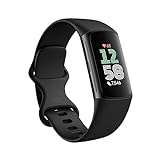
- Find your way seamlessly during runs or rides with turn-by-turn directions from Google Maps on Fitbit Charge 6[7, 8]; and when you need a snack break on the go, just tap to pay with Google Wallet[8, 9]
What didn’t change, or changed less than you’d expect
Despite the new screen, interaction remains entirely touch-based, with no physical button or capacitive alternative. That design choice keeps the band clean but can be frustrating with sweaty hands, gloves, or mid-workout screen freezes. Fitbit’s reliance on swipe gestures makes the software feel less forgiving than rivals that offer even a single hardware control.
Battery life remains rated at up to seven days, which is solid but not class-leading once GPS and the always-on display enter the picture. Realistically, active users will charge every four to five days, and heavy GPS use shortens that further. The Fitbit app experience is still excellent for long-term health trends, but key insights remain locked behind a Fitbit Premium subscription, an ongoing cost that hasn’t gone away.
Who the Charge 5 is really for
The Charge 5 makes the most sense for users upgrading from older Charge models or Inspire bands who want richer health data without jumping to a full smartwatch. It’s especially appealing to runners and walkers who want built-in GPS in a lightweight form, and to wellness-focused users who value stress and heart health metrics over apps or voice assistants.
Less ideal are those expecting smartwatch-level flexibility or complete independence from subscriptions. If you want buttons, third-party apps, or deeper customization, this band will feel limiting quickly. The Charge 5 sits firmly in Fitbit’s health-first ecosystem, rewarding users who buy into that philosophy while quietly nudging them toward Premium for the full experience.
Design evolution and wearability: Sleeker AMOLED screen, slimmer case, and the loss of buttons
If the Charge 5 feels like a bigger leap than the spec sheet suggests, most of that comes down to its physical redesign. Fitbit didn’t just refresh the internals here; it rethought how the Charge should look, feel, and sit on your wrist day and night. The result is the most modern-looking Charge yet, but also the most opinionated.
AMOLED finally changes the personality of the Charge
The move to an AMOLED display is the single most transformative upgrade to the Charge line. The 1.04-inch color panel is sharper, higher contrast, and dramatically brighter than the old grayscale OLED used on the Charge 4, peaking at up to 1,000 nits in direct sunlight.
This screen is also genuinely edge-to-edge, with curved glass flowing into the case rather than sitting inside thick bezels. It makes the Charge 5 look less like a fitness tracker and more like a miniature smartwatch, even though functionality hasn’t expanded to match that visual ambition.
Always-on display support is here as well, and it’s cleanly implemented. The downside, as expected, is battery life, which takes a noticeable hit if you keep it enabled full-time.
Slimmer, lighter, and more refined on the wrist
Fitbit shaved down the Charge 5’s case, and the difference is immediately noticeable in daily wear. At roughly 36.8 x 22.7 x 11.2mm and around 28 grams with the band attached, it sits flatter and feels less intrusive than previous generations.
The aluminum chassis replaces the resin-heavy feel of older Charges, lending the band a more premium touch without pushing it into fragile territory. Water resistance remains at 5 ATM, making it safe for swimming, showers, and sweaty workouts without concern.
For sleep tracking and all-day wear, this slimmer profile matters more than it sounds. The Charge 5 largely disappears on the wrist overnight, even for side sleepers, which is exactly what a health-first wearable should aim for.
Strap system and long-term comfort
Fitbit sticks with its proprietary quick-release band system, which is both convenient and limiting. Swapping bands takes seconds, but you’re locked into Fitbit-compatible options rather than standard watch straps.
The included silicone band is soft, flexible, and well-ventilated enough for workouts, though it can still trap sweat during longer sessions. As with previous models, users with sensitive skin may want to budget for a woven or leather alternative for extended daily wear.
Fit and balance are well judged. The sensor housing doesn’t dig into the wrist, and the lighter case reduces the top-heavy feel that some GPS bands suffer from during runs.
The clean look comes at a cost: no buttons at all
In pursuit of a minimalist design, Fitbit removed every form of physical or capacitive button from the Charge 5. There’s no side button, no inductive squeeze, and no fallback control when touch input becomes unreliable.
All navigation relies on swipes and taps, with a double-tap gesture to wake the screen. In ideal conditions this works fine, but during sweaty workouts, cold-weather runs with gloves, or moments when the screen is slow to respond, the lack of a physical control becomes frustrating quickly.
This is one of those design decisions that looks great in product photos but feels less considerate in real-world use. Even a single programmable button would have added confidence and accessibility without compromising the Charge 5’s clean aesthetic.
Durability and finishing: modern, but not rugged
The curved glass front gives the Charge 5 a sleek, jewelry-like appearance, but it also demands more care. Fitbit uses Gorilla Glass 3, which is reasonably scratch-resistant, though not immune to scuffs if you’re rough on your gear.
The aluminum frame holds up well to daily wear, but this is not a device designed to be knocked around like a dedicated outdoor watch. It feels durable enough for gym sessions and road runs, less so for trail abuse or manual labor-heavy days.
Visually, though, the Charge 5 is a clear step forward. It looks intentional, polished, and far more grown-up than earlier Charges, reinforcing Fitbit’s push toward wellness-first wearables that blend into everyday life rather than screaming “fitness tracker.”
Display and daily interaction: Bright AMOLED visuals versus gesture-heavy navigation
The Charge 5’s curved glass face isn’t just about looks. It introduces Fitbit’s first full-color AMOLED display on a Charge band, and that shift fundamentally changes how the device feels in daily use, for better and for worse.
AMOLED marks a genuine upgrade in clarity and contrast
At 1.04 inches, the Charge 5’s AMOLED panel is small in absolute terms, but it delivers excellent contrast and deep blacks that make stats pop at a glance. Text is sharper than on older grayscale or LCD-based Fitbit bands, and the increased resolution makes watch faces and graphs easier to parse mid-workout.
Brightness is strong enough for outdoor visibility, even under direct sunlight. Fitbit doesn’t publish nit figures, but real-world use puts it comfortably ahead of the Charge 4 and Inspire 2, especially when checking GPS pace or heart rate during runs.
Always-on display is welcome, but not without trade-offs
Fitbit offers an optional always-on display mode, which helps offset the lack of a physical button by keeping the time visible without gestures. It makes the Charge 5 feel more watch-like during the day, particularly in meetings or quick glances where wrist flicks feel awkward.
The downside is battery life. With always-on enabled, expect closer to four to five days rather than Fitbit’s quoted seven, which matters more here because charging requires removing the band entirely rather than dropping it onto a docked watch.
Gesture-first navigation defines the entire experience
Without buttons, every interaction relies on swipes, taps, and a double-tap-to-wake gesture. Swiping left and right cycles through widgets like steps, heart rate, and stress, while swiping up reveals notifications and swiping down opens quick settings.
When conditions are ideal, navigation feels fluid and intuitive. During sweaty workouts, rainy runs, or cold weather, responsiveness becomes inconsistent, and repeated gestures can feel like friction rather than flow.
Wake reliability remains the biggest daily frustration
The double-tap gesture to wake the screen works well indoors, but it’s less dependable when you’re moving or mid-exercise. Wrist-raise detection is improved over earlier Charges, yet still lags behind full smartwatches and even some competing bands from Garmin and Xiaomi.
This inconsistency amplifies the absence of a physical control. A missed wake means missed data in the moment, which is exactly when a fitness tracker should be most reliable.
UI design is clean, but depth is limited
Fitbit’s interface prioritizes simplicity, with large touch targets and uncluttered screens. Core metrics are front and center, and scrolling through health stats feels approachable for first-time users.
Power users may find the UI restrictive. Customization is limited, data density is lower than on Garmin devices, and deeper insights almost always push you back to the smartphone app rather than living on the wrist.
Comfortable for all-day wear, visually discreet
The slim profile and curved glass help the Charge 5 disappear under sleeves, and the display’s rounded edges soften its tech-forward look. It reads more like a minimalist wellness accessory than a piece of sports equipment, which aligns with Fitbit’s broader design direction.
That discretion comes with usability compromises. The screen is beautiful, but it asks more patience from the user than a device at this price arguably should, especially when daily interaction depends entirely on touch behaving perfectly in imperfect conditions.
Health and wellness tracking: ECG, EDA stress scans, SpO₂, and Fitbit’s core metrics explained
After wrestling with the Charge 5’s touch-first interface, the real reason to tolerate those frustrations becomes clear once you dig into its health tracking. This is where Fitbit has historically led the category, and where the Charge 5 most convincingly earns its “supercharged” label.
Rank #2

- Inspire 3 is the tracker that helps you find your energy, do what you love and feel your best. All you have to do is wear it.Operating temperature: 0° to 40°C
- Move more: Daily Readiness Score(1), Active Zone Minutes, all-day activity tracking and 24/7 heart rate, 20+ exercise modes, automatic exercise tracking and reminders to move
- Stress less: always-on wellness tracking, daily Stress Management Score, mindfulness sessions, relax breathing sessions, irregular heart rhythm notifications(2), SpO2(3), menstrual health tracking, resting heart rate and high/low heart rate notifications
- Sleep better: automatic sleep tracking, personalized Sleep Profile(1), daily detailed Sleep Score, smart wake vibrating alarm, sleep mode
- Comfortably connected day and night: calls, texts & smartphone app notifications(4), color touchscreen with customizable clock faces, super lightweight and water resistant to 50 meters, up to 10 day battery life(5)
Rather than chasing smartwatch tricks, Fitbit has doubled down on passive, always-on health data layered with occasional spot checks. The result is a band that quietly collects an enormous amount of physiological information, even if accessing and interpreting it still leans heavily on the phone app.
ECG: Legitimate heart rhythm checks, with limits
The Charge 5 includes an FDA-cleared ECG app capable of detecting signs of atrial fibrillation through a 30-second on-demand scan. You initiate the reading by resting your finger on the stainless steel bezel while the band measures electrical signals from your heart.
In testing, ECG scans were generally reliable and completed without interruption, provided you stayed still and avoided sweaty skin. Results are clearly explained in the app, with PDFs available for export to a physician, which adds real credibility beyond casual wellness features.
That said, this is not continuous ECG monitoring. You must remember to run a scan, and the Charge 5 only checks for AFib, not broader cardiac conditions or irregularities. It’s a valuable screening tool, but one that works best as a supplement to medical care, not a replacement.
EDA stress scans: Fitbit’s most distinctive sensor
The electrodermal activity sensor is one of the Charge 5’s standout features and remains rare in this price range. By measuring tiny changes in skin conductivity, the band attempts to detect physiological signs of stress during guided, 2–3 minute scans.
These sessions feel more like mindfulness check-ins than hard medical tests. You’re prompted to breathe steadily while the band records EDA responses, which are then translated into a stress management score within the Fitbit app.
The data is inherently abstract, and Fitbit is careful not to overpromise precision. Used regularly, EDA scans can help you spot patterns around stressful days or recovery periods, but single readings are easy to misinterpret. It’s most effective when paired with heart rate variability, sleep, and activity trends over time.
SpO₂ tracking: Passive, but not proactive
Blood oxygen saturation is monitored during sleep only, using red and infrared sensors built into the rear housing. You won’t get live SpO₂ readings on demand, and there are no alerts for sudden drops.
Instead, nightly averages appear in the Health Metrics dashboard, alongside breathing rate and skin temperature variation. For users concerned about sleep quality, altitude changes, or early signs of illness, these trends can be genuinely useful.
The limitation is immediacy. Fitbit’s approach favors long-term baselines over actionable moments, which means SpO₂ feels more observational than diagnostic. It’s informative, but not something you’ll interact with daily.
Heart rate, HRV, and the foundation of Fitbit’s ecosystem
At the core of everything the Charge 5 does is continuous heart rate tracking. Fitbit’s optical sensor performs well for resting heart rate, daily activity, and steady-state cardio, though it can lag during high-intensity interval workouts compared to chest straps or Garmin’s latest sensors.
Heart rate variability is calculated overnight and presented as part of Fitbit’s broader recovery picture. Rather than surfacing raw numbers aggressively, Fitbit frames HRV as a trend-based signal tied to readiness, stress, and overall resilience.
This philosophy makes the data approachable, but it can frustrate experienced athletes. Advanced users may wish for more granular control, on-device charts, or training load metrics, all of which remain outside Fitbit’s comfort zone.
Sleep tracking: Still Fitbit’s strongest pillar
Sleep remains one of Fitbit’s most polished experiences, and the Charge 5 benefits from years of refinement. Automatic sleep detection, sleep stages, restlessness, and overnight heart rate are consistently accurate, even across irregular schedules.
The daily sleep score is easy to digest without feeling gimmicky, and deeper breakdowns in the app explain how duration, depth, and recovery interact. For many users, this alone justifies choosing Fitbit over competitors.
Some insights, including detailed sleep trends and advanced metrics, sit behind Fitbit Premium. While not strictly necessary, the subscription increasingly feels baked into the experience, especially for users drawn to health insights rather than step counts.
Health Metrics and the Premium question
Fitbit’s Health Metrics dashboard pulls together resting heart rate, HRV, breathing rate, SpO₂, and skin temperature variation into a single longitudinal view. This is where the Charge 5’s constant background tracking becomes most powerful.
Trends are highlighted rather than individual spikes, encouraging users to think in weeks and months instead of days. It’s a calmer, more sustainable approach to health data, but also one that depends on patience and consistency.
Several of these metrics are easier to interpret with a Premium subscription, which unlocks expanded historical views and guided programs. The Charge 5 works without Premium, but its full value is clearly designed to unfold over time, and often at an ongoing cost.
Wellness-first, not performance-driven
Taken together, the Charge 5’s health tracking is cohesive and impressively broad for a slim band. ECG and EDA sensors push it beyond basic fitness tracking, while sleep and heart rate remain class-leading for everyday users.
What it doesn’t offer is immediacy or athletic depth. Data lives in the app, insights arrive after the fact, and the experience prioritizes awareness over action in the moment.
For users focused on long-term wellness, stress management, and understanding their body’s rhythms, the Charge 5 delivers quietly and consistently. Those chasing performance optimization or real-time physiological feedback may find its strengths impressive, but its priorities mismatched to their goals.
Fitness and training features: Built-in GPS, workout tracking accuracy, and real-world performance
That wellness-first philosophy carries directly into how the Charge 5 approaches fitness and training. It adds just enough athletic capability to stand alone on a run or ride, without trying to morph into a stripped-down sports watch.
Built-in GPS: A meaningful upgrade, with trade-offs
Built-in GPS is the single most important training upgrade over older Charge models, freeing outdoor workouts from phone dependence. For runners, walkers, and cyclists who want clean route maps and pace data without carrying a smartphone, this fundamentally changes how usable the Charge 5 feels day to day.
In open skies, GPS lock is reasonably quick, typically within 30 to 45 seconds, and route tracking is generally consistent on straight paths and open roads. Distance measurements tend to land within a few percentage points of known routes, which is solid for a slim band rather than a dedicated running watch.
Accuracy drops in predictable ways. Urban canyons, dense tree cover, and sharp switchbacks can produce smoothed corners or slight drift, and the lack of multi-band precision means it can’t match Garmin or Coros hardware at similar prices. For casual training and fitness tracking, it’s dependable; for interval-heavy or race prep, it’s merely adequate.
Battery impact and GPS practicality
Using GPS dramatically changes the Charge 5’s battery profile. Fitbit advertises up to seven days, but real-world GPS workouts pull that closer to four or five days with regular outdoor sessions, and significantly less if you track long runs or rides back to back.
A single hour-long GPS workout typically costs around 10–15 percent battery, depending on screen usage and heart rate sampling. The AMOLED display is bright and readable outdoors, but keeping it active during workouts accelerates drain faster than transflective displays on sport-focused watches.
Charging remains quick and painless, but GPS users will need to develop a routine. This isn’t a device you can forget on your wrist for a full week if outdoor training is part of your schedule.
Workout modes and tracking depth
Fitbit includes a wide range of exercise modes, covering running, cycling, swimming, strength training, HIIT, yoga, and more. The list looks comprehensive, but the depth varies, with most workouts relying on time, heart rate zones, and calorie estimates rather than sport-specific metrics.
On-device data fields are intentionally minimal. You’ll see duration, pace or speed for GPS activities, heart rate, and zone time, but no lap breakdowns, advanced running dynamics, or customizable screens during the workout.
This reinforces the Charge 5’s identity as a tracker that records activity rather than coaches performance. Serious athletes will miss structured workouts, alerts, and in-session guidance, while general fitness users may appreciate the simplicity.
Heart rate accuracy during training
Optical heart rate tracking remains one of Fitbit’s strengths, especially during steady-state efforts. For walking, jogging, cycling, and gym sessions with consistent movement, heart rate readings track closely with chest straps, with only minor lag during intensity changes.
High-intensity intervals and rapid transitions expose limitations. Heart rate spikes can lag by several seconds, and wrist placement becomes critical during HIIT or strength sessions involving grip tension.
Rank #3

- 【BUILT-IN GPS SMART WATCH – GO FURTHER, FREER, SMARTER】No phone? No problem. This fitness watch for women, featuring the latest 2025 technology, includes an advanced professional-grade GPS chip that precisely tracks every route, distance, pace (real-time & average), and calorie burned—completely phone-free. Whether you're chasing new personal records or exploring off the beaten path, your full journey is automatically mapped and synced in the app. Train smarter. Move with purpose. Own your progress. Own your journey.
- 【BLUETOOTH 5.3 CALLS & SMART NOTIFICATIONS】Stay effortlessly connected with this smart watch for men and women, featuring dual Bluetooth modes (BT 3.0 + BLE 5.3) and a premium microphone for crystal-clear calls right from your wrist—perfect for driving, workouts, or busy days. Receive instant alerts for calls, texts, and popular social apps like WhatsApp and Facebook. Just raise your wrist to view notifications and never miss an important moment.
- 【100+ SPORT MODES & IP68 WATERPROOF & DUSTPROOF】This sport watch is a versatile activity and fitness tracker with 100+ modes including running, cycling, yoga, and more. It features quick-access buttons and automatic running/cycling detection to start workouts instantly. Accurately track heart rate, calories, distance, pace, and more. Set daily goals on your fitness tracker watch and stay motivated with achievement badges. With IP68 waterproof and dustproof rating, it resists rain and sweat for any challenge. Not suitable for showering, swimming, or sauna.
- 【24/7 HEALTH ASSISTANT & SMART REMINDERS】This health watch continuously monitors heart rate, blood oxygen, and stress levels for comprehensive wellness tracking. Sleep monitoring includes deep, light, REM sleep, and naps to give you a full picture of your rest. Stay on track with smart reminders for sedentary breaks, hydration, medication, and hand washing. Women can also monitor menstrual health. Includes guided breathing exercises to help you relax. Your ultimate health watch with event reminders for a healthier life.
- 【ULTRA HD DISPLAY, LIGHTWEIGHT & CUSTOMIZABLE DIALS】This stylish wrist watch features a 1.27-inch (32mm) 360×360 ultra HD color display with a 1.69-inch (43mm) dial, offering vivid details and responsive touch. Its minimalist design fits both business and casual looks. Switch freely among built-in designer dials or create your own DIY watch face using photos, colors, and styles to showcase your unique personality. Perfect as a cool digital watch and fashion wrist watch.
For zone-based cardio and calorie tracking, accuracy is more than sufficient. For users training to precise heart rate thresholds, it’s reliable enough to inform trends but not to dictate split-second decisions.
Automatic exercise recognition and daily movement
SmartTrack automatic workout detection works well for common activities like walking, running, and elliptical sessions. It typically triggers after about 10 minutes, capturing duration and heart rate without user input, which fits the Charge 5’s low-friction ethos.
The downside is timing precision. Since detection isn’t instant, warm-ups or shorter sessions can be partially missed, and GPS-based activities won’t retroactively add route data if you forget to start them manually.
As a background activity recorder, it excels. As a precise training log, it requires more intentional interaction.
Swimming, durability, and comfort in motion
With 5ATM water resistance, the Charge 5 handles pool swimming and open-water exposure without issue. Stroke detection and lap counting are consistent in pools, though metrics remain basic, focusing on duration and estimated calories rather than detailed swim analytics.
The slim aluminum case and soft silicone band make it easy to forget during longer sessions. Comfort is a standout, especially for users who wear it continuously for sleep and recovery tracking, though the lack of a physical button can be frustrating mid-workout with wet or sweaty fingers.
In real-world training, the Charge 5 feels purpose-built for consistency rather than intensity. It captures enough data to support healthy habits and moderate fitness goals, while gently signaling that athletes chasing precision, structure, or real-time feedback may eventually want something more specialized.
Battery life and charging realities: Fitbit’s claims versus everyday use with GPS and AMOLED
That theme of consistency over intensity carries directly into battery life. Fitbit advertises up to seven days on a charge, and while that number isn’t fiction, it only applies under a narrow set of conditions that don’t reflect how many owners actually use the Charge 5 day to day.
The introduction of an AMOLED display and built-in GPS fundamentally changes the power equation compared to older Charges. You gain a brighter, more modern interface and phone-free route tracking, but you pay for both with faster drain the moment you move beyond passive tracking.
Understanding Fitbit’s “up to 7 days” claim
In a low-interaction scenario with GPS disabled, screen wake set to wrist-raise only, brightness on default, and no SpO2 or EDA scans running during the day, the Charge 5 can approach six to seven days. This mirrors Fitbit’s testing assumptions and aligns with light users who primarily walk, sleep, and check stats occasionally.
Once you enable features that define the Charge 5’s appeal, that number drops quickly. Daily GPS workouts, always-on display disabled but frequent screen checks, and overnight SpO2 tracking typically bring real-world endurance closer to four to five days.
That’s still respectable for a slim fitness band, but it’s a noticeable step down from the Charge 4’s more conservative display tech. Upgraders expecting the same set-it-and-forget-it rhythm will need to recalibrate their charging habits.
GPS workouts: the biggest battery tax
Built-in GPS is the single largest drain on the Charge 5, both during and after activity. A one-hour outdoor run with GPS typically consumes around 10 to 15 percent of the battery, depending on signal conditions and how often the display is activated mid-workout.
Stack several GPS sessions across a week and battery anxiety becomes more real than Fitbit’s marketing suggests. Users training outdoors three to five times per week will likely see total battery life settle in the three-to-four-day range.
There’s also no multi-band or high-precision GPS here, so the energy trade-off doesn’t buy you elite tracking fidelity. Routes are generally accurate for casual running and walking, but the battery hit feels steep relative to the level of positional detail you get.
AMOLED display: beautiful, but not free
The AMOLED panel is a clear visual upgrade, with excellent contrast and outdoor legibility in a compact form factor. Text is sharper, stats are easier to read at a glance, and the interface feels far more modern than previous grayscale or LCD Charges.
However, the display is always the silent battery drain in the background. Even without an always-on mode, frequent wrist raises, notification previews, and workout screen checks add up faster than many users expect.
Cranking brightness to maximum for outdoor visibility accelerates this further. In bright conditions, the Charge 5 remains readable, but users who live in sunny climates or train outdoors regularly will notice a measurable hit compared to indoor-heavy use.
Sleep tracking, SpO2, and overnight drain
Wearing the Charge 5 24/7 is central to its value proposition, and overnight tracking is relatively efficient, but not negligible. Enabling blood oxygen estimation during sleep introduces a consistent nightly drain that becomes noticeable over a full charge cycle.
With sleep tracking, SpO2 enabled, and at least one GPS workout per day, most users should realistically plan on charging every three to four days. That cadence isn’t disruptive, but it does require a mental shift from Fitbit’s week-long promise.
The slim case and lightweight aluminum construction help here, since topping up during a shower or desk break is easy. Comfort during sleep remains excellent, which softens the frustration of more frequent charging.
Charging speed and proprietary frustrations
Charging itself is reasonably quick, with a full top-up taking roughly two hours from near empty. A 15 to 20 minute boost can recover enough power for a day or two of light use, which makes short, opportunistic charging sessions viable.
The downside is Fitbit’s continued reliance on a proprietary charging cable. It’s compact and secure, but easy to misplace, and replacements aren’t as ubiquitous as USB-C-based solutions becoming standard elsewhere.
There’s also no wireless charging, which feels increasingly dated at this price point. For a device positioned as a premium fitness band, the charging experience lags behind the polish of the hardware and display.
What battery life tells you about who the Charge 5 is for
In practice, the Charge 5’s battery life reinforces its broader positioning. It’s designed for users who value continuous health tracking, occasional GPS workouts, and a bright, modern screen more than ultra-long endurance.
If your routine revolves around daily outdoor training, constant stat-checking, and all health sensors enabled, you’ll be charging often enough to notice. If your focus is steady activity, sleep insights, and periodic workouts, the battery remains manageable and predictable.
The Charge 5 doesn’t fail its battery promises outright, but it does ask you to choose how “supercharged” you want it to be. The more you lean into its headline features, the more those seven advertised days become a theoretical ceiling rather than an everyday reality.
Software experience and ecosystem limits: Fitbit OS quirks, Google influence, and app constraints
The more often you charge the Charge 5, the more you interact with its software, and that’s where the device’s biggest compromises become harder to ignore. Fitbit OS remains purpose-built for fitness tracking rather than smartwatch versatility, which keeps things simple but also sharply defines the ceiling of what the Charge 5 can do day to day.
For users upgrading from an older Charge or Inspire, the experience will feel familiar rather than revelatory. For anyone coming from a full smartwatch, the limitations arrive quickly.
Fitbit OS on a band: focused, fast, but rigid
Fitbit OS on the Charge 5 is designed around vertical swipes, large touch targets, and glanceable data. The AMOLED display helps enormously here, making stats readable in bright sunlight and giving menus a modern, high-contrast look.
Responsiveness is generally good, but the all-touch interface can be frustrating during workouts or in wet conditions. The lack of a physical button or capacitive side control means every interaction relies on precise screen taps, which isn’t always reliable when sweat, rain, or gloves enter the equation.
Navigation also feels shallow rather than deep. You move between tiles and apps quickly, but customization is limited, and there’s no sense of layering or power-user shortcuts beyond basic reordering.
Notifications without interaction depth
Notifications are handled competently but without ambition. You can read incoming alerts, dismiss them, and receive call notifications, but you can’t reply, dictate responses, or meaningfully interact with most apps.
For Android users, this feels especially restrictive compared to similarly priced devices that offer canned replies or richer notification actions. iPhone users won’t feel as shortchanged, but the experience still reinforces that the Charge 5 is not meant to replace phone interactions, only mirror them lightly.
Rank #4

- 24H Accurate Heart Rate Monitoring: Go beyond basic tracking. Our watch automatically monitors your heart rate, blood oxygen (SpO2), and sleep patterns throughout the day and night. Gain deep insights into your body's trends and make informed decisions for a healthier lifestyle.
- Practical Sports Modes & Smart Activity Tracking: From running and swimming to yoga and hiking, track a wide range of activities with precision. It automatically records your steps, distance, calories burned, and duration, helping you analyze your performance and crush your fitness goals.
- 1-Week Battery Life & All-Day Wear: Say goodbye to daily charging. With an incredible up to 7-10 days of battery life on a single charge, you can wear it day and night for uninterrupted sleep tracking and worry-free travel. Stay connected to your data without the hassle.
- Comfortable to Wear & IP68 Waterproof: The lightweight, skin-friendly band is crafted for all-day comfort, even while you sleep. With IP68 waterproof, it withstands rain, sweat, It is not suitable for swimming or showering.
- Ease of Use and Personalized Insights via Powerful App: The display is bright and easy to read, even outdoors. Unlock the full potential of your watch. Sync with our dedicated app to view detailed health reports, customize watch faces, set sedentary reminders, and manage your preferences with ease.
If notifications are a primary reason you wear a device, the Charge 5’s software will feel underpowered regardless of platform.
App support: deliberately minimal, sometimes limiting
Fitbit’s app ecosystem on the Charge 5 is extremely narrow. There’s no app store in any traditional sense, only a small selection of Fitbit-approved utilities like timers, weather, and basic music controls.
You won’t find third-party fitness platforms, navigation tools, or niche training apps living directly on the device. Everything funnels back to Fitbit’s own health and activity framework, which keeps the experience cohesive but locks you into a single way of working.
For users who enjoy experimenting with new training tools or integrating hardware into broader fitness workflows, this closed approach can feel stifling over time.
The Fitbit app: powerful insights, gated ambition
On your phone, the Fitbit app remains one of the platform’s strongest assets. Data is cleanly presented, trends are easy to follow, and health metrics like sleep stages, heart rate variability, and readiness-style scoring are accessible without overwhelming newcomers.
That strength comes with a caveat. Many of the Charge 5’s most compelling insights, including Daily Readiness Score, advanced sleep analytics, and detailed stress trends, are tied to a Fitbit Premium subscription.
The band doesn’t become unusable without Premium, but it does feel partially muted. You’re constantly aware that the hardware is capable of more than the free software tier allows.
Google’s influence: present, but not yet transformative
The Charge 5 exists in an awkward middle ground of Fitbit’s Google era. You’re required to use a Google account for setup now, which adds friction for longtime Fitbit users who preferred the old system.
Despite Google ownership, there’s little visible integration with Google services. There’s no Google Assistant, no Google Maps support, and no meaningful expansion of app capabilities that would signal a deeper ecosystem merge.
This leaves the Charge 5 feeling stable but static. It works reliably today, but there’s little sense that software updates will dramatically expand its capabilities tomorrow.
Data portability and third-party integration limits
Fitbit still supports exporting data and syncing with select third-party platforms, but integrations aren’t as seamless or flexible as those offered by Garmin or Apple. Sync delays, limited data granularity, and occasional GPS mapping inconsistencies can frustrate more serious athletes.
For casual users, this won’t matter. For anyone juggling multiple fitness platforms, coaching tools, or health dashboards, Fitbit’s walled garden becomes increasingly noticeable.
The Charge 5’s software experience consistently prioritizes clarity and control over openness and experimentation, and that trade-off defines the ownership experience as much as the hardware itself.
Fitbit Premium dependency: What you get free, what’s paywalled, and whether it’s worth it
After living with the Charge 5’s clean but closed software experience, the Premium question becomes unavoidable. Fitbit’s hardware is doing a lot of sensing in the background, but how much of that data turns into usable insight depends heavily on whether you’re paying the monthly fee.
This is less about features being locked outright and more about interpretation being gated. You still collect the data for free, but Premium decides how much context, coaching, and long-term meaning you’re allowed to extract from it.
What the Charge 5 gives you without Premium
Out of the box, the Charge 5 covers the fundamentals well. You get 24/7 heart rate tracking, step counts, calories burned, Active Zone Minutes, basic sleep stages, SpO2 trends, ECG readings, EDA stress scans, and built-in GPS for outdoor workouts.
Workout tracking is functional and reliable without a subscription. You can record runs, walks, rides, swims, and gym sessions, see pace and distance from GPS, and review maps afterward, though data depth is thinner than on Garmin or Apple platforms.
Battery life remains unaffected by Premium status, and you’ll still get around seven days in mixed use, or closer to five with frequent GPS sessions. Notifications, alarms, timers, and quick replies (Android only) are all fully usable without paying extra.
What’s locked behind Fitbit Premium
Fitbit Premium doesn’t add new sensors, but it reframes nearly everything the Charge 5 measures. The most obvious lock is the Daily Readiness Score, which combines sleep quality, recent activity, and heart rate variability into a single recovery metric.
Advanced sleep analytics also sit behind the paywall. Premium adds a Sleep Score breakdown, sleep profile animals, monthly trends, and more granular insights into sleep consistency, which can feel frustrating given how central sleep tracking is to Fitbit’s identity.
Stress management is similarly split. Without Premium, EDA scans are snapshots; with it, you get longitudinal stress trends, guided mindfulness sessions, and contextual explanations that attempt to link stress patterns to behavior.
Fitness guidance, coaching, and content value
Premium also bundles a large library of guided workouts, stretching routines, and mindfulness sessions. These are well-produced, beginner-friendly, and integrate cleanly with the app, but they’re phone-based experiences rather than something you actively follow on the band’s small AMOLED display.
For users coming from YouTube workouts or Apple Fitness+, the content won’t feel revolutionary. It’s most valuable for first-time fitness tracker owners who want structure without needing third-party apps or gym memberships.
There’s no adaptive training plan logic here in the Garmin sense. Premium nudges and suggests rather than truly coaching, which limits its appeal for runners or cyclists chasing performance gains.
Pricing, trials, and long-term cost reality
Fitbit Premium typically costs around $9.99 per month or $79.99 per year, with most Charge 5 units including a six-month trial for new users. That trial is generous, but it also normalizes features that quietly disappear when the subscription ends.
Over a typical two- to three-year lifespan, Premium can easily exceed the cost of the hardware itself. That’s a meaningful consideration in the mid-range fitness band category, especially when competitors include deeper insights at no ongoing cost.
This pricing model shifts the Charge 5’s value proposition. The hardware is aggressively priced, but the full experience assumes a long-term subscription commitment.
Is Fitbit Premium worth it for Charge 5 owners?
Premium makes the most sense for users who prioritize wellness over raw performance. If you care about sleep quality, recovery awareness, stress management, and gentle habit-building, the added context can genuinely improve how useful the data feels day to day.
For experienced athletes or data-driven users, Premium is harder to justify. The insights remain high-level, and the platform’s limited third-party integration means you’re paying for explanations rather than deeper access to your own metrics.
The Charge 5 doesn’t break without Premium, but it does feel intentionally restrained. Whether that’s acceptable depends on whether you see a fitness tracker as a measurement tool or a guided wellness companion that improves with interpretation layered on top.
How the Charge 5 compares: Versus Charge 4, Inspire 3, Xiaomi bands, and entry-level smartwatches
Seen through the lens of Fitbit Premium’s value trade-offs, the Charge 5’s real test is how well its hardware and software stack up against both its direct predecessors and increasingly aggressive rivals. This is where the “supercharged” positioning starts to look more conditional than absolute.
Charge 5 vs Charge 4: A modernized feel with functional trade-offs
On the wrist, the Charge 5 feels like a generational design shift rather than a mild refresh. The aluminum case, softer curves, and edge-to-edge AMOLED display make the Charge 4’s chunky, utilitarian look feel dated almost immediately.
The display upgrade is the headline change. Moving from a monochrome LCD to a bright AMOLED fundamentally improves glanceability, indoor use, and perceived quality, even though always-on mode trims battery life noticeably.
The loss of a physical side button is more contentious. While the capacitive groove keeps the silhouette clean, it’s less reliable with sweat, gloves, or cold fingers than the Charge 4’s tactile button.
💰 Best Value

- 【Superb Visual Experience & Effortless Operation】Diving into the latest 1.58'' ultra high resolution display technology, every interaction on the fitness watch is a visual delight with vibrant colors and crisp clarity. Its always on display clock makes the time conveniently visible. Experience convenience like never before with the intuitive full touch controls and the side button, switch between apps, and customize settings with seamless precision.
- 【Comprehensive 24/7 Health Monitoring】The fitness watches for women and men packs 24/7 heart rate, 24/7 blood pressure and blood oxygen monitors. You could check those real-time health metrics anytime, anywhere on your wrist and view the data record in the App. The heart rate monitor watch also tracks different sleep stages for light and deep sleep,and the time when you wake up, helps you to get a better understanding of your sleep quality.
- 【120+ exercise modes & All-Day Activity Tracking】There are more than 120 exercise modes available in the activity trackers and smartwatches, covering almost all daily sports activities you can imagine, gives you new ways to train and advanced metrics for more information about your workout performance. The all-day activity tracking feature monitors your steps, distance, and calories burned all the day, so you can see how much progress you've made towards your fitness goals.
- 【Messages & Incoming Calls Notification】With this smart watch fitness trackers for iPhone and android phones, you can receive notifications for incoming calls and read messages directly from your wrist without taking out your phone. Never miss a beat, stay in touch with loved ones, and stay informed of important updates wherever you are.
- 【Essential Assistant for Daily Life】The fitness watches for women and men provide you with more features including drinking water and sedentary reminder, women's menstrual period reminder, breath training, real-time weather display, remote camera shooting, music control,timer, stopwatch, finding phone, alarm clock, making it a considerate life assistant. With the GPS connectivity, you could get a map of your workout route in the app for outdoor activity by connecting to your phone GPS.
Health tracking expands meaningfully. ECG and EDA stress scans are absent on the Charge 4, and the Charge 5’s skin temperature variation adds passive context that older models simply can’t replicate.
Battery life, however, is not a clean win. Both are rated for up to seven days, but real-world use with GPS and always-on display narrows the Charge 5’s advantage, making endurance feel more similar than specs suggest.
If you value modern design and newer health metrics, the Charge 5 is an obvious upgrade. If you prefer physical controls and don’t care about ECG or stress scans, the Charge 4 still holds up better than its age implies.
Charge 5 vs Inspire 3: Depth versus simplicity
The Inspire 3 is Fitbit at its most minimal, and that’s precisely its appeal. It’s lighter, smaller, and almost disappears on the wrist, making it easier to wear 24/7 for sleep and step tracking.
Where the Charge 5 separates itself is sensor depth and independence. Built-in GPS alone is a decisive difference for runners and walkers who don’t want to carry a phone.
The Charge 5’s larger AMOLED display also enables richer stats screens, on-device workouts, and easier navigation. The Inspire 3’s screen is bright but cramped, limiting how much information is practical mid-activity.
Health features tilt heavily in the Charge 5’s favor. ECG, EDA scans, and on-demand SpO2 are absent on the Inspire line, reinforcing its role as a basic wellness tracker rather than a health-focused device.
Battery life remains competitive on both, but the Inspire 3 often outlasts the Charge 5 in real-world use simply because it does less. If your priority is effortless tracking without features you’ll never touch, Inspire 3 makes more sense.
Charge 5 vs Xiaomi and budget fitness bands: Ecosystem over raw value
On paper, Xiaomi’s Mi Band and Redmi Band models undercut the Charge 5 dramatically. They offer AMOLED displays, long battery life, SpO2 tracking, and increasingly polished hardware at a fraction of the price.
Where Fitbit still leads is software cohesion. The Fitbit app remains clearer, more consistent, and better at turning raw data into readable trends, especially for sleep and long-term health patterns.
Accuracy also tends to be more reliable on the Charge 5, particularly for heart rate during varied intensities. Xiaomi bands are improving, but consistency can vary by firmware and activity type.
That said, Xiaomi’s no-subscription model changes the value equation. Over several years, the total cost of ownership for a Mi Band is dramatically lower, even if the insights are less refined.
If budget is the overriding concern, Xiaomi wins easily. If you want a more guided experience with stronger health narratives and less tinkering, the Charge 5 justifies its premium more convincingly.
Charge 5 vs entry-level smartwatches: Focus versus flexibility
Compared to entry-level smartwatches like the Apple Watch SE, Galaxy Watch FE, or Fitbit Versa line, the Charge 5 feels intentionally narrow. It prioritizes health tracking and battery life over apps, calls, and notifications.
You won’t get third-party apps, music storage, or rich interaction. Notifications are basic, and replies are limited or nonexistent depending on platform, reinforcing its role as a companion rather than a hub.
In return, the Charge 5 is lighter, more comfortable for sleep, and far less demanding to maintain. Battery life stretches into days instead of hours, and the slim band format suits smaller wrists better than most watches.
Health-wise, the Charge 5 surprisingly holds its own. Continuous heart rate, sleep tracking, ECG, and stress monitoring rival what entry-level smartwatches offer, often with less distraction.
If you want a device that replaces your phone for quick tasks, the Charge 5 will feel restrictive. If you want a focused health tracker that doesn’t pretend to be a mini smartphone, it remains one of the strongest band-style options available.
Final verdict: Is the Fitbit Charge 5 truly ‘supercharged’ or an incremental upgrade with compromises?
Viewed in isolation, the Fitbit Charge 5 is the most technically capable Charge Fitbit has ever made. It adds a brighter AMOLED display, built-in GPS, ECG, and EDA stress tracking into a slimmer, lighter band that’s easier to wear all day and night.
Viewed in context, though, the Charge 5 is less a revolution than a careful consolidation of Fitbit’s strengths, paired with a few decisions that will frustrate long-time users. It feels supercharged in health ambition, but conservative—and occasionally limiting—in execution.
Where the Charge 5 genuinely moves the line forward
The biggest upgrade is the screen. The AMOLED panel transforms how the Charge is used day to day, with better contrast outdoors, smoother touch response, and a more modern feel that finally closes the visual gap with Xiaomi and Samsung bands.
Built-in GPS is the other headline improvement, and for runners and walkers who don’t want to carry a phone, it fundamentally changes the Charge’s role. Tracking routes directly from the band makes it feel like a self-contained fitness tool rather than a passive companion.
Fitbit’s health sensor stack remains the Charge 5’s strongest asset. Heart rate tracking is consistently reliable, sleep tracking remains among the clearest in the industry, and features like ECG and EDA scans add depth for users who care about long-term health patterns rather than just step counts.
Comfort also deserves credit. At roughly 29 grams with the strap and a thin, curved profile, the Charge 5 disappears on the wrist in a way most smartwatches never do, particularly overnight.
The compromises that prevent it from being an easy recommendation
The removal of a physical button is the most immediately noticeable misstep. Touch-only navigation looks clean but proves less reliable during workouts, in the rain, or when your hands are sweaty—precisely the moments when a fitness tracker should be most dependable.
Battery life, while still good at around seven days, is no longer class-leading once GPS and the always-on display are factored in. Frequent GPS users will see that figure drop quickly, making it feel less “set and forget” than previous Charges.
Software limitations also surface over time. Notifications are basic, customization is limited, and there’s no real expansion path beyond what Fitbit allows, reinforcing the sense that this is a tightly controlled experience rather than a flexible one.
Then there’s Fitbit Premium. While the core tracking works without it, many of the insights that make the Charge 5 feel special—advanced sleep metrics, readiness-style scores, guided programs—sit behind a subscription, changing the long-term value proposition.
Who the Charge 5 makes the most sense for
For health-focused users who want a slim, comfortable tracker with strong data presentation, the Charge 5 still stands out. If sleep, heart health, stress tracking, and clean trend analysis matter more than apps or smartwatch tricks, it delivers better than most rivals.
It’s also a logical upgrade for Charge 3 or Charge 4 owners, where the screen, GPS, and health sensors represent meaningful day-to-day improvements. First-time wearable buyers who value guidance over tinkering will also find it approachable.
However, power users who want deeper control, athletes who demand physical buttons, or cost-conscious buyers wary of subscriptions may find better value elsewhere. Xiaomi offers similar hardware for less, while entry-level smartwatches offer more flexibility at the cost of comfort and battery life.
So, is it truly supercharged?
The Fitbit Charge 5 is supercharged in intent rather than ambition. It refines the Charge formula with smarter health features and a far better display, but it also narrows the experience in ways that won’t suit everyone.
If you buy into Fitbit’s ecosystem and appreciate its guided, data-first approach to health, the Charge 5 remains one of the most polished fitness bands available. Just don’t expect it to be the definitive upgrade for every wrist—or a no-compromise champion in its class.