If you want the short answer before the spreadsheets, comparisons, and lab testing: the Fitbit Charge 6 is one of the most complete fitness trackers you can buy today, and it remains maddeningly held back by software decisions that have nothing to do with hardware limitations. It nails the fundamentals better than almost any band-style tracker, yet still asks you to accept compromises that rivals have largely moved past.
This review is written for people who care about health data accuracy, comfort, and battery life more than flashy apps or wrist-based productivity. If you’re upgrading from an older Fitbit, downsizing from a smartwatch, or weighing the Charge 6 against Garmin’s Vivosmart or Apple’s Watch SE, the verdict here should make it clear whether Fitbit’s approach aligns with how you actually train and live.
What follows is a verdict-first breakdown of why the Charge 6 deserves its reputation as a category leader, who it’s perfectly suited for, and why its biggest flaw continues to frustrate even long-time Fitbit loyalists.
Why the Charge 6 feels like the most “complete” fitness band
As a pure fitness tracker, the Charge 6 is outstanding. It combines accurate heart rate tracking, reliable built-in GPS, excellent sleep analysis, and genuinely useful health metrics in a form factor that’s comfortable enough to wear 24/7 without feeling like a compromise.
🏆 #1 Best Overall
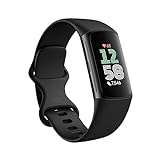
- Find your way seamlessly during runs or rides with turn-by-turn directions from Google Maps on Fitbit Charge 6[7, 8]; and when you need a snack break on the go, just tap to pay with Google Wallet[8, 9]
The AMOLED display is bright, sharp, and finally large enough to make on-device stats readable mid-workout without turning the band into a miniature smartwatch. GPS performance is consistently strong for a slim tracker, locking on quickly and producing clean route maps that hold up well against entry-level Garmin devices.
Battery life remains a major advantage. In real-world use, you can expect around a week with regular workouts and GPS sessions, which is still something most smartwatches can’t touch. That endurance fundamentally changes how reliable the Charge 6 feels as a health companion rather than a device you’re constantly managing.
Fitbit’s health ecosystem is still its biggest strength
Fitbit continues to excel at turning raw data into insights normal people can understand. Sleep tracking remains among the best in the industry, with sleep stages, consistency trends, and readiness-style scoring that actually encourages better habits instead of overwhelming you with graphs.
Daily activity tracking, stress management via EDA scans, and heart health features feel cohesive rather than bolted on. The Charge 6 works best when worn continuously, quietly building a long-term picture of your health rather than chasing isolated workout metrics.
For users who care about trends over time instead of race-day performance stats, Fitbit’s platform still feels more human than Garmin’s and less chaotic than juggling multiple third-party apps.
The flaw: software lock-in and the Premium problem
The Charge 6’s biggest frustration has nothing to do with sensors or hardware quality. It’s Fitbit’s software strategy. Key insights, deeper analytics, and guided programs remain locked behind Fitbit Premium, turning a premium-priced tracker into a device that feels partially rented rather than fully owned.
This isn’t about Premium being useless; it’s about value perception. Competing devices increasingly include advanced training load, recovery, and health insights without ongoing subscriptions, making Fitbit’s paywall harder to justify the longer you own the device.
There’s also the broader Google transition to contend with. Account migration, ecosystem uncertainty, and slow software evolution have left the Charge 6 feeling less future-proof than it should be. The hardware feels ahead of the software roadmap, which is not where a flagship tracker should be.
Who should buy it — and who should look elsewhere
The Charge 6 is ideal for users who want a refined, accurate health tracker with excellent battery life and minimal fuss. If you prioritize sleep tracking, daily activity, and long-term wellness trends over advanced training metrics, it remains one of the best options available.
However, if you’re allergic to subscriptions, want deeper performance analytics, or expect smartwatch-level flexibility, alternatives from Garmin or even smaller smartwatches will likely feel more satisfying long-term. The Charge 6 asks you to buy into Fitbit’s philosophy, not just its hardware.
This tension between best-in-class tracking and restrictive software defines the Charge 6 experience, and it’s the lens through which every feature that follows needs to be judged.
Design, Comfort, and Display: Slim Band, Big Screen, and Everyday Wearability
After weighing Fitbit’s philosophical trade-offs, the physical experience of the Charge 6 feels almost like a rebuttal. This is where Fitbit still outclasses most rivals, delivering a tracker that disappears on your wrist while quietly outperforming bulkier devices in daily comfort and screen usability.
Refined form factor with real-world proportions
The Charge 6 sticks closely to the design language Fitbit has refined over multiple generations, and that consistency works in its favor. The aluminum case is slim and gently curved, with a footprint that fits narrow and larger wrists alike without looking toy-like or oversized.
At roughly 38mm tall and under 11mm thick, it sits closer to a traditional fitness band than a small smartwatch. Compared to Garmin’s Vivosmart line or even the Whoop band, it feels more substantial, but it avoids the top-heavy sensation you get with compact square watches like the Apple Watch SE or Galaxy Watch Fit.
Comfort for sleep, workouts, and 24/7 wear
Weight is where the Charge 6 quietly excels. At around 30 grams with the standard silicone band, it’s light enough to forget during sleep tracking, which matters given how central sleep metrics are to Fitbit’s ecosystem.
The included Infinity Band is soft, flexible, and secure without pinching, and the hook-and-loop style closure spreads pressure evenly across the wrist. It’s more forgiving than traditional pin-and-tuck straps during long runs or hot-weather workouts, though users with very small wrists may still notice excess strap length.
Materials, durability, and everyday resilience
Fitbit uses a brushed aluminum chassis paired with Gorilla Glass on the front, and while it won’t win luxury design awards, it feels durable and purpose-built. The 5ATM water resistance means swimming, showers, and sweat-heavy workouts are non-issues.
After weeks of wear, the case resists scratches better than expected, though the glass can pick up fine marks if you’re careless around metal gym equipment. It’s not rugged in the Garmin Instinct sense, but it’s perfectly suited to everyday fitness life.
The AMOLED display: the Charge 6’s standout feature
The 1.04-inch AMOLED display is the best screen Fitbit has ever put on a tracker, and it’s a major reason the Charge 6 feels premium. Colors are vibrant, text is sharp, and contrast is excellent even in direct sunlight thanks to strong peak brightness.
Compared to the monochrome displays on many minimalist trackers, or the smaller panels on older Charges, this screen dramatically improves glanceability. Notifications, workout stats, and maps during GPS activities are all easy to read without squinting or awkward wrist angles.
Touch, button, and day-to-day interaction
Navigation is handled through a combination of swipe gestures and a physical side button, and this hybrid approach works well. The button is especially useful during workouts or wet conditions, where touchscreens often struggle.
That said, the interface still feels conservative. Animations are smooth but minimal, and customization is limited compared to smartwatch platforms. This reinforces the Charge 6’s identity as a tracker first, not a wrist computer trying to replace your phone.
Style flexibility and band ecosystem
Fitbit’s proprietary band attachment system limits cross-compatibility, but it does enable a wide range of official and third-party options. From leather and woven bands to sportier perforated designs, it’s easy to dress the Charge 6 up or down.
Visually, it remains unmistakably a fitness tracker. If you want something that blends seamlessly with formal wear, a slim smartwatch or hybrid watch may still be a better fit, but for casual and athletic use, the Charge 6 looks appropriate in almost any setting.
Everyday wearability versus smartwatch alternatives
Where the Charge 6 really separates itself is endurance. The slim design and AMOLED screen don’t come at the expense of battery life, allowing it to stay on your wrist for nearly a week without compromise.
Compared to Apple Watch or Wear OS devices, which demand daily charging and feel more intrusive on the wrist, the Charge 6 is designed for continuous wear. That design philosophy aligns perfectly with Fitbit’s focus on long-term health trends, even if the software strategy complicates that story later on.
Health & Fitness Tracking Accuracy: Heart Rate, GPS, Sleep, and Stress Tested in the Real World
All-day wearability only matters if the data underneath it is trustworthy. After several weeks of running, strength training, cycling, sleep tracking, and general daily use, the Charge 6 largely reinforces Fitbit’s long-standing reputation for health metrics accuracy, with one important caveat that starts to surface once you look beyond the basics.
Heart rate accuracy across workouts and daily wear
Fitbit’s optical heart rate sensor has historically been one of the most consistent in the tracker category, and the Charge 6 continues that trend. During steady-state activities like outdoor runs, treadmill sessions, and indoor cycling, heart rate closely matched readings from a chest strap, typically within a few beats per minute once the workout settled.
Where it still shows minor weakness is during rapid intensity changes. Interval training and heavy weightlifting can produce brief lag or smoothing, particularly during short bursts, but this is a limitation shared by most wrist-based optical sensors at this size.
For 24/7 tracking, resting heart rate trends were stable and believable, with nightly averages lining up well against both previous Fitbit models and reference devices from Garmin. If you rely on resting heart rate and heart rate zones for training guidance rather than second-by-second precision, the Charge 6 delivers dependable data.
GPS tracking: Much improved, still not class-leading
The inclusion of multi-band GNSS is one of the Charge 6’s biggest upgrades on paper, and in practice it makes a noticeable difference. In open environments, route tracking is clean and consistent, with fewer cut corners and less drift than older Charges.
In more challenging settings, such as tree-lined paths or dense urban streets, performance is solid but not flawless. Compared to Garmin’s Forerunner series or Apple Watch Ultra, the Charge 6 can still show slight waviness or delayed lock-on at the start of an activity.
For most runners and walkers, accuracy is more than sufficient for distance, pace, and route review. Dedicated athletes chasing exact splits or training in difficult GPS conditions may still prefer a larger watch with a more robust antenna design.
Sleep tracking remains Fitbit’s strongest advantage
Sleep is where the Charge 6 truly separates itself from many rivals. Sleep detection was consistently accurate, automatically identifying bedtimes and wake times without manual intervention.
Sleep stage breakdowns felt realistic night after night, particularly for deep and REM sleep trends over time. While no consumer wearable can perfectly identify sleep stages, Fitbit’s consistency and long-term trend analysis remain among the best in the category.
The daily Sleep Score is easy to understand without oversimplifying, and for users focused on improving sleep habits rather than clinical-level analysis, the Charge 6 offers one of the most approachable sleep experiences available.
Rank #2

- Inspire 3 is the tracker that helps you find your energy, do what you love and feel your best. All you have to do is wear it.Operating temperature: 0° to 40°C
- Move more: Daily Readiness Score(1), Active Zone Minutes, all-day activity tracking and 24/7 heart rate, 20+ exercise modes, automatic exercise tracking and reminders to move
- Stress less: always-on wellness tracking, daily Stress Management Score, mindfulness sessions, relax breathing sessions, irregular heart rhythm notifications(2), SpO2(3), menstrual health tracking, resting heart rate and high/low heart rate notifications
- Sleep better: automatic sleep tracking, personalized Sleep Profile(1), daily detailed Sleep Score, smart wake vibrating alarm, sleep mode
- Comfortably connected day and night: calls, texts & smartphone app notifications(4), color touchscreen with customizable clock faces, super lightweight and water resistant to 50 meters, up to 10 day battery life(5)
Stress, readiness, and recovery: Useful, but paywalled
The Charge 6 includes Fitbit’s EDA sensor for stress tracking, along with heart rate variability-based insights and readiness-style metrics. Short guided EDA scans reliably detected periods of heightened stress, and day-long stress trends often aligned with subjective feelings of workload or fatigue.
The problem is access. Many of the most actionable insights, including deeper stress breakdowns, readiness-style guidance, and extended trend analysis, sit behind Fitbit Premium.
This is the Charge 6’s most significant flaw. The hardware collects the data, but the full value of that data is locked unless you commit to an ongoing subscription, something competitors like Garmin largely avoid.
Fitness tracking breadth versus depth
Workout tracking covers a wide range of activities, from running and cycling to strength training and yoga. Automatic exercise recognition works well for common activities like walking and elliptical sessions, though strength training still relies heavily on post-workout editing.
Metrics presentation is clean and easy to digest, but power users may find the depth lacking compared to dedicated sports watches. There’s no advanced training load modeling, and performance metrics are framed more around wellness than athletic progression.
This reinforces the Charge 6’s identity: it’s designed to help you stay consistent and healthy, not to replace a full-fledged training computer.
How accuracy compares to key rivals
Against Apple Watch Series models, the Charge 6 trades slightly less precise GPS and heart rate responsiveness for dramatically better battery life and uninterrupted sleep tracking. Versus Samsung’s Galaxy Fit and Watch lines, Fitbit’s sleep and health insights remain clearer and more reliable.
Compared to Garmin trackers and entry-level watches, the Charge 6 matches heart rate accuracy for most users but falls behind in advanced training metrics and GPS robustness. Garmin’s advantage is depth without a subscription, while Fitbit’s strength is approachability and long-term health trends.
In real-world use, the Charge 6 gets the fundamentals right. Heart rate, sleep, and daily activity tracking are trustworthy, GPS is good enough for most people, and stress tracking is meaningful. The frustration isn’t the accuracy, it’s that some of the most compelling insights require paying extra for access to data your wrist is already collecting.
Training Tools and Everyday Fitness Features: What Serious and Casual Users Actually Get
Once you move past raw accuracy and data access, the Charge 6’s day-to-day fitness experience becomes clearer. This is where Fitbit’s philosophy really shows: prioritize consistency, clarity, and low friction over deep athletic analytics.
For most people, that approach works remarkably well. For others, it’s exactly where the cracks start to show.
Guided workouts, daily goals, and staying consistent
Fitbit’s biggest strength remains motivation through structure rather than complexity. The Charge 6 leans heavily on daily step goals, active zone minutes, and reminders to move, all of which are easy to understand and genuinely effective for building habits.
On-device guided workouts cover cardio, HIIT, strength, and mobility-focused sessions. They’re short, approachable, and well-suited to home workouts, though serious lifters will find them basic and largely time-based rather than progression-focused.
For casual users or anyone returning to fitness, this system removes decision fatigue. You don’t need to plan sessions or interpret charts; the tracker nudges you to do enough, often enough.
Running, walking, and GPS-based workouts
For runners and walkers, the Charge 6 is one of the strongest bands Fitbit has ever made. Built-in GPS means phone-free tracking, and route maps are clean and reliable for urban and suburban environments.
You get pace, distance, heart rate zones, and post-workout summaries that are easy to read on the band and in the app. There’s support for interval alerts and pace notifications, but no structured training plans pushed directly to the device like you’d see on Garmin.
For recreational runners, that’s rarely a problem. For anyone training toward specific race goals or performance benchmarks, the limitations become obvious fairly quickly.
Strength training and gym use: functional, not advanced
Strength training is where the Charge 6 feels most like a generalist tracker. You can log sets, reps, and rest times, but it requires manual input and post-workout editing in the app.
Heart rate tracking during lifting is solid, but there’s no real sense of muscular load, volume trends, or recovery guidance tied to resistance training. Compared to Garmin’s strength profiles or Apple’s expanding workout metrics, Fitbit still treats lifting as a secondary activity.
For people who mix gym sessions with cardio and daily movement, it’s adequate. For dedicated strength athletes, it’s unlikely to feel satisfying long term.
Everyday movement, health signals, and passive tracking
Where the Charge 6 really excels is in the background. Step counting, floors climbed, active minutes, and calorie burn run quietly and reliably without needing constant interaction.
Health features like resting heart rate trends, heart rate variability, blood oxygen estimates, and stress tracking are presented in a way that feels relevant rather than overwhelming. The Daily Readiness Score, while locked behind Premium, does a good job of translating sleep, activity, and recovery into a simple recommendation.
This passive approach is what makes the Charge 6 such a strong all-day companion. It works equally well for someone training three times a week and someone simply trying to move more and sleep better.
Smart features that support fitness, not replace your phone
The Charge 6 includes basic smartwatch features like notifications, contactless payments, and limited Google app integration. These additions are useful without turning the band into a distraction.
You can control music, check messages, and pay for post-workout coffee without pulling out your phone, but you’re never tempted to treat it like a wrist computer. That restraint helps preserve battery life and keeps the focus on health and movement.
It’s not trying to compete with an Apple Watch or Galaxy Watch on app ecosystems. Instead, it complements your phone while staying firmly in the fitness-first lane.
Battery life and comfort in real training weeks
Battery life remains one of the Charge 6’s biggest practical advantages. With typical use, including GPS workouts and sleep tracking, it comfortably lasts close to a week.
That matters more than spec sheets suggest. Not worrying about nightly charging means better sleep data, more consistent tracking, and fewer missed workouts.
Physically, the slim profile, light weight, and soft silicone band make it easy to wear during workouts and overnight. Even compared to small sports watches, the Charge 6 largely disappears on the wrist, which is exactly what many users want.
Who these tools actually work best for
Taken together, the Charge 6’s training and fitness features clearly favor consistency over optimization. It’s built for people who want reliable tracking, gentle guidance, and a clear picture of their overall health without needing to interpret complex metrics.
Serious endurance athletes and data-driven trainers will eventually hit the ceiling. Casual exercisers, busy professionals, and anyone focused on sustainable health habits will find it hard to beat.
That divide is intentional, and it explains both why the Charge 6 is so easy to recommend and why its subscription-locked depth remains such a contentious compromise.
Smart Features and Google Integration: Where the Charge 6 Feels Surprisingly Powerful
After establishing itself as a fitness-first tracker, the Charge 6 quietly becomes more interesting once you spend time with its smart features. This is where Google’s influence is most visible, and where the band punches well above what its slim, minimalist design suggests.
Rather than chasing app overload, Fitbit has focused on a handful of tools that genuinely improve daily usability. The result is a tracker that feels more capable than previous Charges without crossing into smartwatch excess.
Google Maps and YouTube Music: Small Screen, Real Utility
The headline addition is Google Maps turn-by-turn navigation, and it’s far more than a gimmick. Directions are clear, vibration cues are well-timed, and the OLED display is bright enough to glance at mid-walk or mid-ride without stopping.
This works best for urban walking, commuting, and casual cycling rather than complex trail navigation. Still, having reliable directions on a band this small is something even many fitness watches at this size and price struggle to match.
Rank #3

- 【BUILT-IN GPS SMART WATCH – GO FURTHER, FREER, SMARTER】No phone? No problem. This fitness watch for women, featuring the latest 2025 technology, includes an advanced professional-grade GPS chip that precisely tracks every route, distance, pace (real-time & average), and calorie burned—completely phone-free. Whether you're chasing new personal records or exploring off the beaten path, your full journey is automatically mapped and synced in the app. Train smarter. Move with purpose. Own your progress. Own your journey.
- 【BLUETOOTH 5.3 CALLS & SMART NOTIFICATIONS】Stay effortlessly connected with this smart watch for men and women, featuring dual Bluetooth modes (BT 3.0 + BLE 5.3) and a premium microphone for crystal-clear calls right from your wrist—perfect for driving, workouts, or busy days. Receive instant alerts for calls, texts, and popular social apps like WhatsApp and Facebook. Just raise your wrist to view notifications and never miss an important moment.
- 【100+ SPORT MODES & IP68 WATERPROOF & DUSTPROOF】This sport watch is a versatile activity and fitness tracker with 100+ modes including running, cycling, yoga, and more. It features quick-access buttons and automatic running/cycling detection to start workouts instantly. Accurately track heart rate, calories, distance, pace, and more. Set daily goals on your fitness tracker watch and stay motivated with achievement badges. With IP68 waterproof and dustproof rating, it resists rain and sweat for any challenge. Not suitable for showering, swimming, or sauna.
- 【24/7 HEALTH ASSISTANT & SMART REMINDERS】This health watch continuously monitors heart rate, blood oxygen, and stress levels for comprehensive wellness tracking. Sleep monitoring includes deep, light, REM sleep, and naps to give you a full picture of your rest. Stay on track with smart reminders for sedentary breaks, hydration, medication, and hand washing. Women can also monitor menstrual health. Includes guided breathing exercises to help you relax. Your ultimate health watch with event reminders for a healthier life.
- 【ULTRA HD DISPLAY, LIGHTWEIGHT & CUSTOMIZABLE DIALS】This stylish wrist watch features a 1.27-inch (32mm) 360×360 ultra HD color display with a 1.69-inch (43mm) dial, offering vivid details and responsive touch. Its minimalist design fits both business and casual looks. Switch freely among built-in designer dials or create your own DIY watch face using photos, colors, and styles to showcase your unique personality. Perfect as a cool digital watch and fashion wrist watch.
YouTube Music support is equally practical, though more limited. You can download playlists for offline playback and control music from the wrist, but you’re managing rather than browsing, and you’ll need a YouTube Music Premium subscription to unlock the full experience.
Contactless Payments and Notifications Done the Right Way
Fitbit Pay remains one of the Charge 6’s most underrated features. It’s quick, reliable, and widely supported enough to leave your phone behind for short workouts or errands.
In daily use, this matters more than flashy apps. Tapping to pay after a run or gym session feels natural, and the interface is simple enough that it never gets in the way.
Notifications are handled with similar restraint. Messages, calls, and app alerts come through clearly, but interactions are limited to reading and dismissing, with no keyboard or voice replies. For many users, that’s a feature rather than a limitation, keeping distractions in check.
Google Wallet, Google Services, and the Limits of Integration
Google Wallet replaces Fitbit Pay branding-wise, but the experience is largely the same. Setup is easy through the Fitbit app, and authentication on the band is quick and unobtrusive.
What’s missing is broader Google Assistant-style interaction. There’s no voice assistant, no dictation, and no smart home controls, which reinforces that this is still a tracker, not a smartwatch.
Compared to Wear OS devices from Samsung or Google itself, the Charge 6’s integration is intentionally shallow. But against other fitness bands, including Garmin’s Vivosmart line, it feels surprisingly modern and polished.
Software Experience: Clean, Responsive, and Consistent
Navigation on the Charge 6 is fast and predictable, with smooth swipes and minimal lag. The haptic side button remains one of Fitbit’s best interface decisions, especially during workouts or when hands are sweaty.
The AMOLED display, while small, is sharp and legible outdoors, and the UI prioritizes contrast over decoration. There’s no sense of visual clutter, even with smart features layered on top of fitness tracking.
Software stability has also been solid in testing, with no crashes or sync issues across long training weeks. That reliability is easy to overlook, but it’s a big reason the Charge 6 feels trustworthy day to day.
How It Stacks Up Against Smartwatches and Rival Trackers
Placed next to an Apple Watch SE or Galaxy Watch, the Charge 6 clearly lacks app depth and interactive power. You won’t install third-party apps, answer calls, or treat it as a wrist-based phone replacement.
Against fitness-focused rivals, though, it holds its ground impressively. Garmin bands prioritize training data but feel dated in smart features, while Xiaomi and Huawei trackers often offer breadth without polish or long-term software support.
The Charge 6 sits in a rare middle space. It offers just enough smart functionality to feel current and useful, without compromising battery life or comfort, and that balance is harder to achieve than raw feature counts suggest.
The Catch: Smart Features Still Live Behind the Fitbit Ecosystem
This is also where the Charge 6’s biggest flaw begins to surface. While the smart features themselves don’t require Fitbit Premium, they live inside an ecosystem that increasingly nudges users toward subscription value.
Insights tied to activity, readiness, and long-term health trends remain partially gated. That can make the otherwise excellent hardware feel constrained by software decisions rather than technical limitations.
For users who are already comfortable in Fitbit’s ecosystem, the Charge 6 feels like a meaningful upgrade. For those coming from Garmin or Apple, the combination of limited smart expansion and subscription pressure may feel like an unnecessary compromise.
Battery Life and Charging Reality: Excellent Endurance with Some Trade-Offs
Battery life is where the Charge 6 quietly reinforces why fitness trackers still matter alongside full smartwatches. After discussing ecosystem limits and software constraints, this is the area where Fitbit’s hardware-first philosophy pays off most clearly.
Real-World Endurance, Not Marketing Math
Fitbit rates the Charge 6 for up to seven days, and in real-world mixed use that claim largely holds. With 24/7 heart rate tracking, sleep tracking, notifications, and three to four workouts per week, it consistently lands between five and six days before dipping into low-battery territory.
Push GPS-heavy usage harder and that number shrinks, but not dramatically. A week with several outdoor runs or rides still delivered around four days, which is far stronger than any Apple Watch or Galaxy Watch in similar conditions.
GPS and Always-On Display: The Two Biggest Variables
The inclusion of built-in GPS is a major upgrade for the Charge line, but it is the single biggest battery drain. Long outdoor sessions, especially those exceeding an hour, will noticeably accelerate battery loss compared to indoor or connected-GPS workouts.
Always-on display is the other meaningful trade-off. With it enabled, expect to lose roughly a full day of endurance, dropping closer to three to four days total, which still remains respectable for a tracker but undercuts Fitbit’s headline figure.
Charging Speed Is Reasonable, but the Cable Is Not
Charging itself is fairly quick. From near empty to full takes just over an hour, making it easy to top up during a shower or desk break without planning your week around it.
The problem is the charger. Fitbit continues to use a proprietary charging cable, and while it’s compact and reliable, it’s one more thing to forget or replace, and it adds friction for frequent travelers or long-term owners upgrading from older models with incompatible cables.
How It Compares to Smartwatches and Rival Trackers
Against smartwatches, the Charge 6 feels liberating. An Apple Watch SE or Galaxy Watch typically requires daily charging, sometimes twice daily with workouts, while the Charge 6 fades into the background and simply keeps going.
Compared to Garmin bands like the Vivosmart series, Fitbit’s endurance is competitive rather than dominant. Garmin still holds an edge in ultra-long battery life, but often at the expense of display quality and smart features that the Charge 6 executes more cleanly.
The Trade-Off Beneath the Strength
The battery performance reinforces the Charge 6’s positioning as a focused fitness device, not a lifestyle computer. You gain endurance and reliability, but you accept compromises like slower feature expansion, fewer customization options, and reliance on Fitbit’s charging ecosystem.
For users already weighing the subscription question and ecosystem lock-in, battery life becomes part of that calculation. The Charge 6 lasts long enough to justify its restrained feature set, but it doesn’t fully escape the sense that Fitbit’s hardware excellence is sometimes held back by surrounding decisions rather than technical limitations.
The Main Flaw: Fitbit Premium, Software Friction, and the Cost of the Ecosystem
All of the Charge 6’s hardware strengths funnel you into Fitbit’s software, and that’s where the experience becomes more complicated. The tracker itself feels refined and complete, but unlocking its full value increasingly depends on how comfortable you are with Fitbit’s broader ecosystem and its ongoing costs.
This isn’t a new problem for Fitbit, but it feels sharper here because the Charge 6 is otherwise so easy to recommend. When a device gets most things right, the remaining friction stands out more clearly.
Fitbit Premium: What You Get, and What’s Walled Off
Fitbit Premium is positioned as an enhancement rather than a requirement, but in practice it sits uncomfortably between optional and essential. Core metrics like steps, heart rate, GPS maps, and basic sleep stages remain free, yet many of the insights that turn raw data into guidance live behind the subscription.
Sleep Scores are visible without paying, but detailed sleep profiles, long-term trend analysis, and advanced coaching nudges are gated. Readiness Score, which blends sleep, activity, and heart rate variability into a single recovery metric, is also locked to Premium, even though competitors increasingly offer similar concepts at no extra cost.
At roughly the price of a mid-tier streaming service per year, Premium isn’t exorbitant in isolation. The issue is that the Charge 6 is already a premium-priced tracker, and the subscription feels less like a bonus and more like a toll to access features that help justify the hardware in the first place.
Coaching, Content, and Diminishing Returns
Premium includes guided workouts, mindfulness sessions, and health programs, many of which are well produced and accessible. For users new to structured exercise or stress management, this content can be genuinely helpful, especially when paired with the Charge 6’s accurate heart rate tracking.
For experienced athletes or long-time wearable users, however, much of this material quickly becomes redundant. Garmin users are accustomed to free training plans and deep performance metrics, while Apple Watch owners often rely on third-party apps without a platform-wide paywall.
The result is that Premium feels best suited to beginners, while advanced users may resent paying extra for insights they already know how to interpret on their own.
The Fitbit App: Clean, Familiar, and Occasionally Frustrating
Fitbit’s app remains one of the most approachable fitness platforms available. Navigation is simple, data is clearly visualized, and daily metrics are easy to digest at a glance, especially on larger phone screens.
Rank #4

- 24H Accurate Heart Rate Monitoring: Go beyond basic tracking. Our watch automatically monitors your heart rate, blood oxygen (SpO2), and sleep patterns throughout the day and night. Gain deep insights into your body's trends and make informed decisions for a healthier lifestyle.
- Practical Sports Modes & Smart Activity Tracking: From running and swimming to yoga and hiking, track a wide range of activities with precision. It automatically records your steps, distance, calories burned, and duration, helping you analyze your performance and crush your fitness goals.
- 1-Week Battery Life & All-Day Wear: Say goodbye to daily charging. With an incredible up to 7-10 days of battery life on a single charge, you can wear it day and night for uninterrupted sleep tracking and worry-free travel. Stay connected to your data without the hassle.
- Comfortable to Wear & IP68 Waterproof: The lightweight, skin-friendly band is crafted for all-day comfort, even while you sleep. With IP68 waterproof, it withstands rain, sweat, It is not suitable for swimming or showering.
- Ease of Use and Personalized Insights via Powerful App: The display is bright and easy to read, even outdoors. Unlock the full potential of your watch. Sync with our dedicated app to view detailed health reports, customize watch faces, set sedentary reminders, and manage your preferences with ease.
Yet beneath that polish, the app can feel rigid. Customization is limited, trends can be buried several taps deep, and exporting data for use in third-party platforms is still more cumbersome than it should be for a Google-owned product in 2026.
Occasional sync delays and background refresh quirks persist across Android and iOS, not frequent enough to break trust but common enough to undermine the Charge 6’s otherwise dependable personality.
Platform Lock-In and Compatibility Trade-Offs
The Charge 6 works well on both Android and iPhone, but it doesn’t integrate deeply into either ecosystem. iOS users won’t get the same app-level integrations or smartwatch flexibility as an Apple Watch, while Android users may wonder why Google’s ownership hasn’t translated into more seamless system-level features.
Switching away from Fitbit later also comes with friction. Historical data doesn’t migrate cleanly to Garmin or Apple platforms, and long-term Fitbit users may feel locked in by years of accumulated health records rather than ongoing satisfaction.
This matters because the Charge 6 is a device designed to be worn for years, not months. The longer you stay, the more expensive and inconvenient it becomes to leave.
Comparative Context: Where Rivals Do It Better, and Worse
Garmin’s trackers and watches typically offer deeper training metrics with no subscription, but their apps can feel overwhelming and less friendly for casual users. Apple avoids subscriptions for core health insights but offsets that with shorter battery life and higher hardware costs.
Samsung’s ecosystem sits somewhere in between, with solid health tracking but a growing reliance on Samsung Health features that work best on Galaxy phones. Fitbit’s approach is the most explicit about monetizing insight rather than hardware, and that clarity will either appeal or irritate depending on your expectations.
The Charge 6 isn’t overpriced on its own, but when paired with Premium over multiple years, its total cost of ownership can quietly exceed that of more capable devices.
Who This Flaw Will Bother, and Who Can Ignore It
If you value simplicity, gentle guidance, and a tracker that explains your health in plain language, the Premium layer may feel like a reasonable trade-off. Casual exercisers, wellness-focused users, and those upgrading from older Fitbits will likely adapt quickly and see ongoing value.
If you prefer ownership over access, granular control over your data, or advanced metrics without recurring fees, this ecosystem will feel restrictive. For those users, the Charge 6’s excellent hardware may end up highlighting software limitations rather than compensating for them.
Ultimately, the flaw isn’t that Fitbit Premium exists, but that the Charge 6 is good enough to make its absence feel like a deliberate omission rather than a natural boundary.
Fitbit Charge 6 vs Key Rivals: Garmin Vivosmart, Xiaomi Band, Apple Watch SE, and Samsung Galaxy Fit
Viewed against its closest competitors, the Charge 6’s strengths and weaknesses come into sharper focus. This is not a one-size-fits-all category, and each rival approaches fitness tracking with a very different philosophy around hardware, software, and long-term ownership.
The Charge 6 sits at the premium end of fitness bands, both in price and ambition. It tries to borrow smartwatch conveniences without abandoning multi-day battery life, and it wraps that in Fitbit’s famously accessible health presentation, for better and worse.
Fitbit Charge 6 vs Garmin Vivosmart
Garmin’s Vivosmart line represents the opposite end of the spectrum in terms of philosophy. The hardware is slimmer and lighter than the Charge 6, with a more discreet, bracelet-like profile that all but disappears on the wrist during sleep or long days.
Where Garmin pulls ahead is depth without paywalls. Even on its smaller trackers, Garmin offers advanced training metrics, body battery, stress tracking, and VO2 max estimates without a subscription, all tied into the broader Garmin Connect ecosystem.
That said, the Vivosmart’s tiny display and button-less navigation feel dated next to the Charge 6’s bright AMOLED touchscreen. GPS is also absent, which immediately limits outdoor runners and walkers who want phone-free tracking, an area where the Charge 6 clearly wins.
In daily use, Garmin’s data density can feel clinical and overwhelming for casual users. Fitbit’s summaries are easier to understand at a glance, even if some of the most useful interpretations sit behind Premium.
Fitbit Charge 6 vs Xiaomi Band
Xiaomi’s Mi Band series, now branded as the Xiaomi Smart Band in many regions, is the value champion. For a fraction of the Charge 6’s price, you get a color AMOLED display, solid heart rate tracking, sleep analysis, and battery life that can stretch close to two weeks.
The trade-off is refinement. GPS is usually missing or inconsistent depending on model and region, and health insights are far more basic, focusing on raw numbers rather than guidance or trends over time.
Build quality also reflects the price difference. The Xiaomi Band is light and comfortable, but materials feel cheaper, haptics are weaker, and long-term durability is less reassuring than the Charge 6’s aluminum case and more polished strap system.
For buyers on a tight budget, Xiaomi delivers remarkable functionality. For those who want reliable GPS, better app polish, and a clearer health narrative, the Charge 6 justifies its higher cost, even before factoring in Fitbit’s ecosystem.
Fitbit Charge 6 vs Apple Watch SE
The Apple Watch SE is not a fitness band at all, and that distinction matters. It offers vastly more smartwatch functionality, a larger display, smoother animations, and deeper integration with iOS than any tracker can match.
Health tracking is strong and subscription-free for core metrics, but battery life remains the defining compromise. One to two days between charges changes how you use it, especially for sleep tracking, compared to the Charge 6’s near-week-long endurance.
From a comfort standpoint, the Charge 6 is easier to forget you’re wearing. It’s lighter, slimmer, and better suited for 24/7 wear, particularly for users who prioritize sleep, recovery, and step tracking over apps and notifications.
If you want an extension of your iPhone that happens to track workouts, the Apple Watch SE wins. If you want a fitness-first device that doesn’t demand daily charging, the Charge 6 remains the more practical companion.
Fitbit Charge 6 vs Samsung Galaxy Fit
Samsung’s Galaxy Fit occupies a middle ground, offering a clean interface, solid health tracking, and tight integration with Samsung Health. It works best on Galaxy phones, where features like sleep coaching and activity tracking feel more complete.
Compared to the Charge 6, the Galaxy Fit is simpler and more limited. GPS is absent, advanced metrics are thinner, and the overall experience feels more like a traditional step tracker than a modern hybrid fitness device.
Battery life is competitive, often exceeding the Charge 6 in ideal conditions, but the lack of ambition shows. The Galaxy Fit doesn’t try to replace a smartwatch or deliver deep fitness insights, and for some users, that restraint is a benefit.
For Galaxy phone owners who want basic tracking without friction, Samsung’s option is appealing. For anyone serious about outdoor workouts or long-term health trends, the Charge 6 offers more room to grow.
Where the Charge 6 Ultimately Lands
Against this field, the Charge 6 emerges as the most balanced fitness band available today. It offers GPS, a high-quality display, reliable sensors, and a wearable form factor that suits all-day and all-night use better than most smartwatches.
Its flaw is not hardware, comfort, or accuracy, but the way its software value is layered. Compared to Garmin’s no-subscription depth or Apple’s bundled health insights, Fitbit asks you to keep paying to fully unlock what the Charge 6 is already capable of measuring.
Whether that trade-off feels reasonable depends less on the device itself and more on how you think about ownership. As a piece of wearable hardware, the Charge 6 competes confidently with every rival here; as a long-term platform commitment, it demands a more careful decision.
Who the Fitbit Charge 6 Is Perfect For — and Who Should Avoid It
After stacking the Charge 6 against Apple, Garmin, and Samsung, its strengths and limits become easier to define. This is not a compromise device so much as a deliberately focused one, and that focus will feel either refreshing or restrictive depending on what you expect from a wearable.
Ideal for Fitness-First Users Who Don’t Want a Smartwatch
If your priority is health and fitness tracking rather than apps, calls, and constant notifications, the Charge 6 lands in a sweet spot. It tracks workouts, sleep, stress, and daily activity with consistency, while remaining light enough to forget you’re wearing it.
The slim case, soft silicone band, and modest weight make it far more comfortable for 24/7 wear than most smartwatches. That matters when sleep tracking and recovery metrics are part of your routine, not an afterthought.
For users who find full smartwatches distracting or bulky, the Charge 6 delivers structure without noise. You still get essentials like contactless payments and basic notifications, but they never overwhelm the fitness mission.
💰 Best Value

- 【Superb Visual Experience & Effortless Operation】Diving into the latest 1.58'' ultra high resolution display technology, every interaction on the fitness watch is a visual delight with vibrant colors and crisp clarity. Its always on display clock makes the time conveniently visible. Experience convenience like never before with the intuitive full touch controls and the side button, switch between apps, and customize settings with seamless precision.
- 【Comprehensive 24/7 Health Monitoring】The fitness watches for women and men packs 24/7 heart rate, 24/7 blood pressure and blood oxygen monitors. You could check those real-time health metrics anytime, anywhere on your wrist and view the data record in the App. The heart rate monitor watch also tracks different sleep stages for light and deep sleep,and the time when you wake up, helps you to get a better understanding of your sleep quality.
- 【120+ exercise modes & All-Day Activity Tracking】There are more than 120 exercise modes available in the activity trackers and smartwatches, covering almost all daily sports activities you can imagine, gives you new ways to train and advanced metrics for more information about your workout performance. The all-day activity tracking feature monitors your steps, distance, and calories burned all the day, so you can see how much progress you've made towards your fitness goals.
- 【Messages & Incoming Calls Notification】With this smart watch fitness trackers for iPhone and android phones, you can receive notifications for incoming calls and read messages directly from your wrist without taking out your phone. Never miss a beat, stay in touch with loved ones, and stay informed of important updates wherever you are.
- 【Essential Assistant for Daily Life】The fitness watches for women and men provide you with more features including drinking water and sedentary reminder, women's menstrual period reminder, breath training, real-time weather display, remote camera shooting, music control,timer, stopwatch, finding phone, alarm clock, making it a considerate life assistant. With the GPS connectivity, you could get a map of your workout route in the app for outdoor activity by connecting to your phone GPS.
Great for Runners, Walkers, and Outdoor Exercisers Who Value Simplicity
Built-in GPS, reliable heart-rate tracking, and automatic exercise detection make the Charge 6 especially appealing for runners, walkers, and hikers. You can leave your phone behind and still get clean route maps and pace data afterward.
It doesn’t overwhelm you with advanced training analytics or performance charts, which for many people is a relief. Instead, it focuses on consistency, trends, and recovery, encouraging sustainable habits rather than peak performance chasing.
Compared to Garmin’s entry-level watches, the Charge 6 trades depth for ease. If you want your tracker to guide rather than coach aggressively, Fitbit’s approach feels more approachable.
A Strong Choice for Sleep and Wellness-Focused Users
Sleep tracking remains one of Fitbit’s strongest advantages, and the Charge 6 benefits directly from that maturity. Sleep stages, nightly scores, readiness insights, and long-term trends are easy to interpret and genuinely useful.
The comfort factor plays a big role here. Worn overnight, the Charge 6 rarely causes irritation or pressure, and its battery life means you’re not constantly choosing between charging and sleep data.
For users managing stress, recovery, or general wellness rather than training for races, this is where the Charge 6 quietly outperforms many flashier alternatives.
Best for People Already Invested in the Fitbit Ecosystem
If you’ve used Fitbit before, the Charge 6 feels immediately familiar. Historical data carries over cleanly, the app remains one of the most readable in the category, and the overall experience rewards long-term use.
Fitbit Premium is the catch, but for existing subscribers, it’s less of a hurdle and more of a continuation. If you already find value in guided programs, detailed sleep insights, and readiness scores, the Charge 6 makes sense as an upgrade path.
In this context, the subscription feels like a known quantity rather than an unwelcome surprise.
Who Should Think Twice: Subscription-Averse Buyers
The Charge 6’s biggest flaw is not hidden, and it won’t disappear with time. Many of its most compelling insights sit behind Fitbit Premium, turning a one-time hardware purchase into an ongoing expense.
If you fundamentally dislike subscriptions for core features, this will wear on you. Garmin’s watches deliver deeper metrics with no recurring fee, and Apple bundles health insights into its broader ecosystem without upselling.
For buyers who want to pay once and be done, the Charge 6’s value proposition weakens significantly over the long term.
Not Ideal for Power Athletes or Data Maximalists
Serious athletes chasing performance gains may find the Charge 6 too restrained. There’s no advanced training load, limited customization, and fewer sport-specific metrics than Garmin or even some budget sports watches.
It tracks what you do accurately, but it won’t tell you how to optimize it in granular detail. For some users, that’s clarity; for others, it’s a ceiling.
If you enjoy dissecting charts, exporting data, and planning structured training blocks, the Charge 6 will feel more like a companion than a coach.
Avoid If You Want a Full Smartwatch Experience
Despite features like Google Wallet and YouTube Music controls, the Charge 6 is not trying to replace a smartwatch. App support is minimal, interactions are simple, and notifications are intentionally limited.
Apple Watch SE and Samsung Galaxy Watch models remain better choices if you want wrist-based communication, richer apps, or deep phone integration. The Charge 6 keeps its ambitions narrower by design.
That restraint is part of why its battery lasts days instead of hours, but it’s still a trade-off worth acknowledging.
Where the Flaw Becomes a Deal-Breaker—or a Non-Issue
Whether the Fitbit Charge 6 is right for you ultimately hinges on how you view its subscription model. If you see Premium as a fair price for polished insights layered on top of excellent hardware, the Charge 6 is one of the most complete fitness bands available.
If you see it as paying twice for data your body already generated, the device will always feel slightly compromised. The Charge 6 doesn’t fail because of this flaw, but it does force you to make peace with it.
For the right user, that compromise fades into the background. For the wrong one, it’s impossible to ignore.
Final Verdict: Is the Fitbit Charge 6’s Flaw a Deal-Breaker or a Worthwhile Compromise?
At its core, the Fitbit Charge 6 succeeds because it knows exactly what it wants to be. It’s a slim, comfortable, all-day fitness tracker that blends strong health metrics, reliable GPS, and a polished app experience into one of the most wearable designs on the market.
The lingering question isn’t whether the hardware is good enough. It’s whether the software model surrounding it aligns with how you believe fitness data should be owned and used.
Why the Charge 6 Still Sets the Benchmark
As a piece of wearable hardware, the Charge 6 is among the best fitness bands ever made. The AMOLED display is sharp and readable outdoors, the aluminum case feels durable without adding bulk, and the soft-touch silicone band remains comfortable for sleep, workouts, and long workdays.
Health tracking remains Fitbit’s strongest suit. Heart rate accuracy is dependable for steady-state workouts, sleep tracking is still industry-leading for clarity and consistency, and stress, SpO2, and readiness-style insights are presented in a way that feels approachable rather than overwhelming.
Battery life seals the deal for many users. Lasting close to a week with normal use and several days even with GPS in rotation, it avoids the daily charging grind that plagues most smartwatches.
The Flaw That Defines the Experience
Fitbit Premium isn’t required to use the Charge 6, but it meaningfully shapes how much value you extract from it. Without a subscription, the tracker records your data faithfully, yet some of the most useful long-term trends, deeper sleep insights, and readiness-style interpretations sit behind a paywall.
This creates a subtle but persistent tension. You’re wearing premium hardware, but the full narrative of your health lives on a monthly invoice.
For users accustomed to Garmin’s no-subscription model or Apple’s data-rich defaults, this can feel restrictive. The Charge 6 doesn’t withhold raw data, but it does limit how deeply that data is contextualized without paying more.
Who the Charge 6 Is Perfect For
The Charge 6 is ideal for people who prioritize health awareness over performance optimization. If your goals center on staying active, improving sleep, managing stress, and tracking workouts without obsessing over advanced metrics, it delivers a clean and confidence-inspiring experience.
It’s especially compelling for long-time Fitbit users. The ecosystem familiarity, cross-device continuity, and refined app design make upgrading feel natural rather than disruptive.
If you’re comfortable viewing Premium as part of the cost of ownership, the flaw largely disappears. In that context, the Charge 6 feels complete, cohesive, and unusually well-rounded for its size.
Who Should Look Elsewhere
Data maximalists and endurance athletes will likely outgrow the Charge 6. Garmin’s Vivosmart line, Forerunner series, or even budget sports watches offer deeper training tools, more customization, and greater transparency without ongoing fees.
Likewise, users who want smartwatch-level interaction should look to Apple or Samsung. The Charge 6 intentionally limits apps, replies, and on-wrist interaction to preserve battery life and simplicity.
And for anyone philosophically opposed to subscriptions, the Charge 6’s biggest flaw won’t fade with time. It will remain a friction point every time you open the app.
So, Is the Flaw a Deal-Breaker?
The Fitbit Charge 6 is still one of the best fitness trackers you can buy today, not despite its flaw, but because everything else is executed so well. The hardware is excellent, the tracking is reliable, and the daily experience is frictionless in a way few rivals match.
The subscription model is a compromise, not a failure. For some users, it’s a fair trade for polished insights and ongoing software refinement. For others, it undermines the sense of ownership over their own health data.
If you value simplicity, comfort, and health-first tracking over raw analytics and total control, the Charge 6 earns its place at the top of the category. Just go in with clear eyes: this is a tracker that asks for trust, not just on your wrist, but in how you choose to engage with its ecosystem.