At a glance, the Fitbit Charge 6 and the Xiaomi Mi Band 8 occupy the same shelf: slim, screen-first fitness bands designed to do most of what a smartwatch does, without the bulk or price. Look closer, though, and they represent two very different philosophies about what a modern fitness tracker should be. One leans heavily on software intelligence, health insights, and ecosystem integration, while the other prioritizes aggressive pricing, long battery life, and surprisingly capable core tracking.
If you’re deciding between these two, you’re likely not just asking which one has more features on a spec sheet. You’re weighing how much polish matters, whether subscription-based health insights are worth paying for, and how deeply you want your tracker woven into your phone’s ecosystem. This comparison is about those real-world trade-offs, not marketing promises.
By the end of this section, you’ll have a clear sense of why the Charge 6 feels closer to a stripped-down smartwatch, while the Mi Band 8 doubles down on being an ultra-efficient fitness tool. That context is critical before diving into screens, sensors, apps, and accuracy in detail.
Two philosophies, one form factor
Physically, both devices follow the familiar elongated capsule design that has defined fitness bands for years. The Fitbit Charge 6 is larger, heavier, and more watch-like on the wrist, with an aluminum case, a reinforced glass front, and a pronounced presence that’s closer to a compact smartwatch than a minimal band. The Xiaomi Mi Band 8 is slimmer and lighter, almost disappearing on the wrist, which many users still prefer for 24/7 wear and sleep tracking.
🏆 #1 Best Overall
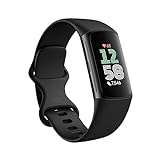
- Find your way seamlessly during runs or rides with turn-by-turn directions from Google Maps on Fitbit Charge 6[7, 8]; and when you need a snack break on the go, just tap to pay with Google Wallet[8, 9]
That difference in feel mirrors how each brand approaches usability. Fitbit wants the Charge 6 to replace casual smartwatch needs, with onboard GPS, Google Maps navigation, Google Wallet, YouTube Music controls, and a richer notification experience. Xiaomi, by contrast, treats the Mi Band 8 as a dedicated fitness companion, keeping interactions fast, simple, and focused on metrics rather than apps.
Ecosystem versus independence
The Charge 6 is deeply tied to the Fitbit and Google ecosystem, and that’s either its biggest strength or its biggest drawback. Fitbit’s app remains one of the most polished health dashboards available, especially for sleep staging, readiness-style insights, and long-term trend analysis. However, many of its most valuable features sit behind a Fitbit Premium subscription, which changes the long-term cost equation significantly.
The Mi Band 8 operates with far fewer strings attached. Xiaomi’s Mi Fitness app doesn’t charge a subscription fee, works across Android and iOS, and focuses on presenting raw data clearly rather than interpreting it for you. You get less coaching and fewer narrative insights, but you retain full access to your metrics without ongoing costs.
What “value” really means here
On paper, the Mi Band 8 looks like an easy win on value, often costing a fraction of the Charge 6. But value isn’t just about upfront price. Fitbit is selling a more complete health platform, with ECG support in select regions, continuous heart rate tracking that feeds into stress and readiness metrics, and tighter integration with third-party health services.
Xiaomi’s value proposition is different: strong heart rate and SpO2 tracking, excellent battery life, and a surprisingly smooth AMOLED display at a price that makes compromises easier to forgive. It’s designed for users who want reliable tracking and don’t need their band to act like a mini smartphone.
Who each band is really for
The Charge 6 makes the most sense for users who care about guided health insights, GPS-based workouts, and a cohesive software experience that evolves over time. It’s especially appealing if you already trust Fitbit’s data interpretation or plan to use Google services on your wrist. The trade-off is higher cost and dependence on subscriptions.
The Mi Band 8 is ideal for users who want maximum battery life, minimal fuss, and excellent fitness tracking at the lowest possible price. It’s less ambitious, but also less demanding, and for many people, that simplicity is exactly the point.
Design, Comfort, and Everyday Wearability: Screen Quality, Build, and On-Wrist Feel
Once the software value proposition is clear, the next deciding factor is how these bands actually live on your wrist. Design, comfort, and screen quality matter more here than spec sheets suggest, because these are devices you’ll wear all day, every day.
Screen quality and readability
The Xiaomi Mi Band 8 immediately stands out for display real estate. Its 1.62-inch AMOLED panel is noticeably larger than the Charge 6’s 1.04-inch screen, making stats, notifications, and workout graphs easier to read at a glance.
Brightness favors Xiaomi as well, with higher peak brightness and stronger outdoor visibility in direct sunlight. The 60Hz refresh rate also gives the Mi Band 8 a smoother feel when swiping through menus, which is impressive at this price.
The Fitbit Charge 6 counters with a smaller but more restrained display tuned for clarity rather than flash. Colors are accurate, text is crisp, and Fitbit’s UI prioritizes legibility over visual density, which some users may prefer during workouts.
Build quality and materials
Fitbit’s design language is familiar and conservative, and the Charge 6 sticks to it. The aluminum case feels solid, the glass is slightly recessed for protection, and the overall finish looks more like a compact smartwatch than a budget band.
The Mi Band 8 uses an aluminum alloy frame paired with curved glass, giving it a more modern, almost jewelry-like appearance. It doesn’t feel cheap, but it is lighter and less substantial in hand than the Charge 6.
Both bands are rated for 5ATM water resistance, making them safe for swimming and daily exposure to sweat or rain. Neither feels fragile, but Fitbit’s more understated design may age better if you’re concerned about long-term wear and tear.
Comfort during all-day wear and sleep
Comfort is where these trackers quietly diverge. The Mi Band 8’s lighter weight and wider screen distribute pressure more evenly, making it almost disappear on the wrist during sleep or long workdays.
The Charge 6 is still comfortable, but its thicker body and narrower band give it more presence. Sensitive sleepers may notice it more at night, especially if they’re not used to wearing watches in bed.
For smaller wrists, the Mi Band 8 generally feels more forgiving. The Charge 6 fits securely, but its design favors stability over minimalism, which is better for workouts than for forget-it’s-there wear.
Straps, adjustability, and style flexibility
Both devices rely on proprietary strap systems, which limits third-party options compared to standard watch lugs. Fitbit’s bands feel more premium out of the box, with a soft-touch silicone that resists dust and skin irritation.
Xiaomi offers a wider range of official strap styles, including leather-like and metal options, often at very low prices. Swapping straps is easy, and the Mi Band 8 adapts well from gym wear to casual settings.
Neither tracker is trying to replace a traditional watch, but the Mi Band 8 leans more toward lifestyle versatility. The Charge 6 stays firmly in the fitness-first camp, prioritizing function over fashion.
Everyday usability trade-offs
Always-on display is available on both, but it impacts battery life more noticeably on the Charge 6 due to its smaller battery and higher sensor load. Xiaomi’s efficiency advantage makes AOD more practical for daily use if you value constant glanceability.
Haptic feedback is stronger and more precise on the Charge 6, which helps during workouts and navigation without looking at the screen. The Mi Band 8’s vibrations are softer and easier to miss in noisy environments.
In day-to-day wear, the Charge 6 feels like a compact health instrument, while the Mi Band 8 feels like a lightweight digital accessory. That distinction plays a bigger role over months of use than it does in the first week.
Health Tracking Depth and Accuracy: Heart Rate, Sleep, SpO₂, Stress, and Smart Insights
Comfort and wearability matter because they directly affect sensor reliability, and that difference becomes obvious once you look at the data these two collect. Both trackers cover the core health metrics most buyers expect, but they approach depth, interpretation, and accuracy very differently.
Heart rate tracking and real-world accuracy
The Fitbit Charge 6 uses a more advanced optical heart rate sensor paired with aggressive sampling, especially during workouts and sleep. In side-by-side use, it tends to track closer to chest-strap averages during steady cardio and recovers faster after intensity changes like intervals or hill climbs.
The Mi Band 8 delivers solid baseline heart rate data for its price, but it’s more prone to brief spikes or dropouts during rapid movement. For general fitness and all-day trends it’s reliable, but serious training accuracy is not its strongest suit.
During rest and sleep, the gap narrows considerably. Both trackers produce stable resting heart rate trends, but Fitbit’s longer-term consistency makes it easier to spot meaningful changes over weeks rather than just days.
Sleep tracking: stages, consistency, and insight quality
Both devices automatically detect sleep and break it down into stages, including light, deep, and REM. Fitbit’s sleep staging is more refined, with fewer fragmented nights and more believable transitions, particularly if you move around during sleep.
The Mi Band 8 performs well for total sleep time and general patterns, but it can overestimate light sleep and occasionally misclassify late-night stillness as actual sleep. This isn’t a dealbreaker for casual users, but it matters if you actively track sleep quality.
Fitbit pulls ahead with additional context like sleep consistency, multi-night trends, and clearer explanations of what’s affecting your rest. Much of this deeper analysis, however, sits behind the Fitbit Premium subscription.
SpO₂ and breathing metrics
Both trackers support blood oxygen monitoring, but neither is designed for medical-grade use. The Charge 6 focuses on overnight SpO₂ trends rather than spot checks, emphasizing long-term deviations instead of single readings.
The Mi Band 8 allows more flexible SpO₂ measurements, including manual checks, which some users appreciate. Accuracy is acceptable at rest, though readings can vary depending on fit and skin contact.
Rank #2

- Inspire 3 is the tracker that helps you find your energy, do what you love and feel your best. All you have to do is wear it.Operating temperature: 0° to 40°C
- Move more: Daily Readiness Score(1), Active Zone Minutes, all-day activity tracking and 24/7 heart rate, 20+ exercise modes, automatic exercise tracking and reminders to move
- Stress less: always-on wellness tracking, daily Stress Management Score, mindfulness sessions, relax breathing sessions, irregular heart rhythm notifications(2), SpO2(3), menstrual health tracking, resting heart rate and high/low heart rate notifications
- Sleep better: automatic sleep tracking, personalized Sleep Profile(1), daily detailed Sleep Score, smart wake vibrating alarm, sleep mode
- Comfortably connected day and night: calls, texts & smartphone app notifications(4), color touchscreen with customizable clock faces, super lightweight and water resistant to 50 meters, up to 10 day battery life(5)
Fitbit adds breathing rate trends during sleep, helping flag potential changes in respiratory health. Xiaomi includes basic breathing metrics, but the presentation is simpler and less actionable.
Stress tracking and physiological context
This is where the Charge 6 clearly differentiates itself. It includes an EDA sensor for guided stress scans, measuring electrodermal activity to estimate physical stress responses rather than relying solely on heart rate variability.
The Mi Band 8 estimates stress using heart rate patterns and HRV-derived data, which is common at this price point. It’s useful for spotting general stress trends but lacks the physiological depth of Fitbit’s approach.
Fitbit also layers stress data into broader health insights, showing how sleep, activity, and recovery interact. Xiaomi keeps stress as a standalone metric, which is easier to understand but less informative over time.
Smart insights, trends, and long-term value
Raw data is only as useful as the system interpreting it, and Fitbit’s app remains one of the strongest in the category. The Charge 6 benefits from features like Health Metrics, readiness-style scoring, and personalized insights that evolve as the dataset grows.
The trade-off is cost. Many of Fitbit’s most valuable insights require an ongoing Premium subscription, which changes the long-term value equation.
Xiaomi’s Mi Fitness app is subscription-free and straightforward, presenting trends without locking features behind paywalls. It’s efficient and beginner-friendly, but it doesn’t guide behavior or recovery decisions in the same way Fitbit does.
For users who want their tracker to act like a health coach, the Charge 6 delivers deeper interpretation and context. If you prefer clear data without ongoing fees, the Mi Band 8 offers strong fundamentals with fewer layers of analysis.
Fitness and Sports Tracking: GPS Performance, Workout Modes, and Training Reliability
All of the health context discussed so far only becomes truly useful once you take it outside and start moving. This is where the philosophical split between Fitbit and Xiaomi becomes even clearer, especially around GPS accuracy, workout depth, and how much trust you can place in the data after repeated sessions.
Built-in GPS vs. connected tracking realities
The single biggest functional difference here is that the Fitbit Charge 6 has built-in GPS, while the Mi Band 8 does not. That distinction alone will determine which tracker makes sense for runners, cyclists, and anyone who trains outdoors without carrying a phone.
In real-world testing, the Charge 6’s GPS performance is solid for a band-sized device. Lock-on times are generally quick in open areas, and distance tracking stays consistent across repeated routes, with only minor path smoothing in tree-covered sections or dense urban blocks.
It is not multi-band or athlete-grade GPS, but it is reliable enough to trust pacing data, lap splits, and post-workout route maps. For casual to intermediate runners, that reliability matters more than raw satellite specs.
The Mi Band 8 relies entirely on connected GPS through your smartphone. When paired with a good phone and a stable connection, route accuracy is effectively as good as the phone’s GPS, which can actually outperform budget wearables in challenging environments.
The downside is dependency. Forget your phone, lose Bluetooth connection, or start a workout before the link stabilizes, and your data suffers or disappears entirely.
Workout modes and sport-specific depth
Fitbit offers a focused but well-curated set of workout modes on the Charge 6, covering running, cycling, walking, swimming, HIIT, strength training, and several cardio-based activities. Each mode is tightly integrated with heart rate zones, active minutes, and post-workout summaries that feed into readiness and recovery metrics.
During workouts, the Charge 6 provides real-time metrics like pace, distance, heart rate zones, and duration, all readable on the slightly larger AMOLED display. The interface is clean, with haptic alerts that are useful rather than distracting.
Xiaomi takes a quantity-driven approach. The Mi Band 8 supports well over 150 workout modes, including niche sports, indoor activities, and region-specific exercises that Fitbit simply does not list.
In practice, many of these modes share the same underlying data structure, mainly heart rate, duration, and estimated calories. The benefit is flexibility and inclusivity, especially for users who enjoy varied or unconventional workouts.
Where Xiaomi falls behind is depth. There is less sport-specific coaching, fewer adaptive prompts during workouts, and limited post-session interpretation beyond basic charts and averages.
Training metrics, reliability, and repeatability
Consistency over time is what separates a fitness tracker from a novelty, and this is where Fitbit’s ecosystem strengthens the Charge 6. Heart rate tracking during steady-state cardio is stable, with fewer spikes or dropouts compared to budget bands, especially when the band is worn snugly.
This consistency improves calorie estimates, zone-based training, and long-term trend accuracy. Over weeks of similar workouts, the Charge 6 produces repeatable results that make it easier to notice genuine performance changes rather than sensor noise.
The Mi Band 8 performs well for its price, but it is more sensitive to fit, wrist movement, and workout intensity changes. High-intensity intervals and rapid pace shifts can introduce brief heart rate lag, which slightly affects training load and calorie calculations.
For most beginners, this will not be a dealbreaker. For users who train by zones or rely on precise pacing feedback, the difference becomes more noticeable.
Comfort, durability, and real-world wear during workouts
Both bands are lightweight and comfortable, but they feel different during longer sessions. The Charge 6 has a slightly thicker body, yet its weight distribution and softer strap materials make it stable during runs without excessive bounce.
The Mi Band 8 is slimmer and lighter, which some users will prefer for all-day wear and sleep tracking. During intense workouts, however, its narrower strap can require tighter adjustment to maintain sensor contact.
Both trackers are water-resistant and handle sweat, rain, and swimming without issue. Neither feels fragile, but the Charge 6’s slightly more robust build inspires more confidence during frequent outdoor training.
Which one you can trust for training decisions
If your workouts happen mostly outdoors and you want to leave your phone behind, the Fitbit Charge 6 is in a different league. Its built-in GPS, stable heart rate tracking, and deeper post-workout analysis make it easier to trust the data when adjusting pace, volume, or recovery.
If you train with your phone, value variety, and prioritize affordability, the Mi Band 8 delivers strong fundamentals. It captures the essentials reliably enough for general fitness improvement, just without the same level of interpretive support or independence.
The difference is not about which one tracks workouts at all, but which one supports long-term training confidence. That distinction becomes more important the more seriously you take your fitness routine.
Smart Features and Daily Convenience: Notifications, Payments, Music, and Extras
Once training accuracy is sorted, what often matters just as much is how a tracker fits into the rest of your day. This is where the gap between the Fitbit Charge 6 and the Xiaomi Mi Band 8 becomes less about sensors and more about ecosystem depth and everyday friction.
Notifications and phone integration
Both devices handle basic notifications reliably, including calls, messages, and app alerts. The Charge 6 presents notifications in a clean, readable format, with better spacing and smoother scrolling that makes longer messages easier to skim at a glance.
The Mi Band 8 also supports a wide range of app notifications, but the presentation is more compact. Text-heavy messages feel cramped, and there is less visual hierarchy, which can make quick reads less comfortable during busy moments.
Rank #3

- 【BUILT-IN GPS SMART WATCH – GO FURTHER, FREER, SMARTER】No phone? No problem. This fitness watch for women, featuring the latest 2025 technology, includes an advanced professional-grade GPS chip that precisely tracks every route, distance, pace (real-time & average), and calorie burned—completely phone-free. Whether you're chasing new personal records or exploring off the beaten path, your full journey is automatically mapped and synced in the app. Train smarter. Move with purpose. Own your progress. Own your journey.
- 【BLUETOOTH 5.3 CALLS & SMART NOTIFICATIONS】Stay effortlessly connected with this smart watch for men and women, featuring dual Bluetooth modes (BT 3.0 + BLE 5.3) and a premium microphone for crystal-clear calls right from your wrist—perfect for driving, workouts, or busy days. Receive instant alerts for calls, texts, and popular social apps like WhatsApp and Facebook. Just raise your wrist to view notifications and never miss an important moment.
- 【100+ SPORT MODES & IP68 WATERPROOF & DUSTPROOF】This sport watch is a versatile activity and fitness tracker with 100+ modes including running, cycling, yoga, and more. It features quick-access buttons and automatic running/cycling detection to start workouts instantly. Accurately track heart rate, calories, distance, pace, and more. Set daily goals on your fitness tracker watch and stay motivated with achievement badges. With IP68 waterproof and dustproof rating, it resists rain and sweat for any challenge. Not suitable for showering, swimming, or sauna.
- 【24/7 HEALTH ASSISTANT & SMART REMINDERS】This health watch continuously monitors heart rate, blood oxygen, and stress levels for comprehensive wellness tracking. Sleep monitoring includes deep, light, REM sleep, and naps to give you a full picture of your rest. Stay on track with smart reminders for sedentary breaks, hydration, medication, and hand washing. Women can also monitor menstrual health. Includes guided breathing exercises to help you relax. Your ultimate health watch with event reminders for a healthier life.
- 【ULTRA HD DISPLAY, LIGHTWEIGHT & CUSTOMIZABLE DIALS】This stylish wrist watch features a 1.27-inch (32mm) 360×360 ultra HD color display with a 1.69-inch (43mm) dial, offering vivid details and responsive touch. Its minimalist design fits both business and casual looks. Switch freely among built-in designer dials or create your own DIY watch face using photos, colors, and styles to showcase your unique personality. Perfect as a cool digital watch and fashion wrist watch.
Neither tracker supports full replies from the wrist, but Fitbit’s notification handling feels more refined overall. Dismissing alerts, checking missed notifications, and managing vibration intensity is simply faster and more intuitive on the Charge 6.
Contactless payments and wallet features
This is one of the clearest daily-use advantages for the Charge 6. Fitbit Pay is built in, allowing contactless payments directly from the band at supported terminals, which is genuinely useful for quick errands or post-workout stops without carrying a phone or wallet.
The Mi Band 8 does not offer NFC payments in most global markets. Some regional versions support limited payment systems, but availability is inconsistent and largely dependent on country-specific services.
For users who value convenience in daily routines, especially runners or commuters, the presence or absence of payments can be a deciding factor. In this area, the Charge 6 clearly operates at a higher functional tier.
Music control and media handling
Neither device offers onboard music storage, which is expected at this size and price. Both act as remote controls for music playing on your phone, allowing play, pause, skip, and volume adjustments.
The Charge 6 integrates more smoothly with common music apps, with fewer connection hiccups and clearer on-screen controls. It also maintains stable media control during workouts, even when GPS is active.
The Mi Band 8’s music controls work well once connected, but switching apps or reconnecting after Bluetooth drops can be slower. It gets the job done, but it feels more like a utility feature than a polished extension of the phone.
Apps, extras, and smart add-ons
Fitbit’s app ecosystem adds meaningful extras beyond fitness tracking. Features like Google Maps turn-by-turn directions, Google Wallet integration via Fitbit Pay, weather, alarms, timers, and calendar syncing make the Charge 6 feel closer to a compact smartwatch than a traditional fitness band.
These extras are well integrated and easy to access, even on the smaller display. The interface prioritizes clarity, which matters when interacting quickly while walking, commuting, or mid-workout.
The Mi Band 8 offers a wide selection of watch faces, simple utilities, and mini tools like timers, weather, and phone-finding. Customization is a strong point, but most features remain lightweight and functional rather than deeply integrated.
Voice, assistants, and ecosystem depth
The Charge 6 benefits from tighter integration with Google services, including access to Google Maps and a more cohesive Android experience. While it lacks a full voice assistant for conversational commands, the ecosystem connections feel deliberate and practical.
The Mi Band 8 does not offer voice assistant functionality. Its strength lies in simplicity, fast access to core features, and minimal setup rather than smart automation or service integration.
This difference reflects the broader philosophy of each device. Fitbit aims to extend your phone experience in small but meaningful ways, while Xiaomi focuses on delivering essential tools at the lowest possible cost.
Everyday usability and long-term convenience
Over weeks of use, the Charge 6 feels like it reduces small daily annoyances. Payments work when you need them, notifications are easy to read, and smart features remain consistent regardless of workout intensity or GPS use.
The Mi Band 8 remains impressively capable for its price, but its smart features feel more situational. They are useful when needed, yet rarely become something you rely on throughout the day.
If you want a fitness tracker that quietly replaces a few phone interactions and integrates into errands, commutes, and workouts, the Charge 6 delivers more daily value. If your priority is tracking activity with occasional smart assistance, the Mi Band 8 keeps things simple and affordable without unnecessary complexity.
App Ecosystem and Platform Experience: Fitbit App + Google Services vs. Mi Fitness
Where these two trackers truly separate is not on your wrist, but on your phone. The app you open every morning to review sleep, check readiness, or plan a workout shapes the long-term ownership experience far more than screen size or strap material.
This is where Fitbit leans heavily on maturity and ecosystem depth, while Xiaomi competes on simplicity, speed, and cost efficiency.
Fitbit App: Depth, structure, and long-term health context
The Fitbit app remains one of the most polished health dashboards in the fitness tracker space. Data is layered logically, with daily summaries at the top and deeper trends available with just a few swipes, even for users who never dig into advanced charts.
Sleep tracking is a standout, with clear breakdowns of stages, consistency, and long-term trends. Heart rate, HRV, SpO₂, and stress metrics are contextualized over weeks and months, which makes it easier to spot changes rather than just react to daily fluctuations.
Fitbit’s interface prioritizes clarity over customization. You cannot rearrange everything freely, but the structure feels intentional, especially for users who want guidance rather than raw numbers.
Google services and smart feature integration
The Charge 6 benefits from Google’s growing influence on the Fitbit platform. Google Maps support for turn-by-turn directions during walks or runs is genuinely useful, especially in unfamiliar areas, and works reliably once configured.
Google Wallet integration adds everyday practicality, turning the Charge 6 into a lightweight payment device for commuting or quick errands. Setup lives inside the Fitbit app, and once enabled, it works consistently without frequent reconnections.
While Google Assistant is not fully implemented for conversational commands, the ecosystem links feel purposeful rather than gimmicky. These features subtly reduce phone dependency, which adds up over time.
Subscriptions, Fitbit Premium, and value trade-offs
One of the most important considerations is Fitbit Premium. Without it, core tracking remains intact, but deeper insights like advanced sleep analytics, readiness scores, and guided programs are partially locked behind a monthly fee.
For some users, Premium adds real value by translating metrics into actionable advice. For others, especially data-savvy athletes, it can feel restrictive compared to platforms that expose raw data without subscriptions.
The Charge 6 still functions well without Premium, but its full potential is clearly designed around long-term engagement with Fitbit’s paid ecosystem.
Mi Fitness app: Lightweight, fast, and budget-focused
Mi Fitness takes the opposite approach. The app is minimal, fast to load, and easy to understand, even for first-time fitness tracker users.
Daily activity, workouts, sleep, and heart rate data are presented cleanly, but without the same depth of interpretation. You see what happened, not necessarily why it matters or how to adjust your behavior.
For many users, this simplicity is a strength. There is no subscription tier, no locked metrics, and no pressure to engage with coaching or programs you may not want.
Health and fitness data depth in Mi Fitness
Sleep tracking covers duration, stages, and basic consistency trends, but analysis remains surface-level. Heart rate and SpO₂ data are available, yet presented more as snapshots than long-term narratives.
Workout tracking is reliable and broad, especially considering the price, with clear summaries and GPS maps when paired with supported activities. However, advanced training metrics, readiness indicators, or recovery-focused insights are largely absent.
Rank #4

- 24H Accurate Heart Rate Monitoring: Go beyond basic tracking. Our watch automatically monitors your heart rate, blood oxygen (SpO2), and sleep patterns throughout the day and night. Gain deep insights into your body's trends and make informed decisions for a healthier lifestyle.
- Practical Sports Modes & Smart Activity Tracking: From running and swimming to yoga and hiking, track a wide range of activities with precision. It automatically records your steps, distance, calories burned, and duration, helping you analyze your performance and crush your fitness goals.
- 1-Week Battery Life & All-Day Wear: Say goodbye to daily charging. With an incredible up to 7-10 days of battery life on a single charge, you can wear it day and night for uninterrupted sleep tracking and worry-free travel. Stay connected to your data without the hassle.
- Comfortable to Wear & IP68 Waterproof: The lightweight, skin-friendly band is crafted for all-day comfort, even while you sleep. With IP68 waterproof, it withstands rain, sweat, It is not suitable for swimming or showering.
- Ease of Use and Personalized Insights via Powerful App: The display is bright and easy to read, even outdoors. Unlock the full potential of your watch. Sync with our dedicated app to view detailed health reports, customize watch faces, set sedentary reminders, and manage your preferences with ease.
This makes Mi Fitness well suited for users who track activity for awareness and motivation rather than performance optimization.
Customization, watch faces, and firmware experience
Mi Fitness excels in customization. The watch face library is extensive, frequently updated, and easy to browse, with both playful and functional designs that suit the Mi Band 8’s slim form factor.
Firmware updates are straightforward and typically focused on stability or minor feature additions rather than platform shifts. The app rarely changes dramatically, which contributes to a predictable experience.
Fitbit’s customization options are more restrained, with fewer watch faces and less visual flair. In return, updates often bring meaningful health or smart feature improvements tied to the broader Google ecosystem.
Platform compatibility, syncing, and reliability
Both apps support Android and iOS, but Fitbit feels more platform-aware, particularly on Android where Google services integrate more seamlessly. Syncing is generally stable, with fewer instances of delayed data uploads.
Mi Fitness syncs quickly and reliably, but background syncing behavior can vary depending on phone manufacturer and battery optimization settings. Once configured properly, it works well, though it may require more manual tweaking on Android devices.
Neither platform is ideal for heavy third-party data exports, but Fitbit offers more established pathways through integrations and historical data access.
Privacy, data ownership, and ecosystem trust
Fitbit’s alignment with Google raises understandable questions about data usage, but policies are clearly documented and user controls are accessible within the app. Transparency is strong, even if some users remain cautious about long-term data handling.
Xiaomi’s data policies vary by region, and while the Mi Fitness app does not feel intrusive, documentation can be less detailed. For most users, this will not impact daily use, but it is worth noting for those sensitive to data governance.
In practice, both platforms feel secure during everyday use, with no noticeable trade-offs in performance or reliability.
Battery Life and Charging Reality: Claimed Numbers vs. Real-World Use
Battery life is where the philosophical differences between Fitbit and Xiaomi become impossible to ignore. Both companies publish optimistic headline numbers, but how these bands behave once heart rate, sleep tracking, notifications, and GPS enter the picture is what actually matters day to day.
Manufacturer claims vs. typical usage
Fitbit rates the Charge 6 for up to seven days of battery life, a figure that assumes limited GPS use and conservative screen behavior. In controlled conditions, that number is technically achievable, but it is not representative of how most owners will actually use the device.
Xiaomi claims up to 16 days for the Mi Band 8, or around six days with always-on display enabled. Those numbers sound aggressive, but they are far closer to reality than Fitbit’s claim once real-world usage is factored in.
Real-world battery performance with health tracking enabled
With continuous heart rate monitoring, sleep tracking, stress metrics, and a steady stream of notifications, the Charge 6 typically lands between four and five days per charge. That drops quickly if you use the built-in GPS for workouts, where even three to four hours of tracked outdoor activity can shave off a full day.
The Mi Band 8, under similar health tracking conditions but without GPS, consistently stretches to 10–12 days. Even with heavy notification usage and frequent screen wake-ups, it rarely dips below a full week, making it much easier to forget about charging entirely.
GPS, display behavior, and their battery impact
GPS is the Charge 6’s biggest battery wildcard. A single hour-long outdoor run with GPS can consume roughly 10–15 percent of the battery, and longer activities compound that quickly. The bright AMOLED display is excellent outdoors, but higher brightness levels and frequent wrist raises do take a measurable toll.
The Mi Band 8 sidesteps this issue by relying on connected GPS through your phone, which dramatically reduces on-band power draw. Its smaller AMOLED panel is also less demanding, and while always-on display shortens battery life noticeably, it remains usable for nearly a week even with AOD enabled.
Charging speed, convenience, and real-world habits
Fitbit’s proprietary charging cable is compact and secure, but it is also easy to misplace and not interchangeable with older Charge models. A full charge takes just under two hours, which feels slow when you are charging more often.
Xiaomi’s magnetic charging puck is equally proprietary but faster, typically topping up the Mi Band 8 in about an hour. Because charging is so infrequent, the shorter downtime feels less disruptive to daily wear and sleep tracking consistency.
Battery longevity and long-term ownership considerations
Over time, more frequent charging cycles can affect battery health, and this is where the Mi Band 8’s efficiency becomes a quiet advantage. Fewer charge cycles per year generally translate into more stable long-term capacity, especially for users who keep their bands for multiple years.
The Charge 6’s shorter endurance is not a deal-breaker, but it does demand more attention and routine. For users who value uninterrupted health tracking and minimal maintenance, Xiaomi’s approach to battery life aligns better with long-term, low-friction ownership.
Compatibility and Ecosystem Lock-In: Android, iOS, and Long-Term Support
Battery life and charging habits shape how often you interact with a tracker, but the app you live in every day ultimately defines ownership. This is where the Fitbit Charge 6 and Xiaomi Mi Band 8 diverge most clearly, not in hardware polish, but in ecosystem depth and long-term expectations.
Android and iOS compatibility in daily use
Both trackers officially support Android and iOS, but the experience is not symmetrical. The Charge 6 works best on Android, where it integrates more deeply with Google services, including Google Maps navigation, Google Wallet for contactless payments, and tighter notification handling.
On iOS, the Charge 6 still functions reliably for health tracking and notifications, but system-level restrictions limit interactive features. You cannot reply to messages, and some Google-centric features feel more like add-ons than native tools.
The Mi Band 8 is platform-agnostic in a simpler way. Whether paired to Android or iPhone, the core experience remains largely identical, focusing on fitness metrics, notifications, and basic smartwatch functions without attempting deeper OS-level integration.
Fitbit app vs. Mi Fitness app: philosophy and depth
Fitbit’s app is one of the most mature health platforms in consumer wearables. It excels at long-term trend analysis, sleep staging, readiness-style insights, heart rate variability context, and clean visual presentation that remains readable months or years later.
However, much of that depth sits behind Fitbit Premium. Without a subscription, you still get accurate data, but fewer interpretations, which subtly nudges long-term users toward recurring costs.
Xiaomi’s Mi Fitness app takes a different approach. It provides a broad set of metrics upfront with no subscription, but the presentation is more utilitarian, and historical insights feel less refined, especially for sleep and recovery-focused users.
Account requirements, data ownership, and lock-in
The Charge 6 requires a Google account, and Fitbit is now firmly part of Google’s ecosystem roadmap. That brings benefits like improved cloud reliability and future feature potential, but it also increases ecosystem lock-in if you already use Google services heavily.
Exporting Fitbit data is possible, but not frictionless, and third-party platform support is selective. This matters for users who anticipate switching brands or consolidating health data elsewhere down the line.
Xiaomi’s ecosystem is more open in practice, if less polished. Data export is easier, and while third-party integrations are limited, the absence of a subscription and lower account dependency reduce long-term commitment pressure.
Regional support, updates, and feature consistency
Fitbit’s software updates are generally consistent across regions, with predictable rollout schedules and clear support timelines. Historically, Charge-series devices receive several years of updates, even if major new features taper off after the first year.
💰 Best Value

- 【Superb Visual Experience & Effortless Operation】Diving into the latest 1.58'' ultra high resolution display technology, every interaction on the fitness watch is a visual delight with vibrant colors and crisp clarity. Its always on display clock makes the time conveniently visible. Experience convenience like never before with the intuitive full touch controls and the side button, switch between apps, and customize settings with seamless precision.
- 【Comprehensive 24/7 Health Monitoring】The fitness watches for women and men packs 24/7 heart rate, 24/7 blood pressure and blood oxygen monitors. You could check those real-time health metrics anytime, anywhere on your wrist and view the data record in the App. The heart rate monitor watch also tracks different sleep stages for light and deep sleep,and the time when you wake up, helps you to get a better understanding of your sleep quality.
- 【120+ exercise modes & All-Day Activity Tracking】There are more than 120 exercise modes available in the activity trackers and smartwatches, covering almost all daily sports activities you can imagine, gives you new ways to train and advanced metrics for more information about your workout performance. The all-day activity tracking feature monitors your steps, distance, and calories burned all the day, so you can see how much progress you've made towards your fitness goals.
- 【Messages & Incoming Calls Notification】With this smart watch fitness trackers for iPhone and android phones, you can receive notifications for incoming calls and read messages directly from your wrist without taking out your phone. Never miss a beat, stay in touch with loved ones, and stay informed of important updates wherever you are.
- 【Essential Assistant for Daily Life】The fitness watches for women and men provide you with more features including drinking water and sedentary reminder, women's menstrual period reminder, breath training, real-time weather display, remote camera shooting, music control,timer, stopwatch, finding phone, alarm clock, making it a considerate life assistant. With the GPS connectivity, you could get a map of your workout route in the app for outdoor activity by connecting to your phone GPS.
Xiaomi’s update cadence is less predictable and can vary by region. Features sometimes appear or disappear depending on local regulations or app versions, which can frustrate users who expect uniform behavior.
That said, Xiaomi’s simpler software scope also means fewer breaking changes. The Mi Band 8 tends to age quietly rather than dramatically, maintaining stable performance without frequent UI shifts.
Long-term value for different types of users
If you plan to stay within Google’s ecosystem and value deep health insights presented with clinical clarity, the Charge 6 feels like a long-term platform investment. The trade-off is ongoing subscription considerations and tighter ecosystem boundaries.
The Mi Band 8 is better suited to users who want flexibility, low ownership costs, and consistent core fitness tracking without ongoing commitments. It may not evolve as aggressively over time, but it asks far less from you in return.
Ultimately, compatibility here is less about phone type and more about philosophy. One prioritizes ecosystem intelligence and structured insights, while the other prioritizes accessibility, affordability, and minimal long-term friction.
Pricing, Subscriptions, and Long-Term Value: Upfront Cost vs. Ongoing Investment
The philosophical divide outlined earlier becomes most tangible when you look at money over time. This isn’t just about what you pay on day one, but how much the device asks of you over months and years of ownership.
Upfront pricing and what you actually get
The Fitbit Charge 6 launches at a significantly higher price point, typically around $159.95 at full retail, though frequent sales bring it closer to the $129 range. That premium buys you built-in GPS, a brighter AMOLED display with Gorilla Glass, Google Maps navigation, YouTube Music controls, and tighter integration with Google’s health services.
The Xiaomi Mi Band 8 sits firmly in budget territory, usually priced between $35 and $50 depending on region and retailer. For that money, you still get a high-refresh AMOLED display, excellent battery life, solid activity tracking, and a lightweight aluminum case that feels more refined than its price suggests.
In pure hardware-per-dollar terms, Xiaomi’s value proposition is hard to ignore. Fitbit’s pricing only starts to make sense if you intend to use its broader software and service stack.
The subscription question: optional vs. embedded value
Fitbit Premium is the elephant in the room for long-term cost. It runs about $9.99 per month or $79.99 annually, and while the Charge 6 includes a free trial, many of Fitbit’s deeper insights live behind that paywall.
Without Premium, core tracking still works, but features like advanced sleep analysis, detailed readiness scores, long-term trends, and guided programs feel intentionally constrained. Over a two-year ownership period, the subscription can easily exceed the original cost of the device itself.
The Mi Band 8 has no subscription at all. Every feature Xiaomi offers, from sleep stages to stress tracking and VO2 max estimates, is available out of the box through the Mi Fitness app, with no upsell pressure over time.
Accessory costs, durability, and hidden expenses
Fitbit accessories are polished but expensive. Official Charge 6 bands often cost $30 to $50, and third-party options exist but vary widely in comfort and clasp quality, especially for smaller wrists.
Xiaomi’s bands are dramatically cheaper and more plentiful, with a wide range of silicone, leather-style, and metal options often priced under $10. The lighter body and slimmer profile also reduce long-term comfort fatigue, especially for sleep tracking.
Both devices are water-resistant and suitable for daily wear, but Fitbit’s glass and finish tend to hold up better cosmetically over time. Xiaomi’s lighter materials can show wear sooner, though replacing the band-and-capsule combo costs far less.
Software longevity and value over time
Fitbit historically supports Charge-series devices with several years of updates, and the Charge 6 is likely to follow that pattern. The caveat is that meaningful feature growth increasingly happens inside Premium, not at the OS level.
Xiaomi’s update strategy is less ambitious but also less conditional. The Mi Band 8 may not gain major new features, yet it continues to function consistently without any sense that capabilities are being gated retroactively.
From a depreciation standpoint, the Mi Band 8 feels almost disposable in a good way. If you upgrade every couple of years, the low buy-in minimizes regret, while Fitbit’s higher cost encourages longer ownership but with higher ongoing expectations.
Long-term value depends on commitment, not just cost
If you see your fitness tracker as part of a broader health platform and are comfortable paying for structured insights, coaching, and longitudinal analysis, the Charge 6 can justify its higher total cost of ownership. The value compounds only if you actively engage with what Premium offers.
The Mi Band 8 delivers its full value immediately and keeps asking nothing more of you. It rewards users who want reliable tracking, long battery life, and freedom from subscriptions, even if that means fewer interpretive insights and a simpler app experience.
This pricing gap ultimately reflects two different ownership models. One is a service-driven ecosystem that deepens over time at a cost, while the other is a self-contained tool that stays inexpensive, predictable, and refreshingly low-pressure.
Final Verdict: Which Fitness Band Is Right for You and Your Priorities?
By this point, the decision between the Fitbit Charge 6 and the Xiaomi Mi Band 8 should feel less about specs on a chart and more about how you actually want a fitness tracker to fit into your daily life. These two bands solve the same problem in very different ways, and neither choice is inherently wrong if it aligns with your expectations.
What matters most is whether you value a guided, insight-heavy ecosystem or a lightweight, low-cost tool that quietly does its job.
Choose the Fitbit Charge 6 if you want structure, accuracy, and ecosystem depth
The Fitbit Charge 6 is the better option if you see your fitness band as an extension of a broader health platform rather than just a step counter on your wrist. Its heart rate tracking, sleep staging, and readiness-style metrics feel more refined, especially when viewed over weeks and months inside the Fitbit app.
Built-in GPS, Google Maps navigation cues, YouTube Music controls, and wallet support also make it more smartwatch-adjacent in everyday use. The brighter AMOLED display, glass-covered front, and slightly heavier build give it a more premium, watch-like presence, especially if you wear it all day and not just during workouts.
That said, the Charge 6 makes the most sense for users who are willing to engage with Fitbit Premium. Without the subscription, the hardware still performs well, but much of what differentiates Fitbit from cheaper competitors lives behind that paywall. If you appreciate guided insights, trend analysis, and long-term health storytelling, the ongoing cost feels justified.
Choose the Xiaomi Mi Band 8 if you want maximum value with minimal commitment
The Mi Band 8 is the clear winner for buyers who prioritize affordability, battery life, and simplicity without sacrificing core fitness tracking. For a fraction of the price of the Charge 6, it delivers reliable heart rate monitoring, solid sleep tracking, a smooth 120Hz AMOLED display, and excellent comfort for 24/7 wear.
Its lighter capsule, slimmer profile, and soft strap make it almost disappear on the wrist, which is ideal for sleep tracking and long days. Battery life is consistently stronger than Fitbit’s, often stretching close to two weeks, and there is no subscription pressure at any point in ownership.
Where Xiaomi falls short is interpretation and polish. The app presents data competently but without the depth, coaching, or ecosystem integration that Fitbit offers. GPS is absent, smartwatch features are basic, and long-term software ambition is limited. But if you want a fitness band that delivers exactly what you pay for and nothing more, that restraint becomes a strength.
The real choice is philosophy, not features
Viewed purely through a value lens, the Mi Band 8 is almost impossible to fault. It delivers strong fundamentals, excellent comfort, and predictable ownership costs, making it ideal for beginners, casual fitness users, or anyone tired of subscription-based hardware.
The Fitbit Charge 6, meanwhile, earns its higher price by offering a more cohesive and insightful experience, especially for users invested in tracking health trends over time. Its advantages are cumulative rather than immediate, rewarding consistency and engagement rather than quick wins.
In short, buy the Fitbit Charge 6 if you want a fitness band that thinks alongside you and integrates deeply into a larger health ecosystem. Buy the Xiaomi Mi Band 8 if you want an inexpensive, reliable companion that tracks your activity faithfully and stays out of your way.
Both are excellent at what they’re designed to be. The right choice is simply the one that matches how much guidance, cost, and long-term commitment you want from something you wear every day.