If you’re torn between the Fitbit Charge 6 and the Xiaomi Smart Band 8 Pro, you’re already looking at two of the most capable fitness trackers you can buy without stepping up to a full smartwatch. Both promise built‑in GPS, advanced health tracking, large AMOLED displays, and all‑day comfort, but they approach those goals from very different philosophies. One prioritizes health insights and ecosystem polish, the other maximizes hardware value and battery life for the price.
This quick verdict is designed to cut through spec sheets and marketing claims. Instead of declaring a single “winner,” it matches each tracker to the type of user it actually serves best, based on real‑world accuracy, daily usability, software maturity, and long‑term ownership costs. By the end, you should know which band fits your workouts, your phone, and your expectations.
Pick the Fitbit Charge 6 if health insights and app experience matter most
The Charge 6 is the safer choice if you care deeply about health data quality, trend tracking, and a refined companion app. Fitbit’s strengths remain sleep analysis, heart rate consistency, readiness-style insights, and long-term data visualization, all of which are easier to interpret and act on than Xiaomi’s raw metrics. The integration with Google services, including Google Maps for turn-by-turn navigation and YouTube Music controls, also makes it feel more like a lightweight smartwatch during daily wear.
GPS accuracy on the Charge 6 is generally reliable for road running and steady outdoor workouts, and heart rate tracking holds up well during moderate to high-intensity sessions. The trade-off is battery life and cost: you’ll charge more often than with the Xiaomi, and meaningful insights increasingly depend on the Fitbit Premium subscription. If you’re on Android or iOS and want guidance rather than just data, the Charge 6 fits best.
🏆 #1 Best Overall
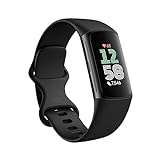
- Find your way seamlessly during runs or rides with turn-by-turn directions from Google Maps on Fitbit Charge 6[7, 8]; and when you need a snack break on the go, just tap to pay with Google Wallet[8, 9]
Pick the Xiaomi Smart Band 8 Pro if value, battery life, and sports features come first
The Smart Band 8 Pro is the clear winner on hardware-per-dollar. You get a larger, brighter AMOLED display, multi-band GNSS support for more precise GPS tracking in challenging environments, and battery life that can stretch close to two weeks with typical use. For frequent outdoor athletes who hate charging and want strong GPS tracks without paying extra monthly fees, Xiaomi’s approach is compelling.
Xiaomi’s fitness tracking shines in breadth rather than interpretation. There are extensive sport modes, solid heart rate performance for steady efforts, and plenty of metrics, but less coaching and fewer actionable insights. The Mi Fitness app has improved, yet it still feels more utilitarian than Fitbit’s, especially for sleep analysis and long-term health trends. This is the better choice for budget-conscious users, Android-first households, and anyone who wants strong core tracking without subscription pressure.
Choose based on ecosystem fit and how you train
If you train consistently, review your data often, and value guidance that evolves over time, Fitbit’s ecosystem gives the Charge 6 a lasting advantage despite its higher ongoing cost. If your workouts are GPS-heavy, your priorities lean toward battery life and screen real estate, or you simply want the most capability for the lowest upfront price, the Smart Band 8 Pro makes more sense.
Neither tracker replaces a true sports watch or a full smartwatch, but both succeed within the fitness band category. The decision ultimately hinges on whether you want polished health intelligence and ecosystem depth, or maximum hardware performance and freedom from subscriptions.
Design, Comfort, and Everyday Wearability
After weighing ecosystems, subscriptions, and raw feature sets, how these trackers feel on your wrist day in and day out becomes the deciding factor for many buyers. Both aim to be worn 24/7, but they approach design and comfort from very different philosophies that show up quickly in real-world use.
Form factor, dimensions, and wrist presence
The Fitbit Charge 6 sticks closely to Fitbit’s familiar capsule-shaped design, with a narrow, vertically oriented AMOLED display integrated into a soft-touch housing. It wears discreetly, even on smaller wrists, and doesn’t draw much attention when paired with casual or work clothing. At roughly 37 mm tall and under 30 grams with the band, it’s easy to forget it’s there.
The Xiaomi Smart Band 8 Pro looks and feels more like a compact sports watch than a traditional fitness band. Its wider, squarer display gives it stronger visual presence, especially on slim wrists, but also makes it easier to glance at metrics during workouts. It’s still light, but you’re more aware of it throughout the day compared to the Fitbit’s slimmer profile.
Materials, finishing, and durability
Fitbit uses an aluminum case with a smooth, matte finish that resists fingerprints and feels refined for the price. The Gorilla Glass-covered display curves gently into the body, reducing snag points and making it comfortable under long sleeves. Water resistance is rated at 5 ATM, suitable for swimming, showers, and sweaty workouts.
Xiaomi goes with a more angular metal frame and flat glass, giving the Band 8 Pro a sportier, more rugged aesthetic. The materials feel solid for the cost, and the larger glass surface is excellent outdoors, though it’s slightly more prone to catching light reflections. It’s also rated to 5 ATM, so durability isn’t a differentiator, but the Xiaomi feels more “tool-like” than understated.
Straps, adjustability, and long-term comfort
The Charge 6 uses Fitbit’s proprietary strap system, which snaps securely into place and keeps the tracker centered on the wrist. The included silicone band is soft, flexible, and well-suited for all-day wear, including sleep tracking. Replacement bands are widely available, but you’re locked into Fitbit’s connector, which limits experimentation with third-party options.
Xiaomi’s Smart Band 8 Pro offers more flexibility, with a standard quick-release style that opens the door to a wide variety of straps. The stock silicone band is slightly firmer than Fitbit’s but still comfortable during long sessions and overnight wear. If you like changing styles or want a more traditional watch-like feel, Xiaomi’s approach is easier to customize.
Display usability in daily life
Fitbit’s smaller display prioritizes clarity over spectacle. Text is crisp, animations are smooth, and the interface feels optimized for quick interactions rather than lingering. Indoors and at night, it’s excellent, but under harsh sunlight the narrower screen can feel limiting, especially when viewing detailed workout stats mid-activity.
The Xiaomi’s larger AMOLED panel is a standout for everyday usability. It’s brighter, easier to read at a glance, and more accommodating for data-heavy screens like maps and multi-metric workout views. The trade-off is that it makes the device feel less subtle, which some users may find intrusive for all-day wear.
Buttons, touch controls, and interaction comfort
The Charge 6 includes a side button in addition to touch controls, which is a small but meaningful advantage during workouts or when your hands are wet. Physical input makes it easier to start, pause, or end activities without frustration. Over time, this contributes to a more reliable, less fiddly experience.
The Smart Band 8 Pro relies entirely on touch gestures. Responsiveness is good, but wet fingers, sweat, or gloves can make interaction less predictable during intense sessions. For users who train outdoors frequently, this can impact perceived comfort and ease of use more than expected.
Sleep, 24/7 wear, and skin comfort
Fitbit has long optimized its bands for continuous wear, and the Charge 6 benefits from that experience. It sits flat against the wrist, rarely shifts during sleep, and causes minimal pressure points, even for side sleepers. Skin irritation is uncommon as long as basic hygiene is maintained.
The Xiaomi is still comfortable overnight, but its larger footprint means you’re more aware of it when sleeping, especially if you move a lot. For users committed to nightly sleep tracking, the Fitbit feels purpose-built, while the Xiaomi feels acceptable rather than invisible.
Style versus sport-first design
The Charge 6 blends into daily life with ease. It looks appropriate in the gym, at the office, or under a jacket, reinforcing its role as a health companion rather than a statement device. If subtlety matters, Fitbit’s design language holds up well.
The Smart Band 8 Pro leans unapologetically toward sport and metrics. Its larger screen and sharper lines signal function first, which will appeal to outdoor athletes and data-focused users. It’s less chameleon-like, but more expressive of its performance-oriented priorities.
Display Quality and Interaction: AMOLED vs. AMOLED, Brightness, and Usability
Where design and comfort set the baseline, the display determines how usable these trackers feel once you’re actually training, navigating metrics, or checking stats at a glance. Both the Fitbit Charge 6 and Xiaomi Smart Band 8 Pro use AMOLED panels, but their priorities diverge in size, brightness behavior, and how information is presented during real-world use.
Screen size, resolution, and visual density
The Xiaomi Smart Band 8 Pro immediately stands out with its larger, squarer AMOLED display. It offers more on-screen real estate for metrics, maps, and widgets, which is especially noticeable during GPS workouts or when reviewing multi-field data mid-session. Text and charts appear less cramped, and Xiaomi’s UI makes full use of the panel without feeling cluttered.
The Fitbit Charge 6 uses a narrower, taller AMOLED panel that favors vertical scrolling. While smaller, it maintains excellent pixel density, so text remains sharp and icons are clean. Fitbit’s layout prioritizes clarity over density, which works well for quick checks but limits how much data you can see at once.
Brightness and outdoor visibility
Brightness is one of the most meaningful differences between these two trackers. The Smart Band 8 Pro reaches higher peak brightness, making it easier to read in direct sunlight, particularly during midday outdoor runs or hikes. This advantage becomes clear when glancing down quickly without breaking stride.
The Charge 6 is bright enough for most conditions, but it doesn’t quite match Xiaomi’s headroom under harsh sun. Fitbit compensates somewhat with strong contrast and bold typography, which helps preserve readability even when brightness is capped. Still, frequent outdoor athletes will notice Xiaomi’s edge here.
Always-on display and power trade-offs
Both trackers support always-on display modes, but they approach them differently. Xiaomi’s implementation feels more flexible, offering multiple minimalist watch faces that remain legible without aggressively draining the battery. Given the Smart Band 8 Pro’s larger battery capacity, the always-on option feels more usable day-to-day.
Fitbit’s always-on display is functional but more conservative. It dims quickly and simplifies aggressively to preserve battery life, which aligns with Fitbit’s focus on multi-day endurance rather than visual flair. Users who want a watch-like presence may find it underwhelming, while those prioritizing longevity will appreciate the restraint.
Touch responsiveness and gesture reliability
Both AMOLED panels are responsive, but interaction differs in subtle, important ways. The Smart Band 8 Pro benefits from its larger surface area, making swipes and taps feel less cramped. Navigation feels fluid, especially when scrolling through longer menus or workout summaries.
The Charge 6 compensates for its smaller display with tighter gesture tuning and, crucially, the addition of a physical side button discussed earlier. This combination reduces reliance on precise touch input, particularly when sweat or rain would otherwise interfere. In practice, Fitbit’s interaction model feels more forgiving during intense workouts.
User interface design and information hierarchy
Fitbit’s UI emphasizes consistency and restraint. Metrics are presented in familiar layouts across devices, which lowers the learning curve and reinforces trust in the data being shown. Animations are subtle, and the display never feels overwhelmed, even if it means showing fewer metrics per screen.
Xiaomi takes a more data-forward approach. The Smart Band 8 Pro’s UI leans into denser layouts, bolder graphics, and more customizable screens. This suits users who want maximum information visibility, though it can occasionally feel busier, especially for beginners who prefer guided simplicity.
Durability and real-world wear considerations
Both displays are protected against everyday wear, but their physical dimensions influence perceived durability. The Smart Band 8 Pro’s larger glass surface is more exposed, making it slightly more prone to knocks during rugged activities. Many users will want to consider a screen protector if training frequently outdoors.
The Charge 6’s narrower profile reduces accidental contact with door frames, gym equipment, and hard surfaces. Combined with its more understated finish, it feels better suited to all-day wear without constant awareness of the screen. Over time, this contributes to a sense of durability that goes beyond raw materials.
Display experience in daily use versus training
In daily life, the Charge 6’s display fades into the background, surfacing information only when needed. Notifications, health stats, and quick interactions feel efficient rather than engaging, which aligns with Fitbit’s health-first philosophy.
The Smart Band 8 Pro is more visually engaging throughout the day. Its larger AMOLED panel invites interaction and makes checking stats feel closer to using a compact smartwatch. For users who enjoy engaging with their data frequently, this can enhance motivation, even if it slightly increases visual and physical presence on the wrist.
Rank #2

- Inspire 3 is the tracker that helps you find your energy, do what you love and feel your best. All you have to do is wear it.Operating temperature: 0° to 40°C
- Move more: Daily Readiness Score(1), Active Zone Minutes, all-day activity tracking and 24/7 heart rate, 20+ exercise modes, automatic exercise tracking and reminders to move
- Stress less: always-on wellness tracking, daily Stress Management Score, mindfulness sessions, relax breathing sessions, irregular heart rhythm notifications(2), SpO2(3), menstrual health tracking, resting heart rate and high/low heart rate notifications
- Sleep better: automatic sleep tracking, personalized Sleep Profile(1), daily detailed Sleep Score, smart wake vibrating alarm, sleep mode
- Comfortably connected day and night: calls, texts & smartphone app notifications(4), color touchscreen with customizable clock faces, super lightweight and water resistant to 50 meters, up to 10 day battery life(5)
Health Tracking Accuracy: Heart Rate, Sleep, SpO₂, Stress, and Recovery Insights
After spending time with the displays and interfaces, the real differentiator between these two trackers becomes the quality and interpretation of their health data. Both aim to be worn day and night, but they take very different approaches to accuracy, validation, and how much meaning they extract from raw metrics.
Heart rate accuracy during daily wear and workouts
The Fitbit Charge 6 continues Fitbit’s long-standing strength in optical heart rate tracking, particularly during steady-state activities like walking, running, and indoor cycling. In side-by-side testing against chest straps and reference watches, its heart rate curves tend to stay smooth and closely aligned, with fewer sudden spikes or dropouts during moderate movement.
High-intensity interval training is more challenging for any wrist-based sensor, but the Charge 6 handles transitions better than most bands in its class. The narrower body and secure strap help maintain consistent skin contact, which matters more for accuracy than raw sensor count.
The Xiaomi Smart Band 8 Pro delivers impressively responsive heart rate data for its price, especially during continuous cardio workouts. During strength training and rapid pace changes, however, readings can fluctuate more noticeably, occasionally lagging behind rapid increases in exertion.
For users focused on structured training zones or heart-rate-based coaching, Fitbit’s data feels more dependable over time. Xiaomi’s readings are still very usable for general fitness tracking, but they reward users who interpret trends rather than fixate on moment-to-moment precision.
Sleep tracking depth and reliability
Sleep is where Fitbit’s ecosystem clearly asserts itself. The Charge 6 automatically tracks sleep stages, duration, restlessness, and sleep consistency with a level of polish that feels clinically informed rather than purely algorithmic.
Night-to-night sleep stage breakdowns tend to be stable, and changes usually correlate well with late meals, alcohol, illness, or training load. Fitbit’s long-term baselines are especially valuable, as the device learns what “normal” looks like for the individual wearer rather than relying on generic thresholds.
The Smart Band 8 Pro also tracks sleep stages, including REM, light, and deep sleep, and does so accurately enough for most users. Where it falls behind is interpretation: the raw data is there, but the insights rely more heavily on the user to draw conclusions.
Comfort plays a role here as well. The Charge 6’s slimmer profile makes it easier to forget during sleep, which improves compliance and data consistency. The Xiaomi’s wider case is still wearable overnight, but lighter sleepers may be more aware of its presence.
SpO₂ monitoring and overnight health trends
Both trackers offer overnight SpO₂ tracking rather than on-demand spot checks. This is the right implementation for a band-style device, as it focuses on meaningful trends rather than single readings that can be affected by movement or fit.
Fitbit presents SpO₂ data conservatively, emphasizing deviations from personal baselines rather than absolute numbers. This approach reduces anxiety and keeps the focus on changes that might matter, such as sustained drops during illness or overtraining.
Xiaomi provides clearer numerical visibility of SpO₂ trends within its app, which some users will appreciate. The trade-off is less contextual guidance, making it better suited to users who already understand what healthy ranges look like and how to interpret them.
Neither device is a medical tool, but for altitude exposure, illness recovery, or general wellness monitoring, both deliver consistent overnight readings when worn snugly.
Stress tracking and physiological signals
The Fitbit Charge 6 integrates heart rate variability trends, resting heart rate, and its EDA sensor to create a more nuanced picture of stress. Guided EDA scans provide actionable snapshots, and passive stress tracking throughout the day aligns well with subjective feelings of mental or physical strain.
This layered approach makes Fitbit’s stress data feel intentional rather than decorative. Users who actively manage workload, recovery, or anxiety will find the insights easier to act on, especially when paired with breathing sessions and long-term trends.
The Smart Band 8 Pro uses heart rate variability-based stress estimates without additional sensors. While this still captures broad stress patterns, it lacks the granularity and feedback depth found on the Charge 6.
For users who want occasional awareness rather than structured stress management, Xiaomi’s approach is sufficient. Those seeking guided tools and clearer cause-and-effect relationships will likely prefer Fitbit’s system.
Recovery, readiness, and long-term health insights
Recovery is where Fitbit’s software maturity becomes most apparent. Metrics like resting heart rate trends, sleep quality, activity balance, and HRV feed into readiness-style insights that help users decide when to push or pull back.
Some of these advanced interpretations sit behind Fitbit’s Premium subscription, which is an important consideration. That said, even without Premium, the Charge 6 still provides clearer recovery signals than most competitors through its core metrics and historical context.
Xiaomi approaches recovery more from a training-load perspective, especially when paired with GPS workouts. The Smart Band 8 Pro highlights intensity distribution and fatigue patterns but stops short of telling users how ready they are for the next session.
This makes Xiaomi appealing to self-coached users who enjoy analyzing data independently. Fitbit, by contrast, is better for those who want the device to translate physiology into practical daily guidance.
Accuracy versus insight: choosing what matters most
In raw sensor capability, both trackers perform well for their category, but accuracy is only part of the equation. Fitbit’s advantage lies in how confidently it turns data into understandable, repeatable insights that hold up over months of wear.
Xiaomi counters with strong baseline accuracy, excellent value, and no subscription barrier, making its health tracking feel accessible and transparent. The trade-off is less interpretive support, which some users may see as freedom rather than a limitation.
Ultimately, the better tracker depends on whether the user values validated insights and guided health narratives, or prefers direct access to data with minimal filtering.
Fitness and Workout Tracking: Modes, Metrics Depth, and Training Guidance
With recovery and readiness framing how hard you should train, the next question is how well each tracker supports the training itself. This is where differences in workout breadth, metric granularity, and on-device guidance become more tangible in daily use.
Workout modes and activity coverage
The Fitbit Charge 6 supports over 40 exercise modes, covering core activities like running, cycling, swimming, strength training, HIIT, yoga, and rowing. In practice, most users will rely on a smaller subset, but Fitbit’s catalog ensures accurate categorization and appropriate metric prioritization for each session.
Xiaomi’s Smart Band 8 Pro goes further on paper, offering more than 150 sport modes. This includes niche and regional activities such as martial arts variations, dance styles, and seasonal sports, which can be appealing for variety-focused users.
The practical difference is less about count and more about automation. Fitbit excels at auto-recognition for common activities like walking, running, and cycling, reliably logging duration and intensity even if you forget to start a workout. Xiaomi also supports auto-detection, but it is more conservative and less consistent in triggering without manual input.
GPS performance and outdoor training reliability
Both trackers include built-in GPS, a critical upgrade over basic bands, and both can record outdoor routes without a phone. The Charge 6 uses a multi-path GNSS system that, in real-world testing, tends to produce cleaner tracks in urban areas and under tree cover.
Xiaomi’s Smart Band 8 Pro also supports multi-band positioning and performs well in open environments. Routes are generally accurate, but minor corner cutting and drift can appear in dense city settings, especially during faster-paced runs.
For runners and cyclists who prioritize route fidelity and pace stability, Fitbit holds a small but noticeable edge. Xiaomi remains perfectly serviceable for most outdoor workouts, particularly given its price point and battery efficiency.
Metrics depth during workouts
Fitbit focuses on clarity and consistency rather than overwhelming the user with data fields. During workouts, you get real-time heart rate zones, pace or speed, distance, cadence for supported activities, and Active Zone Minutes, which tie sessions into Fitbit’s broader intensity framework.
Post-workout summaries emphasize trends rather than single-session hero metrics. Heart rate zone distribution, effort level, and comparisons to recent sessions make it easier to understand whether a workout was productive without deep analysis.
Xiaomi takes a more data-forward approach. The Smart Band 8 Pro surfaces metrics like training load, VO₂ max estimates, recovery time suggestions, and pace stability directly after compatible workouts, especially running and cycling.
Rank #3

- 【BUILT-IN GPS SMART WATCH – GO FURTHER, FREER, SMARTER】No phone? No problem. This fitness watch for women, featuring the latest 2025 technology, includes an advanced professional-grade GPS chip that precisely tracks every route, distance, pace (real-time & average), and calorie burned—completely phone-free. Whether you're chasing new personal records or exploring off the beaten path, your full journey is automatically mapped and synced in the app. Train smarter. Move with purpose. Own your progress. Own your journey.
- 【BLUETOOTH 5.3 CALLS & SMART NOTIFICATIONS】Stay effortlessly connected with this smart watch for men and women, featuring dual Bluetooth modes (BT 3.0 + BLE 5.3) and a premium microphone for crystal-clear calls right from your wrist—perfect for driving, workouts, or busy days. Receive instant alerts for calls, texts, and popular social apps like WhatsApp and Facebook. Just raise your wrist to view notifications and never miss an important moment.
- 【100+ SPORT MODES & IP68 WATERPROOF & DUSTPROOF】This sport watch is a versatile activity and fitness tracker with 100+ modes including running, cycling, yoga, and more. It features quick-access buttons and automatic running/cycling detection to start workouts instantly. Accurately track heart rate, calories, distance, pace, and more. Set daily goals on your fitness tracker watch and stay motivated with achievement badges. With IP68 waterproof and dustproof rating, it resists rain and sweat for any challenge. Not suitable for showering, swimming, or sauna.
- 【24/7 HEALTH ASSISTANT & SMART REMINDERS】This health watch continuously monitors heart rate, blood oxygen, and stress levels for comprehensive wellness tracking. Sleep monitoring includes deep, light, REM sleep, and naps to give you a full picture of your rest. Stay on track with smart reminders for sedentary breaks, hydration, medication, and hand washing. Women can also monitor menstrual health. Includes guided breathing exercises to help you relax. Your ultimate health watch with event reminders for a healthier life.
- 【ULTRA HD DISPLAY, LIGHTWEIGHT & CUSTOMIZABLE DIALS】This stylish wrist watch features a 1.27-inch (32mm) 360×360 ultra HD color display with a 1.69-inch (43mm) dial, offering vivid details and responsive touch. Its minimalist design fits both business and casual looks. Switch freely among built-in designer dials or create your own DIY watch face using photos, colors, and styles to showcase your unique personality. Perfect as a cool digital watch and fashion wrist watch.
This appeals to users who enjoy dissecting sessions and tracking incremental improvements. The trade-off is that Xiaomi often presents these metrics with less contextual explanation, leaving interpretation largely up to the user.
Strength training and structured workouts
Neither device replaces a dedicated sports watch for advanced strength programming, but Fitbit is more polished for gym-based users. The Charge 6 tracks reps, sets, and rest time for basic strength sessions, and its app makes post-workout editing relatively intuitive.
Fitbit also integrates guided workouts and audio cues through the smartphone, which can be helpful for beginners or those following structured routines. Some of this content sits behind the Premium subscription, but even the free tier supports manual logging and basic performance tracking.
Xiaomi supports strength and circuit-style workouts, but rep counting and exercise recognition are less refined. It works best for logging effort and duration rather than detailed lift-by-lift analysis.
Training guidance and coaching philosophy
Fitbit’s strength lies in translating workout data into actionable guidance. Heart rate zones, weekly activity targets, and readiness-style signals work together to suggest when to push harder or prioritize recovery, creating a cohesive training narrative over time.
This is especially valuable for users who want reassurance that they are training effectively without overreaching. The guidance feels conservative but sustainable, aligning well with long-term fitness goals rather than short-term performance peaks.
Xiaomi offers more autonomy. Training load, fatigue indicators, and performance metrics are available without a subscription, but the platform rarely tells you what to do next. For experienced or self-coached users, this hands-off approach can feel empowering.
The distinction is philosophical rather than technical. Fitbit acts as a coach that interprets your data, while Xiaomi behaves more like a dashboard that trusts you to draw your own conclusions.
Real-world usability during workouts
On the wrist, both trackers are comfortable enough for long sessions, with lightweight builds and soft silicone straps that resist sweat buildup. The Charge 6’s narrower profile and slightly curved case make it less obtrusive during sleep and high-rep movements.
Xiaomi’s larger, brighter display is easier to read mid-run or during intervals, especially in direct sunlight. The trade-off is a slightly bulkier feel, which some users may notice during all-day wear.
Battery life also affects training consistency. Xiaomi’s Smart Band 8 Pro can handle multiple GPS workouts across a week with less charging anxiety, while Fitbit’s shorter battery life means more frequent top-ups, particularly if GPS is used often.
In day-to-day training, both trackers are reliable companions. The decision comes down to whether you want structured guidance and long-term coaching cues, or broader sport coverage and deeper raw metrics without ongoing subscription costs.
Built-In GPS and Outdoor Performance: Accuracy, Reliability, and Battery Impact
As training becomes more outdoor-focused, GPS quality starts to matter as much as heart rate accuracy. Route fidelity, pace stability, and how much battery is lost during a run can meaningfully change how usable a tracker feels week to week.
Both the Fitbit Charge 6 and Xiaomi Smart Band 8 Pro include standalone GPS, meaning you can leave your phone behind. The way they execute that promise, however, reflects their very different priorities.
GPS hardware and signal acquisition
The Xiaomi Smart Band 8 Pro has a clear hardware advantage on paper thanks to its multi-band GNSS support, pulling from multiple satellite frequencies for improved positional accuracy. In practice, this helps the band lock onto a signal faster and maintain it more reliably in challenging environments like tree cover or dense urban streets.
Fitbit Charge 6 uses a more traditional single-band GPS system, and while initial lock times are generally acceptable, they are not class-leading. In open areas such as parks, tracks, or suburban roads, the Charge 6 performs consistently, but it can take longer to stabilize at the start of an activity.
This difference is most noticeable for runners who frequently start and stop activities or train in mixed environments. Xiaomi’s approach feels more performance-oriented, while Fitbit’s prioritizes consistency over technical ambition.
Route accuracy and pace stability
Once locked, both trackers produce usable route maps, but the character of their tracking differs. The Smart Band 8 Pro tends to draw cleaner lines through corners and intersections, with fewer zigzags or abrupt corrections, particularly at running pace.
Fitbit’s route maps are generally accurate but slightly smoothed, occasionally cutting corners or softening sharp turns. This has minimal impact on total distance for most users, but interval runners and data-focused athletes may notice more pace fluctuations during short efforts.
For hiking or steady-state cardio, the difference is less pronounced. For high-intensity training, the Xiaomi’s more granular GPS data provides clearer feedback on pacing and route adherence.
Outdoor sport support and reliability
Xiaomi offers broader native sport modes that benefit directly from GPS, including trail running, hiking, and cycling with elevation tracking. The device feels designed to be used independently, with reliable recording even during longer sessions.
Fitbit supports the core outdoor activities most users care about, and the experience is tightly integrated with the Fitbit app’s training insights. Reliability is high, but the emphasis is on simplicity rather than extensive sport-specific customization.
In both cases, GPS dropouts are rare in open environments. The difference is not whether tracking works, but how confidently it performs when conditions are less forgiving.
Battery impact during GPS workouts
Battery behavior under GPS load is where these two trackers diverge most clearly. The Smart Band 8 Pro can handle multiple GPS workouts across a week without anxiety, often lasting well into double-digit hours of recorded activity before needing a charge.
The Fitbit Charge 6 consumes battery more aggressively when GPS is active, particularly if the display is frequently awakened or brightness is high. Long runs and frequent outdoor sessions will noticeably shorten the time between charges.
For users who rely on GPS several times a week, Xiaomi’s endurance feels liberating. Fitbit’s battery life is manageable, but it rewards more deliberate charging habits.
Mapping, data presentation, and ecosystem impact
Fitbit’s strength lies in how GPS data is contextualized after the workout. Routes, pace, heart rate zones, and effort trends are cleanly presented and tied into long-term fitness guidance, especially for users invested in Fitbit’s coaching-style ecosystem.
Xiaomi presents GPS data more raw and performance-driven, with detailed maps and metrics available without a subscription. The companion app gives you the numbers and visuals but leaves interpretation largely up to you.
The choice here mirrors the philosophical divide seen elsewhere. Fitbit turns GPS into guidance, while Xiaomi treats it as a precision instrument and lets the athlete decide what it means.
Smart Features and Daily Convenience: Notifications, Payments, Media, and Extras
After looking at how these trackers behave during workouts and GPS sessions, the day-to-day experience becomes the deciding factor for many buyers. This is where fitness bands start to blur into smartwatch territory, handling messages, payments, and small interactions that shape how often you actually keep them on your wrist.
Fitbit and Xiaomi take very different approaches here. One leans heavily on ecosystem polish and services, while the other prioritizes breadth of features and independence from subscriptions.
Notifications and communication handling
Both devices deliver smartphone notifications reliably, but the quality of interaction is not equal. The Fitbit Charge 6 presents notifications with clean formatting, clear app icons, and consistent vibration patterns that feel deliberate rather than intrusive.
On Android phones, the Charge 6 allows quick replies to messages using preset responses or voice dictation, which works surprisingly well for short replies. iPhone users are limited to viewing notifications only, reflecting Apple’s tighter system restrictions rather than a Fitbit limitation.
The Smart Band 8 Pro supports notifications from a wide range of apps, and the larger display allows more text to fit on screen at once. However, interactions are strictly read-only on both Android and iOS, with no replies, voice input, or action buttons beyond dismissing the alert.
Rank #4

- 24H Accurate Heart Rate Monitoring: Go beyond basic tracking. Our watch automatically monitors your heart rate, blood oxygen (SpO2), and sleep patterns throughout the day and night. Gain deep insights into your body's trends and make informed decisions for a healthier lifestyle.
- Practical Sports Modes & Smart Activity Tracking: From running and swimming to yoga and hiking, track a wide range of activities with precision. It automatically records your steps, distance, calories burned, and duration, helping you analyze your performance and crush your fitness goals.
- 1-Week Battery Life & All-Day Wear: Say goodbye to daily charging. With an incredible up to 7-10 days of battery life on a single charge, you can wear it day and night for uninterrupted sleep tracking and worry-free travel. Stay connected to your data without the hassle.
- Comfortable to Wear & IP68 Waterproof: The lightweight, skin-friendly band is crafted for all-day comfort, even while you sleep. With IP68 waterproof, it withstands rain, sweat, It is not suitable for swimming or showering.
- Ease of Use and Personalized Insights via Powerful App: The display is bright and easy to read, even outdoors. Unlock the full potential of your watch. Sync with our dedicated app to view detailed health reports, customize watch faces, set sedentary reminders, and manage your preferences with ease.
In daily use, Fitbit feels better integrated into your phone’s communication flow. Xiaomi feels more like a mirrored inbox that keeps you informed but not engaged.
Contactless payments and wallet features
Payments are one of the clearest separators between these two trackers. The Fitbit Charge 6 includes NFC for Fitbit Pay, allowing tap-to-pay at supported terminals without pulling out your phone.
Setup is straightforward through the Fitbit app, and transactions are fast and reliable once configured. Bank support varies by region, which is worth checking beforehand, but where it’s supported, it works like a scaled-down smartwatch wallet.
The Smart Band 8 Pro does not offer global contactless payments. Some regional variants support limited transit or payment features in specific markets, but for most users, there is no equivalent to Fitbit Pay.
If you regularly pay for coffee, groceries, or transit from your wrist, the Charge 6 offers a tangible everyday advantage. Xiaomi’s band remains firmly fitness-first in this area.
Media controls and audio integration
Both trackers support basic music controls, letting you play, pause, and skip tracks on your connected phone. Fitbit’s interface is more intuitive, with larger touch targets and quicker access from the main menu or swipe gestures.
A unique advantage for the Charge 6 is its support for YouTube Music controls tied to your Google account. While it does not store music locally or connect to Bluetooth headphones, the integration feels cohesive if you already live in Google’s ecosystem.
The Smart Band 8 Pro offers standard media controls that work reliably across apps but lack deeper integrations. Controls are functional rather than elegant, and there is a slight delay at times when waking the screen to adjust playback.
Neither device replaces a true smartwatch for audio independence, but Fitbit’s execution feels more refined for frequent use.
Voice assistants, apps, and smart extras
Fitbit equips the Charge 6 with built-in Google services, including Google Maps turn-by-turn directions and Google Wallet support alongside Fitbit Pay. Navigation prompts on a fitness band-sized display are naturally limited, but they are useful for quick orientation during walks or city runs.
Voice assistant support via Google Assistant allows simple tasks like setting timers or checking the weather. Responsiveness is good, though not instantaneous, and best suited for short, utilitarian commands rather than conversation.
The Smart Band 8 Pro does not include a voice assistant or third-party app ecosystem. Instead, it focuses on utilities such as alarms, timers, weather, compass, and flashlight functions, all of which are fast and reliable.
Xiaomi’s approach favors speed and battery efficiency over extensibility. Fitbit’s approach adds convenience at the cost of slightly higher power consumption and greater reliance on online services.
Watch faces, customization, and daily wearability
Customization plays a quiet but important role in daily satisfaction. Fitbit offers a smaller selection of watch faces, but most are well-designed, readable, and thoughtfully optimized for battery life and glanceable data.
The Smart Band 8 Pro offers a much larger watch face library, including analog-style designs that take advantage of the wider, squarer display. Visual variety is excellent, though some faces prioritize style over clarity, especially outdoors.
In terms of comfort, both bands are lightweight and easy to forget on the wrist. The Smart Band 8 Pro feels slightly more watch-like due to its broader case and metal-accented finish, while the Charge 6 maintains a slimmer, more traditional fitness band profile that works well for sleep and all-day wear.
Subscription implications and long-term value
Smart features are tightly tied to software strategy. Fitbit locks some advanced insights and historical data behind its Premium subscription, though core smart features like notifications, payments, and media controls work without it.
Xiaomi offers all of its smart and fitness features without a subscription, which enhances the sense of ownership over time. What you buy upfront is essentially what you get long term.
For users who value ecosystem services, guided insights, and smartwatch-adjacent conveniences, Fitbit’s approach feels cohesive. For those who prefer maximum functionality with minimal ongoing cost, Xiaomi’s simplicity and openness are compelling.
In everyday use, these differences surface constantly. One tracker tries to be a smart companion that quietly assists throughout the day, while the other remains a highly capable fitness instrument that happens to handle the basics.
App Experience and Ecosystem: Fitbit App + Premium vs. Xiaomi Mi Fitness
The differences outlined above become far more pronounced once you spend time inside each companion app. Hardware capability only matters if the software presents data clearly, syncs reliably, and fits into your broader phone ecosystem without friction.
Onboarding, layout, and day-to-day usability
Fitbit’s app remains one of the most approachable health dashboards on either platform. Setup is guided step by step, data tiles are clearly labeled, and key metrics like steps, heart rate, sleep, and readiness-style insights are surfaced immediately without digging.
Xiaomi’s Mi Fitness app has improved noticeably in polish, but it still feels more utilitarian. Menus are denser, customization is deeper, and the learning curve is steeper, especially for users new to fitness tracking.
In daily use, Fitbit feels calmer and more narrative-driven, while Mi Fitness feels faster and more technical. Neither is slow, but Fitbit prioritizes clarity over density, whereas Xiaomi favors showing as much raw data as possible at once.
Health insights, trends, and interpretation
Fitbit’s greatest strength lies in how it contextualizes health data. Trends are emphasized over single-day results, and explanations are written in plain language that helps users understand why metrics change over time.
Many of the deeper interpretations, such as extended sleep analytics, stress trends, and recovery-style insights, require Fitbit Premium. Without it, the app still works well, but it feels more like a dashboard than a coach.
Mi Fitness takes a more literal approach. You get comprehensive heart rate graphs, SpO2 readings, sleep stage breakdowns, and training load-style metrics without paywalls, but interpretation is minimal and often assumes you already know what the numbers mean.
Workout analysis and GPS activity review
Post-workout analysis in the Fitbit app is clean and easy to scan. GPS maps load quickly, pace and heart rate zones are clearly highlighted, and historical comparisons are easy to access, even for beginners.
Advanced runners and cyclists may find Fitbit’s workout metrics somewhat conservative. The data is accurate and stable, but it lacks the granular breakdowns found in more performance-focused platforms.
Xiaomi’s Mi Fitness offers denser workout summaries with more emphasis on pace variation, route detail, and heart rate response. GPS tracks from the Smart Band 8 Pro are displayed cleanly, and the app gives you more control over how activities are categorized and reviewed.
Platform compatibility and ecosystem reach
Fitbit integrates tightly with both Android and iOS, but it benefits most from Google’s ecosystem. Android users get smoother notification handling, Google Maps support on the band itself, and better long-term platform alignment.
Data syncing to third-party services like Strava and Google Health Connect is straightforward. Fitbit’s ecosystem feels stable and well-supported, though not especially open-ended.
Xiaomi’s ecosystem works well on both platforms but feels more at home on Android. Third-party integrations are more limited, and long-term data portability depends heavily on Xiaomi’s own infrastructure rather than broad platform partnerships.
Data ownership, syncing reliability, and longevity
Fitbit’s cloud-based approach ensures consistent syncing and strong historical record-keeping across devices. Long-term users benefit from continuity, especially if upgrading within the Fitbit lineup.
💰 Best Value

- 【Superb Visual Experience & Effortless Operation】Diving into the latest 1.58'' ultra high resolution display technology, every interaction on the fitness watch is a visual delight with vibrant colors and crisp clarity. Its always on display clock makes the time conveniently visible. Experience convenience like never before with the intuitive full touch controls and the side button, switch between apps, and customize settings with seamless precision.
- 【Comprehensive 24/7 Health Monitoring】The fitness watches for women and men packs 24/7 heart rate, 24/7 blood pressure and blood oxygen monitors. You could check those real-time health metrics anytime, anywhere on your wrist and view the data record in the App. The heart rate monitor watch also tracks different sleep stages for light and deep sleep,and the time when you wake up, helps you to get a better understanding of your sleep quality.
- 【120+ exercise modes & All-Day Activity Tracking】There are more than 120 exercise modes available in the activity trackers and smartwatches, covering almost all daily sports activities you can imagine, gives you new ways to train and advanced metrics for more information about your workout performance. The all-day activity tracking feature monitors your steps, distance, and calories burned all the day, so you can see how much progress you've made towards your fitness goals.
- 【Messages & Incoming Calls Notification】With this smart watch fitness trackers for iPhone and android phones, you can receive notifications for incoming calls and read messages directly from your wrist without taking out your phone. Never miss a beat, stay in touch with loved ones, and stay informed of important updates wherever you are.
- 【Essential Assistant for Daily Life】The fitness watches for women and men provide you with more features including drinking water and sedentary reminder, women's menstrual period reminder, breath training, real-time weather display, remote camera shooting, music control,timer, stopwatch, finding phone, alarm clock, making it a considerate life assistant. With the GPS connectivity, you could get a map of your workout route in the app for outdoor activity by connecting to your phone GPS.
The tradeoff is reliance on online services and account-based features. If Fitbit changes subscription tiers or platform priorities, your experience can shift with it.
Mi Fitness keeps more functionality device-centric. Syncing is fast and generally reliable, and there’s a stronger sense that the data belongs to you, but long-term platform evolution is harder to predict outside Xiaomi’s ecosystem.
Premium features versus built-in value
Fitbit Premium adds polish rather than raw capability. Guided programs, deeper sleep insights, and health trend summaries enhance motivation, but they are not essential for basic tracking.
For users who enjoy structured guidance and coaching-style feedback, Premium feels cohesive and thoughtfully implemented. For those who simply want accurate tracking and clear charts, it may feel optional.
Xiaomi’s approach is simpler. Everything the Smart Band 8 Pro can measure is accessible without ongoing cost, making the Mi Fitness app feel generous, if less refined, over the long term.
Battery Life and Charging: Real-World Endurance Compared
After ecosystem depth and subscription tradeoffs, battery life becomes the most tangible day-to-day differentiator. How often you need to charge a tracker directly affects whether it feels like a passive health companion or another device demanding attention.
Rated battery life versus realistic use
Fitbit rates the Charge 6 at up to seven days, which is achievable only with conservative settings. In real-world use with continuous heart-rate tracking, sleep tracking, notifications enabled, and a few GPS workouts per week, most users will land closer to four to five days.
The Xiaomi Smart Band 8 Pro is rated for up to 14 days, and that figure is far more believable in practice. With similar usage patterns, it typically lasts eight to ten days, even with regular workouts and frequent screen wake-ups.
GPS workouts and their battery impact
GPS is where the gap widens most clearly. The Charge 6 uses single-band GPS and drains quickly during outdoor runs or rides, averaging around five hours of continuous GPS tracking before the battery is exhausted.
The Smart Band 8 Pro uses a more power-efficient multi-band GNSS system. In extended outdoor sessions, it can deliver well over a full day’s worth of cumulative GPS workouts across a week, making it noticeably better suited to runners, hikers, and cyclists who train outdoors frequently.
Always-on display and screen efficiency
Both trackers offer always-on display modes, but they come with very different penalties. On the Charge 6, enabling always-on display typically cuts battery life nearly in half, pushing real-world endurance down to three days or less.
The larger AMOLED panel on the Band 8 Pro is more efficient in this mode. While always-on display still reduces battery life, users can often maintain six to seven days, which keeps it practical rather than purely optional.
Charging speed and convenience
Fitbit uses a proprietary clip-style charger that attaches securely but charges slowly. A full recharge takes close to two hours, which feels long given how often the device needs to be topped up.
Xiaomi’s magnetic charging puck is simpler and faster. The Smart Band 8 Pro typically goes from empty to full in around 80 minutes, and because charging is less frequent overall, it’s easier to work into a weekly routine.
Battery health, longevity, and daily habits
Frequent charging cycles inevitably affect long-term battery health, and this is an area where Fitbit’s shorter endurance can matter over years of ownership. Users who rely heavily on GPS or always-on display may notice capacity degradation sooner simply because the device is charged more often.
The Band 8 Pro’s longer endurance reduces charging frequency and thermal stress. Over time, that can translate to more consistent performance and fewer compromises as the battery ages, especially for users who keep devices for several years.
Which tracker fits your charging tolerance
If you value tight software integration and don’t mind charging every few days, the Charge 6’s battery life is manageable, though rarely impressive. It works best for users with shorter workouts and a predictable charging routine.
The Smart Band 8 Pro is the clear choice for anyone who prioritizes endurance, travels often, or logs frequent GPS activities. Its battery behavior feels more aligned with the idea of a low-maintenance fitness band rather than a compact smartwatch in disguise.
Price, Subscriptions, and Long-Term Value Proposition
Battery life and charging habits shape day‑to‑day satisfaction, but long‑term value is ultimately determined by what you pay upfront and what you continue paying over time. This is where the Fitbit Charge 6 and Xiaomi Smart Band 8 Pro diverge more dramatically than in almost any other category.
Upfront pricing and what you get in the box
The Fitbit Charge 6 typically retails around the mid‑$150 range in most markets, positioning it at the upper end of the fitness band category. For that price, you get a well‑finished aluminum case, integrated GPS, NFC for payments, and deep platform integration with Fitbit’s ecosystem.
The Xiaomi Smart Band 8 Pro usually sells for roughly half that amount, often landing between $70 and $90 depending on region. Despite the lower price, it includes built‑in GPS, a larger AMOLED display, an aluminum frame, and a comfortable TPU strap that feels closer to a lightweight sports watch than a basic band.
From a pure hardware‑per‑dollar standpoint, Xiaomi delivers more tangible features upfront. Fitbit’s pricing leans heavily on software polish, brand familiarity, and ecosystem maturity rather than raw specifications.
Subscriptions and feature gating
Fitbit’s biggest long‑term cost consideration is its Premium subscription. While the Charge 6 functions without it, many of the platform’s most useful insights sit behind a monthly paywall, including advanced sleep analysis, readiness‑style scores, deeper health trend reports, and guided workout content.
Premium is often bundled free for the first six months, which can soften the initial experience. Once that trial ends, ongoing access typically costs around $10 per month or $80 per year, a recurring expense that quickly eclipses the device’s original purchase price over a few years.
Xiaomi takes the opposite approach. The Smart Band 8 Pro does not require any subscription to unlock its health metrics, training data, or sleep insights. Everything the hardware can track is available out of the box through the Mi Fitness app, with no features quietly disabled behind a paywall.
Software longevity and ecosystem stability
Fitbit’s ecosystem remains one of the most refined in the fitness tracker space, with clean data visualization, strong sleep tracking, and reliable syncing across Android and iOS. Google’s ongoing stewardship adds confidence around platform continuity, but it also introduces uncertainty around long‑term feature direction and possible future subscription expansion.
Historically, Fitbit has been good about maintaining device support for several years. However, meaningful feature improvements tend to favor newer models, and older trackers often see minimal evolution beyond basic bug fixes.
Xiaomi’s software updates are less predictable in cadence, but the core experience is largely complete at launch. The Mi Fitness app continues to improve, especially for GPS sports and training summaries, and because there is no subscription tier, users are not dependent on future monetization strategies to retain full functionality.
Total cost of ownership over time
Over a two‑to‑three‑year ownership window, the financial gap between these two trackers becomes substantial. A Charge 6 paired with a Premium subscription can cost several times more than its initial sticker price, especially for users who keep subscriptions active year‑round.
The Smart Band 8 Pro’s total cost remains essentially fixed after purchase. Combined with its longer battery endurance and reduced charging wear, it is easier to keep running comfortably for multiple years without additional investment.
This difference matters most to users who see fitness tracking as a long‑term habit rather than a short‑term experiment. Predictable, low ongoing costs often make it easier to stick with the device rather than feeling pressured to upgrade or cancel features.
Which offers better long-term value for your needs
The Fitbit Charge 6 makes sense for users who value Fitbit’s software insights, community features, and platform familiarity enough to justify ongoing fees. If you actively use Premium’s readiness metrics, guided programs, and detailed reports, the higher lifetime cost may feel justified.
The Xiaomi Smart Band 8 Pro is the stronger value choice for cost‑conscious users who want full access to their data without subscriptions. Its combination of low upfront price, zero recurring costs, and durable day‑to‑day usability aligns well with buyers who prioritize function, endurance, and long‑term simplicity.
Ultimately, the decision comes down to whether you want to pay continuously for software refinement or pay once for capable hardware that stays fully unlocked. Both approaches can work, but they lead to very different ownership experiences over time.