If you’ve ever opened the Fitbit app, scrolled through your sleep report, and stopped at a chart labeled Estimated Oxygen Variation wondering whether something is wrong, you’re not alone. The name sounds clinical, the graph can look alarming, and it’s easy to confuse it with blood oxygen or SpO2 readings. Fitbit doesn’t do a great job explaining it upfront, which is why this metric often causes more anxiety than insight.
Estimated Oxygen Variation is not telling you how much oxygen is in your blood at a given moment. Instead, it’s highlighting how stable or unstable your breathing-related oxygen levels were during sleep, and it’s designed to spot patterns rather than deliver medical measurements. Understanding that distinction is the key to using this data calmly and intelligently.
By the end of this section, you’ll know exactly what Fitbit is measuring, why this metric exists alongside SpO2, and how to interpret spikes without jumping to worst-case conclusions. You’ll also understand where the limits are, because this is a consumer wearable signal, not a diagnostic test.
What Fitbit Is Actually Measuring During Sleep
Fitbit Estimated Oxygen Variation tracks fluctuations in your blood oxygen levels while you’re asleep, not the absolute oxygen percentage itself. It’s derived from the same optical sensors used for SpO2, but processed differently to emphasize variability rather than exact values.
🏆 #1 Best Overall
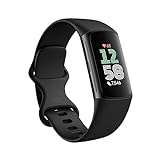
- Find your way seamlessly during runs or rides with turn-by-turn directions from Google Maps on Fitbit Charge 6[7, 8]; and when you need a snack break on the go, just tap to pay with Google Wallet[8, 9]
The watch uses infrared and red light to detect changes in how oxygenated blood absorbs light in your wrist. During sleep, Fitbit looks for rises and drops in that signal that may correspond to breathing disturbances, movement, or changes in sleep stage.
Instead of showing you numbers like 96 percent or 92 percent, Fitbit compresses this information into a variation graph. Small variations suggest steady breathing, while larger swings suggest moments where oxygen levels may have dipped and recovered.
Why Estimated Oxygen Variation Is Not the Same as SpO2
SpO2 is a snapshot-style metric that estimates the percentage of oxygen-saturated hemoglobin in your blood. On Fitbit devices, this is typically shown as a nightly average or, on some models, as a detailed sleep SpO2 graph.
Estimated Oxygen Variation doesn’t care about the exact percentage. It focuses on how much your oxygen levels are changing relative to your own baseline throughout the night.
Think of SpO2 as a speedometer telling you how fast you’re going, while Estimated Oxygen Variation is more like tracking how often you’re braking and accelerating. Both use the same underlying sensor, but they answer very different questions.
Why Fitbit Uses a Variation Metric at All
Consumer-grade wrist sensors struggle with precision, especially during sleep when movement, wrist position, skin temperature, and circulation all affect readings. A single low SpO2 value can be misleading if it’s caused by poor sensor contact rather than a real oxygen drop.
By focusing on patterns instead of exact numbers, Fitbit reduces the chance of false alarms. Repeated variations across multiple nights are more meaningful than one-off dips, especially when assessing potential breathing irregularities.
This approach makes Estimated Oxygen Variation better suited for long-term trend awareness rather than nightly health judgment. It’s designed to flag consistency, not diagnose conditions.
How This Relates to Sleep Apnea and Disrupted Breathing
During sleep apnea or other breathing disturbances, airflow can be partially or fully blocked for short periods. These events often cause brief drops in blood oxygen followed by rapid recovery once breathing resumes.
Estimated Oxygen Variation is sensitive to this rise-and-fall pattern. Frequent medium or large variations may reflect repeated breathing disruptions, especially if they appear night after night.
However, Fitbit cannot tell you why those variations occurred. Snoring, sleeping on your back, nasal congestion, altitude, alcohol, or even restless movement can produce similar patterns.
What the Graph Colors and Levels Actually Mean
Fitbit typically categorizes oxygen variation into low, medium, and high ranges rather than numeric values. Low variation suggests stable oxygen levels throughout the night, which is generally what you want to see.
Medium variation can be normal, especially during REM sleep or nights with more movement. It doesn’t automatically signal a problem, particularly if it’s occasional.
High variation, especially when frequent across many nights, is the category that Fitbit intends users to pay attention to. Even then, it’s a prompt for awareness and conversation, not a diagnosis.
Accuracy Limits You Should Understand
Fitbit’s optical sensors are impressive for a wrist-worn device, but they are not medical-grade pulse oximeters. Wrist placement, loose bands, cold hands, tattoos, and skin tone can all affect signal quality.
Battery-saving behavior also plays a role. Estimated Oxygen Variation is measured during sleep when the watch prioritizes longer sampling windows rather than continuous high-resolution tracking.
This means you should never interpret a single night’s spike in isolation. Fitbit’s strength is trend detection over time, not precision measurement on demand.
When This Metric Should and Should Not Worry You
If you see occasional medium or even high variation on stressful, restless, or short nights of sleep, that’s usually not a cause for concern. Your body and breathing are dynamic, and some variability is normal.
If high variation appears consistently across many weeks, especially alongside loud snoring, daytime sleepiness, morning headaches, or unrefreshing sleep, that’s when it may be worth discussing with a healthcare professional. Fitbit data can help frame that conversation, but it cannot replace clinical testing.
If you already have diagnosed sleep apnea or another respiratory condition, this metric can be useful for personal awareness, but it should never be used to adjust treatment without medical guidance.
The Basics of Blood Oxygen Explained Simply: SpO2, Saturation, and Why It Matters During Sleep
To make sense of Fitbit’s Estimated Oxygen Variation, it helps to step back and understand what blood oxygen actually is and how wearables try to track it. Once you grasp that foundation, the rest of the metric becomes far less mysterious and much easier to interpret calmly.
What Blood Oxygen and SpO2 Actually Mean
Blood oxygen refers to how much oxygen your red blood cells are carrying from your lungs to the rest of your body. Oxygen is essential for every organ, including your brain, heart, and muscles, even while you’re asleep.
SpO2 stands for peripheral capillary oxygen saturation. It’s expressed as a percentage and represents how “full” your hemoglobin is with oxygen at a given moment.
In healthy adults at sea level, SpO2 during sleep is typically in the mid to high 90s. Small dips are normal, especially during certain sleep stages, but prolonged or frequent drops can be meaningful.
Why Oxygen Saturation Matters More at Night
During sleep, your breathing naturally slows and becomes more irregular, particularly during REM sleep. Your body is relaxed, your airway muscles are looser, and your brain temporarily changes how it regulates breathing.
Because of this, nighttime oxygen levels are often more revealing than daytime readings. Many breathing-related conditions, including sleep apnea, show their strongest signals only when you’re asleep.
This is why Fitbit focuses oxygen-related tracking on overnight data rather than spot checks during the day. Sleep provides a longer, more stable window to observe patterns instead of isolated moments.
How Fitbit Estimates Oxygen Using a Wrist Sensor
Fitbit uses optical sensors that shine red and infrared light into the skin and analyze how that light reflects back. Oxygenated and deoxygenated blood absorb light differently, allowing the algorithm to estimate changes in blood oxygen.
Unlike fingertip medical pulse oximeters, a smartwatch sits on the wrist, where blood flow is weaker and movement is more likely. That makes the signal inherently noisier, especially if the band is loose or the watch shifts during sleep.
To manage this, Fitbit prioritizes trend detection over absolute precision. Estimated Oxygen Variation looks at how much your oxygen level fluctuates relative to your own baseline, not a specific medical percentage.
SpO2 Numbers vs Fitbit’s Estimated Oxygen Variation
Some Fitbit models show average overnight SpO2 values, while Estimated Oxygen Variation focuses on changes rather than fixed numbers. This is an important distinction that often confuses users.
A stable SpO2 average with low variation suggests your breathing stayed consistent throughout the night. Higher variation means there were more frequent rises and drops, even if the average number looks normal.
This is why Fitbit presents the variation as low, medium, or high instead of percentages. The goal is to highlight instability, not to diagnose low oxygen on its own.
What Causes Oxygen Levels to Fluctuate During Sleep
Not all oxygen variation is a problem. Normal causes include changing sleep positions, brief awakenings, REM sleep, nasal congestion, or mild snoring.
Environmental factors like altitude, alcohol consumption, illness, and even a stuffy bedroom can also influence overnight oxygen patterns. These influences often show up as occasional spikes rather than consistent trends.
The body is adaptable, and short-lived changes are usually well tolerated. Fitbit’s software is designed to filter out brief noise and focus on repeated patterns over time.
How This Connects to Sleep Apnea and Breathing Disruptions
Sleep apnea involves repeated pauses or reductions in breathing during sleep, which can lead to drops in blood oxygen. Over time, this often shows up as higher and more frequent oxygen variation.
Fitbit cannot diagnose sleep apnea, and it does not detect individual apnea events the way a sleep lab does. What it can do is flag nights where oxygen stability appears disrupted more often than usual.
When high Estimated Oxygen Variation aligns with symptoms like loud snoring, gasping during sleep, excessive daytime fatigue, or morning headaches, that combination becomes more meaningful than the metric alone.
Why Wrist-Based Oxygen Tracking Has Limits
Wrist wearables trade medical precision for comfort, battery life, and all-night wearability. Fitbit balances sensor power, skin contact, and overnight battery drain to ensure the watch remains practical to wear every night.
Factors like wrist anatomy, sleep movement, temperature, tattoos, and strap fit can all influence readings. This variability is why Fitbit emphasizes trends across weeks instead of single-night interpretation.
Understanding these limits helps keep expectations realistic. Fitbit’s oxygen metrics are best viewed as an early awareness tool, not a definitive health assessment.
How Fitbit Measures Oxygen Changes at Night: Sensors, Algorithms, and Sleep-Only Tracking
With the limits of wrist-based tracking in mind, it helps to understand what Fitbit is actually measuring when you see Estimated Oxygen Variation on your sleep report. This metric is not a direct blood oxygen percentage, but a pattern-based signal designed to highlight changes that happen while you are asleep.
Fitbit focuses on overnight data because sleep provides the longest, calmest window for optical sensing. Less movement, steadier skin contact, and predictable physiology all make oxygen-related signals more usable at night than during daytime activity.
The Optical Sensors Behind Fitbit’s Oxygen Tracking
Fitbit uses optical photoplethysmography, or PPG, sensors on the underside of the watch. These sensors shine specific wavelengths of light, typically red and infrared, into the skin and measure how much light is reflected back.
Oxygenated and deoxygenated blood absorb light differently. By analyzing these subtle differences, the watch can estimate how oxygen levels in the blood are changing over time.
Rank #2

- Inspire 3 is the tracker that helps you find your energy, do what you love and feel your best. All you have to do is wear it.Operating temperature: 0° to 40°C
- Move more: Daily Readiness Score(1), Active Zone Minutes, all-day activity tracking and 24/7 heart rate, 20+ exercise modes, automatic exercise tracking and reminders to move
- Stress less: always-on wellness tracking, daily Stress Management Score, mindfulness sessions, relax breathing sessions, irregular heart rhythm notifications(2), SpO2(3), menstrual health tracking, resting heart rate and high/low heart rate notifications
- Sleep better: automatic sleep tracking, personalized Sleep Profile(1), daily detailed Sleep Score, smart wake vibrating alarm, sleep mode
- Comfortably connected day and night: calls, texts & smartphone app notifications(4), color touchscreen with customizable clock faces, super lightweight and water resistant to 50 meters, up to 10 day battery life(5)
This hardware is similar to what enables heart rate tracking, but oxygen sensing requires longer sampling periods and steadier conditions. That is one reason Fitbit limits oxygen variation analysis to sleep rather than offering continuous daytime readings on most models.
Estimated Oxygen Variation vs SpO2: What’s the Difference?
SpO2 is a percentage that represents how much oxygen your red blood cells are carrying at a given moment. Medical-grade pulse oximeters aim to give a precise number, often measured on a fingertip under controlled conditions.
Fitbit’s Estimated Oxygen Variation does not display a percentage. Instead, it looks for relative rises and drops in oxygen-related signals across the night and categorizes how stable or unstable those patterns appear.
Think of it as a trend detector rather than a gauge. It is designed to answer the question, “Did your oxygen levels fluctuate more than usual last night?” not “What was your exact oxygen saturation at 3:12 a.m.?”
Why Fitbit Tracks Oxygen Only During Sleep
During the day, wrist movement, changing skin pressure, temperature shifts, and arm position create too much noise for reliable oxygen analysis. Even normal activities like typing or walking can overwhelm the optical signal.
At night, your arm is relatively still, blood flow is more consistent, and the watch can sample data for longer stretches without interruption. This improves signal quality while preserving battery life, especially on smaller, lightweight Fitbit models designed for all-day comfort.
Sleep-only tracking also reduces the risk of users misinterpreting brief daytime drops that are harmless or sensor-related rather than physiological.
How Fitbit’s Algorithms Filter Noise and Find Patterns
Raw sensor data from the wrist is messy. Fitbit’s algorithms spend much of their effort filtering out motion artifacts, poor skin contact, and short-lived signal disruptions.
The system looks for repeated drops and recoveries that occur across multiple minutes and cycles of sleep. Single blips are usually ignored, while recurring instability raises the Estimated Oxygen Variation level for that night.
This is why the metric becomes more meaningful when viewed over several nights or weeks. Fitbit is intentionally designed to prioritize consistency over sensitivity to one-off events.
Sleep Stages, Breathing, and Oxygen Signals
Oxygen variation is closely tied to breathing patterns, which naturally change across sleep stages. REM sleep, for example, often brings more irregular breathing and can introduce mild fluctuations even in healthy sleepers.
Fitbit’s software accounts for this by comparing variation against your own baseline rather than a universal threshold. What matters most is whether your oxygen stability is changing compared to your typical nights.
When higher variation appears frequently, especially outside of REM-heavy periods, it may suggest repeated breathing disruptions rather than normal sleep physiology.
Device Fit, Comfort, and Real-World Accuracy
Because this metric depends on optical light passing cleanly into the skin, fit and comfort matter more than many users realize. A strap that is too loose, worn too low on the wrist, or twisted during sleep can weaken the signal.
Fitbit designs its watches with lightweight cases, curved sensor housings, and soft straps to encourage all-night wear. Materials like silicone or woven fabric straps often perform better overnight than stiff or heavy alternatives.
Good contact should feel secure but not tight. If the watch leaves deep marks or shifts easily when you move your arm, oxygen data quality may suffer.
Which Fitbit Models Support Oxygen Variation Tracking
Estimated Oxygen Variation is available on many modern Fitbit devices that include red and infrared sensors, such as the Sense series, Versa series, Charge trackers, and newer Inspire models. Software availability can vary by region and Fitbit app version.
Battery life also plays a role. Devices with longer battery endurance can sample oxygen data more consistently across the night without compromising other features like heart rate, sleep stages, or smart notifications.
Keeping your device updated and wearing it regularly matters more than chasing perfect single-night readings. Fitbit’s oxygen insights are built to reward long-term, habitual use rather than occasional spot checks.
Estimated Oxygen Variation vs Fitbit SpO2 Readings: Key Differences You Need to Understand
Once you’ve seen both metrics appear in the Fitbit app, it’s natural to assume they’re telling you the same story. They are related, but they answer very different questions about your breathing and oxygen status during sleep.
Understanding how Estimated Oxygen Variation differs from Fitbit’s SpO2 readings is essential if you want to interpret your sleep data without unnecessary worry or false reassurance.
What Fitbit SpO2 Readings Actually Measure
Fitbit’s SpO2 metric estimates the percentage of oxygen-saturated hemoglobin in your blood. In simple terms, it’s trying to approximate how much oxygen your blood is carrying at a given moment or averaged across the night.
These readings are calculated using red and infrared light reflected back from the blood vessels in your wrist. This is similar in principle to a fingertip pulse oximeter, but performed through the skin at the wrist, which is a more challenging measurement environment.
Most Fitbit devices display either an average overnight SpO2 value or a graph showing estimated levels during sleep. For healthy adults at sea level, typical values usually fall in the mid-to-high 90 percent range, though small nightly variations are normal.
What Estimated Oxygen Variation Is Measuring Instead
Estimated Oxygen Variation does not show oxygen percentage at all. Instead, it looks at how much your oxygen levels fluctuate relative to your own baseline throughout the night.
Rather than asking “what was your oxygen level,” this metric asks “how stable was your oxygen delivery while you slept.” The focus is on variability, not absolute numbers.
This makes it especially useful for spotting patterns of repeated drops and recoveries that can occur during breathing disruptions. Even if your average SpO2 looks normal, frequent fluctuations may still appear as elevated oxygen variation.
Why Fitbit Uses Variation Instead of Raw Numbers
Wrist-based optical sensors are excellent at tracking trends, but they are less reliable for single-point medical-grade measurements. Factors like skin tone, wrist movement, temperature, strap tension, and sleeping position all affect signal quality.
By emphasizing variation rather than exact percentages, Fitbit reduces the risk of false precision. Comparing your nightly oxygen stability against your own historical baseline is more robust than relying on a single absolute value.
This approach aligns better with how sleep-related breathing issues tend to appear. Conditions like sleep apnea often cause repeated drops rather than sustained low oxygen levels, especially in mild to moderate cases.
How Each Metric Relates to Sleep Apnea Risk
SpO2 readings are helpful for identifying prolonged or severe oxygen desaturation. In more advanced sleep apnea, average overnight oxygen levels may be noticeably lower than expected.
Estimated Oxygen Variation, however, is more sensitive to frequent short-term drops. These brief dips may not pull the average SpO2 down enough to look concerning, but their repeated pattern can still stress the body.
When Fitbit flags frequent high variation outside of REM-heavy periods, it may suggest disrupted breathing worth paying attention to. This is not a diagnosis, but it can be a useful prompt to look at broader sleep trends or discuss symptoms with a professional.
Why You Can Have “Normal” SpO2 but High Oxygen Variation
This is one of the most common points of confusion for Fitbit users. A night with an average SpO2 of 96 percent can still show elevated Estimated Oxygen Variation.
Short, repeated drops followed by quick recoveries may cancel each other out when averaged. The variation metric captures those swings, while the SpO2 average smooths them away.
This is also why Fitbit encourages looking at patterns over time. A single night of higher variation may reflect congestion, alcohol intake, or poor sleep position rather than a chronic issue.
How Medical-Grade Readings Differ From Fitbit Data
Clinical sleep studies use fingertip or ear sensors with tightly controlled placement, along with airflow sensors, chest movement belts, and brain activity monitoring. These systems can precisely identify apnea events and oxygen desaturation thresholds.
Fitbit devices are not medical tools and are not designed to diagnose sleep disorders. They estimate trends using consumer-grade sensors optimized for comfort, battery life, and all-night wearability.
That tradeoff matters. Fitbit’s lightweight cases, curved sensor arrays, and soft straps improve compliance and long-term data collection, but they cannot replicate laboratory accuracy.
When These Metrics Are Most Useful, and When They Aren’t
Estimated Oxygen Variation and SpO2 readings are most valuable when viewed together over weeks, not days. Gradual changes, persistent elevations, or worsening stability over time deserve more attention than isolated spikes.
They are less useful for reacting to single-night anomalies. Poor strap contact, sleeping on your arm, or even a drained battery can distort readings without reflecting real physiology.
If you experience symptoms like loud snoring, choking awakenings, excessive daytime sleepiness, or morning headaches alongside consistently high oxygen variation, that’s a reasonable moment to seek professional guidance. If you feel well and your trends are stable, these metrics are best treated as background context rather than cause for alarm.
What Causes Oxygen Variation During Sleep? Normal Fluctuations vs Disrupted Breathing
Once you understand that Estimated Oxygen Variation is tracking instability rather than an average level, the next logical question is why that instability happens at all. Some variation is expected in healthy sleep, while other patterns suggest breathing is being repeatedly interrupted.
The challenge, especially with a wrist-worn device like a Fitbit, is separating everyday physiology from signals that may reflect real disruption.
Normal Oxygen Changes During Healthy Sleep
Even in people with no sleep or breathing issues, blood oxygen is not perfectly flat overnight. Changes in sleep stage, body position, and breathing depth all influence how efficiently oxygen moves from the lungs into the bloodstream.
During REM sleep, breathing becomes more irregular and shallow. This can cause brief, minor dips in oxygen that recover quickly and show up as low-level variation on Fitbit’s graph without affecting the nightly SpO2 average.
Rank #3

- 【BUILT-IN GPS SMART WATCH – GO FURTHER, FREER, SMARTER】No phone? No problem. This fitness watch for women, featuring the latest 2025 technology, includes an advanced professional-grade GPS chip that precisely tracks every route, distance, pace (real-time & average), and calorie burned—completely phone-free. Whether you're chasing new personal records or exploring off the beaten path, your full journey is automatically mapped and synced in the app. Train smarter. Move with purpose. Own your progress. Own your journey.
- 【BLUETOOTH 5.3 CALLS & SMART NOTIFICATIONS】Stay effortlessly connected with this smart watch for men and women, featuring dual Bluetooth modes (BT 3.0 + BLE 5.3) and a premium microphone for crystal-clear calls right from your wrist—perfect for driving, workouts, or busy days. Receive instant alerts for calls, texts, and popular social apps like WhatsApp and Facebook. Just raise your wrist to view notifications and never miss an important moment.
- 【100+ SPORT MODES & IP68 WATERPROOF & DUSTPROOF】This sport watch is a versatile activity and fitness tracker with 100+ modes including running, cycling, yoga, and more. It features quick-access buttons and automatic running/cycling detection to start workouts instantly. Accurately track heart rate, calories, distance, pace, and more. Set daily goals on your fitness tracker watch and stay motivated with achievement badges. With IP68 waterproof and dustproof rating, it resists rain and sweat for any challenge. Not suitable for showering, swimming, or sauna.
- 【24/7 HEALTH ASSISTANT & SMART REMINDERS】This health watch continuously monitors heart rate, blood oxygen, and stress levels for comprehensive wellness tracking. Sleep monitoring includes deep, light, REM sleep, and naps to give you a full picture of your rest. Stay on track with smart reminders for sedentary breaks, hydration, medication, and hand washing. Women can also monitor menstrual health. Includes guided breathing exercises to help you relax. Your ultimate health watch with event reminders for a healthier life.
- 【ULTRA HD DISPLAY, LIGHTWEIGHT & CUSTOMIZABLE DIALS】This stylish wrist watch features a 1.27-inch (32mm) 360×360 ultra HD color display with a 1.69-inch (43mm) dial, offering vivid details and responsive touch. Its minimalist design fits both business and casual looks. Switch freely among built-in designer dials or create your own DIY watch face using photos, colors, and styles to showcase your unique personality. Perfect as a cool digital watch and fashion wrist watch.
Sleeping position matters too. Lying on your back can slightly narrow the airway due to gravity, while side sleeping often keeps airflow more open. Rolling over several times a night naturally introduces small fluctuations that Fitbit may detect as variation.
Environmental and Lifestyle Factors That Increase Variation
Temporary conditions can amplify oxygen swings without indicating a chronic problem. Nasal congestion from allergies or a cold, for example, increases airway resistance and makes breathing less efficient during sleep.
Alcohol is another common contributor. It relaxes the muscles of the throat, which can lead to partial airway collapse and more unstable breathing, particularly in the first half of the night.
Even altitude plays a role. Sleeping at higher elevations reduces available oxygen, increasing respiratory effort and making overnight oxygen levels more variable until the body adapts.
How Disrupted Breathing Creates Higher Oxygen Variation
When breathing is repeatedly restricted or paused, oxygen levels tend to drop more sharply and rebound more abruptly. These repeated drops and recoveries are exactly what the Estimated Oxygen Variation metric is designed to highlight.
In obstructive sleep apnea, the airway collapses during sleep, reducing or stopping airflow despite ongoing breathing effort. Each event can cause a noticeable oxygen dip, followed by a rapid recovery once breathing resumes.
Over the course of a night, these cycles create a jagged pattern rather than a smooth, stable line. Even if the average SpO2 remains within a typical range, the repeated instability can drive higher variation scores.
Why Fitbit Focuses on Variation Instead of Counting Apnea Events
Unlike medical sleep studies, Fitbit does not measure airflow, chest movement, or brain activity. Without those signals, it cannot reliably identify or count apnea events.
Instead, Fitbit uses optical heart rate and blood oxygen trends to detect patterns that are commonly associated with breathing instability. Estimated Oxygen Variation is a proxy signal, not a diagnosis.
This approach fits the realities of a slim, lightweight watch designed for nightly comfort, multi-day battery life, and passive tracking. It trades clinical specificity for long-term trend visibility in real-world conditions.
Patterns More Concerning Than Single-Night Spikes
One elevated night of oxygen variation is rarely meaningful on its own. Poor strap contact, a restless night, or sleeping with your wrist bent can all exaggerate variation without reflecting true breathing changes.
More attention is warranted when higher variation appears consistently across weeks, especially if it clusters during specific parts of the night or worsens over time. Repetition is more important than intensity.
When these trends align with symptoms such as loud snoring, gasping awakenings, or persistent daytime fatigue, they may reflect ongoing breathing disruption rather than normal sleep variability.
The Role of Fitbit Hardware and Wearability
Fitbit’s sensor placement on the wrist is optimized for comfort and compliance, not maximum signal isolation. Movement, pressure changes, and skin contact all influence optical readings during sleep.
Soft silicone or woven straps improve overnight comfort but can loosen as you move, subtly affecting data quality. Ensuring a snug but comfortable fit before bed helps reduce artificial variation.
This is also why Fitbit emphasizes long-term use. A single imperfect night matters far less than stable patterns collected across dozens of nights on the same device, worn the same way.
Interpreting Variation Without Jumping to Conclusions
Estimated Oxygen Variation is best understood as an early signal, not a verdict. It highlights nights when your breathing may have been less stable, without explaining why.
For many users, that explanation is temporary and benign. For a smaller group, persistent elevation paired with symptoms may justify a conversation with a healthcare professional.
Fitbit’s role is to surface patterns worth paying attention to, not to replace clinical evaluation. Understanding what drives oxygen variation helps you respond thoughtfully rather than reactively.
Interpreting Your Fitbit Oxygen Variation Graph: Low, Medium, and High Variation Patterns
Once you understand that Estimated Oxygen Variation reflects night-to-night breathing stability rather than exact blood oxygen percentages, the graph itself becomes far more useful. Fitbit’s color-coded bands are designed to help you quickly spot patterns, not to label nights as “good” or “bad.”
What matters most is how often you see certain levels, how long they persist, and whether they change over time under similar sleep conditions. With that framing, each variation range tells a different story.
Low Oxygen Variation: What Stable Breathing Usually Looks Like
Low variation nights indicate that your blood oxygen levels stayed relatively consistent throughout sleep. This suggests steady breathing with minimal drops that could disrupt oxygen delivery.
For many healthy sleepers, low variation is the most common pattern, especially during periods of deep and REM sleep. It often appears when sleep duration is sufficient, alcohol intake is low, and the watch maintains stable skin contact.
Seeing frequent low variation does not mean oxygen levels are “high” or “perfect.” It simply means there were no significant fluctuations large enough for Fitbit’s algorithm to flag as instability.
Medium Oxygen Variation: Common, Context-Dependent Changes
Medium variation is where many users spend most of their nights. These modest fluctuations are often linked to normal sleep transitions, brief awakenings, or changes in sleep position.
Rolling onto your back, mild nasal congestion, or fragmented sleep can all increase variation without indicating a health problem. Fitbit’s wrist-based sensor is sensitive to movement, so small shifts can amplify these mid-range readings.
Medium variation becomes more informative when it appears consistently and coincides with poor sleep quality, repeated awakenings, or daytime fatigue. On its own, it remains a neutral signal rather than a warning.
High Oxygen Variation: When Breathing Stability May Be Disrupted
High variation indicates larger and more frequent changes in estimated blood oxygen levels during the night. This pattern suggests that breathing may have been intermittently disrupted, leading to repeated drops and recoveries.
When high variation appears occasionally, it is often explained by external factors such as illness, alcohol, poor sensor contact, or unusually restless sleep. One night in this range is rarely meaningful by itself.
Persistent high variation across many nights, especially when clustered during the same sleep phases, deserves closer attention. When combined with symptoms like loud snoring or unrefreshing sleep, it may reflect ongoing breathing instability rather than random noise.
How to Read the Shape and Timing of the Graph
The oxygen variation graph is not just about how high the peaks are, but when they occur. Repeated spikes during the middle or latter part of the night can be more relevant than brief early-night fluctuations.
Sleep stages matter here. Breathing irregularities are more likely to surface during REM sleep, when airway muscles naturally relax and breathing patterns change.
Fitbit does not label variation by sleep stage on this graph, but noticing consistent timing patterns helps distinguish physiological trends from one-off disturbances.
Why This Is Different From Medical SpO2 Readings
Unlike clinical pulse oximeters, Fitbit’s Estimated Oxygen Variation does not report a percentage like 95% or 98%. It focuses on relative change, not absolute oxygen saturation.
Medical devices measure blood oxygen continuously at a fixed site, often with minimal movement. A wrist-worn device prioritizes comfort, battery life, and overnight wearability, which introduces more variability into raw signals.
This is why Fitbit frames the metric as estimated and emphasizes trends. The goal is awareness and pattern recognition, not diagnosis or confirmation of sleep apnea.
When Patterns Matter More Than Colors
The most important insight comes from consistency. Weeks of rising variation under similar conditions are more informative than isolated spikes.
Improving strap fit, wearing the watch slightly higher on the wrist, and keeping nightly routines consistent helps ensure that changes reflect physiology rather than hardware noise. Comfort matters here, since a watch worn too tightly or loosely can distort readings.
If higher variation persists despite stable wear and aligns with symptoms, the data can support a more informed conversation with a healthcare professional, rather than triggering alarm on its own.
Estimated Oxygen Variation and Sleep Apnea: What Fitbit Can (and Cannot) Tell You
Taken together, the timing patterns and long-term trends discussed above naturally raise questions about sleep apnea. This is where Fitbit’s Estimated Oxygen Variation can be informative, but only if you understand what it is actually capturing and where its limits are.
How Oxygen Variation Relates to Sleep Apnea
Sleep apnea is defined by repeated breathing interruptions that reduce airflow and, in many cases, blood oxygen levels. These drops are often brief, but they can happen dozens of times per hour in moderate to severe cases.
When airflow is restricted, oxygen levels can dip and then rebound as breathing resumes. On a Fitbit, this often appears as repeated oxygen variation spikes rather than a smooth, stable baseline.
This is why Fitbit frames the metric around variability instead of raw oxygen saturation. The device is looking for instability that may align with disrupted breathing, not diagnosing apnea itself.
What Fitbit Is Actually Measuring at Night
Fitbit uses red and infrared light sensors to estimate changes in blood oxygen during sleep. Instead of calculating a precise SpO2 percentage continuously, it evaluates how much oxygen levels fluctuate relative to your usual baseline.
The Estimated Oxygen Variation graph reflects relative increases in variation rather than exact oxygen drops. Higher spikes suggest more frequent or pronounced changes, not a specific oxygen percentage.
This design supports overnight comfort, battery life, and consistent wear. It also means the data is best suited for spotting patterns over time, not capturing every short-lived desaturation event.
Rank #4

- 24H Accurate Heart Rate Monitoring: Go beyond basic tracking. Our watch automatically monitors your heart rate, blood oxygen (SpO2), and sleep patterns throughout the day and night. Gain deep insights into your body's trends and make informed decisions for a healthier lifestyle.
- Practical Sports Modes & Smart Activity Tracking: From running and swimming to yoga and hiking, track a wide range of activities with precision. It automatically records your steps, distance, calories burned, and duration, helping you analyze your performance and crush your fitness goals.
- 1-Week Battery Life & All-Day Wear: Say goodbye to daily charging. With an incredible up to 7-10 days of battery life on a single charge, you can wear it day and night for uninterrupted sleep tracking and worry-free travel. Stay connected to your data without the hassle.
- Comfortable to Wear & IP68 Waterproof: The lightweight, skin-friendly band is crafted for all-day comfort, even while you sleep. With IP68 waterproof, it withstands rain, sweat, It is not suitable for swimming or showering.
- Ease of Use and Personalized Insights via Powerful App: The display is bright and easy to read, even outdoors. Unlock the full potential of your watch. Sync with our dedicated app to view detailed health reports, customize watch faces, set sedentary reminders, and manage your preferences with ease.
Why This Is Not a Sleep Apnea Test
Medical sleep studies measure airflow, chest movement, brain activity, heart rhythm, and blood oxygen simultaneously. A wrist-worn device cannot access most of these signals, no matter how advanced the sensors are.
Fitbit cannot confirm apnea type, severity, or frequency. It also cannot distinguish between obstructive events, central events, or oxygen changes caused by movement, sleeping position, or temporary congestion.
For this reason, Fitbit avoids language like detection or diagnosis. Estimated Oxygen Variation is a screening-style signal meant to raise awareness, not replace clinical evaluation.
Patterns That May Be More Concerning
Certain trends are more meaningful than isolated nights. Repeated high variation across many weeks, especially when your routine, strap fit, and sleep schedule are consistent, deserves attention.
Variation that clusters in the latter half of the night can also be relevant. REM sleep becomes longer toward morning, and breathing instability linked to apnea often worsens during these stages.
When elevated variation aligns with loud snoring, gasping, morning headaches, or persistent daytime sleepiness, the data may reinforce the need for professional advice rather than standing alone.
Patterns That Are Often Benign
Short-term spikes after illness, allergies, alcohol consumption, or sleeping on your back are common. These factors can temporarily affect breathing without indicating a chronic condition.
Irregular wear can also inflate variation. A loose strap, a watch sliding toward the wrist bone, or pressure from bedding can all interfere with optical readings.
In these cases, the variation usually settles once conditions normalize. The absence of a consistent upward trend is often reassuring.
How Fitbit’s Hardware Influences Accuracy
Fitbit devices prioritize overnight comfort and lightweight wearability, which supports long-term use but limits sensor stability compared to finger-based oximeters. Soft straps, flexible materials, and slim cases are great for sleep, but they allow more micro-movement.
Battery-saving strategies also matter. Most Fitbit models sample oxygen trends overnight rather than providing continuous high-resolution SpO2 readings, preserving multi-day battery life but reducing granularity.
These trade-offs are intentional. Fitbit optimizes for daily usability, not hospital-grade measurement, and the data should be interpreted with that context in mind.
When to Talk to a Healthcare Professional
Fitbit data can be useful when it helps you articulate concerns clearly. Showing consistent oxygen variation trends alongside symptoms gives clinicians more context than subjective sleep complaints alone.
However, the decision to seek care should never hinge on the graph alone. Symptoms like excessive daytime sleepiness, concentration problems, or waking up short of breath matter more than color intensity or spike height.
Healthcare providers rely on validated testing to assess sleep apnea. Fitbit can support that conversation, but it should never delay or replace proper medical evaluation.
Accuracy, Limitations, and Common Misconceptions About Fitbit Blood Oxygen Metrics
Understanding what Fitbit’s blood oxygen features can and cannot tell you is essential for using the data responsibly. These metrics are best viewed as context-rich signals that support awareness, not definitive measurements of respiratory health.
What Fitbit Is Actually Measuring Overnight
Fitbit uses red and infrared LEDs on the underside of the watch to estimate changes in blood oxygen during sleep. Light absorption patterns shift as oxygen levels rise and fall, allowing the algorithm to infer relative changes rather than exact values.
Estimated Oxygen Variation is not a direct SpO2 percentage. It is a trend-based signal designed to highlight unusual fluctuation patterns compared to your own baseline over the night.
This distinction matters because variation focuses on instability, not absolute oxygen saturation. You can have normal average oxygen levels and still see elevated variation if breathing becomes irregular during sleep.
Why Fitbit Blood Oxygen Is Not the Same as Medical SpO2
Medical-grade pulse oximeters typically clamp to a fingertip, an area with dense capillary beds and minimal movement. This stable environment allows for highly controlled, continuous readings.
A smartwatch sits on the wrist, where blood flow is more variable and motion is harder to eliminate. Even during sleep, micro-movements, wrist flexion, and changes in sleeping position introduce noise that medical devices are designed to avoid.
Fitbit’s software compensates for this with filtering and averaging, but the trade-off is reduced precision. The result is a reliable trend indicator rather than a diagnostic-grade measurement.
Accuracy Depends Heavily on Fit, Position, and Wear Habits
How you wear your Fitbit overnight directly affects oxygen data quality. A snug but comfortable fit, positioned slightly above the wrist bone, improves optical contact and reduces signal loss.
Loose straps, soft fabric bands that stretch, or watches rotating around the wrist can cause artificial spikes in variation. Pressure from sleeping on your arm or tucking your wrist under a pillow can also distort readings.
These issues are not hardware flaws. They are inherent challenges of wrist-based sensing that even premium materials, slim case designs, and lightweight builds cannot fully eliminate.
Battery Life and Sampling Limitations
Most Fitbit models balance health tracking with multi-day battery life, which shapes how oxygen data is collected. Instead of continuous high-frequency sampling, the watch prioritizes overnight windows when motion is lowest.
This approach preserves battery longevity and keeps the device comfortable enough for nightly wear. The downside is less detailed resolution compared to devices that measure oxygen continuously or drain faster.
Because of this, brief desaturations may not appear clearly, while sustained instability is more likely to stand out. Fitbit’s strength lies in pattern recognition over time, not moment-by-moment analysis.
Skin Tone, Temperature, and Physiology Factors
Optical sensors interact with skin, tissue, and blood in complex ways. Differences in skin tone, wrist temperature, and peripheral circulation can subtly affect signal quality.
Cold hands, reduced circulation, or sleeping in a cool room may increase noise in oxygen readings. These effects are well-documented across all wrist-based wearables, not just Fitbit.
Fitbit continues to refine algorithms to improve inclusivity and consistency, but variability between users is normal. Comparing your data to your own historical trends is far more meaningful than comparing it to someone else’s.
Common Misconception: High Variation Automatically Means Sleep Apnea
Elevated Estimated Oxygen Variation does not equal a diagnosis. Sleep apnea is a complex condition defined by breathing interruptions, oxygen drops, arousal patterns, and daytime symptoms evaluated through validated testing.
Many benign factors can temporarily raise variation, including alcohol intake, nasal congestion, altitude changes, or recovery from illness. Even stress and fragmented sleep architecture can influence overnight breathing stability.
What matters most is persistence. Repeated nights of elevated variation combined with symptoms are more meaningful than isolated spikes.
Common Misconception: Normal SpO2 Means Nothing Is Wrong
A normal average oxygen level does not rule out sleep-disordered breathing. Some individuals maintain acceptable average saturation while still experiencing frequent drops and recoveries throughout the night.
Estimated Oxygen Variation exists precisely to highlight this instability. It complements SpO2 by focusing on how steady your oxygen levels are, not just where they land on average.
This is why looking at multiple sleep metrics together, including sleep stages, breathing rate, and heart rate trends, provides a more complete picture.
Why Fitbit Data Should Be Interpreted Longitudinally
Single-night readings are inherently noisy. Fitbit’s oxygen metrics become more useful when viewed across weeks rather than days.
Stable baselines, gradual changes, and repeated deviations carry more weight than any one night’s graph. This longitudinal perspective aligns with how Fitbit is designed to be worn: consistently, comfortably, and over the long term.
The watch’s lightweight construction, soft straps, and unobtrusive case profile support this kind of sustained use, which is essential for meaningful trend analysis.
What Fitbit Blood Oxygen Metrics Are Best Used For
Fitbit’s oxygen tracking excels at prompting awareness. It can encourage users to notice patterns, adjust sleep habits, or recognize when something feels off.
It is particularly useful as a conversation starter with a healthcare provider. Clear trend data paired with symptoms can help guide discussions without relying on vague recollections.
What it should never do is create panic or false reassurance. Fitbit’s blood oxygen metrics are tools for insight, not verdicts on your health.
When Should You Be Concerned? Practical Guidance on Red Flags and Next Steps
All of this context leads to the practical question most Fitbit users eventually ask: at what point does Estimated Oxygen Variation move from “interesting data” to something worth acting on?
The answer is not about one bad night or a single alarming-looking graph. Concern is driven by patterns, persistence, and how the data lines up with how you actually feel.
Red Flags That Deserve Attention
The most important red flag is repeated nights of high Estimated Oxygen Variation over multiple weeks. If your Fitbit consistently shows frequent oxygen fluctuations rather than a steady baseline, that pattern matters more than the absolute SpO2 number.
💰 Best Value

- 【Superb Visual Experience & Effortless Operation】Diving into the latest 1.58'' ultra high resolution display technology, every interaction on the fitness watch is a visual delight with vibrant colors and crisp clarity. Its always on display clock makes the time conveniently visible. Experience convenience like never before with the intuitive full touch controls and the side button, switch between apps, and customize settings with seamless precision.
- 【Comprehensive 24/7 Health Monitoring】The fitness watches for women and men packs 24/7 heart rate, 24/7 blood pressure and blood oxygen monitors. You could check those real-time health metrics anytime, anywhere on your wrist and view the data record in the App. The heart rate monitor watch also tracks different sleep stages for light and deep sleep,and the time when you wake up, helps you to get a better understanding of your sleep quality.
- 【120+ exercise modes & All-Day Activity Tracking】There are more than 120 exercise modes available in the activity trackers and smartwatches, covering almost all daily sports activities you can imagine, gives you new ways to train and advanced metrics for more information about your workout performance. The all-day activity tracking feature monitors your steps, distance, and calories burned all the day, so you can see how much progress you've made towards your fitness goals.
- 【Messages & Incoming Calls Notification】With this smart watch fitness trackers for iPhone and android phones, you can receive notifications for incoming calls and read messages directly from your wrist without taking out your phone. Never miss a beat, stay in touch with loved ones, and stay informed of important updates wherever you are.
- 【Essential Assistant for Daily Life】The fitness watches for women and men provide you with more features including drinking water and sedentary reminder, women's menstrual period reminder, breath training, real-time weather display, remote camera shooting, music control,timer, stopwatch, finding phone, alarm clock, making it a considerate life assistant. With the GPS connectivity, you could get a map of your workout route in the app for outdoor activity by connecting to your phone GPS.
This is especially relevant if high variation appears alongside symptoms. Loud snoring, gasping or choking during sleep, unrefreshing rest, morning headaches, or excessive daytime sleepiness all raise the significance of what your watch is showing.
Another warning sign is when elevated variation coincides with other sleep disruptions. Shortened deep sleep, frequent awakenings, elevated overnight heart rate, or irregular breathing rate trends can reinforce the idea that sleep quality is being compromised.
When High Variation Is Less Concerning
Not every spike deserves worry. Temporary illness, nasal congestion, allergies, alcohol intake, or sleeping at altitude can all increase overnight oxygen variability without indicating a chronic condition.
Fit and wear also matter. A loose band, a rotated case, or a night spent tossing and turning can degrade optical signal quality and exaggerate fluctuations. Fitbit’s lightweight cases and soft straps are designed for comfort, but proper snugness is still essential for reliable readings.
If variation returns to your usual baseline within a few nights and you feel well-rested, it is reasonable to treat the data as noise rather than a warning.
Patterns That May Suggest Sleep-Disordered Breathing
While Fitbit cannot diagnose sleep apnea, certain trends can raise suspicion. Frequent oxygen instability paired with normal or near-normal average SpO2 is one such pattern, as apnea events often involve brief drops followed by recovery.
Another pattern is consistency across contexts. If high variation persists regardless of sleep position, stress level, or bedtime routine, it is more likely to reflect a physiological issue rather than situational factors.
Pay attention to progression. Gradually increasing variation over months, especially if paired with worsening fatigue or cardiovascular metrics, is more meaningful than a stable but imperfect baseline.
What to Do If You Notice Red Flags
The first step is to zoom out. Review your Fitbit data over several weeks, not just the most recent night, and look for repeatability rather than extremes.
Take notes on symptoms and lifestyle factors. Sleep position, alcohol intake, exercise timing, and illness context can help explain changes and make your observations more useful if you seek medical advice.
If concerning patterns persist, bring your Fitbit data to a healthcare provider. Screenshots showing trends in Estimated Oxygen Variation, SpO2, sleep stages, and breathing rate can support a more productive conversation than verbal descriptions alone.
When to Seek Professional Evaluation
If high oxygen variation is paired with significant daytime sleepiness, impaired concentration, or cardiovascular risk factors such as high blood pressure, professional evaluation is warranted.
A clinician may recommend further assessment, which could include a clinical sleep study or validated home sleep testing. These tools measure airflow, chest movement, brain activity, and oxygen saturation with medical-grade sensors that consumer wearables do not have.
Fitbit’s role here is supportive, not diagnostic. Its strength lies in long-term, real-world tracking enabled by comfortable designs, multi-day battery life on many models, and consistent nightly use.
What Fitbit Data Should Never Be Used For
Estimated Oxygen Variation should not be used to self-diagnose sleep apnea or rule it out entirely. Absence of alarming data does not guarantee absence of a condition, just as presence of fluctuations does not confirm one.
It should also not prompt panic or self-treatment. Adjusting sleep habits is reasonable, but medical decisions require clinical context that a wrist-worn device cannot provide.
Viewed correctly, Fitbit’s oxygen metrics act as an early signal system. They help you notice trends, ask better questions, and decide when it might be time to look beyond the watch and involve a professional.
Which Fitbit Models Support Oxygen Metrics and How to Get the Most Reliable Readings
Understanding Estimated Oxygen Variation and SpO2 only becomes useful if your device can capture those signals consistently. Fitbit’s oxygen-related metrics rely on specific optical sensors, overnight wear, and software features that are not universal across the lineup.
Before interpreting trends or worrying about nightly charts, it’s worth knowing which models actually support oxygen tracking, what each metric requires, and how your daily habits can dramatically affect data quality.
Fitbit Models That Track SpO2 and Oxygen Variation
Most modern Fitbits include red and infrared LEDs capable of estimating blood oxygen levels during sleep. However, not every model displays the same oxygen-related metrics in the same way.
As of recent generations, the following Fitbit devices support SpO2 tracking during sleep:
– Fitbit Sense and Sense 2
– Fitbit Versa 3 and Versa 4
– Fitbit Charge 5 and Charge 6
– Fitbit Inspire 3
– Fitbit Luxe
These devices can estimate average nightly SpO2 and, on supported models and regions, show Estimated Oxygen Variation graphs tied to sleep sessions.
Older models and entry-level trackers without red/infrared sensors do not support oxygen metrics at all. Even within supported devices, some features may depend on firmware updates, regional regulations, or app version.
SpO2 vs Estimated Oxygen Variation: Device Support Differences
It’s important to separate two related but distinct outputs. SpO2 is shown as a percentage and typically appears as an average or range for the night. Estimated Oxygen Variation appears as a graph highlighting relative fluctuations rather than absolute values.
Not all Fitbit models that track SpO2 display Estimated Oxygen Variation. Variation graphs are more closely tied to Fitbit’s sleep analytics pipeline and may be limited to certain models, firmware versions, and sleep durations.
If you see nightly SpO2 numbers but no variation graph, your device may still be capturing oxygen data but presenting it in a simplified form.
Why Oxygen Metrics Only Work During Sleep
Fitbit’s oxygen tracking is designed for overnight measurement, not spot checks. During sleep, movement is minimal, heart rate stabilizes, and wrist contact is more consistent, which dramatically improves signal quality.
Unlike some sports watches that offer manual SpO2 checks, Fitbit prioritizes passive, long-duration sampling. This approach favors trend detection over momentary readings and aligns with Fitbit’s role as a long-term health pattern tracker rather than a clinical tool.
If you remove your device at night or sleep too briefly, oxygen metrics may not appear at all.
Fit, Position, and Comfort Matter More Than You Think
Oxygen tracking is highly sensitive to how the device sits on your wrist. A loose band, tilted sensor, or frequent shifting can introduce noise that shows up as false variation.
The watch should sit slightly above the wrist bone, snug but not tight, with full sensor contact against the skin. Materials matter here: softer silicone or woven bands often maintain better overnight contact than rigid or metal bracelets.
Comfort directly affects compliance. Devices like Charge, Inspire, and Luxe tend to perform well simply because their lighter weight and slimmer profiles make all-night wear more realistic.
Skin Tone, Tattoos, and Temperature Effects
Optical oxygen sensors use light absorption to estimate blood oxygen changes. Darker skin tones, wrist tattoos under the sensor, and cold extremities can reduce signal clarity.
Fitbit algorithms attempt to compensate for these factors, but they are not eliminated entirely. If your oxygen data appears inconsistent or frequently missing, these variables may be contributing factors rather than a health issue.
Warming up before bed, avoiding wearing the device over tattoos, and ensuring proper fit can improve consistency.
Battery Life and Software Consistency
Oxygen tracking requires sufficient battery charge. If your Fitbit enters power-saving modes or shuts down sensors overnight, oxygen metrics may be skipped.
Multi-day battery life is one of Fitbit’s quiet strengths here. Devices like Charge and Inspire can maintain consistent overnight tracking across many nights, which is essential for spotting meaningful trends rather than isolated anomalies.
Keeping your device updated and syncing regularly ensures oxygen data is processed correctly and displayed without gaps.
How to Improve Data Reliability Night After Night
Consistency matters more than perfection. Wearing your Fitbit every night under similar conditions allows the algorithms to smooth out noise and highlight real patterns.
Try to maintain similar bedtimes, avoid excessive alcohol before sleep when evaluating trends, and pay attention to sleeping position. Side sleeping often produces cleaner data than stomach or arm-under-head positions that compress the sensor.
Most importantly, review oxygen metrics over weeks, not nights. Single-night spikes or drops are rarely meaningful on their own.
What These Models and Metrics Are Best Used For
Fitbit oxygen metrics are best at showing relative stability versus repeated disruption. They help answer questions like whether your breathing appears consistently calm during sleep or whether fluctuations are becoming more frequent over time.
They are not designed to confirm diagnoses, replace pulse oximeters, or assess oxygen levels during illness or exercise. Their value lies in passive, long-term observation made possible by comfortable hardware, reliable battery life, and simple nightly wear.
Bringing It All Together
Choosing the right Fitbit model and wearing it correctly is foundational to making sense of Estimated Oxygen Variation and SpO2 data. Without reliable input, even the most advanced metrics lose meaning.
When supported by consistent wear, good fit, and realistic expectations, Fitbit’s oxygen tracking becomes a powerful context tool. It helps you understand your sleep environment, notice changes early, and decide when a deeper conversation with a professional might be worth having.
Used thoughtfully, these metrics don’t diagnose problems. They empower better questions, better awareness, and better long-term health decisions—one night at a time.