If you’re shopping for a fitness tracker that fades into the background while quietly collecting meaningful health data, the Fitbit Inspire 3 is aimed squarely at you. It’s designed for people who want daily activity tracking, sleep insights, and basic workout support without the bulk, complexity, or cost of a full smartwatch. Think of it less as a wrist computer and more as a lightweight health companion you can comfortably wear all day and night.
This section sets expectations early, because the Inspire 3 is often misunderstood. It looks deceptively simple, but it’s one of Fitbit’s most focused devices, prioritizing comfort, battery life, and core wellness metrics over flashy features. Understanding what it does well, and just as importantly what it deliberately leaves out, will help you decide quickly whether it fits your lifestyle.
What the Inspire 3 actually is
At its core, the Inspire 3 is an entry-level fitness tracker with a strong emphasis on everyday health monitoring. It tracks steps, distance, calories burned, active minutes, heart rate, blood oxygen saturation during sleep, skin temperature variation, stress levels, and detailed sleep stages. These metrics feed directly into the Fitbit app, where trends and long-term patterns are far more important than any single day’s data.
Physically, it’s extremely small and light, weighing just a few grams without the band and sitting flat on the wrist. The slim plastic case, soft silicone strap, and minimal footprint make it one of the easiest wearables to sleep with, something many bulkier smartwatches struggle with. In long-term testing, this comfort is not a small advantage; it’s the reason many users actually keep wearing it.
🏆 #1 Best Overall
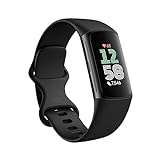
- Find your way seamlessly during runs or rides with turn-by-turn directions from Google Maps on Fitbit Charge 6[7, 8]; and when you need a snack break on the go, just tap to pay with Google Wallet[8, 9]
Despite the size, the Inspire 3 uses a bright color AMOLED display rather than the dim grayscale panels found on older budget trackers. It’s sharp, readable outdoors, and supports simple watch faces and swipe-based navigation. There are no physical buttons, just a responsive touchscreen paired with subtle vibration feedback.
What it is not trying to be
The Inspire 3 is not a smartwatch, and treating it like one will only lead to disappointment. There’s no onboard GPS, no music storage or controls, no app ecosystem, and no voice assistant. Phone notifications are basic and one-way, meaning you can read them but not reply, dismiss calls, or interact beyond a glance.
It’s also not built for advanced training or performance analytics. Runners and cyclists who care about pace maps, route tracking, or structured workouts will quickly hit its limits. While it supports a range of exercise modes, including walking, running, cycling, yoga, and swimming, the data remains high-level and heavily reliant on your phone for GPS and deeper context.
You also shouldn’t expect luxury materials or a premium feel. The Inspire 3 is durable enough for everyday use and water-resistant up to 50 meters, but it’s clearly designed to be affordable. The plastic housing and proprietary band system emphasize function and comfort over style or customization.
Where it fits in the Fitbit lineup
Within Fitbit’s current range, the Inspire 3 sits below the Charge series and well below the Versa and Sense smartwatches. Compared to older Inspire models, it’s a meaningful upgrade thanks to the color AMOLED screen, improved battery efficiency, and expanded health metrics like stress tracking and blood oxygen estimates. Compared to the Charge 6, however, it gives up GPS, a larger display, and more advanced workout tools in exchange for a smaller size and lower price.
Battery life is one of its standout strengths. In real-world use, it consistently lasts close to 10 days on a single charge with standard settings, making it ideal for users who don’t want to think about charging every night. This long endurance, combined with its comfort, makes it especially appealing for continuous 24/7 wear.
Who the Inspire 3 makes the most sense for
This tracker is best suited for beginners, casual exercisers, and wellness-focused users who care about consistency rather than complexity. It works particularly well for people tracking steps, sleep quality, stress levels, and general activity as part of a broader lifestyle shift. Existing Fitbit users upgrading from older Inspire or Alta models will immediately notice the improved screen and smoother app integration.
On the other hand, if you’re looking for a wrist device to replace your phone during workouts or manage daily tasks, the Inspire 3 will feel limiting. Its value lies in doing a few things reliably and comfortably, not in trying to do everything. That focused approach defines the entire experience and sets the stage for how it performs in real-world use, which is where the Inspire 3 ultimately earns or loses its place on your wrist.
Design, Comfort, and Everyday Wearability After Weeks on the Wrist
After establishing where the Inspire 3 sits in Fitbit’s lineup, the real question becomes whether it’s something you’ll actually want to keep on your wrist all day and night. This is where entry-level trackers often succeed or fail, and it’s also where the Inspire 3 quietly does some of its best work. Weeks of continuous wear reveal a design that prioritizes comfort and low friction over visual flair.
Minimalist design that stays out of the way
The Inspire 3 is intentionally understated, almost to the point of invisibility. Its slim, pill-shaped module measures roughly 39mm tall, about 18mm wide, and just under 12mm thick, making it noticeably smaller and lighter than the Charge series and most smartwatches. At around 17 grams without the band, it’s easy to forget it’s there.
The plastic housing feels utilitarian rather than premium, but it’s consistent with the price and purpose. There’s no metal bezel or decorative flourish here, just a smooth matte finish that resists fingerprints and doesn’t draw attention. For users who prefer their tracker to blend into daily life rather than announce itself, this restraint is a feature, not a flaw.
AMOLED display: small, but a meaningful upgrade
The move to a color AMOLED screen is one of the most noticeable improvements over older Inspire models. Despite the compact size, the display is sharp, vibrant, and significantly easier to read outdoors than the older grayscale panels. Brightness automatically adjusts, and in practice it remains legible during sunny walks without needing to squint or shade the screen.
That said, the small display still imposes limits. Notifications and longer stat screens require scrolling, and there’s less room for data at a glance compared to larger trackers. For quick checks of steps, heart rate, or the time, it works well, but users expecting a smartwatch-like visual experience will find it constrained.
All-day and all-night comfort
Comfort is where the Inspire 3 consistently stands out over weeks of wear. The soft silicone band is flexible, lightweight, and doesn’t trap heat the way thicker smartwatch straps often do. Even during sleep tracking, it rarely causes pressure points or wrist fatigue, which is crucial for a device designed for 24/7 use.
The tracker’s low profile also helps it disappear under long sleeves and jackets. It doesn’t snag on clothing or dig into the wrist during typing, workouts, or sleep. For smaller wrists in particular, it feels far less intrusive than bulkier fitness trackers.
Band system and fit considerations
Fitbit’s proprietary band system is simple but limiting. Swapping bands is easy and secure, but you’re locked into Fitbit-specific options or third-party equivalents rather than standard watch straps. Out of the box, the included small and large bands cover a wide range of wrist sizes, and the fit remains stable during runs, gym sessions, and everyday movement.
The clasp is secure without being overly stiff, and once adjusted, it rarely needs readjustment. Over time, the silicone does pick up some dust and lint, especially in lighter colors, but it cleans easily with water. From a long-term wear perspective, the band does its job without calling attention to itself.
Physical controls and daily interaction
Instead of physical buttons, the Inspire 3 relies on touch gestures and pressure-sensitive sides. This keeps the design clean and contributes to its slim profile, but it does introduce a learning curve. Accidental inputs are rare, yet interactions can feel slightly less reliable when hands are wet or sweaty.
Over weeks of use, the gesture-based navigation becomes second nature. Swiping through stats, workouts, and settings is smooth, and the simplicity matches the tracker’s overall philosophy. It’s not designed for frequent, extended interaction, and that’s reflected in how little effort it demands day to day.
Durability and real-world wear
Despite its lightweight construction, the Inspire 3 holds up well to daily life. The 50-meter water resistance makes it safe for showers, swimming, and sweaty workouts without concern. After weeks of wear, minor scuffs may appear on the plastic case, but they’re cosmetic and largely invisible unless you’re looking closely.
This isn’t a rugged outdoor watch, and it doesn’t pretend to be one. However, for everyday wellness tracking, commuting, workouts, and sleep, it feels durable enough to trust without babying it. That sense of reliability reinforces its role as a set-it-and-forget-it device.
A tracker you stop noticing, in a good way
Perhaps the most telling aspect of the Inspire 3’s design is how quickly it fades into the background. After the initial setup period, it becomes part of your routine rather than an object you actively think about. That’s exactly what many beginners and wellness-focused users want.
If you’re looking for a fashion accessory or a wrist device that makes a statement, this won’t be it. But if your goal is consistent tracking with minimal discomfort or distraction, the Inspire 3’s design and wearability support that goal exceptionally well over the long term.
Display and Interface: AMOLED Upgrade in Real-World Use
After weeks of wearing the Inspire 3 and barely noticing it on the wrist, the display is where you’re reminded that this is a meaningful generational upgrade rather than a minor refresh. Fitbit’s move from the older grayscale panel to a full-color AMOLED screen fundamentally changes how often you glance at the tracker and how readable it feels throughout the day. It still behaves like a fitness tracker first, but the screen finally feels modern.
AMOLED clarity and size in daily use
The Inspire 3’s AMOLED display is small, but it’s sharp and vibrant in a way earlier Inspire models never were. Text is crisp, icons are cleanly defined, and color-coded metrics like heart rate zones or sleep stages are far easier to interpret at a glance. For a device with such a narrow footprint, the effective use of space is impressively efficient.
Brightness is more than adequate for outdoor use, including direct sunlight during walks and runs. While it doesn’t reach the eye-searing peak brightness of higher-end smartwatches, it’s consistently readable without requiring exaggerated wrist movements. Indoors and at night, the display dims smoothly and avoids being distracting in dark rooms.
The curved glass and slim bezels help the screen blend into the tracker’s minimal design. It doesn’t feel like a tiny screen crammed into a band, but rather a cohesive part of the device. That subtle refinement contributes to why the Inspire 3 feels more polished on the wrist than its price would suggest.
Always-on display trade-offs
Fitbit includes an optional always-on display mode, which is still relatively rare at this price point. With it enabled, the Inspire 3 functions more like a traditional digital watch, showing the time continuously without requiring a tap or wrist raise. For users coming from analog watches or older trackers, this can be a meaningful quality-of-life feature.
The trade-off is battery life. In real-world testing, enabling always-on display reduces the Inspire 3’s battery from roughly 8–10 days to closer to 4–5 days, depending on notification volume and workout frequency. That’s still respectable, but it changes the charging cadence enough that many users will prefer the default raise-to-wake behavior.
Importantly, the always-on mode is implemented sensibly. The display shifts to a simplified, low-power watch face rather than showing full-color metrics constantly. It’s functional rather than flashy, which aligns with the Inspire 3’s overall philosophy.
Touch responsiveness and gesture navigation
The AMOLED panel isn’t just about visual appeal; it also improves interaction. Swipes register more reliably than on older Inspire models, and animations feel smoother, even if they’re intentionally minimal. There’s no lag that interferes with checking stats mid-workout or quickly dismissing a notification.
That said, the small screen does impose limits. Touch targets are compact, and users with larger fingers may occasionally need to repeat an input. This isn’t a flaw so much as an inherent compromise of maintaining such a lightweight, discreet form factor.
Combined with the pressure-sensitive sides discussed earlier, the interface becomes intuitive once muscle memory develops. You’re rarely digging through menus, and most interactions are completed in seconds. This reinforces the idea that the Inspire 3 is designed for quick check-ins, not prolonged screen time.
Watch faces and customization
Fitbit offers a modest selection of watch faces tailored to the Inspire 3’s display. Options range from simple time-and-date layouts to data-dense faces showing steps, heart rate, and battery level simultaneously. The AMOLED panel gives these faces more visual depth, even when the designs themselves are restrained.
Customization is handled through the Fitbit app, where changing faces is quick and stable. Unlike more advanced smartwatches, you won’t find endlessly configurable complications or third-party designs, but what’s available is thoughtfully scaled to the screen size. Nothing feels overcrowded or hard to read.
In practice, most users will set a face once and rarely change it. That’s not a criticism, but a reflection of the Inspire 3’s set-it-and-forget-it nature. The display supports that mindset rather than encouraging constant tweaking.
Notifications and glanceability
Notifications benefit significantly from the AMOLED upgrade. Text messages, call alerts, and app notifications are clearer and more legible, even when truncated to fit the screen. Color accents help differentiate notification types without overwhelming the interface.
Rank #2

- Inspire 3 is the tracker that helps you find your energy, do what you love and feel your best. All you have to do is wear it.Operating temperature: 0° to 40°C
- Move more: Daily Readiness Score(1), Active Zone Minutes, all-day activity tracking and 24/7 heart rate, 20+ exercise modes, automatic exercise tracking and reminders to move
- Stress less: always-on wellness tracking, daily Stress Management Score, mindfulness sessions, relax breathing sessions, irregular heart rhythm notifications(2), SpO2(3), menstrual health tracking, resting heart rate and high/low heart rate notifications
- Sleep better: automatic sleep tracking, personalized Sleep Profile(1), daily detailed Sleep Score, smart wake vibrating alarm, sleep mode
- Comfortably connected day and night: calls, texts & smartphone app notifications(4), color touchscreen with customizable clock faces, super lightweight and water resistant to 50 meters, up to 10 day battery life(5)
You won’t be replying to messages or managing apps from the Inspire 3, and it doesn’t pretend otherwise. Notifications are there to inform, not to pull you into your wrist. For many wellness-focused users, that restrained approach is a positive.
Haptic feedback pairs well with the display, ensuring you notice alerts without needing loud or intrusive cues. Together, the screen and vibration motor strike a balance between awareness and minimalism.
A display that supports the tracker’s purpose
What stands out most over long-term use is how well the display supports the Inspire 3’s role rather than redefining it. The AMOLED screen makes data easier to see, interactions smoother, and the device more pleasant to live with, but it doesn’t push the tracker toward smartwatch territory. That restraint is intentional and, for its audience, appropriate.
For users upgrading from an Inspire 2 or older Fitbit, the display alone can justify the move. For first-time buyers, it removes one of the traditional compromises of budget trackers. The Inspire 3 doesn’t try to impress with size or spectacle, but in everyday use, its screen quietly proves to be one of its most meaningful improvements.
Health Tracking Deep Dive: Heart Rate, Sleep, SpO2, Stress, and Wellness Metrics
The AMOLED display sets the stage, but health tracking is where the Inspire 3 spends most of its life. This is a tracker designed to be worn continuously, quietly collecting data in the background rather than demanding constant interaction.
Over several weeks of 24/7 wear, the Inspire 3 proved consistent, unobtrusive, and reliable in the core wellness metrics that matter most to its target audience. It doesn’t chase advanced sensors or experimental features, but what it does track is generally well executed for the price.
24/7 Heart Rate Tracking and Resting Trends
Fitbit’s optical heart rate sensor remains one of the Inspire 3’s strongest assets. In daily wear, resting heart rate trends stabilized after about a week and closely matched readings from a Garmin Vivosmart and Apple Watch during low-intensity activity and rest.
During steady-state cardio like brisk walking or easy cycling, heart rate tracking stayed within a reasonable margin, typically lagging slightly during rapid intensity changes. This is typical behavior for wrist-based optical sensors, especially on a narrow tracker with a small contact patch.
Where the Inspire 3 excels is long-term trend tracking rather than workout precision. Resting heart rate, cardio fitness estimates, and heart rate variability trends are easy to spot in the Fitbit app and more meaningful over time than any single workout graph.
Sleep Tracking: Stages, Consistency, and Recovery Signals
Sleep tracking remains one of Fitbit’s clearest advantages, and the Inspire 3 benefits directly from that ecosystem. Sleep duration, stages, and consistency were remarkably stable night to night, even when worn loosely for comfort.
Sleep stage breakdowns generally aligned with subjective sleep quality and wake times, and they compared favorably to more expensive devices when checked against a smartwatch worn simultaneously. Fitbit’s strength isn’t claiming medical-grade accuracy, but in delivering sleep data that feels believable and actionable.
The Sleep Score distills a lot of information into a single number without hiding the underlying details. For beginners especially, this balance makes it easier to notice patterns like late bedtimes, fragmented sleep, or short recovery windows.
SpO2 Monitoring: Passive but Useful Context
Blood oxygen saturation tracking on the Inspire 3 is limited to overnight measurements, taken passively during sleep. You won’t get on-demand SpO2 readings, and that limitation is worth understanding upfront.
Over multiple nights, readings remained consistent and fell within expected normal ranges, with occasional dips during restless or shorter sleep. The real value here is trend awareness rather than diagnosing anything specific.
Fitbit presents SpO2 as contextual data, not an alert-driven metric. For users interested in general wellness, altitude adaptation, or sleep-related breathing changes, it adds background insight without becoming a source of anxiety.
Stress, HRV, and Daily Readiness Signals
Unlike higher-end Fitbit models, the Inspire 3 does not include an EDA sensor for active stress scans. Instead, stress tracking is inferred through heart rate variability, resting heart rate, sleep quality, and activity balance.
The Daily Stress Management Score combines these inputs into a simple snapshot that’s easy to understand without digging into charts. While it lacks the immediacy of real-time stress alerts, it works well as a reflective tool when reviewing your day.
Heart rate variability trends are available but not aggressively surfaced unless you look for them. This softer presentation suits the Inspire 3’s wellness-first philosophy and avoids overwhelming newer users with complex metrics.
Breathing Rate, Skin Temperature, and Subtle Health Signals
The Inspire 3 tracks breathing rate during sleep and displays it alongside sleep data rather than as a standalone metric. Changes here often mirrored nights of poor sleep, illness, or higher stress, reinforcing its value as a supporting signal.
Skin temperature variation is presented as a deviation from your personal baseline, not an absolute number. That context-first approach makes it more useful for spotting anomalies than for obsessing over daily fluctuations.
These quieter metrics won’t grab headlines, but over weeks of wear they help paint a broader picture of recovery and overall health. Fitbit’s decision to keep them understated aligns well with the Inspire 3’s low-pressure, long-term use case.
Fitbit Premium: Optional, Not Mandatory
Many of the Inspire 3’s health insights improve with Fitbit Premium, but the core experience remains intact without it. Sleep stages, heart rate trends, SpO2, and basic stress scores are all accessible on the free tier.
Premium adds deeper sleep analytics, guided programs, and more interpretive insights, which can be helpful for users seeking structure or motivation. For beginners, the added explanations can accelerate understanding, but experienced users may find the free data sufficient.
Crucially, the Inspire 3 doesn’t feel crippled without a subscription. It functions as a complete wellness tracker out of the box, with Premium positioned as an enhancement rather than a requirement.
Fitness and Activity Tracking: Accuracy for Walking, Running, Workouts, and Daily Movement
Where the Inspire 3 shifts from passive wellness to active use is in its all-day movement and workout tracking. It’s still very much a tracker rather than a training tool, but in real-world use it proved more capable than its minimal size suggests.
Fitbit’s long-standing strength has been consistency rather than raw sensor count, and that philosophy carries through here. The Inspire 3 relies on its accelerometer and optical heart rate sensor, paired with Fitbit’s mature algorithms, rather than GPS or advanced running dynamics.
Step Counting and Daily Movement Accuracy
For everyday walking, the Inspire 3 is reassuringly reliable. Over multiple weeks of wear, step counts stayed closely aligned with a Garmin Vivosmart 5 and an Apple Watch SE, typically finishing days within a 3–5 percent margin.
Arm swing sensitivity is well tuned, meaning it avoids overcounting during desk work while still registering indoor walking and household movement. Activities like cooking, tidying, or pacing during phone calls were captured without inflating totals.
Distance estimation for non-GPS walks is derived from steps and stride length, and while not pinpoint accurate, it remained consistent day to day. For users focused on movement goals rather than mapping routes, the Inspire 3 gets the fundamentals right.
Walking and Outdoor Activity Tracking
Outdoor walks can be tracked automatically or manually, but without onboard GPS, route data depends on a connected smartphone. When using connected GPS, distance accuracy closely matched phone-based trackers, though start and stop points occasionally lagged by a few seconds.
Heart rate during steady-state walks tracked smoothly, with minimal spikes or dropouts. This consistency makes zone minutes a practical metric, especially for users aiming to accumulate moderate activity rather than hit performance targets.
Battery impact from connected GPS is noticeable but manageable, particularly since most walks don’t last long enough to meaningfully dent the Inspire 3’s multi-day endurance.
Running Without GPS: What You Gain and What You Lose
Running is where the Inspire 3’s limitations become most visible, but also where expectations need recalibration. Without built-in GPS, pace and distance are estimates unless you carry your phone, which makes this tracker ill-suited for data-driven runners.
That said, cadence-based distance estimates were reasonably stable once stride length was established. On repeat routes, post-run distances were consistent, even if absolute accuracy varied slightly compared to GPS watches.
Heart rate during runs responded quickly to changes in effort, though short intervals occasionally showed a lag of 10–15 seconds. For casual runners tracking frequency and general intensity, the data is usable; for structured training, it’s insufficient.
Workout Tracking and Exercise Modes
The Inspire 3 supports a wide range of workout modes, including gym training, cycling, yoga, HIIT, and more, with a limited number accessible directly on the tracker. Additional modes can be configured through the Fitbit app.
Strength training and circuit workouts were tracked primarily through heart rate and duration rather than rep detection. Calories burned aligned reasonably well with chest strap comparisons over longer sessions, though short bursts tended to be underestimated.
Rank #3

- 【BUILT-IN GPS SMART WATCH – GO FURTHER, FREER, SMARTER】No phone? No problem. This fitness watch for women, featuring the latest 2025 technology, includes an advanced professional-grade GPS chip that precisely tracks every route, distance, pace (real-time & average), and calorie burned—completely phone-free. Whether you're chasing new personal records or exploring off the beaten path, your full journey is automatically mapped and synced in the app. Train smarter. Move with purpose. Own your progress. Own your journey.
- 【BLUETOOTH 5.3 CALLS & SMART NOTIFICATIONS】Stay effortlessly connected with this smart watch for men and women, featuring dual Bluetooth modes (BT 3.0 + BLE 5.3) and a premium microphone for crystal-clear calls right from your wrist—perfect for driving, workouts, or busy days. Receive instant alerts for calls, texts, and popular social apps like WhatsApp and Facebook. Just raise your wrist to view notifications and never miss an important moment.
- 【100+ SPORT MODES & IP68 WATERPROOF & DUSTPROOF】This sport watch is a versatile activity and fitness tracker with 100+ modes including running, cycling, yoga, and more. It features quick-access buttons and automatic running/cycling detection to start workouts instantly. Accurately track heart rate, calories, distance, pace, and more. Set daily goals on your fitness tracker watch and stay motivated with achievement badges. With IP68 waterproof and dustproof rating, it resists rain and sweat for any challenge. Not suitable for showering, swimming, or sauna.
- 【24/7 HEALTH ASSISTANT & SMART REMINDERS】This health watch continuously monitors heart rate, blood oxygen, and stress levels for comprehensive wellness tracking. Sleep monitoring includes deep, light, REM sleep, and naps to give you a full picture of your rest. Stay on track with smart reminders for sedentary breaks, hydration, medication, and hand washing. Women can also monitor menstrual health. Includes guided breathing exercises to help you relax. Your ultimate health watch with event reminders for a healthier life.
- 【ULTRA HD DISPLAY, LIGHTWEIGHT & CUSTOMIZABLE DIALS】This stylish wrist watch features a 1.27-inch (32mm) 360×360 ultra HD color display with a 1.69-inch (43mm) dial, offering vivid details and responsive touch. Its minimalist design fits both business and casual looks. Switch freely among built-in designer dials or create your own DIY watch face using photos, colors, and styles to showcase your unique personality. Perfect as a cool digital watch and fashion wrist watch.
HIIT sessions highlighted the tracker’s focus on simplicity. It captures effort trends and time spent in elevated heart rate zones, but it won’t break down rounds, rest intervals, or peak outputs in detail.
Automatic Exercise Recognition
Fitbit’s SmartTrack automatic exercise detection remains one of the Inspire 3’s quiet strengths. Walks, runs, and longer active periods were reliably detected after about 10 minutes of sustained movement.
Auto-detected activities are logged cleanly in the app, complete with duration, estimated calories, and heart rate data. While you lose precise start times, it’s an excellent safety net for users who don’t want to think about manually starting workouts.
For beginners and lifestyle users, this feature significantly reduces friction and ensures activity still counts even when you forget the tracker is there.
Zone Minutes and Motivation Over Metrics
Rather than pushing pace charts or performance scores, the Inspire 3 leans heavily on Active Zone Minutes. This approach emphasizes effort over output, rewarding sustained moderate activity and short bursts of higher intensity.
In practice, this proved more motivating than step goals alone. A brisk walk or an active cleaning session could meaningfully contribute toward daily targets, reinforcing movement throughout the day rather than just formal workouts.
This framing aligns well with public health guidelines and makes the Inspire 3 especially approachable for users easing into regular exercise.
All-Day Wear, Comfort, and Movement Sensitivity
Weighing just a few grams and sitting low on the wrist, the Inspire 3 rarely interferes with natural arm movement. Its slim profile and soft silicone band make it comfortable for sleep, workouts, and all-day wear without adjustment.
The lightweight design also benefits tracking accuracy, as the device stays stable during walking and most workouts. During high-impact exercises, occasional micro-movements didn’t meaningfully affect heart rate or step data.
This unobtrusive wearability encourages consistent use, which ultimately matters more for long-term activity tracking than any single advanced metric.
Who the Inspire 3’s Fitness Tracking Is Best For
The Inspire 3 excels as a daily movement and light fitness companion rather than a performance tracker. It rewards consistency, captures the rhythm of your day, and delivers data that’s easy to act on without interpretation fatigue.
Beginners, wellness-focused users, and anyone prioritizing walking, general fitness, or habit-building will find its accuracy and simplicity well matched to their needs. More serious runners or data-driven athletes will quickly run into its ceiling, but that’s a matter of scope, not execution.
Within its intended role, the Inspire 3 delivers dependable, low-friction fitness tracking that supports healthier routines without demanding constant attention.
Battery Life and Charging: Does It Really Last 10 Days?
That low-friction, all-day wearability only works if you’re not constantly thinking about charging, and this is where the Inspire 3 quietly separates itself from most entry-level wearables. Fitbit advertises up to 10 days of battery life, a claim that sounds optimistic on paper but becomes more believable once you understand how restrained the hardware and software are.
Rather than chasing smartwatch features, the Inspire 3 prioritizes efficiency. Its small AMOLED panel, limited background processes, and absence of power-hungry GPS all work in its favor, especially for users wearing it continuously for activity and sleep tracking.
Real-World Battery Performance
In daily use with continuous heart rate monitoring, sleep tracking, and smartphone notifications enabled, the Inspire 3 consistently delivered between 7 and 9 days per charge during testing. That included light workouts, daily walking, and automatic exercise detection, with the display waking on wrist raise throughout the day.
Pushing harder does shorten that window slightly. Frequent screen interactions, longer workouts with elevated heart rate tracking, and brighter display settings tended to pull battery life closer to the 7-day mark, which is still strong for a color AMOLED tracker at this size.
Reaching a full 10 days is possible, but it requires more conservative use. Disabling always-on display behavior, limiting notifications, and keeping screen brightness in check allowed the Inspire 3 to approach Fitbit’s quoted figure, particularly for users with calmer routines.
How Sleep Tracking Impacts Battery
Because the Inspire 3 is light and comfortable enough to wear overnight, sleep tracking becomes a daily habit rather than an occasional feature. Fortunately, overnight battery drain is minimal, typically accounting for only a few percentage points per night.
Even with SpO2 tracking enabled during sleep, the impact remained modest. Over a full week of consistent sleep tracking, the additional drain was noticeable but not disruptive, reinforcing that the device is designed with 24/7 wear in mind rather than needing nightly top-ups.
This makes the Inspire 3 especially appealing for users focused on recovery, routine, and long-term trends, where missing nights due to charging can undermine the value of the data.
Charging Speed and Convenience
When it does need a charge, the Inspire 3 is refreshingly quick to top up. Using Fitbit’s proprietary magnetic charger, a full charge from near empty typically took just under two hours, with the first 50 percent arriving in roughly 45 minutes.
The charger snaps into place securely and is compact enough to travel with easily, though the lack of USB-C on the cable still feels dated. There’s no wireless charging option, but given the charging frequency, this rarely feels like a compromise in daily use.
A short charging session during a shower or while working at a desk is often enough to get several more days of use, reducing the mental overhead of battery management.
How It Compares to Rivals
Compared to similarly priced trackers from Xiaomi and Huawei, the Inspire 3 lands in the same general battery class, though those competitors sometimes stretch slightly longer by using dimmer displays or more aggressive power saving. Where Fitbit holds its ground is consistency, with battery drain remaining predictable rather than spiking unpredictably after updates or heavy use.
Against more feature-rich devices like the Fitbit Charge series or budget smartwatches, the Inspire 3 feels refreshingly dependable. You’re trading GPS and app ecosystems for a tracker that can be worn continuously without planning charging windows around workouts or sleep.
For users coming from older Fitbits like the Inspire 2, the move to AMOLED does shorten battery life slightly, but the trade-off feels justified given the improved readability and responsiveness.
Battery Life in Everyday Use
What ultimately matters isn’t hitting a marketing number but how often you need to think about charging. In everyday life, the Inspire 3 fades into the background, quietly logging activity and sleep without demanding attention every couple of days.
For beginners and wellness-focused users, that reliability reinforces habit-building rather than interrupting it. You can put it on, forget about it for most of the week, and trust that it will still be tracking when you need it.
While power users chasing every metric may want something with more features, they’ll also accept shorter battery life as part of the deal. For its intended audience, the Inspire 3 strikes one of the best balances between display quality, tracking depth, and longevity in its price bracket.
The Fitbit App Experience: Data Presentation, Insights, and Ease of Use
One of the reasons the Inspire 3 works so well as a low-maintenance tracker is that it leans heavily on the Fitbit app to do the heavy lifting. After days of barely thinking about battery life or charging, the app becomes the place where all that quietly collected data turns into something understandable and, ideally, useful.
For beginners especially, this software layer matters as much as the hardware. A simple tracker can feel overwhelming or empowering depending on how clearly its data is presented, and Fitbit has spent years refining this balance.
Onboarding and Daily Navigation
Setting up the Inspire 3 is straightforward, even for first-time wearable users. Pairing is handled entirely through the Fitbit app, with clear prompts and minimal friction, and syncing has remained reliable throughout long-term testing on both Android and iOS.
Once inside the app, the main dashboard presents a customizable snapshot of your day. Steps, active minutes, heart rate, sleep, and calories are arranged as tiles that can be reordered or hidden, which helps avoid information overload if you only care about a few metrics.
Navigation prioritizes clarity over density. You’re rarely more than one or two taps away from deeper data, and the app avoids burying essentials behind menus or jargon-heavy labels.
Activity and Fitness Data Presentation
For a tracker without built-in GPS, the Inspire 3 still offers a solid activity breakdown in the app. Logged workouts display duration, heart rate zones, calories burned, and pace estimates for supported activities, with visual timelines that make intensity changes easy to spot.
Heart rate zone tracking is one of Fitbit’s strongest features at this price point. The app translates raw heart rate data into Fat Burn, Cardio, and Peak zones, which is far more intuitive for casual exercisers than raw BPM graphs.
Rank #4

- 24H Accurate Heart Rate Monitoring: Go beyond basic tracking. Our watch automatically monitors your heart rate, blood oxygen (SpO2), and sleep patterns throughout the day and night. Gain deep insights into your body's trends and make informed decisions for a healthier lifestyle.
- Practical Sports Modes & Smart Activity Tracking: From running and swimming to yoga and hiking, track a wide range of activities with precision. It automatically records your steps, distance, calories burned, and duration, helping you analyze your performance and crush your fitness goals.
- 1-Week Battery Life & All-Day Wear: Say goodbye to daily charging. With an incredible up to 7-10 days of battery life on a single charge, you can wear it day and night for uninterrupted sleep tracking and worry-free travel. Stay connected to your data without the hassle.
- Comfortable to Wear & IP68 Waterproof: The lightweight, skin-friendly band is crafted for all-day comfort, even while you sleep. With IP68 waterproof, it withstands rain, sweat, It is not suitable for swimming or showering.
- Ease of Use and Personalized Insights via Powerful App: The display is bright and easy to read, even outdoors. Unlock the full potential of your watch. Sync with our dedicated app to view detailed health reports, customize watch faces, set sedentary reminders, and manage your preferences with ease.
For everyday movement, step counts and Active Zone Minutes are framed around progress rather than totals. This subtle emphasis helps reinforce consistency, especially for users focused on general health rather than performance metrics.
Sleep Tracking and Readability
Sleep is where the Fitbit app continues to stand out compared to many budget competitors. Data is broken into stages, including light, deep, and REM sleep, with a nightly sleep score that provides an at-a-glance assessment without forcing interpretation.
Tapping deeper reveals timelines that are clean and legible, even for nights with frequent awakenings. Over time, trend views make it easy to spot changes in sleep duration or consistency, which feels more actionable than single-night analysis.
For Inspire 3 users, this depth feels well-matched to the device’s comfort and battery life. Because wearing it overnight is easy, the app’s long-term sleep trends become genuinely meaningful rather than sporadic.
Health Metrics and Wellness Insights
Beyond activity and sleep, the app aggregates health-focused metrics like resting heart rate, heart rate variability, breathing rate, and blood oxygen estimates during sleep. These are presented cautiously, with context and baseline comparisons rather than alarming alerts.
The Daily Readiness-style guidance, even without full Premium features, nudges users toward rest or activity based on recent trends. It’s not medical advice, but it helps frame the data in a way that feels supportive rather than judgmental.
For wellness-focused users, this softer presentation aligns well with the Inspire 3’s role as an all-day, all-night tracker rather than a performance tool.
Fitbit Premium: What You Gain and What You Don’t
Fitbit Premium unlocks deeper insights, guided programs, advanced sleep analytics, and longer trend histories. The Inspire 3 includes a trial, which is useful for understanding whether these extras add value to your routine.
In practice, Premium feels most beneficial for users who want structured guidance or habit-building programs. Casual users can comfortably stick with the free experience and still get a clear picture of their activity, sleep, and general health.
It’s worth noting that some advanced insights feel less essential on a device as simple as the Inspire 3. The tracker’s strength lies in consistency, and the free app already supports that well.
Long-Term Usability and Ecosystem Strength
Over weeks of use, the Fitbit app proves reliable rather than flashy. Syncing remains consistent, data gaps are rare, and updates haven’t caused noticeable battery drain or metric disruptions, which is not always a given at this price point.
For existing Fitbit users, the continuity of historical data is a major advantage. Upgrading from an older Inspire or Charge model feels seamless, with years of activity and sleep trends carrying over intact.
Ultimately, the app complements the Inspire 3’s hardware philosophy. It doesn’t try to turn a slim tracker into a smartwatch replacement, but instead focuses on presenting health data in a way that’s approachable, repeatable, and easy to live with day after day.
Fitbit Premium: What You Get, What’s Paywalled, and Whether It’s Worth Paying For
Coming off the Inspire 3’s strong free experience, Fitbit Premium sits less like a requirement and more like an optional layer for users who want interpretation rather than raw tracking. The Inspire 3 includes a Premium trial, which makes it easier to evaluate without committing upfront. That trial period is important, because the value of Premium depends heavily on how you actually use your data day to day.
What Fitbit Premium Unlocks
Fitbit Premium expands the app from passive tracking into guided coaching and deeper analysis. You gain access to Daily Readiness Score, advanced sleep metrics like detailed sleep stages trends, sleep profiles, and monthly sleep animals that benchmark your patterns against broader data sets.
Workout-wise, Premium adds guided video sessions, audio coaching, and multi-week programs focused on cardio, strength, mobility, stress reduction, and general wellness. These are designed for home use, scale well to beginner fitness levels, and pair naturally with a lightweight tracker like the Inspire 3 rather than demanding constant on-screen interaction.
Longer-term health trend analysis is another Premium perk. Historical views for metrics like resting heart rate, heart rate variability, breathing rate, and SpO2 become more contextual, helping users spot gradual changes rather than obsess over daily fluctuations.
What Remains Paywalled on the Inspire 3
The most notable lockout without Premium is the Daily Readiness Score, which combines sleep, recent activity, and heart rate variability into a single recovery-style metric. While the Inspire 3 still shows the underlying data for free, the summary score and its simplified guidance sit behind the subscription.
Advanced sleep insights also lose depth without Premium. You still get sleep duration, stages, and a nightly sleep score, but trend comparisons, profiles, and coaching-style recommendations disappear once the trial ends.
Stress management content, mindfulness sessions, and certain health reports are similarly restricted. None of these affect the Inspire 3’s core tracking accuracy, but they do influence how much interpretation the app provides for users who prefer being told what the data means.
What You Still Get for Free (And It’s More Than Enough for Many)
Without Premium, the Inspire 3 continues to deliver full access to steps, calories, heart rate, sleep stages, sleep score, SpO2 spot checks, activity minutes, exercise tracking, and basic trends. Notifications, alarms, timers, and all device-level features remain unchanged.
In daily use, this free experience feels complete rather than stripped down. You can spot poor sleep, see when activity levels dip, and track consistency over time without feeling like critical information is being withheld.
For users focused on awareness rather than optimization, the free Fitbit app already aligns perfectly with the Inspire 3’s low-friction, all-day wear philosophy.
Pricing, Trial Length, and Ongoing Value
Fitbit Premium typically costs a monthly or annual fee, with the yearly plan offering a noticeable discount. The Inspire 3 usually includes a six-month trial, which is generous at this price point and long enough to determine whether the features change your behavior or simply look interesting.
During testing, Premium felt most valuable when used intentionally. Users who regularly open the app, follow programs, or check readiness-style guidance will see more return than those who glance at stats once or twice a day.
It’s also worth noting that Premium scales better on simpler devices like the Inspire 3 than on full smartwatches. Because the tracker itself stays unobtrusive, the app becomes the primary interaction point, which is where Premium actually lives.
Is Fitbit Premium Worth Paying For on the Inspire 3?
For beginners, wellness-focused users, or anyone trying to build sustainable habits, Premium can be genuinely helpful, especially during the first few months. The guided structure lowers the barrier to consistency and reduces decision fatigue around rest, activity, and sleep.
More data-savvy users may find Premium less compelling long-term. Once you understand your baselines, the Inspire 3’s free metrics are often sufficient, and the subscription can feel redundant rather than essential.
Ultimately, Fitbit Premium works best as an optional companion, not a requirement. The Inspire 3 stands on its own as a capable, comfortable, and reliable tracker, and Premium is best viewed as a temporary accelerator for habit formation rather than a mandatory ongoing cost.
How the Inspire 3 Compares: Inspire 2, Charge 5, Xiaomi, and Budget Garmin Alternatives
Once you step back from subscriptions and app value, the Inspire 3’s real test is how it stacks up against both Fitbit’s own lineup and the aggressively priced competition. This is where small design and software choices matter more than raw spec sheets.
The Inspire 3 sits at an intersection: simpler than a smartwatch, more refined than a basic step counter, and intentionally focused on comfort and consistency over performance training.
Inspire 3 vs Inspire 2: A Meaningful Generational Upgrade
If you’re coming from the Inspire 2, the Inspire 3 immediately feels more modern. The switch from a monochrome display to a full-color AMOLED panel dramatically improves glanceability, especially for sleep stages, heart rate zones, and notifications.
The screen is slightly larger without increasing the overall footprint, and the glass blends more cleanly into the body. In daily wear, it looks less like a fitness band from five years ago and more like a contemporary wellness device.
Battery life remains similar in practice, hovering around 8–10 days depending on brightness and SpO2 usage. That parity matters because you’re not sacrificing longevity to get the better display.
Health tracking is also broader on the Inspire 3. You gain always-on SpO2 during sleep, Daily Readiness Score support with Premium, and a more refined stress tracking experience, none of which feel tacked on.
If you already own an Inspire 2 and are satisfied with basic steps and heart rate, the upgrade isn’t mandatory. But for anyone buying new, the Inspire 3 makes the older model hard to recommend unless found at a steep discount.
Inspire 3 vs Charge 5: Simplicity Versus Features
The Charge 5 is where Fitbit shifts from tracker to hybrid smartwatch territory. It adds built-in GPS, a larger display, ECG, EDA stress scans, and a more substantial chassis that feels closer to a slim watch than a band.
💰 Best Value

- 【Superb Visual Experience & Effortless Operation】Diving into the latest 1.58'' ultra high resolution display technology, every interaction on the fitness watch is a visual delight with vibrant colors and crisp clarity. Its always on display clock makes the time conveniently visible. Experience convenience like never before with the intuitive full touch controls and the side button, switch between apps, and customize settings with seamless precision.
- 【Comprehensive 24/7 Health Monitoring】The fitness watches for women and men packs 24/7 heart rate, 24/7 blood pressure and blood oxygen monitors. You could check those real-time health metrics anytime, anywhere on your wrist and view the data record in the App. The heart rate monitor watch also tracks different sleep stages for light and deep sleep,and the time when you wake up, helps you to get a better understanding of your sleep quality.
- 【120+ exercise modes & All-Day Activity Tracking】There are more than 120 exercise modes available in the activity trackers and smartwatches, covering almost all daily sports activities you can imagine, gives you new ways to train and advanced metrics for more information about your workout performance. The all-day activity tracking feature monitors your steps, distance, and calories burned all the day, so you can see how much progress you've made towards your fitness goals.
- 【Messages & Incoming Calls Notification】With this smart watch fitness trackers for iPhone and android phones, you can receive notifications for incoming calls and read messages directly from your wrist without taking out your phone. Never miss a beat, stay in touch with loved ones, and stay informed of important updates wherever you are.
- 【Essential Assistant for Daily Life】The fitness watches for women and men provide you with more features including drinking water and sedentary reminder, women's menstrual period reminder, breath training, real-time weather display, remote camera shooting, music control,timer, stopwatch, finding phone, alarm clock, making it a considerate life assistant. With the GPS connectivity, you could get a map of your workout route in the app for outdoor activity by connecting to your phone GPS.
That extra hardware changes the experience. The Charge 5 is more capable for outdoor runners and cyclists, but it’s also heavier and more noticeable on the wrist, particularly during sleep.
In real-world use, the Inspire 3 is easier to forget you’re wearing. For sleep tracking, all-day comfort, and smaller wrists, the Inspire 3 consistently wins on wearability.
Battery life tells a similar story. While both are rated around a week, GPS use on the Charge 5 can significantly shorten time between charges. The Inspire 3’s battery life is more predictable because it avoids power-hungry features altogether.
If you rely on GPS or want advanced heart health metrics, the Charge 5 justifies its higher price. If your focus is daily movement, sleep quality, and habit-building, the Inspire 3 delivers nearly the same core experience with fewer compromises.
Inspire 3 vs Xiaomi Bands: Specs Versus Ecosystem
Xiaomi’s Mi Band lineup, including recent Smart Band models, often undercuts the Inspire 3 on price while offering larger displays, longer battery life, and impressive spec lists on paper.
In isolation, Xiaomi hardware is excellent. AMOLED screens are bright, the bands are slim, and battery life can stretch beyond two weeks with ease.
Where Xiaomi struggles is consistency and software depth. Health metrics can feel fragmented, sleep tracking is less nuanced, and long-term trend analysis is more limited compared to Fitbit’s ecosystem.
The Fitbit app, even without Premium, presents data in a more approachable and behavior-focused way. Trends are clearer, insights feel contextual rather than raw, and data continuity across years is a real advantage.
For users who enjoy tweaking settings and chasing maximum specs per dollar, Xiaomi offers undeniable value. For those who want guidance, clarity, and a calmer experience, the Inspire 3 feels more cohesive day to day.
Inspire 3 vs Budget Garmin Trackers: Lifestyle Versus Training DNA
Garmin’s entry-level options, such as the vívosmart series or discounted Vivosport models, bring a different philosophy. Garmin prioritizes training metrics, activity accuracy, and sports depth, even at lower price points.
In practice, this can feel overwhelming for beginners. Garmin’s app surfaces a lot of data quickly, and the emphasis on performance metrics isn’t always helpful for users focused on general wellness.
Comfort is also a factor. Many budget Garmin bands are thicker, with stiffer straps and a more utilitarian finish that doesn’t disappear on the wrist the way the Inspire 3 does.
Battery life is strong on both sides, but Garmin’s strengths shine brightest when paired with GPS and structured training, features the Inspire 3 intentionally avoids.
If your goal is improving race times or following training plans, Garmin makes more sense. If your goal is sleeping better, moving more, and staying consistent without friction, the Inspire 3 aligns better with that mindset.
Which One Actually Makes Sense for Most People?
The Inspire 3 doesn’t win on specs, and it doesn’t try to. Its advantage is balance: a comfortable, lightweight tracker paired with one of the most approachable health platforms available.
Compared to older Fitbits, it’s a clear upgrade. Compared to the Charge 5, it’s more focused and wearable. Compared to Xiaomi, it’s more refined. Compared to Garmin, it’s less intimidating.
For the audience this tracker is aimed at, that balance is exactly the point.
Final Verdict: Who Should Buy the Fitbit Inspire 3—and Who Should Look Elsewhere
By this point, the Inspire 3’s philosophy should be clear. It’s not trying to be a tiny smartwatch or a stripped-down sports watch; it’s a purpose-built wellness tracker that prioritizes comfort, clarity, and consistency over raw specifications.
Whether that makes it a great buy or a frustrating compromise depends entirely on what you expect from a wearable.
Buy the Fitbit Inspire 3 If You Want a Simple, Comfortable Health Companion
The Inspire 3 is an excellent choice for first-time wearable buyers. Its setup is painless, the interface is intuitive, and the Fitbit app does a good job of explaining what your data means instead of just presenting charts and numbers.
It’s also ideal for wellness-focused users. If your priorities include sleep tracking, daily activity, heart rate trends, stress awareness, and gentle nudges to move more, the Inspire 3 delivers those reliably without becoming intrusive or overwhelming.
Comfort is one of its biggest strengths. At just 17.7 grams without the strap and with a slim, curved body, it virtually disappears on the wrist, making it especially well-suited for 24/7 wear and sleep tracking. Few trackers at this price point are as easy to forget you’re wearing.
Existing Fitbit users with older Inspire models or aging Charge devices will also appreciate the upgrade. The color AMOLED display, longer battery life, and improved sleep and SpO2 tracking make the Inspire 3 feel meaningfully more modern without changing the familiar Fitbit experience.
It’s Also a Smart Pick If Battery Life and Simplicity Matter More Than Features
If charging a device every day sounds like a chore, the Inspire 3’s real-world battery life of 8 to 10 days is a major advantage. That longevity encourages consistent wear, which is essential for meaningful health trends.
The lack of GPS, music controls, or third-party apps is intentional. For users who don’t want notifications constantly competing for attention, the Inspire 3 offers just enough connectivity to stay informed without feeling tethered to a phone.
In that sense, it functions more like a digital wellness instrument than a lifestyle gadget. You wear it to understand your habits, not to manage your day.
Skip the Inspire 3 If You Want Training Depth or Smartwatch Features
The Inspire 3 is not a good fit for runners, cyclists, or gym-goers who rely on pace, distance mapping, or structured workouts. Without built-in GPS, serious outdoor training requires carrying a phone, and even then, performance metrics remain basic.
If you want detailed training load, recovery insights, or sport-specific analytics, entry-level Garmin devices are better suited to those goals. They demand more learning, but they also give more back for performance-driven users.
Likewise, if you expect smartwatch functionality, this isn’t the right category. There’s no app ecosystem, no voice assistant, no music playback, and only very limited notification interaction. An Apple Watch SE or even a budget Wear OS watch will feel far more capable in that regard.
Consider Alternatives If You’re Chasing Maximum Specs per Dollar
Value-focused buyers should take a close look at Xiaomi and Amazfit trackers. They often include features like GPS, larger displays, and longer spec lists at similar or lower prices.
The trade-off is software refinement. Data presentation, long-term reliability, and ecosystem polish still favor Fitbit, but users who enjoy tinkering and don’t mind rougher edges may find better hardware value elsewhere.
It’s also worth noting that some health insights sit behind Fitbit Premium. While the Inspire 3 works perfectly well without a subscription, buyers who dislike ongoing fees should factor that into the overall value equation.
The Bottom Line
The Fitbit Inspire 3 succeeds because it knows exactly what it is. It’s a lightweight, affordable tracker designed to help people build healthier habits through consistency, comfort, and clear feedback.
It won’t impress spec hunters or replace a sports watch, but it doesn’t need to. For beginners, casual exercisers, and anyone who wants a calm, wearable companion that supports daily wellness without friction, the Inspire 3 remains one of the most thoughtfully balanced entry-level fitness trackers available.
If that mindset matches your lifestyle, it’s an easy recommendation. If not, there are better tools for the job—and that clarity is precisely what makes the Inspire 3 such a confident product.