The Fitbit Inspire HR launched back in 2019, which makes it feel ancient in a market obsessed with yearly upgrades and headline features like ECG, skin temperature, and AI coaching. Yet in 2026, it keeps resurfacing in search results, resale listings, and “best cheap tracker” conversations for one simple reason: it still works, and it still fits a niche that many newer trackers have quietly abandoned. For people who want basic health tracking without smartwatch bloat, the Inspire HR represents a kind of fork in the road that Fitbit itself has since moved away from.
If you’re here, you’re likely weighing three scenarios. Maybe you already own an Inspire HR and are wondering if it’s still worth wearing. Maybe you’ve found one new-old-stock or second-hand at a tempting price. Or maybe you’re overwhelmed by modern trackers and want something light, simple, and proven. This section sets the context for why a seven-year-old tracker can still be relevant in 2026, and where its age genuinely starts to matter.
What follows is not nostalgia. It’s a reality check grounded in current Fitbit software, Google’s evolving platform priorities, battery aging, and how the Inspire HR stacks up against today’s budget alternatives. By the end, you should have a clear sense of whether this tracker still makes sense for your body, your phone, and your expectations.
How old the Inspire HR really is, in wearable terms
In wearable years, the Inspire HR is closer to a legacy device than a “previous generation” model. It predates Fitbit Premium’s current form, launched before Google’s acquisition fully reshaped the ecosystem, and was designed in an era when continuous heart rate tracking itself was still a selling point rather than a baseline expectation.
🏆 #1 Best Overall
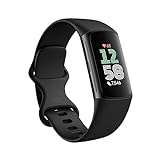
- Find your way seamlessly during runs or rides with turn-by-turn directions from Google Maps on Fitbit Charge 6[7, 8]; and when you need a snack break on the go, just tap to pay with Google Wallet[8, 9]
Hardware-wise, it reflects that moment. The monochrome OLED display is small and utilitarian, the case is slim plastic rather than metal, and interaction is limited to taps and swipes with no buttons. There’s no onboard GPS, no SpO2 sensor, no altimeter, and no microphone or speaker, which is exactly why some users still prefer it.
At the same time, age does not automatically equal obsolescence. The Inspire HR runs on Fitbit’s core tracking engine, and that engine has continued to evolve through software. Step counting, heart rate zones, sleep staging, and calorie estimation all benefit from years of backend refinement, even on older hardware.
Why it keeps appearing in 2026 buying conversations
The Inspire HR still comes up because it hits a sweet spot that newer devices often overshoot. It is extremely light on the wrist, barely noticeable during sleep, and comfortable for all-day wear in a way that many larger color-screen trackers are not. For smaller wrists, first-time users, or people who hate the feeling of a “mini smartwatch,” that matters more than feature checklists.
Battery life is another reason it refuses to disappear. Even in 2026, a healthy Inspire HR unit can still manage around five to seven days per charge, depending on heart rate polling and notifications. That’s shorter than when it was new, but still competitive with modern budget trackers that promise more and deliver less once real-world usage kicks in.
Price and availability also play a role. The Inspire HR is no longer sold directly by Fitbit, but it remains widely available through resale platforms, refurbished retailers, and clearance stock. For many buyers, especially students or casual exercisers, the ability to spend very little and still get heart rate, sleep tracking, and Fitbit’s app experience is compelling.
The Fitbit and Google ecosystem factor in 2026
One of the biggest questions around any older Fitbit is software support, and this is where context matters more than age. As of 2026, the Inspire HR still syncs with the Fitbit app on both Android and iOS, and it integrates with Google Health Connect for data sharing. Core features like activity tracking, sleep scores, and heart rate trends remain functional.
However, not everything carries forward equally. Some newer Fitbit features are either limited or unavailable on the Inspire HR, including advanced readiness metrics, certain Premium-exclusive insights, and deeper sensor-driven health trends that rely on newer hardware. You’re not locked out of the ecosystem, but you are clearly on its outer edge.
This is also where expectations need to be realistic. The Inspire HR does not receive meaningful firmware updates anymore, and that’s normal. What it offers today is largely what it will offer tomorrow, aside from backend tweaks. For some users, that stability is a benefit rather than a drawback.
Who this tracker still makes sense for, and who should move on
In 2026, the Inspire HR still makes sense for beginners, minimalists, and anyone who wants passive health tracking without distraction. It’s well-suited to walking, general fitness, sleep monitoring, and basic heart rate awareness. It also remains a solid option for people who want a secondary tracker for sleep or recovery without wearing a heavy watch overnight.
It is a poor choice for runners who need GPS, data-focused athletes, or users who want rich on-device stats and modern sensors. If you care about blood oxygen trends, stress tracking, training load, or future-proof software features, newer devices will serve you better. Battery condition is also a real variable when buying used, and that alone can tip the balance.
The reason the Inspire HR still comes up isn’t because it’s secretly better than modern trackers. It’s because it does one narrow job extremely well, and for a subset of users in 2026, that job hasn’t changed at all.
Design, Comfort, and Daily Wearability After Years on the Wrist
What ultimately keeps the Inspire HR relevant in 2026 isn’t nostalgia or software compatibility, but how effortlessly it disappears on your wrist. When expectations are reset away from “smartwatch replacement” and toward “wearable you forget you’re wearing,” its design still holds up remarkably well. This is one of the few legacy trackers that feels just as appropriate today as it did at launch.
Physical size, weight, and wrist presence
The Inspire HR’s biggest advantage remains its size. The capsule-style body measures roughly 37 x 16 mm and weighs just over 20 grams with the band, making it significantly smaller and lighter than modern budget trackers and miles slimmer than any smartwatch. On smaller wrists, or for users who dislike bulky wearables, this still matters more than any spec sheet.
Because the screen is narrow and vertically oriented, it never dominates the wrist visually. It reads more like a fitness band than a watch, which works in its favor for users who want passive tracking rather than constant interaction. Even in 2026, very few trackers feel this unobtrusive during all-day wear.
Materials, finish, and long-term durability
The Inspire HR uses a plastic chassis with a gently curved front lens, and that construction has aged better than expected. After years of real-world use, most units show cosmetic scuffs rather than structural issues, and the body resists cracking unless abused. It’s not premium, but it was never meant to be.
Water resistance remains rated at 5 ATM, and in practice it still handles showers, sweat, and swimming without complaint. What matters more now is seal integrity over time, and this is where buying condition matters. Units that have lived mostly on wrists rather than in drawers tend to hold up better than those that sat unused for years.
Strap comfort and skin contact over long wear
The original silicone strap is soft, flexible, and still among Fitbit’s better early designs. It breathes reasonably well for its era and doesn’t pinch or pull hair, which contributes to its reputation as a good sleep tracker. Many long-term users report fewer skin irritation issues here than with larger, heavier devices worn overnight.
That said, aging straps are a weak point. Silicone can stiffen or crack over time, especially on used units, but replacements are inexpensive and widely available. Swapping to a fresh band often makes a used Inspire HR feel dramatically newer on the wrist.
Sleep comfort and 24/7 wearability
This is where the Inspire HR quietly outperforms many newer trackers. Its low profile means it rarely presses into the wrist when sleeping, even for side sleepers. For users focused on sleep tracking rather than on-wrist interaction, this alone can justify keeping it in rotation.
Wearing it 24/7 also avoids the “take it off at night” problem that plagues larger devices. Fewer removals mean more consistent data, which matters more for long-term trends than flashy features. In that sense, its comfort directly improves its usefulness.
Display practicality in daily use
The grayscale OLED display is modest by modern standards, but its simplicity works in everyday conditions. Indoors and at night, it’s easy to read, and the tap-based navigation avoids accidental inputs. Outdoors in bright sunlight, visibility is merely adequate, not excellent.
There’s no always-on mode, and there’s no expectation that you’ll check it constantly. This reinforces its role as a background device rather than a wrist computer. For many users, especially beginners, that restraint is a benefit rather than a limitation.
Buttons, interaction, and friction over time
The single capacitive side button is simple and reliable, but it does require deliberate presses. Over years of use, it tends to remain responsive, unlike some early physical buttons that loosened or failed. Interaction is slower than modern touch-first devices, but also less error-prone during workouts or sleep.
Because the Inspire HR isn’t designed for deep on-device interaction, most control still lives in the app. That division of labor keeps the hardware experience consistent even as software evolves around it. The tracker itself feels the same today as it did years ago, for better or worse.
Aesthetic longevity in a modern wearable world
Visually, the Inspire HR doesn’t try to mimic a watch, and that’s why it hasn’t aged poorly. It looks like a fitness tracker, and in 2026 that’s still an acceptable, even desirable, category for many users. It doesn’t clash with casual or work attire, and it never pretends to be jewelry.
For users who care about style expression, this won’t satisfy. For those who care about comfort, discretion, and function, it still fits naturally into daily life. The design doesn’t impress, but it also doesn’t get in the way, which is exactly why it continues to earn wrist time years later.
Health & Fitness Tracking Accuracy in 2026: Heart Rate, Steps, Sleep, and SpO2 Reality Check
After comfort and wearability, accuracy is what ultimately determines whether a tracker earns long-term trust. The Inspire HR was never positioned as a cutting-edge sensor platform, but Fitbit’s strength has always been consistency, trend tracking, and software interpretation rather than raw hardware specs. In 2026, that philosophy still defines how well it holds up.
Heart rate accuracy: steady, but context matters
The Inspire HR uses Fitbit’s older-generation optical heart rate sensor, and while it lacks the multi-LED arrays of newer trackers, it remains reliable for resting heart rate and low-to-moderate intensity activity. Over long-term use, resting heart rate trends remain stable and comparable to newer Fitbit models when worn consistently and snugly.
During steady-state cardio like walking, cycling, or easy jogging, heart rate tracking is generally within an acceptable margin. Where it struggles is rapid intensity change, interval training, or strength workouts with wrist flexion. That limitation hasn’t changed with software updates, and it’s important to set expectations accordingly.
For users focused on general fitness, daily activity, and health monitoring, the data is still actionable. For athletes chasing precise zone-based training or HRV-driven programming, this sensor is simply outclassed by modern alternatives.
Step counting and daily activity reliability
Step tracking remains one of the Inspire HR’s strongest areas, largely because Fitbit’s algorithms prioritize consistency over aggressive sensitivity. In daily wear, step counts align closely with newer Fitbit devices and remain less prone to false positives than many budget trackers sold in 2026.
Arm movements during chores or desk work can still inflate counts slightly, but this behavior is predictable and consistent over time. That predictability is why long-term averages and weekly trends remain meaningful, even if absolute precision isn’t perfect.
For users tracking general activity levels, walking goals, and lifestyle movement, the Inspire HR still delivers dependable results. It’s not a replacement for GPS-based distance accuracy, but it was never meant to be.
Sleep tracking: still a standout for the right user
Sleep tracking is where the Inspire HR continues to quietly outperform expectations. Fitbit’s sleep algorithms, refined over years and now fully integrated into the Google-backed Fitbit platform, still extract strong insights from older hardware.
Sleep duration, sleep stages, and sleep consistency trends remain useful and believable when the device is worn nightly. While newer trackers offer additional metrics like skin temperature variation and more granular sleep coaching, the Inspire HR still covers the fundamentals well.
Its lightweight design and narrow case make it particularly comfortable for overnight wear, which directly improves data quality. In practice, a tracker that’s worn every night often delivers more useful sleep insights than a more advanced device left on the charger.
SpO2 tracking: limited, passive, and often misunderstood
SpO2 support on the Inspire HR exists, but it’s important to understand what it is and what it isn’t. The hardware was not originally designed for continuous oxygen saturation tracking, and SpO2 data is only collected during sleep, passively, without on-demand readings.
In 2026, this data is best viewed as a rough trend indicator rather than a diagnostic tool. Nightly variations can highlight potential issues like altitude adjustment or breathing irregularities, but the lack of real-time access and limited resolution reduce its usefulness.
Compared to modern trackers with dedicated SpO2 sensors and spot checks, the Inspire HR’s implementation feels dated. For users who actively care about oxygen saturation due to health conditions or training at altitude, this alone may be a dealbreaker.
Rank #2

- Inspire 3 is the tracker that helps you find your energy, do what you love and feel your best. All you have to do is wear it.Operating temperature: 0° to 40°C
- Move more: Daily Readiness Score(1), Active Zone Minutes, all-day activity tracking and 24/7 heart rate, 20+ exercise modes, automatic exercise tracking and reminders to move
- Stress less: always-on wellness tracking, daily Stress Management Score, mindfulness sessions, relax breathing sessions, irregular heart rhythm notifications(2), SpO2(3), menstrual health tracking, resting heart rate and high/low heart rate notifications
- Sleep better: automatic sleep tracking, personalized Sleep Profile(1), daily detailed Sleep Score, smart wake vibrating alarm, sleep mode
- Comfortably connected day and night: calls, texts & smartphone app notifications(4), color touchscreen with customizable clock faces, super lightweight and water resistant to 50 meters, up to 10 day battery life(5)
Workout tracking and exercise recognition
The Inspire HR supports basic workout modes and automatic activity recognition, and this remains largely unchanged today. It reliably detects walking, running, and cycling, but the lack of GPS means pace and distance rely on stride estimates or connected phone data.
Heart rate during workouts is usable for general effort tracking but not precise enough for structured training plans. Strength training, in particular, is poorly represented, with limited insight beyond time and average heart rate.
This is not a device for performance optimization. It’s a device for awareness, habit-building, and consistency, and in that role it still performs adequately.
Software interpretation and long-term trends
Where the Inspire HR continues to punch above its weight is Fitbit’s software ecosystem. Even in 2026, historical data remains accessible, trends are clearly visualized, and health metrics are contextualized in ways that help non-experts understand their bodies.
Battery degradation over time can impact data continuity if charging habits change, but with a healthy battery, the device still captures enough data points to maintain meaningful long-term insights. Most users will see reduced battery life compared to when it was new, but accuracy itself does not significantly degrade.
Compatibility with current Fitbit and Google Health features remains intact for core tracking, though some newer insights are reserved for modern hardware. The Inspire HR still benefits from platform intelligence, even if it can’t access every new metric.
Who this accuracy level still works for in 2026
If your goals revolve around daily movement, resting heart rate trends, sleep consistency, and basic wellness awareness, the Inspire HR remains surprisingly capable. Its accuracy is good enough to support healthier habits without overwhelming the user with data or complexity.
If you want precise training metrics, advanced health sensors, real-time SpO2, or detailed recovery analytics, this is not the right tool anymore. Modern trackers at slightly higher price points offer dramatically better sensor hardware.
The Inspire HR still makes sense for beginners, minimalists, and budget-conscious users who value comfort and consistency over cutting-edge accuracy. For everyone else, it serves as a clear reminder of how far fitness tracking hardware has evolved, and where this model’s limits truly are.
Battery Life Then vs Now: Degradation, Charging Habits, and Real-World Longevity
Battery life is where the age of the Inspire HR becomes impossible to ignore, especially when viewed through a 2026 lens. Back when it launched, Fitbit’s promise of up to five days between charges felt genuinely liberating for a slim tracker with continuous heart rate monitoring.
That original claim still matters, because it defines the baseline from which every used or remaining new-in-box unit should now be judged. The question is no longer what Fitbit advertised, but how close today’s devices can realistically get to that experience.
What battery life looked like when it was new
In its early life, the Inspire HR typically delivered four to five days of real-world use with 24/7 heart rate tracking, automatic sleep detection, and modest daily activity. With notifications kept minimal and no GPS to drain power, this was an efficient, well-balanced system.
Charging was quick by the standards of the time, usually taking under two hours from empty to full via Fitbit’s proprietary clip charger. Many users developed a habit of topping it up during a shower or while working at a desk, rather than waiting for it to fully drain.
This combination of predictable runtime and low charging friction played a major role in the device’s habit-forming appeal. Fewer charging interruptions meant more consistent data, which reinforced daily wear.
Battery degradation in 2026: what most users should expect
Fast forward several years, and battery degradation is the single biggest variable in the Inspire HR ownership experience. Lithium-ion cells naturally lose capacity over time, and the Inspire HR offers no user-replaceable battery or official refurbishment path.
In practical terms, most well-used units now deliver closer to two to three days of battery life, with some heavily worn examples dropping below two days. Devices that spent long periods at 100 percent charge or were frequently drained to zero tend to degrade faster.
There are still exceptions. Lightly used units, late-production models, or devices that sat unused in a drawer for years can sometimes approach three to four days, but buyers should treat that as a bonus rather than the norm.
How charging habits affect long-term longevity
Charging behavior matters more now than it did when the Inspire HR was new. Short, frequent top-ups are generally kinder to the aging battery than deep discharge cycles, especially on a tracker that’s worn nearly 24/7.
Letting the battery regularly fall below 10 percent accelerates wear, and it also increases the chance of missed sleep or heart rate data. For users still relying on long-term trends, these gaps matter more than raw battery percentage.
Heat is another silent factor. Charging in hot environments or leaving the tracker clipped to a power source overnight can compound degradation, particularly on older cells with reduced thermal tolerance.
Real-world longevity and daily usability today
In daily use, shorter battery life changes how the Inspire HR fits into modern routines. Instead of feeling like a device you forget about for days, it becomes something you need to consciously manage.
This doesn’t automatically make it frustrating, but it does narrow the margin for error. Miss a planned charging window, and you may lose overnight sleep tracking or a full day of step data.
Compared to modern budget trackers offering seven to ten days of battery life, the Inspire HR feels less forgiving. However, its small size, light weight, and soft elastomer band still make it comfortable enough that frequent removal for charging isn’t physically annoying.
Battery life vs modern alternatives at similar prices
This is where value becomes more complicated in 2026. Entry-level trackers from Fitbit, Xiaomi, Huawei, and Amazfit now routinely offer week-long battery life with brighter displays and newer sensors.
Those devices also tend to use newer battery chemistries and more efficient chipsets, which slow long-term degradation. Even after a year or two, many will still outperform a well-preserved Inspire HR in runtime.
The Inspire HR’s advantage is familiarity and ecosystem continuity. For existing Fitbit users with years of historical data, accepting shorter battery life may be worth it to avoid platform switching.
Who battery life will still work for, and who it won’t
If you’re a light user who doesn’t mind charging every couple of days and values comfort, simplicity, and Fitbit’s software more than raw endurance, the Inspire HR can still fit into your routine. It works best for users who already understand its limitations and plan around them.
If you want a tracker you can forget about for a full week, travel with minimal cables, or rely on for uninterrupted long-term data without thinking about power, this is no longer the right choice. Battery anxiety undermines the very consistency that made the Inspire HR appealing in its prime.
Battery life doesn’t disqualify the Inspire HR in 2026, but it does define who it’s for. More than any other factor, it separates nostalgic value and ecosystem loyalty from objective, forward-looking practicality.
Software Support and Ecosystem Fit: Fitbit App, Google Health Changes, and Feature Limitations
Battery life sets the rhythm of daily use, but software decides whether a tracker still feels relevant. In 2026, the Inspire HR lives or dies not by its hardware, but by how well it fits into Fitbit’s evolving app and Google’s broader health ecosystem.
This is where long-term owners feel both rewarded and constrained. The Inspire HR still works, still syncs, and still logs data reliably, but it does so inside a platform that has moved on in visible ways.
Fitbit app support in 2026: stable, familiar, but frozen in time
The Inspire HR remains fully supported by the Fitbit app on both Android and iOS as of 2026. Syncing is stable, dashboards load quickly, and core metrics like steps, heart rate, sleep stages, and active minutes continue to populate without issues.
What has effectively stopped is device-level evolution. The Inspire HR no longer receives meaningful firmware updates, and no new features have been backported to it for several years.
That means what you see today is what you will have indefinitely. If you are comfortable with its existing feature set, this stability is reassuring rather than disappointing.
Google account migration and what it means for Inspire HR users
By 2026, Fitbit accounts are fully integrated into Google accounts for new users and increasingly nudged for existing ones. The Inspire HR works fine under this system, but setup now assumes you are willing to operate inside Google’s identity framework.
For many users, this is a non-issue. For others, especially those who originally chose Fitbit for its platform neutrality, it represents a philosophical shift rather than a functional one.
Importantly, the Inspire HR itself does not gain any deeper Google-specific features from this change. There is no Google Assistant, no on-device Google services, and no expanded smartwatch-style functionality.
Fitbit Premium: optional, but increasingly visible
The Inspire HR does not require a Fitbit Premium subscription to function. Core tracking, historical data, and basic insights remain accessible without paying.
However, the app experience in 2026 is more heavily framed around Premium than it was when the Inspire HR launched. Advanced sleep insights, trend analysis, readiness-style scoring, and guided programs are often gated.
Rank #3

- 【BUILT-IN GPS SMART WATCH – GO FURTHER, FREER, SMARTER】No phone? No problem. This fitness watch for women, featuring the latest 2025 technology, includes an advanced professional-grade GPS chip that precisely tracks every route, distance, pace (real-time & average), and calorie burned—completely phone-free. Whether you're chasing new personal records or exploring off the beaten path, your full journey is automatically mapped and synced in the app. Train smarter. Move with purpose. Own your progress. Own your journey.
- 【BLUETOOTH 5.3 CALLS & SMART NOTIFICATIONS】Stay effortlessly connected with this smart watch for men and women, featuring dual Bluetooth modes (BT 3.0 + BLE 5.3) and a premium microphone for crystal-clear calls right from your wrist—perfect for driving, workouts, or busy days. Receive instant alerts for calls, texts, and popular social apps like WhatsApp and Facebook. Just raise your wrist to view notifications and never miss an important moment.
- 【100+ SPORT MODES & IP68 WATERPROOF & DUSTPROOF】This sport watch is a versatile activity and fitness tracker with 100+ modes including running, cycling, yoga, and more. It features quick-access buttons and automatic running/cycling detection to start workouts instantly. Accurately track heart rate, calories, distance, pace, and more. Set daily goals on your fitness tracker watch and stay motivated with achievement badges. With IP68 waterproof and dustproof rating, it resists rain and sweat for any challenge. Not suitable for showering, swimming, or sauna.
- 【24/7 HEALTH ASSISTANT & SMART REMINDERS】This health watch continuously monitors heart rate, blood oxygen, and stress levels for comprehensive wellness tracking. Sleep monitoring includes deep, light, REM sleep, and naps to give you a full picture of your rest. Stay on track with smart reminders for sedentary breaks, hydration, medication, and hand washing. Women can also monitor menstrual health. Includes guided breathing exercises to help you relax. Your ultimate health watch with event reminders for a healthier life.
- 【ULTRA HD DISPLAY, LIGHTWEIGHT & CUSTOMIZABLE DIALS】This stylish wrist watch features a 1.27-inch (32mm) 360×360 ultra HD color display with a 1.69-inch (43mm) dial, offering vivid details and responsive touch. Its minimalist design fits both business and casual looks. Switch freely among built-in designer dials or create your own DIY watch face using photos, colors, and styles to showcase your unique personality. Perfect as a cool digital watch and fashion wrist watch.
On a modern Fitbit device, Premium can feel additive. On the Inspire HR, it can feel mismatched, surfacing features the hardware cannot fully support.
Health data sharing and Google Health Connect compatibility
Fitbit’s integration with Google Health Connect allows Inspire HR data to be shared with other apps, but indirectly. The tracker syncs to Fitbit, and Fitbit then acts as the bridge.
This works reliably for steps, heart rate, and sleep duration, but granularity is limited compared to newer devices. Metrics like heart rate variability and detailed sleep metrics are less complete.
If you rely on a multi-app health workflow, the Inspire HR is serviceable, not ideal. It feeds the ecosystem, but it does not enrich it.
Feature limitations that matter more in 2026 than they did before
The Inspire HR lacks on-device GPS, advanced recovery metrics, ECG, skin temperature trends, and continuous SpO2 tracking. These absences were acceptable trade-offs at launch, but they are harder to ignore now.
Even budget trackers released in the last two years often include at least one of these features. When viewed through the current market lens, the Inspire HR’s capabilities feel narrowly focused.
That focus is not inherently bad, but it does mean you must be clear about what you are not getting.
Accuracy versus modern trackers: still respectable, no longer competitive
Heart rate tracking during steady-state activities remains reasonably accurate. For walking, casual running, and daily activity monitoring, the Inspire HR still performs within acceptable margins.
Where it falls behind is responsiveness and context. Newer sensors handle rapid intensity changes, interval training, and sleep nuance more gracefully.
The Inspire HR is consistent, not clever. For many users, that distinction matters more now than it did five years ago.
Who the ecosystem fit still works for, and who it doesn’t
If you already have years of Fitbit data, prefer a simple interface, and value continuity over innovation, the Inspire HR still slots neatly into your routine. It asks little and delivers predictably.
If you are entering the ecosystem for the first time in 2026, or if you want your tracker to grow with new software features over time, this is not the best entry point.
The Inspire HR still belongs in Fitbit’s ecosystem, but it now occupies its quietest corner. It works best for users who want stability and familiarity, and least for those expecting forward momentum.
What the Inspire HR Still Does Exceptionally Well (and What It No Longer Can)
Seen in the context of everything that now surrounds it, the Inspire HR’s value is not about chasing modern features. It is about how well it executes a narrow brief, and how little friction it introduces into daily life.
That distinction matters in 2026, because not every user wants a wrist computer. Some just want a tracker that quietly does its job.
Lightweight design and all-day comfort remain standout strengths
At just under 20 grams without the strap, the Inspire HR is still one of the lightest fitness trackers Fitbit has ever made. That low mass, combined with its slim profile, makes it unusually easy to forget you are wearing it.
For sleep tracking in particular, this is an advantage modern, larger trackers often lose. Even users sensitive to wrist bulk tend to tolerate the Inspire HR overnight without irritation.
The materials are basic but effective. The polymer body is durable, the silicone bands remain flexible over time, and replacement straps are inexpensive and widely available, even in 2026.
Battery life consistency is better than many newer budget trackers
When new, the Inspire HR was rated for up to five days of battery life. With age-related degradation, most well-kept units in 2026 realistically deliver three to four days.
That is still competitive for an always-on heart rate tracker. Crucially, the battery drain is predictable, with no sudden drops tied to software features or background processes.
There is also value in what it does not do. No always-on display, no GPS, and no complex background analytics mean fewer power-hungry variables and fewer long-term battery surprises.
Core activity tracking is simple, stable, and dependable
Step counting, distance estimation, floors climbed, and active minutes remain solid. For walking, commuting, casual workouts, and general movement awareness, the Inspire HR performs reliably.
Automatic exercise recognition still works well for common activities like walking and running. It lacks nuance, but it captures duration and heart rate trends accurately enough for non-competitive users.
This is where its age becomes an advantage. The algorithms are mature, stable, and no longer shifting with major firmware experiments.
Heart rate tracking still works for the right kind of user
For steady-state cardio, the Inspire HR’s optical heart rate sensor remains serviceable. Brisk walking, easy jogging, elliptical sessions, and daily calorie burn estimates remain within reasonable margins.
Where it struggles is in high-variance intensity. Interval training, strength circuits, and rapid pace changes expose the limits of older sensor hardware and slower sampling.
If your workouts are consistent rather than explosive, the Inspire HR still provides usable data. If precision during intense training matters, it does not.
Fitbit’s software keeps the basics usable, even as features stagnate
Despite its age, the Inspire HR still syncs reliably with the current Fitbit app. Daily dashboards, weekly summaries, sleep stages, and long-term trends remain accessible.
However, feature parity has frozen in time. New Fitbit metrics introduced over the past few years often bypass older hardware, and Inspire HR owners should not expect future unlocks.
This creates a clear ceiling. The software experience is stable, but it is no longer evolving around this device.
Sleep tracking remains a quiet strength, within limits
Sleep duration and basic stage breakdowns are still handled well. For users focused on consistency and bedtime habits, the Inspire HR remains useful.
What it lacks is depth. There are no skin temperature deviations, limited HRV context, and no continuous SpO2 trend analysis.
It tells you how long and how regularly you sleep, not how your recovery is trending at a physiological level.
Durability and longevity are better than expected for a legacy tracker
Many Inspire HR units are now five to six years old and still functioning. Buttons, screens, and sensors tend to age gracefully if not abused.
Water resistance for swimming remains intact on most well-maintained devices, though gasket aging is something second-hand buyers should consider carefully.
As a long-term wearable, the Inspire HR has proven more resilient than its price point would suggest.
What it can no longer deliver in a 2026 fitness landscape
The Inspire HR cannot grow with you. There is no ECG, no training readiness, no adaptive coaching, no GPS safety net, and no meaningful recovery analytics.
It also lacks modern smartwatch conveniences. Notifications are basic, interactions are limited, and the monochrome display feels dated alongside even entry-level OLED trackers.
Most importantly, it does not benefit from Google’s newer health integrations in any meaningful way. It remains on the outer edge of Fitbit’s future-facing strategy.
Rank #4

- 24H Accurate Heart Rate Monitoring: Go beyond basic tracking. Our watch automatically monitors your heart rate, blood oxygen (SpO2), and sleep patterns throughout the day and night. Gain deep insights into your body's trends and make informed decisions for a healthier lifestyle.
- Practical Sports Modes & Smart Activity Tracking: From running and swimming to yoga and hiking, track a wide range of activities with precision. It automatically records your steps, distance, calories burned, and duration, helping you analyze your performance and crush your fitness goals.
- 1-Week Battery Life & All-Day Wear: Say goodbye to daily charging. With an incredible up to 7-10 days of battery life on a single charge, you can wear it day and night for uninterrupted sleep tracking and worry-free travel. Stay connected to your data without the hassle.
- Comfortable to Wear & IP68 Waterproof: The lightweight, skin-friendly band is crafted for all-day comfort, even while you sleep. With IP68 waterproof, it withstands rain, sweat, It is not suitable for swimming or showering.
- Ease of Use and Personalized Insights via Powerful App: The display is bright and easy to read, even outdoors. Unlock the full potential of your watch. Sync with our dedicated app to view detailed health reports, customize watch faces, set sedentary reminders, and manage your preferences with ease.
Who this still works for — and who should move on
The Inspire HR still makes sense for beginners, minimalists, and long-time Fitbit users who value comfort, battery stability, and familiar data over innovation. It is also a reasonable choice for budget-conscious buyers finding one new or lightly used at a steep discount.
It is not a good fit for users chasing performance insights, guided training, or evolving health metrics. Those users will outgrow it quickly, if they haven’t already.
In 2026, the Inspire HR is not obsolete, but it is deliberately limited. Its strengths are clarity and restraint, and its weaknesses are ambition and growth.
Using a Legacy Fitbit in a Modern World: Phone Compatibility, Sync Reliability, and Data Longevity
Living with the Inspire HR in 2026 is less about what the hardware can do, and more about how well it still fits into today’s phone-centric, cloud-driven fitness ecosystem. This is where many older trackers quietly fail, but the Inspire HR holds on better than expected, with caveats that matter depending on how you plan to use it.
Phone compatibility in 2026: still supported, but increasingly narrow
As of 2026, the Inspire HR continues to pair with the current Fitbit app on both Android and iOS, but it sits very close to the minimum supported hardware line. It works reliably on modern Android phones running recent versions of Android, provided Bluetooth stability is good and background app restrictions are relaxed.
On iOS, compatibility is more fragile. Syncing generally works on current iPhones, but the Inspire HR depends heavily on background Bluetooth permissions, and iOS updates have a habit of breaking older Fitbit devices temporarily until app patches arrive.
This does not feel like a device Google is actively optimizing for anymore. It feels tolerated rather than prioritized, which is fine if your expectations are modest and your phone is not aggressively managing background apps.
Sync reliability: mostly stable, occasionally temperamental
Day-to-day syncing is usually uneventful once the Inspire HR is set up correctly. Step counts, heart rate data, sleep logs, and workouts typically sync within seconds when you open the Fitbit app, even on busy modern phones.
Problems tend to appear after phone OS updates, Bluetooth stack changes, or long periods without syncing. In those cases, manual app restarts, Bluetooth resets, or occasionally re-pairing the device are still part of the ownership experience.
This is not unusual for legacy trackers, but it does mean the Inspire HR is no longer a “set it and forget it” device in the way newer Fitbits are. Users who expect invisible, always-on syncing may find this frustrating over time.
Account changes and Google integration realities
One unavoidable part of using any older Fitbit in 2026 is the Google account transition. The Inspire HR now operates entirely within Google-managed Fitbit accounts, and there is no bypassing this step for new setups.
The good news is that the Inspire HR does not lose functionality because of this. The bad news is that it gains almost nothing from it either, with no access to newer Google Health features or deeper cross-platform insights.
If you are already embedded in the Fitbit ecosystem, this will feel familiar. If you were hoping the Inspire HR would evolve alongside Google’s health ambitions, that evolution stops well short of this device.
Data longevity: where the Inspire HR quietly excels
One of the Inspire HR’s strongest arguments in 2026 is data continuity. Fitbit’s cloud still preserves years of step counts, heart rate trends, sleep history, and weight logs collected by this device, and those records remain accessible in the app.
Historical data from the Inspire HR integrates cleanly alongside newer Fitbit devices if you upgrade later. For long-term users, this preserves trends that would be lost when switching brands or abandoning older platforms.
Data export remains possible via Fitbit’s data tools, which is increasingly important as users become more conscious of platform lock-in. This alone makes the Inspire HR safer to keep than many discontinued trackers from defunct brands.
Battery aging and its impact on modern usability
Battery degradation is now the biggest practical variable. A healthy Inspire HR still delivers four to five days of real-world battery life in 2026, but heavily used or poorly stored units may struggle to reach three.
Shorter battery life affects sync reliability indirectly, since low battery states can interrupt background Bluetooth connections. This is especially noticeable on iOS, where aggressive power management compounds the issue.
For second-hand buyers, battery condition matters more than cosmetic wear. A scratched screen is livable; a worn battery quietly undermines the entire experience.
Using it alongside newer devices and platforms
The Inspire HR works best as a single-device solution or as a passive data collector within the Fitbit ecosystem. It is less successful when paired with third-party platforms that expect richer data streams like continuous SpO2, HRV context, or GPS-based workouts.
Connections to Apple Health and Google Health Connect are limited and filtered. Basic activity and sleep data transfer, but the Inspire HR does not generate the kind of metrics those platforms increasingly emphasize.
If your goal is simple consistency rather than insight density, this limitation may not matter. If you want your data to power broader health analytics, the Inspire HR quickly feels out of step.
Long-term software support: stable, but not future-proof
Fitbit has not formally ended support for the Inspire HR, but its update cadence reflects maintenance mode rather than active development. Bug fixes arrive when necessary, but feature updates are effectively finished.
This creates a stable but static experience. What the Inspire HR does today is almost exactly what it will do a year from now, for better and for worse.
For some users, that predictability is a strength. For others, especially those watching the rapid evolution of health metrics elsewhere, it reinforces that this tracker lives firmly in the past.
Who Should Still Buy or Keep the Fitbit Inspire HR in 2026
Viewed through the lens of stable-but-static software and aging hardware, the Inspire HR still makes sense for a narrower, more clearly defined group of users than it did at launch. The key is understanding whether its simplicity aligns with your expectations, or whether it will feel limiting within weeks.
Beginners who want structure without complexity
If you are new to fitness tracking and want gentle accountability rather than deep analysis, the Inspire HR remains surprisingly effective. Steps, continuous heart rate, basic sleep staging, and automatic activity recognition still work reliably within the Fitbit app.
The small OLED display, slim polymer body, and soft silicone strap make it easy to forget you are wearing it. At roughly 20 grams and with no sharp edges or bulky case, it is one of the least intrusive trackers Fitbit has ever made.
For first-time users, that comfort matters more than advanced metrics. A device you actually wear all day is more valuable than one packed with features you never check.
Casual exercisers focused on consistency, not performance
The Inspire HR suits walking, light gym sessions, yoga, and casual cycling better than structured training. Heart rate accuracy during steady-state movement is still acceptable in 2026, even if it lags behind modern sensors during intervals or rapid intensity changes.
There is no onboard GPS, no training load, and no recovery guidance. For users who simply want to know they moved, slept, and kept a baseline level of activity, those omissions are not dealbreakers.
In this context, the Inspire HR behaves more like a digital habit anchor than a performance tool.
Users already invested in the Fitbit ecosystem
For long-term Fitbit users with years of historical data, keeping an Inspire HR can make sense as long as expectations are managed. The device still syncs cleanly, supports Fitbit Premium features where applicable, and integrates fully with daily readiness-style insights generated at the app level.
Its role works best as a passive data collector feeding Fitbit’s algorithms, rather than as a feature-forward device itself. If you value trend continuity over cutting-edge metrics, the Inspire HR does not disrupt that flow.
This is especially true for users who prefer Fitbit’s sleep visualization and health dashboards over Google Health Connect or Apple Health-centric workflows.
Budget-conscious buyers considering second-hand or clearance units
In 2026, price is the Inspire HR’s strongest argument. New old stock and lightly used units often sell for a fraction of even entry-level modern trackers.
At that price, compromises become easier to accept. The monochrome screen, limited workout modes, and aging sensor package feel less like flaws and more like trade-offs.
The critical caveat is battery health. A discounted Inspire HR with a degraded battery is poor value, regardless of how inexpensive it looks on paper.
People who prioritize comfort, size, and wearability above all else
Few trackers remain as discreet as the Inspire HR. Its narrow case, low-profile lugs, and soft-touch strap make it suitable for small wrists, sleep tracking, and all-day wear in ways many newer devices struggle to match.
💰 Best Value

- 【Superb Visual Experience & Effortless Operation】Diving into the latest 1.58'' ultra high resolution display technology, every interaction on the fitness watch is a visual delight with vibrant colors and crisp clarity. Its always on display clock makes the time conveniently visible. Experience convenience like never before with the intuitive full touch controls and the side button, switch between apps, and customize settings with seamless precision.
- 【Comprehensive 24/7 Health Monitoring】The fitness watches for women and men packs 24/7 heart rate, 24/7 blood pressure and blood oxygen monitors. You could check those real-time health metrics anytime, anywhere on your wrist and view the data record in the App. The heart rate monitor watch also tracks different sleep stages for light and deep sleep,and the time when you wake up, helps you to get a better understanding of your sleep quality.
- 【120+ exercise modes & All-Day Activity Tracking】There are more than 120 exercise modes available in the activity trackers and smartwatches, covering almost all daily sports activities you can imagine, gives you new ways to train and advanced metrics for more information about your workout performance. The all-day activity tracking feature monitors your steps, distance, and calories burned all the day, so you can see how much progress you've made towards your fitness goals.
- 【Messages & Incoming Calls Notification】With this smart watch fitness trackers for iPhone and android phones, you can receive notifications for incoming calls and read messages directly from your wrist without taking out your phone. Never miss a beat, stay in touch with loved ones, and stay informed of important updates wherever you are.
- 【Essential Assistant for Daily Life】The fitness watches for women and men provide you with more features including drinking water and sedentary reminder, women's menstrual period reminder, breath training, real-time weather display, remote camera shooting, music control,timer, stopwatch, finding phone, alarm clock, making it a considerate life assistant. With the GPS connectivity, you could get a map of your workout route in the app for outdoor activity by connecting to your phone GPS.
There is no metal case, sapphire glass, or premium finishing to admire, but there is also nothing heavy or attention-seeking. For users who dislike the feel of watches but still want health data, that restraint is a feature.
In this respect, the Inspire HR behaves more like a wellness band than a smartwatch, even by 2026 standards.
Who should avoid the Inspire HR in 2026
If you care about advanced health metrics such as HRV trends, skin temperature, SpO2 context, or training readiness, the Inspire HR will feel outdated almost immediately. The hardware simply cannot generate the data modern platforms now emphasize.
Users who rely on Apple Health or Google Health Connect as their primary health hub will also find the experience limited. Data syncing works, but it is filtered and basic, lacking the richness newer trackers provide.
Finally, anyone expecting regular feature updates or evolving insights should look elsewhere. The Inspire HR’s software experience is stable, but it is effectively finished.
Better modern alternatives depending on budget and needs
If you want a similar form factor with modern sensors, Fitbit’s own Inspire 3 is the most direct upgrade. It preserves the lightweight design while adding better battery life, SpO2 tracking, and longer-term software relevance.
For users prioritizing battery life and cross-platform compatibility, Xiaomi and Amazfit bands offer stronger hardware value at similar prices, though with less refined software ecosystems.
Those willing to spend more for accuracy and platform depth should consider entry-level Garmin or Apple options, especially if structured workouts, GPS, or broader health analytics matter.
The Inspire HR still earns its place only when simplicity, comfort, and cost outweigh the desire for modern insight density.
Who Should Avoid It: Dealbreakers, Missing Features, and Better Expectations Today
The same restraint that makes the Inspire HR comfortable and unobtrusive is also what defines its limits in 2026. If your expectations are shaped by newer trackers or smartwatches, this is where the age of the hardware and software becomes impossible to ignore.
If you expect modern health depth, not just basic trends
The Inspire HR lacks the sensor suite that now underpins most fitness and wellness insights. There is no native SpO2 tracking, no skin temperature variation, no ECG, and no meaningful HRV trend analysis available to the user.
Fitbit’s platform has evolved toward readiness scores, recovery context, and longitudinal health signals, and the Inspire HR simply cannot participate in that shift. Even with Fitbit Premium, the data coming from this device is too limited to unlock the insights many users now consider standard.
If training structure, performance metrics, or GPS matter
This is not a training-focused device, and it never pretended to be one. There is no built-in GPS, no pace or distance accuracy for outdoor workouts without a phone, and no support for structured workouts or advanced training load metrics.
Casual walking and light cardio are tracked adequately, but runners, cyclists, and gym users will quickly hit a ceiling. Compared to even entry-level Garmin or Coros devices, the Inspire HR offers very little feedback beyond duration and heart rate averages.
If software longevity and feature evolution are priorities
By 2026, the Inspire HR is effectively a frozen product. It still syncs, still tracks, and still integrates with the Fitbit app, but it is no longer part of Fitbit’s forward-looking feature roadmap.
Google’s stewardship of Fitbit has prioritized newer hardware, and while the Inspire HR remains supported, it does not benefit from meaningful new features. If you enjoy watching your device improve over time through updates, this tracker will feel static.
If you rely heavily on Apple Health or Health Connect
Cross-platform syncing exists, but it is shallow. Data exported to Apple Health or Google Health Connect is limited to basics like steps, heart rate, and sleep duration, without the context or granularity newer devices provide.
For users who treat these platforms as their primary health record, the Inspire HR feels like a partial contributor rather than a fully integrated node. Over time, that gap becomes more noticeable as other devices add richer data layers.
If battery degradation or second-hand condition worries you
When new, the Inspire HR delivered roughly five days of battery life, but many units on the second-hand market no longer achieve that. Lithium-ion aging means shorter runtimes, slower charging, and less reliability during sleep tracking.
Because the battery is sealed and non-serviceable, there is no practical way to restore original endurance. Buyers considering used units should factor battery health into the price, especially compared to newer trackers that can still reach seven to ten days.
If you want a more future-proof alternative at a similar price
Fitbit’s own Inspire 3 is the most obvious counterpoint, offering better battery life, SpO2 tracking, and longer-term software relevance in a similar lightweight form. It maintains the same comfort-first philosophy while aligning more closely with where Fitbit’s platform is heading.
Outside Fitbit, Xiaomi and Amazfit bands deliver stronger hardware value per dollar, including longer battery life and broader sensor support, though their apps are less refined. Spending slightly more opens the door to entry-level Garmin or Apple devices that dramatically outperform the Inspire HR in accuracy, analytics, and ecosystem longevity.
Where expectations most often clash with reality
Many buyers approach the Inspire HR expecting it to behave like a stripped-down smartwatch, when in practice it is a minimalist wellness band. There are no apps, no music controls worth mentioning, and no customization beyond watch faces and basic notifications.
If you want your wearable to feel like an extension of your phone or a tool for performance improvement, the Inspire HR will frustrate you. Its value only becomes clear when simplicity, comfort, and low cognitive load matter more than data density.
Best Modern Alternatives by Budget: When to Choose Inspire HR vs Newer Fitbits or Rivals
By this point, the Inspire HR’s strengths and limitations should feel clear. The real question for 2026 is not whether it still works, but whether it still makes sense against what you can buy today for similar money. Looking at modern alternatives by price reveals exactly where the Inspire HR remains relevant, and where it is simply outmatched.
Under $50: Used Inspire HR vs modern ultra-budget bands
On the second-hand market, the Inspire HR often lands below the $50 mark, sometimes significantly lower. At this price, its biggest advantage is still Fitbit’s software: step tracking consistency, sleep scoring, and heart-rate trends remain more polished than many bargain competitors.
However, modern ultra-budget bands from Xiaomi, Huawei, and Amazfit now offer newer sensors, SpO2 tracking, and battery life that can stretch two weeks or more. Their hardware value is objectively higher, but their apps still feel fragmented, with less intuitive insights and weaker long-term trend analysis.
Choose the Inspire HR here only if Fitbit’s app familiarity matters, or if you already have years of historical Fitbit data you want to preserve. If you are starting fresh and value battery life above all else, newer budget bands are the more practical choice.
$50–$80: Inspire HR vs Fitbit Inspire 3
This is the range where the Inspire HR struggles most to justify itself. Fitbit’s Inspire 3 directly replaces it with better battery life, a brighter color display, SpO2 tracking, and clearer alignment with Fitbit’s current software roadmap.
In daily use, the Inspire 3 feels like what the Inspire HR always wanted to be: lighter on compromises, more reliable for sleep tracking, and less stressful to own as software evolves. Battery life alone, often exceeding ten days, changes how you interact with the device.
Unless you can find the Inspire HR at a meaningful discount or already own one in good condition, the Inspire 3 is the smarter buy. It delivers the same comfort-first experience with fewer long-term frustrations.
$80–$120: Entry-level Garmin, Fitbit Charge, and Apple options
Spending a little more dramatically shifts the landscape. Garmin’s Vivosmart line offers better workout metrics, more consistent heart-rate accuracy during exercise, and no subscription pressure. Fitbit’s Charge series adds GPS, larger displays, and more detailed health tracking, though often nudging users toward Fitbit Premium.
For iPhone users, older Apple Watch SE models or refurbished Series 6 units can appear in this range, offering vastly richer integration with Apple Health, notifications, and app support. Battery life is shorter, but the ecosystem depth is unmatched.
At this level, the Inspire HR is no longer competitive on features or longevity. It remains simpler and lighter, but that simplicity comes with real analytical limitations that many users will quickly notice.
Who should still choose the Inspire HR in 2026
The Inspire HR still makes sense for a narrow but real audience. If you already own one with a healthy battery, prefer a slim band that disappears on the wrist, and only care about steps, basic heart rate, and sleep consistency, there is no urgent need to replace it.
It also works for users deeply embedded in Fitbit’s ecosystem who want the cheapest possible way to stay connected to their existing data history. For these users, the Inspire HR remains a quiet, low-maintenance wellness companion rather than a performance tool.
Who should avoid it and look elsewhere
Anyone buying new in 2026, or expecting meaningful health insights beyond the basics, should look past the Inspire HR. Battery aging, lack of newer sensors, and uncertain long-term software relevance make it a risky purchase unless priced very aggressively.
If you want better workout tracking, longer battery life, or deeper integration with Apple Health or Garmin Connect, modern alternatives clearly outperform it. The Inspire HR’s simplicity is intentional, but it is also its ceiling.
Final perspective: a legacy tracker with a narrow modern role
The Inspire HR is no longer a universal recommendation, but it has not become useless. In the right hands, with realistic expectations, it can still deliver a clean, distraction-free fitness experience that newer devices sometimes overcomplicate.
For most buyers, though, newer Fitbits or entry-level rivals provide better long-term value and fewer compromises. The Inspire HR’s place in 2026 is not as a default choice, but as a legacy option for users who value familiarity, comfort, and simplicity above everything else.