The Fitbit Luxe is Fitbit’s answer to a very specific problem: how to deliver meaningful health and fitness tracking in a device that looks and feels more like jewelry than gym equipment. It strips away the bulk and visual noise of most fitness trackers and smartwatches, replacing them with a slim stainless steel body, a color AMOLED display, and an emphasis on all-day comfort and style-first wearability.
If you’re researching the Luxe, you’re likely less interested in apps, phone calls, or smartwatch theatrics and more focused on subtle wellness insights that quietly fit into your routine. This is a tracker designed to be worn 24/7 without screaming “fitness device,” whether that’s at work, out to dinner, or while sleeping.
This section explains exactly what the Fitbit Luxe is, how it fits into Fitbit’s wider lineup, and who it makes sense for, so you can quickly decide whether it aligns with your priorities or if another tracker would suit you better.
What the Fitbit Luxe actually is
At its core, the Fitbit Luxe is a slim, wrist-based fitness and health tracker, not a smartwatch. It focuses on activity tracking, heart health, sleep, stress, and general wellness rather than apps, LTE, or advanced smartwatch features.
🏆 #1 Best Overall
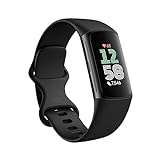
- Find your way seamlessly during runs or rides with turn-by-turn directions from Google Maps on Fitbit Charge 6[7, 8]; and when you need a snack break on the go, just tap to pay with Google Wallet[8, 9]
The Luxe uses a small but vibrant color AMOLED touchscreen housed in a polished stainless steel case, a notable upgrade over the plastic bodies used on cheaper Fitbit models. The screen is bright, sharp, and surprisingly elegant for its size, though its narrow dimensions mean information is displayed in short, glanceable bursts rather than dense data screens.
It tracks steps, distance, calories burned, active minutes, heart rate, blood oxygen saturation during sleep, sleep stages, stress trends, and women’s health metrics. GPS is not built in, relying instead on connected GPS through your phone for outdoor workouts.
Design-first approach and real-world comfort
Design is the Luxe’s defining trait. The tracker is extremely thin and lightweight, making it one of the most comfortable wearables Fitbit has ever produced, especially for smaller wrists or users who dislike the presence of a chunky watch.
The stainless steel case has softly curved edges and a smooth finish that feels closer to a minimalist bracelet than sports tech. Interchangeable bands range from soft silicone to woven fabric and metal link bracelets, allowing it to transition easily between casual, office, and dressier settings.
Because of its low profile and rounded shape, the Luxe excels as a sleep tracker. It rarely catches on clothing, doesn’t dig into the wrist, and remains comfortable during long periods of wear, something bulkier trackers often struggle with.
Health and fitness tracking focus
The Fitbit Luxe is aimed at casual to intermediate fitness users rather than performance-driven athletes. It handles daily activity tracking, guided breathing sessions, basic workout modes, and automatic exercise detection well, but it isn’t built for advanced training analysis.
Heart rate tracking is continuous and reliable for everyday movement, cardio workouts, and general wellness trends. Sleep tracking is one of its strongest areas, offering breakdowns of sleep stages, sleep scores, and insights that feel genuinely useful for lifestyle improvement rather than just raw data.
Stress management features, including heart rate variability trends and mindfulness sessions, play a central role in the Luxe experience. This makes it particularly appealing to users interested in holistic wellness rather than purely fitness metrics.
Battery life and daily usability
Battery life is rated at up to five days, depending on usage, brightness settings, and sleep tracking. In real-world use, most people can expect around four to five days between charges, which strikes a good balance between size and longevity.
The Luxe charges via a proprietary magnetic charger and typically tops up quickly. Notifications for calls, texts, and app alerts are supported, but interaction is limited to viewing rather than responding.
Water resistance up to 50 meters makes it suitable for swimming, showering, and sweat-heavy workouts, reinforcing its role as a true all-day, all-activity wearable.
Software experience and Fitbit Premium
The Luxe relies heavily on the Fitbit app, which remains one of the most approachable and visually polished health platforms available. Data is presented in clean dashboards that emphasize trends and context rather than overwhelming charts.
Many of the Luxe’s deeper insights are unlocked through Fitbit Premium, which adds advanced sleep analytics, stress reports, readiness-style scores, and guided programs. New buyers typically receive a trial period, but ongoing access requires a subscription.
This reliance on Premium is worth considering. Without it, the Luxe still works well, but some of its most compelling wellness features feel incomplete without the added layer of interpretation Premium provides.
Where it fits in the Fitbit lineup
Within Fitbit’s range, the Luxe sits above the Inspire series and below the Charge line. Compared to the Inspire, it offers a more premium design and AMOLED display. Compared to the Charge, it sacrifices built-in GPS, a larger screen, and more robust fitness tools in favor of elegance and comfort.
If you’re choosing between Fitbit Luxe and Fitbit Charge, the decision often comes down to aesthetics versus functionality. The Charge is better for runners and data-focused users, while the Luxe is better for everyday wear and subtle health tracking.
Against competitors like the Garmin Vivosmart, the Luxe stands out for its screen quality, design refinement, and Fitbit’s superior sleep and wellness ecosystem, even if Garmin appeals more to data purists.
Who the Fitbit Luxe is best for
The Fitbit Luxe is ideal for style-conscious users who want health insights without committing to a full smartwatch or bulky fitness tracker. It’s especially well suited to first-time wearable buyers, smartwatch owners seeking a lighter alternative, and anyone prioritizing comfort, sleep tracking, and wellness over hardcore training metrics.
It’s less suitable for serious athletes, outdoor runners who want onboard GPS, or users who expect smartwatch-level functionality. For everyone else, particularly those who value discreet design and an intuitive health platform, the Luxe occupies a very compelling niche in the wearable landscape.
Design, Build Quality, and Wearability: A Fitness Tracker That Looks Like Jewelry
After establishing who the Fitbit Luxe is for, its physical design becomes the clearest expression of that intent. This is not a downsized smartwatch or a stripped-back fitness band; it’s a purpose-built wearable designed to disappear into daily life while still feeling considered and premium on the wrist.
A slim, jewelry-first design philosophy
The Fitbit Luxe is immediately defined by its proportions. The tracker capsule measures just over 36mm tall and under 18mm wide, making it noticeably slimmer and shorter than devices like the Fitbit Charge or most Garmin bands.
On smaller wrists, it wears more like a bracelet accent than a piece of tech. Even on larger wrists, it avoids the “fitness gadget” look, which is a big reason the Luxe appeals to smartwatch owners looking for something lighter and more discreet.
Materials and case finishing
Fitbit uses a stainless steel case for the Luxe, a clear step up from the plastic housings found on the Inspire line. The finish is smooth and polished, with softly curved edges that prevent sharp contact points during long wear.
The front is covered by Gorilla Glass 3, which subtly curves into the case and gives the display a jewel-like depth. It’s not sapphire, but in real-world use it holds up well to everyday knocks, desk contact, and bag friction.
AMOLED display that prioritizes elegance over size
The Luxe features a small but high-quality AMOLED touchscreen. Colors are rich, contrast is excellent, and brightness is more than sufficient for indoor use and casual outdoor checks.
Because the screen is narrow, information is presented vertically with simple animations rather than dense data fields. This reinforces the Luxe’s role as a glanceable wellness companion rather than a data-heavy training device.
Strap system and style versatility
Fitbit’s proprietary strap attachment keeps the Luxe looking seamless from every angle. The default silicone band is soft, flexible, and comfortable enough for all-day wear, including sleep.
One of the Luxe’s strongest design advantages is its accessory ecosystem. Woven fabric bands, leather options, and metal mesh or link bracelets allow it to transition from gym wear to office attire or evening settings without looking out of place.
Comfort for all-day and overnight wear
At roughly 26 grams with the band attached, the Luxe is extremely light. The weight distribution is balanced, and the slim profile prevents pressure points, even when worn tightly for sleep tracking.
This makes it one of Fitbit’s most comfortable devices for overnight use. Users sensitive to bulkier trackers often find the Luxe far easier to forget they’re wearing, which directly improves sleep and stress tracking consistency.
Controls, interaction, and daily usability
There are no physical buttons on the Luxe. Navigation relies entirely on touch gestures and subtle haptic feedback along the sides of the case.
While this keeps the exterior clean and uninterrupted, it does require a short adjustment period. Once learned, interactions feel deliberate and uncluttered, aligning with the Luxe’s minimalist design language.
Durability and water resistance
Despite its refined appearance, the Luxe is rated to 5 ATM water resistance. It’s safe for swimming, showering, and everyday exposure to water without needing removal.
That durability, paired with stainless steel construction, helps justify its premium positioning. It’s designed to look delicate, but it doesn’t demand delicate handling.
How it compares visually within the Fitbit lineup
Placed next to the Inspire series, the Luxe looks immediately more polished, with better materials and a far superior display. Compared to the Charge line, it’s smaller, less imposing, and clearly aimed at lifestyle wear rather than performance tracking.
If the Charge looks like a sports watch and the Inspire looks like a basic tracker, the Luxe looks intentional. It’s the Fitbit you choose when appearance and comfort matter as much as health insights.
Display and Controls: AMOLED Screen, Touch Navigation, and Everyday Visibility
That refined, jewelry-like exterior would fall flat if the screen felt like an afterthought, but this is where the Luxe quietly elevates itself. Fitbit’s decision to pair its slimmest tracker with an AMOLED display is central to how premium the device feels in daily use.
AMOLED display quality and size in real-world use
The Luxe uses a color AMOLED panel that spans nearly edge to edge within its narrow stainless steel case. While the display is small compared to the Charge series or a full smartwatch, the resolution and contrast are high enough that text, icons, and health metrics remain crisp rather than cramped.
Colors are vibrant without looking cartoonish, and black backgrounds blend seamlessly into the bezel. This allows watch faces and stat screens to feel clean and modern, reinforcing the Luxe’s role as a lifestyle-first tracker rather than a data-heavy training tool.
Brightness, visibility, and outdoor readability
Automatic brightness adjustment is handled well for such a compact screen. Indoors, the display stays soft and unobtrusive, while outdoors it boosts brightness enough to remain legible during walks, runs, or casual workouts in daylight.
Direct sunlight can still challenge the small font sizes, especially for notifications or longer text. However, for quick glances at time, steps, heart rate, or Active Zone Minutes, visibility is reliable and rarely frustrating in everyday conditions.
Rank #2

- Inspire 3 is the tracker that helps you find your energy, do what you love and feel your best. All you have to do is wear it.Operating temperature: 0° to 40°C
- Move more: Daily Readiness Score(1), Active Zone Minutes, all-day activity tracking and 24/7 heart rate, 20+ exercise modes, automatic exercise tracking and reminders to move
- Stress less: always-on wellness tracking, daily Stress Management Score, mindfulness sessions, relax breathing sessions, irregular heart rhythm notifications(2), SpO2(3), menstrual health tracking, resting heart rate and high/low heart rate notifications
- Sleep better: automatic sleep tracking, personalized Sleep Profile(1), daily detailed Sleep Score, smart wake vibrating alarm, sleep mode
- Comfortably connected day and night: calls, texts & smartphone app notifications(4), color touchscreen with customizable clock faces, super lightweight and water resistant to 50 meters, up to 10 day battery life(5)
Touch-only navigation and gesture controls
The Luxe relies entirely on touch input, with swipe gestures replacing buttons. Vertical swipes move through tiles like today’s stats, exercise modes, and relaxation features, while horizontal swipes navigate within menus.
This approach keeps the hardware minimal and symmetrical, but it does demand deliberate input. The narrow screen means precise swipes matter, and wet fingers or fast movement can occasionally trigger missed gestures during workouts or swims.
Haptic feedback and interaction feel
To compensate for the lack of physical controls, Fitbit uses subtle vibration feedback along the sides of the case. Notifications, timers, and exercise alerts are noticeable without being jarring, which suits the Luxe’s understated personality.
The haptics also help confirm touch inputs, making the interface feel more intentional over time. After a few days of use, most users adapt quickly and stop missing physical buttons altogether.
Always-on display and battery trade-offs
An optional always-on display mode is available, allowing the Luxe to function more like a traditional watch at a glance. This is especially appealing for style-focused users who want the screen to stay visible without wrist gestures.
The trade-off is battery life. With always-on enabled, expect noticeably shorter endurance compared to Fitbit’s advertised multi-day estimates, making this feature best suited for users willing to recharge more frequently in exchange for constant visibility.
Notifications, watch faces, and everyday usability
Notifications are clear but intentionally concise, reflecting the Luxe’s compact format. Short messages, call alerts, and app notifications work well, but longer texts are better handled on larger Fitbit devices or smartwatches.
Watch face customization adds personality without overwhelming the interface. Options range from minimalist analog styles to stat-forward digital faces, letting the Luxe feel either like discreet jewelry or a fitness tool depending on how it’s configured.
How the Luxe’s display experience compares to rivals
Compared to the Fitbit Inspire series, the Luxe’s AMOLED screen is a substantial upgrade in color, contrast, and perceived quality. Against the Fitbit Charge line, the Luxe sacrifices screen size and on-screen data density in favor of elegance and comfort.
When viewed alongside competitors like the Garmin Vivosmart, the Luxe leans more into visual refinement and lifestyle appeal. It’s not designed to bombard you with metrics mid-workout, but to deliver essential information in a way that complements everyday wear rather than dominating it.
Health Tracking Features: Heart Rate, Stress, Sleep, and Wellness Metrics Explained
Once you move past the Luxe’s display and interface, its core identity comes into focus through health tracking. This is where Fitbit positions the Luxe not as a performance-first device, but as a wellness companion designed to quietly monitor your body throughout the day and night.
Despite its slim, jewelry-like form, the Luxe carries much of Fitbit’s core health platform, scaled thoughtfully for users who want insight without information overload.
24/7 heart rate tracking and daily readiness context
At the center of the Luxe’s health features is continuous optical heart rate tracking. The sensor works around the clock, capturing resting heart rate, activity-related heart rate zones, and long-term trends that feed into Fitbit’s broader wellness metrics.
In day-to-day use, heart rate readings are stable for casual workouts, walking, and general movement. The Luxe is not tuned for rapid heart rate changes during high-intensity interval training in the same way as larger devices like the Fitbit Charge, but for steady-state activities and lifestyle tracking, it performs consistently.
Resting heart rate trends are particularly useful over time. Changes here often reflect shifts in fitness, stress, sleep quality, or recovery, and Fitbit surfaces this data in a way that’s easy to understand rather than clinically dense.
Stress tracking and the EDA sensor experience
One of the Luxe’s standout features within the Fitbit lineup is its built-in EDA (electrodermal activity) sensor. This allows the tracker to perform on-demand stress scans by measuring small changes in skin conductance, which can correlate with physiological stress responses.
Using the stress scan requires you to sit still for a few minutes with your finger resting on the metal frame. It’s a guided, intentional process rather than passive tracking, reinforcing the Luxe’s wellness-first philosophy.
These scans contribute to Fitbit’s Stress Management Score, which also factors in heart rate variability, sleep quality, and activity levels. The result is a daily snapshot of how taxed or balanced your body may be, presented in a way that encourages reflection rather than anxiety.
Sleep tracking depth and nightly insights
Sleep tracking is one of Fitbit’s strongest areas, and the Luxe benefits fully from that ecosystem. It automatically tracks sleep duration, sleep stages, and restlessness, delivering a clear breakdown each morning via the Fitbit app.
The Sleep Score distills complex data into a single, readable number, supported by stage-specific insights that explain time spent in light, deep, and REM sleep. For casual users, this balance of simplicity and detail is one of the Luxe’s biggest strengths.
The Luxe also supports sleep-based SpO2 tracking, measuring blood oxygen saturation during the night. This data is presented as trends rather than real-time alerts, keeping the focus on long-term patterns instead of isolated readings.
Skin temperature variation and wellness trends
During sleep, the Luxe can also track skin temperature variation relative to your personal baseline. Rather than providing absolute temperature readings, Fitbit highlights deviations that may correspond with illness, recovery, or changes in environment.
This feature works best when worn consistently for several nights, allowing the platform to establish a reliable baseline. It’s a subtle metric, but one that fits well with the Luxe’s emphasis on awareness over diagnosis.
Temperature tracking, like some advanced sleep insights, is tied more closely to Fitbit Premium. Users without a subscription still see core data, but deeper interpretation and long-term trend analysis are more prominent behind the paywall.
Health metrics dashboard and Fitbit Premium integration
All of the Luxe’s health data feeds into Fitbit’s Health Metrics dashboard, which aggregates resting heart rate, heart rate variability, breathing rate, SpO2 trends, and skin temperature variation. The dashboard is designed to show what’s changing, not just what’s happening.
Without Fitbit Premium, you still get daily values and basic trends, which is sufficient for many users. Premium expands this with extended history, deeper insights, and guided programs that contextualize the numbers more thoroughly.
For first-time Fitbit users, this split can feel noticeable, but it also allows the Luxe to remain approachable out of the box while offering an upgrade path for those who want more structured wellness guidance.
Accuracy, comfort, and real-world wearability
Because the Luxe is light and slim, it’s easy to wear continuously, which directly benefits health tracking accuracy. Fewer pressure points and less bulk mean users are more likely to keep it on overnight, where much of Fitbit’s most valuable data is collected.
The tracker’s smooth caseback and flexible straps help maintain consistent skin contact without feeling intrusive. This matters for heart rate, stress scans, and sleep metrics, all of which rely on stable sensor readings over time.
Compared to chunkier fitness bands, the Luxe trades some athletic ruggedness for comfort and aesthetics. For its intended audience, that trade-off enhances data consistency rather than diminishing it.
How the Luxe’s health tracking compares within the Fitbit lineup
Against the Fitbit Inspire series, the Luxe offers more advanced wellness tools, particularly with its EDA sensor and richer materials. It feels less like a basic tracker and more like a lifestyle-focused health device.
Compared to the Fitbit Charge line, the Luxe delivers similar foundational health data but with fewer real-time stats and no built-in GPS. The emphasis shifts from performance tracking to passive, all-day health awareness.
For users choosing between the Luxe and competitors like the Garmin Vivosmart, Fitbit’s strength lies in its app experience and long-term health trends. The Luxe is less about granular training data and more about helping users understand how daily habits shape overall well-being.
Fitness and Activity Tracking: Workouts, Accuracy, and What It Does (and Doesn’t) Measure
With the broader health picture established, the Fitbit Luxe’s approach to fitness and activity tracking feels like a natural extension rather than a separate mode. It is designed to capture movement quietly and consistently in the background, prioritizing everyday activity and wellness over structured athletic performance.
This framing is important, because the Luxe is not trying to replace a sports watch. Instead, it focuses on encouraging regular movement, building awareness around intensity, and keeping users engaged without overwhelming them with metrics.
Daily activity tracking: steps, calories, and active minutes
At its core, the Luxe tracks steps, distance, calories burned, and active zone minutes throughout the day. These metrics are always-on, requiring no manual input, and form the foundation of Fitbit’s long-term trend analysis.
Active zone minutes are especially central to the Fitbit ecosystem. Rather than rewarding sheer volume of movement, they emphasize time spent at elevated heart rate levels, aligned with widely used cardio health guidelines.
For casual users, this system feels intuitive and motivating without becoming prescriptive. You are encouraged to move with purpose, but not pressured to hit rigid workout targets every day.
Workout modes and exercise recognition
The Luxe supports a range of exercise modes, including walking, running, cycling, swimming, treadmill workouts, yoga, and general workouts. These can be manually started from the tracker, with basic stats displayed during and after the session.
In addition to manual modes, Fitbit’s SmartTrack feature automatically detects certain activities, such as walking, running, and outdoor cycling. When enabled, it backfills these workouts in the app without requiring user input.
This auto-detection works best for sustained, rhythmic activities and less reliably for short or stop-start workouts. For most Luxe owners, that limitation is acceptable given the tracker’s passive, lifestyle-oriented design.
Rank #3

- 【BUILT-IN GPS SMART WATCH – GO FURTHER, FREER, SMARTER】No phone? No problem. This fitness watch for women, featuring the latest 2025 technology, includes an advanced professional-grade GPS chip that precisely tracks every route, distance, pace (real-time & average), and calorie burned—completely phone-free. Whether you're chasing new personal records or exploring off the beaten path, your full journey is automatically mapped and synced in the app. Train smarter. Move with purpose. Own your progress. Own your journey.
- 【BLUETOOTH 5.3 CALLS & SMART NOTIFICATIONS】Stay effortlessly connected with this smart watch for men and women, featuring dual Bluetooth modes (BT 3.0 + BLE 5.3) and a premium microphone for crystal-clear calls right from your wrist—perfect for driving, workouts, or busy days. Receive instant alerts for calls, texts, and popular social apps like WhatsApp and Facebook. Just raise your wrist to view notifications and never miss an important moment.
- 【100+ SPORT MODES & IP68 WATERPROOF & DUSTPROOF】This sport watch is a versatile activity and fitness tracker with 100+ modes including running, cycling, yoga, and more. It features quick-access buttons and automatic running/cycling detection to start workouts instantly. Accurately track heart rate, calories, distance, pace, and more. Set daily goals on your fitness tracker watch and stay motivated with achievement badges. With IP68 waterproof and dustproof rating, it resists rain and sweat for any challenge. Not suitable for showering, swimming, or sauna.
- 【24/7 HEALTH ASSISTANT & SMART REMINDERS】This health watch continuously monitors heart rate, blood oxygen, and stress levels for comprehensive wellness tracking. Sleep monitoring includes deep, light, REM sleep, and naps to give you a full picture of your rest. Stay on track with smart reminders for sedentary breaks, hydration, medication, and hand washing. Women can also monitor menstrual health. Includes guided breathing exercises to help you relax. Your ultimate health watch with event reminders for a healthier life.
- 【ULTRA HD DISPLAY, LIGHTWEIGHT & CUSTOMIZABLE DIALS】This stylish wrist watch features a 1.27-inch (32mm) 360×360 ultra HD color display with a 1.69-inch (43mm) dial, offering vivid details and responsive touch. Its minimalist design fits both business and casual looks. Switch freely among built-in designer dials or create your own DIY watch face using photos, colors, and styles to showcase your unique personality. Perfect as a cool digital watch and fashion wrist watch.
Heart rate tracking and real-world accuracy
Continuous heart rate monitoring is one of the Luxe’s most important sensors, influencing everything from calorie estimates to stress tracking and sleep stages. In everyday use, heart rate readings are generally stable and consistent, particularly during low- to moderate-intensity activity.
During steady-state workouts like walking or cycling, accuracy holds up well for a wrist-based optical sensor. Rapid intensity changes or high-impact interval training can introduce some lag, which is typical for slim trackers without advanced multi-path sensors.
Because the Luxe is light and sits comfortably against the wrist, it benefits from better skin contact than bulkier devices. Over the course of a day or night, this consistency often matters more than peak performance accuracy.
Sleep tracking and recovery-related insights
Sleep tracking is a major strength of the Luxe and a key reason many users choose it over more fitness-forward bands. It automatically tracks sleep duration, stages, and restlessness, presenting the data in a clear, visually friendly format.
With Fitbit Premium, sleep scores and deeper breakdowns help contextualize how lifestyle habits influence rest quality. Without Premium, users still receive core metrics and trend views that are useful for long-term awareness.
While the Luxe does not offer advanced recovery metrics like training readiness or body battery-style scores, it provides enough information for users to recognize patterns and adjust routines accordingly.
Stress tracking, EDA scans, and what they actually mean
The Luxe includes an EDA sensor for on-demand stress scans, measuring small changes in skin conductance during guided breathing sessions. These scans are meant to indicate physiological stress responses rather than emotional states.
In practice, EDA data works best as a relative tool. Over time, users can see whether their stress responses trend higher or lower, rather than treating individual readings as definitive measurements.
This feature aligns with the Luxe’s broader philosophy: awareness over diagnosis. It complements heart rate variability trends and mindfulness tools rather than replacing them.
What the Fitbit Luxe does not track
Understanding the Luxe’s limitations is essential to making the right buying decision. Most notably, it does not include built-in GPS, so outdoor runs and rides rely on connected GPS from a smartphone.
The tracker also lacks advanced training metrics such as VO2 max estimates displayed directly on-device, recovery time guidance, or performance load tracking. These features are reserved for more performance-oriented wearables.
For swimmers, the Luxe tracks swim duration and basic metrics but does not offer detailed stroke analysis. Again, the emphasis is on participation and consistency rather than technical breakdowns.
How activity data fits into the Fitbit app experience
What elevates the Luxe’s fitness tracking beyond raw numbers is how the data is organized in the Fitbit app. Trends are easy to spot, and historical views encourage gradual habit-building rather than short-term intensity.
Weekly summaries, gentle reminders, and goal progress visuals keep engagement high without feeling punitive. This makes the Luxe especially appealing to users who want encouragement rather than coaching.
In daily use, the Luxe succeeds by staying out of the way. It captures enough activity data to be meaningful, presents it clearly, and avoids pushing users into fitness identities they may not relate to.
Battery Life, Charging, and Day-to-Day Reliability
The Luxe’s low-profile design and focus on passive tracking shape how it behaves day to day. Battery life, charging convenience, and overall reliability all reinforce its role as a wearable you put on and largely forget about.
Real-world battery life expectations
Fitbit rates the Luxe for up to five days of battery life, and that estimate holds up well with typical mixed use. Continuous heart rate tracking, sleep monitoring, notifications, and a few workouts per week generally land between four and five days before needing a recharge.
Display behavior has the biggest impact on longevity. Enabling the always-on display drops battery life closer to two to three days, which is still usable but changes the rhythm of ownership noticeably.
Frequent smartphone notifications, multiple daily workouts, and repeated SpO2 or EDA checks can shorten runtime further. Users who prioritize battery life over constant screen visibility will get the most consistent results by leaving always-on display disabled.
Charging system and turnaround time
The Luxe uses a proprietary clip-style charger that snaps onto the back of the tracker. It is secure once aligned, but the small size makes it easy to misplace, especially when traveling.
A full charge typically takes around 90 minutes to two hours from empty. Short top-ups are effective, with a 15–20 minute charge often restoring enough power for a full day and night of use.
Because the Luxe does not support wireless charging or USB-C directly, long-term convenience depends on keeping the charger accessible. This is one area where the Luxe feels more like a traditional fitness band than a modern smartwatch.
Sleep tracking and overnight reliability
Battery endurance plays a direct role in the Luxe’s strength as a sleep tracker. With multiple nights per charge, users can rely on uninterrupted sleep data without nightly charging anxiety.
Overnight heart rate and SpO2 tracking run quietly in the background with minimal battery drain. Even toward the end of a charge cycle, sleep tracking remains stable rather than cutting out unpredictably.
This reliability reinforces the Luxe’s emphasis on long-term trends. Consistent overnight data is more valuable here than raw performance metrics, and the battery supports that goal well.
Durability and daily wear confidence
The Luxe is water resistant to 5 ATM, making it suitable for swimming, showering, and everyday exposure to sweat and rain. This rating supports true all-day wear rather than selective use.
The stainless steel case resists minor scuffs better than plastic-bodied trackers, though the polished finish can show hairline scratches over time. The Gorilla Glass display holds up well against taps and contact with clothing or desks.
Strap comfort also affects perceived reliability. The soft silicone band stays comfortable during long wear sessions, reducing the temptation to take the tracker off and forget to put it back on.
Software stability and sync performance
In daily use, syncing between the Luxe and the Fitbit app is generally dependable on both iOS and Android. Data transfers are quick, and background syncing keeps metrics up to date without frequent manual refreshes.
Notifications arrive consistently once permissions are set correctly, though the Luxe is best suited for glanceable alerts rather than active interaction. The small screen limits message content, but vibration strength is well tuned for awareness without being intrusive.
Firmware updates are infrequent but stable, and battery drain remains predictable across software versions. This consistency reinforces the Luxe’s role as a dependable lifestyle tracker rather than a device that demands frequent attention or troubleshooting.
How battery life fits the Luxe’s overall philosophy
The Luxe’s battery performance aligns closely with its design intent. It prioritizes steady, low-maintenance operation over headline-grabbing specs, allowing users to focus on habits rather than hardware.
Compared to larger Fitbit models like the Charge series, the Luxe trades endurance for elegance and comfort. Against slimmer competitors like the Inspire, it offers a more premium feel without sacrificing meaningful battery life.
For style-conscious users who want reliable health and activity tracking without daily charging, the Luxe’s power management feels thoughtfully balanced rather than compromised.
Fitbit App Experience and Fitbit Premium: What You Get for Free vs Paid
Once the Luxe is on your wrist and quietly collecting data in the background, the Fitbit app becomes the real point of daily interaction. It’s where the Luxe’s minimalist hardware philosophy makes sense, shifting depth, analysis, and motivation onto a larger screen without overloading the tracker itself.
Fitbit’s software approach is especially well suited to a slim device like the Luxe. Instead of trying to do everything on-device, it relies on a polished, mature app experience that works equally well for first-time users and those already familiar with fitness platforms.
Fitbit app basics: what all Luxe users get for free
Out of the box, the Fitbit app provides a comprehensive set of features without requiring a subscription. Core metrics like steps, distance, calories burned, heart rate trends, sleep duration, sleep stages, and SpO2 estimates are all visible in clear, easy-to-read dashboards.
Daily activity tracking is presented in a way that favors consistency over intensity. The app encourages movement through step goals, hourly reminders, and Active Zone Minutes, which translate heart rate data into effort-based scoring rather than raw workout stats.
Sleep tracking is one of Fitbit’s strongest free features. Luxe users can see nightly sleep duration, time spent in light, deep, and REM stages, and a sleep score that summarizes overall quality without demanding deep interpretation.
Health metrics and long-term trends without Premium
For casual and intermediate users, the free app already offers meaningful health insights. Resting heart rate trends, breathing rate during sleep, and nightly blood oxygen variation are tracked over time, helping users spot patterns rather than chase single-day numbers.
The Health Metrics dashboard shows multi-day and multi-week averages, which works well with the Luxe’s all-day wear comfort. Because the device is light and unobtrusive, the data tends to be more complete, making long-term trends more reliable.
Rank #4

- 24H Accurate Heart Rate Monitoring: Go beyond basic tracking. Our watch automatically monitors your heart rate, blood oxygen (SpO2), and sleep patterns throughout the day and night. Gain deep insights into your body's trends and make informed decisions for a healthier lifestyle.
- Practical Sports Modes & Smart Activity Tracking: From running and swimming to yoga and hiking, track a wide range of activities with precision. It automatically records your steps, distance, calories burned, and duration, helping you analyze your performance and crush your fitness goals.
- 1-Week Battery Life & All-Day Wear: Say goodbye to daily charging. With an incredible up to 7-10 days of battery life on a single charge, you can wear it day and night for uninterrupted sleep tracking and worry-free travel. Stay connected to your data without the hassle.
- Comfortable to Wear & IP68 Waterproof: The lightweight, skin-friendly band is crafted for all-day comfort, even while you sleep. With IP68 waterproof, it withstands rain, sweat, It is not suitable for swimming or showering.
- Ease of Use and Personalized Insights via Powerful App: The display is bright and easy to read, even outdoors. Unlock the full potential of your watch. Sync with our dedicated app to view detailed health reports, customize watch faces, set sedentary reminders, and manage your preferences with ease.
Stress management tools are also available without Premium. The Luxe’s EDA sensor supports basic stress tracking and mindfulness sessions, with simple summaries that feel approachable rather than clinical.
Fitbit Premium: what’s added behind the paywall
Fitbit Premium builds on the same data but adds more interpretation and guidance. Instead of just showing trends, Premium explains what they may mean and suggests actions, which can be helpful for users who want structure without upgrading to a larger or more complex device.
One of the headline features is the Daily Readiness Score, which combines activity, sleep, and heart rate variability into a single metric. This score aims to answer a common question: whether today is better suited for rest or exertion.
Premium also unlocks deeper sleep insights, including monthly sleep profiles and more detailed breakdowns of sleep patterns. These features don’t change how the Luxe tracks sleep, but they change how much context you’re given.
Workouts, programs, and coaching with Premium
Without Premium, the Luxe supports basic workout tracking and connected GPS via your phone, logging duration, heart rate zones, and calories burned. This is sufficient for walking, casual running, gym sessions, and general fitness maintenance.
Premium adds guided workout videos, training programs, and wellness content inside the app. These are phone-based experiences rather than on-device features, aligning with the Luxe’s small display and limited interaction model.
For users who like being told what to do next, Premium’s programs can feel like a lightweight digital coach. For self-directed users, the free tracking tools often remain more than enough.
Fitbit Premium cost and trial considerations
The Fitbit Luxe typically includes a trial of Fitbit Premium for new users, giving a risk-free way to explore the added features. After the trial, Premium is a paid monthly or annual subscription, which should factor into the overall value calculation.
Because the Luxe hardware doesn’t change with Premium, the decision comes down to whether you want interpretation and guidance or are comfortable reading the data yourself. The Luxe remains fully functional without a subscription, which is not always true across the wearable market.
This flexibility makes the Luxe appealing to buyers wary of mandatory paywalls. You can start simple, then add Premium later if your fitness goals evolve.
App design, usability, and device pairing
Fitbit’s app design favors clarity over density. Metrics are presented in cards that can be rearranged, letting Luxe users prioritize what matters most, whether that’s steps, sleep, or heart rate.
Pairing and syncing remain straightforward on both iOS and Android, with the app handling background updates quietly. This low-friction experience complements the Luxe’s role as a lifestyle accessory rather than a device that demands constant management.
Notifications, alarms, and settings are all controlled through the app, which feels necessary given the Luxe’s compact touchscreen. The division of labor between tracker and phone is well judged, keeping the on-wrist experience clean while preserving depth off-wrist.
How the app experience shapes the Luxe’s place in the Fitbit lineup
Compared to the Inspire series, the Luxe benefits more from the app’s visual polish and health dashboards, reinforcing its premium positioning. Against the Charge series, it relies more heavily on the phone for insight, trading onboard complexity for elegance and comfort.
For smartwatch users considering a lighter alternative, the Fitbit app helps bridge the gap by offering richer health data than many fashion-focused wearables. While it doesn’t replace a full smartwatch ecosystem, it delivers clarity and consistency that match the Luxe’s understated design.
Ultimately, the Fitbit app is not just a companion to the Luxe, but an extension of its philosophy. The tracker stays slim and discreet, while the app does the heavy lifting, letting users engage as deeply or as lightly as they choose.
Smart Features and Limitations: Notifications, GPS Trade-Offs, and No-Frills Smarts
The Fitbit Luxe’s approach to smart features mirrors its overall philosophy: keep the tracker elegant, unobtrusive, and focused on daily health rather than acting as a wrist-mounted command center. If you’re coming from a smartwatch, the Luxe will feel intentionally restrained. For buyers upgrading from a basic tracker or prioritizing aesthetics, that restraint is often the point.
Notifications: Clean, readable, and intentionally limited
The Luxe supports smartphone notifications for calls, texts, and app alerts, delivered as mirrored previews from your paired phone. The AMOLED display is small but sharp, and text remains legible thanks to thoughtful spacing and smooth scrolling.
Interaction is minimal by design. You can dismiss notifications on the tracker, and Android users get access to quick replies using preset responses, but there’s no on-screen keyboard or deep message handling. iPhone users are limited to viewing and clearing alerts only.
In daily use, this keeps interruptions manageable rather than overwhelming. The Luxe works best as a gentle tap on the wrist, not a device that pulls you into constant back-and-forth communication.
What you won’t find: apps, voice assistants, or smartwatch multitasking
There’s no app store, no third-party apps, and no voice assistant baked into the Luxe. You won’t be setting reminders by voice, replying to emails, or launching mini-apps from your wrist.
Instead, Fitbit relies on the companion app to handle configuration, data review, and customization. On the tracker itself, you’re limited to widgets for stats, exercise modes, timers, alarms, and settings, all accessed through swipe gestures.
This stripped-back approach reduces friction and preserves battery life, but it also draws a clear line between the Luxe and Fitbit’s smartwatch-oriented models like the Versa and Sense.
GPS trade-offs: why your phone still matters
One of the Luxe’s most important limitations is the complete absence of GPS. There’s no built-in GPS and no connected GPS via your smartphone, meaning outdoor runs, walks, or rides won’t generate route maps.
Distance and pace are estimated using step count and movement patterns instead. For casual activity tracking, this is usually sufficient, but runners and cyclists who care about precise pace, elevation, or route data will quickly feel constrained.
This is where the Luxe’s positioning becomes clear. It’s designed for lifestyle fitness and wellness tracking, not for structured training or performance analysis. Fitbit’s Charge series exists specifically to fill that gap.
Payments, controls, and everyday conveniences
Fitbit Pay is supported only on the Luxe Special Edition models equipped with NFC. For users who choose that version, contactless payments add a layer of everyday convenience, especially given the Luxe’s discreet size and polished stainless steel case.
Beyond that, smart conveniences are basic. You’ll find silent alarms, countdown timers, and simple on-device controls, but no music storage and very limited media interaction. The Luxe assumes your phone is doing the heavy lifting.
For many buyers, this balance feels appropriate. The tracker stays light, slim, and visually refined, avoiding the bulk and complexity that often come with expanded smartwatch features.
Battery life benefits of a restrained smart feature set
The upside of these limitations is consistency. With fewer background processes, no GPS drain, and a simple interface, the Luxe reliably delivers up to five days of battery life in real-world use.
Notifications don’t significantly impact endurance, and the absence of power-hungry features means you’re not constantly managing charging habits. For a device meant to be worn day and night, this predictability matters more than flashy capabilities.
The Luxe’s smart features won’t impress power users, but they align tightly with its design intent. It’s a fitness tracker that respects your attention, complements your phone rather than competing with it, and prioritizes comfort and aesthetics over digital overload.
Fitbit Luxe vs Other Fitbits and Key Rivals: Charge, Inspire, Vivosmart Compared
Seen in context, the Luxe makes the most sense when you place it against Fitbit’s own lineup and the slim trackers from Garmin. Its strengths and compromises become clearer once you compare size, materials, tracking depth, and how much “watch” each device tries to be.
Rather than competing on raw features, the Luxe competes on discretion, finish, and everyday comfort. The question is whether that trade-off aligns with how you actually move, train, and live.
Fitbit Luxe vs Fitbit Charge: style-first vs performance-first
The Fitbit Charge series is the Luxe’s most direct internal alternative, and also its clearest contrast. Where the Luxe is narrow, jewelry-like, and polished, the Charge is wider, sportier, and unapologetically utilitarian on the wrist.
The Charge includes built-in GPS, a larger touchscreen, physical side controls, and more advanced workout metrics. Runners, cyclists, and hikers immediately benefit from route tracking, real-time pace, and elevation data that the Luxe simply cannot provide.
Materials and wearability diverge sharply. The Luxe uses a stainless steel case with a curved AMOLED display that blends into dressier outfits, while the Charge prioritizes durability and visibility over refinement.
Battery life is comparable in practice, with both delivering around five to seven days depending on usage. The difference is how that battery is spent: the Charge burns power on GPS and active training features, while the Luxe spreads it across passive wellness tracking.
If fitness is something you schedule and measure, the Charge is the smarter buy. If fitness is something you integrate quietly into daily life, the Luxe feels more natural.
Fitbit Luxe vs Fitbit Inspire: premium feel vs entry-level simplicity
The Inspire series sits below the Luxe in Fitbit’s hierarchy, both in price and in finish. Inspire models are lightweight, plastic-bodied trackers designed for basic activity tracking and affordability.
Functionally, the Inspire and Luxe share a surprising amount of overlap. Both rely on connected GPS, track steps, heart rate, sleep, and SpO2, and offer similar battery life in everyday use.
💰 Best Value

- 【Superb Visual Experience & Effortless Operation】Diving into the latest 1.58'' ultra high resolution display technology, every interaction on the fitness watch is a visual delight with vibrant colors and crisp clarity. Its always on display clock makes the time conveniently visible. Experience convenience like never before with the intuitive full touch controls and the side button, switch between apps, and customize settings with seamless precision.
- 【Comprehensive 24/7 Health Monitoring】The fitness watches for women and men packs 24/7 heart rate, 24/7 blood pressure and blood oxygen monitors. You could check those real-time health metrics anytime, anywhere on your wrist and view the data record in the App. The heart rate monitor watch also tracks different sleep stages for light and deep sleep,and the time when you wake up, helps you to get a better understanding of your sleep quality.
- 【120+ exercise modes & All-Day Activity Tracking】There are more than 120 exercise modes available in the activity trackers and smartwatches, covering almost all daily sports activities you can imagine, gives you new ways to train and advanced metrics for more information about your workout performance. The all-day activity tracking feature monitors your steps, distance, and calories burned all the day, so you can see how much progress you've made towards your fitness goals.
- 【Messages & Incoming Calls Notification】With this smart watch fitness trackers for iPhone and android phones, you can receive notifications for incoming calls and read messages directly from your wrist without taking out your phone. Never miss a beat, stay in touch with loved ones, and stay informed of important updates wherever you are.
- 【Essential Assistant for Daily Life】The fitness watches for women and men provide you with more features including drinking water and sedentary reminder, women's menstrual period reminder, breath training, real-time weather display, remote camera shooting, music control,timer, stopwatch, finding phone, alarm clock, making it a considerate life assistant. With the GPS connectivity, you could get a map of your workout route in the app for outdoor activity by connecting to your phone GPS.
The difference is almost entirely experiential. The Luxe’s color AMOLED display, slimmer profile, and metal case make it feel like a piece of wearable design rather than a fitness gadget.
Comfort is also more nuanced on the Luxe. Its curved glass, softer strap options, and narrower footprint sit more comfortably on smaller wrists and disappear more easily under sleeves.
If budget is the priority and looks are secondary, the Inspire does the job. If you want a tracker you actually enjoy wearing 24/7, the Luxe justifies its premium.
Fitbit Luxe vs Garmin Vivosmart: wellness ecosystem vs fitness depth
Garmin’s Vivosmart series targets a similar slim-tracker audience, but with a very different philosophy. Garmin emphasizes training metrics, body battery scores, and performance insights over lifestyle polish.
The Vivosmart typically offers excellent sensor accuracy, strong heart rate tracking during exercise, and Garmin’s robust fitness algorithms. It also benefits from Garmin’s independence from subscriptions, as most features are included without a monthly fee.
The Luxe counters with a far more refined display and a smoother software experience. Fitbit’s app excels at presenting health trends in an accessible way, especially for sleep, stress, and long-term wellness patterns.
Design is where the Luxe clearly pulls ahead. The Garmin looks and feels like sports equipment, while the Luxe is designed to pass as an accessory first and a tracker second.
For data-driven users who care about physiological metrics and training readiness, Garmin holds appeal. For users who value clarity, simplicity, and visual elegance, Fitbit’s approach is more inviting.
Size, comfort, and all-day wearability compared
On the wrist, the Luxe is one of the smallest and lightest trackers in its class. Its narrow case and curved edges reduce pressure points, making it easier to wear during sleep and long workdays.
The Charge is noticeably larger, especially on slimmer wrists, and can feel more like a compact smartwatch than a tracker. Inspire models are light but lack the Luxe’s refined finishing and screen quality.
Garmin’s Vivosmart sits somewhere in between, slim but stiffer, with a more utilitarian strap and a less expressive display. Comfort is good, but not as effortlessly discreet as the Luxe.
If all-day and overnight wear are priorities, the Luxe’s physical design gives it a tangible advantage.
Software experience and ecosystem differences
Fitbit’s app remains one of the most approachable platforms for casual and intermediate users. Data is clearly visualized, trends are easy to understand, and health metrics feel relevant rather than overwhelming.
The Luxe integrates seamlessly into this ecosystem, though many deeper insights sit behind Fitbit Premium. Features like advanced sleep analysis and guided wellness content are more compelling on a device meant to be worn constantly.
Garmin’s software is powerful but denser. It rewards engaged users who want to explore metrics, but can feel intimidating for those who just want clear answers about health and activity.
The Charge benefits from Fitbit’s software depth while unlocking more training-focused data, making it a better bridge between casual and serious fitness users.
Which one fits your lifestyle best
The Luxe is for people who want fitness tracking without committing to a sporty aesthetic. It prioritizes elegance, comfort, and quiet health insights over structured training tools.
The Charge is for users who want Fitbit’s ecosystem but need GPS and more exercise feedback. The Inspire is for budget-conscious buyers who want core tracking without design emphasis.
Garmin’s Vivosmart suits those who value physiological data and training metrics more than style. Each device succeeds by knowing its audience, and the Luxe succeeds by knowing when less really is more.
Is the Fitbit Luxe Worth Buying in 2026? Ideal Buyers, Deal Pricing, and Final Verdict
Viewed through the lens of the comparisons above, the Fitbit Luxe still occupies a very specific and surprisingly relevant niche in 2026. It is not trying to compete with feature-rich trackers or entry-level smartwatches, and that restraint remains its defining strength.
If you understand what the Luxe is designed to be, it can still make a lot of sense today. If you expect it to grow into something more powerful over time, it will feel limited very quickly.
Who the Fitbit Luxe is still ideal for
The Luxe is best suited to style-first buyers who want health and activity tracking to quietly fit into daily life. It works especially well for people who wear their tracker 24/7 and care as much about comfort, materials, and aesthetics as step counts or sleep scores.
First-time Fitbit buyers who want a refined introduction to the ecosystem are a strong match. The Luxe delivers core Fitbit strengths like sleep tracking, daily readiness-style insights via Premium, stress tracking, and reliable heart rate monitoring without overwhelming the user.
It also remains a compelling option for smartwatch users who feel fatigued by notifications and bulky cases. As a lightweight secondary device, or a deliberate step away from screens, the Luxe offers health awareness without digital noise.
Who should look elsewhere in 2026
If your fitness routine revolves around structured workouts, outdoor runs, or performance goals, the Luxe will feel restrictive. The lack of built-in GPS, limited exercise data screens, and absence of physical buttons make it a poor training companion by modern standards.
Buyers who want maximum value through features per dollar should also think carefully. Newer trackers at similar prices now offer larger displays, longer battery life, and more advanced health sensors.
The Luxe is not the right choice for users who want their tracker to double as a smartwatch. Notification handling is basic, there are no apps, and interaction is intentionally minimal.
Battery life, durability, and long-term ownership
In real-world use, the Luxe still delivers around five days of battery life, assuming moderate notification use and regular sleep tracking. That is respectable, though no longer class-leading, and frequent use of the bright AMOLED display can shorten it.
The stainless steel case holds up well over time, resisting scratches better than plastic-bodied trackers. The Gorilla Glass display is durable for everyday wear, though it lacks the rugged confidence of sport-focused devices.
Comfort remains one of the Luxe’s strongest long-term advantages. Its slim profile, light weight, and flexible strap options make it easy to forget you are wearing it, even overnight.
Fitbit Premium and software relevance in 2026
The Luxe’s value is closely tied to Fitbit’s software experience. Without Premium, you still get clear activity tracking, sleep stages, heart rate data, and wellness trends that are easy to understand.
With Premium, the Luxe feels more complete. Advanced sleep insights, stress management tools, and guided content align well with a device designed for constant wear and holistic health awareness.
Fitbit’s app remains one of the most approachable platforms available, especially for users who want insight rather than raw data. The Luxe benefits from this clarity more than most devices in the lineup.
Pricing, deals, and value in 2026
As an older model, the Fitbit Luxe is rarely worth buying at its original retail price. Its appeal improves dramatically when found on sale, refurbished, or bundled with accessories.
In 2026, the Luxe makes sense when priced clearly below newer trackers like the Charge or Inspire series. At a meaningful discount, its premium materials and screen quality still feel special.
If the price creeps too close to newer models with GPS or extended battery life, the Luxe becomes harder to justify unless design is your top priority.
Final verdict
The Fitbit Luxe is still worth buying in 2026 for the right person. It remains one of the most comfortable, discreet, and visually refined fitness trackers Fitbit has ever made.
Its limitations are real, and time has not erased them. But for users who value elegance, simplicity, and wearable comfort over performance metrics, those limitations are part of the appeal.
As long as it is priced appropriately, the Luxe continues to deliver something many trackers still struggle with: fitness tracking that feels like a natural part of your personal style rather than a gadget strapped to your wrist.