The Fitbit Luxe is aimed squarely at people who find most fitness trackers visually intrusive. It is slim, jewelry-like, and deliberately understated, the kind of device you wear because it complements an outfit rather than competes with it. The central question isn’t whether it tracks steps or sleep, but whether it can deliver meaningful health insights without losing the elegance that defines its appeal.
This is not a smartwatch trying to shrink itself down, nor a sports tracker pretending to be fashionable after the fact. The Luxe positions itself as a lifestyle wearable first, with fitness and wellness quietly working in the background. If you are deciding between a discreet band like this, a chunkier tracker such as the Charge, or an entry-level smartwatch like the Apple Watch SE, understanding that balance is crucial.
What follows looks at how the Luxe feels on the wrist day after day, how much fitness and health tracking it realistically offers, and whether its premium materials and slim profile justify choosing it over more capable but bulkier alternatives.
Design and first impressions
At a glance, the Fitbit Luxe barely reads as a fitness tracker. The stainless steel case is slim and softly curved, with polished finishes that catch light in a way closer to jewelry than gym gear. It is notably narrower than the Charge series and far less conspicuous than any smartwatch, making it easy to wear with formal or office clothing.
🏆 #1 Best Overall
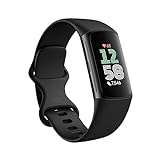
- Find your way seamlessly during runs or rides with turn-by-turn directions from Google Maps on Fitbit Charge 6[7, 8]; and when you need a snack break on the go, just tap to pay with Google Wallet[8, 9]
The AMOLED display is small but crisp, with vibrant colors and good contrast indoors. Outdoors, brightness is adequate rather than exceptional, and the narrow screen limits how much information can be shown at once. Still, for glances rather than long interactions, it feels intentional rather than compromised.
Comfort and wearability
Comfort is where the Luxe immediately distinguishes itself. Weighing very little and sitting flat against the wrist, it almost disappears during daily wear and sleep tracking. This makes it particularly appealing for users who dislike the constant awareness of a heavier smartwatch.
The included silicone band is soft and flexible, though the Luxe arguably shines brightest when paired with optional metal or woven bands that lean further into its fashion-forward identity. Strap changes are simple, and the tracker works well on smaller wrists where bulkier devices can feel awkward or oversized.
Fitness and health tracking at a practical level
Underneath the refined exterior, the Luxe offers the core Fitbit experience. Step tracking, heart rate monitoring, sleep analysis, stress tracking, and SpO2 measurements are all present, delivering the same underlying data quality found in Fitbit’s more utilitarian models. For casual to intermediate fitness users, accuracy is solid for everyday movement, walks, and light workouts.
What it lacks are advanced training tools. There is no built-in GPS, limited on-device workout guidance, and fewer metrics for serious runners or cyclists. This reinforces the idea that the Luxe is designed to support general wellness and habit awareness rather than performance optimization.
Battery life and daily usability
Battery life is one of the Luxe’s strongest everyday advantages. With typical use, it comfortably lasts around five days, sometimes longer if screen interactions are minimal. This makes it far less demanding than a smartwatch that needs nightly charging.
Navigation relies on taps and swipes rather than physical buttons, which keeps the design clean but can feel fiddly during workouts or with sweaty hands. Most interactions are intended to be quick, with deeper insights reserved for the Fitbit app, where the Luxe’s data becomes more useful and contextual.
Where it sits in the wider wearable landscape
Compared to bulkier fitness trackers, the Luxe sacrifices some features in exchange for style and comfort. Against entry-level smartwatches, it gives up apps, calls, and customization but wins decisively on battery life and subtlety. It occupies a niche that prioritizes how a device looks and feels as much as what it measures.
The Luxe is ultimately for someone who wants gentle accountability and wellness awareness without turning their wrist into a notification hub. Whether that balance feels right depends less on your fitness goals and more on how much you value a tracker that blends seamlessly into everyday life.
Design, Materials, and Wearability: Jewelry-Inspired Aesthetics in Daily Life
If the Luxe makes sense anywhere, it’s on the wrist before it ever opens the Fitbit app. After discussing where it sits functionally, the design is where Fitbit’s priorities become unmistakably clear. This is a tracker meant to be worn all day without advertising itself as a piece of tech.
Minimalist form factor with intentional proportions
The Luxe is notably slim and narrow, closer in footprint to a fine bracelet than a traditional fitness band. Its stainless steel case measures just 36.3mm tall and 17.6mm wide, with a low profile that disappears under sleeves and never dominates smaller wrists. At a glance, it looks more like a modern accessory than a fitness device.
That compact size comes with trade-offs, particularly in screen real estate, but it pays dividends in wearability. For users who find devices like the Fitbit Charge or Apple Watch visually overwhelming, the Luxe feels refreshingly restrained. It’s one of the few trackers that genuinely works in formal or professional settings.
Materials and finish: understated but premium
Fitbit uses a stainless steel housing rather than plastic, and it shows in daily wear. The finish has a soft sheen rather than a mirror polish, avoiding the flashy look that can make wearables feel costume-like. Available colorways lean into muted metallics and neutrals, reinforcing the jewelry-inspired intent.
The glass-covered AMOLED display sits flush with the case, creating a smooth, continuous surface. While the screen is small, colors are rich and contrast is excellent, helping it remain legible despite its size. Brightness is sufficient outdoors, though it doesn’t compete with larger smartwatch displays under harsh sunlight.
Straps that prioritize comfort over visual drama
Out of the box, the Luxe ships with a slim silicone band designed to match the understated case. It’s soft, flexible, and light, making it easy to forget during long days or overnight sleep tracking. The narrow width also reduces pressure points, particularly for users sensitive to bulky straps.
Fitbit’s proprietary strap system limits third-party options, but official alternatives include woven, leather, and metal bands. These transform the Luxe more dramatically than most trackers, pushing it further into accessory territory. With the right strap, it can convincingly pass as a bracelet rather than a fitness device.
All-day wearability and skin comfort
Comfort is where the Luxe quietly excels. Its light weight and rounded edges prevent digging or hotspots, even during extended wear. For sleep tracking, it’s one of the least intrusive devices Fitbit has made.
During workouts, the small footprint remains comfortable, though sweat can make swipe-based interactions less reliable. The band’s breathability is adequate for casual exercise but less ideal for high-intensity sessions compared to wider, perforated sports straps. Still, the Luxe feels designed to be worn continuously, not removed once the workout ends.
Durability and real-world resilience
The Luxe is water-resistant up to 50 meters, making it safe for showers, swimming, and everyday exposure. The stainless steel case holds up well against minor knocks, though the polished edges can show micro-scratches over time. This is a fashion-forward tracker, not a rugged one, and it wears its use honestly.
For most users, durability will be more than sufficient for daily life. It’s built to survive routines, commutes, and workouts, not mountain biking crashes or endurance racing. That distinction aligns with the Luxe’s broader identity.
A design that shapes how the Luxe is used
The Luxe’s physical design directly influences behavior. Because it looks good with almost anything, it’s more likely to stay on your wrist, which improves consistency in health and wellness tracking. That subtle psychological effect is something bulkier trackers often overlook.
At the same time, the small screen and minimalist controls reinforce its role as a glanceable companion rather than an interactive device. You check progress, not manage your day, and that boundary is part of its appeal. The Luxe succeeds not by trying to do everything, but by fitting naturally into everyday life without demanding attention.
Display and Interface: AMOLED Beauty Versus Real-World Usability
The Luxe’s screen is a direct extension of its design philosophy. It’s meant to be admired at a glance, not interacted with for long stretches, and that intention shapes both its strengths and its compromises.
A small AMOLED that prioritizes elegance
The 0.76-inch AMOLED display is genuinely beautiful for its size. Colors are rich, blacks are deep, and the curved glass blends seamlessly into the stainless steel case, reinforcing the bracelet-like illusion discussed earlier.
Indoors, brightness is excellent and the screen looks far more premium than most slim fitness bands. Outdoors, visibility is generally good but not flawless, especially in harsh midday sun where reflections can creep in despite the AMOLED’s contrast advantage.
Wake behavior and glance-first design
There’s no always-on display here, and that’s a deliberate trade-off. The Luxe relies on wrist raise, tap-to-wake, or a squeeze of the capacitive side control, which helps preserve battery life but occasionally feels slow if your wrist movement isn’t exaggerated.
Once awake, information is presented cleanly and without clutter. Time, steps, heart rate, and active zone minutes are easy to read, but the experience is very much “check and move on” rather than linger and explore.
Touch interface on a very tight canvas
Navigation is entirely touch-based, supplemented by the subtle side control for backing out of menus. Swipes are responsive and animations are smooth, but the narrow screen leaves little room for error, especially during workouts or when your fingers are damp.
This is where the Luxe’s fashion-first sizing becomes most noticeable. Compared to a Fitbit Charge or even an Inspire, text and icons feel compressed, and quick interactions require more precision than some users may expect.
Menus, watch faces, and customization
Fitbit keeps the interface refreshingly simple. Vertical swipes move through daily stats and features, while horizontal swipes handle navigation, making the learning curve almost nonexistent.
Rank #2

- Inspire 3 is the tracker that helps you find your energy, do what you love and feel your best. All you have to do is wear it.Operating temperature: 0° to 40°C
- Move more: Daily Readiness Score(1), Active Zone Minutes, all-day activity tracking and 24/7 heart rate, 20+ exercise modes, automatic exercise tracking and reminders to move
- Stress less: always-on wellness tracking, daily Stress Management Score, mindfulness sessions, relax breathing sessions, irregular heart rhythm notifications(2), SpO2(3), menstrual health tracking, resting heart rate and high/low heart rate notifications
- Sleep better: automatic sleep tracking, personalized Sleep Profile(1), daily detailed Sleep Score, smart wake vibrating alarm, sleep mode
- Comfortably connected day and night: calls, texts & smartphone app notifications(4), color touchscreen with customizable clock faces, super lightweight and water resistant to 50 meters, up to 10 day battery life(5)
Watch face options lean heavily toward minimalist aesthetics rather than data density. You can customize colors and layouts, but anyone hoping for multi-metric dashboards will find the Luxe intentionally restrained.
Notifications: readable, but limited
Notifications arrive clearly with vibration alerts, and short messages are readable without much squinting. Longer texts, emails, or app notifications quickly hit the limits of the screen, requiring frequent scrolling that feels fiddly.
You can’t respond directly from the Luxe, which reinforces its role as a passive notifier rather than a communication tool. For many style-focused users, that boundary is a feature, not a flaw.
How the screen shapes daily use
The Luxe’s display reinforces the behavioral patterns introduced by its physical design. You’re encouraged to check progress, not manage tasks, and that keeps interactions quick and intentional.
Compared to bulkier trackers and entry-level smartwatches, the Luxe sacrifices information density for visual refinement. Whether that’s a worthwhile exchange depends entirely on whether you value elegance and discretion over constant, detailed feedback on your wrist.
Comfort Over Days and Nights: Slim Profile, Skin Contact, and Sleep Wear
After living with the Luxe’s compact screen and deliberately limited interactions, comfort becomes the next and arguably more important part of the story. This is a tracker designed to disappear on your wrist, not just during a meeting or dinner, but across full days, workouts, and nights of sleep tracking.
Ultra-slim dimensions and real-world wrist feel
The Luxe’s stainless steel case is notably slim and narrow, sitting low enough that it rarely catches on cuffs, jacket sleeves, or bags. At roughly the footprint of a piece of fine jewelry rather than a sports device, it avoids the top-heavy sensation that plagues larger trackers like the Charge series.
That low profile pays off most during long days. Whether typing at a desk, commuting, or wearing it alongside bracelets or a traditional watch, the Luxe never feels intrusive, and that subtlety is central to its appeal.
Weight, balance, and pressure points
The Luxe is exceptionally light, and more importantly, evenly balanced across the wrist. There’s no sensation of the tracker shifting, digging in, or rotating during daily movement, which is something even some slim smartwatches struggle to get right.
Because the module is so compact, pressure is distributed evenly, avoiding the hot spots that can form during extended wear. Even after hours of continuous use, it feels more like a bracelet than a piece of electronics.
Band materials and skin contact over time
Out of the box, the standard silicone band is soft, flexible, and unobtrusive against the skin. It’s comfortable enough for all-day wear, but its real test comes with heat, sweat, and prolonged contact.
During workouts and warmer days, the band manages moisture well and avoids the sticky feeling that cheaper silicone straps can develop. That said, users with sensitive skin may still want to rinse the band regularly or switch to Fitbit’s woven or leather options, which enhance the Luxe’s jewelry-like character while improving breathability.
Sleep wear: unobtrusive enough to forget
The Luxe is one of the easiest fitness trackers to wear overnight. Its slim profile and low mass mean it doesn’t press into the wrist when sleeping on your side or with your arm tucked under a pillow.
That comfort translates directly into better sleep data consistency. You’re far more likely to wear it every night, which matters more than having the most advanced sleep metrics if the device ends up on the nightstand instead.
24/7 wearability and health tracking consistency
Because the Luxe is so easy to forget, it excels at continuous tracking. Heart rate, stress trends, and sleep stages benefit from uninterrupted wear, and the Luxe encourages that simply by not demanding attention or adjustment.
Battery life plays a supporting role here as well. With around five days between charges in real-world use, most users can maintain round-the-clock wear without constantly breaking routines to top it up.
Comfort versus bulkier alternatives
Compared to the Fitbit Charge or even an Apple Watch SE, the Luxe feels dramatically more refined on the wrist over long periods. Those devices offer more information and features, but they also remind you of their presence far more often, especially overnight.
For users who prioritize wellness tracking, sleep insights, and step data over on-wrist apps or advanced training tools, the Luxe’s comfort advantage is significant. It’s not just slimmer; it’s more considerate of how people actually live with a wearable day after day.
Durability and comfort trade-offs
The polished metal case looks elegant, but it does show fine scratches over time, particularly if worn alongside other jewelry. Fortunately, its rounded edges and smooth finish prevent those cosmetic marks from affecting comfort.
Water resistance is sufficient for showers, workouts, and swimming, and the tracker never feels clammy or sealed against the skin afterward. That balance between durability and wearability reinforces the Luxe’s lifestyle-first design philosophy without sacrificing everyday practicality.
Health and Wellness Tracking: Stress, Sleep, Heart Rate, and Everyday Insights
That emphasis on comfort and constant wear sets the stage for how the Fitbit Luxe handles health tracking. The data itself isn’t radically different from other Fitbits, but the consistency of capture is where the Luxe quietly shines.
Heart rate tracking you rarely have to think about
The Luxe uses Fitbit’s optical heart rate sensor for continuous monitoring throughout the day and night. In real-world use, resting heart rate trends are stable and believable, lining up closely with larger Fitbit devices and chest-strap averages for casual workouts.
During walks, gym sessions, and light runs, heart rate response is smooth rather than hyper-reactive. It’s not designed for interval-heavy training analysis, but for everyday fitness and wellness awareness, it delivers dependable insights without demanding your attention.
Stress tracking and daily readiness cues
Stress tracking on the Luxe is built around heart rate variability, resting heart rate trends, and Fitbit’s guided breathing sessions. Instead of real-time alerts, the Luxe focuses on post-hoc insights that show patterns over days rather than moments.
This approach fits the device’s lifestyle-first philosophy. You’re encouraged to reflect on stress trends in the Fitbit app rather than being interrupted by constant nudges on your wrist.
Sleep tracking: accuracy through consistency
Sleep is where the Luxe benefits most from its slim profile and light weight. Because it’s comfortable enough to wear every night, sleep stage breakdowns, sleep duration, and restlessness trends feel more complete and reliable over time.
Fitbit’s sleep interface remains one of the clearest in the category, especially for casual users. The Luxe captures light, deep, and REM sleep, along with estimated oxygen variation, without overwhelming the user with clinical data.
Smart Wake and overnight usability
Smart Wake alarms work well thanks to the Luxe’s vibration motor, which is subtle yet effective. It’s strong enough to wake you without the jarring feel common to larger, heavier wearables.
The narrow AMOLED display is easy to check briefly at night, though it’s not ideal for extended interaction in low light. That’s a fair trade-off given how unobtrusive the tracker feels while sleeping.
SpO2, wellness metrics, and Fitbit Premium context
Blood oxygen tracking is handled during sleep rather than on-demand, reinforcing the Luxe’s background-monitoring role. The data is useful for spotting longer-term changes, though deeper interpretation often sits behind Fitbit Premium.
Rank #3

- 【BUILT-IN GPS SMART WATCH – GO FURTHER, FREER, SMARTER】No phone? No problem. This fitness watch for women, featuring the latest 2025 technology, includes an advanced professional-grade GPS chip that precisely tracks every route, distance, pace (real-time & average), and calorie burned—completely phone-free. Whether you're chasing new personal records or exploring off the beaten path, your full journey is automatically mapped and synced in the app. Train smarter. Move with purpose. Own your progress. Own your journey.
- 【BLUETOOTH 5.3 CALLS & SMART NOTIFICATIONS】Stay effortlessly connected with this smart watch for men and women, featuring dual Bluetooth modes (BT 3.0 + BLE 5.3) and a premium microphone for crystal-clear calls right from your wrist—perfect for driving, workouts, or busy days. Receive instant alerts for calls, texts, and popular social apps like WhatsApp and Facebook. Just raise your wrist to view notifications and never miss an important moment.
- 【100+ SPORT MODES & IP68 WATERPROOF & DUSTPROOF】This sport watch is a versatile activity and fitness tracker with 100+ modes including running, cycling, yoga, and more. It features quick-access buttons and automatic running/cycling detection to start workouts instantly. Accurately track heart rate, calories, distance, pace, and more. Set daily goals on your fitness tracker watch and stay motivated with achievement badges. With IP68 waterproof and dustproof rating, it resists rain and sweat for any challenge. Not suitable for showering, swimming, or sauna.
- 【24/7 HEALTH ASSISTANT & SMART REMINDERS】This health watch continuously monitors heart rate, blood oxygen, and stress levels for comprehensive wellness tracking. Sleep monitoring includes deep, light, REM sleep, and naps to give you a full picture of your rest. Stay on track with smart reminders for sedentary breaks, hydration, medication, and hand washing. Women can also monitor menstrual health. Includes guided breathing exercises to help you relax. Your ultimate health watch with event reminders for a healthier life.
- 【ULTRA HD DISPLAY, LIGHTWEIGHT & CUSTOMIZABLE DIALS】This stylish wrist watch features a 1.27-inch (32mm) 360×360 ultra HD color display with a 1.69-inch (43mm) dial, offering vivid details and responsive touch. Its minimalist design fits both business and casual looks. Switch freely among built-in designer dials or create your own DIY watch face using photos, colors, and styles to showcase your unique personality. Perfect as a cool digital watch and fashion wrist watch.
Premium also expands stress insights, sleep coaching, and wellness reports. While the Luxe functions well without a subscription, its health tracking feels more complete if you’re already invested in Fitbit’s ecosystem.
Everyday activity insights beyond workouts
Step tracking, active minutes, and calorie estimates are reliable and well-presented. The Luxe doesn’t push aggressive goals by default, which makes it feel more supportive than judgmental for casual users.
Automatic exercise recognition works best for walks and runs, with less accuracy for strength training or mixed sessions. Again, the emphasis is on capturing everyday movement rather than micromanaging performance.
How it compares to bulkier fitness trackers
Compared to the Fitbit Charge, the Luxe offers similar core health metrics in a much smaller form. You give up GPS and a larger screen, but gain a tracker that blends into daily life far more easily.
Against something like the Apple Watch SE, the Luxe feels calmer and less demanding. It won’t replace a smartwatch, but it also won’t distract from the reason many people track health in the first place: long-term awareness rather than constant interaction.
Fitness Tracking Performance: Casual Workouts, Accuracy, and Limitations
Coming off its strengths in everyday health monitoring, the Fitbit Luxe’s fitness tracking feels like a natural extension rather than a separate, performance-driven mode. It’s designed to support casual workouts without changing how you move through your day.
Workout modes and everyday usability
The Luxe covers the basics well, with activity modes for walking, running, cycling, swimming, and general workouts. Starting a session is quick, and the slim case never feels awkward on the wrist, even during arm-heavy movements or all-day wear.
The small AMOLED screen limits on-device data at a glance, but core stats like duration, heart rate zone, and calories are easy enough to check mid-session. For most users, the real detail lives in the Fitbit app afterward, where sessions are laid out cleanly and intuitively.
Heart rate accuracy for casual training
In steady-state activities like brisk walking, treadmill runs, and cycling classes, heart rate tracking is consistently reliable. Readings track closely with chest-strap comparisons during moderate effort, which is exactly where most Luxe owners will spend their time.
High-intensity intervals and rapid heart rate spikes expose the limits of the small optical sensor. It can lag briefly during HIIT-style workouts, making it less suitable for users who train by precise heart rate zones.
Running and the absence of built-in GPS
One of the Luxe’s most significant fitness compromises is the lack of onboard GPS. Outdoor runs and walks rely on your phone’s GPS if you want mapped routes, which adds friction if you prefer leaving your phone behind.
Distance estimates without GPS are acceptable for casual tracking but can drift over longer sessions. This keeps the Luxe firmly positioned as a wellness-focused tracker rather than a runner’s tool.
Strength training and mixed workouts
Strength sessions are logged as generic workouts, with time and heart rate forming the core data. There’s no rep counting or set detection, and calorie burn estimates can feel optimistic during slower lifting sessions.
That said, the Luxe’s comfort shines here. Its lightweight stainless steel case and soft silicone strap stay unobtrusive during presses, rows, and floor work, where bulkier trackers often get in the way.
Swimming and durability
With 5ATM water resistance, the Luxe handles pool swimming confidently. Stroke detection isn’t as granular as sport-focused trackers, but lap counts and session duration are accurate enough for recreational swimmers.
The polished metal case and curved glass hold up well to repeated water exposure, reinforcing that this is a lifestyle device built for real-world use rather than fragile fashion tech.
Battery impact during workouts
Tracking workouts has a minimal effect on the Luxe’s multi-day battery life. Even with daily activity tracking and several workouts per week, it comfortably lasts four to five days between charges.
This consistency is part of its appeal. You don’t need to think about battery anxiety or charging schedules, which fits the Luxe’s low-maintenance approach to fitness tracking.
Where the Luxe draws the line
The Fitbit Luxe is not trying to compete with the Charge series or Garmin’s sport-first bands on metrics depth. It prioritizes comfort, aesthetics, and long-term wearability over detailed performance analytics.
For users who view workouts as part of a broader wellness routine rather than a numbers-driven pursuit, that trade-off makes sense. The Luxe tracks enough to keep you informed, without ever demanding that fitness becomes your primary focus.
Battery Life and Charging: How Luxe Fits Into a Low-Maintenance Lifestyle
One of the reasons the Luxe works so well as an all-day wellness companion is that it rarely asks for attention. After stepping back from workout metrics, battery behavior becomes the next quiet differentiator, and here the Luxe reinforces its low-effort philosophy.
Real-world battery life, not spec-sheet optimism
Fitbit rates the Luxe for up to five days of battery life, and in everyday use that claim holds up. With continuous heart-rate tracking, sleep monitoring, notifications, and a handful of workouts each week, four to five days is a realistic expectation.
That figure assumes typical brightness levels and gesture-based screen wake, which is how most owners will use it. There’s no always-on display to tempt battery drain, and while that may disappoint smartwatch users, it’s a key reason the Luxe remains so dependable between charges.
How workouts and wellness features affect longevity
As noted earlier, logging workouts has only a modest impact on battery life. Even with daily activity tracking and several cardio or strength sessions per week, the Luxe doesn’t suddenly drop into nightly charging territory.
Sleep tracking, including SpO2 trends and sleep stages, runs quietly in the background without noticeably shortening endurance. For a device designed to be worn 24/7, that balance between insight and efficiency feels carefully judged.
Charging experience and practical trade-offs
Charging the Luxe is simple but not particularly fast. A full charge typically takes around two hours using Fitbit’s proprietary clip-style charger, which snaps securely onto the curved stainless steel case.
There’s no quick top-up feature here, and the charger is unique to the Luxe, so misplacing it can be inconvenient. Still, with charging needed only once or twice a week, most users won’t find themselves scrambling for power.
Living with the Luxe day to day
What stands out most is how rarely battery life interrupts the experience. You can wear the Luxe through workdays, workouts, evenings out, and nights of sleep without mentally tracking percentages or packing chargers “just in case.”
Compared with bulkier trackers like the Fitbit Charge or entry-level smartwatches such as the Apple Watch SE, the Luxe feels refreshingly hands-off. It asks less of your time, and in return, it blends more naturally into a style-focused, wellness-first lifestyle.
Fitbit App Experience and Ecosystem: Premium Paywalls, Insights, and Ease of Use
The Luxe’s hands-off battery life pairs naturally with Fitbit’s app-first philosophy. Once you stop thinking about charging, the phone becomes the real home for your data, insights, and long-term trends, and that’s where the Luxe either clicks with your lifestyle or quietly frustrates.
Rank #4

- 24H Accurate Heart Rate Monitoring: Go beyond basic tracking. Our watch automatically monitors your heart rate, blood oxygen (SpO2), and sleep patterns throughout the day and night. Gain deep insights into your body's trends and make informed decisions for a healthier lifestyle.
- Practical Sports Modes & Smart Activity Tracking: From running and swimming to yoga and hiking, track a wide range of activities with precision. It automatically records your steps, distance, calories burned, and duration, helping you analyze your performance and crush your fitness goals.
- 1-Week Battery Life & All-Day Wear: Say goodbye to daily charging. With an incredible up to 7-10 days of battery life on a single charge, you can wear it day and night for uninterrupted sleep tracking and worry-free travel. Stay connected to your data without the hassle.
- Comfortable to Wear & IP68 Waterproof: The lightweight, skin-friendly band is crafted for all-day comfort, even while you sleep. With IP68 waterproof, it withstands rain, sweat, It is not suitable for swimming or showering.
- Ease of Use and Personalized Insights via Powerful App: The display is bright and easy to read, even outdoors. Unlock the full potential of your watch. Sync with our dedicated app to view detailed health reports, customize watch faces, set sedentary reminders, and manage your preferences with ease.
First impressions and day-to-day usability
The Fitbit app remains one of the most approachable platforms in fitness tracking. Navigation is clean, colorful, and unintimidating, with key stats like steps, heart rate, sleep, and readiness-style cues surfaced immediately on the home screen.
For Luxe owners in particular, this matters because the tracker itself shows only snapshots. The app does the heavy lifting, translating minimalist on-wrist data into something that feels coherent and motivating rather than sparse.
Syncing is generally reliable on both iOS and Android, with background updates happening quickly after workouts or sleep. You rarely need to manually refresh, which reinforces the Luxe’s low-maintenance appeal.
Health insights versus raw data
Fitbit has long favored interpretation over spreadsheets, and the Luxe fits squarely into that philosophy. Instead of overwhelming you with metrics, the app frames activity and sleep in terms of trends, zones, and gentle nudges.
Heart rate data is easy to read and contextualized with resting heart rate changes over time. For casual to intermediate users, this feels more useful than Garmin-style charts that demand interpretation.
Sleep tracking is one of Fitbit’s strongest areas, and Luxe owners benefit fully here. Sleep stages, duration, and consistency are presented clearly, with nightly summaries that are easy to glance at and actually understand.
Fitbit Premium: value or frustration?
This is where the Luxe’s ecosystem becomes more divisive. Many of the deeper insights, including detailed sleep analysis, stress management sessions, readiness-style scores, and guided programs, sit behind Fitbit Premium.
The Luxe typically includes a trial, but once that expires, the monthly subscription can feel at odds with a tracker that already leans toward premium pricing through design and materials. Without Premium, the device still works well, but it feels noticeably less insightful.
For users who enjoy structured wellness guidance, mindfulness content, and long-term health trend explanations, Premium adds real value. For those who just want clear stats and basic tracking, the paywall can feel unnecessary rather than empowering.
Notifications, integrations, and smart features
Smart features on the Luxe are intentionally restrained, and the app reflects that. Notifications are limited to calls, texts, and app alerts, with no ability to respond directly from the device.
Customization is straightforward, letting you choose which notifications come through without burying the settings. This suits the Luxe’s role as a discreet accessory rather than a wrist-mounted command center.
There’s no app store, no third-party fitness platforms deeply baked in, and no music controls beyond basic playback interaction. Compared to an Apple Watch SE or even Fitbit’s own Charge series, the Luxe ecosystem feels purposefully narrow.
Fitbit versus Apple and Garmin ecosystems
Against Apple’s Health and Watch ecosystem, Fitbit feels more guided but less flexible. Apple gives you data ownership and endless integrations, but demands more attention and more frequent charging.
Compared to Garmin, Fitbit is less performance-driven and far more lifestyle-oriented. Garmin excels at sports metrics and training load, while Fitbit excels at making everyday wellness feel accessible and visually appealing.
For Luxe buyers, this distinction is critical. The Fitbit app doesn’t try to turn you into an athlete; it tries to help you move more, sleep better, and feel informed without friction.
Long-term experience and data continuity
Over weeks and months, Fitbit’s strength lies in trend tracking. Resting heart rate shifts, sleep consistency, and activity averages are easy to spot, even if you check in sporadically.
The app rewards consistency without punishing lapses, which suits the Luxe’s fashion-first, wellness-second identity. You can disengage for a few days and come back without feeling like you’ve broken the system.
If you value an ecosystem that feels calm, supportive, and visually polished, the Fitbit app complements the Luxe beautifully. If you want full control, deep customization, or complete freedom from subscriptions, it may feel like a compromise rather than a selling point.
Fitbit Luxe vs the Alternatives: Inspire, Charge, Vivosmart, and Apple Watch SE
Placed against its closest competitors, the Fitbit Luxe makes the most sense when you stop thinking in terms of features and start thinking in terms of how you actually want something to feel on your wrist. It is less about ticking specification boxes and more about avoiding the compromises that come with wearing a mini computer all day.
What follows is not a battle of raw capability, but of intent. Each alternative answers a slightly different question, and understanding those differences is key to deciding whether the Luxe’s polished restraint works for your lifestyle.
Fitbit Luxe vs Fitbit Inspire
Within Fitbit’s own lineup, the Inspire is the Luxe’s closest sibling, but the experience is noticeably different the moment you put them on. The Inspire’s plastic case and monochrome display feel functional and light, yet unmistakably utilitarian.
The Luxe’s stainless steel housing, curved AMOLED display, and flush edges give it a jewelry-like presence the Inspire simply doesn’t attempt. On slimmer wrists, the Luxe wears flatter and looks more deliberate, especially with the metal link or woven bands.
From a tracking perspective, they share much of the same DNA. Steps, heart rate, sleep, SpO₂, and basic workouts are covered on both, and day-to-day accuracy is broadly comparable.
Where the Luxe pulls ahead is in screen clarity and interaction. The color display makes glanceable stats easier to read, and the touch gestures feel more refined, particularly when scrolling through wellness metrics.
The Inspire remains the better value pick if cost is your primary concern or if you want something you can forget about entirely. The Luxe, however, is for users who care how their tracker looks in a meeting, at dinner, or paired with tailored clothing.
Fitbit Luxe vs Fitbit Charge
The Fitbit Charge represents the opposite end of Fitbit’s tracker philosophy. It is larger, thicker, and far more visibly a fitness device.
The Charge’s rectangular case dominates smaller wrists, and while its OLED display is sharp and bright, it lacks the Luxe’s subtle curvature and premium finishing. Comfort is still good, but you are always aware it is there.
In exchange, the Charge delivers more serious fitness tools. Built-in GPS, a larger screen for workout stats, and longer battery life under heavier usage make it better suited to runners and structured training.
The Luxe deliberately avoids GPS, leaning on connected phone tracking instead. This keeps the hardware slimmer and lighter, but it also signals who it is not for.
If your workouts revolve around pace, distance, and post-run analysis, the Charge is the obvious choice. If fitness is part of your day rather than the focus of it, the Luxe’s smaller footprint and more discreet presence are easier to live with.
💰 Best Value

- 【Superb Visual Experience & Effortless Operation】Diving into the latest 1.58'' ultra high resolution display technology, every interaction on the fitness watch is a visual delight with vibrant colors and crisp clarity. Its always on display clock makes the time conveniently visible. Experience convenience like never before with the intuitive full touch controls and the side button, switch between apps, and customize settings with seamless precision.
- 【Comprehensive 24/7 Health Monitoring】The fitness watches for women and men packs 24/7 heart rate, 24/7 blood pressure and blood oxygen monitors. You could check those real-time health metrics anytime, anywhere on your wrist and view the data record in the App. The heart rate monitor watch also tracks different sleep stages for light and deep sleep,and the time when you wake up, helps you to get a better understanding of your sleep quality.
- 【120+ exercise modes & All-Day Activity Tracking】There are more than 120 exercise modes available in the activity trackers and smartwatches, covering almost all daily sports activities you can imagine, gives you new ways to train and advanced metrics for more information about your workout performance. The all-day activity tracking feature monitors your steps, distance, and calories burned all the day, so you can see how much progress you've made towards your fitness goals.
- 【Messages & Incoming Calls Notification】With this smart watch fitness trackers for iPhone and android phones, you can receive notifications for incoming calls and read messages directly from your wrist without taking out your phone. Never miss a beat, stay in touch with loved ones, and stay informed of important updates wherever you are.
- 【Essential Assistant for Daily Life】The fitness watches for women and men provide you with more features including drinking water and sedentary reminder, women's menstrual period reminder, breath training, real-time weather display, remote camera shooting, music control,timer, stopwatch, finding phone, alarm clock, making it a considerate life assistant. With the GPS connectivity, you could get a map of your workout route in the app for outdoor activity by connecting to your phone GPS.
Fitbit Luxe vs Garmin Vivosmart
Garmin’s Vivosmart series occupies a similar slim-tracker niche, but the philosophy behind it is more data-driven. The Vivosmart prioritizes continuous metrics, body battery scores, and training readiness over visual flair.
In hand, the Vivosmart feels more like a silicone fitness band than a wearable accessory. The display is narrower and less vibrant, and interaction relies heavily on taps and gestures that can feel finicky.
Garmin’s strength is endurance and depth. Battery life stretches longer than the Luxe, and the ecosystem caters to users who enjoy interpreting physiological data over time.
The Luxe counters with superior screen quality, a more inviting app experience, and significantly better aesthetic versatility. It is easier to dress up, easier to read, and easier to recommend to someone who doesn’t want to think about metrics terminology.
If you enjoy understanding your body through numbers and don’t care how the device looks, Garmin has the edge. If you want wellness tracking that feels welcoming rather than analytical, the Luxe is the more comfortable companion.
Fitbit Luxe vs Apple Watch SE
The Apple Watch SE is not a tracker in the traditional sense, but it is the most common alternative buyers cross-shop. It offers a full smartwatch experience with apps, calls, messaging, and deep iPhone integration.
Physically, the difference is immediate. The Apple Watch SE is thicker, heavier, and far more visually dominant on the wrist. Even the smaller case sizes feel like devices first and accessories second.
Battery life also changes the relationship. Daily charging is non-negotiable with the Apple Watch, while the Luxe’s multi-day battery encourages a more relaxed routine, including overnight sleep tracking without planning around power.
Health tracking on the Apple Watch is excellent, but the experience is more fragmented. Data lives across multiple apps, and the watch constantly invites interaction.
The Luxe takes the opposite approach. It tracks quietly, surfaces trends gently, and rarely demands attention. Notifications are present but restrained, reinforcing its role as a wellness tracker rather than a digital hub.
For iPhone users who want maximum functionality and don’t mind the visual presence, the Apple Watch SE is unmatched. For those who want something lighter, subtler, and easier to forget until it matters, the Luxe offers a calmer alternative.
Which one makes sense for you?
Viewed in context, the Fitbit Luxe succeeds not by doing more, but by doing less with intention. It trades advanced sports features, third-party apps, and constant interaction for comfort, aesthetics, and approachability.
If your priority is performance training, structured workouts, or smartwatch versatility, the alternatives are stronger on paper. If your priority is a tracker that complements your style, supports everyday wellness, and disappears into your routine, the Luxe stands apart.
This comparison ultimately reinforces what the Luxe is designed to be. It is a fitness tracker for people who don’t want to look like they are wearing a fitness tracker at all.
Who Should Buy the Fitbit Luxe? Value, Style Trade-Offs, and Final Verdict
All of these comparisons point to a simple truth about the Fitbit Luxe: it is not trying to win a spec war. It is designed for a specific type of wearer, and when viewed through that lens, its choices make far more sense.
Rather than asking what the Luxe lacks, the more useful question is whether its balance of design, comfort, and wellness tracking fits your daily life.
The Right Buyer for the Fitbit Luxe
The Fitbit Luxe is best suited for people who care how a tracker looks on their wrist as much as what it measures. If you want something slim enough to pass as jewelry, light enough to forget you are wearing, and subtle enough to work with formal or casual outfits, the Luxe delivers in a way most fitness bands do not.
It works particularly well for casual to intermediate fitness users. Daily steps, heart rate trends, sleep quality, stress awareness, and general activity tracking are where the Luxe feels most confident and most accurate in day-to-day use.
For users who value long battery life and minimal interaction, the Luxe’s approach is refreshing. Charging every four to five days, sleeping with it comfortably, and checking summaries in the Fitbit app rather than constantly on-wrist creates a calmer relationship with your data.
Who Should Probably Look Elsewhere
If you train with intention and structure, the Luxe will feel limiting. There is no built-in GPS, no advanced workout analytics, and no meaningful way to interact with training plans directly from the device.
Those who want a smartwatch experience will also find it too restrained. Notifications are basic, there are no third-party apps, and interaction is intentionally minimal. Compared to an Apple Watch SE or even a larger Fitbit Charge, the Luxe prioritizes discretion over versatility.
The small screen, while beautiful, is not ideal for frequent in-workout glances or dense data views. It is readable, but it is not designed for constant engagement.
Design, Comfort, and Everyday Wearability
This is where the Luxe justifies its existence. The stainless steel case, curved AMOLED display, and refined proportions give it a polish that most trackers lack. On smaller wrists especially, it feels thoughtfully scaled rather than shrunken.
Comfort is excellent over long periods. The lightweight body, soft strap options, and low-profile design make it easy to wear 24/7, including during sleep. It avoids the top-heavy feel common with bulkier trackers.
Durability is adequate for everyday life. It handles sweat, showers, and general activity without issue, but it is not meant to be a rugged sports device. This is a lifestyle tracker first, and it wears that identity honestly.
Value and the Style Premium Question
The Fitbit Luxe is not the best value if you measure value purely by features. Cheaper trackers offer similar core metrics, and slightly more expensive models deliver far more functionality.
What you are paying for here is design, comfort, and a refined experience. The Luxe feels considered in a way that many trackers do not, and for style-conscious buyers, that premium is meaningful.
Fitbit’s software ecosystem also adds value over time. The app remains one of the clearest and most approachable platforms for wellness tracking, and the Luxe benefits from that clarity even with its simpler hardware.
Final Verdict
The Fitbit Luxe succeeds because it knows exactly what it wants to be. It combines fashion-forward design with reliable, easy-to-understand wellness tracking, without trying to become something more complex or demanding.
For users who want advanced sports metrics, constant interaction, or smartwatch power, it is not the right tool. For those who want a tracker that blends into their style, supports healthy habits quietly, and stays out of the way, it is one of the most appealing options available.
Ultimately, the Luxe is a reminder that not every wearable needs to dominate your wrist or your attention. Sometimes, the best fitness tracker is the one you enjoy wearing every single day.