Most people don’t want to decode charts at 7 a.m. They want to know one simple thing: did I sleep well enough to feel and function better today. Fitbit’s Sleep Score exists to answer that question in seconds, before you tap into anything deeper.
At a glance, the Sleep Score is a nightly snapshot of sleep quality expressed as a number from 0 to 100. It’s designed to translate a complex mix of physiological signals into a clear, repeatable signal you can track over time, not to diagnose sleep disorders or judge you for a single bad night.
What follows in this section is a clear breakdown of what that number really represents, how Fitbit arrives at it, what it’s genuinely useful for, and why it behaves differently from sleep scores on Apple Watch, Garmin, or Oura.
A single number meant to reduce friction, not replace detail
Fitbit’s Sleep Score is fundamentally a prioritization tool. It distills hours of movement data, optical heart-rate tracking, and sleep-stage estimation into a score that helps you quickly decide whether to dig deeper or move on with your day.
🏆 #1 Best Overall

- Inspire 3 is the tracker that helps you find your energy, do what you love and feel your best. All you have to do is wear it.Operating temperature: 0° to 40°C
- Move more: Daily Readiness Score(1), Active Zone Minutes, all-day activity tracking and 24/7 heart rate, 20+ exercise modes, automatic exercise tracking and reminders to move
- Stress less: always-on wellness tracking, daily Stress Management Score, mindfulness sessions, relax breathing sessions, irregular heart rhythm notifications(2), SpO2(3), menstrual health tracking, resting heart rate and high/low heart rate notifications
- Sleep better: automatic sleep tracking, personalized Sleep Profile(1), daily detailed Sleep Score, smart wake vibrating alarm, sleep mode
- Comfortably connected day and night: calls, texts & smartphone app notifications(4), color touchscreen with customizable clock faces, super lightweight and water resistant to 50 meters, up to 10 day battery life(5)
The score is deliberately conservative and trend-focused. One excellent or terrible night matters less than how your score behaves across weeks, which is why Fitbit emphasizes consistency and personal baselines over population averages.
This approach makes the Sleep Score especially useful for everyday users wearing a Fitbit Sense, Versa, Charge, Inspire, or Pixel Watch who want fast feedback without living inside graphs.
How Fitbit calculates the Sleep Score
Fitbit’s Sleep Score is built from three weighted pillars: sleep duration, sleep stages, and restoration. Each pillar pulls from multiple sensors and contributes differently depending on your device and data quality.
Duration looks at total time asleep versus estimated sleep need, which Fitbit adjusts using age, prior sleep patterns, and recent debt. This prevents someone sleeping six hours from scoring well simply because those hours were uninterrupted.
Sleep stages estimate how much time you spend in light, deep, and REM sleep using motion data combined with heart-rate variability and resting heart rate patterns. Fitbit compares your stage distribution to your own historical norms rather than an idealized textbook model.
Restoration is where Fitbit quietly differentiates itself. This component factors in overnight heart rate, restlessness, and brief awakenings, using them as proxies for how physically calm and recovered your body was during the night.
The final score blends these elements into a 0–100 scale, with rough bands that users see in the app: below 60 is poor, 60–79 is fair, 80–89 is good, and 90+ is excellent. Those bands are intentionally broad to reduce overinterpretation.
What insights you can realistically trust and act on
The Sleep Score is most reliable for tracking direction, not perfection. If your score improves after adjusting caffeine timing, bedtime consistency, or alcohol intake, that signal is meaningful even if the absolute number isn’t flawless.
Heart-rate-driven insights are among the most trustworthy components. Changes in resting heart rate during sleep and patterns of restlessness often correlate well with stress, illness, or overtraining.
Sleep stage data should be treated as approximate. Fitbit is strong at detecting when you are asleep versus awake, but exact minute-by-minute stage boundaries are estimates, best used to spot trends rather than chase ideal percentages.
How Fitbit’s Sleep Score compares to rivals conceptually
Fitbit’s philosophy sits between Apple and Oura. Apple Watch focuses heavily on raw data visibility and leaves interpretation largely to the user, while Fitbit actively interprets the data for you through scoring and coaching cues.
Garmin’s sleep score leans more toward athletic recovery, tightly linking sleep to training readiness and body battery. Fitbit keeps the score more lifestyle-oriented, making it accessible even if you don’t exercise regularly.
Oura’s sleep score is closer in spirit to Fitbit’s but benefits from a ring form factor that improves overnight comfort and heart-rate consistency. Fitbit counters with broader device choice, longer battery life on trackers, and deeper integration with daily activity and stress metrics.
What the Sleep Score is not designed to do
Fitbit’s Sleep Score is not a medical assessment and does not detect sleep apnea, insomnia, or neurological sleep disorders. While Fitbit offers separate features like SpO2 trends and breathing rate, the score itself is not diagnostic.
It is also not meant to pressure users into chasing a perfect 90+. Fitbit intentionally allows room for normal human variation, travel disruption, late nights, and stress.
Understanding these limits is key to using the score as a helpful guide rather than a source of anxiety.
Where the Sleep Score is likely headed next
Fitbit has steadily increased the role of personalization in sleep analysis, and future iterations are expected to lean harder into adaptive scoring. This could include weighting sleep stages differently based on your historical response to poor REM or deep sleep.
More advanced coaching tied to long-term trends, not single nights, is also a logical next step. Fitbit has already laid groundwork through Premium insights, readiness scores, and AI-driven summaries.
As sensor accuracy improves on newer devices, especially around skin temperature and HRV, the Sleep Score is likely to become less about generic benchmarks and more about predicting how you’ll feel and perform the next day.
How Fitbit Tracks Sleep in the First Place: Sensors, Wearability, and Night‑Long Data Capture
Before Fitbit can assign a Sleep Score or interpret sleep quality, it has to reliably capture what happens on your wrist across six to nine uninterrupted hours. This foundation matters because every insight downstream, from sleep stages to readiness cues, depends on the consistency of that overnight data.
Fitbit’s approach blends multiple sensors, conservative algorithms, and hardware designed to be worn comfortably all night, not just during workouts.
The Core Sensors Working While You Sleep
At the heart of Fitbit’s sleep tracking is optical heart-rate monitoring using green LEDs and photodiodes. These measure blood volume changes hundreds of times per minute, allowing Fitbit to track resting heart rate, heart-rate variability trends, and subtle shifts associated with different sleep stages.
Motion data comes from a three-axis accelerometer, which detects micro-movements, restlessness, and position changes. This sensor is crucial for identifying sleep onset, awakenings, and periods of light versus deeper sleep when movement naturally decreases.
On newer Fitbit devices, additional context comes from skin temperature variation, breathing rate estimates, and overnight SpO2 trends. These aren’t used to diagnose conditions, but they add physiological texture that helps Fitbit understand how your body behaves during sleep rather than relying on movement alone.
How Fitbit Knows You’ve Fallen Asleep
Fitbit does not require you to manually start sleep tracking. Instead, it uses a combination of reduced movement, lowered heart rate, and sustained inactivity to detect sleep onset automatically.
This auto-detection typically works best when the device fits snugly and is worn consistently at night. If you read in bed or lie still while awake, Fitbit may occasionally misclassify early rest as light sleep, but the algorithm usually corrects itself once clear sleep patterns emerge.
For users who prefer manual control, Fitbit still allows sleep schedule settings and manual edits, but the system is designed to work passively in the background.
Sleep Stages Without EEG: What Fitbit Can and Can’t See
Fitbit estimates light, deep, and REM sleep using a combination of heart-rate patterns, movement, and known population-level sleep physiology. Deep sleep tends to correlate with slower, more stable heart rates and minimal movement, while REM sleep shows more variability despite physical stillness.
Because Fitbit lacks EEG brainwave sensors, these stages are inferred rather than directly measured. In practice, this means individual nights may not perfectly match lab-grade sleep studies, but long-term trends are generally reliable for most users.
This is why Fitbit places more emphasis on multi-night averages and trends than on obsessing over whether one night had 18% or 22% REM sleep.
Why Fit, Comfort, and Materials Matter Overnight
Sleep tracking accuracy depends heavily on how well the device stays in contact with your skin overnight. Fitbit trackers like the Charge series and Inspire models are lightweight, slim, and use flexible elastomer bands that reduce pressure points during side sleeping.
Smartwatch-style Fitbits, such as the Sense and Versa lines, are larger but still prioritize rounded case edges, modest thickness, and breathable strap options. Compared to heavier sports watches, they are designed to disappear on the wrist rather than remind you they’re there.
Loose bands, cold wrists, or wearing the device too high or too low can reduce heart-rate signal quality, which directly affects sleep staging and score reliability.
Battery Life and Why It Shapes Sleep Data Quality
One of Fitbit’s quiet advantages in sleep tracking is battery endurance. Most Fitbit trackers last several days, sometimes up to a week, which reduces the chance of missing nights due to forgotten charging.
This matters because Fitbit’s algorithms learn from patterns over time. Missing one night isn’t a disaster, but fragmented data weakens trend-based insights like average sleep duration, consistency, and recovery correlations.
By contrast, devices that require daily charging often lose overnight data simply because users prioritize daytime use.
Night‑Long Sampling and Data Integrity
Fitbit samples heart rate and movement continuously through the night rather than in short snapshots. This allows the platform to detect brief awakenings, restless periods, and gradual transitions between sleep stages.
Environmental factors like alcohol, late meals, illness, or stress often show up as elevated resting heart rate or increased restlessness. Fitbit captures these signals even if the user isn’t consciously aware of disrupted sleep.
Over time, this night‑long data capture becomes more valuable than any single metric, forming the raw input that powers the Sleep Score and its associated insights.
How This Foundation Shapes the Sleep Score
Everything from sleep duration to stage balance and overnight heart-rate behavior flows directly from this sensor stack and wearability design. If the data capture is inconsistent, the Sleep Score becomes less meaningful.
Fitbit’s emphasis on comfort, passive tracking, and long battery life reflects its philosophy that the best sleep data is collected quietly, night after night, without demanding effort from the user.
This is also why Fitbit’s sleep analysis tends to feel calmer and more lifestyle-oriented than platforms optimized for athletic recovery or lab-style precision.
Breaking Down the Fitbit Sleep Score Formula: Duration, Sleep Stages, Heart Rate, and Restlessness
With the sensor foundation in place, the Fitbit Sleep Score becomes easier to understand. It is not a single measurement but a composite score, scaled from 0 to 100, designed to summarize how restorative your night was rather than how long you were simply unconscious.
Fitbit does not publicly disclose the exact weighting of each component, but years of platform behavior, patent filings, and comparative testing make the structure clear. The score blends four main inputs: sleep duration, time spent in each sleep stage, overnight heart rate behavior, and restlessness.
Sleep Duration: The Baseline That Sets the Ceiling
Sleep duration forms the backbone of the Sleep Score and effectively sets the upper limit of how high your score can climb. If you consistently sleep far below your estimated sleep need, even perfect sleep stages will struggle to push the score into the high 80s or 90s.
Fitbit personalizes this target over time based on age, sex, and historical sleep patterns rather than using a rigid eight-hour rule. That personalization is one reason two users sleeping the same number of hours can receive different scores.
Rank #2

- Inspire 3 is the tracker that helps you find your energy, do what you love and feel your best. All you have to do is wear it. Compatibility-Apple iOS 15 or higher, Android OS 9 or higher
- Move more: Daily Readiness Score(1), Active Zone Minutes, all-day activity tracking and 24/7 heart rate, 20+ exercise modes, automatic exercise tracking and reminders to move
- Stress less: always-on wellness tracking, daily Stress Management Score, mindfulness sessions, relax breathing sessions, irregular heart rhythm notifications(2), SpO2(3), menstrual health tracking, resting heart rate and high/low heart rate notifications
- Sleep better: automatic sleep tracking, personalized Sleep Profile(1), daily detailed Sleep Score, smart wake vibrating alarm, sleep mode
- Comfortably connected day and night: calls, texts & smartphone app notifications(4), color touchscreen with customizable clock faces, super lightweight and water resistant to 50 meters, up to 10 day battery life(5)
Importantly, Fitbit looks at total time asleep, not time in bed. Lying still while scrolling or watching TV does not count, which encourages better bedtime habits without explicitly nagging the user.
Sleep Stages: Balance Matters More Than Perfection
Sleep stages are where Fitbit begins to differentiate itself from simpler trackers. Using heart rate variability, motion, and breathing rate, Fitbit estimates time spent in light, deep, and REM sleep across the night.
Rather than rewarding maximum deep or REM sleep in isolation, the algorithm favors balance relative to your personal baseline. A night with slightly less deep sleep than average may still score well if REM and overall continuity remain strong.
This approach makes Fitbit’s scoring feel less punitive than some recovery-focused platforms. Apple Watch and Garmin often emphasize deviations from idealized stage distributions, while Fitbit leans into what is normal and sustainable for your body.
Heart Rate: The Silent Signal of Recovery
Overnight heart rate plays a surprisingly influential role in the Sleep Score, even though it is less visible to users. Fitbit compares your average sleeping heart rate to your established resting heart rate baseline.
Lower-than-usual sleeping heart rate generally signals good recovery and parasympathetic nervous system dominance, which nudges the score upward. Elevated heart rate, often caused by alcohol, illness, stress, or late meals, quietly pulls the score down.
This is where Fitbit’s all-night sampling pays dividends. Brief spikes, slow declines, or sustained elevation are all factored in, making the score more reflective of physiological strain than simple movement-based tracking.
Restlessness and Awakenings: Penalizing Fragmentation
Restlessness acts as a quality control layer across the entire night. Fitbit tracks micro-movements, tossing, turning, and brief awakenings that may not register in your memory the next morning.
Frequent disruptions fragment sleep architecture, reducing the effectiveness of both deep and REM sleep even if total duration looks adequate. Fitbit penalizes this fragmentation, which explains why some long nights still receive mediocre scores.
Compared to ring-based trackers like Oura, Fitbit is slightly more forgiving of brief awakenings but less tolerant of sustained restlessness. This strikes a middle ground that aligns well with everyday users rather than elite athletes.
How These Components Combine Into a Single Number
The final Sleep Score is best understood as a weighted synthesis rather than a checklist. Duration establishes opportunity, stages reflect structure, heart rate indicates recovery, and restlessness reveals continuity.
A short but calm night with stable heart rate can outscore a longer, restless one. Likewise, a night with excellent duration but elevated heart rate from alcohol will rarely crack the top tier.
This holistic approach is why Fitbit’s Sleep Score tends to correlate well with how users feel the next day, even when individual metrics look deceptively fine in isolation.
What Users Can Realistically Trust and Act On
The Sleep Score is most reliable for tracking trends, not judging a single night in isolation. A few points up or down are normal, but sustained shifts often reflect meaningful changes in routine, stress, or health.
Fitbit excels at showing cause-and-effect patterns over weeks, such as how earlier bedtimes improve heart rate or how consistent schedules reduce restlessness. These are actionable insights that do not require medical-grade precision.
Compared to Apple Watch’s more data-dense but fragmented presentation, Fitbit’s single score offers clarity without oversimplifying. It is a coaching tool, not a diagnosis.
How This Formula May Evolve Next
Fitbit has already begun layering breathing rate, skin temperature variation, and blood oxygen trends into sleep insights, even if they do not yet directly change the score. Future updates are likely to weight these signals more explicitly.
Personalization is the next frontier. Expect deeper adaptation to fitness level, menstrual cycles, long-term stress load, and even chronotype, allowing the Sleep Score to reflect not just how you slept, but how you should have slept.
If Fitbit succeeds here, the Sleep Score could shift from a nightly grade into a predictive guide, nudging behavior before poor sleep becomes a pattern rather than reacting after the fact.
Sleep Stages Explained: How Reliable Fitbit’s Light, Deep, and REM Estimates Really Are
Once you look beyond the headline Sleep Score, sleep stages are where most users start asking harder questions. Light, deep, and REM sleep feel intuitive, but they are also the most algorithm-dependent part of Fitbit’s tracking.
Understanding what Fitbit is actually measuring, and where estimation replaces certainty, helps set realistic expectations and prevents overreacting to a single oddly shaped sleep graph.
What Fitbit Is Actually Measuring During Sleep
Fitbit does not directly measure brain activity, which is the gold standard for sleep staging in a clinical polysomnography lab. Instead, it infers sleep stages using a combination of motion data from the accelerometer and heart-based signals from the optical heart rate sensor.
During sleep, heart rate slows, variability changes, and movement patterns become more predictable. Fitbit’s algorithms look for characteristic combinations of stillness, heart rate dips, variability shifts, and timing patterns to estimate which stage you are likely in.
On newer Fitbit devices with improved sensors and tighter strap fit, these signals are sampled frequently enough to allow reasonably granular stage estimates across the night.
Light Sleep: The Default and Most Forgiving Stage
Light sleep makes up the largest portion of most adults’ nights, typically 40 to 60 percent. Because it is a broad category, Fitbit tends to estimate light sleep more reliably than the other stages.
Light sleep is characterized by reduced movement and moderate heart rate slowing, but without the deeper physiological markers of slow-wave sleep. When Fitbit is unsure whether you are in deep or REM sleep, it often classifies ambiguous periods as light sleep.
This means light sleep totals are usually directionally accurate, but they can be slightly inflated when signals are noisy, such as during restless nights or loose strap wear.
Deep Sleep: Useful Trends, Not Precise Minutes
Deep sleep is where Fitbit users most often worry, especially when numbers look low. Fitbit estimates deep sleep primarily through sustained stillness and pronounced heart rate slowing, which tends to cluster in the first half of the night.
Across studies comparing consumer wearables to clinical sleep tests, Fitbit’s deep sleep detection is generally decent at a population level but less precise on an individual night. It is better at identifying whether you are getting more or less deep sleep over time than telling you exactly how many minutes you had last night.
Factors like late meals, alcohol, stress, and inconsistent bedtimes reliably reduce deep sleep in Fitbit’s data, which makes the metric useful for behavior tracking even if the absolute number is imperfect.
REM Sleep: Pattern Recognition Over Physiology
REM sleep is the most complex stage for wearables to estimate. In a lab, REM is defined by brain wave patterns and eye movement, neither of which Fitbit can directly observe.
Instead, Fitbit relies on indirect markers such as irregular heart rate patterns, reduced muscle tone, and the expected timing of REM cycles later in the night. This allows the algorithm to recognize REM-heavy periods, especially in longer, uninterrupted sleep.
Accuracy improves when total sleep duration is sufficient. Short nights, fragmented sleep, or frequent awakenings make REM estimation less reliable, often leading to undercounting rather than false inflation.
Why Sleep Stages Vary Night to Night Even When Nothing Changes
Small variations in sleep stages are normal and not necessarily meaningful. Even under controlled conditions, clinical sleep studies show significant night-to-night variability in deep and REM sleep.
Fitbit’s estimates amplify this variability slightly because they are based on indirect signals. A restless evening, elevated room temperature, or even a slightly looser strap can change how confidently the algorithm classifies stages.
This is why Fitbit’s coaching emphasizes weekly averages and trends rather than single-night stage breakdowns, especially for deep and REM sleep.
How Fitbit Compares to Apple Watch, Garmin, and Oura
Apple Watch uses similar sensors but offers less emphasis on stage coaching and more raw data exploration. Its stage estimates are comparable in accuracy, but interpretation is left largely to the user.
Garmin focuses more on recovery and training readiness, with sleep stages serving as inputs rather than headline metrics. Its deep sleep estimates tend to be conservative, which some athletes prefer for trend tracking.
Oura Ring benefits from stable finger-based heart rate sensing and excels at overnight signal consistency. Its REM and deep sleep trends are often smoother, but it sacrifices some comfort and daytime versatility compared to wrist-worn Fitbits.
Fitbit sits in the middle, prioritizing accessibility and actionable insights over raw data density.
What Users Can Safely Trust in Fitbit’s Sleep Stages
You can trust the general structure of your night: when you fell asleep, how often you woke, and whether your sleep was consolidated or fragmented. You can also trust directional changes, such as deep sleep improving after earlier bedtimes or REM increasing with longer sleep duration.
What you should not fixate on is hitting an exact number of minutes for any single stage. Fitbit’s strength lies in showing how your habits influence sleep architecture over time, not in delivering lab-grade staging.
Used this way, sleep stages become a behavioral mirror rather than a scorecard, reinforcing patterns that support better rest without turning sleep into a source of anxiety.
Heart Rate, HRV, and Restlessness: The Physiological Signals That Refine Your Score
Once sleep duration and stage estimates set the basic structure of your night, Fitbit’s Sleep Score becomes far more personal. This is where physiological signals step in, adjusting the score based on how calm, restorative, or stressed your body actually was while you slept.
Heart rate trends, heart rate variability (HRV), and physical restlessness act as refinement layers. They don’t just ask how long you slept, but how your nervous system behaved during that time.
Sleeping Heart Rate: Your Nighttime Baseline Check
Fitbit tracks your sleeping heart rate and compares it to your typical resting baseline. A lower, stable heart rate during sleep generally suggests good cardiovascular recovery and effective parasympathetic (rest-and-digest) activity.
Rank #3
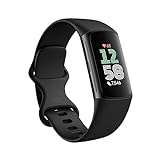
- Find your way seamlessly during runs or rides with turn-by-turn directions from Google Maps on Fitbit Charge 6[7, 8]; and when you need a snack break on the go, just tap to pay with Google Wallet[8, 9]
If your sleeping heart rate runs higher than normal, your Sleep Score can dip even if you logged enough hours. Common causes include late meals, alcohol, illness, dehydration, elevated room temperature, or mental stress carried into bedtime.
This metric is especially useful because it is highly individual. Fitbit doesn’t judge you against population averages; it evaluates how your night compares to your own recent history, which makes trends more actionable than absolute numbers.
Heart Rate Variability: The Quiet Signal of Recovery
HRV measures the tiny variations between heartbeats, and during sleep it becomes one of the clearest signals of nervous system balance. Higher overnight HRV is generally associated with better recovery, lower stress load, and improved resilience.
Fitbit calculates HRV using overnight heart rate data rather than short spot checks. This long sampling window helps smooth noise and makes the metric more stable, particularly on devices with good skin contact and consistent wear.
A dip in HRV can pull your Sleep Score down even if your sleep felt “long enough.” Fitbit uses this to flag nights where your body didn’t fully recover, which is why poor sleep scores sometimes appear after hard workouts, travel, or emotionally demanding days.
Restlessness and Micro-Awakenings: Sleep Fragmentation Matters
Not all sleep disruptions show up as full awakenings you remember. Fitbit tracks tossing, turning, and brief arousals using accelerometer data combined with heart rate fluctuations.
High restlessness suggests fragmented sleep, which reduces the restorative value of each hour you spend in bed. Even with solid deep and REM estimates, frequent movement can lower your score because your sleep architecture was repeatedly interrupted.
This is where strap fit, mattress firmness, and sleep environment quietly influence results. A snug but comfortable band improves motion detection accuracy, while softer surfaces may amplify movement that the algorithm interprets as restlessness.
How These Signals Are Weighted Inside the Sleep Score
Fitbit does not publicly disclose exact weightings, but heart rate, HRV, and restlessness sit alongside stages as qualitative modifiers rather than primary drivers. Think of duration and stage distribution as the foundation, with physiology acting as the fine-tuning dial.
This design explains why two nights with identical sleep lengths can score very differently. A calm, low-heart-rate night with minimal movement will almost always outscore a restless night, even if total sleep time matches perfectly.
Compared to competitors, Fitbit’s approach is closer to Oura’s recovery-centric philosophy than Apple’s data-forward model. Garmin uses similar signals but ties them more directly to training readiness, whereas Fitbit keeps the focus on sleep quality itself.
What Users Can Realistically Act On
These physiological metrics are most useful when viewed in patterns, not isolated readings. A rising sleeping heart rate across several nights often points to cumulative stress or poor sleep hygiene, while consistently improving HRV suggests your habits are working.
Fitbit’s strength lies in surfacing these changes without overwhelming the user. You don’t need to interpret raw HRV values or movement charts; the Sleep Score already reflects whether your body experienced the night as restorative.
For everyday users, this means the score is less about perfection and more about alignment. When heart rate, HRV, and restlessness improve together, your sleep routine is supporting recovery even if individual stage numbers fluctuate.
Why This Layer Matters for the Future of Fitbit Sleep Tracking
As Fitbit continues to evolve its health platform, physiological signals are the most likely area for meaningful upgrades. More personalized baselines, tighter integration with stress tracking, and context-aware coaching could make these metrics even more actionable.
Rumored developments include adaptive HRV thresholds that adjust for fitness level, age, and training load, as well as smarter restlessness detection that accounts for mattress type and habitual movement patterns.
If Fitbit leans further into these signals, the Sleep Score could shift from a nightly grade into a recovery compass, guiding not just bedtime habits but how you train, work, and manage stress across the entire day.
Interpreting Your Sleep Score in the Real World: What You Can Trust, What You Shouldn’t Obsess Over
By this point, it’s clear that Fitbit’s Sleep Score is not a random number but a weighted reflection of how long you slept, how stable your sleep stages were, how restless you were, and how your body behaved physiologically overnight. The challenge for most users isn’t understanding what goes into the score, but knowing how seriously to take it from one night to the next.
This is where context matters more than precision. Fitbit’s algorithms are designed to be directionally accurate and behaviorally useful, not clinically diagnostic.
What a Single Night’s Score Can (and Can’t) Tell You
A single Sleep Score is best understood as a snapshot, not a verdict. An 82 versus an 88 doesn’t mean your sleep was objectively “bad” or “good” in a medical sense; it means your body showed slightly more or less recovery-friendly signals compared to your own recent baseline.
What you can trust is that large swings usually reflect something real. Late alcohol, illness, emotional stress, travel, unusually intense workouts, or poor sleep timing almost always show up as lower scores because they elevate sleeping heart rate, reduce HRV, and increase restlessness.
What you shouldn’t obsess over are small drops caused by normal night-to-night variability. Sleep is inherently messy, and even lab-grade polysomnography shows fluctuations that don’t correlate with how functional you feel the next day.
Why Trends Matter More Than Peaks
Fitbit’s Sleep Score becomes most powerful when viewed across weeks, not nights. A gradual improvement from the mid-70s into the low-80s often signals better sleep consistency, improved recovery, or reduced stress load, even if you never hit the elusive “90+” range.
Consistently low scores, on the other hand, are more meaningful than occasional bad nights. If your Sleep Score struggles to climb despite adequate time in bed, it’s often because physiological signals like heart rate or restlessness aren’t improving, pointing to deeper issues like late meals, caffeine timing, anxiety, or training overload.
This is where Fitbit’s approach differs from Apple’s more data-dense presentation. Fitbit compresses complexity into a trend-friendly signal, making it easier for non-experts to spot when something is drifting off track.
Sleep Stages: Useful for Patterns, Not Nightly Judgement
Sleep stage breakdowns are one of the most misunderstood parts of sleep tracking. Fitbit estimates light, deep, and REM sleep using motion and heart rate variability patterns, which are reasonably accurate at a population level but not precise down to the minute.
You can trust stage data when looking for long-term patterns. If REM sleep consistently improves when you stop scrolling before bed, or deep sleep drops during high-stress workweeks, those correlations are meaningful.
What you shouldn’t do is chase specific percentages every night. Minor changes in REM or deep sleep are often statistical noise, and even healthy sleepers don’t hit textbook distributions consistently.
Physiology Is the Quiet Signal Worth Respecting
Sleeping heart rate and HRV are the least flashy parts of the Sleep Score, but they’re often the most honest. These metrics are harder to consciously manipulate and tend to reflect how well your nervous system actually recovered.
When your Sleep Score drops because your heart rate stayed elevated or HRV dipped, it’s often a sign that your body was under strain, even if you felt like you slept “fine.” Over time, learning to respect these signals can prevent overtraining, burnout, and chronic sleep debt.
This recovery-centric weighting is why Fitbit feels closer to Oura than Garmin. Garmin connects similar data to performance readiness, while Fitbit keeps the message simpler: your body either recovered well, or it didn’t.
Why You Shouldn’t Chase the Perfect Score
Aiming for consistently high Sleep Scores can backfire. Users who rigidly optimize bedtime, avoid social events, or stress over minor drops often end up with worse sleep due to anxiety alone.
Fitbit’s own scoring logic quietly acknowledges this by rewarding consistency and physiological calm more than rigid sleep duration. Seven and a half calm hours can outscore nine restless ones, which aligns better with real-world health outcomes.
The goal isn’t to “win” sleep. It’s to support recovery well enough that your days feel easier, workouts feel manageable, and stress doesn’t compound.
How to Use the Score as a Decision Tool
The most practical way to use your Sleep Score is as a morning check-in. A lower-than-usual score paired with elevated sleeping heart rate is a good reason to scale back training, prioritize hydration, or take stress more seriously that day.
High scores across several nights suggest your habits are working and can justify maintaining or slightly increasing training load or cognitive demands. This is where Fitbit’s simplicity shines, especially for users who don’t want to analyze charts before coffee.
Think of the Sleep Score as a traffic light, not a report card. It tells you when to proceed, when to be cautious, and when to slow down, without demanding perfection or constant interpretation.
Where Fitbit Still Has Room to Improve
Despite its strengths, Fitbit’s Sleep Score still relies on generalized models. Users with atypical sleep patterns, shift work, or naturally high or low HRV can sometimes feel misrepresented by the number.
More adaptive baselines, better integration with daytime stress metrics, and clearer explanations of why a score changed would improve trust without adding complexity. These are exactly the areas Fitbit appears to be exploring, based on recent platform updates and feature rollouts.
For now, the Sleep Score works best when treated as a guide grounded in physiology, not a judgment of character or discipline. When you respect its signals without surrendering to them, it becomes one of the more usable sleep tools in the wearable space.
Sleep Score History, Trends, and Readiness: How Fitbit Uses Long‑Term Data for Insights and Coaching
Once you stop treating the Sleep Score as a single-night verdict, Fitbit’s real advantage starts to show. The platform is built around accumulation, using weeks and months of data to separate one bad night from a meaningful pattern.
This long‑term view is where Fitbit shifts from passive tracking to something closer to coaching, even if it keeps the interface deliberately simple.
Sleep Score History: Why Trends Matter More Than Peaks
Fitbit stores nightly Sleep Scores indefinitely, allowing users to scroll back across months or years. More importantly, it contextualizes each score against your personal baseline rather than population averages.
If your typical range sits between 78 and 82, a score of 74 is flagged as meaningful even though it still looks “good” on paper. Conversely, a jump to the mid‑80s signals improvement worth reinforcing, even if it’s not a personal best.
This trend‑based framing is one of Fitbit’s quiet strengths. It reduces the temptation to chase perfect nights and instead rewards sustainable habits like consistent bedtimes, stable sleep duration, and calmer physiological nights.
Weekly and Monthly Averages: Pattern Recognition Without Overload
Fitbit’s weekly and monthly sleep summaries smooth out daily noise. Average Sleep Score, average sleep duration, and time spent in each sleep stage help users spot patterns that nightly data alone can obscure.
Rank #4

- Fitbit Charge 6 tracks key metrics from calories and Active Zone Minutes to Daily Readiness and sleep[4]; move more with 40+ exercise modes, built-in GPS, all-day activity tracking, 24/7 heart rate, automatic exercising tracking, and more
- See your heart rate in real time when you link your Charge 6 to compatible exercise machines, like treadmills, ellipticals, and more[5]; and stay connected with YouTube Music controls[6]
- Explore advanced health insights with Fitbit Charge 6; track your response to stress with a stress management score; learn about the quality of your sleep with a personalized nightly Sleep Score; and wake up more naturally with the Smart Wake alarm
- Find your way seamlessly during runs or rides with turn-by-turn directions from Google Maps on Fitbit Charge 6[7,8]; and when you need a snack break on the go, just tap to pay with Google Wallet[8,9]
- Please refer to the “Legal” section below for all applicable legal disclaimers denoted by the bracketed numbers in the preceding bullet points (e.g., [1], [2], etc
A declining average across several weeks often correlates with rising resting heart rate, reduced HRV, or increased stress scores. Fitbit doesn’t always spell out these links explicitly, but the data alignment is there for users paying attention.
This approach works well for everyday wearers using devices like the Charge series or Sense line, where comfort, light weight, and multi‑day battery life make long‑term wear realistic. Consistency in wearing the device is what makes the trends reliable.
Baseline Modeling: How Fitbit Learns What’s “Normal” for You
Under the hood, Fitbit relies heavily on adaptive baselines. Your typical sleeping heart rate, restlessness levels, sleep timing, and stage distribution gradually define what the algorithm considers healthy for you.
This matters because two people can have identical Sleep Scores for very different reasons. One might be losing REM due to stress, while another is accumulating light sleep due to irregular bedtimes.
Compared to platforms like Garmin, which lean more heavily on physiological strain models, or Apple Watch, which emphasizes raw metrics over interpretation, Fitbit sits in the middle. It personalizes quietly without demanding constant user input or deep analysis.
Sleep Trends and Daily Readiness: The Missing Link Fitbit Is Building
Fitbit’s newer Readiness Score pulls sleep history into daily decision‑making. Recent Sleep Scores, sleep duration trends, HRV, and resting heart rate combine to estimate how prepared your body is for strain.
This is where sleep history becomes actionable. Several slightly below‑average nights can lower readiness even if none of them look alarming on their own.
Unlike Oura’s readiness model, which leans heavily on overnight recovery signals, Fitbit balances sleep with activity load. That makes it feel more forgiving for users who exercise regularly but still value sleep as a recovery anchor rather than a performance metric.
Coaching Insights: Subtle Nudges Instead of Alarms
Fitbit’s coaching based on sleep trends remains intentionally understated. Notifications might suggest earlier bedtimes, more consistent schedules, or lighter training days after poor sleep clusters.
The platform avoids aggressive alerts or rigid prescriptions. This design choice reflects Fitbit’s core audience: people who want guidance without feeling micromanaged.
In practice, this works best when users check trends weekly rather than reacting daily. The app’s clean charts and minimal text encourage reflection without creating anxiety, something many competitors still struggle with.
Comparing Long‑Term Sleep Insights Across Platforms
Apple Watch provides excellent raw sleep data but relies on third‑party apps for long‑term interpretation. Garmin offers deep physiological context but can overwhelm non‑athletes with metrics.
Oura excels at readiness modeling but requires wearing a ring that some users find limiting for comfort or durability. Fitbit’s wrist‑based approach, with soft straps, slim cases, and strong battery life, makes long‑term sleep tracking easier to sustain.
This sustained wear is arguably Fitbit’s biggest advantage. Trends only matter if the device stays on your wrist night after night.
What Long‑Term Sleep Data Enables Next for Fitbit
Recent platform changes suggest Fitbit is moving toward more adaptive sleep coaching. Expect deeper personalization, such as sleep stage targets that adjust based on your history rather than fixed ideals.
There are also strong signals pointing toward tighter integration between sleep trends, stress metrics, and mental health tools. Elevated nighttime heart rate paired with rising stress scores could trigger more nuanced guidance than a generic “try to relax” message.
Fitbit is also likely to refine readiness modeling to weight sleep consistency more heavily over time, especially for users whose activity levels fluctuate seasonally. This would further reinforce the idea that recovery is cumulative, not nightly.
Using Sleep History Without Losing Perspective
The most effective Fitbit users don’t chase upward trends endlessly. They use them to validate what already feels right or to explain why something feels off.
Sleep history is best treated as context, not pressure. When the data confirms your lived experience, it builds trust, and that trust is what turns a simple Sleep Score into a long‑term health tool rather than just another number on your wrist.
Fitbit Sleep Score vs Apple, Garmin, and Oura: Conceptual Differences and Practical Trade‑Offs
Seen in context, Fitbit’s Sleep Score sits at the intersection of simplicity and physiological relevance. It is designed to be interpreted quickly, yet grounded in enough biometric inputs to reflect real recovery trends over time.
That philosophy becomes clearer when you compare Fitbit’s approach with how Apple, Garmin, and Oura conceptualize sleep health, and what they expect users to do with the data.
Fitbit vs Apple Watch: Score‑First Guidance vs Data‑First Flexibility
Fitbit treats sleep as something most users want summarized, not dissected. The Sleep Score blends duration, sleep stages, heart rate patterns, and restlessness into a single number that answers a basic question: how restorative was last night.
Apple Watch, by contrast, does not emphasize a proprietary sleep score in its native Health app. It focuses on raw outputs like time asleep, time in bed, heart rate, respiratory rate, and wrist temperature, leaving interpretation largely to the user or to third‑party apps.
The trade‑off is clarity versus flexibility. Fitbit users get immediate feedback without installing anything extra, while Apple users can build more customized sleep dashboards but must decide which metrics actually matter.
Algorithm Transparency and Trust
Fitbit is relatively open about the components behind its Sleep Score, even if the exact weighting remains proprietary. Users know that duration, depth of sleep stages, and heart rate stability all influence the final number.
Apple’s approach emphasizes accuracy of individual signals rather than synthesis. Its sleep stage detection is strong, but without a native score, users must mentally integrate multiple charts or rely on apps like AutoSleep or Pillow to do that work.
For everyday users, Fitbit’s abstraction reduces cognitive load. For data‑oriented users, Apple’s rawness offers more room to experiment but also more room to misinterpret trends.
Fitbit vs Garmin: Recovery for Everyone vs Recovery for Athletes
Garmin frames sleep as one input into a broader performance ecosystem. Sleep feeds directly into metrics like Body Battery, Training Readiness, and HRV Status, all of which assume regular physical training.
Fitbit’s Sleep Score is less prescriptive. It does not assume you are training for anything, and it does not penalize rest days or lighter activity weeks in the same way Garmin’s readiness scores sometimes can.
This makes Fitbit more forgiving and more approachable for non‑athletes. Garmin’s sleep insights can be powerful, but for many users they feel like homework rather than guidance.
Depth vs Approachability in Sleep Metrics
Garmin provides granular context around overnight stress, respiration, and autonomic balance. However, the user is often expected to understand how those variables interact with training load and recovery cycles.
Fitbit intentionally limits how much physiology it surfaces at once. Heart rate variability and oxygen saturation are available, but they support the Sleep Score rather than compete with it for attention.
The practical difference is adherence. Fitbit users are more likely to keep checking their sleep data night after night because it feels manageable.
Fitbit vs Oura: Wrist‑Based Continuity vs Ring‑Based Precision
Oura’s sleep tracking is often praised for its sensitivity to subtle physiological changes. Its Readiness Score places sleep quality at the center, heavily weighted by HRV, resting heart rate, and body temperature deviations.
Fitbit’s Sleep Score is less aggressive in its physiological modeling. It emphasizes consistency and sleep architecture rather than short‑term fluctuations that may not be actionable for all users.
The form factor matters here. Oura’s ring is light and unobtrusive for sleep, but some users struggle with durability concerns, sizing changes, or comfort during workouts. Fitbit’s soft wrist straps, slim cases, and long battery life make continuous wear easier for a wider audience.
Interpretation Style: Behavioral Coaching vs Physiological Feedback
Oura excels at connecting sleep to readiness and daily capacity. A poor night often results in clear signals to slow down, which can be helpful but occasionally discouraging.
Fitbit’s feedback is gentler. A lower Sleep Score is framed as information, not a directive, and coaching tends to focus on habit reinforcement rather than restriction.
This difference shapes user psychology. Fitbit prioritizes sustainable behavior change, while Oura leans toward performance‑oriented self‑regulation.
Battery Life, Comfort, and Nightly Compliance
Sleep tracking only works if the device is worn consistently. Fitbit devices typically offer multi‑day battery life, meaning fewer missed nights due to charging.
Apple Watch users often need to plan charging windows carefully, which can interrupt sleep data continuity. Garmin watches last longer but are often bulkier, with thicker cases and stiffer straps that some users find noticeable overnight.
Fitbit’s balance of slim hardware, flexible materials, and low overnight power draw supports long‑term trend accuracy simply by staying on the wrist.
Which Sleep Score Philosophy Fits Which User
Fitbit’s Sleep Score is ideal for users who want actionable clarity without becoming amateur sleep scientists. It answers whether sleep is improving, declining, or holding steady, and why, in language that feels supportive.
Apple Watch suits users who enjoy building their own interpretation layer from raw metrics. Garmin fits athletes who want sleep tightly integrated with training decisions. Oura appeals to users interested in readiness modeling and physiological nuance, and who are comfortable with a ring form factor.
Fitbit’s advantage lies in consistency and emotional neutrality. By focusing on sleep as a long‑term habit rather than a nightly verdict, its Sleep Score remains useful even when life, stress, or schedules are less than ideal.
Device Matters: How Different Fitbit Models Affect Sleep Accuracy, Comfort, and Battery Life
If Fitbit’s Sleep Score philosophy is about long‑term consistency and gentle guidance, the hardware on your wrist quietly determines how reliable that guidance actually is. Sensor quality, form factor, strap design, and battery behavior all shape whether sleep data is captured cleanly night after night.
💰 Best Value

- Enduring Battery Life: Keep moving with a 7-day battery life and water resistance for all your activities, rain or shine.
Not all Fitbit devices are equal here. While the Sleep Score algorithm is shared across the platform, the inputs feeding it vary meaningfully by model.
Core Sensors: What Changes Between Fitbit Models
All modern Fitbits rely on a combination of optical heart rate (PPG), accelerometer‑based movement detection, and timing data to estimate sleep stages, duration, and restlessness. Devices with more advanced sensor stacks simply provide cleaner signals for the same algorithm to work with.
Entry‑level trackers like Inspire 3 use a simplified heart rate sensor and a single accelerometer. They are very good at detecting sleep versus wake and total sleep time, but stage separation can be less precise, particularly for light versus REM sleep in restless sleepers.
Mid‑range devices such as Charge 6 and Luxe add higher‑resolution PPG sensors and improved motion filtering. This leads to more stable heart rate variability estimates overnight, which directly affects Sleep Score components tied to restfulness and restoration.
Sense and Versa: When Advanced Sensors Actually Matter
Fitbit Sense and Versa models include additional sensors like skin temperature variation and, in the case of Sense, electrodermal activity (EDA). These do not directly change the Sleep Score number, but they add valuable context to explain fluctuations.
Skin temperature deviation can highlight nights affected by illness, alcohol, or menstrual cycle changes. EDA readings captured during sleep can reflect stress responses that help explain poor sleep quality even when duration looks adequate.
For users who want to understand why a Sleep Score dipped, not just that it did, these higher‑end models offer a richer narrative layer without requiring interpretation skills.
Form Factor and Comfort: The Hidden Accuracy Multiplier
Sleep tracking accuracy is as much about wearability as sensor sophistication. A perfectly accurate sensor is useless if the device is removed halfway through the night.
Slim trackers like Inspire and Luxe are often the most comfortable options for side sleepers and light sleepers. Their low mass and narrow cases reduce pressure points, leading to fewer unconscious removals and more complete sleep records.
Larger smartwatch‑style devices such as Sense and Versa offer more features but can feel noticeable overnight, especially with rigid bands. Swapping to a soft woven or silicone strap can materially improve nightly compliance.
Battery Life and Sleep Data Continuity
Battery behavior directly affects the integrity of long‑term sleep trends. Missing nights introduce gaps that weaken insights and distort averages.
Trackers like Inspire 3 and Charge 6 typically last five to ten days per charge, making it easy to forget about charging entirely. This supports uninterrupted sleep tracking across weeks and months, which is where Fitbit’s Sleep Score becomes most meaningful.
Sense and Versa models require more frequent charging, usually every three to five days. While still better than many smartwatches, users need to establish a charging routine that does not overlap with bedtime.
How Older Fitbits and Budget Models Compare
Older devices without SpO2 or advanced HRV support can still generate Sleep Scores, but with reduced depth. Oxygen variation and breathing rate trends may be unavailable or less consistent, limiting insight into recovery and sleep disturbances.
Budget models remain accurate for duration and consistency tracking, which are the most behaviorally impactful metrics for most users. If the goal is better sleep habits rather than physiological exploration, simpler devices remain highly effective.
This is an important distinction. Sleep Score accuracy at the trend level is not exclusive to expensive hardware, but nuance and explanatory power are.
Which Fitbit Is Best for Sleep‑Focused Users
For users prioritizing sleep above all else, Charge 6 offers the strongest balance of sensor quality, battery life, and overnight comfort. It delivers most of Fitbit’s sleep insights without the bulk of a full smartwatch.
Inspire 3 is ideal for minimalists who want effortless sleep tracking and long battery life with zero distraction. Sense suits users interested in understanding stress, temperature shifts, and physiological context alongside sleep.
Across the lineup, Fitbit’s advantage remains consistency. Even the most advanced sleep algorithms cannot compensate for discomfort, dead batteries, or devices left on the nightstand. Fitbit’s hardware diversity allows users to choose the form that best supports wearing the device every night, which is ultimately the foundation of a trustworthy Sleep Score.
What’s Next for Fitbit Sleep Tracking: Rumored Features, AI Coaching, and Smarter Personalization
After years of refining the fundamentals, Fitbit’s sleep tracking is entering a new phase. The core Sleep Score framework is mature, reliable, and widely trusted, which gives Fitbit room to shift focus from measurement to interpretation and guidance.
The next generation of Fitbit sleep features is less about adding new charts and more about helping users understand what actually matters for their body, their habits, and their long-term health.
Deeper Personal Baselines, Not Generic Benchmarks
One of the clearest directions Fitbit is moving toward is stronger personalization anchored in long-term data. Today’s Sleep Score already adapts to individual norms, but future updates are expected to lean even harder on personal baselines rather than population averages.
This could mean redefining what a “good” Sleep Score looks like for each user based on age, fitness level, stress patterns, and historical recovery trends. For someone who consistently functions well on seven hours, the system may stop penalizing them for missing an eight-hour target.
This approach aligns with how sleep science actually works. Consistency and subjective recovery often matter more than hitting a universal number, and Fitbit is well positioned to reflect that nuance.
AI-Driven Sleep Coaching That Reacts, Not Repeats
Fitbit has already begun integrating Google’s AI capabilities across its platform, and sleep is one of the most obvious beneficiaries. Rather than static tips like “go to bed earlier,” future coaching is expected to become more contextual and reactive.
Imagine sleep guidance that notices elevated resting heart rate and reduced deep sleep after late workouts, then suggests adjusting training timing. Or prompts that recognize caffeine sensitivity by correlating afternoon coffee with delayed sleep onset across multiple weeks.
This type of coaching would move Fitbit closer to Oura’s narrative insights while remaining more actionable than Apple’s largely descriptive sleep data. The goal is not medical advice, but pattern recognition that feels genuinely personal.
Smarter Use of HRV, Temperature, and Stress Signals
Fitbit already tracks HRV, skin temperature variation, breathing rate, and stress indicators, but these metrics still live somewhat adjacent to the Sleep Score. A likely evolution is tighter integration, where these signals directly influence how sleep quality is interpreted and explained.
For example, a night with adequate duration but suppressed HRV and elevated temperature could be framed as lower-quality recovery, even if sleep stages look normal. Conversely, shorter sleep paired with strong HRV rebound might be recognized as more restorative than expected.
This layered interpretation would help users trust the Sleep Score when it conflicts with how they feel, rather than dismissing it as “wrong.”
Sleep Debt, Recovery Windows, and Multi-Night Context
Another area Fitbit is expected to expand is multi-night analysis. Sleep does not exist in isolation, yet most scores still focus on a single night.
Future features may surface accumulated sleep debt, recovery windows, and rolling averages that explain why one bad night matters less than a bad week. This would align Fitbit more closely with Garmin’s Body Battery and Training Readiness concepts, but with a stronger behavioral lens.
For everyday users, this framing is often more motivating. It encourages course correction without turning every rough night into a failure.
Enhanced Detection of Disruptions and Environmental Factors
As sensors improve and algorithms mature, Fitbit is likely to get better at identifying why sleep was disrupted, not just that it was. This includes more precise detection of restlessness patterns, breathing irregularities, and possible environmental contributors.
Paired with user-reported data, such as alcohol intake, late meals, or stress levels, Fitbit could begin offering clearer cause-and-effect insights. The aim is not diagnosis, but awareness that empowers better decisions.
This is also where future hardware refinements, such as improved optical sensors and more efficient on-device processing, could quietly boost sleep accuracy without changing the user experience.
Balancing Automation With User Control
One risk with AI-driven health platforms is overreach. Fitbit appears aware of this, maintaining a balance between automated insights and user autonomy.
Sleep tracking works best when it fades into the background. Any future features will need to respect battery life, comfort, and simplicity, especially on smaller trackers like Inspire and Charge models that users wear every night.
If Fitbit gets this balance right, advanced sleep intelligence will feel helpful rather than intrusive.
How Fitbit’s Sleep Future Compares to Rivals
Compared to Apple Watch, Fitbit is likely to remain more coaching-oriented and less data-dense. Apple excels at raw metrics but often leaves interpretation to the user.
Against Garmin, Fitbit prioritizes sleep as a health behavior rather than a training variable. And versus Oura, Fitbit’s advantage remains accessibility, longer battery life on many models, and the absence of a mandatory hardware subscription cycle.
Fitbit’s challenge is not catching up, but translating its vast data history into clearer, more human guidance.
The Bigger Picture: Why This Matters
Sleep tracking has reached a point where accuracy alone is no longer the differentiator. Most major platforms can reliably detect sleep stages, duration, and disruptions.
What users need now is context, reassurance, and practical direction. Fitbit’s future sleep features are clearly aimed at answering the question that matters most: what should I do differently tonight?
If Fitbit succeeds, the Sleep Score will evolve from a daily grade into a long-term conversation with your body. That shift, more than any new sensor or algorithm, is what could keep Fitbit at the center of everyday sleep health for years to come.