The Fitbit Surge arrived at a moment when Fitbit was still known primarily for clip-on step counters and slim wristbands, not serious sports watches. For runners and gym-goers in 2014, it represented Fitbit’s first real attempt to move upmarket into the territory dominated by Garmin and Polar, promising GPS, wrist-based heart rate, and smartwatch-style notifications in a single device. If you were shopping back then, the Surge wasn’t just another tracker, it was Fitbit’s statement of intent.
For today’s buyer looking at second-hand listings or dusty clearance stock, understanding the Surge means understanding what it tried to be rather than judging it by modern standards alone. This section breaks down what the Surge was designed to do, why it generated so much attention at launch, and how its feature set fit into the wearable landscape of the mid-2010s. That context matters before we talk about whether it still makes sense on your wrist now.
Fitbit’s First True GPS Fitness Watch
When the Surge launched, built-in GPS was the headline feature that separated it from the Fitbit Charge and Flex lineups. This allowed runners and cyclists to track pace, distance, and routes without carrying a phone, something Fitbit users had been asking for as competitors pushed deeper into performance tracking. At the time, wrist-based GPS was still relatively bulky and power-hungry, and the Surge leaned into function over elegance.
Physically, the Surge was unapologetically large, with a chunky rectangular case and an integrated rubber strap that made it feel more like a training tool than a lifestyle watch. It sat flat and wide on the wrist, prioritizing sensor contact and durability over style. Comfort was acceptable for workouts, though smaller wrists often found it overbearing for all-day wear.
🏆 #1 Best Overall
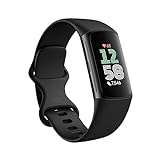
- Find your way seamlessly during runs or rides with turn-by-turn directions from Google Maps on Fitbit Charge 6[7, 8]; and when you need a snack break on the go, just tap to pay with Google Wallet[8, 9]
Heart Rate on the Wrist Was a Big Deal in 2014
The Surge was one of the earliest mainstream fitness watches to offer continuous optical heart-rate tracking directly from the wrist. In 2014, this was still new enough that chest straps were considered the default for anyone serious about training. Fitbit’s promise was convenience: no extra accessories, just put it on and go.
Accuracy by the standards of the time was respectable for steady-state cardio, particularly running and gym machines, though interval training and weightlifting exposed its limitations. What mattered more historically was that it helped normalize wrist-based heart-rate monitoring across the industry. Today’s trackers owe a lot to these early, imperfect implementations.
A Hybrid of Fitness Tracker and Smartwatch
Fitbit positioned the Surge as a “Super Watch,” blending fitness metrics with basic smartwatch features. It offered call and text notifications, music control, and a monochrome LCD touchscreen that showed stats at a glance. Compared to early Android Wear watches and the first Apple Watch, it was far more limited, but also far more fitness-focused.
The interface was simple and utilitarian, relying on swipes and side buttons rather than flashy animations. There was no app store, no third-party watch faces, and no real customization beyond data screens. In 2014, that simplicity was seen as a strength for athletes who wanted fewer distractions during workouts.
Battery Life That Fit the Era
Battery life was one of the Surge’s competitive advantages at launch. Fitbit quoted around seven days in watch mode and roughly ten hours with GPS active, figures that put it comfortably ahead of many early smartwatches. For runners training multiple times a week, that meant fewer charging sessions and more trust that the watch would last through long workouts.
Real-world performance varied depending on GPS use and notification volume, but the Surge generally delivered on its endurance claims when new. This focus on longevity helped reinforce Fitbit’s reputation for practical, low-maintenance wearables rather than power-hungry wrist computers.
Why the Surge Mattered Then
In hindsight, the Fitbit Surge was less about perfection and more about transition. It marked Fitbit’s shift from casual activity tracking toward more serious fitness and performance monitoring, even if the execution showed clear first-generation rough edges. The design, features, and software all reflected a company learning how to compete in a more demanding category.
Understanding that role is essential before judging it by modern expectations. The next step is looking at how those ambitions hold up years later, where the Surge still delivers, and where time has been far less forgiving.
Design, Build Quality, and Wearability: Early GPS Watch DNA
Seen through a modern lens, the Fitbit Surge immediately reveals its origins as an early attempt to graft GPS running watch capability onto a lifestyle tracker. It doesn’t try to look like a traditional watch, nor does it chase the minimalist aesthetic that later Fitbits would adopt. Instead, the Surge wears its function-first priorities openly, with a chunky, integrated design that prioritizes durability and data visibility over subtlety.
This was a pivotal moment for Fitbit, and the hardware reflects a company still defining what a GPS-enabled fitness watch should look and feel like. The result is a device that feels purpose-built, but also unmistakably of its time.
Industrial Design and Case Dimensions
The Surge uses a single-piece, integrated case and strap design, meaning the band is not user-replaceable in the traditional sense. The case itself measures roughly 34 mm wide and just under 12 mm thick, but those numbers don’t tell the full story. The squared-off shape, broad bezel, and extended strap lugs make it wear larger than the specs suggest.
On smaller wrists, the Surge can feel imposing, especially compared to modern trackers that have slimmed down dramatically. The design prioritizes stability during workouts, but sacrifices elegance and versatility in everyday wear.
Materials, Finishing, and Durability
Fitbit opted for a textured elastomer strap fused directly to a plastic and rubberized composite case. There’s no metal here, and no attempt to dress things up, but the materials choice makes sense for a sweat-heavy, outdoor-focused device. The matte finish resists fingerprints and minor scuffs better than glossy plastics common at the time.
In daily use, the Surge feels robust rather than premium. It’s water-resistant up to 5 ATM, suitable for rain, sweat, and hand washing, but not designed for swimming workouts, which was a notable limitation even at launch.
Physical Controls and Display Practicality
The monochrome LCD touchscreen sits slightly recessed within a raised bezel, offering some protection against knocks. Visibility is good outdoors, particularly in bright sunlight, where the high-contrast display outperforms early OLED smartwatch panels. Indoors, the backlight is functional but basic, with none of the refinement or adaptive brightness found on modern devices.
Three physical buttons flank the case, handling navigation, exercise start, and back functions. This hybrid approach of touch and tactile control feels dated now, but it remains surprisingly practical during runs when sweaty fingers make touchscreens unreliable.
Comfort Over Long Wear
Despite its size, the Surge distributes weight evenly across the wrist, which helps during longer runs. The strap is flexible and breathable enough for workouts, but its thickness and rigidity become more noticeable during all-day wear. Sleeping with it on is possible, but many users found it bulky compared to slimmer sleep-tracking bands.
Because the strap is integrated, wearability issues are harder to solve. If the fit or material doesn’t agree with your wrist, there’s no easy way to swap bands or fine-tune comfort beyond adjusting tightness.
Everyday Wear Versus Training Use
As a training tool, the Surge feels at home. It stays put during tempo runs, interval sessions, and long outdoor workouts, reinforcing its identity as a fitness-first device. As an everyday watch, however, its aesthetic limitations become more apparent, especially when paired with work or formal clothing.
This duality underscores the Surge’s early GPS watch DNA. It was designed to move Fitbit users forward into more serious training, not to replace a traditional watch or act as a fashion-forward smartwatch.
How the Design Has Aged
Time has not been especially kind to the Surge’s design language. Compared to modern Fitbits and entry-level Garmin devices, it looks bulky, utilitarian, and visually dated. The lack of interchangeable straps and the prominent bezel make it feel locked into a specific era of wearable design.
That said, the construction still holds up well on the second-hand market if the battery remains healthy. Scratches are usually cosmetic, and the casing tends to age better than metal-clad smartwatches with polished surfaces.
What It Signals About Fitbit’s Direction Then
The Surge’s physical design tells a clear story about Fitbit’s ambitions at the time. This was a company stepping into GPS tracking without fully abandoning its tracker roots. The result is a hybrid form factor that leans heavily toward function, even when that meant compromises in comfort and style.
Understanding that context helps explain why the Surge feels so different from today’s Fitbits. It wasn’t trying to be sleek or discreet; it was trying to prove that Fitbit could build a serious outdoor fitness watch, even if the execution still carried first-generation weight.
Display, Interface, and Everyday Usability in 2026
The Surge’s physical design sets expectations before the screen ever lights up, and those expectations largely hold true once you start interacting with it. This is a display and interface born in the mid-2010s, optimized for outdoor legibility and training feedback rather than visual finesse or smartwatch versatility. In 2026, that age shows clearly, but not always in the ways beginners might expect.
Display Technology and Readability
The Fitbit Surge uses a monochrome LCD touchscreen with a resolution and pixel density that feel extremely basic by modern standards. Text and icons are blocky, animations are minimal, and there is no sense of visual polish compared to even entry-level AMOLED trackers today.
Where the display still earns respect is outdoors. In bright sunlight, especially during runs or bike rides, the Surge remains readable without maxing out brightness or fighting glare. Indoors and at night, however, the backlight looks dim and uneven, making quick glances less satisfying than on modern Fitbits or budget Garmins.
There is no always-on display, and wake gestures are inconsistent by today’s expectations. You’ll often need to tap or press a side button to wake the screen, which feels clunky in daily use but acceptable during structured workouts.
Touchscreen Responsiveness and Button Controls
Touch response on the Surge is serviceable but slow. Swipes and taps register with a noticeable delay, and missed inputs are common if your fingers are sweaty, cold, or gloved. Compared to modern touch-enabled sports watches, it feels closer to early smartphone-era responsiveness.
The physical buttons do much of the heavy lifting, and in some ways they age better than the touchscreen. Button-based navigation is reliable during workouts, especially when scrolling through stats mid-run. For fitness-first use, this hybrid control scheme still works, even if it feels dated.
As an everyday interface, however, the combination of laggy touch input and limited shortcut options becomes tiring. Simple tasks like checking notifications or navigating menus take longer than they should.
Menu Structure and Learning Curve
Fitbit’s early UI philosophy is evident throughout the Surge’s menus. Data is presented in linear screens rather than customizable dashboards, and there’s very little room to tailor the experience. What you see is largely what you get.
For beginners, this simplicity can actually be a strength. There are no deep settings trees or complex widgets to manage, making it easy to understand basic metrics like steps, heart rate, and distance. Advanced users, on the other hand, may find the lack of customization limiting within days.
Switching between watch mode, activity tracking, and settings is slower than modern standards, especially compared to Garmin’s button-driven logic or Apple’s fluid UI. The Surge never feels confusing, but it often feels inefficient.
Notifications and Smartwatch Functions
Smartwatch features are where the Surge feels most out of place in 2026. Notifications are basic, text-only, and often truncated due to screen size and resolution. You can read who messaged or called, but interaction stops there.
There is no voice assistant, no quick replies, and no app ecosystem to expand functionality. Compared to even budget trackers today, the Surge offers a bare-minimum smartwatch experience that feels more informational than interactive.
Rank #2

- Inspire 3 is the tracker that helps you find your energy, do what you love and feel your best. All you have to do is wear it.Operating temperature: 0° to 40°C
- Move more: Daily Readiness Score(1), Active Zone Minutes, all-day activity tracking and 24/7 heart rate, 20+ exercise modes, automatic exercise tracking and reminders to move
- Stress less: always-on wellness tracking, daily Stress Management Score, mindfulness sessions, relax breathing sessions, irregular heart rhythm notifications(2), SpO2(3), menstrual health tracking, resting heart rate and high/low heart rate notifications
- Sleep better: automatic sleep tracking, personalized Sleep Profile(1), daily detailed Sleep Score, smart wake vibrating alarm, sleep mode
- Comfortably connected day and night: calls, texts & smartphone app notifications(4), color touchscreen with customizable clock faces, super lightweight and water resistant to 50 meters, up to 10 day battery life(5)
For users who want to stay focused on training and don’t care about wrist-based productivity, this may be acceptable. For anyone expecting smartwatch convenience, it will feel severely limited almost immediately.
Daily Wear Comfort and Practical Use
Everyday usability is shaped as much by comfort as by interface, and here the Surge remains a mixed experience. Its thickness and integrated strap make it feel more like a tool than a watch, especially during all-day wear. On smaller wrists, it can feel top-heavy and visually dominant.
Sleeping with the Surge is possible, but not particularly pleasant. The rigid strap design and bulky case are noticeable at night, especially compared to modern slim sleep trackers. This directly impacts its usefulness for long-term sleep tracking in daily life.
Battery life helps offset some of these comfort trade-offs. Even in 2026, a healthy Surge battery can last several days with regular GPS use, reducing charging friction. However, second-hand buyers should expect battery degradation, which directly impacts everyday reliability.
Software Support and Modern Compatibility
Fitbit’s software ecosystem has evolved dramatically since the Surge launched, and that evolution hasn’t always benefited legacy devices. While basic syncing still works through the Fitbit app, feature updates have long since stopped. The experience feels frozen in time.
Compatibility with modern smartphones remains functional but fragile. Occasional sync issues, slower data transfers, and delayed notifications are common complaints, especially on newer versions of Android and iOS.
From a daily usability standpoint, this lack of active support is one of the Surge’s biggest limitations. It still does what it was originally designed to do, but it no longer grows with the platform, making it feel increasingly isolated within Fitbit’s modern lineup.
Living With the Surge Today
Using the Fitbit Surge in 2026 requires adjusted expectations. As a fitness display for pace, distance, and heart rate during outdoor training, it remains competent and readable. As a daily smartwatch, it feels outclassed by almost everything currently on the market.
For users considering a second-hand Surge, the display and interface should be seen as functional rather than enjoyable. It works best when treated as a dedicated training companion, not as a lifestyle wearable meant to blend seamlessly into everyday routines.
Fitness and Training Features: GPS, Heart Rate, and Activity Tracking Performance
Seen through the lens of daily use today, the Fitbit Surge still makes the most sense when it is doing the job it was originally built for. Its fitness and training features were ambitious at launch, positioning it closer to a GPS training watch than a simple step tracker. That intent still defines how well it holds up in 2026.
Built-In GPS: Pace, Distance, and Route Tracking
The Surge was Fitbit’s first serious attempt at integrating GPS directly into the watch, and at the time this was a major differentiator. Lock-on times are slower than modern multi-band systems, but once connected, the signal is generally stable in open environments. For road running and steady outdoor workouts, distance and pace remain reasonably consistent.
Accuracy drops in more challenging conditions. Urban canyons, tree cover, and sharp turns expose the limitations of its older GPS chipset, leading to corner cutting and occasional pace spikes. Compared to modern Garmin or Apple Watch models, it lacks refinement, but it still outperforms phone-only GPS solutions from the same era.
Route tracking is basic but functional. Post-workout maps in the Fitbit app show your path clearly, though without advanced metrics like elevation profiles, breadcrumb navigation, or course guidance. For runners who simply want to know how far and how fast they went, it still delivers the essentials.
Optical Heart Rate Monitoring: Early, Imperfect, but Usable
Fitbit’s PurePulse optical heart rate sensor was cutting-edge when the Surge launched, but it shows its age today. At rest and during steady-state cardio, readings are generally believable and consistent. For easy runs, long walks, and indoor cardio, it remains serviceable.
High-intensity efforts expose its limitations. Interval training, hill repeats, and rapid pace changes often result in lagging or smoothed-out heart rate data. This is typical of early-generation wrist sensors and is far less reliable than modern optical systems or chest straps.
The Surge does allow pairing with external heart rate straps, which significantly improves accuracy for serious training. This makes it more appealing to runners who already own an ANT+ or compatible chest strap and want more dependable data without upgrading their watch.
Activity Tracking and Workout Modes
Beyond GPS workouts, the Surge handles everyday activity tracking competently. Steps, distance, calories, and active minutes are logged automatically, with accuracy that remains broadly in line with modern Fitbit devices. The algorithm is conservative rather than generous, which many users prefer.
Workout modes include running, cycling, hiking, treadmill, weights, and general exercise. These profiles primarily adjust how data is displayed rather than offering deep sport-specific metrics. Strength training, for example, tracks time and heart rate but offers no rep detection or advanced analysis.
The watch lacks automatic workout detection as we expect it today. Activities must be started manually to capture GPS and detailed metrics. Forgetting to do so means losing one of the Surge’s biggest advantages, reinforcing that it rewards intentional, planned workouts rather than passive tracking.
On-Wrist Data Visibility During Training
One area where the Surge still performs well is real-time readability. The large, high-contrast display makes pace, distance, time, and heart rate easy to see at a glance, even in bright sunlight. Physical buttons are responsive and reliable, avoiding the frustrations of sweaty touchscreens.
Customization is limited by modern standards. Data screens can be cycled, but layout flexibility is minimal compared to contemporary sports watches. What you gain instead is simplicity, which suits beginners who don’t want to manage complex data fields mid-run.
The size and thickness that affect comfort also work in the Surge’s favor during workouts. It feels solid on the wrist and doesn’t bounce excessively, particularly when worn snugly for heart rate accuracy.
Battery Life During GPS Training
Battery performance during GPS use remains one of the Surge’s quiet strengths. A healthy unit can still manage multiple GPS workouts across several days, something many modern smartwatches struggle with when GPS is used frequently. This makes it practical for users who train outdoors several times a week.
That said, battery condition varies widely on the second-hand market. Degraded batteries shorten GPS session length and increase the risk of mid-workout shutdowns. Anyone considering a used Surge should factor battery health into the value equation as much as physical condition.
Charging is slower than modern fast-charge systems, but the overall rhythm of charging less often can still feel refreshing. For users focused on training rather than smartwatch features, this remains a genuine advantage.
How It Compares to Modern Fitness Trackers
Measured against today’s entry-level GPS watches, the Surge feels technically dated but conceptually familiar. It lacks advanced training metrics like VO2 max trends, recovery insights, training readiness, and adaptive coaching. Data exists, but interpretation is minimal.
Where it still competes is in straightforward execution. Distance, pace, heart rate, and time are captured reliably enough for casual runners and fitness enthusiasts who don’t need deep analytics. It remains more capable than non-GPS trackers, even many newer budget models.
The gap becomes obvious for users chasing performance improvements or structured training plans. Modern ecosystems simply extract more meaning from the same raw data, something the Surge cannot replicate due to frozen software and aging hardware.
Real‑World Accuracy: How the Surge’s GPS and Optical HR Hold Up Today
After understanding what the Surge can and cannot do compared to modern trackers, accuracy becomes the deciding factor for whether it still earns a place on your wrist. Raw data quality matters more than features when you’re relying on an older device, and this is where the Surge shows both its age and its original ambition.
GPS Accuracy in Everyday Running and Outdoor Training
The Fitbit Surge was one of Fitbit’s first devices with built-in GPS, and that context is important. At launch, its GPS performance was considered a major step forward for the brand, even if it never matched dedicated running watches from Garmin or Polar.
In open environments like parks, suburban roads, and bike paths, the Surge still produces usable distance and pace data today. Routes generally align well with mapped paths, and total distance usually lands within an acceptable margin for casual training, especially over steady, uninterrupted runs.
Where its age shows is in signal acquisition and track smoothing. Initial GPS lock can take noticeably longer than modern watches, sometimes requiring you to stand still for a minute or more before starting. Once moving, cornering and sharp turns tend to be rounded off, which slightly undercounts distance on twisty routes.
Urban running exposes its limitations more clearly. Tall buildings, dense tree cover, and narrow streets can cause visible drift, sudden pace spikes, or straight-line shortcuts across blocks. This doesn’t ruin the workout, but it does reduce confidence if you care about precise splits or post-run analysis.
Compared to today’s multi-band GPS systems, the Surge feels blunt rather than broken. For logging where you ran and roughly how far, it still works. For interval training, racing, or detailed pacing analysis, it falls well behind even entry-level modern GPS watches.
Optical Heart Rate Accuracy During Training
The Surge uses an early-generation optical heart rate sensor, and expectations should be set accordingly. It performs best during steady-state cardio, where heart rate changes gradually and wrist movement is limited.
During easy to moderate runs, cycling, and elliptical workouts, readings are generally consistent once the sensor settles. Average heart rate and overall trends tend to align reasonably well with chest straps, though brief lag during intensity changes is common.
Rank #3

- 【BUILT-IN GPS SMART WATCH – GO FURTHER, FREER, SMARTER】No phone? No problem. This fitness watch for women, featuring the latest 2025 technology, includes an advanced professional-grade GPS chip that precisely tracks every route, distance, pace (real-time & average), and calorie burned—completely phone-free. Whether you're chasing new personal records or exploring off the beaten path, your full journey is automatically mapped and synced in the app. Train smarter. Move with purpose. Own your progress. Own your journey.
- 【BLUETOOTH 5.3 CALLS & SMART NOTIFICATIONS】Stay effortlessly connected with this smart watch for men and women, featuring dual Bluetooth modes (BT 3.0 + BLE 5.3) and a premium microphone for crystal-clear calls right from your wrist—perfect for driving, workouts, or busy days. Receive instant alerts for calls, texts, and popular social apps like WhatsApp and Facebook. Just raise your wrist to view notifications and never miss an important moment.
- 【100+ SPORT MODES & IP68 WATERPROOF & DUSTPROOF】This sport watch is a versatile activity and fitness tracker with 100+ modes including running, cycling, yoga, and more. It features quick-access buttons and automatic running/cycling detection to start workouts instantly. Accurately track heart rate, calories, distance, pace, and more. Set daily goals on your fitness tracker watch and stay motivated with achievement badges. With IP68 waterproof and dustproof rating, it resists rain and sweat for any challenge. Not suitable for showering, swimming, or sauna.
- 【24/7 HEALTH ASSISTANT & SMART REMINDERS】This health watch continuously monitors heart rate, blood oxygen, and stress levels for comprehensive wellness tracking. Sleep monitoring includes deep, light, REM sleep, and naps to give you a full picture of your rest. Stay on track with smart reminders for sedentary breaks, hydration, medication, and hand washing. Women can also monitor menstrual health. Includes guided breathing exercises to help you relax. Your ultimate health watch with event reminders for a healthier life.
- 【ULTRA HD DISPLAY, LIGHTWEIGHT & CUSTOMIZABLE DIALS】This stylish wrist watch features a 1.27-inch (32mm) 360×360 ultra HD color display with a 1.69-inch (43mm) dial, offering vivid details and responsive touch. Its minimalist design fits both business and casual looks. Switch freely among built-in designer dials or create your own DIY watch face using photos, colors, and styles to showcase your unique personality. Perfect as a cool digital watch and fashion wrist watch.
High-intensity efforts expose its weaknesses. Intervals, hill repeats, and strength training often produce delayed spikes or flattened peaks. This can make maximum heart rate and short efforts appear less demanding than they actually were.
Fit and placement matter more here than on newer devices. Wearing the Surge snugly and slightly higher up the wrist improves reliability, but its thick case and rigid strap design limit how securely it can sit during fast arm movement.
For users focused on calorie burn estimates or broad training zones, the heart rate data is serviceable. For precision-based training or heart rate-guided intervals, it is no longer competitive.
Accuracy Across Different Activities and Conditions
The Surge performs most confidently during outdoor running and walking, where its sensors were clearly prioritized. Cycling accuracy is acceptable for distance and duration, but heart rate tracking suffers more due to wrist angle and vibration.
Indoor workouts rely entirely on motion and heart rate data, and this is where results become more generalized. Calorie estimates are broad approximations, and pace-based metrics disappear without GPS input.
Cold weather can also affect performance. Slower heart rate detection and delayed GPS lock are more noticeable in winter conditions, particularly on older batteries and sensors that have seen years of use.
Sweat buildup and strap wear on second-hand units further influence accuracy. A stretched strap or scratched sensor window can subtly degrade data quality, something buyers rarely consider but often feel in daily use.
How Surge Accuracy Stacks Up by Today’s Standards
Viewed through a modern lens, the Surge’s accuracy is adequate rather than impressive. It outperforms basic fitness bands without GPS and remains more informative than phone-only tracking for many users.
However, even budget GPS watches now deliver faster locks, cleaner tracks, and more responsive heart rate data. The gap isn’t just technological; it’s experiential, affecting how much trust you place in the numbers during and after a workout.
That said, accuracy hasn’t collapsed with age. A well-maintained Surge still captures the core metrics it promises, provided expectations align with its era. For casual users revisiting fitness or buying second-hand, that reliability can still be enough to justify its use.
Smartwatch Features (or Lack Thereof): Notifications, Music Control, and Daily Convenience
After assessing its fitness accuracy, the Surge’s limitations become clearer when you shift from workouts to everyday wear. Fitbit positioned it as a “superwatch” at launch, but its smartwatch ambitions were always secondary to training fundamentals. Viewed today, those compromises define whether the Surge feels charmingly simple or frustratingly dated.
Notifications: Basic, Passive, and One-Way
The Surge supports call, text, and calendar notifications when paired with a compatible smartphone, but interaction stops at viewing. There is no replying, dismissing with canned responses, or scrolling through long messages beyond the first screen.
Notifications arrive as plain text with a vibration alert that is easy to miss compared to modern haptic motors. The monochrome LCD shows enough characters to be useful, yet the display lacks the contrast and resolution needed for quick glances in bright sunlight.
App notifications are limited and inconsistent by modern standards. You cannot selectively mirror all apps the way you can on current Fitbit, Apple Watch, or Garmin devices, and support depends heavily on legacy Fitbit app permissions that have changed over time.
For users accustomed to rich notification handling, the Surge feels passive. For those who want fewer interruptions and a clearer separation between phone and wrist, its restraint can feel refreshing rather than restrictive.
Music Control Without Storage or Streaming
Music control exists, but only in its most basic form. The Surge can play, pause, skip tracks, and adjust volume on your phone’s media player, provided the connection remains stable.
There is no onboard music storage, no Bluetooth headphone pairing, and no integration with streaming services. This places the Surge firmly in an era where your phone remains essential for any audio experience beyond simple controls.
Button-based navigation makes music control reliable during runs, especially with gloves or sweaty hands. Still, compared to modern watches offering offline playlists or LTE streaming, this functionality feels minimal and clearly dated.
For runners who already carry a phone, the feature works as intended. For those hoping to leave the phone behind, the Surge offers no workaround.
Everyday Convenience and “Smart” Utilities
Beyond notifications and music, smartwatch utilities are sparse. There are no downloadable apps, no voice assistant, no contactless payments, and no customizable widgets.
What you do get is a stable set of built-in functions: alarms, timers, stopwatch, weather, and basic calendar alerts. These load instantly, consume little battery, and rarely misbehave, which is something not every modern smartwatch can claim.
Navigation relies on physical buttons rather than touch. This gives the Surge excellent reliability in rain, cold, or during intense workouts, but it also makes menu navigation slower and less intuitive for new users.
The interface is functional rather than friendly. Fonts are utilitarian, animations are nonexistent, and customization is limited to watch faces that all feel variations on the same theme.
Battery Life as a Daily Convenience Advantage
One area where the Surge quietly outperforms many smartwatches is battery endurance. Even years later, a healthy unit can still deliver four to five days of mixed use, or several GPS workouts before needing a charge.
This longevity is directly tied to its limited smartwatch feature set. No always-on color display, no background apps, and no constant wireless communication mean fewer drains on the battery.
Charging uses a proprietary cradle that is increasingly difficult to replace, a real concern for second-hand buyers. Still, once charged, the Surge fades into the background in a way modern smartwatches rarely do.
For users who value consistency over capability, this remains one of the Surge’s most practical traits.
How the Surge’s Smart Features Feel Today
By current standards, the Surge is not a smartwatch in the modern sense. It lacks interactivity, extensibility, and the ecosystem depth that now defines the category.
Instead, it behaves more like a GPS fitness watch with notification awareness. That distinction matters, especially for buyers comparing it to newer Fitbits or entry-level Garmin models that offer far more day-to-day utility.
For users who primarily want fitness tracking with light phone awareness, the Surge remains usable. For anyone expecting smartwatch convenience to reduce phone dependency, it falls decisively short.
This divide ultimately determines whether the Surge feels focused or obsolete, and it is one of the most important considerations when evaluating its value on the second-hand market.
Battery Life and Charging: Expectations vs. Reality for a Decade‑Old Tracker
Coming off its limited smart features, the Surge’s power profile is easier to understand than most modern wearables. It was designed to sip energy slowly, not juggle apps, voice assistants, or bright displays competing for attention.
That design philosophy still defines the experience today, but age has introduced variables that buyers need to factor in carefully.
What Fitbit Promised at Launch vs. What You’ll See Now
When new, Fitbit rated the Surge for up to seven days of use, or around 10 hours of continuous GPS tracking. In real-world testing at the time, most users landed closer to five days with mixed activity and two to three GPS workouts.
A decade later, those numbers are optimistic. A well-kept Surge with a healthy battery typically delivers three to five days of basic use, while GPS-heavy weeks can push that closer to two days.
The key point is consistency rather than peak performance. The battery drain curve is predictable, with no sudden drops or erratic percentage behavior that plagues many aging smartwatches.
Rank #4

- 24H Accurate Heart Rate Monitoring: Go beyond basic tracking. Our watch automatically monitors your heart rate, blood oxygen (SpO2), and sleep patterns throughout the day and night. Gain deep insights into your body's trends and make informed decisions for a healthier lifestyle.
- Practical Sports Modes & Smart Activity Tracking: From running and swimming to yoga and hiking, track a wide range of activities with precision. It automatically records your steps, distance, calories burned, and duration, helping you analyze your performance and crush your fitness goals.
- 1-Week Battery Life & All-Day Wear: Say goodbye to daily charging. With an incredible up to 7-10 days of battery life on a single charge, you can wear it day and night for uninterrupted sleep tracking and worry-free travel. Stay connected to your data without the hassle.
- Comfortable to Wear & IP68 Waterproof: The lightweight, skin-friendly band is crafted for all-day comfort, even while you sleep. With IP68 waterproof, it withstands rain, sweat, It is not suitable for swimming or showering.
- Ease of Use and Personalized Insights via Powerful App: The display is bright and easy to read, even outdoors. Unlock the full potential of your watch. Sync with our dedicated app to view detailed health reports, customize watch faces, set sedentary reminders, and manage your preferences with ease.
GPS and Heart Rate: Where the Battery Takes Its Biggest Hit
GPS remains the Surge’s single largest power draw. One hour of GPS tracking can still consume roughly 10 to 15 percent of the battery on a good unit, more if satellite lock is slow or signal quality is poor.
Continuous optical heart rate monitoring adds another steady drain, though it is far less aggressive than GPS. Users who disable heart rate tracking outside workouts can noticeably extend daily battery life.
Compared to modern AMOLED-equipped trackers, the Surge’s monochrome LCD works in its favor. There is no always-on display penalty, and backlight usage has only a modest impact on longevity.
Charging Speed and the Proprietary Cradle Problem
Charging the Surge is straightforward but dated. A full charge from near-empty typically takes around one to two hours, which still feels reasonable by today’s standards.
The real issue is the proprietary charging cradle. Original Fitbit chargers are no longer produced, and third-party replacements vary widely in quality and fit.
Poor contact alignment is common with cheap replacements, leading to slow charging or intermittent disconnects. For second-hand buyers, confirming that a reliable charger is included is almost as important as battery health itself.
Battery Degradation and Long-Term Reliability
Lithium-ion aging is unavoidable, and the Surge is no exception. Units that were stored fully discharged for long periods are especially prone to reduced capacity or failure to hold a charge.
The Surge does not support battery replacement in any practical sense. Once capacity drops below a usable threshold, the device becomes disposable, with repair costs exceeding its market value.
That said, many surviving units benefit from Fitbit’s conservative charging management. There is no fast charging stress, and thermal buildup during charging is minimal, which has helped some batteries age more gracefully than expected.
How the Surge Compares to Modern Budget Trackers
Even with degradation, the Surge often outlasts entry-level smartwatches on a single charge. Devices like older Apple Watches or Wear OS models typically require daily charging, making the Surge feel refreshingly low-maintenance by comparison.
Against modern fitness-focused trackers from Garmin or Fitbit’s own newer lineup, the picture shifts. Current devices match or exceed the Surge’s endurance while offering faster charging, standardized cables, and better power efficiency during GPS use.
The difference is not just capacity but convenience. Modern trackers recover hours of use from short top-ups, something the Surge simply cannot do.
What Buyers Should Realistically Expect Today
A second-hand Fitbit Surge should be treated as a three-day tracker, not a week-long one. Expect solid endurance for daily step tracking and sleep monitoring, with careful planning needed for frequent GPS workouts.
If battery anxiety is already a concern with your current wearable, the Surge will not eliminate it entirely. What it offers instead is fewer charging interruptions, predictable behavior, and the freedom to ignore the charger for days at a time.
That balance remains appealing for the right user, but only if expectations are set firmly in the present, not anchored to what the Surge once promised on its retail box.
Software, App Support, and Ecosystem Status: Fitbit App Compatibility in 2026
Battery life may determine whether a used Surge survives the day, but software support determines whether it still fits into a modern fitness routine. In 2026, the Fitbit Surge exists entirely as a legacy device inside a platform that has moved on both technically and philosophically.
The good news is that the Surge is not locked out or bricked by modern Fitbit infrastructure. The more complicated reality is that it operates inside a shrinking compatibility bubble that buyers need to understand clearly.
Fitbit App Support: Still Functional, But Frozen in Time
The Fitbit Surge continues to sync with the Fitbit app on both Android and iOS in 2026, provided you are using a supported phone and OS version. Initial pairing still works, daily syncs are generally reliable, and core data like steps, heart rate, sleep, and GPS activities upload without issue.
What has not changed in years is the Surge itself. Firmware updates effectively stopped long ago, meaning no bug fixes, no performance improvements, and no new features regardless of app updates on the phone side.
This creates a one-way relationship where the app evolves around the Surge rather than with it. As long as Fitbit maintains backward compatibility, the device functions, but it will never improve beyond what it already is.
Account Migration and Google’s Fitbit Ecosystem Shift
By 2026, most Fitbit users are required to use a Google-linked Fitbit account rather than the original standalone Fitbit login. The Surge works under this system, but the migration process can feel disproportionally heavy for such an old device.
Once migrated, the experience is mostly transparent. Data continues to sync normally, and historical records from the Surge remain accessible inside the app alongside data from newer Fitbit devices if you use more than one.
However, this also locks the Surge into Google’s long-term ecosystem decisions. If Fitbit eventually sunsets support for pre-touchscreen or pre-Sense-era hardware, the Surge would have no fallback or offline-first mode to rely on.
Feature Retention: What Still Works and What Has Quietly Faded
Core fitness tracking remains intact. Steps, floors, distance, continuous heart rate, sleep stages, and GPS activity tracking all still function much as they did at launch.
GPS route maps continue to display in the app, and basic pace, distance, and elevation data are preserved. Exporting activities to third-party platforms like Strava remains possible through Fitbit’s account-level integrations rather than device-specific support.
What has faded are smartwatch-adjacent features. Notification handling feels increasingly fragile with newer phones, limited to basic call and text alerts with inconsistent reliability depending on OS updates.
App Performance and Data Presentation in a Modern Context
The Fitbit app in 2026 is designed around richer sensors, larger displays, and more granular health metrics than the Surge can provide. As a result, Surge-generated data often appears sparse or secondary within dashboards optimized for newer devices.
That does not mean the data is inaccurate or useless. It simply lacks the context layers, readiness scores, recovery insights, and health trend analysis that Fitbit now emphasizes.
For users focused on straightforward activity logging rather than wellness analytics, this simplicity can actually feel refreshing. For everyone else, the app constantly reminds you what the Surge cannot measure.
Platform Compatibility: Android and iOS Realities
On Android, the Surge generally syncs more reliably due to Bluetooth flexibility and background process handling. Older Bluetooth LE implementations on the Surge align better with Android’s backward compatibility approach.
On iOS, syncing still works, but it is more sensitive to permission settings, background refresh rules, and occasional reconnection issues. None of these are deal-breakers, but they add friction that modern Fitbit hardware avoids.
Neither platform offers deep device-level customization for the Surge anymore. Watch face changes, display tweaks, and on-device settings remain minimal and unchanged from years ago.
Long-Term Viability and Risk Assessment
The Surge’s continued usefulness depends entirely on Fitbit choosing not to actively remove support rather than actively maintaining it. There is no indication of an immediate cutoff in 2026, but there is also no guarantee of long-term survival.
If Fitbit were to deprecate legacy Bluetooth protocols or simplify the app around newer hardware, the Surge would likely be among the first casualties. Buyers should treat current compatibility as a grace period, not a promise.
For users comfortable with that risk, the Surge still integrates well enough to justify occasional use. For anyone seeking long-term stability, this uncertainty is the single biggest drawback of owning one today.
Who the Fitbit Surge Still Makes Sense For — and Who Should Avoid It
All of the uncertainty around platform support, limited metrics, and aging hardware leads to a simple truth: the Fitbit Surge is no longer a general-purpose recommendation. Its value today is highly situational, and it only makes sense when expectations are tightly aligned with what the device still does well.
💰 Best Value

- 【Superb Visual Experience & Effortless Operation】Diving into the latest 1.58'' ultra high resolution display technology, every interaction on the fitness watch is a visual delight with vibrant colors and crisp clarity. Its always on display clock makes the time conveniently visible. Experience convenience like never before with the intuitive full touch controls and the side button, switch between apps, and customize settings with seamless precision.
- 【Comprehensive 24/7 Health Monitoring】The fitness watches for women and men packs 24/7 heart rate, 24/7 blood pressure and blood oxygen monitors. You could check those real-time health metrics anytime, anywhere on your wrist and view the data record in the App. The heart rate monitor watch also tracks different sleep stages for light and deep sleep,and the time when you wake up, helps you to get a better understanding of your sleep quality.
- 【120+ exercise modes & All-Day Activity Tracking】There are more than 120 exercise modes available in the activity trackers and smartwatches, covering almost all daily sports activities you can imagine, gives you new ways to train and advanced metrics for more information about your workout performance. The all-day activity tracking feature monitors your steps, distance, and calories burned all the day, so you can see how much progress you've made towards your fitness goals.
- 【Messages & Incoming Calls Notification】With this smart watch fitness trackers for iPhone and android phones, you can receive notifications for incoming calls and read messages directly from your wrist without taking out your phone. Never miss a beat, stay in touch with loved ones, and stay informed of important updates wherever you are.
- 【Essential Assistant for Daily Life】The fitness watches for women and men provide you with more features including drinking water and sedentary reminder, women's menstrual period reminder, breath training, real-time weather display, remote camera shooting, music control,timer, stopwatch, finding phone, alarm clock, making it a considerate life assistant. With the GPS connectivity, you could get a map of your workout route in the app for outdoor activity by connecting to your phone GPS.
Seen through that lens, the Surge can either feel refreshingly uncomplicated or frustratingly outdated. The difference comes down to how you plan to use it and how much future-proofing you expect.
The Fitbit Surge Still Makes Sense If You Want Basic GPS Fitness Tracking on a Budget
If your primary goal is inexpensive GPS tracking for runs, walks, or bike rides, the Surge can still deliver. Its onboard GPS remains functional, reasonably accurate for distance and pace, and does not rely on a phone connection, which is something many budget trackers even today still lack.
Battery life of roughly 6–7 hours with GPS active is modest by modern standards, but sufficient for shorter workouts and casual endurance sessions. For non-GPS daily use, charging every few days is still manageable, assuming the battery has aged well.
For buyers browsing second-hand markets, the Surge’s pricing often lands far below even entry-level modern GPS watches. If the unit holds a healthy charge and syncs reliably, it can serve as a low-risk way to log outdoor workouts without committing to a newer ecosystem.
It Works for Users Who Prefer Simplicity Over Data Overload
Some users genuinely prefer fewer metrics and less interpretation. The Surge tracks steps, distance, calories, heart rate, and GPS routes without layering on readiness scores, recovery suggestions, or sleep coaching.
This stripped-back approach can feel liberating if you find modern fitness platforms overwhelming or distracting. You see what you did, how long it took, and roughly how hard your heart worked, and that’s the end of the story.
For casual fitness enthusiasts who just want accountability rather than optimization, the Surge’s limited scope can actually enhance consistency rather than hinder it.
It Can Still Appeal to Fitbit Loyalists with Existing Accounts
If you already have years of Fitbit history and want to keep all activity in one place, the Surge still slots into that ecosystem with minimal setup. Syncing workouts, steps, and heart rate into an existing account remains straightforward when compatibility cooperates.
This is particularly relevant for users who rotate devices or want a dedicated outdoor training watch while keeping a newer Fitbit for daily wear. In that role, the Surge functions as a purpose-built workout tool rather than an all-day smartwatch.
That said, this only makes sense if you are comfortable with the risk of future app changes eventually breaking that workflow.
You Should Avoid the Fitbit Surge If You Expect Smartwatch Features
Even at launch, the Surge was never a true smartwatch, and by today’s standards its limitations are stark. Notifications are basic, slow to scroll, and offer no interaction beyond dismissal.
There is no app ecosystem, no music storage, no contactless payments, and no meaningful customization. The monochrome display, while readable outdoors, feels dated and cramped compared to modern AMOLED or high-resolution LCD screens.
If you are coming from an Apple Watch, Wear OS device, or even a modern Fitbit, the Surge will feel like a severe step backward in daily usability.
Avoid It If You Care About Advanced Health Metrics or Training Insights
The Surge’s heart-rate sensor was early-generation and lacks the consistency and accuracy of modern optical sensors, especially during intervals or high-intensity efforts. It works best at steady paces and struggles with rapid changes.
There is no SpO2 tracking, no stress monitoring, no recovery analysis, and no meaningful sleep staging. Compared to even entry-level devices from Fitbit, Garmin, or Polar today, the data set is extremely limited.
If you are training with structure, following plans, or using metrics to guide load and recovery, the Surge simply cannot support that approach.
It’s a Poor Choice If You Want Long-Term Reliability
Perhaps the most important reason to avoid the Surge is uncertainty. While it works today, it exists entirely at the mercy of Fitbit’s software decisions, and legacy devices are rarely prioritized when platforms evolve.
Replacement parts are nonexistent, battery degradation is unavoidable, and any used unit comes with unknown wear history. If something breaks, there is no safety net.
For users who want to buy once and rely on a device for several years, even a budget modern tracker is a safer and ultimately more cost-effective choice.
The Bottom Line: A Niche Tool, Not a General Recommendation
The Fitbit Surge still has a narrow use case: basic GPS fitness tracking at a very low second-hand price for users who understand and accept its limits. Outside of that niche, its age shows in almost every interaction.
For most buyers today, newer entry-level devices offer better sensors, stronger software support, and far more versatility for only a modest increase in cost. The Surge is best viewed not as a bargain smartwatch, but as a legacy fitness tool that only makes sense when simplicity and price matter more than progress.
Verdict: Is the Fitbit Surge Worth Buying Used, or Are You Better Off with a Newer Alternative?
Taken as a whole, the Fitbit Surge makes sense today only if you approach it with clear expectations and a very narrow checklist. It was ambitious at launch, blending GPS, heart-rate tracking, and smartwatch basics at a time when that combination was rare.
Viewed through a 2026 lens, however, it feels less like a bargain and more like a historical snapshot of where fitness wearables once stood. Whether it is worth buying now depends entirely on what you need, what you are willing to compromise on, and how little you plan to spend.
When Buying a Used Fitbit Surge Still Makes Sense
The Surge can still be a viable option if you want basic GPS tracking for runs or rides without relying on a phone. Distance, pace, route mapping, and time are handled reliably enough for casual workouts, especially at steady intensities.
It may also appeal to users who prefer physical buttons over touchscreens and want a simple, distraction-free device. There are no apps to manage, no notifications pulling your attention, and no complex training metrics to interpret.
Price is the final and most important factor. If you can find a well-kept Surge at a very low second-hand cost, it can still function as a no-frills outdoor activity tracker rather than a modern smartwatch replacement.
Where the Surge No Longer Holds Up
Daily usability is where the Surge feels most dated. The monochrome display, slow interface, limited watch faces, and basic notifications make it feel clunky compared to even entry-level trackers today.
Heart-rate accuracy is serviceable only in ideal conditions, and the lack of advanced health metrics significantly limits its usefulness beyond simple activity logging. Sleep tracking exists, but without depth, trends, or actionable insights.
Battery life, once impressive, is now unpredictable on used units. Degradation varies widely, and without replacement options, longevity is a gamble rather than a guarantee.
Why Newer Alternatives Are Usually the Smarter Buy
Even budget-friendly modern wearables outperform the Surge in nearly every meaningful category. Entry-level Fitbits offer better sensors, color displays, refined apps, and ongoing software support.
Garmin’s lower-end GPS watches deliver stronger accuracy, vastly better training tools, and superior durability for runners and cyclists. Apple Watch SE and similar devices add ecosystem integration and long-term update support that the Surge simply cannot match.
The price gap between a used Surge and a new basic tracker is often smaller than expected. When you factor in reliability, warranty coverage, and future-proofing, newer devices usually offer better value over time.
Final Recommendation
The Fitbit Surge is not a bad device; it is simply a product of its era. As a legacy GPS fitness tracker, it can still serve a purpose for very specific users who prioritize simplicity and cost above all else.
For most buyers, though, the smarter move is to invest in a newer alternative. You will gain better accuracy, richer health insights, smoother software, and confidence that your device will continue to work and improve over the years.
Think of the Surge as a functional relic rather than a hidden gem. If you understand exactly what it offers and accept what it lacks, it can still be useful, but for anyone seeking a well-rounded fitness wearable today, progress is worth paying for.