Fitbit’s latest preview isn’t about a single headline feature so much as a shift in how the platform wants to guide you day to day. Instead of passively logging steps, sleep, and workouts and then surfacing charts after the fact, Fitbit is testing a more conversational, adaptive layer that interprets your data and suggests what to do next. At the same time, the Fitbit app itself is being reorganized to make those insights easier to find and act on without digging through menus.
This preview rollout is intentionally limited, and that matters. Fitbit is using it to test how users actually respond to AI-driven coaching prompts, how often they engage with recommendations, and whether the redesigned app reduces friction or simply adds another layer of abstraction. Understanding what’s included, who gets access, and what problems Fitbit is trying to solve helps set realistic expectations before this becomes the default experience.
What the new AI Coach actually is
At its core, the AI Coach is a natural-language interface layered on top of your existing Fitbit data. It pulls from metrics you already track, such as activity levels, heart rate trends, sleep duration and consistency, recovery indicators, and logged workouts, then translates those into plain-language explanations and suggestions. Instead of reading multiple graphs, you can ask questions like why your energy feels low this week or how yesterday’s sleep might affect today’s workout.
This is not a replacement for human coaching plans or structured training programs, at least not yet. The AI Coach is reactive and contextual rather than prescriptive, focusing on short-term guidance and explanations rather than long-term periodization or sport-specific training. Compared to Fitbit’s existing Daily Readiness Score and static insights, the key difference is interaction: you’re no longer limited to predefined tips, and the system adapts its responses based on follow-up questions and recent data.
🏆 #1 Best Overall
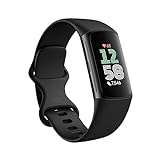
- Find your way seamlessly during runs or rides with turn-by-turn directions from Google Maps on Fitbit Charge 6[7, 8]; and when you need a snack break on the go, just tap to pay with Google Wallet[8, 9]
How it differs from Fitbit’s existing insights
Traditional Fitbit insights are rule-based, triggered when certain thresholds are met, such as unusually high heart rate variability changes or consistent sleep debt. They tend to be one-way notifications that explain what happened after the fact. The AI Coach builds on those same signals but allows you to explore the why and what-next in real time.
For users who already understand fitness metrics, this can feel like a layer of interpretation rather than new data. For newer users, it may reduce the intimidation factor by translating biometrics into actionable language. The risk, which Fitbit appears to be testing carefully, is whether users trust the AI enough to change behavior based on its guidance.
What’s changing in the redesigned Fitbit app
The app redesign focuses on simplifying navigation and making the most relevant information visible earlier in the day. Fitbit is rebalancing the app around daily context, emphasizing today’s readiness, recent sleep, and upcoming activity rather than historical totals. Visual density has been reduced, with clearer cards and fewer nested screens.
From a usability standpoint, this aims to shorten the path from opening the app to making a decision, such as resting, training lightly, or pushing harder. For long-time Fitbit users, the change may feel disorienting at first, but the goal is to align the app’s structure with how people actually check their data: quickly, often, and with a specific question in mind.
Who gets access during the preview and how it works
Access to the AI Coach and redesigned app is limited to a preview group, typically including select Fitbit Premium subscribers and compatible devices. Fitbit is using this phased approach to gather feedback, refine responses, and monitor performance before wider release. Not all features may appear at once, and functionality can change during the preview period.
This also means battery life, device compatibility, and data sync behavior remain largely unchanged at the tracker or smartwatch level. The heavy lifting happens in the app and cloud, so even older devices can potentially benefit, assuming they already support the underlying metrics the AI relies on.
Why Fitbit is making this shift now
The move toward AI coaching reflects broader pressure in the wearable market. Apple leans on tightly integrated coaching cues, Garmin emphasizes training analytics for performance users, and Samsung is expanding health guidance across its ecosystem. Fitbit’s approach sits somewhere in the middle, aiming to be more approachable than performance-first platforms while offering more intelligence than basic activity tracking.
Whether this preview meaningfully improves motivation depends on execution. If the AI Coach consistently delivers relevant, timely advice without overwhelming or misleading users, it could make daily fitness decisions feel simpler. If not, it risks becoming another feature users try once and ignore, which is exactly what this preview phase is designed to prevent.
How the New Fitbit AI Coach Actually Works (and How It Differs From Existing Fitbit Insights)
At a practical level, Fitbit’s new AI Coach is less about introducing entirely new health metrics and more about changing how existing data is interpreted and delivered. Instead of presenting charts first and leaving users to connect the dots, the AI Coach starts with a question, recommendation, or explanation based on what your data is already saying.
This is an important distinction, because Fitbit has offered “insights” for years. The shift here is from static, rule-based tips to a conversational layer that adapts over time and responds to context.
From passive insights to an active coaching layer
Traditional Fitbit insights are triggered by predefined thresholds. For example, low sleep duration might surface a generic reminder about bedtime consistency, or high activity could prompt a congratulatory message. These insights are helpful, but they operate in isolation and rarely reference what happened before or after.
The AI Coach instead looks at patterns across multiple metrics simultaneously. Sleep quality, resting heart rate trends, recent workouts, step consistency, stress indicators, and recovery signals are combined to shape a single response. The output is framed as guidance rather than commentary.
In practice, that means the app might suggest a lighter training day because your heart rate variability has been suppressed for several days, even if your step count looks normal. Existing insights would typically flag those data points separately, without connecting them into a single recommendation.
How the AI Coach decides what to surface
Fitbit’s AI Coach is not monitoring every metric in real time to constantly interrupt you. Instead, it prioritizes moments when a decision is likely, such as opening the app in the morning, completing a workout, or checking readiness-related data.
The system weighs recent deviations from your baseline more heavily than raw numbers. If your sleep score is “average” by Fitbit standards but poor relative to your own history, the AI is more likely to address it. This personalized baseline approach is something Fitbit has used internally for metrics like Readiness Score, but it now drives narrative guidance rather than just a number.
Importantly, the AI Coach also appears to suppress advice when confidence is low. Early preview users report fewer but more detailed prompts, suggesting Fitbit is trying to avoid the over-notification problem that plagued earlier smart coaching attempts.
Conversational queries versus one-way tips
One of the most visible changes is the ability to ask questions directly. Instead of scrolling through dashboards to infer meaning, users can ask why a score changed, what today’s data suggests they should do, or how a recent habit is affecting progress.
This is where the experience diverges sharply from existing Fitbit insights. Previously, the app talked at you. Now it attempts a limited dialogue, drawing only from your Fitbit data rather than general fitness advice.
That constraint matters. The AI Coach will not design marathon training plans or replace a personal trainer, but it can explain why Fitbit is nudging you toward rest, recovery, or consistency. The answers feel grounded in your actual wearable data, not abstract fitness rules.
What hasn’t changed behind the scenes
Despite the AI branding, the underlying data collection is unchanged. The coach does not unlock new sensors, increase sampling rates, or affect battery life on devices like the Charge, Sense, or Versa. Comfort, wearability, and daily durability remain exactly as before, since the intelligence lives in the app and cloud processing.
Compatibility is tied to whether your device already supports metrics like sleep stages, heart rate variability, and activity intensity. Older trackers that lack these inputs will see more limited coaching, not because the AI is restricted, but because it has less context to work with.
This also explains why Fitbit can roll the feature out gradually without hardware refreshes. The AI Coach scales across the existing lineup, from lightweight trackers to smartwatch-style devices, without changing how they’re worn or charged.
Where the AI Coach still feels cautious
At this preview stage, Fitbit’s AI Coach is deliberately conservative. Advice tends to focus on recovery, consistency, and general training load rather than aggressive performance gains. This positions it closer to Apple’s wellness-oriented guidance than Garmin’s performance analytics.
For users accustomed to Fitbit’s older insights, this may initially feel underwhelming. The difference becomes clearer over time, as the AI starts referencing your own past weeks rather than generic fitness norms.
The real test will be whether this coaching layer builds trust. If users feel the guidance reflects how their body actually feels day to day, it becomes something they check habitually. If it misses the mark too often, it risks being treated as just another card to swipe past, regardless of how advanced the technology behind it may be.
Inside the Redesigned Fitbit App: Navigation Changes, Visual Overhaul, and Daily Usability
If the AI Coach is the headline feature, the redesigned Fitbit app is the infrastructure that makes it usable day to day. Fitbit’s preview rollout quietly reshapes how information is surfaced, how often users interact with the app, and how much cognitive effort it takes to understand what your tracker recorded overnight or during a workout.
Rather than layering AI features on top of an already crowded interface, Fitbit is using this transition to rethink navigation, visual hierarchy, and the rhythm of daily check-ins. The changes are subtle at first glance, but they significantly alter how the app feels over a full week of use.
A more opinionated home screen
The most immediate change is the Home tab, which now behaves less like a data dashboard and more like a daily briefing. Instead of presenting everything at once, the app prioritizes a smaller set of cards based on time of day, recent activity, and recovery status.
Morning views tend to emphasize sleep quality, readiness signals, and suggested activity intensity, while afternoon and evening surfaces lean toward movement progress and wind-down cues. This reduces the urge to scroll endlessly and makes the app feel more responsive to when you’re actually checking it.
Importantly, this prioritization works alongside the AI Coach rather than replacing existing metrics. Steps, heart rate, Active Zone Minutes, and workouts are still accessible, but they no longer compete equally for attention at every moment.
Navigation that favors habits over exploration
Fitbit has resisted the temptation to fully reinvent its tab structure, but the redesigned app places clearer boundaries between daily use and deeper analysis. The Home tab is now optimized for quick check-ins, while Health Metrics and Exercise sections feel more intentionally separated.
For long-time users, this reduces friction. You’re less likely to tap into a detailed graph by accident when all you wanted was a snapshot, and less likely to miss trends because they’re buried under celebratory badges or streaks.
This also aligns Fitbit more closely with how people actually use fitness apps. Most users want reassurance and light guidance on most days, not a full performance breakdown. The new navigation reflects that reality without stripping away depth for those who want it.
A calmer visual language with clearer data hierarchy
Visually, the app moves away from dense tiles and saturated colors toward a softer, more breathable layout. Spacing has increased, typography feels more consistent, and data is grouped in ways that are easier to parse at a glance.
Charts now emphasize trends rather than single-day spikes, which pairs well with the AI Coach’s longer-term perspective. Weekly and rolling averages are easier to spot, making it clearer when a bad night of sleep is an outlier rather than a problem.
This design shift also improves accessibility. Larger touch targets, clearer contrast, and reduced visual noise make the app more comfortable to use repeatedly throughout the day, especially on smaller phone screens.
Where the redesign directly improves daily usability
The practical benefit of the redesign shows up in how often users are likely to open the app. Check-ins feel faster, and there’s less mental effort required to understand what Fitbit thinks matters today.
Rank #2

- Inspire 3 is the tracker that helps you find your energy, do what you love and feel your best. All you have to do is wear it.Operating temperature: 0° to 40°C
- Move more: Daily Readiness Score(1), Active Zone Minutes, all-day activity tracking and 24/7 heart rate, 20+ exercise modes, automatic exercise tracking and reminders to move
- Stress less: always-on wellness tracking, daily Stress Management Score, mindfulness sessions, relax breathing sessions, irregular heart rhythm notifications(2), SpO2(3), menstrual health tracking, resting heart rate and high/low heart rate notifications
- Sleep better: automatic sleep tracking, personalized Sleep Profile(1), daily detailed Sleep Score, smart wake vibrating alarm, sleep mode
- Comfortably connected day and night: calls, texts & smartphone app notifications(4), color touchscreen with customizable clock faces, super lightweight and water resistant to 50 meters, up to 10 day battery life(5)
Battery life and device behavior remain unchanged, but the app now does a better job of contextualizing why your tracker behaved a certain way. If your activity target is lower than usual, the explanation is visible without digging through multiple menus.
This is particularly helpful for users wearing lightweight trackers like the Charge series, where the on-device display is limited. The app now feels like a true extension of the hardware, not just a data dump.
Early friction points and limitations
The redesign is not without trade-offs. Some long-time Fitbit users may initially feel disoriented, especially if they relied on muscle memory to jump between specific stats.
Customization remains limited in the preview build. You can’t fully pin or reorder every metric on the Home screen, which may frustrate power users who prefer total control over layout.
There’s also an implicit reliance on Fitbit’s judgment. By deciding what’s important today, the app assumes a level of trust that not all users will grant immediately. Whether this feels helpful or intrusive will depend heavily on how accurate the AI Coach proves to be over time.
How this positions Fitbit against competing ecosystems
Compared to Apple Fitness, Fitbit’s redesigned app feels less gamified and more reflective. Compared to Garmin Connect, it’s dramatically less dense and less intimidating for non-athletes.
Samsung Health sits somewhere in between, but Fitbit’s tighter integration between coaching, recovery signals, and daily layout gives it a clearer identity. The app is no longer just a companion to the tracker; it’s becoming the primary interface for interpreting your health data.
For users considering a switch, this redesign narrows the experiential gap between Fitbit and smartwatch-centric ecosystems. You’re still not getting deep performance analytics or open-ended training plans, but you are getting an app that respects your time and adapts to how you actually live with a wearable.
What the redesign signals about Fitbit’s long-term direction
Taken together, the navigation and visual changes suggest Fitbit is optimizing for consistency rather than intensity. The goal appears to be making daily engagement feel lighter, not more demanding.
This matters because AI-driven coaching only works if people keep coming back. By reducing friction and visual overload, Fitbit is setting the stage for its AI features to become habitual rather than novelty-driven.
Whether this approach succeeds will depend on execution, but the redesigned app makes one thing clear. Fitbit is no longer trying to be everything to everyone; it’s trying to be the app you don’t have to think about, even as it quietly thinks more about you.
Who Gets Access to the Preview: Devices, Regions, Premium Requirements, and Rollout Mechanics
If the redesigned app and AI Coach feel like Fitbit’s new center of gravity, the preview rollout reflects that same measured, trust-building approach. Access is deliberately constrained, with Fitbit prioritizing newer hardware, active users, and markets where it can iterate quickly based on real-world feedback.
Rather than a single on/off switch, this is a layered rollout that blends device eligibility, account status, regional availability, and server-side feature flags. For users, that means eligibility does not always translate to immediate access.
Supported devices at launch
The preview is limited to Fitbit devices released in the last few hardware cycles, where sensor fidelity and battery headroom are sufficient to support continuous coaching and contextual insights. This includes Sense 2, Versa 4, Charge 6, Inspire 3, and Pixel Watch models running the current Fitbit app experience.
Older devices like Versa 3, Charge 5, and Luxe remain compatible with the standard Fitbit app but are not guaranteed full AI Coach functionality during the preview. In practical terms, they may see the redesigned Home layout without receiving deeper coaching prompts tied to readiness, sleep quality, or multi-day trends.
This hardware gatekeeping is less about performance benchmarks and more about data reliability. Fitbit’s AI Coach leans heavily on consistent heart rate tracking, sleep staging accuracy, and background health metrics, and the company appears unwilling to dilute the experience on devices that can’t deliver that consistently.
Regional availability and language support
Initial access is centered on the United States, with Canada, the UK, and Australia following closely behind. These regions align with Fitbit’s largest active user bases and existing regulatory frameworks for AI-assisted health features.
Language support at preview launch is English-only, even in multi-language markets. Fitbit has indicated that localized coaching tone and culturally specific activity recommendations will come later, once the core interaction model has been validated.
Users traveling across regions should not expect access to toggle dynamically. Eligibility is tied to account region, not physical location, which avoids inconsistencies in coaching logic and health guidance.
Premium requirements and account eligibility
The AI Coach is positioned firmly as a Fitbit Premium feature during the preview phase. Users without Premium may see references to coaching insights or preview cards, but interactive guidance, adaptive goals, and conversational feedback are locked behind the subscription.
For existing Premium members, access is automatic once their account is flagged, with no separate opt-in required. New Premium subscribers may not receive immediate access, as rollout appears to prioritize long-term users with established data histories.
This approach reinforces Fitbit’s broader strategy of tying AI value to subscription depth. The more historical sleep, activity, and recovery data you’ve generated, the more nuanced the coaching becomes, which also makes it harder to trial casually and abandon.
App version, platform differences, and update cadence
The preview requires the latest Fitbit app build, delivered through standard iOS and Android app updates. There is no standalone beta app, and uninstalling or reinstalling does not force access if the account has not been enabled server-side.
iOS and Android receive feature parity in principle, but not always in timing. Early users report that Android builds tend to surface layout changes slightly earlier, while iOS receives more conservative, stability-focused updates.
Fitbit is updating preview features quietly, without changelogs or splash screens. This means the AI Coach may feel like it’s “learning” over time, when in reality new prompts and logic layers are being added incrementally.
How the staged rollout actually works in practice
Even if you meet every eligibility requirement, access is still governed by phased account activation. Fitbit is using cohort-based rollout mechanics, enabling features for small user groups, monitoring engagement and error rates, then expanding outward.
This explains why two users with the same device and subscription can see different experiences. It also allows Fitbit to adjust coaching tone, notification frequency, and insight confidence thresholds without pulling features back publicly.
For users accustomed to traditional firmware updates, this can feel opaque. For Fitbit, it’s a way to tune AI-driven health guidance without risking broad misfires that could undermine trust.
What this means for users deciding whether to wait or upgrade
If you’re using a supported device and already pay for Premium, the preview is likely to appear eventually without requiring action. Patience, rather than troubleshooting, is usually the right move.
For users on older hardware, this rollout quietly reinforces Fitbit’s current upgrade logic. The AI Coach is not being framed as a universal add-on, but as a forward-facing benefit tied to newer sensors, better battery efficiency, and tighter app integration.
And for those considering a switch from Apple Watch, Garmin, or Samsung, the preview access rules are revealing. Fitbit is betting that curated, AI-assisted guidance is compelling enough to justify both hardware alignment and a subscription, rather than chasing feature parity through raw data volume alone.
Early User Experience and First-Order Impact: Motivation, Clarity, and Behavior Change
Because the rollout is quiet and staggered, early impressions are forming in fragments rather than headlines. That makes first-order impact especially telling: not what Fitbit promises, but how people are actually responding when the AI Coach and redesigned app surface in daily use.
Across early-access users, the dominant theme isn’t feature excitement so much as reduced friction. The changes are subtle, but they alter how often users check the app, how long they stay, and whether insights translate into action the same day.
Motivation: From data awareness to gentle accountability
The AI Coach’s biggest immediate effect is motivational tone, not technical depth. Instead of surfacing stats and expecting interpretation, it frames observations as nudges, often tied to recent behavior rather than abstract goals.
Users report that this lowers the psychological barrier to engagement. Being told “your activity dipped yesterday after poor sleep” lands differently than seeing charts that require correlation on your own, especially for less data-driven users.
Importantly, the motivation feels softer than Apple’s rings or Garmin’s training prompts. Fitbit appears to be aiming for consistency over intensity, encouraging adherence rather than pushing performance, which aligns with its broader wellness-first positioning.
Clarity: Fewer metrics, clearer priorities
The redesigned app plays a major role here. Early users consistently mention that they open fewer tabs but understand more about what matters that day.
Rank #3

- 【BUILT-IN GPS SMART WATCH – GO FURTHER, FREER, SMARTER】No phone? No problem. This fitness watch for women, featuring the latest 2025 technology, includes an advanced professional-grade GPS chip that precisely tracks every route, distance, pace (real-time & average), and calorie burned—completely phone-free. Whether you're chasing new personal records or exploring off the beaten path, your full journey is automatically mapped and synced in the app. Train smarter. Move with purpose. Own your progress. Own your journey.
- 【BLUETOOTH 5.3 CALLS & SMART NOTIFICATIONS】Stay effortlessly connected with this smart watch for men and women, featuring dual Bluetooth modes (BT 3.0 + BLE 5.3) and a premium microphone for crystal-clear calls right from your wrist—perfect for driving, workouts, or busy days. Receive instant alerts for calls, texts, and popular social apps like WhatsApp and Facebook. Just raise your wrist to view notifications and never miss an important moment.
- 【100+ SPORT MODES & IP68 WATERPROOF & DUSTPROOF】This sport watch is a versatile activity and fitness tracker with 100+ modes including running, cycling, yoga, and more. It features quick-access buttons and automatic running/cycling detection to start workouts instantly. Accurately track heart rate, calories, distance, pace, and more. Set daily goals on your fitness tracker watch and stay motivated with achievement badges. With IP68 waterproof and dustproof rating, it resists rain and sweat for any challenge. Not suitable for showering, swimming, or sauna.
- 【24/7 HEALTH ASSISTANT & SMART REMINDERS】This health watch continuously monitors heart rate, blood oxygen, and stress levels for comprehensive wellness tracking. Sleep monitoring includes deep, light, REM sleep, and naps to give you a full picture of your rest. Stay on track with smart reminders for sedentary breaks, hydration, medication, and hand washing. Women can also monitor menstrual health. Includes guided breathing exercises to help you relax. Your ultimate health watch with event reminders for a healthier life.
- 【ULTRA HD DISPLAY, LIGHTWEIGHT & CUSTOMIZABLE DIALS】This stylish wrist watch features a 1.27-inch (32mm) 360×360 ultra HD color display with a 1.69-inch (43mm) dial, offering vivid details and responsive touch. Its minimalist design fits both business and casual looks. Switch freely among built-in designer dials or create your own DIY watch face using photos, colors, and styles to showcase your unique personality. Perfect as a cool digital watch and fashion wrist watch.
By clustering insights around themes like recovery, readiness, and habit trends, the app reduces the sense of metric overload that crept into earlier Fitbit designs. Heart rate variability, sleep stages, and activity minutes still exist, but they are increasingly contextualized instead of foregrounded.
This is where the AI Coach and UI redesign reinforce each other. The coach references the same simplified structure the app presents, so users aren’t bouncing between a conversational layer and a dense dashboard that speaks a different language.
Behavior change: Small adjustments, not dramatic overhauls
At this preview stage, behavior change appears incremental rather than transformative. Users aren’t suddenly training harder or sleeping perfectly, but they are more likely to make small same-day adjustments.
Examples include opting for a short walk after a sedentary morning prompt, or going to bed slightly earlier after the coach flags accumulated sleep debt. These are low-effort responses, but they happen more frequently than with passive insights alone.
This suggests Fitbit is optimizing for habit reinforcement rather than breakthrough moments. Over time, that could matter more than flashy coaching plans, particularly for users who historically drift away from fitness apps after initial enthusiasm fades.
Trust and perceived intelligence: A fragile but improving balance
Early trust in the AI Coach is cautious. Users are testing it, not relying on it, especially when suggestions feel generic or mistimed.
When the coach references very recent data accurately, confidence increases quickly. When it repeats advice that feels disconnected from context, users tend to ignore it rather than disengage entirely, which is a meaningful distinction.
This behavior aligns with Fitbit’s incremental rollout strategy. By quietly tuning confidence thresholds and phrasing, Fitbit appears to be prioritizing not being wrong over being comprehensive, which is critical in health-adjacent AI.
Daily usability: Where the preview succeeds and strains
In day-to-day use, the redesigned app feels faster and calmer, especially on mid-range Fitbit devices where battery life and processor limits matter. Less visual clutter means fewer sync hiccups and smoother navigation, particularly on older phones.
However, the preview also exposes gaps. Some users note that the AI Coach occasionally surfaces insights without clear next steps, or that recommendations don’t always account for non-tracked activities like strength training done off-device.
Comfort, wearability, and battery life remain unchanged at the hardware level, but the software’s lighter-touch interaction means users check their devices less compulsively. That paradoxically increases long-term comfort and perceived value, as the tracker feels like a companion rather than a taskmaster.
First signals for ecosystem switchers
For users coming from Apple Watch, Garmin, or Samsung, early impressions hinge on expectations. Those used to dense training metrics may find the AI Coach conservative, while those fatigued by constant alerts often see it as a relief.
The key early signal is that Fitbit is not chasing raw feature parity. Instead, it’s betting that clarity, tone, and habit-level coaching can differentiate it in a crowded market increasingly dominated by sensor one-upmanship.
Whether that bet pays off will depend on how much smarter and more personalized the AI Coach becomes over time. For now, the first-order impact suggests Fitbit is successfully changing how users relate to their data, even if it hasn’t yet changed what that data can do.
Health and Fitness Features in Context: Activity, Sleep, Stress, and Recovery Through an AI Lens
Seen in this light, the AI Coach isn’t a separate feature layered on top of Fitbit’s health stack. It’s an interpretive layer that sits across activity, sleep, stress, and recovery, attempting to connect dots that previously lived in silos inside the app.
This matters because Fitbit’s core metrics haven’t radically changed. What’s changing is how often users understand why something happened, and whether the app nudges them toward an adjustment that feels proportionate rather than prescriptive.
Activity tracking: From totals to trade-offs
Fitbit’s activity tracking remains grounded in familiar metrics: steps, active zone minutes, heart rate trends, and logged workouts. The AI Coach doesn’t replace these views but reframes them, often by highlighting trade-offs rather than celebrating raw volume.
In practice, this means the Coach might downplay a step goal streak if it coincides with elevated resting heart rate or poor sleep. That’s a subtle but meaningful shift from Fitbit’s earlier, more gamified posture, and it aligns more closely with how Garmin frames training load, albeit in a gentler tone.
Early users report that activity insights feel less like encouragement to do more and more like permission to do enough. For everyday users rather than performance-focused athletes, that recalibration may reduce burnout without sacrificing consistency.
Sleep analysis: Patterns over perfection
Sleep has long been one of Fitbit’s strongest categories, and the AI Coach builds on that foundation rather than reinventing it. Sleep stages, duration, and consistency still anchor the experience, but the Coach increasingly emphasizes multi-night patterns instead of single scores.
Rather than flagging one poor night as a problem to fix, the AI tends to contextualize it within recent stress, activity load, or schedule changes. This mirrors best practices in sleep science, where variability often matters more than any individual data point.
What’s notably absent, at least in the preview, is aggressive sleep optimization. There are fewer hard bedtime directives and more reflective prompts, which may frustrate users seeking actionable hacks but benefits those prone to anxiety around sleep tracking.
Stress and mindfulness: Interpreting signals, not amplifying them
Fitbit’s stress metrics, including heart rate variability trends and EDA-based stress responses on supported devices, are notoriously easy to misinterpret. The AI Coach appears deliberately cautious here, often acknowledging uncertainty rather than asserting causation.
For example, elevated stress indicators might be paired with questions about workload or routine disruption instead of a definitive label. That conversational framing helps prevent the common pitfall of users feeling stressed because their tracker told them they were stressed.
Compared to competitors like Apple, which often surfaces raw trends without commentary, Fitbit’s AI-mediated approach may feel more supportive. The risk, however, is that overly careful language can come across as vague, especially for users looking for concrete coping strategies.
Recovery and readiness: An emerging throughline
Fitbit doesn’t yet have a single, headline-ready “readiness score” that dominates the app experience the way Garmin’s Body Battery or Whoop’s Recovery do. Instead, recovery emerges indirectly through correlations the AI Coach points out between sleep quality, resting heart rate, and recent exertion.
This distributed approach reflects Fitbit’s broader philosophy in the preview: avoid over-weighting any single composite metric. The AI Coach often frames recovery as a spectrum rather than a binary ready-or-not state, which may better reflect real-world physiology.
That said, users coming from more performance-oriented platforms may miss the immediacy of a clear green-yellow-red indicator. Whether Fitbit eventually consolidates these signals into a more explicit readiness view remains an open question.
How this compares across ecosystems
Placed alongside Apple Watch, Garmin, and Samsung Health, Fitbit’s AI Coach feels less ambitious in scope but more opinionated in tone. Apple leans on visual polish and passive insights, Garmin on dense physiological data, and Samsung on lifestyle integration.
Fitbit’s bet is that interpretation itself is the differentiator. By focusing on language, context, and restraint, it aims to make everyday health data less intimidating and more actionable for non-experts.
For users deciding whether to stay or switch ecosystems, this section of the preview is revealing. Fitbit is not trying to win the sensor arms race; it’s trying to win trust over time, especially in areas like sleep, stress, and recovery where being wrong can be worse than saying less.
Battery Life, Performance, and Device-Side Impact: What Changes (and What Doesn’t)
Given how central battery life is to Fitbit’s appeal, especially on multi-day trackers like Charge, Inspire, and Sense, one of the first questions around the AI Coach preview is whether it quietly taxes endurance. The reassuring answer, at least in this early phase, is that most of the heavy lifting happens off-device.
Fitbit has been careful not to reframe the AI Coach as something that’s “running” continuously on your wrist. Instead, it behaves more like an interpretive layer that activates when you open the app, review insights, or ask for guidance.
Where the AI actually runs
The AI Coach logic lives primarily in Fitbit’s cloud infrastructure and within the smartphone app, not on the tracker itself. Your wearable continues to collect sensor data as it always has, using the same heart rate, sleep, SpO2, and activity pipelines already optimized over years of firmware tuning.
That means there’s no meaningful increase in processor load on the device, no new background tasks on the tracker, and no change to how often sensors sample data. From a hardware perspective, a Charge 6 or Sense 2 behaves the same way it did before the preview.
This design choice also explains why the AI Coach feels more conversational in the app than interactive on the watch. Fitbit is prioritizing battery preservation and cross-device consistency over real-time, wrist-based AI responses.
Battery life on current Fitbit devices
In early preview use, battery life appears unchanged across supported devices. Trackers that previously delivered five to seven days of real-world use continue to land in that same range, assuming similar GPS, display brightness, and notification habits.
Rank #4

- 24H Accurate Heart Rate Monitoring: Go beyond basic tracking. Our watch automatically monitors your heart rate, blood oxygen (SpO2), and sleep patterns throughout the day and night. Gain deep insights into your body's trends and make informed decisions for a healthier lifestyle.
- Practical Sports Modes & Smart Activity Tracking: From running and swimming to yoga and hiking, track a wide range of activities with precision. It automatically records your steps, distance, calories burned, and duration, helping you analyze your performance and crush your fitness goals.
- 1-Week Battery Life & All-Day Wear: Say goodbye to daily charging. With an incredible up to 7-10 days of battery life on a single charge, you can wear it day and night for uninterrupted sleep tracking and worry-free travel. Stay connected to your data without the hassle.
- Comfortable to Wear & IP68 Waterproof: The lightweight, skin-friendly band is crafted for all-day comfort, even while you sleep. With IP68 waterproof, it withstands rain, sweat, It is not suitable for swimming or showering.
- Ease of Use and Personalized Insights via Powerful App: The display is bright and easy to read, even outdoors. Unlock the full potential of your watch. Sync with our dedicated app to view detailed health reports, customize watch faces, set sedentary reminders, and manage your preferences with ease.
GPS-heavy workouts, always-on display modes, and frequent screen wake-ups remain the dominant battery drains, not AI features. If your battery life has dipped since updating, it’s more likely due to firmware recalibration or background syncing rather than the AI Coach itself.
This is a meaningful contrast with platforms that experiment with on-device models or continuous adaptive coaching. Fitbit is deliberately avoiding that path for now, likely to protect its reputation for long battery life among casual and sleep-focused users.
Phone-side performance and app responsiveness
While the tracker remains largely unaffected, the redesigned app does introduce slightly higher demands on the phone side. The AI Coach’s natural language responses, contextual summaries, and richer charts require more processing and more frequent server calls.
On modern phones, this is mostly invisible. App load times remain quick, scrolling is smooth, and insight generation typically happens within seconds rather than feeling “chatty” or delayed.
On older phones, particularly those with limited RAM, some users have reported slower transitions when opening the Coach tab or switching between deep insight views. This isn’t unusual for a preview, but it’s something Fitbit will need to optimize before wider rollout.
Background syncing and battery impact on your phone
The AI Coach does not appear to increase background Bluetooth activity between the tracker and phone. Sync intervals remain unchanged, and there’s no evidence of more frequent wake cycles for the wearable.
However, because insights are more contextual and occasionally updated after new data is processed, users may notice the app syncing more often when opened. This can have a small impact on phone battery, especially if you habitually check insights multiple times a day.
In practice, this feels comparable to Apple Health or Garmin Connect when reviewing detailed metrics, rather than a persistent drain. It’s an interaction cost, not a background tax.
Older devices and long-term support questions
One subtle implication of Fitbit’s cloud-based AI approach is that device age matters less than account compatibility. As long as your tracker can feed standard Fitbit metrics into the platform, the AI Coach can interpret them.
That’s good news for owners of older Inspire or Versa models who worry about being left behind. It also means that the AI experience may feel similar across devices, even if sensor sophistication differs.
The tradeoff is that truly device-specific coaching, like leveraging advanced temperature trends or ECG context, remains limited by what your hardware can measure. The AI won’t invent data your tracker doesn’t collect.
What notably does not change
There’s no new always-on listening, no microphone-based coaching, and no increased screen-on time triggered by the AI Coach. Your watch face, haptics, and notification behavior remain untouched by the preview.
Fitbit also hasn’t altered charging expectations or recommended habits. If you already top up during showers or desk time, nothing about the AI Coach forces a rethink of that routine.
In a landscape where new features often come with hidden power costs, Fitbit’s restraint here feels intentional. The company is betting that trust, consistency, and battery predictability matter more than flashy, wrist-bound AI tricks, at least at this stage of the rollout.
Fitbit vs Apple, Garmin, and Samsung: How This AI Push Repositions the Fitbit Ecosystem
Seen in context, Fitbit’s AI Coach and app redesign aren’t about out-spec’ing rivals on sensors or screen tech. They’re about reframing Fitbit as the most approachable, interpretation-first health platform in a market that’s increasingly complex.
Where Apple, Garmin, and Samsung lean on raw data density and device-led experiences, Fitbit is pushing the idea that guidance matters more than graphs. That strategic choice reshapes how the ecosystem competes, and who it’s really for.
Against Apple Watch: coaching over capability
Apple Watch remains the hardware benchmark, with fast processors, rich third‑party apps, ECG, temperature sensing, and deep iOS integration. Its strength is versatility, but Apple largely leaves interpretation to the user or to third-party apps.
Fitbit’s AI Coach directly targets that gap. Instead of asking users to infer meaning from trends in Apple Health, Fitbit explains what changed, why it might matter, and what to adjust next, all within its own app.
Battery life also reinforces this divide. Apple Watch prioritizes daily charging and high-performance interactions, while Fitbit’s multi-day endurance makes passive, longitudinal coaching feel more natural and less intrusive.
Against Garmin: lifestyle context versus training precision
Garmin’s ecosystem excels at structured training, recovery metrics, and sport-specific insights. Its watches are larger, heavier, and designed around buttons, durability, and outdoor readability rather than comfort or minimalism.
Fitbit’s AI approach doesn’t try to replace Garmin’s training load models or race prep tools. Instead, it contextualizes everyday behavior, sleep debt, stress patterns, and routine consistency, areas where Garmin data often feels clinical or athlete-first.
For users who run, lift, and also care about how late nights, work stress, or missed walks affect recovery, Fitbit’s narrative-style insights may feel more usable day to day.
Against Samsung: coherence versus fragmentation
Samsung Health has expanded rapidly, adding sleep coaching, body composition, and integration with Galaxy devices. The experience, however, can feel layered, with features spread across tiles, labs, and region-specific rollouts.
Fitbit’s redesigned app, paired with AI Coach, emphasizes a single conversational surface. Metrics, trends, and recommendations live together, reducing the sense of hopping between dashboards to assemble meaning.
This coherence matters for users who want guidance without committing to a single phone brand or navigating frequent UI changes tied to OS updates.
Hardware strategy: letting software do the heavy lifting
Unlike Apple or Samsung, Fitbit isn’t racing to debut new display tech, chipsets, or materials with this update. Existing devices, from slim Inspire bands to Versa and Sense watches, all participate similarly in the AI experience.
That lowers the pressure to upgrade hardware to access smarter insights. Comfort, light weight, and long battery life remain core strengths, especially for sleep tracking and 24/7 wear.
It also signals that Fitbit views its trackers as data collectors first, and its platform as the primary product users interact with.
Subscription economics and perceived value
Fitbit Premium has long been contentious, especially compared to Apple’s no-subscription baseline. The AI Coach reframes that conversation by making the paid layer feel less like locked charts and more like ongoing guidance.
Garmin bundles advanced analytics into device pricing, while Samsung leans on ecosystem lock-in. Fitbit’s bet is that personalized interpretation justifies a recurring cost, particularly for users who don’t want to manage multiple apps.
Whether that value feels compelling will depend on how actionable and adaptive the AI Coach becomes over time.
Who this repositioning actually favors
This AI push clearly favors users who feel overwhelmed by metrics but still want to improve health habits. It’s less about elite performance and more about consistency, recovery, and understanding cause and effect.
For Apple Watch owners frustrated by data overload, or Garmin users tired of training-first assumptions, Fitbit’s approach offers an alternative philosophy. It doesn’t ask users to become analysts of their own bodies.
Instead, Fitbit is positioning itself as the interpreter in the middle, translating passive data into guidance that fits into real life rather than dictating it.
Limitations, Privacy Questions, and What the AI Coach Can’t Do Yet
All of that promise comes with real constraints, especially in this preview phase. Fitbit’s AI Coach is deliberately cautious, and that restraint shapes both what it can do today and what it avoids entirely.
Still an interpreter, not a real-time trainer
The AI Coach works on patterns, not live intervention. It analyzes accumulated sleep, activity, heart rate, and recovery data, then offers guidance after the fact rather than during a workout or stressful moment.
That means it won’t replace structured training plans, pace guidance, or in-the-moment alerts the way Garmin’s training features or Apple Watch’s live workout coaching can. For runners, cyclists, or gym users who want mid-session feedback, Fitbit’s AI remains a reflective tool, not a performance director.
💰 Best Value

- 【Superb Visual Experience & Effortless Operation】Diving into the latest 1.58'' ultra high resolution display technology, every interaction on the fitness watch is a visual delight with vibrant colors and crisp clarity. Its always on display clock makes the time conveniently visible. Experience convenience like never before with the intuitive full touch controls and the side button, switch between apps, and customize settings with seamless precision.
- 【Comprehensive 24/7 Health Monitoring】The fitness watches for women and men packs 24/7 heart rate, 24/7 blood pressure and blood oxygen monitors. You could check those real-time health metrics anytime, anywhere on your wrist and view the data record in the App. The heart rate monitor watch also tracks different sleep stages for light and deep sleep,and the time when you wake up, helps you to get a better understanding of your sleep quality.
- 【120+ exercise modes & All-Day Activity Tracking】There are more than 120 exercise modes available in the activity trackers and smartwatches, covering almost all daily sports activities you can imagine, gives you new ways to train and advanced metrics for more information about your workout performance. The all-day activity tracking feature monitors your steps, distance, and calories burned all the day, so you can see how much progress you've made towards your fitness goals.
- 【Messages & Incoming Calls Notification】With this smart watch fitness trackers for iPhone and android phones, you can receive notifications for incoming calls and read messages directly from your wrist without taking out your phone. Never miss a beat, stay in touch with loved ones, and stay informed of important updates wherever you are.
- 【Essential Assistant for Daily Life】The fitness watches for women and men provide you with more features including drinking water and sedentary reminder, women's menstrual period reminder, breath training, real-time weather display, remote camera shooting, music control,timer, stopwatch, finding phone, alarm clock, making it a considerate life assistant. With the GPS connectivity, you could get a map of your workout route in the app for outdoor activity by connecting to your phone GPS.
This design aligns with Fitbit’s comfort-first, long-battery-life hardware philosophy, but it also defines a ceiling on athletic usefulness for now.
Limited scope of personalization in the preview
Despite the “coach” branding, personalization is still bounded. The AI draws heavily from Fitbit’s existing health metrics rather than integrating broader context like nutrition tracking depth, injury history, or external stressors such as travel and work schedules.
User input is also relatively shallow. You can ask questions and receive explanations, but you can’t yet set nuanced goals like periodized training blocks, rehab-focused routines, or condition-specific programs beyond general wellness framing.
Compared to human coaching or more specialized platforms, the AI’s advice remains generalized, even when it’s phrased in a personalized tone.
Accuracy depends on wear habits and sensor limits
As with any AI built on wearable data, output quality is only as good as what’s collected. Fitbit’s optical heart rate sensors and sleep algorithms are strong for continuous tracking, but they still struggle with edge cases like high-intensity interval training, strength workouts, or inconsistent wear.
If users remove their tracker frequently, switch wrists, or wear it loosely for comfort, the AI Coach may infer patterns that don’t fully reflect reality. The app does little, at least for now, to flag uncertainty or explain confidence levels in its recommendations.
That lack of transparency can make guidance feel authoritative even when the underlying data is incomplete.
Privacy trade-offs are more visible with AI in the loop
Fitbit has long positioned itself as privacy-conscious, especially compared to more ad-driven tech platforms. Still, an AI Coach fundamentally changes how personal health data is processed and interpreted.
The preview experience raises questions about how much data is analyzed on-device versus in the cloud, how long conversational queries are stored, and whether anonymized data is used to refine future models. Fitbit states that health data isn’t used for advertising, but AI systems rely on large-scale learning, which makes clarity around data boundaries increasingly important.
For users already wary of Google’s ownership of Fitbit, this layer of AI intelligence may feel like a step closer to over-interpretation of deeply personal signals.
No medical authority or condition-specific guidance
The AI Coach is firmly positioned as a wellness tool, not a medical advisor. It avoids diagnosing conditions, interpreting ECG results in detail, or giving guidance that could be construed as treatment.
That’s appropriate from a regulatory standpoint, but it also limits usefulness for users managing chronic conditions, sleep disorders, or cardiac concerns. Even with capable hardware like Sense’s ECG and EDA sensors, the AI stops short of connecting those readings into condition-aware advice.
Users expecting something closer to a digital clinician will find the boundaries clearly drawn.
Feature parity varies across devices and regions
Although Fitbit emphasizes hardware neutrality, the preview doesn’t land identically everywhere. Some older devices provide less granular data, which in turn affects the depth of AI feedback.
Geographic rollout is also staggered, with certain regions seeing delayed access due to regulatory and data-handling requirements. That can create a fragmented experience, especially for users comparing notes across devices or countries.
For a platform positioning itself as unified and AI-driven, these inconsistencies are noticeable in early use.
Not yet a reason to switch ecosystems on its own
For users deep in Apple, Garmin, or Samsung ecosystems, the AI Coach alone may not justify a move. It doesn’t replace Apple’s app ecosystem, Garmin’s training depth, or Samsung’s tight Android integration.
What it offers instead is a different philosophy: fewer dashboards, more explanation. That approach resonates most with users who already like Fitbit’s comfort, simplicity, and battery longevity, rather than those chasing maximum performance features.
At least in its current form, the AI Coach strengthens Fitbit’s identity more than it disrupts the wider wearable market.
What to Expect Before Full Release: Likely Improvements, Feature Expansion, and Who Should Care Most
With the preview now in users’ hands, Fitbit has a clear window to refine how its AI Coach and redesigned app behave in the real world. Early limitations aren’t surprising, and they point directly toward where the platform is likely headed before general availability.
Smarter personalization as more data accumulates
The most obvious improvement will be depth. Right now, the AI Coach works largely from recent activity, sleep, and readiness-style signals rather than long-term behavioral patterns.
As weeks turn into months, expect guidance to shift from reactive summaries to trend-aware coaching. That could mean recognizing habitual undertraining, recurring sleep debt tied to late workouts, or subtle recovery issues that only appear over longer timelines.
This is where Fitbit’s strength in passive, 24/7 tracking becomes critical. Devices with long battery life like Charge, Inspire, and Sense collect more continuous data than many smartwatch rivals, giving the AI more context to work with over time.
Clearer goals and action-oriented coaching
One consistent piece of early feedback is that the AI explains well, but doesn’t always tell users what to do next. Fitbit is likely to close that gap.
Expect future updates to translate insights into structured suggestions such as recovery-focused days, adjusted step targets, or workout intensity guidance based on recent strain. This would move the Coach closer to Garmin-style training suggestions, but framed in Fitbit’s calmer, less performance-driven tone.
If Fitbit gets this balance right, it could improve motivation without overwhelming casual users who don’t want rigid plans.
Expanded feature parity across devices
Hardware differences currently shape the AI experience more than Fitbit would probably like. Devices with ECG, EDA, skin temperature, and richer sleep tracking naturally generate more nuanced insights.
Before full release, Fitbit will likely standardize the AI’s language and output so users on simpler trackers don’t feel shortchanged. That may involve abstracting insights away from sensor-specific metrics and focusing more on behavioral signals like consistency, timing, and recovery quality.
This approach would help maintain Fitbit’s reputation for accessibility while still rewarding higher-end hardware owners with deeper context.
Tighter integration with the redesigned app
The new app layout is cleaner, but it still feels like two systems running in parallel: traditional dashboards and AI-driven narratives. Expect these to converge.
Future builds are likely to surface AI insights directly inside daily metrics, workouts, and sleep views rather than isolating them in a separate coach-style interface. When explanations and data live together, the app feels less like a report card and more like an ongoing conversation.
This also improves daily usability, especially for users who check stats quickly between meetings or workouts.
Who should pay the closest attention right now
Existing Fitbit users who value simplicity, comfort, and battery longevity stand to benefit the most as the AI matures. The Coach complements devices that are easy to wear all day, light on the wrist, and unobtrusive during sleep, which remains a Fitbit stronghold.
New buyers considering entry-level trackers may also find the AI appealing once it becomes more proactive. It lowers the barrier to understanding health data without requiring deep fitness knowledge or constant manual input.
Power users chasing race plans, advanced metrics, or highly technical training guidance will still find more depth in Garmin or Apple’s ecosystem for now. Fitbit’s direction is about clarity and sustainability, not peak performance.
What this means for Fitbit’s broader position
Taken together, these changes suggest Fitbit is betting on interpretation over accumulation. Rather than adding more charts, sensors, or niche metrics, it’s trying to make existing data feel human and actionable.
If the AI Coach evolves thoughtfully, it could become a defining feature that differentiates Fitbit in a crowded market increasingly focused on raw capability. Success here depends less on flashy features and more on trust, tone, and long-term usefulness.
For users willing to grow with the platform, the preview feels less like a finished product and more like a foundation. The full release will matter not because it’s louder or more advanced, but because it finally helps people understand their bodies without needing to think like analysts.