Most people glance at their Fitbit sleep score in the morning and instinctively trust it, without really knowing what went on overnight to produce that number. The watch didn’t watch you sleep in the human sense; it inferred your night from a stream of biological signals that are indirect, probabilistic, and surprisingly nuanced. Understanding those signals is the difference between using sleep data as a helpful guide and letting it become a source of stress.
This section breaks down exactly what Fitbit measures while you’re asleep, which sensors are doing the work, and where the hard limits are. You’ll learn what’s based on real physiological data, what’s algorithmic interpretation, and which parts of sleep science no wrist-worn device can truly see. That context matters, because Fitbit’s sleep tracking is very good at patterns and trends, but it was never designed to diagnose or label your sleep with clinical precision.
Movement: the foundation Fitbit builds everything on
At the most basic level, Fitbit uses its accelerometer to detect motion, similar to how early sleep trackers worked a decade ago. Long periods of stillness are interpreted as sleep, while frequent movement suggests wakefulness or restlessness. This is why Fitbit is generally excellent at identifying when you fall asleep and when you wake up, especially if you keep a consistent bedtime routine.
What it can’t tell from movement alone is why you moved. Rolling over, adjusting a pillow, or briefly waking without remembering it all look similar in the raw data. This is one reason Fitbit can sometimes overestimate total sleep if you lie still in bed while awake.
🏆 #1 Best Overall
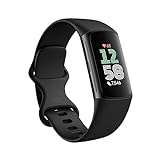
- Find your way seamlessly during runs or rides with turn-by-turn directions from Google Maps on Fitbit Charge 6[7, 8]; and when you need a snack break on the go, just tap to pay with Google Wallet[8, 9]
Heart rate: the key to sleep stages
Modern Fitbit models rely heavily on continuous heart rate tracking using optical sensors on the underside of the watch. As you move through the night, your heart rate naturally slows, speeds up, and becomes more or less variable depending on sleep depth. Fitbit’s algorithms look at these patterns, alongside movement, to estimate light sleep, deep sleep, and REM sleep.
These stages are not measured directly. Fitbit is inferring them based on correlations established in large validation studies, not by reading brain activity like a clinical sleep lab does. That means stage timing and proportions are directionally useful, but not precise enough to obsess over minute-by-minute transitions.
Heart rate variability: clues about recovery, not dreams
Heart rate variability, or HRV, reflects the tiny variations between heartbeats and is tied to nervous system balance. Fitbit measures HRV overnight because sleep provides a clean, relatively stable window without daytime stressors. Higher or improving HRV trends often suggest better recovery and resilience.
What HRV does not tell Fitbit is how emotionally restful your sleep felt or whether you had vivid dreams. It’s a physiological proxy, not a mental or emotional one, and it’s best interpreted over weeks rather than single nights.
Blood oxygen saturation (SpO2): trends, not diagnoses
On supported models, Fitbit estimates blood oxygen saturation during sleep using red and infrared light sensors. These readings are averaged and smoothed across the night, then presented as a typical range rather than continuous medical-grade values. The goal is to spot meaningful deviations from your normal baseline.
Fitbit cannot diagnose sleep apnea or respiratory disorders. Short drops in SpO2 can occur for many benign reasons, and wrist-based sensors are more susceptible to fit, skin tone, and movement than fingertip medical devices. The data is best used as an early awareness tool, not a verdict.
Skin temperature variation: subtle signals from the wrist
Some Fitbits track skin temperature variation relative to your personal baseline, not your absolute body temperature. During sleep, changes in circulation and environment make the wrist a useful, though imperfect, measurement site. Fitbit looks for deviations that may correlate with illness, recovery strain, or hormonal shifts.
This metric is contextual by design. A warmer or cooler night isn’t inherently good or bad, and Fitbit deliberately avoids presenting it as a number to “optimize.” It’s meant to add color to trends you’re already seeing in sleep quality and readiness.
Sleep score: an interpretation layer, not a raw measurement
The sleep score is where all of Fitbit’s signals come together. Duration, depth, restlessness, heart rate patterns, and consistency are weighted into a single number intended to be easy to understand at a glance. It’s a convenience metric, not a scientific truth.
Two nights with the same score can look very different underneath. That’s why Fitbit encourages users to tap into the breakdown rather than chase a specific number, especially if the score doesn’t match how you actually feel.
What Fitbit cannot see, no matter the model
Fitbit cannot measure brain waves, eye movement directly, or muscle tone in the way a polysomnography sleep study does. It doesn’t know if you were conscious during a still moment, why you woke up, or whether a dream felt restorative or stressful. Mental health, emotional processing, and sleep quality perception live outside the reach of wrist sensors.
Even the best Fitbit models are interpreting sleep through the lens of probability. Their strength lies in consistency, long-term trend tracking, and behavioral insight, not night-by-night perfection. Understanding that boundary is what allows Fitbit’s sleep tracking to be genuinely useful instead of misleading.
The Sensors Behind Fitbit Sleep Tracking: Heart Rate, Motion, SpO₂ and Skin Temperature
Understanding Fitbit’s sleep data starts with the hardware quietly working against your wrist all night. Rather than relying on a single signal, Fitbit blends multiple sensors to estimate when you’re asleep, how deeply you’re sleeping, and how your body is responding to that rest. Each sensor has strengths and blind spots, and it’s the combination that makes the insights useful.
Optical heart rate: the backbone of sleep staging
The most influential sensor in Fitbit’s sleep tracking is the optical heart rate monitor on the back of the watch or band. Using green LEDs and light-sensitive photodiodes, it measures blood volume changes in your wrist to calculate heart rate and heart rate variability while you sleep.
During the night, your heart rate naturally drops and becomes more regular in deeper stages of sleep, then rises and fluctuates during REM. Fitbit’s algorithms look at these patterns over time to help distinguish light, deep, and REM sleep rather than guessing based on movement alone.
This is also why consistent fit matters so much. A snug but comfortable strap, whether silicone on a Charge or woven on a Sense, improves skin contact and reduces gaps that can cause noisy data, especially if you move your arms under a pillow.
Motion and accelerometers: detecting stillness and restlessness
Every Fitbit uses a 3-axis accelerometer to track motion, and this is the sensor that decides when sleep likely starts and ends. Prolonged stillness signals sleep onset, while tossing, turning, and micro-movements help identify brief awakenings or restless periods.
Motion data is especially important for distinguishing between light sleep and wakefulness. If your heart rate suggests sleep but your arm is moving frequently, Fitbit may classify that time as restless or awake rather than inflating your sleep duration.
This is one area where wrist-worn comfort and size matter. Slimmer devices like Inspire models tend to be less noticeable at night, which can reduce subconscious movement and improve data consistency compared to bulkier smartwatch-style designs.
SpO₂ sensors: breathing-related context, not diagnosis
On supported models like Charge, Sense, and certain Versa versions, Fitbit uses red and infrared LEDs to estimate blood oxygen saturation during sleep. Unlike heart rate, SpO₂ isn’t sampled continuously at a fine-grained level but is assessed periodically, primarily during longer, stable sleep windows.
The result is presented as an average overnight range or trend rather than minute-by-minute values. Drops or variability can correlate with breathing irregularities, altitude changes, alcohol intake, or nasal congestion, but Fitbit is careful not to frame this as a medical screening tool.
Because SpO₂ measurements require more power, they can impact battery life. Devices with smaller batteries may only enable nightly SpO₂ tracking if the watch is charged above a certain level before bed, which is why charging habits quietly influence what data you see in the morning.
Skin temperature variation: relative change over precision
Fitbit’s skin temperature sensor measures subtle changes at the wrist during sleep and compares them to your personal baseline. It’s not attempting to capture core body temperature, which would be unreliable from the wrist anyway.
Temperature variation tends to be most stable during sleep, when environmental and activity-related fluctuations are minimized. Fitbit uses this window to look for deviations that may align with recovery load, illness onset, or hormonal cycles rather than presenting a single nightly number to optimize.
Because this sensor is sensitive to ambient conditions, room temperature, bedding, and even strap material can influence readings. That’s why Fitbit emphasizes multi-night trends and avoids drawing conclusions from a single warm or cool night.
Sensor fusion: why no single metric tells the story
What makes Fitbit’s sleep tracking compelling isn’t any one sensor, but how they work together. Motion establishes sleep boundaries, heart rate refines sleep stages, SpO₂ adds respiratory context, and skin temperature provides background physiological signals.
When one sensor is compromised, such as loose fit affecting heart rate or a low battery disabling SpO₂, the system doesn’t collapse. Fitbit simply leans more heavily on the remaining data, which is why sleep tracking often continues even when certain metrics are missing.
This layered approach is also why model differences matter. Entry-level Fitbits cover motion and heart rate well, while higher-end devices add physiological nuance. Choosing the right device comes down to how much context you want around your sleep, not whether one model magically “tracks sleep better” than another.
Fitbit Sleep Stages Explained: Awake, Light, Deep and REM
Once Fitbit has established when you’re asleep using motion and heart rate trends, it begins breaking the night into sleep stages. This is where sensor fusion becomes visible in the app, translating subtle physiological changes into a timeline that feels intuitive, even if the underlying science is complex.
It’s important to understand that Fitbit isn’t “seeing” your brain activity the way a clinical sleep lab does. Instead, it’s estimating stages based on patterns in heart rate variability, movement, and breathing behavior, which means the data is best used to spot trends and proportions rather than obsess over exact minutes.
Awake: brief interruptions, not sleepless nights
The Awake stage represents moments when Fitbit detects movement or a spike in heart rate that suggests you briefly woke up. These can range from turning over, responding to noise, or checking the time without fully remembering it in the morning.
Most people underestimate how often they wake during the night, so seeing multiple awake periods can feel alarming at first. In reality, short awakenings are normal and often essential as your body cycles between deeper and lighter sleep.
Fitbit tends to err on the side of sensitivity here, especially if your device fit is loose or your mattress amplifies movement. If awake time looks high but you feel rested, that disconnect usually says more about sensor interpretation than poor sleep quality.
Light sleep: the foundation of the night
Light sleep makes up the largest portion of most nights and acts as the bridge between wakefulness and deeper stages. During this phase, heart rate slows, breathing becomes more regular, and the body begins physical recovery without fully shutting down responsiveness.
Fitbit identifies light sleep when movement is minimal but heart rate variability hasn’t dropped to deep sleep levels. Because it’s a broad category, some lighter REM or shallow deep sleep can occasionally be classified here.
From a practical standpoint, abundant light sleep isn’t a problem. If your total sleep time is healthy and deep and REM sleep appear consistently, a high percentage of light sleep usually reflects normal cycling rather than subpar rest.
Deep sleep: physical recovery and restoration
Deep sleep is where the body does its heaviest physical repair. Muscle recovery, tissue growth, and immune support all peak here, alongside the lowest heart rates and breathing rates of the night.
Fitbit estimates deep sleep primarily through sustained low heart rate and minimal movement. This stage is most common earlier in the night, which is why late bedtimes often reduce deep sleep even if total sleep time looks adequate.
If your deep sleep seems low, context matters. Stress, alcohol, late meals, and inconsistent schedules all suppress deep sleep, while fitness level and age also play significant roles. The trend across weeks is far more meaningful than a single disappointing night.
REM sleep: mental recovery and learning
REM sleep is closely tied to memory consolidation, emotional processing, and learning. Heart rate and breathing become more variable again, and the brain is nearly as active as it is when awake.
Rank #2

- Inspire 3 is the tracker that helps you find your energy, do what you love and feel your best. All you have to do is wear it.Operating temperature: 0° to 40°C
- Move more: Daily Readiness Score(1), Active Zone Minutes, all-day activity tracking and 24/7 heart rate, 20+ exercise modes, automatic exercise tracking and reminders to move
- Stress less: always-on wellness tracking, daily Stress Management Score, mindfulness sessions, relax breathing sessions, irregular heart rhythm notifications(2), SpO2(3), menstrual health tracking, resting heart rate and high/low heart rate notifications
- Sleep better: automatic sleep tracking, personalized Sleep Profile(1), daily detailed Sleep Score, smart wake vibrating alarm, sleep mode
- Comfortably connected day and night: calls, texts & smartphone app notifications(4), color touchscreen with customizable clock faces, super lightweight and water resistant to 50 meters, up to 10 day battery life(5)
Fitbit leans heavily on heart rate variability patterns to identify REM, since movement remains low but physiological signals become more dynamic. This stage typically increases in duration later in the night, which is why cutting sleep short often impacts REM first.
Lower-than-expected REM doesn’t automatically signal a problem. Caffeine timing, stress, and even a new exercise routine can temporarily shift REM proportions before settling back into your personal baseline.
How accurate are Fitbit sleep stages, really?
Compared to clinical polysomnography, Fitbit’s sleep staging is an informed estimate rather than a diagnosis. Independent studies generally show good accuracy at identifying sleep versus wake, with moderate agreement on individual stages, particularly deep and REM.
Where Fitbit excels is consistency. Wearing the same device nightly, with a similar fit and schedule, allows the algorithm to learn your patterns, which improves reliability over time.
This is also where device choice and comfort matter. A lighter tracker with a soft strap may be easier to wear all night, while larger smartwatch-style Fitbits can feel more intrusive for some sleepers. The “best” sleep tracker is often the one you forget you’re wearing.
How to interpret sleep stages without overthinking them
Sleep stages work best as proportions, not targets. Chasing a perfect percentage of deep or REM sleep often leads to frustration, especially since natural variation from night to night is unavoidable.
Instead, look for stability. Consistent bedtimes, similar stage distributions, and gradual improvements in total sleep usually signal that your routine is supporting recovery, even if individual nights fluctuate.
If the data conflicts with how you feel, trust your body first. Fitbit’s sleep stages are a guide to understanding patterns, not a scorecard you need to win every night.
Understanding the Fitbit Sleep Score: How It’s Calculated and Why It Changes
Once you move past individual sleep stages, Fitbit pulls everything together into a single number: the Sleep Score. This is designed to answer a simple question that stages alone can’t: how well did your body actually recover last night?
The key is understanding that the Sleep Score is not a grade for effort. It’s a weighted snapshot of duration, depth, and physiological calm, compared against your own recent patterns rather than a universal ideal.
What the Fitbit Sleep Score represents
Fitbit’s Sleep Score ranges from 0 to 100 and is shown prominently at the top of your sleep report. Scores are broadly categorized as poor, fair, good, or excellent, but the real value comes from watching trends over time.
A score in the 80s for one person may feel very different than an 80 for someone else. Fitbit’s algorithms adapt to your baseline, which is why two users with similar sleep lengths can see different scores.
The three pillars behind the Sleep Score
Fitbit calculates your Sleep Score using three core components: sleep duration, sleep quality, and restoration. Each pillar contributes differently depending on how consistent your sleep habits are.
Sleep duration looks at how long you slept relative to your recent average and age-based recommendations. Sleeping far more or far less than usual can lower the score, even if you technically hit eight hours.
Sleep quality: stages and interruptions
Sleep quality focuses on how much time you spend in deep and REM sleep, balanced against restlessness and awakenings. Frequent tossing, waking, or long periods of light sleep can drag this component down.
This is where earlier discussions about not chasing perfect stage percentages matter. Fitbit is looking for balance and stability, not textbook sleep architecture.
Restoration: the heart-led signals
The restoration component leans heavily on overnight heart rate and heart rate variability. Lower sleeping heart rate and higher HRV generally signal better recovery, especially after physically or mentally demanding days.
If your heart rate stays elevated overnight, Fitbit interprets that as stress on the system. This can happen after late meals, alcohol, illness, intense training, or even emotional stress.
Why the same sleep length can produce different scores
It’s common to sleep the same number of hours on two different nights and wake up with very different scores. That’s because duration is only one piece of the equation.
A shorter night with strong deep sleep and a calm heart rate can outscore a longer but fragmented night. Fitbit is prioritizing how efficiently your body used the time in bed.
The role of consistency in scoring
Fitbit’s Sleep Score becomes more meaningful the longer you wear the device. Regular bedtimes, consistent wear, and stable routines give the algorithm better context for what’s normal for you.
Sudden changes, like traveling across time zones or switching devices, can temporarily skew scores. This usually settles within a week as Fitbit recalibrates to your patterns.
Why Sleep Scores change night to night
Daily life has a bigger impact on your Sleep Score than most people expect. Late workouts, caffeine timing, alcohol, stress, and even heavy social days can all shift heart rate and sleep depth.
Illness and recovery days are especially visible in the score. Fitbit often flags these nights with lower restoration even if you slept longer than usual.
Do naps affect the Sleep Score?
Naps are tracked separately and do not directly add to your overnight Sleep Score. However, long or late naps can indirectly lower your score by reducing sleep pressure at bedtime.
This is one reason Fitbit emphasizes nighttime sleep as the foundation. The score is meant to reflect your primary recovery window, not total rest across 24 hours.
How device choice influences the Sleep Score
Most modern Fitbits calculate Sleep Score similarly, but sensor quality and comfort still matter. Devices with continuous heart rate tracking, good skin contact, and stable overnight battery life tend to produce more consistent data.
Slim trackers like the Inspire series are often easier to forget during sleep, while larger smartwatch-style models may feel bulkier for side sleepers. Fit and strap material can affect movement and heart rate signal quality overnight.
Fitbit Premium and deeper score insights
Without Fitbit Premium, you still receive a Sleep Score and basic breakdown. Premium adds trend views, monthly benchmarks, and contextual insights that explain why certain nights scored higher or lower.
These explanations don’t change the score itself, but they can make patterns easier to spot. For users who enjoy data-driven reflection, this added layer can be helpful rather than overwhelming.
How to use the Sleep Score without obsessing
The Sleep Score works best as a directional signal, not a daily verdict. A single low score doesn’t mean your sleep is broken, just as one high score doesn’t guarantee peak performance.
Look for clusters, not outliers. When scores rise or fall consistently alongside changes in routine, that’s when the data becomes actionable.
Advanced Night Metrics: SpO₂ Trends, Breathing Rate and Temperature Variation
Once you move beyond sleep stages and scores, Fitbit’s advanced night metrics add a layer of physiological context. These aren’t about judging a single night as “good” or “bad,” but about spotting subtle changes that repeat over time.
Think of them as background signals running quietly alongside your Sleep Score. They often explain why sleep feels different even when duration and timing look normal.
SpO₂ trends: what Fitbit is actually measuring
SpO₂, or blood oxygen saturation, is estimated using red and infrared light from the optical sensor on the underside of the device. Fitbit measures this passively during sleep, when your body is still and readings are more stable than during the day.
Most Fitbits don’t show a single nightly SpO₂ number by default. Instead, you see a nightly range and longer-term trend, which is intentional because this metric is more meaningful when viewed over weeks rather than nights.
How to interpret SpO₂ without overreacting
For most healthy users, SpO₂ stays within a tight personal range night to night. Small dips can appear after alcohol, poor sleep posture, congestion, or intense training days.
What matters is consistency. A gradual downward trend or frequent drops compared to your baseline is more informative than one low reading after a late night.
Which Fitbits support SpO₂ tracking
SpO₂ tracking is available on many modern models, including the Charge series, Versa lineup, Sense family, and Inspire 3. Older devices may show limited or no SpO₂ data depending on hardware and firmware updates.
Because SpO₂ tracking runs overnight, it relies heavily on battery stability. Devices with at least several days of battery life tend to deliver more complete datasets, especially if you forget to charge before bed.
Rank #3

- 【BUILT-IN GPS SMART WATCH – GO FURTHER, FREER, SMARTER】No phone? No problem. This fitness watch for women, featuring the latest 2025 technology, includes an advanced professional-grade GPS chip that precisely tracks every route, distance, pace (real-time & average), and calorie burned—completely phone-free. Whether you're chasing new personal records or exploring off the beaten path, your full journey is automatically mapped and synced in the app. Train smarter. Move with purpose. Own your progress. Own your journey.
- 【BLUETOOTH 5.3 CALLS & SMART NOTIFICATIONS】Stay effortlessly connected with this smart watch for men and women, featuring dual Bluetooth modes (BT 3.0 + BLE 5.3) and a premium microphone for crystal-clear calls right from your wrist—perfect for driving, workouts, or busy days. Receive instant alerts for calls, texts, and popular social apps like WhatsApp and Facebook. Just raise your wrist to view notifications and never miss an important moment.
- 【100+ SPORT MODES & IP68 WATERPROOF & DUSTPROOF】This sport watch is a versatile activity and fitness tracker with 100+ modes including running, cycling, yoga, and more. It features quick-access buttons and automatic running/cycling detection to start workouts instantly. Accurately track heart rate, calories, distance, pace, and more. Set daily goals on your fitness tracker watch and stay motivated with achievement badges. With IP68 waterproof and dustproof rating, it resists rain and sweat for any challenge. Not suitable for showering, swimming, or sauna.
- 【24/7 HEALTH ASSISTANT & SMART REMINDERS】This health watch continuously monitors heart rate, blood oxygen, and stress levels for comprehensive wellness tracking. Sleep monitoring includes deep, light, REM sleep, and naps to give you a full picture of your rest. Stay on track with smart reminders for sedentary breaks, hydration, medication, and hand washing. Women can also monitor menstrual health. Includes guided breathing exercises to help you relax. Your ultimate health watch with event reminders for a healthier life.
- 【ULTRA HD DISPLAY, LIGHTWEIGHT & CUSTOMIZABLE DIALS】This stylish wrist watch features a 1.27-inch (32mm) 360×360 ultra HD color display with a 1.69-inch (43mm) dial, offering vivid details and responsive touch. Its minimalist design fits both business and casual looks. Switch freely among built-in designer dials or create your own DIY watch face using photos, colors, and styles to showcase your unique personality. Perfect as a cool digital watch and fashion wrist watch.
Breathing rate: the quiet consistency metric
Breathing rate measures how many breaths you take per minute during sleep, derived from subtle changes in heart rate and movement. For most users, this number barely changes from night to night.
That stability is the point. When breathing rate shifts noticeably from your personal norm, it often aligns with illness, heavy fatigue, or disrupted sleep environments.
Why breathing rate is better as a trend than a number
Fitbit displays breathing rate as a single average per night, but it becomes useful only when viewed across weeks. A one-off change doesn’t carry much meaning on its own.
This metric is particularly sensitive to restlessness and poor sensor contact. A snug but comfortable strap and minimal overnight movement improve accuracy, especially for side sleepers.
Skin temperature variation, not body temperature
Fitbit doesn’t measure absolute body temperature. Instead, it tracks how your skin temperature during sleep varies from your personal baseline.
This variation is shown as a plus or minus value rather than a degree reading. That design reinforces that it’s about change, not diagnosing anything.
What temperature variation can reveal
Slight increases often show up during illness, recovery days, or periods of high stress. Drops can appear after travel, cold rooms, or sudden routine changes.
Because this metric is highly individual, comparisons to other users aren’t useful. Your own baseline is the reference point that matters.
Device fit, materials, and comfort matter more here
Temperature and SpO₂ are particularly sensitive to skin contact. Soft silicone or woven straps tend to maintain better overnight contact than loose metal bracelets or stiff third-party bands.
Slim trackers like the Inspire or Charge are often easier to wear consistently, especially for light sleepers. Larger smartwatch-style Fitbits can still perform well, but comfort becomes more personal depending on wrist size and sleep position.
How Premium changes advanced night metrics
Without Fitbit Premium, you’ll see basic nightly values and limited history. Premium unlocks longer trend views and contextual notes that highlight when metrics drift outside your normal range.
These insights don’t add new sensors or raw data. They mainly help translate subtle changes into patterns you can recognize without digging through charts.
Using advanced metrics without chasing perfection
These metrics work best when paired with the mindset used for Sleep Score trends. You’re looking for direction, not daily validation.
If SpO₂, breathing rate, or temperature variation shift together over several nights, that’s a cue to reflect on stress, routine, or recovery. When they’re stable, it’s often a sign your body is handling your current lifestyle just fine, even if sleep doesn’t feel perfect every single night.
How Accurate Is Fitbit Sleep Tracking Compared to Medical Sleep Studies?
After looking at trends and advanced night metrics, the natural next question is how much trust to place in them. Fitbit’s sleep tracking is not a medical tool, but it isn’t guesswork either, and understanding the gap between consumer wearables and clinical testing helps set realistic expectations.
What medical sleep studies actually measure
A clinical sleep study, known as polysomnography, tracks brain waves, eye movement, muscle activity, breathing effort, oxygen levels, and heart rhythm. Sensors are placed on the scalp, face, chest, and limbs, all calibrated and monitored by trained technicians.
This setup allows clinicians to directly observe when you transition between sleep stages. It’s precise, but it’s also expensive, intrusive, and usually limited to one or two nights in an unfamiliar environment.
How Fitbit estimates sleep instead
Fitbit relies on movement data from its accelerometer combined with heart rate patterns from optical sensors. Newer models also layer in breathing rate, blood oxygen variation, and skin temperature trends to refine those estimates.
Instead of detecting brain activity, Fitbit infers sleep stages based on how your body behaves during rest. This indirect approach is why it can track sleep every night at home, but also why it will never match clinical precision stage by stage.
Accuracy for total sleep time and sleep detection
For identifying when you’re asleep versus awake, Fitbit performs well. Independent validation studies consistently show strong agreement with medical-grade equipment for total sleep time, often within 20 to 30 minutes across a full night.
This is where wearables shine. If your main goal is understanding how long you sleep, how consistent your schedule is, or whether you’re cutting nights short during busy weeks, Fitbit data is generally reliable.
How accurate are sleep stages like REM and deep sleep?
Sleep staging is more complex. Fitbit tends to do a reasonable job identifying REM sleep, which has distinctive heart rate and breathing patterns, but deep and light sleep are harder to separate accurately without brainwave data.
In practice, this means the exact number of minutes shown for deep sleep should not be taken literally. The value is best used as a personal reference, where changes over time matter more than hitting a specific target on any single night.
Why consistency matters more than clinical precision
One night in a sleep lab can reveal disorders like sleep apnea, but it doesn’t reflect how you sleep across months of real life. Fitbit’s strength is consistency, tracking the same signals the same way, night after night, on your wrist.
When worn consistently, the device becomes a stable measuring stick for your own habits. That’s why trend lines and averages are far more meaningful than isolated spikes or dips.
Model differences and sensor quality
Accuracy is influenced by hardware. Devices like the Charge series and Sense models benefit from newer heart rate sensors and tighter integration of SpO₂ and temperature variation during sleep.
Slim trackers often maintain better overnight contact, especially for side sleepers, which improves signal quality. Larger smartwatch-style Fitbits can be just as accurate when fitted correctly, but loose wear or heavy cases can introduce more noise.
Where Fitbit can struggle
Fitbit may misclassify quiet wakefulness as light sleep, particularly if you lie still while reading or thinking. Restless sleepers may see brief awakenings missed or smoothed over.
Irregular heart rhythms, certain medications, and poor strap fit can also reduce accuracy. These limitations are normal for wrist-based tracking and not unique to Fitbit.
How clinicians view consumer sleep data
Most sleep professionals see wearable data as supportive, not diagnostic. It can help flag patterns like chronically short sleep, irregular schedules, or worsening rest during periods of stress or illness.
If symptoms like extreme fatigue, loud snoring, or breathing disruptions persist, a medical sleep study is still the gold standard. Fitbit data can help you decide when it’s worth seeking that deeper evaluation.
Using Fitbit sleep data the right way
The most accurate interpretation is directional. Improvements in Sleep Score, longer total sleep time, or steadier advanced metrics across weeks usually reflect real changes in recovery.
Trying to match exact sleep stage percentages from textbooks or clinical charts leads to frustration. Fitbit is best used as a long-term mirror of your habits, not a nightly verdict on whether your sleep was “perfect.”
Which Fitbit Models Support Which Sleep Features (And What Requires Premium)
Once you understand how Fitbit interprets sleep trends, the next question is practical: what your specific device can actually measure, and which insights sit behind Fitbit Premium. The experience varies more by hardware generation than price, and the gaps are mostly about sensors rather than software polish.
The baseline: what almost every modern Fitbit tracks
Any current Fitbit with a heart rate sensor will give you core sleep tracking. That includes total sleep time, sleep stages (Awake, Light, Deep, REM), nightly heart rate, and a Sleep Score.
This applies to Inspire 2 and 3, Luxe, Charge models, Versa and Sense lines. If your Fitbit can record continuous heart rate overnight, you’re already getting the fundamentals without paying extra.
Advanced sleep metrics depend on newer sensors
Features like blood oxygen trends, skin temperature variation, and heart rate variability require newer optical sensors and tighter skin contact. These are not software add-ons that older hardware can unlock.
In practical terms, you’ll find the most complete sleep data on Charge 5 and Charge 6, Sense and Sense 2, Versa 3 and Versa 4, and to a slightly lesser extent Luxe and Inspire 3. Older devices such as Inspire 2 or Versa 2 still track stages well but lack some physiological depth.
Model-by-model sleep feature breakdown
Below is a simplified view of what each major Fitbit category supports during sleep. Availability can vary slightly by region and app version, but this reflects how the platform works today.
| Model | Sleep Stages & Score | SpO₂ (overnight) | Skin Temp Variation | HRV | Snore / Noise Detection |
|---|---|---|---|---|---|
| Inspire 2 | Yes | No | No | Limited | No |
| Inspire 3 | Yes | Yes | Yes | Yes | No |
| Luxe | Yes | Yes | Yes | Yes | No |
| Charge 5 / 6 | Yes | Yes | Yes | Yes | Yes |
| Versa 3 / 4 | Yes | Yes | Yes | Yes | Yes |
| Sense / Sense 2 | Yes | Yes | Yes | Yes | Yes |
Smaller trackers like Inspire and Luxe often perform better overnight than bulkier watches because their lighter cases and slimmer straps maintain consistent contact. Larger Sense and Versa models add sensors and features, but fit becomes more important for clean sleep data.
Rank #4

- 24H Accurate Heart Rate Monitoring: Go beyond basic tracking. Our watch automatically monitors your heart rate, blood oxygen (SpO2), and sleep patterns throughout the day and night. Gain deep insights into your body's trends and make informed decisions for a healthier lifestyle.
- Practical Sports Modes & Smart Activity Tracking: From running and swimming to yoga and hiking, track a wide range of activities with precision. It automatically records your steps, distance, calories burned, and duration, helping you analyze your performance and crush your fitness goals.
- 1-Week Battery Life & All-Day Wear: Say goodbye to daily charging. With an incredible up to 7-10 days of battery life on a single charge, you can wear it day and night for uninterrupted sleep tracking and worry-free travel. Stay connected to your data without the hassle.
- Comfortable to Wear & IP68 Waterproof: The lightweight, skin-friendly band is crafted for all-day comfort, even while you sleep. With IP68 waterproof, it withstands rain, sweat, It is not suitable for swimming or showering.
- Ease of Use and Personalized Insights via Powerful App: The display is bright and easy to read, even outdoors. Unlock the full potential of your watch. Sync with our dedicated app to view detailed health reports, customize watch faces, set sedentary reminders, and manage your preferences with ease.
What Fitbit Premium actually unlocks for sleep
Fitbit Premium does not change how your sleep is measured. It changes how deeply that data is analyzed and presented.
The most visible Premium-only sleep feature is the monthly Sleep Profile. This compares your multi-week trends across duration, consistency, timing, and recovery metrics, then groups them into an easy-to-understand profile. It’s pattern-based rather than nightly, which fits how sleep should be evaluated.
Sleep features that may require Premium
Depending on your device and app version, Premium may be required for deeper breakdowns rather than raw metrics. These typically include long-term trend analysis, expanded Sleep Score explanations, and certain readiness-style insights that connect sleep with daily strain.
Basic nightly values for SpO₂, skin temperature variation, resting heart rate, and HRV are generally visible without Premium on supported devices. Premium adds context, comparisons, and coaching rather than unlocking new sensors.
Snore and noise detection: hardware matters more than subscription
Snore and noise tracking relies on an onboard microphone, which is why it’s limited to Charge 5 and newer, Versa 3 and newer, and Sense models. Wearing comfort and strap stability play a big role here, especially for side sleepers.
This feature records duration and intensity rather than audio clips, focusing on trends over time. Premium may enhance summaries, but the detection itself is device-dependent.
Choosing a Fitbit for sleep: what actually matters
If sleep tracking is your priority, sensor generation and comfort matter more than smartwatch features. A Charge 6 or Inspire 3 worn snugly will usually produce cleaner overnight data than a loose, heavy watch with more apps.
Premium makes the most sense for users who enjoy monthly trend analysis and structured insights. If you mainly want reliable sleep duration, stages, and physiological signals, most modern Fitbits already deliver that without an ongoing subscription.
How to Read Your Fitbit Sleep Data Without Overthinking It
At this point, you know what Fitbit measures and which devices support which features. The next step is learning how to actually look at the data without turning every restless night into a problem to solve.
Fitbit’s sleep metrics are designed to show patterns, not to grade you on a single night. Once you approach the data as directional rather than diagnostic, it becomes far more useful and far less stressful.
Start with the Sleep Score, not the graphs
The Sleep Score is Fitbit’s attempt to summarize a complex night into something human-readable. It blends duration, time in sleep stages, heart rate behavior, and restlessness into a single number.
Use it as a quick check-in, not a verdict. A score in the 70s after a late night doesn’t mean your sleep system is broken, just that recovery was incomplete.
What matters more is whether your scores tend to cluster in a similar range week to week. Consistency beats chasing the occasional 90+ night.
Sleep stages are estimates, not a sleep lab
Fitbit estimates light, deep, and REM sleep using movement and heart rate patterns. This works well at a population level but will never perfectly match EEG-based sleep studies.
If your deep sleep looks “low” on a single night, that’s rarely meaningful. Look for trends over several nights, especially when your schedule, stress, or training load changes.
REM and deep sleep also shift naturally with age, fitness, and sleep timing. Comparing yourself to generic benchmarks is far less useful than comparing yourself to last month.
Duration beats perfection
Total sleep time is still the most reliable and actionable metric Fitbit provides. If you are consistently under six hours, optimizing stages or recovery metrics won’t compensate for lost time.
Fitbit’s automatic sleep detection is generally accurate for duration, especially on lighter devices like Inspire and Charge models. Heavier watches can slightly undercount if worn loosely or removed during the night.
Before worrying about sleep quality, make sure you are giving yourself enough opportunity to sleep.
Heart rate metrics explain how hard your body worked overnight
Resting heart rate during sleep and overnight heart rate patterns often tell a clearer story than stages. Elevated sleeping heart rate usually reflects stress, illness, alcohol, late meals, or poor recovery.
Heart rate variability trends are best viewed weekly, not nightly. One low HRV reading means very little on its own.
When HRV drops and resting heart rate rises for several days in a row, that’s a meaningful signal to reduce training load or prioritize recovery.
SpO₂ and skin temperature are context tools, not alarms
Overnight SpO₂ estimates can highlight breathing-related disturbances or altitude effects, but small nightly fluctuations are normal. Focus on sustained changes rather than single dips.
Skin temperature variation reflects deviation from your personal baseline, not your actual body temperature. Spikes often line up with illness, travel, or hormonal shifts.
These metrics are best used together, especially when paired with how you actually feel the next day.
Trends matter more than any single night
Fitbit’s real strength is long-term tracking. Seven to fourteen nights of data will tell you far more than obsessing over last night’s breakdown.
This is where Premium insights and monthly profiles can help, but even without them, you can spot patterns manually. Look for changes after lifestyle adjustments like caffeine timing, training intensity, or bedtime consistency.
If the trend improves and you feel better, the data is doing its job.
Know your device’s limits
All Fitbits use similar core algorithms, but hardware still matters. Lighter devices with snug, stable straps tend to produce cleaner sleep data than bulky watches worn loosely.
Battery life also affects data quality. Devices like Charge 6 and Inspire 3 can comfortably last multiple nights, reducing missed data from charging gaps.
Comfort, strap material, and fit often matter more for sleep tracking than screen size or smartwatch features.
Use sleep data to guide behavior, not control it
Sleep tracking should support better habits, not create anxiety. If checking your data makes you more stressed before bed, that’s a sign to step back.
The best use of Fitbit sleep data is identifying what helps you feel rested and what consistently disrupts your nights. When the data aligns with how you feel, trust the pattern and ignore the noise.
Using Fitbit Sleep Insights to Actually Improve Your Sleep
Once you understand what Fitbit’s sleep metrics can and can’t tell you, the real value comes from using them to change what you do before bed, during the night, and the following day. This is where sleep tracking stops being passive data collection and becomes a practical feedback tool.
Fitbit’s ecosystem is designed to surface patterns rather than prescribe rigid rules. The goal is not to chase a perfect score, but to identify the small, repeatable behaviors that consistently improve how you sleep and how you feel when you wake up.
Use your Sleep Score as a directional signal, not a grade
The Sleep Score is best treated like a weather forecast for your recovery, not a performance evaluation. A score in the low 80s after a late dinner or intense evening workout tells you something useful, even if the breakdown still shows “enough” total sleep.
Instead of reacting emotionally to a low score, compare it to the previous few nights and note what changed. Bedtime drift, alcohol, travel, or late screen use usually show up clearly within two or three nights.
Over time, you’ll learn what a “good” score range looks like for you personally, which matters far more than hitting Fitbit’s generic benchmarks.
Anchor improvements around sleep timing first
Fitbit’s sleep stages and restfulness metrics improve most reliably when bedtime and wake time are consistent. This is often the fastest win for beginners because it doesn’t require buying anything or tracking obsessively.
Use the sleep schedule and bedtime reminders to gently narrow your sleep window, even by 15 to 30 minutes at a time. When timing stabilizes, REM and deep sleep percentages often follow without deliberate effort.
💰 Best Value

- 【Superb Visual Experience & Effortless Operation】Diving into the latest 1.58'' ultra high resolution display technology, every interaction on the fitness watch is a visual delight with vibrant colors and crisp clarity. Its always on display clock makes the time conveniently visible. Experience convenience like never before with the intuitive full touch controls and the side button, switch between apps, and customize settings with seamless precision.
- 【Comprehensive 24/7 Health Monitoring】The fitness watches for women and men packs 24/7 heart rate, 24/7 blood pressure and blood oxygen monitors. You could check those real-time health metrics anytime, anywhere on your wrist and view the data record in the App. The heart rate monitor watch also tracks different sleep stages for light and deep sleep,and the time when you wake up, helps you to get a better understanding of your sleep quality.
- 【120+ exercise modes & All-Day Activity Tracking】There are more than 120 exercise modes available in the activity trackers and smartwatches, covering almost all daily sports activities you can imagine, gives you new ways to train and advanced metrics for more information about your workout performance. The all-day activity tracking feature monitors your steps, distance, and calories burned all the day, so you can see how much progress you've made towards your fitness goals.
- 【Messages & Incoming Calls Notification】With this smart watch fitness trackers for iPhone and android phones, you can receive notifications for incoming calls and read messages directly from your wrist without taking out your phone. Never miss a beat, stay in touch with loved ones, and stay informed of important updates wherever you are.
- 【Essential Assistant for Daily Life】The fitness watches for women and men provide you with more features including drinking water and sedentary reminder, women's menstrual period reminder, breath training, real-time weather display, remote camera shooting, music control,timer, stopwatch, finding phone, alarm clock, making it a considerate life assistant. With the GPS connectivity, you could get a map of your workout route in the app for outdoor activity by connecting to your phone GPS.
If your device shows frequent “awake” periods in the first half of the night, that’s often a sign of inconsistent sleep timing rather than poor sleep quality.
Let sleep stages guide habits, not expectations
Sleep stage data is most useful when you’re looking for relative changes, not chasing textbook percentages. If your deep sleep drops after late workouts or heavy meals, that’s a behavior signal, not a biological failure.
Likewise, REM sleep often increases when total sleep time improves or stress levels drop. If you’re consistently short on REM, extending sleep by even 30 minutes may be more effective than optimizing supplements or routines.
Fitbit’s stage estimates are not medical-grade, but they are consistent enough to highlight what your nervous system responds to over time.
Use heart rate and restlessness to spot hidden stressors
Nighttime heart rate and restlessness trends often reveal stress before you consciously feel it. Elevated sleeping heart rate paired with fragmented sleep frequently shows up during heavy training blocks, work stress, or illness.
This is where pairing sleep data with daytime metrics like resting heart rate and HRV adds clarity. If all three shift in the same direction, your body is asking for recovery, even if you feel mentally fine.
Responding early by adjusting training load, caffeine timing, or bedtime routines can prevent longer-term sleep disruption.
Apply Premium insights selectively, not obsessively
Fitbit Premium can be helpful when used as a pattern-recognition tool rather than a nightly checklist. Weekly summaries and monthly sleep profiles are more valuable than daily “insight” cards.
Use them to confirm trends you’ve already noticed, such as improved sleep after earlier dinners or worse recovery during high-intensity weeks. If an insight doesn’t match your lived experience, it’s okay to ignore it.
Premium works best as a second opinion, not the authority on your sleep.
Optimize comfort and wearability for cleaner data
Sleep data quality is directly tied to how well you tolerate wearing the device overnight. Slim trackers like Inspire 3 or Charge 6, with soft silicone or fabric straps, tend to produce more stable data simply because users forget they’re wearing them.
A snug but comfortable fit matters more than sensor count. Loose wear leads to motion artifacts that show up as false awakenings or erratic heart rate.
If you switch bands, prioritize flexibility and breathability over aesthetics for nighttime use.
Use “bad” nights to guide better days
One of Fitbit’s most overlooked strengths is helping you adjust the day after poor sleep. A lower Sleep Score paired with elevated resting heart rate is a clear signal to dial back training intensity and emphasize recovery.
This is where the data becomes protective rather than punitive. By adapting your day to your night, you reduce the chance of stacking poor sleep on top of overexertion.
Even small adjustments, like walking instead of running or skipping late caffeine, can prevent a short-term dip from becoming a multi-day slump.
Build feedback loops, not rigid rules
The most effective way to use Fitbit sleep insights is through experimentation. Change one variable at a time, such as caffeine cutoff or workout timing, and watch how your sleep trends respond over a week.
When the data improves and you feel better, lock in the habit. When it doesn’t, move on without overthinking it.
Sleep improvement is rarely about perfection; it’s about creating conditions your body consistently responds to, and letting the data confirm what’s already working.
Common Misconceptions, Limitations and When to Ignore the Numbers
By this point, it should be clear that Fitbit’s sleep tracking is most powerful when it supports your instincts rather than overrides them. The final piece of the puzzle is understanding where the data can mislead you, and when it’s healthier to step back from the numbers altogether.
Fitbit does not “measure” sleep stages the way a lab does
A common misconception is that Fitbit directly detects REM, light, and deep sleep. In reality, it infers stages using movement, heart rate patterns, heart rate variability, and breathing changes, not brain activity like EEG used in clinical sleep studies.
That doesn’t make the data useless, but it does mean precision varies. Stage timing and proportions are best viewed as directional trends across weeks, not exact nightly truth.
Short awakenings are often overestimated
Fitbit is very sensitive to motion and heart rate spikes, which can cause brief awakenings to be logged when you don’t remember waking up. Turning over, adjusting a pillow, or a momentary rise in heart rate can all register as “awake.”
If your Sleep Score dips because of many short awakenings but you feel rested, trust your body. This is especially common for light sleepers or those who move frequently during the night.
Sleep Score is not a diagnosis or a grade on your health
It’s tempting to treat the Sleep Score like a performance metric, but it’s not a medical assessment. The score blends duration, stages, and recovery signals into a single number, which can oversimplify complex nights.
Two nights with the same score can feel completely different. Use the score to spot patterns, not to judge whether a night was “good” or “bad.”
SpO2 and breathing metrics are context tools, not alarms
Fitbit’s overnight SpO2 and breathing rate trends are designed to highlight deviations from your normal baseline. Single-night dips or spikes are common and often linked to sleep position, sensor contact, alcohol, or congestion.
Unless you see sustained changes over many nights, there’s no reason to panic. Fitbit intentionally avoids showing medical-grade alerts here, and that’s a feature, not a flaw.
Skin temperature variation is about change, not absolutes
Fitbit reports temperature variation relative to your personal baseline, not your actual body temperature. A slightly elevated or reduced number doesn’t automatically mean illness or recovery issues.
Environmental factors like room temperature, bedding, and even a warmer strap material can influence readings. Look for multi-night shifts that align with how you feel physically.
Accuracy varies by model, fit, and sleep habits
More advanced models like Charge 6, Sense 2, and Versa 4 tend to deliver more stable heart rate and SpO2 data due to upgraded sensors and better skin contact. Slim trackers like Inspire 3 often perform surprisingly well simply because they’re comfortable enough to wear consistently.
Loose bands, hard-edged cases, or bulky designs can degrade data quality overnight. Comfort, strap flexibility, and secure fit matter more than having every sensor available.
Comparing your data to other people is a dead end
Sleep stage percentages, resting heart rate, and even Sleep Scores vary widely between individuals. Genetics, fitness level, stress tolerance, and chronotype all play a role.
Your baseline is the only one that matters. Improvement relative to your own history is far more meaningful than hitting someone else’s “ideal” numbers.
When the data creates anxiety, it’s time to step back
If checking your sleep stats first thing in the morning makes you tense, disappointed, or second-guess how you feel, the tool is no longer helping. This phenomenon, sometimes called orthosomnia, can actually worsen sleep quality over time.
In these moments, take a break from detailed views and focus on simple signals like total sleep time and how you feel by midday. Fitbit’s value comes from clarity, not constant monitoring.
The big picture: trends beat perfection
Fitbit sleep tracking excels at revealing patterns across weeks and months, especially when paired with lifestyle changes. It’s less reliable as a nightly referee deciding whether you’re allowed to feel rested.
When you use the data as a long-term compass rather than a daily scorecard, it becomes one of the most practical sleep tools available. Know its limits, listen to your body, and let the numbers support your decisions, not dictate them.