The Garmin Approach S20 now lives firmly in legacy territory, but that label alone doesn’t explain why it still shows up in buying decisions years after its release. Golfers encountering it today are rarely chasing the latest tech; they’re trying to solve a very specific problem: getting reliable yardages on the course without paying modern Garmin prices or wearing a bulky smartwatch. That context matters, because the S20 was designed as a pure golf tool first, not a lifestyle wearable that happens to play golf.
If you’re looking at the S20 in 2026, you’re likely comparing a used or refurbished unit against entry-level current models like the Approach S12, S42, or even older S40 stock. The key questions aren’t about missing features like touchscreen mapping or virtual caddie, but whether the fundamentals still hold up: GPS accuracy, course coverage, battery life across multiple rounds, and how smoothly it disappears on your wrist during play. That’s where the S20’s long-term reputation becomes more interesting than its spec sheet.
What follows is a grounded look at where the Approach S20 fits today, who it still makes sense for, and why it continues to get considered despite being several generations removed from Garmin’s current lineup.
Legacy status without being obsolete
The Approach S20 launched as an affordable, lightweight golf GPS watch with one clear job: deliver front, middle, and back yardages quickly and accurately. It does not pretend to be a smartwatch, and even by the standards of its release era, it was intentionally restrained in features. That simplicity is exactly what has allowed it to age more gracefully than many early GPS wearables.
🏆 #1 Best Overall
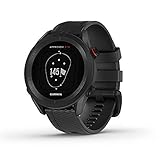
- New round watch design with a high-resolution sunlight-readable display
- Battery life: up to 30 hours in GPS Mode
- More than 42,000 courses preloaded from around the world
- Keep score right on the watch and upload directly to the Garmin Golf app (when paired with a compatible smartphone) to participate in weekly leaderboards
- Automatically keep track of your score and how far you hit with each club with compatible Approach CT10 club tracking sensors (sold separately)
From a hardware standpoint, the S20 uses a transflective monochrome display that remains highly readable in bright sunlight, even compared to newer color models. The polymer case is compact, the buttons are tactile, and there’s nothing fragile about the design that feels dated in a negative way. It lacks a touchscreen, but that also means fewer input errors when wearing a glove or playing in wet conditions.
Garmin still supports course updates through Garmin Express and Garmin Golf, and the global course database remains extensive. As long as Garmin maintains that backend support, the S20 continues to function as intended, which is the single biggest reason it hasn’t been functionally retired despite its age.
The type of golfer the S20 still makes sense for
The S20 remains a strong fit for golfers who prioritize pace of play and minimal distraction. Recreational players who want quick yardages without pulling out a phone, seniors who value button-based navigation, and walkers who appreciate its low weight all fall squarely into its sweet spot. It’s also appealing to golfers who wear a mechanical or daily watch off the course and want something purpose-built only for rounds.
Serious amateurs can still find value here too, provided they understand the trade-offs. The S20 offers basic scorekeeping, automatic shot distance measurement, and simple stat tracking synced to the Garmin Golf app. It won’t analyze strokes gained or suggest clubs, but for players who already track performance mentally or externally, that restraint can actually be a benefit rather than a limitation.
Importantly, the S20 is also a common first GPS watch for players upgrading from laser-only setups. It pairs well with a rangefinder, giving quick yardages at a glance while reserving the laser for pin-hunting, without the cost of a modern dual-function device.
Why golfers keep considering it on the used market
Price is the obvious driver, but it’s not the only one. On the used or refurbished market, the Approach S20 often lands well below newer Garmin models while delivering essentially the same core GPS experience during a round. For many golfers, that front-middle-back reliability is the non-negotiable baseline, and the S20 still meets it.
Battery life remains another strong selling point. In real-world use, the S20 can comfortably last multiple rounds on a single charge, often stretching to 12–15 hours of GPS time depending on satellite conditions and battery health. Even accounting for some degradation in older units, it generally outperforms many budget smartwatches repurposed for golf.
There’s also a psychological element at play. Golfers are often cautious about spending heavily on wearables that may get scuffed, soaked, or forgotten in a bag. The S20 feels replaceable in a way that newer, pricier models do not, which makes it easier to use without anxiety.
Limitations versus modern Garmin models that matter
The S20’s age does show when compared directly to current Garmin offerings. There are no full hole maps, no green contour data, no hazard flyovers, and no touchscreen zooming. You’re limited to basic yardages and a simple list of hazards, which can feel sparse if you’re accustomed to the richer visuals of newer watches.
Outside of golf, its fitness tracking is rudimentary by today’s standards. Step counting and basic activity tracking are present, but there’s no heart rate sensor, no sleep tracking, and no smartwatch notifications worth relying on. This is not a device you’ll want to wear 24/7 unless golf is the primary reason it’s on your wrist.
Compatibility is also more limited. While it syncs reliably with modern phones via the Garmin Golf app, it doesn’t integrate into Garmin’s broader ecosystem the way newer models do. That’s rarely a dealbreaker for S20 buyers, but it’s something to be aware of if you’re already invested in Garmin’s health or training platforms.
Why it still earns a place in buying conversations
The enduring appeal of the Garmin Approach S20 comes down to trust. Its GPS accuracy is consistent, its interface is predictable, and it does exactly what it claims without feature creep or learning curves. For golfers evaluating value rather than novelty, that reliability often outweighs missing modern extras.
In a market where even entry-level golf watches have crept upward in price, the S20 represents a clear alternative path. It’s not about getting the best Garmin ever made; it’s about getting a dependable golf companion that won’t interfere with your round or your budget. That combination keeps the S20 relevant long after its official lifecycle ended.
Design, Wearability, and On-Course Practicality: Size, Comfort, Display, and Button-Driven Controls
What ultimately keeps the Approach S20 relevant is not how it looks on a spec sheet, but how little it asks of you once you’re on the course. Its design is utilitarian in the best sense, prioritizing clarity, comfort, and durability over visual flair. That restraint becomes a strength during long rounds and multi-day golf trips.
Case size, weight, and wrist presence
The S20 sits firmly in the “small and unobtrusive” category by modern wearable standards. Its plastic case is compact, slim enough to slide under a jacket cuff, and light enough that it all but disappears once you start swinging. On the wrist, it feels closer to a basic digital sports watch than a smartwatch.
This matters more than it sounds. During repeated swings, bunker shots, and awkward lies, the S20 never catches, shifts, or reminds you it’s there. For golfers who dislike bulky watches or normally play without one, this low-profile feel is a major reason the S20 works so well.
Materials, durability, and long-term wear
The casing and bezel are made from simple molded polymer, with no attempt at premium finishing. It will scuff over time, especially if you toss it into a golf bag pocket, but those marks feel inconsequential rather than painful. This is a watch meant to be used hard, not admired closely.
The silicone strap is soft, flexible, and forgiving in hot weather. It handles sweat, rain, and repeated rounds without irritation, and replacements are inexpensive if the original eventually wears out. For golfers buying used or refurbished units, strap condition is often the only real wear point to check.
Display clarity and sunlight performance
The S20 uses a monochrome, non-touch display with a modest resolution by today’s standards. On paper, it looks dated, but in direct sunlight it remains extremely legible. Yardages, hole numbers, and hazards appear with high contrast and no glare, even under midday sun.
There’s no animation, no gradients, and no map rendering to distract the eye. You glance down, get your number, and move on. That immediacy is a big part of why many golfers still prefer this style of screen over richer but busier modern displays.
Button-driven controls and on-course usability
All interaction on the S20 is handled through physical buttons, and that’s a deliberate advantage on the course. Buttons work with wet hands, gloved hands, and cold fingers, and they never misinterpret a swipe or tap. Once learned, navigation becomes muscle memory.
Scrolling through holes, hazards, and scoring screens is fast and predictable. There’s no fear of accidental inputs mid-swing or while pulling a club, which can happen with touchscreens. For golfers who value reliability over novelty, the button-only interface remains one of the S20’s strongest traits.
Day-to-day practicality beyond the scorecard
Off the course, the S20 looks plainly functional rather than stylish. It won’t replace a daily watch for most people, especially given its limited smartwatch features. That’s consistent with its purpose: a golf tool first, and a watch second.
On the course, however, that single-minded focus pays off. It’s comfortable for 18 or 36 holes, easy to read at a glance, and simple to operate without thought. Those qualities matter far more during a round than aesthetics or modern polish, and they’re a big reason the S20 continues to earn trust years after its release.
GPS Accuracy and Yardage Reliability: Front/Middle/Back Numbers, Green Mapping, and Real-World Performance
Once you move past usability and screen clarity, the real test of any golf GPS watch is simple: can you trust the yardage enough to commit to a club. This is where the Approach S20 has quietly built its reputation over years of use, especially among golfers who prioritize consistency over flashy visuals.
Garmin’s golf GPS pedigree was already mature when the S20 launched, and that shows in how stable and predictable its distance readings remain today.
Front, Middle, and Back Yardages: Consistency Over Complexity
The S20’s primary strength is its front, middle, and back green numbers. These update quickly as you walk and rarely fluctuate erratically, even when pacing around the fairway or approaching the green from an angle.
In real-world use, yardages typically fall within a couple of yards of laser rangefinders to the center of the green. That margin is well within acceptable variance for GPS-based systems, and more importantly, it’s consistent from hole to hole.
Because the watch doesn’t try to interpret slope, wind, or pin position automatically, what you see is a clean, objective distance. Many golfers find this honesty refreshing, especially if they prefer to make their own adjustments rather than rely on algorithm-driven “plays like” numbers.
Green Mapping and Lack of Pin Position Adjustments
Green mapping on the S20 is basic by modern standards, but intentionally so. You get the outline of the green and static front, middle, and back distances, with no dynamic pin movement or touch-based targeting.
This means you’ll still need to visually identify pin placement and choose the appropriate number. For golfers used to firing at the middle of the green and trusting their dispersion, this is rarely a limitation.
Where it can feel restrictive is on heavily tiered greens or tucked pins, where newer Garmin models allow manual pin drag or show slope-adjusted numbers. The S20 doesn’t pretend to solve those problems, and that clarity of purpose helps prevent overconfidence in marginal situations.
Hazard Distances and Layup Reliability
Hazard information on the S20 is presented as simple carry distances to bunkers, water, and doglegs. These distances are generally accurate and update reliably as you reposition yourself.
In practice, this makes the watch particularly useful off the tee. Knowing whether a fairway bunker is 215 or 235 yards away can immediately influence club selection, especially for players without elite distance.
Layup distances to hazards tend to err slightly conservative, which is not a bad thing for most amateur golfers. If the watch says trouble is reachable, it usually is, and that conservative bias can save strokes rather than cost them.
Course Coverage and Lock-On Speed
Garmin’s global course database remains one of the strongest reasons to consider the S20, even years later. Course coverage is extensive, and updates are still accessible through Garmin Express, which matters for buyers picking up used units.
Satellite lock is generally quick, often achieved within a minute or two at the first tee. Once locked, signal stability is strong, with no frequent dropouts or wild recalculations mid-hole.
Even on tree-lined courses, the S20 maintains its connection better than many early-generation GPS watches from competing brands. It may not match the multi-band accuracy of modern premium devices, but it holds its own remarkably well for its age.
Real-World Round Performance and Trust Factor
Over full rounds, the S20’s greatest asset is that it fades into the background. You stop questioning the numbers after the first few holes, which is exactly what a golf GPS should do.
Rank #2
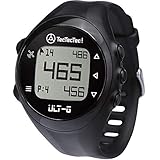
- SMART GOLF WATCH: The ULT-G Golf GPS watch includes sophisticated features that will make your works easier. A lot of useful features to take your game to the next level. It features Bluetooth connectivity to connect the watch to your smartphone for free course updates. There are no unusual features that can drain your mobile's battery too fast.
- EASY TO OPERATE: Learning to use the ULT-G watch is very simple. There are only four buttons to navigate the screen. Once the initial set-up is complete, with the touch of a button, the device will automatically connect to the satellite and begin displaying course information. This GPS watch does not require a smartphone, app, or web activation.
- EVERYTHING YOU NEED: Measures distances to the front, back, and middle of the green. Figure out the distance of your shots. Automatic hole progression while you play golf. Access information about over 38,000 courses around the world. There is a clock to tell the time.
- RELIABLE: Comes in a durable design. Water and dust resistance will assist you in hostile weather. Battery power to take you through 2.5 rounds before needing to be recharged. One-year warranty (online registration required), lifetime software support, and high-class customer service.
Distances change smoothly as you walk, without the jitter that can undermine confidence. When you arrive at your ball, the yardage is already settled, not still recalculating.
That reliability is especially valuable for mid- to high-handicap golfers who don’t want to second-guess their tools. When a watch builds trust, decision-making speeds up, and pace of play improves naturally.
How It Compares to Newer Garmin Models
Compared to newer Approach models like the S42 or S62, the S20 lacks advanced green contour data, slope-adjusted distances, and manual pin positioning. Those features can add precision, but they also add layers of interaction.
What the S20 offers instead is a simpler signal path from satellite to wrist. Fewer features mean fewer opportunities for lag, misinterpretation, or distraction.
For golfers evaluating used or refurbished units, this trade-off often works in the S20’s favor. You’re buying accuracy that’s proven, not dependent on subscription features or frequent software refinement.
Accuracy Versus Value on the Used Market
At current used-market prices, the S20’s GPS accuracy-to-cost ratio is difficult to beat. You’re getting core Garmin yardage reliability for a fraction of what newer models cost, without sacrificing the fundamentals.
As long as the battery still holds a full round and the buttons function cleanly, GPS performance rarely degrades with age. That makes accuracy one of the safest aspects of the S20 when buying secondhand.
For golfers who want dependable front, middle, and back numbers without paying for modern extras they may never use, the Approach S20 remains a surprisingly trustworthy distance companion.
Course Coverage and Setup Experience: Preloaded Courses, Updates, and Ease of Getting Round-Ready
That same trust the S20 builds during a round starts well before you ever reach the first tee. Course coverage, initial setup, and how quickly the watch gets you playing matter just as much as on-course accuracy, especially for golfers buying an older device today.
Preloaded Course Library and Global Coverage
The Approach S20 ships with more than 40,000 preloaded courses worldwide, covering the vast majority of public, private, and resort layouts most recreational golfers will ever play. In practical terms, that means the watch almost always recognizes your course automatically once GPS lock is established.
In years of use, course recognition has been reliable even at smaller municipal tracks and less-touristed regional courses. Unless you’re playing a brand-new layout or a temporary routing, it’s rare to encounter a missing course.
For golfers considering a used or refurbished S20, this preloaded approach is especially valuable. You’re not dependent on a subscription or cloud-based course streaming to get basic functionality on the tee.
Course Detection and Satellite Lock Times
Once powered on at the course, the S20 typically achieves satellite lock within 30 to 60 seconds under open sky. Course detection follows immediately after, with the watch prompting you to confirm the correct layout if multiple courses are nearby.
This process is faster than many expect from a device of its generation. It doesn’t feel meaningfully slower than newer Garmin golf watches unless you’re playing in heavy tree cover or between closely spaced courses.
The benefit of this speed is subtle but important. You’re not standing around waiting for the watch to “figure things out,” which helps maintain pace of play and keeps pre-round routines relaxed.
Updating Courses and Firmware in 2026
Course updates and firmware management are handled through Garmin Express on a computer rather than through the Garmin Golf smartphone app. That may sound dated, but it’s actually a stable and predictable system.
When connected to a Mac or PC, course updates install quickly and rarely fail. Garmin has historically kept course mapping current even for legacy devices, and the S20 still benefits from updated course data when synced periodically.
What you won’t get are frequent feature updates or UI refinements. Firmware updates at this stage are focused on stability, not adding new capabilities, which aligns well with the S20’s no-frills philosophy.
Initial Setup and Learning Curve
Out of the box, the S20 is refreshingly straightforward. Language selection, unit preferences, and wrist orientation are handled in minutes, with no mandatory app pairing required to start golfing.
The button-based interface is intuitive after a single range session or round. Each button has a consistent function, and there’s little risk of getting lost in menus mid-round.
For golfers transitioning from scorecards or basic laser rangefinders, the learning curve is gentle. You can be fully round-ready without ever opening a manual.
Day-of-Round Readiness and Practical Workflow
On the day of play, the S20 excels at minimizing friction. Power it on, wait for GPS lock, confirm the course, and you’re ready to go.
There’s no pin placement setup, no green contour downloads, and no slope toggles to manage. That simplicity means fewer pre-round decisions and fewer chances to forget a setting that affects distances.
This streamlined workflow is one of the S20’s enduring strengths. It’s a device designed to support a round, not dominate the pre-round ritual.
Limitations to Be Aware Of
The S20 does not support manual course downloads over Bluetooth, which can feel limiting for golfers accustomed to newer Garmin models. If you travel frequently and play unfamiliar courses, you’ll want to sync via Garmin Express ahead of time.
Course layouts also lack modern visual enhancements like detailed green mapping or hazard flyovers. You’re working with numerical distances and simple hole views, not immersive graphics.
For many golfers, especially those prioritizing speed and clarity, these omissions are more feature trims than real drawbacks. The S20 remains focused on getting you accurate yardages with minimal setup, and it rarely strays from that mission.
Battery Life and Charging in Long-Term Use: Real Rounds vs Garmin Claims
Battery performance is one of the Garmin Approach S20’s quiet strengths, especially when viewed through the lens of real golf rounds rather than spec-sheet optimism. Its simple feature set and monochrome display work in its favor here, keeping power demands low even years after release.
Garmin originally rated the S20 for up to 15 hours in GPS mode and up to 8 weeks in watch-only mode. Those numbers sound conservative today, but in practice they’ve aged better than many early color-screen golf watches from the same era.
Real-World Battery Drain Over 18 and 36 Holes
In typical 18-hole play, the S20 consistently uses about 20 to 30 percent of its battery. A four to four-and-a-half hour walking round with GPS locked the entire time rarely pushes beyond that range.
That translates to roughly three full 18-hole rounds with battery to spare, or a comfortable 36-hole day without anxiety. Even when playing back-to-back rounds, the watch doesn’t exhibit the steep end-of-day drop-off seen on more feature-heavy models.
For riders versus walkers, the difference is negligible. GPS polling is consistent regardless of movement speed, so cart use doesn’t meaningfully extend or shorten battery life.
Multi-Day Use and Weekend Golf Trips
Where the S20 shines is on multi-day golf trips. With watch mode consuming very little power overnight, it’s entirely realistic to play three rounds across a long weekend without charging, assuming you start near full.
This is especially valuable for golfers who don’t want to pack chargers or hunt for outlets at a course. The S20 feels dependable in a way that encourages you to forget about battery status altogether, which aligns well with its no-frills philosophy.
Used units with moderate battery wear still tend to perform well here. Even at reduced capacity, most can comfortably handle at least two full rounds before needing a charge.
Cold Weather, Backlight Use, and Aging Batteries
Cold conditions do have an impact, though not dramatically. In late fall rounds or early spring mornings, battery drain can increase by roughly 5 to 10 percent over a full round.
Frequent backlight activation also adds up, particularly during overcast days or twilight tee times. The monochrome screen is readable in sunlight without illumination, so disciplined backlight use pays dividends.
As lithium-ion cells age, the S20’s battery naturally loses capacity. After several years, it’s common to see GPS runtime drop closer to 10 to 12 hours, which still exceeds what most golfers will ever need in a single day.
Charging Method and Daily Practicality
Charging is handled via Garmin’s proprietary clip-style charger, which snaps securely onto the back of the watch. It’s not as elegant as modern USB-C solutions, but it’s reliable and unlikely to disconnect accidentally.
Rank #3

- Slim design with a stunning 1.2” color AMOLED display that brings 43,000+ preloaded courses to life on your wrist
- Get distance to the front, middle and back of the green and navigate bunkers, water hazards and layups with hazard view
- Pair with optional Approach CT1 or CT10 club trackers (sold separately) for shot-tracking capabilities, so you have a clearer picture of which parts of your game to focus on
- Easily keep score as you play, and upload to the Garmin Golf smartphone app for advanced stat tracking and handicap calculation
- Leave your phone in the cart and get smart notifications sent to your wrist — including emails, texts and alerts when paired with your iPhone or Android smartphone
A full charge from near-empty typically takes around 90 minutes. Topping up between rounds or overnight is quick and predictable, with no thermal issues or excessive heat during charging.
The main inconvenience today is replacement access. If you buy used or refurbished, confirm that the charger is included, as sourcing an original or high-quality replacement adds cost and friction.
Battery Life as a Value Factor in 2026
In the context of today’s used and refurbished market, the S20’s battery performance remains a selling point. It outlasts many entry-level color-screen golf watches and avoids the daily charging cycle common to smartwatch-style devices.
For golfers prioritizing reliability over modern visuals, the S20’s battery behavior reinforces its identity as a purpose-built golf tool. It may not impress on paper, but on the course, it quietly does exactly what you need, round after round.
Core Golf Features Explained: Shot Distance, Scorecard, AutoShot, and What You Don’t Get
With battery behavior and day-long reliability established, the real question becomes how the S20 performs once you’re actually standing on the tee. This watch was designed first and foremost as a golf instrument, and its core feature set reflects Garmin’s mid-2010s philosophy of function over flair.
What follows is a practical breakdown of what the S20 does well during a round, how those tools behave in real play, and where its age shows compared to newer Garmin models.
GPS Yardages and Shot Distance Measurement
At its foundation, the S20 delivers front, middle, and back green distances with impressive consistency. GPS lock typically occurs within seconds, and yardages are stable rather than jumpy, even when walking between shots or approaching elevated greens.
Accuracy remains well within a yard or two of modern Garmin golf watches in open-sky conditions. On tree-lined courses, it can occasionally lag slightly when transitioning between holes, but this rarely affects club selection in a meaningful way.
Manual shot distance measurement is straightforward and reliable. You trigger the feature after a shot, walk to your ball, and the S20 displays carry and total walking distance, making it useful for dialing in real-world club distances over time.
This manual approach also conserves battery compared to constant background tracking. For golfers who like intentional interaction rather than automation, it fits the S20’s purposeful, no-nonsense design.
AutoShot Detection: Simple, Inconsistent, but Sometimes Useful
The S20 includes Garmin’s early-generation AutoShot technology, but expectations need to be realistic. It can detect full swings reasonably well, particularly with irons and woods, but short chips, punch-outs, and finesse wedges are often missed.
Detection accuracy also depends on how you wear the watch. A loose strap or glove interference can reduce consistency, especially on partial swings.
When it works, AutoShot adds value by logging shot distances passively, reducing the need for manual input mid-round. When it doesn’t, you’re left with incomplete data that requires cleanup later in Garmin Connect.
This is not the refined, sensor-assisted AutoShot found on newer Garmin models paired with club tags. On the S20, it’s best viewed as an occasional bonus rather than a core reason to buy the watch.
Digital Scorecard and Basic Round Tracking
Scorekeeping on the S20 is functional and intentionally minimal. You can record strokes per hole directly on the watch, along with basic stats like putts and fairways hit.
Input is done via physical buttons rather than touch, which remains an advantage in rain, cold, or when wearing a glove. The interface is not fast, but it is predictable and hard to mis-trigger.
Post-round, scores sync to Garmin Connect, where you can review hole-by-hole performance and long-term trends. The data depth is limited compared to modern golf platforms, but for tracking handicap movement and general consistency, it gets the job done.
There is no on-watch strokes-gained analysis or advanced stat breakdown. The S20 captures what happened, not why it happened.
Course Coverage and Hole Navigation
Garmin’s global course database is one of the S20’s enduring strengths. Tens of thousands of courses are preloaded, and updates still flow through Garmin Express when connected to a computer.
Hole transitions are automatic and generally accurate, though the watch occasionally requires manual advancement on courses with unusual routing or shared greens. This happens infrequently and is easily corrected with a button press.
Green shapes are not displayed. You’re working strictly with numerical yardages, which reinforces the S20’s identity as a distance tool rather than a visual course guide.
What You Don’t Get: Missing Features That Matter to Some Golfers
There is no color screen, hole maps, or hazard visualization. If you rely on seeing bunkers, water carries, or layup zones on your wrist, the S20 will feel barebones.
Slope-adjusted distances are not included, nor can they be added via software. All yardages are raw GPS distances, which some purists prefer but others will see as a limitation.
You won’t find touch input, music storage, smartphone-style notifications beyond basic alerts, or health tracking beyond rudimentary step counts. This is not a smartwatch, and it makes no attempt to pretend otherwise.
There is also no support for Garmin’s CT10 club sensors. Shot tracking remains watch-only, without club identification or automated strokes-gained insights.
How These Features Age in 2026
Viewed through today’s lens, the S20’s feature set feels intentionally narrow but still coherent. Everything it offers works without fuss, drains little battery, and stays out of your way during a round.
What’s missing are convenience and analytics, not accuracy. For golfers who want reliable distances, simple scoring, and a watch that behaves the same way every time you press a button, the S20 continues to deliver its core promise without distraction.
Software, App Support, and Compatibility in 2026: Garmin Golf App, Syncing, and Ongoing Support
The S20’s intentionally limited on-watch feature set places more importance on how well it still integrates with Garmin’s software ecosystem. In 2026, that ecosystem remains one of the reasons this watch continues to function smoothly long after its hardware stopped evolving.
Garmin Golf App Experience in 2026
The Garmin Golf app is still the S20’s primary software companion, and it remains actively maintained across both iOS and Android. While the app has expanded dramatically to support newer watches, launch monitors, and CT10 sensors, the S20 continues to sync without issue for its core data types.
Round data uploads quickly and reliably, typically within seconds once the Bluetooth connection is established. Scores, fairways hit, greens in regulation, putts, and total yardage are all preserved exactly as recorded on the watch.
What you won’t see are modern analytical overlays like strokes gained, club performance breakdowns, or AI-driven insights. The app displays S20 rounds in a clean, chronological format that emphasizes scorecard review and basic performance trends rather than deep diagnostics.
Syncing Reliability and Connection Stability
Bluetooth syncing remains stable in day-to-day use, with fewer connection drops than many budget golf watches released years later. The S20 pairs using Garmin’s older Bluetooth protocols, but modern smartphones still recognize it without workarounds.
Initial setup takes slightly longer than newer models, especially if firmware updates are required, but this is a one-time inconvenience. Once paired, background syncing after a round is generally hands-off.
For golfers who prefer wired reliability, Garmin Express via USB on a computer still works and remains fully supported. This is particularly useful for course updates and firmware checks if you don’t want to rely on mobile syncing.
Firmware Updates and Long-Term Support Reality
As of 2026, Garmin is no longer pushing feature updates to the S20, but critical maintenance support has not been cut off. Course database updates still arrive, and existing functionality remains stable rather than slowly breaking with each app revision.
This is a key distinction. The S20 is effectively software-frozen, but not software-abandoned.
Garmin’s track record with legacy devices suggests this state is likely to continue for years rather than months. The watch does what it has always done, and Garmin hasn’t created artificial roadblocks to force an upgrade.
Smartphone Compatibility and Daily Usability
The S20 remains compatible with current iOS and Android versions, though notification support is basic. You can receive simple alerts, but interaction is minimal and intentionally non-intrusive during a round.
There is no dependency on constant phone connectivity while playing. GPS performance, scoring, and distance measurement all function fully offline, with syncing handled post-round.
Rank #4
- New round watch design with a high-resolution sunlight-readable display
- More than 42,000 courses preloaded from around the world
- Provides yardages to the front, back and middle of the green, as well as to hazards and doglegs
- Keep score right on the watch and upload directly to the Garmin Golf app (when paired with a compatible smartphone) to participate in weekly leaderboards
- Automatically keep track of your score and how far you hit with each club with compatible Approach CT10 club tracking sensors (sold separately)
From a daily wear perspective, the software stays out of the way. Battery life is not impacted by background app activity, and there’s no push toward lifestyle tracking that drains power or complicates menus.
What Still Works Well and What Has Aged Out
What has aged well is reliability. The S20 still records rounds accurately, syncs them consistently, and presents them clearly inside Garmin Golf without errors or data loss.
What has aged out is integration with Garmin’s broader performance ecosystem. The watch sits outside the modern Garmin Golf universe that includes CT10 sensors, strokes-gained analytics, virtual caddie tools, and connected practice features.
For golfers evaluating the S20 today, this separation can actually be a benefit. You’re not paying for software capabilities the hardware can’t support, and you’re not dealing with half-enabled features that create frustration.
Long-Term Viability for Used and Refurbished Buyers
From a software and compatibility standpoint, the S20 remains a safe buy on the used or refurbished market. There are no looming app shutdowns, forced migrations, or compatibility cliffs that suddenly make the watch unusable.
As long as Garmin continues maintaining the Garmin Golf platform, the S20’s core experience should remain intact. That makes it a low-risk option for golfers who want dependable GPS distances and simple round tracking without committing to a modern smartwatch ecosystem.
The key is aligning expectations. If you want evolving features and deeper analytics, this is not the right platform. If you want a stable, mature software experience that mirrors the watch’s no-nonsense hardware philosophy, the S20’s software support still holds up better than its age suggests.
Limitations vs Newer Garmin Golf Watches: S20 Compared to S40, S42, S62, and Budget Rivals
Viewed in isolation, the S20 still does its core job well. When placed alongside newer Garmin golf watches, the gaps become clearer, not because the S20 fails, but because Garmin’s definition of a “golf watch” has expanded dramatically since its release.
This comparison matters most for buyers deciding whether a used S20 is a smart value play or whether stepping up, or sideways, makes more sense given how prices have settled across Garmin’s lineup.
Display Technology and On-Course Visibility
The S20 uses a monochrome transflective display that prioritizes sunlight visibility and battery efficiency over visual richness. Yardages are always readable, even in harsh midday sun, but hole layouts are simplified and lack depth.
By contrast, the S40, S42, and S62 use full-color displays with higher resolution and more detailed course mapping. Hazards, doglegs, and green contours are easier to interpret at a glance, particularly on unfamiliar courses.
The tradeoff is that the S20’s screen is faster to read in motion and less distracting. If you value instant numbers over visual context, the older display still has merit.
Course Mapping and Green Intelligence
The S20 provides front, middle, and back distances, basic hazard yardages, and manual pin positioning. That covers the fundamentals, but it stops there.
Newer models introduce Green View with touch targeting, PlaysLike distance adjustments, and in the case of the S62, detailed green contour data when paired with Garmin Golf membership features. These tools actively influence club selection rather than simply reporting distance.
For golfers who plan aggressively or rely on slope-adjusted strategy, the S20 feels limited. For golfers who already trust their yardage book instincts, it remains functional without adding complexity.
Shot Tracking and Performance Analytics
This is where the generational divide is most pronounced. The S20 supports basic manual shot tracking but does not integrate with CT10 sensors or strokes-gained analytics.
The S40 and S42 introduce sensor compatibility, while the S62 goes much further with automatic club tracking, performance condition metrics, and virtual caddie suggestions. These features turn a watch into a long-term improvement tool rather than a round companion.
If your interest ends when the scorecard is saved, the S20 is sufficient. If you want to analyze where strokes are gained or lost, the newer ecosystem is meaningfully more powerful.
Physical Design, Materials, and Daily Wear
The S20 is lightweight and compact, with a utilitarian plastic case and silicone strap. Comfort during a round is excellent, especially for golfers who dislike bulky watches or top-heavy designs.
Newer models improve finishing and materials. The S42 and S62 introduce metal bezels, sleeker case profiles, and straps that feel more like everyday watches than sports gear.
This affects how often the watch stays on your wrist off the course. The S20 can be worn daily, but it always feels like a golf device first, not a lifestyle watch.
Battery Life Expectations Then and Now
In GPS mode, the S20 still delivers roughly 10 to 12 hours of use, translating to multiple rounds between charges. As a watch, it can last close to a week.
Newer Garmin golf watches often match or slightly exceed this, despite brighter displays and more features. The efficiency gap has narrowed, not widened.
Where the S20 falls behind is charging speed and power management transparency. You get long life, but fewer insights into usage trends or optimization.
Smart Features and Connectivity
The S20 offers basic smartphone notifications and syncing through Garmin Golf. There is no music control, no contactless payments, and no advanced health tracking.
The S42 and S62 blur the line between golf watch and smartwatch with Garmin Pay, expanded notification handling, and broader activity tracking. For some golfers, this added functionality is a benefit. For others, it introduces distraction and shorter learning curves.
The S20’s limitation here is also its strength. Nothing interrupts a round unless you want it to.
How the S20 Stacks Up Against Budget Rivals
Compared to Garmin’s own newer budget models like the Approach S10 or S12, the S20 sits in an interesting middle ground. It offers more features than the S10, particularly in layout visuals, but lacks the streamlined UI refinements of the S12.
Against non-Garmin competitors like the Bushnell iON Edge or Shot Scope V3, the S20 holds its own in GPS accuracy and course coverage. Shot Scope offers deeper analytics at a similar used price, but requires a more involved setup and sensor management.
If simplicity and Garmin Golf integration matter more than post-round data depth, the S20 remains competitive even years later.
Value Reality in Today’s Market
The limitations of the S20 only become problematic if priced too close to newer models. When found at a clear discount on the used or refurbished market, its feature set aligns well with its cost.
What you give up in modern analytics and polish, you gain in reliability, clarity, and a learning curve that disappears after the first round. That balance is what keeps the S20 relevant, even as Garmin’s lineup continues to evolve upward rather than replace it.
Durability, Reliability, and Aging Hardware: What Holds Up and What Buyers Should Inspect Used
If the S20’s value proposition today depends on buying used or refurbished, long-term durability matters more than spec sheets. This is where Garmin’s conservative hardware design works in the watch’s favor, even years after release.
Case, Screen, and Physical Wear Over Time
The Approach S20 uses a fiber-reinforced polymer case that looks basic but ages better than painted metal or glossy plastics. Scratches tend to blend in rather than stand out, and I’ve seen heavily used units survive years of bag knocks and cart use without structural issues.
The display is a non-touch, monochrome screen with a protective lens that resists cracking better than newer thin glass designs. You will see surface scuffs on used units, especially from sand or bunker shots, but legibility is rarely compromised unless the watch has taken a direct impact.
Button reliability is a strong point. The physical buttons remain clicky and consistent over time, and unlike touchscreens, they’re unaffected by rain, sweat, or sunscreen, which matters for a device designed to be used mid-swing.
Water Resistance and Weather Exposure
Rated to 5 ATM, the S20 handles rain rounds, wet gloves, and post-round cleaning without drama. Long-term owners report fewer gasket failures than on slimmer lifestyle watches, likely due to the thicker case and simpler construction.
That said, used buyers should still be cautious about units that have seen heavy pool or saltwater exposure. The S20 is water-resistant, not dive-rated, and older seals can degrade, especially if the watch has been submerged regularly outside of golf use.
Battery Health: The Single Biggest Aging Factor
Battery longevity is where age matters most. When new, the S20 comfortably delivered multiple rounds per charge, but lithium degradation is unavoidable over time.
💰 Best Value

- Preloaded 38,000+ Global Course Maps - with no subscription or course map update fees. Includes Auto-course recognition and auto-hole advance - no need to worry about reconfiguring settings after every hole. Just turn it on and start playing!
- Accurate Distances - to the front, back, and center of the green as well as layup and carry distances to water hazards, bunkers and doglegs. Knowing your position on the course has never been easier.
- i-Caddie technology - take advantage of personalized club suggestions based on your distance from the target. Now you can choose the right club with 100% confidence!
- Shot distance measurement and digital scorecard – track your progress with accuracy. Measure shot distances from anywhere on the course while keeping a running tally of your total strokes and other key stats.
- Easy-charge magnetic charger & water resistant – a full charge will last up to 10 hours in Golf GPS mode, and its water resistant design means it will stand up when unexpected weather elements affect your round.
A healthy used unit should still manage at least two full 18-hole rounds with GPS enabled. If a seller reports needing to recharge mid-round or after every 18 holes, that’s a red flag and likely means the battery is nearing the end of its practical life.
Charging speed was never a strength of the S20, and aging only exaggerates that. Expect longer charge times on older units, but inconsistent charging or sudden drops from 40 percent to zero are signs of a failing battery rather than normal wear.
GPS Hardware and Accuracy as the Watch Ages
The GPS chipset itself has aged well. Unlike early smartwatch GPS implementations, the S20 locks onto satellites reliably and maintains distance accuracy even on tree-lined courses.
What can degrade over time is initial lock speed. A used unit may take longer to acquire GPS at the start of a round, especially if it hasn’t been synced or powered on recently. This is usually manageable by turning the watch on a few minutes before tee time.
If a unit consistently drops signal mid-round or shows erratic yardages, that’s not normal aging behavior and should be treated as a defect rather than a generational limitation.
Strap, Comfort, and Replaceable Wear Parts
The stock silicone strap is comfortable but not immortal. Cracking near the lugs and buckle holes is common on older units, especially if the watch was worn daily rather than just on the course.
The good news is that the strap is user-replaceable, inexpensive, and widely available. Replacing a worn strap restores comfort and security immediately and is one of the easiest ways to refresh a used S20.
The watch’s lightweight build remains a comfort advantage even today. At its size and thickness, it disappears on the wrist during a round, which reduces the temptation to overtighten the strap and stress aging materials.
Software Stability and Garmin Support Reality
The S20 no longer receives major feature updates, but its software is mature and stable. Crashes, freezes, or sync failures are rare, and the limited feature set actually reduces long-term software risk.
Course updates and syncing through Garmin Golf still work, which is essential for continued usability. However, buyers should confirm that the watch connects reliably to modern smartphones, especially newer Android and iOS versions.
Garmin’s long-term ecosystem support is a quiet strength here. Even as hardware ages, the S20 remains usable because it relies on core GPS and course data rather than cloud-heavy or subscription-based features.
What to Inspect Before Buying Used
Before committing to a used S20, inspect the screen for deep gouges, test all buttons for consistent feedback, and confirm GPS lock and battery behavior during an extended session. Cosmetic wear is expected, but functional issues are not.
Ask sellers about real-world battery life, not just charge percentage. A watch that holds charge overnight but dies halfway through a round is already past its useful lifespan for golf.
If those checks pass, the S20’s aging hardware is more of a limitation on features than on reliability. That distinction is what makes it a viable option today rather than a relic.
Used and Refurbished Market Value: Pricing Sweet Spots, Who Should Buy the S20 Today, and Who Shouldn’t
All of the long-term durability and support realities lead to the same question: what is the S20 actually worth now, and for whom does it still make sense. This is where the watch either becomes a smart budget play or a false economy, depending on expectations and price.
The S20’s value today is almost entirely defined by what it does not try to be. It is a dedicated golf GPS watch with proven accuracy, long battery life by modern standards, and minimal software risk.
Current Used and Refurbished Pricing Reality
On the used market, the Garmin Approach S20 typically lands in a narrow but important price band. Well-worn private-sale units often appear around the lower end, while refurbished examples from retailers sit closer to the upper end with some warranty coverage.
The pricing sweet spot is where the S20 becomes meaningfully cheaper than newer entry-level Garmin models like the Approach S12 or S42. If the gap is small, newer hardware almost always makes more sense.
Once the price drops far enough, however, the S20 delivers core golf GPS performance that still rivals modern devices for yardage accuracy and course coverage.
Where the Value Still Holds Up
GPS accuracy remains the S20’s strongest asset. Yardages to front, middle, and back of the green are still reliable, and satellite lock is fast enough that it rarely slows down pace of play.
Course coverage is effectively a non-issue. Garmin’s course database support has outlived the hardware, and most golfers will never encounter a missing or outdated course.
Battery life is another quiet win at this price point. Even with age-related degradation, many units still comfortably handle multiple rounds, something cheaper non-Garmin alternatives often struggle with.
The Pricing Sweet Spot That Makes Sense
The S20 makes sense when priced low enough that you are paying for GPS reliability, not features. At that point, its monochrome screen, button-only interface, and limited smartwatch functionality are acceptable tradeoffs rather than drawbacks.
Refurbished units with replaced batteries or verified battery health command a premium for good reason. Battery replacement is not user-friendly, so paying slightly more upfront often saves frustration later.
If the price creeps too close to newer Garmin models, the S20’s aging screen, slower processor, and lack of modern health tracking quickly become harder to justify.
Who Should Buy the S20 Today
The S20 is still a strong fit for golfers who want a simple, distraction-free golf GPS watch. If your priority is quick yardages, all-day comfort, and zero learning curve, it still delivers.
It also makes sense for beginners and occasional golfers who want a dedicated golf device without committing to a full smartwatch ecosystem. The lightweight polymer case and slim profile remain comfortable even for smaller wrists or long rounds.
Budget-conscious players who walk frequently will appreciate the combination of low weight, dependable GPS, and battery life that doesn’t require mid-round charging anxiety.
Who Should Not Buy the S20
Golfers expecting smartwatch-level features should look elsewhere. The S20 offers no touchscreen, limited notifications, and almost no health or fitness tracking beyond basic step counts.
Players who rely on advanced course mapping, PlaysLike distance adjustments, touch targeting, or wind data will feel constrained quickly. Newer Garmin models have moved far beyond the S20 in course intelligence.
Anyone sensitive to screen clarity should also be cautious. The monochrome display is readable in sunlight but lacks the contrast and resolution of modern color displays, especially for aging eyes.
Refurbished vs Private Sale: Which Is Smarter
Refurbished units carry a higher upfront cost but reduce risk in the two most failure-prone areas: battery health and button reliability. Even a short warranty adds peace of mind for a device this old.
Private-sale units can be excellent value if inspected carefully, but the margin for error is thin. A weak battery or intermittent button instantly erases any savings.
If the price difference is modest, refurbished is usually the smarter long-term choice.
Final Verdict on Market Value
The Garmin Approach S20 still earns its place in the used market by doing the fundamentals exceptionally well. Accurate GPS, stable software, and lightweight comfort remain just as relevant today as they were at launch.
Its value hinges entirely on price discipline and realistic expectations. Buy it cheaply enough, and it becomes one of the safest budget golf GPS watches available.
Overpay for it, and you are better served stepping into a newer Garmin that builds on the same foundation with fewer compromises.