Most Garmin owners don’t struggle because the watch lacks training features—they struggle because it offers two systems that sound similar but behave very differently. Garmin Coach and Daily Suggested Workouts can both put a structured session on your wrist, yet they are built on completely different training philosophies. Understanding that distinction is the key to using your watch as a coach instead of a confusing stream of prompts.
At a high level, this is not a question of which one is better. It is about intent. One system is designed to guide you toward a specific outcome over a defined timeline, while the other is designed to respond to how your body is coping with training right now. Once you see that separation clearly, the choice becomes much easier—and in some cases, using both at different times actually makes sense.
This section lays the groundwork by explaining what each system is fundamentally trying to achieve, how Garmin expects you to interact with it day to day, and why they coexist inside Garmin Connect instead of replacing each other.
Garmin Coach is goal-first, plan-driven training
Garmin Coach is built around a classic coaching model: pick a goal, commit to a plan, and follow a progression toward a defined event or benchmark. You choose a distance goal like a 5K, 10K, or half marathon, select a target time or completion objective, and the system constructs a multi-week plan designed to get you there. Everything flows from that endpoint backward.
🏆 #1 Best Overall
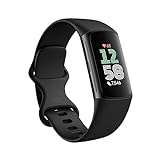
- Find your way seamlessly during runs or rides with turn-by-turn directions from Google Maps on Fitbit Charge 6[7, 8]; and when you need a snack break on the go, just tap to pay with Google Wallet[8, 9]
The structure is intentional and relatively rigid. Workouts are scheduled on specific days, long runs and key sessions are placed deliberately, and rest days are not optional suggestions—they are part of the plan. While Garmin Coach does adapt based on completed workouts and performance trends, the adaptation happens within the framework of the plan rather than rewriting it daily.
This makes Garmin Coach especially appealing to newer runners or athletes who want clarity and reassurance. You do not need to understand training load, recovery metrics, or physiological readiness to succeed. The watch and app focus your attention on today’s session and the next milestone, reducing decision fatigue and replacing guesswork with consistency.
Daily Suggested Workouts are readiness-first, adaptive guidance
Daily Suggested Workouts take the opposite approach. There is no fixed plan, no end date, and no commitment beyond today. Instead of asking where you want to be in twelve weeks, this system asks how ready your body is right now and what type of stress would be most productive—or least harmful—today.
These suggestions are generated dynamically using recent training load, recovery status, sleep quality, stress levels, and in newer devices, metrics like HRV status and training readiness. If your body shows signs of fatigue, intensity drops or the session becomes recovery-focused. If you are well-rested and undertrained, the system nudges you toward harder efforts or longer aerobic work.
This design is ideal for athletes with fluctuating schedules, multi-sport training, or a more intuitive relationship with fitness. It rewards consistency without punishing missed days and adjusts immediately to life stress, illness, or poor sleep. The tradeoff is that it assumes you trust the metrics and are comfortable without a fixed finish line.
Why Garmin offers both—and why neither replaces the other
Garmin Coach and Daily Suggested Workouts coexist because they solve different problems for different types of athletes. One provides certainty, structure, and a sense of progression toward a clear goal. The other provides flexibility, responsiveness, and protection against overtraining in the real world.
From a software experience standpoint, this also reflects how Garmin watches are used daily. A Forerunner or Fenix is worn for sleep tracking, stress monitoring, and all-day activity, not just workouts. Daily Suggested Workouts leverage that full ecosystem, while Garmin Coach intentionally narrows the focus to training execution.
As the article continues, the differences in personalization depth, adaptability, supported sports, and ideal user profiles become much clearer. But at the big-picture level, the decision starts here: do you want your watch to act like a structured training plan you follow, or like a coach that reacts to how you’re feeling each morning when you glance at your wrist.
Setup and Entry Point: How You Start Each System on Your Watch and in Garmin Connect
Once you understand the philosophical difference between a fixed plan and a responsive coach, the next distinction becomes very practical: how you actually begin using each system. Garmin Coach and Daily Suggested Workouts don’t just behave differently; they live in different places inside the Garmin ecosystem and require very different levels of commitment at the setup stage.
This is where many users accidentally choose the wrong tool, simply because one asks more questions up front while the other quietly switches itself on in the background.
Garmin Coach: A deliberate, plan-first setup
Garmin Coach always begins in the Garmin Connect app, not on the watch. You don’t stumble into it accidentally; you opt in, configure it, and formally start a plan.
Inside Garmin Connect, you navigate to Training > Training Plans > Garmin Coach. From there, you choose a sport and a goal event, typically a 5K, 10K, or half marathon for running, or distance-based goals for cycling depending on device support.
The setup then asks for a target date, your current fitness level, and how many days per week you want to train. This step is important because Garmin Coach locks those parameters in and builds the plan forward from them.
You’ll also select a specific virtual coach if available on your device. While the coaching personalities are mostly cosmetic, they influence how workouts are described and how progression is framed, which some athletes find motivating.
Once confirmed, the plan syncs to your watch. From that point on, workouts appear on scheduled days as structured sessions, accessible through the Training Calendar, the Workouts menu, or automatically prompted when you start the relevant activity.
If you miss a workout, Garmin Coach does not dynamically reshuffle the plan on the watch itself. Adjustments happen slowly and are handled primarily within Garmin Connect, reinforcing that this is a program you follow rather than a system that reacts instantly.
Daily Suggested Workouts: Always on, minimal setup
Daily Suggested Workouts take the opposite approach. There is no formal enrollment process, no goal date to define, and no plan to approve.
On most compatible watches, the feature is active by default for supported sports like running and cycling. The first time you notice it is often when you start an activity and the watch presents a suggested session before you press start.
You can also access it intentionally by going to Training > Workouts > Daily Suggestions on the watch. In Garmin Connect, it lives under Training > Daily Suggested Workouts, where you can preview upcoming days and see the logic behind recent recommendations.
There is no questionnaire asking how many days you want to train. Instead, the system infers your availability and tolerance from actual behavior, including how often you train, how hard you go, and how well you recover between sessions.
If you skip a day, nothing breaks. The next suggestion simply recalculates based on your updated recovery metrics, sleep data, and recent training load.
Watch-first versus app-first interaction
One of the most telling differences is where each system expects you to interact most often. Garmin Coach is app-centric; the watch is the execution tool, but the app is where decisions live.
You’ll check plan progress, future workouts, and any rescheduling inside Garmin Connect. The watch’s role is to guide you through today’s prescribed session with alerts, pacing targets, and post-workout feedback.
Daily Suggested Workouts flip that relationship. The watch becomes the primary interface, often surfacing the suggestion the moment you wake up or start an activity.
This watch-first design makes sense because the recommendations depend heavily on overnight metrics like sleep quality, HRV status, and training readiness. By the time you glance at your wrist, the system has already recalculated your day.
Device compatibility and feature depth at setup
Not all Garmin watches expose these systems in the same way. Garmin Coach is broadly supported across Forerunner, Venu, and many Vivo devices, even older models, because it relies less on advanced physiological metrics.
Daily Suggested Workouts, especially the more nuanced versions, require newer hardware. Watches like the Forerunner 255, 265, 955, 965, Fenix 7 series, and Epix rely on all-day wear comfort, solid battery life, and reliable overnight tracking to make the suggestions meaningful.
If your watch lacks HRV status or training readiness, Daily Suggested Workouts still function but with simpler logic. Setup is still effortless, but the system’s confidence in intensity recommendations may be more conservative.
What setup friction tells you about who each system is for
The amount of effort required to start each system is not accidental. Garmin Coach asks you to slow down, define a goal, and commit, which aligns with athletes who want structure and reassurance.
Daily Suggested Workouts assume you’re willing to trust the watch and respond day by day. There is no ceremony, no start date, and no sense of falling behind.
Understanding this difference at the setup stage saves frustration later. If you enjoy configuring a plan and seeing a calendar fill out weeks in advance, Garmin Coach feels purposeful from the first tap. If you prefer putting the watch on, living your life, and letting training adapt around it, Daily Suggested Workouts feel almost invisible—in a good way.
Training Structure Compared: Fixed Plans vs. Rolling Daily Recommendations
Once you move past setup and device compatibility, the real divergence between Garmin Coach and Daily Suggested Workouts shows up in how training is structured over time. This is not just about convenience; it fundamentally changes how your body is guided toward fitness gains.
At a glance, Garmin Coach is calendar-driven and predetermined, while Daily Suggested Workouts are fluid and recalculated every day. That difference affects motivation, adaptability, and how forgiving the system is when real life interferes.
Garmin Coach: a fixed roadmap with a clear destination
Garmin Coach operates like a traditional training plan you might download from a coach or running book. You select a distance goal, a target date, and a coach personality, and the system lays out weeks of workouts in advance.
Each week has a defined rhythm: easy runs, workouts, long runs, and recovery days appear on your calendar with intent. This predictability helps newer athletes understand training patterns and develop routine.
Because the plan is built around a specific event date, progression is linear. Volume and intensity generally increase in phases, with lighter recovery weeks and a taper baked in toward the end.
Daily Suggested Workouts: a rolling system that never locks you in
Daily Suggested Workouts take the opposite approach. There is no visible end date, no formal plan, and no commitment beyond today’s recommendation.
Each morning, the watch recalculates what it thinks you should do based on recent training load, sleep quality, HRV status, and recovery metrics. Tomorrow’s workout does not exist yet in any meaningful way.
This rolling structure allows the system to respond immediately to fatigue, stress, or unexpected rest days. Training adapts forward instead of trying to pull you back to a predefined schedule.
What happens when you miss or skip a workout
With Garmin Coach, missed workouts create tension with the plan. The calendar still shows what you were supposed to do, and while the system may adjust slightly, the overall structure remains intact.
This can be motivating for disciplined athletes, but it can also create guilt if your schedule is unpredictable. You may feel behind even if your body is actually adapting well.
Daily Suggested Workouts treat missed days as data, not failure. Skip a session, and the system simply factors that into the next recommendation without penalty or backlog.
Adaptability versus predictability
Garmin Coach adapts cautiously. It may adjust paces based on performance feedback or completed workouts, but the weekly structure and long-term arc rarely change.
Rank #2

- Inspire 3 is the tracker that helps you find your energy, do what you love and feel your best. All you have to do is wear it.Operating temperature: 0° to 40°C
- Move more: Daily Readiness Score(1), Active Zone Minutes, all-day activity tracking and 24/7 heart rate, 20+ exercise modes, automatic exercise tracking and reminders to move
- Stress less: always-on wellness tracking, daily Stress Management Score, mindfulness sessions, relax breathing sessions, irregular heart rhythm notifications(2), SpO2(3), menstrual health tracking, resting heart rate and high/low heart rate notifications
- Sleep better: automatic sleep tracking, personalized Sleep Profile(1), daily detailed Sleep Score, smart wake vibrating alarm, sleep mode
- Comfortably connected day and night: calls, texts & smartphone app notifications(4), color touchscreen with customizable clock faces, super lightweight and water resistant to 50 meters, up to 10 day battery life(5)
This stability is reassuring if you like knowing exactly what’s coming. It also makes it easier to plan around work, travel, or family commitments weeks in advance.
Daily Suggested Workouts prioritize responsiveness over predictability. You trade long-term visibility for real-time optimization, which suits athletes whose energy levels fluctuate or whose schedules change frequently.
Periodization and training intent
Garmin Coach follows classic periodization principles. Base building, intensity introduction, peak, and taper phases are clearly defined, even if the language is simplified for mass-market use.
This makes it especially effective for first-time race prep, where learning how training should flow matters almost as much as fitness gains.
Daily Suggested Workouts use a more implicit form of periodization. The system manages training load trends and intensity distribution behind the scenes without clearly labeling phases.
You still get a mix of base, tempo, threshold, and VO2-style work, but it emerges organically rather than being pre-planned months in advance.
Race focus versus ongoing fitness
Garmin Coach is goal-anchored. Everything points toward performing well on a specific day, which makes it ideal for runners targeting their first 5K, 10K, or half marathon.
Once the plan ends, you must choose another plan or manually decide what comes next. The structure stops unless you re-engage.
Daily Suggested Workouts are designed for continuity. There is no finish line, making it better suited for maintaining or gradually improving fitness year-round.
Multi-sport considerations and training balance
Garmin Coach is single-discipline by design. If you are cycling, strength training, or swimming alongside your running, those sessions are invisible to the plan unless you manually account for fatigue.
Daily Suggested Workouts are more ecosystem-aware on compatible devices. Bike rides, hard strength sessions, and even long hikes can influence the next day’s recommendation through training load metrics.
This makes Daily Suggested Workouts feel more realistic for triathletes or athletes who cross-train regularly, especially on watches with strong battery life and all-day comfort like the Fenix or Epix lines.
Calendar visibility and psychological buy-in
Seeing weeks of workouts laid out in Garmin Connect creates commitment. The plan feels tangible, and that visual structure can be powerful for motivation.
Daily Suggested Workouts offer almost no future visibility. Some athletes find this freeing, while others find it unsettling without a sense of long-term direction.
Neither approach is inherently better. The difference lies in whether you thrive on seeing the path ahead or prefer focusing entirely on executing today’s best possible session.
Personalization Logic: How Each System Uses Your Fitness Data (VO2 Max, Training Status, Recovery, Sleep)
Once you understand the philosophical split between goal-driven plans and ongoing recommendations, the next question becomes more practical: how “personal” is each system, really.
Both Garmin Coach and Daily Suggested Workouts pull from the same underlying physiological data captured by your watch, but they use that data in very different ways and with very different priorities.
Baseline fitness and VO2 Max: starting point versus continuous recalibration
Garmin Coach uses VO2 Max primarily as an initial calibration tool. When you first start a plan, your recent running history, pace ranges, and estimated aerobic fitness help determine starting workouts and early progression.
After that, VO2 Max plays a relatively passive role. If your fitness improves faster or slower than expected, the plan can adjust pace targets slightly, but the overall arc of the schedule remains intact.
Daily Suggested Workouts treat VO2 Max as a living signal. As your estimated aerobic capacity rises or dips, the system actively reshapes workout intensity, duration, and frequency to stay aligned with your current fitness rather than your past baseline.
This is why Daily Suggested Workouts can suddenly recommend longer base runs or introduce more threshold work after a few strong weeks, even if you never “changed” anything manually.
Training Status and load: background metric versus decision engine
In Garmin Coach, Training Status mostly lives in the background. You can see whether Garmin labels you as Productive, Maintaining, or Overreaching, but the plan itself does not dynamically restructure based on that label.
If you complete the workouts as written, the system assumes load progression is appropriate. If you stack extra hard sessions on top, the plan has no real mechanism to intervene.
Daily Suggested Workouts are tightly coupled to Training Status and load balance. Acute load, chronic load, and intensity distribution directly influence what you are offered next.
If your watch detects a spike in high aerobic or anaerobic load, the next suggestion often shifts toward easy base work or rest. If load trends downward, intensity reappears quickly to keep fitness from stagnating.
This makes Daily Suggested Workouts feel more responsive, especially for athletes whose weeks rarely look the same from one calendar page to the next.
Recovery time and fatigue: advisory versus authoritative
Garmin Coach treats recovery time as guidance, not enforcement. You might see a long recovery window after a hard workout, but the plan will still schedule the next session as planned unless you choose to skip or reschedule it.
This works well for beginners who benefit from consistency and routine, even if their recovery metrics fluctuate.
Daily Suggested Workouts treat recovery time as a hard constraint. If your watch estimates that you need 36 more hours to recover, tomorrow’s workout will almost always reflect that reality with an easy run, a rest day, or a very short session.
This is where device comfort and all-day wearability matter. Watches like the Forerunner 265, Fenix 7, or Epix Pro excel here because accurate recovery modeling depends on continuous heart rate, HRV, and stress tracking across the entire day and night.
Sleep and HRV: minimal influence versus foundational input
Garmin Coach does not meaningfully adapt day-to-day workouts based on sleep quality or HRV trends. Poor sleep might show up in your health stats, but the plan itself continues forward unless you intervene.
This can be reassuring for athletes who prefer to separate lifestyle noise from training structure.
Daily Suggested Workouts place sleep and HRV front and center. A short night, elevated stress, or suppressed HRV baseline often leads to scaled-back recommendations the following day.
On newer watches with improved sensors, lighter cases, and comfortable straps designed for overnight wear, this creates a tighter feedback loop between how you live and how you train.
The result feels less like following a rigid schedule and more like having a coach who checks how you slept before deciding what’s on the menu.
Adaptability over time: fixed framework versus fluid system
Garmin Coach adapts within boundaries. It can tweak paces, offer confidence runs, or adjust long-run distance slightly, but it will not fundamentally change the plan’s structure once you are committed.
That predictability is valuable for athletes who want clarity and certainty, especially when preparing for their first major event.
Daily Suggested Workouts have no fixed framework to protect. Every new data point feeds back into the system, allowing it to reshape your training week by week or even day by day.
This adaptability is powerful, but it also demands trust. You never see the whole plan because, in a very real sense, the plan does not exist yet.
Understanding this difference in personalization logic helps explain why some athletes feel instantly at home with one system and frustrated by the other. They are not just different features; they reflect fundamentally different philosophies about how training should respond to your body.
Adaptability in the Real World: Missed Workouts, Schedule Changes, Illness, and Fatigue
Once you move beyond theory and into daily life, adaptability becomes the deciding factor for many athletes. Jobs run late, kids get sick, travel disrupts routines, and sometimes your body simply refuses to cooperate. This is where the philosophical differences between Garmin Coach and Daily Suggested Workouts become impossible to ignore.
What happens when you miss a workout
With Garmin Coach, a missed workout is treated as an exception, not a signal. The plan typically nudges upcoming sessions forward or compresses the week slightly, but it assumes you will return to the original structure as soon as possible.
If you miss multiple workouts, Garmin Coach does not automatically reassess whether your current training load still makes sense. Progress continues based on the original assumptions unless you manually pause, reschedule, or restart the plan.
Rank #3

- 【BUILT-IN GPS SMART WATCH – GO FURTHER, FREER, SMARTER】No phone? No problem. This fitness watch for women, featuring the latest 2025 technology, includes an advanced professional-grade GPS chip that precisely tracks every route, distance, pace (real-time & average), and calorie burned—completely phone-free. Whether you're chasing new personal records or exploring off the beaten path, your full journey is automatically mapped and synced in the app. Train smarter. Move with purpose. Own your progress. Own your journey.
- 【BLUETOOTH 5.3 CALLS & SMART NOTIFICATIONS】Stay effortlessly connected with this smart watch for men and women, featuring dual Bluetooth modes (BT 3.0 + BLE 5.3) and a premium microphone for crystal-clear calls right from your wrist—perfect for driving, workouts, or busy days. Receive instant alerts for calls, texts, and popular social apps like WhatsApp and Facebook. Just raise your wrist to view notifications and never miss an important moment.
- 【100+ SPORT MODES & IP68 WATERPROOF & DUSTPROOF】This sport watch is a versatile activity and fitness tracker with 100+ modes including running, cycling, yoga, and more. It features quick-access buttons and automatic running/cycling detection to start workouts instantly. Accurately track heart rate, calories, distance, pace, and more. Set daily goals on your fitness tracker watch and stay motivated with achievement badges. With IP68 waterproof and dustproof rating, it resists rain and sweat for any challenge. Not suitable for showering, swimming, or sauna.
- 【24/7 HEALTH ASSISTANT & SMART REMINDERS】This health watch continuously monitors heart rate, blood oxygen, and stress levels for comprehensive wellness tracking. Sleep monitoring includes deep, light, REM sleep, and naps to give you a full picture of your rest. Stay on track with smart reminders for sedentary breaks, hydration, medication, and hand washing. Women can also monitor menstrual health. Includes guided breathing exercises to help you relax. Your ultimate health watch with event reminders for a healthier life.
- 【ULTRA HD DISPLAY, LIGHTWEIGHT & CUSTOMIZABLE DIALS】This stylish wrist watch features a 1.27-inch (32mm) 360×360 ultra HD color display with a 1.69-inch (43mm) dial, offering vivid details and responsive touch. Its minimalist design fits both business and casual looks. Switch freely among built-in designer dials or create your own DIY watch face using photos, colors, and styles to showcase your unique personality. Perfect as a cool digital watch and fashion wrist watch.
Daily Suggested Workouts treat a missed session as new information. Skip a hard workout, and the following recommendations often shift to maintain overall load balance rather than forcing you to “make it up.”
This approach reduces guilt-driven training and lowers the risk of stacking fatigue on top of an already disrupted week. It is particularly noticeable on watches that track recovery status and acute load continuously without requiring user input.
Handling schedule changes and unpredictable weeks
Garmin Coach works best when your weekly rhythm is stable. You can move workouts on the calendar in Garmin Connect, but the plan still expects a certain number of sessions and a consistent long-run anchor.
If your availability changes often, this rigidity can feel like friction rather than structure. The system is not designed to ask how much time you have today; it assumes you already agreed to the schedule.
Daily Suggested Workouts are inherently schedule-agnostic. Each day’s recommendation stands alone, scaled to your current readiness and recent training rather than a fixed calendar.
If you suddenly only have 30 minutes instead of an hour, the suggested workout often reflects that constraint without breaking continuity. This flexibility pairs well with watches offering long battery life and fast GPS lock, making it easier to train opportunistically.
Illness, injury, and returning to training
Garmin Coach requires deliberate user intervention when illness or injury enters the picture. You can pause the plan, but the system does not proactively detect that you are getting sick or struggling beyond surface metrics.
When you resume, Garmin Coach typically picks up close to where you left off. For athletes returning after a longer layoff, this can feel abrupt unless they choose to restart the entire plan.
Daily Suggested Workouts are more sensitive to physiological red flags. Elevated resting heart rate, suppressed HRV, and poor sleep consistency often lead to reduced intensity or rest days without you needing to declare anything.
When you return from illness, the system usually rebuilds gradually. Easy aerobic sessions appear first, with intensity layered back in only after your body demonstrates readiness through consistent data.
Training through fatigue versus respecting it
Garmin Coach assumes fatigue management is largely the athlete’s responsibility. The plan may feel demanding during stressful life periods because it does not meaningfully downshift in response to non-training load.
For disciplined athletes who prefer to push through discomfort and value mental toughness, this can be a feature rather than a flaw. The clarity of knowing what is expected can reduce decision fatigue even when motivation dips.
Daily Suggested Workouts place fatigue at the center of decision-making. Training readiness, recovery time, and recent load all influence whether today is a hard effort or an easy maintenance session.
On modern Garmin watches with lighter cases, improved optical sensors, and comfortable straps suitable for 24/7 wear, this fatigue detection becomes more accurate over time. The result is training that feels responsive rather than prescriptive.
The psychological impact of adaptability
Garmin Coach provides reassurance through commitment. You know what you signed up for, and the plan’s consistency can be grounding during busy or stressful phases of life.
However, that same consistency can become pressure if real-world disruptions pile up. Missing sessions may feel like failure rather than feedback.
Daily Suggested Workouts remove much of that emotional weight. There is no backlog, no red-marked missed run, and no sense of falling behind.
Instead, each day offers a fresh recommendation based on where you actually are, not where a plan hoped you would be. For many athletes, that shift alone changes how sustainable training feels over months and years.
Goal Orientation: Races, Time Targets, and Event Prep vs. Ongoing Fitness and Load Management
The difference between Garmin Coach and Daily Suggested Workouts becomes clearest when you look at what each system is trying to optimize. One is designed to get you to a specific finish line on a specific date, while the other is built to manage fitness continuously without a defined endpoint.
This distinction matters because goal orientation shapes not just the workouts you see, but how pressure, flexibility, and success are defined across weeks and months of training.
Garmin Coach is event-driven by design
Garmin Coach starts with a declaration: a race distance, a target time, and a date on the calendar. Whether it’s a 5K, 10K, or half marathon, the plan is constructed backward from race day with the assumption that performance peaks at that moment.
Every workout exists in service of that outcome. Long runs, threshold sessions, and cadence drills are placed to progressively prepare your body for the demands of that specific event, not general fitness.
This makes Garmin Coach especially effective for first-time racers or runners who thrive on external structure. The watch becomes a countdown tool, and the plan provides clarity about exactly what needs to happen each week.
Time targets create clarity—and constraint
Setting a time goal gives Garmin Coach a sharp performance focus. Training paces, intensity distribution, and progression speed are all influenced by whether you aim to finish or to hit an aggressive personal best.
The tradeoff is that the plan assumes relative stability in life and health. If work stress spikes, sleep drops, or you miss sessions, the plan does not reinterpret the goal—it expects you to adapt to it.
On larger, heavier watches or models worn only during training, this rigidity is more noticeable because recovery data is less comprehensive. The plan’s confidence is appealing, but it does not ask whether the goal still fits your current reality.
Daily Suggested Workouts prioritize readiness, not dates
Daily Suggested Workouts approach training from the opposite direction. There is no finish line unless you explicitly add a race to the calendar, and even then, the system treats it as guidance rather than a command.
The primary objective is managing long-term load, aerobic development, and recovery balance. Each session is recommended based on what your body appears ready to handle today, not what a future race demands.
This makes the system inherently sustainable. You can train year-round without the emotional cycle of build, taper, race, and reset that event-based plans create.
Load management replaces linear progression
Instead of marching steadily toward higher mileage or faster paces, Daily Suggested Workouts focus on maintaining productive strain. Training load, acute-to-chronic ratios, and recovery time shape whether today is aerobic base, tempo, or rest.
Progress still happens, but it emerges from consistency rather than escalation. Your VO2 max trends upward because you trained appropriately over time, not because a plan forced intensity before you were ready.
This is where modern Garmin watches shine. Lightweight cases, breathable straps, and improved optical heart rate sensors make 24/7 wear realistic, feeding the system with enough data to make load management feel trustworthy rather than conservative.
Event prep versus lifestyle integration
Garmin Coach fits best when training is the priority rather than the background. You rearrange life to accommodate the plan, and the reward is a clear sense of purpose and direction.
Daily Suggested Workouts integrate into life as it actually unfolds. Travel, poor sleep, or an unplanned hard bike ride automatically influence what comes next without requiring manual intervention.
For athletes balancing running with cycling, strength training, or triathlon-style cross-training, this integration reduces friction. The watch becomes a training partner rather than a taskmaster.
Choosing based on how you define success
If success means showing up on race day knowing you followed a proven path, Garmin Coach delivers that reassurance. The satisfaction comes from execution and commitment as much as the result itself.
If success means staying healthy, consistent, and improving gradually without burnout, Daily Suggested Workouts align better with that philosophy. There is no single day that defines the season, only a steady accumulation of good decisions.
Neither approach is universally better. The right choice depends on whether your motivation is anchored to a calendar event or to the quieter goal of being fit, capable, and ready whenever opportunity arises.
Supported Sports and Watch Compatibility: Runners, Cyclists, Triathletes, and Device Requirements
How you define success matters, but so does what you actually train. Garmin Coach and Daily Suggested Workouts are not interchangeable across sports, and the watch on your wrist ultimately determines which tools you can access and how intelligent they feel in daily use.
Understanding these boundaries prevents frustration and helps align expectations with what Garmin’s ecosystem is genuinely built to support today.
Garmin Coach: Structured plans with narrow sport focus
Garmin Coach was originally built for runners, and running remains its most mature and reliable use case. The classic programs cover 5K, 10K, and half marathon distances with pace- or heart-rate–guided workouts that sync directly to the watch.
More recently, Garmin has expanded Coach to include cycling plans on select devices. These cycling plans focus on time-based goals rather than race distances and are best suited for indoor trainers or steady outdoor riding rather than tactical group rides.
Triathlon is not supported in Garmin Coach. There are no integrated swim-bike-run plans, no brick workouts, and no event-based tapering that accounts for multisport fatigue.
Rank #4

- 24H Accurate Heart Rate Monitoring: Go beyond basic tracking. Our watch automatically monitors your heart rate, blood oxygen (SpO2), and sleep patterns throughout the day and night. Gain deep insights into your body's trends and make informed decisions for a healthier lifestyle.
- Practical Sports Modes & Smart Activity Tracking: From running and swimming to yoga and hiking, track a wide range of activities with precision. It automatically records your steps, distance, calories burned, and duration, helping you analyze your performance and crush your fitness goals.
- 1-Week Battery Life & All-Day Wear: Say goodbye to daily charging. With an incredible up to 7-10 days of battery life on a single charge, you can wear it day and night for uninterrupted sleep tracking and worry-free travel. Stay connected to your data without the hassle.
- Comfortable to Wear & IP68 Waterproof: The lightweight, skin-friendly band is crafted for all-day comfort, even while you sleep. With IP68 waterproof, it withstands rain, sweat, It is not suitable for swimming or showering.
- Ease of Use and Personalized Insights via Powerful App: The display is bright and easy to read, even outdoors. Unlock the full potential of your watch. Sync with our dedicated app to view detailed health reports, customize watch faces, set sedentary reminders, and manage your preferences with ease.
Daily Suggested Workouts: broader sport support, deeper integration
Daily Suggested Workouts are far more flexible across disciplines, especially for athletes who mix training modalities. Running and cycling are fully supported, with cycling recommendations adjusting intelligently when paired with a power meter or smart trainer.
For triathletes, this is where Daily Suggested Workouts quietly become the better tool. While there are still no swim suggestions, the system accounts for cumulative load from runs, rides, strength sessions, and even long days on the bike when determining recovery and readiness.
The result is not a triathlon plan, but a training ecosystem that understands multisport stress. For many age-group triathletes, that realism is more valuable than a rigid calendar.
Running watches versus training computers: what actually qualifies
Garmin Coach works on a wide range of entry-level and mid-tier watches because its logic is mostly plan-driven. Devices like the Forerunner 55, Forerunner 165, Venu Sq series, and Vivoactive models can all support Coach as long as they have GPS and heart rate tracking.
Daily Suggested Workouts demand more from the hardware. To unlock the adaptive engine, the watch needs training load tracking, recovery time, VO2 max estimation, and ideally HRV status and sleep tracking.
This is why Daily Suggested Workouts shine on watches like the Forerunner 255, 265, 955, 965, Fenix 7 series, Epix, Enduro, and newer Venu models with advanced training metrics.
Why sensors, comfort, and battery life matter more than you think
Daily Suggested Workouts depend on continuous data quality. Lightweight cases, breathable silicone or nylon straps, and accurate optical heart rate sensors are not comfort luxuries, they are prerequisites for good recommendations.
If you remove the watch at night or skip wearing it during easy days, the system loses context. Training readiness and recovery guidance become less precise, which can make Daily Suggested Workouts feel conservative or inconsistent.
Garmin Coach is less sensitive to this. You can treat the watch as a workout tool rather than a 24/7 companion and still get predictable sessions that match the plan’s intent.
Cyclists and triathletes: where device class makes the decision
For cyclists, Daily Suggested Workouts require a watch or Edge bike computer capable of tracking power-based load. Entry-level watches may display workouts but lack the training intelligence that makes them adaptive.
Triathletes benefit most from higher-end multisport watches with long battery life, durable cases, and multi-band GPS. Models like the Fenix and Forerunner 9xx series handle long rides, open-water swims, and full-day wear without sacrificing data continuity.
In these cases, Garmin Coach feels restrictive, while Daily Suggested Workouts feel like they were designed for how endurance athletes actually train.
Choosing based on sport mix and device ownership
If you are primarily a runner with a mid-range or older Garmin watch, Garmin Coach remains an excellent, accessible entry into structured training. It works reliably without demanding premium hardware or constant wear.
If you train across multiple sports or already own a newer Garmin with advanced metrics, Daily Suggested Workouts unlock far more value from the device. The recommendations adapt because the watch understands your whole training life, not just today’s session.
In practice, the decision is often less about philosophy and more about what your watch can realistically support without friction.
Workout Types and Intensity Control: Pace, Heart Rate, Power, and Effort Guidance
Once you understand which system fits your device and sport mix, the next practical question is how Garmin actually tells you how hard to train. This is where Garmin Coach and Daily Suggested Workouts diverge most clearly, not just in sophistication, but in philosophy.
Both systems prescribe structured workouts, but they differ in how many intensity tools they use and how tightly those tools are controlled.
Garmin Coach: fixed guidance with clear guardrails
Garmin Coach workouts are built around a limited set of intensity targets chosen for clarity and compliance. Most plans rely on pace for running, with occasional heart rate guidance depending on the coach and plan level.
This makes sessions easy to follow on almost any compatible watch. You see a target pace range, an alert if you drift outside it, and simple lap structures that are hard to misinterpret mid-run.
Heart rate is typically used as a secondary check rather than the primary driver. If your heart rate trends high or low, the plan itself does not dynamically adjust future workouts in response.
There is no power-based training in Garmin Coach, even if your watch supports running power or cycling power. The system assumes pace is the most accessible and repeatable intensity metric for its target audience.
For beginners and time-crunched runners, this constraint is a feature, not a limitation. You execute today’s workout as written, without second-guessing how recovered or ready you feel.
Daily Suggested Workouts: multi-metric intensity, chosen dynamically
Daily Suggested Workouts operate more like a real-time coach with access to your entire data history. The system can prescribe workouts based on pace, heart rate, power, or perceived effort depending on what it believes is most appropriate that day.
For easy and recovery days, heart rate or effort-based targets are common. This prevents pace chasing when fatigue, heat, or poor sleep would make a “correct” pace misleading.
For quality sessions, especially intervals and threshold work, pace and power come into play. On watches that support running power, you may see power targets that stay consistent even when terrain or wind changes.
Cyclists see the biggest advantage here. Daily Suggested Workouts can prescribe power-based sessions tied directly to FTP, something Garmin Coach does not attempt to do at all.
Effort guidance and why it matters on bad days
Effort-based guidance, often displayed as a target RPE or a broad heart rate zone, is where Daily Suggested Workouts feel more human. These sessions acknowledge that not every day produces clean metrics.
If your watch detects poor recovery, high stress, or accumulated fatigue, it may suggest an easy effort run instead of a pace-specific workout. You are still training, but without forcing a number your body cannot realistically hit.
Garmin Coach does not do this. If the plan calls for a tempo run at a specific pace, that is what you get, regardless of how the day feels.
Some athletes appreciate this rigidity because it removes decision-making. Others find it frustrating when life stress or poor sleep makes those paces feel unattainable.
Power training: where hardware and software intersect
Power is the most misunderstood differentiator between these systems. Garmin Coach ignores it entirely, even on high-end watches, to keep plans universally compatible.
Daily Suggested Workouts treat power as a first-class metric when available. For runners, this requires a watch that supports native running power and has reasonably stable wrist-based data.
For cyclists, this assumes a power meter paired to a compatible watch or Edge device. Without that hardware, power-based workouts are simply not offered.
This is where device choice, battery life, sensor accuracy, and comfort all matter. Long sessions with power targets are only useful if the watch can be worn comfortably for hours and maintain consistent data.
Intensity control during the workout itself
During execution, Garmin Coach workouts are predictable and calm. Alerts are simple, lap transitions are clear, and the watch rarely nags you unless you are far off target.
Daily Suggested Workouts are more reactive. You may see tighter alerts, dynamic pacing feedback, and post-interval prompts that reflect how the session is unfolding.
On higher-end watches with larger displays and better vibration motors, this real-time feedback feels polished and helpful. On smaller or older models, it can feel busy.
This difference is not about quality, but about expectation. Garmin Coach assumes you want guidance before the run. Daily Suggested Workouts assume you want coaching during it.
Which system matches how you like to train
If you prefer knowing exactly what is expected before you step out the door, Garmin Coach’s fixed pace or heart rate targets are reassuring. The workout is the workout, and success is defined narrowly and clearly.
If you want training to flex around fatigue, terrain, weather, and accumulated load, Daily Suggested Workouts make better use of modern watch hardware. They reward consistent wear, accurate sensors, and athletes who trust adaptive guidance.
Neither approach is inherently better. They simply reflect two different interpretations of structure, one written in advance, the other written in response to your body.
User Experience on the Watch: Daily Prompts, Coaching Feedback, and Motivation Style
Once you understand how each system thinks about training, the differences become most obvious when you actually put the watch on. This is where Garmin Coach and Daily Suggested Workouts stop being abstract plans and start shaping how your day-to-day training feels.
The contrast is not just what workout you get, but how the watch communicates with you, how often it intervenes, and what kind of motivation it assumes you respond to.
💰 Best Value

- 【Superb Visual Experience & Effortless Operation】Diving into the latest 1.58'' ultra high resolution display technology, every interaction on the fitness watch is a visual delight with vibrant colors and crisp clarity. Its always on display clock makes the time conveniently visible. Experience convenience like never before with the intuitive full touch controls and the side button, switch between apps, and customize settings with seamless precision.
- 【Comprehensive 24/7 Health Monitoring】The fitness watches for women and men packs 24/7 heart rate, 24/7 blood pressure and blood oxygen monitors. You could check those real-time health metrics anytime, anywhere on your wrist and view the data record in the App. The heart rate monitor watch also tracks different sleep stages for light and deep sleep,and the time when you wake up, helps you to get a better understanding of your sleep quality.
- 【120+ exercise modes & All-Day Activity Tracking】There are more than 120 exercise modes available in the activity trackers and smartwatches, covering almost all daily sports activities you can imagine, gives you new ways to train and advanced metrics for more information about your workout performance. The all-day activity tracking feature monitors your steps, distance, and calories burned all the day, so you can see how much progress you've made towards your fitness goals.
- 【Messages & Incoming Calls Notification】With this smart watch fitness trackers for iPhone and android phones, you can receive notifications for incoming calls and read messages directly from your wrist without taking out your phone. Never miss a beat, stay in touch with loved ones, and stay informed of important updates wherever you are.
- 【Essential Assistant for Daily Life】The fitness watches for women and men provide you with more features including drinking water and sedentary reminder, women's menstrual period reminder, breath training, real-time weather display, remote camera shooting, music control,timer, stopwatch, finding phone, alarm clock, making it a considerate life assistant. With the GPS connectivity, you could get a map of your workout route in the app for outdoor activity by connecting to your phone GPS.
How workouts surface on your wrist
Garmin Coach is polite and predictable. On scheduled training days, your watch presents the workout as a calendar item, often with a simple reminder that it is time to run or ride.
You can review the full structure directly on the watch, including warm-up, intervals, and cooldown, before you ever press start. This suits smaller displays and midrange devices well, because the information density stays low and easy to read.
Daily Suggested Workouts are more proactive. The workout appears automatically when you open the activity profile, often accompanied by a brief rationale like “Base run to support recovery” or “Threshold session to improve VO2 max.”
On watches with larger AMOLED or high-resolution MIP screens, this context adds clarity. On compact models, it can feel more like a nudge than a briefing.
In-workout feedback and alert behavior
During a Garmin Coach session, the watch behaves like a quiet assistant. Alerts trigger at clear boundaries, such as interval changes or major pace deviations, and then quickly fade into the background.
This makes the experience feel calm and controlled, especially for beginners or athletes who train by feel and only want occasional confirmation they are on track. Vibration strength, speaker volume, and strap comfort matter here, but the software itself stays restrained.
Daily Suggested Workouts are more conversational. The watch checks in frequently, adjusting pace targets or power ranges as the session unfolds, especially on compatible devices with running power or cycling power paired.
On premium watches with stronger processors and better haptics, this feels like real-time coaching. On older hardware, the same feedback can feel more intrusive, particularly if alerts stack up during variable terrain or wind.
Post-workout messaging and coaching tone
Garmin Coach feedback after a session is simple and encouraging. You are told whether you completed the workout as planned, sometimes with a brief note about progress toward your goal.
This reinforces consistency rather than analysis. It is designed to keep you showing up, not to dissect performance.
Daily Suggested Workouts take a more analytical tone. Post-workout screens often connect the session to Training Readiness, Acute Load, or recovery time, explaining how today’s effort affects tomorrow’s suggestion.
For athletes who enjoy data and wear their watch all day, this creates a sense of continuity. For more casual users, it can feel like homework if you are not interested in metrics beyond the workout itself.
Motivation style: encouragement versus accountability
Garmin Coach motivates through reassurance. The plan stays stable, the messaging is positive, and missed workouts are treated gently rather than punitively.
This is ideal for runners who train around life constraints, are returning from a break, or value completion over optimization. The watch feels supportive, not judgmental.
Daily Suggested Workouts motivate through accountability. Because tomorrow’s session depends on what you did today, skipping or underperforming has visible consequences in future recommendations.
For disciplined athletes who like seeing cause and effect, this is powerful. It makes the watch feel less like a planner and more like a training partner that is paying attention.
How comfort, battery life, and wearability affect the experience
User experience is not just software. Garmin Coach works well even if you only wear your watch for workouts, making it suitable for lighter devices, shorter battery life, or athletes who dislike sleeping with a watch.
Daily Suggested Workouts reward constant wear. Sleep tracking, stress data, and recovery metrics all feed into the system, so comfort, strap choice, and battery longevity directly affect coaching quality.
If a watch feels bulky on the wrist or struggles to last through long days and workouts, the adaptive system loses accuracy. In that sense, Daily Suggested Workouts quietly demand more from both the athlete and the hardware.
Who each experience is built for
Garmin Coach feels like following a plan taped to your fridge, delivered through a watch that stays out of the way. It works best for athletes who want structure without friction.
Daily Suggested Workouts feel like having a coach who checks in every morning and adjusts the plan based on how you slept, trained, and recovered. It works best for athletes who trust data, wear their watch consistently, and want training to evolve day by day.
Both experiences are well executed. The key difference is how much conversation you want with your watch, and how much responsibility you are willing to hand over to it.
Which One Should You Use? Clear Recommendations for Beginners, Improvers, and Data-Driven Athletes
By this point, the difference should feel less like a feature checklist and more like a philosophy choice. Both systems can make you fitter, but they ask for different levels of commitment, trust, and day-to-day engagement.
The simplest way to choose is to match the system to where you are right now, not where you think you should be.
If you are a true beginner or returning after time off
Garmin Coach is the safer, more confidence-building option. It gives you a clear finish line, predictable weekly structure, and reassurance that you are doing “enough” without having to interpret metrics.
For beginners, consistency matters more than optimization. Garmin Coach removes decision fatigue by telling you exactly what to do and when, even if you only wear your watch during workouts.
It also plays nicely with entry-level and midrange Garmin watches, lighter designs, and shorter battery life. You can succeed without sleeping in the watch or obsessing over recovery scores.
If your goal is finishing your first 5K, rebuilding fitness after injury, or learning how structured training feels, Garmin Coach is the right starting point.
If you are improving and training regularly, but life is busy
This is where the choice becomes more nuanced. If your schedule is unpredictable, Garmin Coach still holds a strong advantage because it tolerates missed sessions without cascading changes.
However, if you already train three to five times per week and wear your watch most days, Daily Suggested Workouts start to shine. The system adapts quietly in the background, adjusting intensity based on fatigue rather than forcing you to follow a fixed calendar.
For improvers who want guidance but not pressure, Daily Suggested Workouts can feel more humane than a rigid plan. A bad night of sleep leads to an easier run instead of guilt.
The key question here is wear habit. If the watch is on your wrist most of the day and night, Daily Suggested Workouts will feel smarter. If not, Garmin Coach remains more reliable.
If you are a data-driven athlete chasing performance gains
Daily Suggested Workouts are the clear winner for athletes who enjoy feedback loops. Training load, acute versus chronic volume, recovery time, sleep quality, and heart rate variability all influence what you do next.
This system rewards consistency and honesty. When you train well and recover properly, future workouts progress smoothly. When you push too hard, the watch pulls you back before you dig a hole.
It pairs best with higher-end Garmin watches that offer strong battery life, comfortable all-day wear, durable materials, and reliable sleep tracking. Devices like the Forerunner 955, 965, Fenix, or Epix lines fully unlock the experience.
For runners, cyclists, and triathletes who like seeing cause and effect and want training to evolve week by week, this is Garmin’s most powerful built-in tool.
If you want structure now, adaptability later
One overlooked advantage is that these systems are not mutually exclusive over the long term. Many athletes start with Garmin Coach to build habits, then transition to Daily Suggested Workouts once fitness and confidence improve.
Garmin Coach teaches pacing, workout types, and weekly rhythm. Daily Suggested Workouts then refine those lessons using your own data.
If you are unsure which you need, starting with Garmin Coach is rarely a mistake. Switching later feels like an upgrade, not a reset.
Quick decision shortcuts
Choose Garmin Coach if you want a clear goal, a fixed plan, and minimal thinking. It works best when training time is limited, wear time is inconsistent, or motivation is still fragile.
Choose Daily Suggested Workouts if you wear your watch nearly all day, trust Garmin’s metrics, and want training that responds dynamically to stress and recovery.
If you enjoy checking morning reports, training readiness, and load charts, Daily Suggested Workouts will feel engaging. If you just want to lace up and run, Garmin Coach stays out of the way.
The bottom line
Garmin Coach and Daily Suggested Workouts are not competing systems so much as different coaching styles. One prioritizes clarity and completion, the other prioritizes adaptation and optimization.
Neither is inherently better. The right choice depends on how much conversation you want with your watch and how deeply you want data to shape your training.
Pick the system that supports your habits today, not the one that flatters your ambition. That is how Garmin’s coaching tools actually help you get fitter, not just feel coached.