Garmin didn’t create the Descent G2 because divers were asking for another ultra-premium, metal-cased dive computer on the wrist. It exists because the market underneath the original Descent Mk series has changed, and Garmin knows that the future of dive wearables isn’t just about depth ratings and decompression algorithms anymore. It’s about daily wearability, environmental accountability, and closing the gap between a purpose-built dive computer and a modern smartwatch you actually want to live with between dives.
For years, Garmin’s Descent line mirrored its Fenix strategy: flagship-first, heavy on titanium and sapphire, priced and positioned for committed enthusiasts. That worked brilliantly for technical divers and expedition users, but it left a growing group underserved—recreational divers, eco-conscious buyers, and outdoor athletes who dive occasionally but wear their watch constantly. The Descent G2 is Garmin’s acknowledgment that dive wearables can no longer be siloed products; they need to justify wrist time every single day.
This section breaks down why Garmin chose this moment to rethink its dive lineup, how sustainability and AMOLED fit into that rethink, and where the Descent G2 sits relative to the Descent Mk3, Fenix, and Epix families. Understanding this context is key to deciding whether the G2 is a genuine evolution or a carefully targeted side-step.
A deliberate move downmarket without going downmarket
The Descent G2 is best understood as a strategic compression of Garmin’s dive portfolio rather than a simple successor or replacement. Instead of chasing maximum depth ratings, air integration expandability, or full technical dive redundancy, Garmin has prioritized approachability without undermining credibility. The G2 still runs Garmin’s proven dive software stack, supports multiple dive modes, and maintains full EN13319 compliance, but it’s clearly designed for divers who value versatility over specialization.
🏆 #1 Best Overall

- Effortless Navigation: The Cressi Leonardo 2.0 Dive Computer features a user-friendly interface suitable for both beginners and seasoned divers. Its intuitive single-button design allows easy setting of Air, Nitrox, and Gauge modes for ultimate convenience
- Customizable Dive Experience: Adjust the FO2 between 21% and 50% and PO2 from 1.2 to 1.6 bar to tailor your dive precisely. The CNS oxygen toxicity graphic indicator enhances safety and awareness during underwater exploration
- Advanced Alert System: Stay informed with three levels of user-adjustable conservatism and distinct, audible alarms. These features ensure you never miss critical dive information, providing confidence underwater
- Versatile Measurement Options: Choose between imperial or metric units and utilize the user-selectable deep stop function for improved dive planning. This versatility makes it adaptable to any diver's preference or geographic location
- Long-lasting Power: The Leonardo is powered by a durable CR2430 button battery, ensuring extended use without frequent replacements. A clear battery life indicator keeps you informed, while an authorized Cressi center can ensure secure replacement
This allows Garmin to offer a lower entry point into the Descent ecosystem without cheapening the brand. The G2 doesn’t compete head-on with the Descent Mk3; it complements it, acting as a gateway device that can later upsell users into higher-end models if their diving becomes more serious. Strategically, this mirrors what Garmin has successfully done with Instinct, Forerunner, and Epix alongside Fenix.
Sustainability as a functional, not cosmetic, differentiator
One of the most meaningful shifts with the Descent G2 is Garmin’s visible commitment to recycled materials, particularly in the case and strap construction. This isn’t sustainability as a marketing veneer; it directly influences weight, comfort, and thermal feel on the wrist. Compared to the colder, heavier metal cases of the Mk series, the G2 feels more like an everyday sports watch, which matters for users wearing it 24/7 for health, sleep, and activity tracking.
This choice also aligns with the values of modern divers, many of whom are acutely aware of ocean conservation and environmental impact. Garmin is effectively signaling that caring about the underwater world doesn’t stop at dive planning—it extends to the product itself. From a strategy perspective, this positions the G2 as emotionally resonant in a way previous Descents never attempted to be.
AMOLED as a usability upgrade, not just a spec-sheet flex
The shift to an AMOLED display is not about chasing Apple Watch aesthetics; it’s about reframing how a dive watch functions outside the water. While Garmin’s traditional memory-in-pixel displays excel at sunlight visibility and endurance, they can feel utilitarian in daily smartwatch use. AMOLED transforms how maps, dive logs, notifications, and health metrics are consumed, making the G2 feel closer to an Epix than a rugged instrument.
Garmin is betting that battery life trade-offs are acceptable for this audience, especially given improvements in power management and the reality that most recreational divers are not doing multi-day liveaboards without charging access. Strategically, AMOLED makes the Descent G2 more competitive against lifestyle-focused multisport watches while still maintaining dive-ready legibility where it matters.
Clarifying the Descent lineup and reducing internal overlap
Before the G2, Garmin’s dive lineup risked being intimidating and fragmented, especially for buyers comparing Fenix, Epix, and Descent models side by side. The G2 helps clarify intent. Mk3 remains the no-compromise dive computer replacement, while the G2 becomes the everyday dive-capable smartwatch that fits naturally into Garmin’s broader ecosystem.
This clarity benefits Garmin as much as consumers. It reduces feature cannibalization, sharpens pricing tiers, and makes it easier for sales channels to recommend the right product based on actual usage rather than theoretical capability. In that sense, the Descent G2 isn’t just a new watch—it’s a recalibration of how Garmin wants divers to enter, grow within, and stay loyal to its platform.
Sustainable by Design: Recycled Materials, Build Quality, and What ‘Eco’ Means in a Dive Computer
With the G2 now positioned as the most approachable Descent in Garmin’s lineup, its sustainability story isn’t a side note—it’s part of how the watch justifies its place as a daily-wear device rather than a tool that only emerges from a gear bag on dive weekends. Garmin is clearly attempting to align the G2’s materials and manufacturing narrative with the values of divers who spend real time thinking about the health of oceans, reefs, and coastlines.
This is a notable shift for a category that has historically prioritized indestructibility above all else, often with little regard for material sourcing or lifecycle impact. The interesting question is not whether recycled materials are used, but whether they meaningfully coexist with the demands of a pressure-rated, mission-critical dive computer.
Recycled plastics without compromising structural integrity
Garmin states that the Descent G2 incorporates recycled ocean-bound plastics in parts of its housing, a move that mirrors sustainability initiatives already seen in select Forerunner and Instinct models. In practice, this primarily applies to reinforced polymer case components rather than load-bearing metal elements or the pressure-resistant display stack.
From a tactile standpoint, the case does not feel softer, lighter, or less substantial than previous Descent models using conventional polymers. The surface finishing remains matte and tool-like, resisting fingerprints and salt residue, and the watch retains the dense, confidence-inspiring feel expected from a dive-rated device. That matters, because divers are acutely sensitive to anything that feels cosmetically “green” but functionally downgraded.
It’s also worth noting that polymers are not new to dive computers—what’s new is the transparency around sourcing. Garmin is betting that divers will accept recycled materials so long as impact resistance, thermal stability, and long-term durability remain unchanged, and early impressions suggest those fundamentals are intact.
Build quality, pressure resistance, and real-world abuse
Sustainability means very little if a dive computer fails prematurely and ends up replaced rather than repaired. The G2 maintains the same core expectations as the rest of the Descent family: full recreational dive ratings, sapphire or reinforced glass protection depending on configuration, and water resistance engineered for repeated exposure to pressure cycles, not just occasional submersion.
Buttons retain a positive, mechanical click with enough resistance to avoid accidental presses in thick gloves, and sealing tolerances appear consistent with Garmin’s established dive hardware. This is important because recycled polymers can behave differently under stress if poorly implemented, particularly with temperature swings between cold water dives and sun-baked deck time.
Garmin’s approach here feels conservative in the right way. The company has not attempted to redesign the G2 around sustainability at the expense of survivability. Instead, it’s selectively introducing recycled inputs where failure risk is lowest, while keeping critical components engineered to the same standards divers already trust.
Straps, comfort, and the overlooked sustainability win
One of the quieter but more meaningful eco-adjacent improvements is strap compatibility and longevity. The G2 uses standard Garmin quick-release straps, making it easy to replace worn bands without discarding the watch itself. For a device meant to be worn daily, that modularity directly impacts lifespan.
The stock strap remains a flexible, salt-resistant silicone designed to expand over wetsuits, but it’s also comfortable enough for all-day wear on land. For divers who rotate between silicone, fabric, or third-party recycled nylon straps, this flexibility supports a more sustainable ownership model without locking users into proprietary replacements.
Comfort also plays into sustainability in a less obvious way. A watch that’s pleasant to wear every day is less likely to be abandoned in a drawer and replaced prematurely, and the G2’s reduced bulk compared to Mk-series Descents makes that outcome more likely.
What “eco” realistically means in a dive computer
It’s important to be clear-eyed about what sustainability can and cannot mean in this category. A dive computer is a high-energy, sensor-dense electronic device with a battery, display, and sealed internals. It will never be environmentally neutral, and Garmin does not pretend otherwise.
What the G2 represents instead is incremental responsibility: recycled plastics where feasible, longer usable lifespan through daily-wear design, and software support that keeps the hardware relevant across years of firmware updates. Combined with Garmin’s established ecosystem, this reduces the pressure to upgrade purely for lifestyle reasons.
For divers weighing the G2 against a traditional metal-cased dive watch or a pure instrument-style computer, this matters. The sustainability story here is not about virtue signaling; it’s about making a product that aligns better with how divers actually live, train, travel, and think about the environments they explore.
AMOLED Comes to the Depths: Display Technology, Underwater Legibility, and Daily Smartwatch Use
The sustainability conversation naturally leads into the most visible change on the Descent G2: the move to an AMOLED display. This is not just a cosmetic upgrade, but a fundamental shift in how Garmin positions the G2 as a true daily smartwatch that also happens to be a fully fledged dive computer.
For years, Garmin’s Descent line leaned heavily on memory-in-pixel (MIP) displays for their unbeatable sunlight efficiency and battery endurance. AMOLED changes the experience immediately, both above and below the surface, and it comes with trade-offs that serious divers should understand before getting swept up by the visual appeal.
AMOLED vs MIP: Why Garmin Made the Switch
Garmin’s decision to bring AMOLED to the Descent G2 mirrors what we’ve already seen with the Epix and newer Venu lines. The company is acknowledging that many divers now expect the same visual richness, fluid animations, and smartwatch polish they get from premium everyday wearables.
The G2’s AMOLED panel delivers deeper contrast, true blacks, and far more vibrant color separation than any MIP screen Garmin has shipped in a dive computer. Dive data fields, charts, and compass visuals pop in a way that simply wasn’t possible on earlier Descent models.
This also allows Garmin to present more information without increasing clutter. Smaller text remains crisp, color-coded warnings are easier to parse at a glance, and UI elements feel more modern and less utilitarian than on the Mk2 or Mk2i.
Underwater Legibility: Real-World Dive Visibility
AMOLED underwater is often met with skepticism, and not without reason. Light absorption, particulate matter, and glare can all compromise overly glossy or color-dependent displays at depth.
In practice, the G2 handles this well by leaning heavily on high-contrast layouts rather than flashy gradients. Key dive metrics like depth, no-decompression limit, ascent rate, and tank pressure (when paired with Garmin’s transmitters) are presented in bold, high-contrast blocks that remain readable even in green or blue-shifted water.
Brightness is sufficient for tropical and temperate dives, though, like all AMOLED panels, it relies on active illumination rather than reflective light. This means battery draw increases slightly during long dives compared to a MIP-based Descent, but visibility remains consistent regardless of ambient light conditions.
Gloves, Touch Input, and Button Redundancy
Garmin wisely retains full button-based control alongside the touchscreen. Underwater, the G2 behaves like a traditional instrument, with the touchscreen effectively locked out to prevent accidental inputs.
Button feel is firm and deliberate, even through thicker gloves, and menu navigation during a dive is predictable rather than gesture-dependent. This preserves the reliability divers expect while still allowing touch-based interaction for daily smartwatch use on land.
Above water, the touchscreen dramatically improves usability. Swiping through widgets, maps, and health data feels faster and more intuitive than button-only Garmin devices, especially for users coming from Apple Watch or Samsung ecosystems.
Daily Smartwatch Experience: Where AMOLED Truly Shines
On land, the G2’s AMOLED display transforms how the watch fits into everyday life. Notifications are clearer, watch faces are more expressive, and health metrics like heart rate, Body Battery, sleep stages, and stress tracking are easier to interpret at a glance.
Rank #2
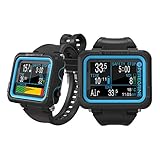
- Package dimensions: 6.69 inch L x 4.45 inch W x 4.33 inch H
- Two-button interface: simple to navigate, state-aware menu structure. 316 stainless steel buttons
- Battery life per charge is up to about 30 hours on medium brightness level
- USB wireless charging station is included
This matters because the G2 is designed to be worn continuously, not just on dive trips. The display makes it feel less like a specialized tool and more like a premium smartwatch that happens to have dive credentials.
The reduced bulk compared to metal-cased Descent Mk models, combined with the slimmer visual profile of AMOLED, also improves comfort for 24/7 wear. It’s less likely to catch on cuffs, and it doesn’t constantly announce itself as a “serious dive watch” in casual settings.
Battery Life Trade-Offs and Practical Expectations
AMOLED inevitably impacts battery life, and Garmin manages this through software rather than pretending physics don’t exist. Always-on display modes are available but significantly reduce endurance, especially when combined with frequent notifications and GPS usage.
In real-world use, most users will rely on gesture-based wake, which preserves battery while still delivering the visual benefits of AMOLED when needed. Dive mode battery life remains sufficient for multiple recreational dives between charges, but expedition-level endurance divers may still prefer MIP-based models.
Charging frequency becomes part of ownership, but Garmin’s power management is mature and predictable. For users already accustomed to charging every few days, this won’t feel like a step backward.
Positioning Within the Descent Lineup
The AMOLED display is one of the clearest signals that the G2 is not trying to replace the Descent Mk2i or future Mk-series flagships. Instead, it occupies a space between pure dive instrument and lifestyle smartwatch.
For divers who want a watch that looks modern, works seamlessly in daily life, and still delivers serious dive functionality, the G2’s display is a compelling differentiator. For those prioritizing maximum endurance, transmissive visibility, or technical dive redundancy, the older MIP-based philosophy still holds value.
What matters is that Garmin now offers both approaches within the Descent ecosystem, and the G2’s AMOLED screen is central to that expanded choice rather than a superficial upgrade.
Dive Credentials Explained: Modes, Sensors, Decompression Support, and Safety Features
The AMOLED display and lifestyle-friendly design only matter if the fundamentals hold up underwater. This is where the Descent G2 has to earn its place, not as a fashion-forward smartwatch with a depth gauge, but as a legitimate dive computer that divers can trust below the surface.
Garmin’s approach here is conservative in the right ways, carrying forward proven dive logic and sensor hardware rather than experimenting for the sake of novelty. The result is a watch that feels familiar to existing Descent users while still being approachable for divers stepping up from entry-level wrist computers.
Supported Dive Modes and Use Cases
The Descent G2 supports the core dive modes most recreational divers will actually use, including single-gas air, nitrox, gauge mode, and apnea-specific profiles. For freedivers, Garmin includes dedicated apnea and apnea hunt modes with surface interval tracking, depth alarms, and post-dive analysis that go beyond what basic freediving watches offer.
Nitrox support extends to enriched air mixes up to standard recreational limits, with user-adjustable oxygen percentages and partial pressure limits. This covers the vast majority of no-stop and light decompression recreational profiles without drifting into technical territory the G2 isn’t trying to claim.
Notably absent are trimix, CCR, and advanced multi-gas technical modes, which remain firmly in Mk-series territory. That’s a deliberate line in the sand, and for most buyers considering the G2, it’s an honest one rather than a meaningful limitation.
Sensors, Depth Accuracy, and Environmental Tracking
At the hardware level, the G2 relies on a dedicated pressure sensor for depth and ascent rate tracking, independent of the barometric altimeter used topside. Depth resolution and sampling rates are in line with modern dive computers, delivering smooth profiles without jitter or lag when changing depth.
Water temperature is recorded continuously during dives, contributing to log accuracy and post-dive analysis. While wrist-based temperature readings can lag slightly behind rapid thermocline changes, they remain consistent enough for trend tracking and dive review.
Once back on the surface, GPS integration allows entry and exit points to be tagged automatically. For shore divers, this adds practical value when revisiting sites, while boat divers benefit from accurate surface mapping without needing a separate handheld GPS.
Decompression Model and Dive Planning
Garmin continues to use its Bühlmann ZHL-16c-based algorithm with gradient factors, adapted for wrist-based dive computers. This is a widely accepted decompression framework that balances conservatism and flexibility, particularly when paired with user-adjustable conservatism settings.
Divers can tune the algorithm to match personal preference, training standards, or local dive operator expectations. That level of control is something many entry-level computers lack, and it makes the G2 feel like a serious tool rather than a locked-down consumer device.
Surface-based dive planning is integrated directly on the watch, allowing no-decompression limit previews before entering the water. When paired with the Garmin Dive app, planning and log review become significantly more readable, especially for multi-day dive trips where fatigue and nitrogen loading matter.
Safety Features and In-Dive Alerts
Safety is where Garmin’s wearable heritage quietly strengthens the dive experience. The Descent G2 delivers clear, configurable alerts for ascent rate violations, decompression ceilings, gas exposure limits, and safety stop requirements, all presented with excellent legibility thanks to the AMOLED screen.
Vibration alerts complement visual warnings, which is particularly useful in low visibility or high-task-load moments where a beep might be missed. The haptic feedback is strong enough to register through a wetsuit without becoming distracting.
Post-dive, the watch enforces a no-fly timer and tracks surface intervals automatically. These features aren’t glamorous, but they reinforce good habits and reduce the chance of user error during repetitive dive days.
Dive Logs, Analysis, and Everyday Integration
Every dive is logged automatically with depth profile, temperature, time, ascent behavior, and location data. The onboard logbook is usable in a pinch, but the real value emerges once dives sync to Garmin Dive on a smartphone.
The app provides clean visualizations, equipment tracking, and notes that help divers build a long-term record without relying on third-party platforms. For users already embedded in Garmin’s fitness ecosystem, this integration feels seamless rather than siloed.
Crucially, the G2 doesn’t force a mental shift between “dive computer” and “smartwatch” modes. Health tracking, daily activity metrics, and notifications resume naturally after surfacing, reinforcing the idea that this is a single device designed to live on the wrist full time, not just during vacations or dive weekends.
From Ocean to Office: Wearability, Case Dimensions, Comfort, and Everyday Smartwatch Performance
That sense of continuity between diving and daily life carries directly into how the Descent G2 wears on the wrist. Garmin clearly intends this to be a device you leave on after rinsing the saltwater off, rather than something that gets relegated to a gear bag until the next trip.
Case Size, Materials, and Real-World Wrist Presence
The Descent G2 lands in a size category that will feel familiar to anyone who has worn a modern Garmin outdoor watch, but it avoids the exaggerated bulk that still plagues many dedicated dive computers. The case is substantial enough to inspire confidence underwater, yet restrained enough to sit flat and stable during everyday use.
Garmin’s use of recycled ocean-bound plastics for the case isn’t just a sustainability talking point; it subtly changes the feel of the watch on the wrist. The material is slightly warmer and less cold-to-the-touch than metal, which becomes noticeable during long surface intervals or all-day wear in cooler climates.
Visually, the G2 leans more “sport instrument” than luxury timepiece, but the proportions are balanced. It doesn’t dominate the wrist in casual or office settings the way older Descent models sometimes could, especially when paired with a slimmer strap.
Comfort Over Long Days and Multi-Day Wear
Comfort is where the G2 quietly improves over traditional dive computers. The lug design and strap integration distribute weight evenly, preventing the top-heavy sensation that can develop during full-day wear or overnight sleep tracking.
The standard silicone strap is clearly dive-first, with enough length and flexibility to accommodate wetsuits and drysuits, but it’s supple enough for daily use without feeling rubbery or stiff. Quick-release compatibility also makes strap swaps easy, opening the door to nylon or fabric options that further soften the watch’s everyday presence.
For divers who wear their computer continuously on trips, including sleep and travel days, the reduced pressure points and improved balance matter more than a few millimeters on a spec sheet. This is a watch designed to stay put without constantly reminding you it’s there.
AMOLED Display in Daily Use, Not Just Underwater
While the AMOLED display grabs attention underwater, its real impact may be felt on land. Indoors and in low-light environments, the screen is crisp, high-contrast, and genuinely pleasant to interact with compared to older memory-in-pixel Garmin displays.
Rank #3

- Effortless Navigation: The Cressi Leonardo 2.0 Dive Computer features a user-friendly interface suitable for both beginners and seasoned divers. Its intuitive single-button design allows easy setting of Air, Nitrox, and Gauge modes for ultimate convenience
- Customizable Dive Experience: Adjust the FO2 between 21% and 50% and PO2 from 1.2 to 1.6 bar to tailor your dive precisely. The CNS oxygen toxicity graphic indicator enhances safety and awareness during underwater exploration
- Advanced Alert System: Stay informed with three levels of user-adjustable conservatism and distinct, audible alarms. These features ensure you never miss critical dive information, providing confidence underwater
- Versatile Measurement Options: Choose between imperial or metric units and utilize the user-selectable deep stop function for improved dive planning. This versatility makes it adaptable to any diver's preference or geographic location
- Long-lasting Power: The Leonardo is powered by a durable CR2430 button battery, ensuring extended use without frequent replacements. A clear battery life indicator keeps you informed, while an authorized Cressi center can ensure secure replacement
Notifications, calendar alerts, and health metrics are easier to parse at a glance, and watch faces finally feel more modern without sacrificing readability. Garmin has kept brightness management conservative enough to avoid constant distraction, which helps the G2 blend into daily routines rather than feeling like a glowing gadget strapped to your wrist.
The always-on mode strikes a reasonable balance between visibility and battery drain, making it viable for users who want traditional watch-like behavior throughout the day.
Everyday Smartwatch Performance and Software Experience
Outside of dive mode, the Descent G2 behaves like a full-fledged Garmin multisport smartwatch. Activity tracking, GPS performance, heart rate monitoring, and sleep metrics mirror what users expect from the brand’s higher-end outdoor lineup.
Smart features remain intentionally pragmatic rather than flashy. Notifications are reliable, music controls work as expected, and Garmin Pay support makes the G2 usable for quick errands without reaching for a phone, though this will depend on regional bank compatibility.
Battery life, while shorter than Garmin’s transflective-screen models, remains strong enough for multi-day wear with mixed activity tracking. For most users, this means charging becomes a planned habit rather than a daily annoyance, even with regular workouts and occasional dives.
Where the G2 Fits in Garmin’s Lineup for Daily Wear
The Descent G2 occupies a thoughtful middle ground in Garmin’s ecosystem. It’s more wearable and lifestyle-friendly than the larger, metal-cased Descent models, while offering far deeper dive functionality than general-purpose outdoor watches like the Fenix or Epix.
For divers who also want a credible everyday smartwatch, the G2 makes a compelling case as a single-device solution. It doesn’t try to masquerade as a dress watch, but it finally feels appropriate in environments far removed from the water, which is a meaningful shift for Garmin’s dive-focused hardware.
This balance between technical capability and daily comfort is where the Descent G2 quietly makes its strongest argument—not through radical reinvention, but through refinement that acknowledges how divers actually live with their gear between dives.
Battery Life Realities: AMOLED vs MIP, Dive Sessions, and Multi-Day Adventure Use
That refinement-focused positioning naturally raises a practical question: how the Descent G2’s AMOLED display changes the battery equation compared to Garmin’s long-standing MIP-based dive and outdoor watches.
AMOLED vs MIP: What You Gain, What You Give Up
AMOLED fundamentally shifts where power is spent. Instead of a low-drain transflective panel that relies on ambient light, the G2’s display consumes energy every time pixels are lit, especially in always-on mode and in bright conditions.
In day-to-day smartwatch use, this means the Descent G2 behaves more like an Epix than a Fenix. You trade the near-forgettable battery drain of MIP for a richer, higher-contrast interface that is dramatically easier to read indoors, at night, and during pre-dawn or post-dive checks.
The practical upside is usability rather than raw endurance. Menus are clearer, dive data is more legible at a glance, and the watch feels less like specialized equipment and more like a modern smartwatch during normal wear.
Always-On Display and Daily Wear Patterns
With always-on enabled, battery consumption becomes predictable rather than alarming. For users who wear the G2 continuously, track daily activity, receive notifications, and log a few workouts per week, charging typically becomes an every-few-days routine instead of a weekly one.
Turning off always-on display extends runtime meaningfully, especially for those who rely on wrist-raise gestures rather than constant visibility. This flexibility matters because it allows divers to tailor battery behavior to travel days, dive weekends, or normal workweeks without changing how the watch feels on the wrist.
Importantly, AMOLED standby drain is not linear. Bright watch faces, frequent notifications, and prolonged outdoor brightness all have a compounding effect that MIP users may not be accustomed to managing.
Dive Mode Battery Consumption in Real Conditions
Once submerged, the battery story improves relative to expectations. Dive mode prioritizes readability and sensor accuracy over background smartwatch features, and the display typically remains static rather than continuously refreshing.
For recreational divers logging one to three dives per day, battery impact is incremental rather than dramatic. Multiple dive days are feasible without mid-trip charging, assuming the watch starts the day with a healthy charge and isn’t simultaneously being pushed hard with GPS activities.
This is where Garmin’s dive heritage shows. The Descent G2 behaves like a dedicated dive computer first and a smartwatch second once underwater, avoiding the runaway drain that AMOLED skeptics often fear.
GPS, Surface Intervals, and Mixed-Activity Days
Battery consumption climbs more noticeably when dive days include GPS-heavy activities. Recording open-water swims, surface navigation, hikes, or travel-day tracking adds up faster on AMOLED than on MIP-based watches.
Surface intervals also matter more than most users expect. Bright sunlight combined with frequent wrist checks and notifications during downtime can quietly drain more battery than the dives themselves.
For dive trips that double as adventure travel, the G2 rewards conscious power management. Disabling unnecessary sensors, limiting always-on brightness, and using expedition-style GPS modes can stretch usable life across longer days without sacrificing critical data.
Multi-Day Adventure and Travel Reality
For multi-day adventures without reliable charging, the Descent G2 is less forgiving than Garmin’s solar-assisted or MIP-based models. It is capable, but it asks for planning rather than blind trust.
That said, the watch charges quickly enough that short top-ups—airport lounges, car adapters, portable power banks—fit naturally into modern travel routines. For most divers and outdoor users, this shifts battery anxiety from “will it last” to “when should I plug it in.”
The result is a device that aligns better with how people actually travel and dive today. The Descent G2 is not chasing extreme endurance records, but it delivers sufficient battery life to support serious diving and adventure use while prioritizing visibility, comfort, and daily usability in a way older Descent models never attempted.
Garmin Ecosystem Advantages: Dive App Integration, Training Metrics, and Platform Compatibility
Battery life and hardware choices only tell part of the Descent G2 story. Where the watch truly differentiates itself is in how deeply it plugs into Garmin’s broader software ecosystem, turning individual dives, workouts, and travel days into a single, coherent data narrative rather than isolated activities.
For divers who already live inside Garmin Connect, or are considering consolidating devices, this ecosystem cohesion is one of the G2’s strongest arguments.
Garmin Dive App: Logbook Depth Without Third-Party Dependence
The Descent G2 syncs seamlessly with the Garmin Dive app, which functions as a full-featured digital logbook rather than a basic export tool. Dive profiles, depth graphs, gas usage (where applicable), water temperature, and ascent rates are all preserved in a clean, readable format without requiring third-party subscriptions.
Importantly, the Dive app respects the reality of mixed dive travel. Surface interval tracking, repetitive dive calculations, and location tagging integrate naturally with non-dive days, avoiding the siloed feeling common with standalone dive computers that only care about time underwater.
For certified recreational divers, this lowers friction. There is no need to juggle multiple apps or manually reconcile dive data with fitness tracking later, and the G2 retains its identity as a dive-first instrument even when viewed through a smartwatch-centric lens.
Unified Health and Training Metrics Above the Surface
Once you leave the water, the Descent G2 behaves like a modern Garmin multisport watch rather than a repurposed dive computer. Training load, recovery time, VO2 max estimates, heart rate variability trends, sleep tracking, and Body Battery all feed into Garmin Connect without exclusions for dive days.
This matters more than it sounds. Diving places unique physiological stress on the body, and while Garmin is careful not to over-medicalize dive recovery, the inclusion of dive days in overall training context helps active users avoid overreaching during multi-activity trips.
For divers who also run, hike, cycle, or train between trips, the G2 avoids forcing a choice between performance metrics and dive capability. It handles both competently, even if it does not chase elite athlete specialization in either category.
Training Readiness and Real-World Utility for Active Divers
Garmin’s newer readiness metrics gain practical relevance on a dive watch like the G2. Training Readiness and recovery guidance are particularly useful on liveaboards or resort-based dive weeks, where cumulative fatigue can quietly build across repetitive dives and surface activities.
Rank #4

- Operating modes: air, nitrox, gauge and freedom modes
- Programmable for 21% to 50% oxygen mixtures
- Imperial or metric programmable, decompression stop data, audible alarms
- Back Lite display, easy to read in low light & night conditions
- Maximum depth display: 330' (100 meters)
While these metrics should never replace dive planning or conservative profiles, they provide an additional layer of situational awareness. When combined with sleep quality and resting heart rate trends, the G2 helps divers recognize when rest might be the smarter call, especially during physically demanding travel schedules.
This is where the G2 feels more holistic than traditional dive computers. It does not just log dives; it contextualizes them within the broader demands placed on the wearer’s body.
Garmin Connect: Data Density Without Overwhelm
Garmin Connect remains one of the most data-dense platforms in the wearable space, and the Descent G2 benefits directly from that maturity. Dive data, GPS tracks, fitness metrics, and daily activity coexist without one overwhelming the other.
Customization plays a role here. Users can prioritize dive metrics during trips, then shift dashboards back toward training or wellness at home, all without changing devices or workflows.
For experienced Garmin users, the learning curve is minimal. For newcomers, the depth of data can feel intimidating, but the platform rewards time invested with clarity rather than clutter.
Platform Compatibility: iOS, Android, and Sensor Support
The Descent G2 works equally well with iOS and Android, maintaining feature parity across platforms rather than reserving advanced functionality for one ecosystem. Notifications, syncing reliability, and background data transfers remain consistent regardless of phone choice.
Sensor compatibility further strengthens its position as a flexible adventure tool. Support for Bluetooth and ANT+ allows pairing with external heart rate straps, bike sensors, and compatible accessories, making the G2 viable as a primary training watch beyond diving.
This openness contrasts with more closed smartwatch ecosystems, where platform lock-in can limit how data is shared or expanded. Garmin’s approach favors modular growth rather than ecosystem control.
Daily Smartwatch Experience Without Diluting Dive Identity
Despite its dive pedigree, the Descent G2 integrates comfortably into everyday smartwatch use. Calendar alerts, weather updates, contactless payments where supported, and customizable watch faces make it viable as a daily wearer rather than a trip-only tool.
Comfort matters here. The case size and weight remain manageable for all-day wear, and strap compatibility with standard Garmin QuickFit options allows easy transitions between wetsuit-ready silicone and everyday bands without tools.
Crucially, none of this compromises the watch’s dive readiness. Dive mode remains isolated from notifications and distractions, reinforcing the sense that Garmin understands when smart features should step back.
Ecosystem Value: One Device, Fewer Compromises
Viewed in isolation, the Descent G2 is an excellent dive computer with smartwatch ambitions. Viewed within the Garmin ecosystem, it becomes a convergence device that reduces the need for backups, alternates, or redundant data platforms.
For divers already invested in Garmin hardware or software, the value proposition is straightforward. The G2 slots in naturally, extending familiar tools into the underwater world without forcing behavioral changes or learning new systems.
For those outside the ecosystem, this integration may be the deciding factor. The Descent G2 does not just make waves with AMOLED and sustainable materials; it demonstrates how a dive watch can belong fully to a broader wearable platform without losing its core purpose.
Where It Sits in the Lineup: Descent G2 vs Descent Mk2/Mk3, Epix, and Fenix
Understanding the Descent G2 requires zooming out and looking at Garmin’s broader wearable family. The G2 is not a direct replacement for the Descent Mk series, nor is it simply an Epix with dive software bolted on.
Instead, it occupies a carefully defined middle ground: a modernized, more wearable dive-first watch that borrows heavily from Garmin’s AMOLED outdoor watches while deliberately stepping back from the sheer scale and complexity of the flagship Descent models.
Descent G2 vs Descent Mk2 and Mk2i: A Shift Toward Wearability
The Descent Mk2 and Mk2i established Garmin’s reputation among serious recreational and technical divers. They are large, stainless steel or titanium instruments with a distinctly “tool watch” presence and an unapologetically bulky footprint.
By comparison, the Descent G2 feels intentionally restrained. The case is slimmer, lighter, and less top-heavy on the wrist, making it far easier to live with day to day, especially for users who do not want a dive computer that dominates their wrist outside the water.
Material choice is part of that recalibration. Where the Mk2 leans into metal and mass, the G2’s sustainable composite construction trades luxury heft for comfort, impact resistance, and lower environmental cost. It feels closer to a modern outdoor watch than a traditional dive instrument, and that is very much the point.
Functionally, the G2 covers the needs of the vast majority of recreational divers. What it gives up are the more specialized features that defined the Mk2i, such as air integration via Garmin’s Descent T1 transmitter and deeper technical expansion. For divers who require those capabilities, the Mk line remains essential.
Descent G2 vs Descent Mk3: AMOLED Without the Bulk
The Descent Mk3 represents Garmin’s no-compromise dive computer, and it shows. Larger case options, premium metal construction, extended depth ratings, and the full suite of technical dive support place it firmly at the top of the range.
The G2’s AMOLED display narrows one of the biggest historical gaps between “serious” dive computers and daily smartwatches. In practice, this means vibrant color mapping, excellent contrast underwater, and improved readability during surface intervals and everyday use.
Where the Mk3 still pulls ahead is in sheer robustness and expandability. Battery endurance during long dive trips, support for advanced gas mixes, and a more traditional professional dive aesthetic all favor the Mk3.
The G2 is best understood not as a cheaper Mk3, but as a different philosophy. It prioritizes approachability, sustainability, and comfort without abandoning Garmin’s core dive credibility.
Descent G2 vs Epix: Dive DNA Makes the Difference
On paper, the Descent G2 and Epix look closely related. Both use AMOLED displays, both emphasize fitness and outdoor tracking, and both are designed to transition seamlessly between training, adventure, and daily wear.
The difference becomes obvious the moment water enters the equation. The G2’s dive-specific hardware, pressure sensors, and decompression algorithms fundamentally separate it from the Epix, which remains a surface-only multisport watch.
For non-divers, the Epix often makes more sense. It offers longer battery life in smartwatch mode, a broader range of case finishes, and a slightly more refined everyday aesthetic. For divers, even occasional ones, the Epix simply cannot substitute for the G2.
The G2’s value lies in eliminating the need to choose between a dedicated dive computer and a premium smartwatch. That convergence is something the Epix cannot replicate, regardless of display quality or fitness depth.
Descent G2 vs Fenix: AMOLED vs Endurance and Heritage
The Fenix line remains Garmin’s endurance icon. Its transflective display prioritizes battery life and outdoor readability in harsh sunlight, and its design language leans heavily into expedition reliability.
The Descent G2 takes a different route. AMOLED transforms the user experience for mapping, dive logs, and daily interaction, but it does come with trade-offs in battery longevity compared to the Fenix, especially during always-on display use.
From a wearability perspective, the G2 feels closer to a modern smartwatch, while the Fenix retains a rugged, almost militaristic presence. Neither approach is objectively better; the choice depends on whether visual clarity and smart features outweigh ultra-long endurance.
Critically, the Fenix lacks native dive support beyond basic swim tracking. For users who split their time between land-based endurance sports and underwater exploration, the G2 becomes the more logical single-device solution.
Who the Descent G2 Is Really For
The Descent G2 is aimed at divers who want one watch to do almost everything, without the physical and financial weight of Garmin’s top-tier dive computers. It is particularly well suited to recreational divers, freedivers, and adventure travelers who value comfort, display quality, and ecosystem integration.
💰 Best Value

- ENHANCED VISIBILITY - Features a clear, high-contrast screen, ensuring effortless readability of your dive data, even in challenging underwater conditions. Stay informed and in control on every dive.
- VERSATILE GAS OPTIONS - Offers single gas Nitrox compatibility (21%-50%), allowing you to tailor your dive settings for optimal safety and performance with enriched air mixtures. Great for recreational divers.
- ADVANCED ALGORITHM - Utilizes the Buhlmann ZH-L16C algorithm with dual gradient factors, providing reliable decompression calculations for safer dives. Trust in proven technology for your underwater adventures.
- EXTENDED BATTERY LIFE - Equipped with a CR 2450 user-replaceable battery that lasts up to 100 dives, minimizing downtime and ensuring your computer is always ready for your next underwater exploration.
- SEAMLESS CONNECTIVITY - Features integrated Bluetooth, enabling effortless data transfer to your smart devices for dive log analysis and sharing. Keep track of your diving experiences with ease.
It is not designed to replace the Mk3 for technical divers, nor to outlast a Fenix on multi-week expeditions without charging. What it offers instead is balance.
In Garmin’s lineup, the Descent G2 is the hinge point between specialization and everyday usability. That positioning is what makes it one of the most strategically important dive watches Garmin has released in years.
Who the Descent G2 Is Really For: Recreational Divers, Outdoor Athletes, and Lifestyle Buyers
Understanding the Descent G2’s appeal means looking past raw specs and focusing on how it fits into real routines. This is a watch built for people who actually wear their dive computer every day, not just pack it for dive trips.
Recreational Divers Who Want One Device, Not a Gear Bag
The Descent G2 is squarely aimed at certified recreational divers who log a handful to a few dozen dives per year and don’t want a dedicated wrist computer sitting idle between trips. It supports air and nitrox diving with clear decompression data, surface interval tracking, and intuitive post-dive logs that are far easier to review on an AMOLED display than on older MIP-based dive computers.
Case size and comfort matter here. The G2 wears closer to a mainstream sports watch than a brick-like technical dive instrument, making it realistic to keep on your wrist during travel days, dinners, and flights rather than swapping watches constantly.
For divers who value clarity underwater and readability during safety stops, the AMOLED screen is a meaningful upgrade. It improves contrast for depth, NDL, ascent rate, and dive time, especially in lower-visibility conditions where older displays can wash out.
Freedivers and Apnea Enthusiasts Focused on Feedback
Freedivers will find the G2’s visual presentation particularly compelling. Depth graphs, dive time, surface intervals, and post-session summaries are easier to interpret quickly, both on the watch and later in Garmin Connect.
The lighter, more compact feel compared to larger Descent models also makes a difference during repetitive dives. Less wrist bulk reduces fatigue, and the watch remains comfortable when worn snugly over a wetsuit sleeve or directly on skin.
This is not a competition-grade freediving computer, but for training, travel, and recreational sessions, the G2 hits a sweet spot between capability and wearability.
Outdoor Athletes Who Occasionally Go Underwater
For runners, cyclists, hikers, and strength-focused athletes who also dive, the Descent G2 makes far more sense than owning separate devices. You get Garmin’s full suite of outdoor sports tracking, multi-band GPS performance, training metrics, and recovery insights without giving up true dive functionality.
Battery life reflects that balanced mission. It comfortably handles daily training and weekend adventures, but it is not built for multi-week expeditions without charging like a Fenix Solar, nor is it intended to run days of continuous dive sessions like the Mk3.
If your calendar alternates between trail runs, gym sessions, and the occasional dive trip, the G2 avoids compromise better than almost anything else in Garmin’s lineup.
Lifestyle Buyers Who Want a Watch They Can Actually Live With
The Descent G2 also targets buyers who care how their watch looks and feels outside of sports. Its AMOLED display, cleaner case design, and refined materials make it easier to wear as an everyday smartwatch without drawing the “hardcore tool watch” attention that larger dive computers attract.
Sustainable material choices add another layer of appeal for lifestyle-focused buyers. Garmin’s move toward recycled ocean-bound plastics doesn’t change dive performance, but it does matter for users who factor environmental impact into premium purchases.
Smartwatch features like notifications, music controls, health tracking, and sleep monitoring feel more at home on the G2 than on older Descent models. It behaves like a modern smartwatch first, without forgetting its underwater purpose.
Who It Is Not For
The Descent G2 is not the right choice for technical divers running trimix, staged decompression, or overhead environments. Those users still need the redundancy, battery endurance, and expanded gas support of the Descent Mk3 or a dedicated technical computer.
It also may disappoint endurance purists who prioritize maximum battery life above all else. If your adventures involve weeks off-grid with minimal charging opportunities, a Fenix with a transflective display remains the more practical tool.
The G2’s strength is balance, not extremity. It rewards users whose lives move fluidly between water, land, training, travel, and everyday wear.
First Look Verdict: Meaningful Evolution or Focused Niche Upgrade?
Seen in the context of who it is for—and just as importantly, who it is not—the Descent G2 feels less like a minor refresh and more like Garmin deliberately reshaping the entry point to its dive watch ecosystem. This is not a headline-grabbing leap in raw dive capability, but a careful rebalancing of priorities around wearability, display technology, and daily use.
The result is a watch that makes sense not just on a dive boat, but on a wrist that spends far more time above water than below.
A Clear Evolution in How a Dive Watch Is Meant to Be Worn
The shift to an AMOLED display is the most immediately transformative change. Above water, it elevates the G2 into the same visual league as Garmin’s modern lifestyle and fitness watches, with sharper data fields, richer colors, and far better readability in everyday lighting than older transflective Descent models.
Underwater, the AMOLED implementation is more conservative than flashy. High-contrast dive screens, controlled brightness, and large numeric elements keep it functional where it matters, even if it lacks the sheer endurance of Garmin’s solar-based tools.
Just as important is the physical experience. The G2’s case size, weight, and cleaner design language make it far more comfortable for all-day wear, including sleep tracking and office use, than the bulkier Descent Mk series. It wears like a serious smartwatch that happens to be dive-rated, not a dive computer trying to pass as a watch.
Sustainability as a Design Choice, Not a Gimmick
Garmin’s use of recycled ocean-bound plastics does not change how the G2 performs on a dive, but it does influence how the product feels positioned. This is a premium tool aimed at users who think about impact as well as features, and that alignment feels intentional rather than performative.
From a durability standpoint, the materials still meet Garmin’s rugged expectations. The case finishing, strap comfort, and overall build quality feel in line with other high-end Garmin wearables, reinforcing that sustainability here does not come at the expense of longevity or toughness.
It also subtly signals a shift in Garmin’s design philosophy. The G2 feels like part of a broader wearable lineup rather than a siloed specialist product.
Where the G2 Sits in Garmin’s Lineup
The Descent G2 slots cleanly between mainstream outdoor watches like the Fenix and Garmin’s flagship dive computers. It offers real recreational dive functionality, GPS-based surface tracking, and modern training metrics without demanding the compromises that full technical dive hardware requires.
Compared to the Descent Mk3, it gives up advanced gas support, extreme battery endurance, and technical redundancy in exchange for comfort, aesthetics, and a better everyday software experience. Compared to a Fenix or Epix, it adds genuine dive capability without feeling like a bolt-on afterthought.
That positioning matters. The G2 is not meant to replace Garmin’s top-tier dive computers; it is meant to make diving accessible to users who want one watch for everything they actually do.
Meaningful Evolution, but for a Defined Audience
So is this a meaningful evolution or a focused niche upgrade? The answer is both, depending on perspective. For technical divers and expedition users, the G2 changes very little about what Garmin already offers at the top end.
For recreational divers, fitness-focused users, and lifestyle buyers who want a watch they can wear every day without compromise, the G2 represents one of Garmin’s most thoughtful refinements to date. It modernizes the Descent concept in ways that directly affect comfort, usability, and how often the watch actually stays on your wrist.
The Descent G2 matters because it acknowledges a simple truth: most dive watch owners spend far more time living than diving. By designing for that reality—without abandoning credibility underwater—Garmin has created a product that feels purpose-built for real life, not just spec sheets.