If you are looking at Garmin’s ECG feature, chances are you are trying to answer a very specific question: can this watch actually tell me something meaningful about my heart, and can I trust it? That uncertainty is completely reasonable. ECG on a smartwatch sits at the intersection of consumer tech and regulated medical devices, and Garmin is deliberately careful about where it draws the line.
This section explains exactly what the Garmin ECG app is designed to do, the medical context it operates in, and why its availability depends so heavily on regulatory approval. Just as importantly, it clarifies what the app is not, so expectations are grounded before you even check whether your watch or country is supported.
The medical context: what Garmin’s ECG is designed to detect
The Garmin ECG app records a single‑lead electrocardiogram, similar in concept to the ECG found on modern Apple Watch and some Fitbit devices. It is specifically intended to analyze heart rhythm and detect signs consistent with atrial fibrillation, a common arrhythmia associated with elevated stroke risk.
This is not continuous ECG monitoring. The user manually initiates a recording that typically lasts around 30 seconds, during which the watch measures the electrical signals generated by each heartbeat using electrodes built into the case and bezel.
🏆 #1 Best Overall

- Learn to manage stress, sleep better and live healthier with Sense 2—our most advanced health and fitness smartwatch.Human Interface Input: Touchscreen
- Manage stress and live healthier: all-day stress detection with cEDA and daily Stress Management Score, ECG app for atrial fibrillation assessment(1), irregular heart rhythm notifications(2), SpO2(3), health metrics dashboard(4), mindfulness content
- Measure and improve sleep quality: personalized Sleep Profile(5), daily sleep stages & Sleep Score, smart wake alarm and do not disturb mode
- Enhance activity: built-in GPS and workout intensity map, Daily Readiness Score(5), Active Zone Minutes, all-day activity tracking and 24/7 heart rate, 40+ exercise modes and automatic exercise tracking, water resistant to 50 meters
- Designed for all-day wear: on-wrist Bluetooth calls, texts and phone notifications(6), customizable clock faces, Fitbit Pay(7), Amazon Alexa built-in(8), Google Wallet & Maps (Google Maps on Android only, coming Spring 2023 to iOS), 6+ day battery(9)
From a medical standpoint, this places Garmin’s ECG firmly in the screening category. It can help identify irregular rhythms that warrant further medical attention, but it does not diagnose disease, guide treatment, or replace professional cardiac evaluation.
How the ECG app works in practical terms
Garmin’s ECG relies on a closed electrical circuit formed between the wrist wearing the watch and the opposite hand touching the metal bezel. This configuration allows the device to capture voltage changes caused by cardiac depolarization, producing a single‑lead ECG tracing comparable to Lead I in a clinical setup.
The data is processed locally and then reviewed by Garmin’s ECG algorithm, which classifies the result into categories such as sinus rhythm, atrial fibrillation, or inconclusive. Results are stored in Garmin Connect, where users can export a PDF suitable for sharing with a healthcare professional.
The experience is intentionally structured and deliberate. You are prompted to sit still, rest your arm, and avoid movement, reinforcing that this is a focused health measurement rather than a background fitness metric.
Regulatory status: why availability depends on country
The Garmin ECG app is regulated as a medical device feature, not a general wellness tool. That distinction is critical. In the United States, it has received FDA clearance, while in Europe and other regions it requires CE marking or equivalent national regulatory approval.
Because medical device regulations vary by country, Garmin must enable ECG support on a region‑by‑region basis. This is why a compatible watch may physically support ECG hardware but still not allow activation if the feature has not been approved in your country.
Garmin enforces this through account location, phone pairing region, and software gating. This conservative approach protects the company legally, but it also ensures that users receive ECG results under the same regulatory expectations applied to other consumer medical devices.
What the Garmin ECG app is not
The Garmin ECG app is not a continuous heart monitoring system. It will not automatically catch every arrhythmia, and it cannot alert you in real time while you sleep, train, or go about your day.
It is also not a replacement for a 12‑lead clinical ECG, a Holter monitor, or physician‑interpreted diagnostics. Single‑lead ECGs provide limited electrical perspective and are blind to many structural or conduction abnormalities that doctors rely on in clinical practice.
Finally, it is not intended for users with known arrhythmias other than atrial fibrillation, implanted pacemakers, or those under active cardiac treatment, unless advised by a clinician. Garmin states this clearly to avoid misuse and misinterpretation.
Why Garmin’s conservative positioning matters
Garmin’s heritage is endurance sports, training metrics, and long‑term physiological tracking, not consumer medical disruption at any cost. The ECG app reflects that philosophy: cautious rollout, strict regulatory compliance, and clear boundaries around medical claims.
For users, this translates into a feature that is slower to arrive than competitors in some regions, but one that operates within a clearly defined medical and legal framework. When Garmin enables ECG in a country, it is because the company is confident it meets that region’s regulatory expectations.
Understanding this context sets the stage for the next questions most buyers ask: which Garmin watches actually include ECG hardware, where the feature is officially supported, and how to activate it correctly without running into regional or compatibility roadblocks.
How ECG Works on a Garmin Watch: Sensors, Electrodes and the Single‑Lead ECG Explained
With the regulatory context established, the next piece of the puzzle is the hardware and physiology behind Garmin’s ECG app. Understanding how the measurement is captured helps explain both its strengths and its very deliberate limitations.
At its core, Garmin’s ECG feature turns a sports watch into a simplified cardiac sensing instrument by using existing materials in the case and bezel in a very specific way.
The electrodes hidden in plain sight
Unlike chest straps or hospital ECG machines, a Garmin watch does not rely on sticky pads or external leads. Instead, it uses two metal contact points built into the watch itself.
One electrode is located on the stainless steel or titanium caseback, sitting flush against your wrist. The second electrode is integrated into the metal bezel or a specific conductive area on the watch’s case, depending on the model.
When you place a fingertip from your opposite hand on that metal surface, your body completes an electrical circuit across your chest. This allows the watch to detect the tiny electrical signals generated each time your heart contracts.
Why ECG requires a finger touch and stillness
This is why Garmin’s ECG readings are not passive or automatic. The system needs a stable, closed circuit between both arms to capture a usable signal.
During a reading, you are instructed to sit still, rest your arm on a surface, and lightly touch the bezel for around 30 seconds. Movement, muscle tension, or poor skin contact can introduce electrical noise that overwhelms the heart’s signal.
Garmin’s user interface actively monitors signal quality during the test, warning you if contact pressure, posture, or motion is likely to compromise the recording.
Single‑lead ECG explained in practical terms
Garmin watches record what is known as a single‑lead ECG, comparable to Lead I in a clinical 12‑lead ECG system. This lead measures electrical activity traveling horizontally across the heart, from one arm to the other.
In a hospital setting, doctors use 10 electrodes placed across the chest and limbs to view the heart from multiple angles. A watch-based ECG intentionally captures just one of those perspectives.
This limited view is still sufficient to identify irregular rhythm patterns such as atrial fibrillation, which is why regulatory bodies allow single‑lead ECGs to be used for AFib screening and detection, but not for broader cardiac diagnosis.
What the Garmin ECG app actually analyzes
Once the electrical signal is captured, the Garmin ECG app analyzes the spacing and regularity of heartbeats rather than their mechanical strength. It looks for patterns consistent with normal sinus rhythm or atrial fibrillation.
The app does not measure heart muscle health, blockages, or valve problems. It is strictly focused on rhythm irregularity, not structural disease.
After processing, the result is displayed on the watch and stored in Garmin Connect, where users can view waveform graphs, timestamps, and classifications, and export a PDF for clinical review if needed.
How sensors, materials, and fit affect accuracy
The quality of an ECG reading depends heavily on how the watch fits and what it is made from. Models that support ECG typically use metal bezels and conductive case materials specifically chosen to maintain consistent electrical contact.
A snug but comfortable fit matters. A loose watch, dry skin, or a non-conductive aftermarket strap can reduce signal clarity, even if the hardware itself is capable.
Garmin’s emphasis on rugged construction and water resistance does not conflict with ECG performance, but users should be aware that sweat, lotion, or cold skin can temporarily affect readings in real-world conditions.
Why ECG is separate from Garmin’s optical heart rate sensor
It is important to distinguish ECG from Garmin’s always-on optical heart rate monitoring. Optical sensors use green LEDs to detect blood flow changes, while ECG relies on direct electrical signals from the heart.
This is why Garmin can track heart rate continuously but only record ECGs on demand. The two systems complement each other but serve very different purposes.
Optical heart rate excels at trends, training load, and recovery insights. ECG excels at snapshot rhythm analysis under controlled conditions.
Battery life and durability considerations
Because ECG recordings are short and manual, they have a negligible impact on battery life. Even watches with multi-week endurance are not meaningfully affected by occasional ECG use.
The electrodes are passive metal surfaces rather than fragile components, so there is no added maintenance burden. ECG-capable Garmin watches retain the same durability ratings, water resistance, and outdoor reliability as their non-ECG counterparts.
From a daily usability standpoint, the ECG feature is there when you need it, without changing how the watch feels, wears, or performs as a fitness and adventure tool.
Why Garmin chose this implementation
Garmin’s approach reflects a balance between medical credibility and wearable practicality. By using integrated electrodes and on-demand testing, the company avoids false positives, unnecessary alerts, and regulatory overreach.
The result is a system that does not try to replace medical diagnostics, but provides a medically recognized rhythm snapshot when the user chooses to check. That philosophy directly shapes which watches support ECG, where it is available, and how Garmin expects it to be used responsibly.
Compatible Garmin Watches: Full List, Hardware Requirements and Design Differences That Matter
With Garmin’s conservative, medically regulated approach, ECG support is not a software feature that can be retroactively added to most existing watches. It depends on a specific combination of sensor generation, case construction, and regulatory-approved firmware, which immediately narrows the field.
This is why two Garmin watches can look similar, share the same training metrics, and even use the same app ecosystem, yet differ fundamentally in ECG eligibility.
Full list of Garmin watches that support the ECG app
As of the current Garmin rollout, the ECG app is officially supported on the following models when sold and activated in an approved country:
Rank #2
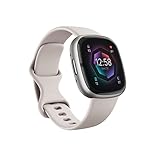
- Learn to manage stress, sleep better and live healthier with Sense 2—our most advanced health and fitness smartwatch.Operating temperature : 14° to 113° F (-10° to 45° C)..Band material type : Silicone
- Manage stress and live healthier: all-day stress detection with cEDA and daily Stress Management Score, ECG app for atrial fibrillation assessment(1), irregular heart rhythm notifications(2), SpO2(3), health metrics dashboard(4), mindfulness content
- Measure and improve sleep quality: personalized Sleep Profile(5), daily sleep stages & Sleep Score, smart wake alarm and do not disturb mode
- Enhance activity: built-in GPS and workout intensity map, Daily Readiness Score(5), Active Zone Minutes, all-day activity tracking and 24/7 heart rate, 40+ exercise modes and automatic exercise tracking, water resistant to 50 meters
- Designed for all-day wear: on-wrist Bluetooth calls, texts and phone notifications(6), customizable clock faces, Fitbit Pay(7), Amazon Alexa built-in(8), Google Wallet & Maps (Google Maps on Android only, coming Spring 2023 to iOS), 6+ day battery(9)
– Venu 2 Plus
– Venu 3
– Venu 3S
– fenix 7 Pro (42 mm, 47 mm, and 51 mm)
– epix Pro (Gen 2, all sizes)
– tactix 7 AMOLED and tactix 7 AMOLED Pro variants
These watches share the same core ECG-capable hardware platform and have received regulatory clearance for ECG functionality in supported regions. Other Garmin models may use similar displays, processors, or training features but are intentionally excluded.
Importantly, ECG support is tied to both the watch model and the country where the watch is activated, not simply where it is purchased.
The non-negotiable hardware requirements behind Garmin ECG
Every Garmin watch that supports ECG uses the Elevate Gen 5 heart rate sensor. This sensor generation adds dedicated electrical signal pathways alongside the optical LEDs used for heart rate and SpO2 tracking.
Just as critical is the physical case design. ECG requires a conductive metal bezel or electrode ring and a conductive backplate, positioned so one electrode touches the wrist while the other can be contacted by a fingertip.
Watches with polymer bezels, painted coatings, or non-conductive case designs cannot be retrofitted for ECG, even if their optical heart rate accuracy is excellent.
Why many Garmin watches with great sensors still lack ECG
This is where confusion often arises for buyers. Models like Forerunner, Instinct, Enduro, and many Approach golf watches focus on lightweight builds, long battery life, or rugged construction, often using polymer bezels or insulated case materials.
Those design choices are deliberate and beneficial for endurance sports, but they break the electrical loop required for ECG recording. Even when similar sensor modules are present, Garmin disables ECG at the firmware level if the physical design does not meet medical requirements.
This is also why ECG availability does not correlate with price alone. Some very expensive expedition or dive-focused Garmin watches still omit ECG because durability, glove compatibility, or insulation took priority.
Design differences that affect real-world ECG usability
Case size and fit matter more for ECG than many users expect. Smaller wrists tend to get more consistent ECG traces on the 42 mm or S-sized cases, where electrode contact pressure is easier to maintain.
Metal finishing also plays a role. Bare stainless steel or titanium bezels provide more reliable electrical contact than coated or DLC-heavy finishes, which is why Garmin carefully controls which finishes are approved for ECG models.
Strap choice influences results as well. A snug silicone or elastomer strap helps stabilize the watch during the 30-second reading, while loose nylon or third-party straps can lead to motion artifacts or failed recordings.
AMOLED versus MIP displays and ECG interaction
From an ECG perspective, the display type does not affect signal quality. Whether the watch uses AMOLED, as on the Venu and epix Pro lines, or memory-in-pixel on older fenix variants, the ECG process remains identical.
Where AMOLED helps is user guidance. The brighter screen makes finger placement instructions, countdown timers, and error prompts easier to follow, especially indoors or for users new to ECG recording.
Battery impact remains negligible across both display types, since ECG sessions are brief and manually initiated.
Why ECG is reserved for lifestyle and premium adventure lines
Garmin’s model selection reflects a philosophical divide. ECG is positioned as a health awareness tool for everyday wear, stress monitoring, and long-term wellness, not as a training or race-day metric.
That aligns naturally with the Venu series and with premium fenix, epix, and tactix models that blend daily wear comfort with advanced health tracking. These watches are designed to be worn continuously, which increases the likelihood of meaningful ECG use.
By contrast, ultra-light performance watches optimized for racing or multi-week expeditions are less likely to be worn 24/7, making ECG both less practical and less reliable.
What to check before buying specifically for ECG
If ECG is a deciding factor, confirm three things before purchase. First, the exact model name must match an ECG-supported variant, including Pro or AMOLED distinctions.
Second, ensure the watch will be activated in a country where Garmin’s ECG app is approved, since the feature is region-locked at setup.
Third, consider fit and materials. A well-fitting metal-bezel watch worn snugly on the wrist will always deliver more reliable ECG readings than a looser, sport-first design, regardless of price or specifications.
Country Availability Explained: FDA, CE Marking and Why ECG Is Region‑Locked
If device compatibility is the first hurdle for Garmin ECG, country availability is the second—and it’s the one that trips up the most buyers. Even with a supported watch on your wrist, the ECG app will not activate unless Garmin is legally allowed to offer it in your region.
This is not a software choice or a marketing delay. It is the direct result of how ECG features are regulated as medical devices around the world.
Why smartwatch ECG requires medical approval
Unlike heart rate, steps, or sleep tracking, ECG is classified as a regulated medical function in most countries. It makes a specific health-related determination: whether your heart rhythm shows signs consistent with atrial fibrillation.
That single diagnostic claim is enough to place Garmin’s ECG app under medical device laws. Before it can be enabled, Garmin must prove to regulators that the hardware, software, algorithms, user instructions, and error handling all meet defined safety and accuracy standards.
This approval is granted country by country, not globally, which is why availability expands gradually rather than launching worldwide at once.
FDA clearance in the United States
In the US, Garmin’s ECG app operates under FDA clearance, typically through the De Novo or 510(k) medical device pathways. The FDA evaluates how well the ECG algorithm detects atrial fibrillation, how it handles poor-quality signals, and how results are communicated to users.
The FDA also scrutinizes human factors. That includes finger placement guidance, posture instructions, and warnings that the ECG is not designed to detect heart attacks or other arrhythmias.
Once cleared, Garmin is legally allowed to activate the ECG app for users whose accounts are set up in the United States. This approval forms the foundation for Garmin’s global ECG rollout, but it does not automatically apply elsewhere.
CE marking in Europe and post‑Brexit UK approval
In the European Union, Garmin must obtain CE marking under the EU Medical Device Regulation. This process evaluates clinical evidence, risk management, data privacy, and ongoing post-market surveillance obligations.
CE approval allows Garmin to enable ECG across EU member states, but only after local language support, documentation, and regulatory registration are complete. That is why some European countries may gain access earlier than others, even under the same regulatory framework.
In the UK, ECG approval is handled separately by the MHRA following Brexit. Garmin has secured UK clearance for supported models, allowing ECG activation for users setting up their watches within the UK, independent of EU timelines.
Why ECG is region‑locked at activation
Garmin enforces ECG availability at the moment of setup rather than at purchase. During activation, the watch and Garmin Connect app check the country associated with your account and, in some cases, your phone’s region settings.
If the ECG app is not approved in that country, the feature simply does not appear—even though the hardware is identical. This lock is deliberate and legally required; Garmin cannot allow ECG use in regions where regulatory approval has not been granted.
Importantly, traveling to an approved country after setup does not reliably unlock ECG. The activation check is tied to account region and regulatory compliance, not GPS location.
Why Garmin cannot “just turn it on” everywhere
It is tempting to assume Garmin could enable ECG globally and add disclaimers. Regulators explicitly prohibit this approach.
Medical device laws require that Garmin demonstrate local compliance, provide region-specific documentation, and agree to ongoing reporting of adverse events. Skipping these steps would expose Garmin to legal penalties and force product withdrawal.
This is also why sideloading, VPN tricks, or region spoofing are unreliable and discouraged. Even if ECG appears temporarily, results may not be stored, exported, or supported—and Garmin can disable access remotely.
Countries with current and expanding availability
Garmin ECG is officially available in the United States, across much of the European Union, and in the United Kingdom following MHRA approval. Availability has expanded gradually to additional regions where regulatory frameworks align with FDA or CE standards.
Rather than relying on static country lists that can quickly become outdated, the safest approach is to check Garmin’s official ECG availability page before purchase or activation. Garmin updates this list as approvals are granted, often without changing the hardware lineup.
If ECG is critical to your buying decision, confirm country support before setting up the watch, especially if you are purchasing abroad or using an account registered outside your home country.
Rank #3
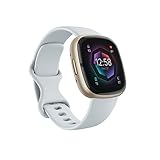
- Learn to manage stress, sleep better and live healthier with Sense 2—our most advanced health and fitness smartwatch
- Manage stress and live healthier: all-day stress detection with cEDA and daily Stress Management Score, ECG app for atrial fibrillation assessment(1), irregular heart rhythm notifications(2), SpO2(3), health metrics dashboard(4), mindfulness content
- Measure and improve sleep quality: personalized Sleep Profile(5), daily sleep stages & Sleep Score, smart wake alarm and do not disturb mode
- Enhance activity: built-in GPS and workout intensity map, Daily Readiness Score(5), Active Zone Minutes, all-day activity tracking and 24/7 heart rate, 40+ exercise modes and automatic exercise tracking, water resistant to 50 meters
- Designed for all-day wear: on-wrist Bluetooth calls, texts and phone notifications(6), customizable clock faces, Fitbit Pay(7), Amazon Alexa built-in(8), Google Wallet & Maps (Google Maps on Android only, coming Spring 2023 to iOS), 6+ day battery(9)
Age limits and medical disclaimers by region
Regulatory approval also dictates who can use ECG. In most regions, Garmin restricts ECG use to adults, typically 22 years or older, depending on local medical guidelines.
The app is designed for periodic screening, not continuous monitoring, and it cannot detect heart attacks, blood clots, or all arrhythmias. These limitations are not unique to Garmin; they are mandated conditions of approval across all consumer ECG wearables.
Understanding these constraints helps set realistic expectations and reinforces why ECG, despite its sophistication, remains an adjunct tool rather than a replacement for clinical evaluation.
How to Set Up and Activate the Garmin ECG App: Step‑by‑Step for First‑Time Users
Once you understand the regulatory boundaries and age requirements, setting up Garmin’s ECG app is straightforward, but it is more controlled than enabling a typical fitness feature. That extra structure is intentional and required for medical-device compliance.
The process happens across both the watch and the Garmin Connect smartphone app, with identity verification, consent screens, and a short guided calibration to ensure signal quality.
Step 1: Confirm device compatibility and update firmware
Before anything else, make sure your Garmin watch model supports ECG and that it is running the latest software. ECG-capable models include higher-end lines with metal bezels and conductive case components designed to act as electrodes, which is why this feature is not available on every Garmin.
Open Garmin Connect, sync your watch, and install any pending updates. ECG activation will not appear if the firmware is outdated, even in supported countries.
Step 2: Verify country and account eligibility in Garmin Connect
ECG availability is tied to the country registered on your Garmin account, not just your physical location. In Garmin Connect, check that your account region matches a country where ECG is officially approved.
If your account is registered elsewhere, ECG setup will be blocked regardless of hardware. This is why buying a watch abroad or using an older Garmin account can delay access until details are corrected.
Step 3: Navigate to the ECG app setup
In Garmin Connect, go to the device settings for your watch and look for the ECG App or Heart Health section. If your device, region, and age meet requirements, you will see an option to begin ECG setup.
Tapping this launches a guided onboarding flow that explains what ECG can and cannot detect, along with regulatory disclaimers mandated by local authorities.
Step 4: Complete identity, age, and medical consent screens
Garmin requires you to confirm your age and agree to medical disclaimers before ECG is unlocked. This includes acknowledging that ECG is a screening tool, not a diagnostic device, and that it is not intended for users with known arrhythmias unless directed by a clinician.
These acknowledgements are not optional. If you exit the process or decline consent, ECG will remain disabled on the watch.
Step 5: Ensure proper watch fit and skin contact
Accurate ECG readings depend heavily on physical contact. The watch should sit snugly above the wrist bone, with the case back flat against the skin and no looseness that would allow movement.
Metal bezels and conductive buttons act as electrodes, so dry skin, excessive wrist hair, or a loose strap can interfere with signal quality. Garmin typically recommends a silicone or well-fitted sport strap rather than a loose nylon band for ECG use.
Step 6: Perform your first guided ECG recording
After setup, the app will prompt you to take an initial ECG reading. Sit still, rest your arm on a table or your thigh, and lightly place your finger on the designated bezel or button without pressing hard.
The recording usually takes 30 seconds. During this time, the watch measures the electrical signals generated by your heart through a single-lead configuration similar to a Lead I ECG in clinical settings.
Step 7: Review results in Garmin Connect
Once complete, results sync automatically to Garmin Connect, where they are displayed as Sinus Rhythm, Atrial Fibrillation, or Inconclusive. You can view heart rate data, waveform graphs, and timestamps for each reading.
Garmin allows you to export ECG reports as a PDF, which can be shared with a healthcare professional. This export capability is a key reason region approval matters, as unsupported regions may restrict data storage or sharing.
Common setup issues and how to avoid them
If ECG does not appear after setup, the most common causes are unsupported account regions, incomplete firmware updates, or age restrictions. Logging out of Garmin Connect or attempting to bypass region checks will not resolve these issues and can delay future access.
Signal errors during recording are usually related to movement, poor skin contact, or cold, dry skin. Repositioning the watch, warming the wrist, or slightly tightening the strap typically resolves these problems.
Battery, durability, and daily usability considerations
Taking an ECG has minimal impact on battery life compared to GPS activities or continuous pulse oximetry. Even on AMOLED-equipped models, ECG recordings consume only a small fraction of daily power.
Because ECG relies on physical contact rather than optical sensors alone, it remains reliable across sweat, tattoos, and varying skin tones, provided the watch is worn correctly. This makes it practical for everyday health checks rather than occasional novelty use.
Using the ECG App in Real Life: How to Take a Reading, Best Practices and Common Errors
Once the ECG app is enabled, using it day to day is intentionally simple, but the quality of the result depends heavily on how and when you take a reading. Garmin designed the experience to fit into normal life rather than a clinical setting, yet it still follows strict electrical measurement principles that reward good technique.
How to take an ECG reading step by step
Start the ECG app directly from the watch, not during an activity or immediately after intense exercise. Sit down, relax your shoulders, and rest the arm wearing the watch on a table, armrest, or your thigh to minimize muscle movement.
With the watch snug on your wrist, lightly place a fingertip from your opposite hand on the metal bezel or button specified by Garmin for your model. You are completing an electrical circuit between both arms, which is why contact quality matters more than pressure.
The recording lasts around 30 seconds. During this time, breathe normally, avoid talking, and keep your arm still until the progress ring completes and the watch confirms the measurement is finished.
Understanding what the ECG app is actually measuring
Garmin’s ECG uses a single-lead configuration comparable to a clinical Lead I ECG, measuring electrical signals across the chest via the wrists. This allows the algorithm to analyze heart rhythm regularity, not structural heart health or oxygen delivery.
The app is specifically designed to detect signs consistent with atrial fibrillation in adults, alongside normal sinus rhythm. It cannot diagnose heart attacks, detect all arrhythmias, or replace multi-lead clinical ECGs used in hospitals.
This narrow focus is also why regulatory approval matters so much. Garmin’s algorithms, thresholds, and reporting formats are locked to the standards cleared by authorities such as the FDA or CE bodies in supported countries.
Best times and conditions for accurate readings
The most reliable readings are taken when your heart rate is stable, such as in the morning, during quiet evenings, or when you feel symptoms like palpitations at rest. Taking an ECG immediately after running, strength training, or caffeine intake increases the likelihood of inconclusive results.
Wrist temperature plays a bigger role than many users expect. Cold skin reduces electrical conductivity, so warming your hands or taking the reading indoors improves signal quality.
Strap fit also matters. The watch should be secure enough that the back sensor maintains full skin contact, but not so tight that it restricts circulation or causes discomfort during the 30-second measurement.
Interpreting results in Garmin Connect
After syncing to Garmin Connect, results are labeled as Sinus Rhythm, Atrial Fibrillation, or Inconclusive. Garmin deliberately avoids overly granular classifications to reduce false reassurance or unnecessary alarm.
Waveform graphs are provided for context and clinician review, not for self-diagnosis. Small irregularities, noise, or brief signal dropouts can look dramatic on a graph but still fall within normal limits.
Exporting a PDF report is one of the most practical features. Doctors are far more likely to engage with standardized ECG summaries than screenshots or anecdotal descriptions of symptoms.
Common errors that lead to failed or inconclusive readings
Movement is the most frequent cause of recording failure. Even subtle actions like adjusting posture, tapping a foot, or flexing the fingers can introduce electrical noise that confuses the algorithm.
Poor contact is another major issue. Dry skin, loose straps, or resting your finger too lightly on the bezel can break the circuit. Slightly moistening the fingertip or adjusting strap tension often resolves this instantly.
High or irregular heart rates outside the app’s validated range can also trigger inconclusive results. This is expected behavior, not a malfunction, and reflects the app staying within its regulatory limits.
Real-world usability across Garmin watch designs
On larger, sport-focused models with titanium or stainless steel bezels, contact points are easy to locate and comfortable to use. Smaller AMOLED lifestyle watches may require more deliberate finger placement, especially if you have larger hands.
ECG sessions have negligible impact on battery life, even on models with high-resolution displays. From a daily usability standpoint, the feature feels more like checking heart rate than running a GPS activity.
Rank #4

- 1.59in l x 1.59in w x 0.49in h. ECG, stress sensing and a skin temperature sensor. Get notifications for calls, texts, calendar events and apps like Gmail and Facebook plus send quick replies and voice replies right from your wrist.
- Compatibility: Apple iOS 12.2 or higher, Android OS 7.0 or higher, Syncing range: Up to 30ft, Music control via Bluetooth Classic on Android and Bluetooth LE on iOS devices.
- Built-in GPS + GLONASS, Speaker, Microphone, Multi-path optical heart rate sensor, IR sensors for oxygen saturation (SpO2) monitoring
- Water-resistant to 50 meters. Battery life up to 6+ days. Heart rate tracking technology. Saves 7 days of detailed motion data minute by minute.
- International Model - No warranty in the US. In Box: Fitbit Versa 3, Classic wristband (both small & large), Charging cable
Materials and finishing matter indirectly. Metal bezels and buttons conduct electricity more consistently than coated plastics, which is one reason ECG support is limited to specific Garmin models rather than the entire lineup.
What the ECG app is not designed to do
Garmin is clear that the ECG app is not a continuous monitoring tool. It does not passively scan for arrhythmias in the background and will not alert you unless you actively take a reading.
It is also not approved for users under the minimum age requirement or those with implanted cardiac devices. Attempting to bypass these safeguards can lead to unreliable results and revoked access if regional compliance checks fail.
Used correctly, the ECG app is best thought of as a high-quality snapshot tool. It adds medical-grade context to symptoms or routine health checks, but it works alongside, not instead of, professional cardiac care.
Understanding Your Results: Sinus Rhythm, Atrial Fibrillation and Inconclusive Readings
Once you complete a 30‑second ECG recording, the Garmin ECG app classifies the electrical pattern it captured into one of a small number of clinically defined categories. This deliberate simplicity is part of how the feature meets FDA and CE regulatory requirements while remaining usable on a wrist-worn device.
Interpreting these results correctly matters just as much as taking a clean reading. Each label reflects what the algorithm can reliably detect from a single‑lead ECG, not a full diagnostic picture of your heart health.
Sinus Rhythm: what a normal result actually means
A Sinus Rhythm result indicates that your heart is beating in a regular pattern, with electrical signals originating from the sinoatrial node as expected. The ECG waveform shows consistent spacing between beats, with no signs of irregular rhythm within the app’s validated heart rate range.
This is the outcome most users will see most of the time, particularly at rest and without symptoms. It suggests that, during that brief measurement window, there was no evidence of atrial fibrillation or another irregular rhythm the algorithm is designed to detect.
It is important to understand the limits here. A Sinus Rhythm result does not rule out all heart conditions, nor does it guarantee that irregular rhythms never occur outside the 30‑second snapshot. From a practical standpoint, think of it as reassurance for that moment, not a clean bill of cardiac health for the day or week.
Atrial Fibrillation: how Garmin detects AFib on the wrist
If the app reports Atrial Fibrillation, it has identified an irregular heartbeat pattern with inconsistent timing between beats, without the normal repeating structure seen in sinus rhythm. This aligns with how AFib presents electrically and is the specific condition Garmin’s ECG app is regulated to identify.
AFib results should be taken seriously, even if you feel fine. Many people with atrial fibrillation are asymptomatic, and wrist-based ECG tools are often the first prompt that leads them to seek medical evaluation.
Garmin allows you to save and export the ECG PDF directly from Garmin Connect. Sharing this with a healthcare professional provides useful context, including the timestamp, heart rate, and waveform, although clinicians will typically confirm the finding with a multi‑lead clinical ECG or longer-term monitoring.
Inconclusive readings: why they happen and what to do next
An Inconclusive result means the app could not confidently classify the ECG recording. This does not imply that something is wrong with your heart, nor does it mean the watch malfunctioned.
Common triggers include excessive movement, poor skin contact, heart rates that are too high or too low, or rhythms that fall outside the algorithm’s approved detection scope. Environmental factors like cold, dry skin or a loose strap are frequent culprits in everyday use.
When this happens, Garmin recommends retaking the ECG under calmer conditions, adjusting strap fit, or lightly moistening your fingertip. If inconclusive results persist alongside symptoms such as dizziness, palpitations, or shortness of breath, that pattern itself is worth discussing with a medical professional.
Why Garmin limits result categories by design
Unlike hospital ECG systems that use 12 leads and continuous monitoring, Garmin’s implementation relies on a single electrical pathway across the wrist and finger. Regulatory approval is granted only for conditions that can be reliably detected within those constraints.
As a result, the app does not label other arrhythmias, heart block patterns, or signs of ischemia. Those signals may be present in the waveform, but they are intentionally not interpreted to avoid false reassurance or unnecessary alarm.
This conservative approach reflects medical-device regulation rather than a lack of technical ambition. By staying narrowly focused, Garmin delivers results that are meaningful, repeatable, and appropriate for a consumer wearable used in real-world conditions.
Putting ECG results into daily wearable use
From a usability perspective, ECG results integrate cleanly into Garmin’s broader health ecosystem. They sit alongside resting heart rate, HRV status, sleep data, and stress tracking, adding context rather than competing with those metrics.
On watches designed for long wear, with curved cases, balanced weight, and breathable straps, taking an ECG feels natural rather than clinical. The experience is closer to checking a training metric than performing a medical test, which encourages responsible, consistent use.
Understanding what each result means helps keep expectations realistic. The Garmin ECG app is a powerful addition to the smartwatch toolkit, provided it is viewed as a regulated screening aid rather than a diagnostic endpoint.
Battery Life, Wearability and Durability Impacts of ECG‑Enabled Garmin Watches
Because Garmin frames ECG as an on‑demand health check rather than a background medical monitor, its presence has a subtler impact on daily wear than many users initially expect. The practical trade‑offs show up not just in battery specs, but in how these watches are built, worn, and trusted during long‑term use.
Battery life: why ECG barely dents Garmin’s endurance advantage
Unlike continuous heart rhythm monitoring, Garmin’s ECG app activates the electrical sensor only during a 30‑second manual recording. In real‑world use, even frequent ECG checks have a negligible effect on overall battery life compared with GPS workouts, AMOLED brightness, or Pulse Ox tracking.
On ECG‑enabled models such as the Venu series or select Fenix and Epix variants, battery estimates remain essentially unchanged in everyday smartwatch mode. This is a deliberate design choice that preserves Garmin’s reputation for multi‑day or multi‑week endurance, especially when compared with platforms that rely more heavily on always‑on health sensing.
Where users may notice indirect impact is during setup and software updates. The ECG feature requires secure background services and regulatory safeguards, but once enabled, it behaves like any other lightweight health app rather than a persistent drain.
Wearability and strap fit: ECG accuracy depends on comfort
The physical act of taking an ECG reinforces why Garmin prioritises balanced cases and stable fit. For accurate readings, the watch must sit snugly against the wrist, with consistent skin contact, without cutting off circulation or feeling restrictive during all‑day wear.
Garmin’s mid‑to‑high‑end designs typically use fibre‑reinforced polymer cases, titanium bezels, or stainless steel housings to keep weight controlled. Even larger models in the Fenix family distribute mass well, reducing micro‑movement that can introduce noise into ECG recordings.
Strap choice matters more than most users realise. Silicone and fluoroelastomer bands tend to deliver the most reliable electrode contact, while loose nylon or third‑party leather straps can increase the chance of inconclusive readings unless adjusted carefully before measurement.
Case design, materials, and electrode integration
Adding ECG capability does not mean adding visible hardware bulk. Garmin integrates the electrodes into the stainless steel or titanium bezel and the rear sensor array, preserving water resistance ratings and case integrity.
From a durability perspective, this integration is critical. ECG‑enabled watches retain the same 5 ATM to 10 ATM water resistance found on their non‑ECG counterparts, allowing swimming, showering, and heavy sweat exposure without compromising the electrical contacts.
The finishing also plays a role in long‑term comfort. Smooth chamfered edges around the bezel electrode reduce skin irritation during extended wear, which is especially important for users who sleep with the watch on and take ECG readings first thing in the morning.
Durability in training and outdoor environments
Garmin’s ECG watches are not lifestyle‑only health devices. They are designed to withstand trail running, strength training, cycling, and expedition use without requiring special treatment because of the ECG hardware.
Sapphire crystal options on Epix and Fenix models add scratch resistance that protects both the display and the integrated electrode ring. This matters because surface damage around the bezel can affect skin contact over time if left unchecked.
Temperature swings, sweat salinity, and repeated rinsing do not meaningfully degrade ECG performance when the watch is properly maintained. Regular cleaning of the caseback and bezel is enough to keep signal quality consistent, even after years of heavy use.
Long‑term wear and skin tolerance
Because ECG encourages periodic finger‑to‑bezel contact, skin comfort becomes part of the experience. Garmin’s use of biocompatible materials and nickel‑free contact surfaces helps minimise irritation, even for users with sensitive skin.
For those wearing their watch 23 to 24 hours a day, rotating strap positions or swapping bands occasionally can improve comfort without affecting ECG reliability. This approach aligns with Garmin’s broader philosophy of continuous health tracking that coexists with athletic training rather than interrupting it.
Importantly, ECG does not demand behavioural changes like charging twice daily or removing the watch during workouts. It fits into the same wear patterns users already follow, reinforcing that the feature is an extension of the watch’s health toolkit, not a lifestyle constraint.
Value perspective: ECG without sacrificing Garmin’s core strengths
From a buyer’s standpoint, the key takeaway is that Garmin did not trade battery life, ruggedness, or comfort to add ECG. The feature layers onto watches that already prioritise durability, long wear, and training reliability.
For users deciding between Garmin and more health‑centric smartwatch ecosystems, this balance matters. ECG is present when needed, medically regulated, and easy to access, yet it never dominates the ownership experience or undermines the qualities that make Garmin watches dependable day after day.
Limitations and Medical Caveats: How Garmin ECG Compares to Clinical ECGs and Apple Watch
All of the durability and long‑term wear advantages discussed earlier also frame where Garmin’s ECG sits medically. It is a serious health feature, but it remains a consumer diagnostic aid rather than a replacement for clinical testing or physician oversight.
Understanding those boundaries is essential for using the feature responsibly and for choosing between Garmin and alternative smartwatch ecosystems.
💰 Best Value

- TIMELESS DESIGN – Hybrid smartwatch with analog hands and digital health tracking. Stainless steel case with sapphire glass for durability. Available in multiple sizes and finishes.
- 35 DAYS BATTERY LIFE– Built for the long run with up to 35 days of continuous use on a single charge. Provides uninterrupted daily and nightly health tracking with extended power.
- HEALTH MONITORING– 30s medical-grade ECG and continuous heart rate tracking with AFib detection via the Withings ECG App. Includes high and low heart rate notifications.
- SLEEP, WORKOUT & RECOVERY INSIGHTS – rack sleep stages, breathing, and over 40 sports with VO₂ max and heart rate zones. Get a Vitality Score and 1 month of Withings+ for personalized insights.
- COMPATIBILITY & PROPRIETARY OS – Seamlessly connects to Android and iOS via the Withings App. Powered by our HealthSense OS with on-device machine learning for precise health metrics.
Single‑lead ECG versus clinical multi‑lead systems
Garmin’s ECG app records a single‑lead electrocardiogram, equivalent to a Lead I reading in a hospital setting. This captures electrical activity across the chest from one direction, which is sufficient for identifying atrial fibrillation but limited for broader cardiac assessment.
By contrast, clinical ECGs use 12 leads placed across the chest and limbs to view the heart from multiple angles. This allows clinicians to detect ischemia, heart attacks, conduction block patterns, and structural abnormalities that a smartwatch ECG simply cannot see.
As a result, a normal ECG result on a Garmin watch does not rule out heart disease, chest pain causes, or rhythm disorders beyond AFib. Garmin is explicit in positioning the app as a screening and awareness tool, not a diagnostic instrument.
What Garmin ECG can and cannot detect
The Garmin ECG app is cleared to detect atrial fibrillation and sinus rhythm only. It does not identify atrial flutter, ventricular arrhythmias, premature beats, or pauses, even if those are present during the recording.
If an irregular rhythm falls outside AFib criteria, the app may return an inconclusive result rather than a false classification. While this can feel frustrating, it is a conservative design choice that prioritises medical safety over over‑reporting conditions.
Users experiencing symptoms like dizziness, chest discomfort, or fainting should not rely on repeated ECG attempts for reassurance. In those scenarios, Garmin’s own guidance is clear: seek medical evaluation regardless of smartwatch readings.
Signal quality, body factors, and real‑world limitations
ECG accuracy depends on clean electrical contact between skin and electrodes. Cold skin, dry conditions, excessive movement, or poor finger placement on the bezel can all degrade signal quality and lead to inconclusive results.
Physiological factors also play a role. Low heart rates, high heart rates, implanted pacemakers, certain medications, and known arrhythmias can interfere with algorithm interpretation.
These constraints are not unique to Garmin, but they highlight why ECG works best when taken calmly, seated, and without rushing. The rugged case materials and sapphire options help maintain electrode integrity, yet biology still sets the limits.
Medical regulation and age restrictions
Garmin ECG availability is governed by regulatory approvals such as FDA clearance in the US and CE marking in Europe. This means the feature is region‑locked until health authorities approve its use, even if the hardware itself is identical worldwide.
The ECG app is intended for adults, typically users aged 22 or older depending on region. It is not validated for children, pregnant users, or those with known arrhythmias other than AFib.
These constraints reflect regulatory caution rather than technical shortcomings, but they do affect who can realistically rely on the feature today.
How Garmin ECG compares to Apple Watch ECG
Functionally, Garmin and Apple Watch ECGs operate on the same medical principle: a single‑lead, on‑demand recording with AFib detection. In controlled conditions, their medical accuracy is broadly comparable because both follow the same regulatory and clinical standards.
The differences emerge in ecosystem philosophy rather than raw ECG capability. Apple leans heavily into continuous background AFib notifications and tight integration with iOS health records, while Garmin emphasises manual ECG checks integrated into a broader training and recovery platform.
Garmin’s advantage remains battery life and wear continuity. Users can wear a Fenix or Epix for days or weeks without charging, making ECG a low‑friction add‑on rather than a feature that competes with daily usability.
Battery life, usage patterns, and opportunity cost
Unlike Apple Watch, Garmin does not perform passive ECG sampling throughout the day. ECG readings are initiated manually, which preserves battery life but limits opportunistic rhythm detection.
This design choice aligns with Garmin’s focus on endurance, outdoor reliability, and long‑term wear. For athletes, hikers, and users who value uninterrupted tracking across sleep, training, and travel, this trade‑off often feels justified.
However, users seeking constant rhythm surveillance may find Apple’s approach more reassuring, even if it comes with shorter battery life and more frequent charging.
Why smartwatch ECGs should never delay care
Perhaps the most important caveat is behavioural rather than technical. Smartwatch ECGs can falsely reassure users or, conversely, provoke anxiety when results are inconclusive.
Garmin positions ECG as an informational checkpoint, not a decision‑maker. Any concerning symptoms, persistent irregularities, or repeated inconclusive readings warrant professional evaluation regardless of what the watch reports.
Used correctly, Garmin ECG enhances awareness and supports informed conversations with healthcare providers. Used as a substitute for medical care, it risks becoming a distraction rather than a benefit.
Who Should (and Shouldn’t) Buy a Garmin ECG‑Enabled Watch: Practical Buying Advice
All of these trade‑offs lead to the same question: does Garmin’s ECG implementation actually make sense for you as a buyer, or is it a nice‑to‑have riding on top of other priorities?
The answer depends less on medical anxiety and more on how you already use a smartwatch day to day.
You should consider a Garmin ECG watch if you value long‑term wear and holistic health tracking
Garmin ECG makes the most sense for users who already wear their watch nearly 24/7. Long battery life, strong sleep tracking, and continuous heart‑rate monitoring mean the ECG feature fits naturally into an always‑on health profile rather than standing alone.
Endurance athletes, outdoor enthusiasts, and people who train multiple times per week benefit from the context Garmin provides. An ECG result can be viewed alongside resting heart rate trends, HRV status, sleep quality, stress scores, and recent training load, which often makes the data more meaningful than a single snapshot.
From a physical standpoint, Garmin’s larger case sizes, lightweight polymer or titanium builds, and breathable silicone or nylon straps are designed for extended wear. Even models like Fenix or Epix, which are substantial on paper, distribute weight well enough to remain comfortable overnight.
You are a good fit if you want ECG for reassurance, not constant monitoring
Garmin’s ECG app is intentionally user‑initiated. That suits people who want occasional reassurance during periods of stress, illness, or unexplained palpitations, without feeling monitored all day.
If you are the type of user who prefers to check in deliberately rather than receive automated health alerts, Garmin’s philosophy aligns well. The experience is calm, guided, and deliberately conservative, with results stored clearly in Garmin Connect for later reference or export.
This approach also reduces false alarms. For many users, fewer notifications translate into lower health anxiety and better long‑term adherence to wearing the device.
You should think twice if continuous AFib alerts are your top priority
If your primary goal is passive, background detection of irregular heart rhythms, Garmin may not be the best choice. Apple Watch currently offers broader automatic AFib notifications that run without user input.
Users with known arrhythmias, or those under physician guidance to monitor rhythm continuously, may feel better supported by a platform that prioritises background alerts over battery longevity.
Garmin’s ECG can support awareness, but it is not designed to replace medical monitoring plans or clinical follow‑up.
ECG alone should not drive your buying decision
It is important to be blunt: ECG capability should never be the sole reason to buy a specific Garmin model. The ECG experience is broadly similar across supported watches, so choosing based on screen type, battery life, training features, and comfort matters more.
For example, Epix offers a vivid AMOLED display that excels indoors and for daily wear, while Fenix prioritises outdoor readability and longer battery endurance. Venu models feel slimmer and more lifestyle‑oriented, with lighter cases and simpler training depth.
Think about how the watch will feel on your wrist at 11pm, not just what it can measure at 11am.
Regional availability and software support matter more than hardware
Garmin ECG functionality is region‑locked due to regulatory approvals. Owning compatible hardware does not guarantee access unless your country is officially supported and your Garmin account is registered accordingly.
Before buying, confirm ECG availability in your region and understand that enabling it requires software updates, app pairing, and a short guided setup. Garmin does not support unofficial workarounds, and features may be disabled if regional rules change.
This makes ECG a bonus feature rather than a guaranteed long‑term entitlement.
Who should skip ECG‑enabled Garmin models entirely
If you rarely wear a watch overnight, charge daily without issue, or mainly want smart features like voice assistants, LTE connectivity, or deep phone integration, Garmin’s strengths may feel mismatched.
Similarly, users who want medical‑grade diagnostics or real‑time clinical alerts should look beyond consumer wearables altogether. No smartwatch ECG, Garmin included, replaces a physician, a Holter monitor, or a 12‑lead ECG.
In these cases, paying extra for ECG hardware may deliver little real‑world value.
The bottom line
A Garmin ECG‑enabled watch is best viewed as a confidence‑building health tool layered onto an already excellent fitness and endurance platform. It rewards consistent wear, patient interpretation, and users who value battery life and training insight over constant alerts.
If that sounds like you, ECG becomes a meaningful addition rather than a headline gimmick. Used thoughtfully, it enhances awareness without dominating the experience, which is exactly how Garmin intends it to be used.